tag > Technology
-
China, post-virus, will invest 34 trn yuan (equivalent to 34% of 2019 GDP) on "new infra" - 5G, UHV, intercity high-speed railway, new energy vehicles, big data centers, AI (via)
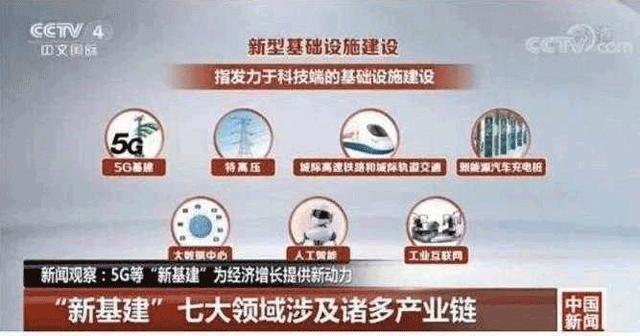
As of March 1, 13 provinces and municipalities have released a list of investment plans for key projects in 2020. The investment list includes a total of 10,326 projects, totaling 33.83 trillion yuan; another 8 provinces announced annual investment, totaling about 2.79 trillion yuan.
-
German state bans Office 365 in schools, citing privacy concerns
Schools in the German state of Hesse will no longer be able to use Microsoft’s Office 365 thanks to the EU’s GDPR rules, the state’s data protection commissioner has ruled. The Next Web reports that the issue arose after Microsoft closed its German data center in August last year, creating the potential risk for its users’ data to be accessed by US authorities. Cloud solutions from Google and Apple are also affected.
-
"As a general trend, we’re not getting faster software with more features. We’re getting faster hardware that runs slower software with the same features" - Software Disenchantment (via)
-
The GNU Manifesto - by Richard Stallman (1985)
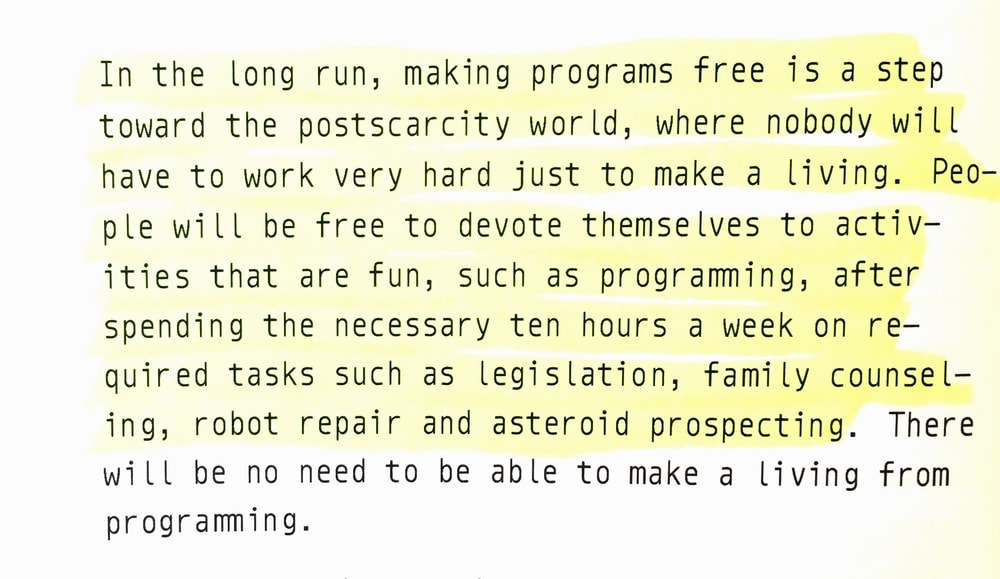
The GNU Manifesto opens with an explanation of what the GNU Project is, and what is the current progress in creation of the GNU operating system. The manifesto lays a philosophical basis for launching the project, and importance of bringing it to fruition — proprietary software is a way to divide users, who are no longer able to help each other. Stallman refuses to write proprietary software as a sign of solidarity with them. (via)
30 years of the GNU manifesto written by Richard Stallman - by phoneia
-
Revolution OS - Documentary about Open Source
-
Open Letter to Hobbyists - by Bill Gates (1976)
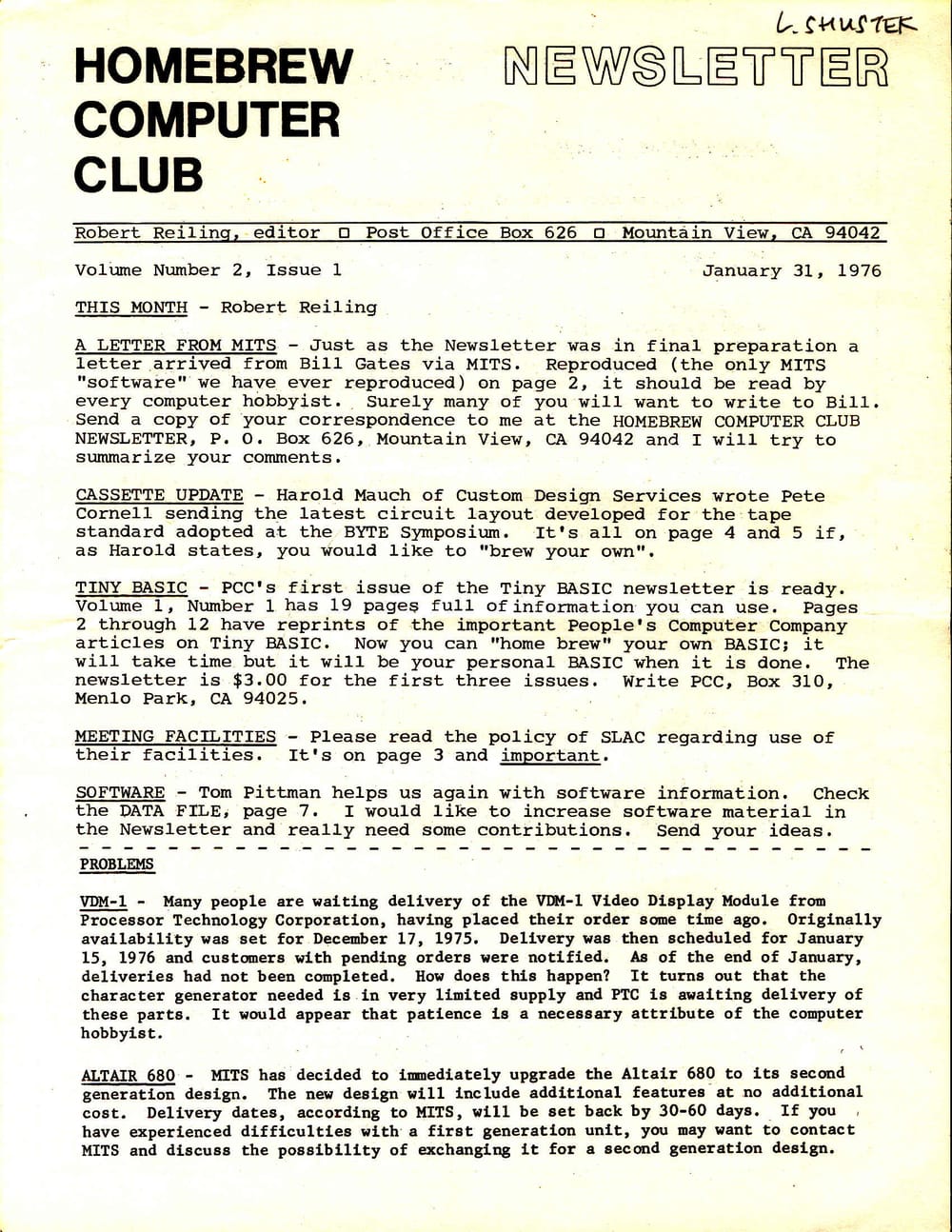
The Open Letter to Hobbyists was a 1976 open letter written by Bill Gates, the co-founder of Microsoft, to early personal computer hobbyists, in which Gates expresses dismay at the rampant software piracy taking place in the hobbyist community, particularly with regard to his company's software. In the letter, Gates expressed frustration with most computer hobbyists who were using his company's Altair BASIC software without having paid for it. He asserted that such widespread unauthorized copying in effect discourages developers from investing time and money in creating high-quality software. He cited the unfairness of gaining the benefits of software authors' time, effort, and capital without paying them.
-
Bullshit Alert: Citroën rolls out accessible-to-all Ami car that works "just like a smartphone"
#Comment: Electric or Gasoline, Tiny or Big - A car is a car is a car. Compared with public transport (trams etc. which they compete against), the passenger density of a car is horrendous. The incredibly high accident/death ratio of cars won't change due to such new form-factors either (maybe on the contrary), the same is true for traffic congestion. Plus such "cheap tiny throwaway elector cars" will clearly have a substantial environmental impact, just at a different position in the supply chain then gasoline cars. The designers, engineers and managers of such "innovations" clearly suffer from a radical lack of imagination and compassion.
-
Big Tech Is Testing You (newyorker)
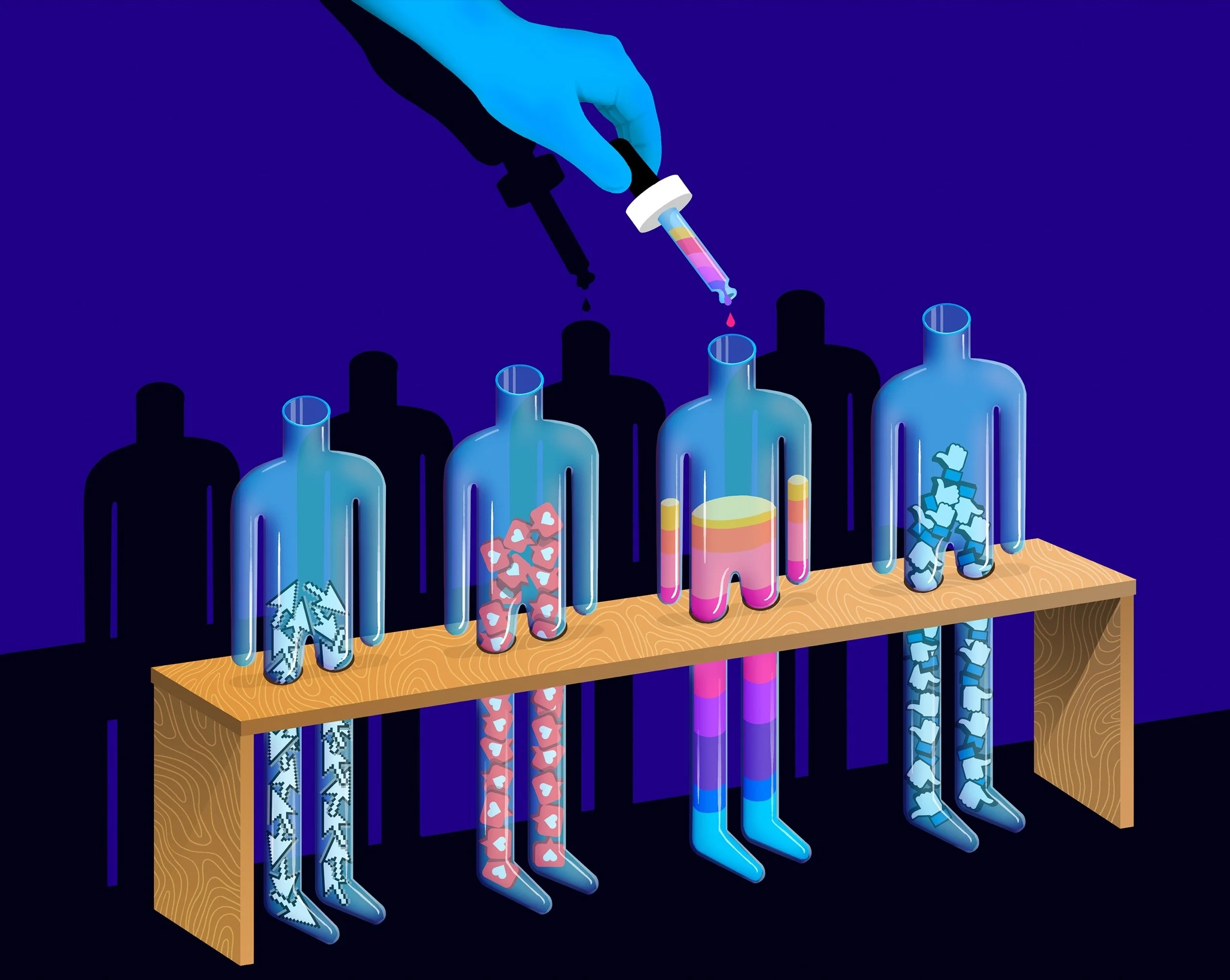
Large-scale social experiments are now ubiquitous, and conducted without public scrutiny. [...] There’s untold good that can be done by experimentation in the digital age. It can help us to identify ways of promoting healthier life styles. But where these experiments are being done away from public scrutiny, the ethos of science is compromised. The Big Tech companies can tell us their findings. I’m just not sure it’s enough to take their word for it.
-
The @EU_Commission just presented their strategy to shape Europe‘s digital future. See this summary by @AlexandraGeese

On the digital strategy: „Information and communication technologies are expected to achieve 10% of the overall reduction in CO² emissions in all sectors by 2030, i.e. one fifth of the 50 percent reduction envisaged in the Green New Deal. This is a good start, but does not exploit the technical potential.“
-
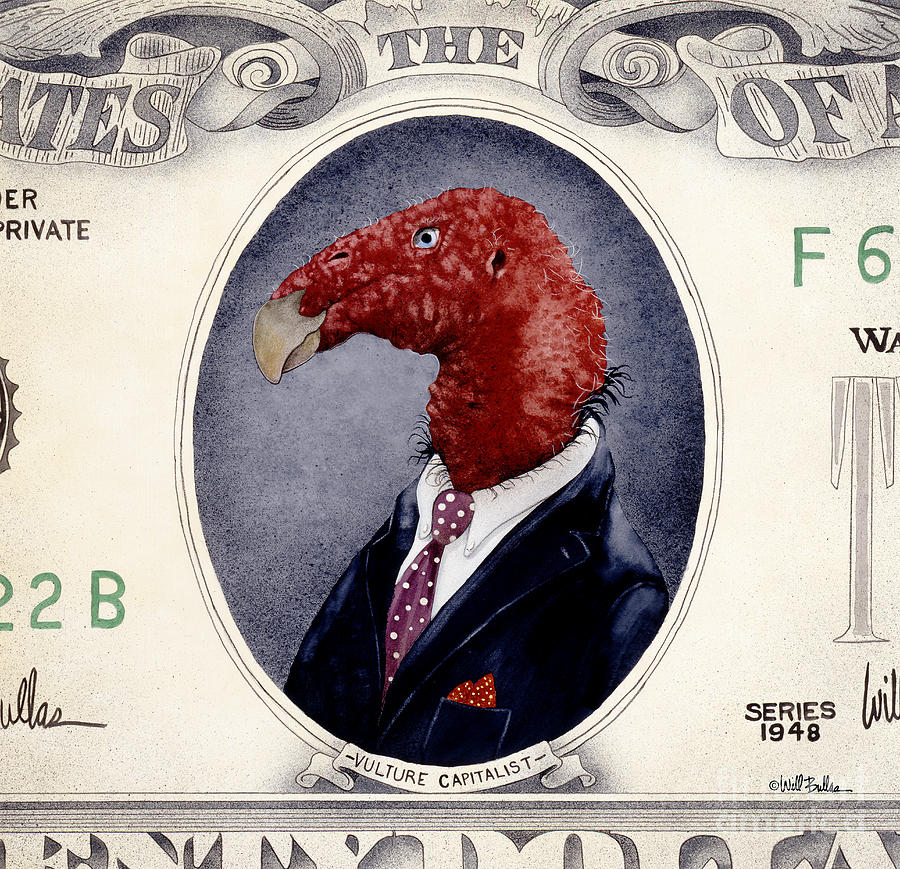
Republican mega-donor buys stake in Twitter and seeks to oust Jack Dorsey - Billionaire Paul Singer has taken a ‘sizable stake’ and intends to ‘push for changes’
-
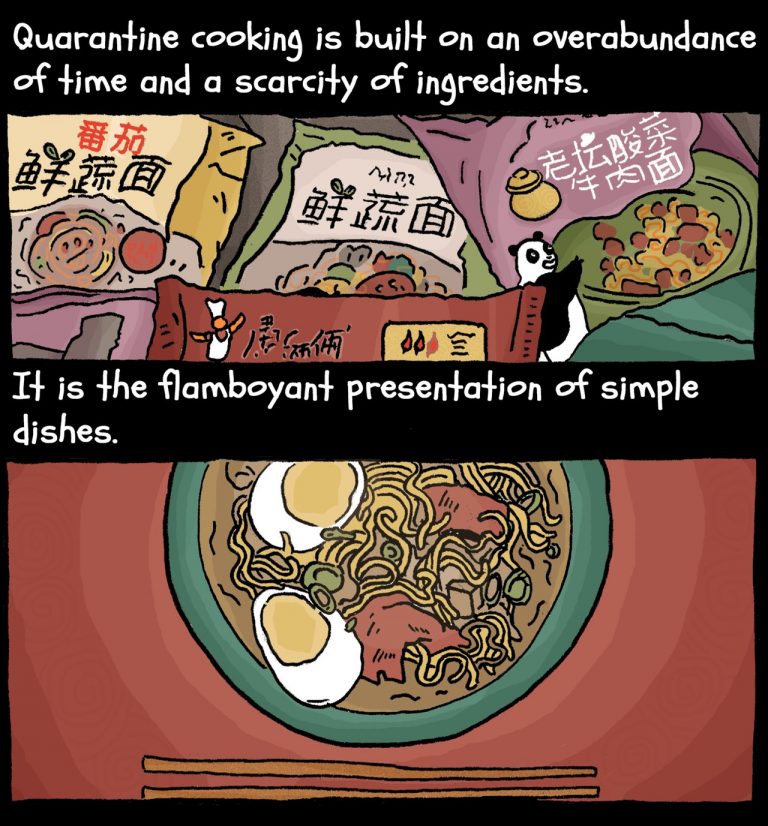
Coronavirus side-effect: Transformation of China’s business models, logistics, and service delivery - by Niti Bhan
Just the way the SARs epidemic kicked off China’s e-commerce revolution back in 2003, the ongoing COVID-19 containment strategies maybe triggering an even larger transformation of the Chinese economic ecosystem.
-
Towards fungal computer - by Andrew Adamatzky
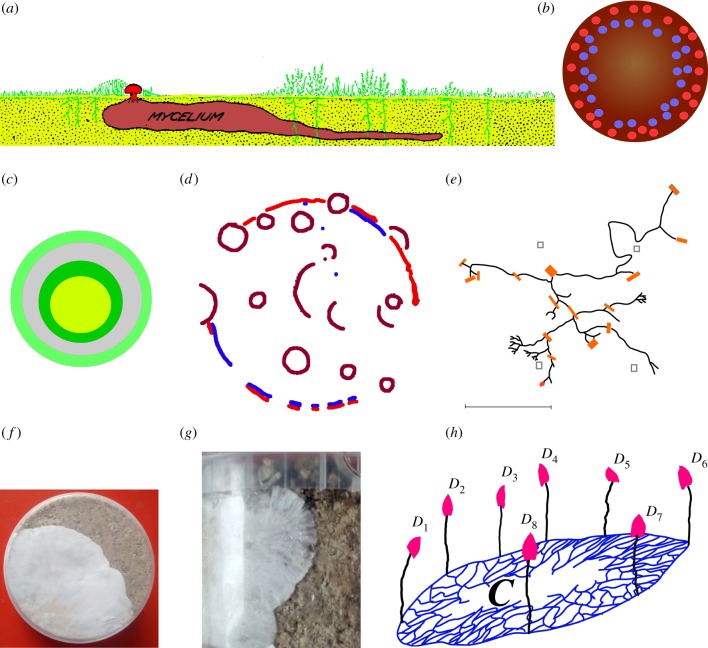
Abstract: We propose that fungi Basidiomycetes can be used as computing devices: information is represented by spikes of electrical activity, a computation is implemented in a mycelium network and an interface is realized via fruit bodies. In a series of scoping experiments, we demonstrate that electrical activity recorded on fruits might act as a reliable indicator of the fungi’s response to thermal and chemical stimulation. A stimulation of a fruit is reflected in changes of electrical activity of other fruits of a cluster, i.e. there is distant information transfer between fungal fruit bodies. In an automaton model of a fungal computer, we show how to implement computation with fungi and demonstrate that a structure of logical functions computed is determined by mycelium geometry.
-
Things I Learned From Five Years in Climate Tech - by Evan Meagher
Over the past five years, I’ve worked at two startups in what is now being called the climate tech sector1. Given the recent surge in interest in this space, I thought it would be worthwhile to record a handful of lessons that I’ve learned from this experience. These lessons span business strategy and the realities of the electric utility industry.
-
Addiction Patterns: 50% of screen time (on mobile) sessions start within 3min of the previous one.
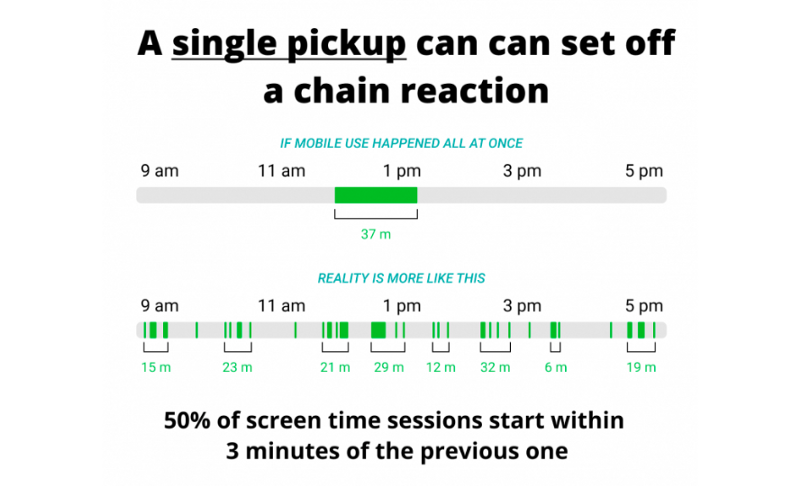
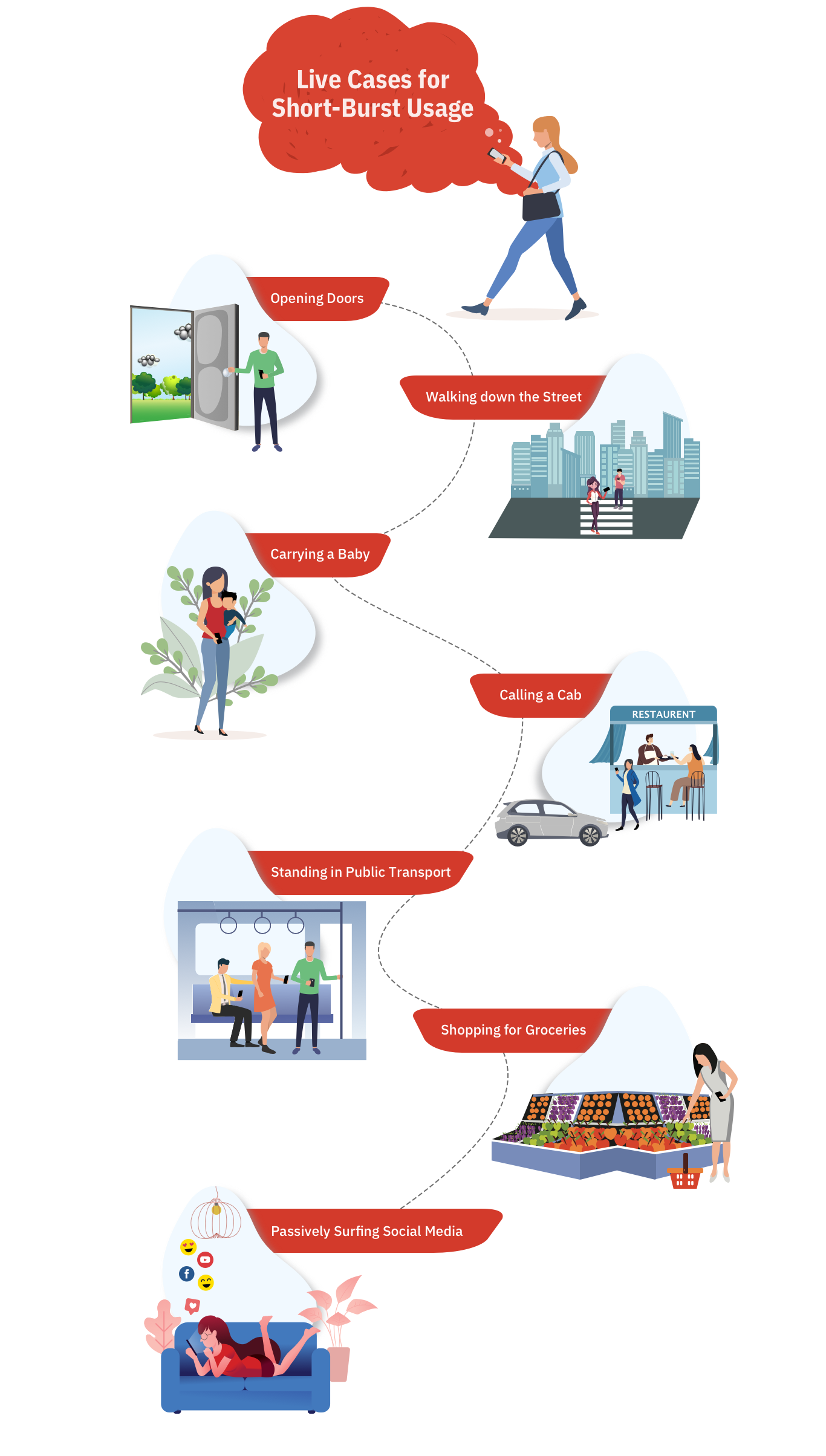
via https://www.smashingmagazine.com/2020/02/design-mobile-apps-one-hand-usage/
-
Unix Pipes - mechanism for inter-process communication using message passing

-
"It is practically impossible to teach good programming to students that have had a prior exposure to BASIC: as potential programmers they are mentally mutilated beyond hope of regeneration." - Edsger Dijkstra (via)
-
Warning of agricultural 'digital arms race' in EU
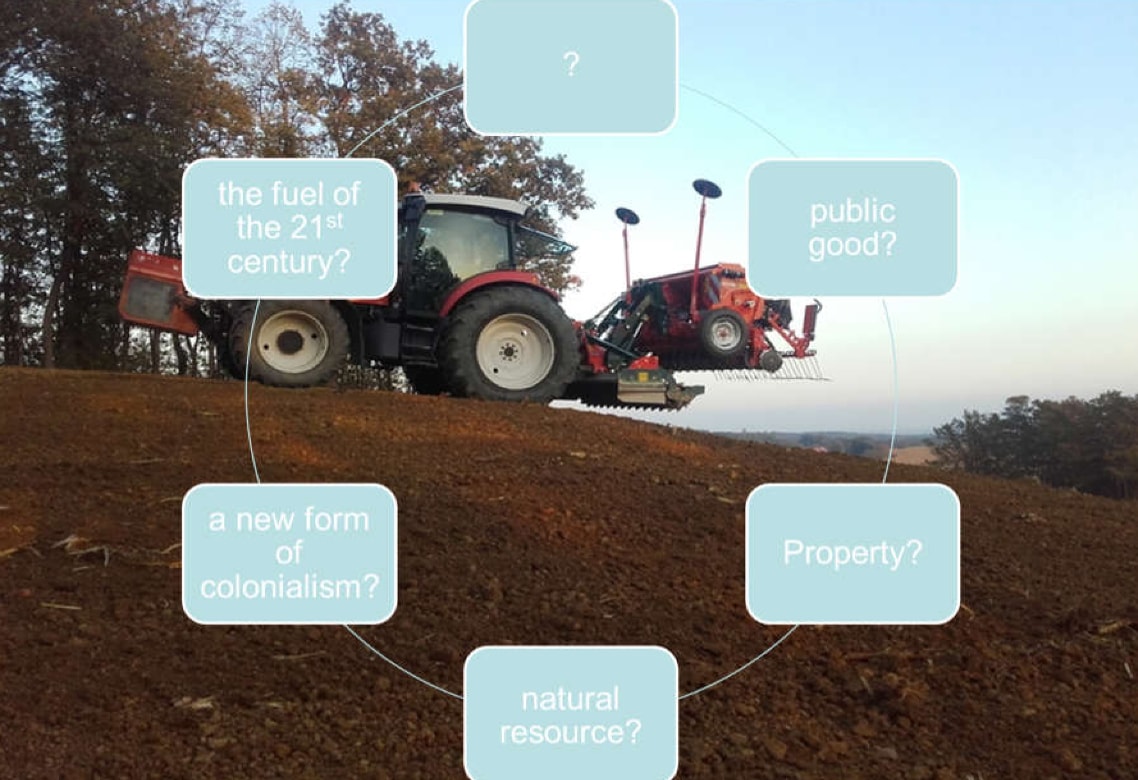
Friends of the Earth has called on the EU Commission to regulate data generated in agriculture via new technologies to avoid a few global corporations consolidating their dominance in the farming and food chain. "Europe is on the verge of allowing centralisation and concentration of [farming] data at an unprecedented scale, with the absence of any regulation," a new report by the NGO warned.
-
Photo of the first "computer bug": A Moth (1947)
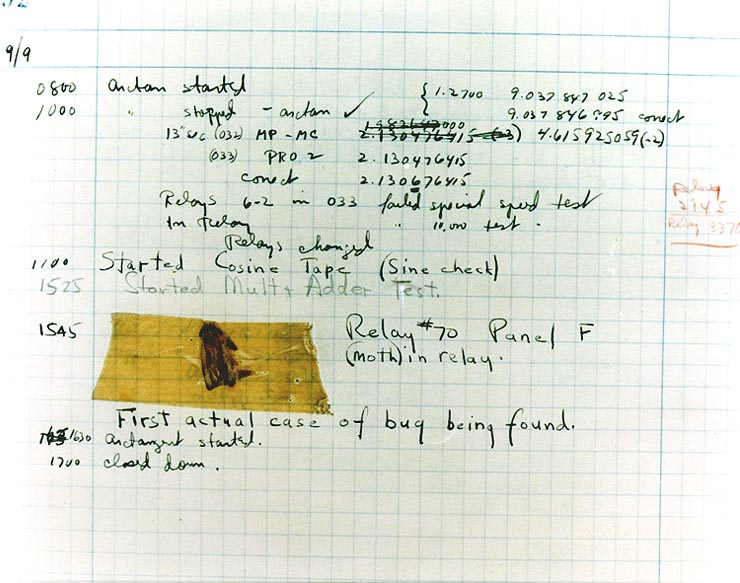
Wikipedia: While Grace Hopper was working on a Mark II Computer at Harvard University in 1947, her associates discovered a moth that was stuck in a relay; the moth impeded the operation of the relay. While neither Hopper nor her crew mentioned the phrase "debugging" in their logs, the case was held as an instance of literal "debugging." For many years, the term bug had been in use in engineering. The remains of the moth can be found in the group's log book at the Smithsonian Institution's National Museum of American History in Washington, D.C.
-
Uber and Lyft Are Creating Traffic, Not Reducing It
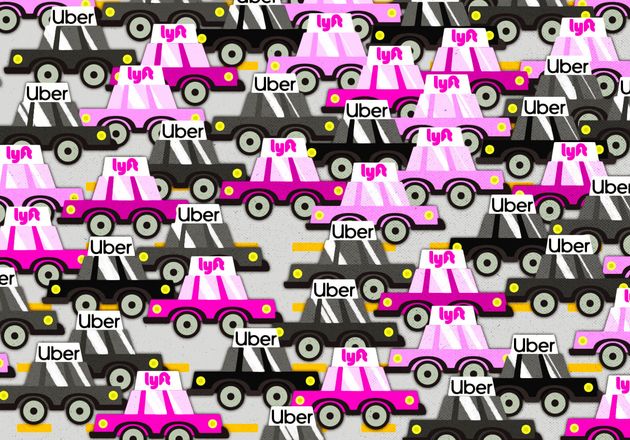
Rather than the apps becoming a model of algorithm-driven efficiency, drivers in major cities cruise for fares without passengers an estimated 40% of the time. Multiple studies show that Uber and Lyft have pulled people away from buses, subways and walking, and that the apps add to the overall amount of driving in the U.S. A study found that over 60% of the slowdown of traffic speeds in San Francisco between 2010 and 2016 was due to the introduction of the ride-hail companies.