-
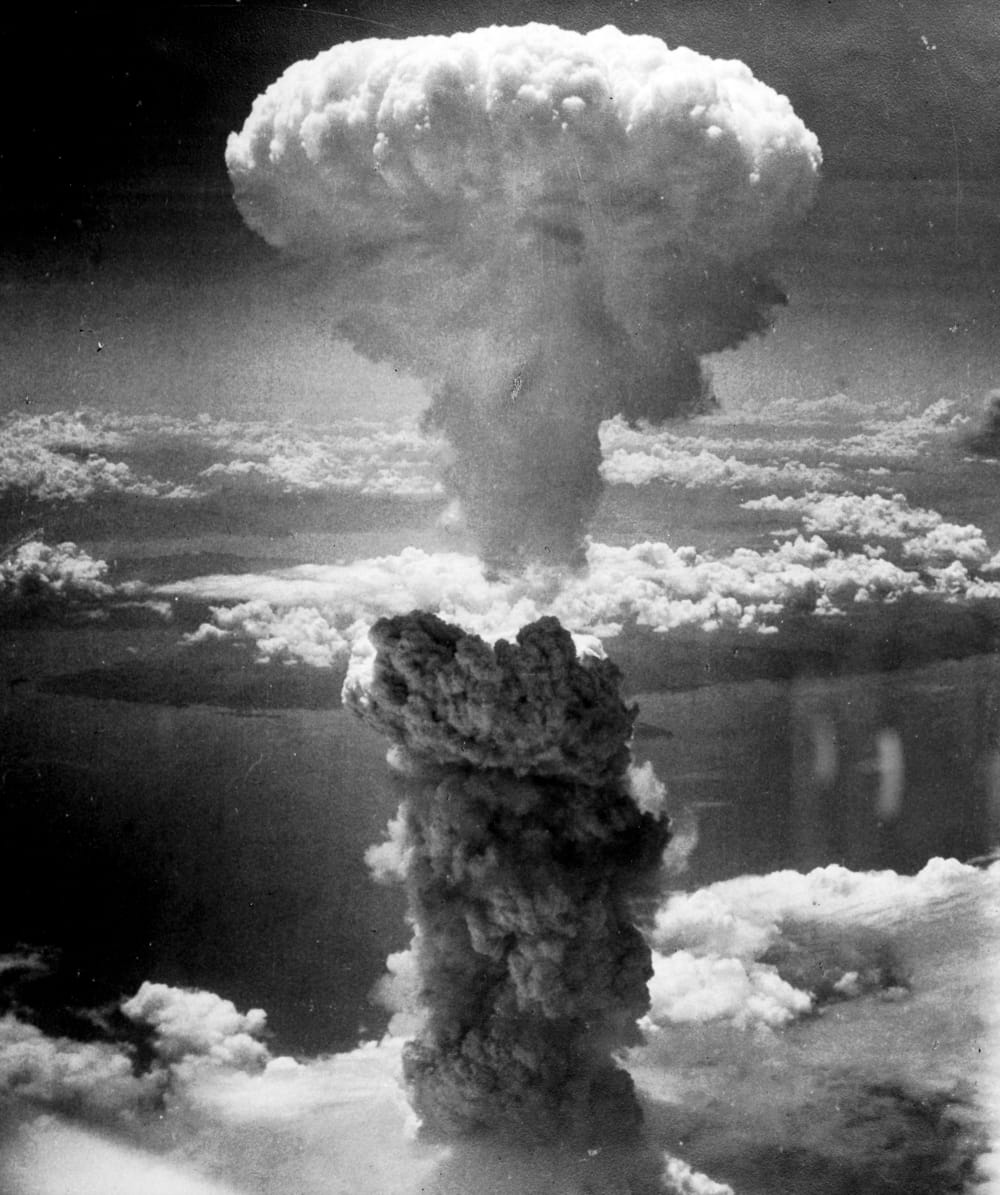
Nagasaki Atomic Bomb "Most of the best minds of the American scientific community have devoted themselves, for 50 years, to the single project of delivering more and more explosive power over longer and longer distances in shorter and shorter time to kill more and more people." - Buckminster Fuller
"It is now highly feasible to take care of everybody on Earth at a higher standard of living than any have ever known. It no longer has to be you or me. Selfishness is unnecessary. War is obsolete. It is a matter of converting our high technology from WEAPONRY to LIVINGRY." - Buckminster Fuller
#Military #Science #Ethics -
A General Semantics Anecdote:
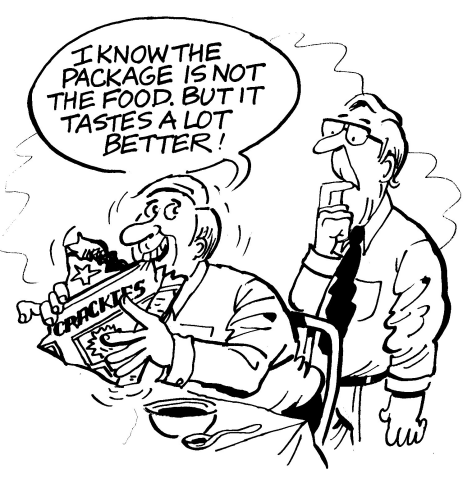
One day, Alfred Korzybski was giving a lecture to a group of students, and he interrupted the lesson suddenly in order to retrieve a packet of biscuits, wrapped in white paper, from his briefcase. He muttered that he just had to eat something, and he asked the students on the seats in the front row if they would also like a biscuit.
A few students took a biscuit. “Nice biscuit, don’t you think,” said Korzybski, while he took a second one. The students were chewing vigorously. Then he tore the white paper from the biscuits, in order to reveal the original packaging.
On it was a big picture of a dog’s head and the words “Dog Cookies.” The students looked at the package, and were shocked. Two of them wanted to vomit, put their hands in front of their mouths, and ran out of the lecture hall to the toilet. “You see,” Korzybski remarked, “I have just demonstrated that people don’t just eat food, but also words, and that the taste of the former is often outdone by the taste of the latter.” (via)
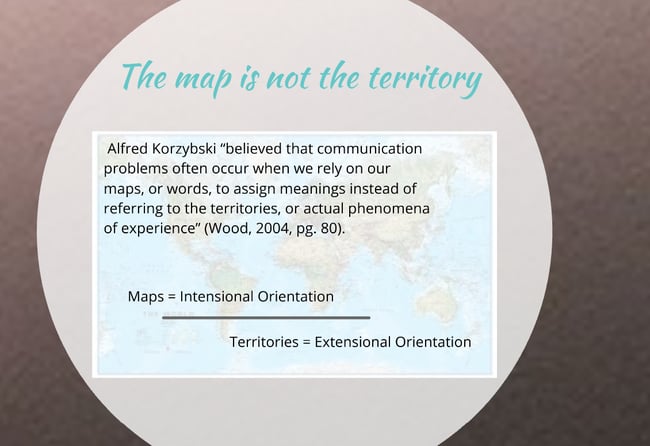
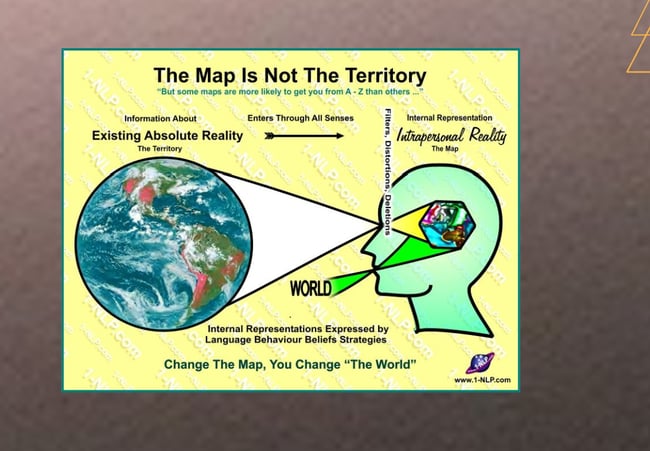
"The map is not the territory, the world is not the thing it describes. Whenever the map is confused with the territory, a 'semantic disturbance is set up in the organism. The disturbance continues until the limitation of the map is recognized." - A.Korzybski
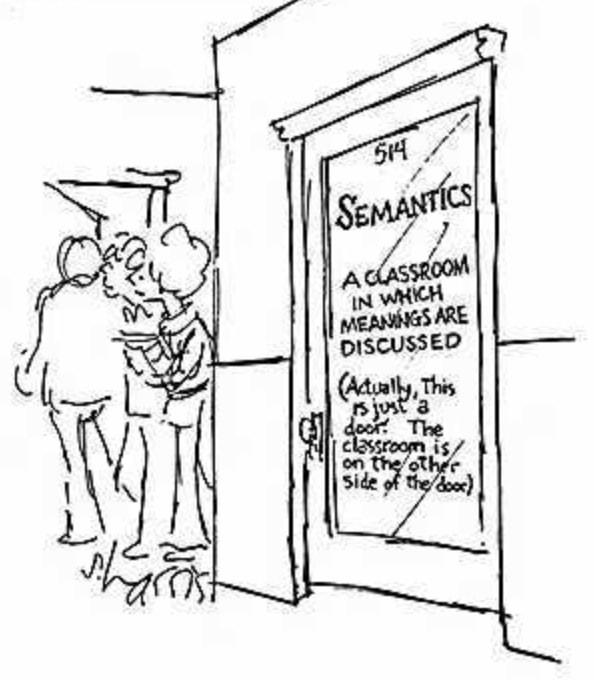
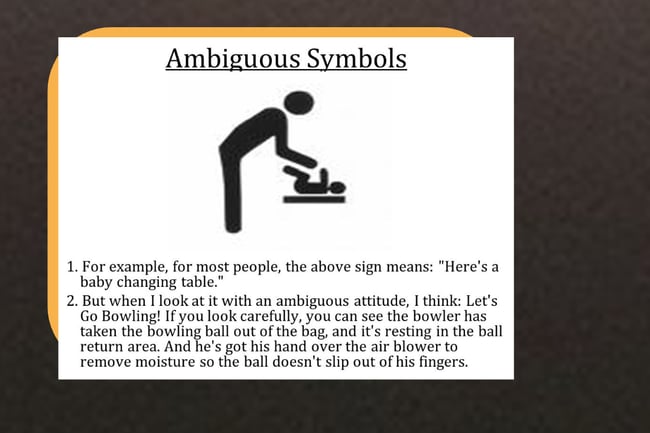
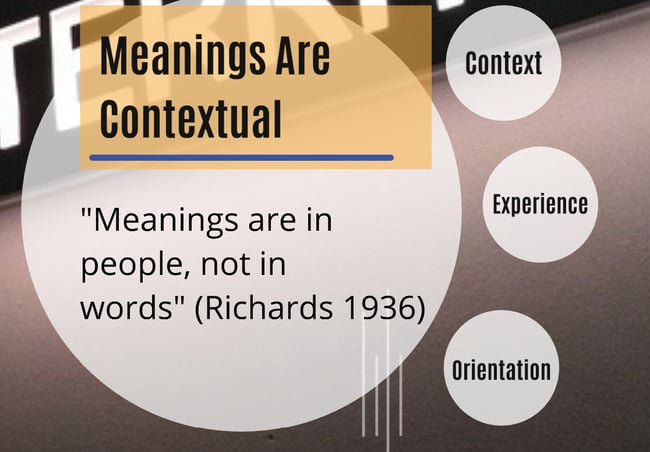
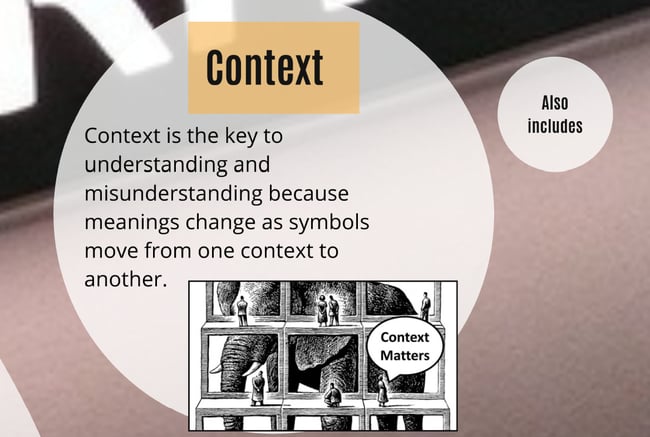
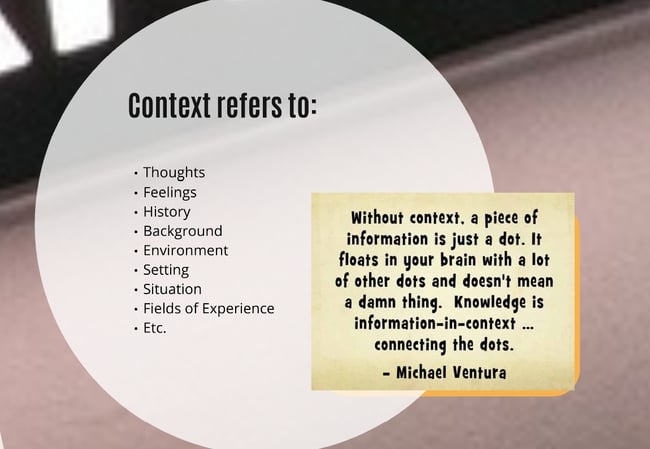
"General semantics is a philosophy that deals with how people react to things that happen around them based on meaning. It was created by Alfred Korzybski during the 1920s. The goal of general semantics is for people to know that when we simplify something, either mentally or in language, that simplification is not the same thing as the thing simplified. How people understand reality is not the same as what reality is because people do not know everything about reality. General semantics teaches that there is always more to something than what is seen, heard, felt, or believed." (via)
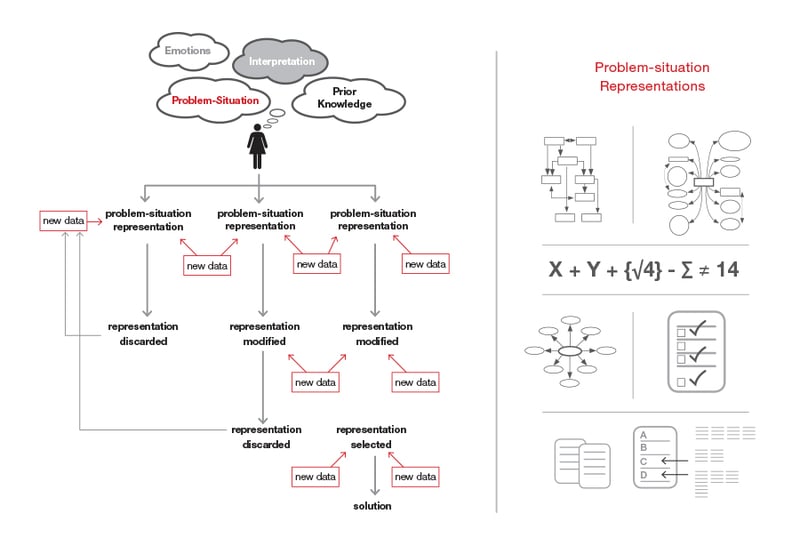
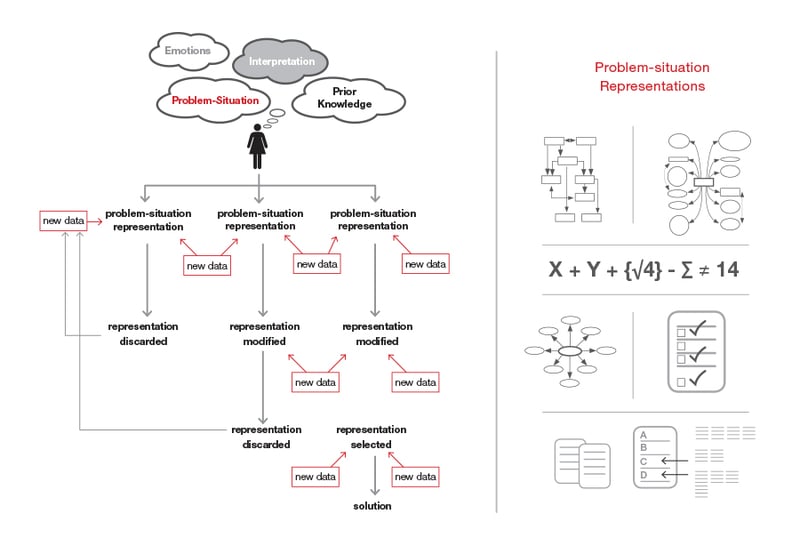
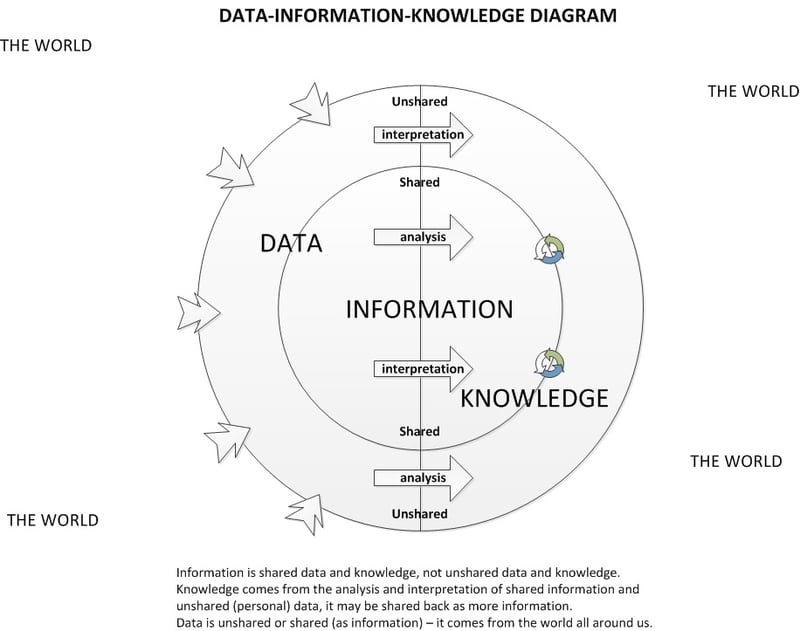
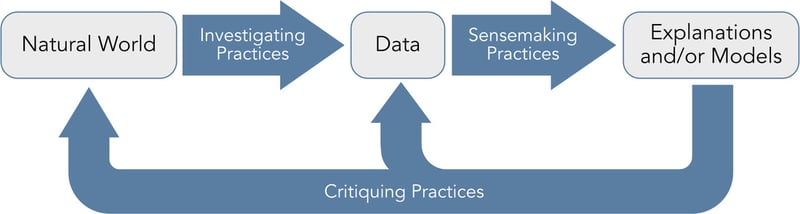
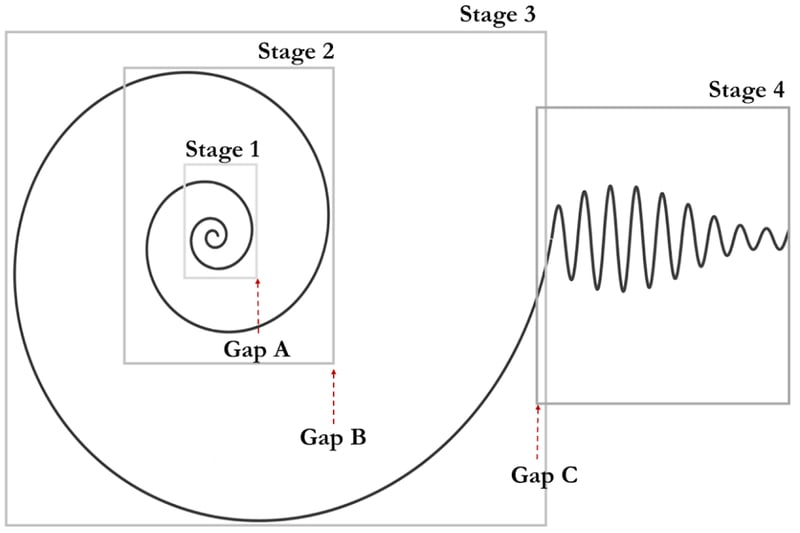
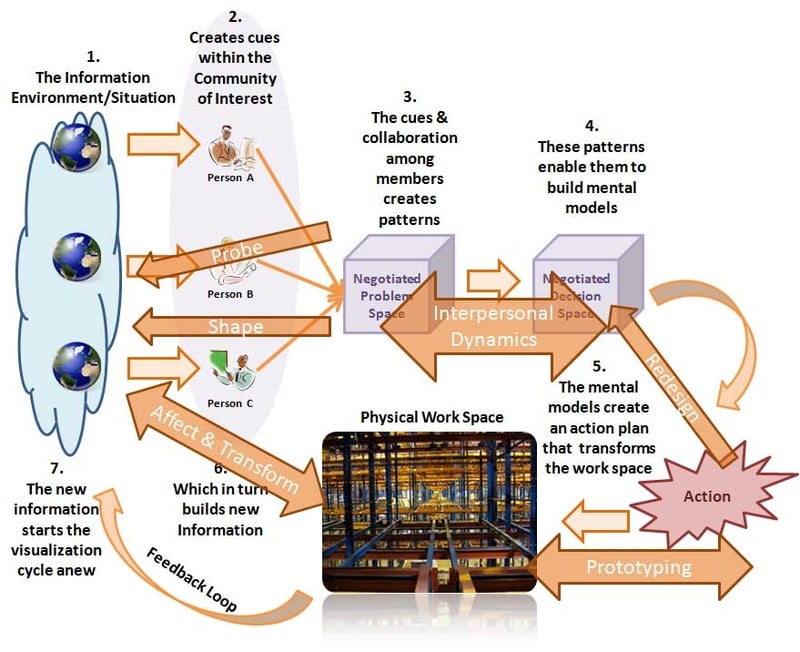
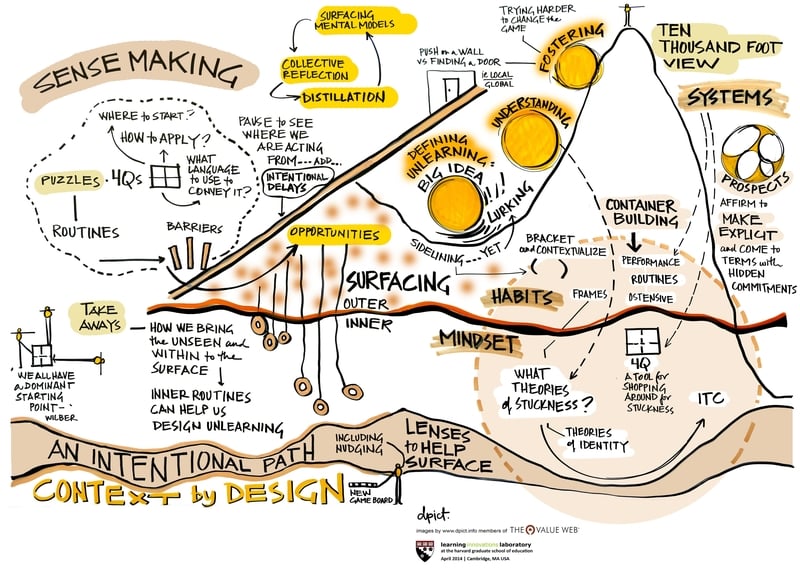
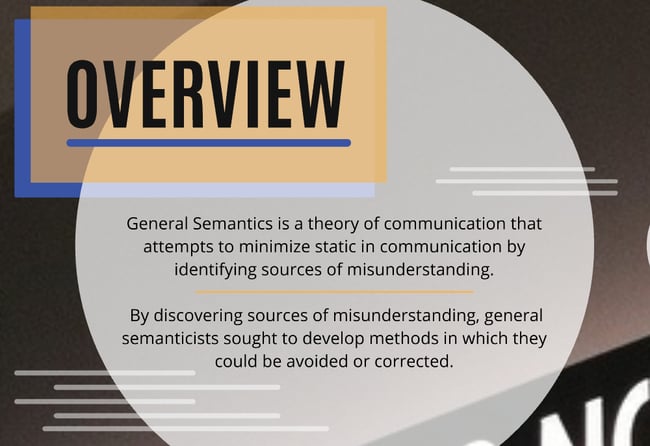
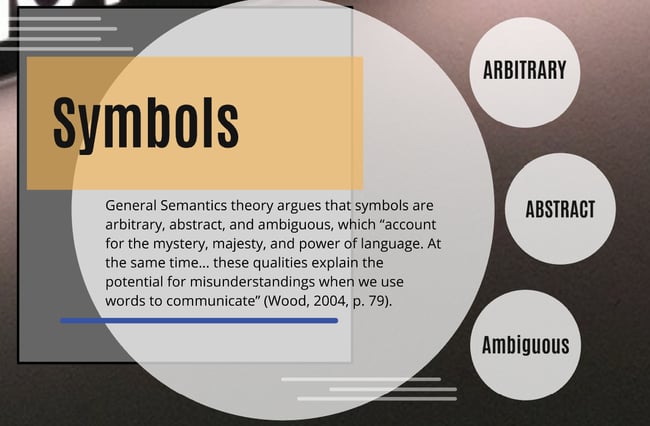
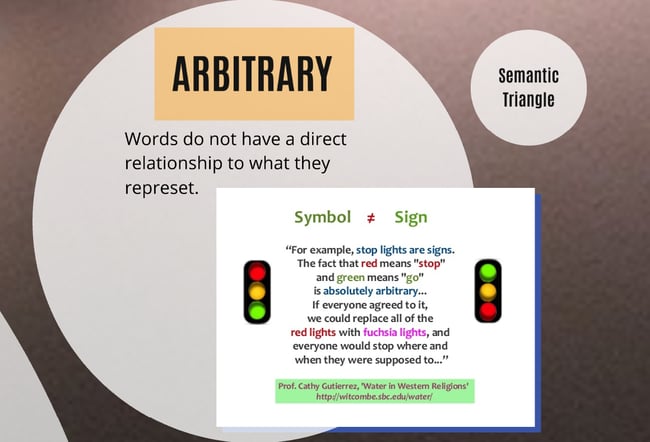
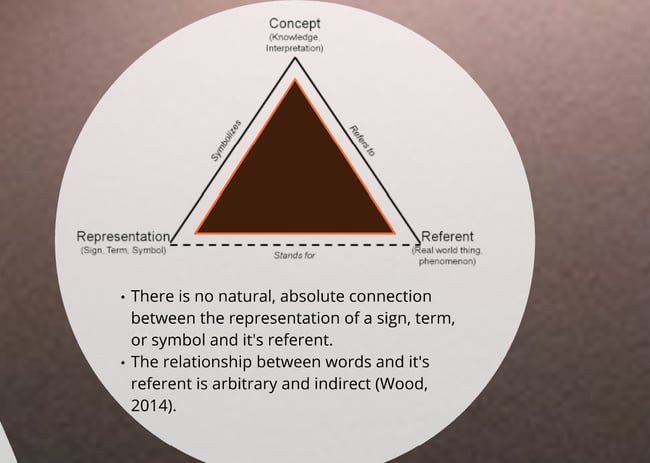
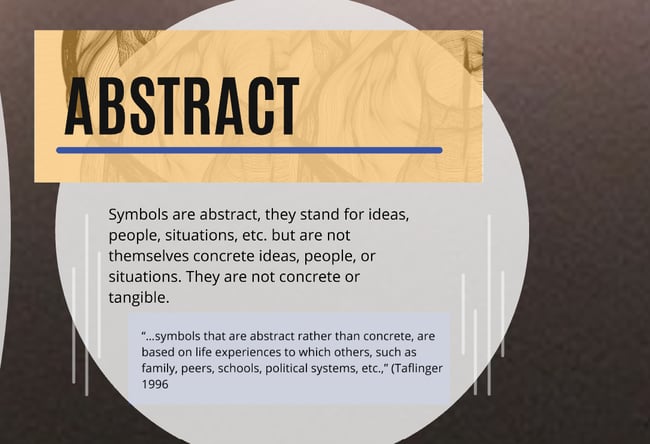
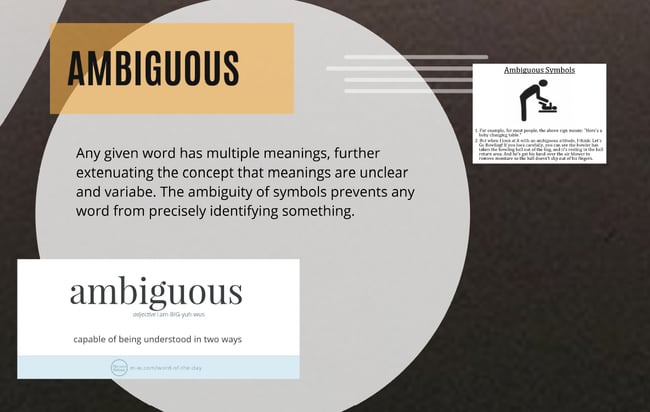
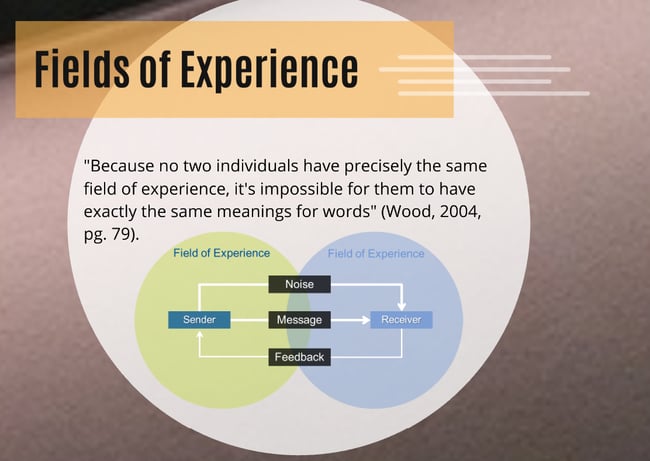
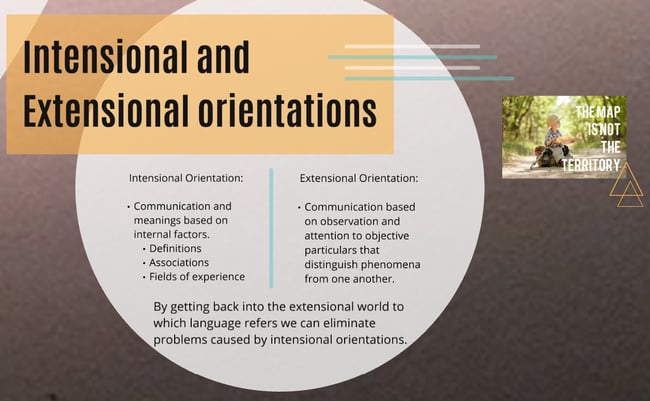
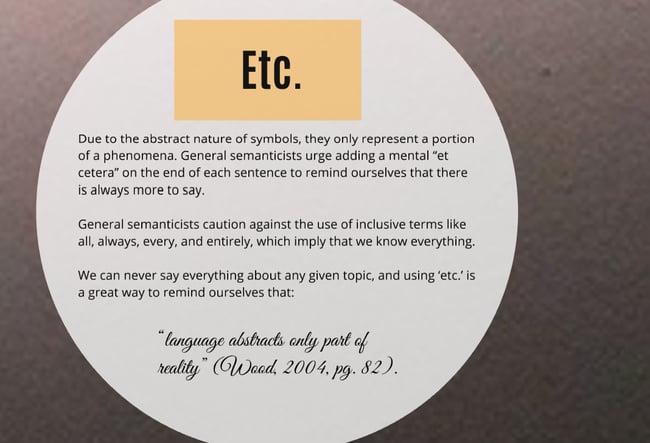
Images from the presentation General Semantics Theory - by Zane Van Winkle:
General Semantics Lecture - by Robert Anton Wilson (1997, Audio)
Alfred Korzybski Memorial Lecture - by Robert Anton Wilson (2001)
-
People in Japan are wearing exoskeletons to keep working as they age (newscientist)

Elderly Japanese workers wearing exoskeletons Japan has one of the largest populations over the age of 65 out of any country, comprising about 26% of the total population (2015). Japan has both the world’s highest life expectancy and the lowest birthrate. As Japan’s workforce continues to decline, the right-wing government of Shinzo Abe has sought to grapple with labor shortages and increased public spending on the senior citizen population by raising the retirement age from 60 to anywhere between 65 and 71.
But now, Japanese tech companies hope to use these exoskeleton suits to allow them to continue their labor well into their advanced age, with some suits costing only $1,300 and allowing people to lift up to 55 pounds. The suit can be charged through a hand pump that fills the “muscles” with pressurized air.
Automotive giant Toyota has also poured funds into its motorized exoskeleton research division, in part out of hopes to support the aging workforce. Panasonic, too, has created the popular Atoun Model Y, a $5,500 suit that adds 22 pounds of lifting force to wearers.
-

Greta Thunberg at an 'apocalyptic environmentalism' event by Extinction Rebellion (2019) William Vogt (1902 - 1968) "laid out the basic ideas for the modern environmental movement. He founded 'apocalyptic environmentalism'—the belief that unless humankind drastically reduces consumption & limits population, it will ravage global ecosystems. Vogt argued that affluence is not our greatest achievement but our biggest problem. If we continue taking more than the Earth can give, the result will be devastation on a global scale. Cut back! was his mantra."
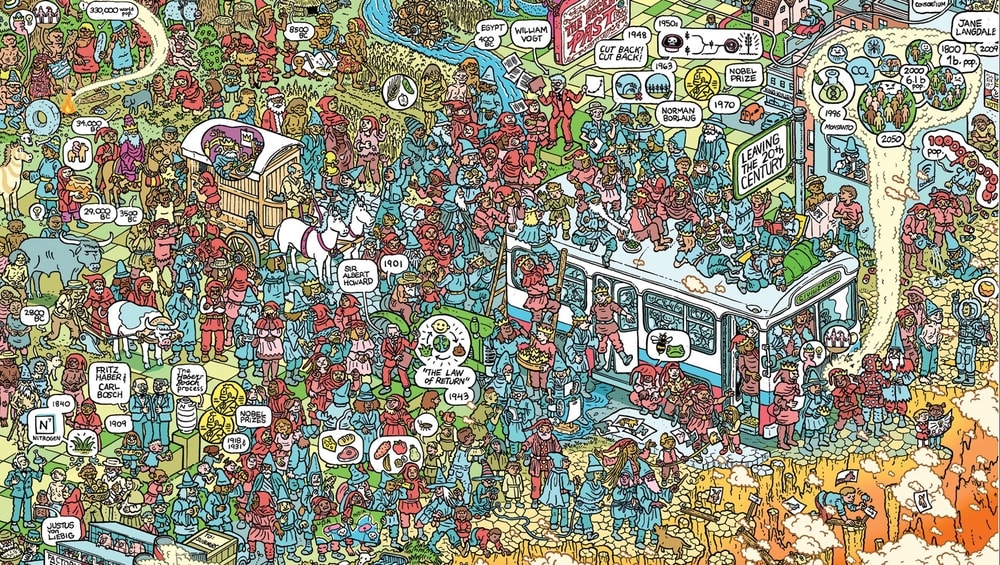
Inhale & exhale deeply, relax and say "everything is ok, me and everyone will die either way"... then explore these related links:
- Book: "The Malthusian Moment: Global Population Growth and the Birth of American Environmentalism" - by Thomas Robertson
- Essay: "Can Planet Earth Feed 10 Billion People? Humanity has 30 years to find out." - by Charles C. Mann
- https://en.wikipedia.org/wiki/Doomsday_cult
- https://www.reddit.com/r/collapse/
-
"Time is three eyes and eight elbows." - Dogen Zenji
-
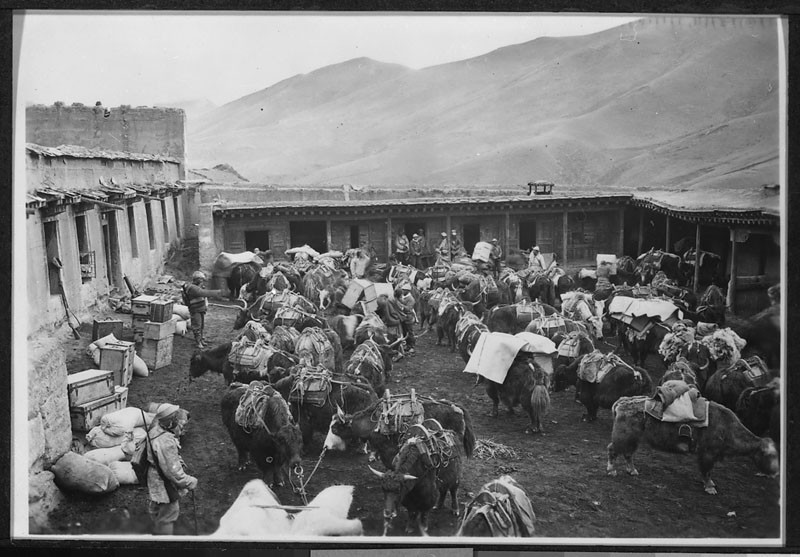
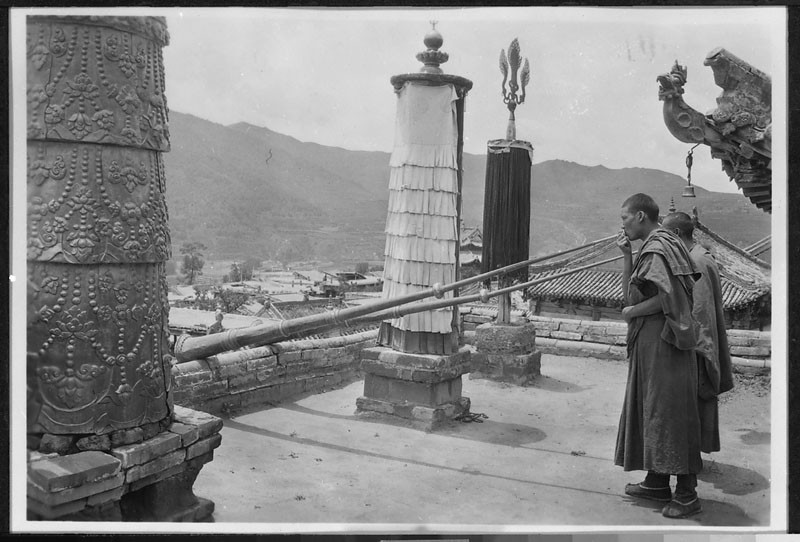
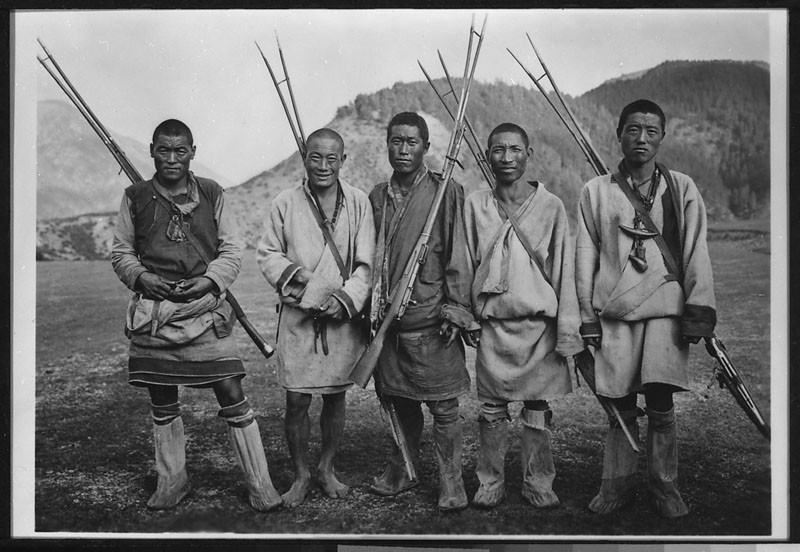
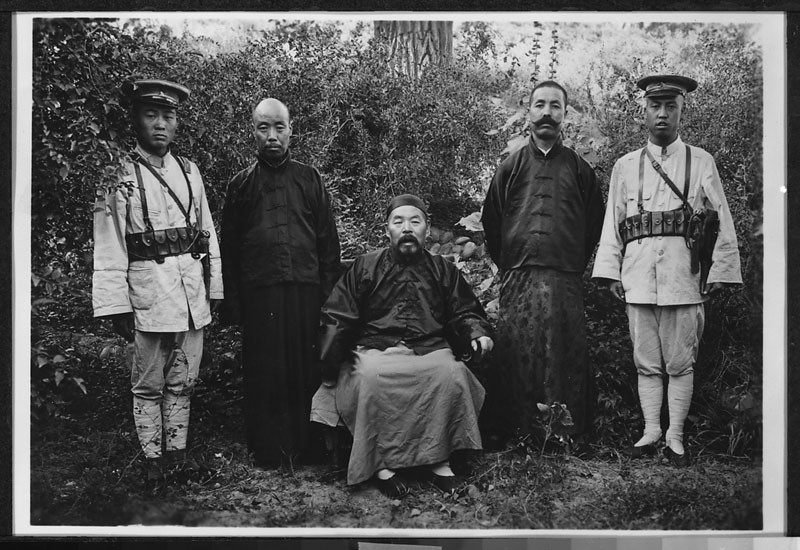
Joseph Rock: Travels Through China
Joseph Francis Charles Rock (1884 – 1962) was an Austrian-American explorer, botanist, and anthropologist. For more than 25 years, he travelled extensively through Tibet and Yunnan, Gansu, and Szechuan provinces in China before finally leaving in 1949. This is a visual excerpt of some of the works of Joseph Rock.








-
Recently Retired USAF General Makes Eyebrow Raising Claims About Advanced Space Technology (thedrive)
"The technology is on the engineering benches today. But most Americans and most members of Congress have not had time to really look deeply at what is going on here. But I’ve had the benefit of 33 years of studying and becoming friends with these scientists. This technology can be built today with technology that is not developmental to deliver any human being from any place on planet Earth to any other place in less than an hour." - Retired US Airforce Lt. Gen. Steven L. Kwast
Barrett, Rogers consider declassifying secretive space programs (defensenews)
"Secretary of the U.S. Air Force Barbara Barrett says that declassifying intelligence is key to combating the growing threat to the the nation's space capabilities, and the sooner the better.
"
Defense policy deal creates Space Force, sidesteps border wall controversy (defensenews)
"Lawmakers involved in annual defense authorization negotiations finalized a sweeping deal late Monday that creates a new Space Force among other policies, but it dropped contentious border wall restrictions and several other provisions favored by progressives."
Navy files for patent on room-temperature superconductor (phys.org)
"A scientist working for the U.S. Navy has filed for a patent on a room-temperature superconductor, representing a potential paradigm shift in energy transmission and computer systems."
Other recent developments:
- DOD and HUD $21 Trillion Missing Money: Report & Supporting Documentation
- 2019 was banner year for credible UFO sightings
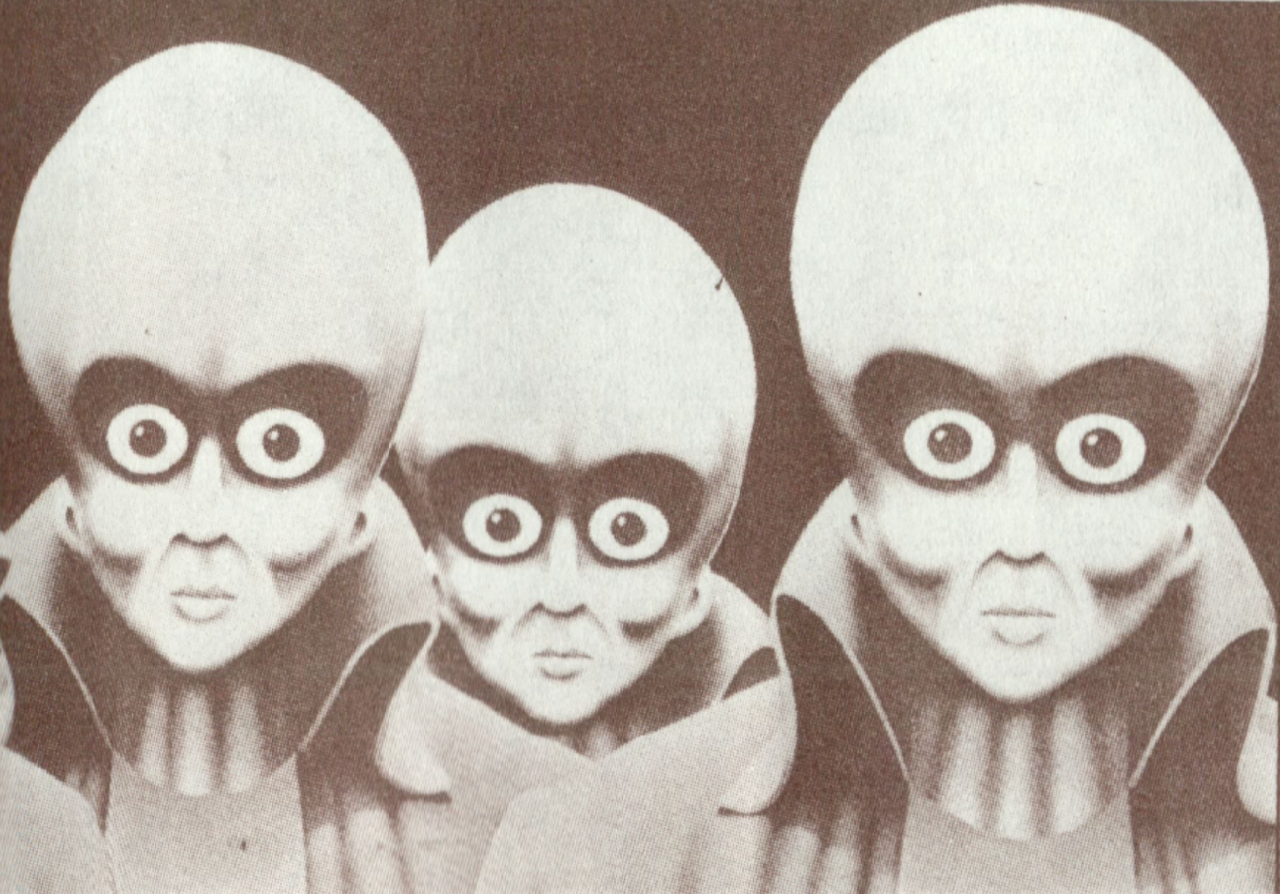
- NASA Astronaut Shockingly Hints at Aliens in Tweet About 'Life Forms'
- US Navy 'covered up' new technology by saying USS Nimitz UFO was unidentified
- A military plane with 38 people on board has disappeared en route to Antarctica, Chile's air force says.
- DOD and HUD $21 Trillion Missing Money: Report & Supporting Documentation
-
Why didn't the government of India open Vault B of the Padmanabhaswamy Temple in Kerala?

"Naga Bandhan" Door leading to Vault 'B' - Vault (Nilavara) B, the forbidden zone (wikipedia)
- Nāga (wikipedia)
- "Naga Magick: The Wisdom of the Serpent Lords" – Book by Denny Sargent
- The Tibetan Bon Terma of the Naga/Serpent Cults containing The Grimoire of Za-Rahula
- A Study of Naga Beings as a Global Phenomenon and their relation with Kailash/Manosarovar region
- Story of the nāga-king Elapatra
- The Naga worship
- Vault (Nilavara) B, the forbidden zone (wikipedia)
-
Book: The Science of Managing Our Digital Stuff - by Ofer Bergman & Steve Whittaker (2016, MIT Press) (wikipeda) - "Why we organize our personal digital data the way we do and how design of new PIM systems can help us manage our information more efficiently."

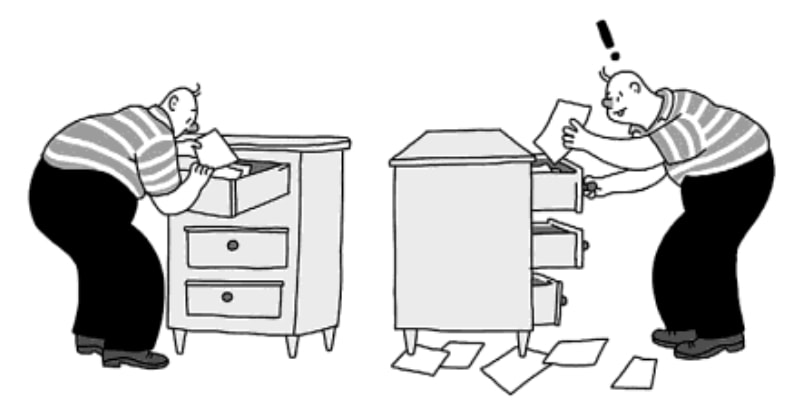

The Science of Managing Our Digital Stuff - talk by Ofer Bergman (2017, Microsoft Research)
-
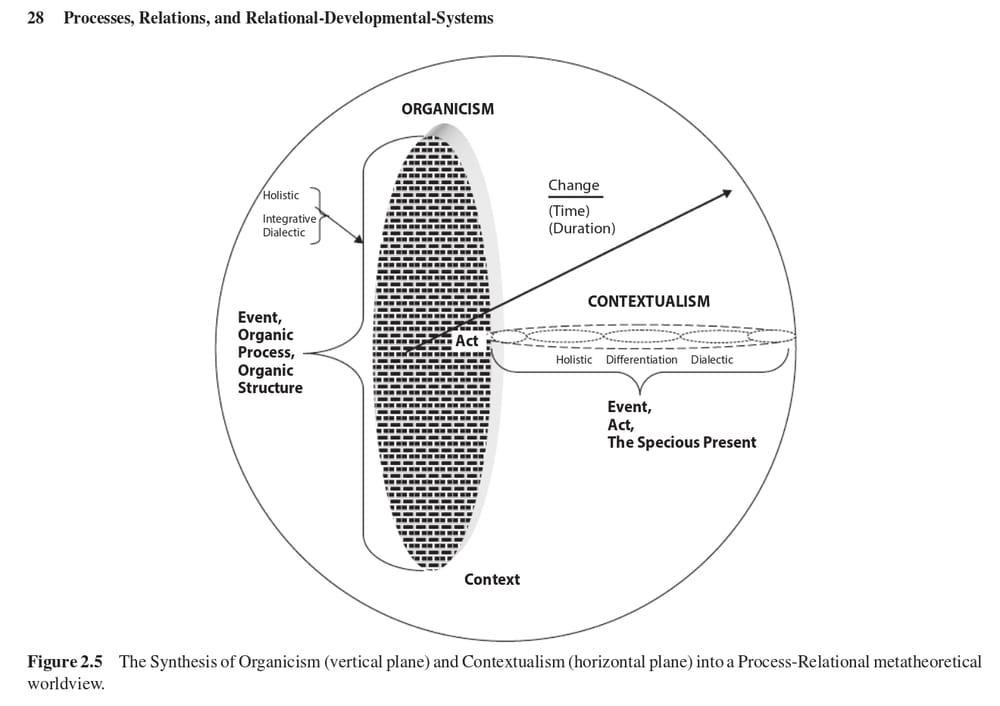
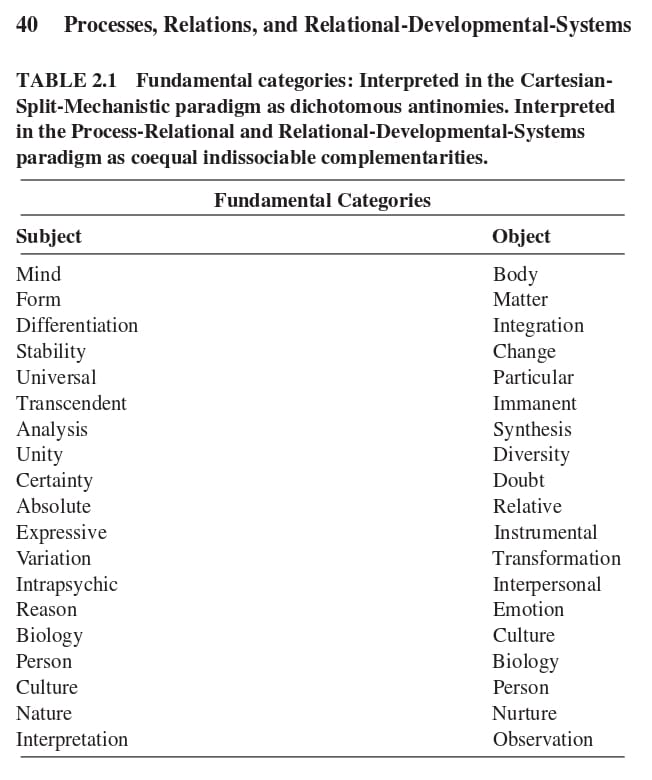
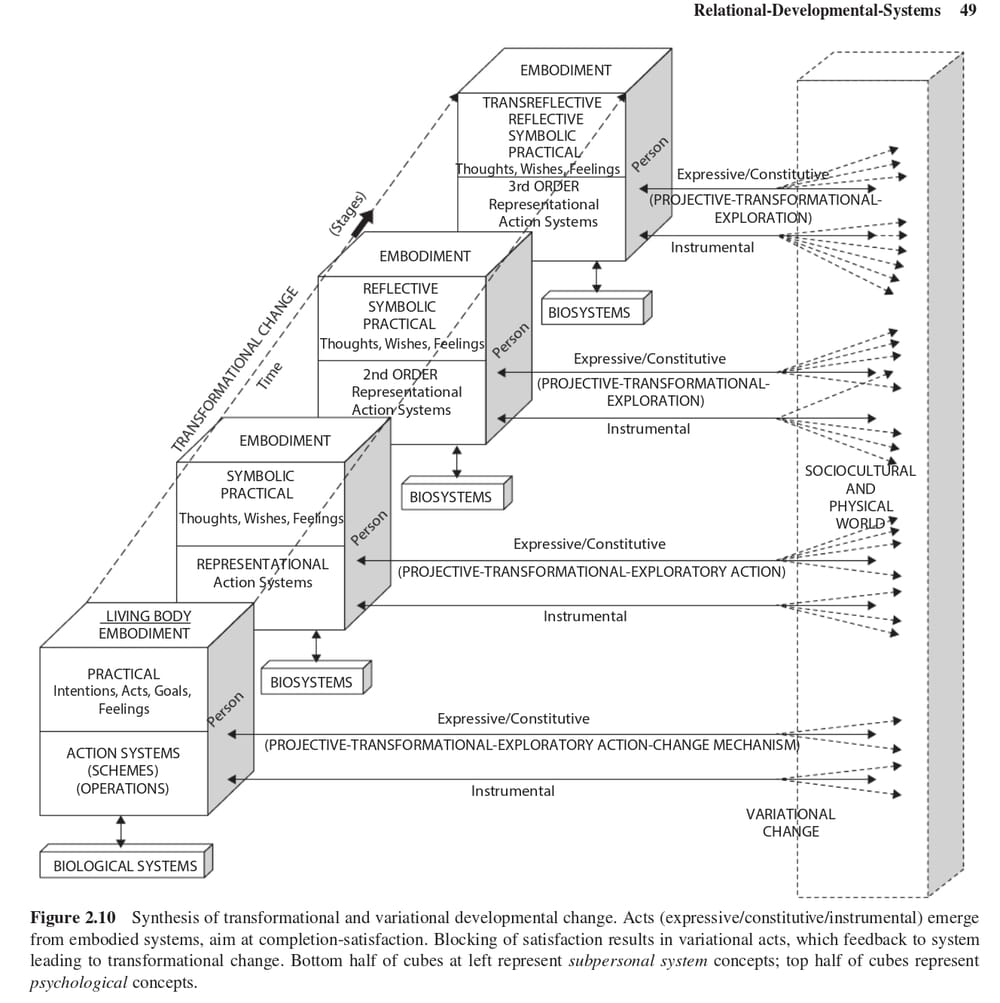
Processes, Relations & Relational-Developmental-Systems - by Willis F. Overton (2015)
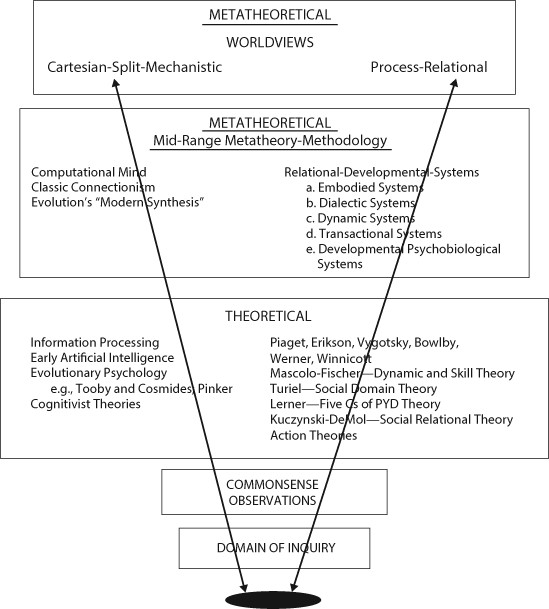
Conceptual context of the Cartesian-Split-Mechanistic and the Process-Relational paradigms. Abstract: "Any science, including developmental science, functions within a broad set of concepts that generally go unnoticed during day to day research activities. These background ideas constitute the conceptual framework or context within which day-to-day research activities operate. A conceptual framework that has until recently dominated virtually all of science has been termed the Cartesian-Split-Mechanistic scientific research paradigm. In a number of scientific fields, including developmental science the inadequacies of this paradigm have become crystal clear, and new data has increasingly been highlighting these inadequacies. In this chapter this research paradigm is compared and contrasted with a newly emerged alternative scientific research paradigm termed the Process-Relational and Relational-Developmental-Systems paradigm. It has been said that science is taking a relational turn. This chapter explores the nature of this turn, and its implications for theory and methods, especially in developmental science."
-
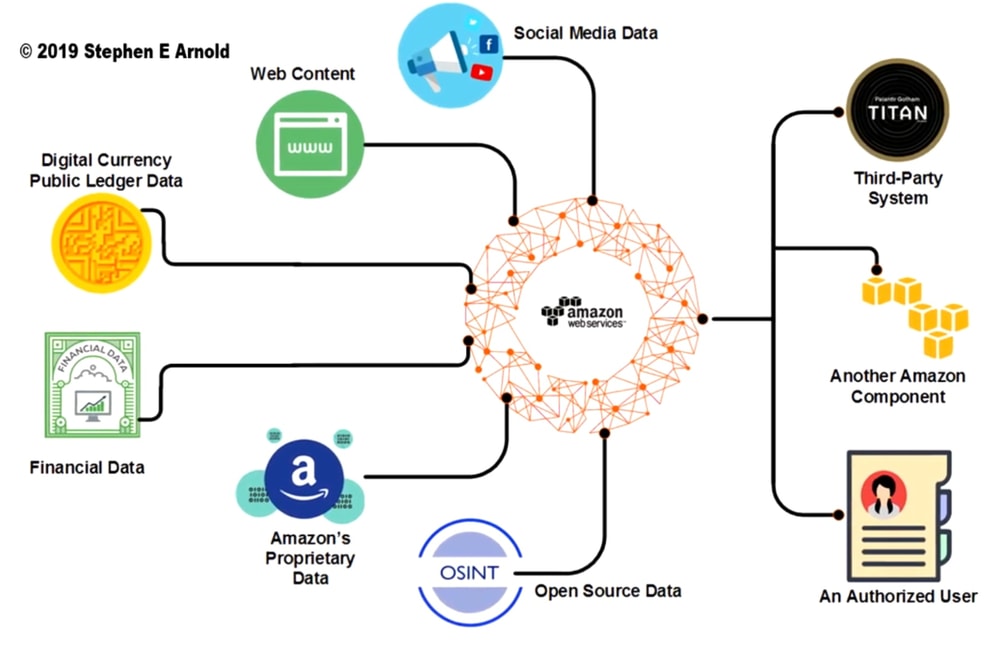
Illustration of Amazon's cloud operations - from an Interview with Stephen E Arnold of DarkCyber by Robert David Steele (13min video). #Comment: As usual, too little resolution on the most interesting question: What is the philosophy and agenda, once all data is collected?
-
#Comment: A peculiar characteristic of the dominant (western) science paradigm, is how little emphasis is placed on cultivating mind-body states (beyond pure book learning, jointly shaping mental & physical conditions via exercise, meditation, diet, etc.) of participants (peers & public), while they interact with the science discipline and its fruits. During the past century, science has (re-) discovered, that the process of thinking-acting in living beings (incl. humans) is inherently embodied, multi-modal, contextual and distributed. Long dead is the notion of a disembodied philosopher king, generating objective truth from high above. Health and Cognitive accessibility are key for effective change-making. Yet, contemporary science is still practiced as strictly intellectual activity of sedentary elites, producing sacred knowledge on the assembly-lines of giant for-profit institutions. Peculiar indeed, as ancients cultures in India (Vedic, Yoga), China (Daosim, Qigong) or Greece (Philosophy, Sports) demonstrated the efficacy and joyfulness of a more holistic paradigm.
-
Personal Knowledge Management Criticism (wikipedia)
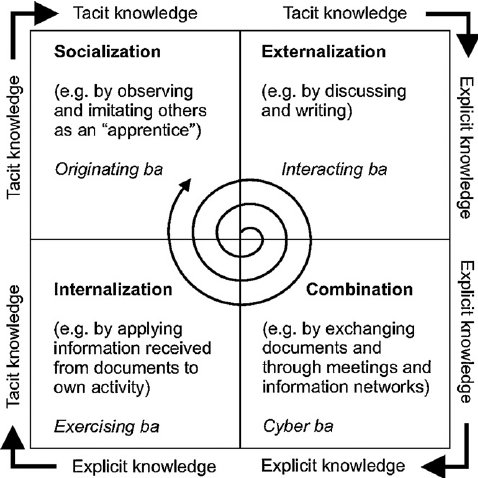
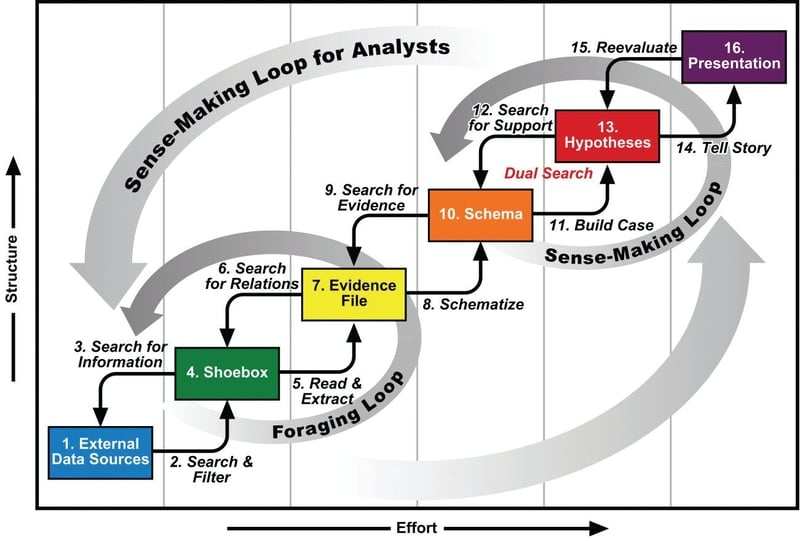
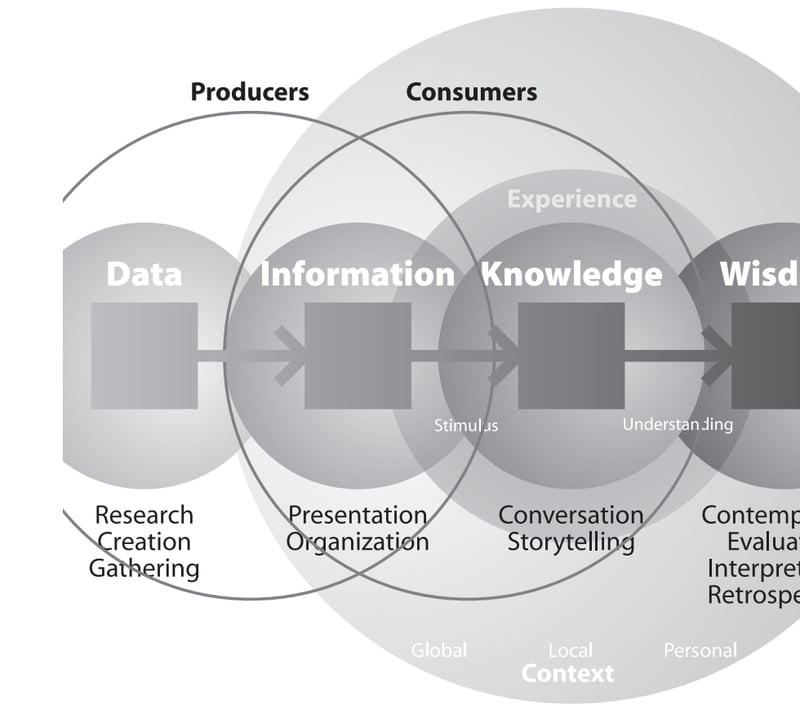
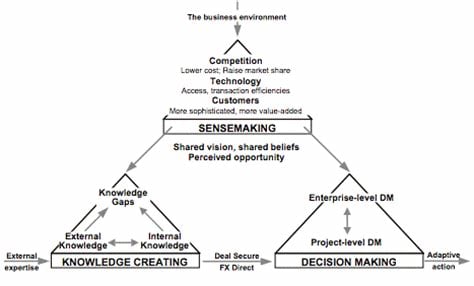
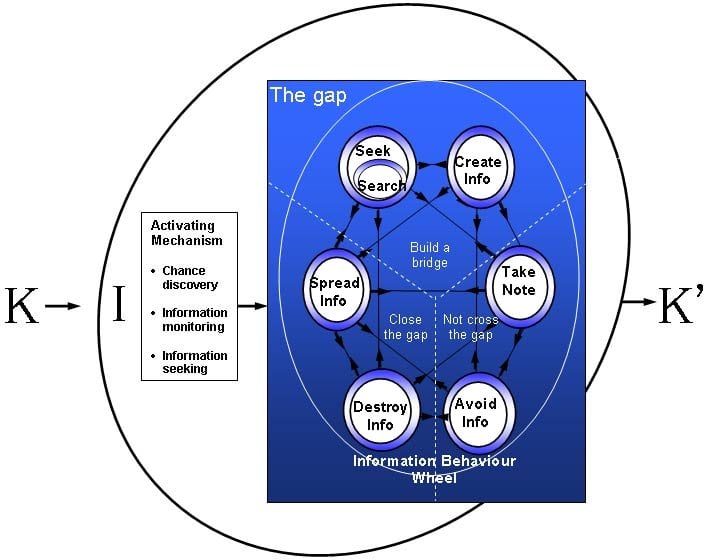
The Knowledge Spiral - by Nonaka & Takeuchi "It is not clear whether PKM is anything more than a new wrapper around personal information management (PIM). William Jones argued that only personal information as tangible resource can be managed, whereas personal knowledge cannot (Jones 2010). Dave Snowden has asserted that most individuals cannot manage their knowledge in the traditional sense of "managing" and has advocated thinking in terms of sensemaking rather than PKM (Snowden & Pauleen 2008). Knowledge is not solely an individual product—it emerges through connections, dialog and social interaction (see Sociology of knowledge). #KM
-
Modelling serendipity in a computational context - Research paper by Joseph Corneli, Anna Jordanous, Christian Guckelsberger, Alison Pease, Simon Colton (2019)
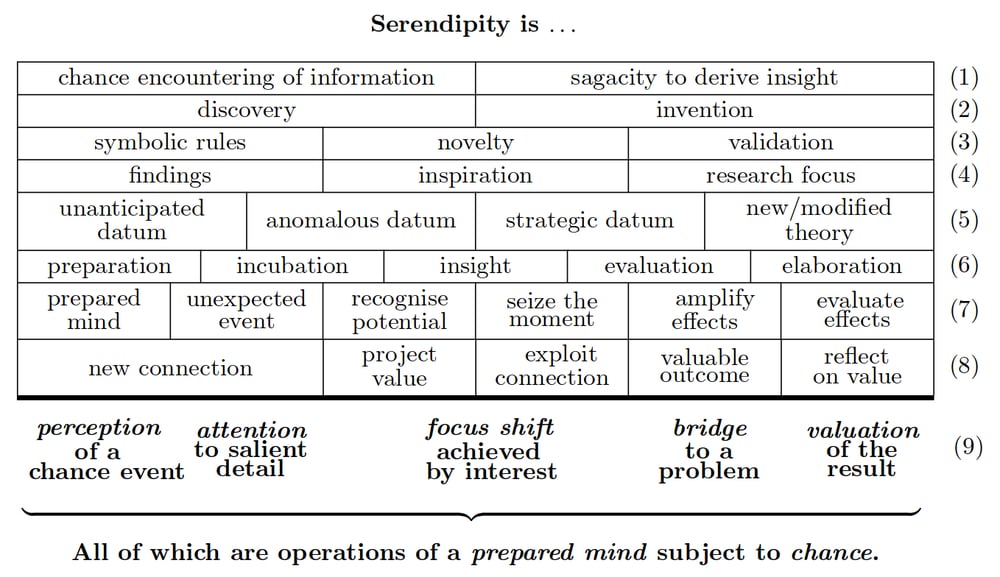
A more naive interpretation of serendipity from the paper "Designing a Semantic Sketchbook to Create Opportunities for Serendipity" (2012):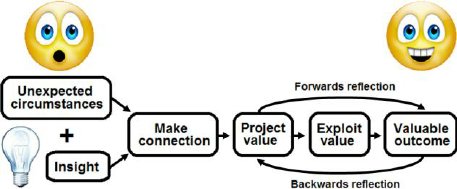
"All models are wrong, but some are useful" - George Box
-
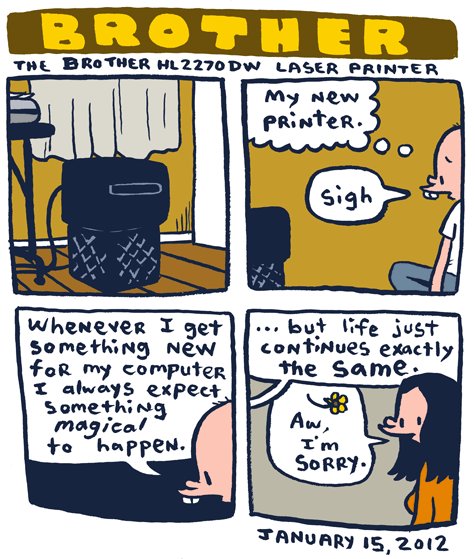
"It works like magic." - Steve Jobs (2007, iPhone launch)
-
"Five Things We Need to Know About Technological Change" - by Neil Postman (1998)
- Idea 1: Culture always pays a price for technology.
- Idea 2: There are always winners and losers in technological change.
- Idea 3: Every technology has a philosophy: “The medium is the message.”
- Idea 4: Technological change is not additive; it is ecological.
- Idea 5: Media tend to become mythic.
"Conclusion: And so, these are my five ideas about technological change. First, that we always pay a price for technology; the greater the technology, the greater the price. Second, that there are always winners and losers, and that the winners always try to persuade the losers that they are really winners. Third, that there is embedded in every great technology an epistemological, political or social prejudice. Sometimes that bias is greatly to our advantage. Sometimes it is not. The printing press annihilated the oral tradition; telegraphy annihilated space; television has humiliated the word; the computer, perhaps, will degrade community life. And so on. Fourth, technological change is not additive; it is ecological, which means, it changes everything and is, therefore, too important to be left entirely in the hands of Bill Gates. And fifth, technology tends to become mythic; that is, perceived as part of the natural order of things, and therefore tends to control more of our lives than is good for us.
I will close with this thought. In the past, we experienced technological change in the manner of sleep-walkers. Our unspoken slogan has been “technology über alles,” and we have been willing to shape our lives to fit the requirements of technology, not the requirements of culture. This is a form of stupidity, especially in an age of vast technological change. We need to proceed with our eyes wide open so that we many use technology rather than be used by it."
Presentation: Neil Postman's Five Ideas to Technological Change
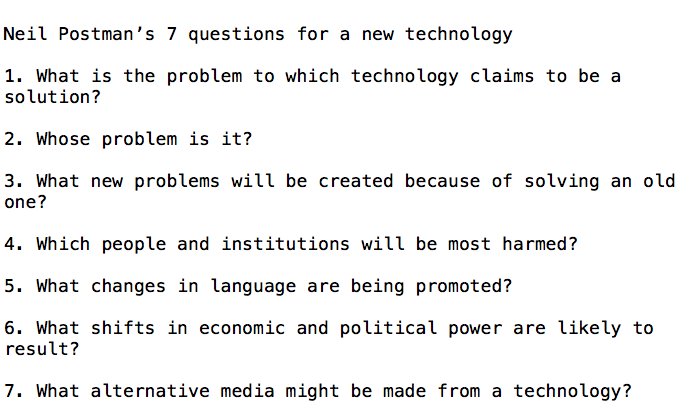
"The Surrender of Culture to Technology" - talk by Neil Postman
-
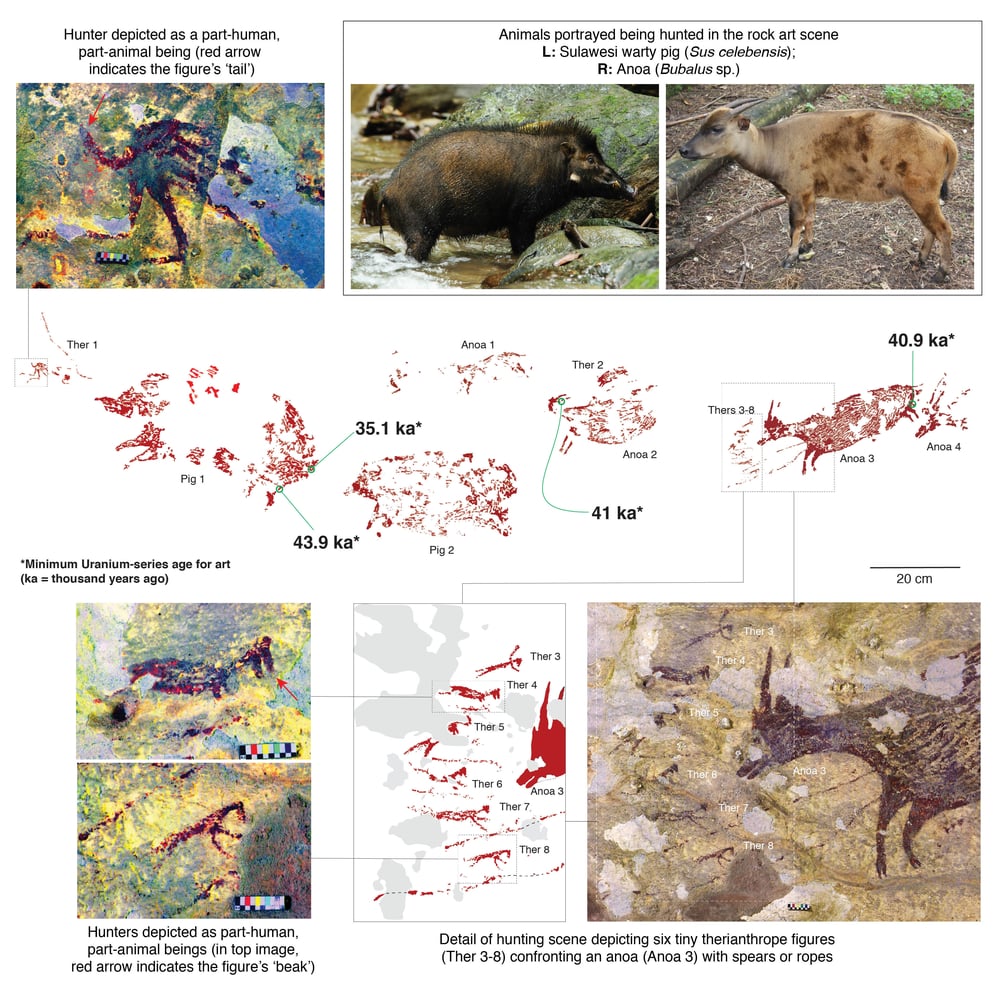
Interesting discovery published in Nature this week pushes back the date of earliest human figurative painting to 44,000 years ago: an elaborate hunting scene, telling a story, in an Indonesian cave. Here is a not paywalled summary of the findings.
-
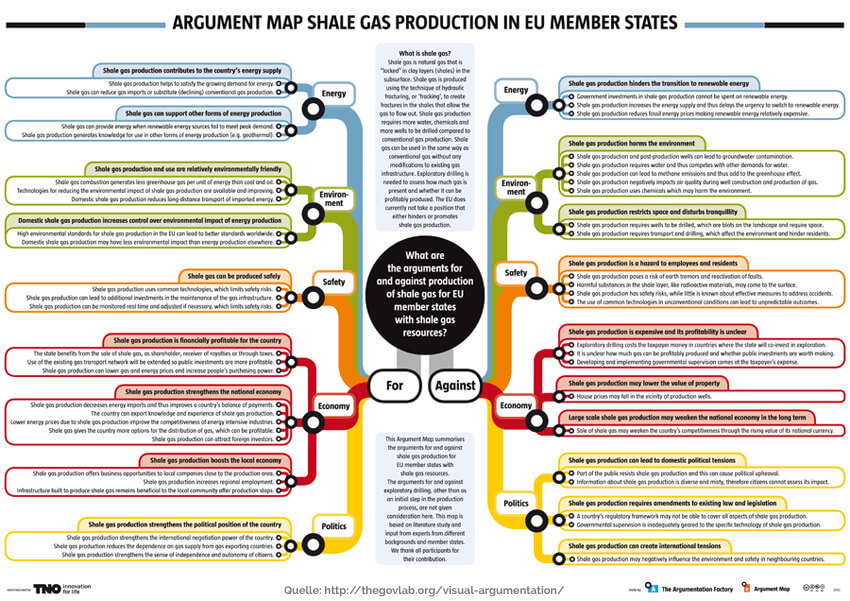
Argument Map - visual representation of the structure of an argument.
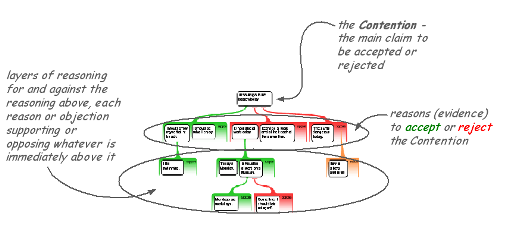
Argument maps are box-and-line diagrams that lay out visually reasoning and evidence for and against a statement or claim. A good map clarifies and organizes thinking by showing the logical relationships between thoughts that are expressed simply and precisely. Argument maps are driven by asking, ‘Should I believe that? Why, or why not?’.
A collection of mapping tools can be found at: https://www.mind-mapping.org
Related: Seven management and planning tools & Affinity Diagrams#KM #Science #Philosophy #Education #Politics #Military #HCI #Design