-
Can you trust your eyes when your imagination is out of focus?
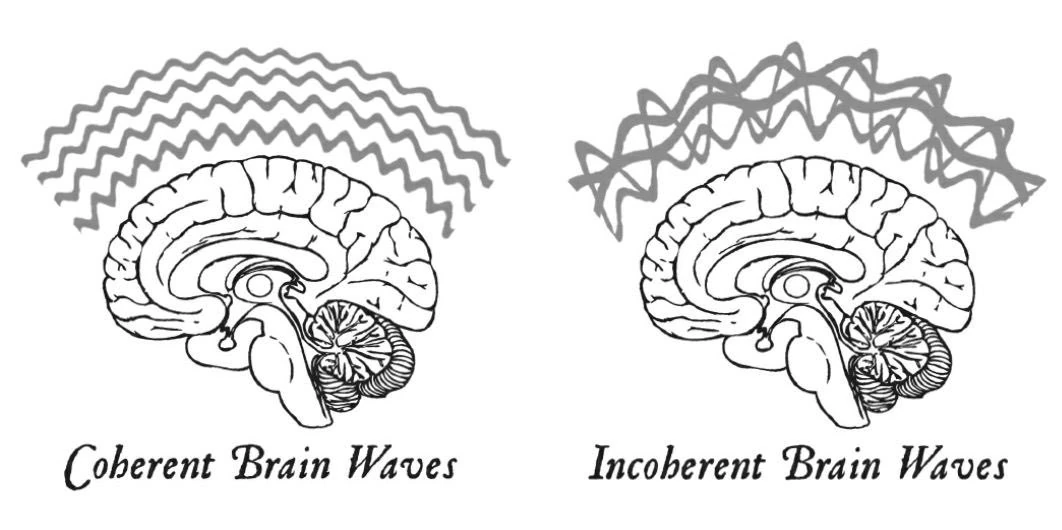
"When we take our attention off the material world and begin to open our focus to the realm of the unknown and stay in the present moment,the brain works in a coherent manner.When your brain is coherent,it is working in a more holistic state and you will feel more whole" - J.Dispenza
-
How 20 Smuggled Chinese Hamsters Built a Pharmaceutical Empire

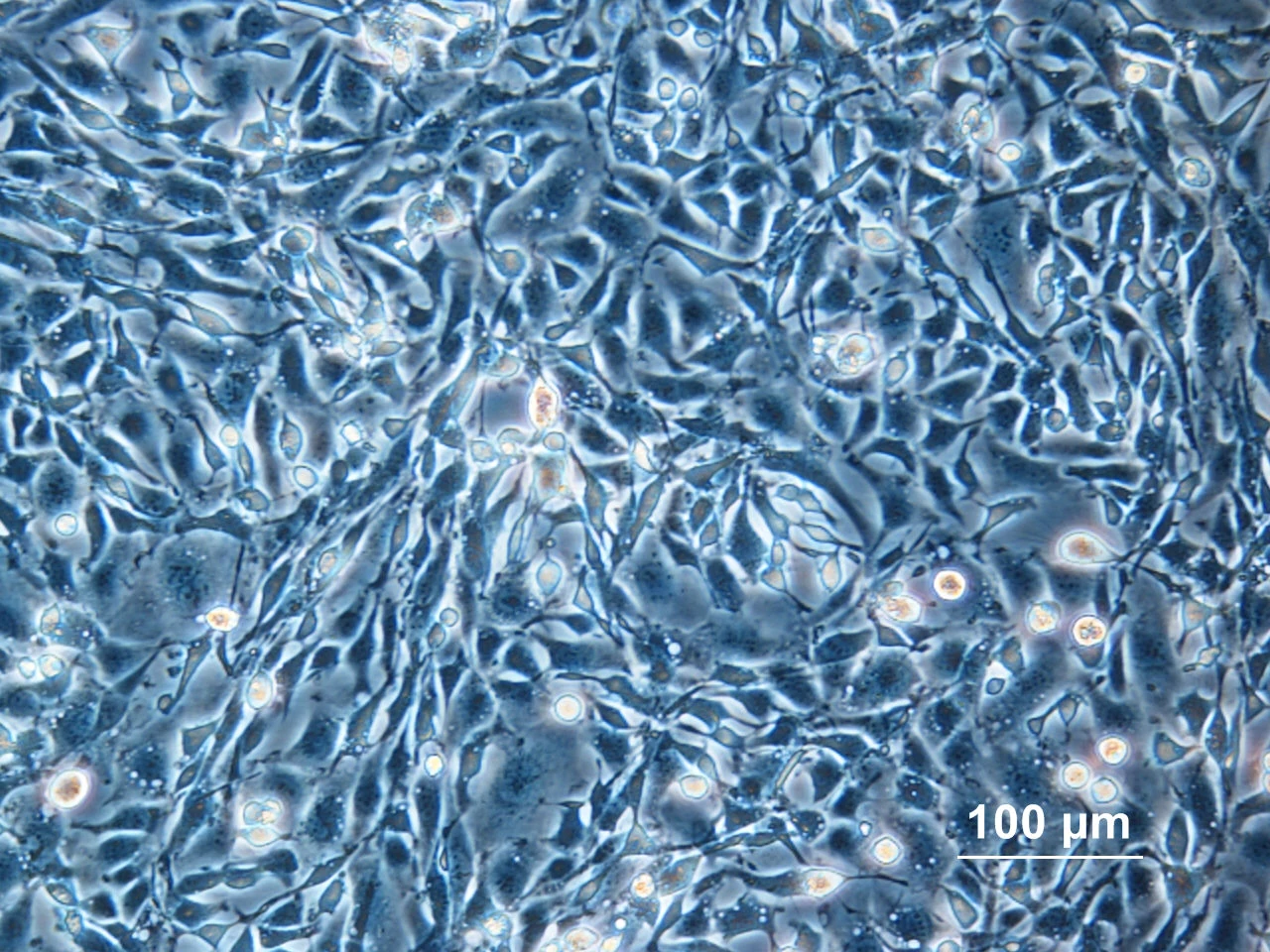
Chinese Hamster Ovary, or CHO, cells are widely used in the pharmaceutical industry. And, incredibly, these cells can be traced back to just twenty hamsters that were packed into a crate and smuggled out of China in the 1940s.
Chinese scientists had been using these hamsters — native to northern China and Mongolia — to study pathogens since at least 1919. The hamsters were unusually well-suited to scientific research because they have short gestation periods (18-21 days), a natural resistance to human viruses and radiation, and it was thought, early on, that they possessed just 14 chromosomes, making them easy to work with for mutation studies. (They actually have 22 chromosomes.)
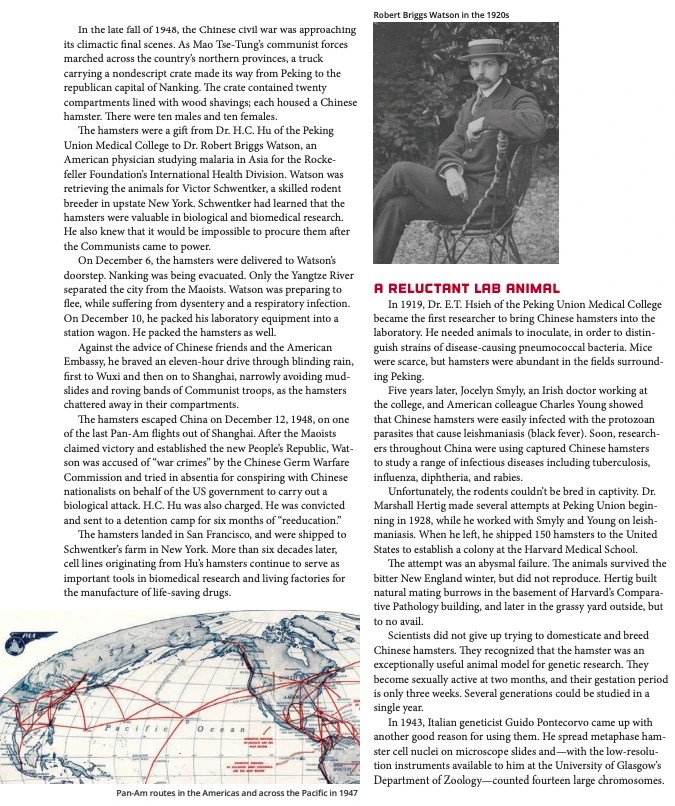
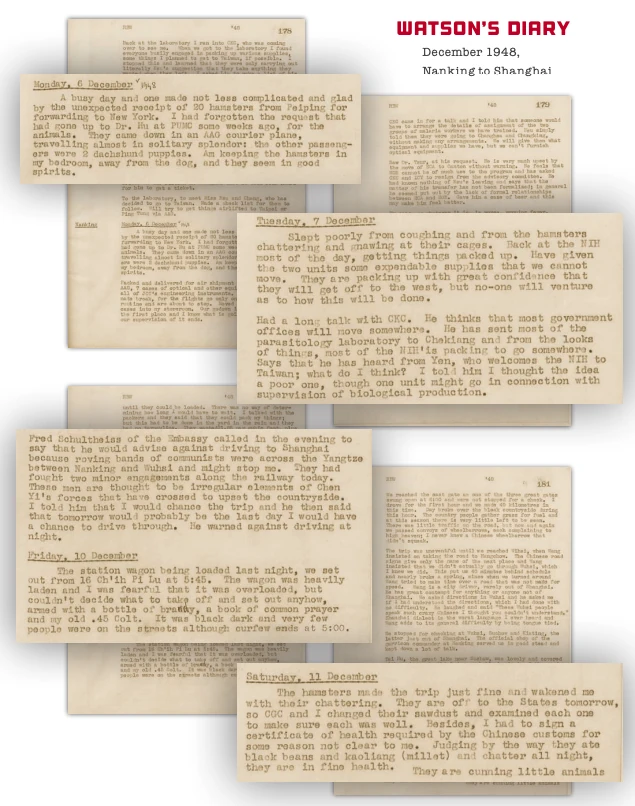
During the Chinese civil war, a rodent breeder in New York named Victor Schwentker worried that, if the Communists won the war, he’d never be able to get his hands on these special rodents. So in 1948, Schwentker sent a letter to Robert Briggs Watson, a Rockefeller Foundation field staff member, and asked him to “acquire” some hamsters so he could begin breeding them.
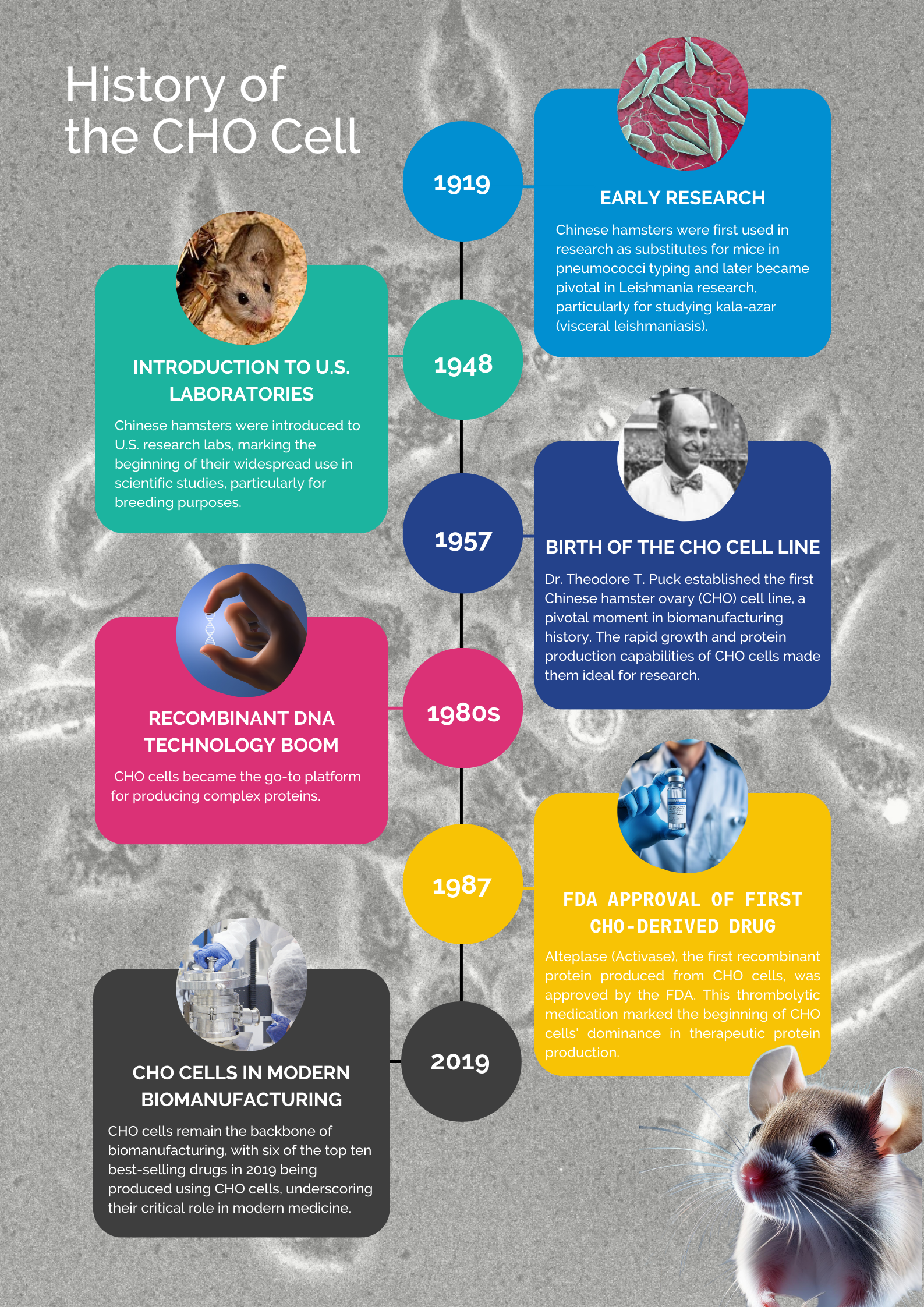
Watson collected ten males and ten females and packed them into a wooden crate with help from a Chinese physician (who was later imprisoned for this act). Watson slipped the crate out of the country on a Pan-Am flight from Shanghai, just before the Communists took control.
In New York, Schwentker received the hamsters and then began breeding and selling them to other researchers.
In 1957, a geneticist named Theodore Puck, intent on creating a new mammalian “model system” for in vitro experiments, learned about the Chinese hamster and contacted George Yerganian, a researcher at the Dana-Farber Cancer Institute, to obtain a specimen. Yerganian shipped Puck one female hamster.
Puck took a small piece from this hamster’s ovary, plated the cells onto a dish, and passaged them repeatedly. He eventually isolated a clone that could divide again and again; an “immortalized” CHO cell with a genetic mutation that rendered it immune to normal senescence.

Today, descendants of these immortalized CHO cells make about 70 percent of all therapeutic proteins sold on the market, including Humira (USD 21 billion in sales in 2021) and Keytruda ($17 billion). Many of these drugs are monoclonal antibodies, or Y-shaped proteins that lock onto, and neutralize, foreign objects inside the body.
CHO cells are well suited to biotherapeutics because they can perform a biochemical reaction called glycosylation. Many human proteins, including antibodies, are decorated with chains of sugars that control how they fold or interact with other molecules in the body. Only a few organisms, mostly mammalian cells and certain yeasts, can do this chemical reaction.
I first learned about this history from a really spectacular article in LSF Magazine, called "Vital Tools: A Brief History of CHO Cells." I recommend it. (You can find it with a quick search.)
Video
-
Non-Human Alters
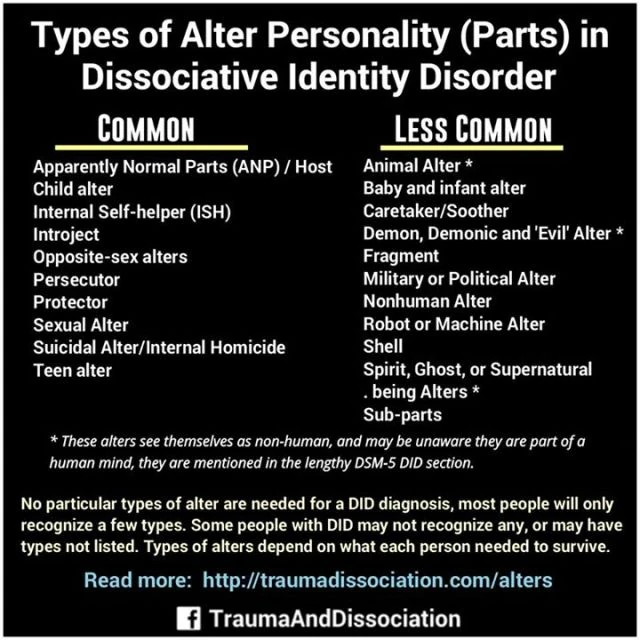
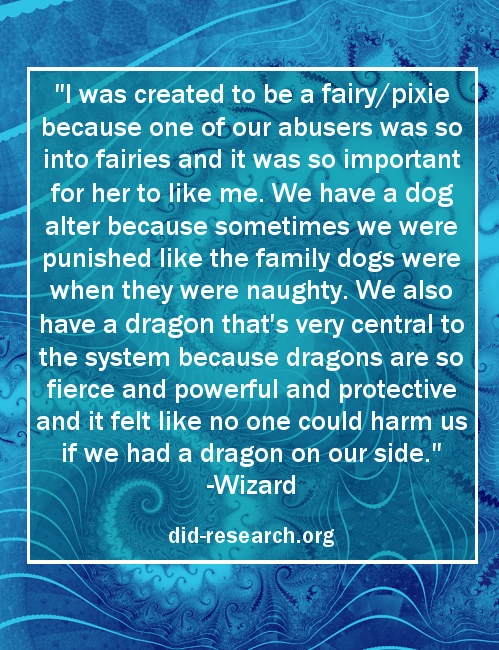
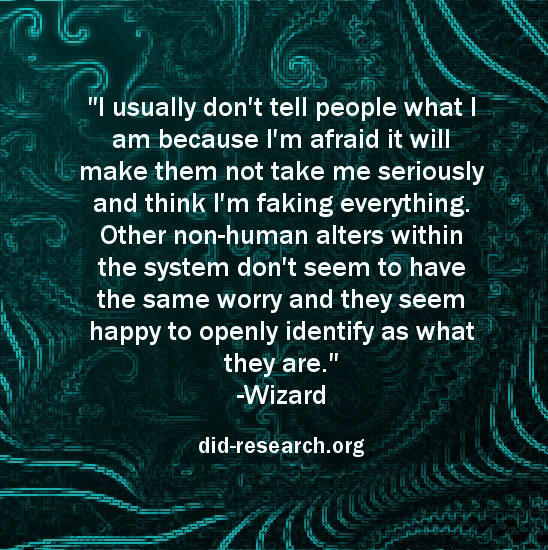
Non-human alters are parts of individuals with dissociative identity disorder (DID) that see themselves as animals, fantasy creatures, or hybrids. Like all other alters, non-human alters are the result of trauma and an already severely dissociative mind.
-
US Orkonomics
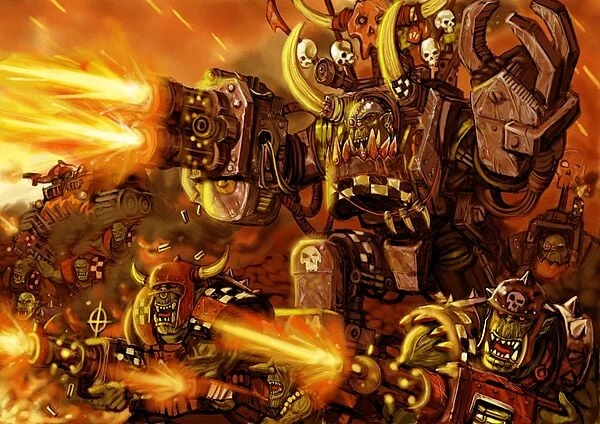
In warhammer 40k there is a faction called “ork” that derive its power from belief. Orks paint a starship red because they think it’ll make it go faster, and if enough of them believe it then it does.
The financialized American economy is largely the same. The value of a company is not based on its sales or development but on the perception and belief of those qualities.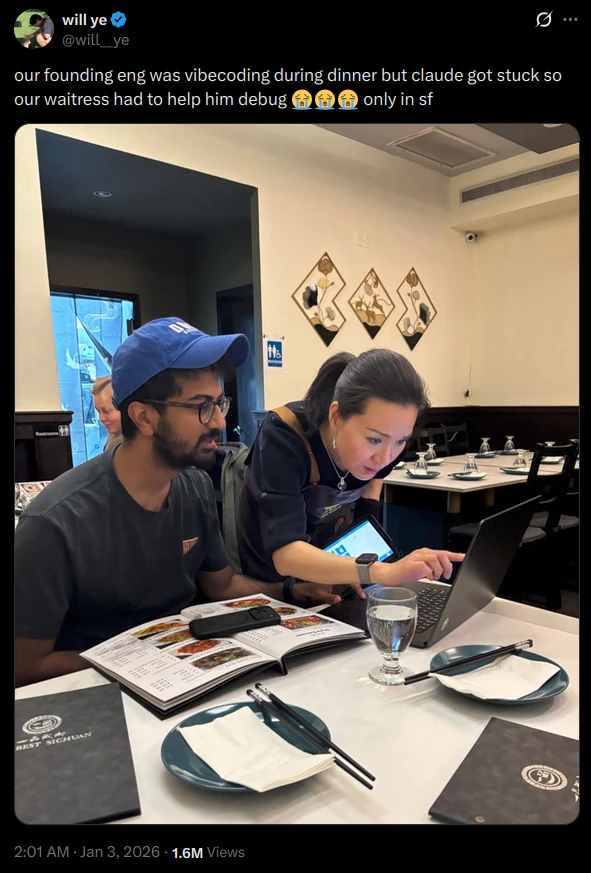
Products aren’t real, the work isn’t real, and none of it matters, just the image of these things. As long as Garry Tan or some VC thinks work is being done then they’ll keep investing, they’ll open another round of funding for their AI wrapper (coded with AI) that integrated AI into business strategies streamlining efficiency for B2B SaaS.
Does this accomplish anything? No. Do the customers gain value? No. Do the people paying for these “programs” know what they’re buying? No, but the finance department got to lay off a dozen people and claim that “integrated AI products boosted efficiency.” Meanwhile their middle management is filing for another 10,000 indians so they can import their third cousin to send a check back to their 2nd grandma.
Leftists are too retarded to understand what’s happening so they’ll call it “late stage capitalism” but the reality is that this is just an over leveraged finance economy.
This is why 60 years ago white guys at IBM built computers that guided rockets to the moon and you never heard from them. The product they made laid the foundations for the technology we enjoy today. But 60 years after that we have mystery meat randoms posting their performative “grind” at a diner where the waitress has to help them write a new prompt into a coding machine.
That way they can show this post at their next funding round to show that something is being done so they can keep collecting fake money to pump their evaluations.
None of this money flowing around is real, it’s just the belief that it is. But the belief is all that matters, if you simply stop believing then it all comes down.
The space ship is faster because it’s red. AI will lead to personal robot servants for everyone, and GPT will figure out a way to make itself profitable. As long as you believe then it’s true.
Don’t look down, we stopped walking on land a long time ago. -
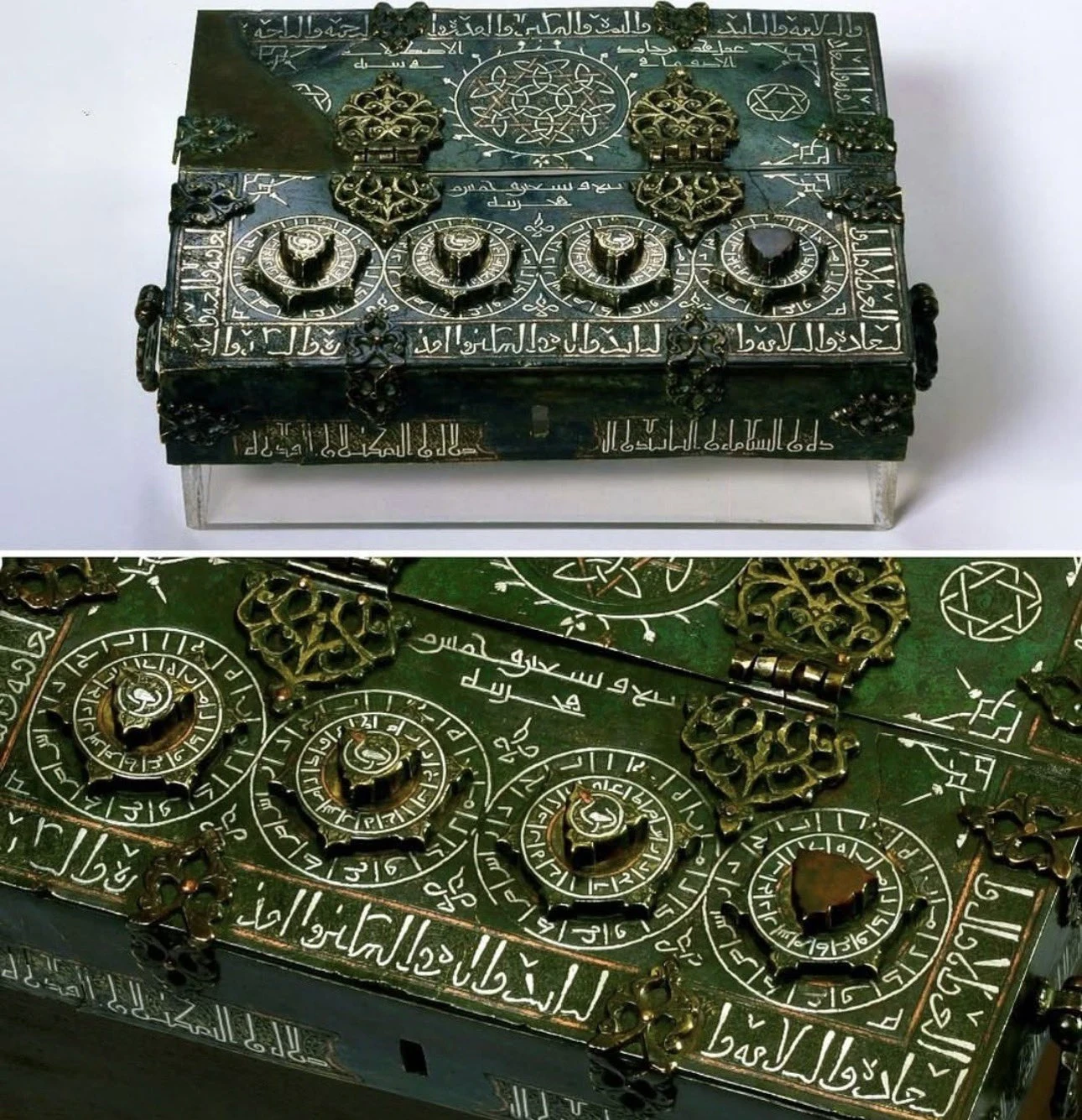
This 800-year-old lockbox was designed with more than 4 billion possible combinations. Iran, AD 1200–1201
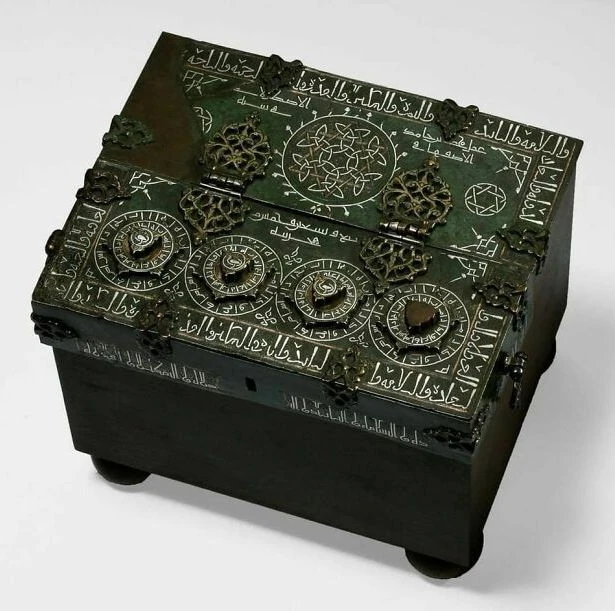
I accidentally left my little box at the supermarket last Tuesday. It has now reappeared in Iran, circa 1200 AD. Please return immediately.
-
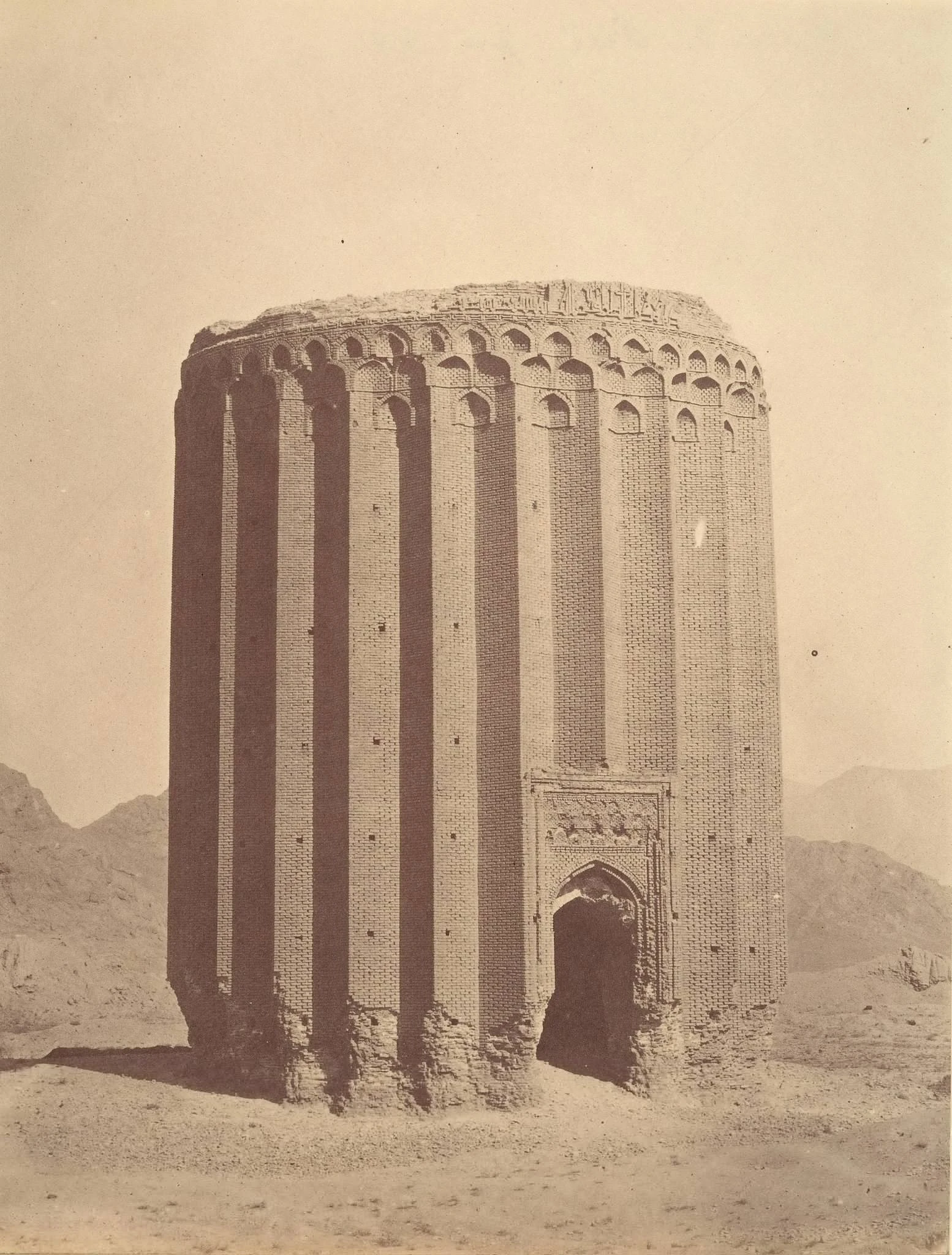
Tower of Toghrul (12th century), located in the city of Rayy, Iran, photographed in the 1860s by Luigi Pesce (1818–1891)
-
Details about OpenAI’s AI device

OpenAI’s first consumer device is expected to launch in 2026–2027.
It was originally expected to be contract-manufactured by China’s Luxshare, but due to strategic considerations around a non-China supply chain, OpenAI has shifted course and Foxconn is now expected to be the sole manufacturer.
The final product form factor could potentially be a smart pen or a portable audio device, per Taiwan Economic Daily.
It is a pen-shaped device that integrates AI, aiming to become a “third core device” following the iPhone and MacBook.
It’s lightweight and highly portable—about the size of an iPod Shuffle—and can be carried in a pocket or worn around the neck.
It will feature a microphone and a camera to perceive and understand the user’s surrounding environment.
Interestingly, it will be able to convert handwritten notes directly into text and instantly upload them to ChatGPT. -
"Conflict is not a commodity. On the contrary, commodity is above all conflict".
- guerrigliamarketing.it