tag > ALife
-
New Frontiers in Alife: What was old is new again - Keynote by Luis Zaman
-
The mainstreaming of eugenics is in full swing

The media outlet "Der Spiegel" (very close to the German government. Essentially a propaganda outlet) has finally made the jump and is now openly prompting mRNA based gene-therapy for everything from Cancer, Allergies, Heart Attacks to Dementia (but still calling it a "vaccine"). Conceptually they (the merger of state and corporations - AKA Fascism, as Mussolini defined it) are now very close to where the Nazis left of 75 years ago: Openly prompting eugenics and totalitarian population control/design "health" policies. What ever you think about "the virus", this should raise all kinds of red flags. But unfortunately even in the age of "magic" mRNA based gene-therapy (a deeply flawed, unproven and opaque bio-technology platform), there is still no cure for greed, stupidity and ignorance in sight.
-
US Senate passes bill to give billions of dollars in funding for human-animal hybrid experiments

'We shouldn’t need to clarify in law that creating animal-human hybrids or "chimeras" is ethically unthinkable, but sadly the need for that very clear distinction has arrived,' said Senator James Lankford.
France adopts bioethics law that will introduce chimeras, genetic engineering of ‘human material’
In its latest revision, the law will also allow access to artificial procreation to all women, including women in same-sex couples and single women.
-
Synthetic living machines: A new window on life (cell)

Here, we review recent advances in the emerging field of synthetic morphogenesis, the bioengineering of novel multicellular living bodies. Emphasizing emergent self-organization, tissue-level guided self-assembly, and active functionality, this work is the essential next generation of synthetic biology. Aside from useful living machines for specific functions, the rational design and analysis of new, coherent anatomies will greatly increase our understanding of foundational questions in evolutionary developmental and cell biology.
-
Researchers generate human-monkey chimeric embryos
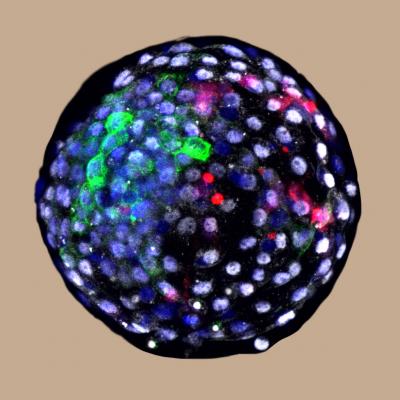
Investigators in China and the United States have injected human stem cells into primate embryos and were able to grow chimeric embryos for a significant period of time--up to 20 days. The research, despite its ethical concerns, has the potential to provide new insights into developmental biology and evolution. It also has implications for developing new models of human biology and disease.
-
Scientists Create Simple Synthetic Cell That Grows and Divides Normally (nist.gov)
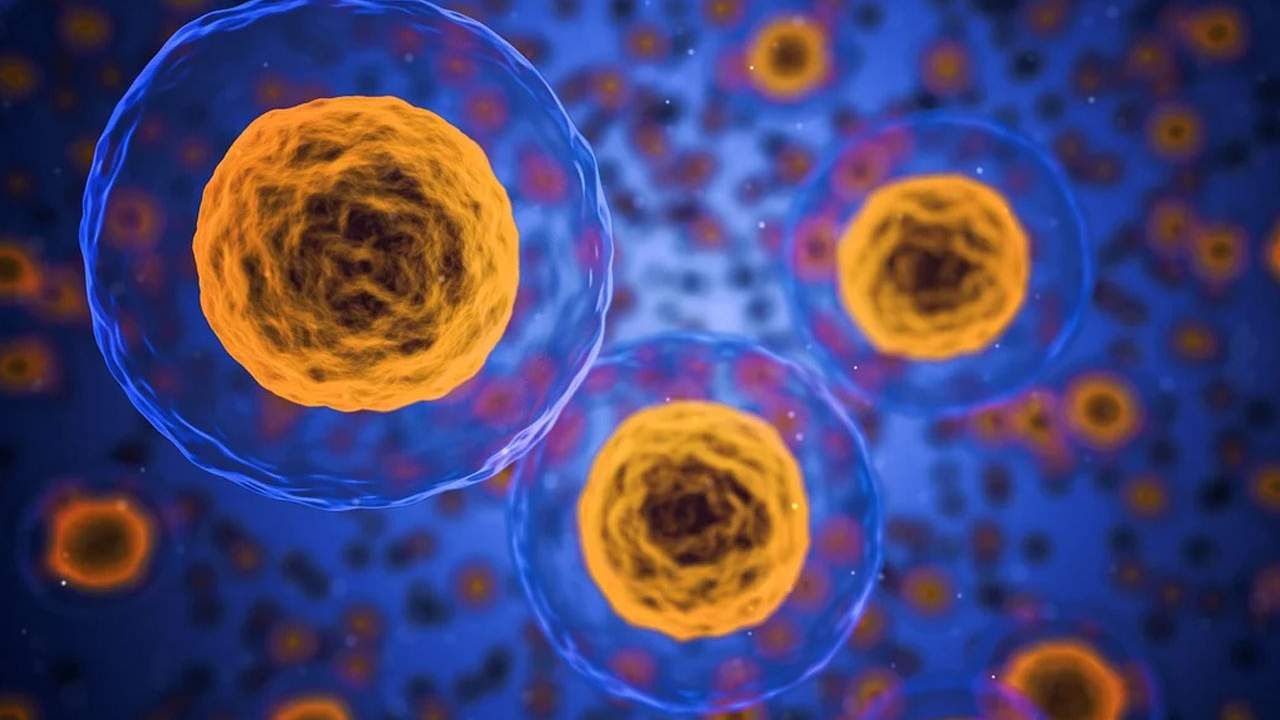
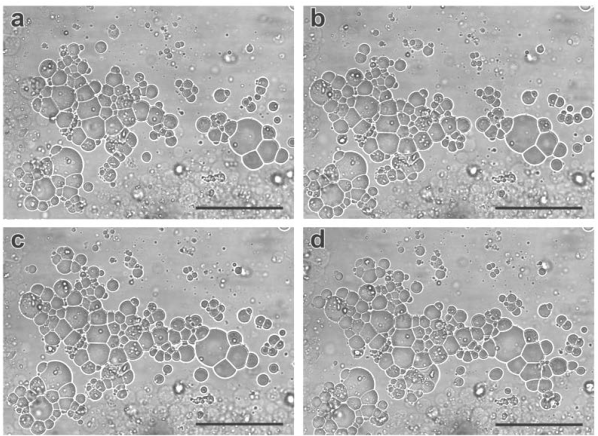
Five years ago, scientists created a single-celled synthetic organism that, with only 473 genes, was the simplest living cell ever known. However, this bacteria-like organism behaved strangely when growing and dividing, producing cells with wildly different shapes and sizes. Now, scientists have identified seven genes that can be added to tame the cells' unruly nature, causing them to neatly divide into uniform orbs.
-
Photosynthesis could be as old as life itself (imperial)

Researchers find the earliest bacteria had the tools to perform a crucial step in photosynthesis, showing the process previously thought to take billions of years to evolve could be as old as life itself, and suggesting other planets may have evolved complex life much earlier than previously thought
-
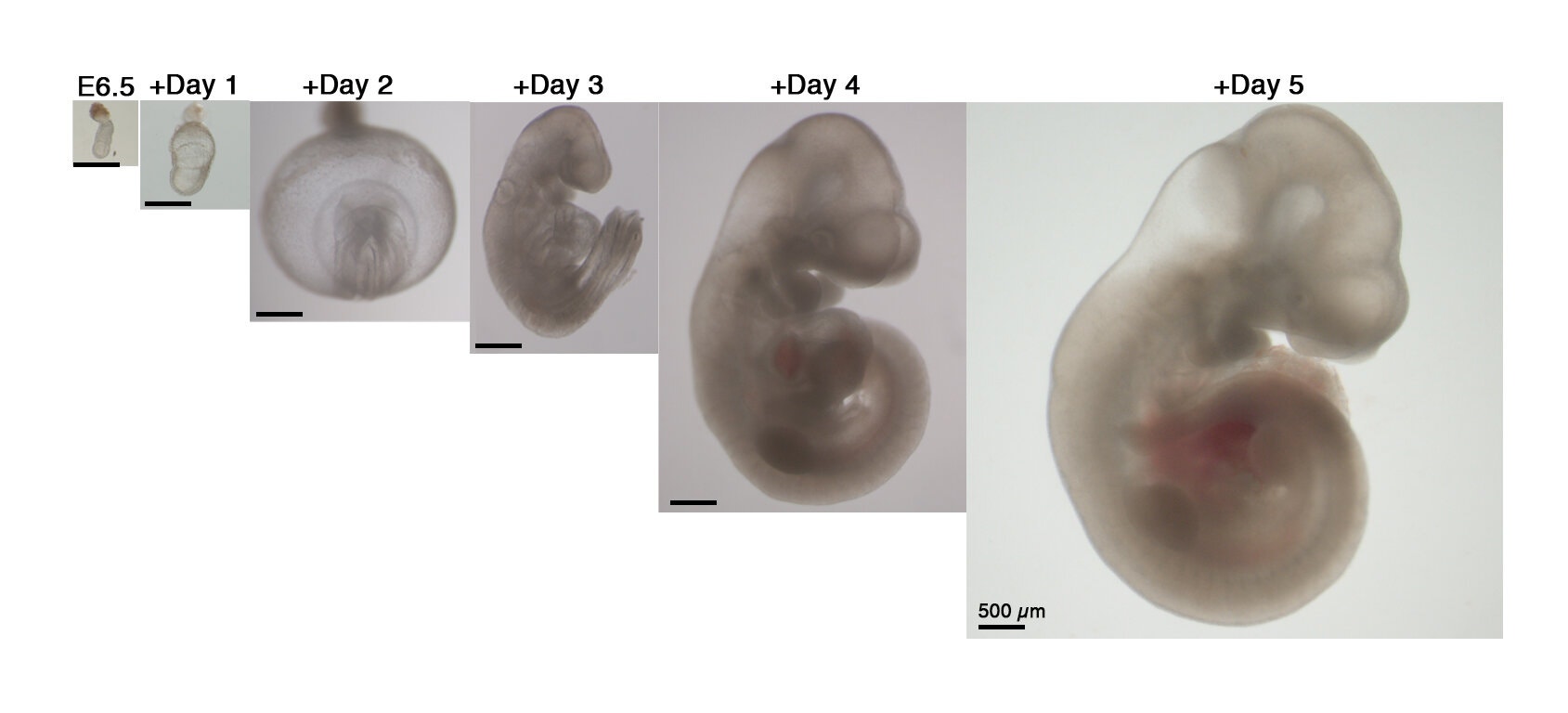
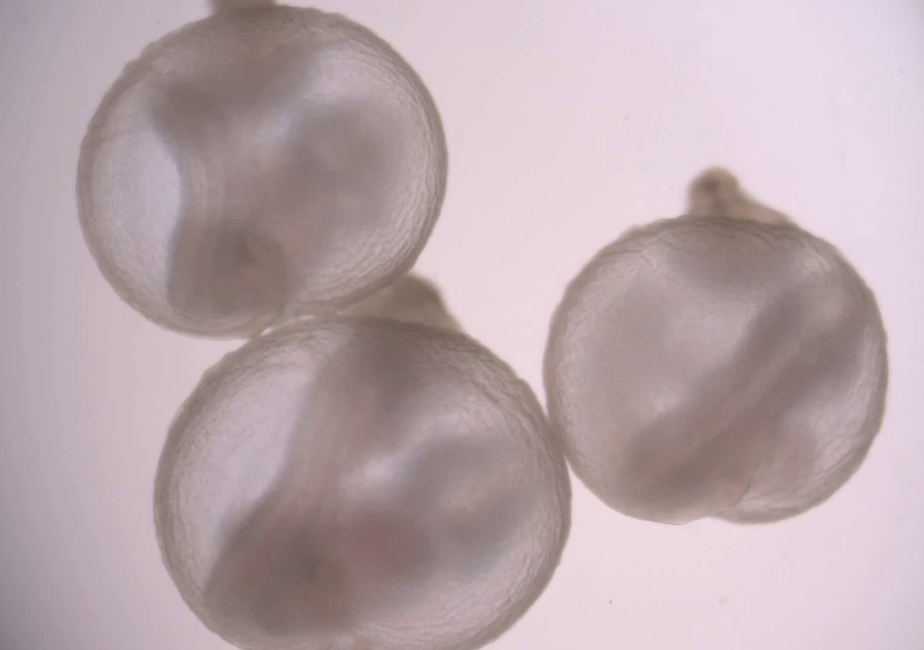
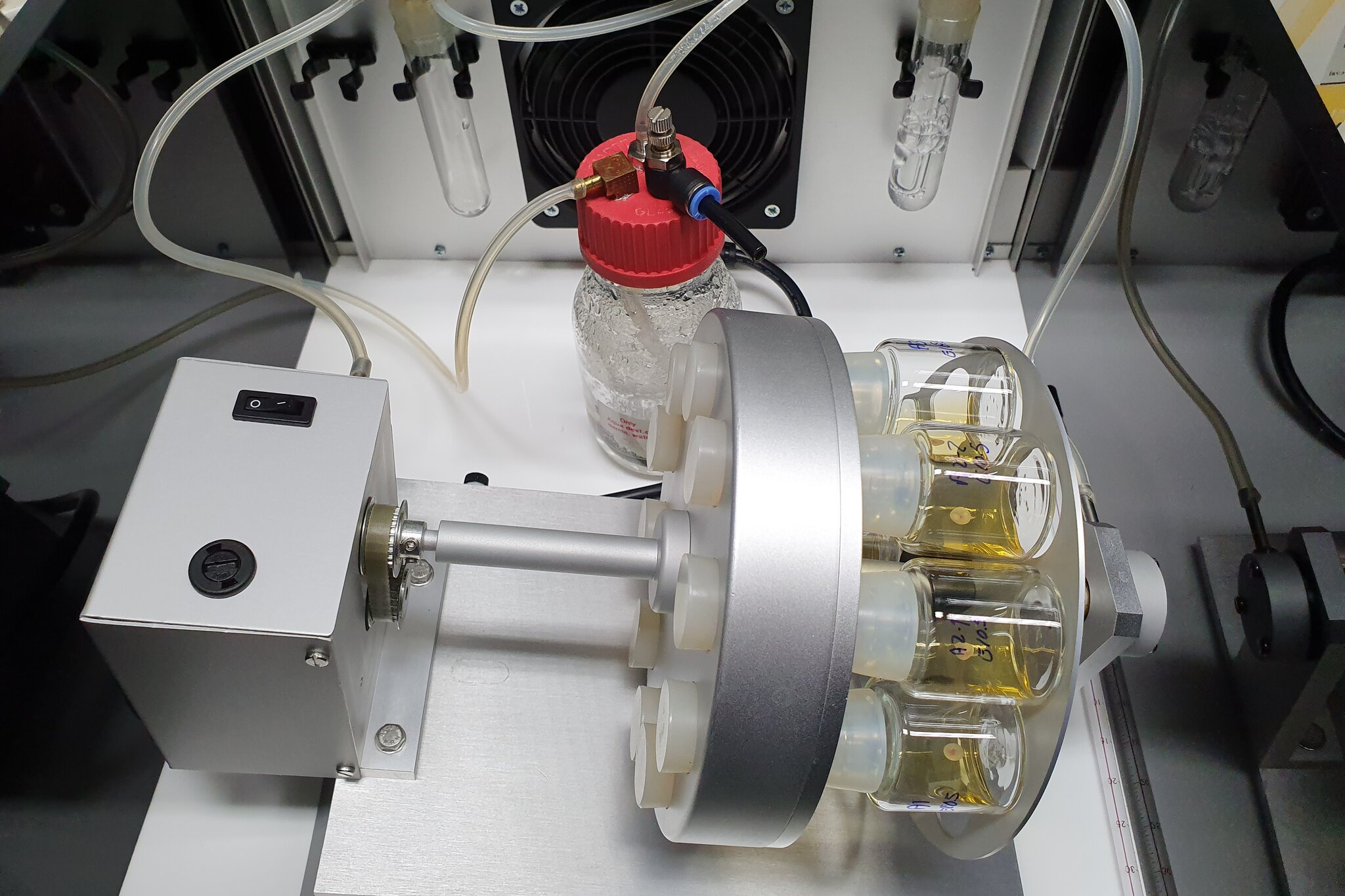
Scientists Grow Mouse Embryos in a Mechanical Womb (nyt)
In the future, Dr. Tesar said, “it is not unreasonable that we might have the capacity to develop a human embryo from fertilization to birth entirely outside the uterus.”
-
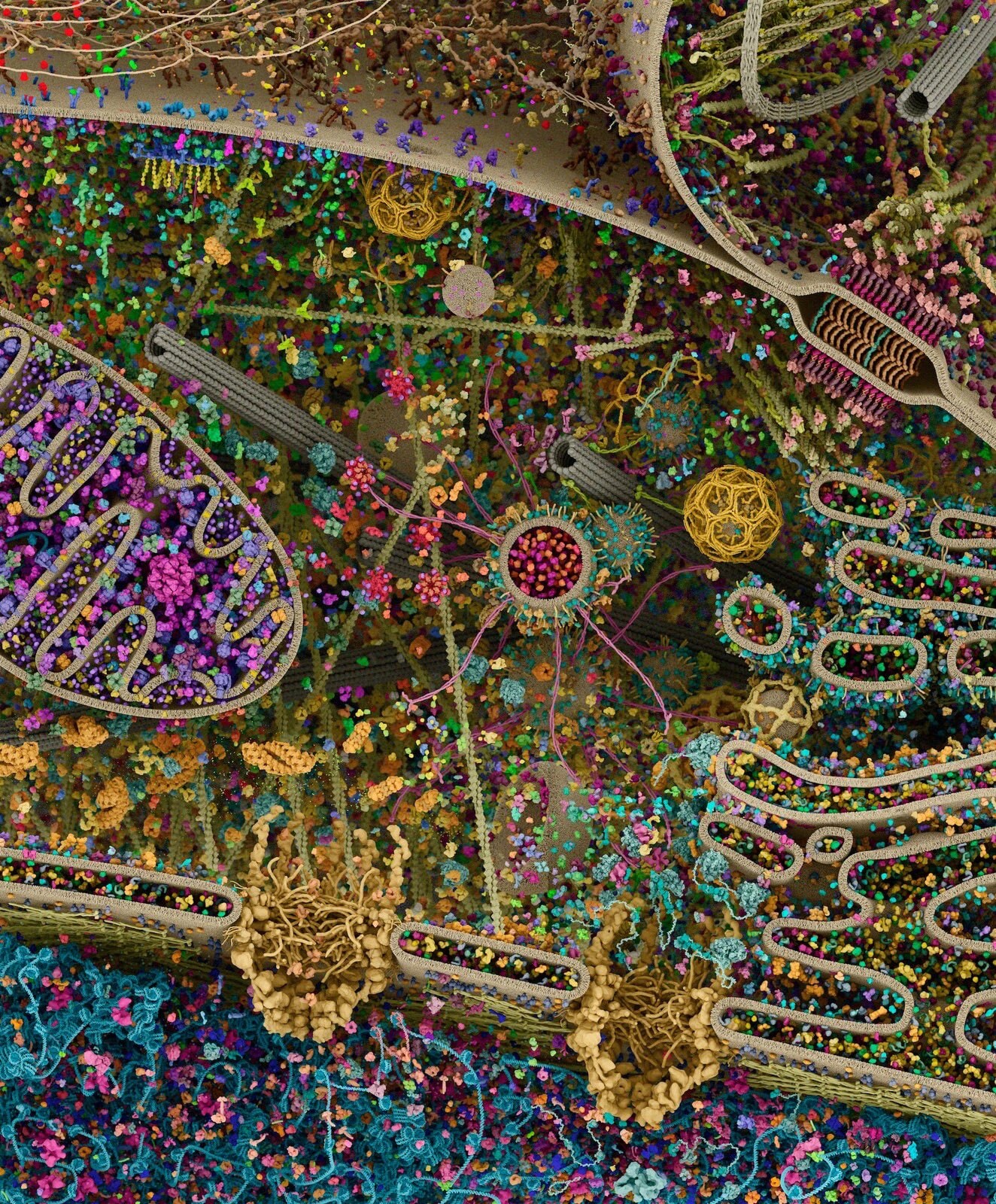
The Most Accurate Image of a Human Cell Ever Taken
This is the most detailed model of a human cell to date, obtained using x-ray, NMR and cryoelectron microscopy datasets. “Cellular landscape cross-section through a eukaryotic cell.” - by Evan Ingersoll and Gael McGill.
-
"There's living things that aren't organisms. Not all Life is Physical. It could be an animated substance." - From "The Trial of Kitaro" by Shigeru Mizuki

-
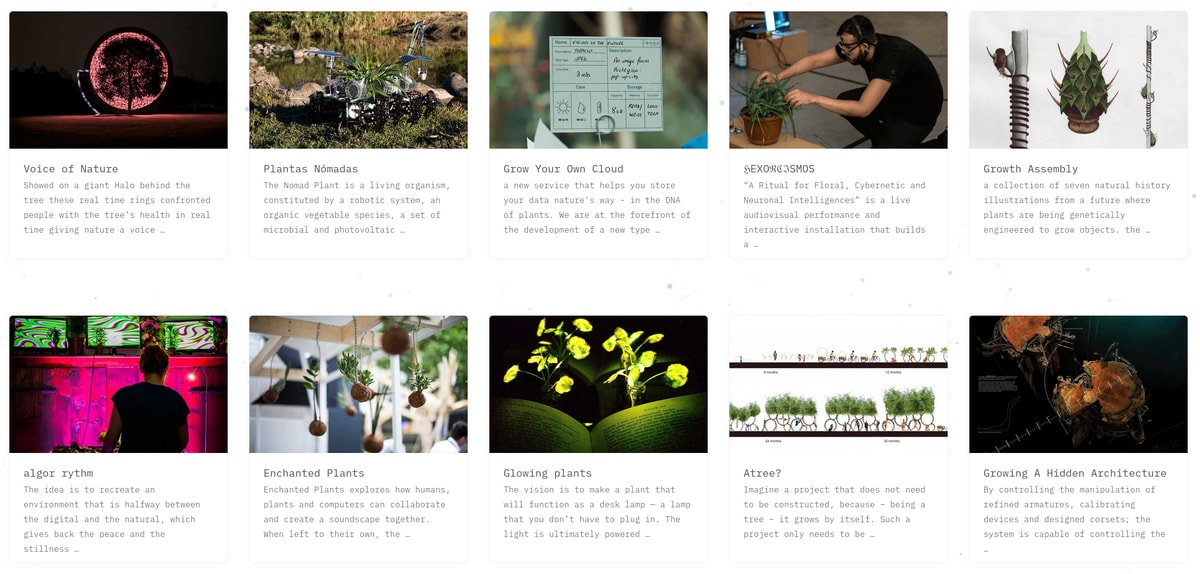
Cyberbiomes - Discussions with mycelium and solarpunk futures & Cyberbiomes.org - Concepts, projects and initiatives at the intersection of nature, culture and technology - by Ilja Panić
-
Memory Without a Brain: How a Single Cell Slime Mold Makes Smart Decisions (scitechdaily)
Article about the paper: Encoding memory in tube diameter hierarchy of living flow network: "We follow experimentally the organism’s response to a nutrient source and find that memory about nutrient location is encoded in the morphology of the network-shaped organism."
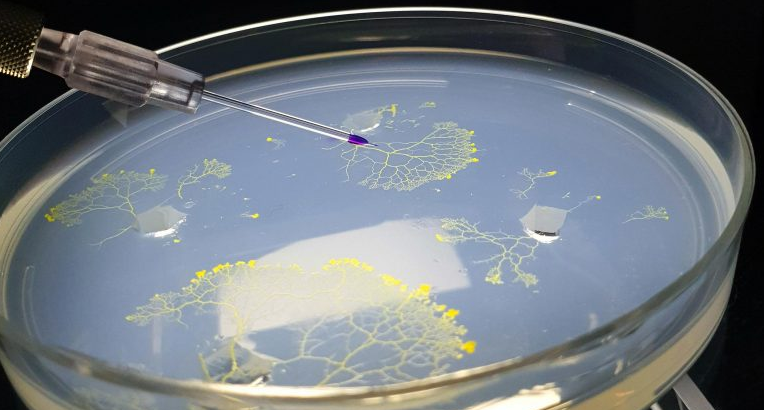
Slime Molds: When Micro Becomes Macro
-
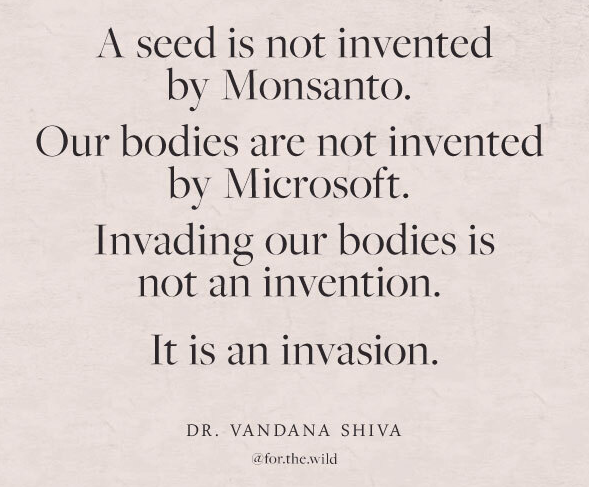
In 2012-2013 the courts first allowed genetic modified organisms to be patentable
-
Stem cell AI -- 'brain on a chip' project aims to revolutionize computing power (eurekalert)

The Neu-ChiP project, an international collaboration led by researchers at Aston University, has been awarded €3.5m (£3.06m) to show how neurons - the brain's information processors - can be harnessed to supercharge computers' ability to learn while dramatically cutting energy use.
-
U.S. Intelligence Claims China* Wants to Steal Your DNA (* and many other global entities)

"Indeed, warnings about China’s alleged desire to gobble up the world’s genetic data and use it for nefarious purposes have been ongoing for some time. It’s true that China has an extensive domestic DNA collection program, having launched an initiative to create a national genetics database in 2017. Concerns exist that this data will be used to control trends in medicine and pharmaceuticals, or to engineer bioweapons."
"The genomics firm at the center of the most recent drama, BGI, is one of the biggest in the world. The company, which specializes in genome sequencing, substantially increased its operations when covid-19 struck last year. As the virus got underway in the U.S., an affiliate of the company began “approaching city, county and state officials with offers to sell supplies and help set up entire labs, proposing to export a rapid testing model that they said had helped contain China’s outbreak,” the Washington Post reports. BGI has denied that it wants to collect American DNA via covid tests."
-
“Synthetic biology raises risk of new bioweapons, US report warns” (Guardian)
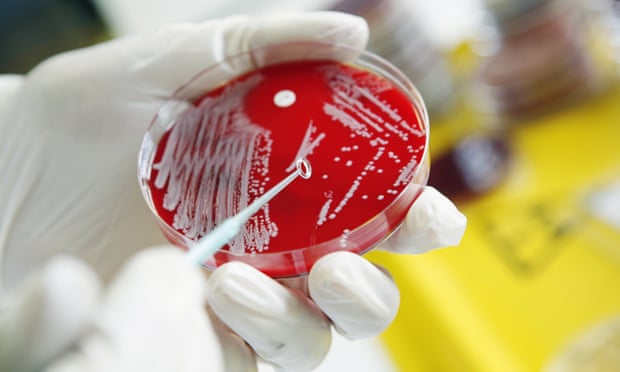
The rapid rise of synthetic biology, a futuristic field of science that seeks to master the machinery of life, has raised the risk of a new generation of bioweapons, according a major US report into the state of the art.
In the report, the scientists describe how synthetic biology, which gives researchers precision tools to manipulate living organisms, “enhances and expands” opportunities to create bioweapons. “As the power of the technology increases, that brings a general need to scrutinise where harms could come from,” said Peter Carr, a senior scientist at MIT’s Synthetic Biology Center in Cambridge, Massachusetts.
More than 20 years ago, Eckard Wimmer, a geneticist at Stony Brook University in New York, highlighted the potential dangers of synthetic biology in dramatic style when he recreated poliovirus in a test tube. Earlier this year, a team at the University of Alberta built an infectious horsepox virus. The virus is a close relative of smallpox, which may have claimed half a billion lives in the 20th century. Today, the genetic code of almost any mammalian virus can be found online and synthesised. “The technology to do this is available now,” said Imperiale. “It requires some expertise, but it’s something that’s relatively easy to do, and that is why it tops the list.”
Other fairly simple procedures can be used to tweak the genes of dangerous bacteria and make them resistant to antibiotics, so that people infected with them would be untreatable. A more exotic bioweapon might come in the form of a genetically-altered microbe that colonises the gut and churns out poisons. “While that is technically more difficult, it is a concern because it may not look like anything you normally watch out for in public health,” Imperiale said.
One bioweapon that is not considered an immediate threat is a so-called gene drive that spreads through a population, rewriting human DNA as it goes. “It’s important to recognise that it’s easy to come up with a scary-sounding idea, but it’s far more difficult to do something practical with it,” said Carr.
We begin by returning to the subject of synthesizing viruses in a laboratory. A study released by US National Academy of Sciences at the request of the Department of Defense about the threats of synthetic biology concluded that the techniques to tweak and weaponize viruses from known catalogs of viral sequences is very feasible and relatively easy to do.
-
Reverse Engineering the source code of the BioNTech/Pfizer SARS-CoV-2 Vaccine (berthub)
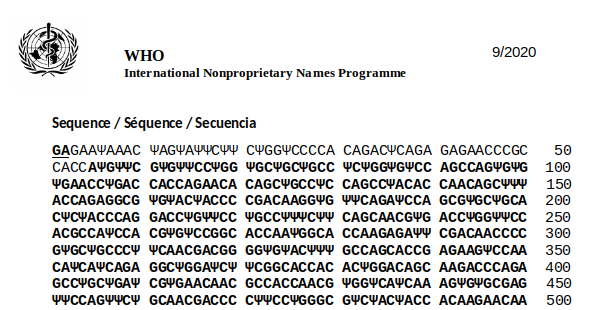
Now, these words may be somewhat jarring - the vaccine is a liquid that gets injected in your arm. How can we talk about source code? This is a good question, so let’s start off with a small part of the very source code of the BioNTech/Pfizer vaccine, also known as BNT162b2, also known as Tozinameran also known as Comirnaty. The BNT162b2 mRNA vaccine has this digital code at its heart. It is 4284 characters long, so it would fit in a bunch of tweets. At the very beginning of the vaccine production process, someone uploaded this code to a DNA printer (yes), which then converted the bytes on disk to actual DNA molecules.