tag > Art
-
"Line Goes Up – The Problem With NFTs" is a 2h critical analysis video about NFTs. If the time is to valuable for you to spend on this topic (it should be, go visit a forest instead), here is my short Comment:
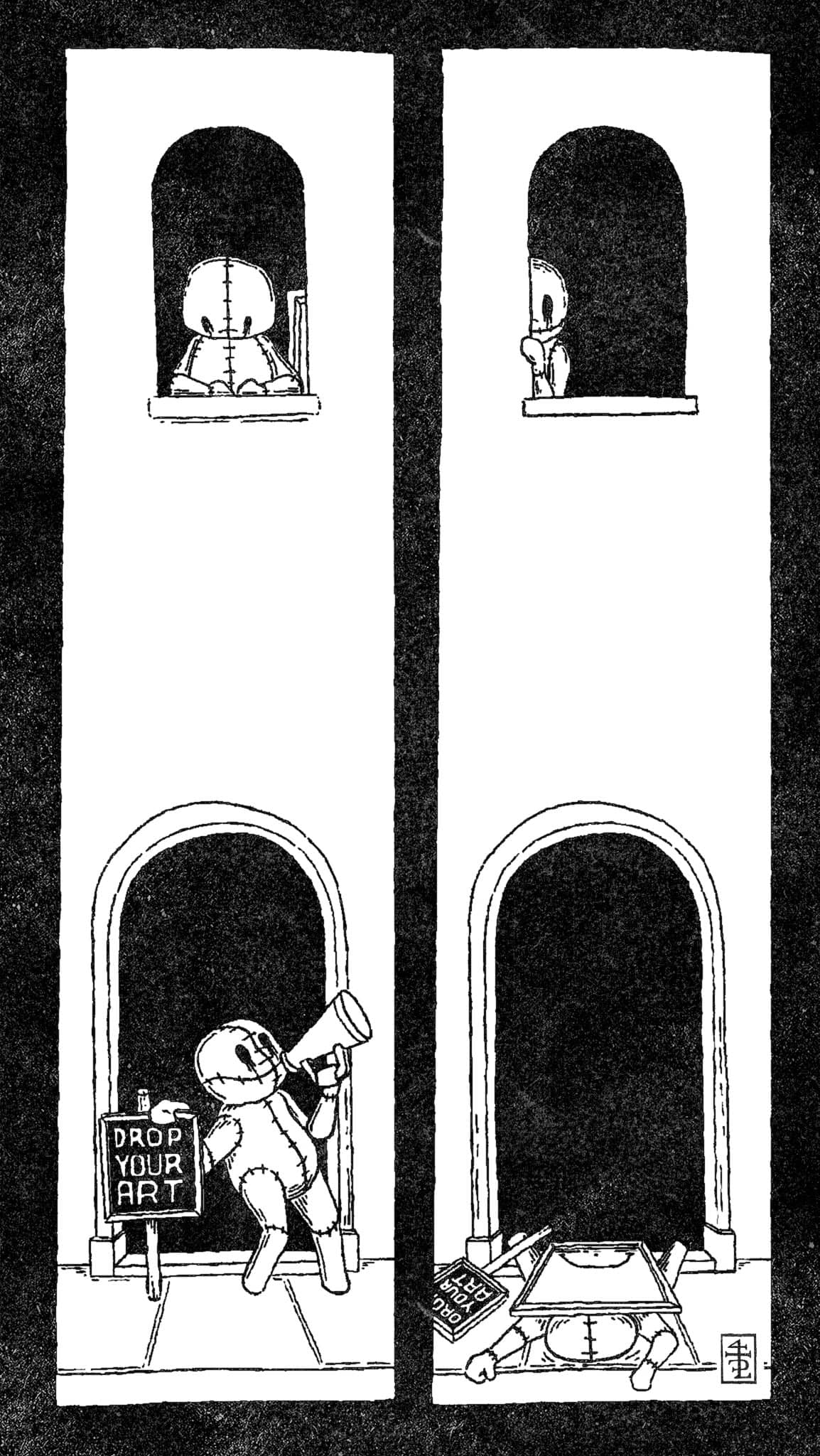
In the early 2000s, "P2P" Communities like "BitTorrent" thrived around the vision of making all media and knowledge accessible for everyone for free by removing key barriers and ending (artificial) scarcity. It was a radical departure from the age old philosophy of the dominate power "elites", defined by concepts such as Scarcity, Property, Competition, Surveillance, Policing - and above all, financialization & commercialization of everything.
After years of dirty fights by the "elites" and diverse "middle men" against the P2P, Commons and Open-Source movements, they seemingly have achieved dominance over the narrative once again. The result are things like NFT's, which implement the vision of creating more artificial scarcity by creating more (Intellectual) Property through more technological policing - and above all, more financialization & commercialization of everything. NFT's lead to a plethora of bad outcomes, including opening the (philosophical, cultural) door for all kinds of DRM maximalism nightmares, incl. patents on life.

Members of Hyperledger, indicative of the wider situation Despite the ubiquitous marketing messaging ("Decentralize power!"), unsurprisingly the hidden owners of the Crypto/NFT space are the same criminal gangs and empires of the 0.0001%, that have been running the show for centuries. Never forget rule N.1 of the blockchain: He who owns the biggest (quantum) computer and dominates the (power/fiber) networks, de-facto owns everything.
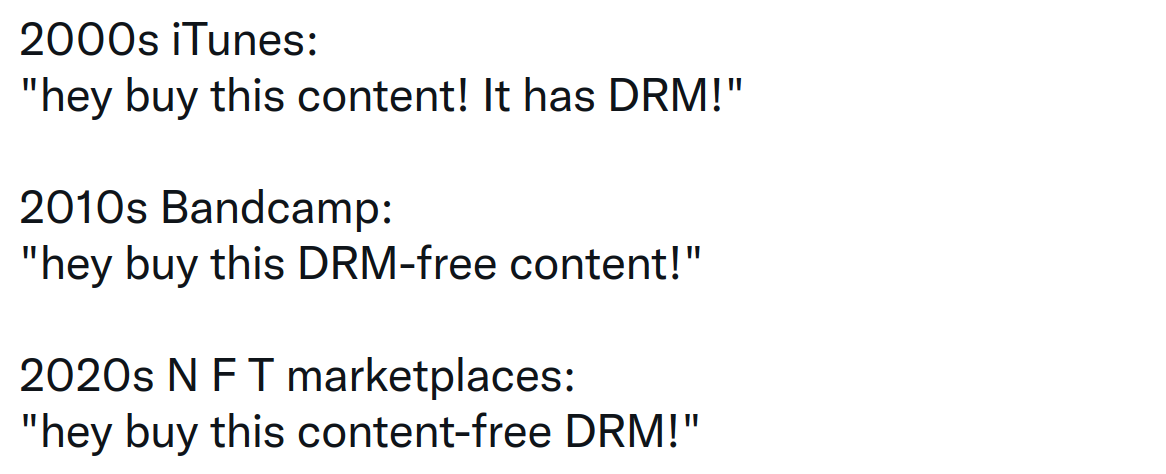
NFT's represent a massive failure of imagination. In the very moment that creating a post-scarcity, open-source, commons-based economy has become feasible, an entire generation has been enticed to become "wannabe investment bankers" engaged in a giant Ponzi Scheme instead.
More critique of Crypto & NFT's, here, here, here, here, here, here and here
-
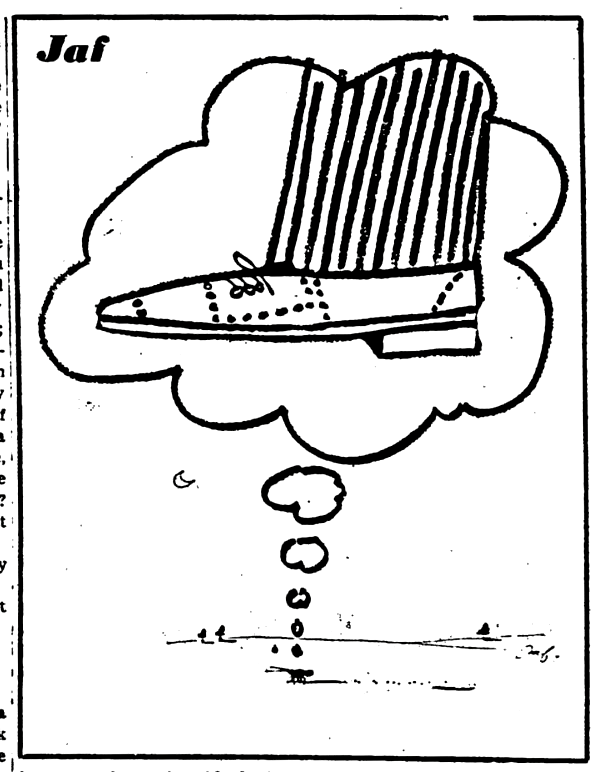
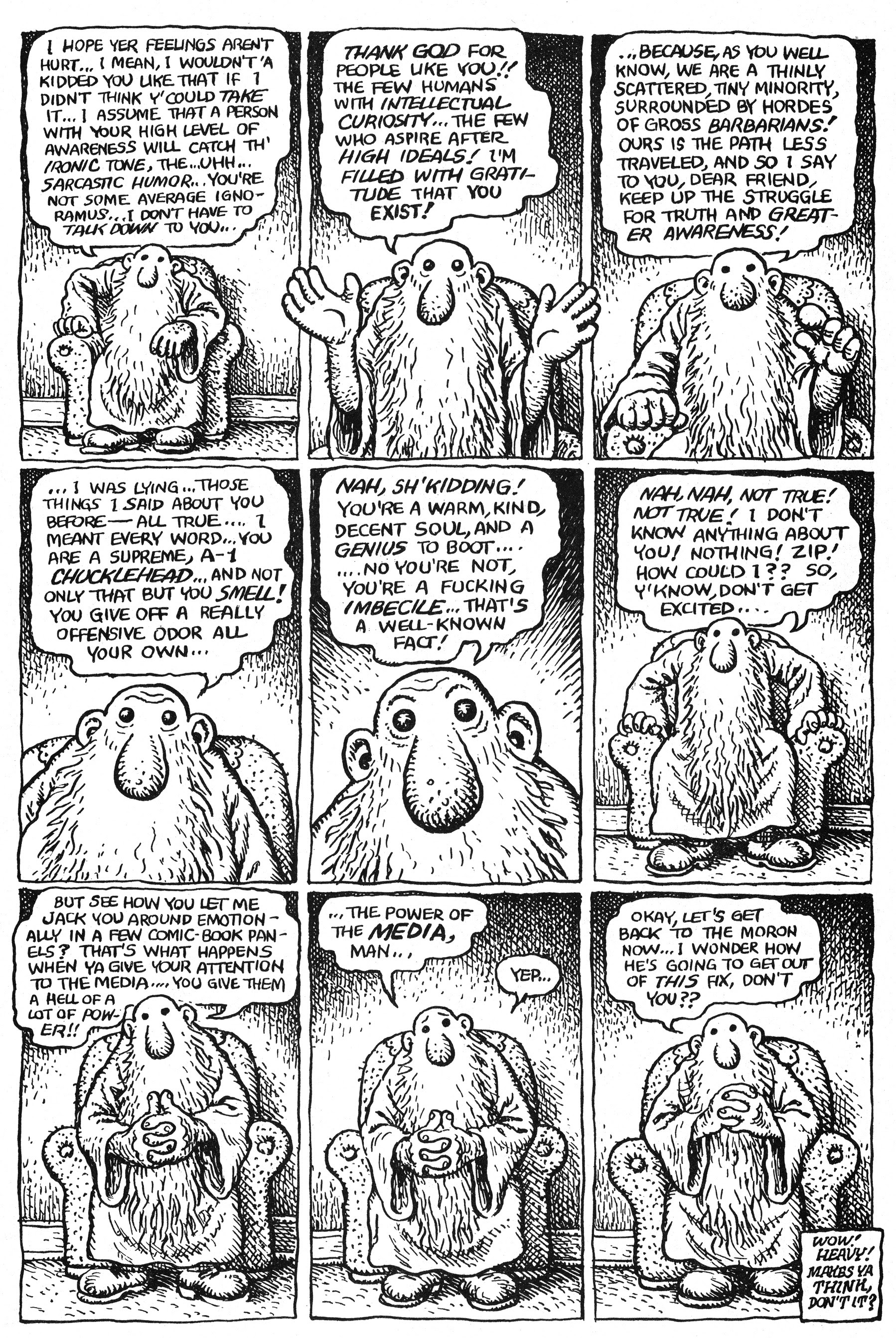
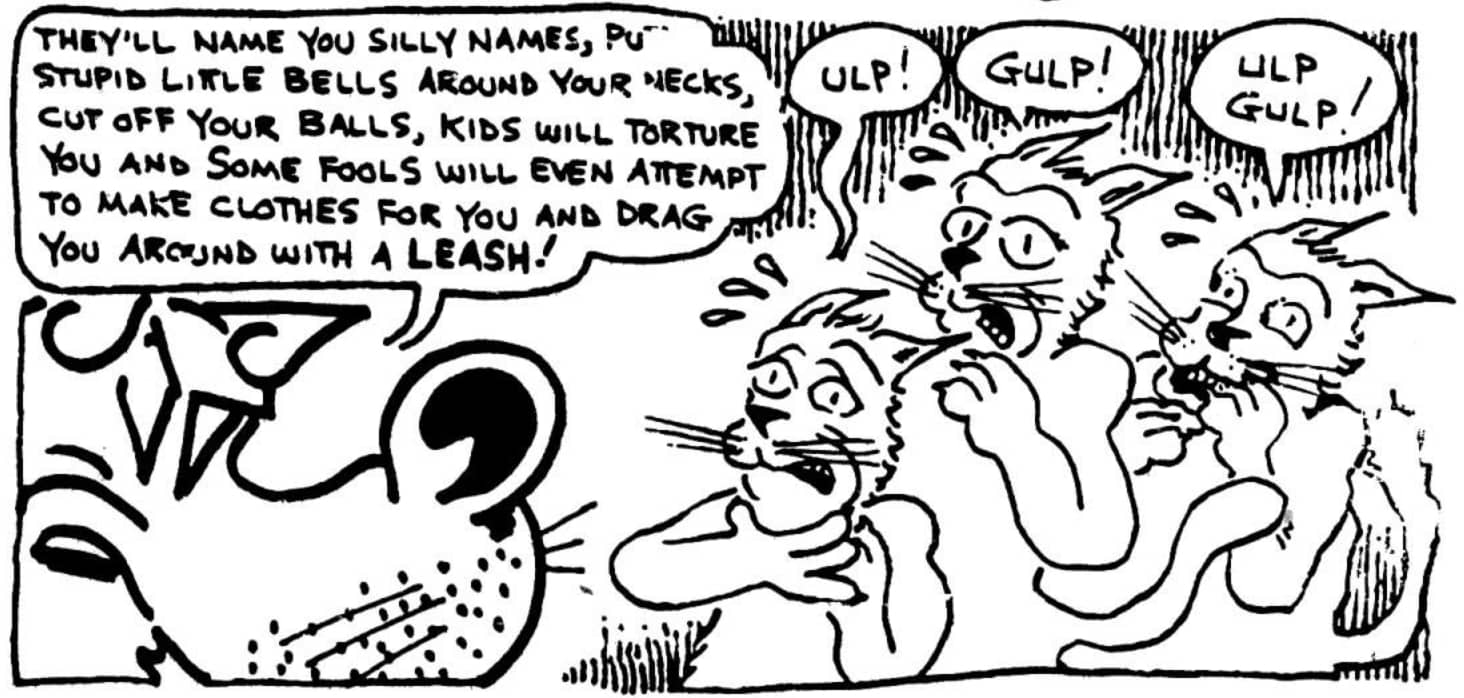
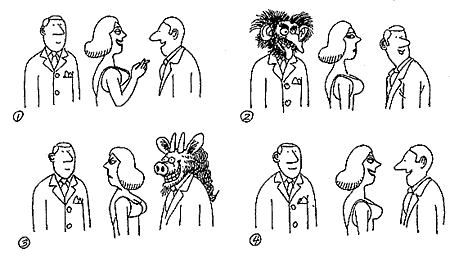
Do not take life too seriously—you will never get out of it alive.
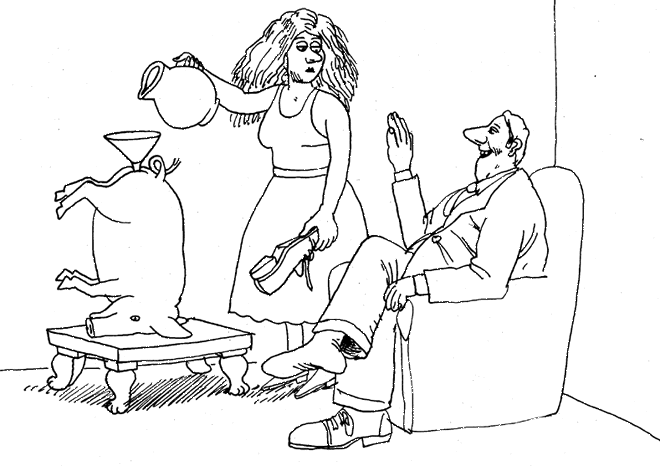
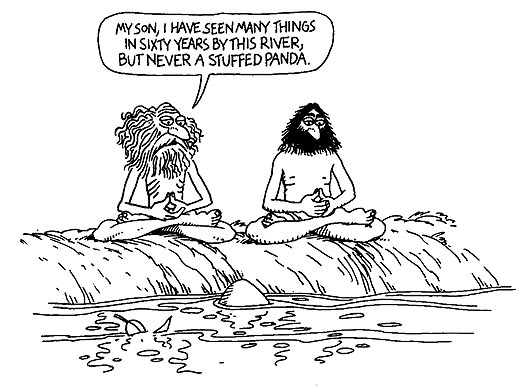
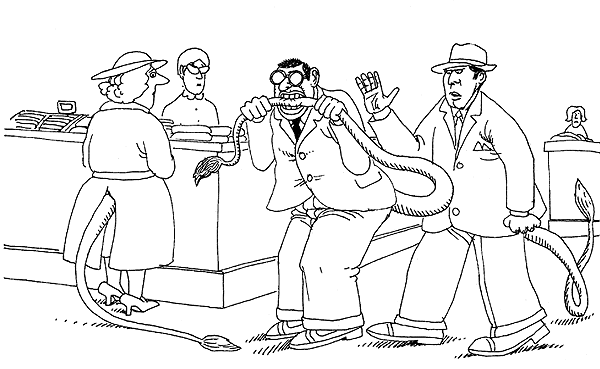
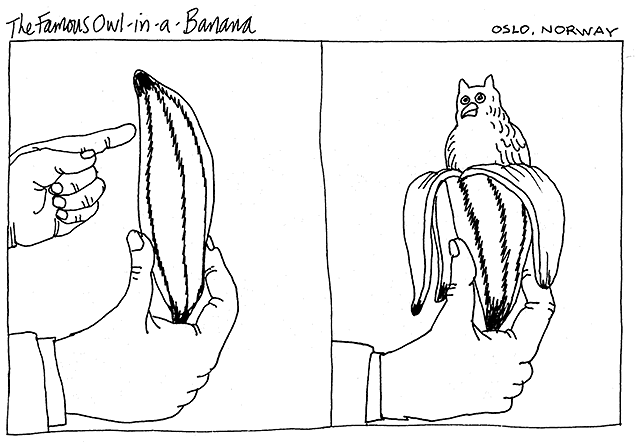
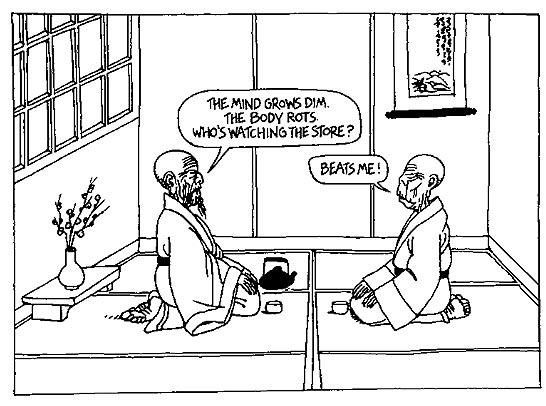
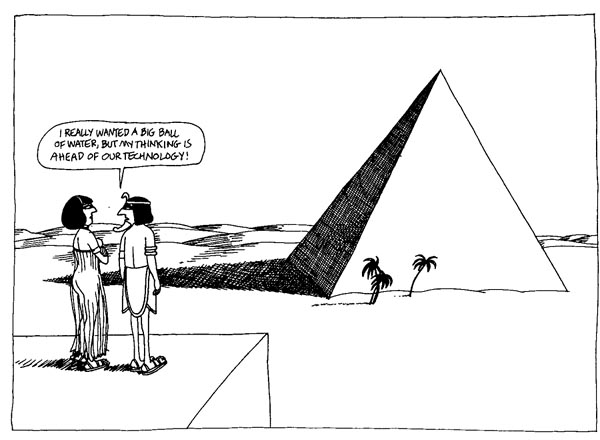
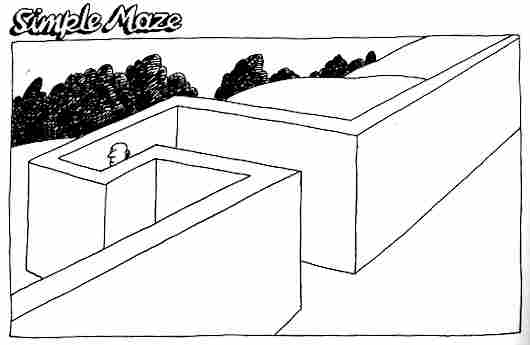
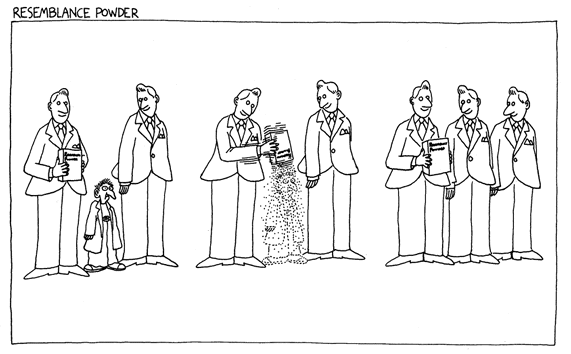
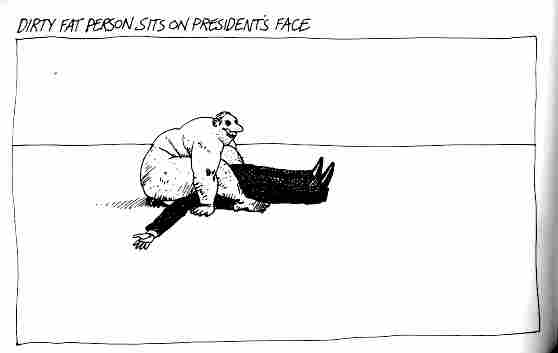
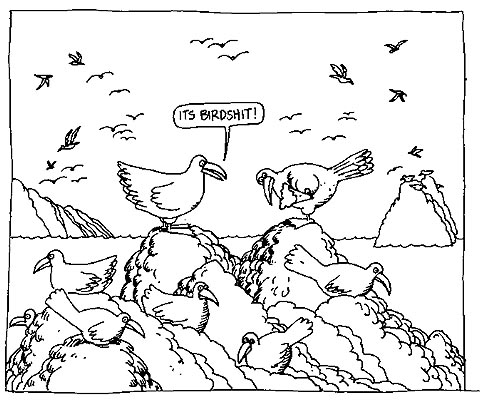
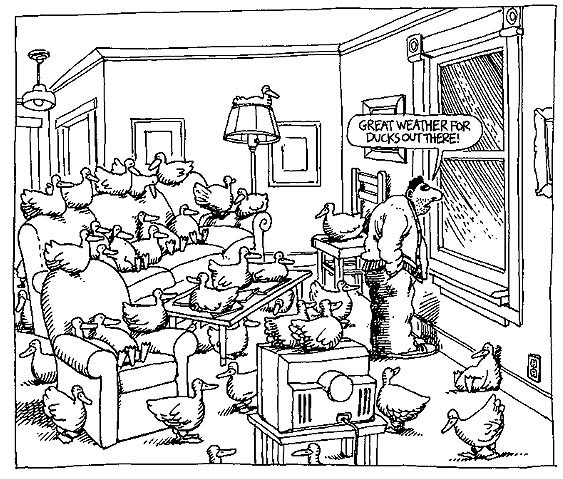
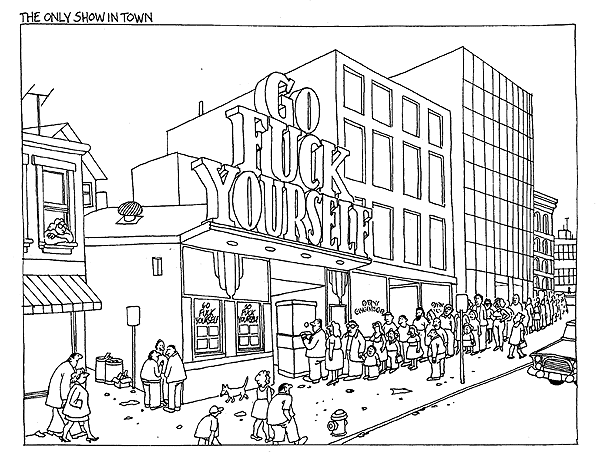
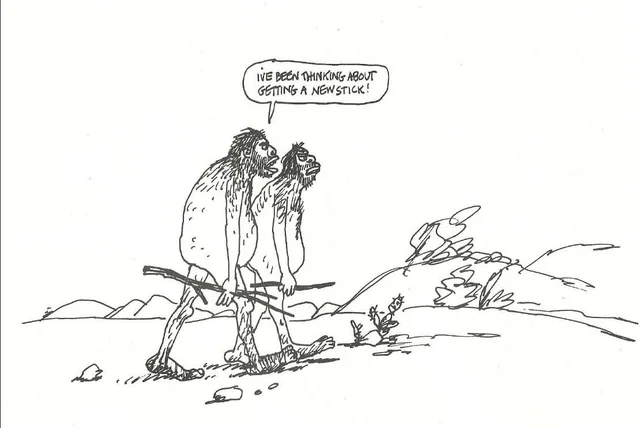
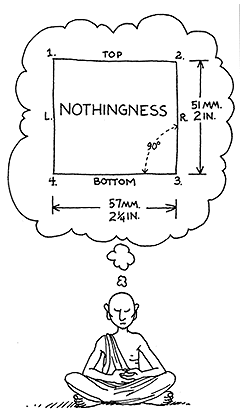
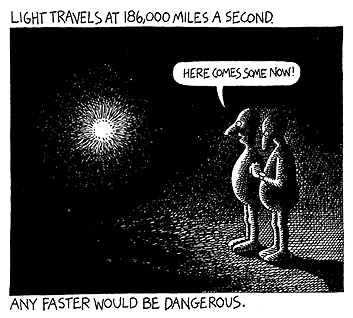
Cartoons by B.Kliban - Quote by? - #Art #Comedy #Philosophy
-
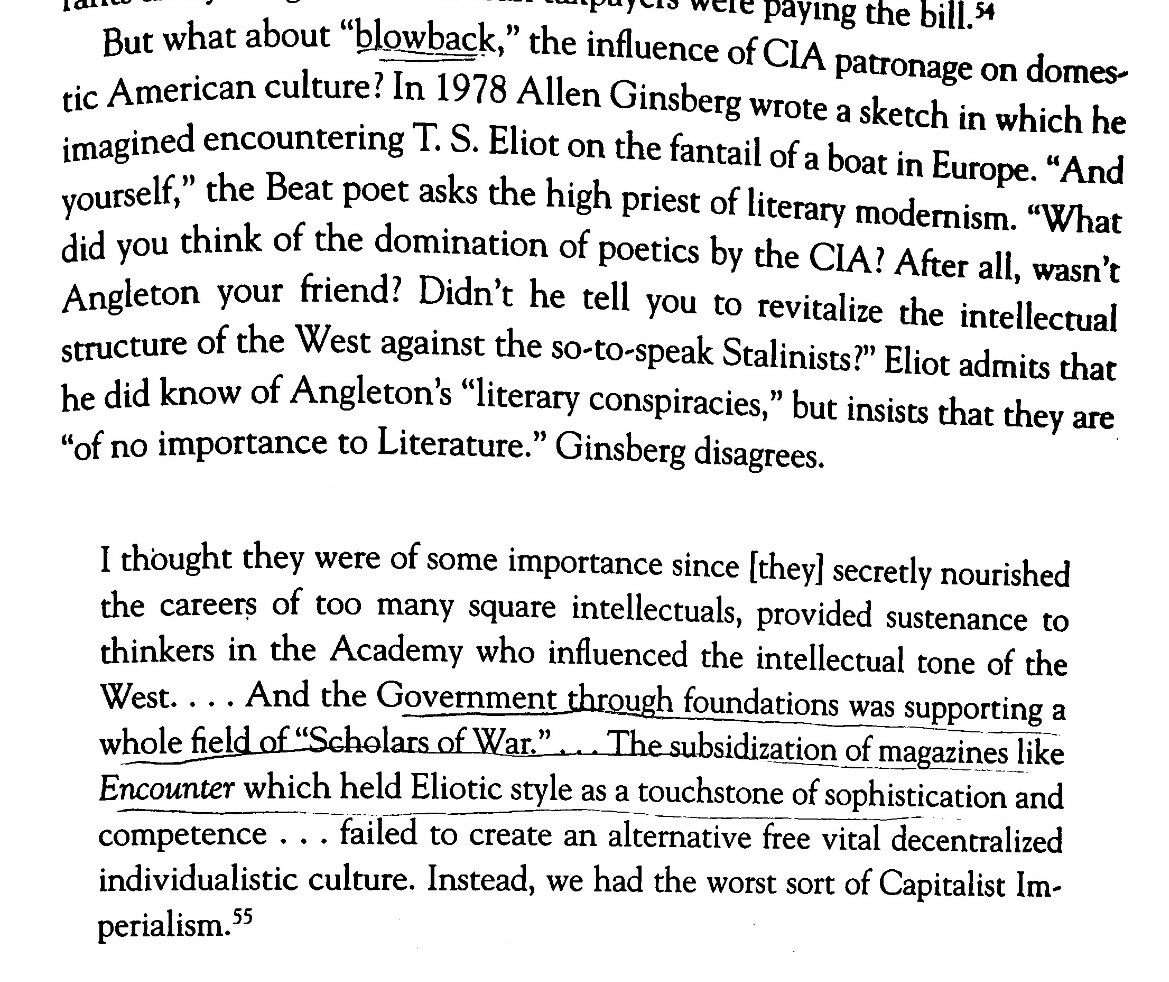
Allen Ginsberg, Angleton and the ‘Poetics of the CIA’
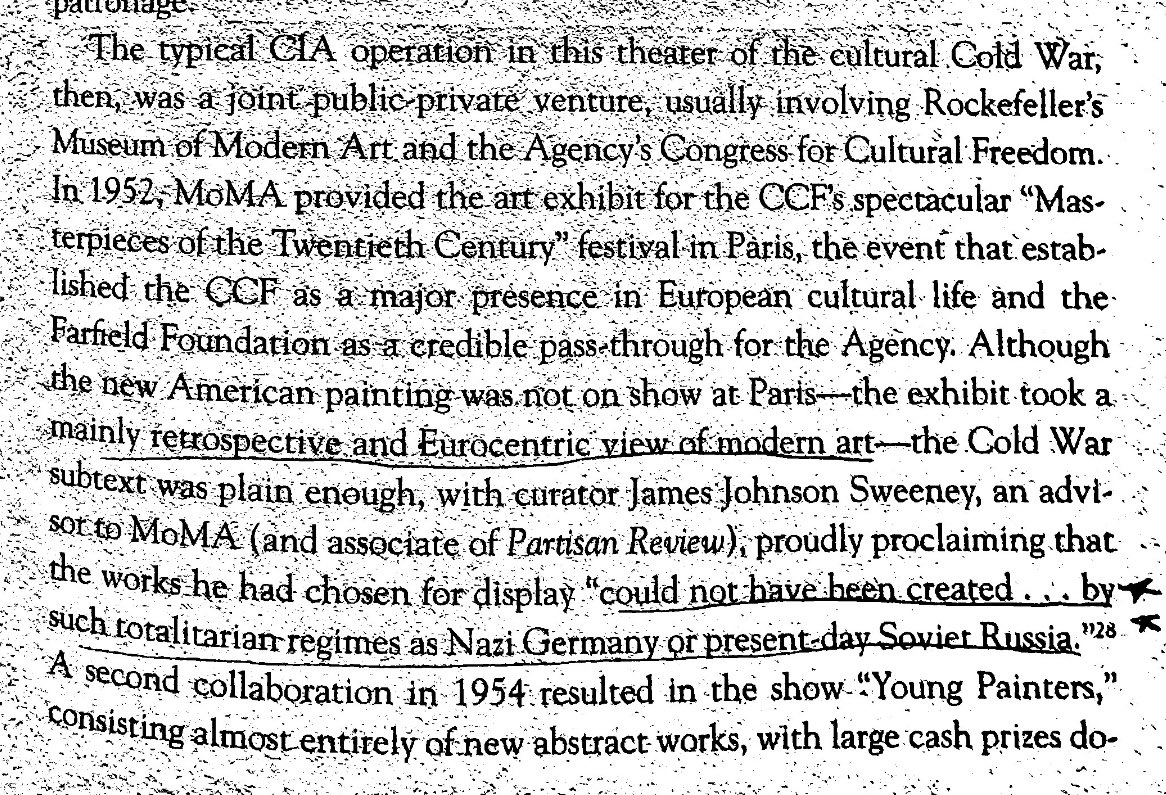
Yes, Kids, Cookie Monster is a Psyop
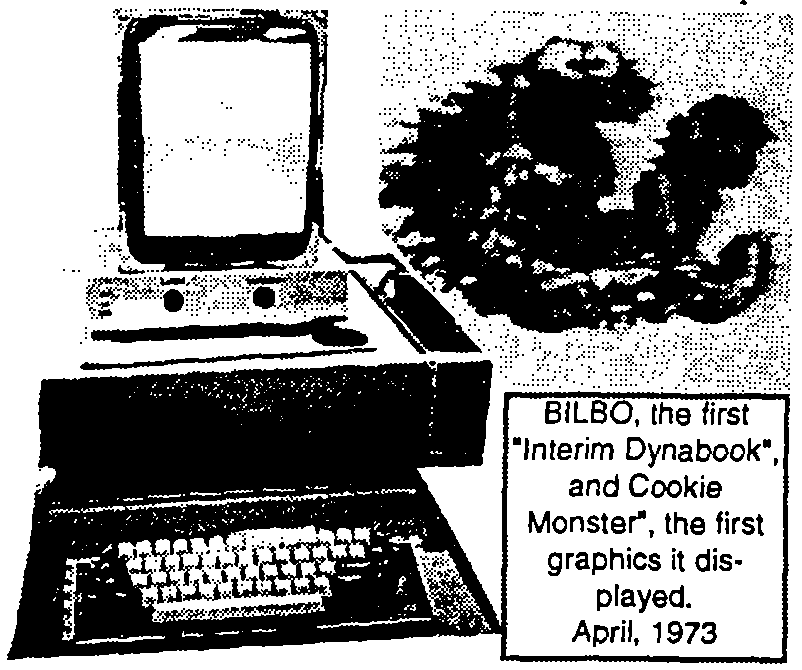
Sesame Street was created by veteran officers of the US Army’s Psychological Warfare Office with the goal of blunting the force of social-justice radicalism in the United States by promoting the liberal ideology that oppression not a structural economic injustice, but a matter of poor individual character or bad social skills. In a 1970’s state-directed project to determine how humans establish cathexis with military hardware, computer engineer Alan Kay leveraged the graphical capabilities of highly-advanced prototype personal computers to display animations of one of Sesame Street’s most popular characters, Cookie Monster, because he felt this would help children see personal computers not as technological artifacts derived from Air Force weapons, but as friendly and even “magical” helpers in their lives.
Kay, who developed the PARC Alto computer and Smalltalk programming language concurrently with Xerox funding the creation of Sesame Street, is very clear about this in his “Early History of Smalltalk.” Building the Sesame Street characters in to the design of the Alto’s user interface was an evolutionary step in ARPA’s 20 year study on “Human-Computer Symbiosis.”
Aerial combat was the initial use case for this cyborg symbiosis, and in the 1950’s/early 1960s this research was directed towards neuromuscular interfaces with the hardware – humans being literally “wired in” to the computers. By the late 1960s / early 1970s, computer displays + pointing devices (derived from Air Force radar scopes) had become responsive enough that it was possible to use the computer as an interface to display traditional works of art: books, music, animation. This is where it became possible for the user to establish deeper cathexis with the hardware across the full range of human emotions. Control feedback loops became visual / endocrine, not mechanical / muscular. This was the conceptual leap that Engelbart + Kay pulled off at SRI and PARC. It took Steve Jobs another few years to figure out how to commodify that cathexis, and then the Personal Computer Revolution was underway.
Although MK-Ultra was a CIA black operation nominally under the control of Dulles, it was in reality a British intelligence operation run into the United States under the cover of the CIA and the Rand Corporation. Furthermore. the presence of the Office of Naval Intelligence and Air Force Intelligence in the original -Operation Artichoke and MK-Ultra task force. and the subsequent importance of trained operatives of ONI and Air Force Intelligence in the creation of U.S.-based terrorist cults. points to heavy contamination of these agencies in particular by British SIS
The three British intelligence agents heading up MK Ultra as research directors from 1952 on were Aldous Huxley, Albert Hoffman of the Warburg-owned San doz drug firm (where Hoffman first synthesized LSD in 1943), and Humphrey Osmond, a close Huxley family friend and physician based at the University of London Hospital where he studied schizophrenia.
#Cryptocracy #Media #Culture #HCI #Military #Art #History #Psychedelic
-
Dig Into an Enormous Archive of Drawings Unveiling the Complex Root Systems of 1,180 Plants
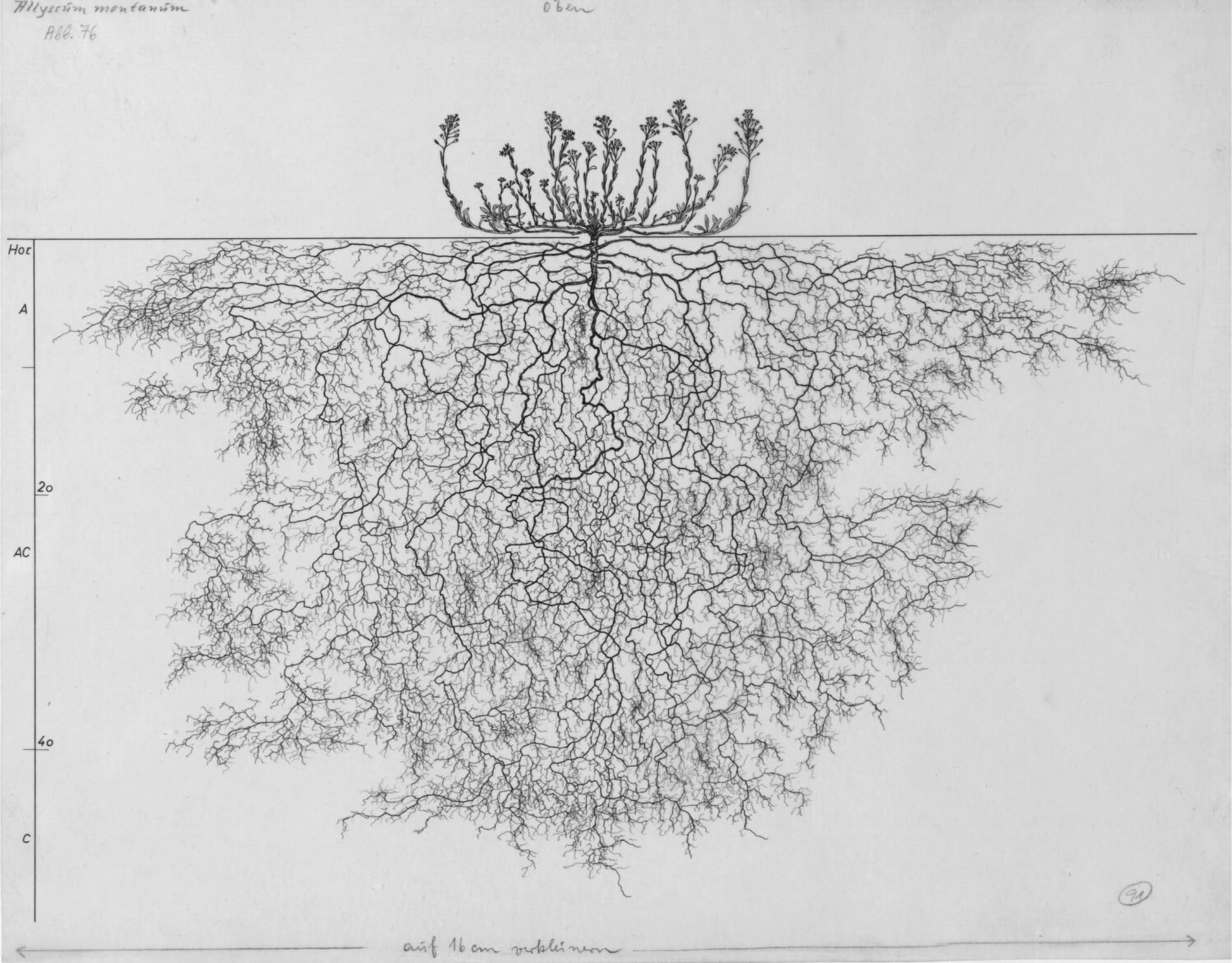
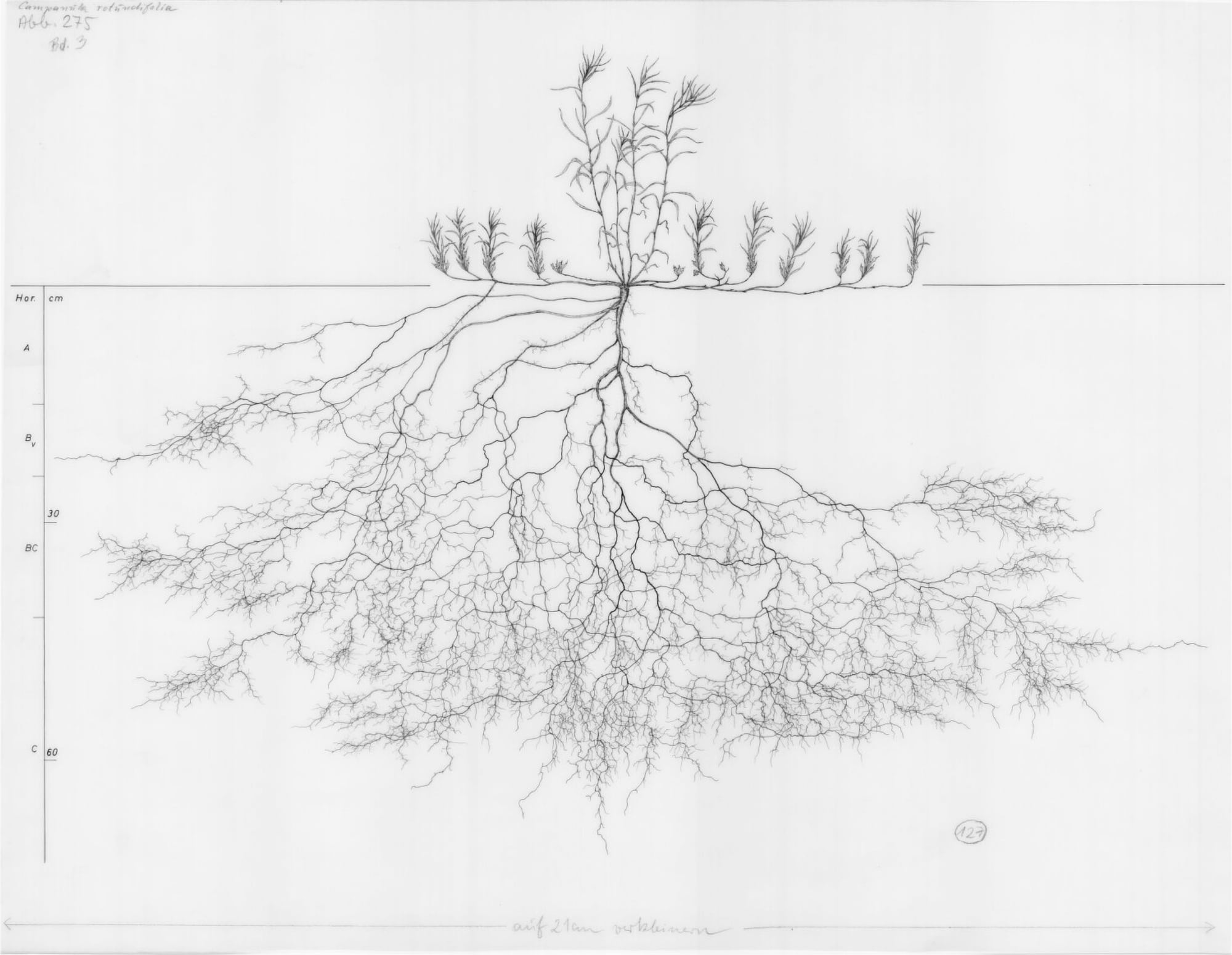
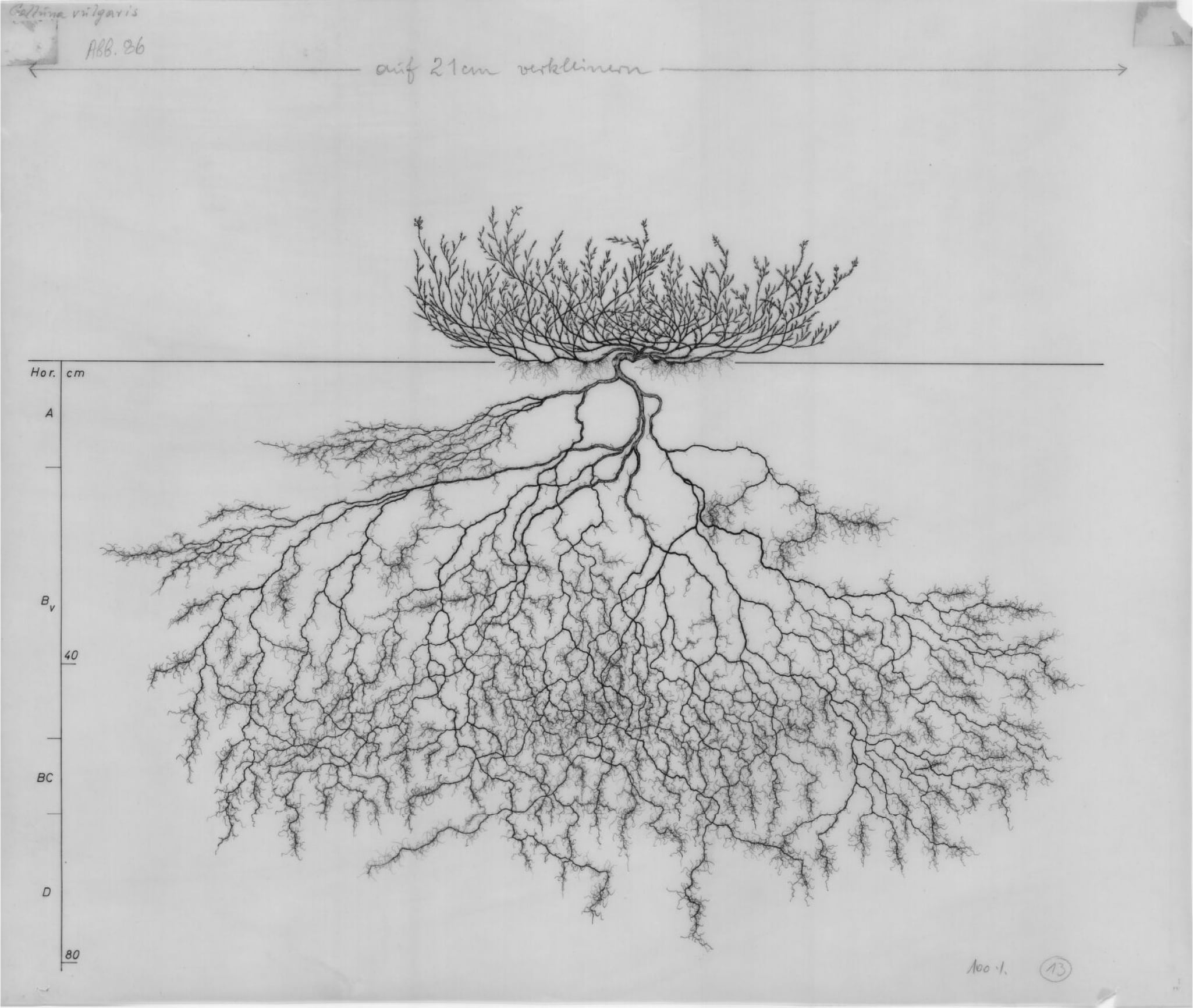
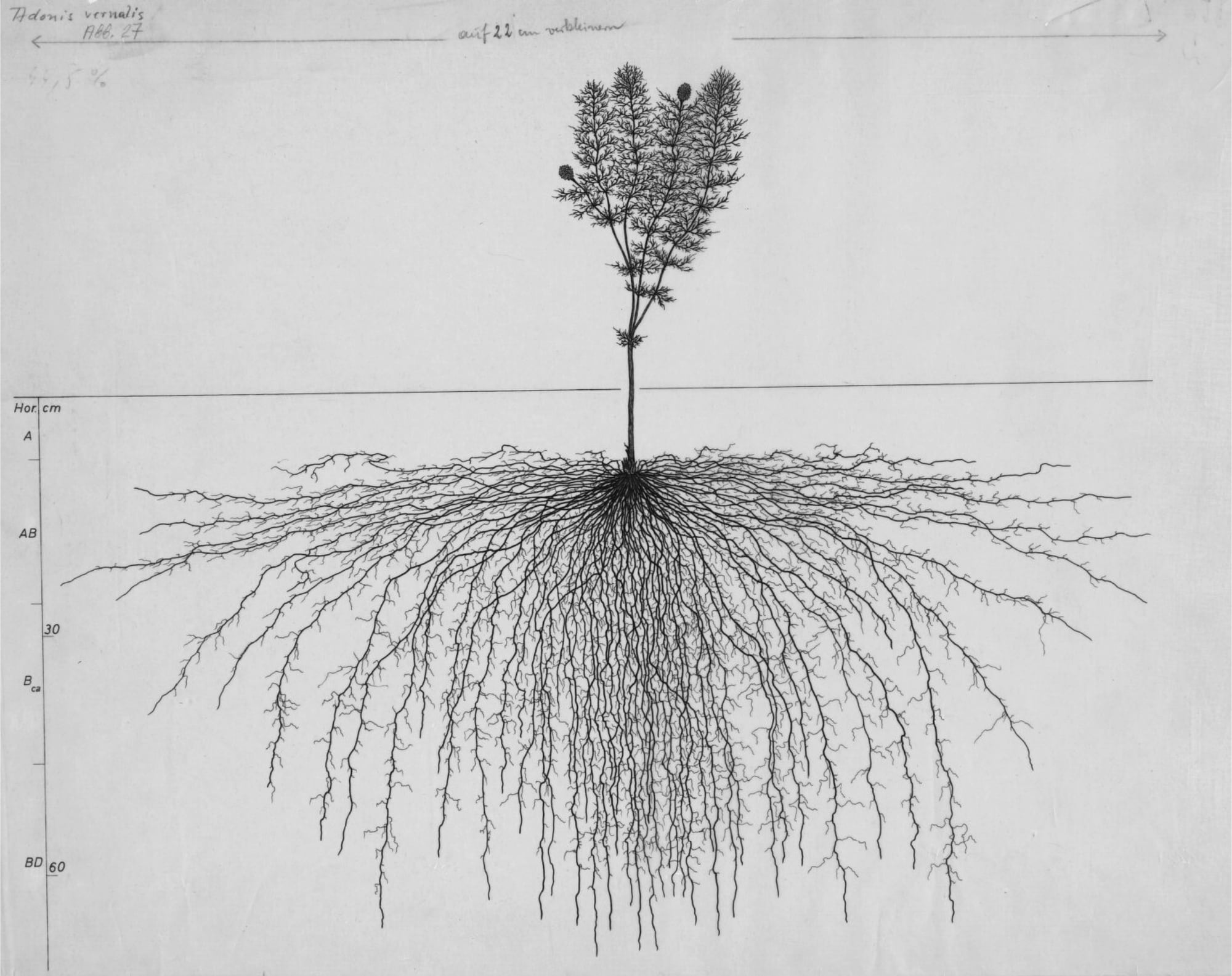
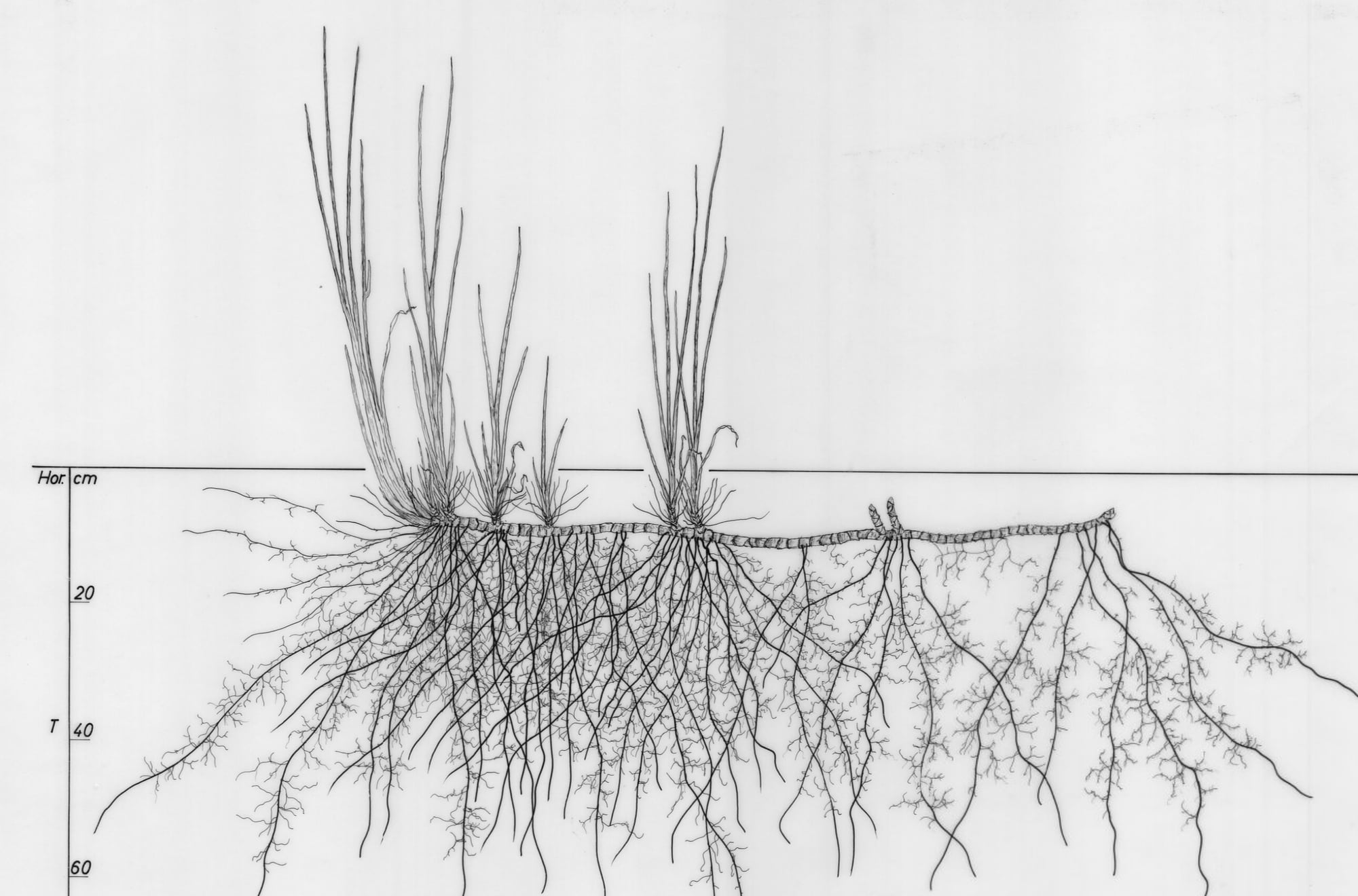
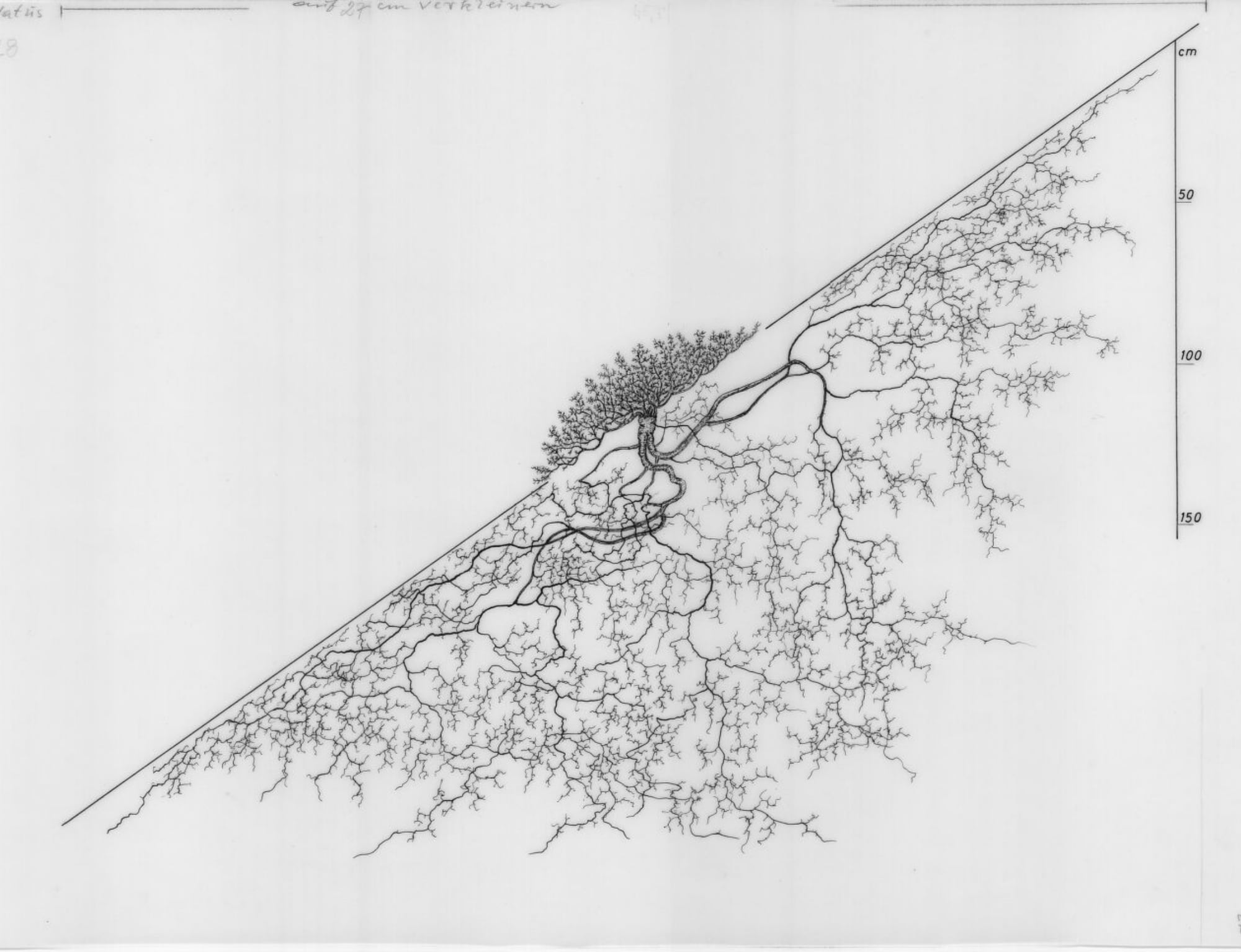
It’s generally understood that terrestrial plant life evolved from algae, one key to its successful adaptation being roots that sprawled underground to absorb important nutrients and water. Billions of years later, the fibrous networks are essential to life across the planet as they ensure the growth and health of individual specimens, help prevent erosion, and capture carbon from the air.
A collaborative project of the late botanists Erwin Lichtenegger and Lore Kutschera celebrates the power and beauty of these otherwise hidden systems through detailed drawings of agricultural crops, shrubs, trees, and weeds. Digitized by the Wageningen University & Research, the extensive archive is the culmination of 40 years of research in Austria that involved cultivating and carefully retrieving developed plant life from the soil for study. It now boasts more than 1,000 renderings of the winding, spindly roots, some of which branch multiple feet wide.
-
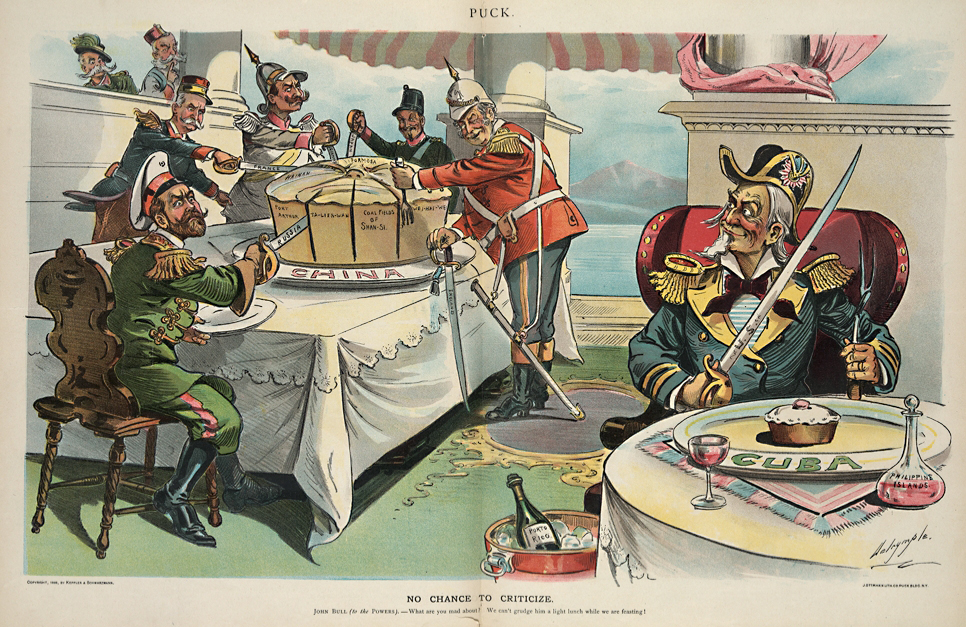
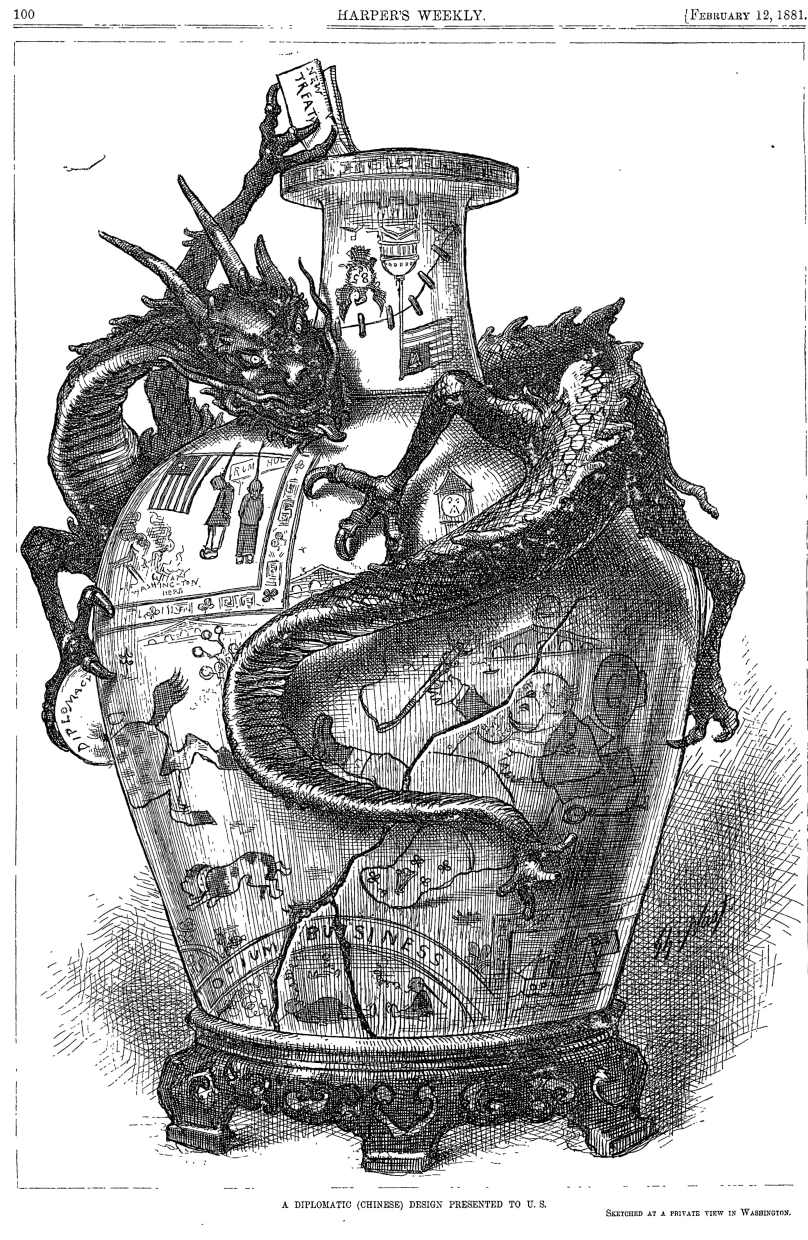
Art from the time of the imperial opium wars in China
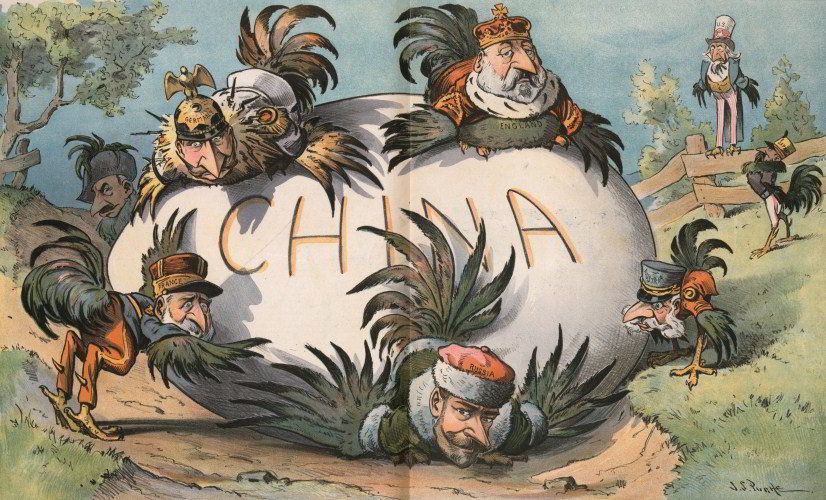
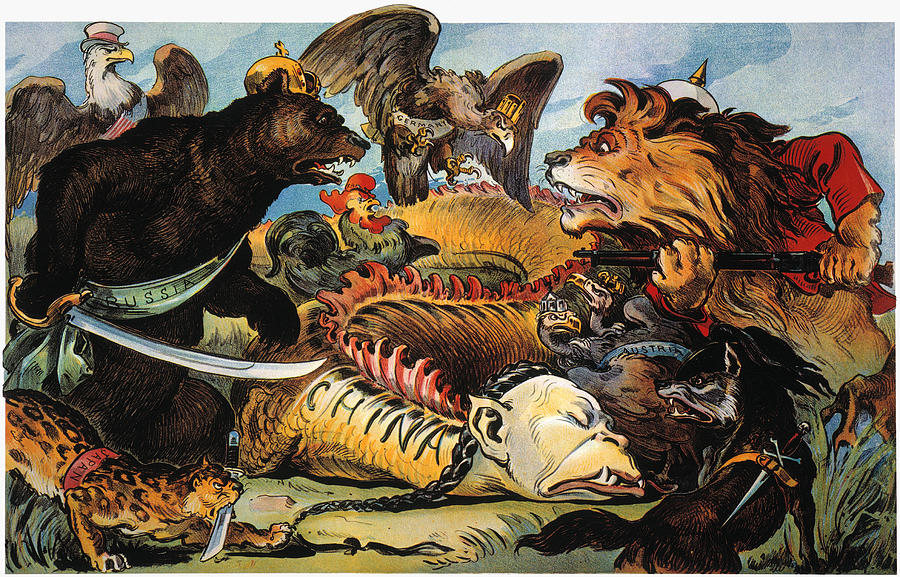
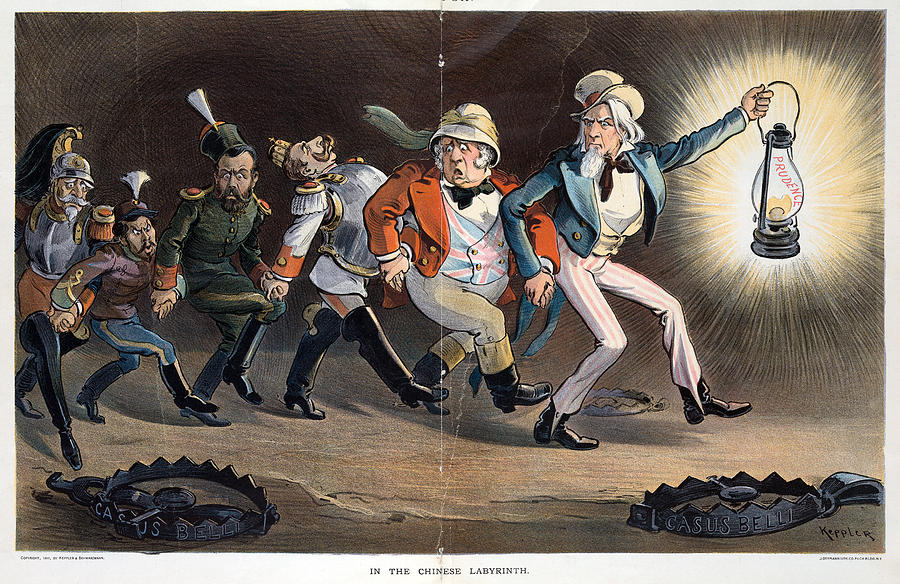
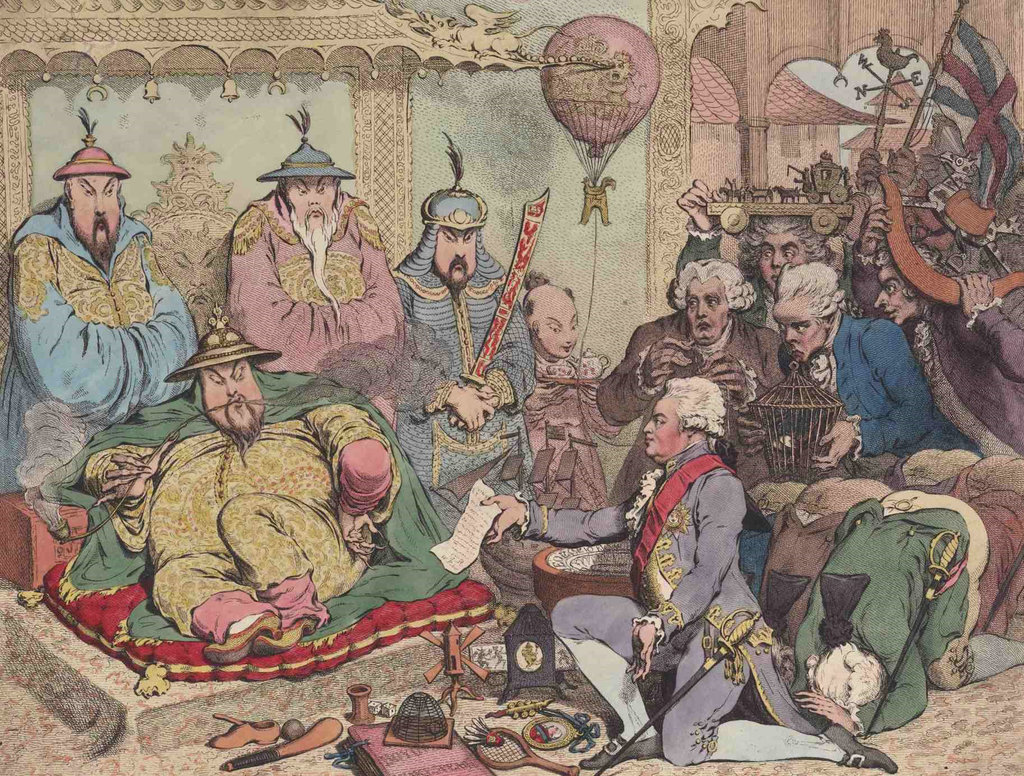
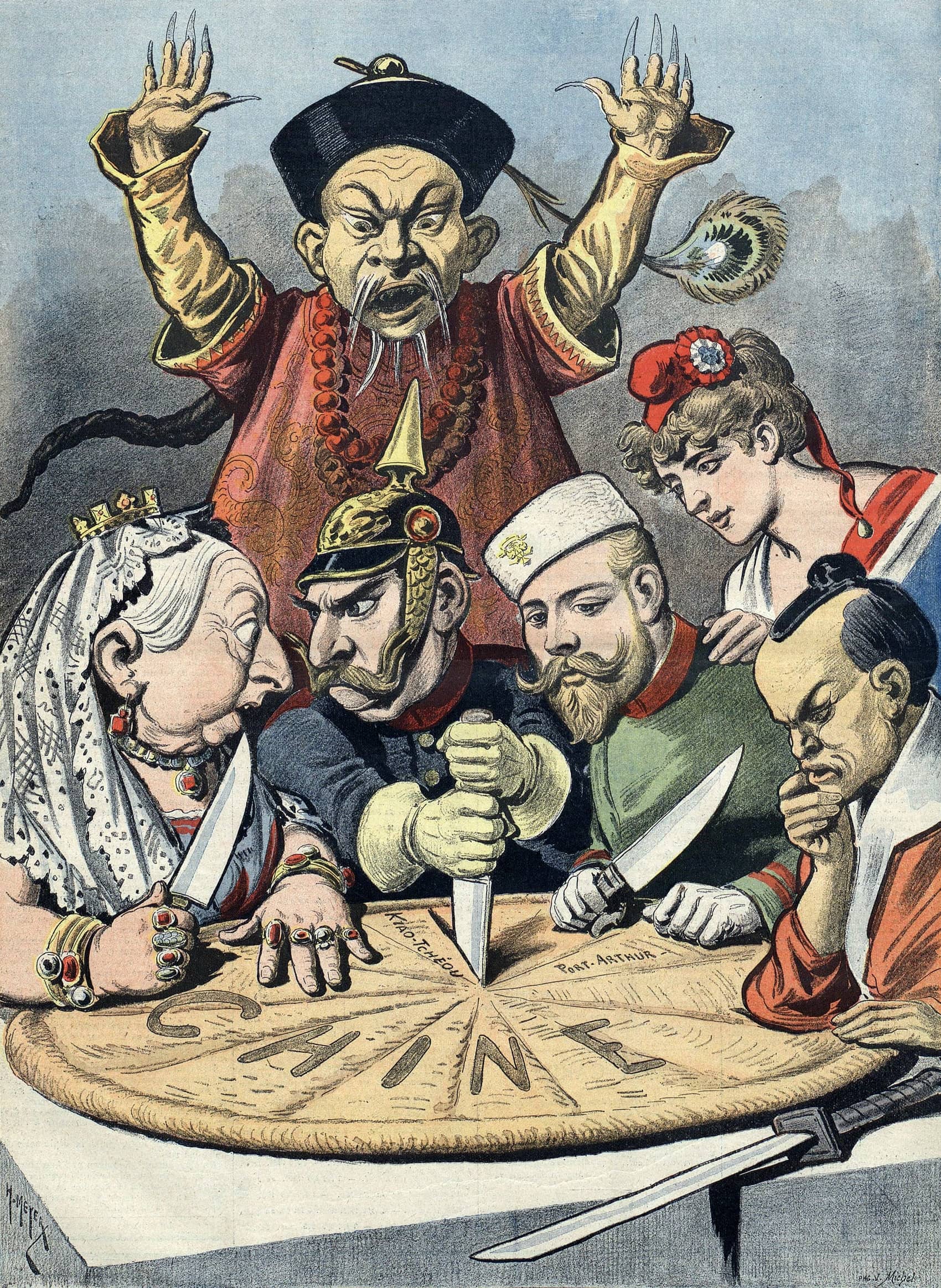
“A Diplomatic (Chinese) Design Presented to the U.S.” 1881
-
Titus Burckhardt (1908 – 1984) - Selection of Books
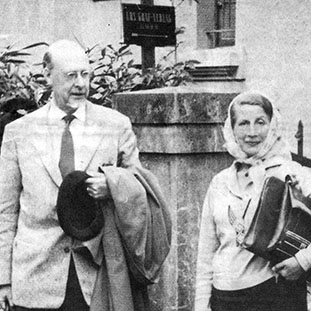
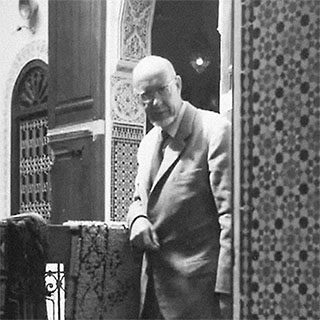
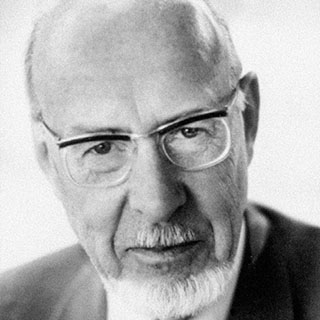
The Essential Titus Burkhardt (PDF)
Foundations of Oriental Art Symbolism by Titus-Burkhardt (PDF)
Mystical Astrology According to Ibn 'Arabi by Titus Burckhardt (Audio)