tag > China
-
China to account for 44% of global robotics market (including drones) by 2024
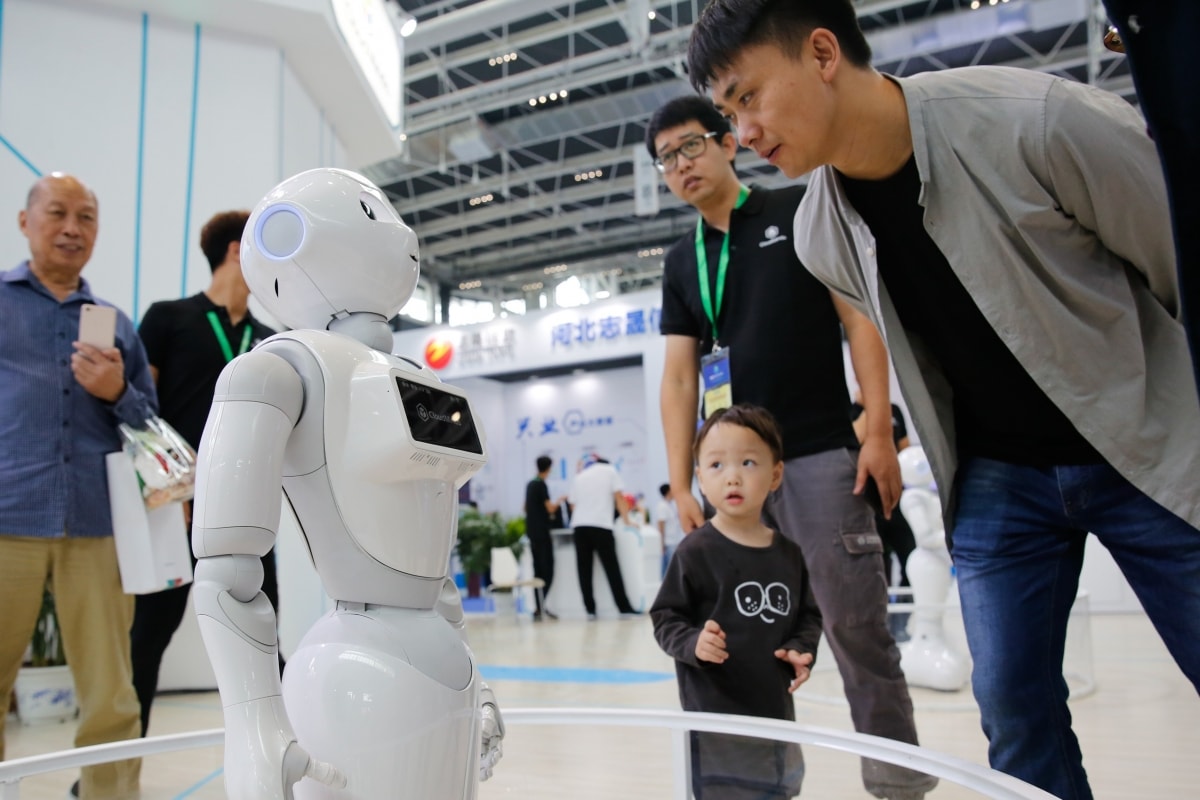
China is the largest robotics (including drones) market in the world. It is expected to account for 38% of the global total in 2020, with a total expenditure of US$47.38 billion according to IDC. By 2024, China will account for 44% of the global market. And, it will reach US$121.12 billion.
-
Bye Bye GDP. you won't be missed: Chinese President Xi Jinping sets sights on ‘affluent society’ goal as Covid-19 comes under control (SCMP)

Communist Party chief has been on the road to promote the message that time is ripe to get the economy back up and running, as deadline on first ‘centenary goal’ looms. He also encouraged them to speed up the diversification of the local economy to reduce dependence on traditional industries like coal and energy. Xi also appeared to be signalling that the “affluent society” target could be redefined using measurements other than just gross domestic product, he said. “So it’s possible for him to declare that the objective has been achieved by citing progress in areas like environment or technology.”
Related: The Affluent Society is a 1958 book by Harvard economist John Kenneth Galbraith.
-
“The best time to plant a tree was 20 years ago. The second best time is now.” – Chinese Proverb
-
Pinduoduo to invest USD 7 billion in rural areas in next five years (kr-asia)
Over 240 million users have bought agricultural products on Pinduoduo last year, amounting to USD 19.3 billion in sales.
-
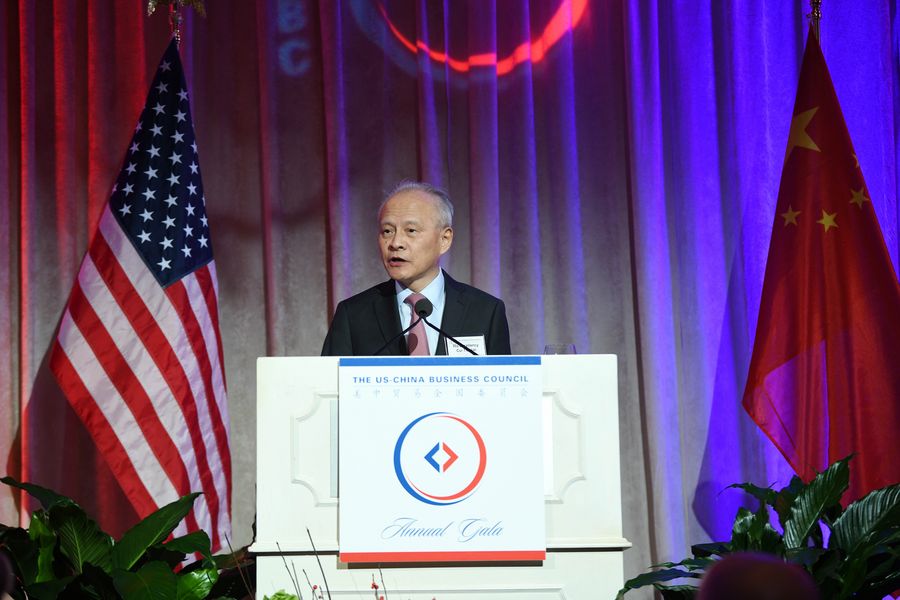
"Let's work together to respond to this global crisis, to save people's lives, to save the future of global economy, and to save the future of the global community. This is our paramount task," said Chinese Ambassador to the United States.
"If we aim at a new system of international governance that is open, inclusive, that is based on mutual respect among all countries, on the full recognition of the diversity of culture, civilization, political system, economic system, if we can do this, then I think all the things are ready for us to build a new and effective international governance system. We have to make the right choice now," he noted.
"If we can still call this a wakeup call, I think we should have woken up long time ago, but still, if we have not started yet, we have to start real efforts to build a good international governance system for the 21st century, for the future," he said, adding big countries including the U.S. and China have great responsibilities in spearheading the efforts.
-
Meicai: China’s Unicorn Farm-to-Table Startup (radiichina)
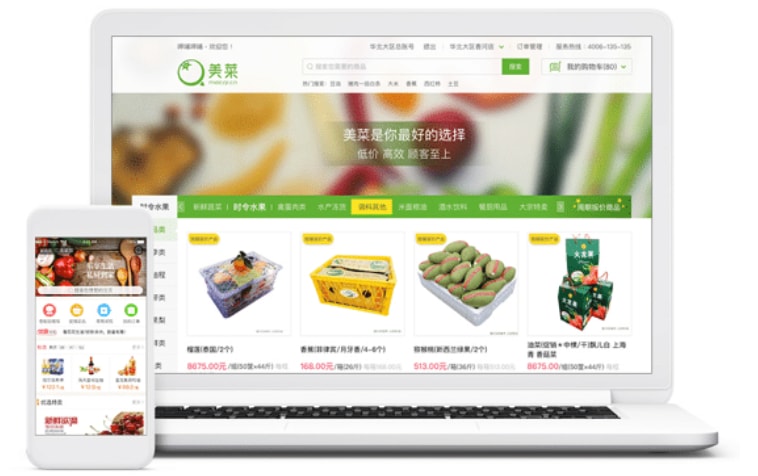
Farm-to-table is a direct relationship between a specific farm and a restaurant. Originating from China, Meicai is a app that allows users to get produce delivered from a farm straight to the comfort of their homes. It was established in 2014 by owner Liu Chuanjun. Meicai assures that the harvests reach the location within 12 to 18 hours after the order has been placed. Its consumers range from individuals to 10 million restaurants. The company is valued at over $7 billion.
-
Company aims to monetise China’s social credit system (SCMP)
China is developing a controversial social credit system of rewards and punishments meant to encourage people and businesses to abide by rules and to promote integrity and trustworthiness in society at large. The government aims to have it in place by 2020, and so far its most visible applications include a ban on people from booking express trains or flights if they appear on various “blacklists”. While there are still many questions about how the system will be implemented, at least one company is setting its sights on making money out of social credit.
#China #Economics #Business #Technology #InfoSec #Cryptocracy
-
For China’s coronavirus-hit companies, the internet can be much more than just a lifeline (SCMP)

Beyond selling through the internet or developing internet-based products, visionaries are using it as a testing ground for novel ideas and improvements, including ‘employee sharing’ to direct resources to where they are most needed.
-
China's coronavirus health code apps raise concerns over privacy (Guardian)
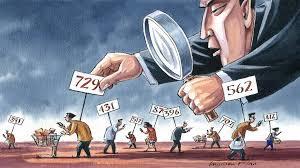
As millions of people in China emerge from weeks of lockdown, their freedom of movement is largely dependent on phone apps. The “health code” service – run on the ubiquitous platforms Alipay and WeChat and developed for the Chinese government – give users colour-coded designations based on their health status and travel history, and a QR code that can be scanned by authorities. The apps are specific to each city or province, but generally people given a green code are allowed to travel relatively freely. A yellow code indicates that the holder should be in home isolation, and a red code says the user is a confirmed Covid-19 patient and should be in quarantine.
#Comment: Digital totalitarianism is just getting started and is here to stay, to be implemented globally in the foreseeable future. The long held aspiration of international technocratic "elites" to "manage" humans in a similar fashion as animal livestock, is reaching maturity. While touted as "the future of globalisation during the forth industrial revolution, enabling shared prosperity and security in times of climate change" at places like the World Economic Forum, digital totalitarianism might results in a substantial loss of agency for many.
-
China drives first global coal capacity increase since Paris Agreement (eco-business)

A freight train carrying coal in Shanxi province of northern China. China was behind a climate-crunching increase in coal power capacity in 2019, and the Covid-19 pandemic is likely to make Chinese policymakers determined to see these investments through. But globally the writing is on the wall for the world’s dirtiest fossil fuel as new coal development slumped.
-
Wuhan doctors plan long-term look at coronavirus impact on male sex hormone (SCMP)
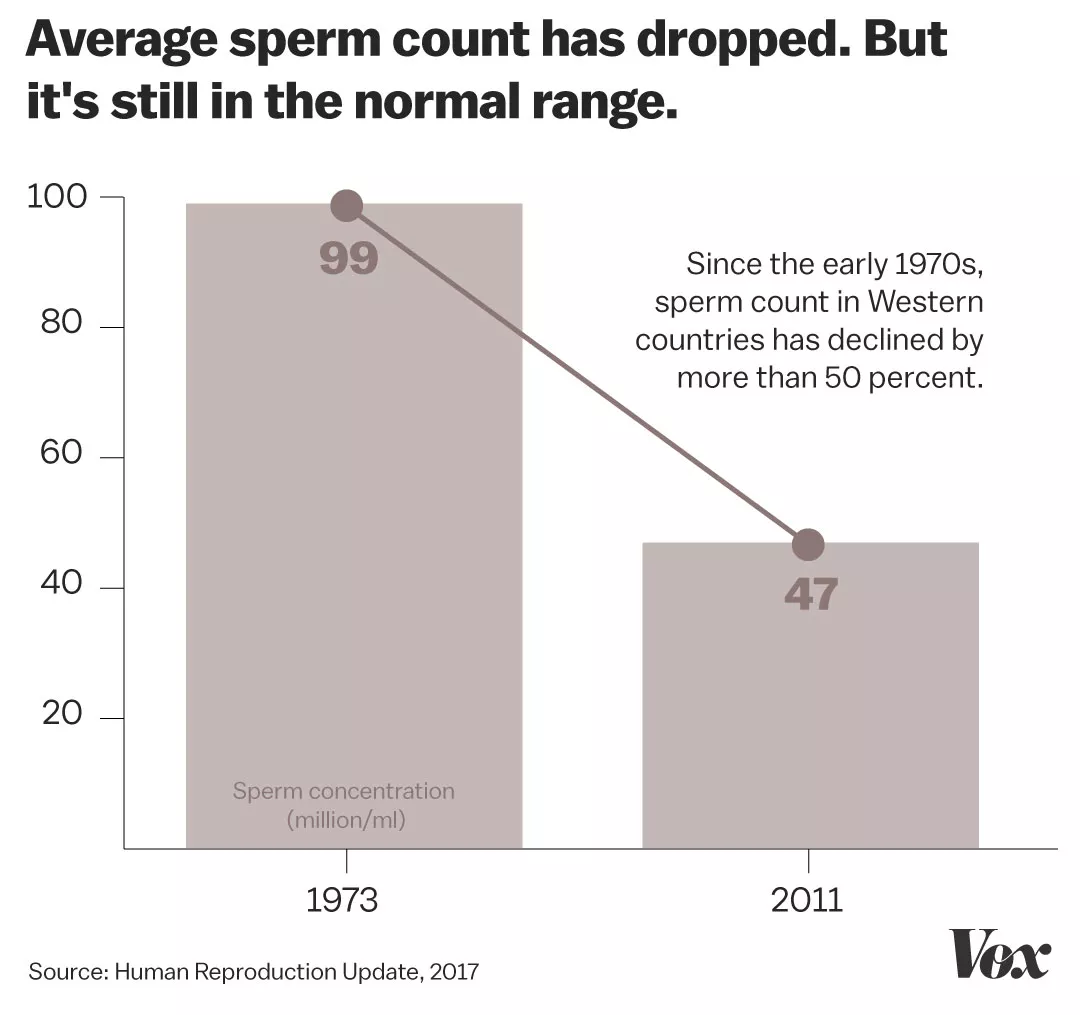
Doctors in the central Chinese city of Wuhan plan to embark on a long-term study of the effects of the coronavirus on the male reproductive system, building on small-scale research indicating that the pathogen could affect sex hormone levels in men. Though still preliminary and not peer reviewed, the study is the first clinical observation of the potential impact of Covid-19, the disease caused by the coronavirus, on the male reproductive system, especially among younger groups.
-
As China continues planting trees, 23% of the country is now covered in forest (SCMP)
-
Softbank Looking to Cut Alibaba, Sprint Share Stakes (Variety)

Softbank, the giant Japanese investment group that has made huge bets on the sharing economy, is looking to cut its stake in Alibaba, according to reports. And possibly in Sprint too. On Monday, Masayoshi Son, founder and CEO of the heavily indebted Softbank, said that he would raise or monetize $41 billion of assets, in order to put the group on a sounder financial footing.
On Tuesday, Bloomberg reported that more than a third of the total would be raised by selling a $14 billion tranche of shares in Chinese e-commerce giant Alibaba. That would represent about 3% of Alibaba’s total equity capital, which is traded in New York in ADR form and, in a secondary listing, as shares in Hong Kong. Softbank has long been an ally of Alibaba and has made vast paper profits on its 25% Alibaba holding. But the dire performance of Softbank’s other investments has depressed Softbank’s share price so much that at one point recently its holding in Alibaba was more valued more highly than the entire Tokyo-traded Softbank group.
SoftBank’s Son Still Betting on Himself After Go-Private Talks (Bloomberg)
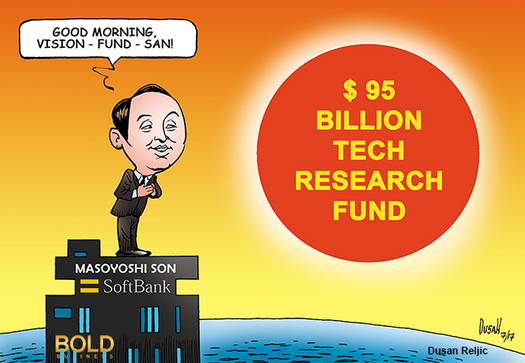
SoftBank Group Corp.’s Masayoshi Son is continuing to bet on himself, even after he reportedly considered and then abandoned the idea of taking his conglomerate private. Son discussed the idea with investors including Elliott Management and the Abu Dhabi sovereign-wealth fund Mubadala in the past week, the Financial Times reported, before moving ahead with a plan to sell assets instead.
-
10 questions for the U.S.: Where did the novel coronavirus come from? (CGTN)
Chinese state TV wonders if the US withdrew from a 2001 bioweapon treaty to engineer SARScov2--and also secretly used mass drones inside China to spread swine flu.
U.S. axed CDC expert job in China months before virus outbreak (Reuters)
Several months before the coronavirus pandemic began, the Trump administration eliminated a key US public health position in Beijing intended to help detect disease outbreaks in China.
-
TSMC weighs new US plant to respond to Trump pressure (March 2020, Nikkei)
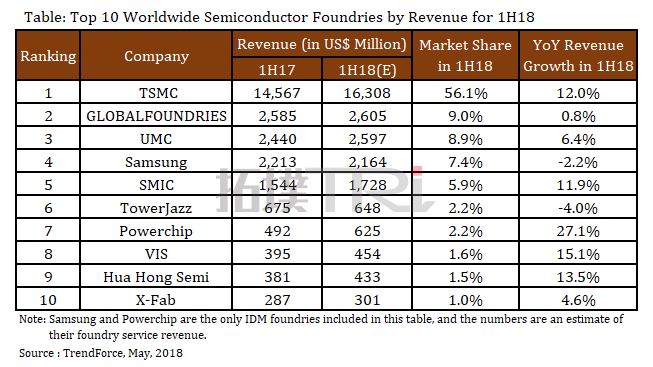
Taiwan Semiconductor Manufacturing Co. is stepping up its evaluation of whether to build an advanced chip facility in the U.S. in response to pressure from Washington, which wants the world's biggest contract chipmaker to produce on American soil over security concerns. TSMC, which makes chips for U.S. F-35 fighter jets and supplies almost all global chip developers, including Apple, Huawei, Qualcomm and Nvidia, is actively considering a U.S. plant, two sources briefed on the plan told the Nikkei Asian Review. A new plant would aim to be the world's most cutting-edge, producing semiconductors more advanced than the 5-nanometer node chips that Apple will adopt in its latest 5G iPhones this year, they said.
-
How China is Curbing Coronavirus: Nanjing: A City with 0 New Cases - by Ryo Takeuchi, a Japanese documentary director who currently lives in Nanjing.
#Health #Biology #SE #Technology #Military #China #Documentary
-
China Intensifies Pursuit of 'De-Dollarization' With Digital Currency (2020, Newsmax)
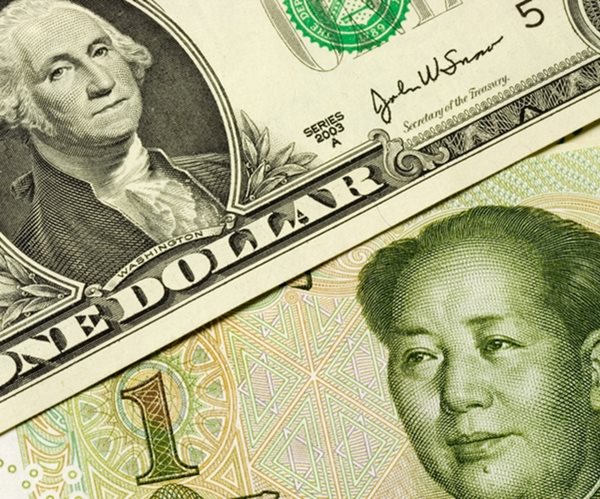
Earlier this week, we covered the Federal Reserve's pursuit of a central bank digital currency (CBDC), based on the blockchain and dubbed "Fedcoin." It turns out that China is also pursuing its own version of a CBDC, and while the consequences of such a move for Americans would be very different than those of a Fedcoin, they have the potential to be even more dire. What's more, Beijing could be even closer to implementation than the Fed is.
Kung Hei Fat Choi: The Story of China’s Digital Yuan Project (2020, Medium)

It was on Thursday, July 11th 2019 that the former Peoples Bank of China governor Zhou Xiaochuan told an event in Beijing that Facebook’s Libra project was a ‘new risk’ that should motivate the government to ‘make good preparations and make the Chinese yuan a stronger currency’. This ‘new risk’ of Facebook’s Libra cryptocurrency appears to have acted as validation to the ongoing tinkering of a Chinese organisation tasked to investigate digital currencies.
-
Fear of Chinese takeover (Manager Magazine, DE only)
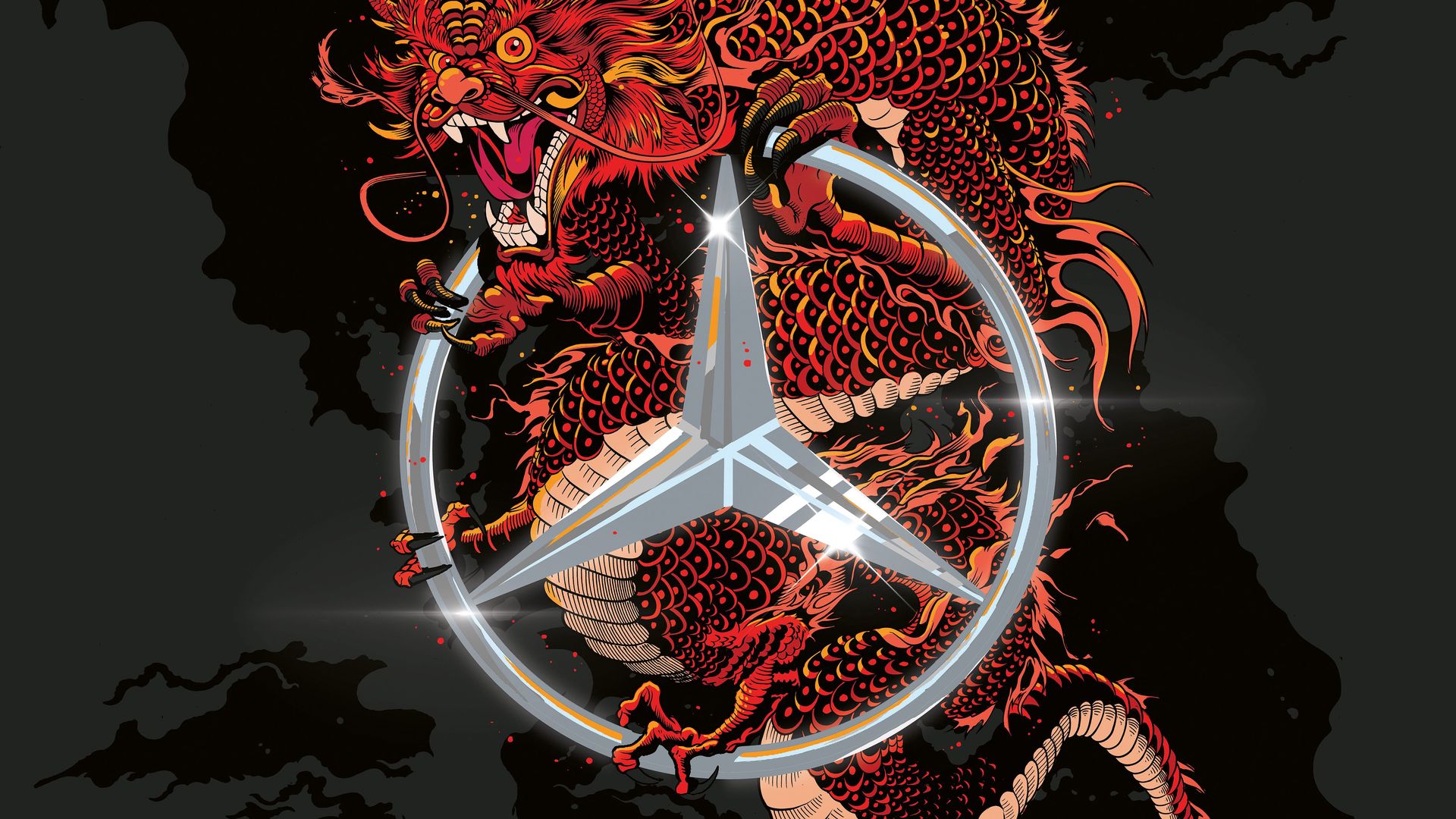
The profit sags, the low market value in the crisis invites to takeover. The Chinese major shareholders are already securing further share packages. Daimler CEO Ola Källenius has to fight for the independence of the German top brand.
-
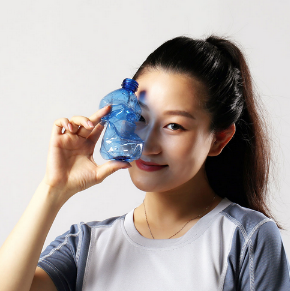
Interview with Sissi Chao, passionate and inspirational entrepreneur, founder of REmakeHub
Sissi Chao has master’s degrees from the London School of Economics and Political Science, St Andrews University and Duke University. She has worked in a consulting firm Accenture as well as in the tourism industry at Mouzenidis Group in Greece. She decided that her life mission is to clean up the waste, turn them into renewable resources and recover the planet ecosystem. Her projects “Made for Saving Our Ocean” & “Fashion from Waste” is now on view as part of the socially responsible startup called “REmakeHub”.