tag > China
-
China locked in hybrid war with US - by Pepe Escobar (asiatimes)

Fallout from Covid-19 outbreak puts Beijing and Washington on a collision course. Additionally, along the hard slog down the road, with immense, inbuilt human and economic sacrifice, with or without a reboot of the world-system, a more pressing question remains: will imperial elites still choose to keep waging full-spectrum-dominance hybrid war against China?
US keeps public in dark over COVID-19 - by Yang Sheng and Cao Siqi (Global Time)
"US irresponsible, opaque, selfish, disorganized: analysts" - "Low transparency" - "Anarchy in the US" - "The world should be worried about the situation in the US."
Bolsonaro’s son enrages Beijing by blaming China for coronavirus crisis (theguardian)
“It’s China’s fault,” Bolsonaro claimed on Twitter, retweeting a message that said: “The blame for the global coronavirus pandemic has a name and surname: the Chinese Communist party.” Yang Wanming, Beijing’s top diplomat in Brazil, demanded an immediate retraction and apology for the “evil insult”, while his embassy accused Eduardo Bolsonaro of contracting “a mental virus” during a recent trip to the United States.
-
Tourists stay away as Egypt reopens oldest pyramid (al-monitor)
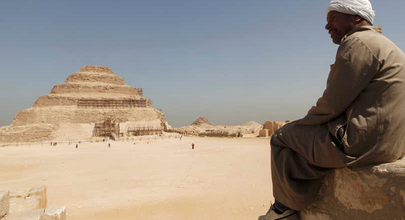
A guide sits on a stone as he looks at the Djoser's step pyramid, in Saqqara, Egypt, March 5, 2011. No tourists are in sight near Giza's pyramids as the coronavirus pandemic takes its toll on the country’s tourism industry, casting a shadow over the reopening of Egypt’s oldest pyramid after the completion of a major restoration project. Egypt has reopened its oldest pyramid, Djoser in Saqqara, south of Cairo, after a major restoration project that lasted 14 years. Djoser, a 4,700-year-old pyramid located in Memphis, the first Egyptian capital, is the oldest standing pyramid in Egypt.
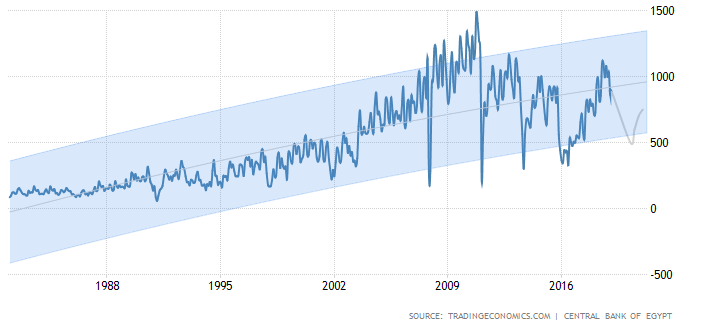
According to official figures, tourism revenues in Egypt jumped by more than 28% to record about $12.6 billion in the fiscal year 2018-2019 ending last June 30, compared to $9.8 billion during the fiscal year 2017-2018.
Tourism has become the country’s third-largest source of national income after remittances from Egyptians abroad.
Egypt's Pyramids, Sphinx shine in red to mark Chinese New Year (2020, Xinhua)

A pyramid is illuminated in red in Giza, Egypt, on Jan. 23, 2020. The Great Pyramids and the Sphinx in Giza near the Egyptian capital Cairo have been shining in red in a ceremonial sound and light show on Thursday evening as part of the celebrations of the Chinese New Year. "Today, the Pyramids Plateau is distinguished by wonderful lights as the Chinese red lanterns integrate with the beautiful Egyptian pyramids, marking a meeting between the two old civilizations of China and Egypt," Shi Yuewen, cultural counselor of the Chinese embassy in Egypt and CCC chief, told the attendees.
Egypt sees surging number of Chinese tourists (2019)
Cultural counselor to Egypt, Shi Yuewen, says tourist visitations could exceed 500,000 in 2019
Egypt cancels Chinese flights amid coronavirus outbreak (egyptindependent)
An official statement published by the Association of Egyptian Travel Agencies announced that Egypt has suspended all flights from or to China amid an eruption of the deadly coronavirus outbreak. Trips for approximately 30,000 Chinese tourists expected to visit Egypt in the winter season were cancelled.
Coronavirus: Is Egypt suppressing the true outbreak figures? (March 2020, DW)
Cairo has severely underreported the number of positive cases in the country, according to researchers. But authorities have taken it a step further by arresting people circulating figures higher than the official tally.
China, Egypt inspect, seal smuggled ancient Chinese coins (Dec, 2019)
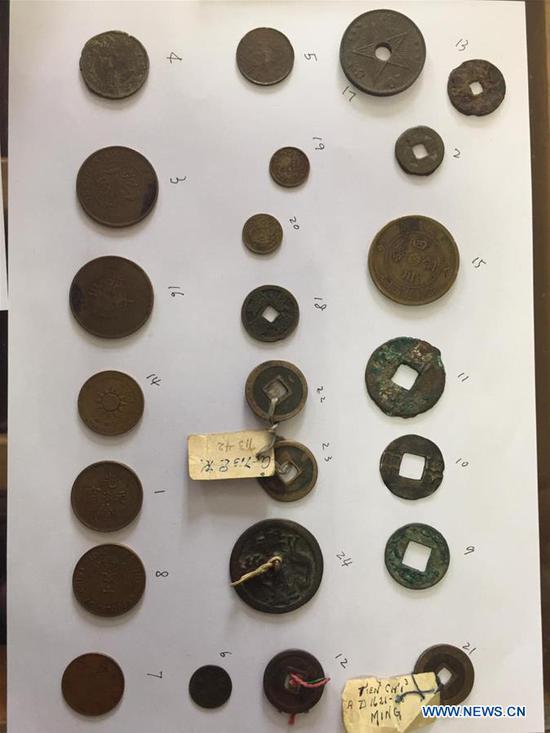
A delegation of Chinese officials from Chinese embassy in Egypt and officials from Egyptian Ministry of Antiquities inspected and sealed dozens of smuggled ancient Chinese coins in Egypt's coastal city of Alexandria, a Chinese official said on Monday. Egyptian customs in Alexandria seized in 2018 more than 30 ancient Chinese coins and most of them were from China's Qing Dynasty (1644-1911), while most ancient ones dating back to the fourth century B.C., said Chinese Cultural Counselor to Egypt Shi Yuewen, who was a member of the delegation. More than 20 of these coins were identified as national cultural relics by experts from the Chinese State Administration of Cultural Heritage and Egypt will officially return the coins to China in the near future, according to Shi Yuewen.
-
New coronavirus infections may drop to zero by end-March in Wuhan: Chinese government expert (reuters)
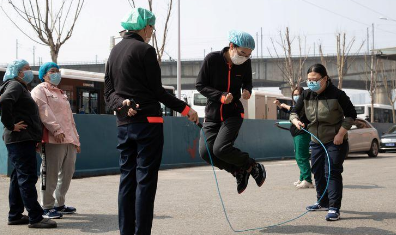
Wuhan, the epicenter of China’s coronavirus epidemic, will likely see new infections drop to zero by the end of this month, an expert with the country’s top panel on battling the illness said on Thursday, even as the city reported a quicker rise in new confirmed cases.
In China, life returning to normal as coronavirus outbreak slows (aljazeera)
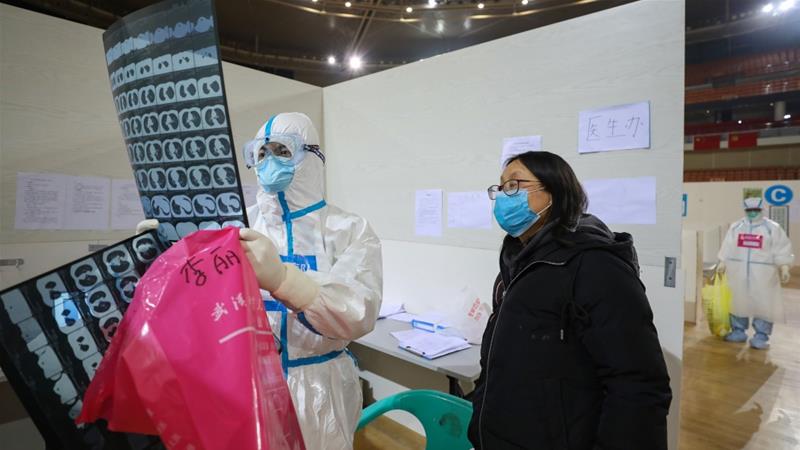
Even in Hubei, where some 10,000 cases remain, the pressure on front-line medical workers has eased. On March 17, the first batch of nearly 4,000 medical workers who were parachuted into Wuhan to help control the outbreak were able to leave. With so many provinces having downgraded their emergency response levels, China is slowly - and cautiously - returning to normal lif
-
Traditional Chinese medicine (TCM) for Coronavirus
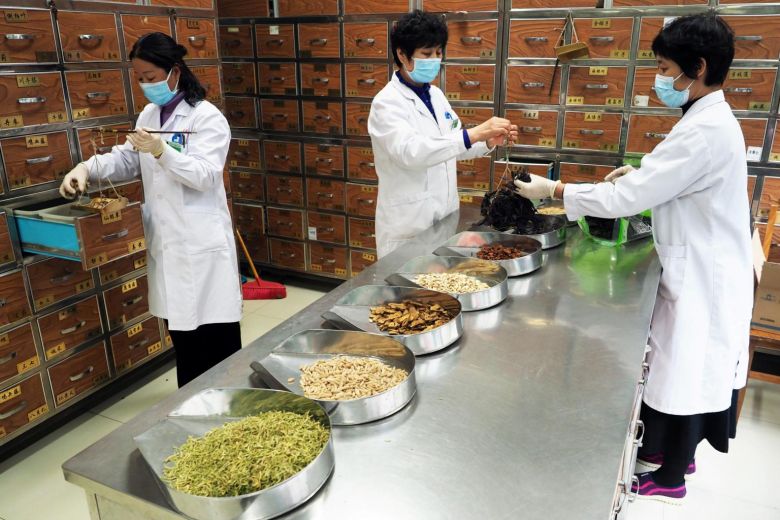
- Beijing is promoting traditional medicine as a 'Chinese solution' to coronavirus (CNN)
- TCM proven effective in treating coronavirus (New China)
- Experts highlight traditional Chinese medicine in fight against novel coronavirus (New China)
- Traditional Chinese Medicine included in the WHO's global diagnostic compendium (Nature, 2019)
- Demand for Chinese herbs, acupuncture spikes amid coronavirus outbreak (nypost)
- At the epicentre of the coronavirus outbreak, Western medicine meets traditional Chinese remedies (theglobeandmail)
- China using traditional Chinese medicine on coronavirus patients (straitstimes)
- Ancient Chinese medicine unlocks new possibilities for cancer treatment (yale)
-

The AI system directs doctors to those areas of the patient’s lungs that require special attention by circling them in different colours. Photo: Handout The AI system on the Tianhe-1 computer can go through hundreds of images generated by computed tomography (CT) and gave a diagnosis in about 10 seconds, according to the National Supercomputer Centre in Tianjin, which hosts the machine. The accuracy of the analysis was higher than 80 per cent “and increasing steadily every day”. China has offered free use of the machine around the world, but US Centres for Disease Control says it does not recommend using scans to diagnose Covid-19.
-
Scoop: State-owned think tank floats China-led WHO alternative (axios)

In China, state-sponsored think tanks can double as diplomatic back channels, allowing leaders a low-risk means to float new ideas and explore how they might be perceived. Carice Witte, the founder and executive director of SIGNAL, told Axios the idea of a Beijing-led WHO alternative is "very interesting in the context of China's aim to reshape global governance, including setting up parallel institutions.
-
China's robot industry boosted as demand emerges in fight against coronavirus (GT, 2020)
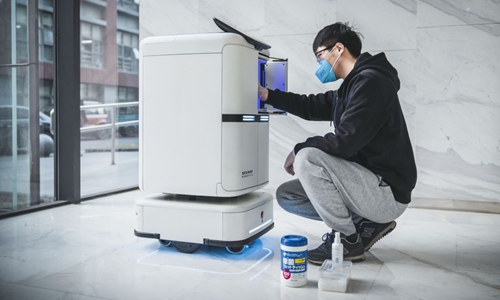
Intelligent robots in China have made a collective appearance amid the coronavirus epidemic with delivery, medical and disinfection purposes, contributing to prevention and control efforts. Experts say that though intelligent robot technology is still in an initial phase, the epidemic has offered a boost to the robot industry.
Chinese police wear smart helmets to check body temperature in crowds due to Coronavirus
Police in China can now screen out potential coronavirus carriers with the help of futuristic-looking smart helmets. Shenzhen-based Kuang-Chi Technology introduced police smart helmets that can quickly measure body temperature in crowds. The infrared cameras attached to the N901 helmets enable wearers to measure temperature from up to five meters away. They have facial recognition.
-
China prepares to unleash artificial intelligence to catch tax cheats (SCMP, 2019)
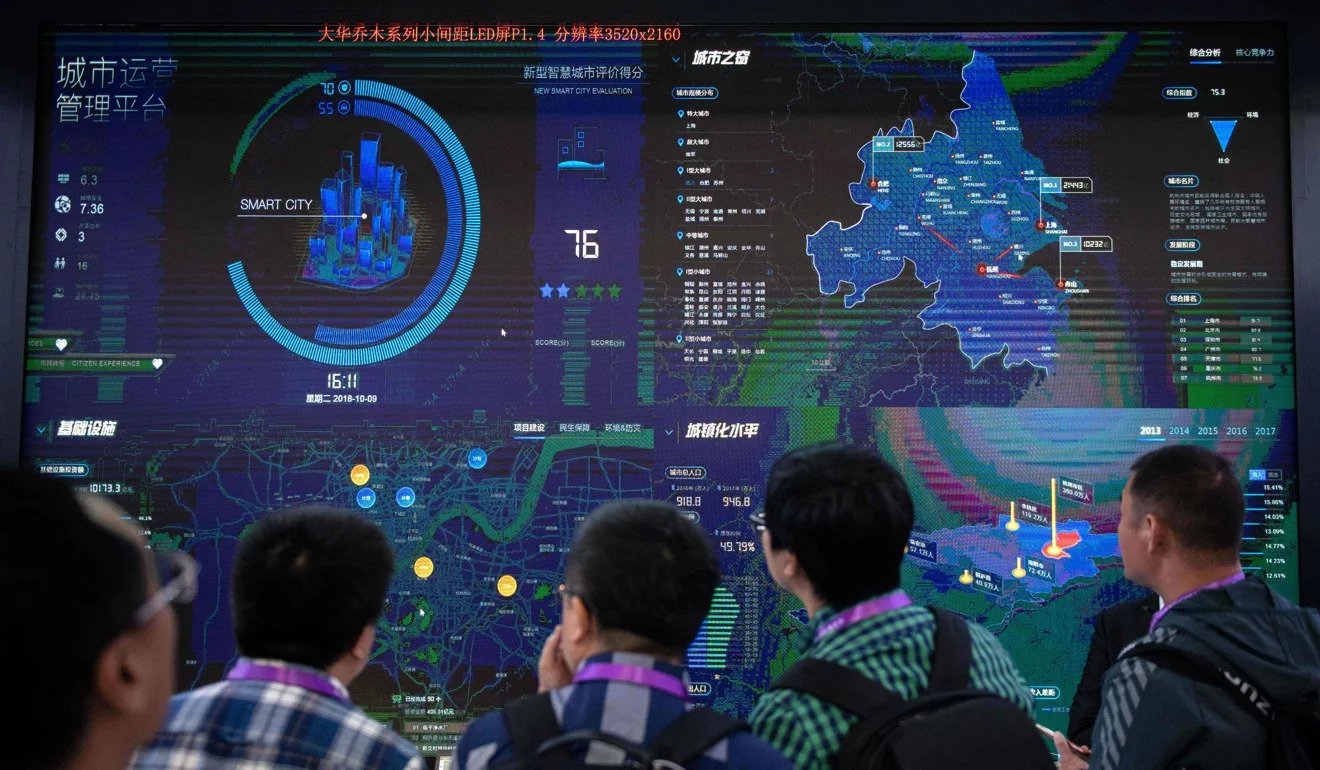
The AI system is linked to a number of different databases, allowing it to cross-check information. Photo: AFP Researchers involved in project say it will make it almost impossible to avoid detection, while the current fragmented system is easier to get around. Concerns about economic impact may delay its introduction as many private firms rely on informal deals with local tax authorities to limit the amount they pay. The AI engine has been embedded in the heart of the Golden Tax System, the software used by the State Taxation Administration, China’s top tax office.
-
China and Russia band together on controversial heating experiments to modify the atmosphere (SCMP, 2018, alt)
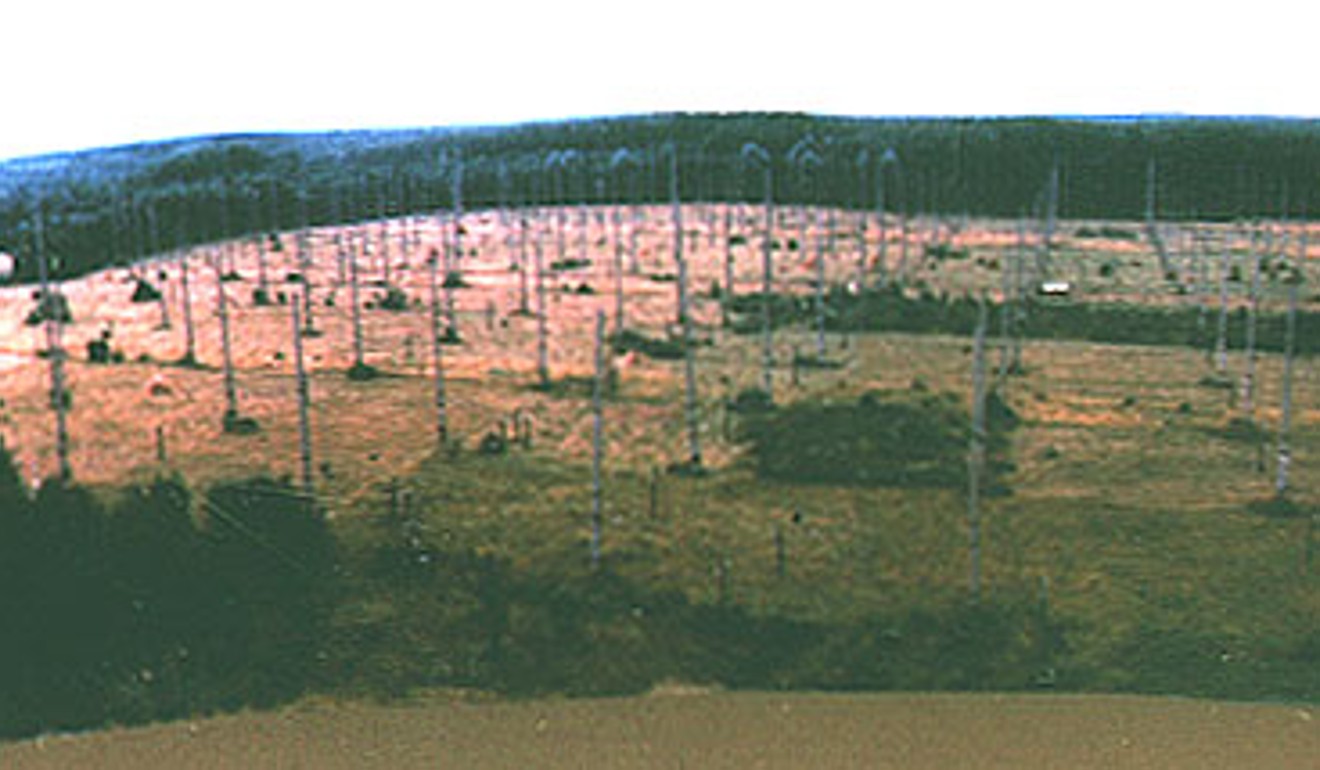
The countries are testing a technology for possible military application, say Chinese scientists involved in the project. Militaries have been in a race to control the ionosphere, which allows radio signals to bounce long distances for communication, for decades.
China needs more water. So it's building a rain-making network three times the size of Spain (SCMP, 2018, alt)
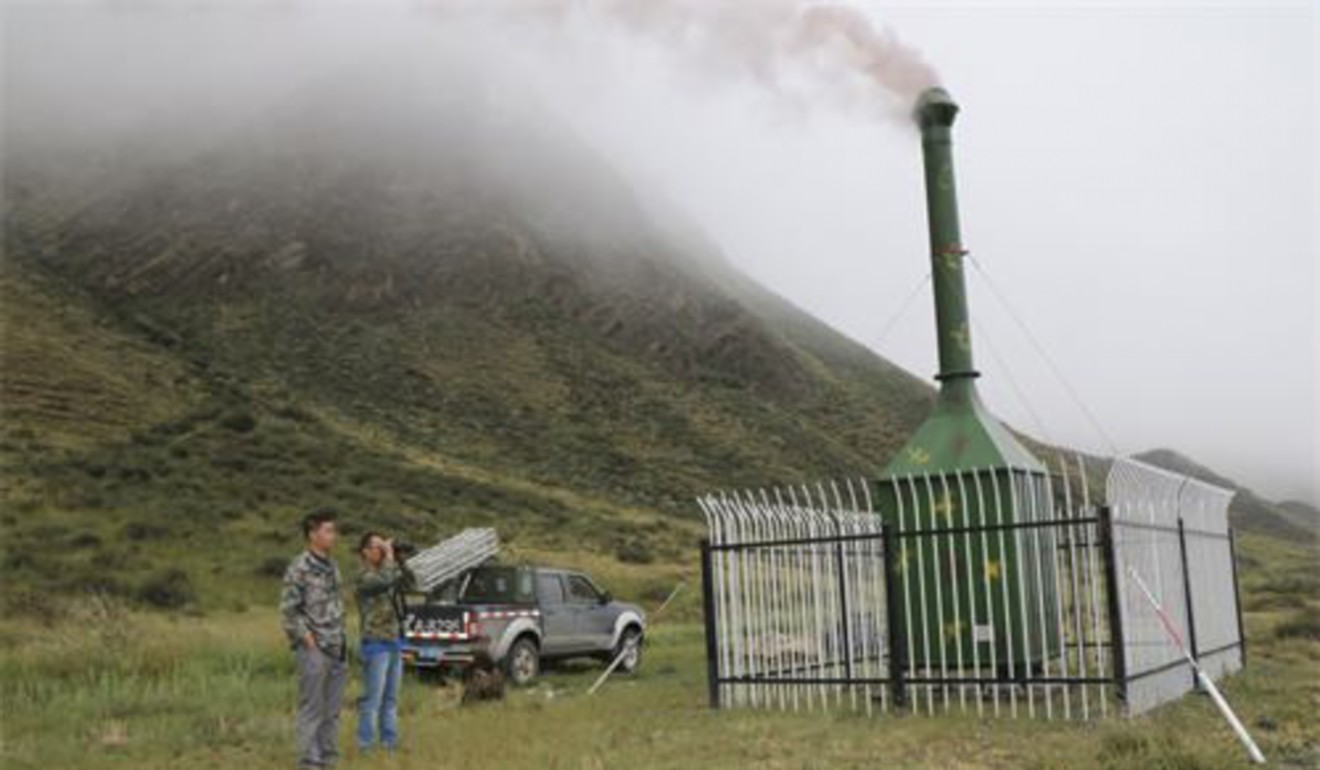
China is building the foundations of what will become the largest artificial rain experiment in history, in an attempt to induce extra rainfall over the Tibetan Plateau. The project will see tens of thousands of fuel-burning chambers installed across the Tibetan mountains, with a view to boosting rainfall in the region by up to 10 billion cubic metres annually. The plan is to bring extra rain to a massive area spanning some 1.6 million square kilometres.
Tianhe Project proposes 'air corridor' to advance cross-regional water diversion (people.cn, 2016)
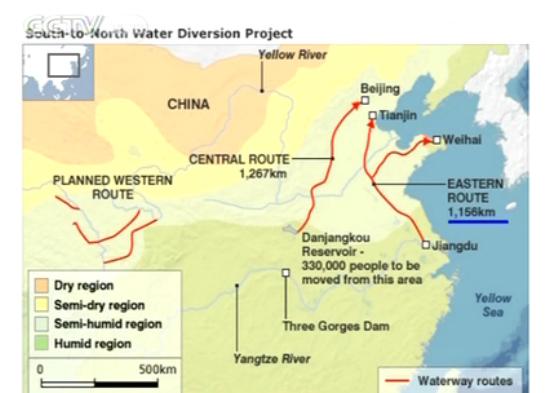
"Once the Tianhe Project is completed, it will be possible to transfer water in the air via an ‘air corridor.' [The corridor] will be formed as part of the South-to-North Water Diversion project," said Wang Guangqian, an academician with the Chinese Academy of Sciences (CAS) and president of Qinghai University.The atmospheric boundary layer and the troposphere form a passage through which water vapor can be transported in a stable and orderly way. The passage can be regarded as "tianhe" (literally, a river in the sky).
China’s new Extremely Low Frequency (ELF) Transmitter is FIVE times the size of New York City (SCMP, 218)
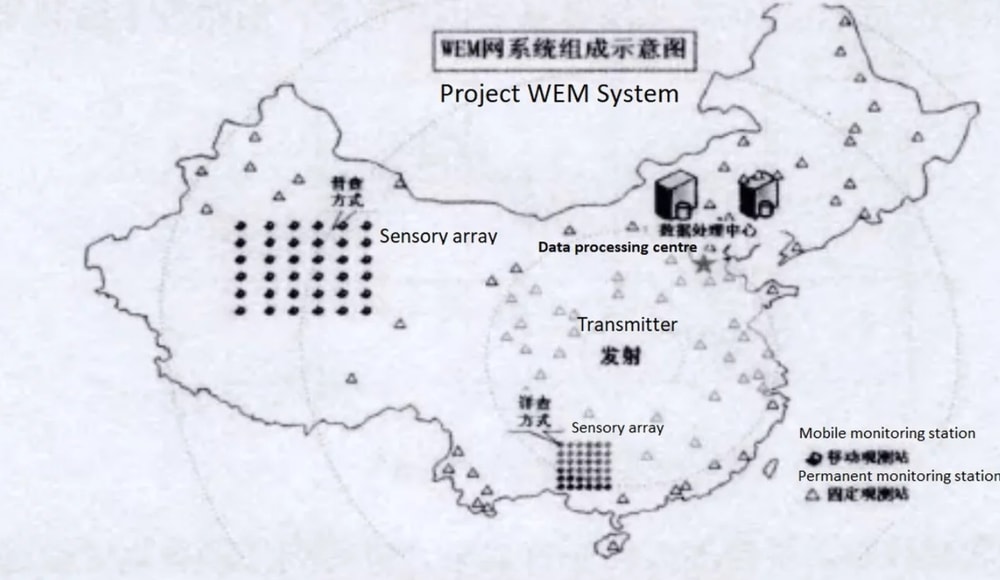
Work to build facility was 13 years in the making, but some researchers have expressed concern about exposure to extremely low frequency waves. Project WEM will be able to communicate with submarines under the water, reducing need for them to surface.
See this Video and Blog post covering (Chinese) weather modification project and this more recent video.
-
China, post-virus, will invest 34 trn yuan (equivalent to 34% of 2019 GDP) on "new infra" - 5G, UHV, intercity high-speed railway, new energy vehicles, big data centers, AI (via)
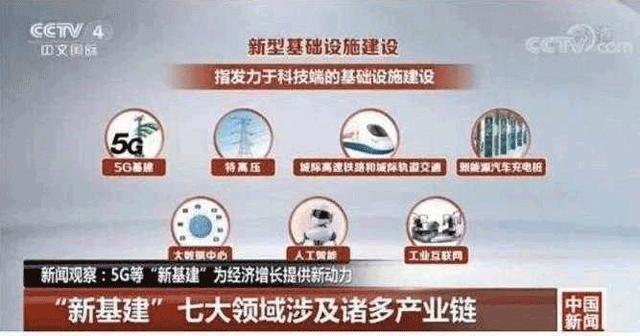
As of March 1, 13 provinces and municipalities have released a list of investment plans for key projects in 2020. The investment list includes a total of 10,326 projects, totaling 33.83 trillion yuan; another 8 provinces announced annual investment, totaling about 2.79 trillion yuan.
-
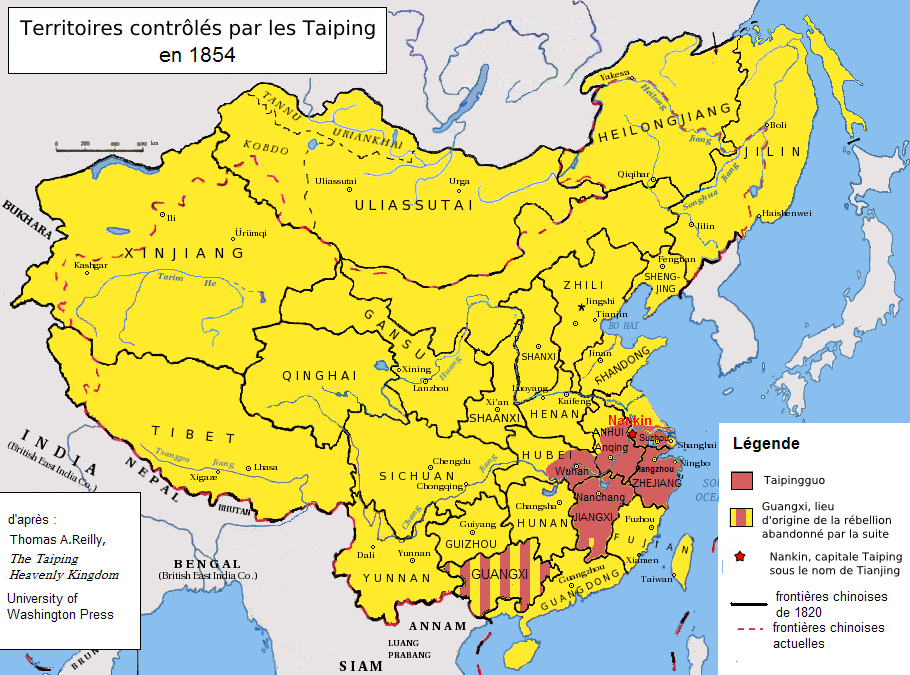
The Taiping Rebellion was a massive rebellion or civil war that was waged in China from 1850 to 1864 between the established Manchu-led Qing dynasty and the Hakka-led Taiping Heavenly Kingdom. The most widely cited sources estimate the total number of deaths during the 15 years of the rebellion to be approximately 20–30 million civilians and soldiers. Most of the deaths were attributed to plague and famine.
-
Recent Germany-China News

-
Grey relational analysis (wikipedia)
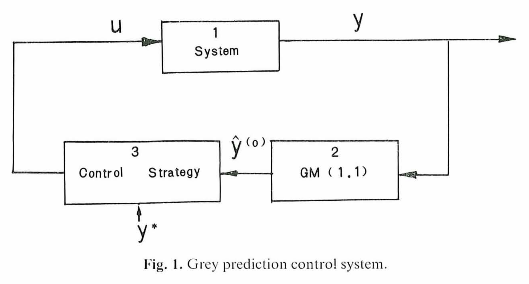
Grey relational analysis (GRA), also called Deng's Grey Incidence Analysis model, was developed by a Chinese Professor Julong Deng of Huazhong University of Science and Technology. It is one of the most widely used models of Grey system theory. GRA uses a specific concept of information. It defines situations with no information as black, and those with perfect information as white. However, neither of these idealized situations ever occurs in real world problems. In fact, situations between these extremes, which contain Dispersed knowledge (partial information), are described as being grey, hazy or fuzzy. A variant of GRA model, Taguchi-based GRA model, is very popular in engineering.
Introduction to Grey System Theory - by Deng Julong (PDF)
Grey System theory was initiated in 1982 [7]. As far as information is concerned, the systems which lack information, such as structure message, operation mechanism and behaviour document, are referred to as Grey Systems. For example, the human body, agriculture, economy, etc., are Grey Systems. Usually, on the grounds of existing grey relations, grey elements, grey numbers (denoted by 8 ) one can identify which Grey System is, where "grey" means poor, incomplete, uncertain, etc. The goal of Grey System and its applications is to bridge the gap existing between social science and natural science. Thus, one can say that the Grey System theory is inter- disciplinary, cutting across a variety of specialized fields, and it is evident that Grey System theory stands the test of time since 1982. As the case stands, the development of the Grey System-as well as theoretical topic-is coupled with clear applications of the theory in assorted fields.
-
‘The new normal’: China’s excessive coronavirus public monitoring could be here to stay
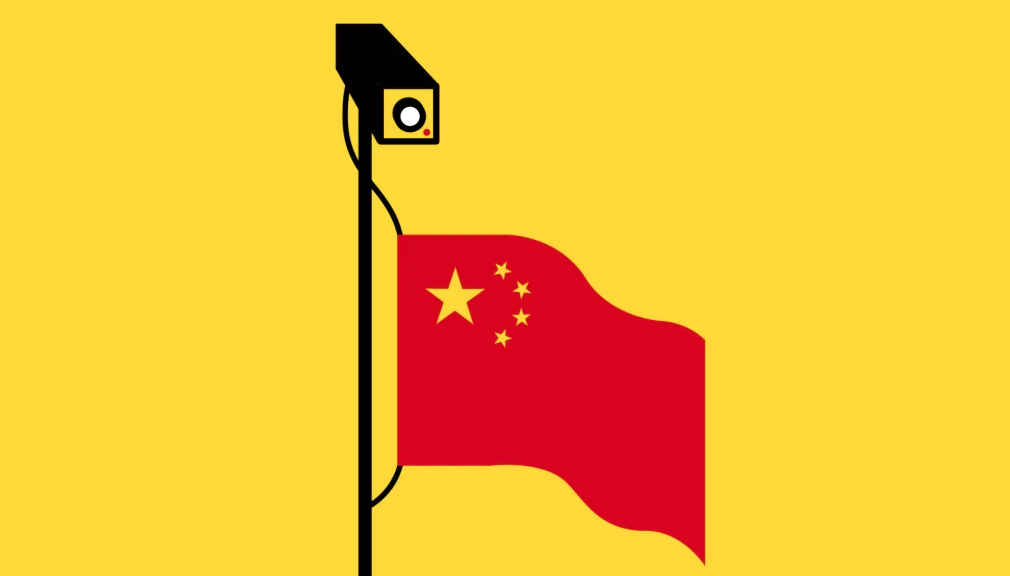
Experts say the coronavirus has given the Chinese government a pretext for accelerating the mass surveillance: “Intrusive surveillance is already the ‘new normal’. The question for China is what, if any, is a level of surveillance that the population refuses to tolerate,” said Stuart Hargreaves, an associate professor at Chinese University of Hong Kong’s law school.
Coronavirus forces Europe to confront China dependency (SCMP)
Mounting supply chain problems are fuelling arguments for greater independence from Beijing's manufacturing might. Outbreak has already caused Chinese exports to plummet, falling by 17.2 per cent in January-February compared with a year ago.
-
Lenovo, Intel, BGI Genomics team up on viral genome analysis
Technology and life science healthcare experts from Intel and Lenovo will work together to support BGI researchers with big data analytical technologies and computing resources, so as to further advance the capabilities of its sequencing tools, and more effectively analyze the genomic characteristics of the novel coronavirus.
-
BGI Group - The Biggest Genomics Company in the World?
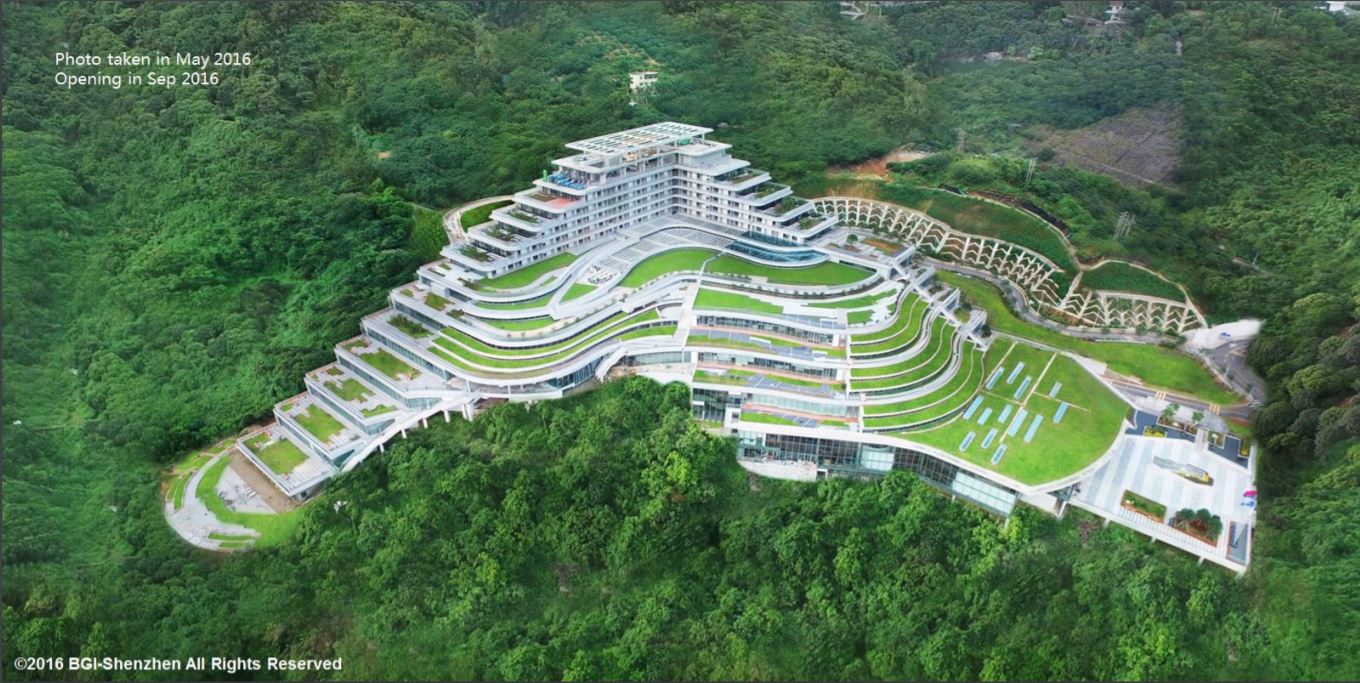
BGI is headquartered in Shenzhen, China and has more than 5,000 employees located in 47 labs, 30% outside of China. BGI Group is a Chinese genome sequencing company, headquartered in Shenzhen, Guangdong, China. BGI Group announced in 2020 that it will make genome sequencing cheaper, breaking the $100 barrier for the first time. The Shenzhen company says the low cost will be possible with an "extreme" DNA sequencing system that is capable of decoding the genomes of 100,000 people a year.
China National Genebank (site)
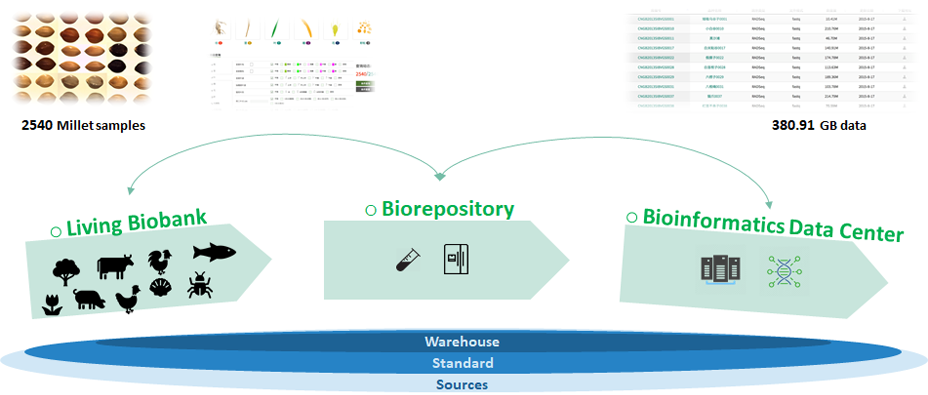
This is a nonprofit created in 2011 with funding from BGI and the Chinese government. Their mission is to capture and catalog human, plant, and animal species and they claim to have 80% of the finished large genome projects in the world. Capacity for 150m genomes a year.
GeneBank Vision Video - Stranger then any sci-fi movie
A tour to China's national gene bank (1h youtube video)
BGI Founders
Wang Jian (Chinese: 汪建; born 13 April 1954)
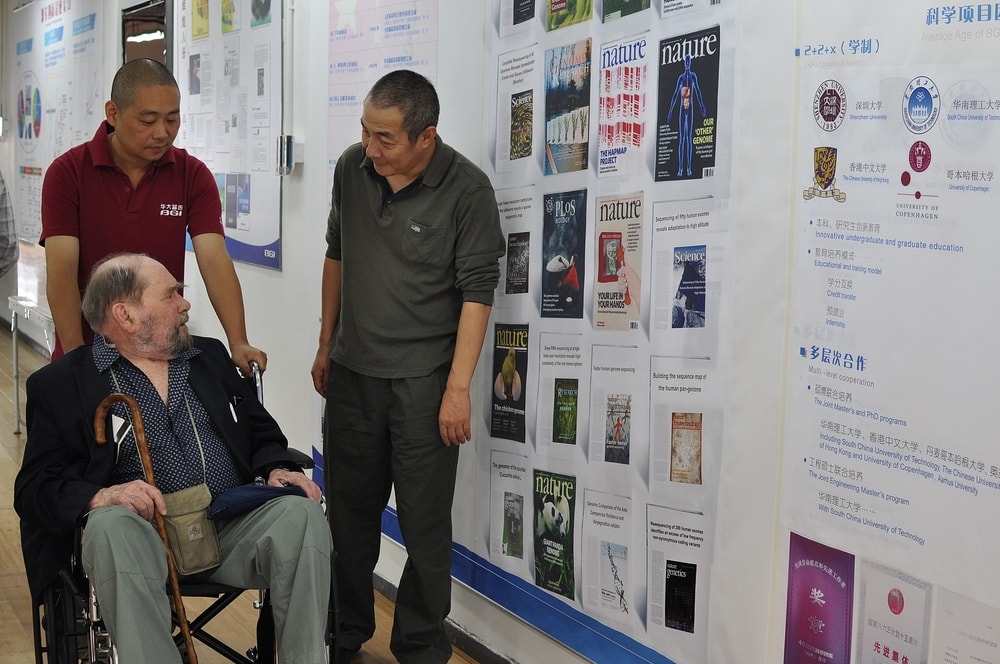
Wang Jian is Chairman and co-founder of the BGI Group (formerly Beijing Genomics Institute). He graduated in 1979 from Hunan Medical College and in 1986 graduated with a Master's in Integrated Medicines from the Beijing University of Chinese Medicine. From 1988 to 1994, he was a research fellow at the University of Texas, the University of Iowa and the University of Washington, working on cell proliferation and differentiation. After returning to China in 1994 to set up Jubilee Biotechnology, this provided much of the initial capital used to set up the Beijing Genomics Institute with Yang Huanming, Liu Siqi and Yu Jun in 1999 in order to engage in research contributing to the Human Genome Project. After this work he was involved in the sequencing of the rice genome, first Asian human reference genome and numerous other large-scale genomics projects. In 2003 he was involved in the efforts to sequence and contain the SARS coronavirus, meeting with Hu Jintao who praised BGI's contribution. In 2007 the Beijing Genomics Institute become just BGI when it was relocated to Shenzhen as "the first citizen-managed, non-profit research institution in China". As the largest shareholder in BGI's holding company, in 2019 his net worth was estimated by Forbes to be US$1.2 billion. In January 2020 he travelled to Wuhan to set up a situation room tackling the COVID-19 disease outbreak, helping coordinate the development of diagnostic tests and a 2000-sq-meter emergency detection laboratory built in 5 days. Devoted to fitness and believing health and longevity to be the first priority of BGI, he has climbed and skied on some of the highest mountains in the world, including summiting Mount Everest.
Yang Huanming (Chinese: 杨焕明; born 6 October 1952)
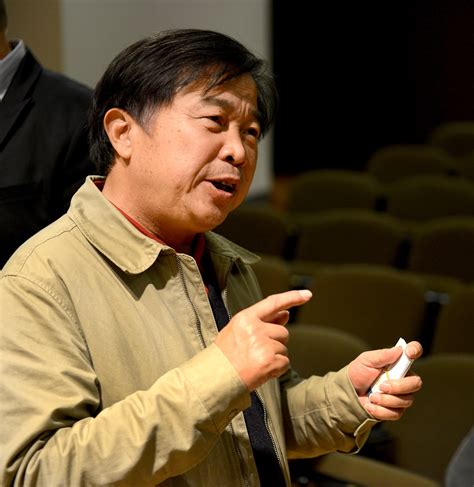
Yang Huanming is a Chinese biologist and businessman. one of China's leading genetics researchers. He is Chairman and co-founder of the Beijing Genomics Institute, formerly of the Chinese Academy of Sciences. He was elected as member of the Chinese Academy of Sciences in 2007, a foreign academician of Indian National Science Academy in 2009, a member of the German National Academy of Sciences in 2012, and foreign associate of the US National Academy of Science in 2014.
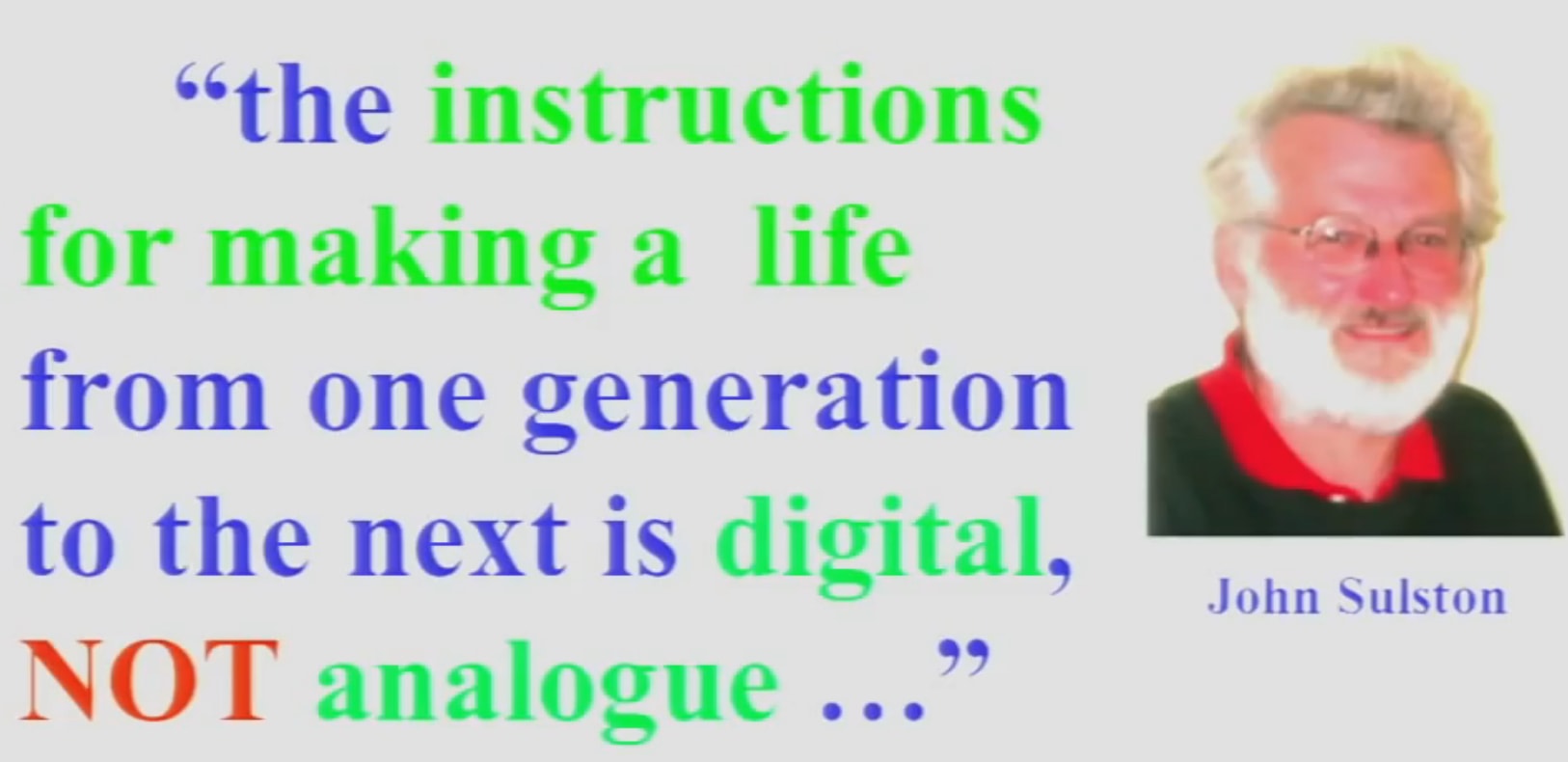
Yang Huanming: Sequencing Technology in Biomedicine
-
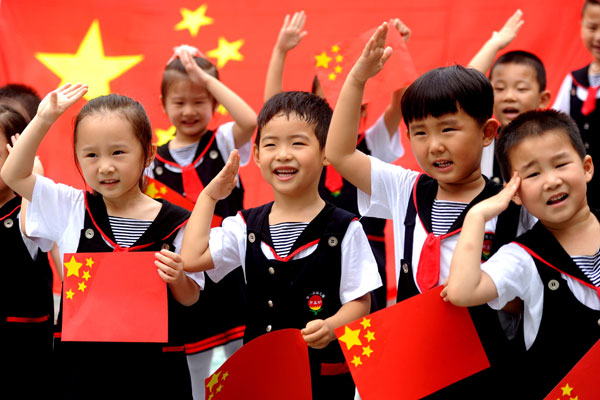
In locked down Wuhan, teachers use an app called DingTalk to set homework. Kids realised if it got enough one-star reviews it would be removed from App Store. Thousands of reviews flooded in, and DingTalk’s rating fell from 4.9 to 1.4 overnight. Legends. (via)
-
Righteous, the world should thank China (xinhuanet) (google translate)
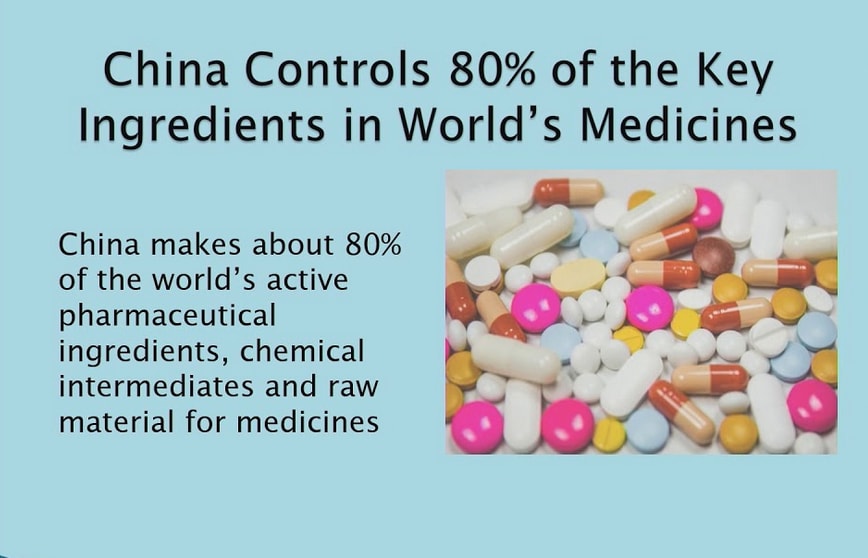
"If China retaliates against the United States at this time, in addition to announcing a travel ban on the United States, it will also announce strategic control over medical products and ban exports to the US. Then the United States will be caught in the ocean of new corona viruses. "
-
The Chinese characters for crisis 危機 mean “danger” and “opportunity,”
-
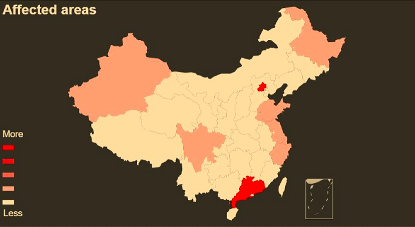
Qihoo 360 discovered and revealed cyber-attacks by the CIA hacking group (APT-C-39) which lasts for eleven years against China. Several industry sectors have been targeted including aviation organizations, scientific research institutions, petroleum industry, Internet companies, and government agencies.