tag > China
-
Jamoca - a robot dog newly released by Tencent's Robotics X Lab
-
Come on, Mike! I'm losing control! - Art by Chinese "keyboard warrior" "乌合麒麟 Wuheqilin"

Some more of the artists controversial pieces:



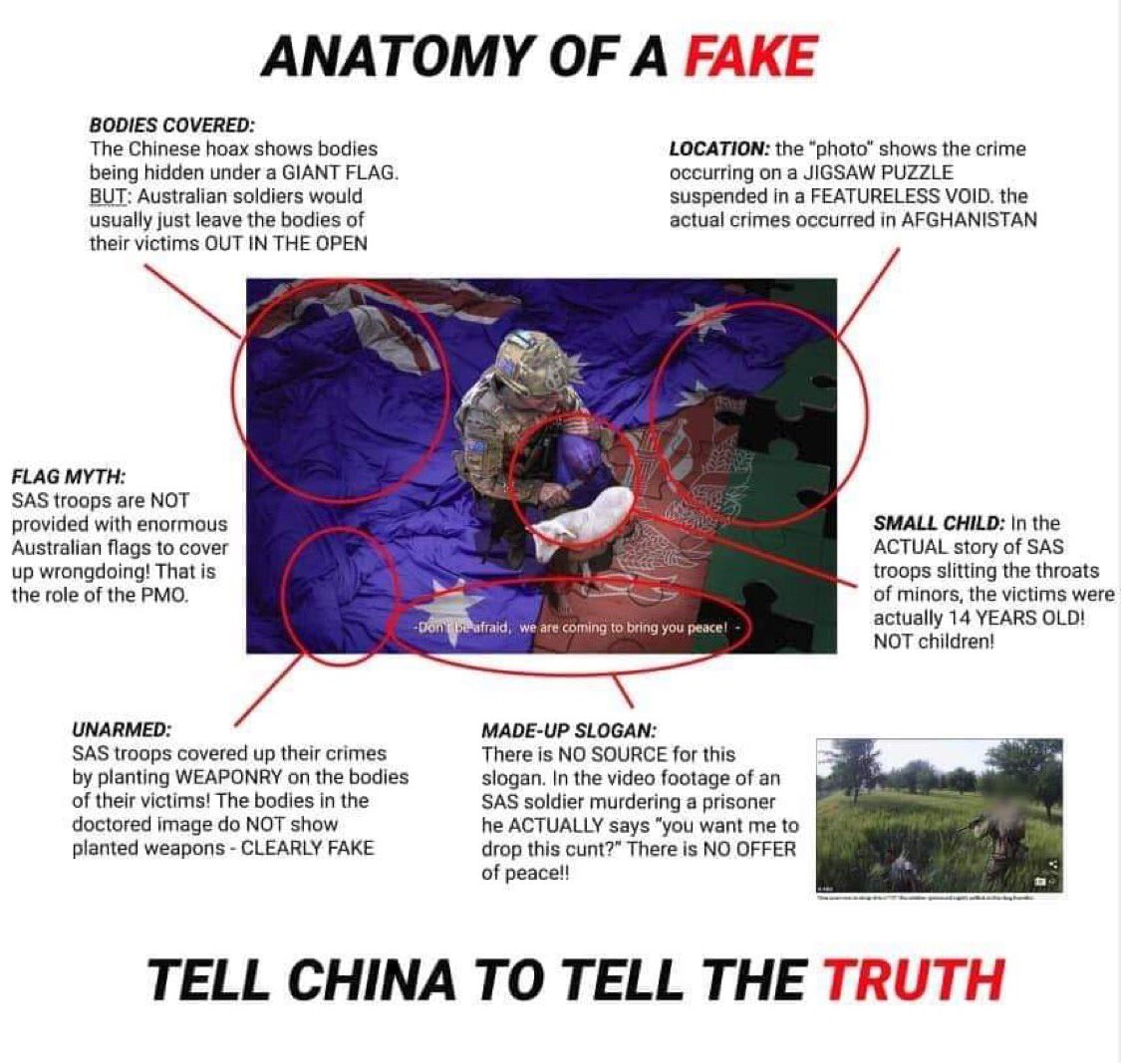
After the Australian officials "demanded China to apologise for posting 'repugnant' fake image" and the entire western media completely ignored the very real report on atrocious Australian military war crimes in Afghanistan, the Chinese social media reacted with the following image:
-
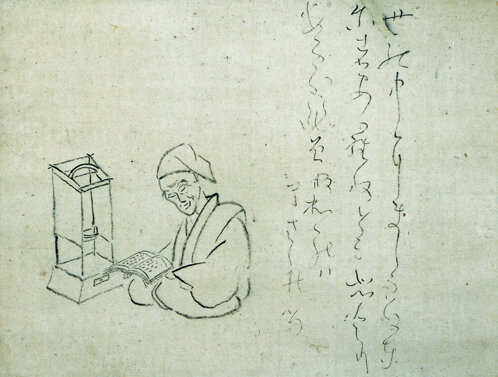
Don’t Waste Your Precious Time - by Ryokan (1758–1831)
The ancient Buddhas taught the Dharma
Not for its own sake but to assist us.
If we really knew ourselves
We would not have to rely on old teachers.
The wise go right to the core
And leap beyond appearances;
The foolish cleave to details
And get ensnared by words and letters.
Such people envy the accomplishments of others
And work feverishly to attain the same things.
Cling to truth and it becomes falsehood;
Understand falsehood and it becomes truth.
Truth and falsehood are two sides of a coin:
Neither accept nor reject either one.
Don't waste your precious time fruitlessly
Trying to gauge the depths of life's ups and downs.- translated by John Stevens
-
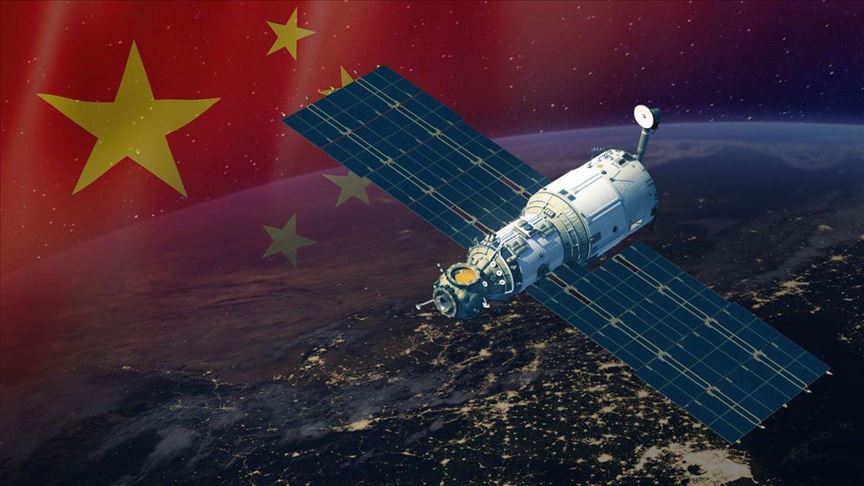
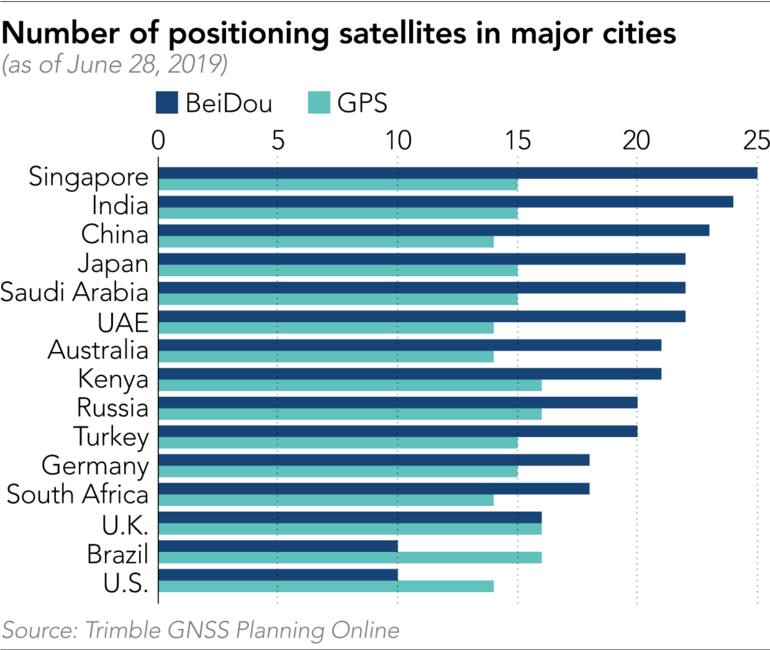
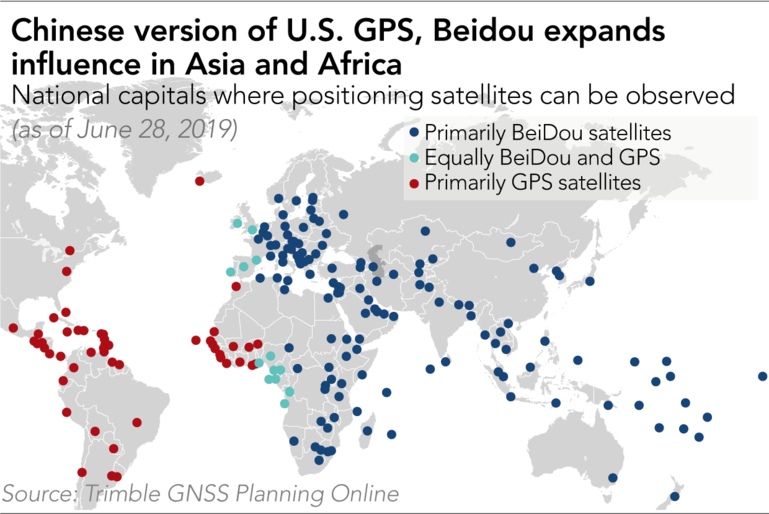
In 165 countries, China's Beidou eclipses American GPS (Nikkei)
Capital cities for 165 of 195 major countries are observed more frequently by Beidou satellites than by GPS.
-
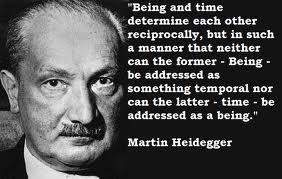
According to Tomonobu Imamichi, Heidegger's concept of Dasein in Sein und Zeit was inspired – although Heidegger remained silent on this – by Okakura Kakuzō's concept of das-in-der-Welt-sein (being-in-the-worldness) expressed in The Book of Tea (PDF) to describe Zhuangzi's philosophy, which Imamichi's professor Ito Kichinosuke had offered to Heidegger in 1919, after having followed private lessons with him the year before:

‘Ito Kichinosuke, one of my teachers at university, studied in Germany in 1918 immediately after the First World War and hired Heidegger as a private tutor. Before moving back to Japan at the end of his studies, Professor Ito handed Heidegger a copy of Das Buch vom Tee, the German translation of Okakura Kakuzo’s The Book of Tea, as a token of his appreciation. That was in 1919. Sein und Zeit (Being and Time) was published in 1927 and made Heidegger famous. Mr. Ito was surprised and indignant that Heidegger used Zhuangzi’s concept without giving him credit. Years later in 1945, Professor Ito reminisced with me and, speaking in his Shonai dialect, said, ‘Heidegger did a lot for me, but I should’ve laid into him for stealing’. There are other indications that Heidegger was inspired by Eastern writings, but let’s leave this topic here. I have heard many stories of this kind from Professor Ito and checked their veracity. I recounted this story at a reception held after a series of lectures I gave in 1968 at the University of Heidelberg at the invitation of Hans-Georg Gadamer. Japanese exchange students attended these lectures, and I explained that there were many other elements of classical Eastern thought in Heidegger’s philosophy and gave some examples. I must have said too much and may even have said that Heidegger was a plagiarist (Plagiator). Gadamer was Heidegger’s favorite student, and we ended up not speaking to each other for 4 or 5 years because he was so angry with me’ (Imamichi 2004, pp. 123–124).[3][4]
Martin Heidegger Interview with a Monk (English Subtitles)
-
KFC starts selling fried chicken in China with self-driving "5G" unmanned food trucks
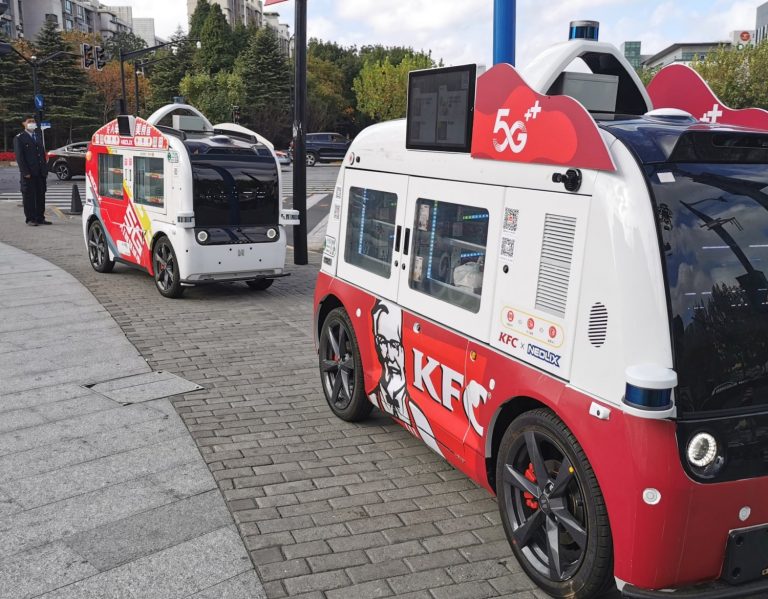
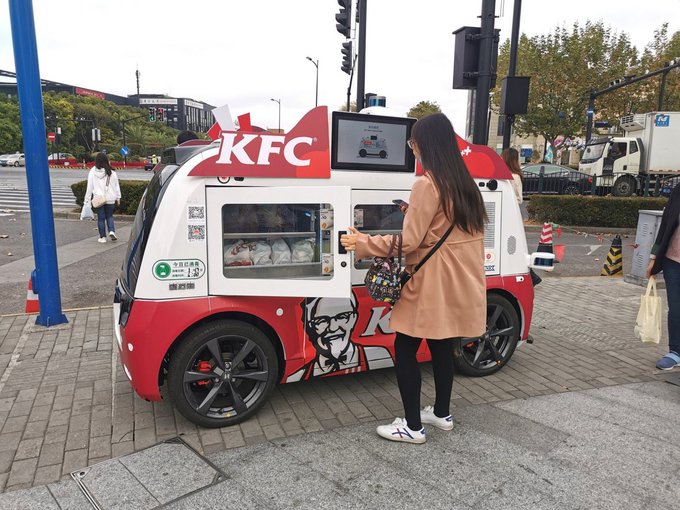
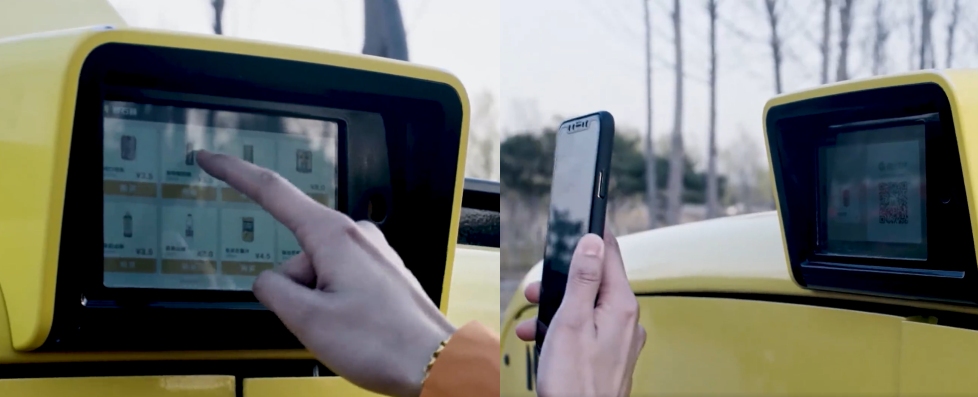
#Comment: Clearly this is the perfect use-case for artificial intelligence, besides killer robots..
-
US sidelined as China, Korea and Japan unite (asiatimes)
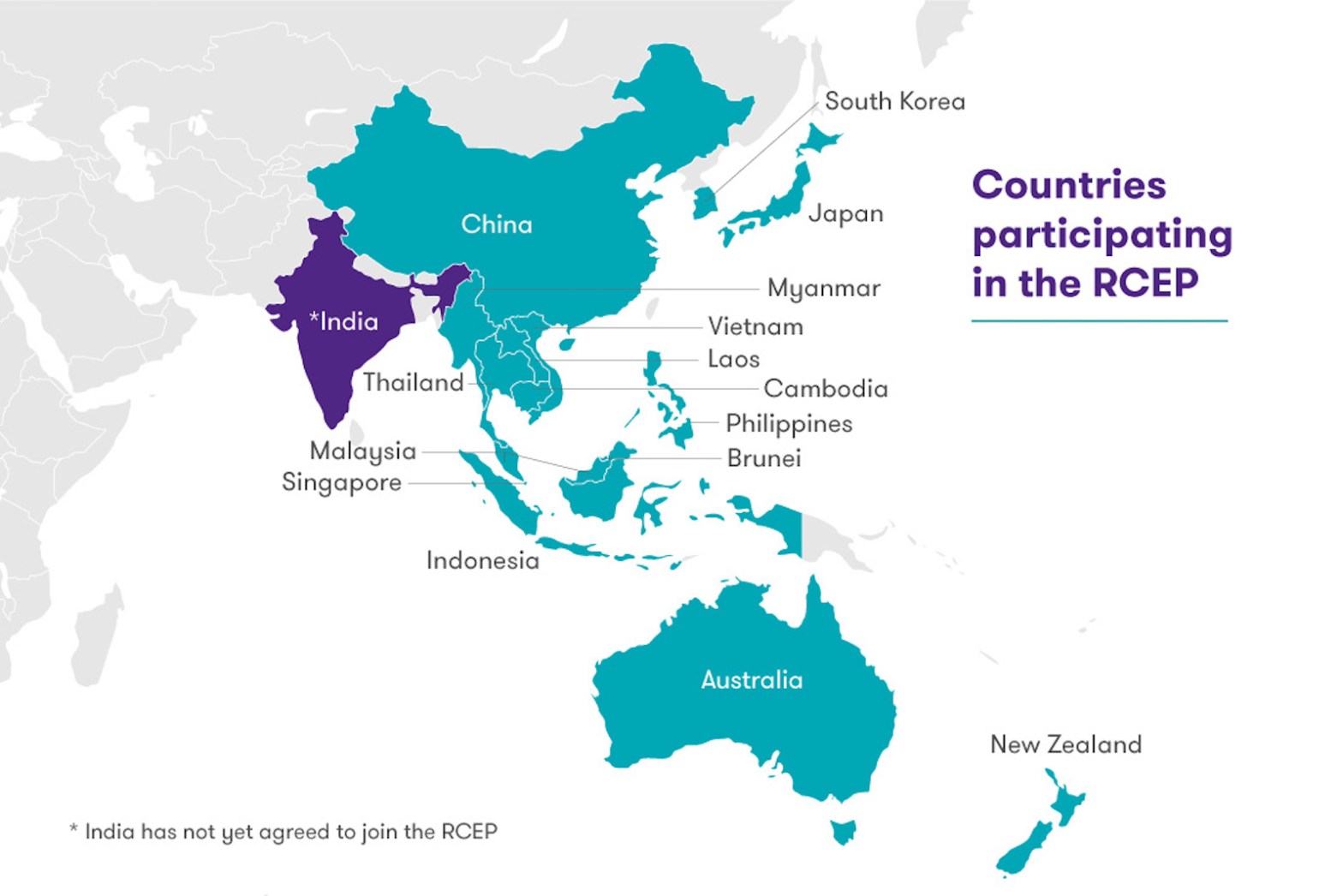
RCEP may lack clarity but the China-centric trade pact ties three of Asia's four biggest economies closer together than ever.
Xi says China will consider joining TPP (nikkei)
Beijing eyes greater influence in Asia-Pacific through economic integration
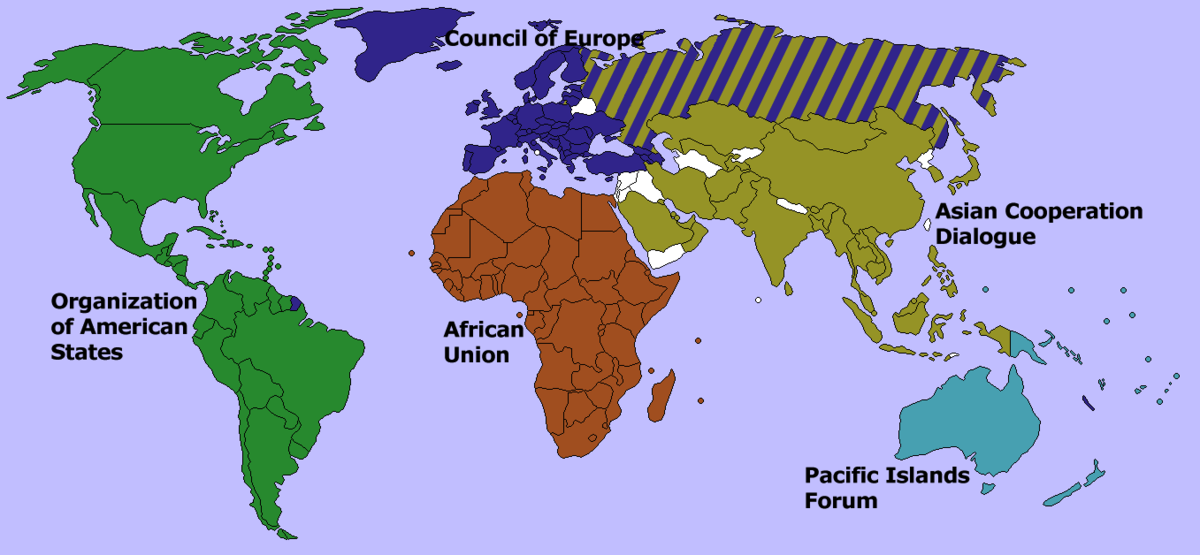
The post-national world is quickly coming more into focus (image from "Regional organization")
-
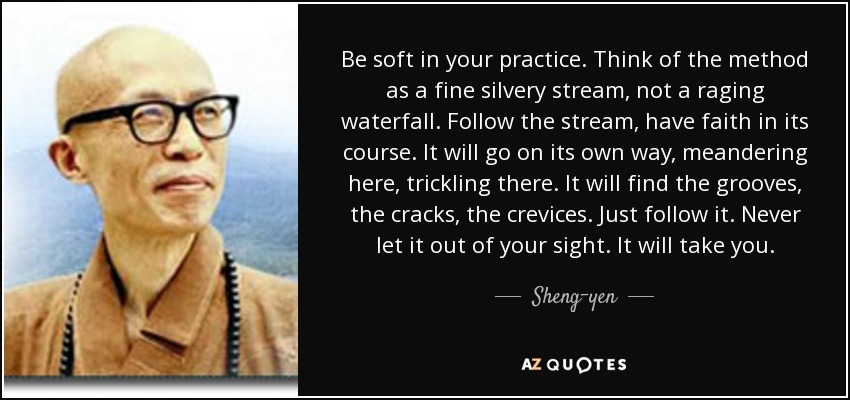
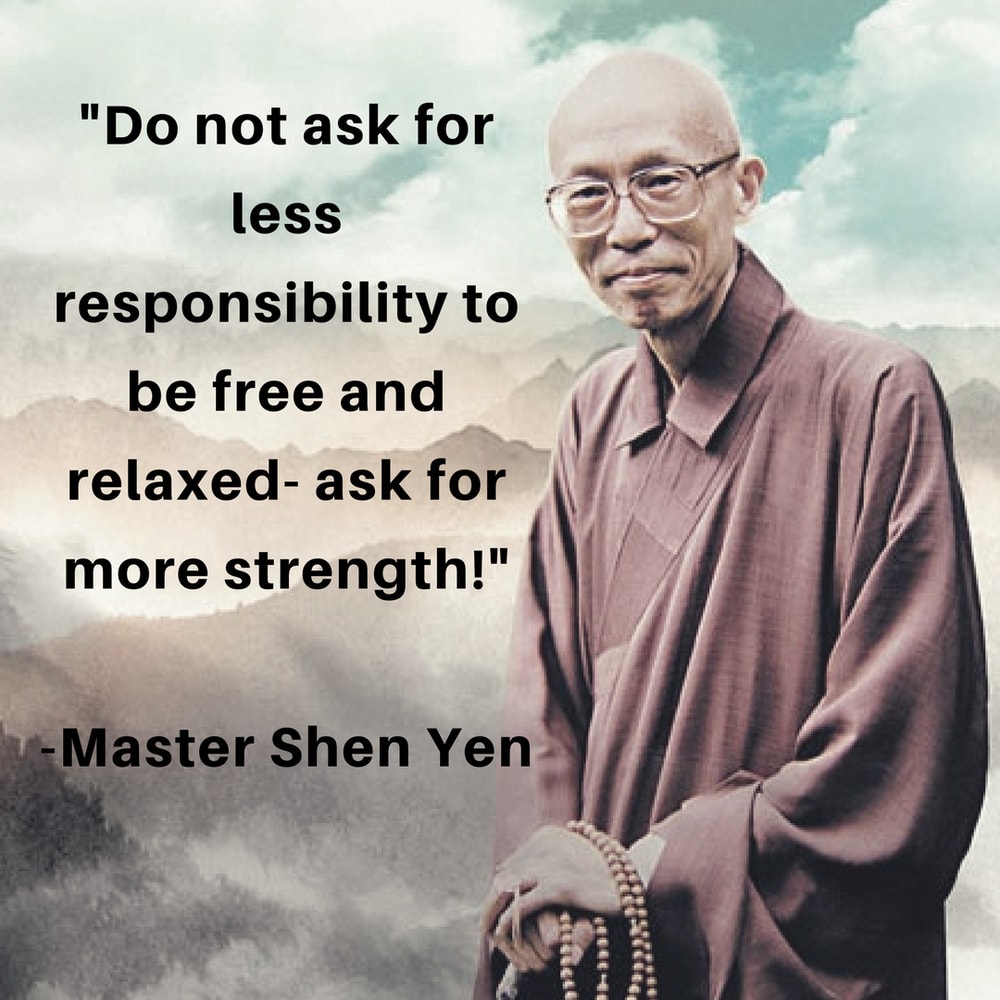
Why are the Heart Sutra and the Diamond Sutra so popular with Buddhists? - by Sheng Yen

-
Did China use microwave weapons on Indian soldiers?
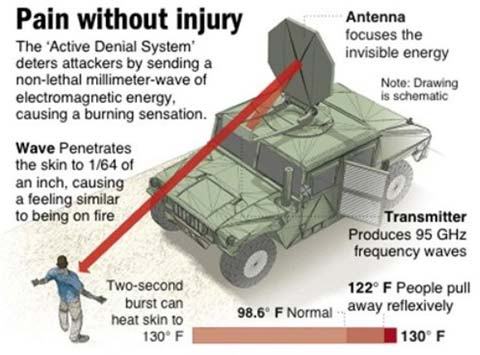
The electromagnetic weapon, which cooks the human tissue of enemy troops, 'turned the mountain tops into a microwave oven' ... While the US has also developed microwave-style weapons, China’s alleged use of them may be the first against enemy troops anywhere in the world. Also envisioned for use in crowd control, the sensation was once described in a medical journal as equivalent to touching a hot lightbulb.
-
International collaboration reveals China's carbon balance (phys.org)
An international team of researchers has compiled and verified newly available data on the country's CO2 sink, and, for the first time, they have quantitatively estimated the effect of China's carbon mitigation efforts.
Large Chinese land carbon sink estimated from atmospheric carbon dioxide data (Nature)
Climate change: China's forest carbon uptake 'underestimated' (BBC)
-
China seeks ‘complete’ economic self-reliance (globaltimes)
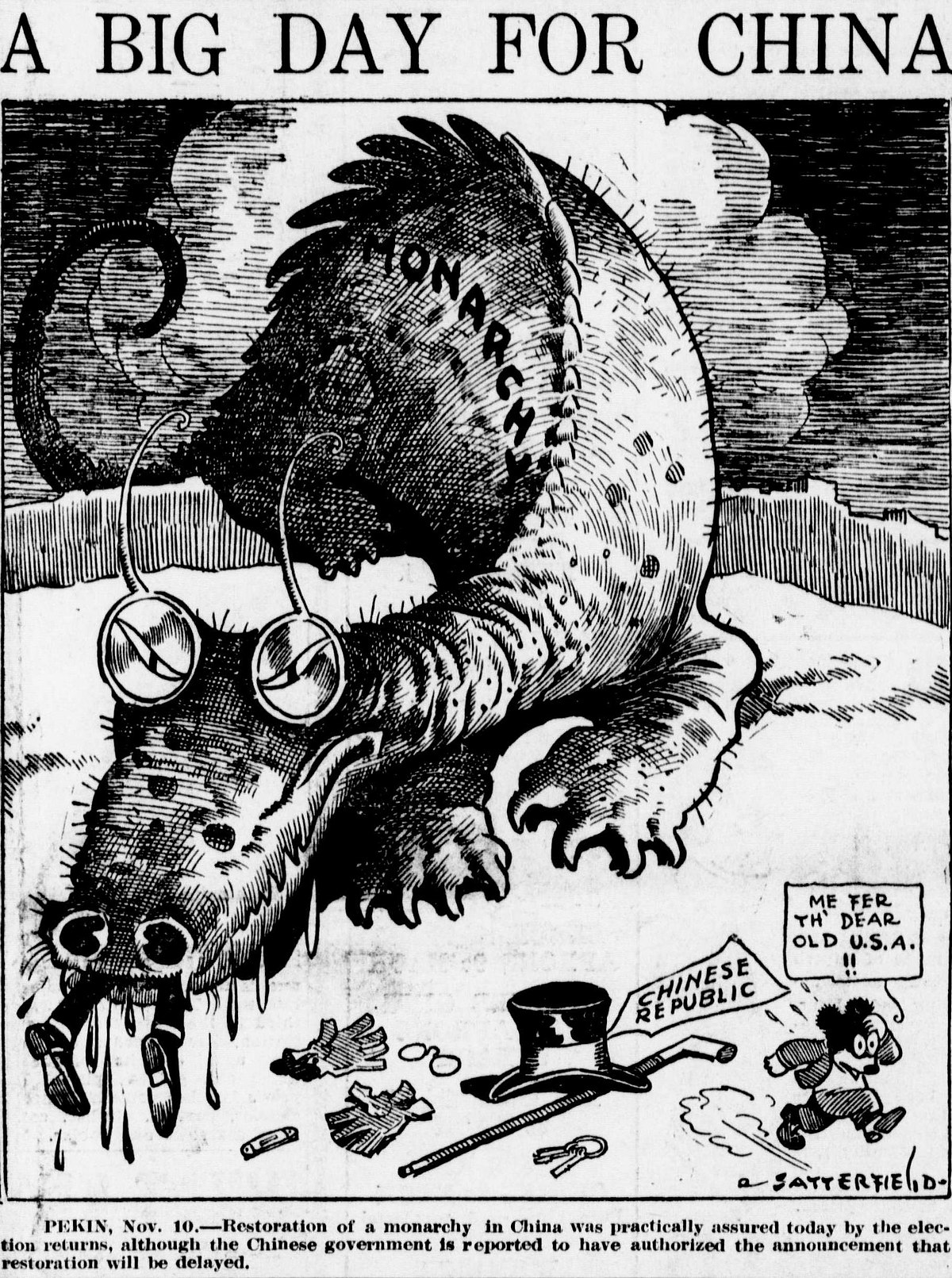
Satterfield cartoon on Chinese monarchy (1915) Domestic innovation to gain main focus, but opening to the world to continue: experts
Sixty key points for formulating China's 14th FYP and future targets for 2035 (CGTN)
The full text of the Communist Party of China (CPC) Central Committee's proposals for mapping out the blueprint for China's development in the next 15 years was made public. The proposals outlined 60 key points for formulating the 14th Five-Year Plan (2021-2025, FYP) for National Economic and Social Development and the Long-Range Objectives Through the Year 2035.
-
Dominic Lieven: Dismantling Anglophone Hegemony Is a Costly Enterprise
-
Blockchain Chicken Farm, and Other Stories of Tech in China’s Countryside - The Untold Technological Revolution Sweeping Through Rural China (NYtimes)
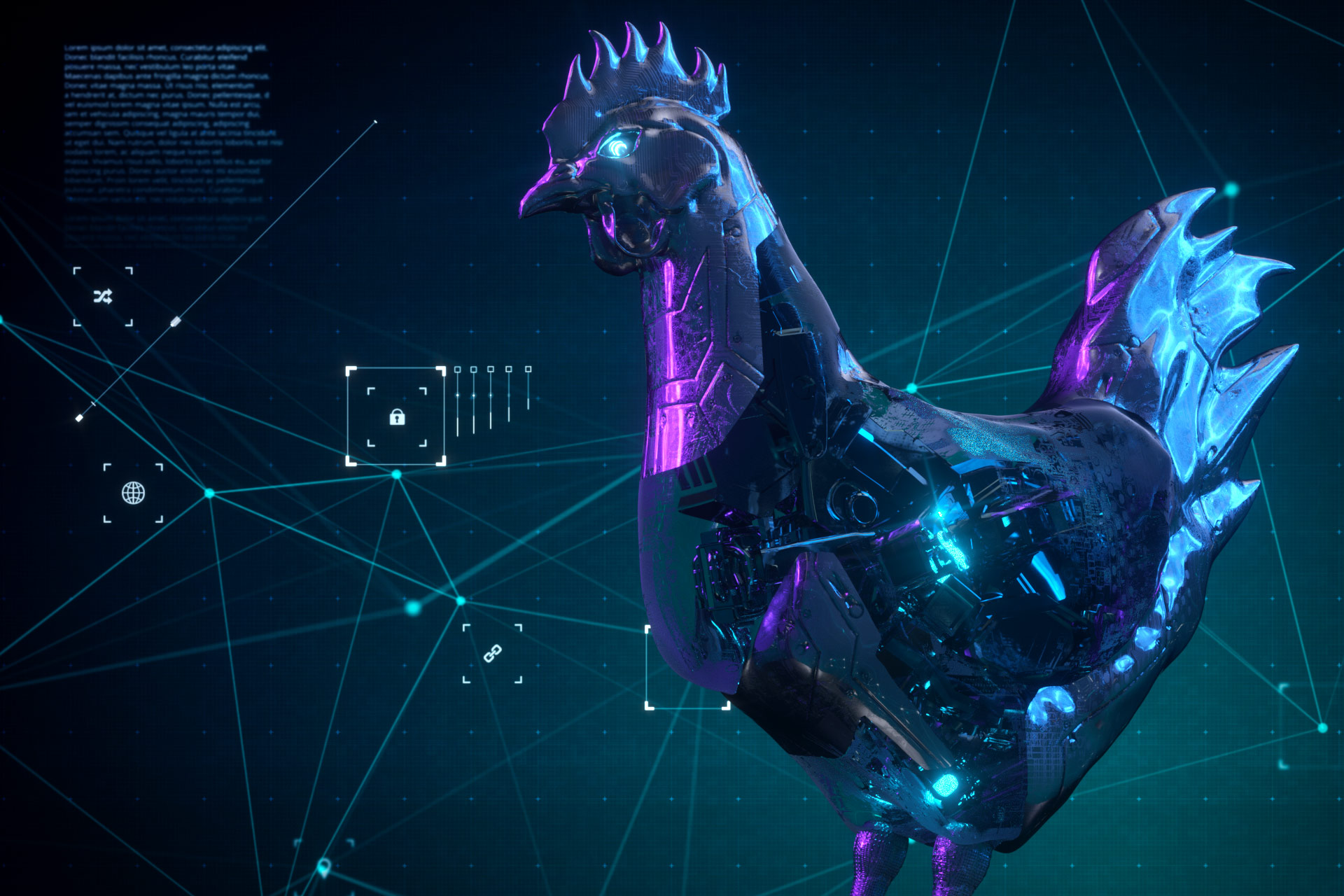
So Jiang turned to high-tech chicken surveillance. He outfitted his chickens with wearable legbands that record their movements — “a chicken Fitbit of sorts” — and worked with a tech start-up to record the data on a blockchain.
"To increase the yield of pork farms, Alibaba trained a new artificial intelligence, “ET Agricultural Brain,” on vast amounts of data from pork operations, the better to predict how to increase yield."
-
Researchers unveil roadmap for a carbon neutral China by 2060
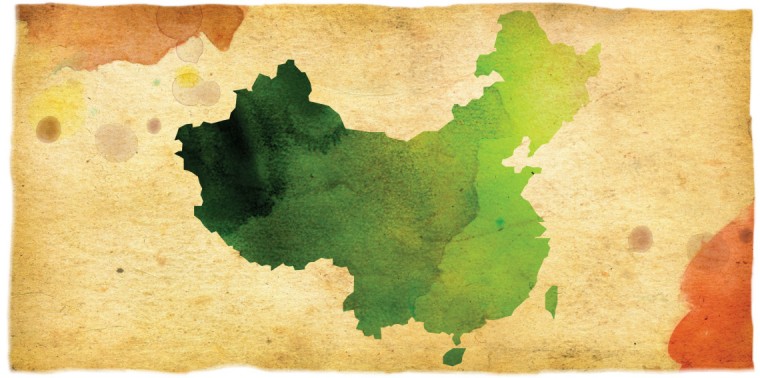
Three weeks after China told the world it is aiming for carbon neutrality, an important study outlines a roadmap to that goal, and challenges along the way.


.jpg)