tag > Culture
-
The Leisurely Manifesto - Otium is Hard Work - The Original Affluent Society
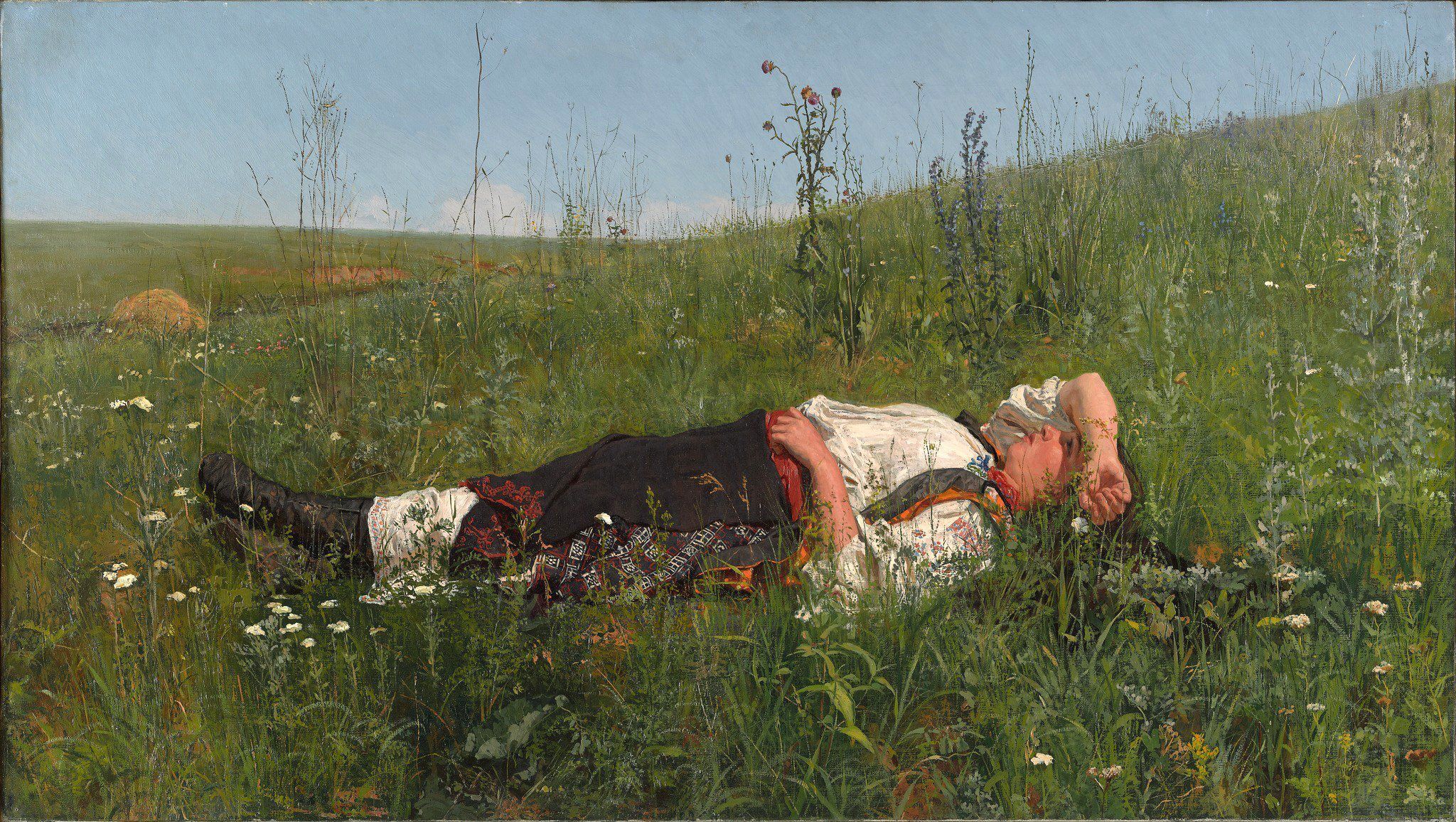
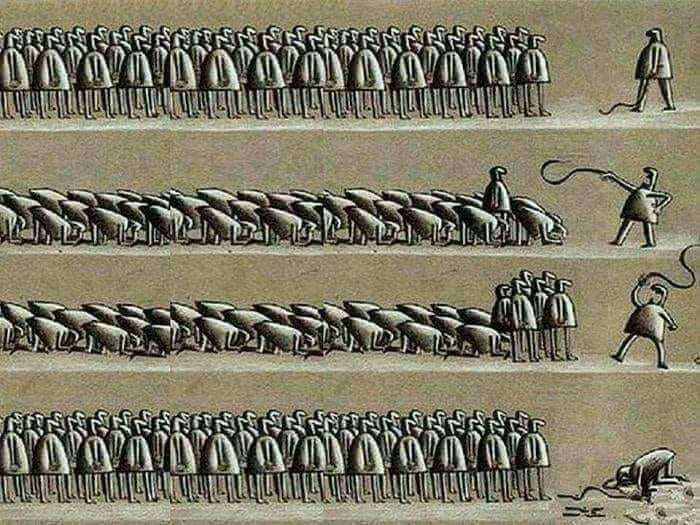
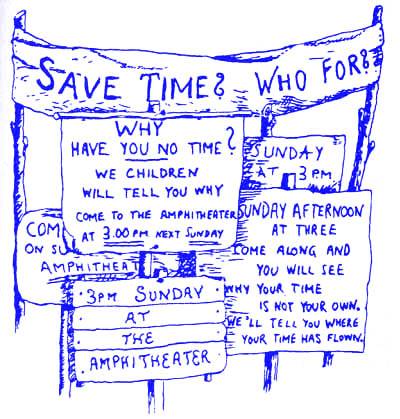
There is vast confusion around leisure. Leisure does not mean doing nothing, etymologically it means doing what you enjoy. Leisure, not "productivity", should be the end goal of all of our work, we need to aim for something much higher than productivity
-
Kua Kua groups: pay your way to adulation

If you say "I lost my bicycle today. I have looked for it for a long time, but failed." How will you expect others to reply? If you are a member of a "Kua Kua" online chat group, you will receive positive responses like "In spite of losing your bike, you are not irritated, which shows your elegance. Well done!"In recent days, WeChat "Kua Kua" groups have drawn increasing attention in China, especially among young people. In Chinese, "Kua" literally means to praise. The "Kua Kua" groups are online chat groups, in which group members can respond positively to whatever you say, even if the things you tell them are negative.
-
Why can some people ‘see’ uncomfortable things while others can’t?
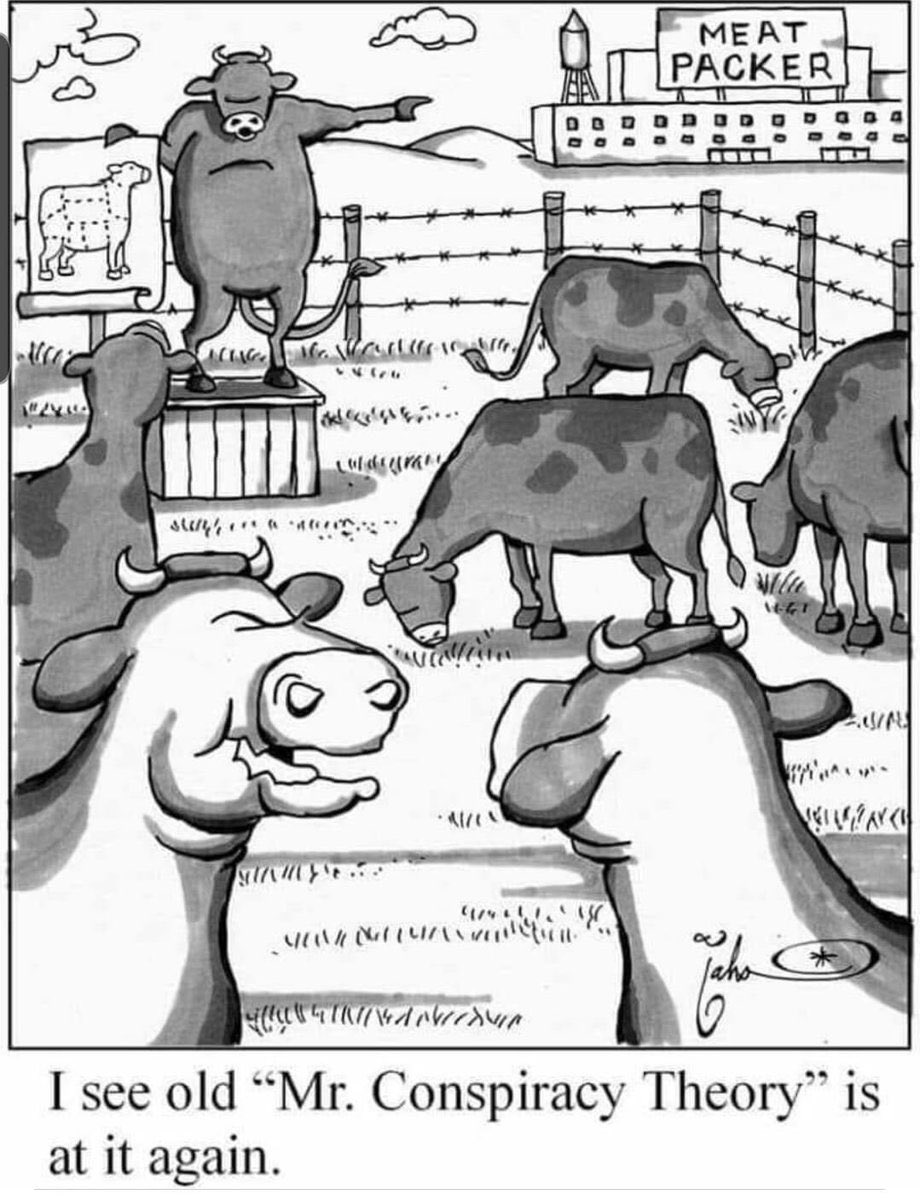
- 🙈 Wilful Blindness (also known as the Ostrich Effect): our minds wont let us acknowledge something if it will cause psychological pain. So we ignore it, say it doesn’t matter, rationalise excuses, etc.
- 🍼 Regression (and fear of freedom). Freedom comes with risk and responsibility. Most crave a return to the submissive comfort of childhood, where adults took care of everything. They want the state to take care of them.
- 🏛 System Justification: We cannot imagine that the system we grew up in and benefited from could do us harm. We assume it always has our best interests at heart.
- 💀 Terror Management: Thinking about death (or the idea that our psychological construction of reality might go extinct) causes us to ‘close up’ psychologically and become intolerant of other ideas.
- 🐑 Conformity: We assume the crowd must know what it’s doing, and we are terrified of being ostracised, since this meant death in evolutionary terms.
- 💥 Cognitive Dissonance: When something doesn’t match our expectations of the world, it causes uncomfortable psychological tension, which we seek to minimise through defence mechanisms like denial.
- 💙 In-Group Bias: Being social animals, we tend to reject information if it clashes with our group identity (“it must be wrong if the other side said it”). In fact, it can just make us even more polarised.
- 😴 Cognitive Misers: We simply don’t have the time nor the energy to process a lot of new, complex information or change thinking habits.
- ⛓️ Learned Helplessness: If we have learned / feel that we are powerless, we don’t even bother to try challenging the status quo. We just become passive and accepting.
- 👨⚕️ Authority: We assume that those with credentials or in positions of authority must know what they are doing, so we trust them implicitly and follow their instructions.
-
What does a 21st century version of Animism look like?
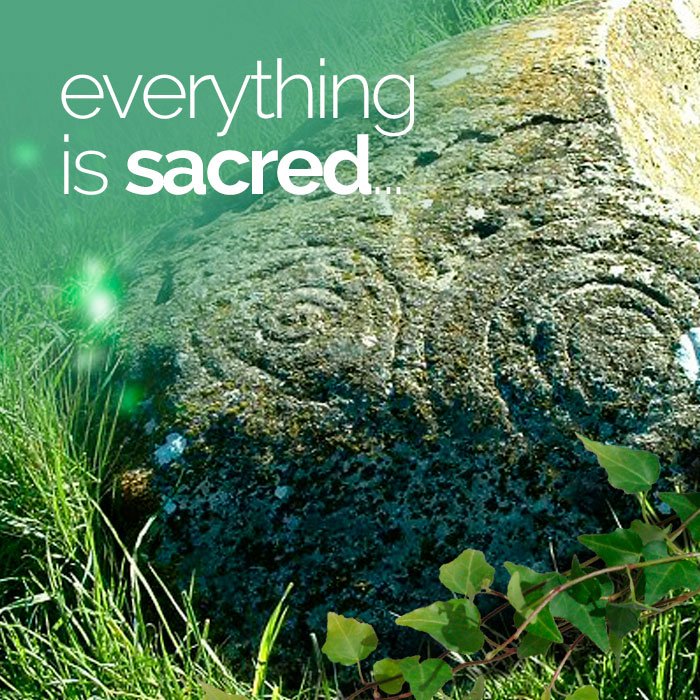
Animism is the world's oldest religion, starting in the Paleolithic age. Its view is that all phenomena have agency, that there exists no distinction between the spiritual & material, and that sentience exists not only in humans, but also in animals, plants, rocks, rivers, etc.
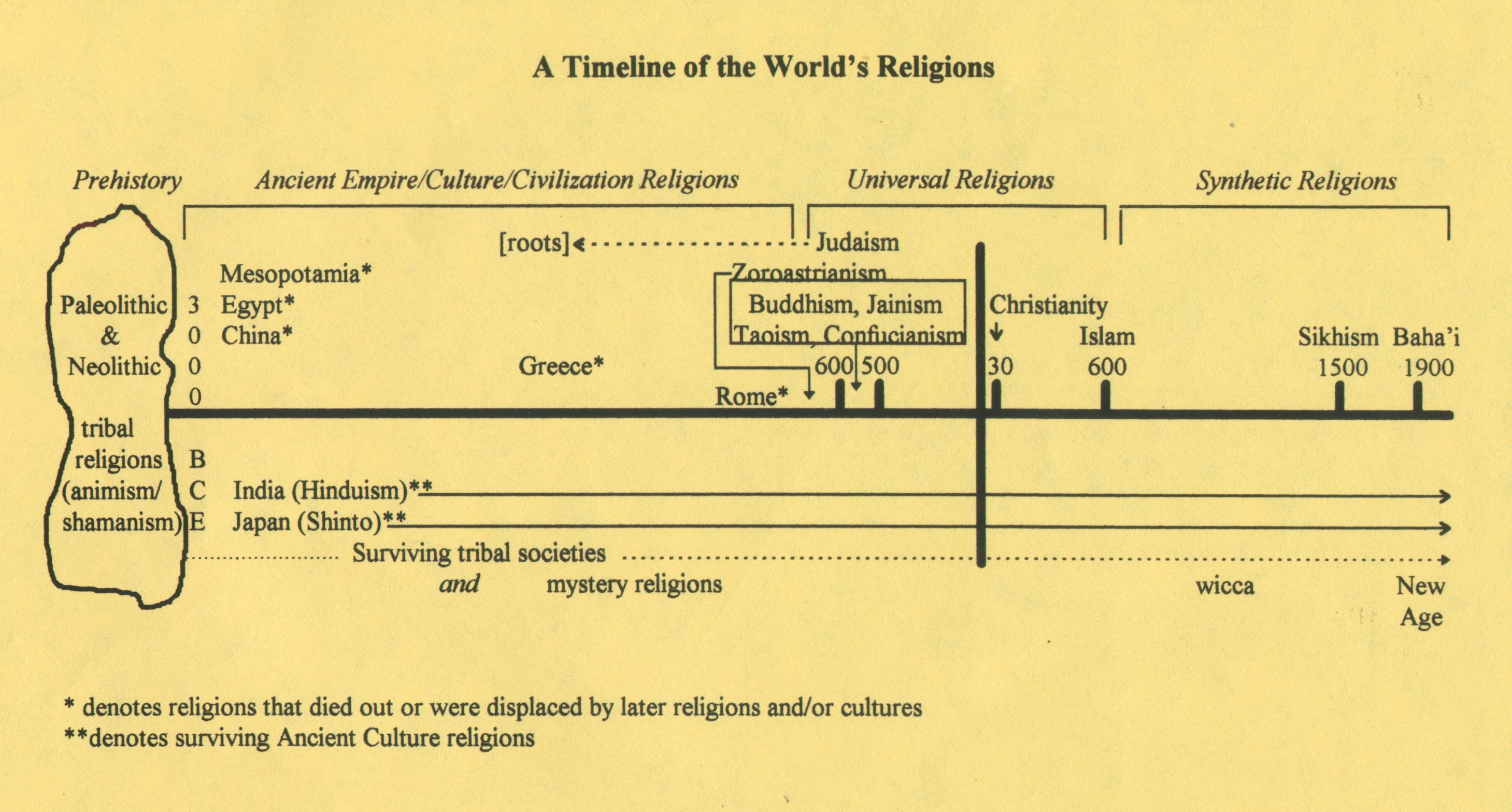
Beyond the naive & outdated interpretations of Animism as "primitive" superstition, one can think of it as one of humanities oldest still active cultural lineages. Beyond the spiritual domain, Animism has highly relevant views on socio-political, ecological & technological issues
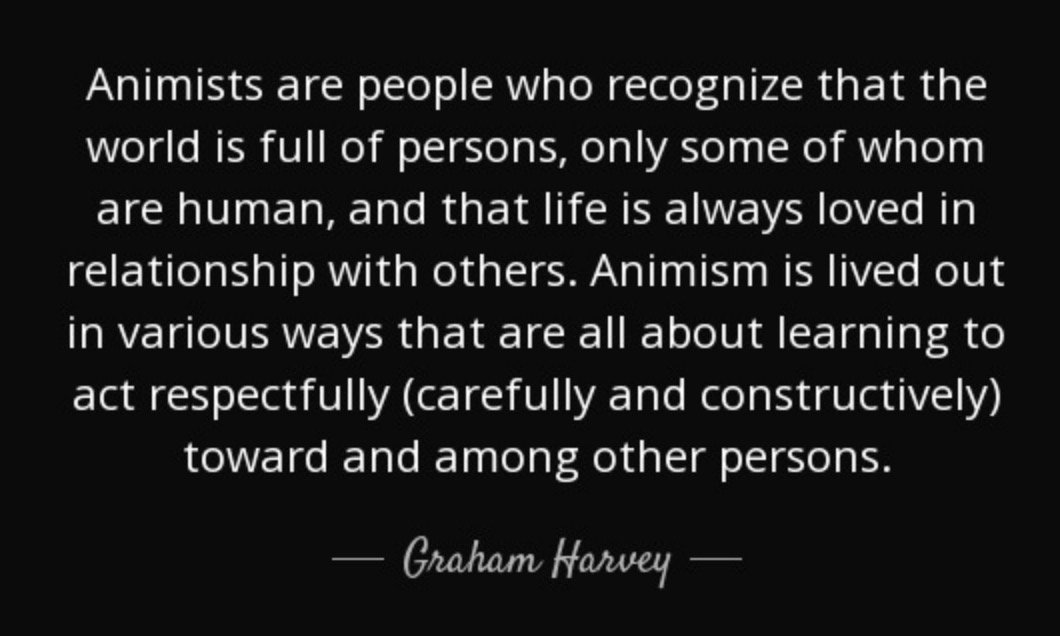
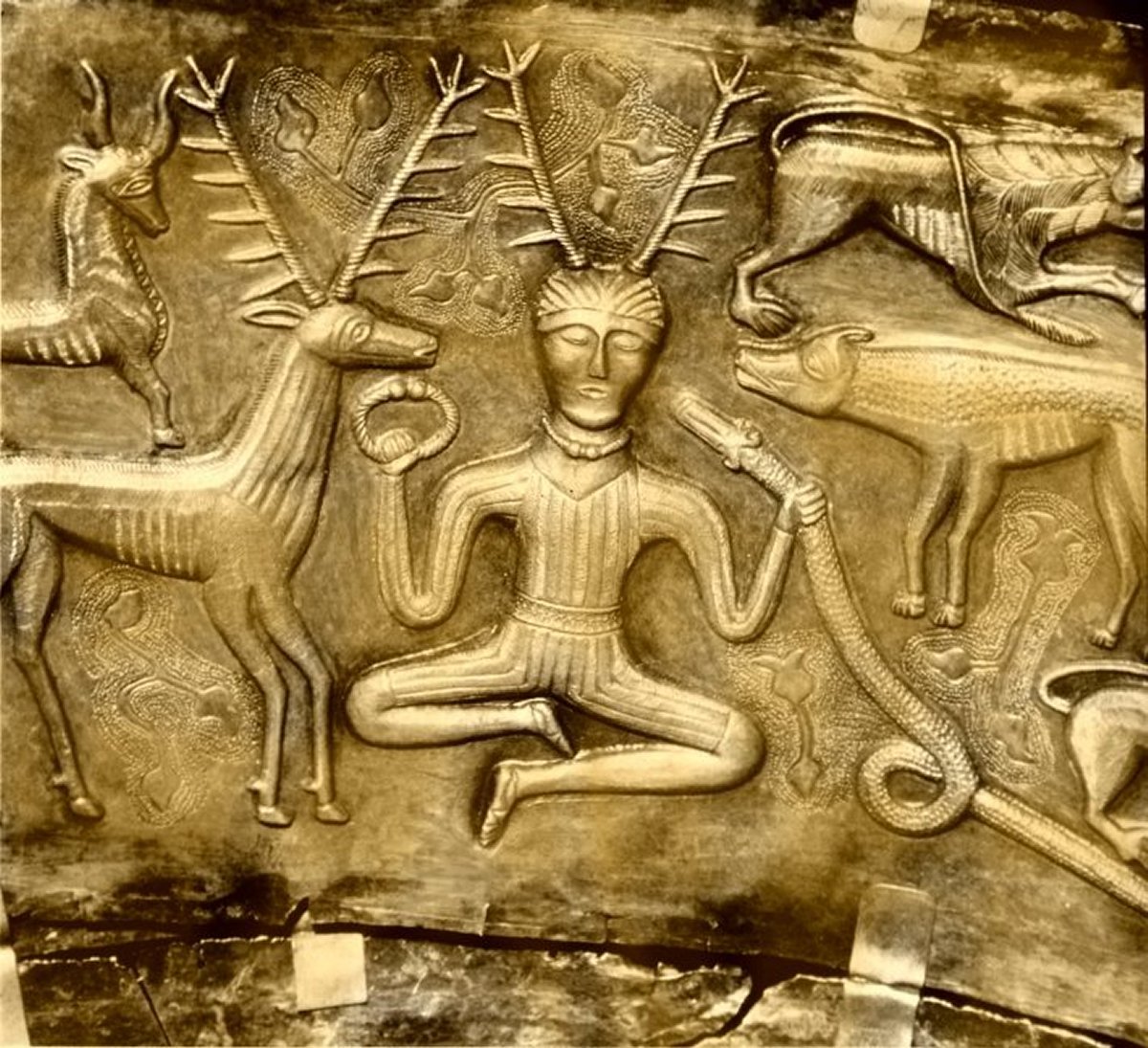
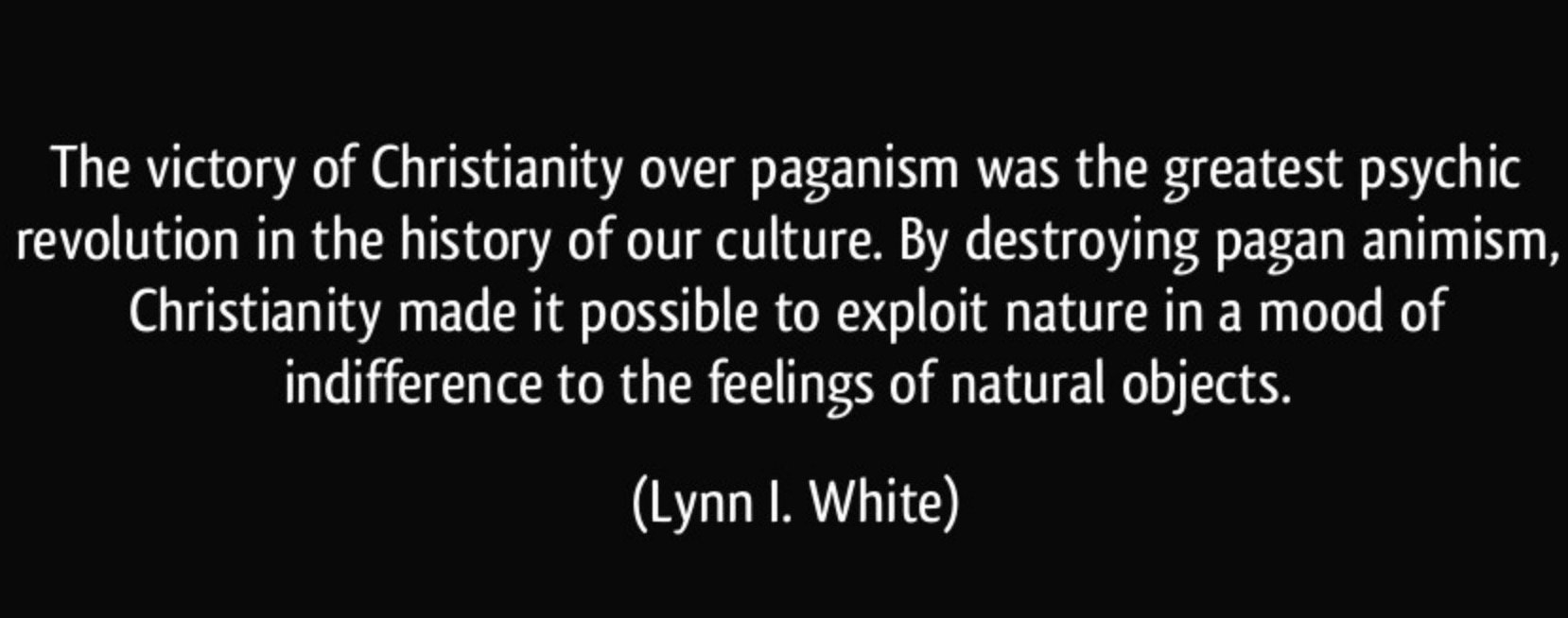
In a sense, one can think of Animism as a *holistic framework* which elegantly encompasses ecology, culture, art, politics, technology, science & spirit. It is age old & battle proven yet still alive & in flux. Animism is not a belief system, but a world view and a value system.
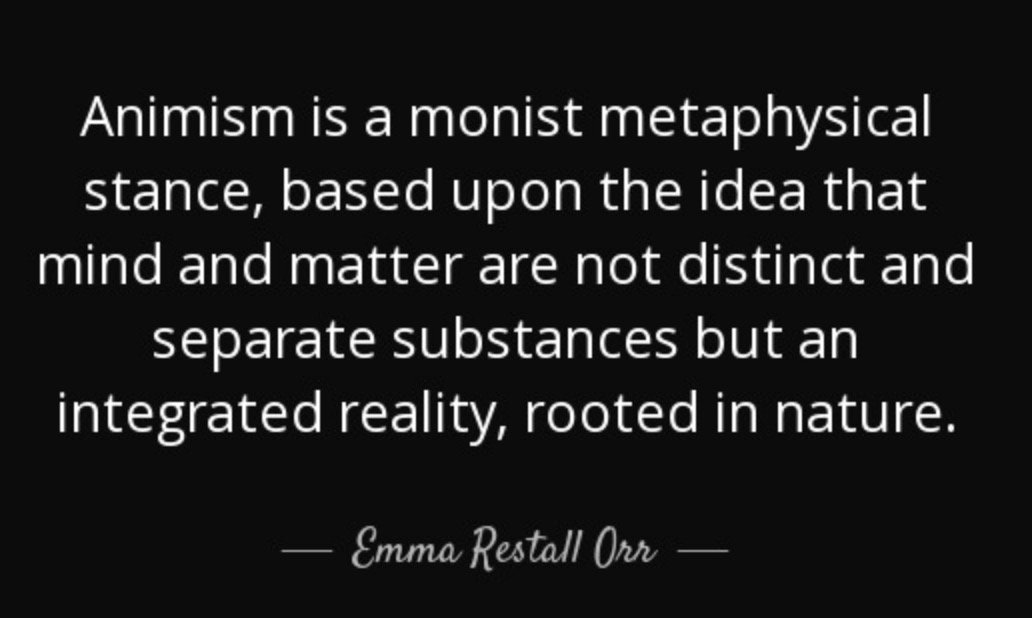
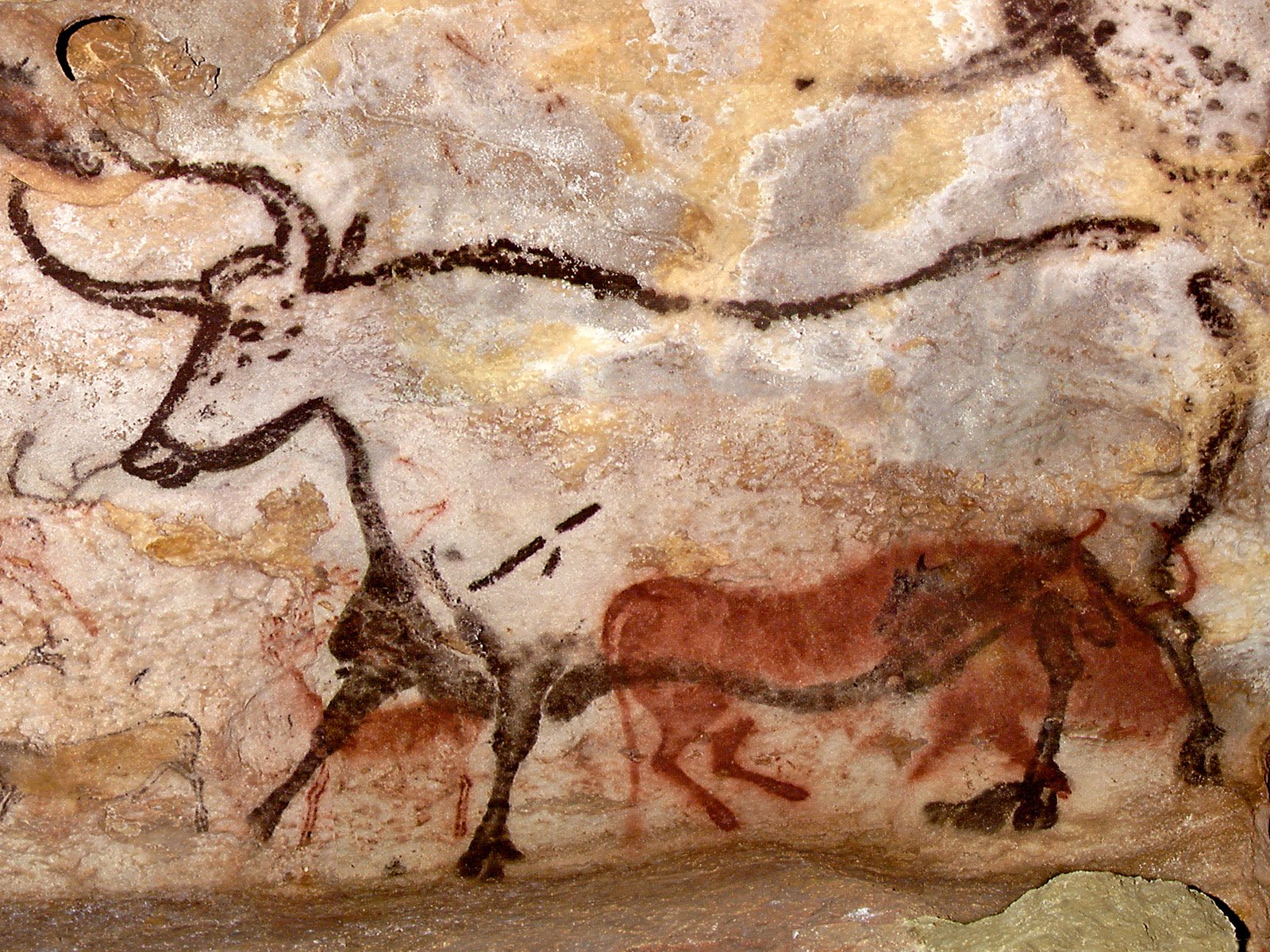
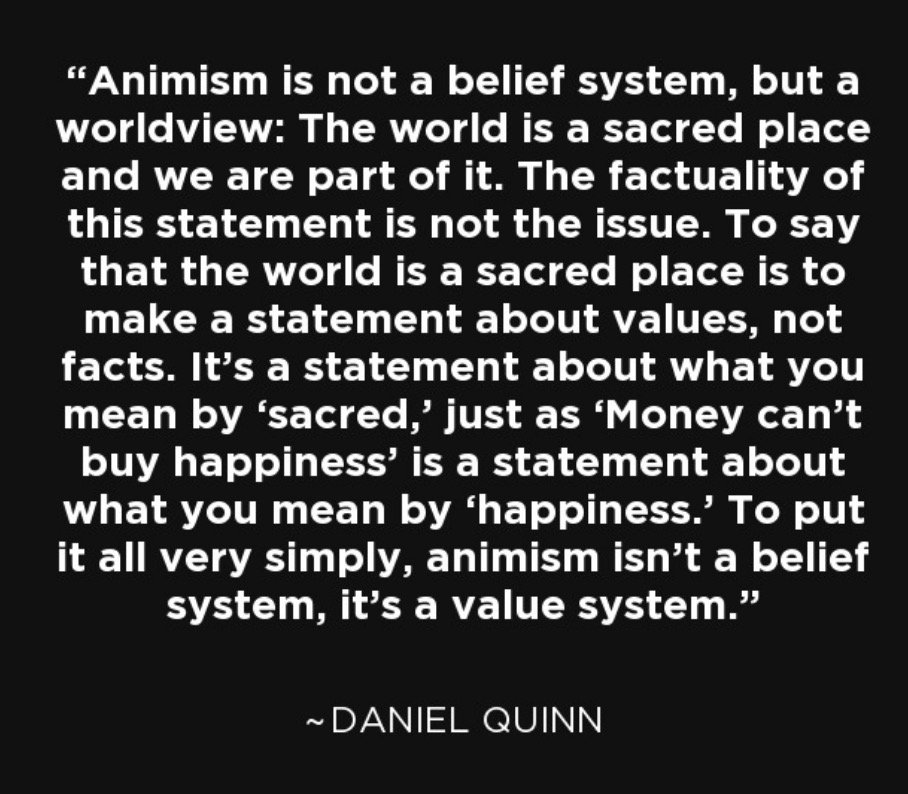
Among the many positive and highly practical affordances that Animism offers us today, here are a few: It addresses the "people-in-nature" (opposite the current "people-VS-nature") question heads-on, which is critical in times of climate change & mass species extinction.
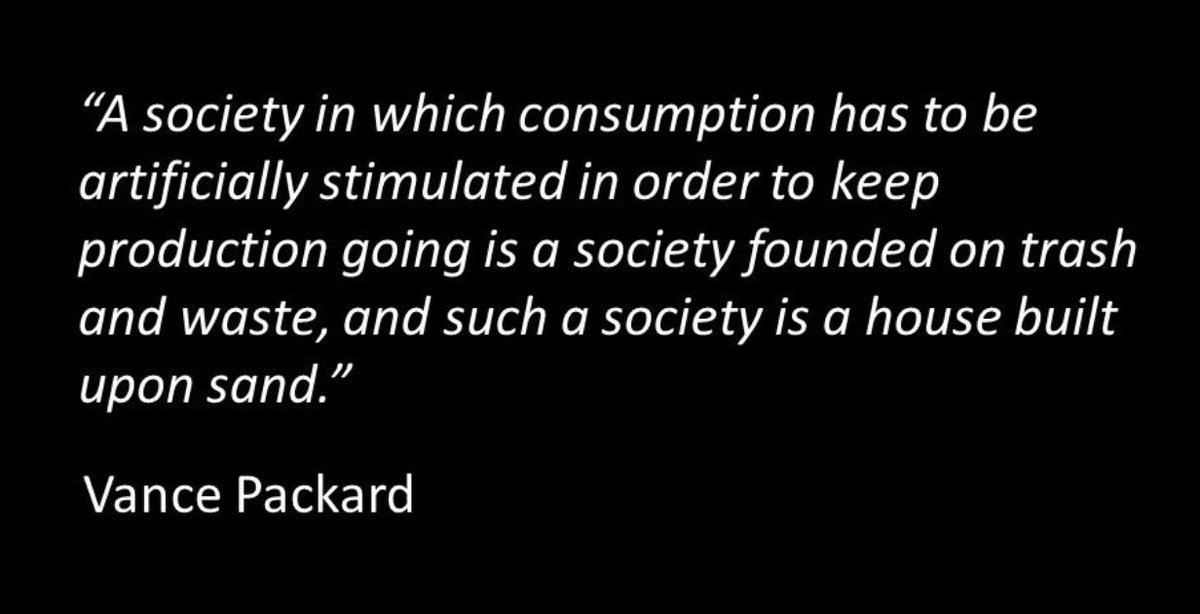
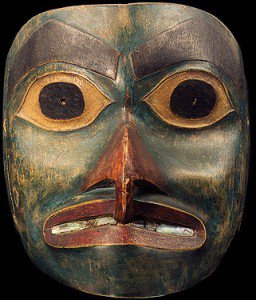
Animism is fundamentally *process-oriented* & *relations-oriented* (VS our current cult-like obsession with consumption & dead artefacts). Looking at human-environment interactions as processes and relationships is indeed the way to get out of the "people.VS.nature" trap.

And finally, by re-enchanting our worldview, Animism invites us to feel deeply at home in our own skin & reality - and not live in an constant state of alienation and fear of the "other", which results in our current pathological need to control, model & predict everything.
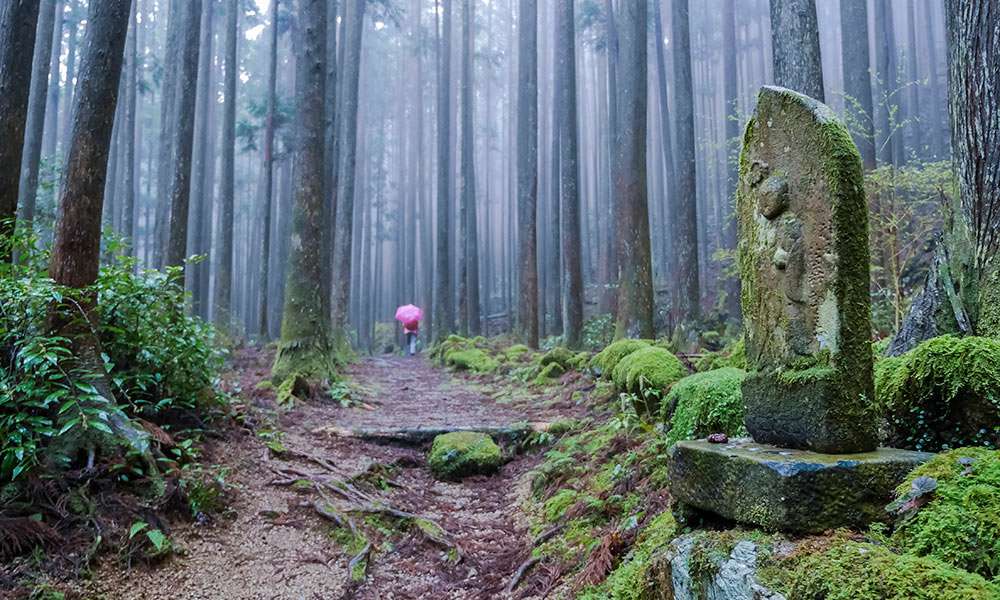
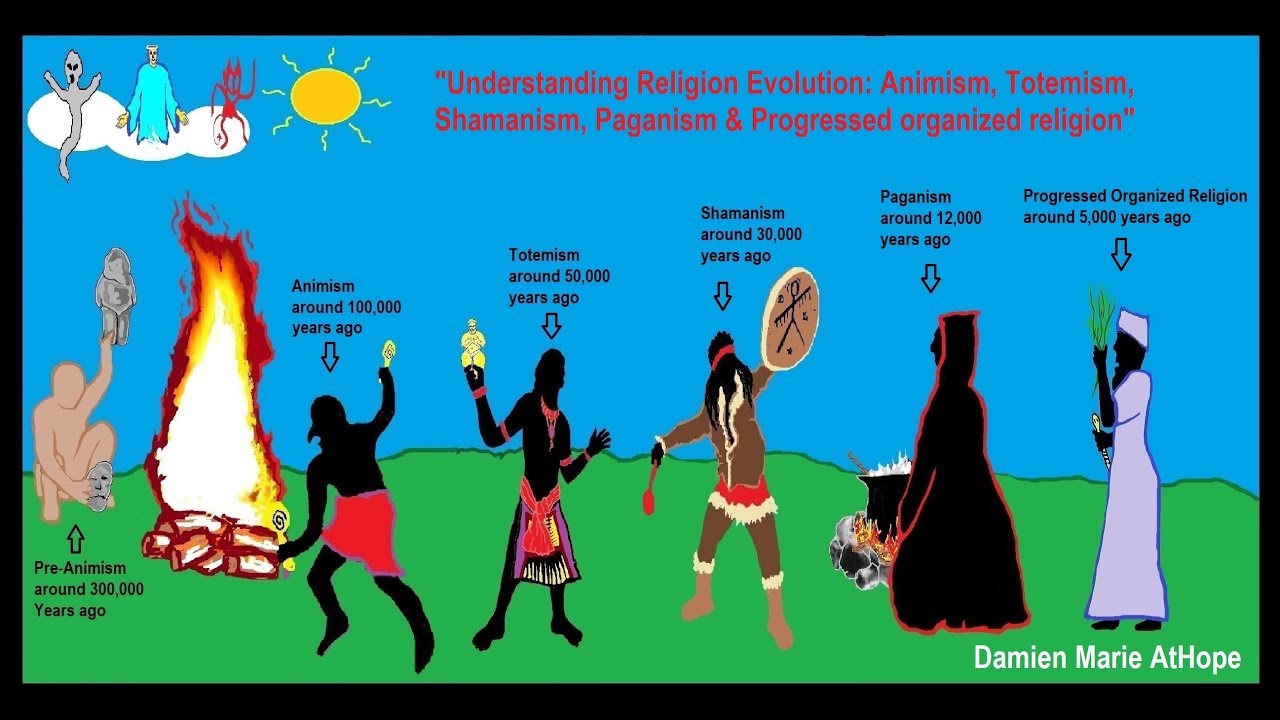
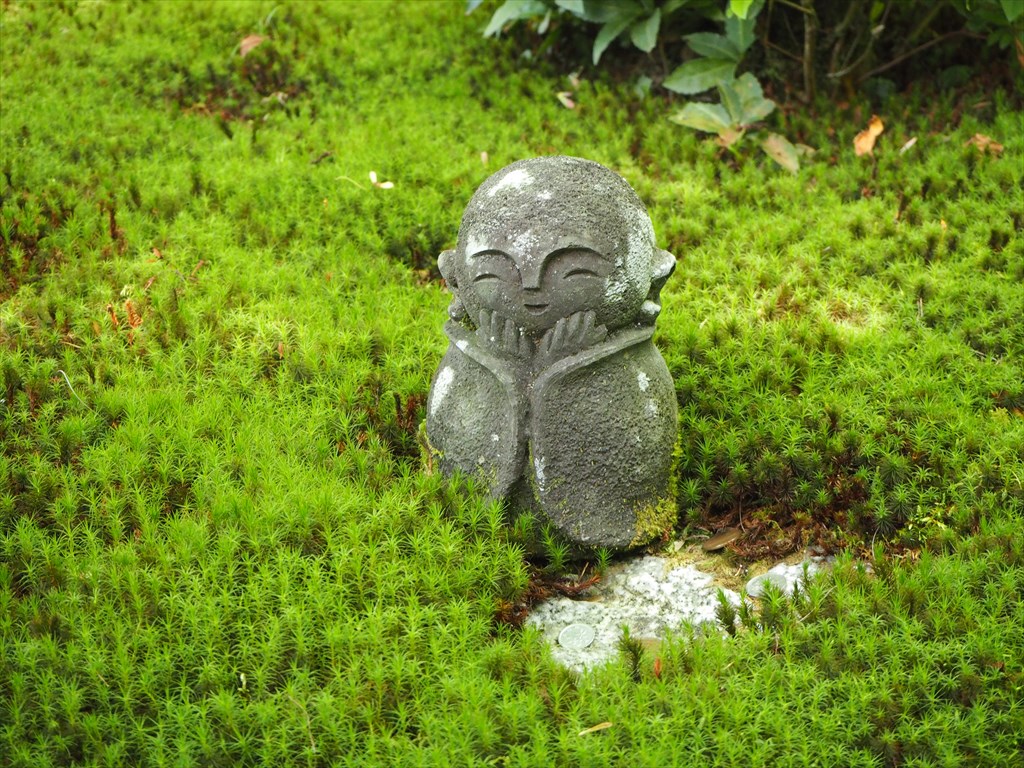
To conclude, i like to invite you to earnestly meditate on this: Fairies, Ents, Elfs, Gnoms, Jinns and Water Spirits are real! As real as the spirit in plants, animals & humans. Animism has much to offer for the 21st century. Let's embrace it & re-enchant our world.
Related: Animism: a belief among indigenous people, young children, or all religious people!
#Culture #Religion #Philosophy #Regenerative #Magic #Comment #History #Ideas
-
A Case Study in National Shame - Dimitri Orlov on Afghanistan, the Pashtuns, decentralized governance and effective imperial resilience
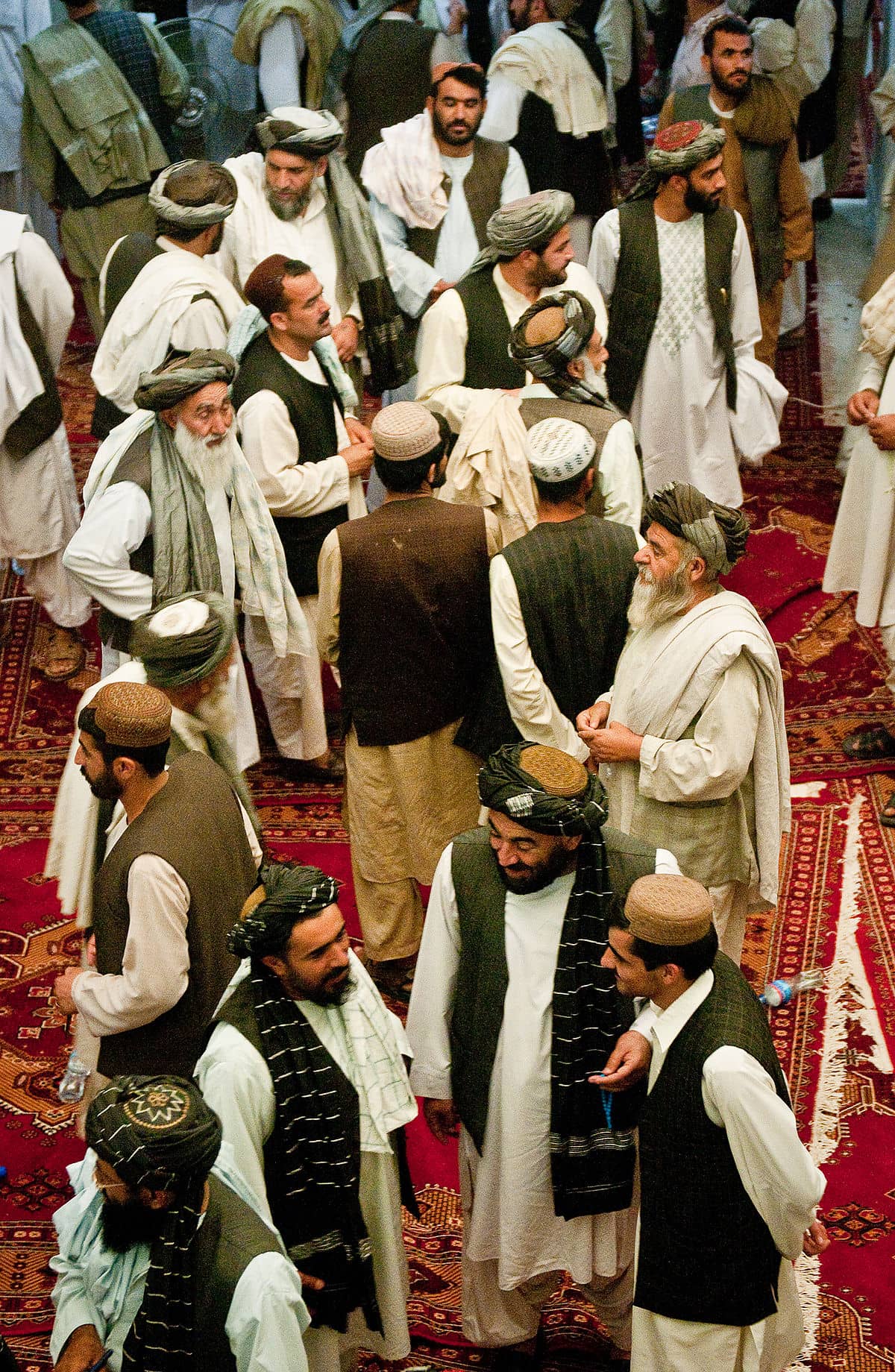
Among the world’s many ungoverned spaces, there are few as long lasting and as able to withstand the relentless onslaught of empires as the Pashtun tribal areas, which straddle the porous and largely notional border between Afghanistan and Pakistan, including the Pakistani tribal area of Waziristan. To invaders, this is an invisible yet impregnable fortress that has withstood all attempts by centralized government authorities to impose their will. The term “ungoverned” is, as usual, misapplied here: the Pashtuns have an alternative system of governance whose rules preclude the establishment of any centralized authority. At over forty million strong, they are one of the largest ethnic groups on the planet. Their ability to resist the British, the Pakistanis, the Soviets and now the Americans/NATO makes them one of the greatest anti-imperialist success stories on our planet. What makes up the shell of such an uncrackable nut? This is an interesting question, which is why I have decided to include an exposition on the Pashtuns, the toughest nut in the whole tribal nutsack.
-
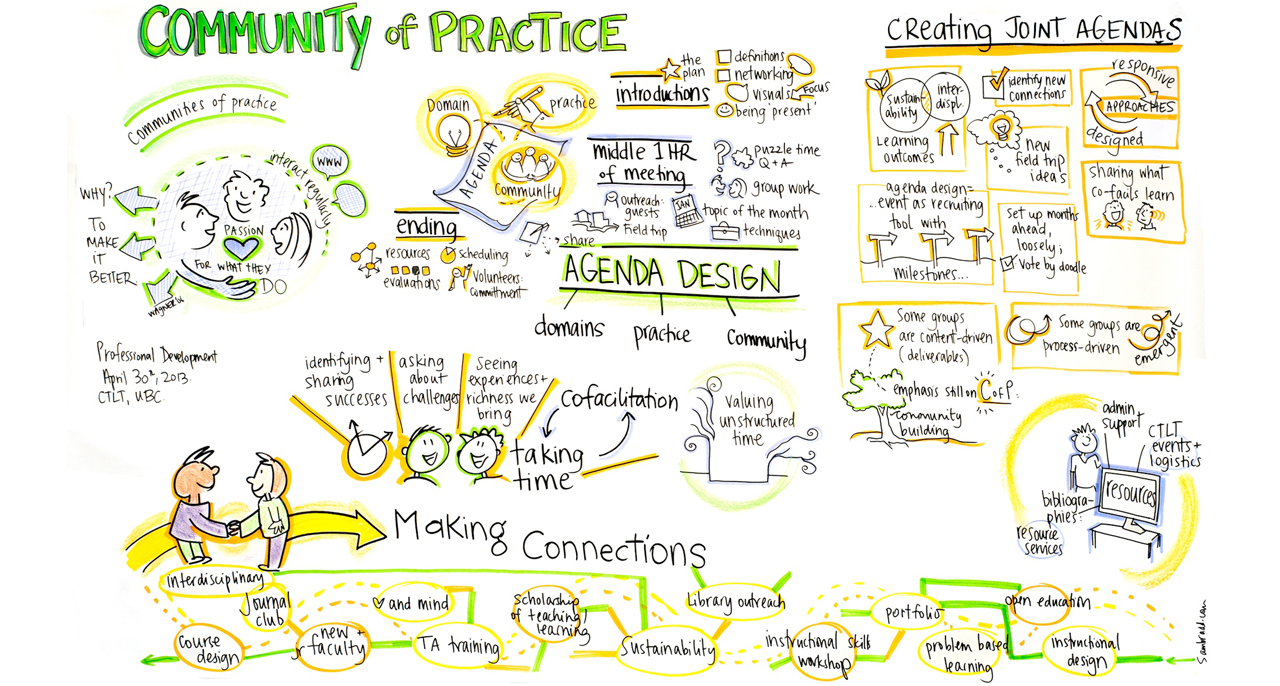
Community of practice - a group of people who "share a concern or a passion for something they do and learn how to do it better as they interact regularly"
-
The western game
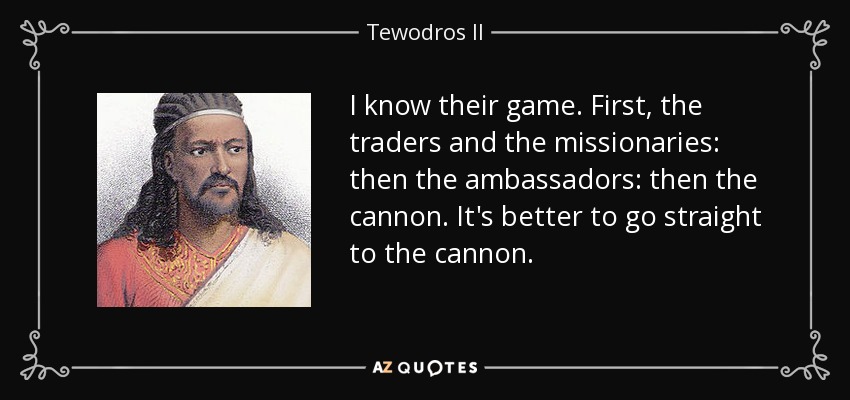
The primary "game" of "civilized" western cultures has hardly changed since the time of Tewodros II (18th c) - when colonial empires pillaged, raped and dominated most of the world.
-
The made-up African mountains: A historic case highlighting the dangers of abstraction
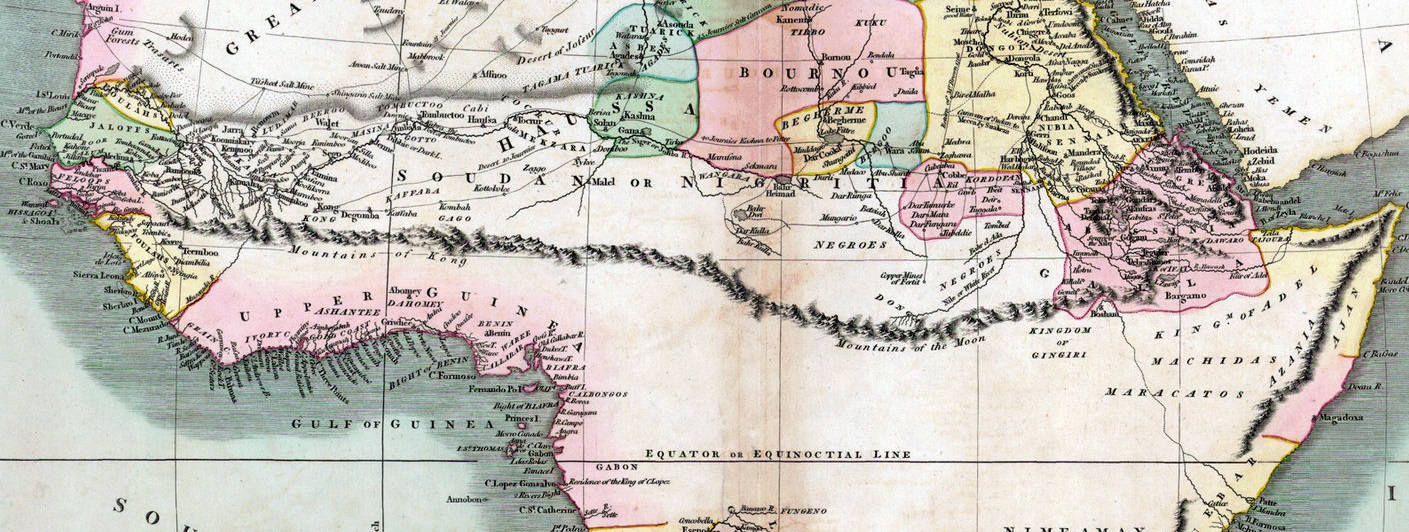
In 1798, the English cartographer James Rennell invented a high mountain range thousands of kilometers long and drew it on a new map of Africa: the Kong Mountains. The story is completely absurd, but you can also learn something from phantom mountains.
Rennell was considered a great geographical authority of the British Age of Discovery. When he drew maps for the travelogue of the Scottish explorer Mungo Park (1796) and located a large new mountain range on them, no one had any reason to doubt their existence.
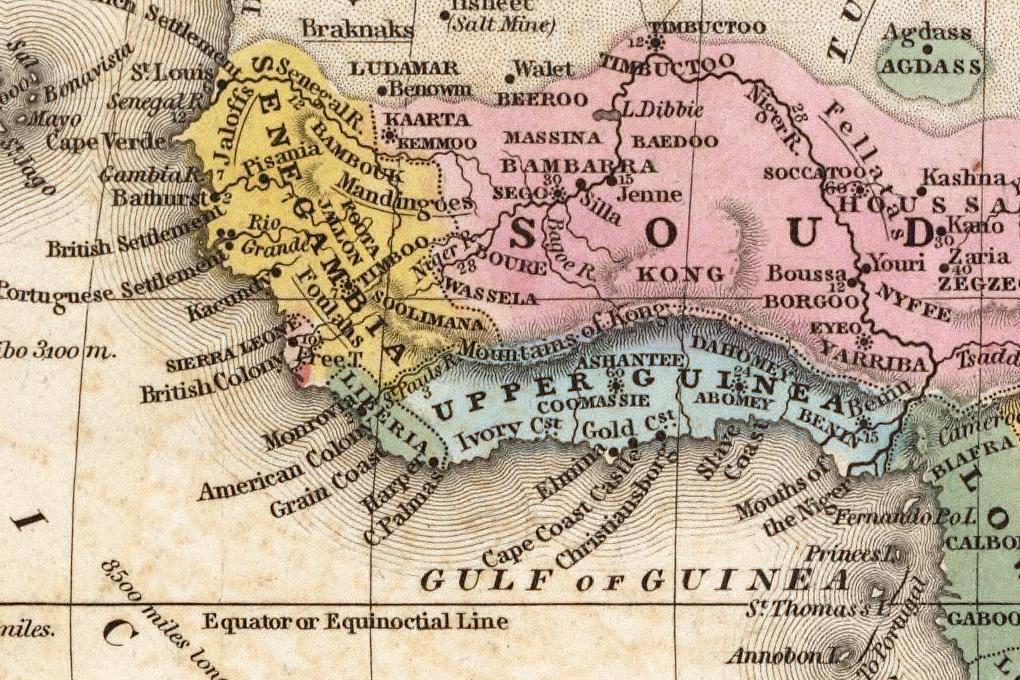
So one cartographer after the other took over the knowledge of the new mountains. They appear in at least 40 maps between 1798 and 1892, and they got bigger and bigger (above: 1805, here: 1839). All on the basis of a remark by Park that he had seen 2 or 3 peaks.
From 1830 the course of the Niger was known and it was known that the mountains could not exist like this. Nevertheless, it took L.-G. Binger in 1889 (he didn't even find a range of hills) until the Kong Mountains finally began to disappear from the maps.
And even then they continued to lead a shadowy existence as a cartographic phantom for quite a while: The Kong Mountains can be found in the index of the Oxford Advanced Atlas from 1928 and even in an edition of Goode's Atlas from 1995.
The anecdote nicely illustrates how it can work with the transmission of knowledge in science: belief in authority plus "facts" assumption without own examination and a dose of ignorance. That is definitely not the rule, but one is not sure about it today either.
Found in: Simon Garfield, On The Map: Why the world looks the way it does, 2012, Chapter 11.
Also of interest: Ken Jennings, Maphead: Charting the Wide, Weird World of Geography Wonks, 2012.
(via)