tag > Evolution
-
PathNet & Beyond - talk by Chrisantha Fernando (DeepMind)
Related: "Encoding temporal regularities and information copying in hippocampal circuits" - by Chrisantha Fernando el.al (2019)
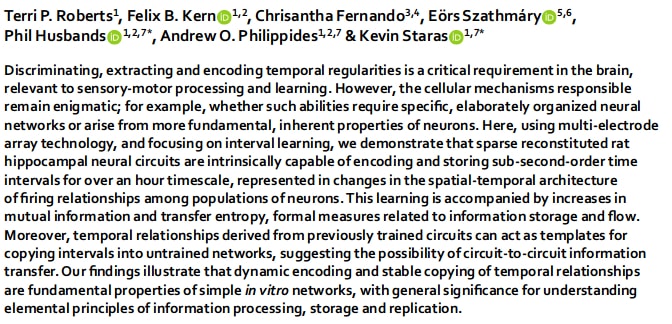

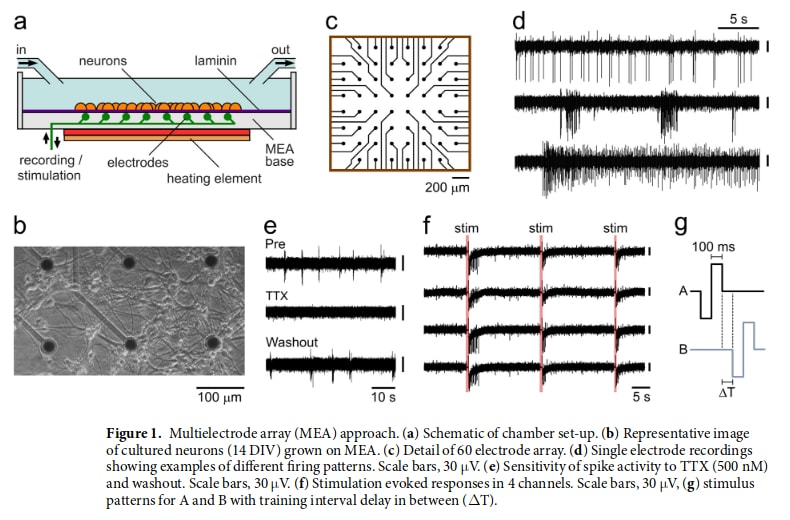
"A New Research Program: Evolutionary Neurodynamics" - talk by Chrisantha Fernando (2014)
-
Presenting POET (Paired Open-Ended Trailblazer) - by Jeff Clune (Uber AI Labs)
ICML 2019 Tutorial: Recent Advances in Population-Based Search for Deep Neural Networks
-
Exploring Abductive Reasoning - The Logic of Maybe
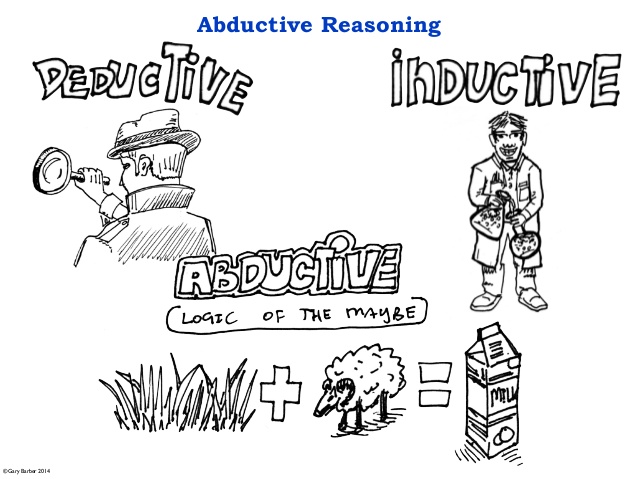
Abductive reasoning is a form of logical inference which starts with an observation or set of observations then seeks to find the simplest and most likely explanation for the observations. This process, unlike deductive reasoning, yields a plausible conclusion but does not positively verify it. Abductive conclusions are thus qualified as having a remnant of uncertainty or doubt, which is expressed in retreat terms such as "best available" or 'most likely.
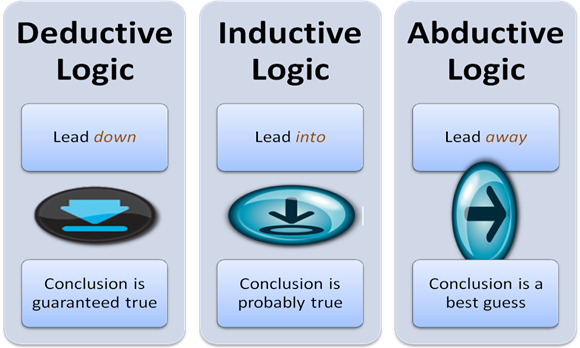
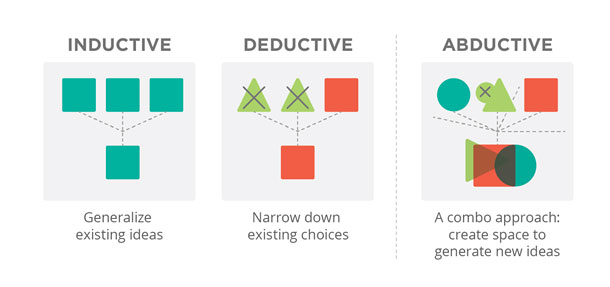
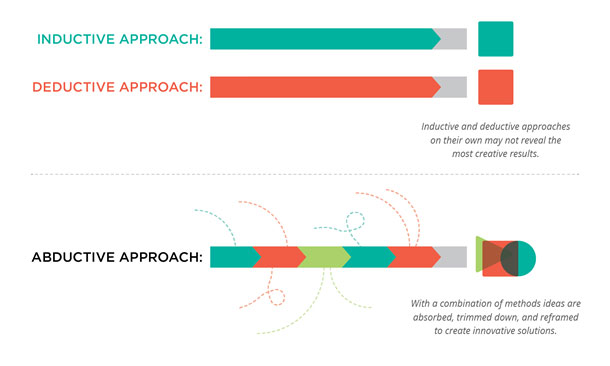
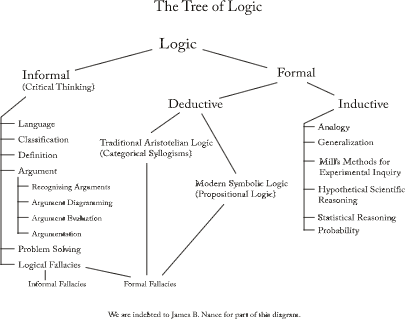
Put differently, Abduction is drawing a conclusion using a heuristic that is likely, but not inevitable given some foreknowledge.e.g., I observe sheep in a field, and they appear white from my viewing angle, so sheep are white. Contrast with the deductive statement: "Some sheep are white on at least one side". To simplify and summaries: Deductive = Top down logic - Inductive = Bottom up logic - Abductive = What seems most probably?

The American philosopher Charles Sanders Peirce (1839–1914) introduced abduction into modern logic. Over the years he called such inference hypothesis, abduction, presumption, and retroduction. He considered it a topic in logic as a normative field in philosophy, not in purely formal or mathematical logic, and eventually as a topic also in economics of research. (wikipedia)
In later years his view came to be:- Abduction is guessing. It is "very little hampered" by rules of logic. Even a well-prepared mind's individual guesses are more frequently wrong than right. But the success of our guesses far exceeds that of random luck and seems born of attunement to nature by instinct (some speak of intuition in such contexts).
- Abduction guesses a new or outside idea so as to account in a plausible, instinctive, economical way for a surprising or very complicated phenomenon. That is its proximate aim.
- Its longer aim is to economize inquiry itself. Its rationale is inductive: it works often enough, is the only source of new ideas, and has no substitute in expediting the discovery of new truths.
- Pragmatism is the logic of abduction. Upon the generation of an explanation, the pragmatic maxim gives the necessary and sufficient logical rule to abduction in general. The hypothesis, being insecure, needs to have conceivable implications for informed practice, so as to be testable and, through its trials, to expedite and economize inquiry. The economy of research is what calls for abduction and governs its art.
Abductive Reasoning Illustrations: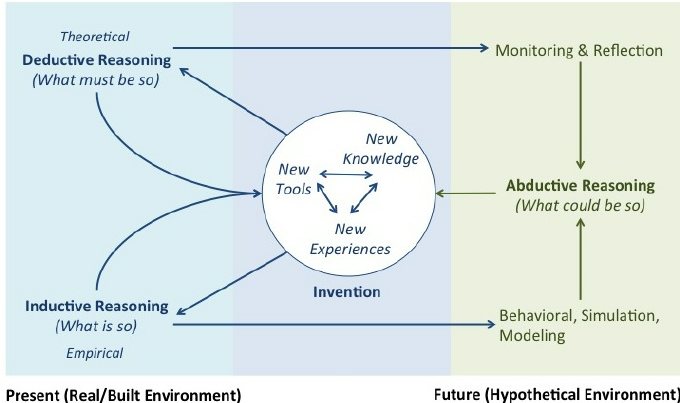
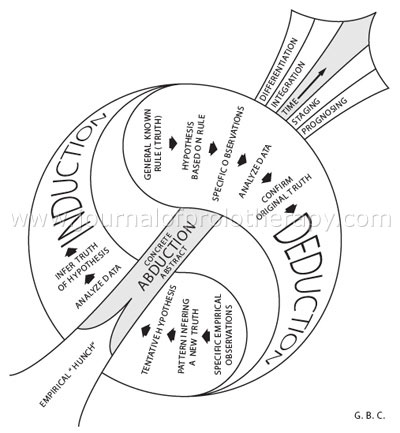
Abductive Reasoning Links:
- Stanford Encyclopedia of Philosophy - Abduction
- Book: Abductive Reasoning - by Douglas N. Walton (2005)
- Journal: Abductive Cognition - The Epistemological and Eco-Cognitive Dimensions of Hypothetical Reasoning - by Lorenzo Magnani (2009)
- Building a Rationale for Evidence-Based Prolotherapy in an Orthopedic Medicine Practice, Part 1: A Short History of Logical Medical Decision Making - By Gary B. Clark
- Using Your Logical Powers: Abductive Reasoning for Business Success - by Iffat Jokhio, Ian Chalmers (2015)
- Looking past yesterday's tomorrow: Using futures studies methods to extend the research horizon - by Jennifer Mankoff et.al (2013)
- Abduction as a Rational Means to Creativity. Unexpressed Knowledge and Scientific Discovery - by Lorenzo Magnani et.al
- Creativity: Surprise and abductive reasoning - by Maria Eunice Quilici Gonzalez (2005)
- Lightning Talk: The Seven Horses of Abductive Reasoning - by C.A. Corriere (2018)
Related Approaches:
The following text from Noah Raford's "On design and the use of abductive reasoning" post, provides a good overview of recent history of Abductive methods in Design:
"The interest in the use of abductive, analogic and intuitive problem-solving has major roots in the “design studies” movement of the late 1960’s & 1970’s.
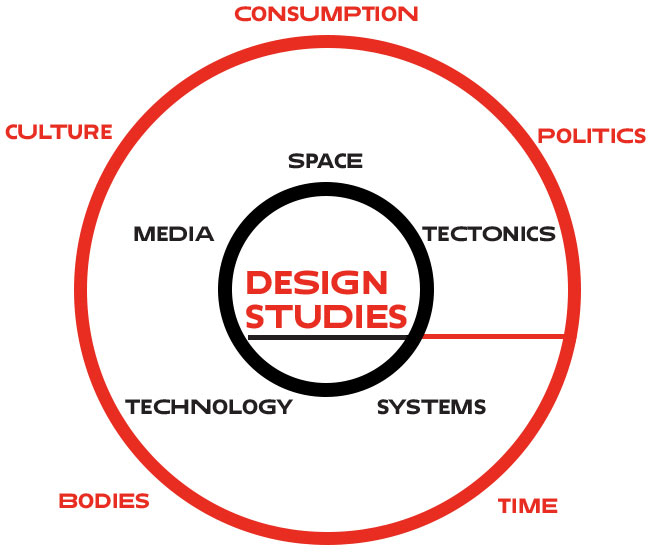
This movement started in the UK, primarily thanks to the work of Leslie Martin and Lionel March at the Cambridge Centre at the Cambridge School of Architecture. March and Martin were at the head of a generation of scholars seeking to systematise and understand how architects and designers thought about the world. This paralleled research into cybernetics & AI in the states by Herbert Simon, but for some reason it seems that there was a critical confluence of design thinkers in the UK at that time, and most of the literature around induction, abduction, etc. seems to come from this period.
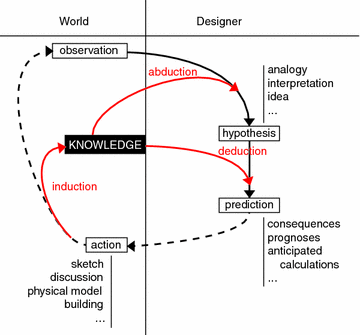
Image: "Architectural Design Thinking as a
Form of Model-Based Reasoning" (2013)The key ideas: The original intention of this group was to understand and document the design process. The hope was that if you understood how architects and designers perceived the world, you could replicate this in computer or expert-systems (and then do away with or “improve” the designer). Because replicability was one of the key goals, a natural sciences approach was taken to observing designers. A lot of controlled experiments were set up in laboratories to test “design problem solving”, most of which failed miserably. This led to a more ethnographic approach, including some of the first anthropological approaches to knowledge elicitation that I’ve ever seen.
What they found was that:
“Scientists adopt a problem-focused strategy and architects a solution-focused strategy.” (Lawson, 1979)
“The scientific method is a pattern of problem-solving behaviour employed in finding out the nature of what existis, whereas the design method is a pattern of behaviour employed in inventing things of value which do not yet exists. Science is analytic, design is constructive.” (Gregory, 1966)
Image: "Nigel Cross explains the
design process" (1975)This places a heavy emphasis on action, testing, and observation, in that order, and highlights the essentially creative nature of design. Nigel Cross, who is still teaching at the Open University, suggests that design is “a process of pattern-synthesis, when the solution is not simply ‘lying there in the data’ but has to be actively constructed by the designer’s own efforts.”. You can see how this relates to the notion of abduction. Peirce suggests that, “the whole fabric of our knowledge is one matted felt of pure hypothesis confirmed and refined by induction.” This is very similar to design. In other words,
“[Architects] learn about the nature of the problem largely as a result of trying out solutions, whereas the scientists set out specifically to study the problem.” (Lawson, 1980)
Schum notes that if Peirce is correct, “new ideas emerge as we combine, marshal or organize thoughts and evidence in different ways.” Because the design method is fundamentally exploratory, it is about hypothesis generation based on the most uncertain and sketchy forms of data. It uses both abductive and constructive reasoning to show “what might be”, instead of deductive reasoning to show “what is”." Read more..

In recent decades, Abductive Logic and Reasoning has been extensively studied in the context of Artificial Intelligence and Machine Learning research. A few links, old & new:
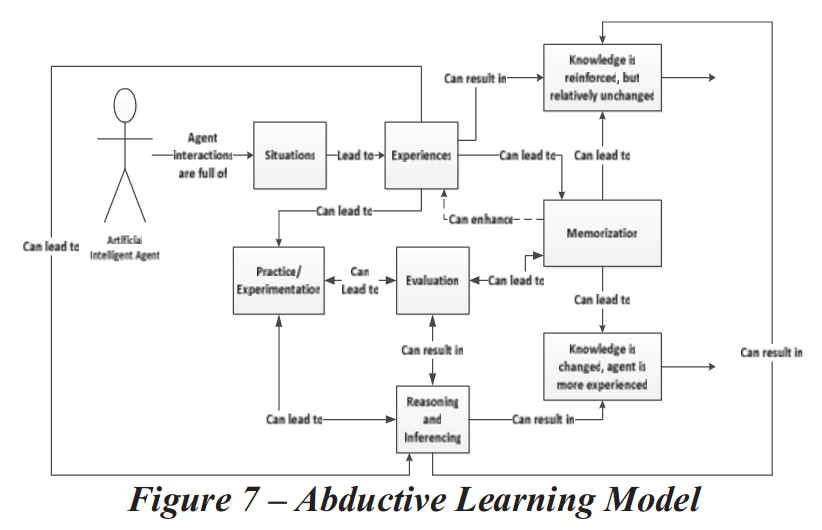
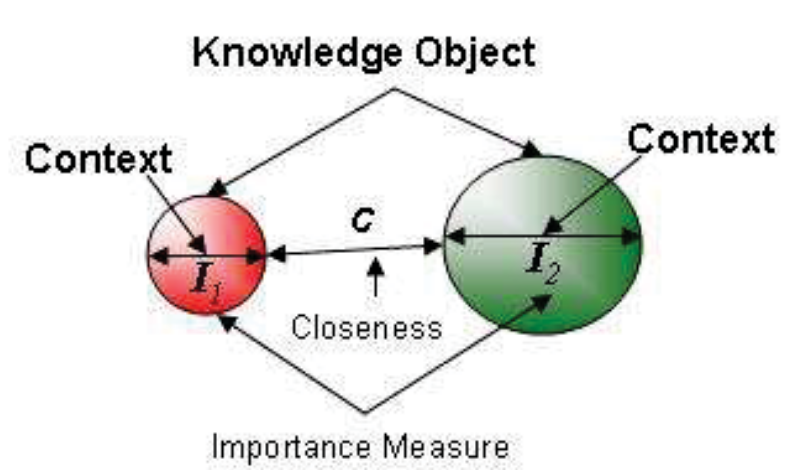
- Abductive Artificial Intelligence Learning Models - by James A. Crowder and John N. Carbone (Raytheon Intelligence, 2017)
- Approaches to abductive reasoning: an overview - by Gabriele Paul (1993)
- AI Approaches to Abduction - by Gabriele Paul (1998)
- Logic-Based Abductive Inference - Sheila A.McLlraith (Stanford, 1998)
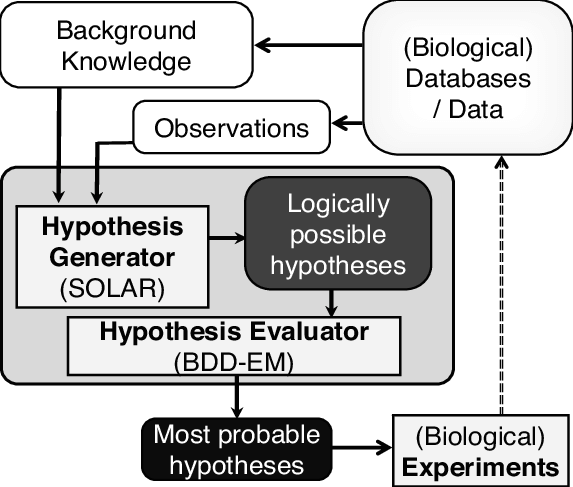
- Evaluating Abductive Hypotheses using an EM Algorithm on BDDs (2009)
- Bridging Machine Learning and Logical Reasoning by Abductive Learning - by Wang-Zhou Dai et.al (2019) and video presentation of research
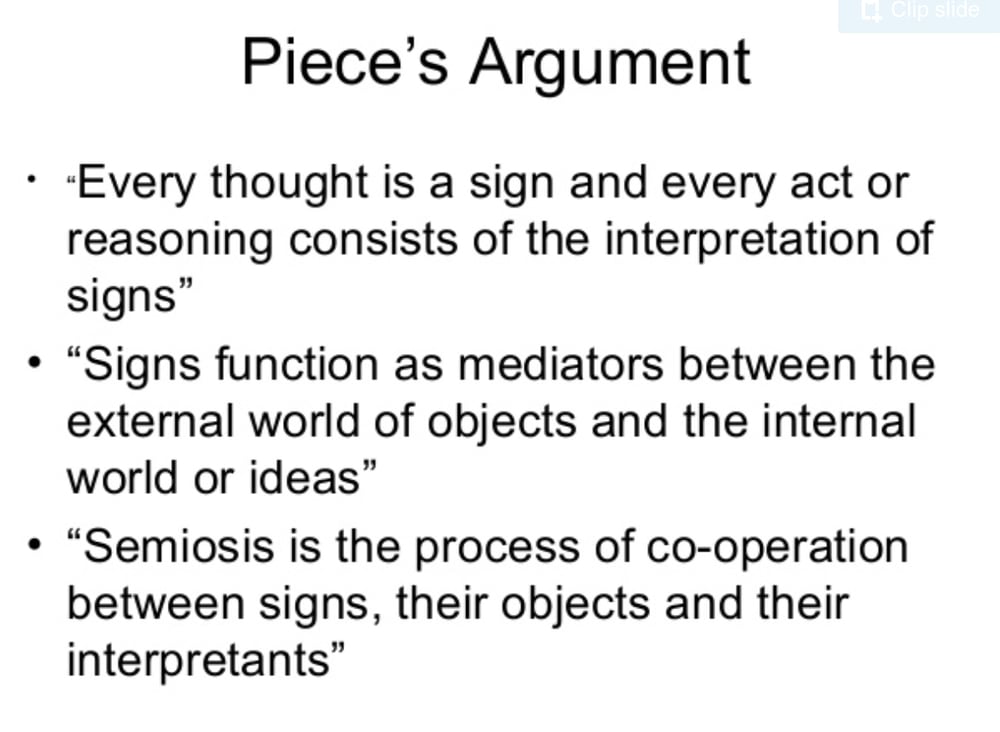
Related Ideas by Abductive Logic pioneer Charles Sanders Peirce, on Semiotics:
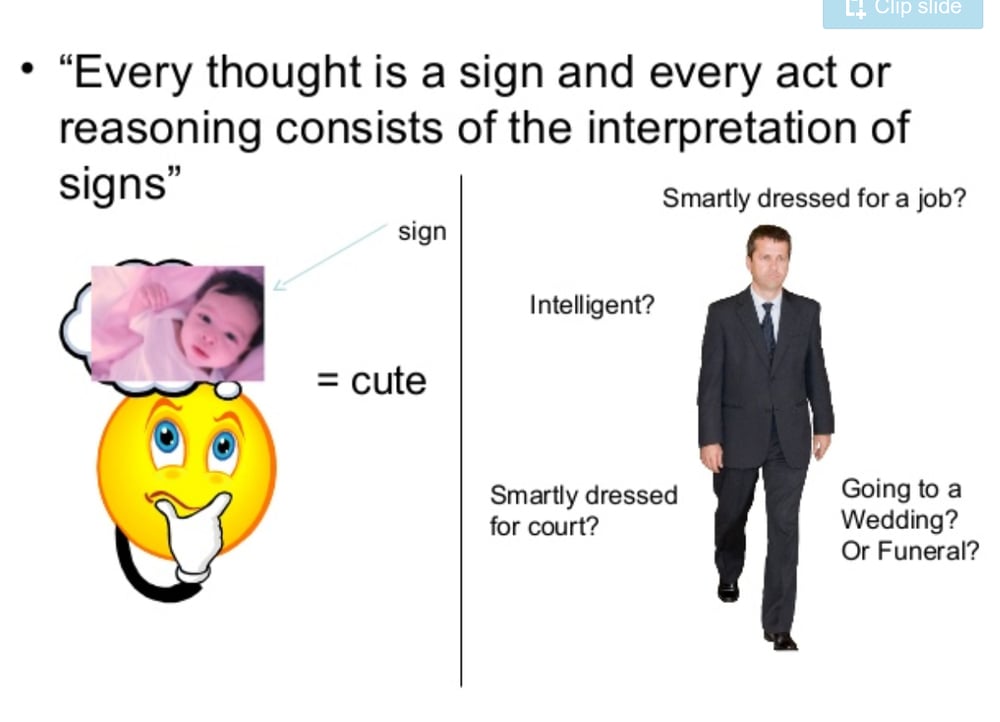
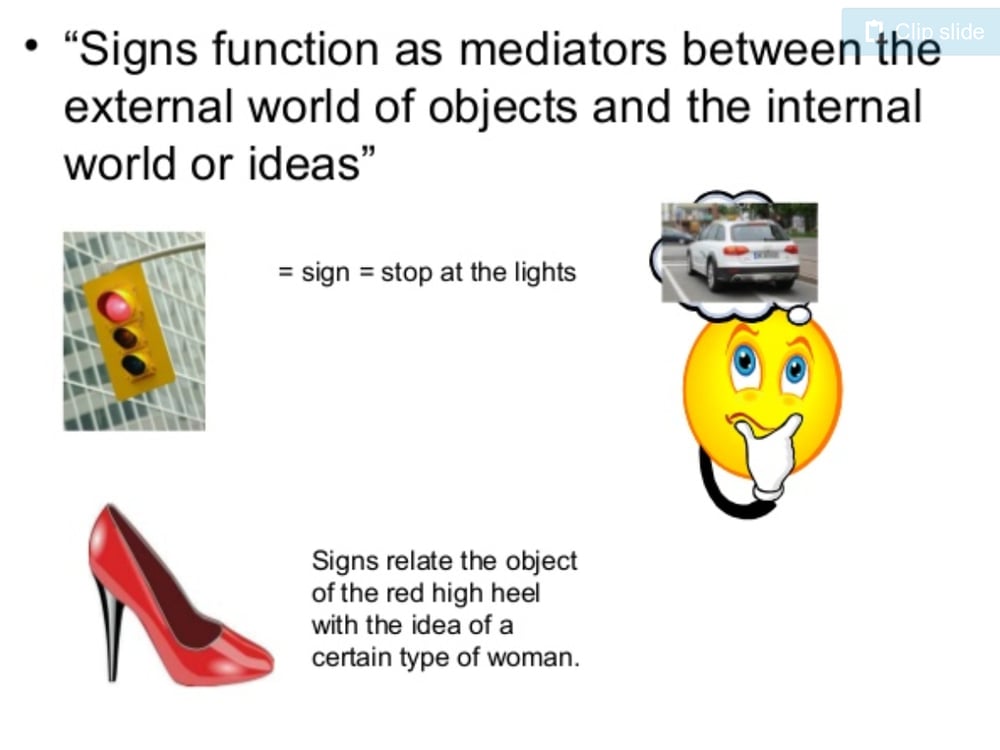
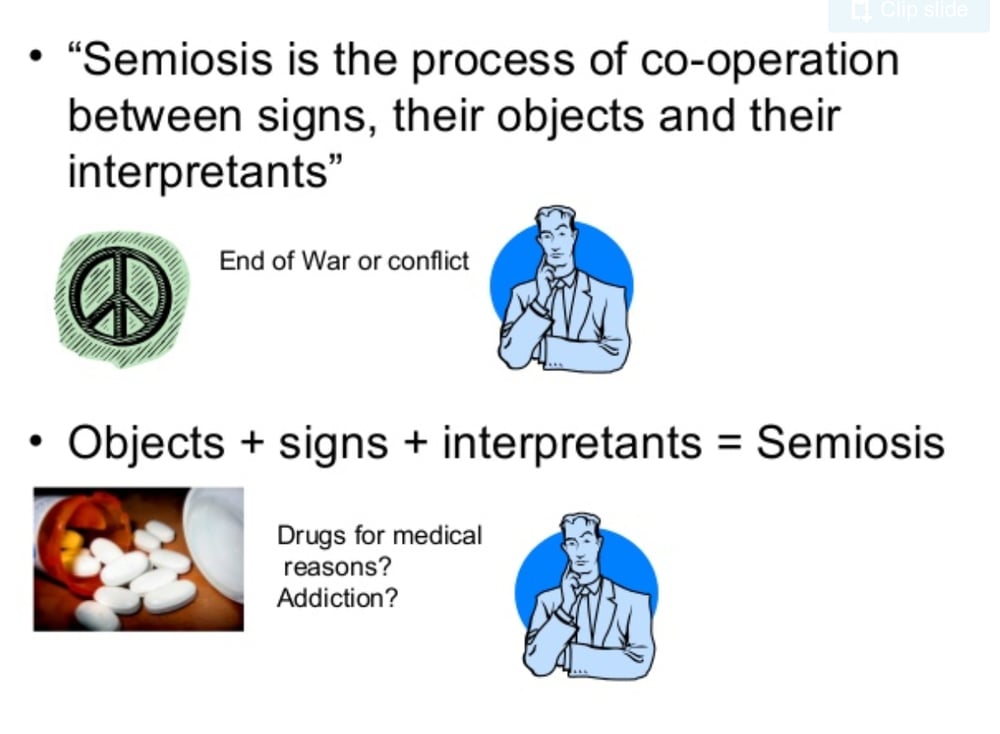
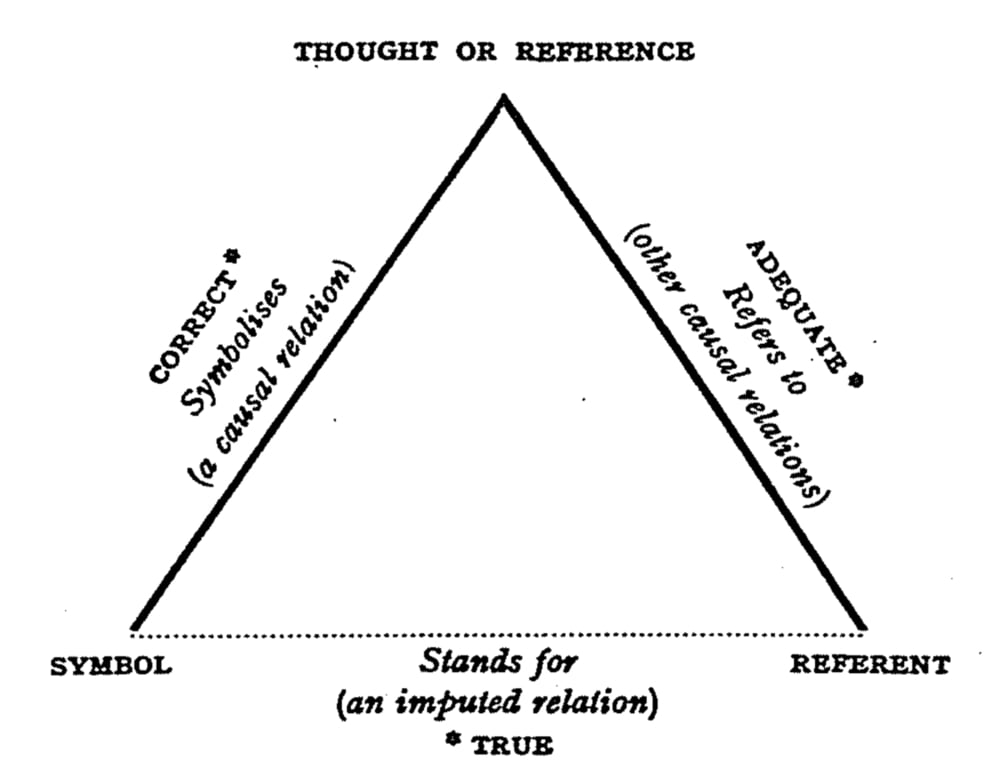
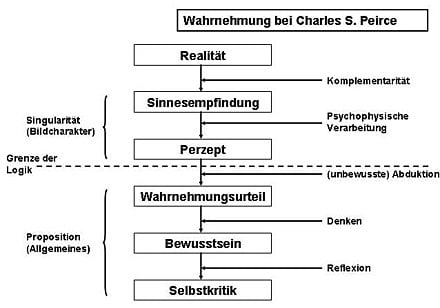
"The essence of belief is the establishment of a habit; and different beliefs are distinguished by the different modes of action to which they give rise."
- Charles Sanders PeirceNot a Poem: Not Logic, Not Prose and Not Really Poetry - by Rolf (2013)
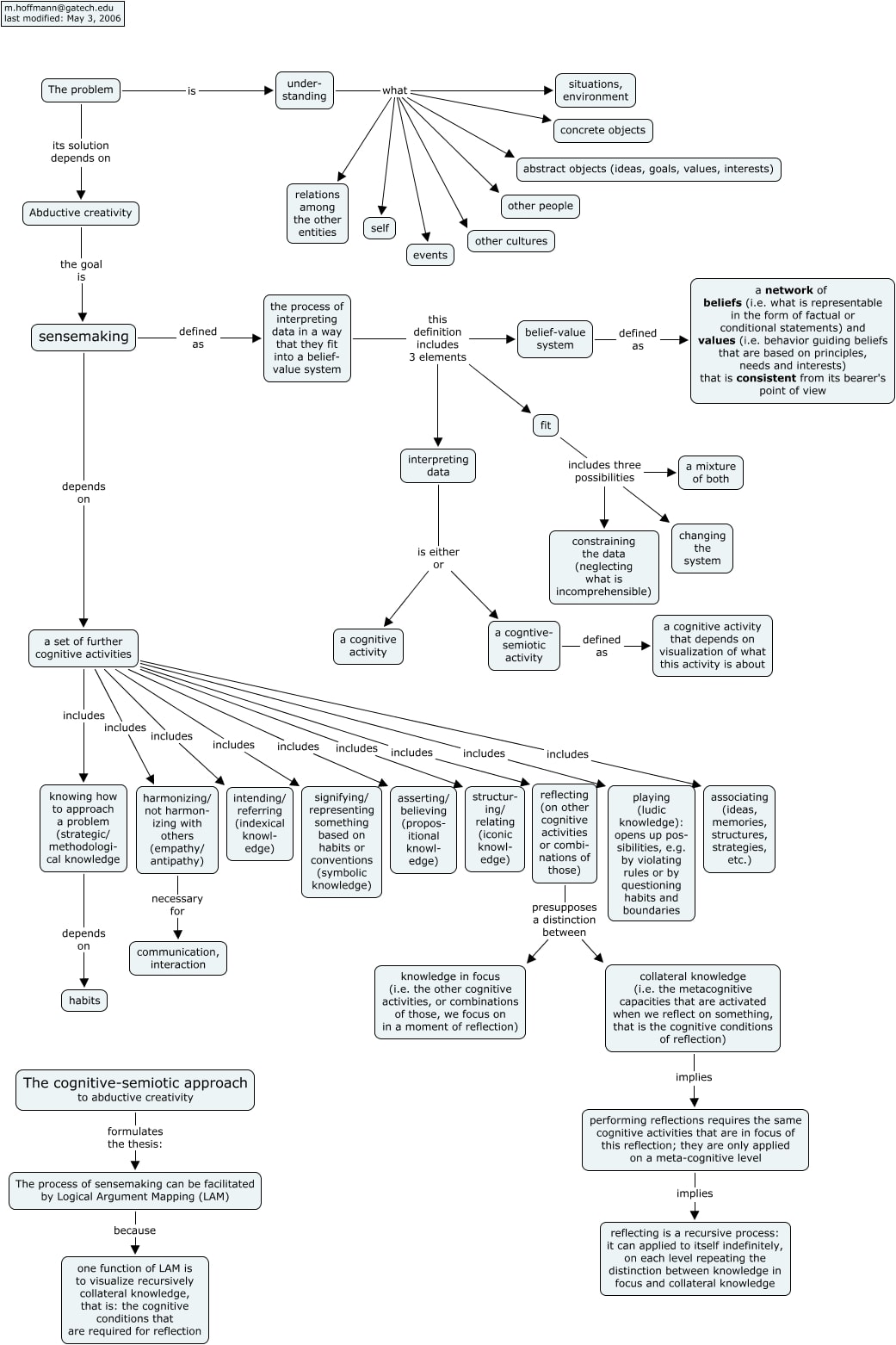
Aductive creativity map (2006)- by Michael Hoffmann BASED ON TRUE EVENTS: "I have been teaching Geometry this year,and trying my best to explain logic,deduction vs induction, and the ever present, always faulty, always useful, abductive “reasoning.”Without abductive reasoning, life itself would not be possible for humans. Induction and deduction? Entirely optional. Our car, (which only had 3 out 4 cyliders working) started to turn itself off, at apparently random intervals. There you’d be, changing lanes, in what you thought was a car,and poof no car, just a large metal box that looked like a car,with a seat belt, a driver’s seat, and a silent engine,rolling to a final velocity of zero. I drove the box / car to five dealerships in town,while searching for the best replacement for the box.I can now say, what others have noted before;
“Pure logic, when considering a car, (or any thing else other than numbers) does not exist.”
#KM #Philosophy #Science #ML #Creativity #Design #Complexity #Evolution #Magic
-
Crows Could Be the Smartest Animal Other Than Primates (BBC)

"Christian Rutz at the University of St Andrews is unequivocal. Some birds, like the New Caledonian crows he studies -- can do remarkable things. In a paper published earlier this year, he and his co-authors described how New Caledonians seek out a specific type of plant stem from which to make their hooked tools."
"Experiments showed that crows found the stems they desired even when they had been disguised with leaves from a different plant species. This suggested that the birds were selecting a kind of material for their tools that they knew was just right for the job. You wouldn't use a spanner to hammer in a nail, would you? Ranking the intelligence of animals seems an increasingly pointless exercise when one considers the really important thing: how well that animal is adapted to its niche. In the wild, New Caledonians use their tools to scoop insects out of holes, for example in tree trunks. Footage of this behavior has been caught on camera."
#Comment: "Ranking the intelligence of animals seems an increasingly pointless exercise when one considers the really important thing: how well that animal is adapted to its niche" is a spot on observation! Rigid, hierarchical "we humans are the top of creation" thinking is totally absurd and backwards. While "human smartest, the rest stupid" ideas are deeply rooted in ancient (christian) tradition, their full madness and destructive potential has been unleashed since the dawn of Darwin's evolution theory and dominance of science.
-
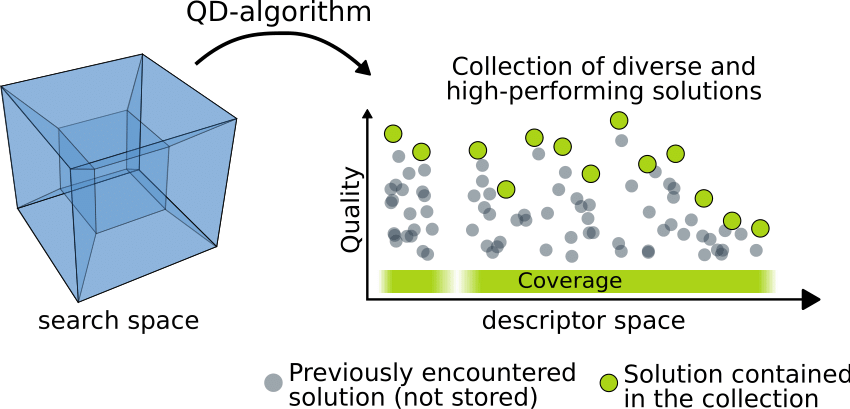
Quality-Diversity optimisation algorithms - "Site lists papers related to QD algorithms, links to tutorials and workshops, and pointers to existing implementations of QD algorithms."
qdpy - Quality-Diversity framework for Python (MAP-Elites, CVT-MAP-Elites, NSLC, SAIL, etc.)
-
First experimental genetic evidence of the human self-domestication hypothesis
"A new Uni of Barcelona study reveals the first empirical genetic evidence of human self-domestication, a hypothesis that humans have evolved to be friendlier and more cooperative by selecting their companions depending on their behaviour. Researchers identified a genetic network involved in the unique evolutionary trajectory of the modern human face and prosociality, which is absent in the Neanderthal genome. The experiment is based on Williams Syndrome cells, a rare disease." (Research Paper)
-
Symbiogenesis is an evolution term that relates to the cooperation between species.
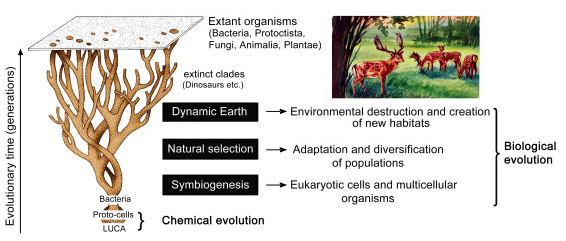
Illustration: From the scala naturae to the symbiogenetic and dynamic tree of life
Book: Symbiotic Planet: A New Look At Evolution - by Lynn Margulis
Article: Why science would benefit from a symbiosis-driven history of speciation - By B.Harris -
Machine-Learning Assisted Directed Evolution - talk by Viviana Gradinaru
-
"the findings constitute the first time that a mechanism transmitting neuronal responses across generations has been identified." https://www.jpost.com//Israel-News/Israeli-study-Nervous-system-can-transmit-messages-to-future-generations-591795 I'm very sceptical of these findings. Culture is it. Plus, this will be militarised in 10 seconds.
#NeuroScience #Evolution -
"One billion year old fungi found are Earth's oldest":
https://phys.org/news/2019-05-billion-year-fungi-earth-oldest.html #Biology #Evolution -
Establishing an idea of the self - Alexander Meshcheriakov’s Awakening to Life is a joy to read and invaluable for educators, says Leda Kamenopoulou:
http://www.aworldtowin.net/reviews/Meshcheriakov.html
“Shared action involving objects is indeed the tiny cell from which sprouts the whole ‘body’ of human behaviour and mentality.” - Awakening to Life
-
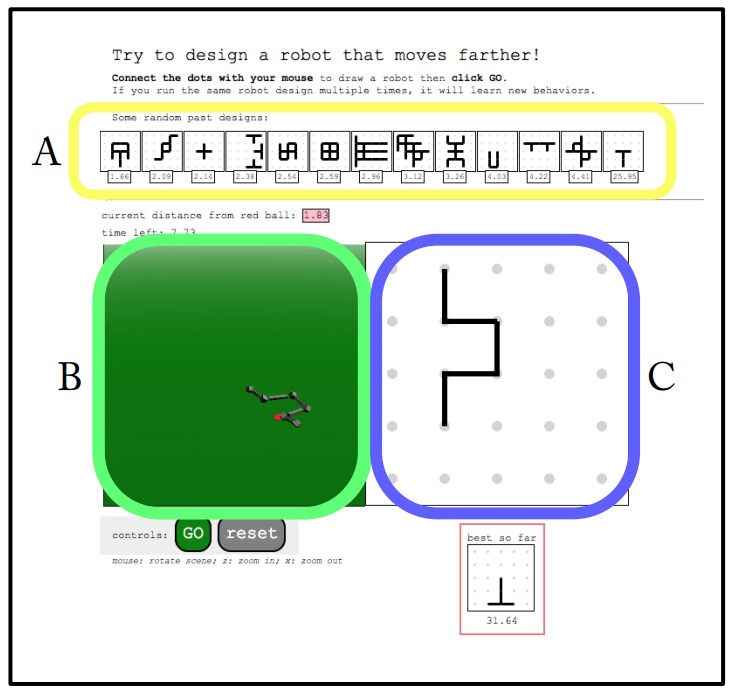
Crowdseeding: a novel approach for designing bioinspired machines - by Mark D. Wagy and Josh C. Bongard: http://www.cs.uvm.edu/~jbongard/papers/2015_LivingMachines_Wagy.pdf
-
Lists of accepted papers and accepted posters at GECCO2019:
https://gecco-2019.sigevo.org/index.html/Accepted+Papers
https://gecco-2019.sigevo.org/index.html/Accepted+PostersThe evolutionary computation community is on fire! #ML #Evolution #ALife
-
Evolutionary Computation Bestiary: https://fcampelo.github.io/EC-Bestiary/ "A bestiary of evolutionary, swarm and other metaphor-based algorithms" #Generative #Evolution
-
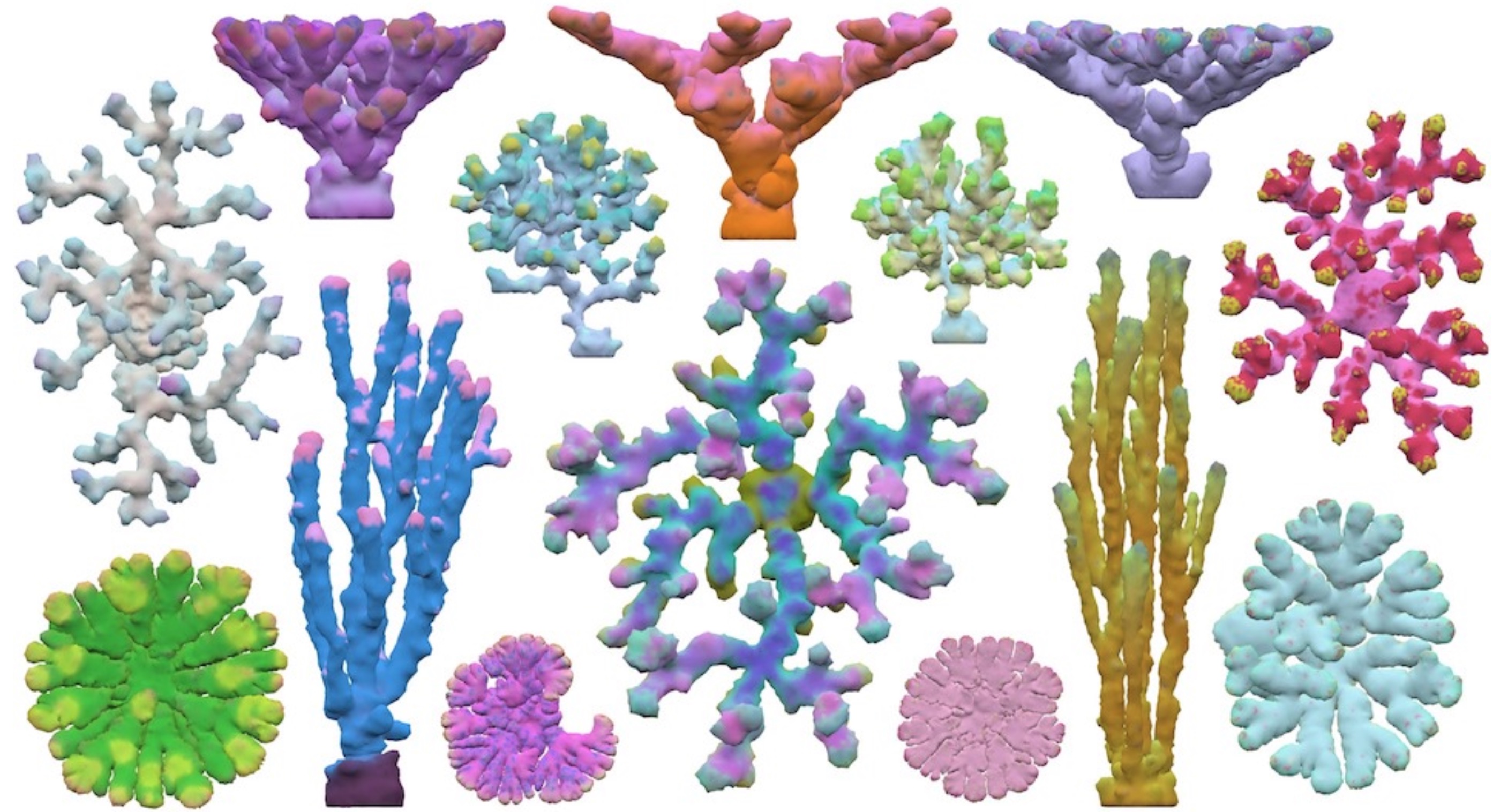
"Evolving Alien Corals" - a #Generative project by Joel Simon, which uses a growth engine based on Neuro #Evolution and novelty search: http://www.joelsimon.net/corals.html
-
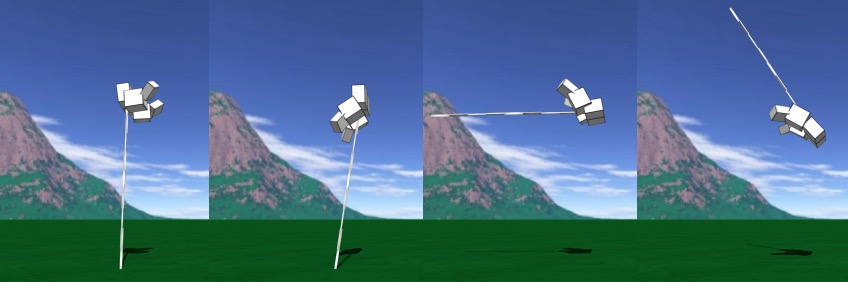
The Surprising Creativity of Digital Evolution: A Collection of Anecdotes from the Evolutionary Computation and Artificial Life Research Communities: https://arxiv.org/abs/1803.03453
-
Grammatical Evolution:
Grammar induction: https://en.wikipedia.org/wiki/Grammar_induction
PonyGE2: https://towardsdatascience.com/introduction-to-ponyge2-for-grammatical-evol..
PyNeurGen: http://pyneurgen.sourceforge.net/index.html
PySwarms: https://pyswarms.readthedocs.io/en/latest/index.html
PyGMO: esa.github.io/pygmo/
Learning Context-Free Grammars: Grammars-by-Extended-Inductive-CYK-Algorithm.pdfStructural Engineering Optimisation In Grammatical Evolution:
Grammatical Evolution of Behaviour Trees for Mario AI:
-
The interactive evolutionary algorithm in Nintendo Wii Mii Creator:
#ML #Evolution #Generative #HCI
"The Nintendo Wii Mii Creator application works either by manual editing of face and body features, or by an interactive evolutionary algorithm (Takagi, 2001, "Interactive Evolutionary Computation: Fusion of the Capabilities of {EC} Optimization and Human Evaluation"; Dawkins, 1986, "The Blind Watchmaker)), shown here. The evolutionary algorithm is accessed by choosing "Start from a lookalike". The user is presented with a large random population of faces, and chooses a favourite from them. A new (smaller) population of faces is created by the system, by mutating the current face (random changes to the face's features). Then the user chooses again, and this process loops. Gradually the user explores "face space" (Caldwell and Johnston, 1991, "Tracking a criminal suspect through face-space with a genetic algorithm") and hopefully finds the desired face."