tag > Food
-
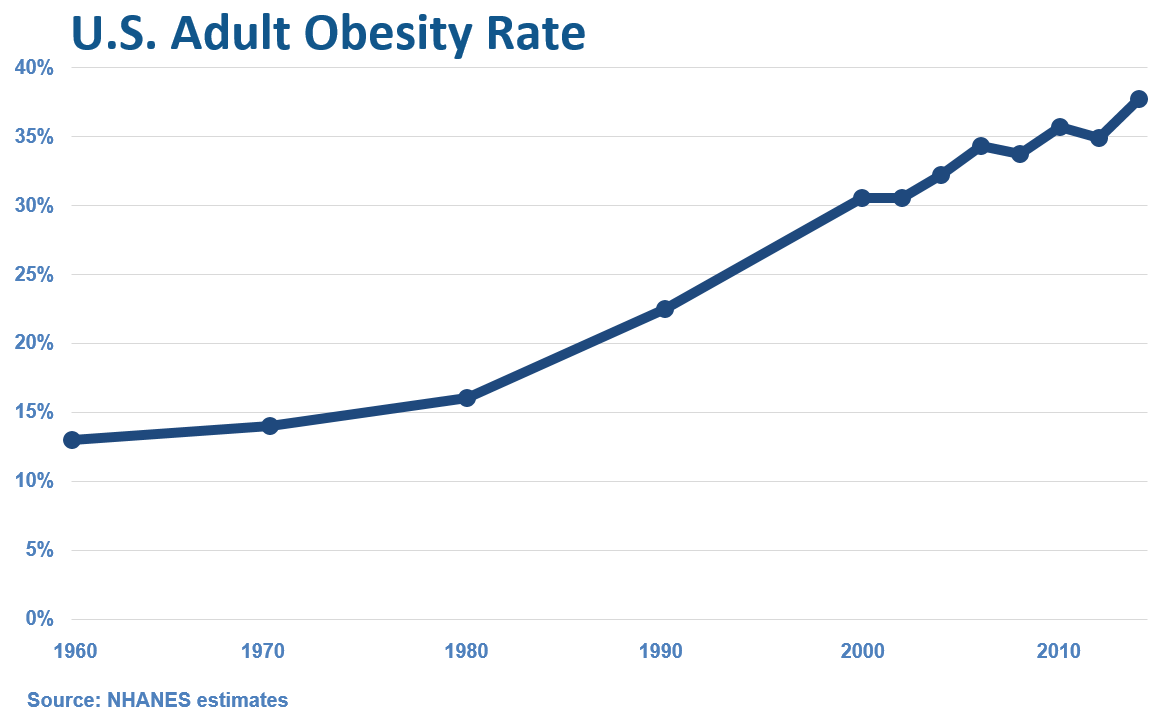
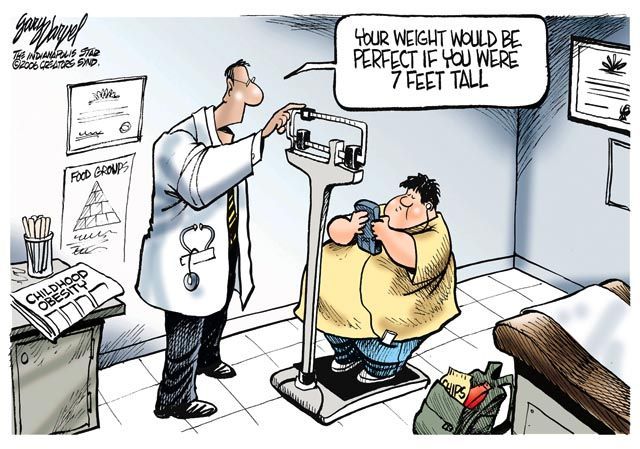
U.S. Adult Obesity Rate Tops 42 Percent; Highest Ever Recorded
Having obesity is a risk factor for serious COVID consequences; pandemic could increase future levels of obesity due to increased food insecurity
-
The true price of pesticides is unaffordable
The European Union has banned many active pesticide ingredients due to damaging health and environmental effects. With leading global agrochemical firms seeking new markets to conquer, developing countries urgently need strict controls.
-
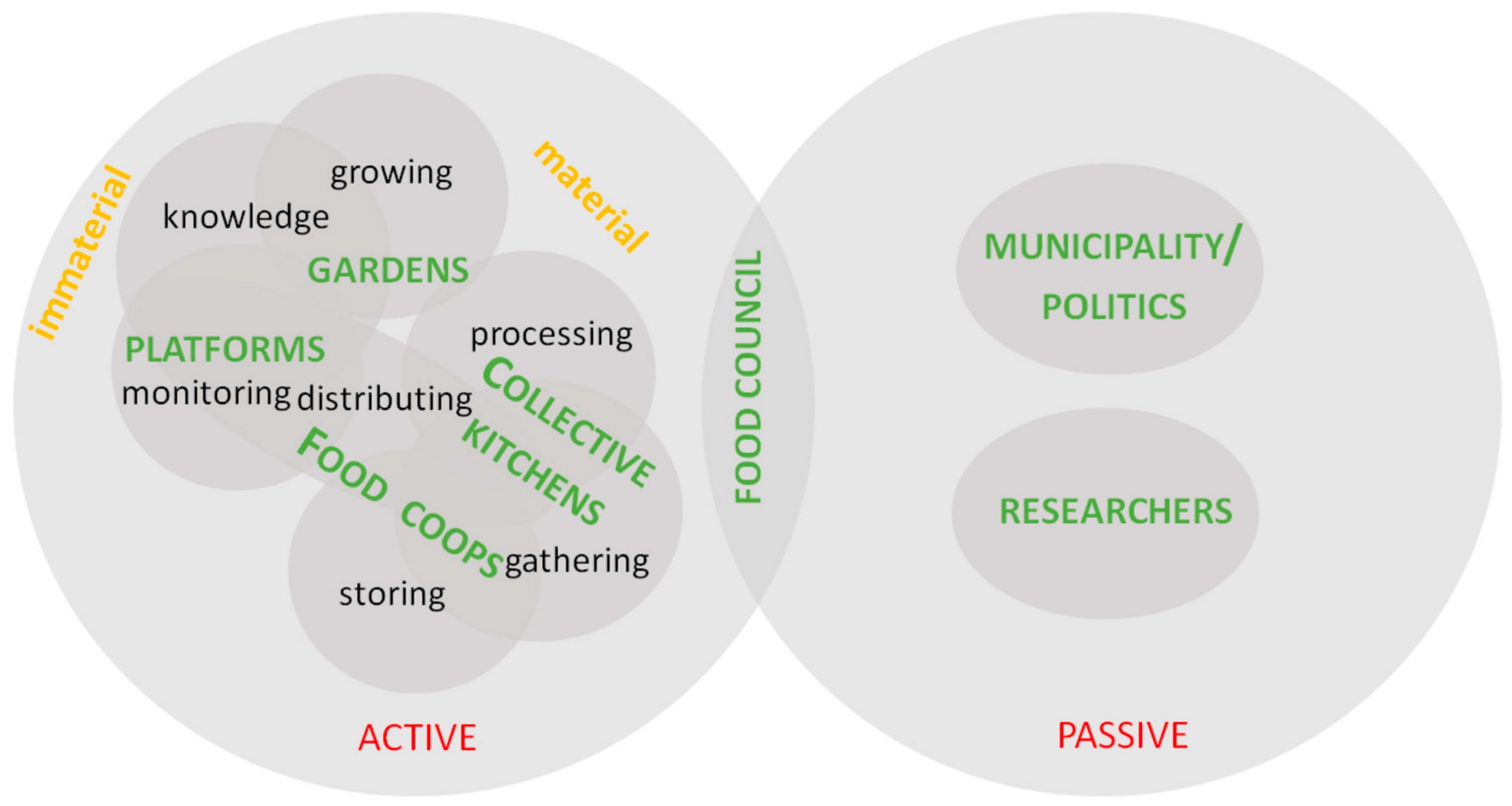
Selection of urban food commons actors by different attributes. Urban planning is facing multi-layered challenges to manage the transformation towards a more sustainable and inclusive society. The recently evolved concept of an “urban commons” responds to the crucial need to re-situate residents as key actors. Urban food commons summarize all initiatives that are food-related (e.g., cultivation, harvest, and distribution), aiming at a visualization and utilization of value chains and the commons-based linkage between them.
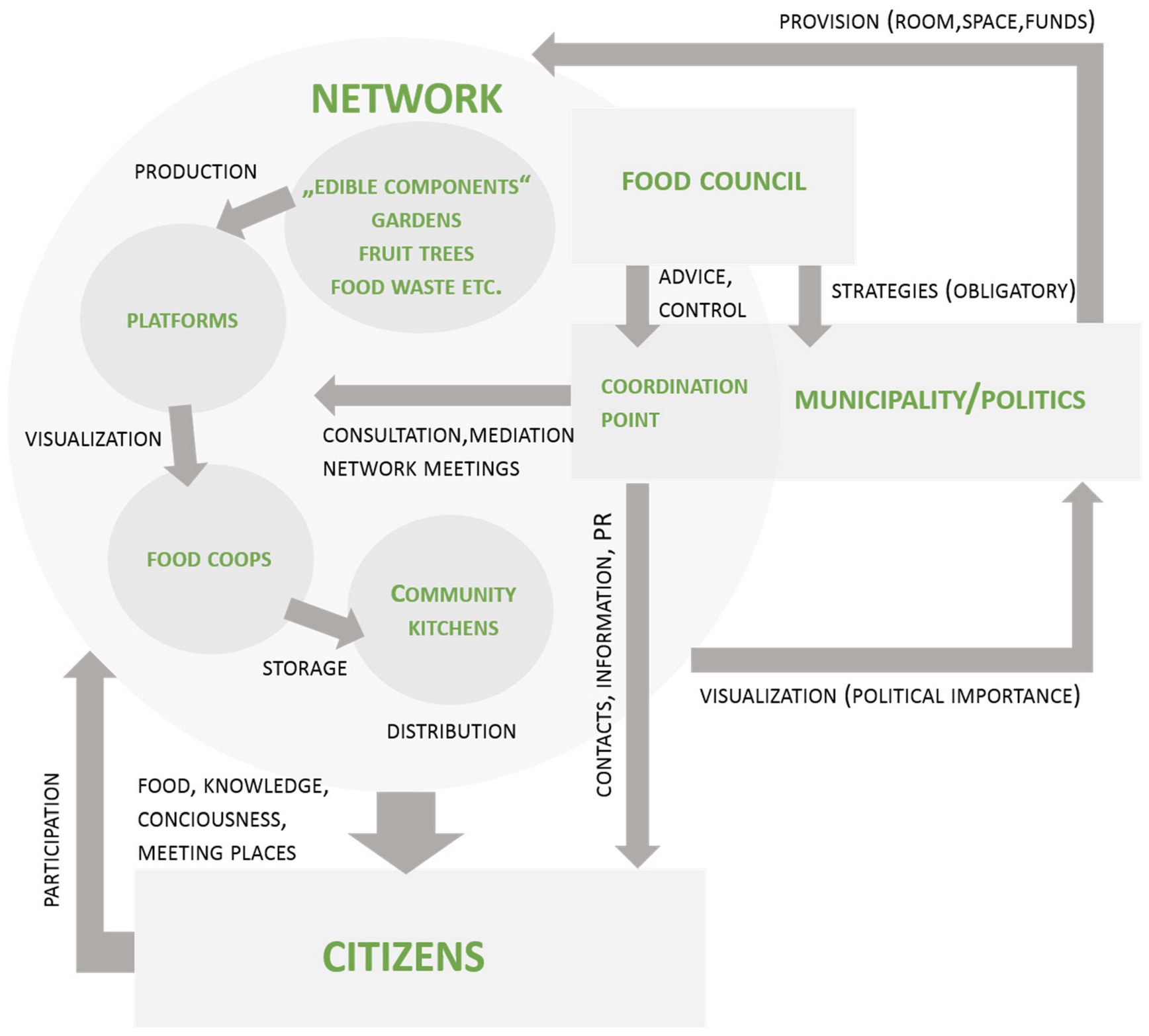
Relations between different actors in an edible city network. We explored first insights of food commons in Berlin based on semi-structured, in-depth interviews. Urban food commons strengthen identification, participation, self-organization, and social resilience, are steered by bottom-up processes, and can be a powerful tool for a transformation towards urban sustainability. However, a viable political integration of existing initiatives lacks due to structural implementation problems. Respondents recommend a pooling of all initiatives in a strong network and a mediation interface to coordinate between food commons and city administration and politics. A combined approach of commons and edible cities will be helpful for the development of future prove food systems.
-
“7 More Planets”: 8 Shocking Facts From The G20 Food Footprint Report
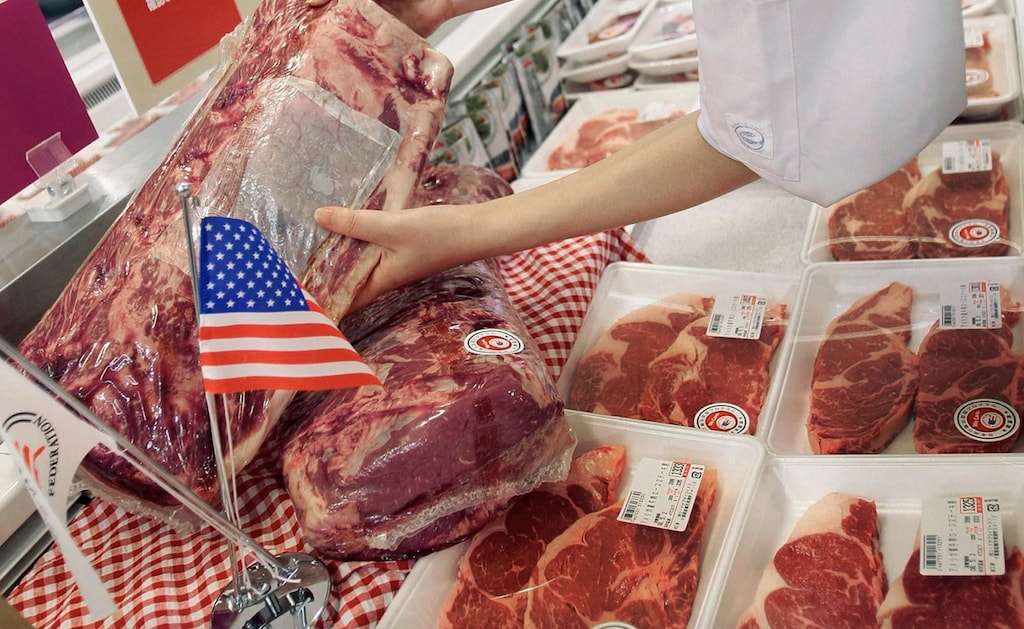
1. If everyone ate the way G20 countries do, we would need 7 more Earths.
2. Only India and Indonesia have diets that our planet’s resources can support.
3. Report makes clear that food & diet are key to solving climate change.
4. Flexitarian diet could reduce global carbon budget by 40%.
5. US, EU, Australia & Argentina are biggest culprits for carbon-intensive diets.
6. If G20 countries chose more sustainable diets, 11 million lives a year could be saved.
7. Policymakers MUST price in climate crisis in national eating guidelines & food pyramids.
8. Food-related emissions in G20 countries go down by 50% by 2050. -
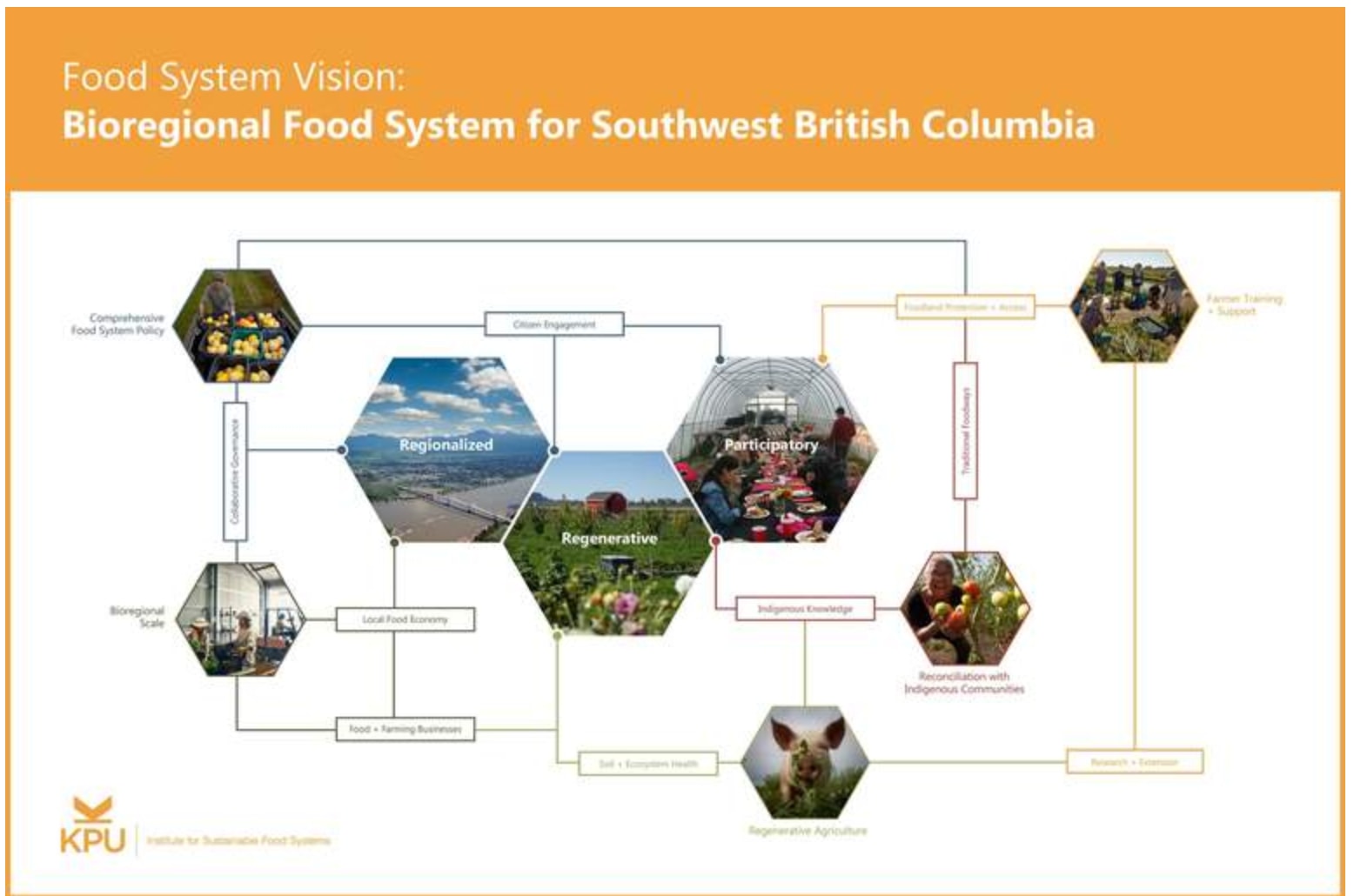
A Bioregional Food System for Southwest British Columbia, Canada
A regionalized and participatory food system, built on regenerative agriculture, for the bioregion of Southwest British Columbia, Canada
-
5 Things I Wish I Knew Before I Started Growing Mushrooms For A Living
-
Led By Asia, Global Plant-Based Meat Market To Hit US$21 Billion By 2025
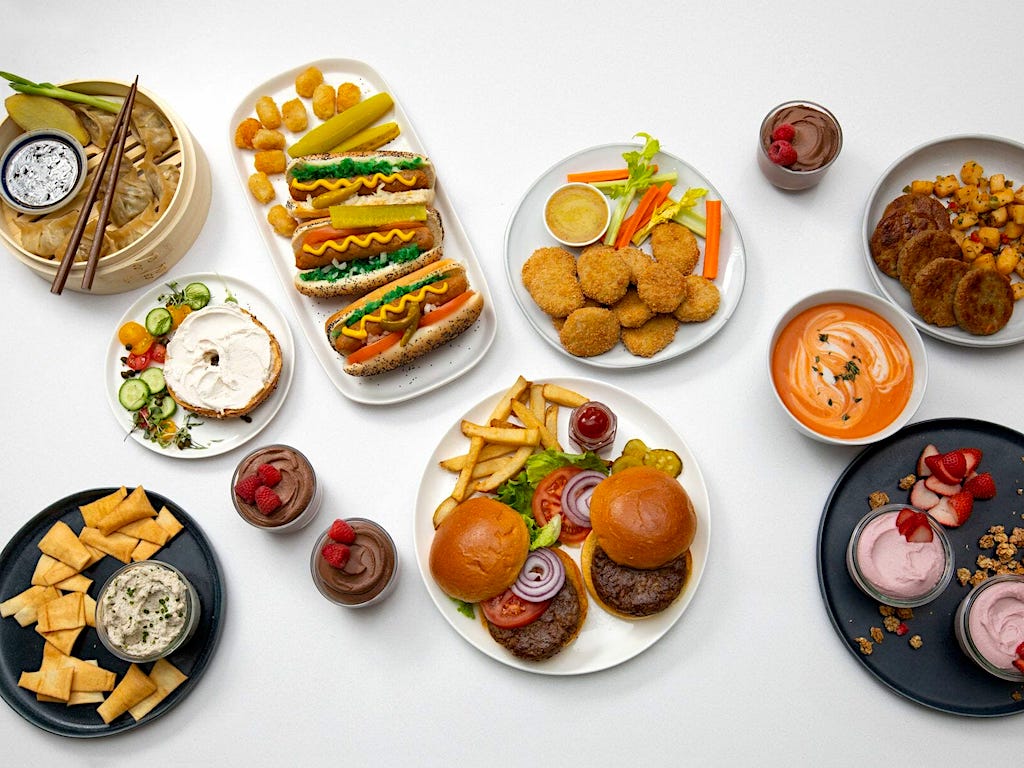
A new report says that the global vegan meat market will grow to US$21 billion by as soon as 2025. The study finds that the majority of the growth will come from the Asian market, citing preference for tofu and tempeh plant proteins as a key reason, as well as the steadily increasing demand for environmentally friendly alternatives.
-
A Wendy’s With No Burgers as Meat Production Is Hit (nytimes)
Hundreds of the fast-food chain’s locations aren’t serving hamburgers and grocery stores are limiting meat purchases, as shoppers begin to feel the impact of meatpacking plant shutdowns.
-
Satellites Are Helping to Track Food Supplies in Coronavirus Era (Bloomberg)
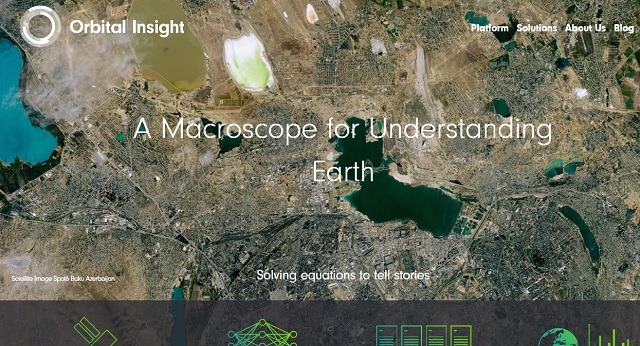
As the coronavirus pandemic leads to anxiety over the strength of the world’s food supply chains, everyone from governments to banks are turning to the skies for help. Orbital Insight, a California-based Big Data company that uses satellites, drones, balloons and cell phone geolocation data to track what’s happening on Earth, has seen inquiries about monitoring food supplies double in the past two months, according to James Crawford, founder and chief executive officer of the company.
-
Meicai: China’s Unicorn Farm-to-Table Startup (radiichina)
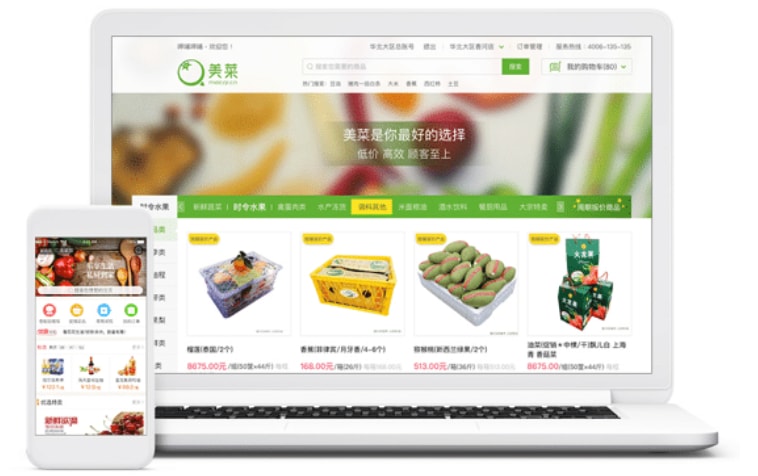
Farm-to-table is a direct relationship between a specific farm and a restaurant. Originating from China, Meicai is a app that allows users to get produce delivered from a farm straight to the comfort of their homes. It was established in 2014 by owner Liu Chuanjun. Meicai assures that the harvests reach the location within 12 to 18 hours after the order has been placed. Its consumers range from individuals to 10 million restaurants. The company is valued at over $7 billion.
-
Coping with Covid19 – the Open Food Network and the New Digital Order(s)
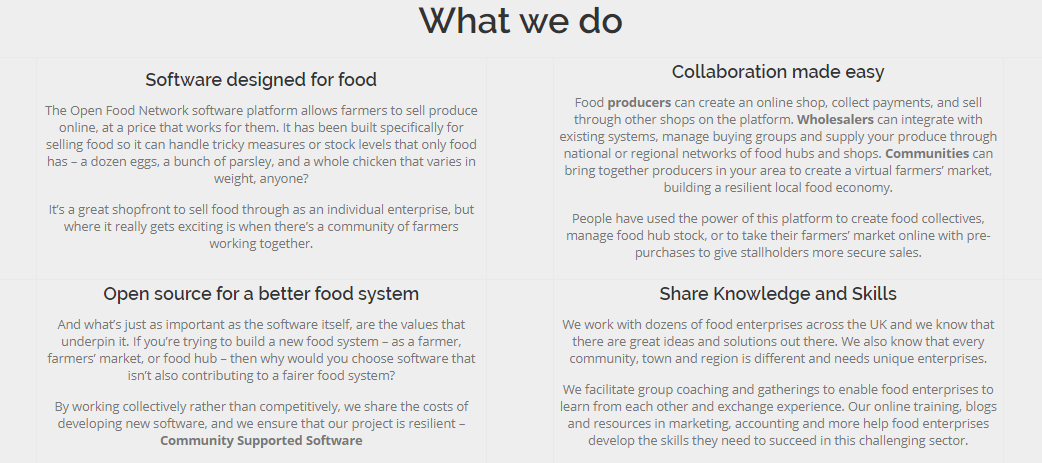
With Covid19, aka the coronavirus, come restrictions on people’s outdoor movements and gathering. This means that, while supermarkets are considered essential, it seems to be case by case for other food markets: instantly, farmers markets are shutting all over Europe with serious consequences for small producers. Digital food platforms have never been more urgent. In this new restricted mobility context, Open Food Network is perhaps the best example of a good food network that’s digitised, cooperative, open source, not for profit and ready for your community.
-
'A disastrous situation': mountains of food wasted as coronavirus scrambles supply chain (Guardian)
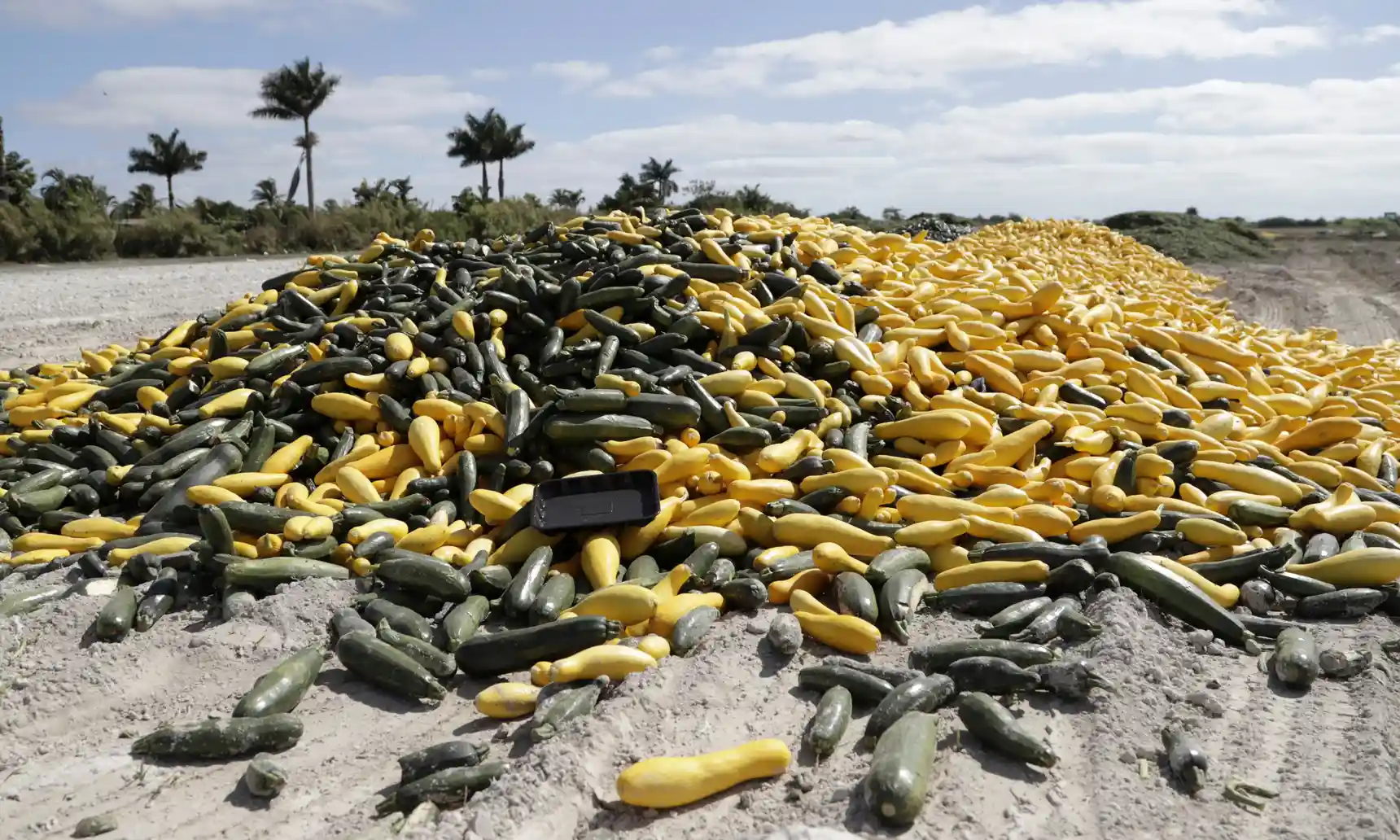
Billions of dollars worth of food is going to waste as growers and producers from California to Florida are facing a massive surplus of highly perishable items. As US food banks handle record demand and grocery stores struggle to keep shelves stocked, farmers are dumping fresh milk and plowing vegetables back into the dirt as the shutdown of the food service industry has scrambled the supply chain. Roughly half the food grown in the US was previously destined for restaurants, schools, stadiums, theme parks and cruise ships. The impact could be up to $1.32bn from March to May in farm losses alone, according to a National Sustainable Agriculture Coalition report.
-
Edible insects set to be approved by EU in 'breakthrough moment' (Guardian)
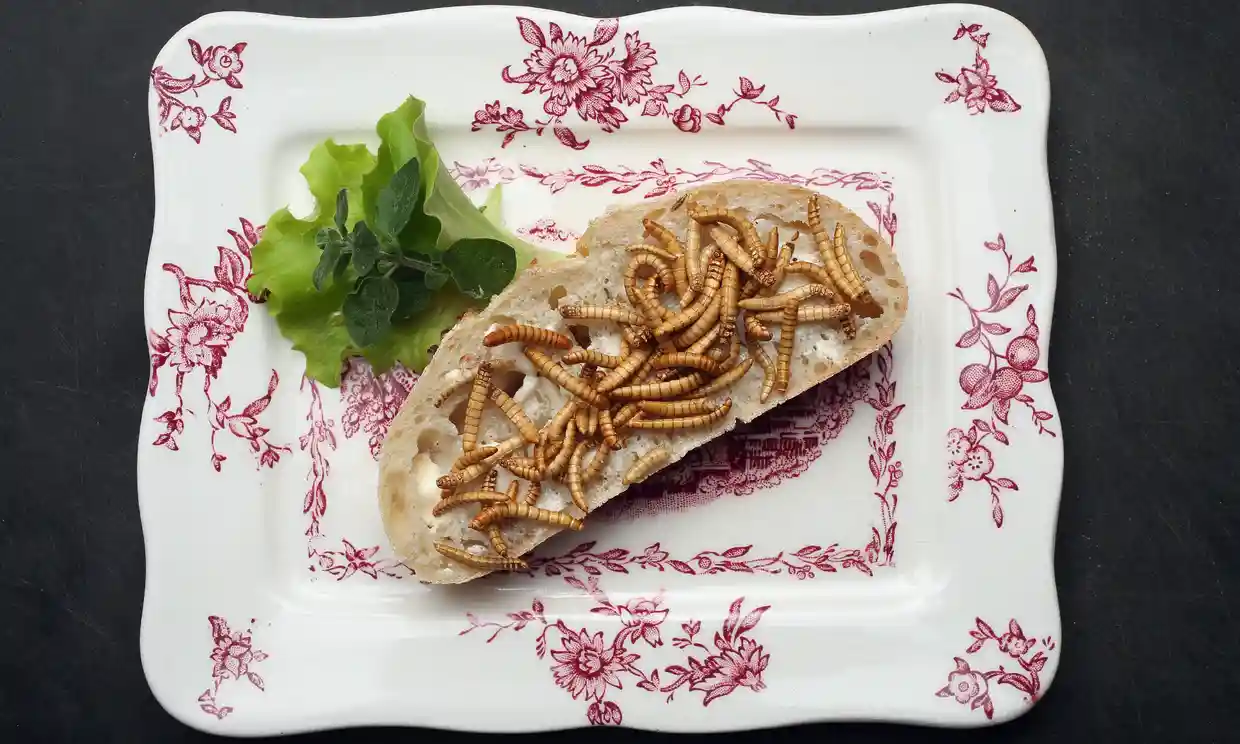
It is being billed as the long-awaited breakthrough moment in European gastronomy for mealworm burgers, locust aperitifs and cricket granola. Within weeks the EU’s European Food Safety Authority is expected by the insect industry to endorse whole or ground mealworms, lesser mealworms, locusts, crickets and grasshoppers as being safe for human consumption. The ruling is likely to lead to the final authorisation of their sale across the EU as a “novel food” by as soon as the autumn, opening up opportunities for mass production of a range of insect dishes to be sold across Europe for the first time. “These have a good chance of being given the green light in the coming few weeks,” said Christophe Derrien, the secretary general of the industry organisation International Platform of Insects for Food and Feed.
-
Our open source platform enables new, ethical supply chains. Food producers can sell online, wholesalers can manage buying groups and supply produce through networks of food hubs and shops. Communities can bring together producers to create a virtual farmers’ market, building a resilient local food economy.
-
The Open Food Network and the New Digital Order(s)

With Covid19, aka the coronavirus, come restrictions on people’s outdoor movements and gathering. This means that, while supermarkets are considered essential, it seems to be case by case for other food markets: instantly, farmers markets are shutting all over Europe with serious consequences for small producers. Digital food platforms have never been more urgent. In this new restricted mobility context, Open Food Network is perhaps the best example of a good food network that’s digitised, cooperative, open source, not for profit and ready for your community.
-
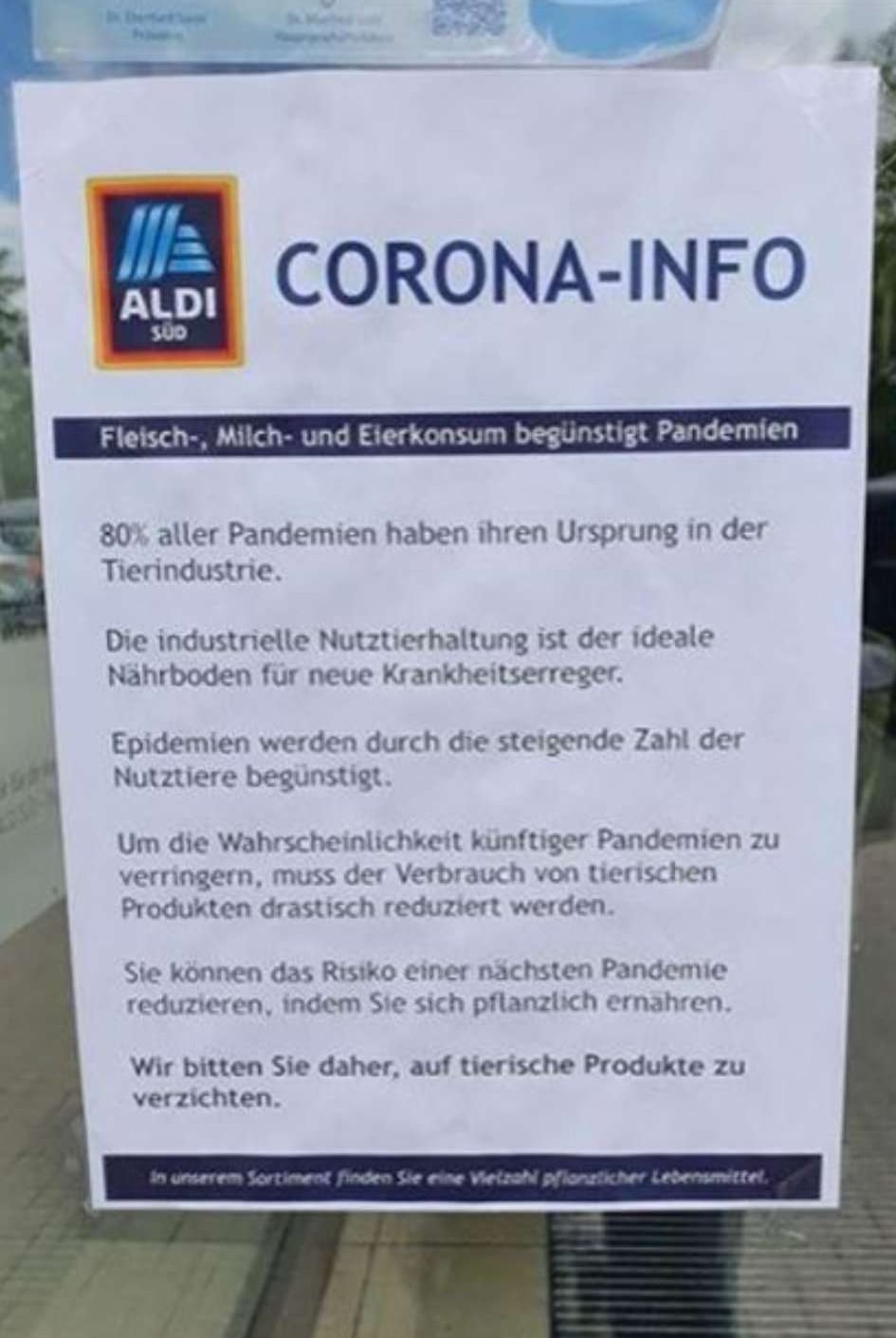
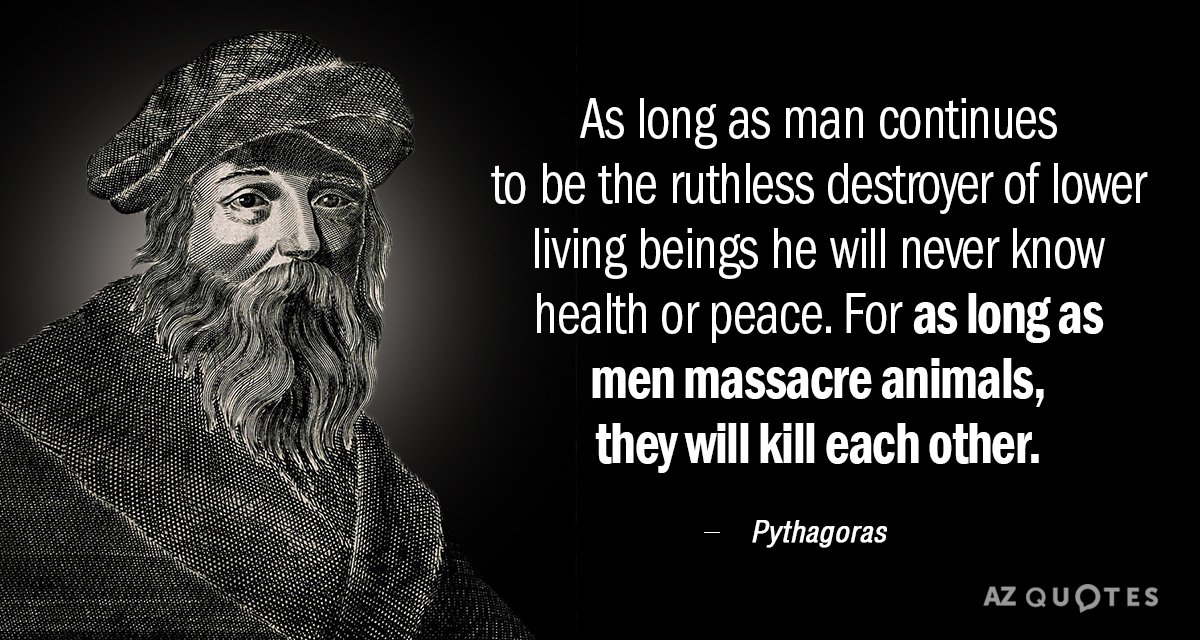
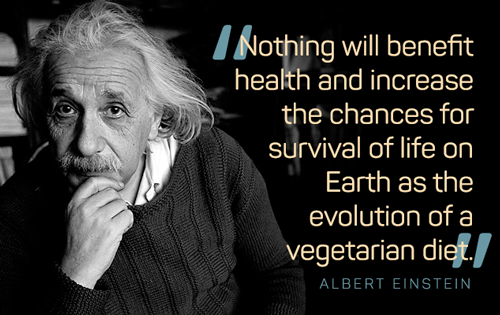
Eating Animals is the root cause of many of our current global challenge.

-
Panic buying, lockdowns may drive world food inflation - FAO, analysts (Reuters)
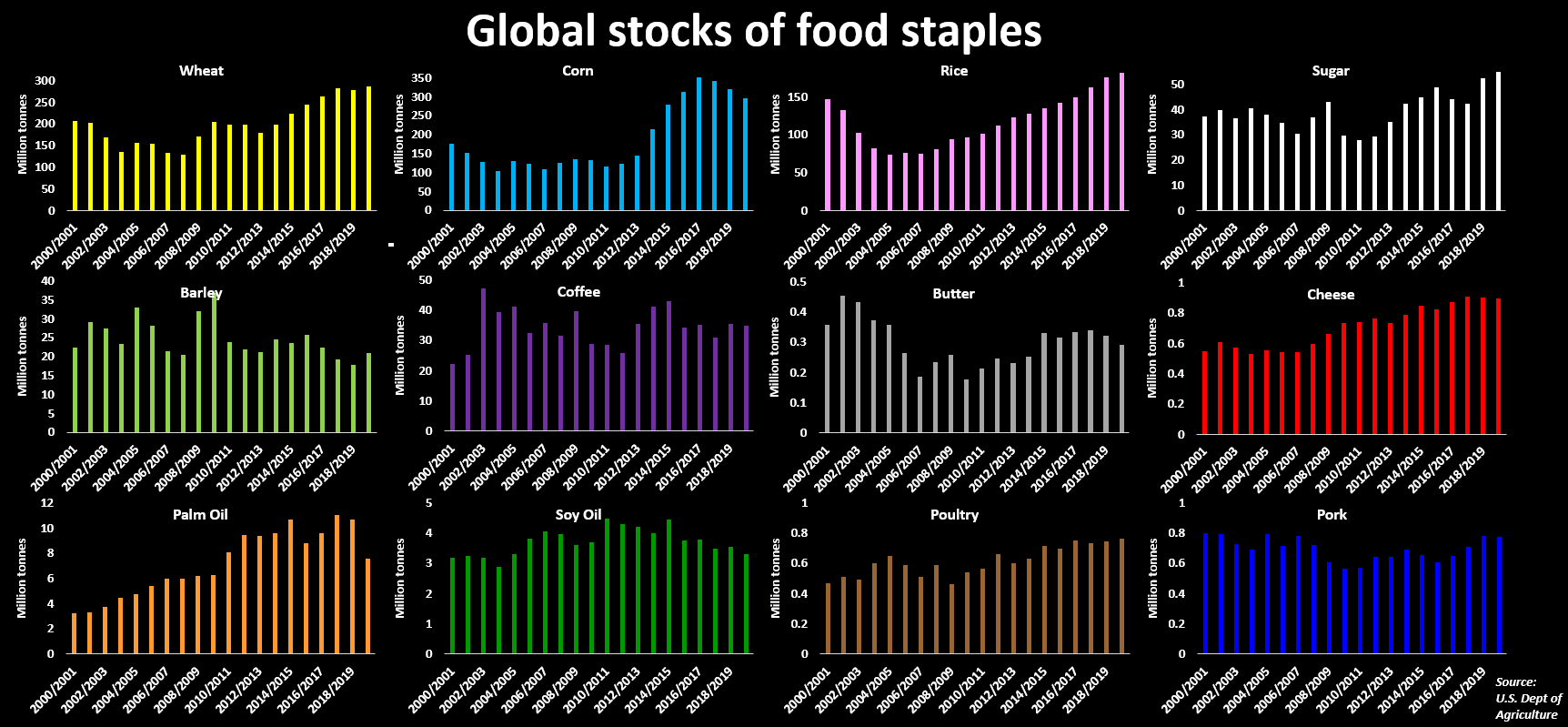
“All you need is panic buying from big importers such as millers or governments to create a crisis,” said Abdolreza Abbassian, senior economist at the United Nations’ Food and Agriculture Organization (FAO). “It is not a supply issue, but it is a behavioral change over food security,” he told Reuters by phone from Rome, the FAO headquarters. “What if bulk buyers think they can’t get wheat or rice shipments in May or June? That is what could lead to a global food supply crisis.”
Corona crisis hits global food supply (Reuters)
The corona epidemic around the world is also putting pressure on the food supply.
-
Niacin - a form of vitamin B3
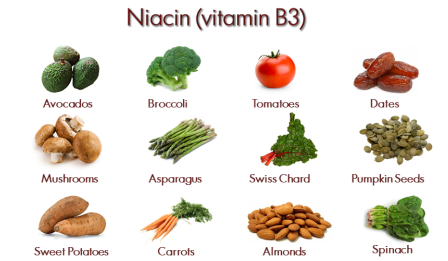
Niacin, also known as nicotinic acid, is an organic compound and a form of vitamin B3, an essential human nutrient. It has the formula C
6H
5NO
2 and belongs to the group of the pyridinecarboxylic acid. In 2014, concurring with earlier work in 2001 by Arizona State University, researchers from Pennsylvania State University working with NASA found niacin, pyridine carboxylic acids and pyridine dicarboxylic acids inside meteorites.