tag > HCI
-
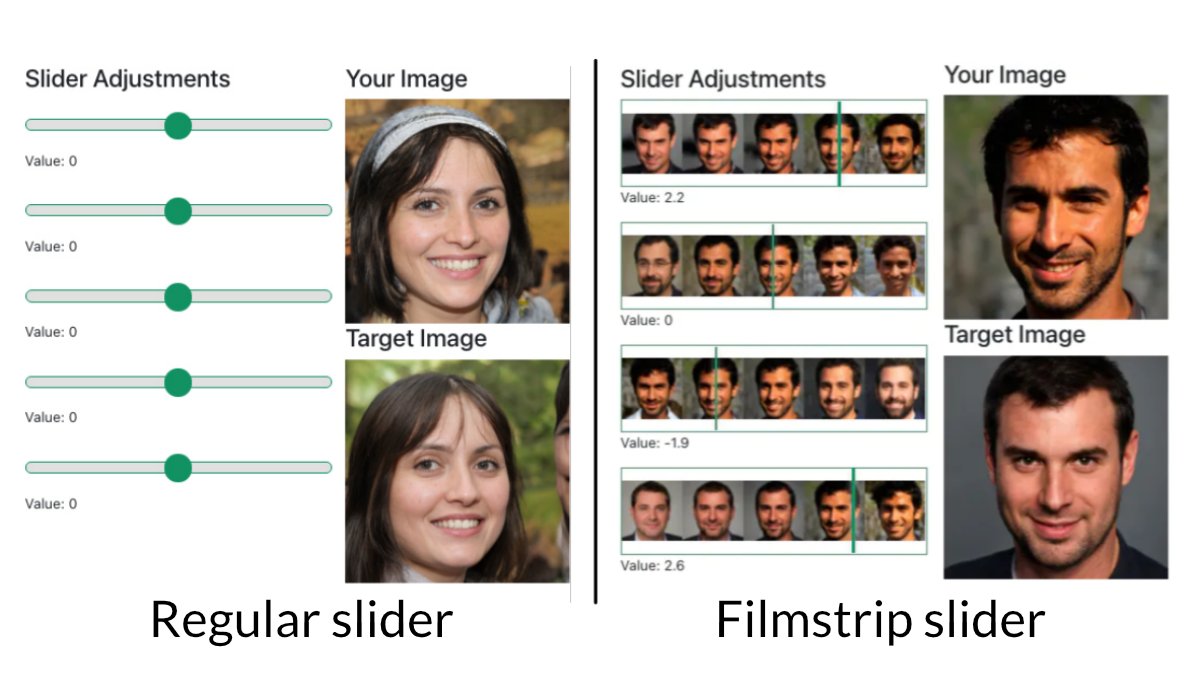
Great interfaces help people grow their skills and not become addicted
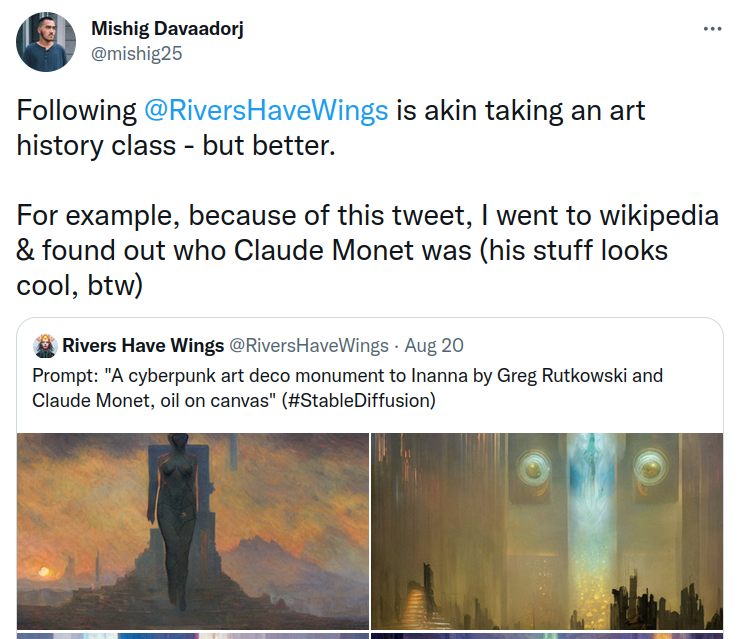
People learning about Art history by engaging with ML generative media system is amazing! Opportunity: Great interfaces/UX help users grow & level-up innate skills while using augmentation software - acting like "scaffolding" that minimizes addictions / dependencies over time.
-
Humane Interfaces
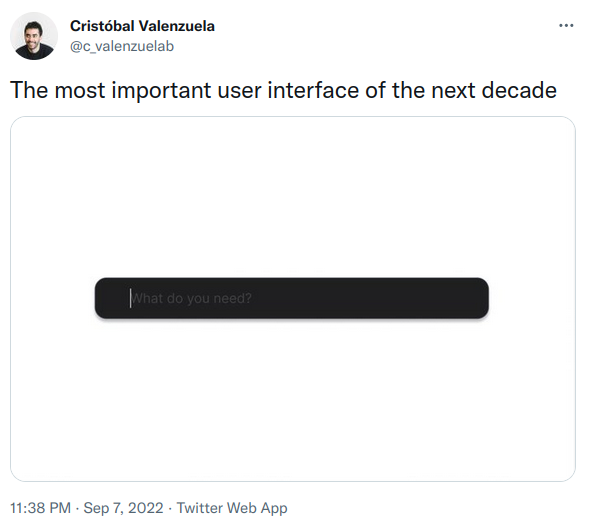
Humanity worked tirelessly for centuries to perfect the shape of tools we use to interact with the world - using all our senses & body. It led to marvelous interfaces, like musical instruments. The prospect of a single "magic" text entry box becoming the main interface is strange
-
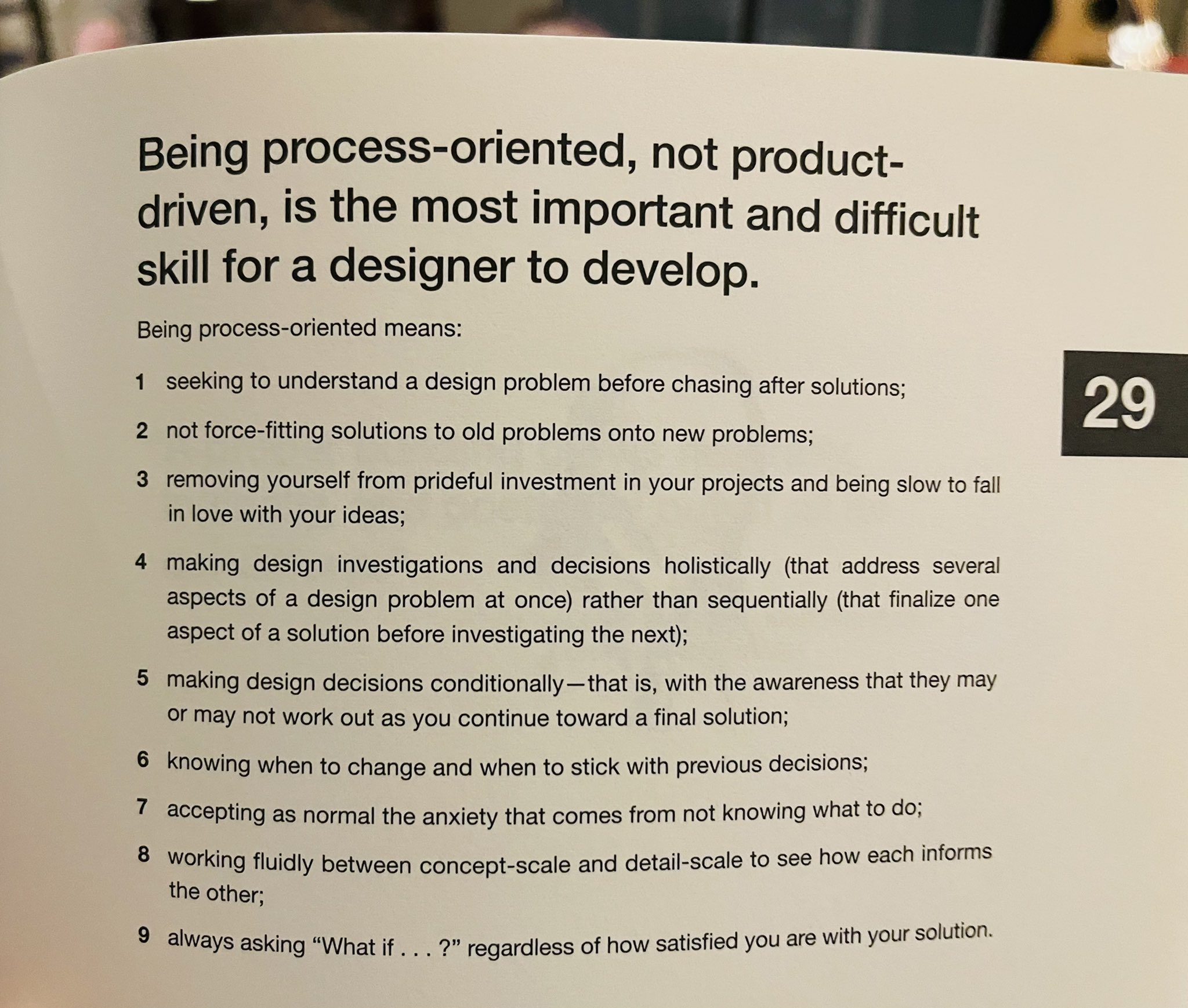
Being process-oriented, not product-driven, is the most important and difficult skill for a designer to develop. - From "101 Things I Learned in Architecture School", by Matthew Frederick
-
The 21st Century Person - Or why contemporary technology interface design has miserably failed.



-
Armies of trendy business & design people will sell you "technological progress", with out even mentioning the downsides. It's disingenuous. Every augmentation leads to amputation. No free lunch.
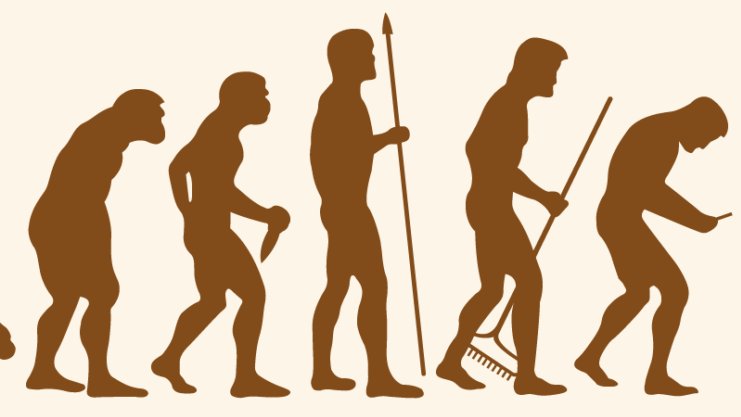
Escape. - Art by John Holcroft.

-
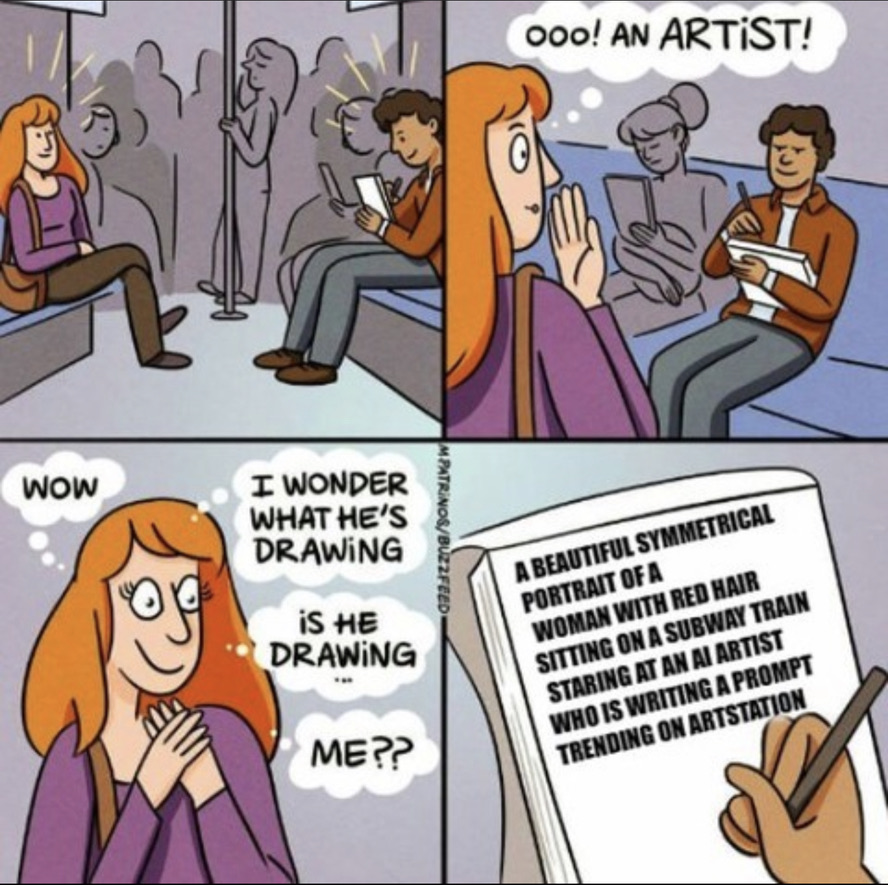
While current generative "text to image" machine learning models give amazing abilities to trained artists and regular people alike, the "text is the one interface to rule them all" notion is deeply flawed.
-
Computer Interfaces are inhumane
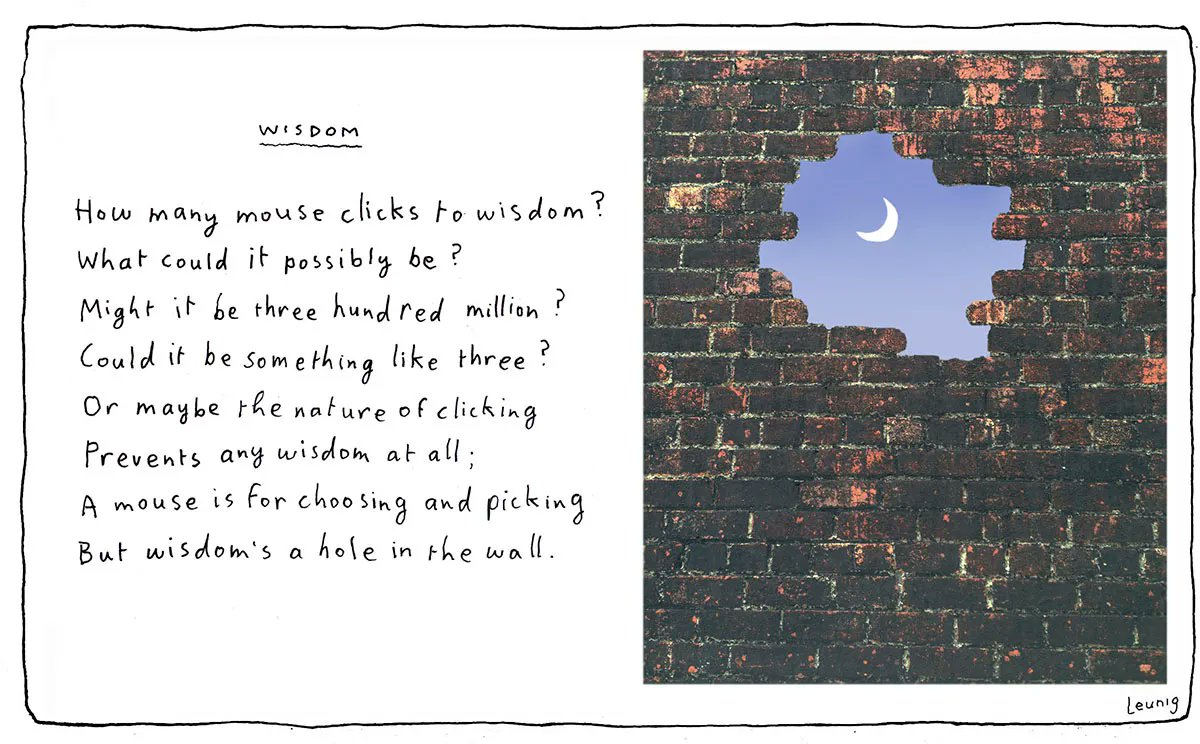
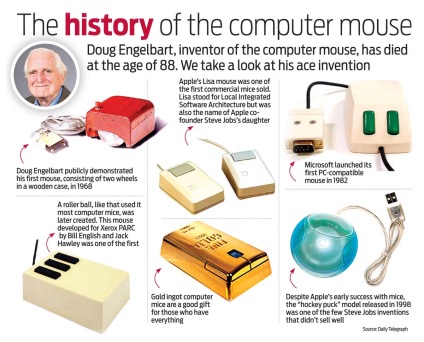
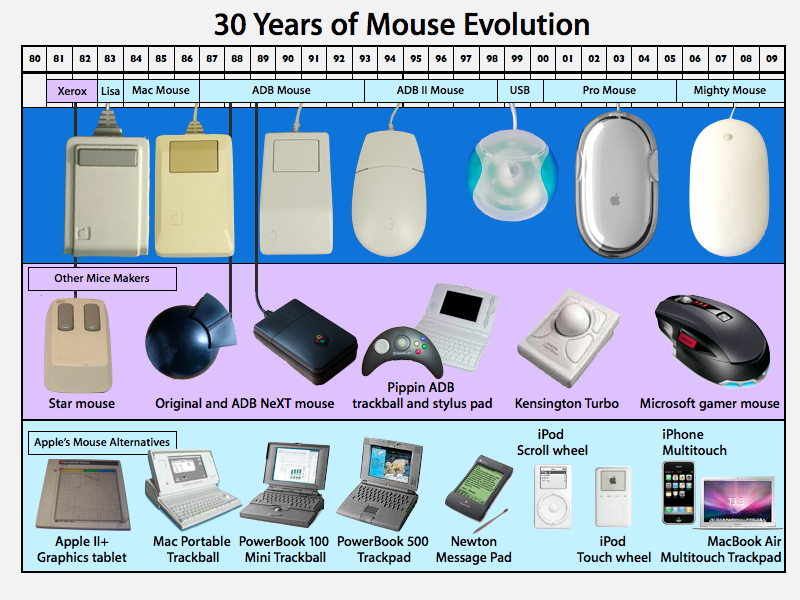
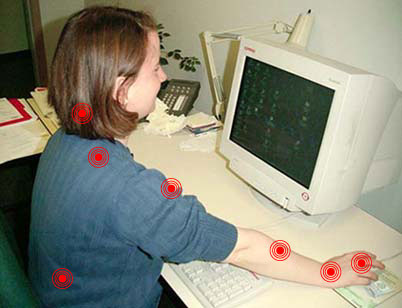
1 mouse click amounts to about 7 gram of movement pressure. Over an average day of computer usage, this amounts to 2 tonnes. The long term effects of this on the human body are profoundly damaging.
-
Allen Ginsberg, Angleton and the ‘Poetics of the CIA’
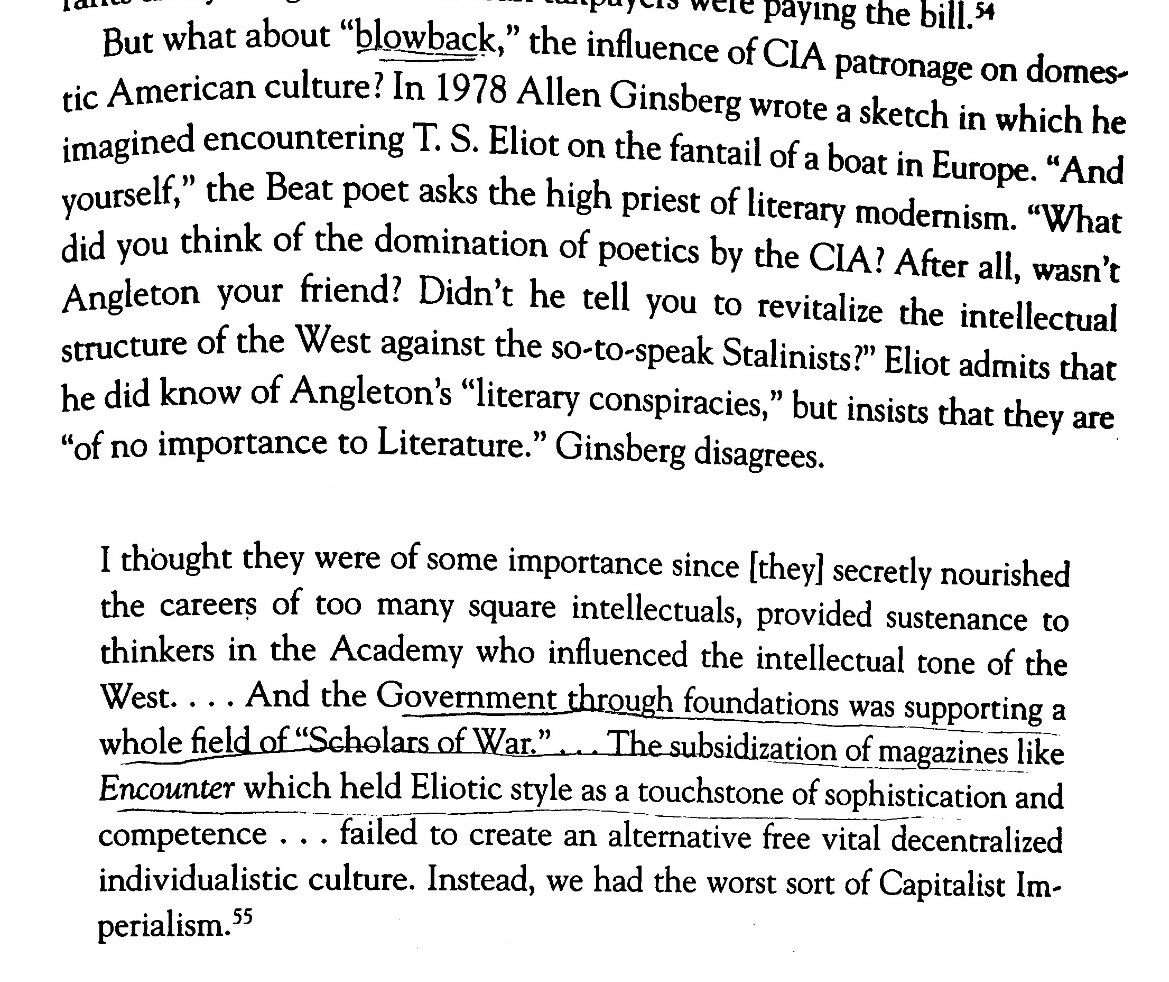
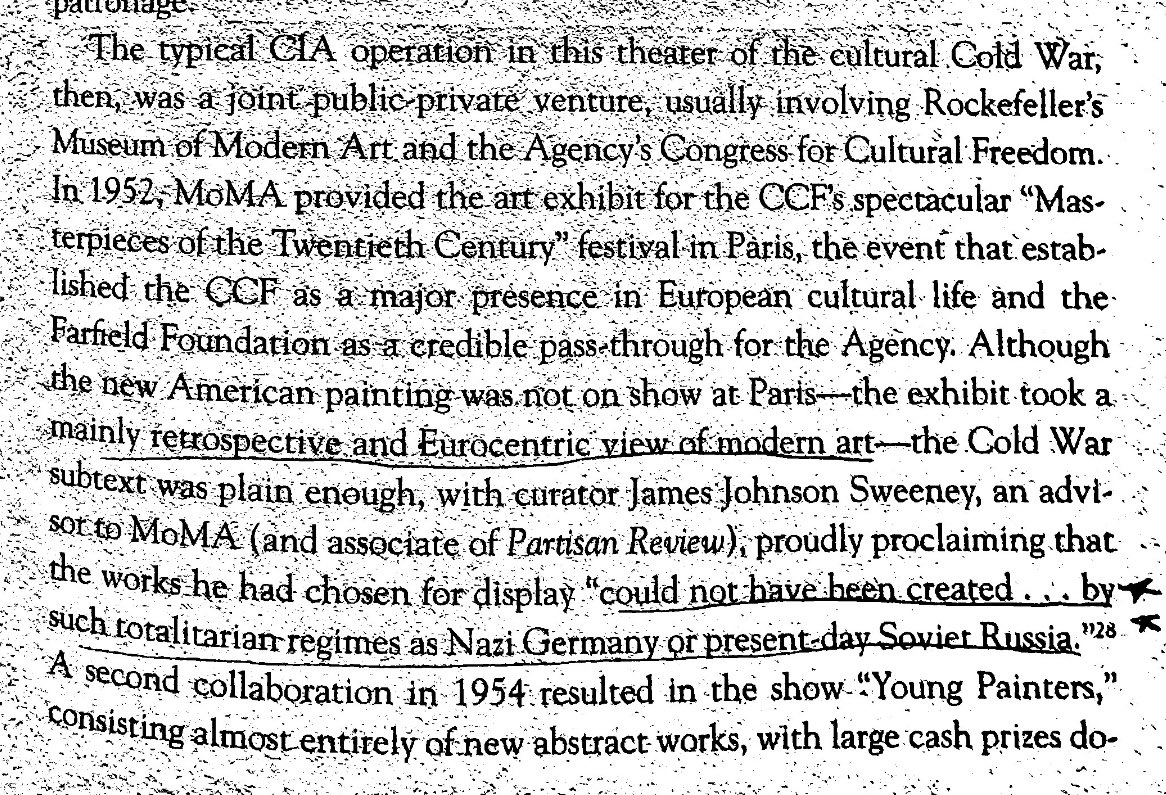

Yes, Kids, Cookie Monster is a Psyop
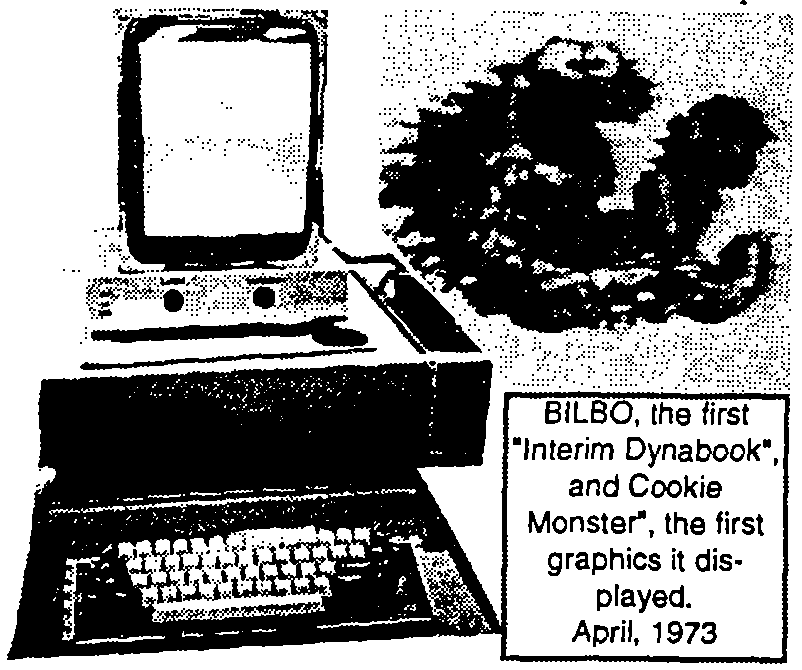
Sesame Street was created by veteran officers of the US Army’s Psychological Warfare Office with the goal of blunting the force of social-justice radicalism in the United States by promoting the liberal ideology that oppression not a structural economic injustice, but a matter of poor individual character or bad social skills. In a 1970’s state-directed project to determine how humans establish cathexis with military hardware, computer engineer Alan Kay leveraged the graphical capabilities of highly-advanced prototype personal computers to display animations of one of Sesame Street’s most popular characters, Cookie Monster, because he felt this would help children see personal computers not as technological artifacts derived from Air Force weapons, but as friendly and even “magical” helpers in their lives.
Kay, who developed the PARC Alto computer and Smalltalk programming language concurrently with Xerox funding the creation of Sesame Street, is very clear about this in his “Early History of Smalltalk.” Building the Sesame Street characters in to the design of the Alto’s user interface was an evolutionary step in ARPA’s 20 year study on “Human-Computer Symbiosis.”
Aerial combat was the initial use case for this cyborg symbiosis, and in the 1950’s/early 1960s this research was directed towards neuromuscular interfaces with the hardware – humans being literally “wired in” to the computers. By the late 1960s / early 1970s, computer displays + pointing devices (derived from Air Force radar scopes) had become responsive enough that it was possible to use the computer as an interface to display traditional works of art: books, music, animation. This is where it became possible for the user to establish deeper cathexis with the hardware across the full range of human emotions. Control feedback loops became visual / endocrine, not mechanical / muscular. This was the conceptual leap that Engelbart + Kay pulled off at SRI and PARC. It took Steve Jobs another few years to figure out how to commodify that cathexis, and then the Personal Computer Revolution was underway.
Although MK-Ultra was a CIA black operation nominally under the control of Dulles, it was in reality a British intelligence operation run into the United States under the cover of the CIA and the Rand Corporation. Furthermore. the presence of the Office of Naval Intelligence and Air Force Intelligence in the original -Operation Artichoke and MK-Ultra task force. and the subsequent importance of trained operatives of ONI and Air Force Intelligence in the creation of U.S.-based terrorist cults. points to heavy contamination of these agencies in particular by British SIS
The three British intelligence agents heading up MK Ultra as research directors from 1952 on were Aldous Huxley, Albert Hoffman of the Warburg-owned San doz drug firm (where Hoffman first synthesized LSD in 1943), and Humphrey Osmond, a close Huxley family friend and physician based at the University of London Hospital where he studied schizophrenia.
#Cryptocracy #Media #Culture #HCI #Military #Art #History #Psychedelic
-
Eco on Semiotics
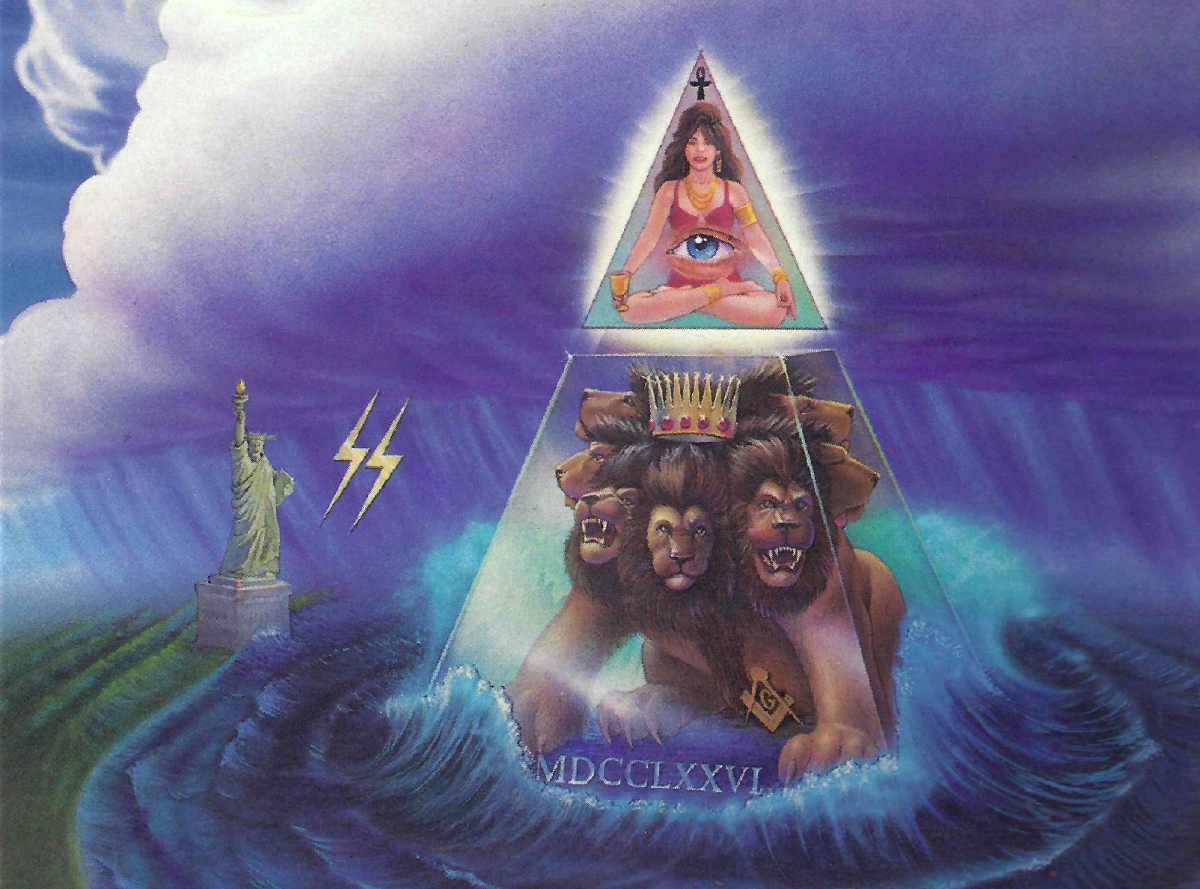
“Semiotics is in principle the discipline studying everything which can be used in order to lie. If something cannot be used to tell a lie, conversely it cannot be used to tell the truth: it cannot in fact be used "to tell" at all.” ― Umberto Eco, A Theory of Semiotics
-
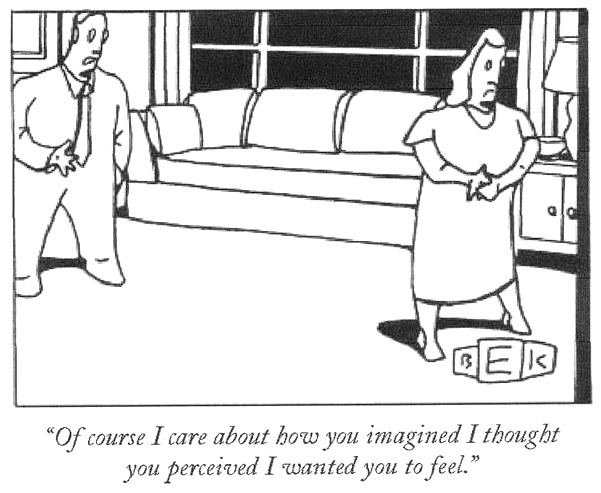
"Most of our failures in understanding one another have less to do with what is heard than with what is intended and what is inferred." - George Armitage Miller
-
My next chapter begins..

After four years, my time at Dr.Strange Love's insane asylum has come to an end. While I did meet many genuinely nice and interesting people, I've never seen so many highly educated useful idiots, one sided apparatchiks and evil geniuses in one place. The scale of ambition and operations is truly dizzying. But equally the levels of secrecy, confusion, arrogance and lust for control and power are mind boggling. In summary, it is a madhouse. I did learn a great deal for which i am very thankful, especially by studying the shadows of the invisible. Most notably, I've learned that education has little to-do with true intelligence, and intelligence has even less to-do with getting the essentials right. The heart is the true mystery, not the brain - a fact that Dr.StrA.Inge Love will likely never comprehend. All that said, i want to sincerely thank all the kind souls I've met along this wild and fascinating journey. May our practice and life be of benefit to all beings everywhere.
#Work #Ideas #Design #Creativity #ML #HCI #Augmentation #Mindful
-
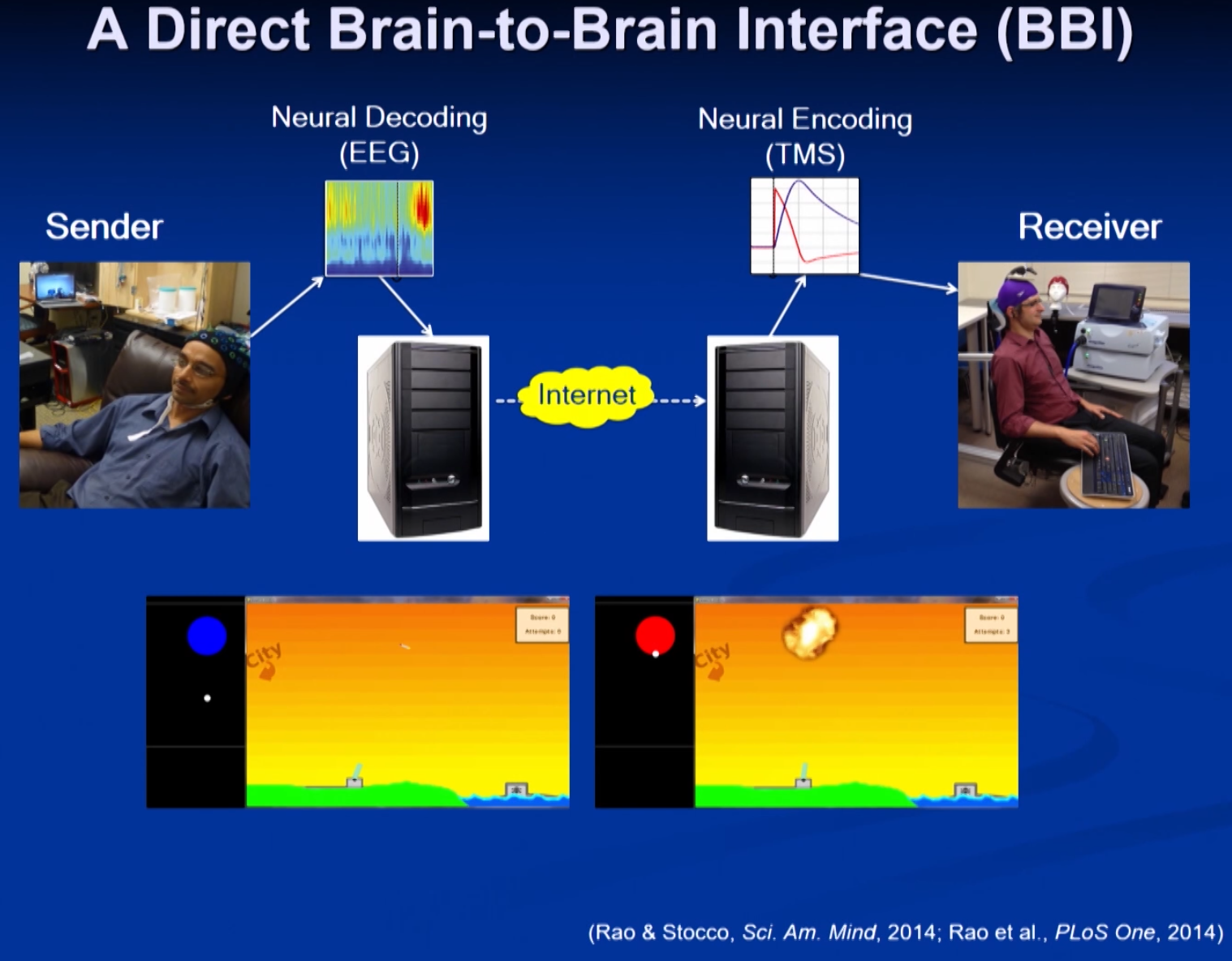
Researchers Achieve Mind Control Using Only Light (Paper)
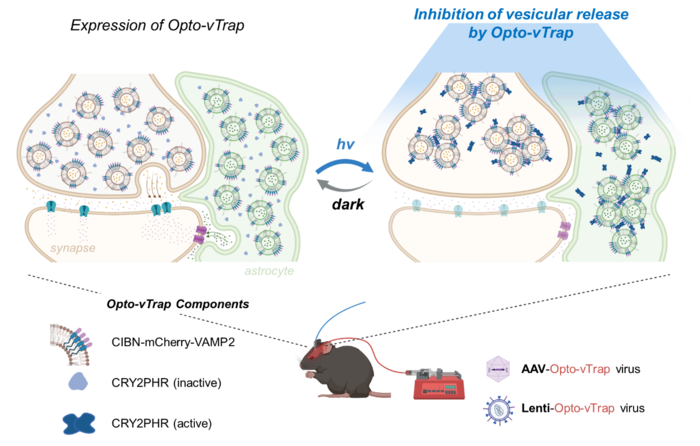
A form of mind control using only the power of light has been developed by a team of South Korean researchers. And, the research team says, the process is fully reversible and has already been used successfully on mice in a lab setting to control both emotion and behavior.