tag > HCI
-
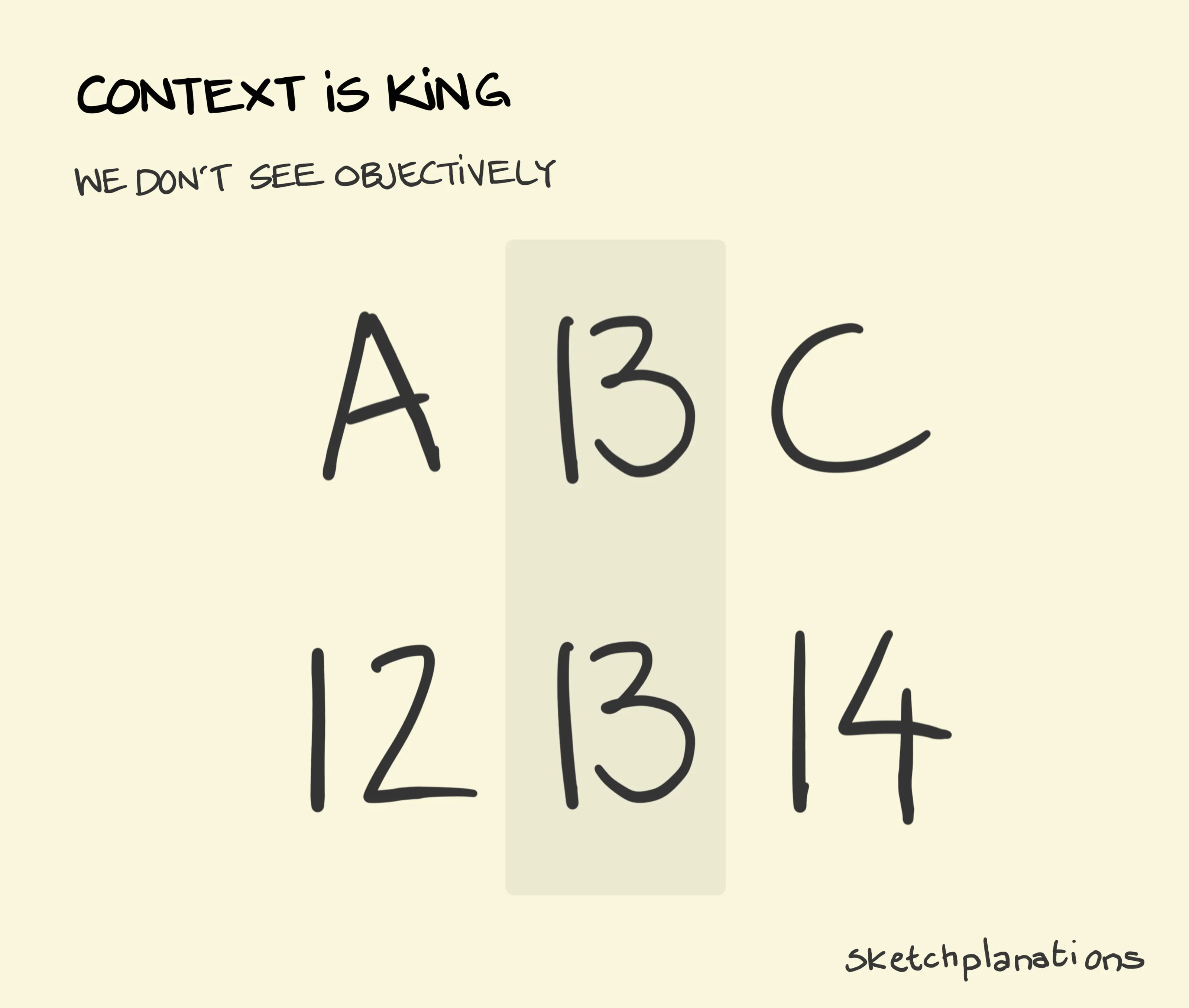
"File is in owner's trash" - refreshing comedic honesty by the "Wellbeing Design Cards"

-
How Does Your Engine Run?
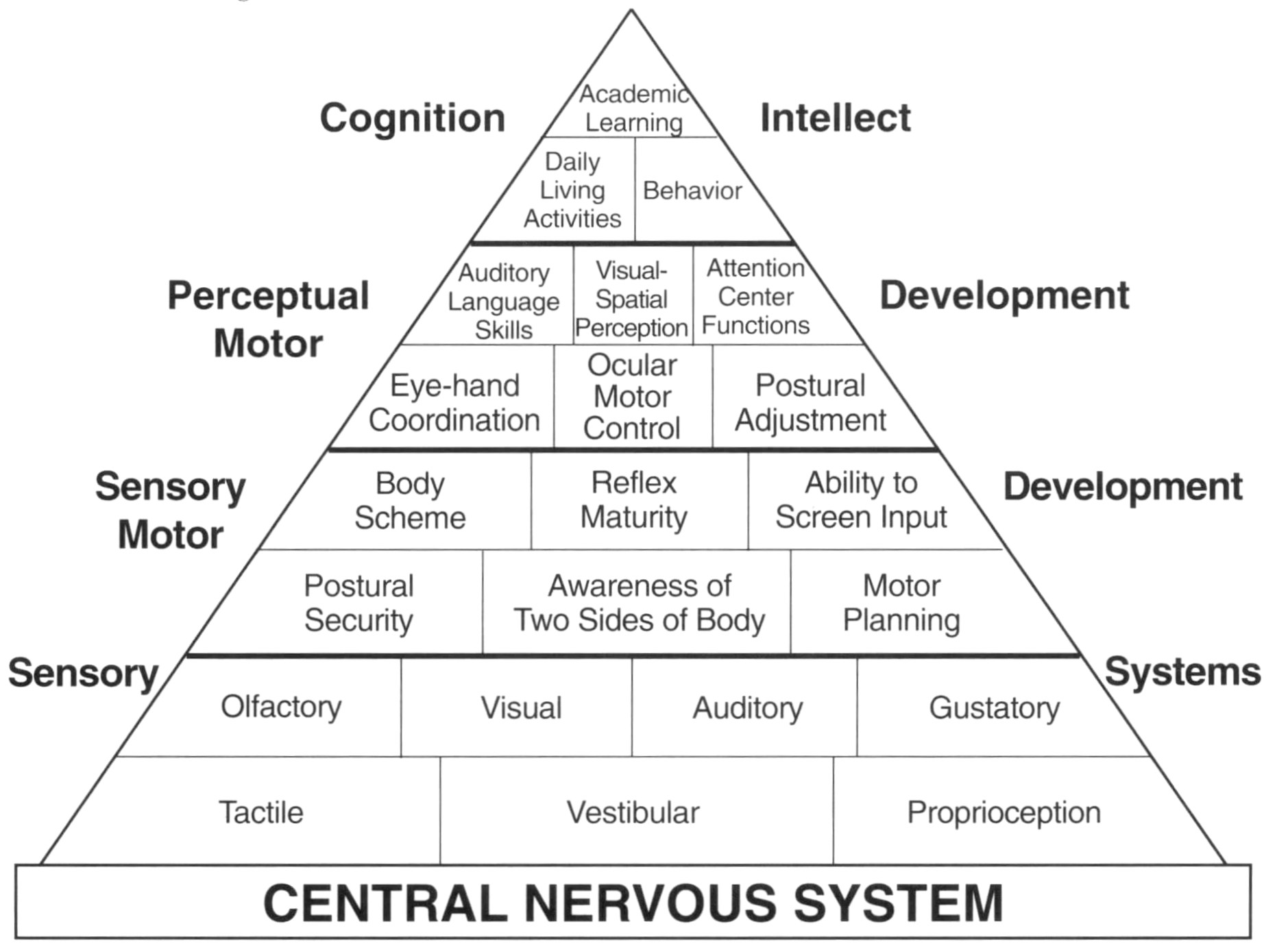
From the Book "How Does Your Engine Run?" - by Williams M and Shellenbergers (1996) Related: The Alert Program - Making self-regulation easy
-
Dunbar Spheres
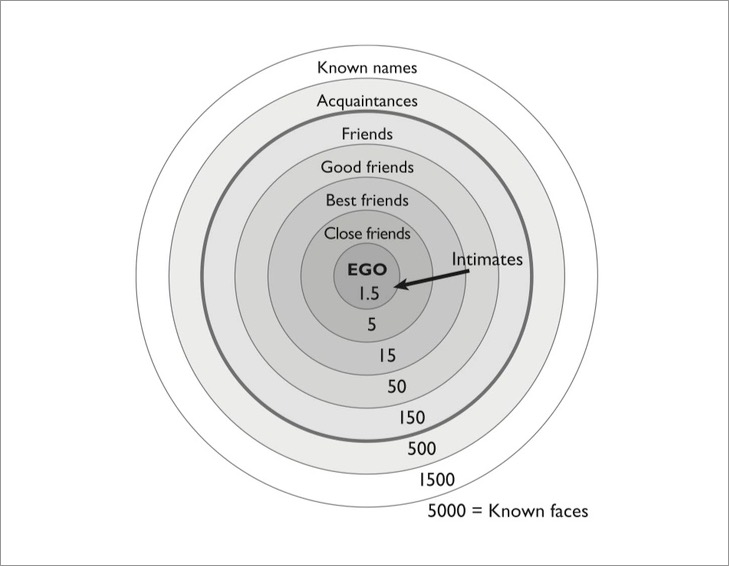
This illustration is from Robin Dunbar’s recent book, Friends: Understanding the Power of Our Most Important Relationships. You might recall the author’s name from his concept of Dunbar’s number: that on average people can maintain about 150 friendships with others, a limit that is determined by human brain size and function. The chart is a more detailed version of the concept: it shows, roughly, the number of people we can have meaningful relationships with at various levels of intimacy. Dunbar explains in this Atlantic interview:
The innermost layer of 1.5 is [the most intimate]; clearly that has to do with your romantic relationships. The next layer of five is your shoulders-to-cry-on friendships. They are the ones who will drop everything to support us when our world falls apart. The 15 layer includes the previous five, and your core social partners. They are our main social companions, so they provide the context for having fun times. They also provide the main circle for exchange of child care. We trust them enough to leave our children with them. The next layer up, at 50, is your big-weekend-barbecue people. And the 150 layer is your weddings and funerals group who would come to your once-in-a-lifetime event.
The layers come about primarily because the time we have for social interaction is not infinite. You have to decide how to invest that time, bearing in mind that the strength of relationships is directly correlated with how much time and effort we give them.
There’s evidence that introverts have fewer connections in each layer than extroverts, your numbers go down as you get older when relationship become harder to replace, “falling in love will cost you two friendships”, and how much time is necessary to form a friendship:
It takes about 200 hours of investment in the space of a few months to move a stranger into being a good friend. This fits with our data, which suggests that close friends are very expensive in terms of time investment to maintain. I think the figures are a guideline rather than precise. It just means friendships require work.
-
The State of Human-Centredness in AI and automation - by @BrianSJ3
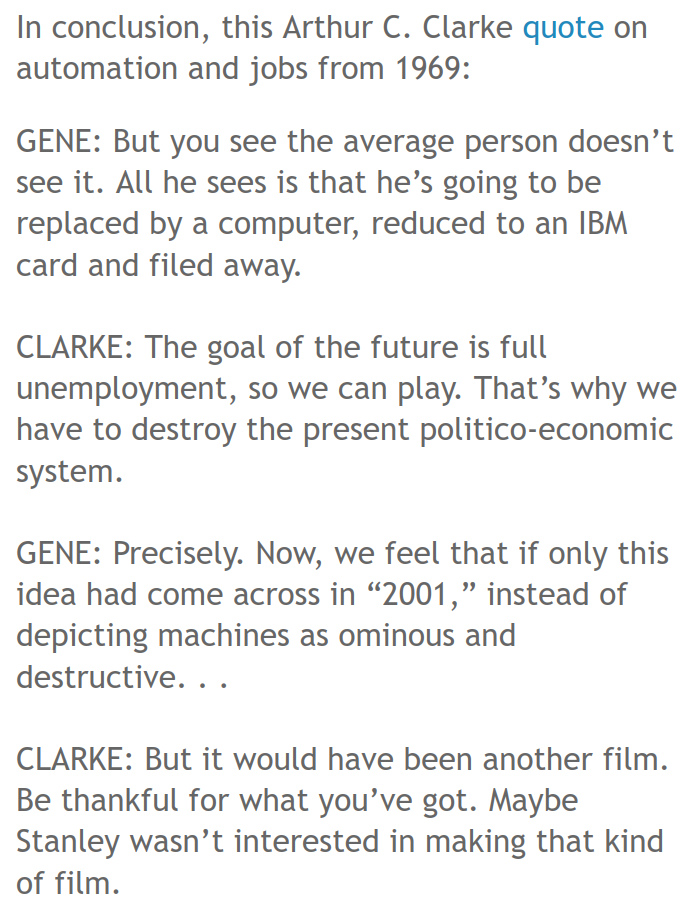
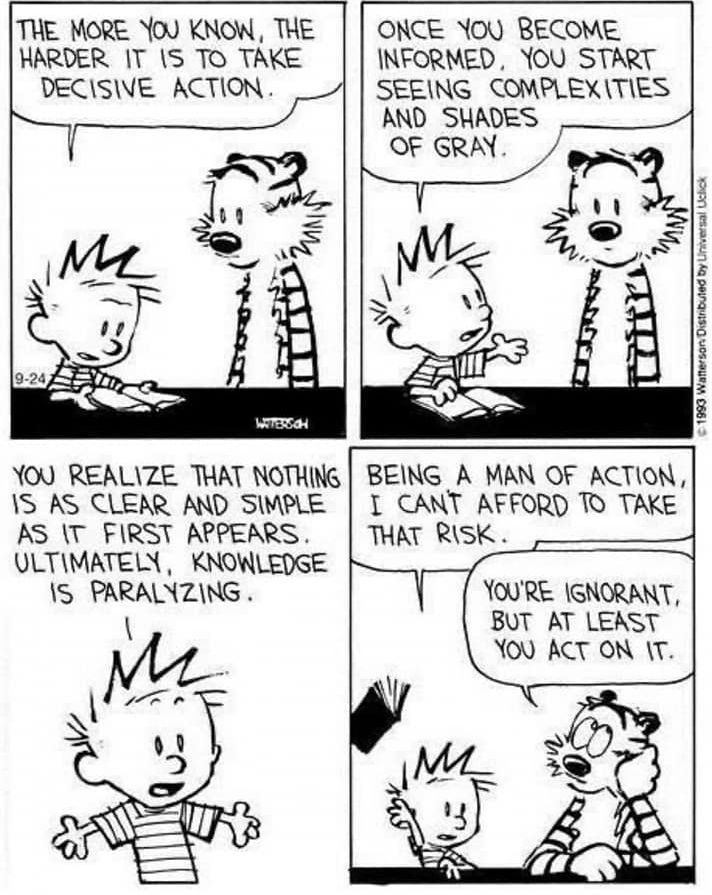
"Conclusions: The Western capitalist hegemony is deeply antithetical to human-centredness (remember that the subtitle of 'Small is Beautiful' was 'Economics as if people mattered' - hardly the Amazon corporate handbook), from the level of a corporate project through to societal effects. Competent practitioners with good stakeholder support can show what can be done, but Human Centred Design will remain a niche activity. If human-centredness is to make any impact at all, then it is time for some completely fresh approaches. Fortunately, the time is ripe for just such fresh approaches but the scale of the opportunity is somewhat daunting."
-
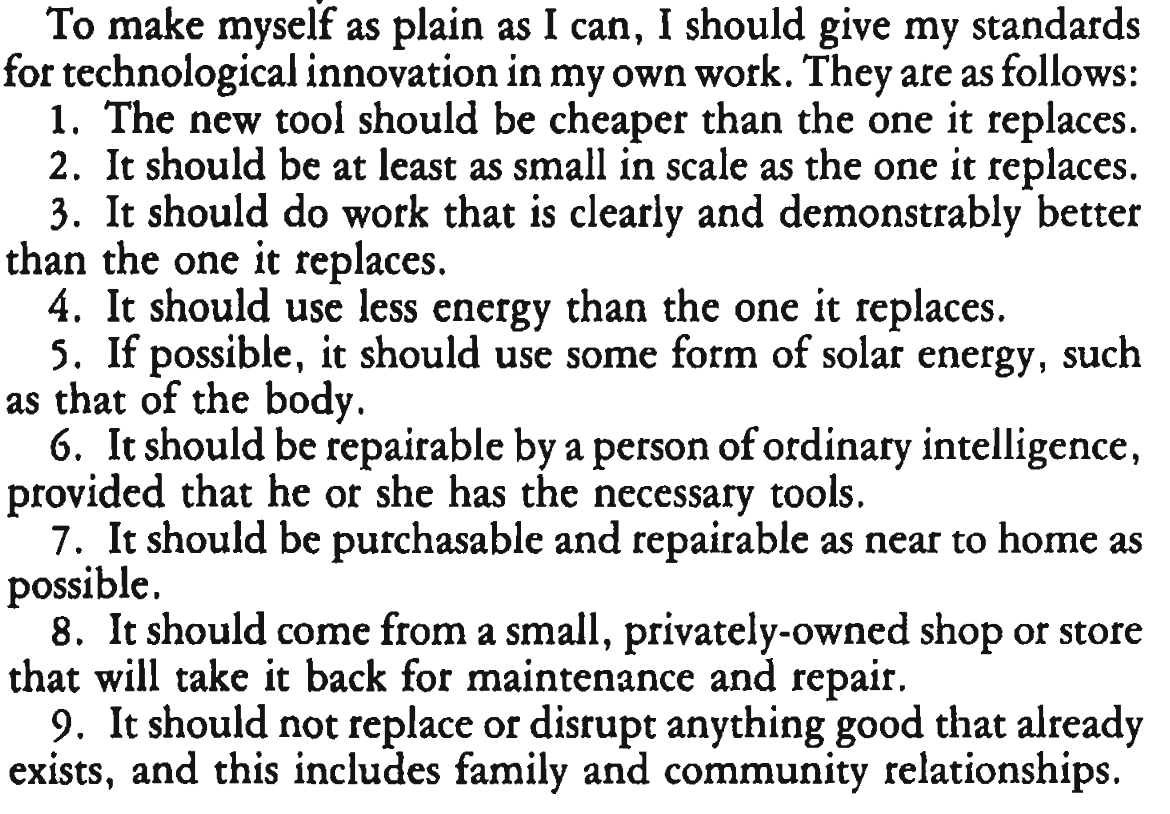
Decent Innovation Checklist: From "Why I am Not Going to Buy a Computer", by Wendell Berry
-
Notes are conversations across time - by Gordon Brander
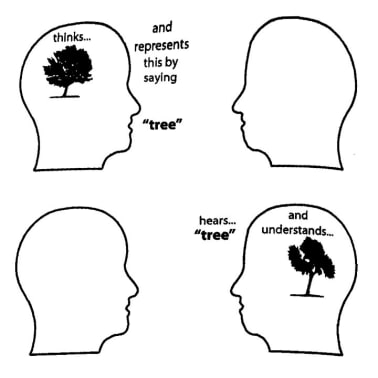
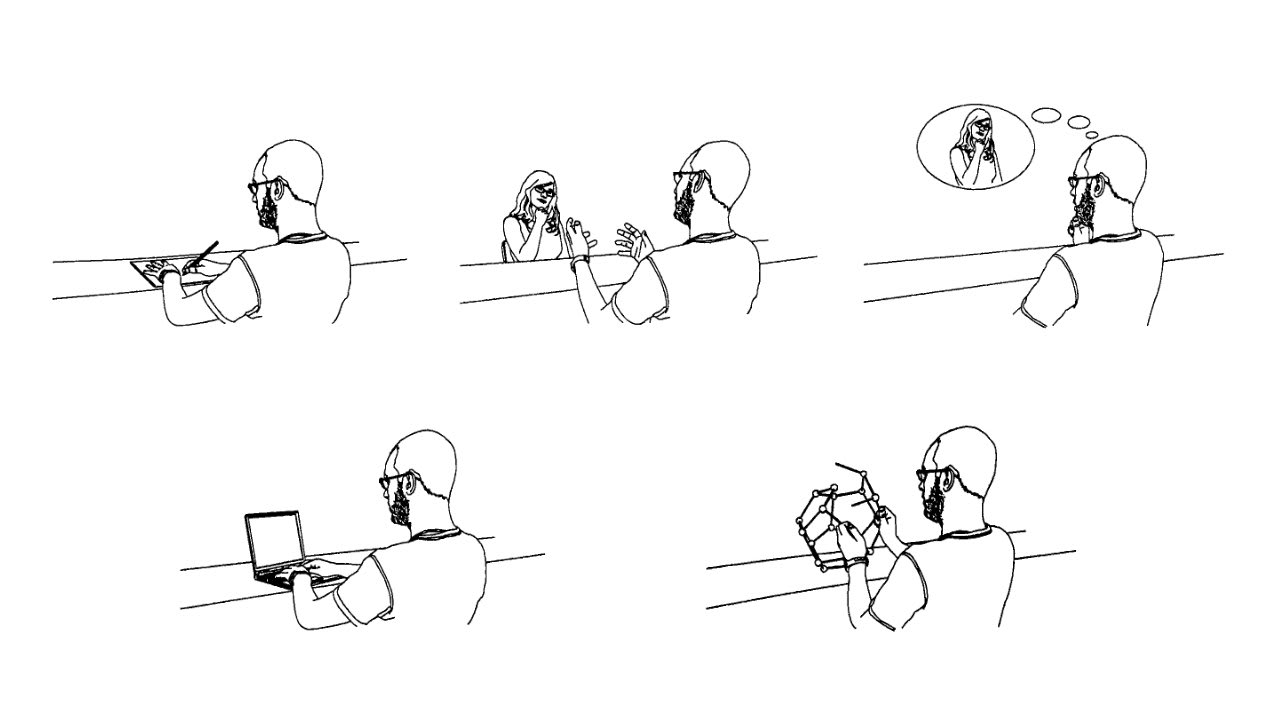
"Notes are conversations across time. I think this is more than just a poetic analogy. It is a shift in perspective that can be grounded in cybernetics theory, particularly Gordon Pask’s Conversation Theory. We often talk about knowledge as if it is a storable commodity. We gain, gather, and transfer knowledge, share knowledge artifacts, build knowledge graphs. Conversation Theory takes another view. It sees knowledge as conversational. Knowledge exists subjectively in our minds, and is constructed through conversation with others."
-
A Yogic Model for Information Processing - by Vakibs
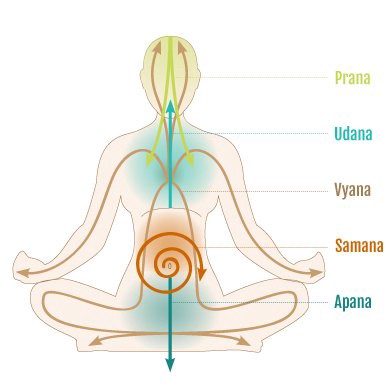
Are current user-interfaces encouraging us to consume information mindlessly? Does blocking information help? Can human consciousness be elevated by better interface design for applications? In this essay, I will use the Yogic philosophical framework to sketch out how such a theory for cognition and “information processing” might look like. In Yoga, before we deal with the mind, we discuss two things: food and breath. I will discuss them first as metaphors. This follows the understanding that the human body is a “Pancha Kōsha” or that it has 5 conceptual planes.
-
Rize.io - "an intelligent time tracker that improves your focus"
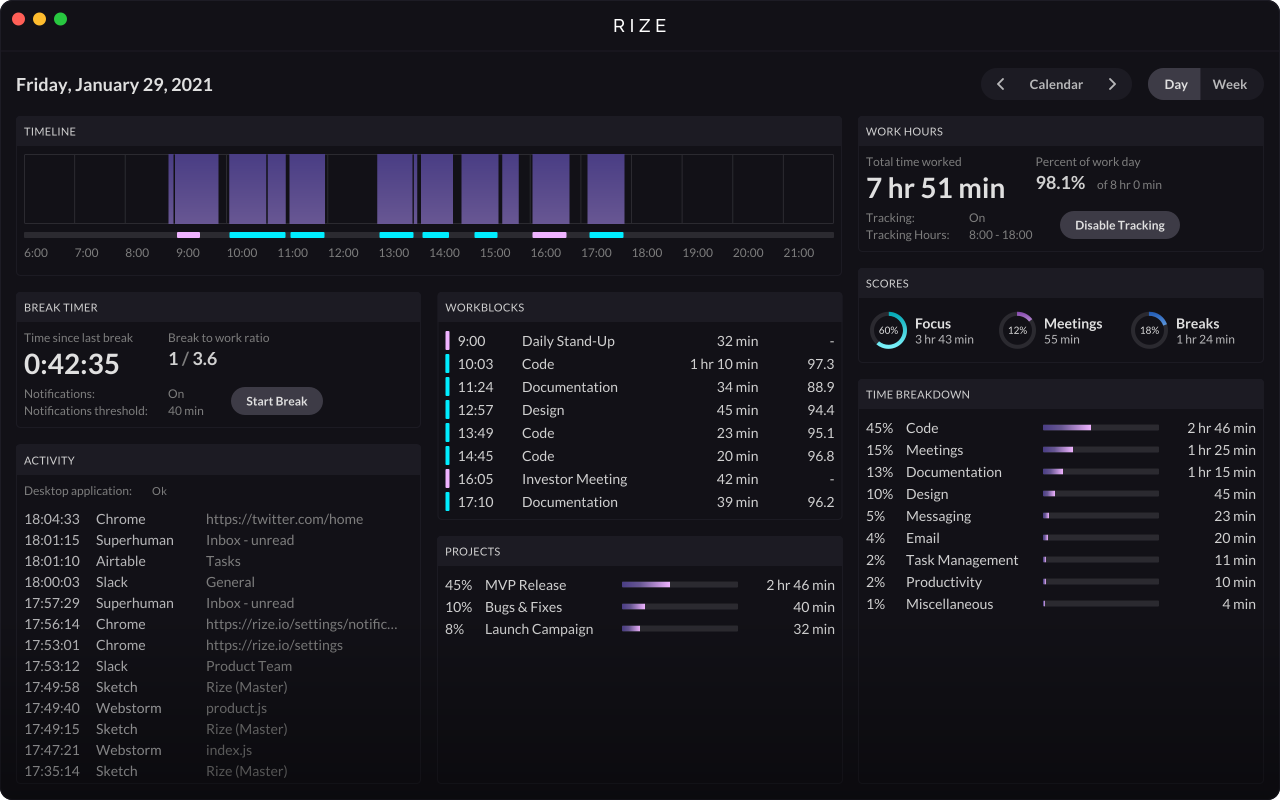
#Comment: This app represents late capitalism tech design at its finest. It helps you to meticulously track, surveil, measure and analyze every millisecond - cause "time is money and efficiency is paramount". The philosophy the app embodies is frankly nauseating and insane. The app's developers and users should take a very, very long break and ask themself "Save Time? Who for?, what is the value of laziness and productivity? What is the nature of being and time?
-
Reflections on witnessing the latest PR events from sillycon valley players
The sillycon valley players (Microsoft, Apple, Google, Amazon, etc.) seem to be stuck in a collective hallucination that makes them believe in a heavily sanitized version of "reality", that is 99% surface gloss and 1% essentials. Their focus is on delivering nice-to-have "consumer experience conveniences" coupled with ever increasing surveillance and control - instead of meeting the urgent needs of real people. Most poignantly, sillycon valley innovations are almost excursively catering to a ultra niche "WEIRD" audience ("Western, Educated, Industrialized, Rich & Democratic") that makes up only 12% of global population. As a result of all this, the next four billion people coming online are predominantly adopting technology solutions from incumbent non-weird players. It's time for sillycon valley to really "think different", or perish.