tag > KM
-
#Comment: A peculiar characteristic of the dominant (western) science paradigm, is how little emphasis is placed on cultivating mind-body states (beyond pure book learning, jointly shaping mental & physical conditions via exercise, meditation, diet, etc.) of participants (peers & public), while they interact with the science discipline and its fruits. During the past century, science has (re-) discovered, that the process of thinking-acting in living beings (incl. humans) is inherently embodied, multi-modal, contextual and distributed. Long dead is the notion of a disembodied philosopher king, generating objective truth from high above. Health and Cognitive accessibility are key for effective change-making. Yet, contemporary science is still practiced as strictly intellectual activity of sedentary elites, producing sacred knowledge on the assembly-lines of giant for-profit institutions. Peculiar indeed, as ancients cultures in India (Vedic, Yoga), China (Daosim, Qigong) or Greece (Philosophy, Sports) demonstrated the efficacy and joyfulness of a more holistic paradigm.
-
Personal Knowledge Management Criticism (wikipedia)
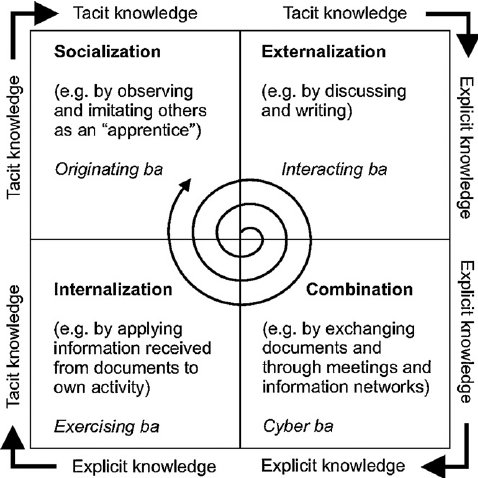
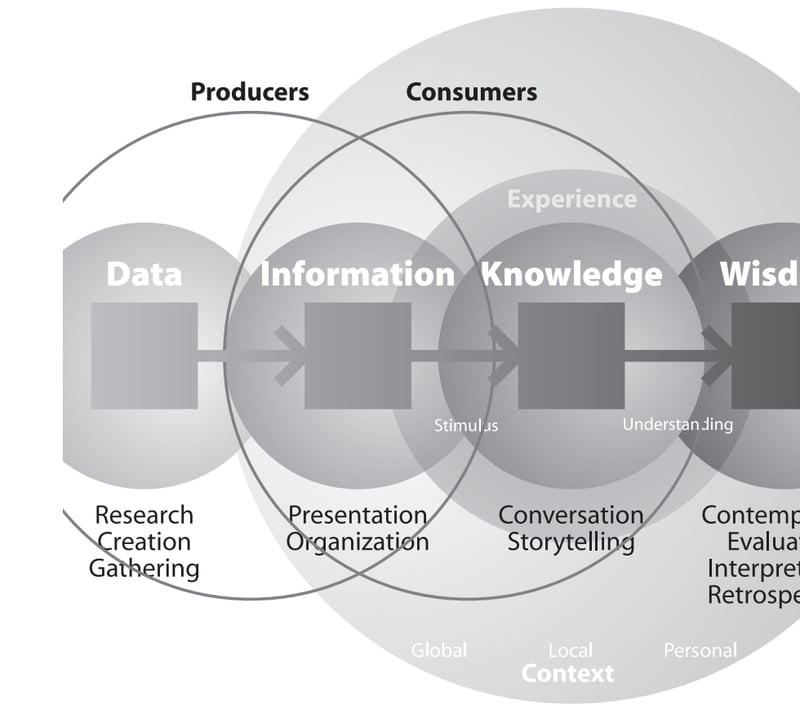
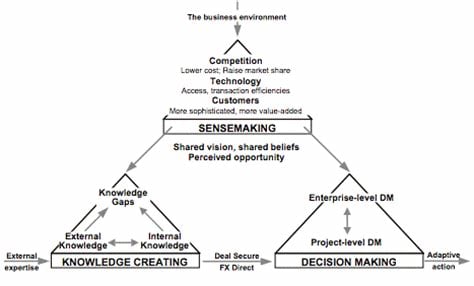
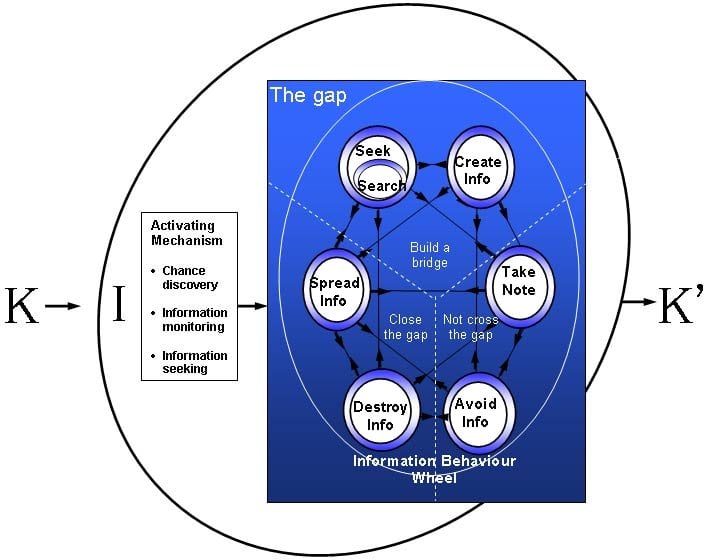
The Knowledge Spiral - by Nonaka & Takeuchi "It is not clear whether PKM is anything more than a new wrapper around personal information management (PIM). William Jones argued that only personal information as tangible resource can be managed, whereas personal knowledge cannot (Jones 2010). Dave Snowden has asserted that most individuals cannot manage their knowledge in the traditional sense of "managing" and has advocated thinking in terms of sensemaking rather than PKM (Snowden & Pauleen 2008). Knowledge is not solely an individual product—it emerges through connections, dialog and social interaction (see Sociology of knowledge). #KM
-
Modelling serendipity in a computational context - Research paper by Joseph Corneli, Anna Jordanous, Christian Guckelsberger, Alison Pease, Simon Colton (2019)
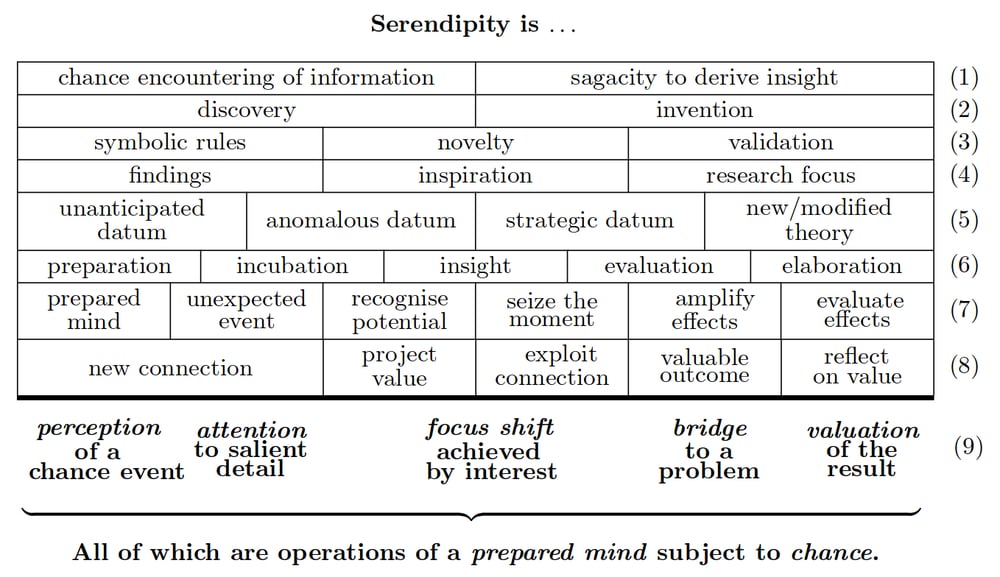
A more naive interpretation of serendipity from the paper "Designing a Semantic Sketchbook to Create Opportunities for Serendipity" (2012):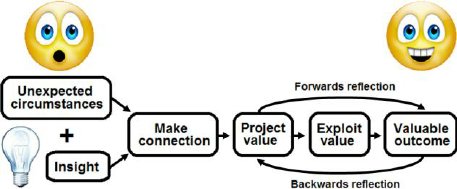
"All models are wrong, but some are useful" - George Box
-
Argument Map - visual representation of the structure of an argument.
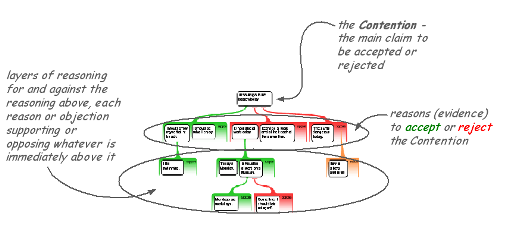
Argument maps are box-and-line diagrams that lay out visually reasoning and evidence for and against a statement or claim. A good map clarifies and organizes thinking by showing the logical relationships between thoughts that are expressed simply and precisely. Argument maps are driven by asking, ‘Should I believe that? Why, or why not?’.
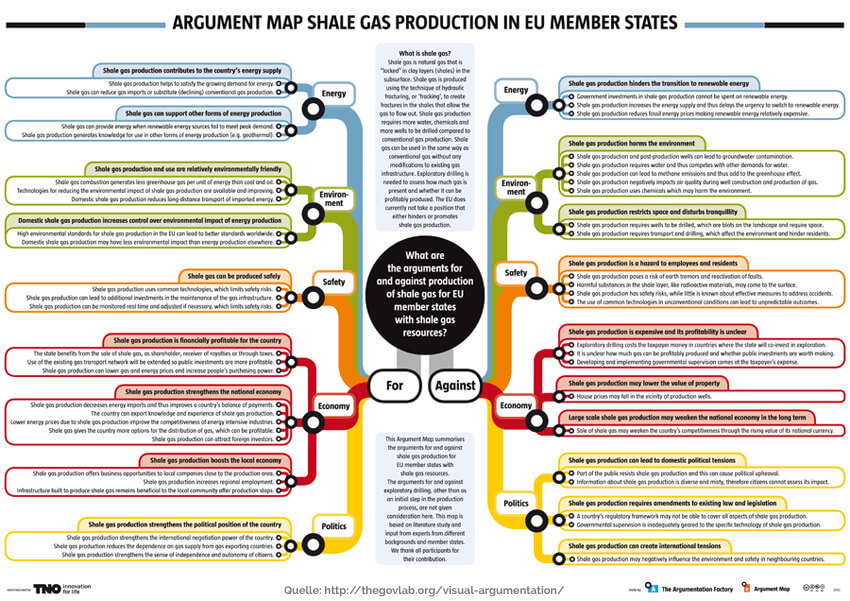
A collection of mapping tools can be found at: https://www.mind-mapping.org
Related: Seven management and planning tools & Affinity Diagrams#KM #Science #Philosophy #Education #Politics #Military #HCI #Design
-
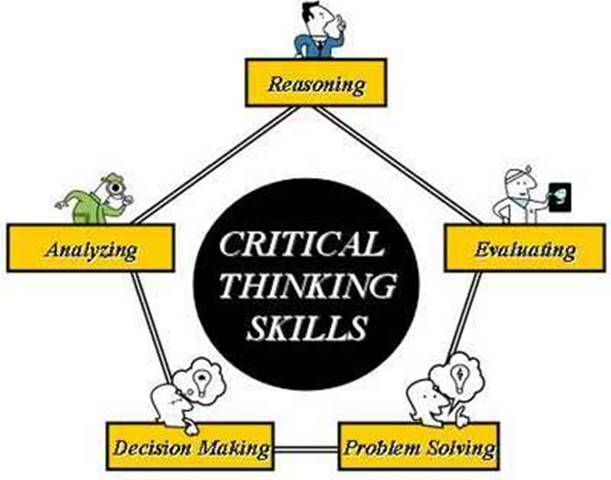
The core of critical thinking is your ability to correct and improve your own reasoning.
"It is the mark of an educated mind to be able to entertain a thought without accepting it."
- Aristotle -
The Reflect! platform - "Designed to organize reflective consensus building on wicked problems in small teams" - by Dr. Michael Hoffmann and the "Reflect! Lab" at Georgia Tech
AGORA-Net - a Computer-Supported Collaborative Argument Visualization (CSCAV) tool. An argument is defined here as a set of statements—a claim and one or more reasons—where the reasons jointly provide support for the claim, or are at least meant to support the claim.
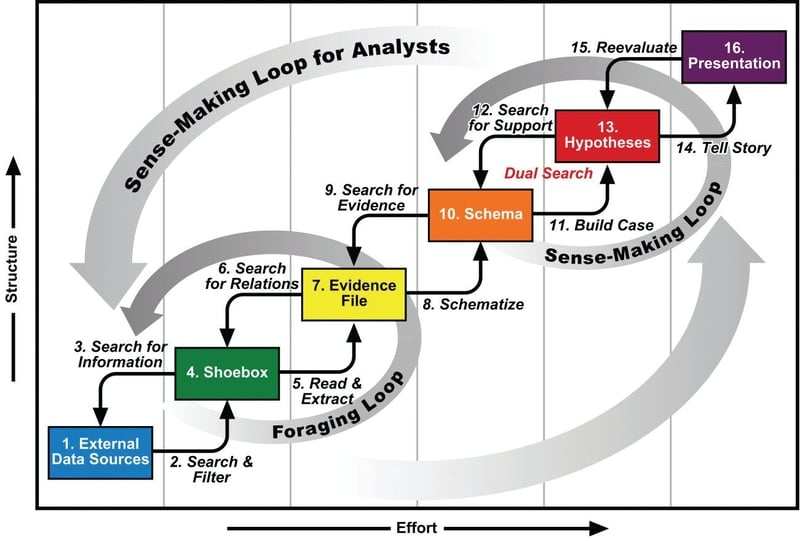
#Comment: If you have advanced "sensemaking" infrastructure, but in praxis predominately use it to advance the narrow interests of the military industrial complex ("kill, surveil, control"), shouldn't it be called "nonsensemaking" instead?
#KM #HCI #Complexity #Science #Philosophy #Design #Military #Business
-
Exploring Abductive Reasoning - The Logic of Maybe
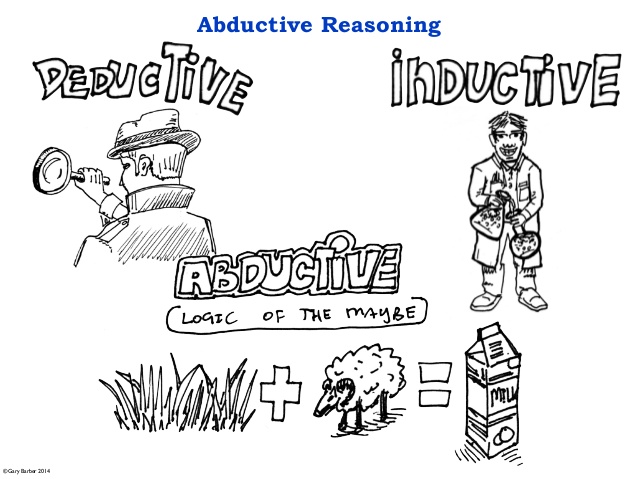
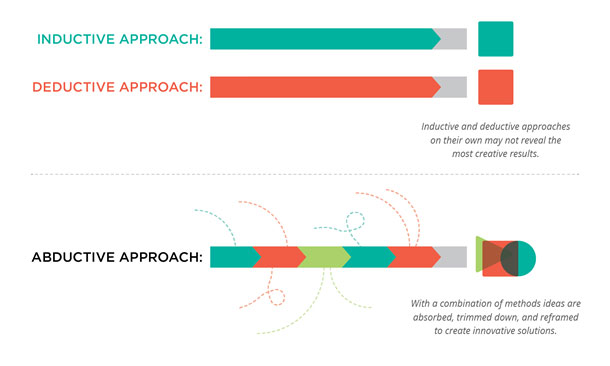
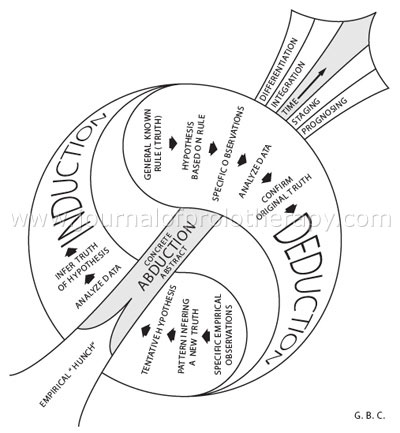
Abductive reasoning is a form of logical inference which starts with an observation or set of observations then seeks to find the simplest and most likely explanation for the observations. This process, unlike deductive reasoning, yields a plausible conclusion but does not positively verify it. Abductive conclusions are thus qualified as having a remnant of uncertainty or doubt, which is expressed in retreat terms such as "best available" or 'most likely.
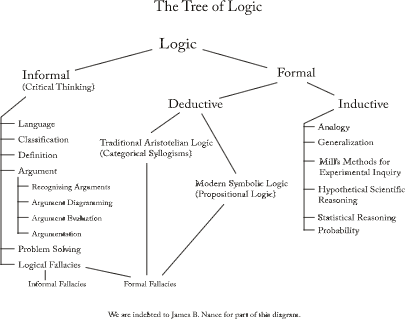
Put differently, Abduction is drawing a conclusion using a heuristic that is likely, but not inevitable given some foreknowledge.e.g., I observe sheep in a field, and they appear white from my viewing angle, so sheep are white. Contrast with the deductive statement: "Some sheep are white on at least one side". To simplify and summaries: Deductive = Top down logic - Inductive = Bottom up logic - Abductive = What seems most probably?
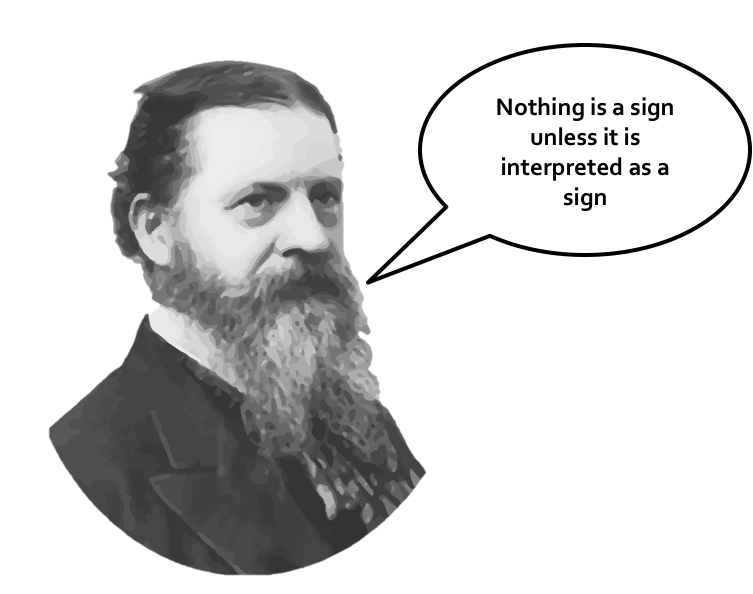
The American philosopher Charles Sanders Peirce (1839–1914) introduced abduction into modern logic. Over the years he called such inference hypothesis, abduction, presumption, and retroduction. He considered it a topic in logic as a normative field in philosophy, not in purely formal or mathematical logic, and eventually as a topic also in economics of research. (wikipedia)
In later years his view came to be:- Abduction is guessing. It is "very little hampered" by rules of logic. Even a well-prepared mind's individual guesses are more frequently wrong than right. But the success of our guesses far exceeds that of random luck and seems born of attunement to nature by instinct (some speak of intuition in such contexts).
- Abduction guesses a new or outside idea so as to account in a plausible, instinctive, economical way for a surprising or very complicated phenomenon. That is its proximate aim.
- Its longer aim is to economize inquiry itself. Its rationale is inductive: it works often enough, is the only source of new ideas, and has no substitute in expediting the discovery of new truths.
- Pragmatism is the logic of abduction. Upon the generation of an explanation, the pragmatic maxim gives the necessary and sufficient logical rule to abduction in general. The hypothesis, being insecure, needs to have conceivable implications for informed practice, so as to be testable and, through its trials, to expedite and economize inquiry. The economy of research is what calls for abduction and governs its art.
Abductive Reasoning Illustrations: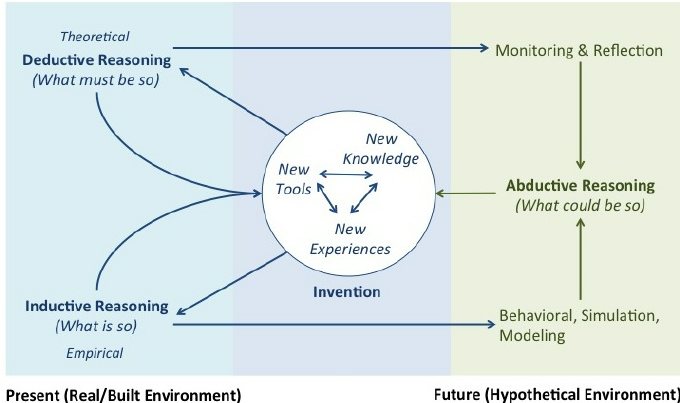
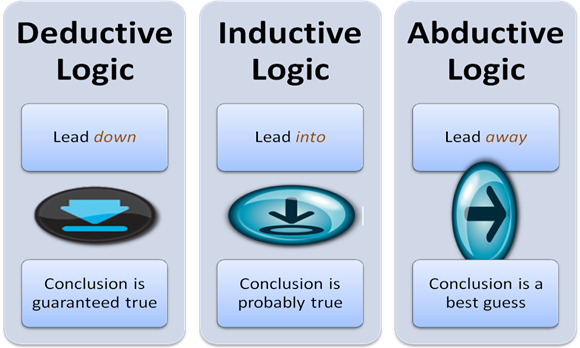
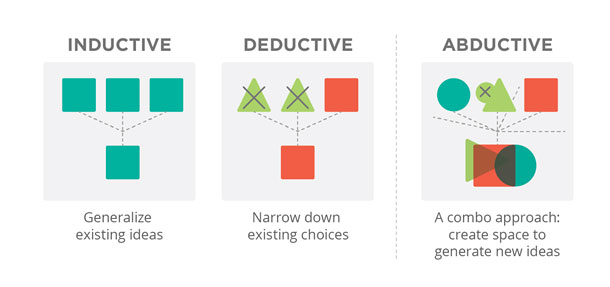
Abductive Reasoning Links:
- Stanford Encyclopedia of Philosophy - Abduction
- Book: Abductive Reasoning - by Douglas N. Walton (2005)
- Journal: Abductive Cognition - The Epistemological and Eco-Cognitive Dimensions of Hypothetical Reasoning - by Lorenzo Magnani (2009)
- Building a Rationale for Evidence-Based Prolotherapy in an Orthopedic Medicine Practice, Part 1: A Short History of Logical Medical Decision Making - By Gary B. Clark
- Using Your Logical Powers: Abductive Reasoning for Business Success - by Iffat Jokhio, Ian Chalmers (2015)
- Looking past yesterday's tomorrow: Using futures studies methods to extend the research horizon - by Jennifer Mankoff et.al (2013)
- Abduction as a Rational Means to Creativity. Unexpressed Knowledge and Scientific Discovery - by Lorenzo Magnani et.al
- Creativity: Surprise and abductive reasoning - by Maria Eunice Quilici Gonzalez (2005)
- Lightning Talk: The Seven Horses of Abductive Reasoning - by C.A. Corriere (2018)
Related Approaches:
The following text from Noah Raford's "On design and the use of abductive reasoning" post, provides a good overview of recent history of Abductive methods in Design:
"The interest in the use of abductive, analogic and intuitive problem-solving has major roots in the “design studies” movement of the late 1960’s & 1970’s.
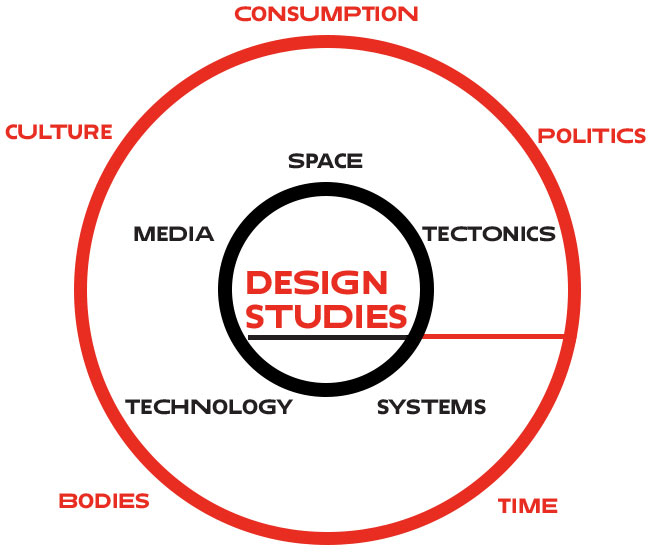
This movement started in the UK, primarily thanks to the work of Leslie Martin and Lionel March at the Cambridge Centre at the Cambridge School of Architecture. March and Martin were at the head of a generation of scholars seeking to systematise and understand how architects and designers thought about the world. This paralleled research into cybernetics & AI in the states by Herbert Simon, but for some reason it seems that there was a critical confluence of design thinkers in the UK at that time, and most of the literature around induction, abduction, etc. seems to come from this period.
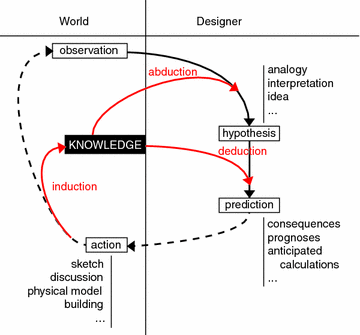
Image: "Architectural Design Thinking as a
Form of Model-Based Reasoning" (2013)The key ideas: The original intention of this group was to understand and document the design process. The hope was that if you understood how architects and designers perceived the world, you could replicate this in computer or expert-systems (and then do away with or “improve” the designer). Because replicability was one of the key goals, a natural sciences approach was taken to observing designers. A lot of controlled experiments were set up in laboratories to test “design problem solving”, most of which failed miserably. This led to a more ethnographic approach, including some of the first anthropological approaches to knowledge elicitation that I’ve ever seen.
What they found was that:
“Scientists adopt a problem-focused strategy and architects a solution-focused strategy.” (Lawson, 1979)
“The scientific method is a pattern of problem-solving behaviour employed in finding out the nature of what existis, whereas the design method is a pattern of behaviour employed in inventing things of value which do not yet exists. Science is analytic, design is constructive.” (Gregory, 1966)
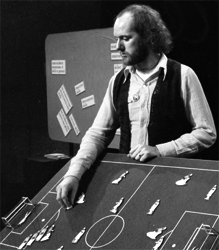
Image: "Nigel Cross explains the
design process" (1975)This places a heavy emphasis on action, testing, and observation, in that order, and highlights the essentially creative nature of design. Nigel Cross, who is still teaching at the Open University, suggests that design is “a process of pattern-synthesis, when the solution is not simply ‘lying there in the data’ but has to be actively constructed by the designer’s own efforts.”. You can see how this relates to the notion of abduction. Peirce suggests that, “the whole fabric of our knowledge is one matted felt of pure hypothesis confirmed and refined by induction.” This is very similar to design. In other words,
“[Architects] learn about the nature of the problem largely as a result of trying out solutions, whereas the scientists set out specifically to study the problem.” (Lawson, 1980)
Schum notes that if Peirce is correct, “new ideas emerge as we combine, marshal or organize thoughts and evidence in different ways.” Because the design method is fundamentally exploratory, it is about hypothesis generation based on the most uncertain and sketchy forms of data. It uses both abductive and constructive reasoning to show “what might be”, instead of deductive reasoning to show “what is”." Read more..

In recent decades, Abductive Logic and Reasoning has been extensively studied in the context of Artificial Intelligence and Machine Learning research. A few links, old & new:
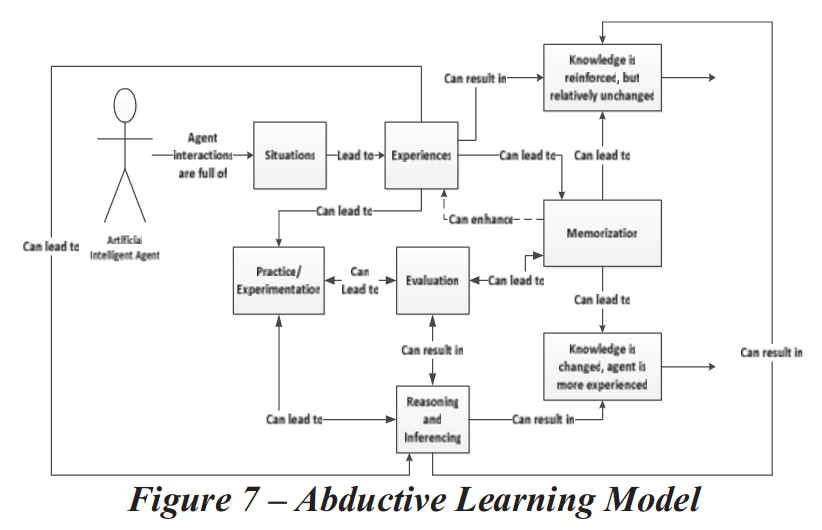
- Abductive Artificial Intelligence Learning Models - by James A. Crowder and John N. Carbone (Raytheon Intelligence, 2017)
- Approaches to abductive reasoning: an overview - by Gabriele Paul (1993)
- AI Approaches to Abduction - by Gabriele Paul (1998)
- Logic-Based Abductive Inference - Sheila A.McLlraith (Stanford, 1998)
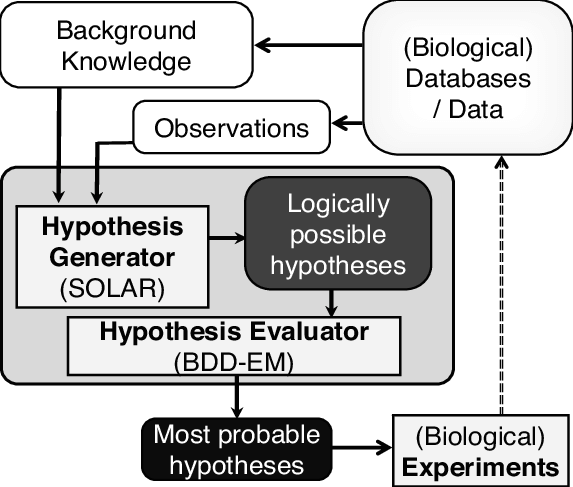
- Evaluating Abductive Hypotheses using an EM Algorithm on BDDs (2009)
- Bridging Machine Learning and Logical Reasoning by Abductive Learning - by Wang-Zhou Dai et.al (2019) and video presentation of research
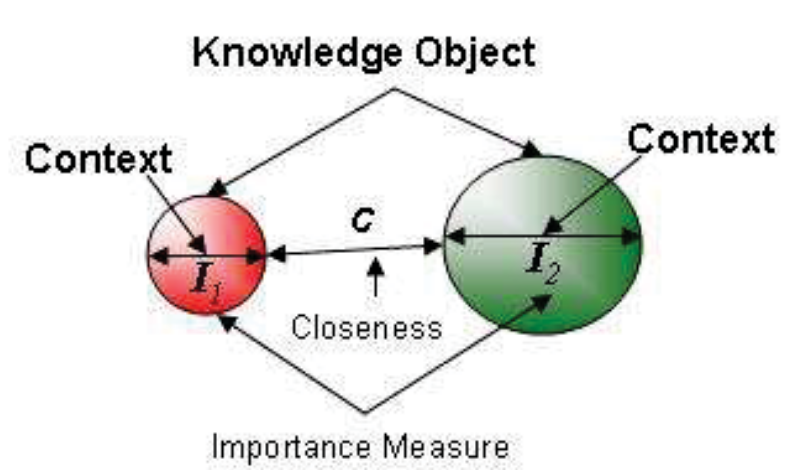
Related Ideas by Abductive Logic pioneer Charles Sanders Peirce, on Semiotics:
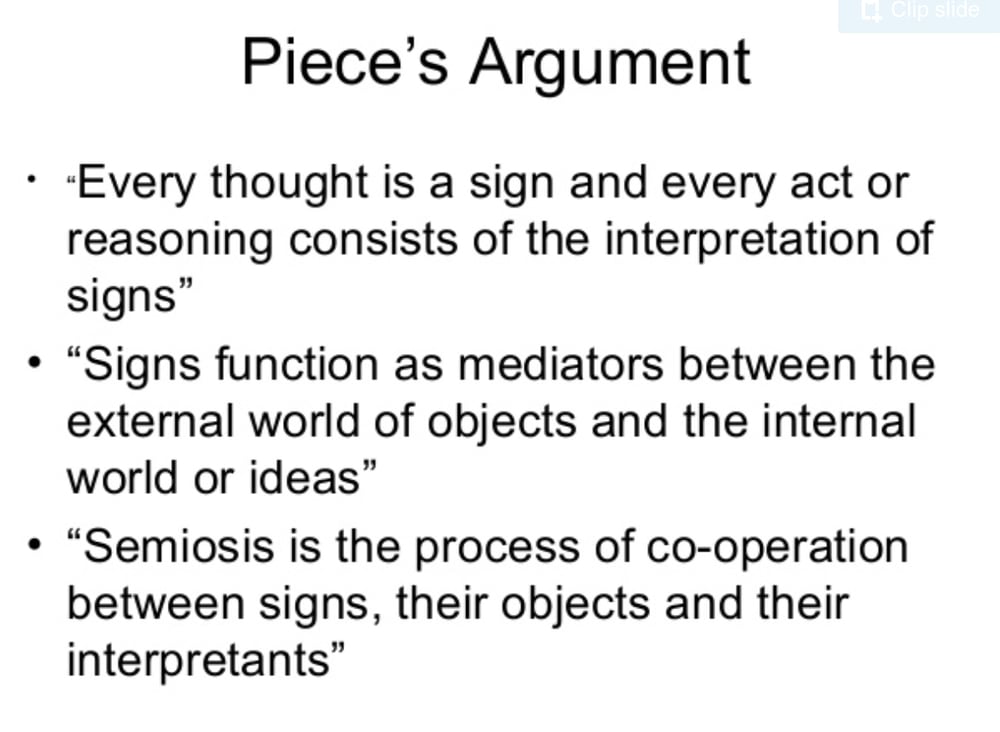
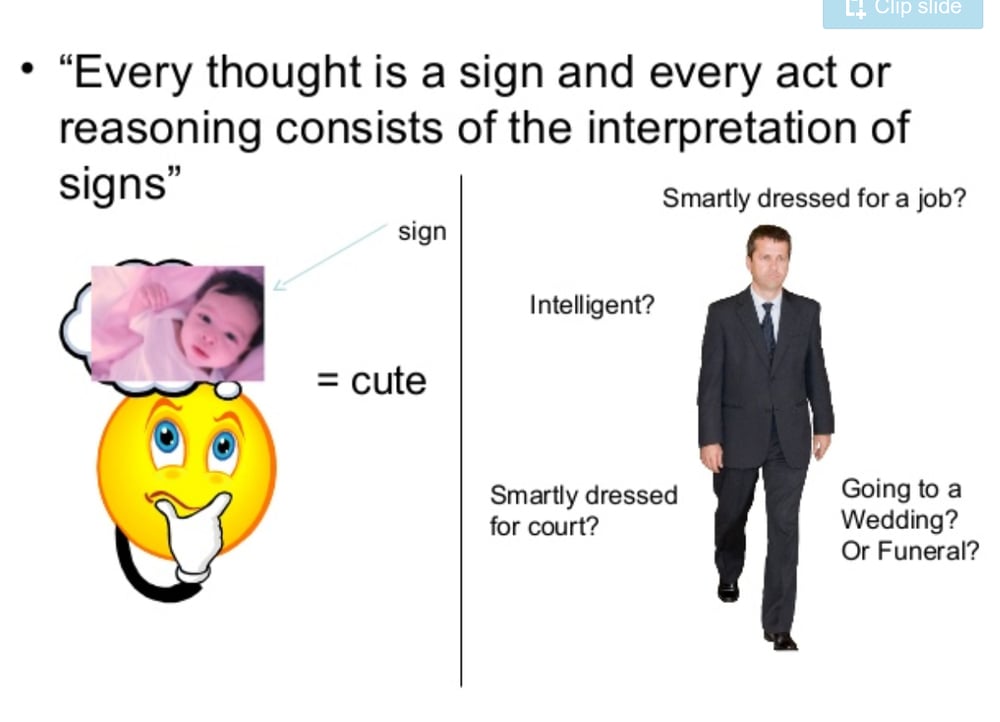
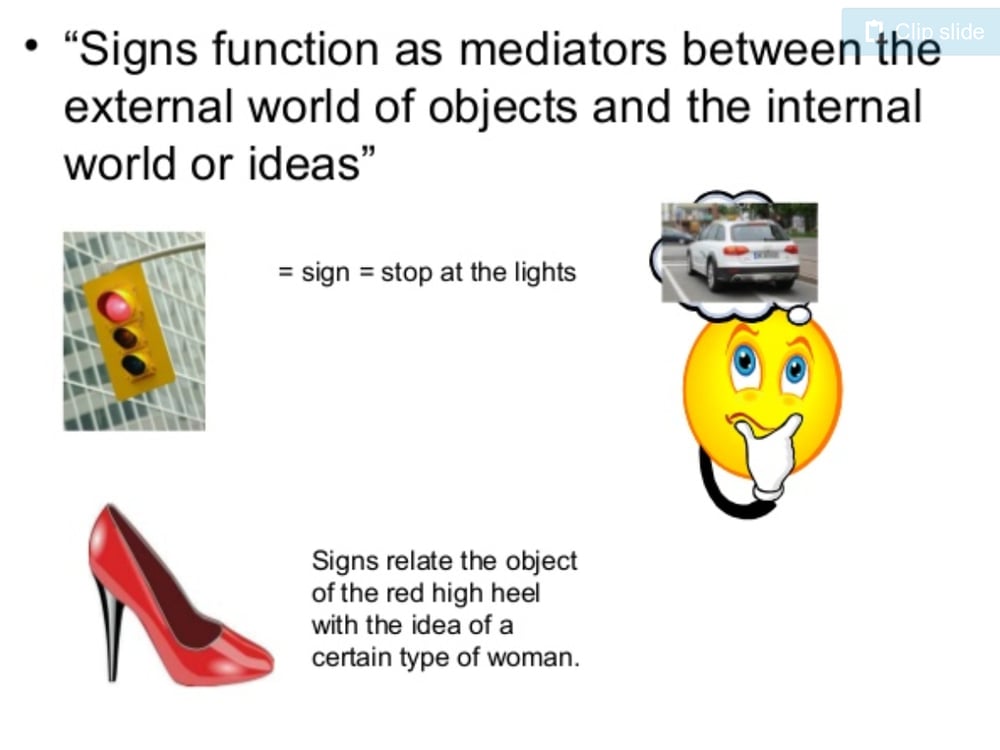
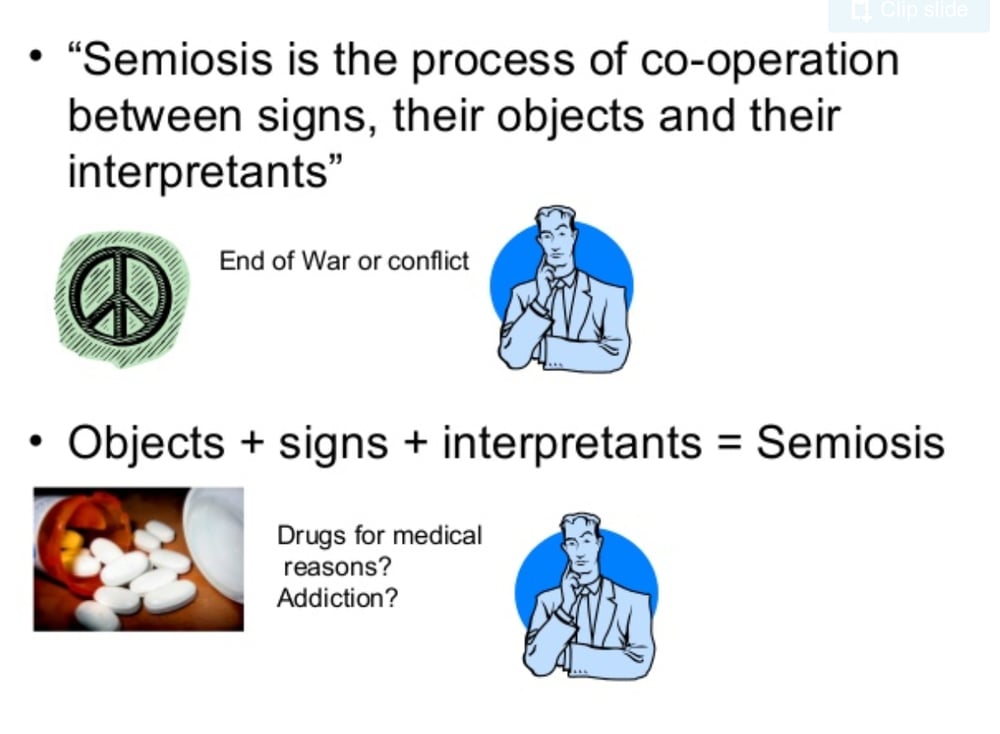
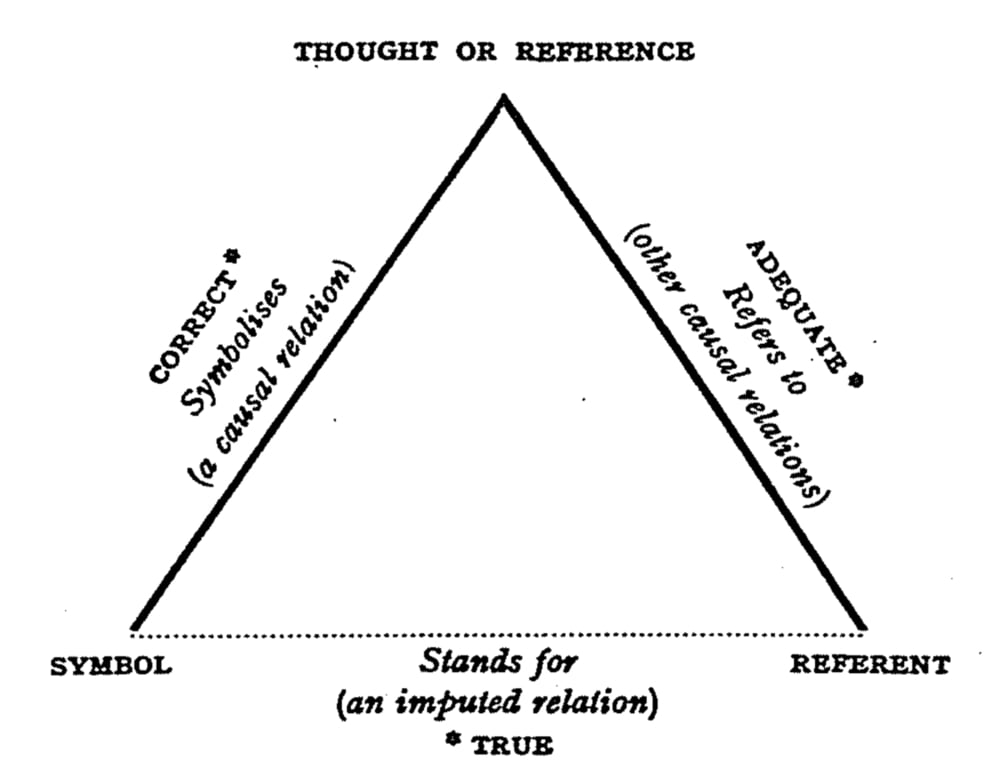
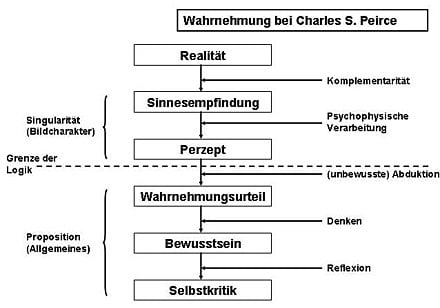
"The essence of belief is the establishment of a habit; and different beliefs are distinguished by the different modes of action to which they give rise."
- Charles Sanders PeirceNot a Poem: Not Logic, Not Prose and Not Really Poetry - by Rolf (2013)
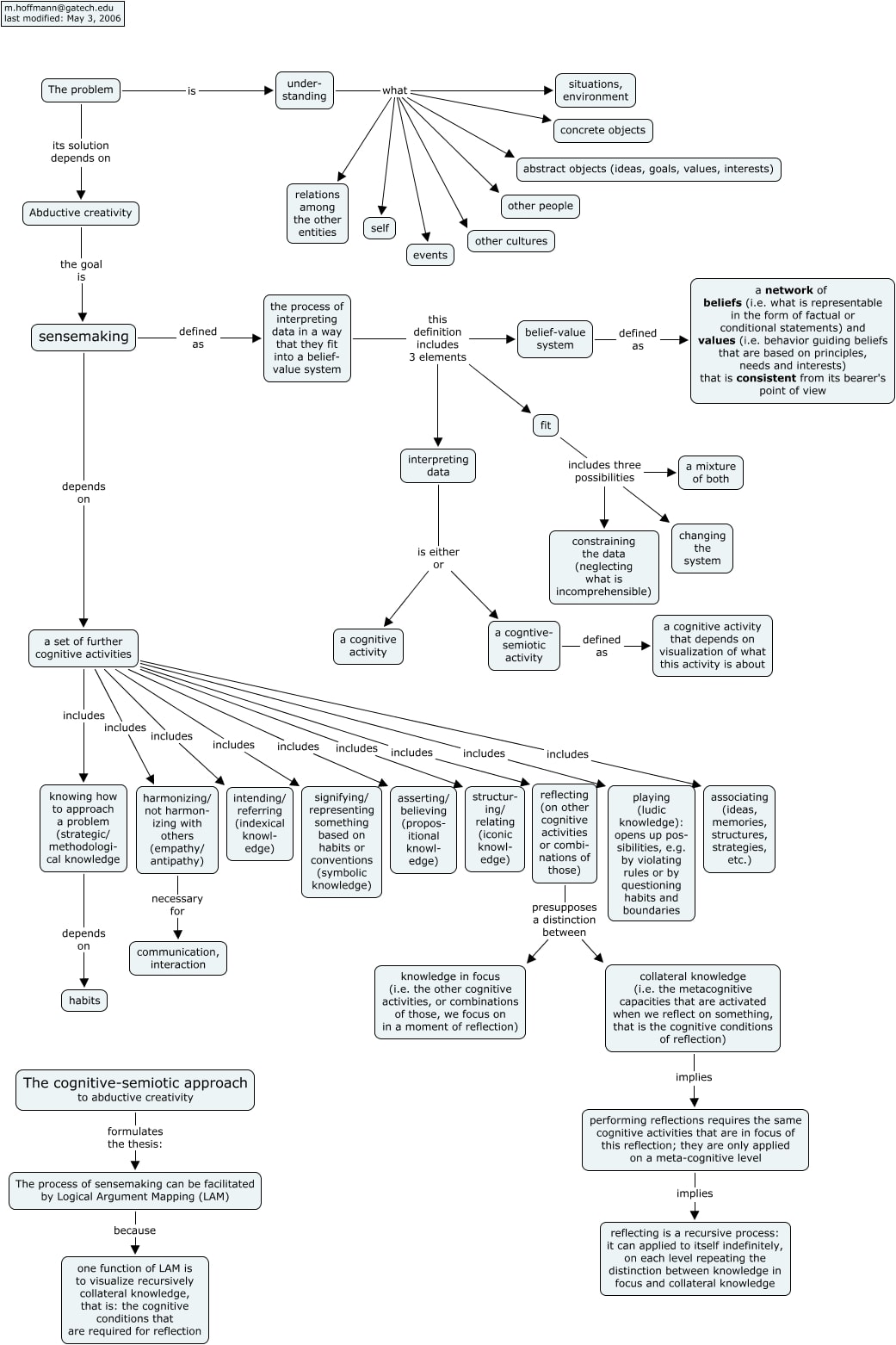
Aductive creativity map (2006)- by Michael Hoffmann BASED ON TRUE EVENTS: "I have been teaching Geometry this year,and trying my best to explain logic,deduction vs induction, and the ever present, always faulty, always useful, abductive “reasoning.”Without abductive reasoning, life itself would not be possible for humans. Induction and deduction? Entirely optional. Our car, (which only had 3 out 4 cyliders working) started to turn itself off, at apparently random intervals. There you’d be, changing lanes, in what you thought was a car,and poof no car, just a large metal box that looked like a car,with a seat belt, a driver’s seat, and a silent engine,rolling to a final velocity of zero. I drove the box / car to five dealerships in town,while searching for the best replacement for the box.I can now say, what others have noted before;
“Pure logic, when considering a car, (or any thing else other than numbers) does not exist.”
#KM #Philosophy #Science #ML #Creativity #Design #Complexity #Evolution #Magic
-
From "Technopoly: The Surrender of Culture to Technology" - by Neil Postman (1992)
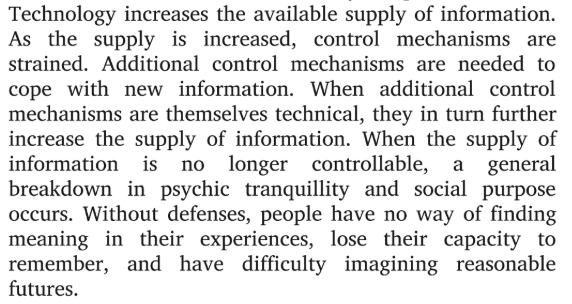
Illuminating another side of the Information Dynamics, which H.Simon pointed to:
"What information consumes is rather obvious: it consumes the attention of its recipients. Hence a wealth of information creates a poverty of attention, and a need to allocate that attention efficiently among the overabundance of information sources that might consume it." ―Herbert Simon (Designing Organizations for an Information-Rich World, 1969)
See as well this video interview with Neil Postman about Technopoly (C-Span, 1992)
-
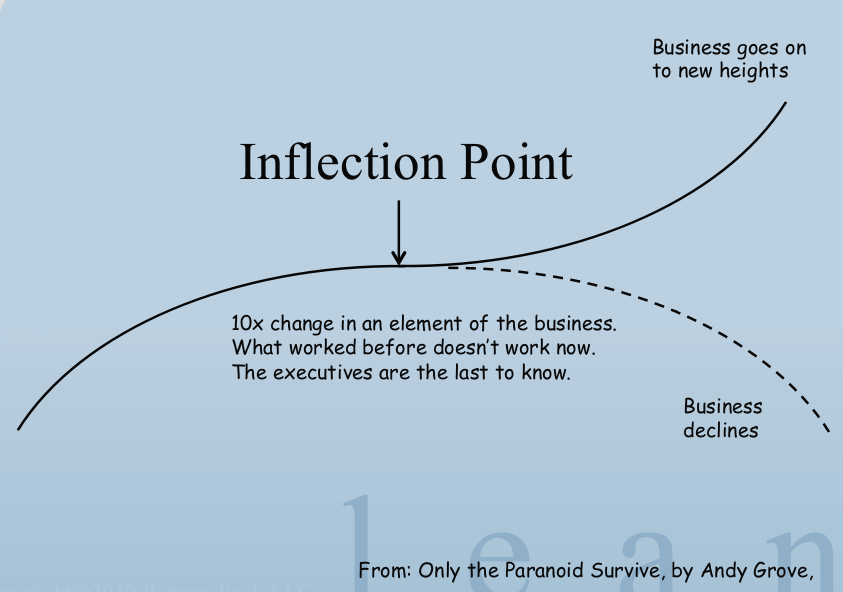
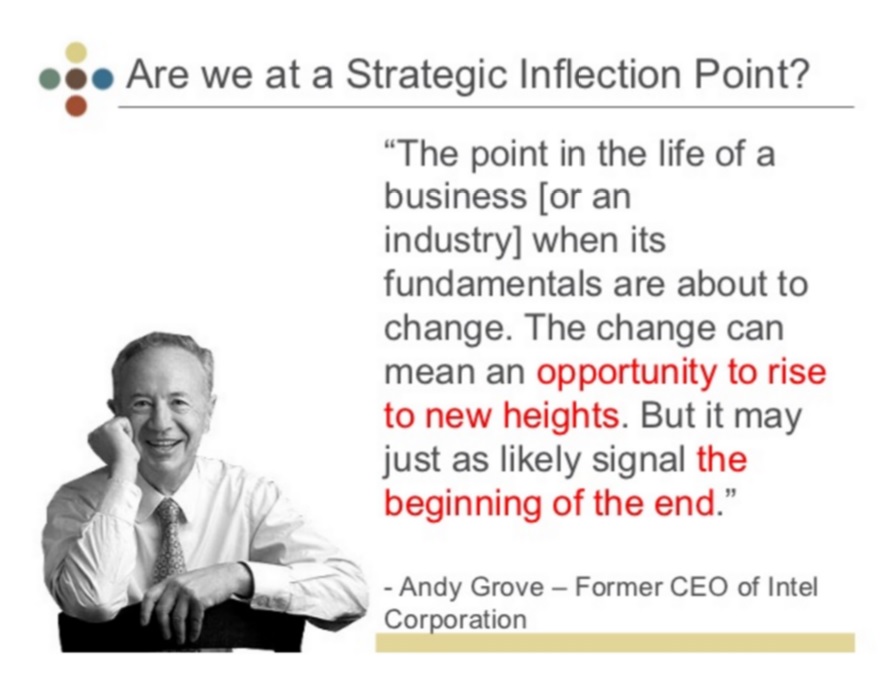
"Strategic Inflection Points" as defined by Andrew Grove (Intel co-founder) (talk)

-
Notes on the Historical Division between "Logical thinking" and "Visuals"
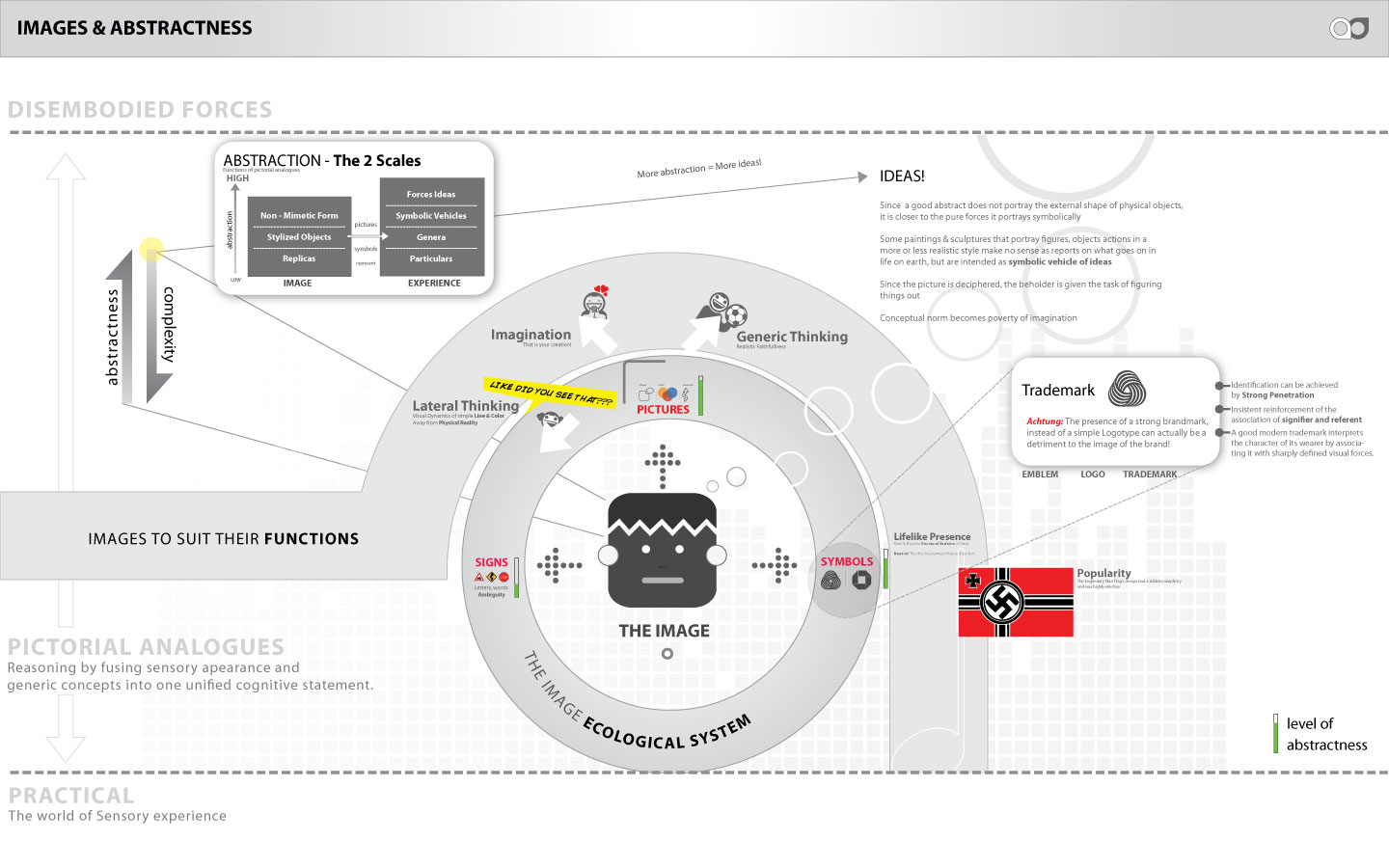
An description of the Image and its functions as a Picture, Signs & Symbols from the book "Visual Thinking" (1969) (via) Rudolf Arnheim suggested a historical division between "Logical thinking" and "Visuals" in his ground-breaking book, Visual Thinking (1969).
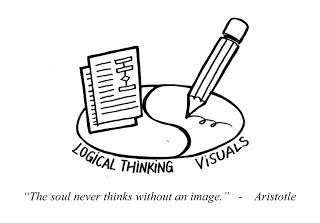
He pointed out that philosophers in ancient Greek credited the direct vision as the start and end source of wisdom although they also learned possible distortion in human’s visual perception (Arnheim, 1969. pp. 12). However, hundreds of years later, the potential of using sketching in creative problem solving are still paid less attention. Sketching is often not considered as a form of thinking. (found via viz-up-the-world)
In his book, Arnheim (1969. pp. 2-3) reflected on the issue as the followed:
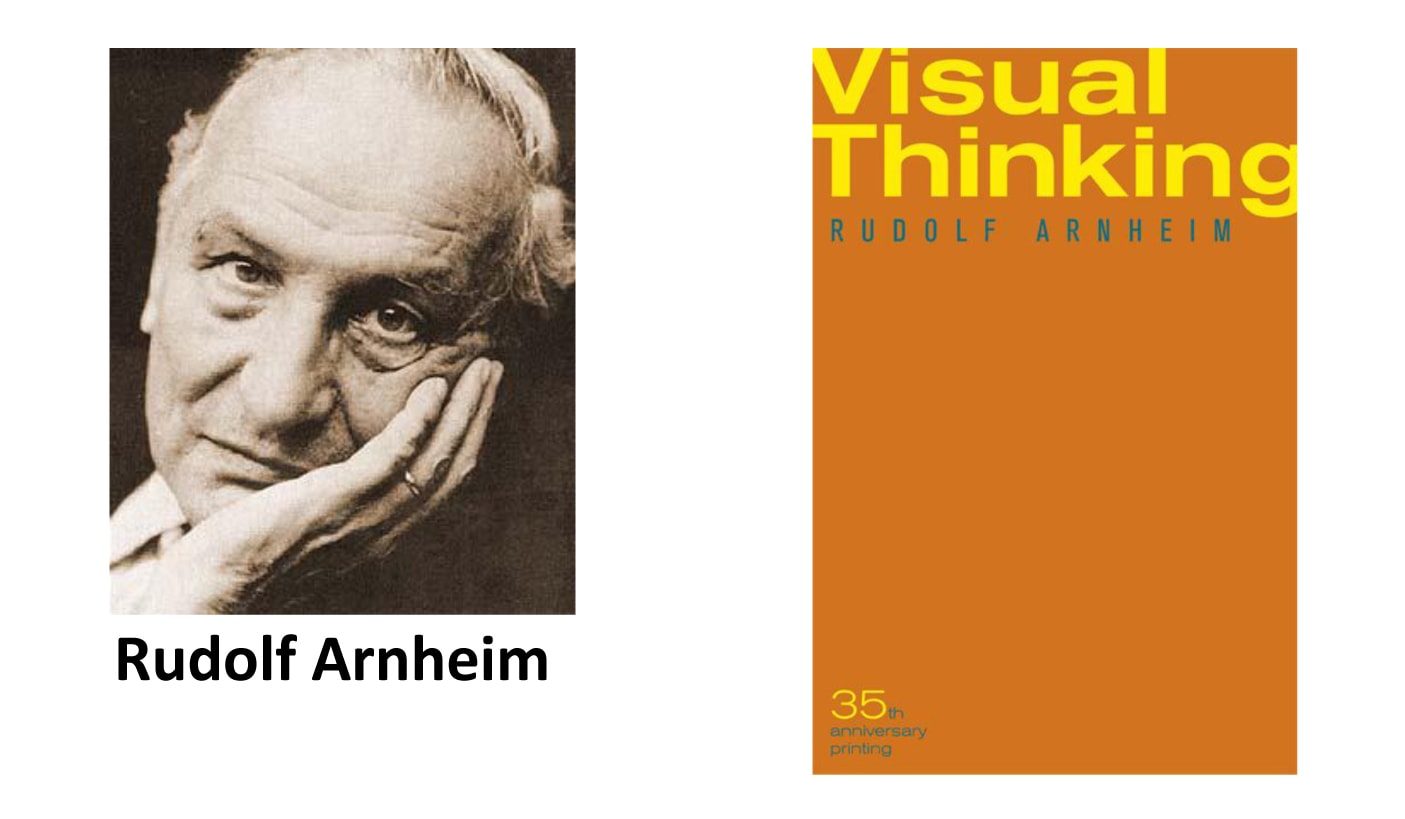
“Today, the prejudicial discrimination between perception and thinking is still with us. We shall find it in examples from philosophy and psychology. Our entire educational system continues to be based on the study of words and numbers … More and more the arts are considered as a training in agreeable skills, as entertainment and mental release."
"As the ruling disciplines stress more rigorously the study of words and numbers, their kinship with the arts is increasingly obscured, and the arts are reduced to a desirable supplement…. The arts are neglected because they are based on perception, and perception is disdained because it is not assumed to involve thought. In fact, educators and administrators cannot justify giving the arts an important position in the curriculum unless they understand that the arts are the most powerful means of strengthening the perceptual component without which productive thinking is impossible in any field of endeavor. The neglect of the arts is only the most tangible symptom of the widespread unemployment of the senses….”
"All perceiving is also thinking, all reasoning is also intuition, all observation is also invention." - Rudolf Arnheim
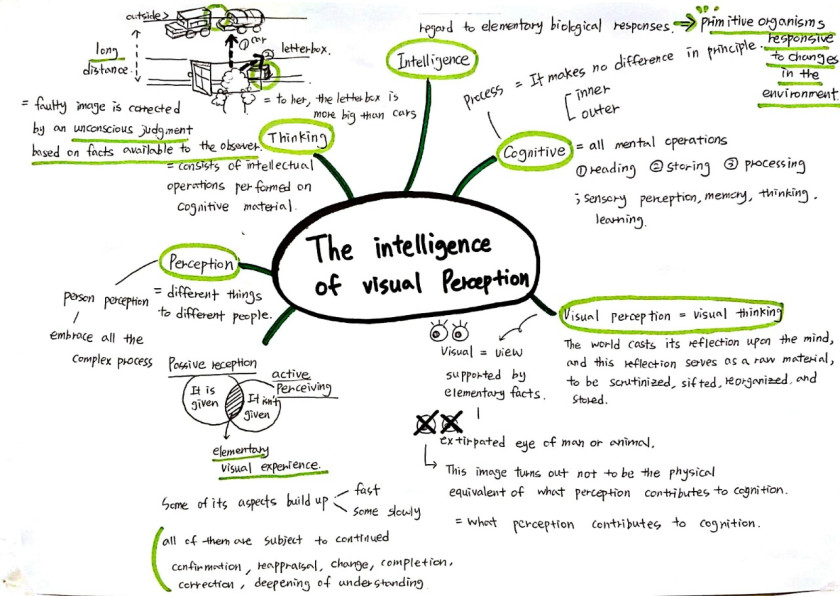
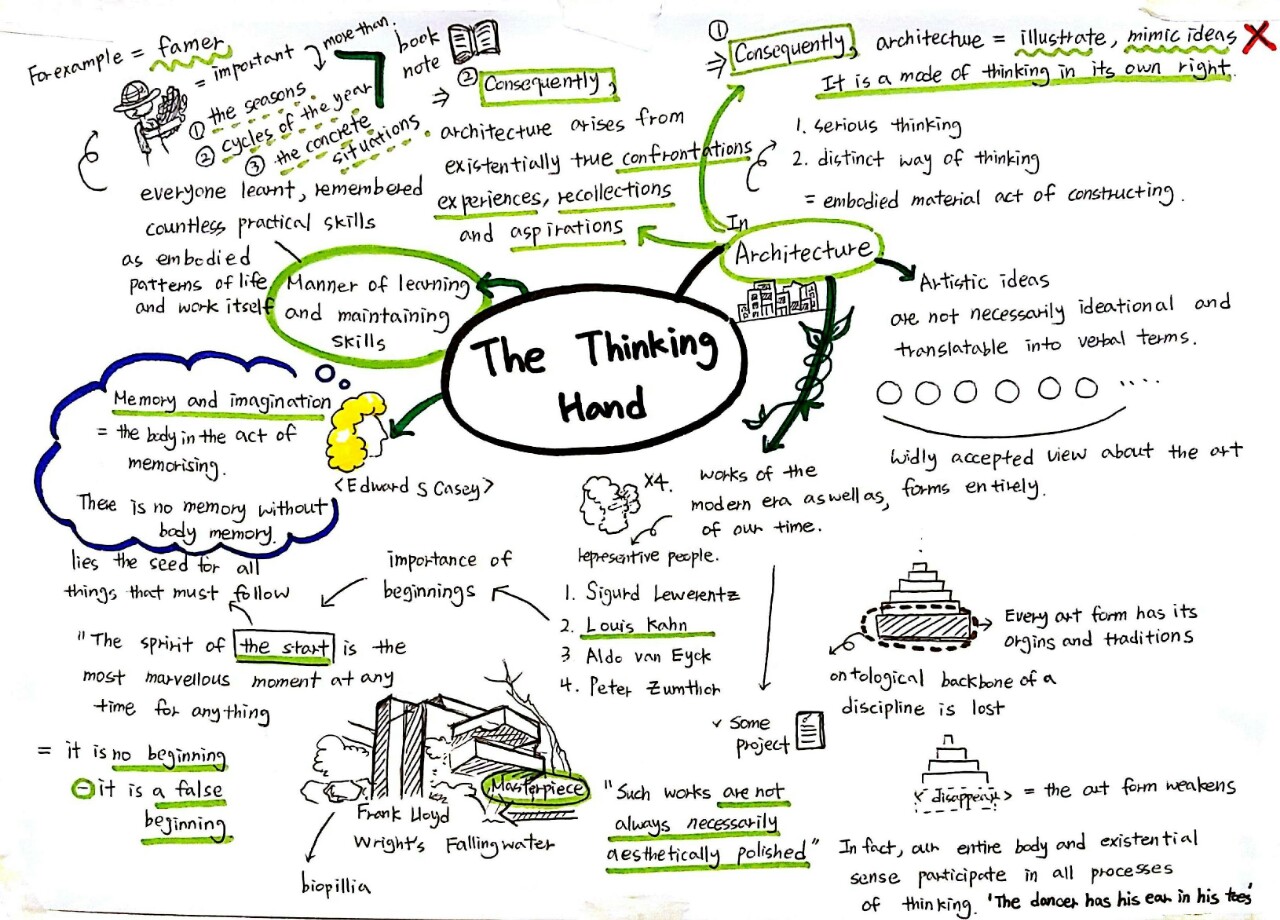
Mind map: Rudolf Arnheim - Visual Thinking & The Intelligence of Visual Perception.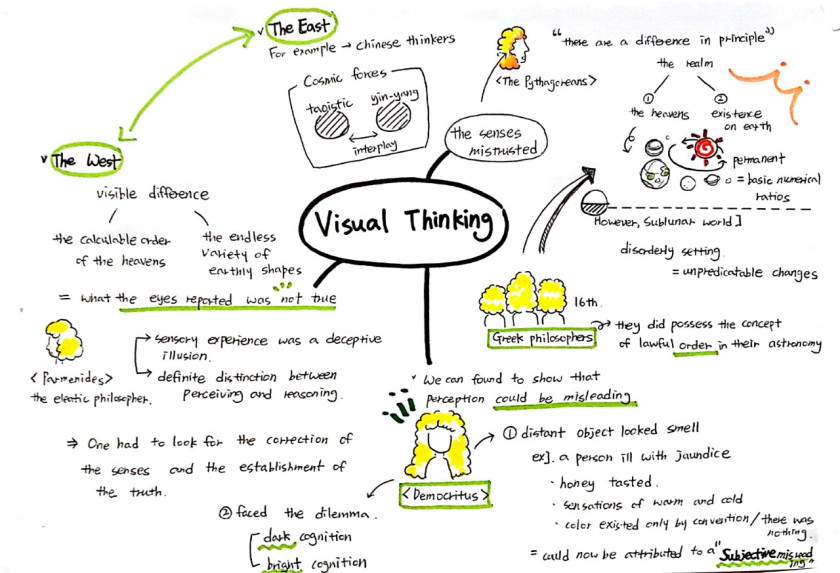
Simplicity, clarity, balance: A tribute to Rudolf Arnheim - by David Bordwell (2007):
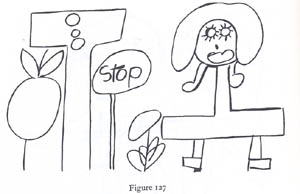
"My teachers Max Wertheimer and Wolfgang Köhler were laying the theoretical and practical foundations of gestalt theory at the Psychological Institute of the Uni of Berlin, and I found myself fastening on to what may be called a Kantian turn of the new doctrine, according to which even the most elementary processes of vision do not produce mechanical recordings of the outer world but organize the sensory raw material according to principles of simplicity, regularity, and balance, which govern the receptor mechanism. This discovery of the gestalt school fitted the notion that the work of art, too, is not simply an imitation or selective duplication of reality but a translation of observed characteristics into the forms of a given medium" (from Film as Art)
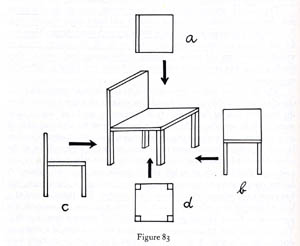
"We have been trained to think of perception as the recording of shapes, distances, hues, motions. The awareness of these measurable characteristics is really a fairly late accomplishment of the human mind. Even in the Western man of the twentieth century it presupposes special conditions. It is the attitude of the scientist and the engineer or of the salesman who estimates the size of a customer’s waist, the shade of a lipstick, the weight of a suitcase. But if I sit in front of a fireplace and watch the flames, I do not normally register certain shades of red, various degrees of brightness, geometrically defined shapes moving at such and such a speed. I see the graceful play of aggressive tongues, flexible striving, lively color. The face of a person is more readily perceived and remembered as being alert, tense, concentrated rather than being triangularly shaped, having slanted eyebrows, straight lips, and so on" (from Art and Visual Perception, first ed., 430).
"Without the flourishing of visual expression no culture can function productively" - Rudolf Arnheim
Related: What Is Visual Thinking? - by xplane (2019)
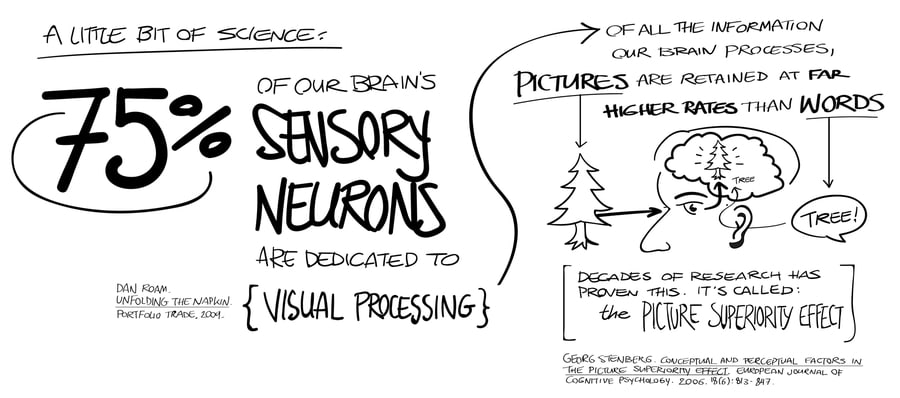
Related: Perceptual Psychology (wikipedia)
#KM #Design #Media #Book #Creativity #Education #HCI #Philosophy
-
-
Thortspace collaborative thinking app demo, exploring the Heidegger idea space in 3D.
-
Book: Educating the Reflective Practitioner: Toward a New Design for Teaching and Learning in the Professions - by Donald A. Schön (1983)
"Design as a Reflective Conversation with the Situation" - Donald A. Schön
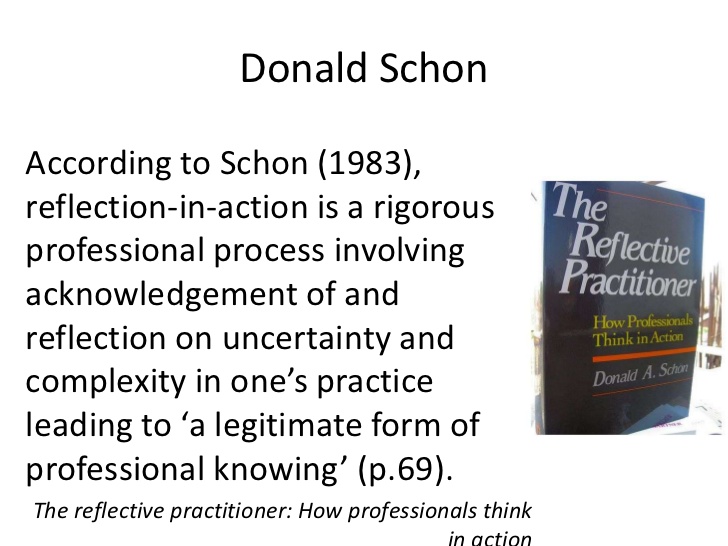
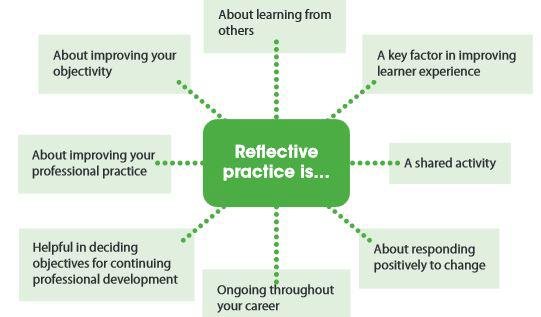
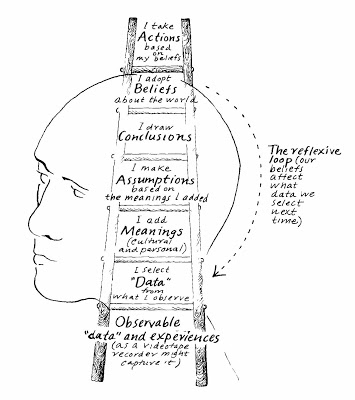
Reflective Practice Links
- Wikipedia: Reflective Practice
- Overview blog: The Reflective Practitioner by Donald Schon - by Peter Buwert (2012)
- Paper: Re-Educating The Reflective Practitioner: A Critique - by C.Cáceres (2017)
- Paper: An Ontology Of Donald Schön’s Reflection In Designing - by John.S.Gero
- Blog: Donald Schon (Schön): learning, reflection and change - by infed
- Presentation: Reflective Practice
#Design #Philosophy #Education #Urban #Architecture #Book #KM
-
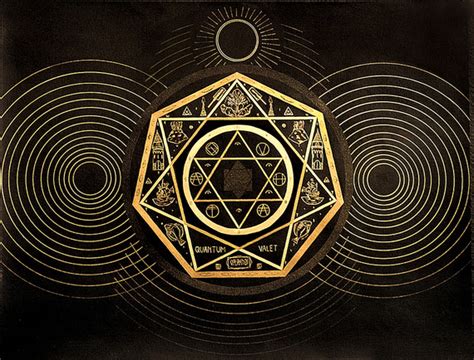
Mereology - (from the Greek μερος, ‘part’) is the theory of parthood relations: of the relations of part to whole and the relations of part to part within a whole.
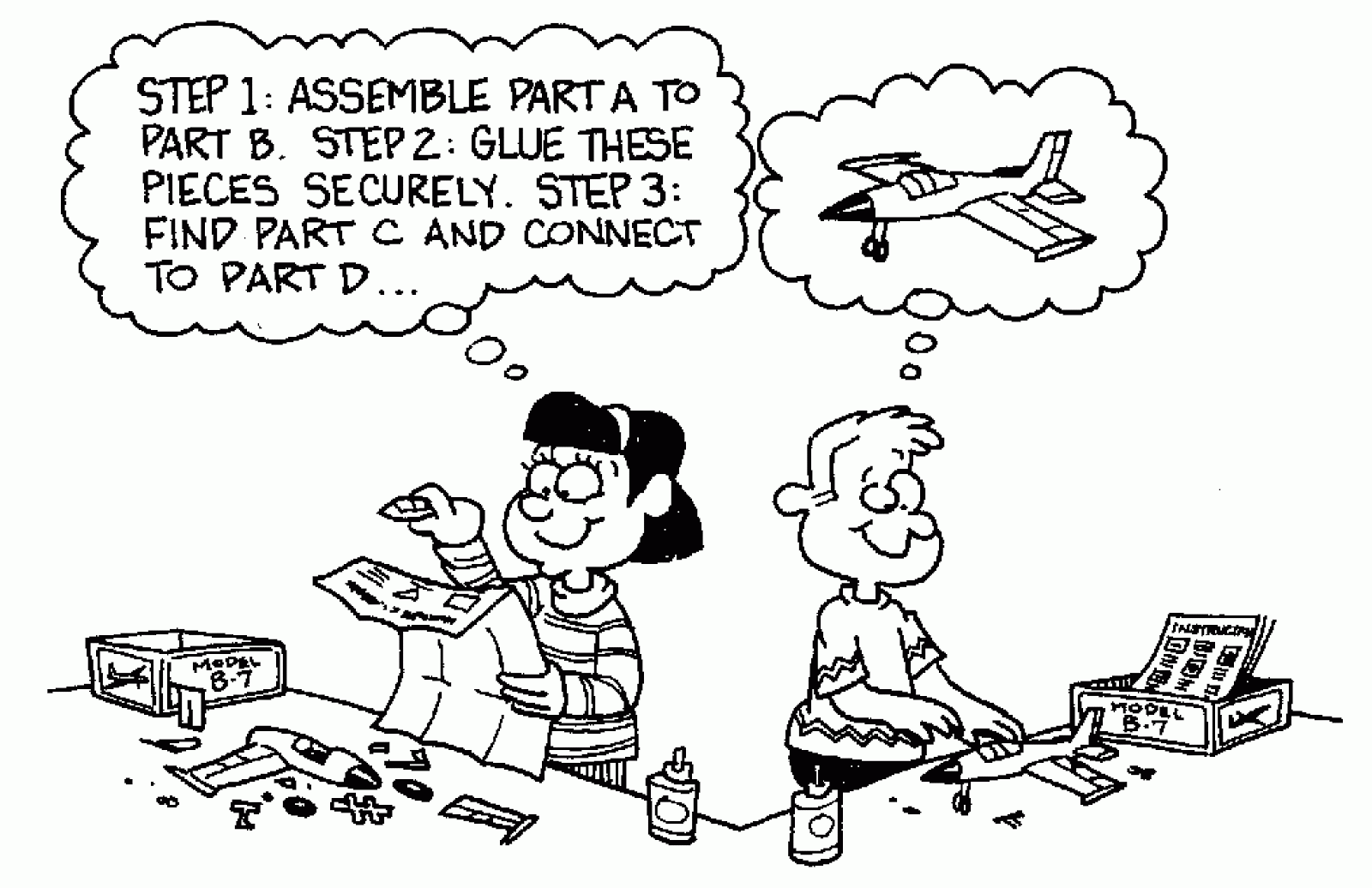
Nelson Goodman - american philosopher, known for his work on mereology & irrealism.
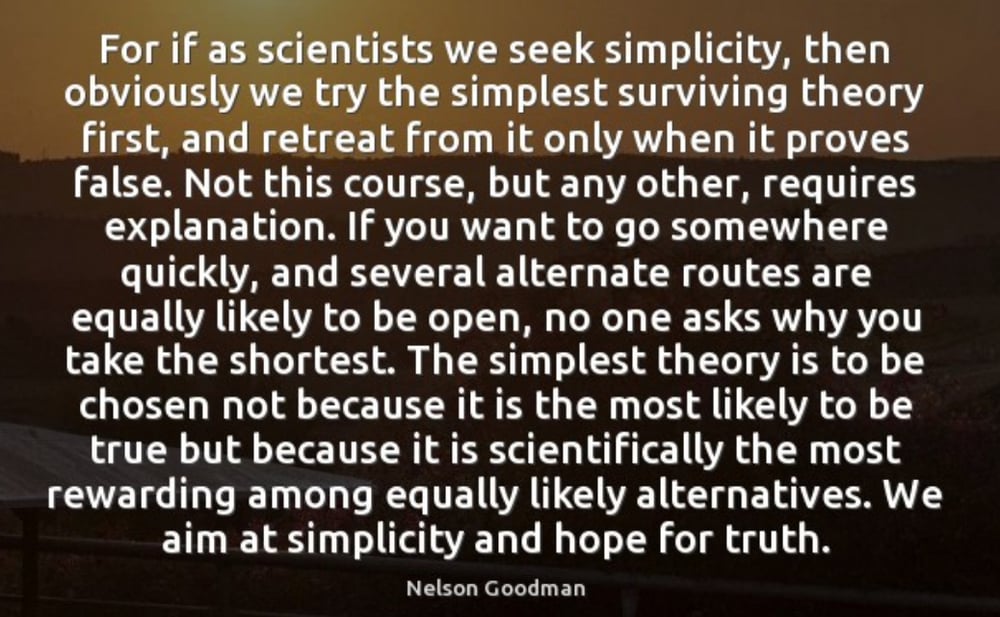
Mereology and Buddhism: Mereological Dependence in Buddhist Philosophy
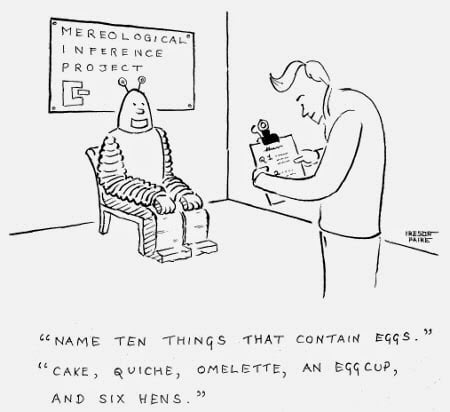
Top-down implies bottom-up
In Engaging Buddhism page 33, Jay Garfield points out that in Buddhist philosophy mereological dependency works both ways:
"As a consequence of the rejection of the ultimate existence of infinitesimal parts, the dependence relation between parts and wholes came to be recognized as a two-way street. Given that there is no ultimate decomposition of wholes into parts, the identification of any part as a part came to be seen as a matter of decompositional interest, just as the identification of a condition as an explanans is seen as dependent upon explanatory interests. For something to exist as a part of a whole, on this view, is to be dependent on the whole in two respects. First, if the whole does not exist, the part does not exist as the kind of thing it is when it figures in the whole.
To take Wittgenstein's example in Philosophical Investigations, a brake lever is only a brake lever, and not simply a metal rod, in the context of a car in which it so functions (§6). A biological organ, such as a heart, depends on an entire organism to develop, to function and to be an organ at all.
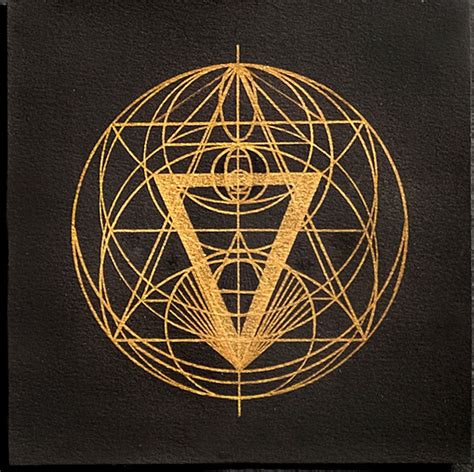
Second, decomposition can be accomplished in many ways. We might say that a memory chip is a part of a computer if we are decomposing it functionally, and that the parts of the chip are circuits, and so on. On the other hand, we might decompose the computer into adjacent 1 mm cubes, in which case the chip might turn out to be involved in several different parts, and not to be a part itself. If the whole in question is a solid volume, the cubes are parts; if it is a computer, the chip is a part, and 1 mm cubes are irrelevant. So, just as wholes depend on their parts, parts depend on their wholes.""Things, Mereology and Schemes" - Art by Leon Ka - (his Instagram stream)
"Leon Ka / aka Kafre (b. Barcelona, Spain 1980) is a Ph.D. student at Universitat de Barcelona with a dissertation on Metaphysical Relations: Ontological Dependence and Metaphysical Implication as well as a street artist that uses his art to make visual these seemingly abstract and esoteric concepts."




-
Thought as a System - by David Bohm (1994)
"Bohm maintains that thought is a system, in the sense that it is an interconnected network of concepts, ideas and assumptions that pass seamlessly between individuals and throughout society. If there is a fault in the functioning of thought, therefore, it must be a systemic fault, which infects the entire network. The thought that is brought to bear to resolve any given problem, therefore, is susceptible to the same flaw that created the problem it is trying to solve."
"Thought proceeds as if it is merely reporting objectively, but in fact, it is often coloring and distorting perception in unexpected ways. What is required in order to correct the distortions introduced by thought, according to Bohm, is a form of proprioception, or self-awareness. Neural receptors throughout the body inform us directly of our physical position and movement, but there is no corresponding awareness of the activity of thought. Such an awareness would represent psychological proprioception and would enable the possibility of perceiving & correcting the unintended consequences of the thinking process."
"In his book On Creativity, quoting the work of Korzybski, Bohm expressed the view that "metaphysics is an expression of a world view" and is "thus to be regarded as an art form, resembling poetry in some ways and mathematics in others, rather than as an attempt to say something true about reality as a whole."
(source: wikipedia)"Thought is constantly creating problems that way and then trying to solve them. But as it tries to solve them it makes it worse because it doesn't notice that it's creating them, and the more it thinks, the more problems it creates." - David Bohm
-
"Whereof one cannot speak, thereof one must pass over in silence"
- Ludwig Wittgenstein (Tractatus Logico-Philosophicus, 1922)."Keep quiet. Don't touch the thoughts. Let them be."
- H. W. L. Poonja -
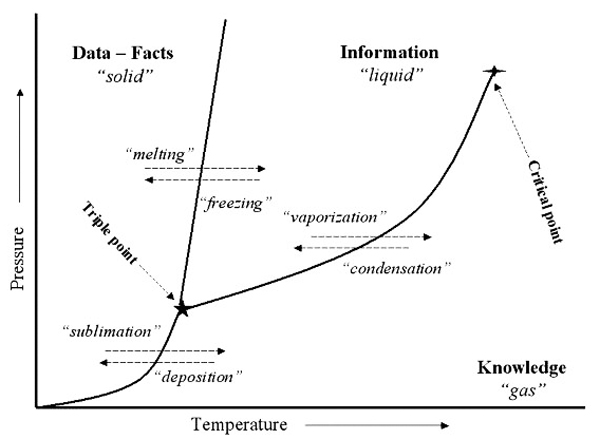
Fascinating research essays by Anthony Judge:
From ECHELON to NOLEHCE - enabling a strategic conversion to a faith-based global brain (2007)
#KM #Complexity #Philosophy #Magic #Politics #Economics #Cryptocracy #Military
-
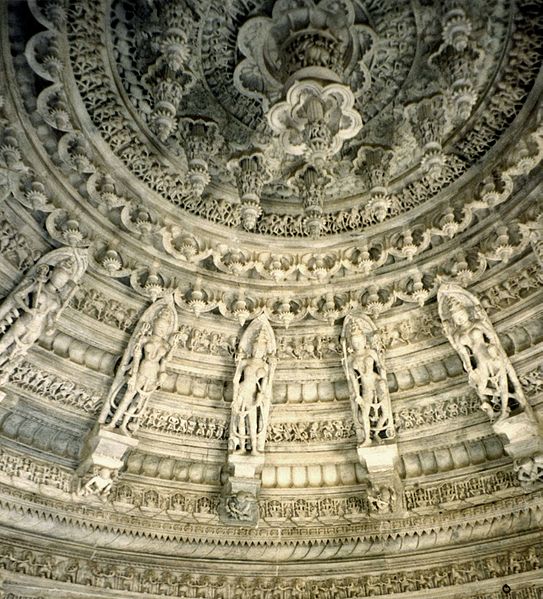
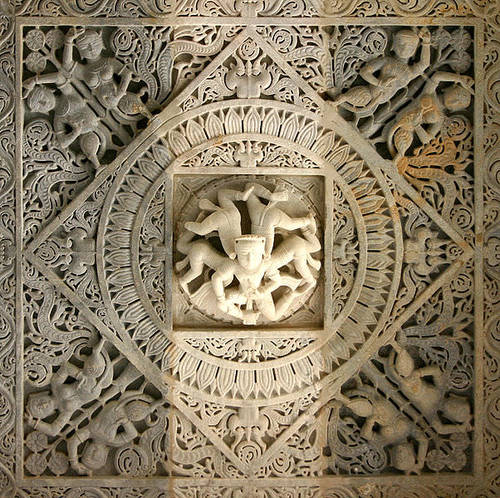
According to Jain epistemology, "knowledge is the essence of the soul. This knowledge is masked by the karmic particles. As the soul obtains knowledge through various means, it does not generate anything new. It only shreds off the knowledge-obscuring karmic particles. According to Jainism, consciousness is a primary attribute of Jīva (soul) and this consciousness manifests itself as darsana (perception) and jnana (knowledge)." (wikipedia)

Further Links:
- Presentation: Jain Philosophy
- Paper: An Epistemology of Jainism: A Critical Study
- Post: The Theory of Knowledge in Jainism
- Paper: Basic Jaina Epistemology (unpaywalled)
- Paper: Theories of knowledge and the experience of being: Jainism’s ontology of kinship
- Post: Types of knowledge in Janism
- Talk: Jaina Logic and Epistemology. Is This How it All Began? - talk by Prof Balcerowicz
- Presentation: Jain Philosophy