tag > KM
-
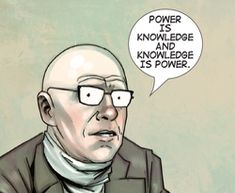
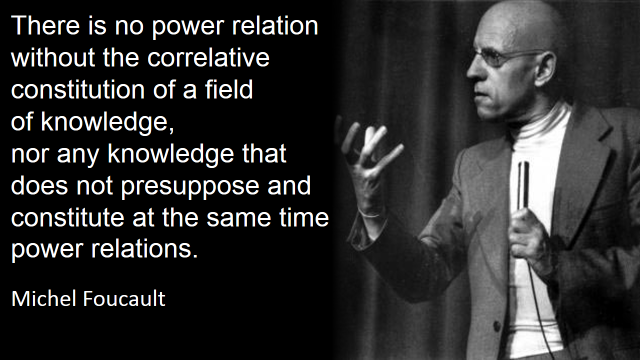
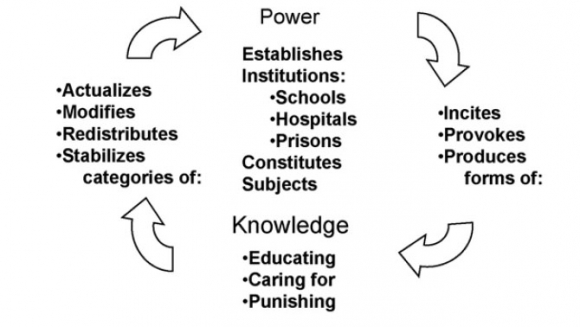
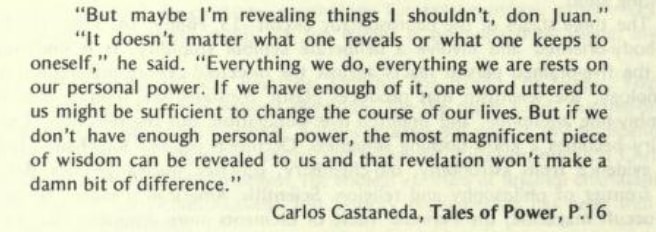
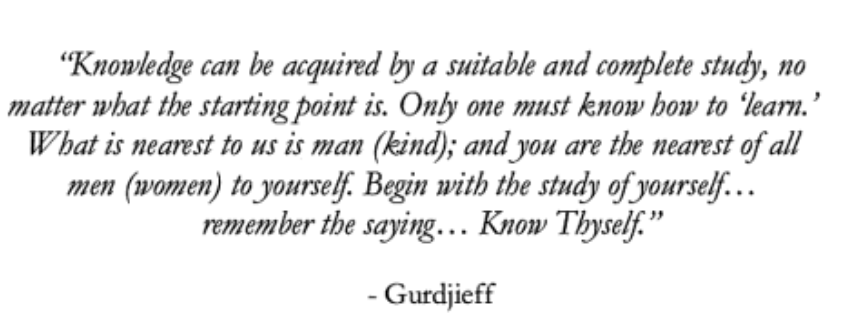
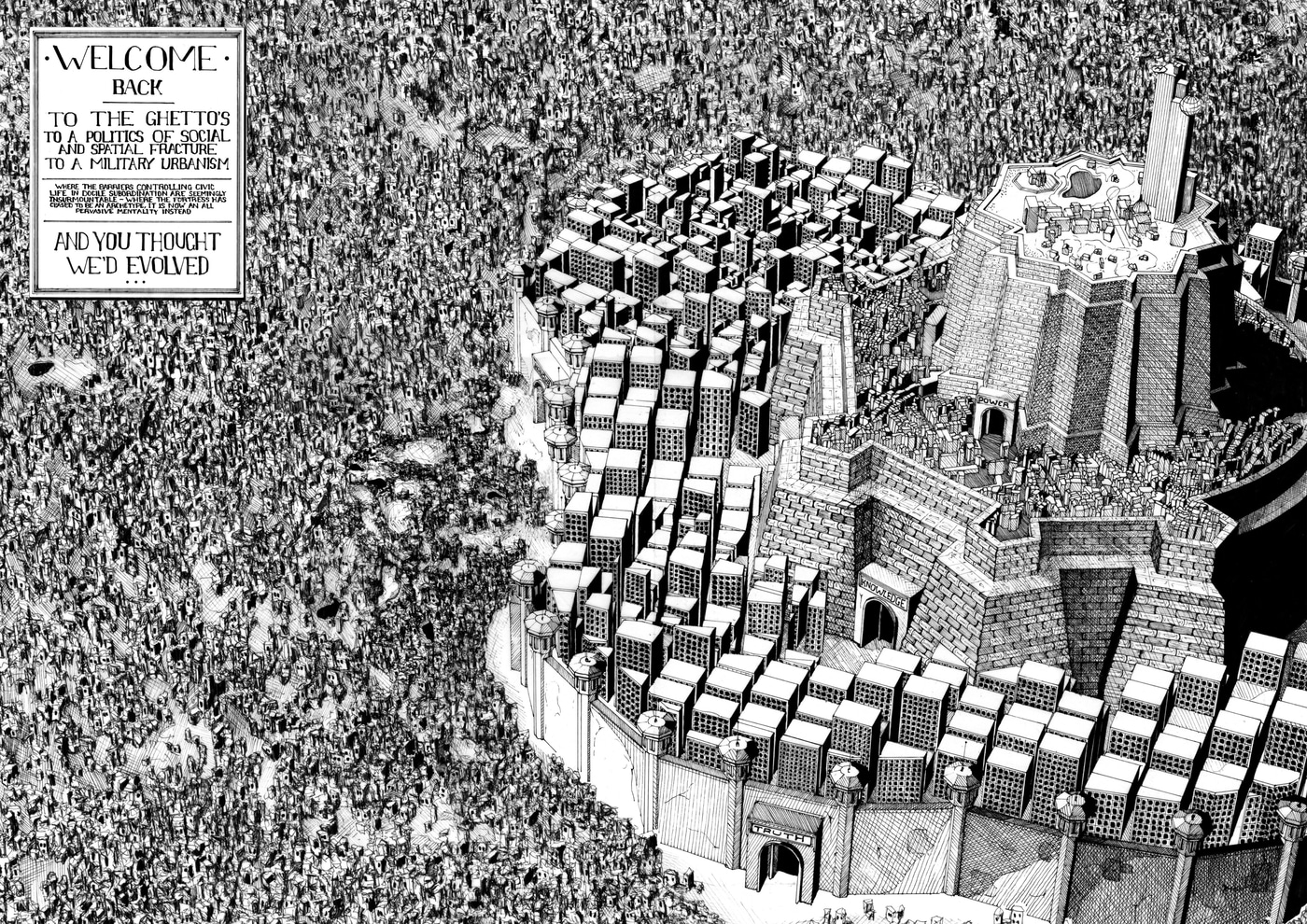
Truth, Power, Knowledge - Ink drawing by Daniel Lauand (2011) (via)
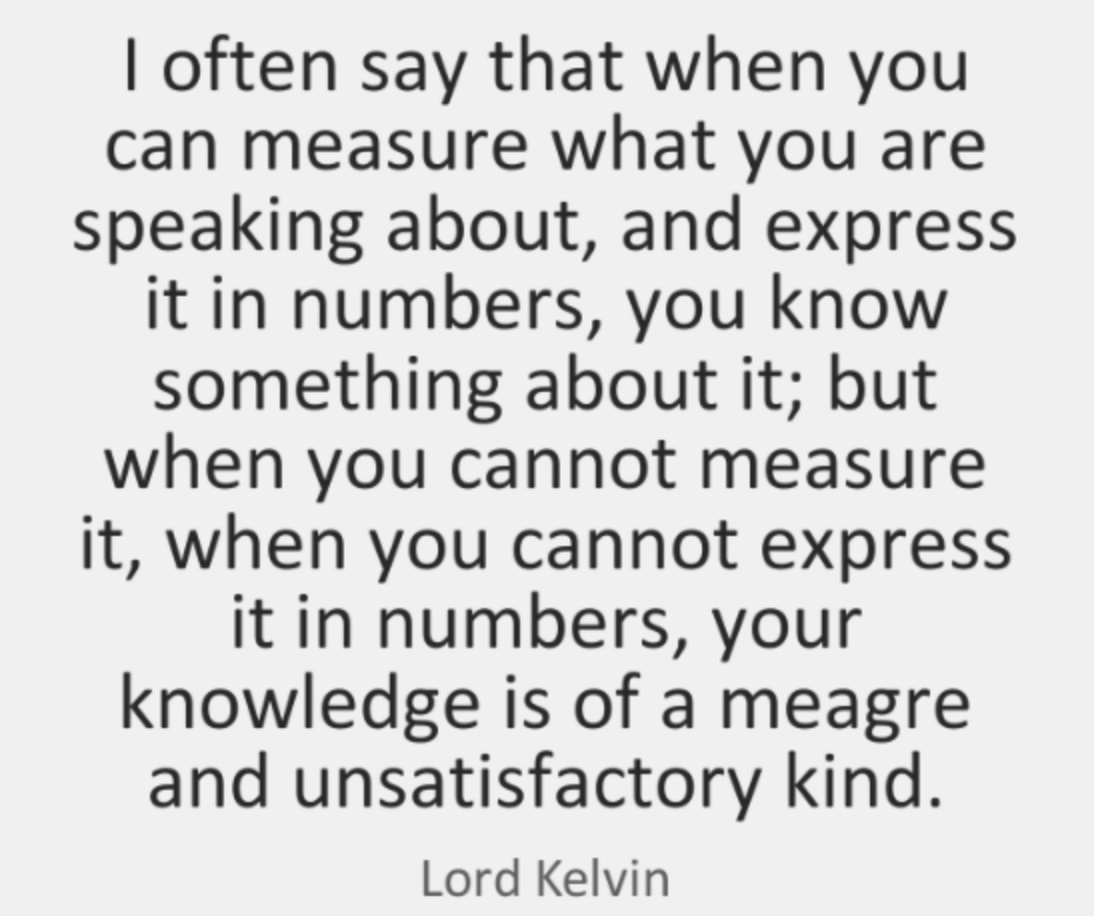
Related: “Proposal for a Monument to Logical Fallacies” & The Quantization of Reality Fallacy
-
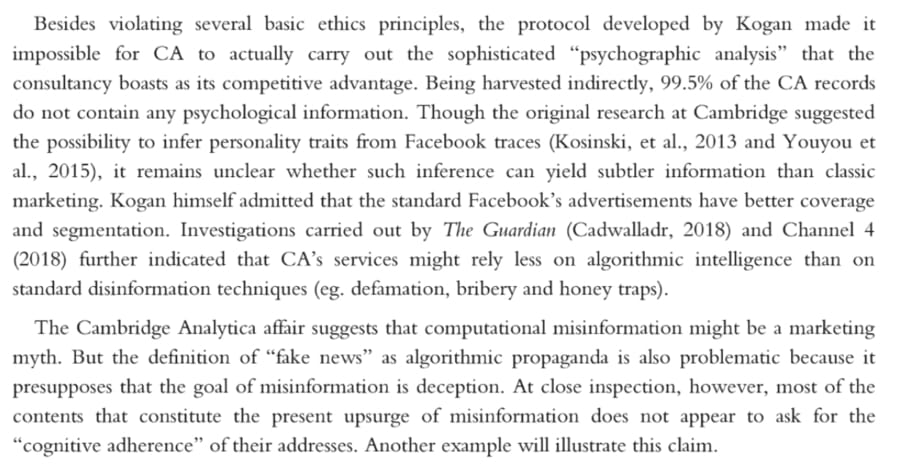
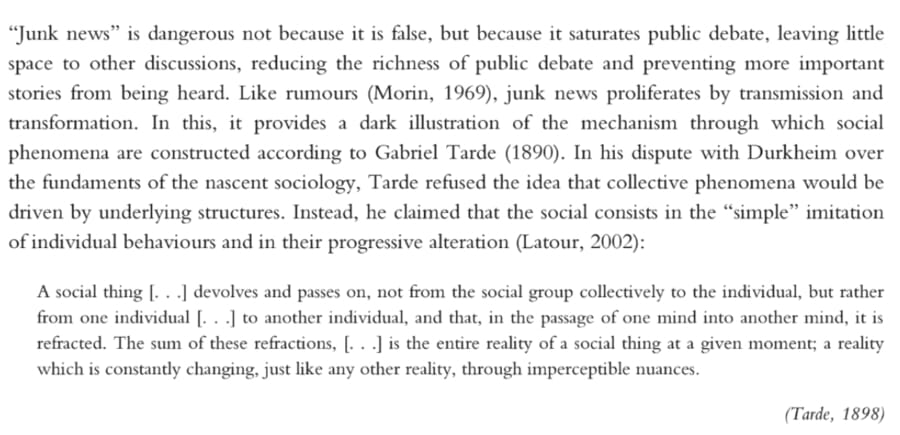
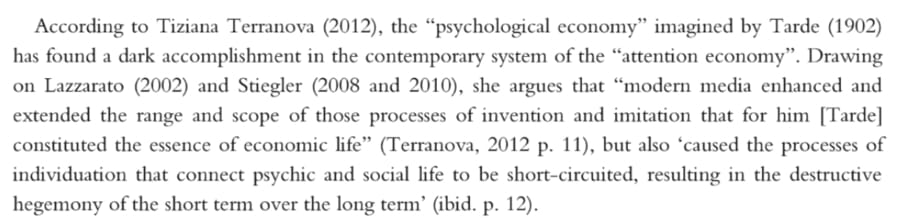
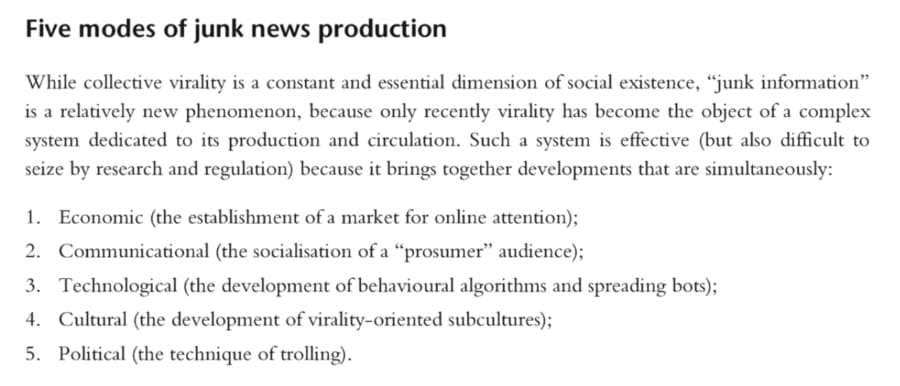
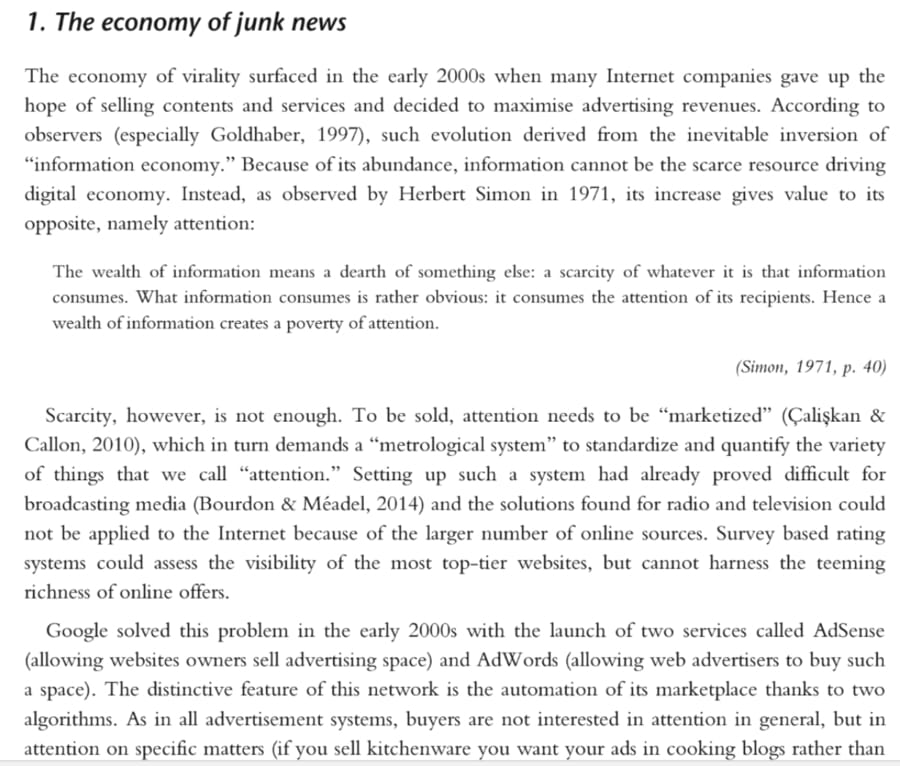
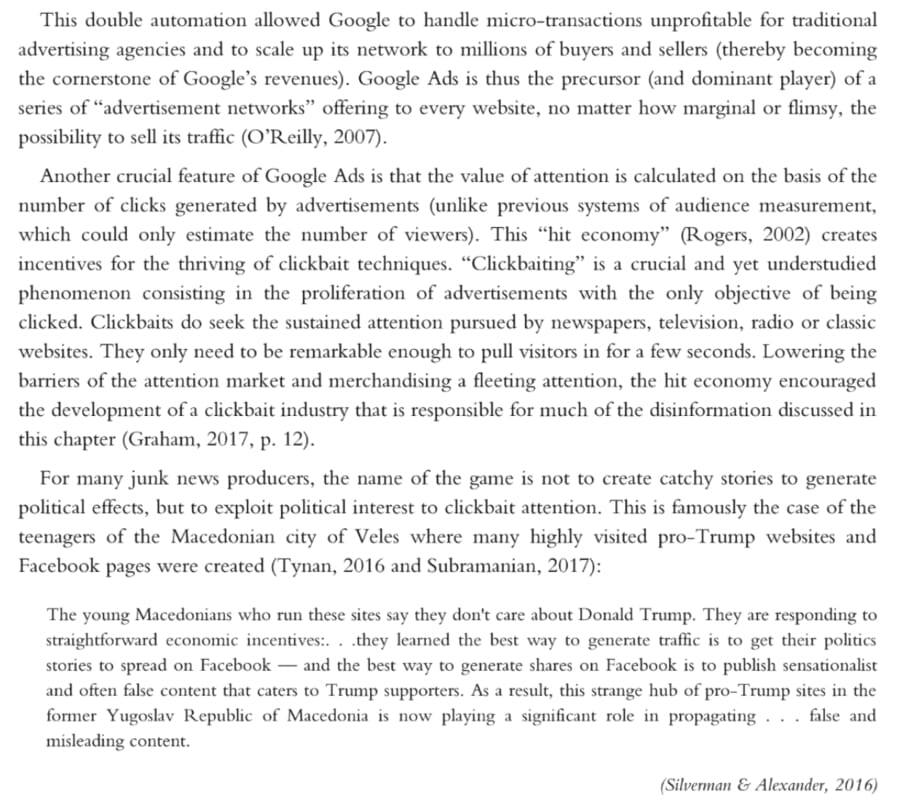
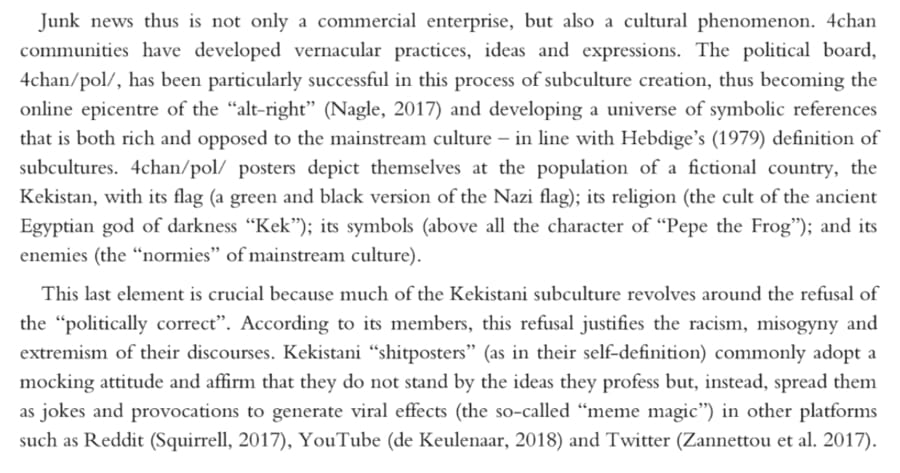
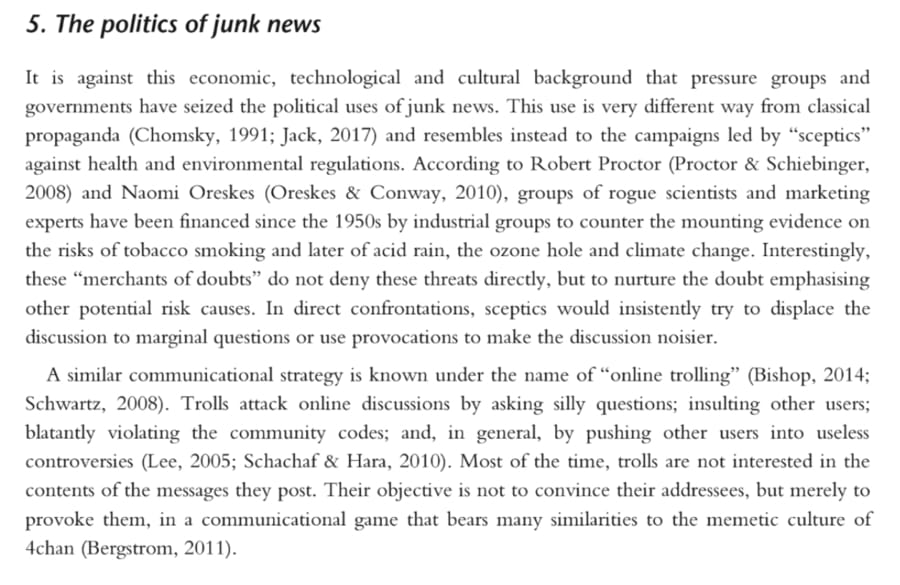
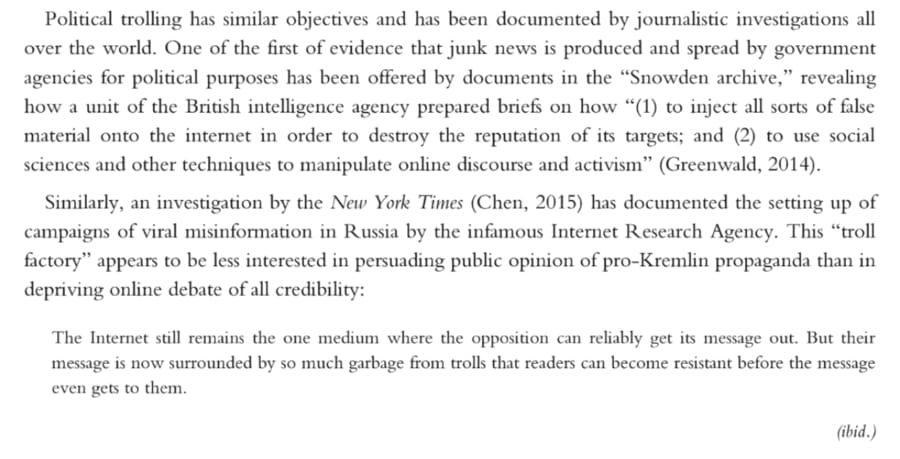
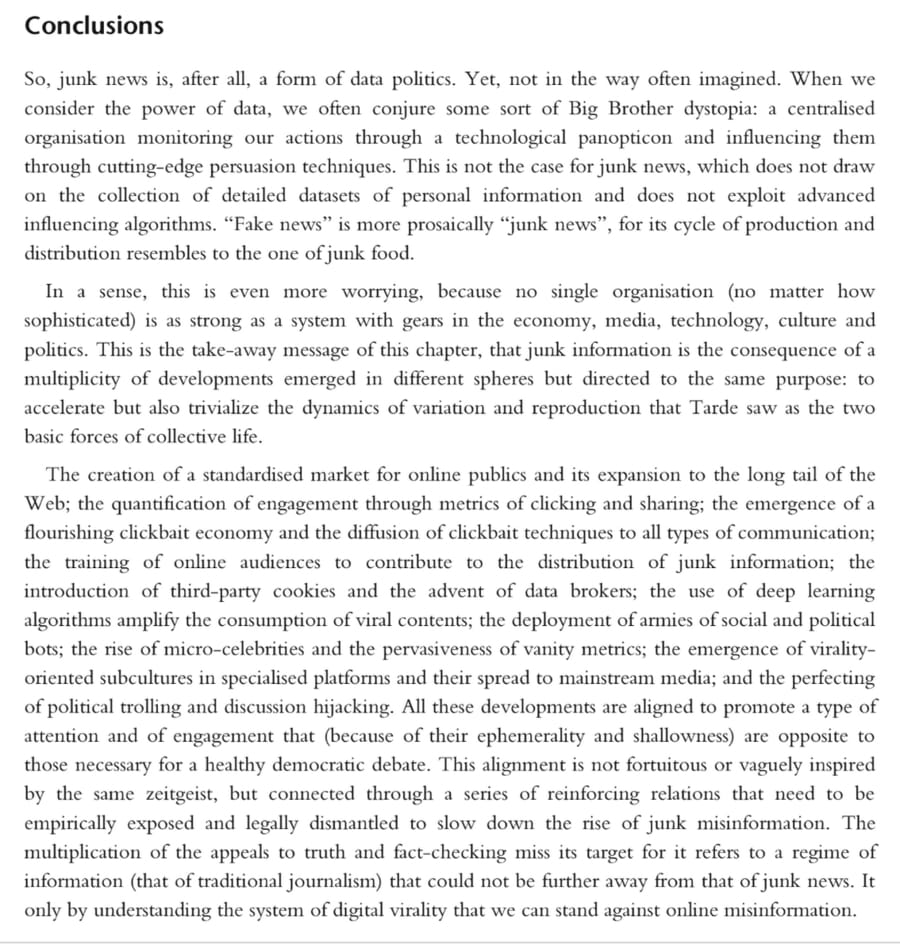
From Fake news to Junk News. The data politics of online virality - by Tommaso Venturini.
Part of the book "Data Politics: Worlds, Subjects, Rights" - by Didier Bigo (site) et.al (2019)
Didier Bigo on Security, Surveillance and Democracy
Fog of Information - by tekgnostics
“In this day and age... we are faced with a Fog of Information that is as distracting and detrimental as the fog of war.” - from “Bread & Circuses”
"Information overload occurs when the amount of input to a system exceeds its processing capacity. Decision-makers have fairly limited cognitive processing capacity. Consequently, when information overload occurs, it is likely that a reduction in decision quality will occur."

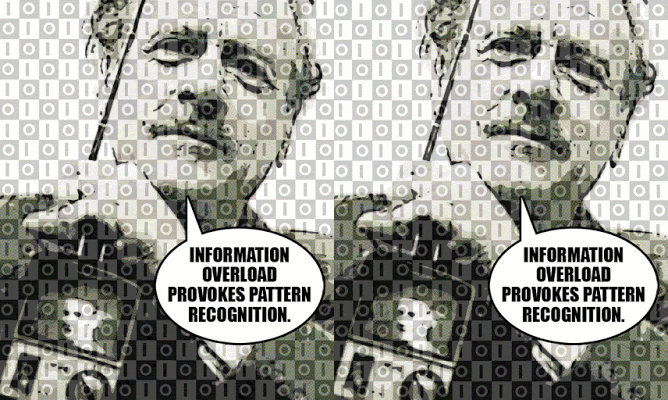

"It's not a matter what is true that counts but a matter of what is perceived to be true" - Henry Kissinger
#Politics #SE #InfoSec #Bots #Culture #KM #Internet #Military #RTM
-
Encyclopedia of World Problems and Human Potential (wikipedia)
"The Encyclopedia was started in 1972 and now comprises more than 100,000 entries and 700,000 links, as well as 500 pages of introductory notes and commentaries. The Encyclopedia collects information on problems, strategies, values, concepts of human development, and various intellectual resources."
-
Tactic, Strategy, Attitude and Practice
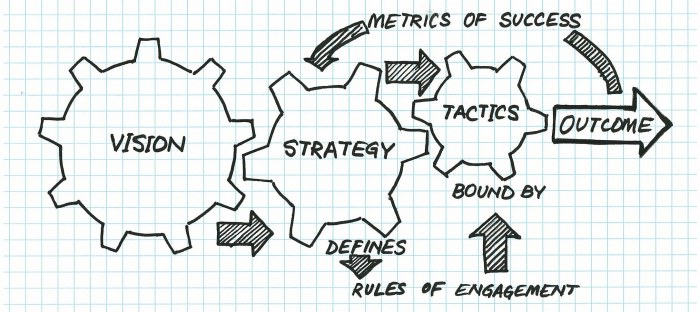
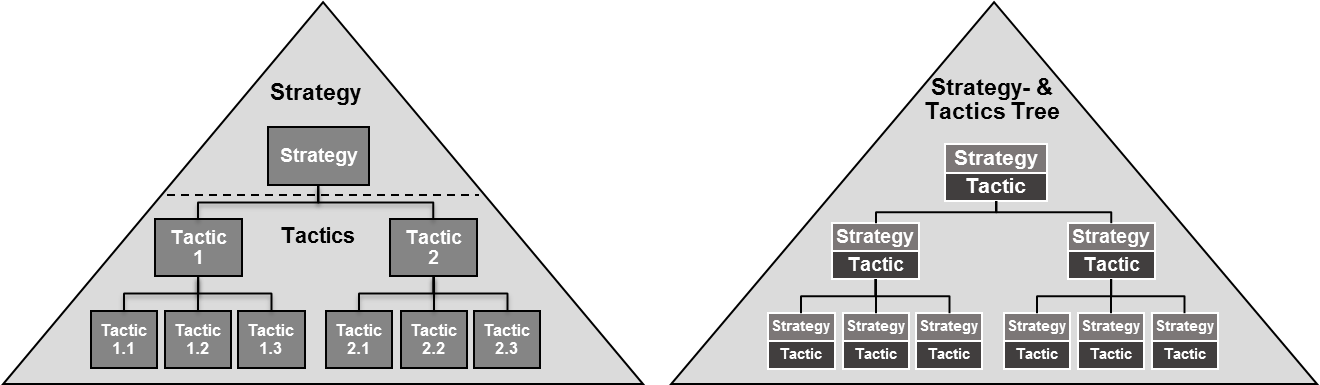
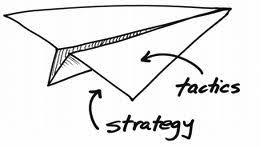
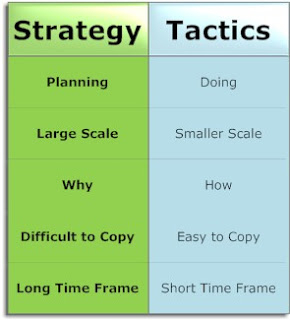
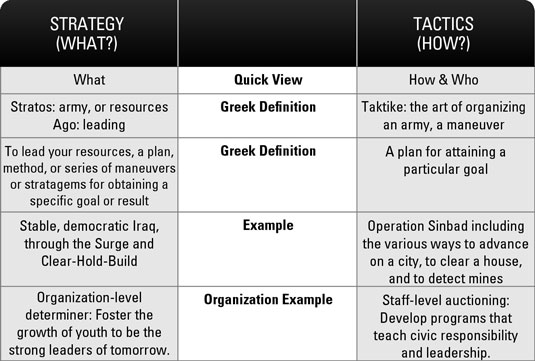
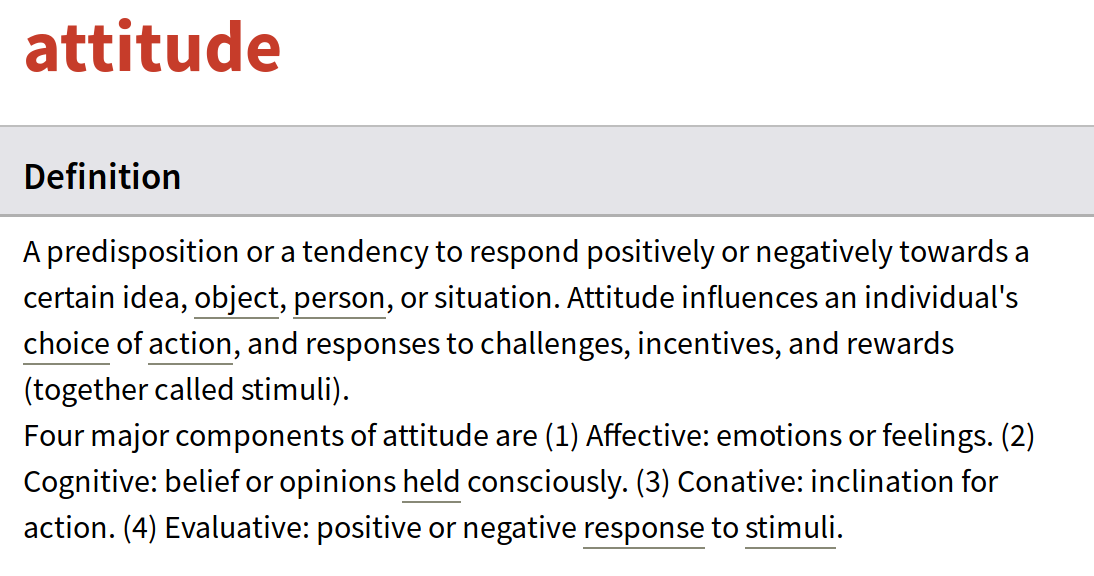
Related from earlier on this blog: Kata and Shu Ha Ri.
Related from Marketing contexts: G’SOT (Goals, Strategies, Objectives and Tactics):
- A goal is a broad primary outcome.
- A strategy is the approach you take to achieve a goal.
- An objective is a measurable step you take to achieve a strategy.
- A tactic is a tool you use in pursuing an objective associated with a strategy.
G’SOT Example for Intel’s line of Core processors:
- Goal: Make our Core PC microprocessors a category leader in sales revenue by year X.
- Strategy: Persuade buyers that our Core processors are the best on the market by associating with large, well-established PC manufacturers.
- Objective: Retain 70 percent or more of the active worldwide PC microprocessor market, according to Passmark's CPU benchmark report.
- Tactic: Through creative that underlies our messaging, leverage hardware partner brand awareness to include key messages about the Intel Inside program.
-
Scientific Misconduct: Can Religion Help?
"A 2009 systematic review and meta-analysis of survey data discovered that among the scientists, 2% confessed to have “fabricated, falsified or modified data or results,” and over 14% had known colleagues to have committed the same. Moreover, over 33% of scientists confessed to “other questionable research practices,” and up to 72% had known colleagues to have done so."
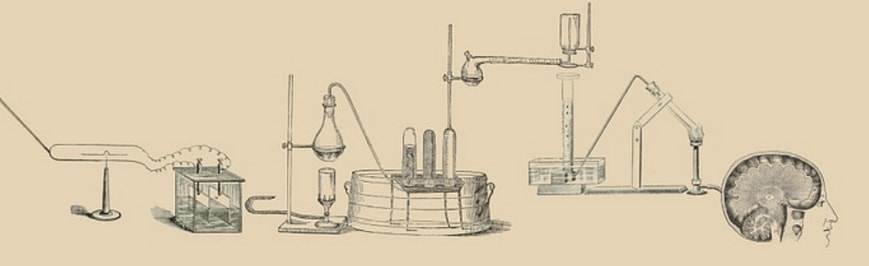
"According to one survey by Nature, more than half of the researchers failed to successfully reproduce their own results; and over 70% failed to successfully reproduce another scientist’s results. Given this difficulty, hindered further by financial and other limitations, and by the complexity of the science concerned, it becomes easy to fabricate, manipulate, or selectively publish results."
"Like many of his contemporary biologists, Haeckel was a materialist. It is not materialism in itself that creates the problem, but rather the lack of accountability that results from it. It clears the way for deceit, corruption, and indeed the worst of crimes against humanity."
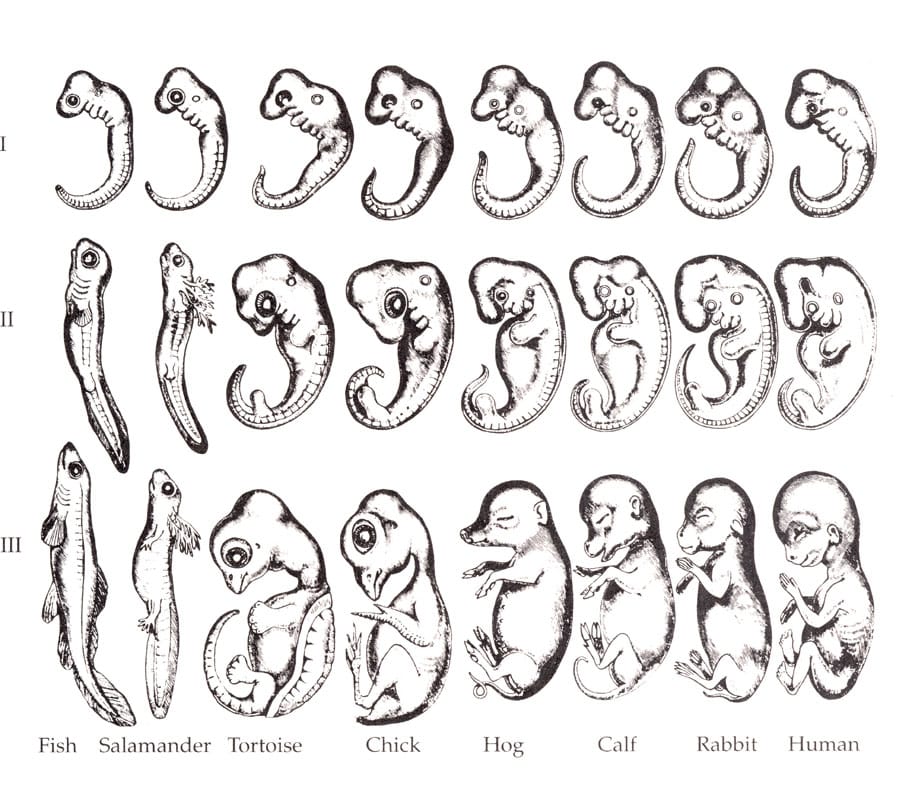
Ernst Haeckel's controversial embryo drawings The article uses recapitulation theory as example of scientific misconduct:
"The theory of recapitulation, also called the biogenetic law or embryological parallelism—often expressed using Ernst Haeckel's phrase "ontogeny recapitulates phylogeny"—is a historical hypothesis that the development of the embryo of an animal, from fertilization to gestation or hatching (ontogeny), goes through stages resembling or representing successive adult stages in the evolution of the animal's remote ancestors (phylogeny)."
Related:
- "Encountering Ernst Haeckel’s 'Ontogeny Recapitulates Phylogeny'" - by Eugene Lemcio
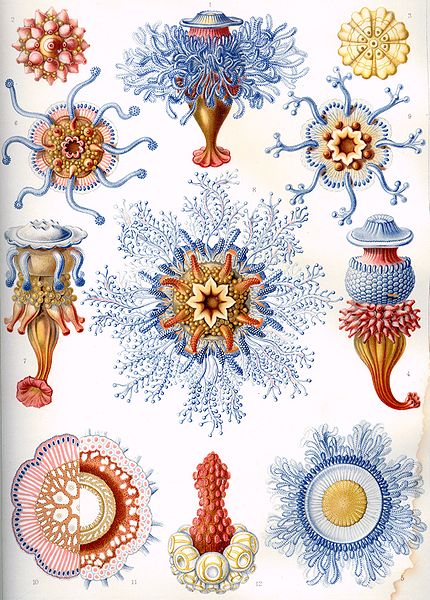
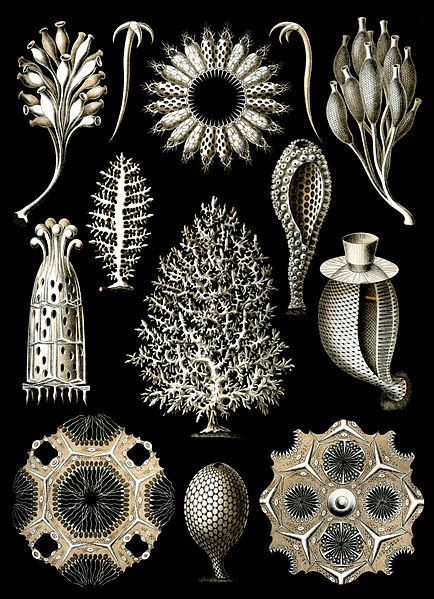
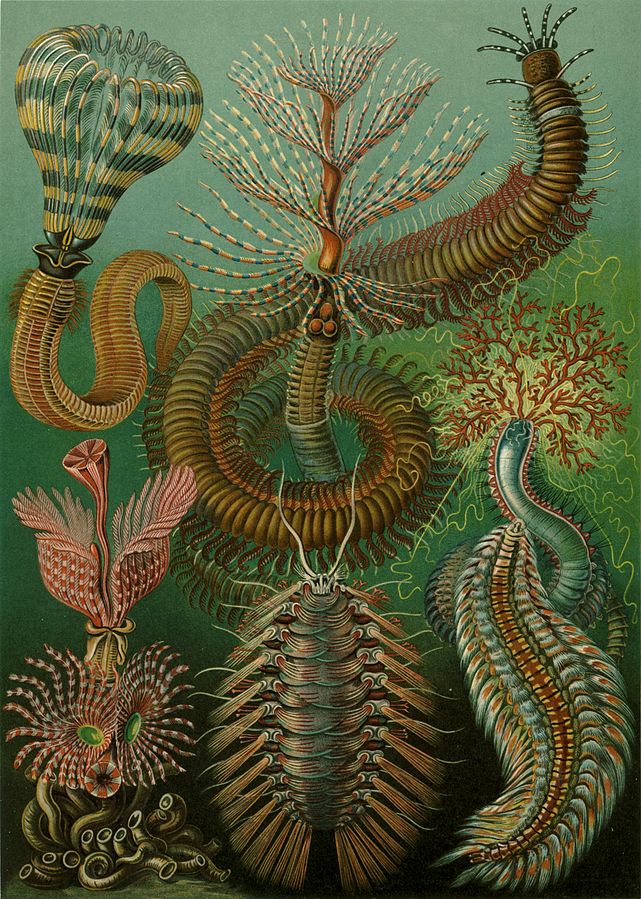
- Drawing by German biologist Ernst Haeckel:
-
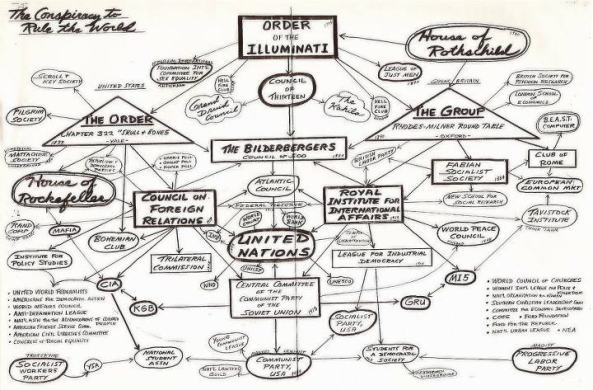
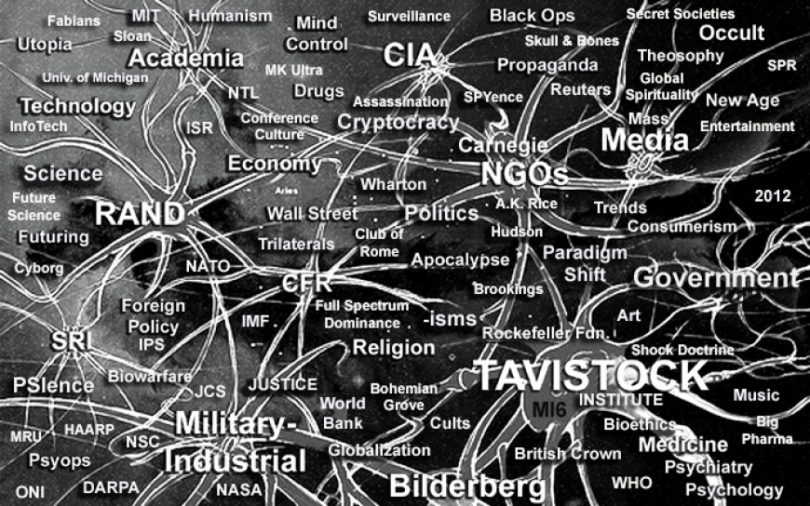
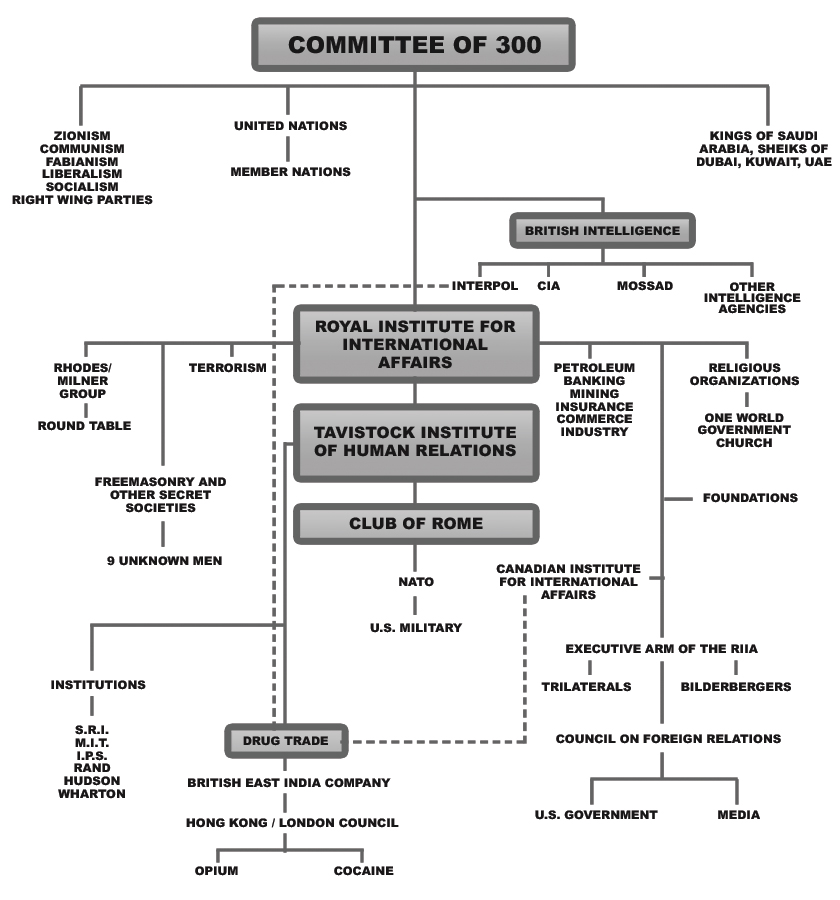
Impossible Knowledge. Conspiracy Theories, Power, and Truth - By Todor Hristov
"Conspiracy theorists claim impossible knowledge, such as knowledge of the doings of a secret world government. Yet they accept this impossible knowledge as truth. In effect, conspiracy theories detach truth from knowledge.
Knowledge without power is powerless. And the impossible knowledge claimed by conspiracy theorists is rigorously excluded from the regimes of truth and power – that is not even wrong. Yet conspiratorial knowledge is potent enough to be studied by researchers and recognized as a risk by experts and authorities.
Therefore, in order to understand conspiracy theories, we need to think of truth beyond knowledge and power. That is impossible for any scientific discipline because it takes for granted that truth comes from knowledge and that truth is powerful enough to destroy the legitimacy of any authority that would dare to conceal or manipulate it. Since science is unable to make sense of conspiracy theories, it treats conspiracy theorists as individuals who fail to make sense, and it explains their persistent nonsense by some cognitive, behavioral, or social dysfunction.
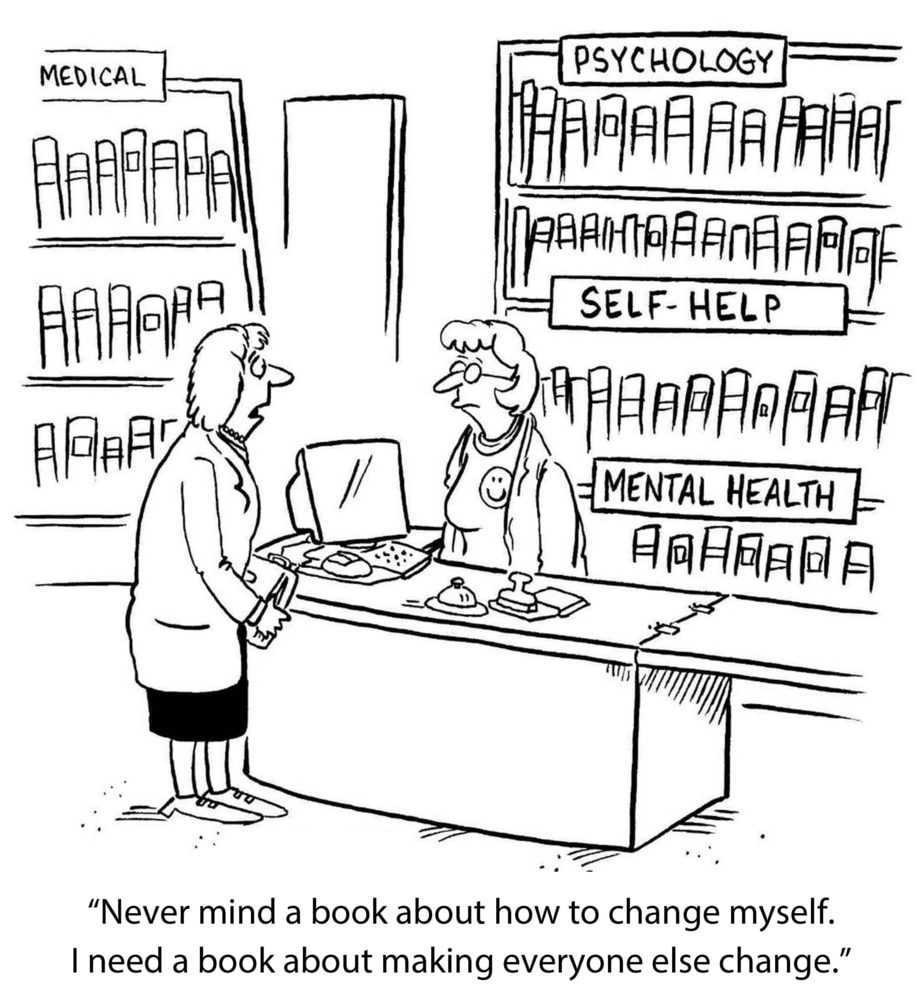
Fortunately, critical theory has developed tools able to conceive of truth beyond knowledge and power, and hence to make sense of conspiracy theories. This book organizes them into a toolbox which will enable students and researchers to analyze conspiracy theories as practices of the self geared at self-empowerment, a sort of political self-help."
-
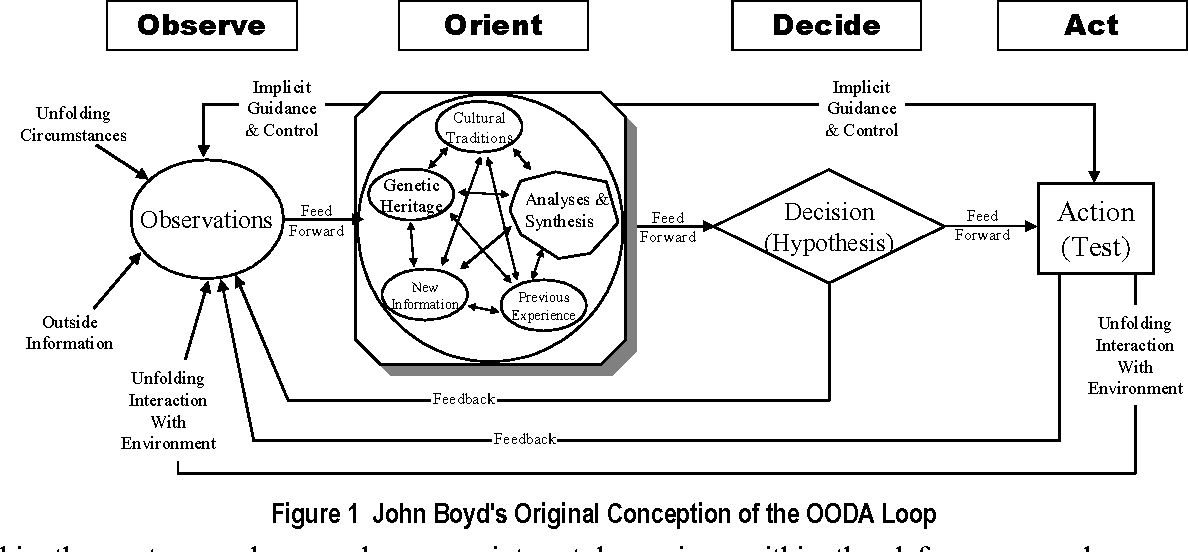
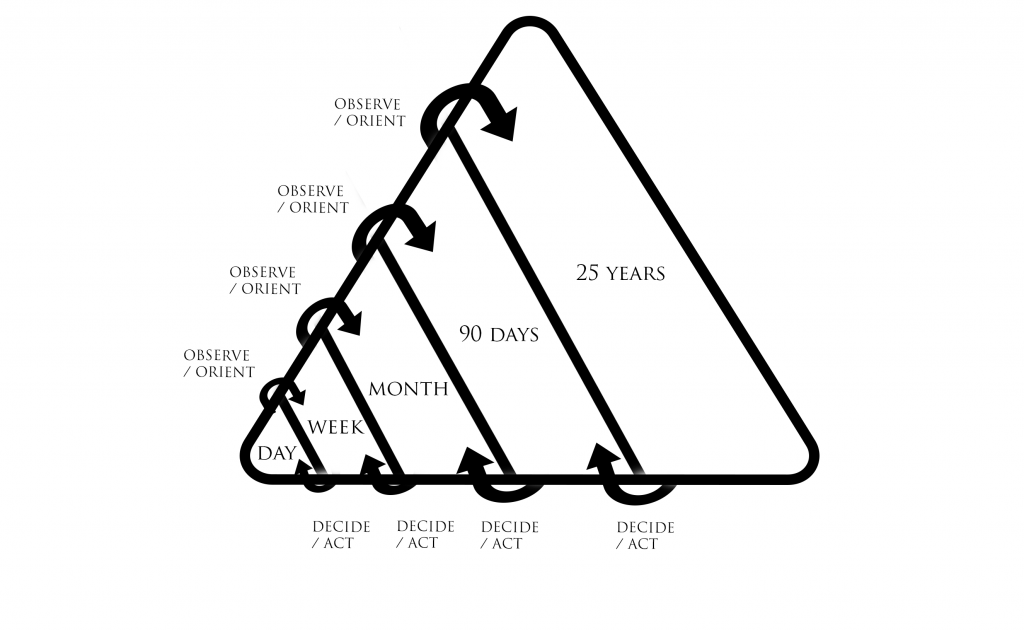
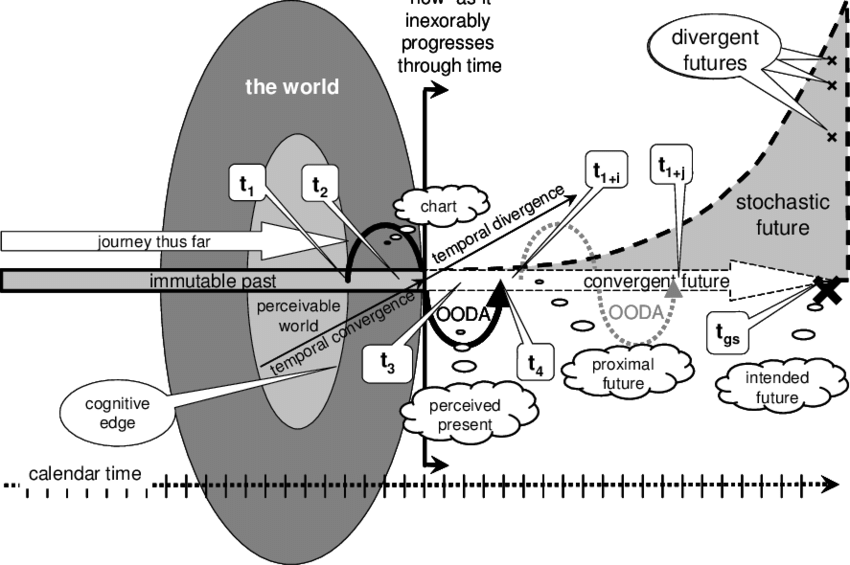
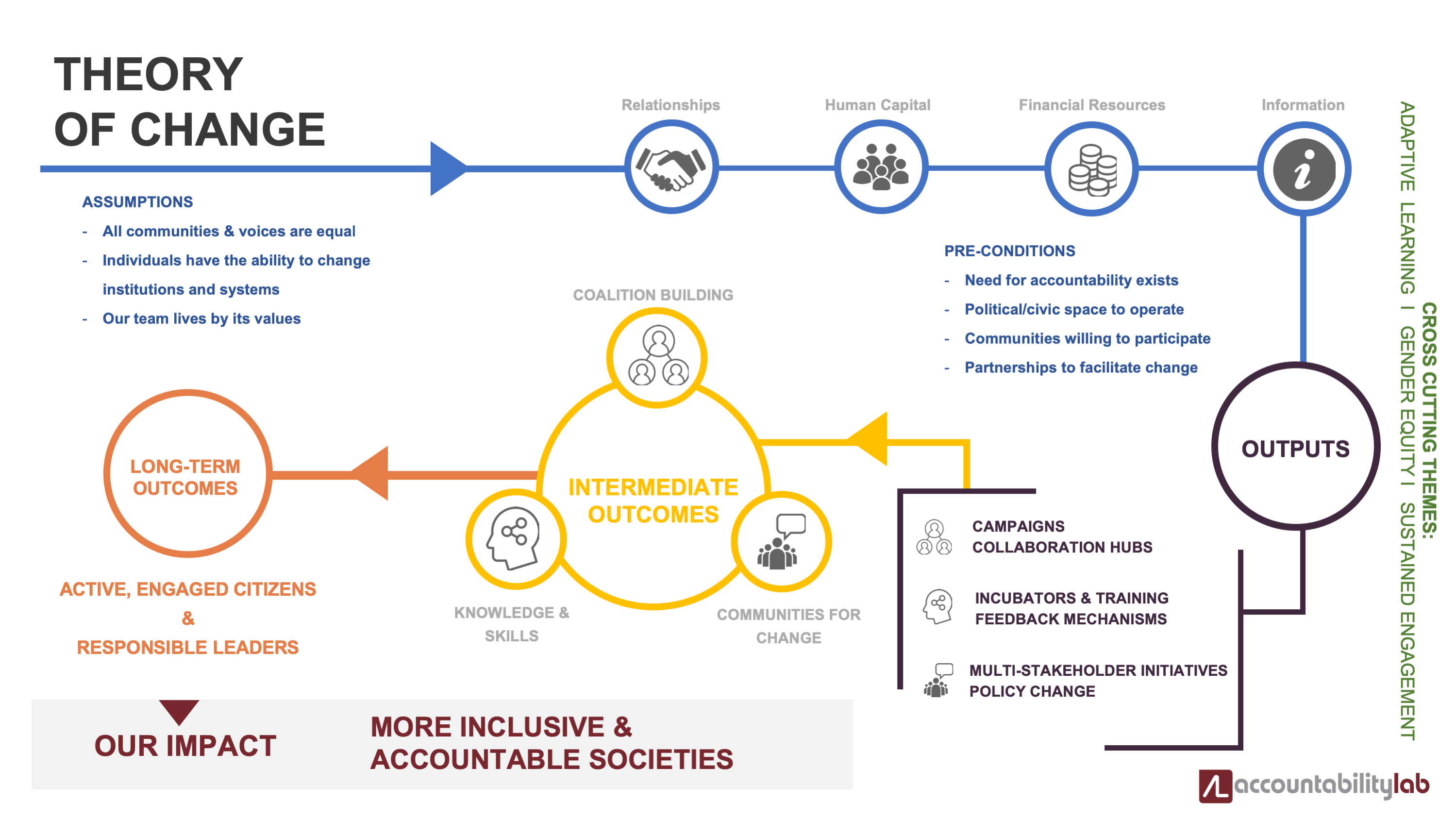
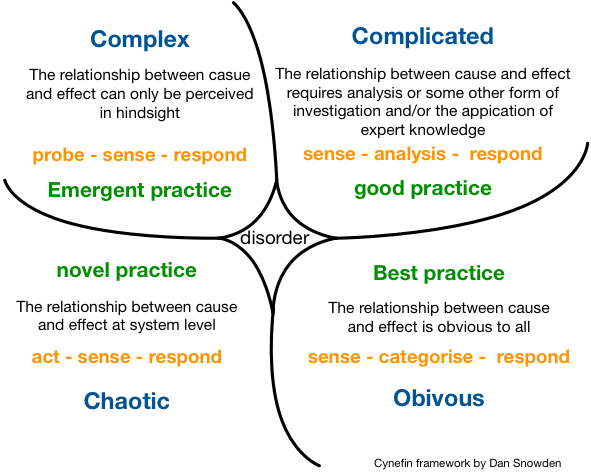
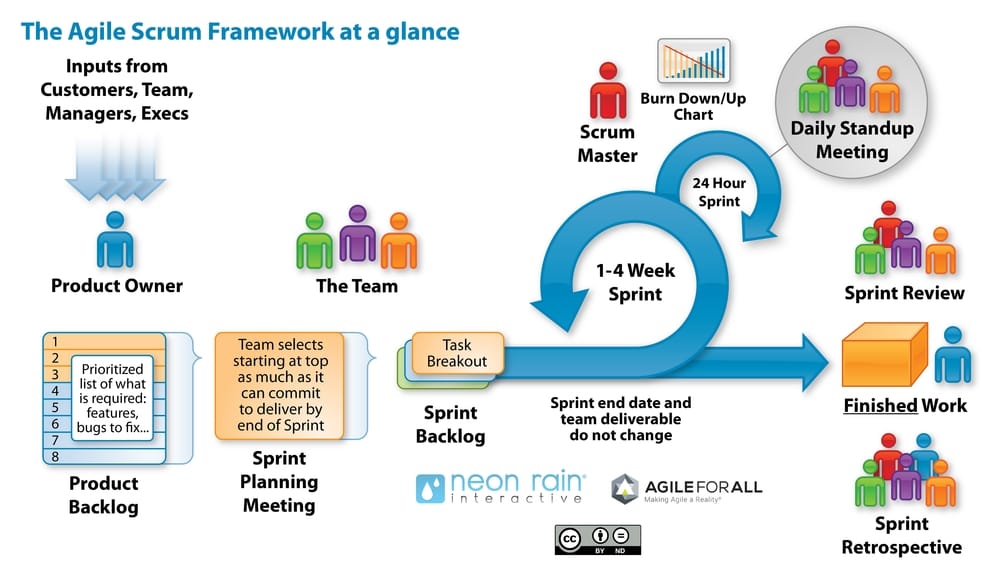
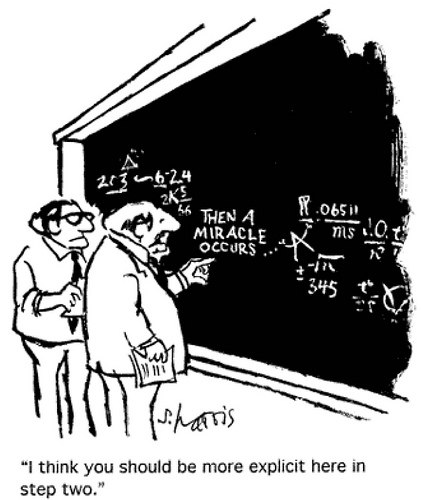
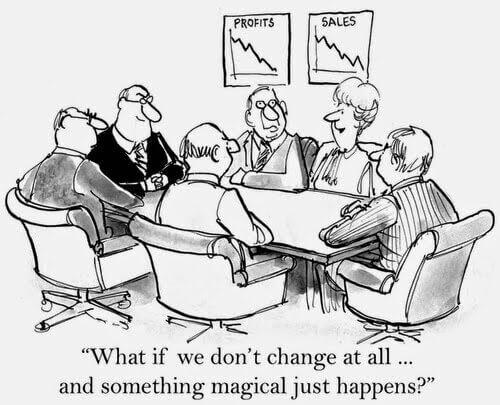
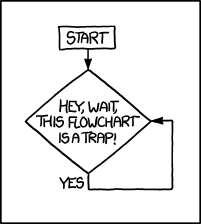
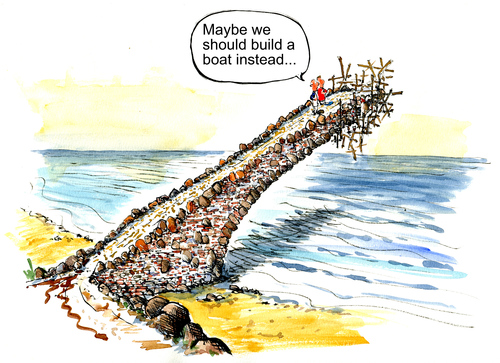
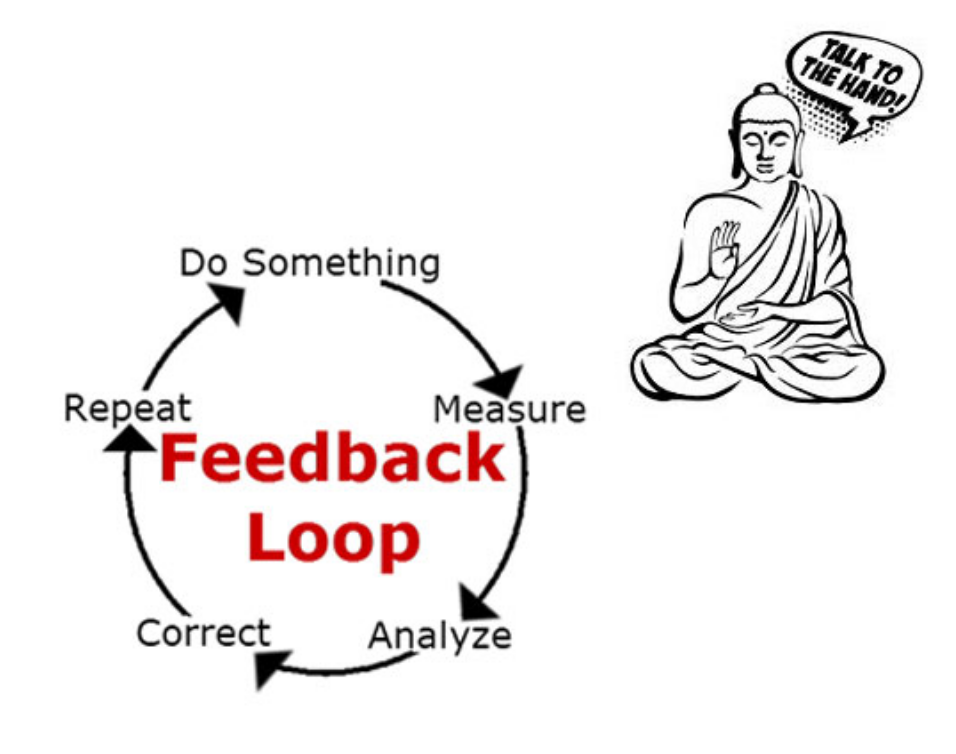
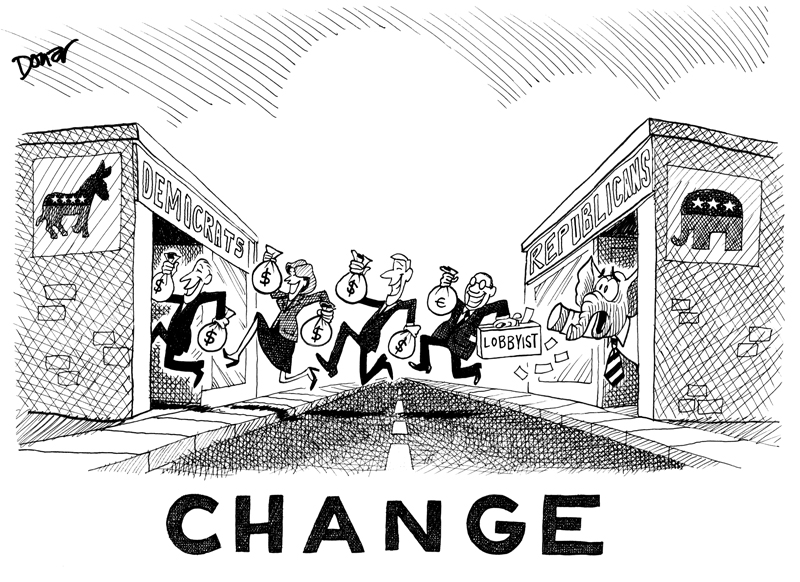
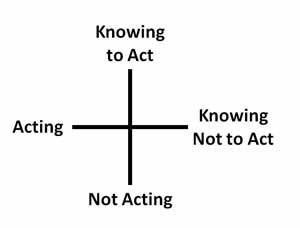
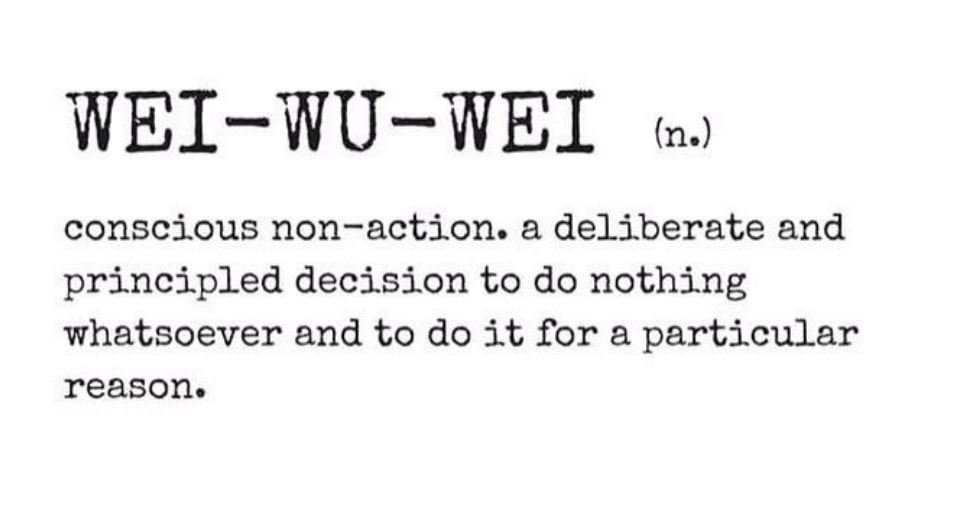
From OODA (US Airforce) and Theory of change (Aspen/CIA) to Cynefin (IBM/DARPA) and Sensemaking - many of the popular knowledge-management/decision-making frameworks emerged in western military/war contexts. Due to this heritage, they all suffer from similar, very serious conceptual & practical illnesses: fetishizing control, design, objectives, knowledge, performance and power. (Just have a look at the kind of books OODA creator John Boyd was into: cuckoo cybernetics + pop science + esoteric woo woo + TED-style motivation BS + WAR). In many ways, ancient approaches are still far more advanced and enjoyable.

-
Online Knowledge Management Thoughts & Links
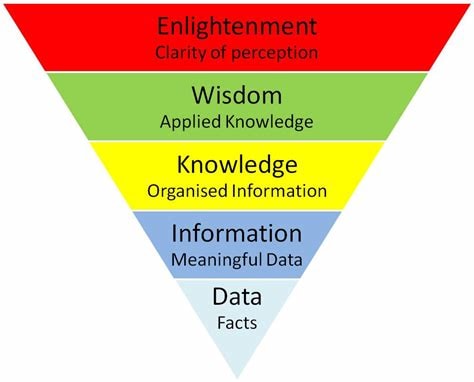
#Comment: That feeling when one finally closes a browser tab, after weeks of keeping it open in search of a moment to read it (which never arrived). Repeats 3 times: The web is a river, don't try to hold on. Browser Tabs don't age well: When a site is added to the "will read later" tabs, it seems vitally important. Yet only days later, the site starts to feel irrelevant & eventually the tab is closed. (Spatio-temporal) Context is key for knowledge management - Browser are horrible at it. When one thinks about knowledge management long enough, one starts to understand that management is the wrong method and knowledge the wrong question: My essential needs for such tools are around personal knowledge praxis (highly action oriented & context depended), not so much knowledge management (archiving/data hoarding oriented).
- Open tabs are cognitive spaces: https://rybakov.com/blog/open_tabs_are_cognitive_spaces/
- How Your Travels Around the Internet Expose the Way You Think: https://www.wired.com/2015/02/clive-thompson-5/
- A Spacial Model for Lossless Web Navigation: https://www.freecodecamp.org/news/lossless-web-navigation-spatial-model-37f83438201d/
- Browser.html is a speculative browser for nightly builds of Servo based on trails: http://patrykadas.com/browser.html
- Manufactured Recollection: https://reallifemag.com/manufactured-recollection/
- Context & Annotation - links by Maxim Leyzerovich: https://www.are.na/maxim-leyzerovich/context-annotation #KM #Design #Ideas
- Open tabs are cognitive spaces: https://rybakov.com/blog/open_tabs_are_cognitive_spaces/
-
TED Nelson at the TED2 conference, 1990. Starting a TEDtalk with a big "fuck you!" to TED and MIT's Negroponte is grand style.
"I don't want artificial intelligence, i want people coming back to what was their heritage of intelligence" - Ted Nelson
-
Traditional knowledge: the dilemmas of sharing: http://thackara.com/learning-design/traditional-knowledge-the-dilemmas-of-sharing/
This is why even a wiki would not be the complete answer. Wikis may be peer-to-peer, but they are still media, rather than the real thing. In terms of media platforms, some kind of Yellow Pages or Craig’s List, that connects people who need to know, with people who can help them, is the more promising way to go. Such a person-to-person connection machine would be even more powerful if it were to incorporate user ratings of the knowledge suppliers involved.
-
For more than 25 years, i was occasionally upset about not haven gone through specific types of formal education to acquire specialised knowledge. Today, i acknowledge this perceived "lack of patterning of thought" as an advantage - as "not knowing" creates space for silence, intuition, care and play. A beginners mind is much harder to attain and maintain than any secret expertise, arcane knowledge. Living processes - not dead artefacts - line the path to equanimity.
-
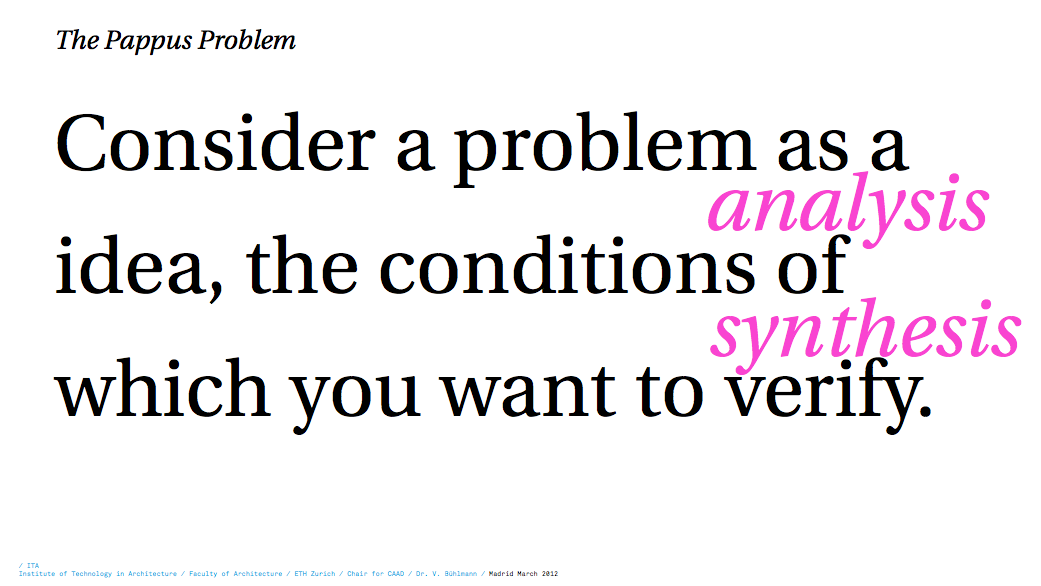
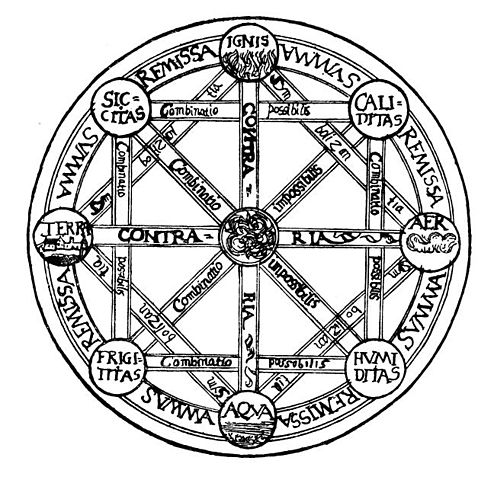
Characteristica Universalis: https://en.wikipedia.org/wiki/Characteristica_universalis
The idea of a Characteristica Universalis between Leibniz and Russell, and its relevancy today: https://monasandnomos.org/2012/12/05/the-idea-of-a-characteristica-universalis-between-leibniz-and-russell-and-its-relevancy-today/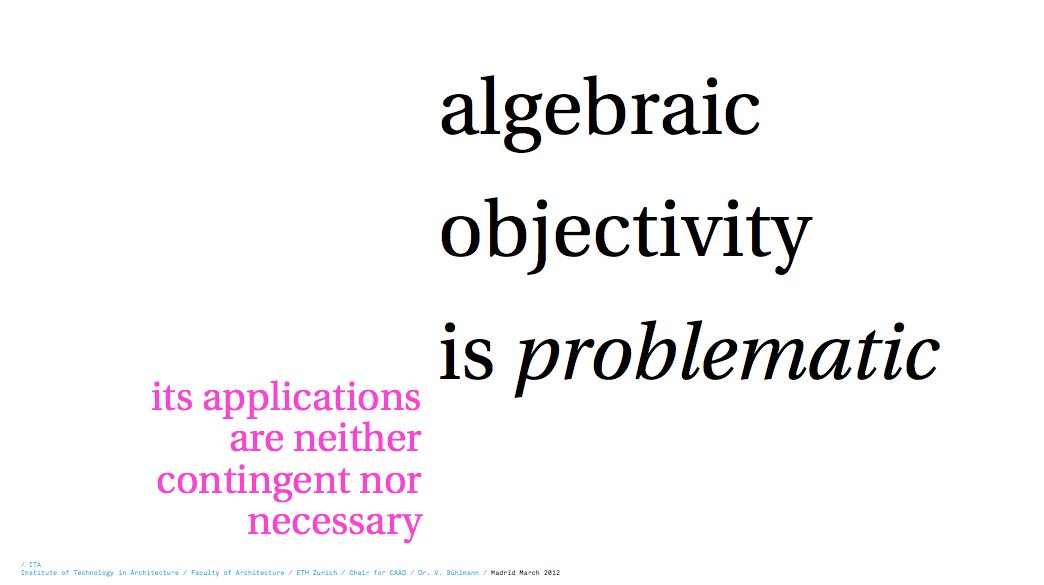
-
While it is fantastic that "open-access/source" is becoming a standard in academia globally, what is urgently needed is "Open Comprehension": The majority of outputs from universities etc. are unnecessarily over-complexified & incomprehensible for 99% of people - often by design.
Suspect the cult of experts & expertise, and the fetishisation of knowledge are primary culprits. Science from the people for the people - life long education embed in daily life - is *far* more exiting than the ivy league system which produces bloated brains and shrunken hearts
-
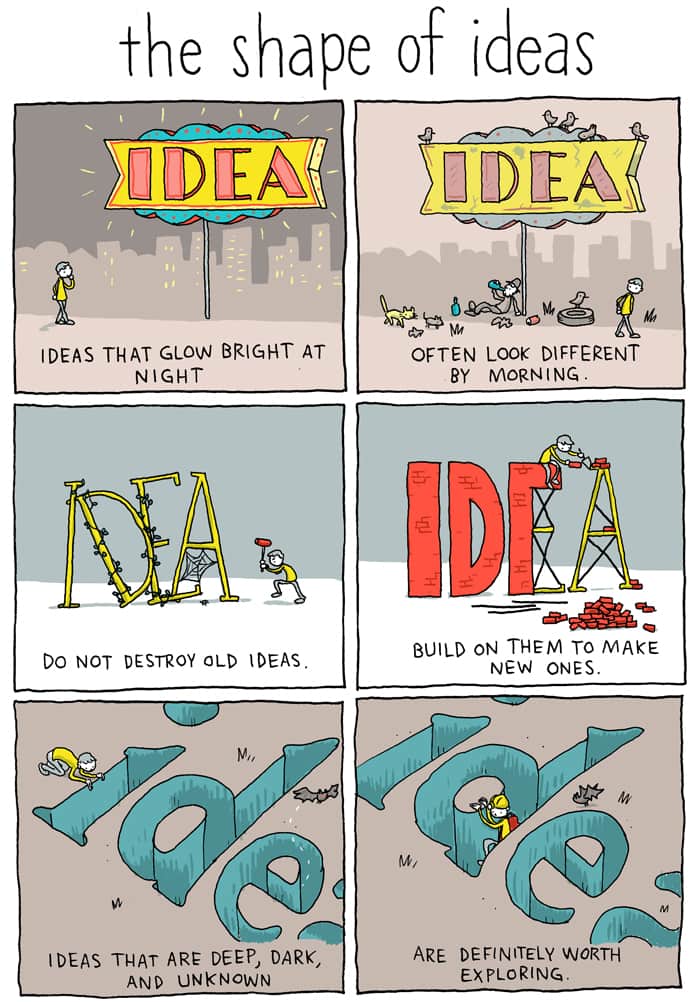
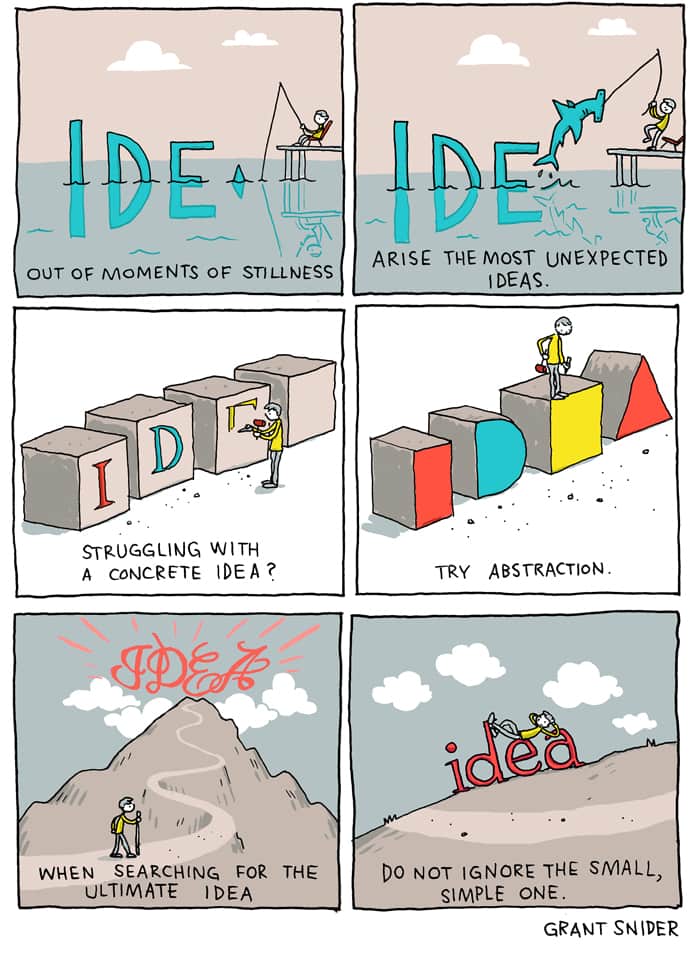
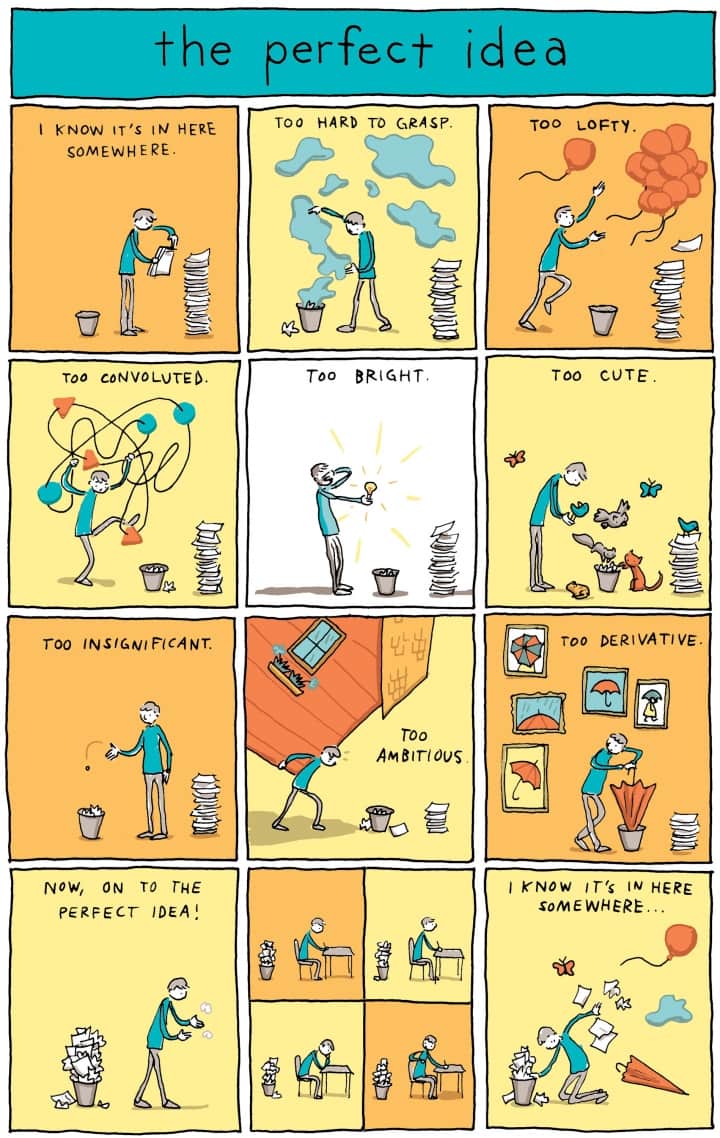
"The Shape of Ideas" - A Comic by Grant Snider That Illustrates the Nature of Ideas: http://www.incidentalcomics.com/2014/08/the-shape-of-ideas.html #KM
-
https://realtimeboard.com - "Teamwork makes the dream work" #KM