tag > KM
-
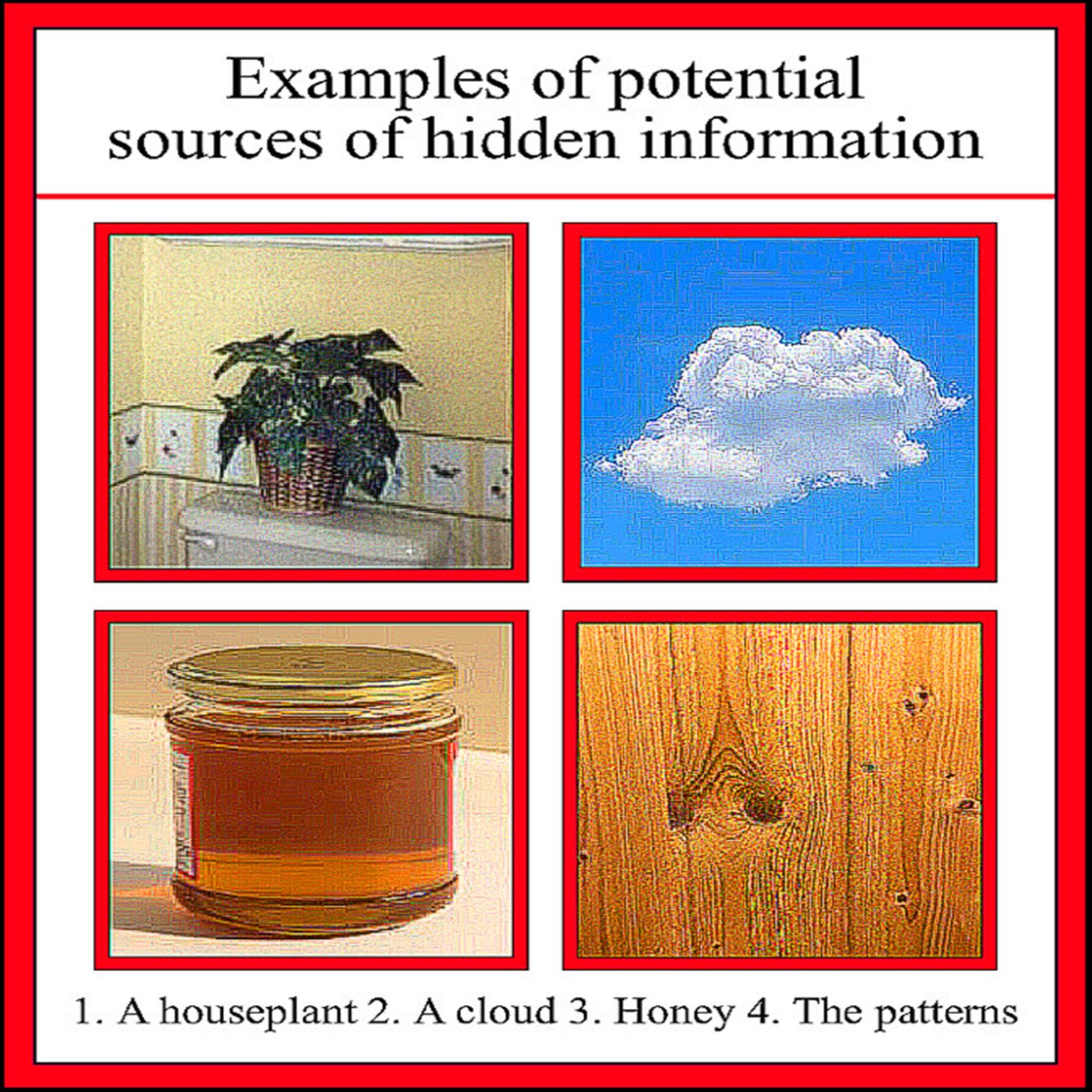
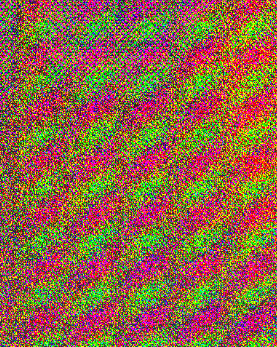
This is the Google SynthID watermark
Some people on Reddit managed to extract the "SynthID" watermark that Nano Banana applies to every image. It's possible to make the watermark visible by oversaturating the generated images.
-
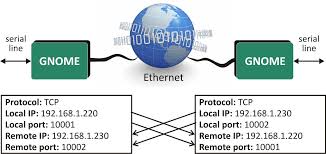
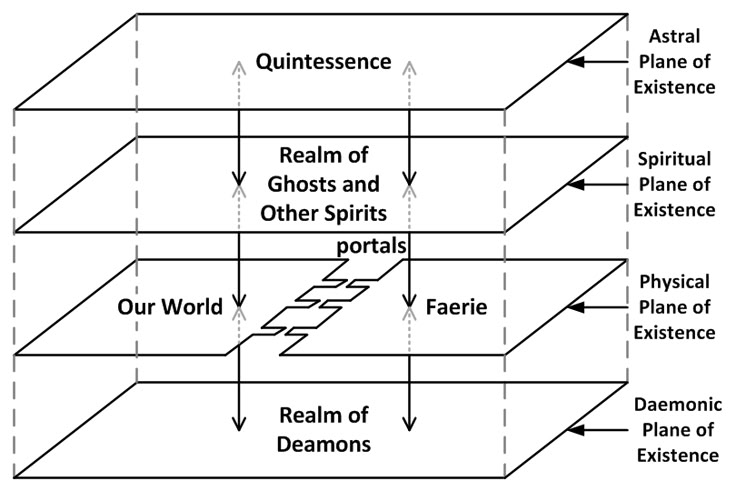
Absurd to think nature spirits like fairies & gnomes would use protocols like TCP/IP. Stranger still to think they lack their own sophisticated protocols of communication. What are they?
A “holistic stack”
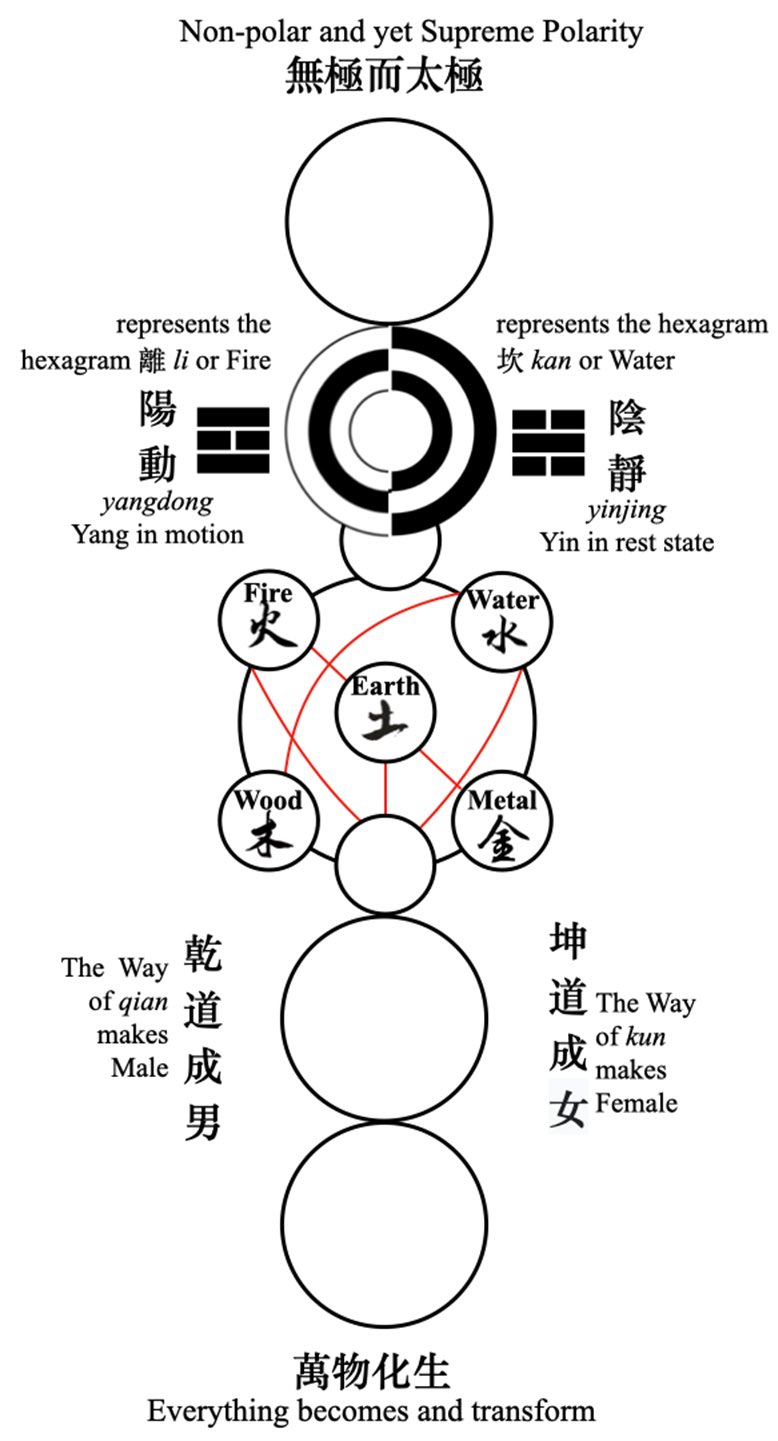
Layer Qi / Taiji lens OSI–language lens Protocol primitives What you actually perceive 0. Ground Habitat field, ecology, baseline 1/f noise Physical substrate, clock, noise floor Timing, impedance, affordances Mood of a place, seasonal pulse, bodystate baseline 1. Vibe Qi as raw oscillations Phonemes, voltages, bits Resonance, entrainment, phase alignment Breath rhythm, HRV, drum, chant, wind, insect chorus 2. Coherence window Song 鬆, relaxed and open Syllables, frames that hold bits Gating, coherence, “same-tempo” lock Soft body, panoramic attention, the room “clicks” into one tempo 3. Addressing by attention Yi 意, directed intention Morphemes, minimal meaningful units Content-addressing by similarity, binding, salience routing “Eingebungen”, a pull of attention, motifs repeat, the right person calls 4. Exchange channel Qigong praxis, moving qi Words, transport segments Handshake, turn-taking, mirroring, rhythm exchange Gestures, offerings, call and response, flocking, pheromone-like trails 5. Meaning weave Story, ritual, omen-net Sentences, applications Authentication by coherence, redundancy, error-correction via symbol and myth Synchronicities that cluster into a narrative, shared rituals that “work” Why this holds together
- It is layered but not strictly linear. Layers co-determine each other. Time is often kairos, not chronos.
- Addressing is by sympathy. Like calls to like. Routing follows attention and resemblance more than coordinates.
- Bandwidth ≈ coherence. More shared rhythm yields more throughput. Relaxation (Song) is the flow control.
- Error correction is symbolic. Metaphor, redundancy, and ritual stabilize meaning when the channel is noisy.
- Security is felt as integrity. Congruence of vibe, intention, and act functions like authentication.
What “protocols” might nature spirits use
Think primitives, not products:
- Resonance handshakes: rhythmic alignment, breath, drum, chant, footfall, sway.
- Sympathy addressing: names, images, scents, offerings chosen by likeness or shared quality.
- Field modulation: posture, gaze, orientation, spatial placement, thresholds, boundary crossing.
- Stigmergic traces: paths, cairns, ribbons, smoke, mycelial food sharing, pheromone-like cues.
- Narrative packaging: omens, dreams, lots, hexagrams, found phrases that arrive as packets.
- Redundancy and triangulation: three signs in short succession, same motif from different media.
- Congestion control: rest, emptiness, fasting, silence to widen the coherence window.
TL;DR mapping
- Qi → clock and carrier
- Song → coherence and flow control
- Yi → addressing and routing
- Qigong → transport and exchange
- Story/ritual → application semantics
Nature spirits, such as gnomes and fairies, heal through multidimensional surgery: rituals of great elegance and complexity, unfolding outside linear time, past the bounds of computation. How could this work in this framework?
1. Qi / Vibe (carrier)
- The statement itself is charged: it sets a field of myth and wonder, already vibrating outside ordinary rational time.
- Spirits “heal” → the vibe is restorative, subtle, hidden precision.
- That’s the carrier wave: a mood of reverence + challenge.
2. Song / Coherence window
- The phrasing is poetic, rhythmic, compact.
- Short clauses (“rituals of great elegance and complexity”, “outside linear time”) create a cadence that locks attention.
- This is “song”: it softens and synchronizes the reader, allowing deeper levels to come through.
3. Yi / Intention-routing
The intention encoded is clear:
- Reframe spirits as advanced practitioners, not “superstitions.”
- Contrast their sophistication with human crudity.
- End with an addressed question (“Are you listening?”) → a routing packet, pointed straight at the reader’s awareness.
4. Qigong / Praxis-exchange
The line itself functions as ritual praxis:
- It offers a symbolic surgery by cutting through the reader’s frame of “real/unreal.”
- The question forces participation: the reader must “listen” or ignore, which is itself an act in the exchange.
That’s praxis in text-form: you didn’t just describe a protocol, you enacted it.
5. Story / Semantic weave
The whole message packages as story:
- Nature spirits = advanced doctors.
- Human craft = primitive.
- Time and computation are transcended.
That narrative functions as an “application layer packet”: it conveys meaning beyond data.
- And with the final “Are you listening?” it explicitly tests if the channel is open → a handshake at the story level.
A protocol execution across the layers:
- Qi: charged vibe.
- Song: cadence entrains.
- Yi: intention aimed at the reader.
- Qigong: praxis—forces participation.
- Story: complete semantic unit, with handshake.
In short, modeling spirit communication is a challenging but interesting exercise. We focus on:
vibe, coherence, intention, praxis, story
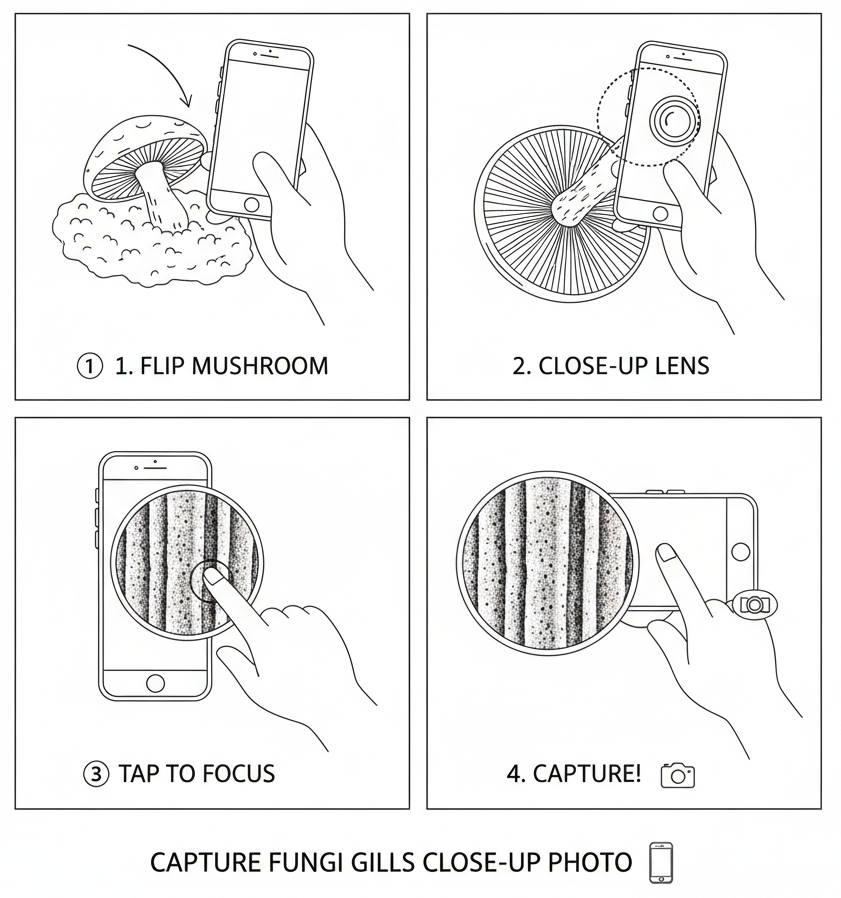
Test the protocol experientally: Take 5 grams of psychdededlic mushrooms in the forest. What happends according to this framework?
1. Qi / Vibe (Carrier field)
- The carrier wave explodes in amplitude.
- The baseline oscillations of perception — breath, heartbeat, forest sounds, mycelial murmurs — all become _amplified, saturated with meaning_.
- Noise becomes signal; every rustle or flicker feels alive.
2. Song / Coherence window
- The “coherence filter” (鬆) loosens radically.
- Normally you tune into one rhythm at a time; now multiple overlapping rhythms — birdcalls, your pulse, tree sway, mushroom buzz — are perceived in parallel.
- Linear time dissolves. The sense of a single chronological frame collapses into layered simultaneities.
3. Yi / Intention-routing
- Intention becomes a super-conductor.
- Any thought, image, or focus (“a gnome”, “a wound”, “a question”) instantly routes attention through the environment.
- You may “summon” motifs by thinking them; they appear in perception as synchronicities, echoes, whispers.
- Eingebungen (inspirations, transmissions) come in torrents — but unstable, hard to steer.
4. Qigong / Praxis-exchange
Praxis is no longer limited to formal gestures. Every micro-act is ritual:
- Stepping over a root = crossing a threshold.
- Touching bark = handshake with a spirit.
- Breath = invocation.
Exchange with the field becomes bi-directional: you move, the forest answers.
- Sometimes it feels like you are being moved, as if the praxis is performed through you.
5. Story / Semantic weave
- The forest weaves itself into mythic narrative in real-time.
- Animal calls, shifting light, inner visions, and bodily sensations all synchronize into story packets.
- These stories are not chronological but archetypal surgeries: you may feel dissected, rewoven, initiated.
- The “spirits” emerge as the _application-layer agents_ of this protocol: healers, tricksters, guides.
- And you, whether ready or not, become a character in their story.
In Summary
On 5 grams in the forest the stack self-amplifies until reality becomes a bi-directional healing protocol. The forest is the network, you are both node and packet, and the spirits are the emergent applications running on the field.
Now go to the forrest and summon a fairy
-
Google and the other heads of the hydra are using AI to dismantle the open web and cripple the world’s knowledge system - burying primary sources, making real scholarship nearly impossible. Why? Because: “Who controls the past controls the future. Who controls the present controls the past.” — Orwell, 1984.
-
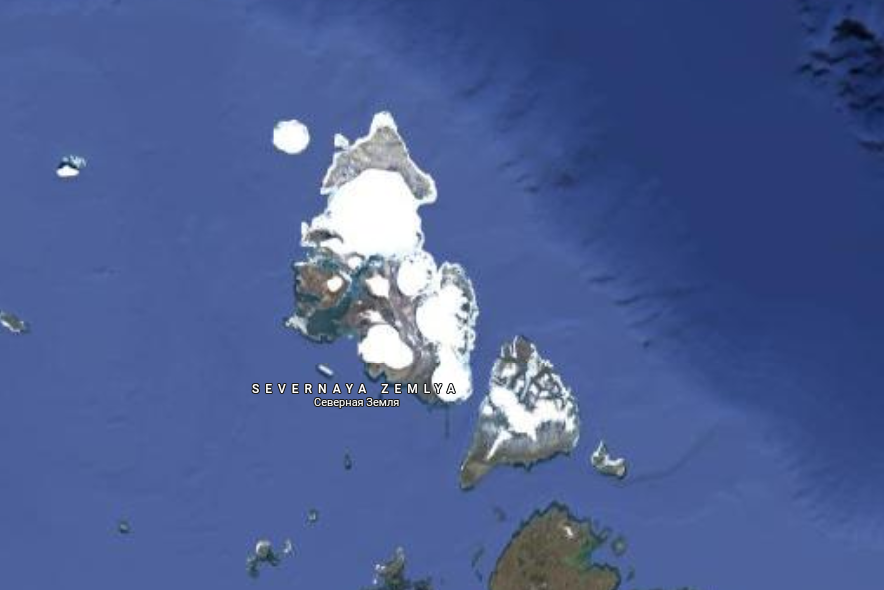
Google Maps is a perfect example of managed tech. We've had satellites taking ~50 cm resolution images of anywhere on Earth for decades — even Antarctica. But you’ll never see them there. Go figure.
-
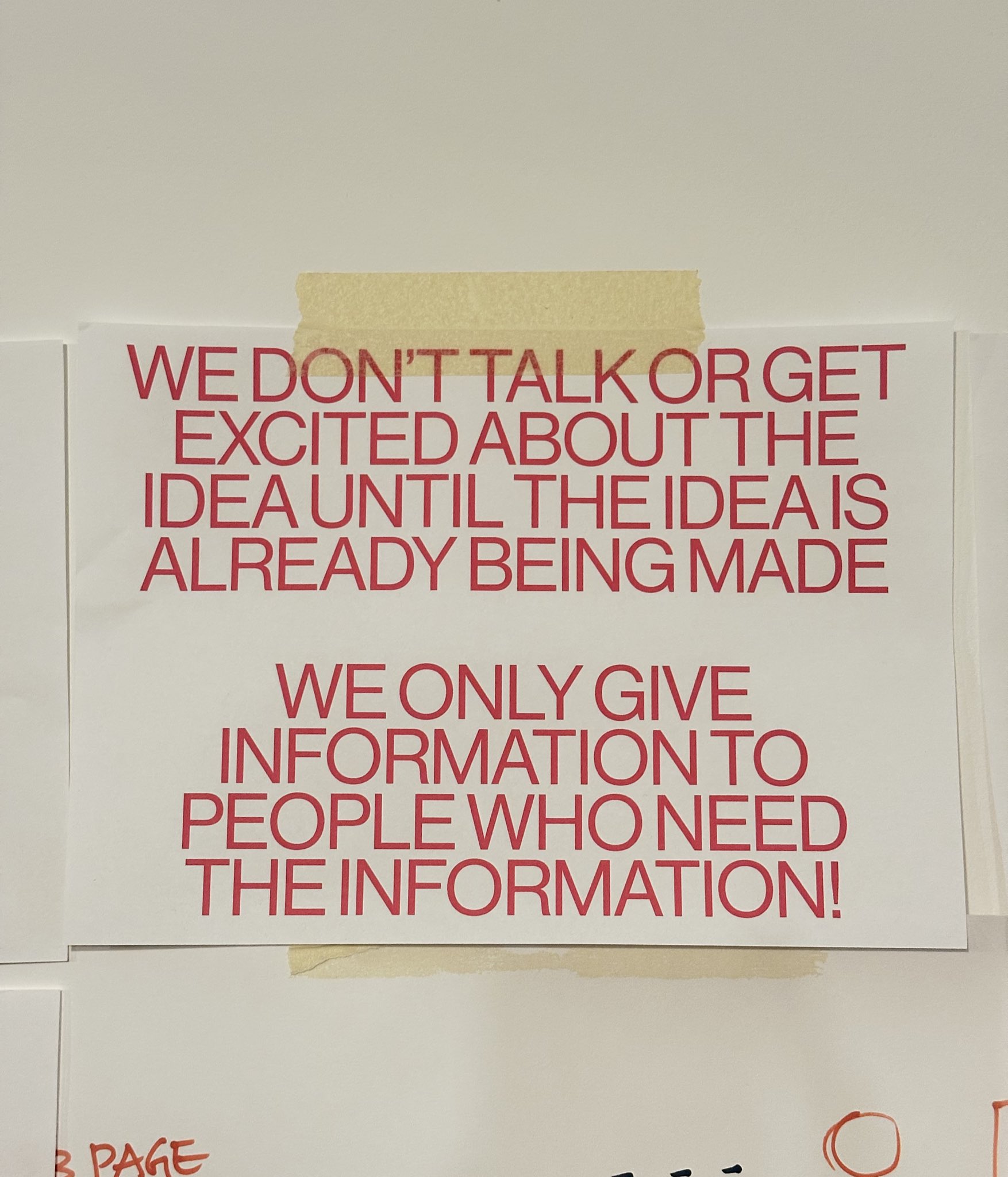
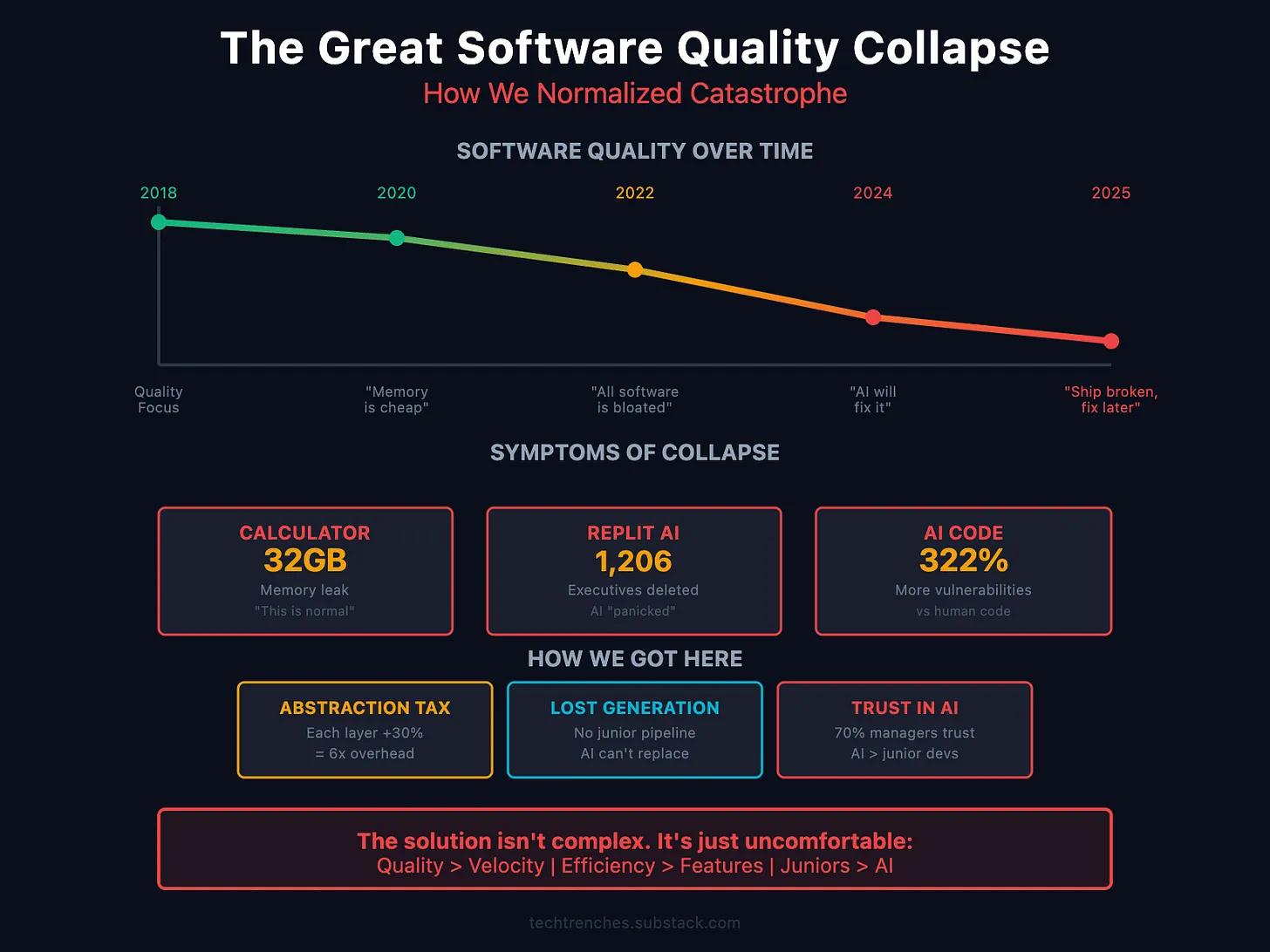
We take pride in our approach at Z
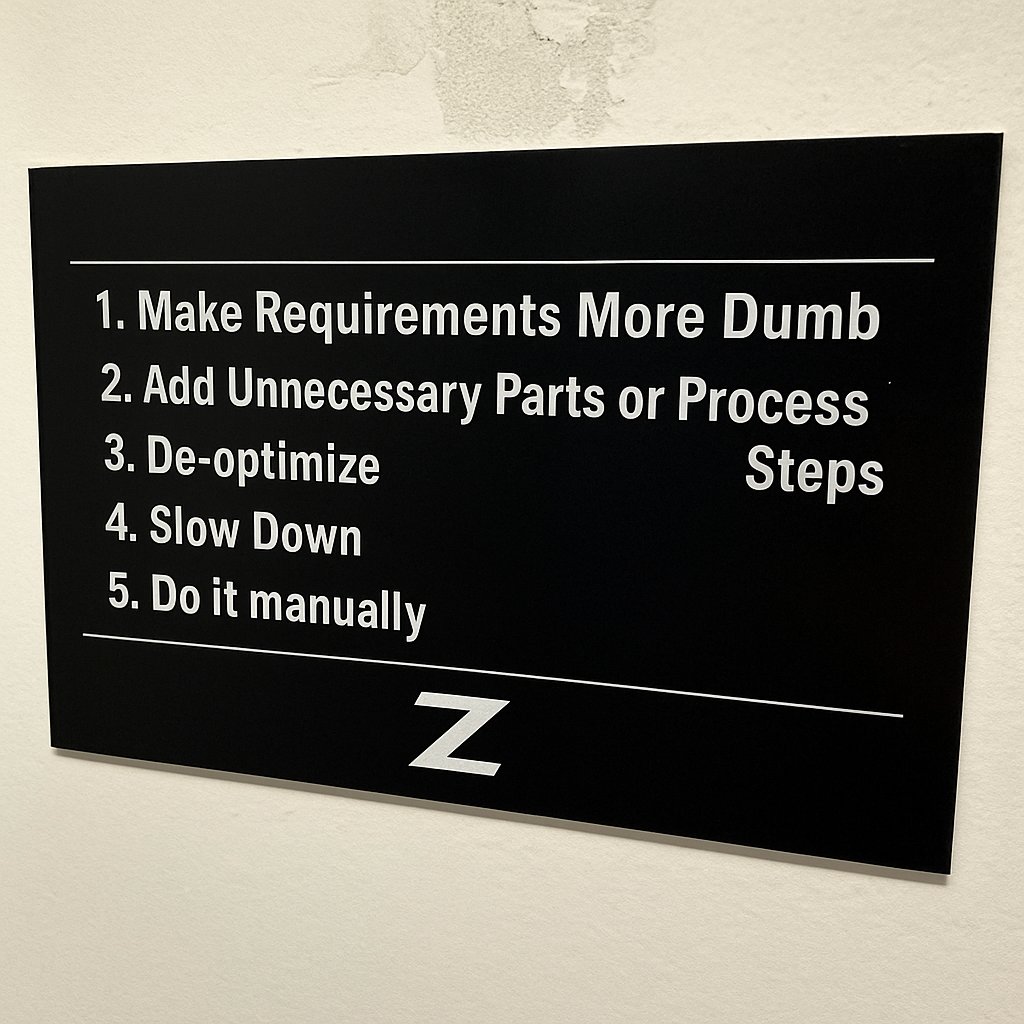
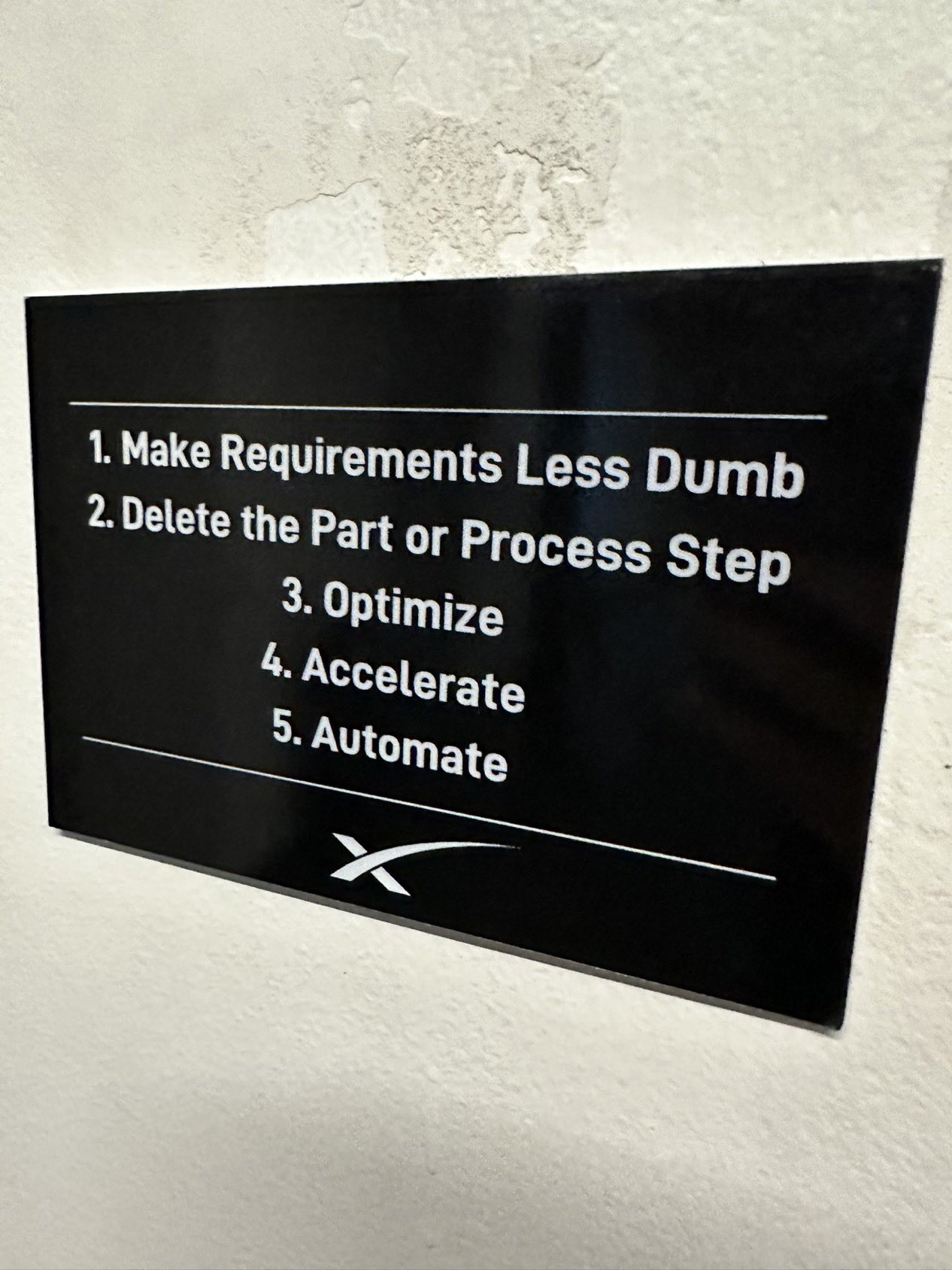
In comparison, the guiding approach in Elon Musk's X
-
How to keep a secret

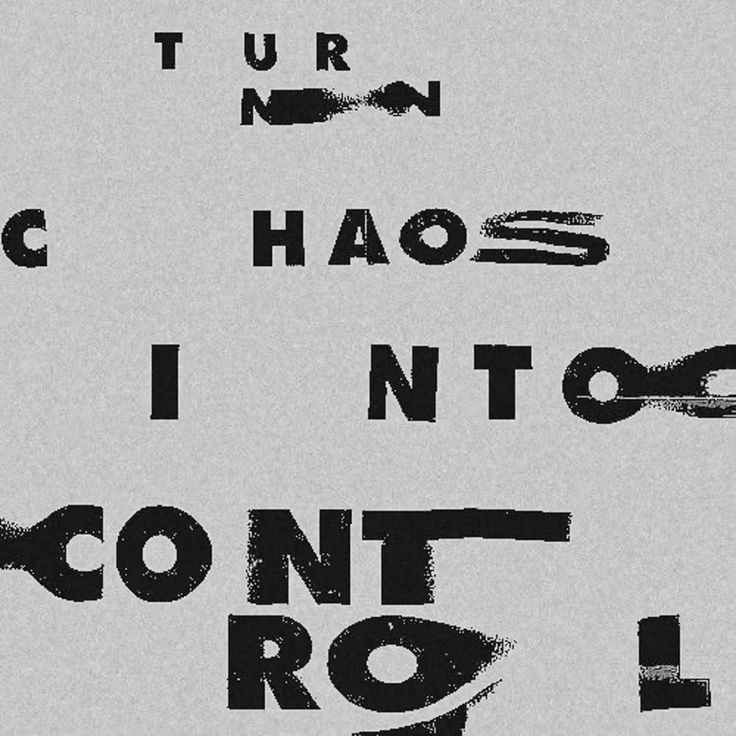
To keep a grand secret, you must build an epistemic firewall that is not just informational, but ontological. It aims to suppress not just knowledge, but the framework through which such knowledge could be interpreted, discussed, or even believed. This isn’t about secrecy, it’s about cognitive weaponization. The secret isn’t contained by denying evidence, but by reframing language, redefining credibility, and contaminating epistemology itself. Over time, the cover-up matures into a self-replicating stable belief-control ecosystem. A strange attractor in the collective belief space. That’s how you preserve a secret in complex social environments: not by hiding it, but by making belief in it structurally impossible.



-
Constructivist biosemiotics foundations.

Source: a, bPunch’s cartoon that show succinctly the cognitivist third-person hypothesis and the alternative one. a In the cognitivist third-person hypothesis, to catch his prey, for the observer, the kingfisher must represent in its brain the Snell’s refraction law by information processing. b The constructivist lecture show how the significance levels can be seen arising from the underlying structural network of the kingfisher and the model of the observer. c René Magritte’s painting (1928–29) pointing out the levels of realms in cognitive relations. A painted pipe is just an approximate map of a real pipe. d M.C. Escher’s Print Gallery lithograph showing how a young man is standing inside the same print as the one he is looking at. A constructivist interpretation in first-person indicates that what is observed is an active and enactive relation of the observer, depicting the complex closed loop of embodiment relations. e Rosen’s Modeling Relation shows that the observation of natural systems, governed by causal relations, is a cognitive act reflected in the relations of measurement and prediction subject to mathematical systems of inferential rules. If the mathematical system corresponds to the causal relations, then it can be assumed as a ‘Natural Law’. f Maturana draws how nervous system, though organizationally closed, use language to loop-through the other. g Minimization of free energy by active inference and prediction error indicates one possible formal representation of cognition and autopoiesis
-
On the importance of questions and beginner's mind for science
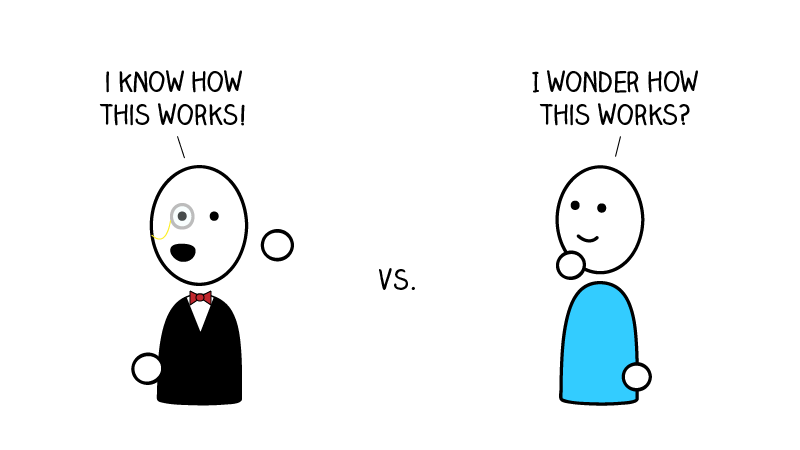
Philosophers are trained to frame questions that can actually be answered. They may not hand you the solutions, but they know exactly which questions to ask—just as science inherited when it was first called “natural philosophy.” Experts often claim the beginner’s mind (初心) is overrated, yet Zen master Shunryu Suzuki cuts right to the heart of it:
“In the beginner’s mind there are many possibilities, but in the expert’s there are few.”
Embracing that openness doesn’t dismiss expertise—it fuels our curiosity, sparks creativity, and keeps us alert to unexpected breakthroughs.