tag > Military
-
Free Your Mind... and Your Ass Will Follow

This is a placeholder post for all current news (about pandemics, politics, economics, wars, etc.). In a nutshell, 'It's all bullshit, folks and it's bad for ya', as George Carlin once put it. The level of insanity, stupidity, dishonesty and maliciousness is currently so high, that it is the duty of any sensible person to consciously tune-out and direct ones attention to more sane, important, productive and joyful issues. Enjoy life today - it's precious and short.
-
MoD report urges embrace of human augmentation to fully exploit drones & AI for warfighting
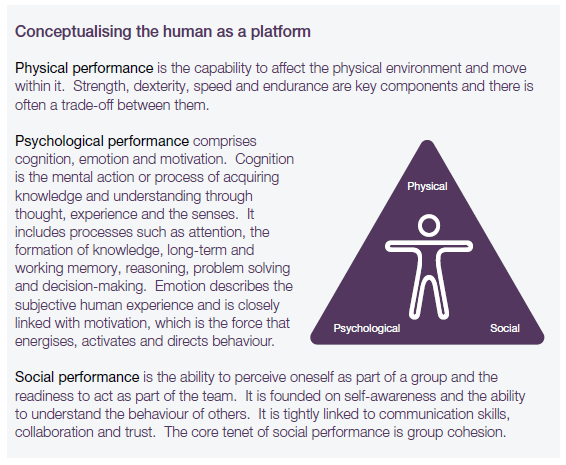
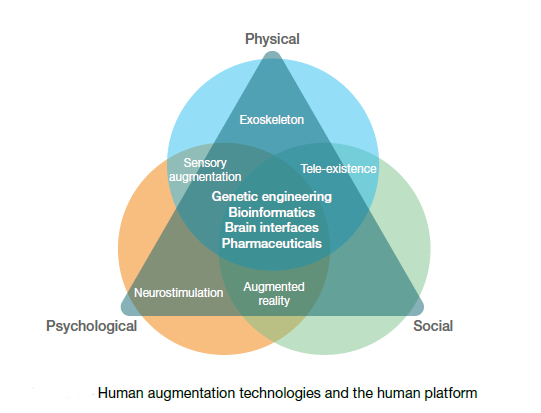
The MoD’s internal think-tank, the Development, Concepts and Doctrine Centre (DCDC) along with the German Bundeswehr Office for Defence Planning (BODP) has published a disturbing new report urging greater investigation of – and investment in – human augmentation for military purposes. The following is a brief summary of the 100+ page document with short comment at the end. ‘Human Augmentation – The Dawn of a New Paradigm’ (PDF) argues that humans are the ‘weakest link’ in modern warfare, and that there is a need to exploit scientific advances to improve human capabilities.

-
Mindblowing: advances in brain tech spur push for 'neuro-rights'
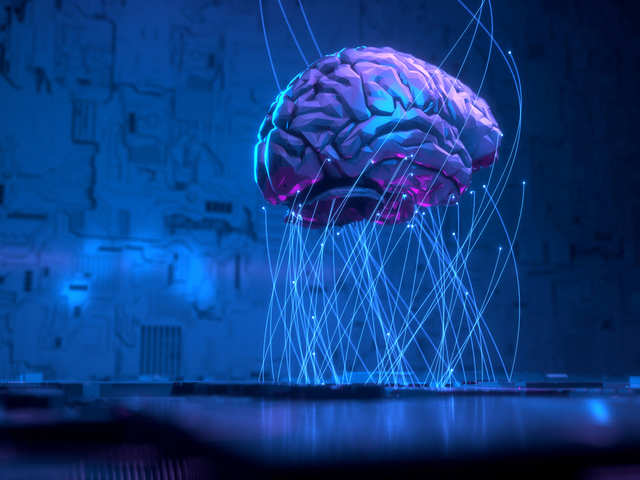
by Alberto PEÑA, April 29, 2021
As sci-fi thriller "Inception" topped box offices across the world, audiences were delighted and appalled by its futuristic story of a criminal gang invading people's dreams to steal valuable data.
More than a decade on, the technology envisioned by filmmaker Christopher Nolan is likely not far off, according to experts in Chile, who have moved the security debate beyond burglar alarms to safeguarding the most valuable real estate people ever own: their minds.
The South American nation is aiming to be the world's first to legally protect citizens' "neuro-rights," with lawmakers expected to pass a constitutional reform blocking technology that seeks to "increase, diminish or disturb" people's mental integrity without their consent.
Opposition senator Guido Girardi, one of the authors of the legislation, is worried about technology -- whether algorithms, bionic implants or some other gadgetry -- that could threaten "the essence of humans, their autonomy, their freedom and their free will."
"If this technology manages to read (your mind), before even you're aware of what you're thinking," he told AFP, "it could write emotions into your brain: life stories that aren't yours and that your brain won't be able to distinguish whether they were yours or the product of designers."
- 'Prevent manipulation' -
Scores of sci-fi movies and novels have offered audiences the dark side of neurotechnology -- perhaps invoking criminal masterminds ensconced in secret strongholds, manipulating the world with a dastardly laugh while stroking a cat.
In fact, the nascent technology has already demonstrated how it can have significantly positive applications.
In 2013, then-US president Barack Obama promoted the BRAIN (Brain Research through Advancing Innovative Neuro-technologies) initiative, which aimed to study the causes of brain disorders such as Alzheimer's, Parkinson's and epilepsy.
Back in Chile, Science Minister Andres Couve told AFP the neuro-rights debate "is part of a consolidation of a new scientific institutionality in the country that is now capturing international attention."
But many are worried about the potential for nefarious actors to abuse technological advances.
Chile's President Sebastian Pinera proposed at last week's Ibero-American summit in Andorra that countries legislate together on the thorny issue.
"I call on all Ibero-American countries to anticipate the future and to adequately protect, now, not just our citizens' data and information, but also their thoughts, their feelings, their neuronal information, to prevent these from being manipulated by new technologies," the conservative Pinera said.
The Chilean bill contains four main fields of legislation: guarding the human mind's data, or neuro-data; fixing limits to the neuro-technology of reading and especially writing in brains; setting an equitable distribution and access to these technologies; and putting limits on neuro-algorithms.
Spanish scientist Rafael Yuste, an expert on the subject from Columbia University in New York, told AFP some of these technologies already exist, and even the most remote will be available within 10 years.
- 'A new Renaissance' -
They are already being applied to animals in laboratories.
Scientists have experimented with rats, implanting images of unfamiliar objects in their brains and observing how they accept those objects in real life as their own and incorporate them into their natural behavior.
"If you can enter there (into the chemical processes of the brain) and stimulate or inhibit them, you can change people's decisions. This is something we've already done with animals," said Yuste.
The science has opened the possibility of designing hybrid humans with artificially enhanced cognitive abilities.
The risk is that, without proper safeguards, the technology might be used to alter people's thoughts, employing algorithms via the internet to re-program their hard wiring, to dictate their interests, preferences or patterns of consumption.
"To avoid a two-speed situation with some enhanced humans and others who aren't, we believe these neuro-technologies need to be regulated along principles of universal justice, recognizing the spirit of the Universal Declaration of Human Rights," said Yuste.
Yuste considers neuro-technology a "tsunami" that humanity will have to deal with, which is why people need to be prepared.
"Neuro-technology can be scary if you think about dystopian science-fiction scenarios. However, for every dystopian scenario, there are 10 beneficial ones," said Yuste, who sees neuro-technology as "a new Renaissance for humanity."
Already, neuro-technologies are used on patients suffering from Parkinson's or depression by stimulating the brain with electrodes to "alleviate the symptoms," said Yuste.
Similarly, deaf people are treated with "cochlear implants in the auditory nerve" that stimulate the brain.
It is hoped that something similar in the future will restore sight to the blind or treat those with Alzheimer's by strengthening the memory's neuronal circuits.
"It will be a beneficial change for the human race," said Yuste.
apg/bc/ft
Related Video discussing this article.
-
US Army using VR helmet to link biometrics with automated systems

“The future squad is not just going to be humans,” Army Research Lab Scientist Russell Cohen Hoffing tells Federal News Network. “There’s going to be agents involved — robots, some intelligent adaptive systems, drones, software. Our systems will passively look at physiology of soldiers and use that to create a map to paint a picture of situational awareness. You could have a drone immediately infer where a soldier is interested and go and explore that area, and this is again having all passively without a soldier’s input at all.”
-
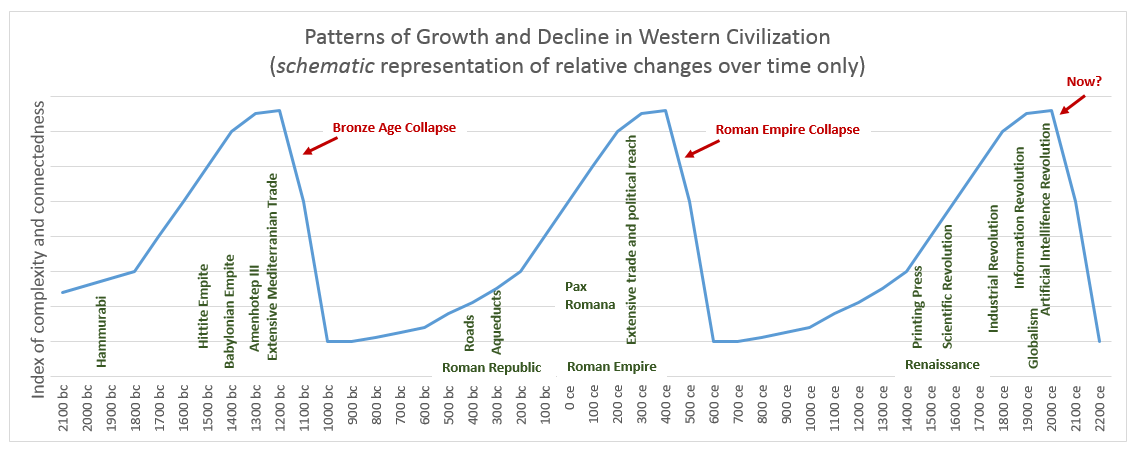
Western institutions, networks and culture are rapidly collapsing - the signs are all around us.
-
Cognitive Warfare - Battlefield of Tomorrow
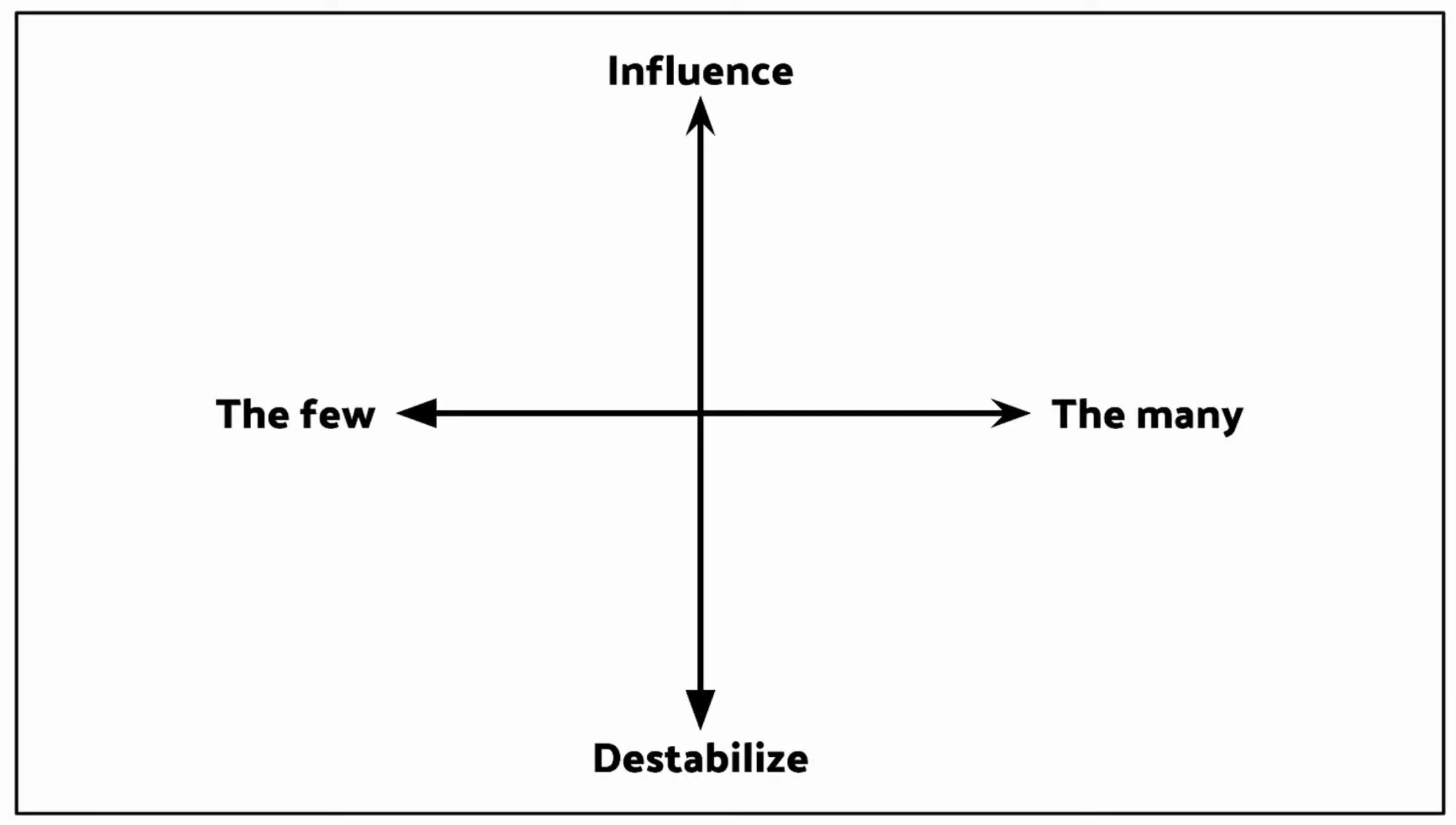
To what extent can the power of the human mind be manipulated with modern technologies? The core of the problem lies in the fact that we still do not know how to orient ourselves in this area. We do not have it defined and we are not sure what to call it. And naming a problem is always the first step that leads to its solution.
-
José Manuel Rodríguez Delgado (1915 - 2011) was a interesting person
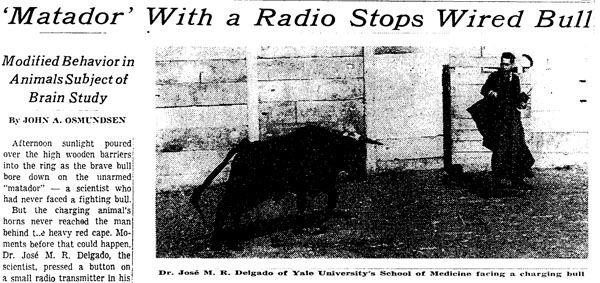
"We need a program of psychosurgery and political control of our society. The purpose is physical control of the mind. Everyone who deviates from the given norm can be surgically mutilated. "The individual may think that the most important reality is his own existence, but this is only his personal point of view. This lacks historical perspective. "Man does not have the right to develop his own mind. This kind of liberal orientation has great appeal. We must electrically control the brain. Some day armies and generals will be controlled by electrical stimulation of the brain." - José Manuel Rodríguez Delgado, Physical Control of the Mind: Toward a Psychocivilized Society, Harper & Row, 1969.
-
RIP Nürnberger Kodex *1947 †2021: ECHR rules obligatory vaccination may be necessary

Nazi Slogan: "Everything that is sick is a burden" The ruling is the first time the European Court of Human Rights has weighed in on the issue of compulsory vaccinations. The ruling could play a role in efforts to end the COVID-19 pandemic.
#Comment: This might be the critical blow for "democracy" in Europe, which is heading for totalitarianism, chaos & slaughter.
-
At what point will the general public start to call the situation World War 3?

-
UK Gov study: "Number of Pregnant Women suffering Miscarriage after having Covid Vaccine increases by 483% in just 7 weeks"
Japanese Redcross: "Those who have been vaccinated with the new coronavirus are not allowed to donate blood for the time being." (auto-translator)
Leaked Memo Reveals Concerning New Brain Disease In Canada (theguardian): "Spasms, memory loss & hallucinations among symptoms of 43 patients in New Brunswick province"
-
Hybrid Warfare News

The Evergreen ship that blocked the Suez Canal after navigating an “up yours” sign - Chip-starved automakers shudder at Renesas plant's 1-month halt (nikkei)
- Texas Power Failures Shut Chip Factories, Squeezing Tight Supply (bloomberg)
- Why the World Is Short of Computer Chips, and Why It Matters (wp)
- Indonesian oil refinery fire: Hundreds evacuated from Balongan village (NZherald)
- Massive Explosion Hits Balongan Oil Refinery in Indonesia (sputniknews)
- Dozens killed in besieged Mozambique gas town (reuters)
-
Did Myanmar’s military deepfake a minister’s corruption confession? (KrAsia)
Phyo Min Thein, the former chief minister of the Yangon region, appeared on a television network operated by the Myanmar military. He said he offered bribes to Aung San Suu Kyi, the former State Counsellor of Myanmar. But viewers who know the minister said his voice didn’t sound right, and the video quality was craggy, fueling speculation that the clip was generated using deepfake tools.