tag > Narrative
-
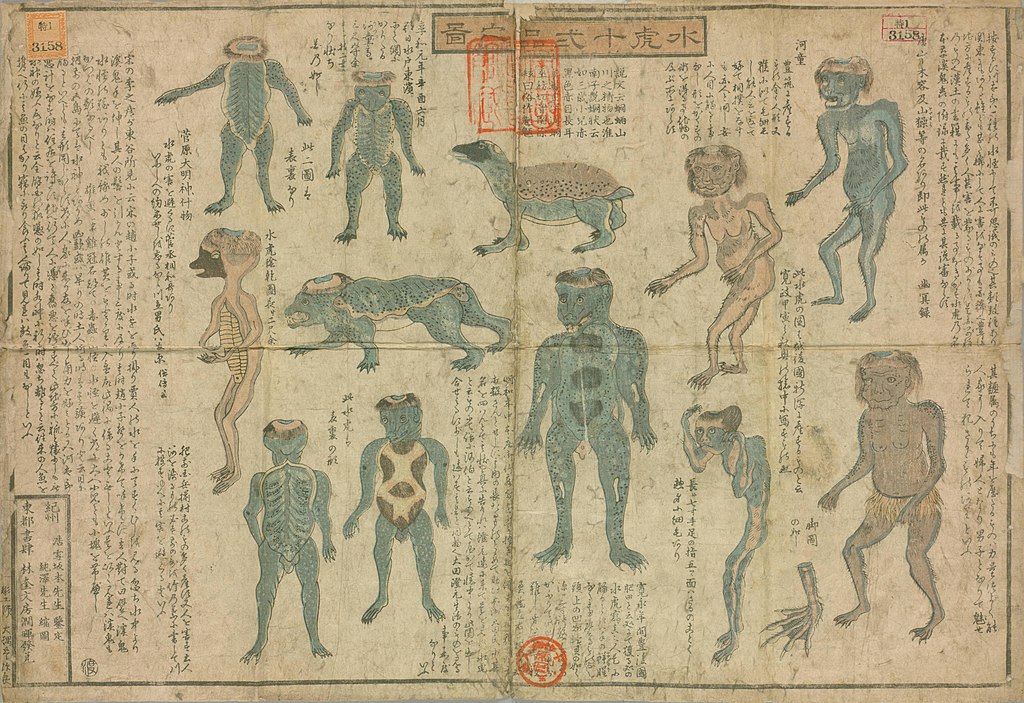
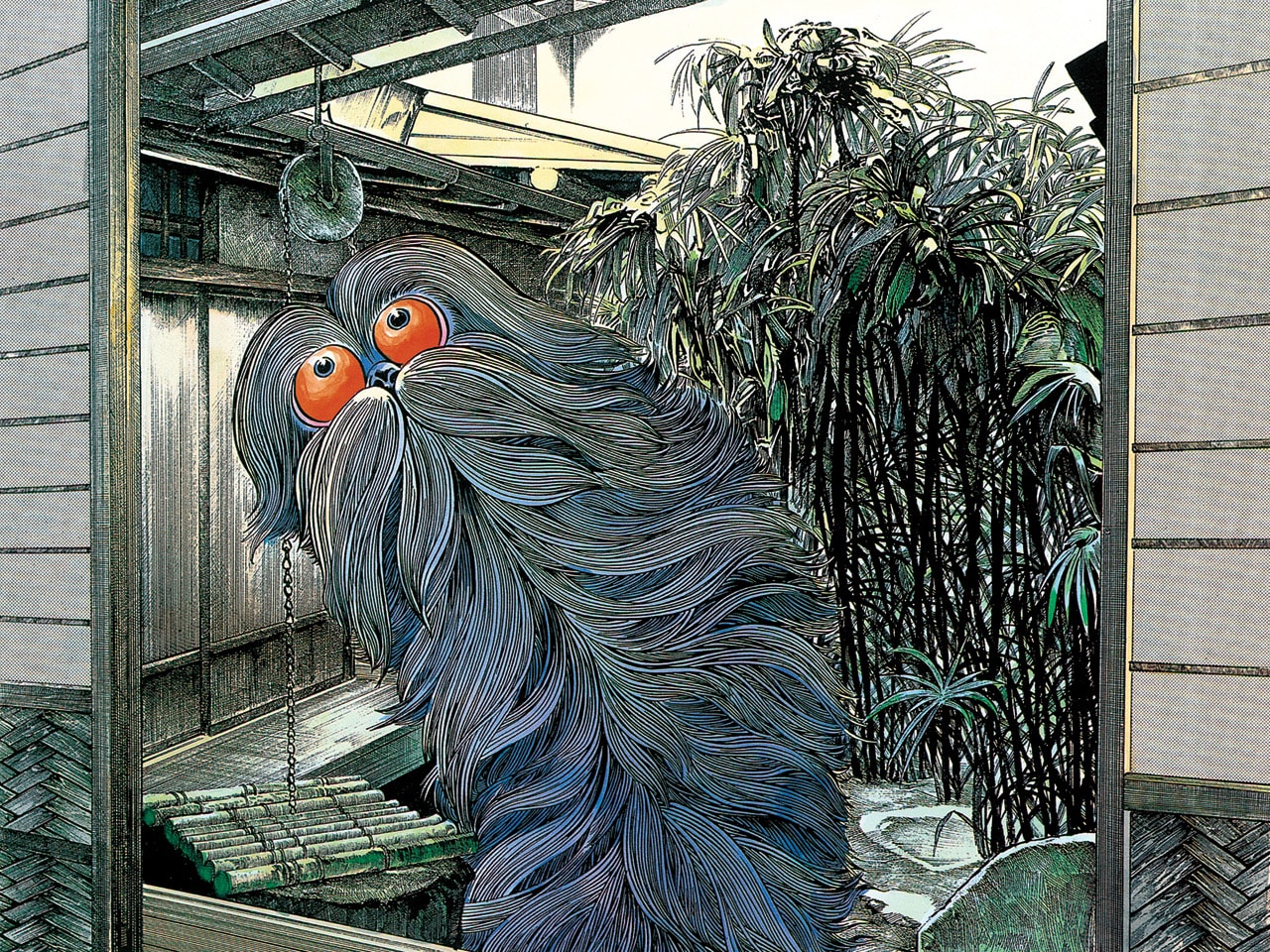
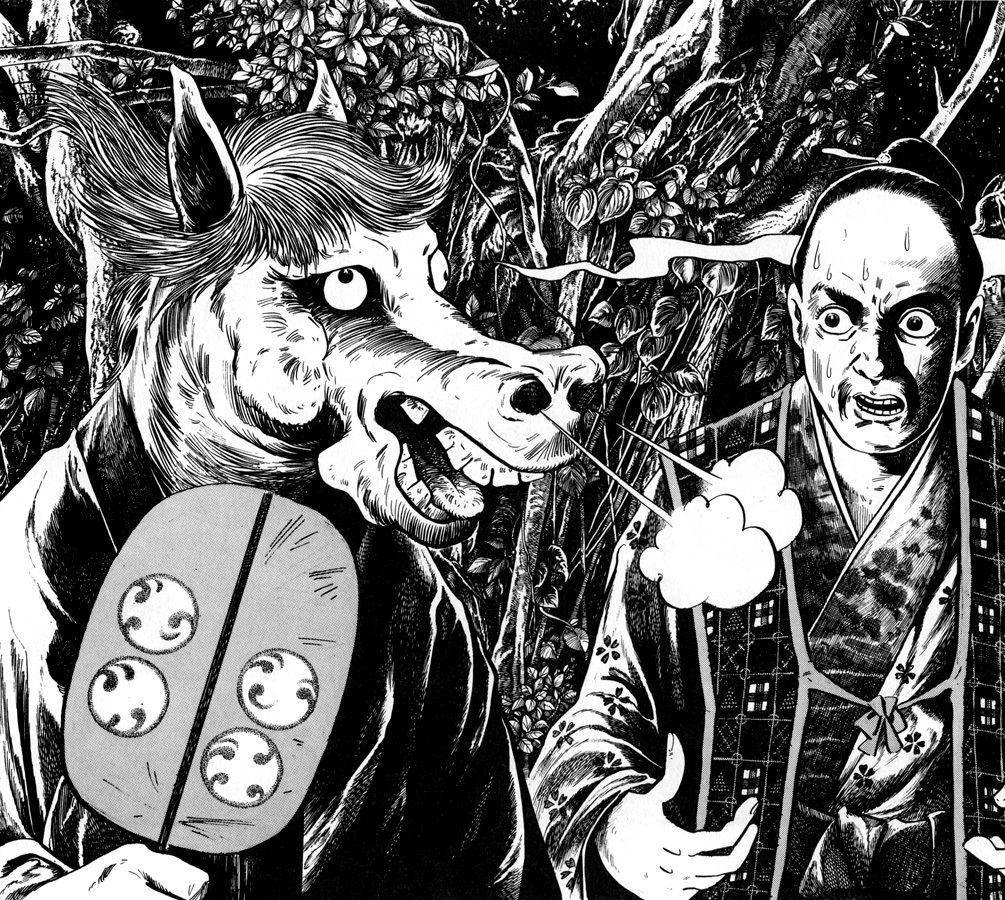
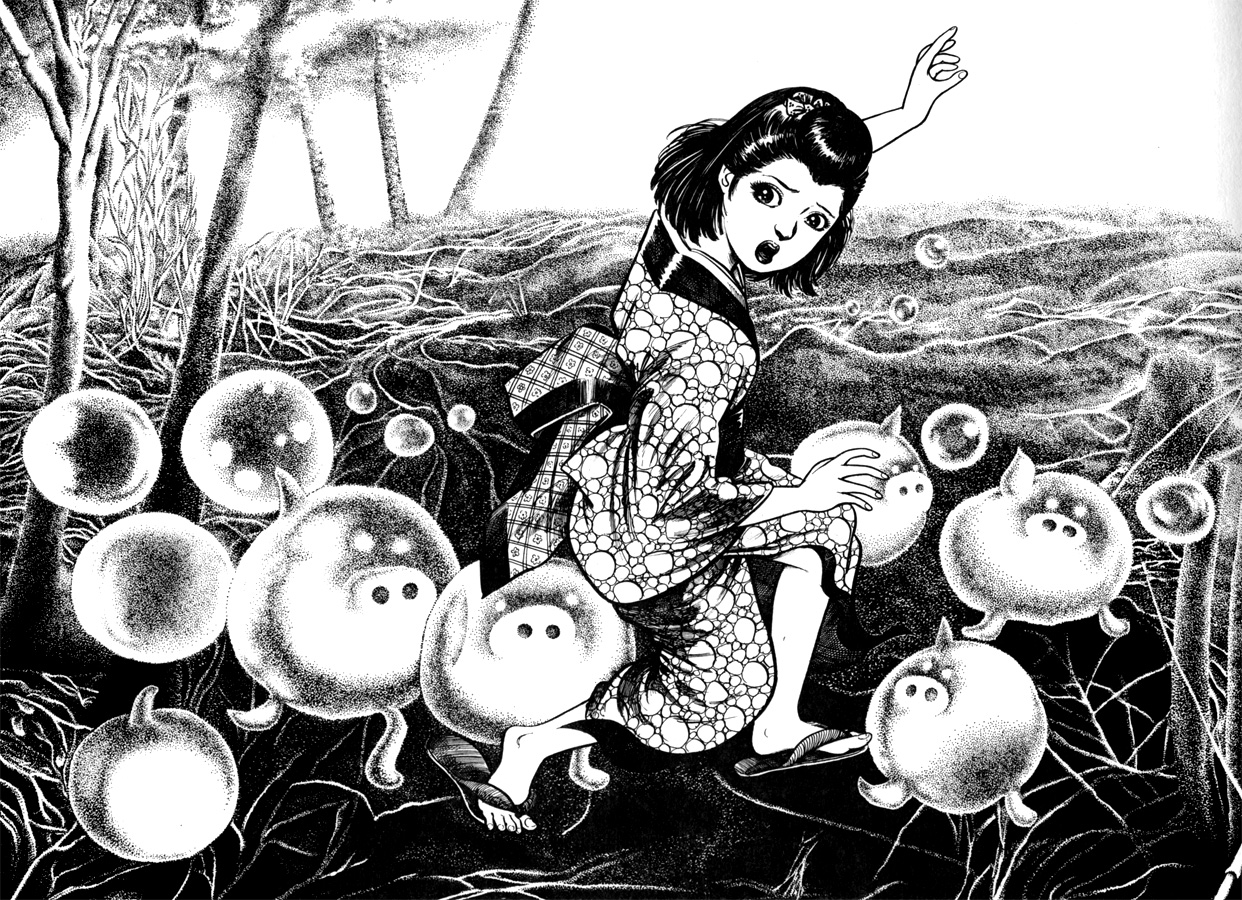
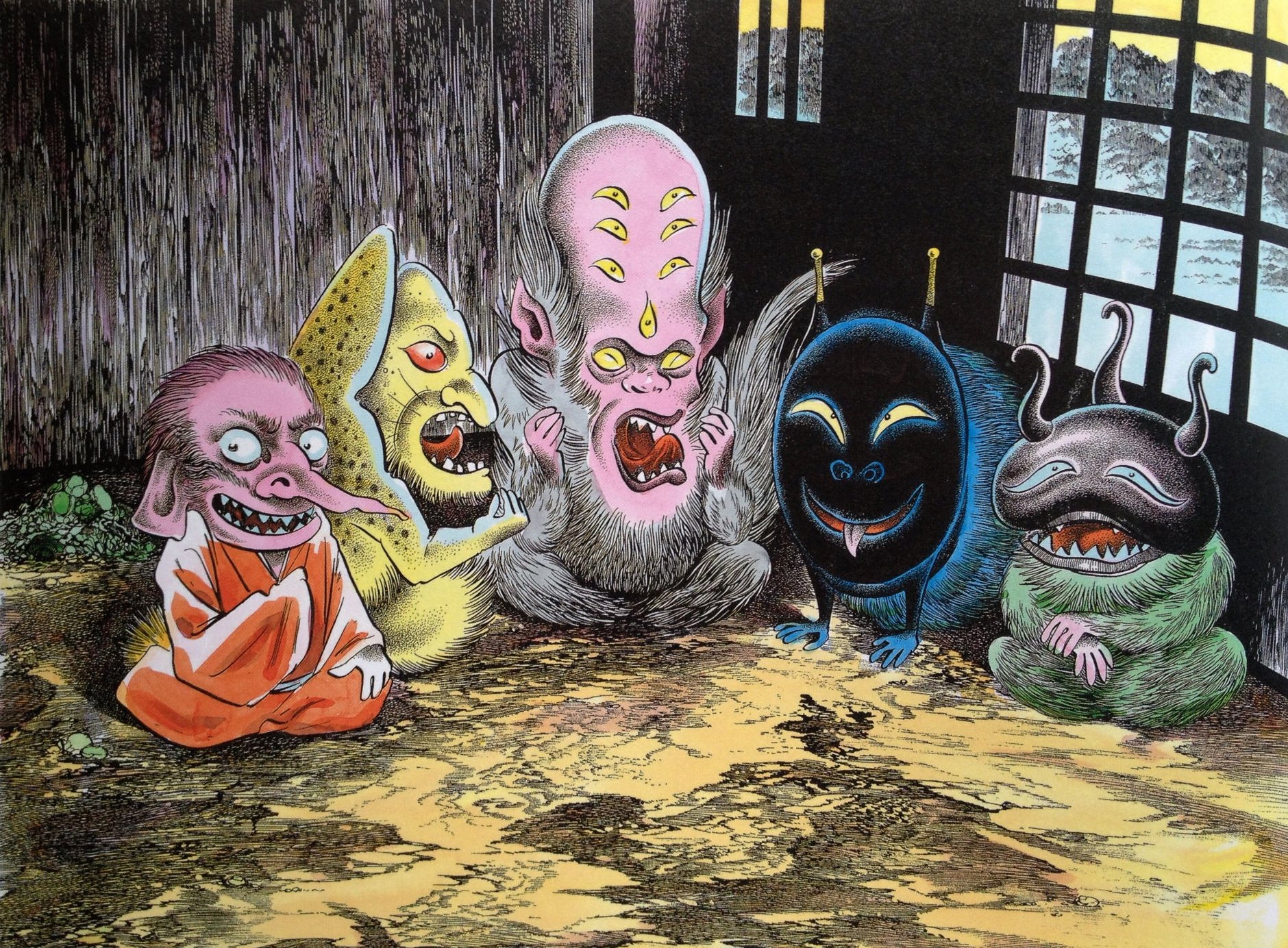
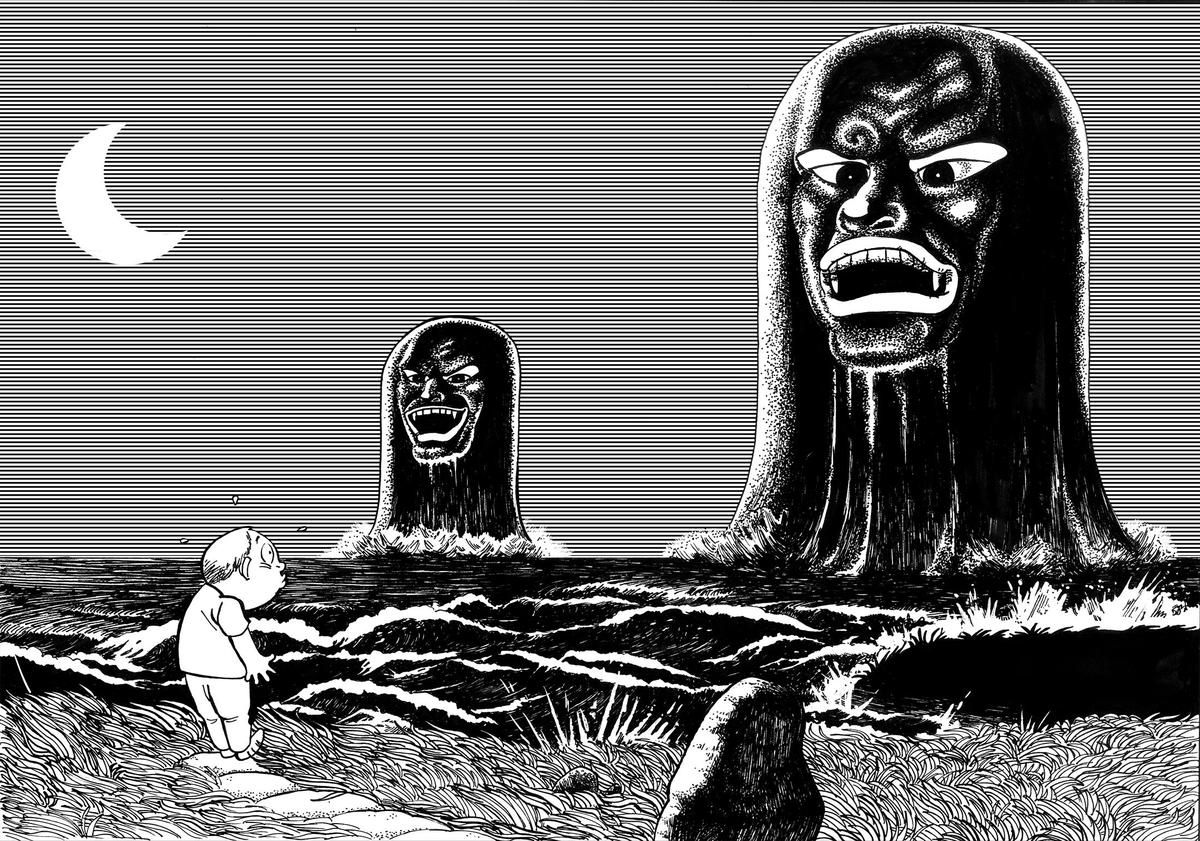
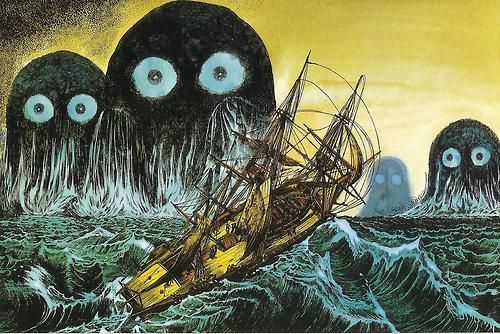
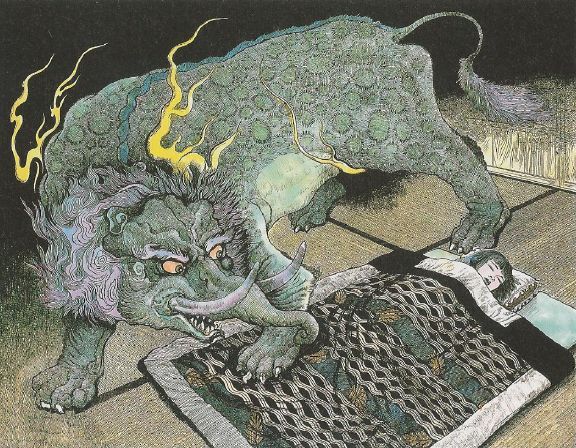
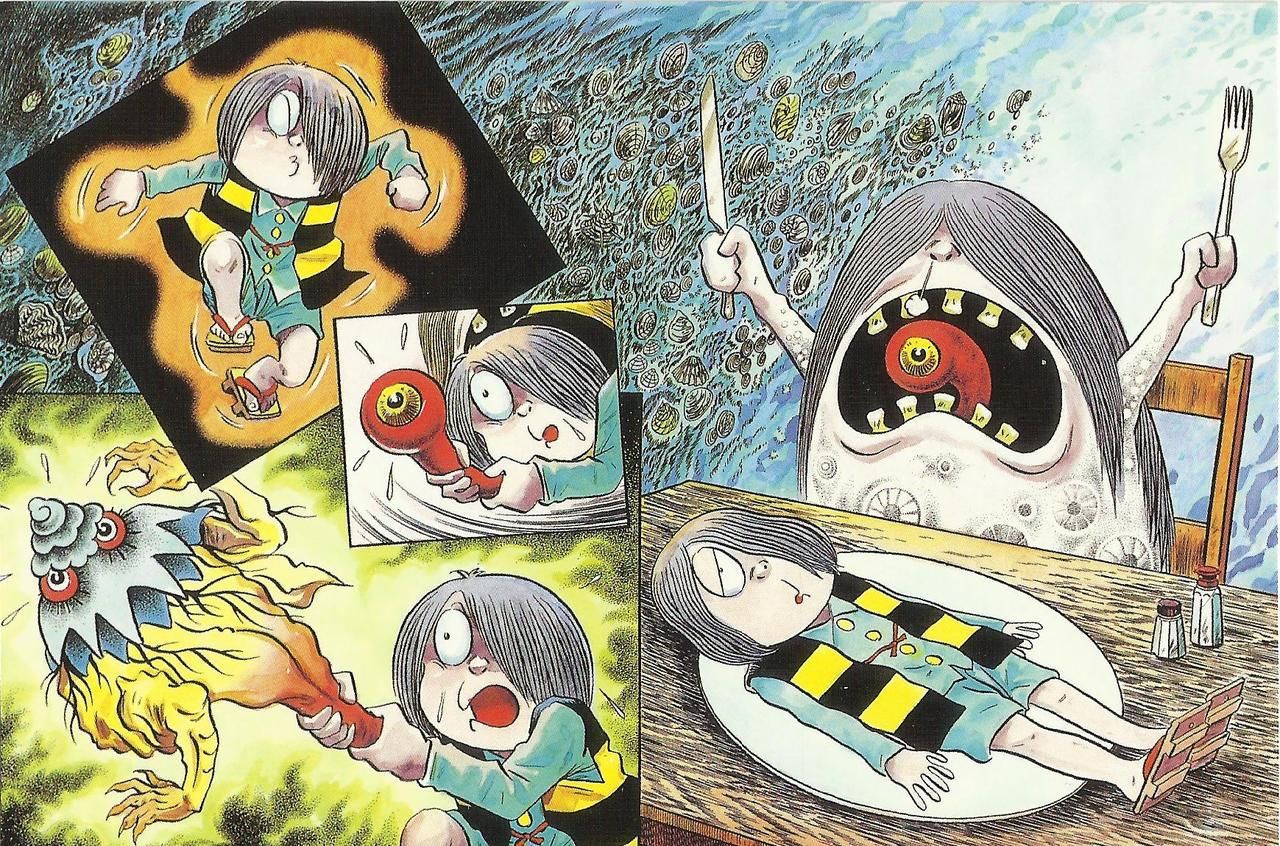
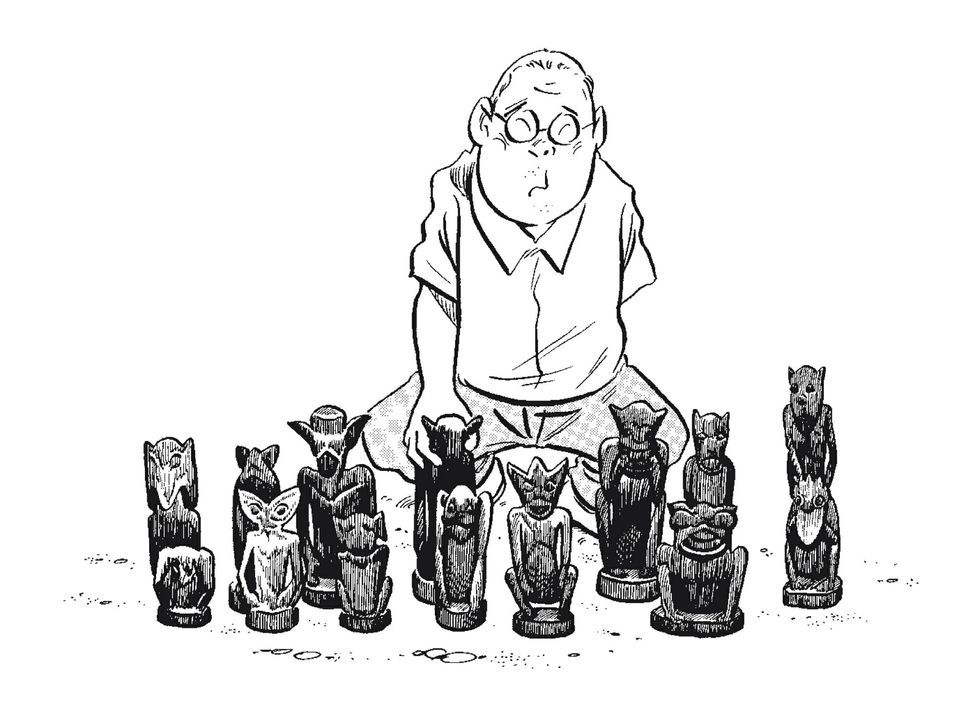
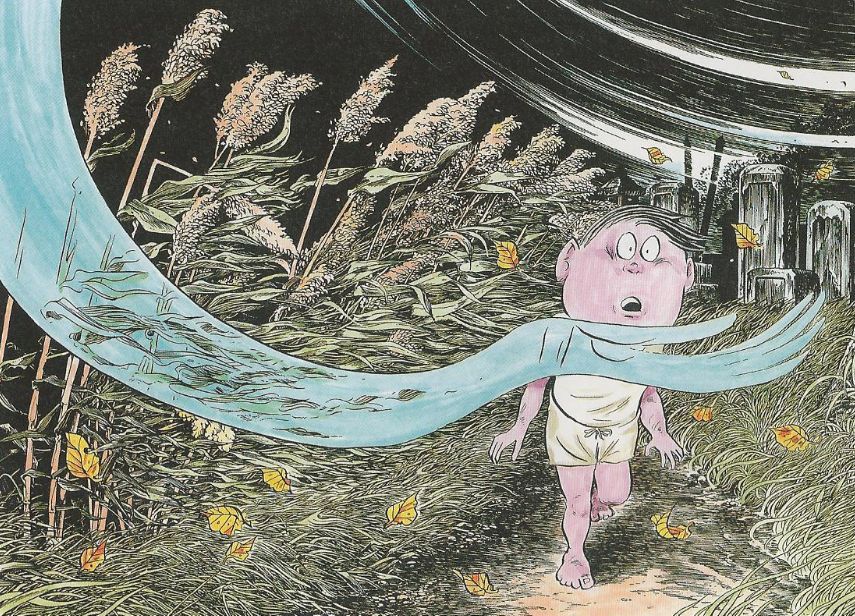
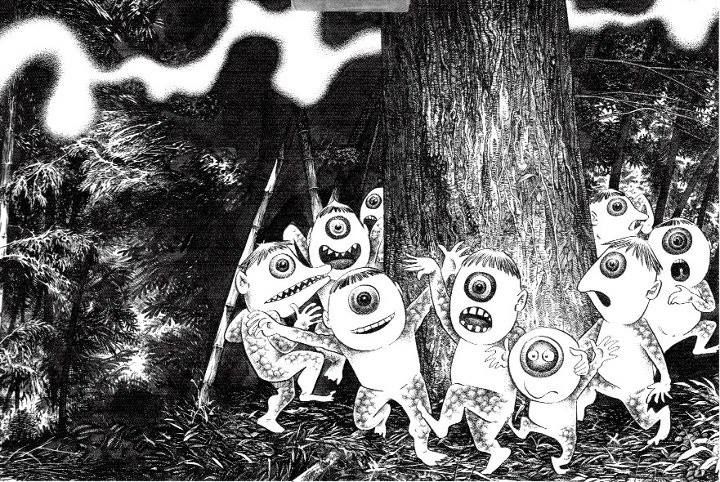
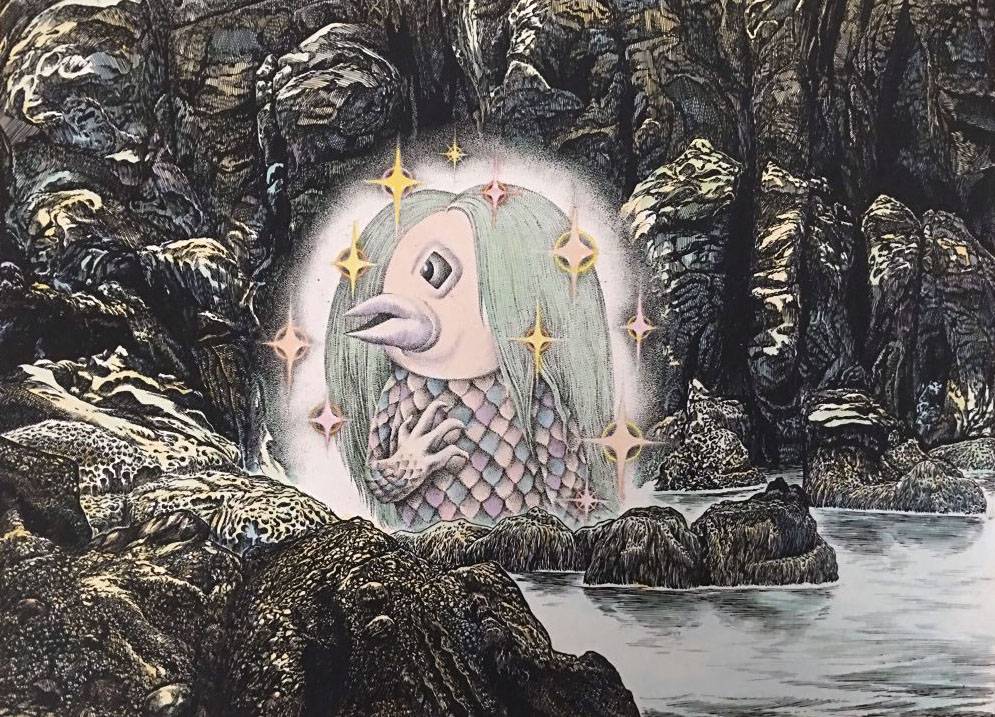
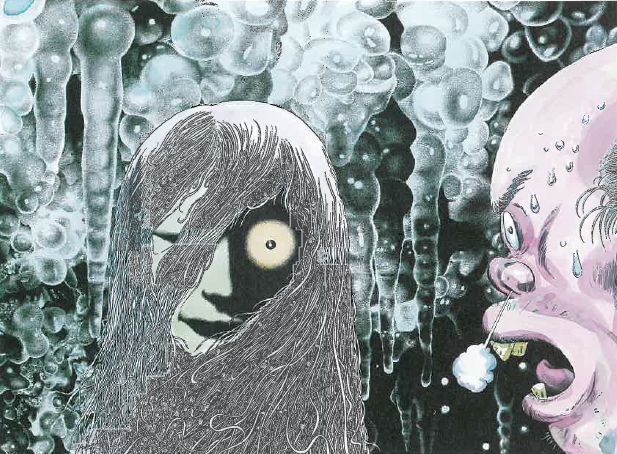
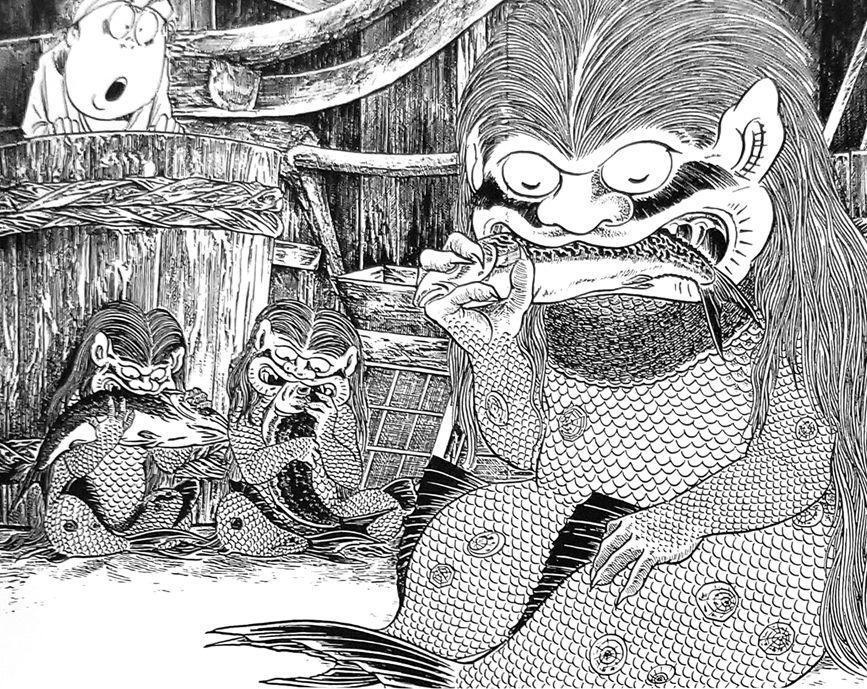
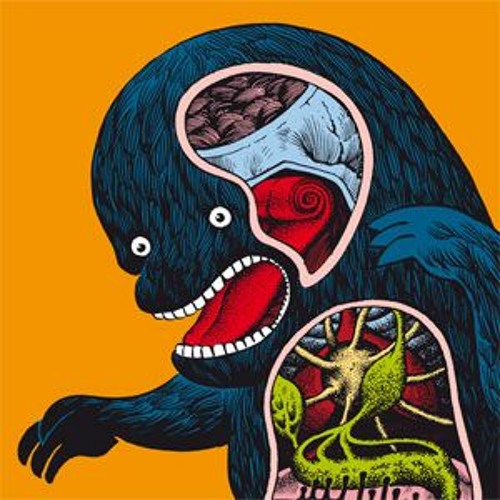
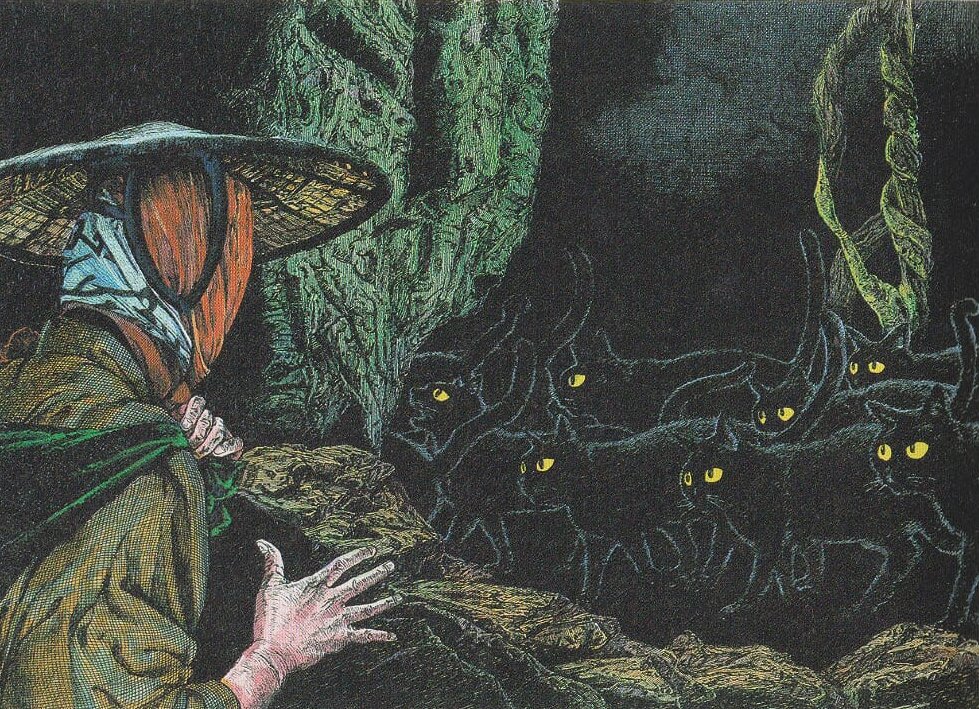
Shigeru Mizuki (水木 しげる) (1922 - 2015) was a true giant in his field and made enormously important contribution to the (none) human story.
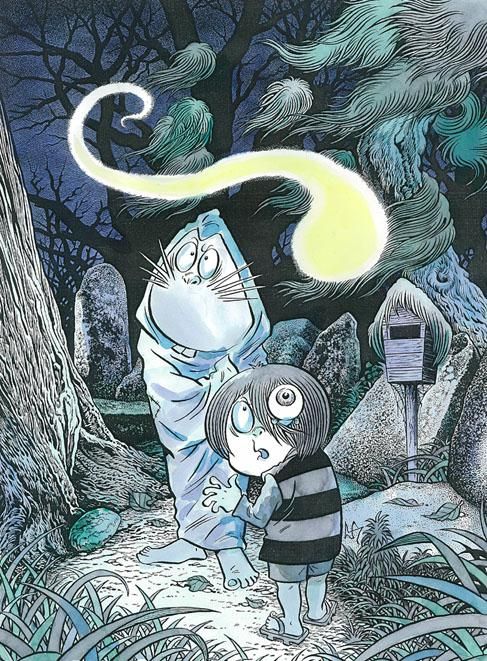
-
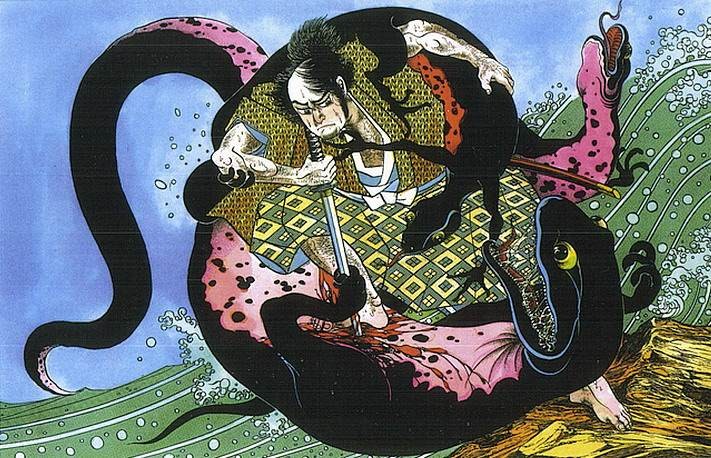
Kunio Yanagita (柳田 國男) (1875 - 1962) was a Japanese scholar and considered the father of Japanese native folkloristics, or minzokugaku.
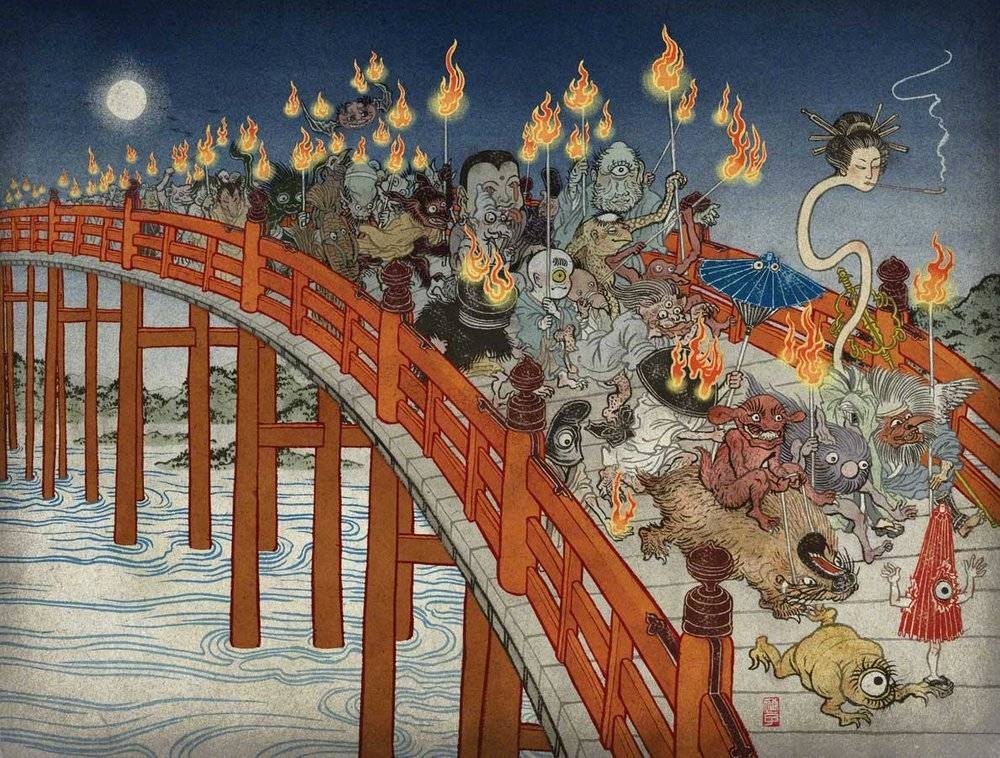
-
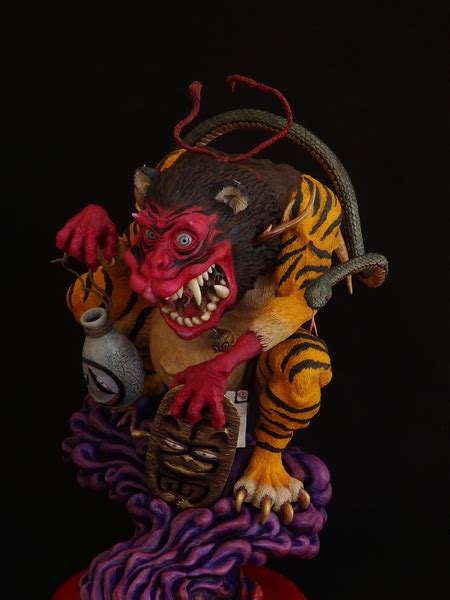
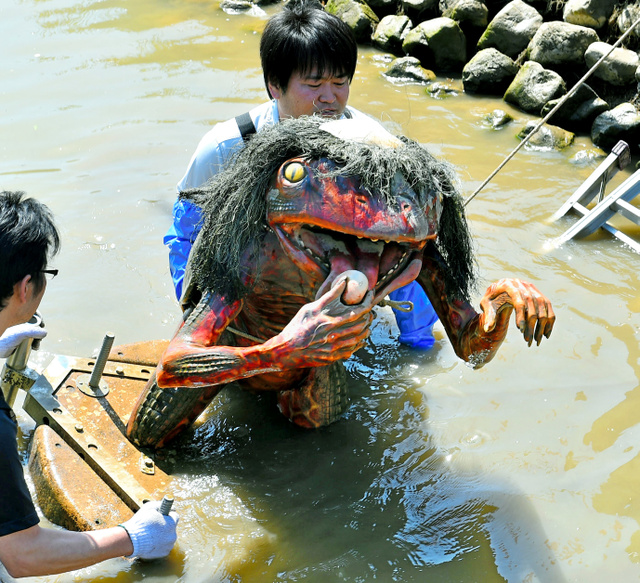
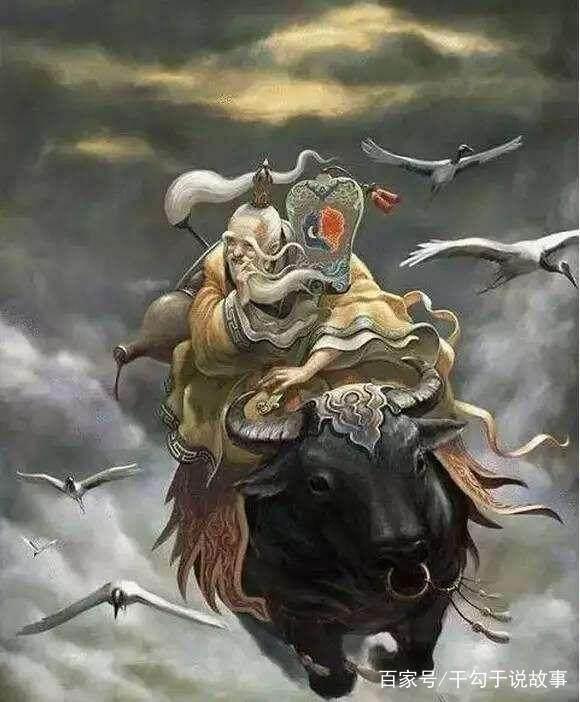
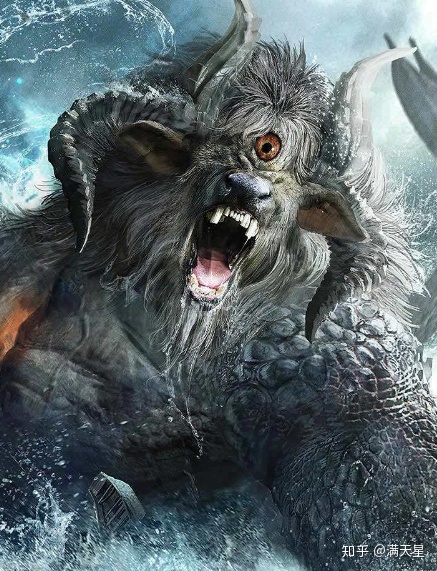
Kui is a polysemous figure in ancient Chinese mythology. Classic texts use this name for the legendary musician Kui who invented music and dancing; for the one-legged mountain demon or rain-god Kui variously said to resemble a Chinese dragon, a drum, or a monkey with a human face; and for the Kuiniu wild yak or buffalo.

-
"If I Had More Time, I Would Have Written a Shorter Letter" - Mark Twain?
-
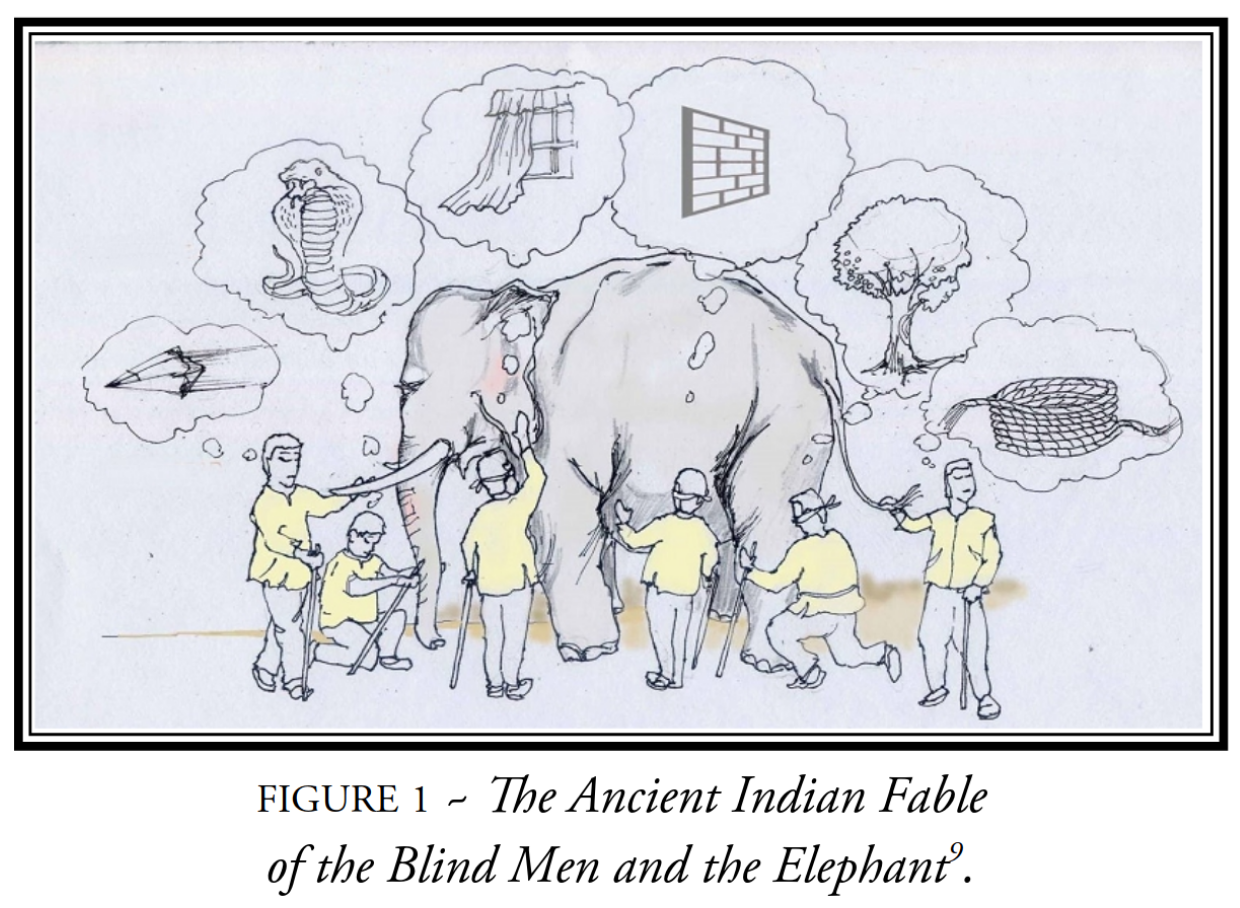
The Ancient Indian Fable of the Blind Men and the Elephant.
-
That Winston Churchill is still perceived as a hero by many today is truly peculiar
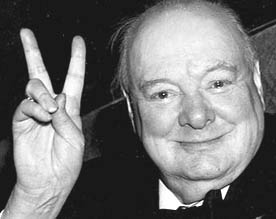
'I hate Indians. They are a beastly people with a beastly religion. The famine was their own fault for breeding like rabbits.' - Winston Churchill
'I do not understand this squeamishness about the use of gas. I am strongly in favor of using gases against uncivilized tribes. The moral effect should be good... and it would spread a lively terror...' -Winston Churchill, Great Britain's then Colonial Secretary, referring to the Kurds in Iraq, in an official communication, 1921
-
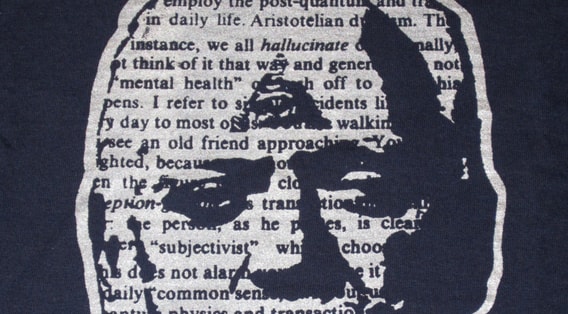
"A quick intelligence test, which also indicates the trajectory of your development, is this: If the world seems to be getting bigger and funnier all he time, your intelligence is steadily increasing. If the world seems to be getting nastier, your stupidity is increasing" - Robert Anton Wilson
-
BY ORDER OF THE OVERSEER COUNCIL
The following document is Level 4/CN-1210 classified.
Any attempt to access the following document without a Level 4/
CN-1210 authorization will be recorded, and the viewer executed..
.
.
.
.
.
.
Verifying identity, please align your sight to the centre of the picture.
.
.
.
.
.
.
.

.
.
.
.
.
.
.
.
No visual reaction detected, please enter your Level 4/CN-1210 security verification.
.
.
.
.
.
.
.
Verified. Primary memetic kill agent deactivated.
.
.
.
.
.
.
.
Welcome. You are now viewing: SCP-CN-1210
.
.
.
.
.
.
.
-

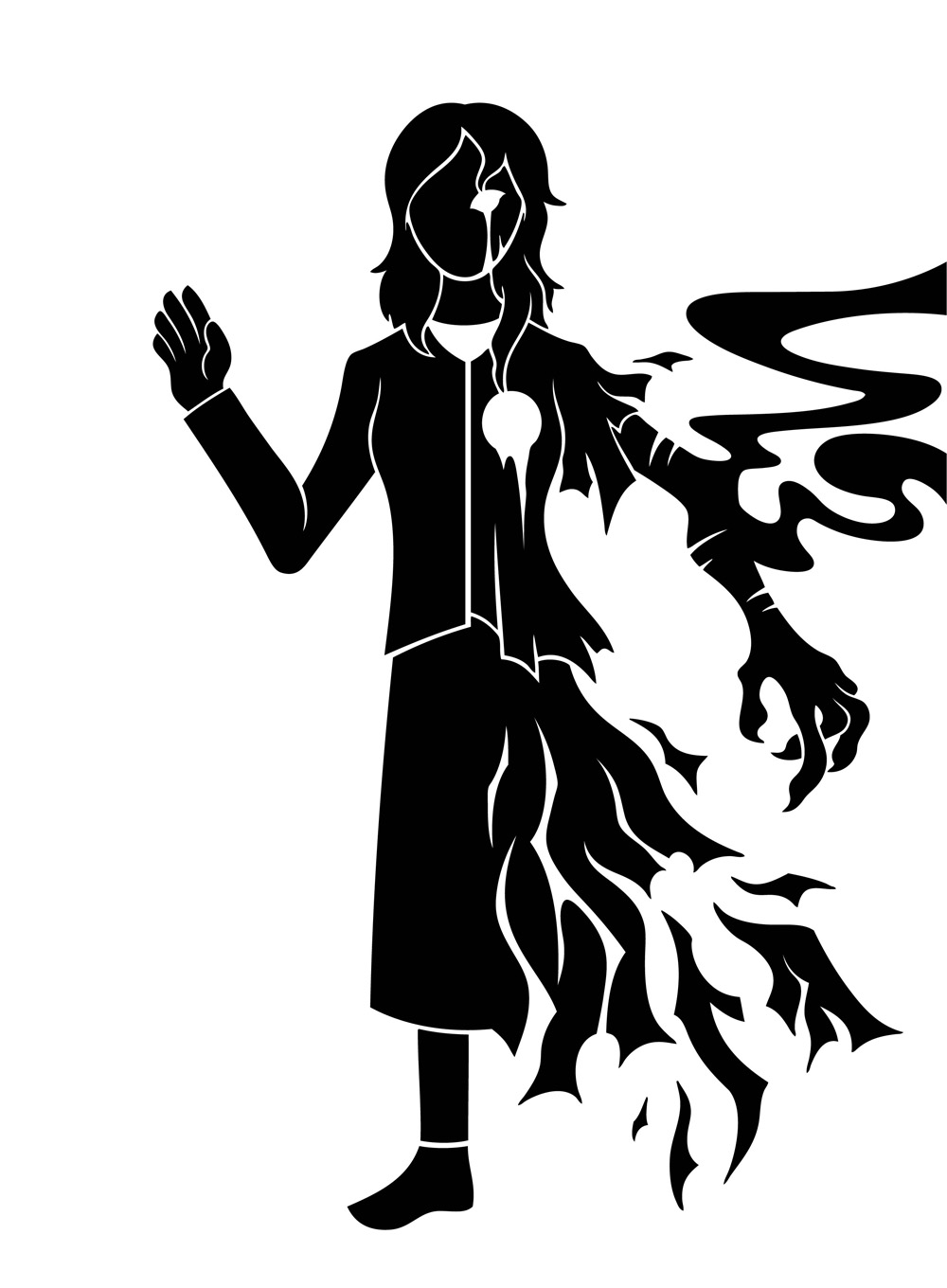
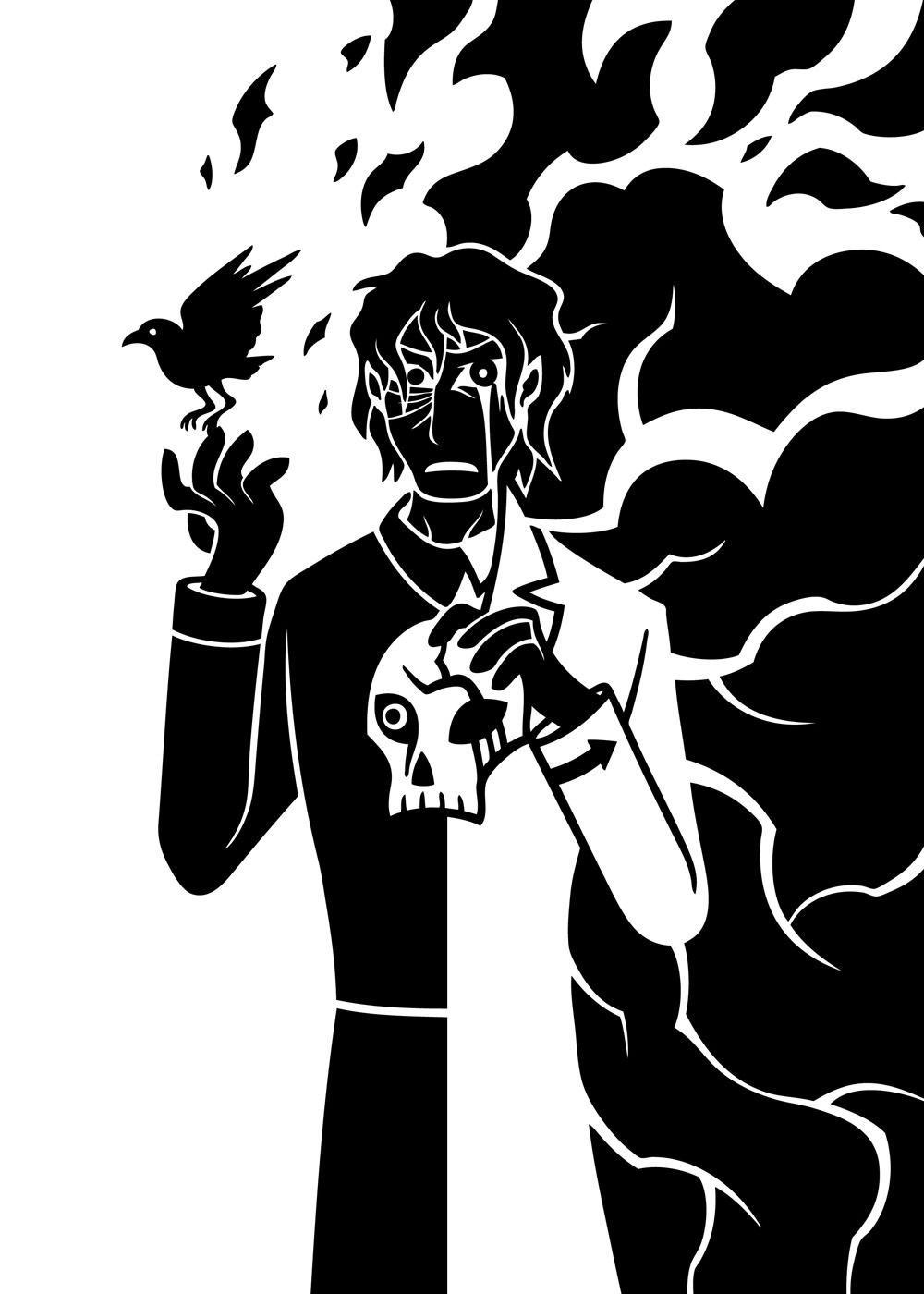
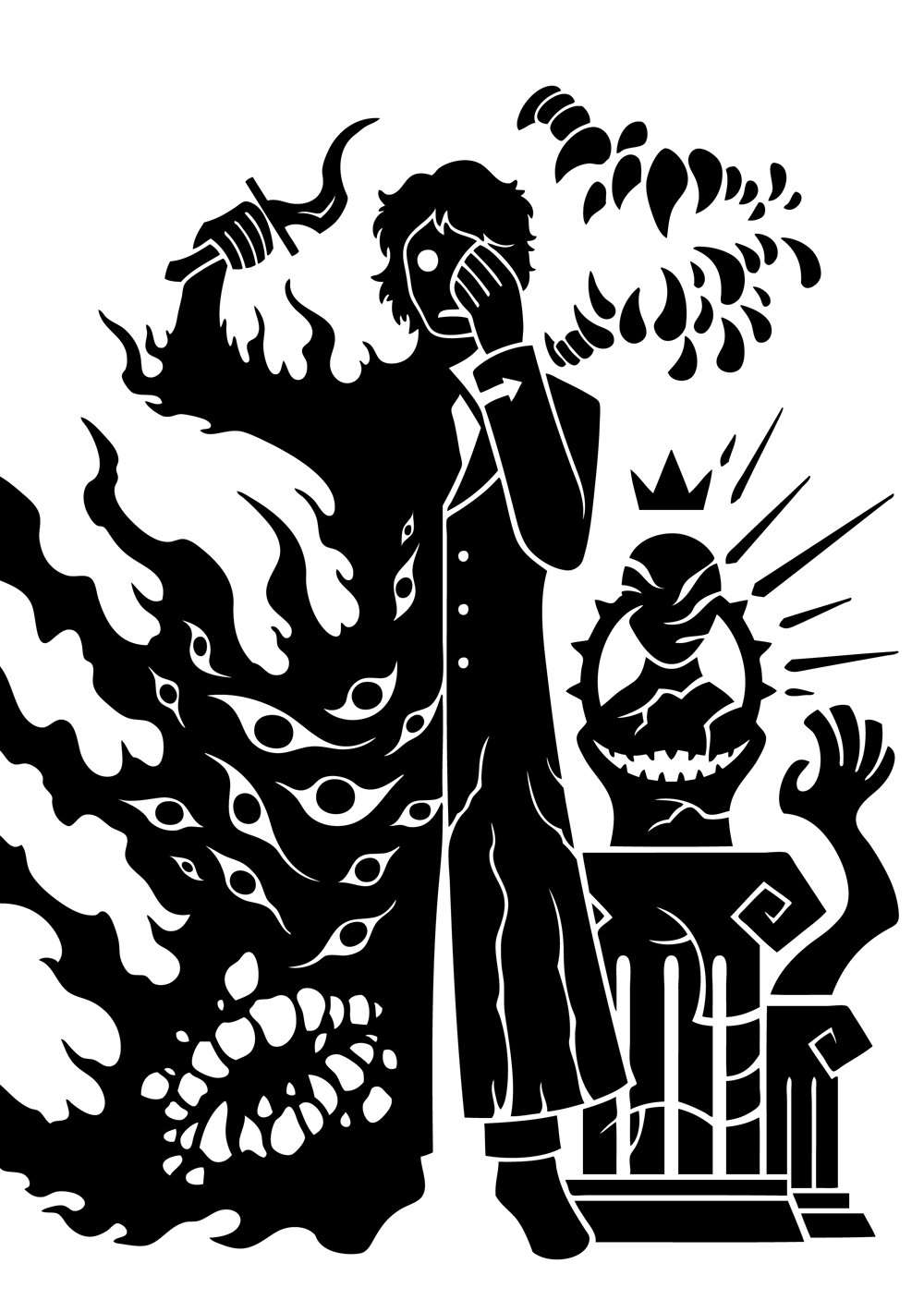
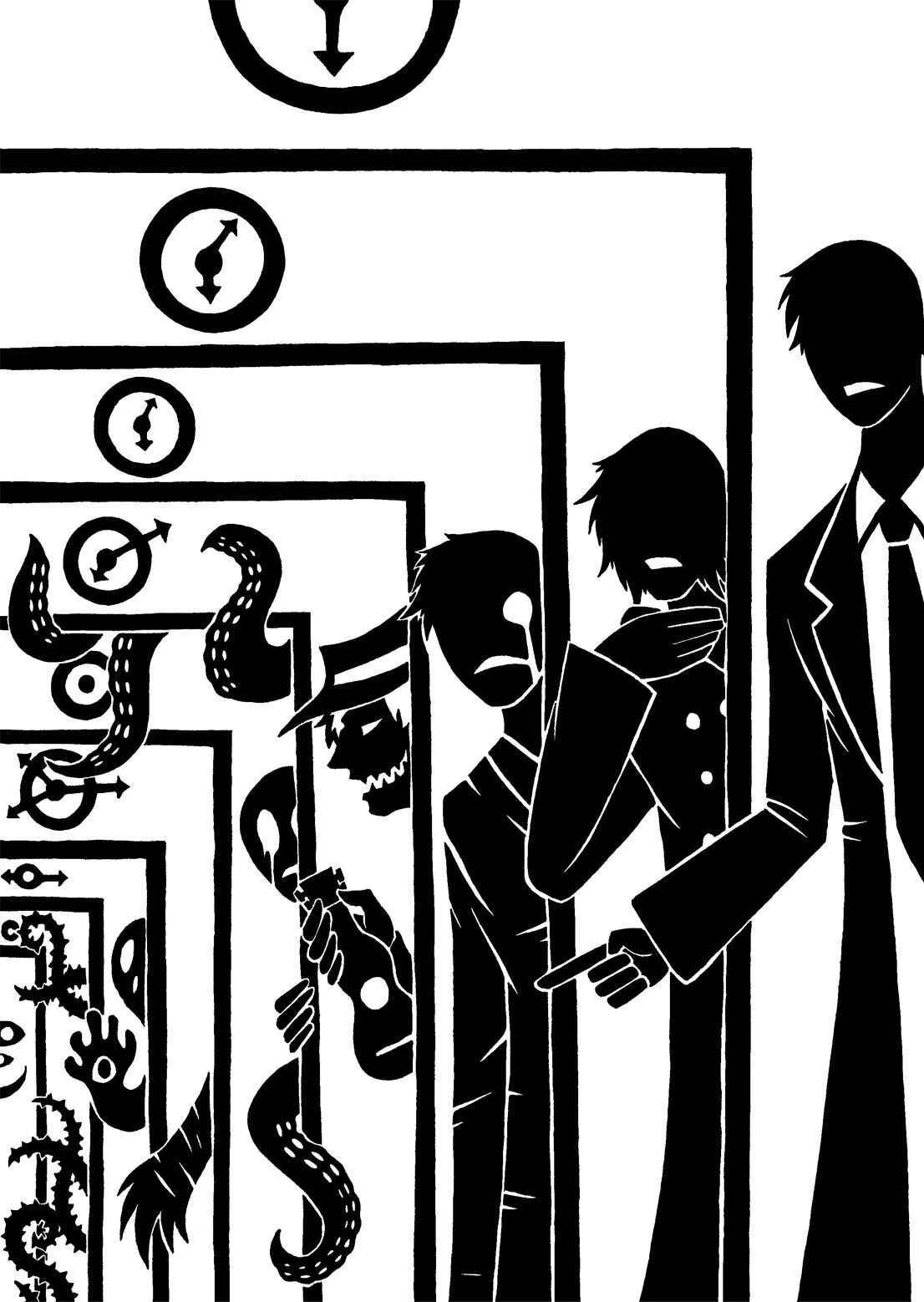
The SCP Foundation is a fictional organization documented by the web-based collaborative-fiction project of the same name. Within the website's fictional setting, the SCP Foundation is responsible for locating and containing individuals, entities, locations, and objects that violate natural law (referred to as SCPs).
On the SCP Foundation wiki, the majority of works consist of "special containment procedures": structured documentation that describes an SCP object and the means of keeping it contained.


-
The power of stories in Knowledge Management

So why are stories so powerful as a means of sharing knowledge?
- They remind us that knowledge comes from the real experience of real people. People "just like you". Knowledge is not an abstract thing; it's grounded in reality. In the case of this video concerning danger trees, it's grounded in the reality of risk, injury and death. It's "hard-won" knowledge.
- They convey emotion, in the way that the written word cannot. In the video above, the emotion is a very healthy respect for the dangers that trees present. In fact, the video identifies "normalisation of risk" as an issue, and the stories certainly would discourage anyone to become blasé about the risk from trees. The emotion in the first story also acts as a sobering introduction which compels you to treat the rest of the video very seriously. You think "this could happen to me if I'm not careful".
- The great thing about stories is that everyone has a story to tell. If you see someone else share their story, it legitimises you to share your own. This is the concept of social proof; if you want to promote a behaviour in your organisation, show real stories of people exhibiting that behaviour. If you want people to share knowledge from failure, then show stories of people talking about failure (as an example of this, see the NASA "my best mistake" compilation). This legitimises others to share their failure stories, and the knowledge they have gained as a result, and starts to bring about culture change.
- You can use the stories to convince senior managers of the value of KM. Senior managers will support Knowledge Management if they believe it can be done, and can add value. Like most people, they "believe it when they see it". My colleague Ian Corbett speaks below about using video testimony from a young engineer as social proof to convince senior managers of the value Knowledge Management can bring.
So think about the value of stories when it comes to transferring knowledge. There may be more benefits than you think.
-
This is a placeholder blog-post for the tsunami of horribly shocking and strangely interesting stories, currently screaming for our attention. Are they truly worth consuming and sharing? What is the effect and benefit of giving them attention (besides being permanently stressed)?
-
The Game (Visup)
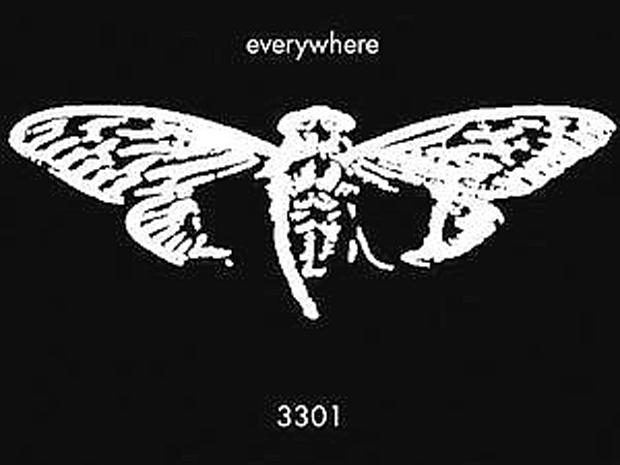
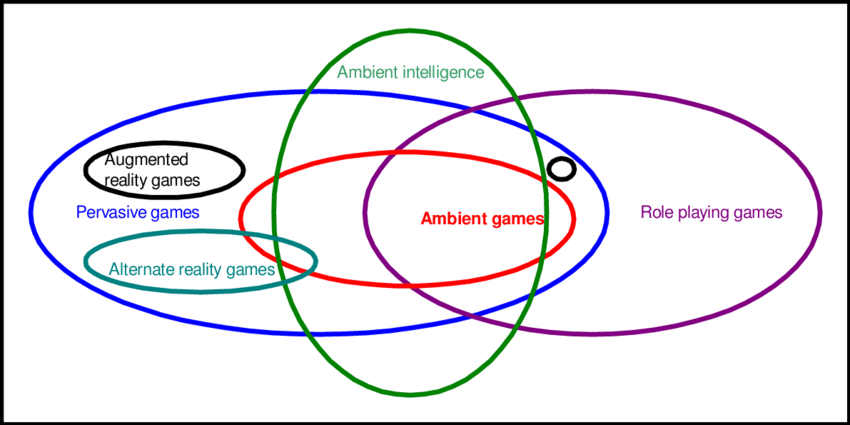
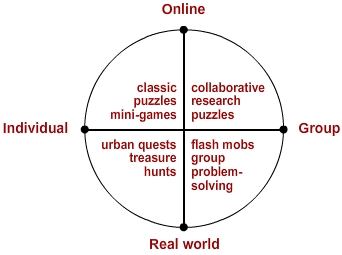
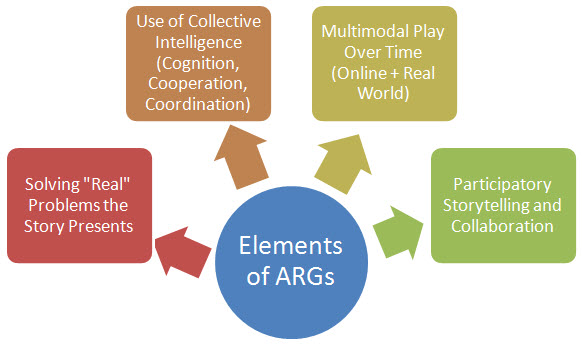
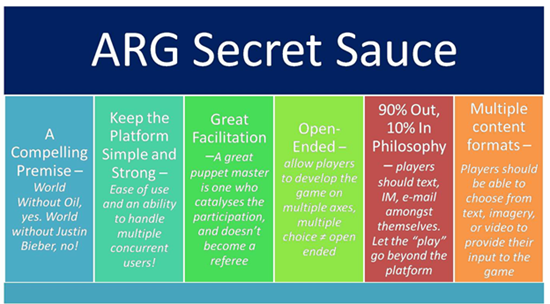
Cicada 3301, Alternate Reality Games (ARG), QAnon and the US military industrial complex.
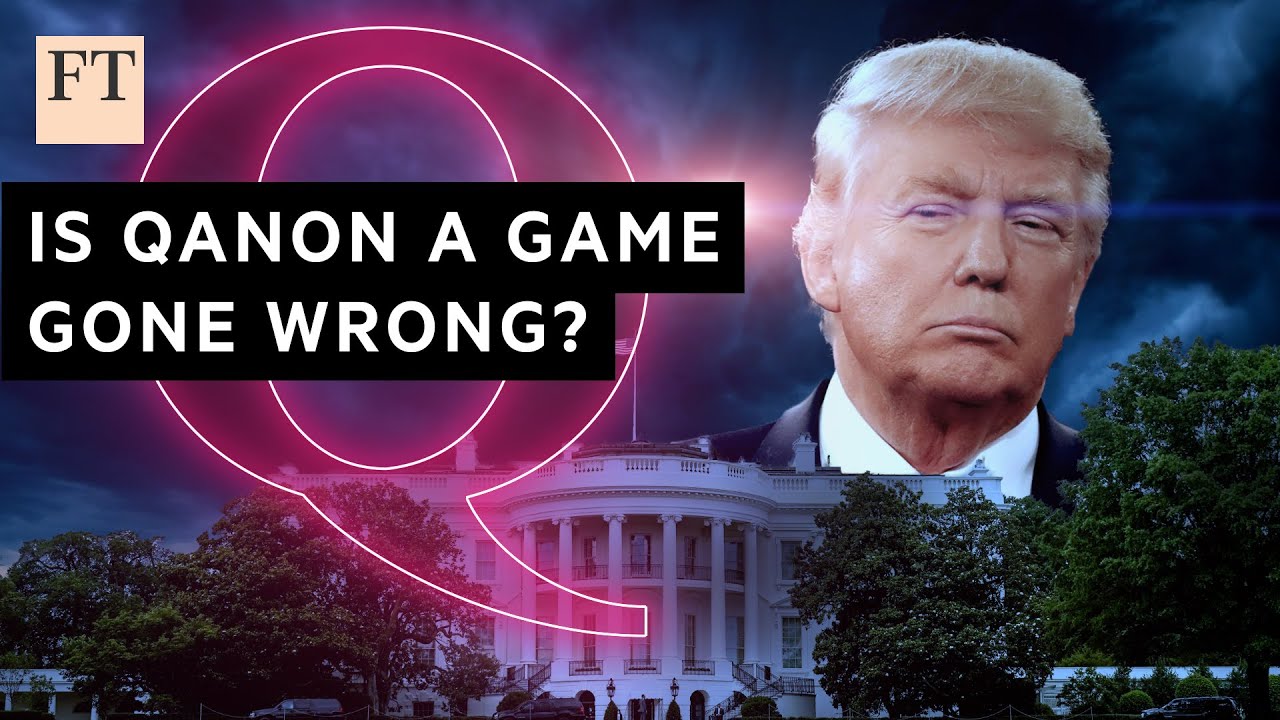
“Q Anon” May Have Been an FBI Psyop (swprs)
A recent Reuters investigation may indicate that “Q Anon” was in fact an FBI cyber psyop.