tag > Narrative
-
Tsurezuregusa (徒然草, Essays in Idleness) - collection of essays written by the Japanese monk Yoshida Kenkō between 1330 and 1332.
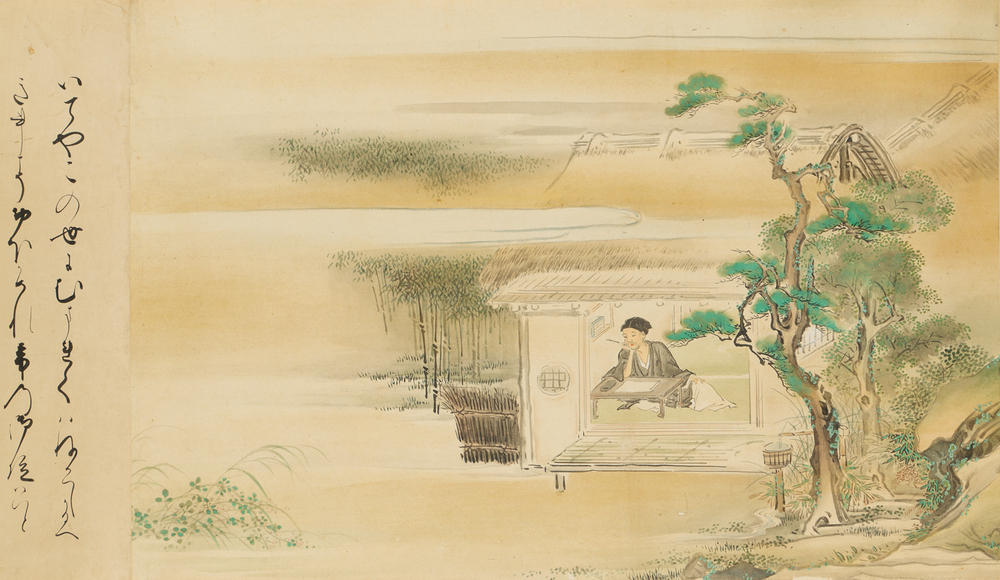
“It is typical of the unintelligent man to insist on assembling complete sets of everything. Imperfect sets are better.”
“If man were never to fade away like the dews of Adashino, never to vanish like the smoke over Toribeyama, but lingered on forever in this world, how things would lose their power to move us! The most precious thing in life is its uncertainty.”
-
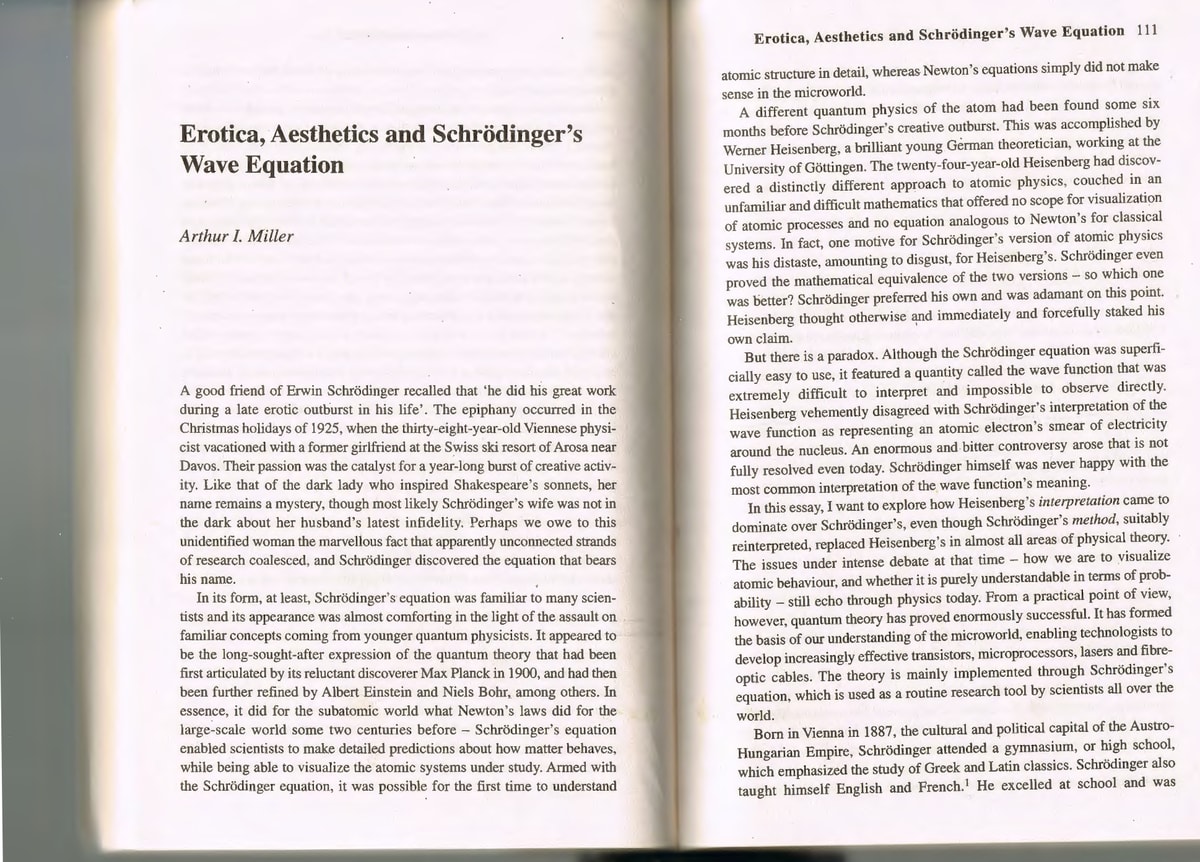
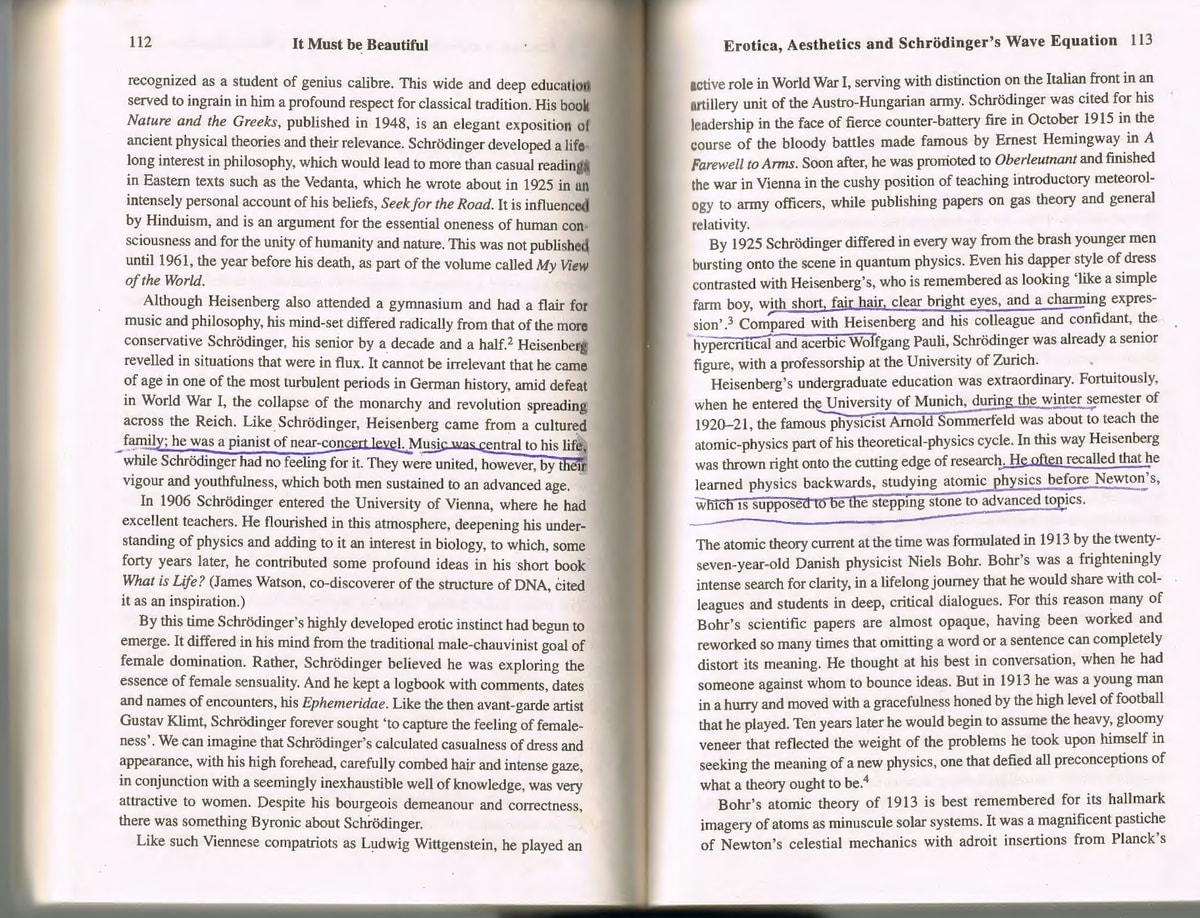
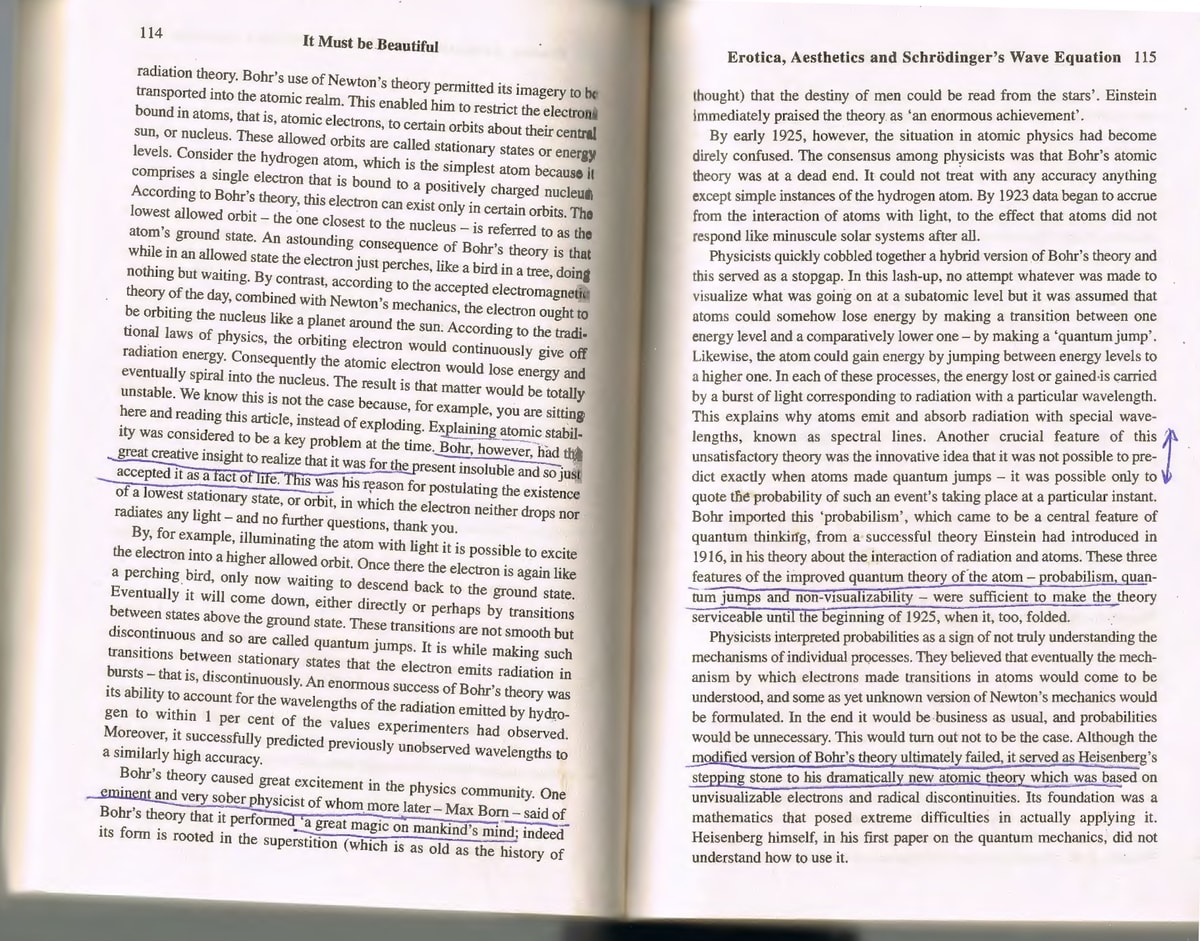
Erotica, Aesthetics and Schrodingers Wave Equation - by Arthur I. Miller (PDF)
"Like a great work of literature, quantum theory is open to many different interpretations."
-
Douglas Adams' note to self reveals author found writing torture (Guardian)

Note in which Hitchhiker’s writer reminds himself he will finally get pleasure from process to be part of book based on his archive: “Writing isn’t so bad really when you get through the worry. Forget about the worry, just press on. Don’t be embarrassed about the bad bits. Don’t strain at them,” The Hitchhiker’s Guide to the Galaxy author wrote to himself. “Writing can be good. You attack it, don’t let it attack you. You can get pleasure out of it. You can certainly do very well for yourself with it!”
-
Save Time? But for whom? Don't have time? Why? Your children are warning you: Your time is being stolen - From Michael Ende's "Momo"

-
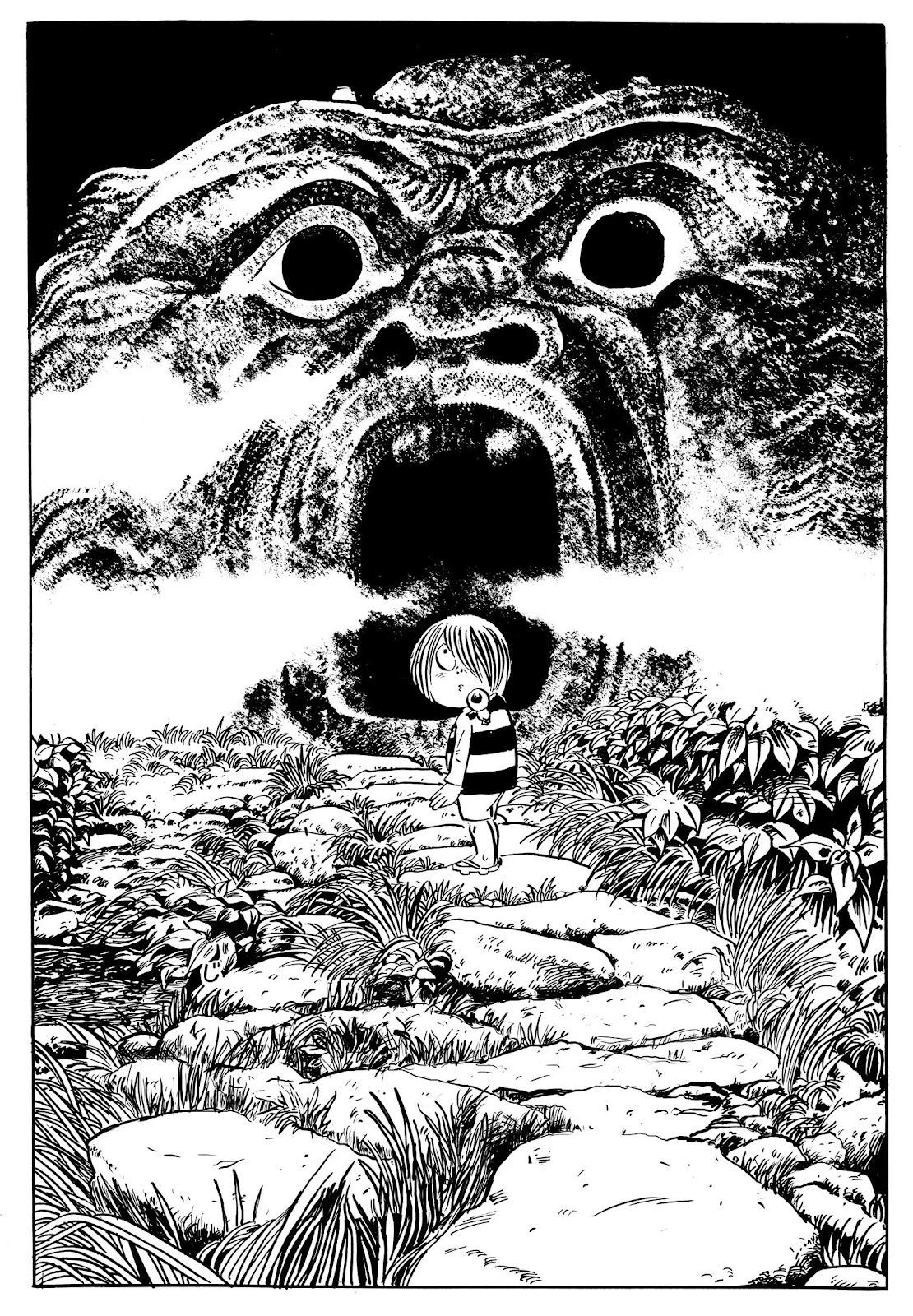
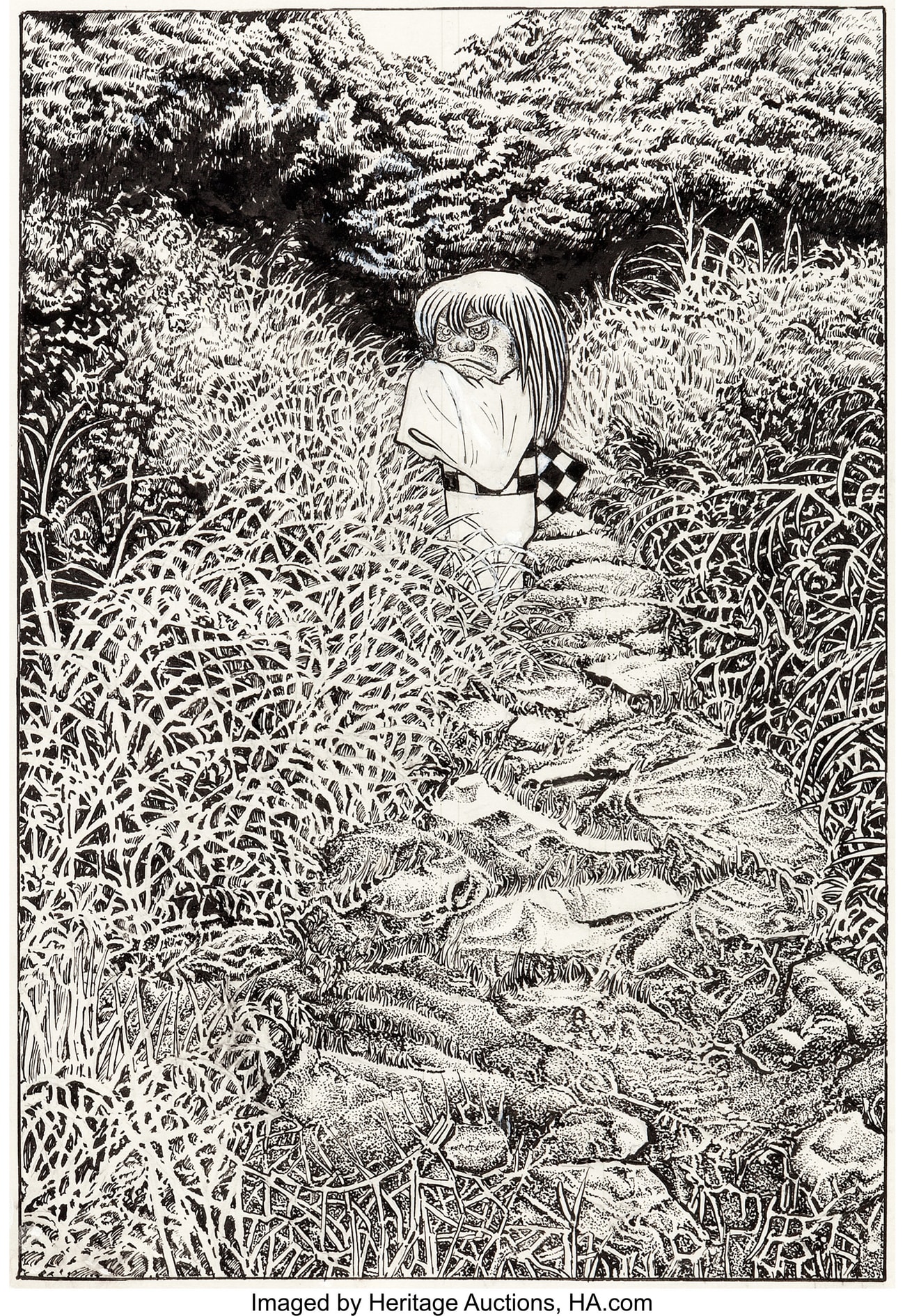
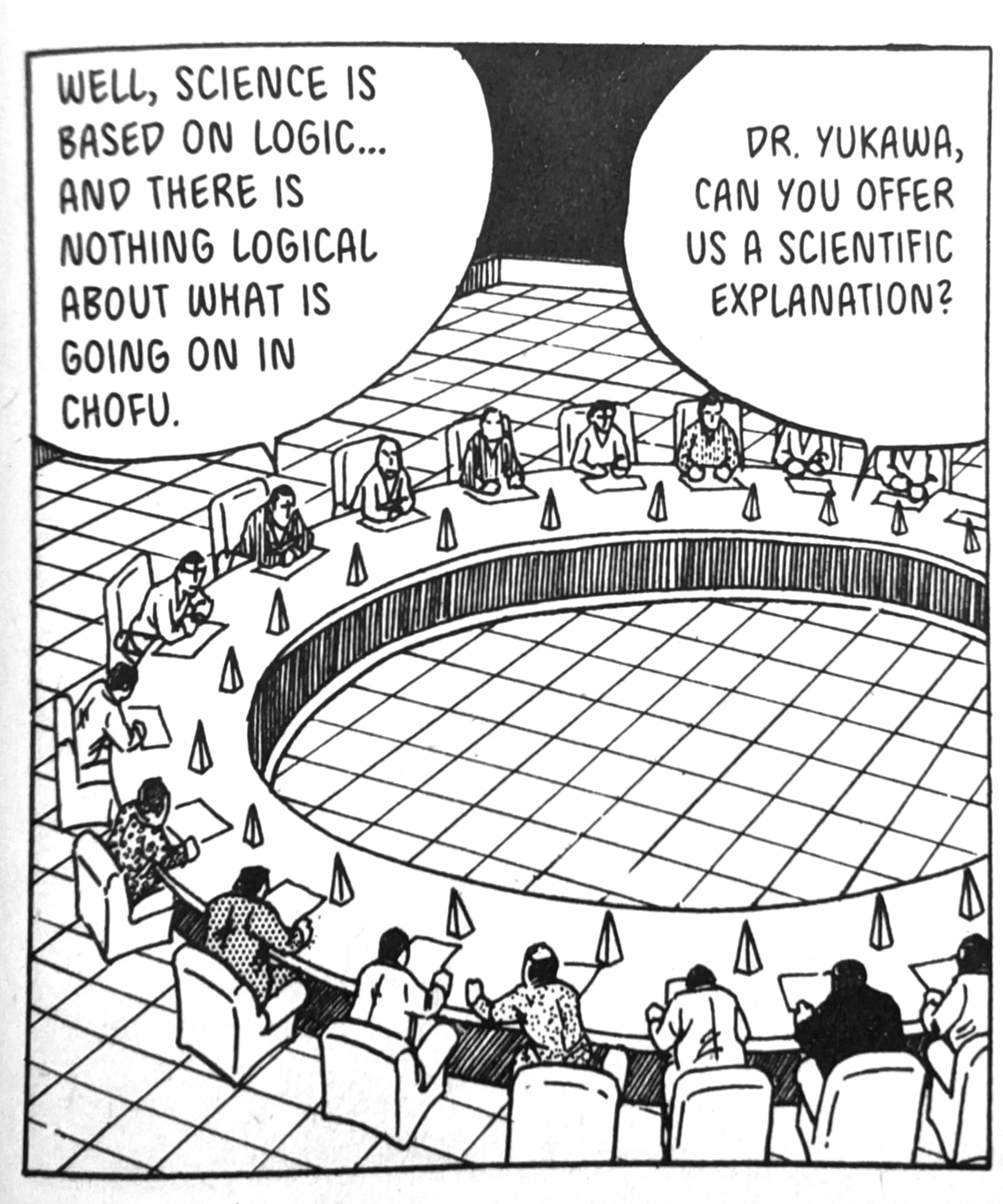
"All of you put too much faith in science" - From "Kitaro's Yokai Battles" by Shigeru Mizuki


-
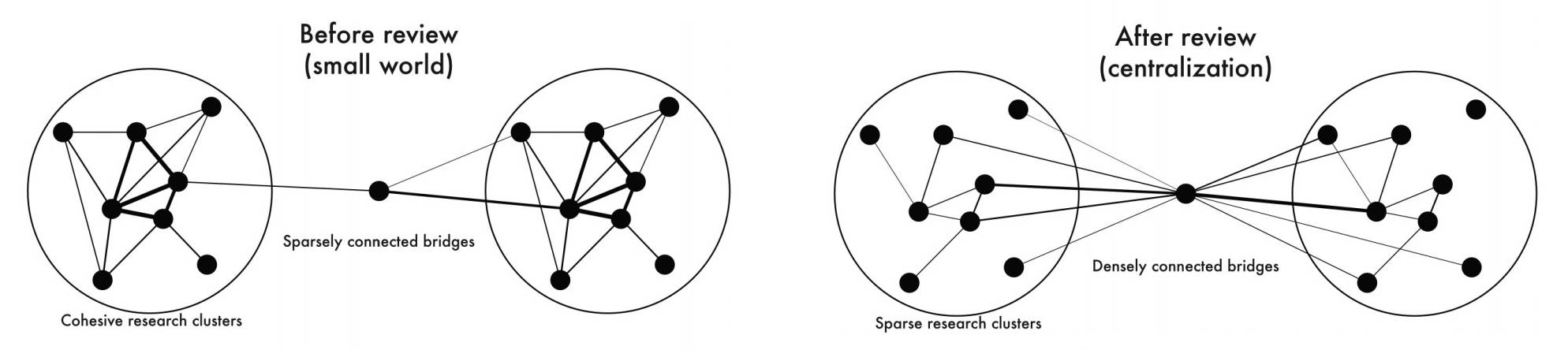
Creative Destruction: The Structural Consequences of Scientific Curation
A new study shows that scientists who summarize science get more attention than the scientists actually doing the science.
-
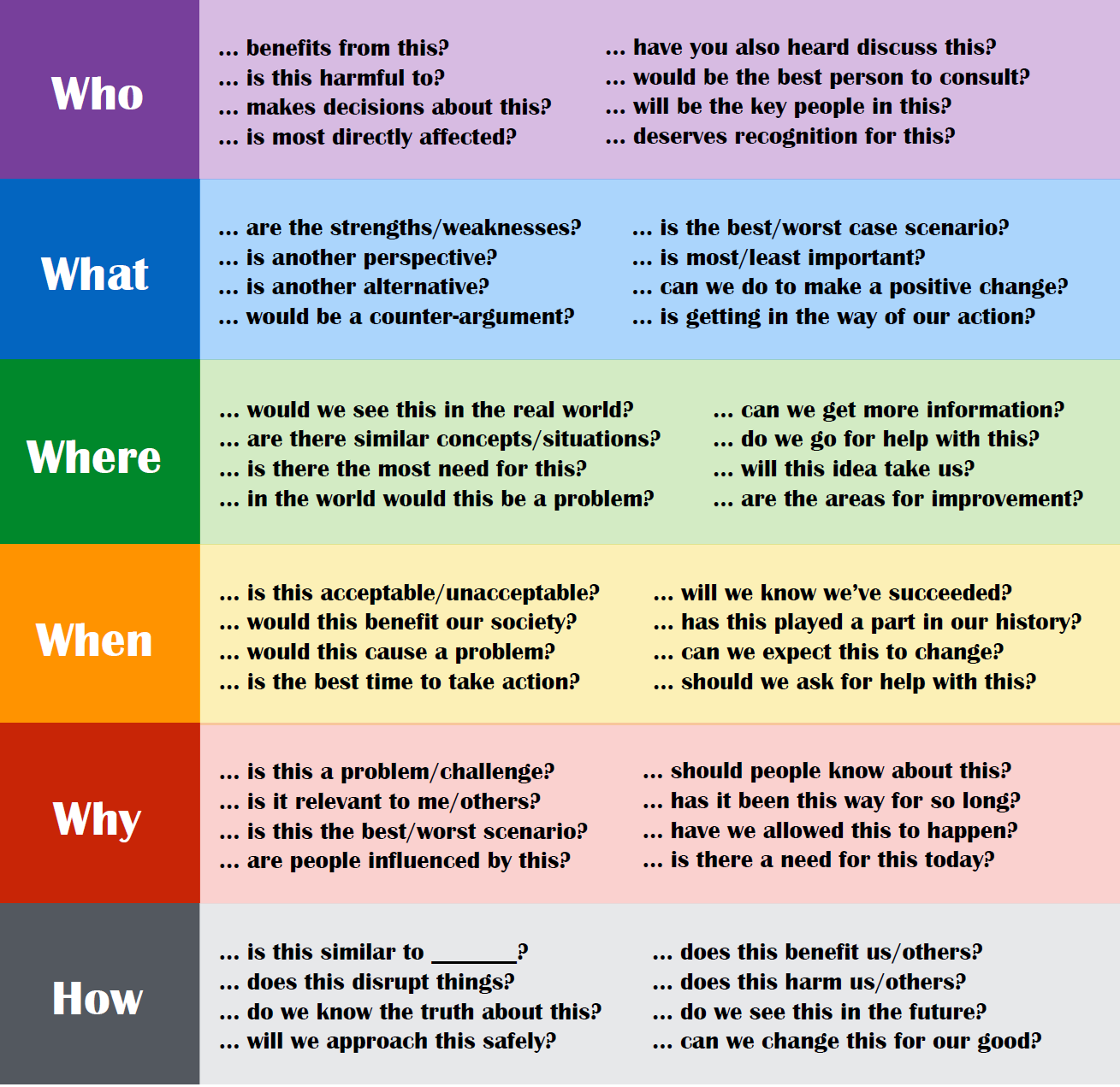
Critical Thinking Cheat-sheet: Ask Who, What, Where, When, Why, How
#Science #Politics #Narrative #Economics #Military #Education
-
Yūgen (幽玄) – Deep Awareness of the Universe
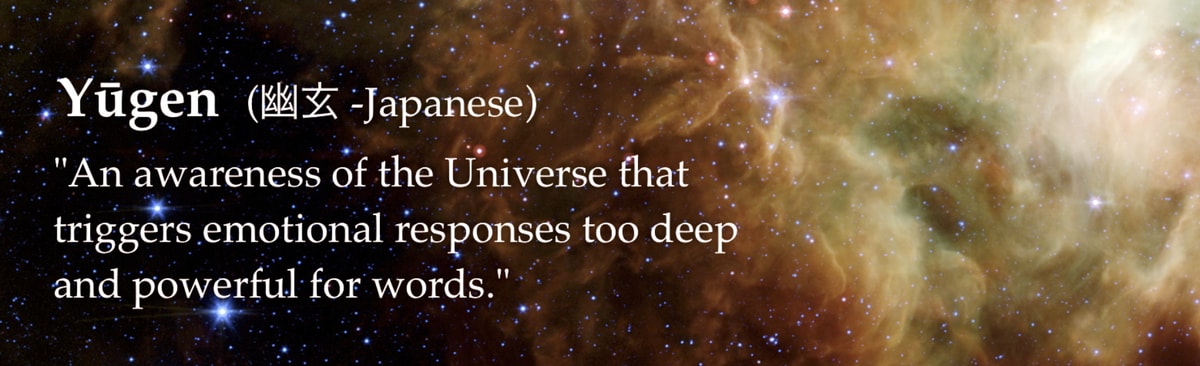
“Yūgen is an important concept in traditional Japanese aesthetics. The exact translation of the word depends on the context. Yūgen is not an allusion to another world. It is about this world, this experience…
“To watch the sun sink behind a flower clad hill. To wander on in a huge forest without thought of return. To stand upon the shore and gaze after a boat that disappears behind distant islands. To contemplate the flight of wild geese seen and lost among the clouds…” ~Zeami Motokiyo
Japanese aesthetic ideals are most heavily influenced by Japanese Buddhism. In the Buddhist tradition, all things are considered as either evolving from or dissolving into nothingness. This “nothingness” is not empty space. It is rather a space of potentiality.
If the seas represent potential then each thing is like a wave arising from it and returning to it. There are no permanent waves. There are no perfect waves. At no point is a wave complete, even at its peak. Nature is seen as a dynamic whole that is to be admired and appreciated.
This appreciation of nature has been fundamental to many Japanese aesthetic ideals, “arts,” and other cultural elements. In this respect, the notion of “art” (or its conceptual equivalent) is also quite different from Western traditions..
Japanese aesthetics is a set of ancient ideals that include “wabi” (transient and stark beauty), “sabi” (the beauty of natural aging), and “yūgen.” These ideals, and others, underpin much of Japanese cultural and aesthetic norms.. Thus, while seen as a philosophy in Western societies, the concept of aesthetics in Japan is seen as an integral part of daily life.
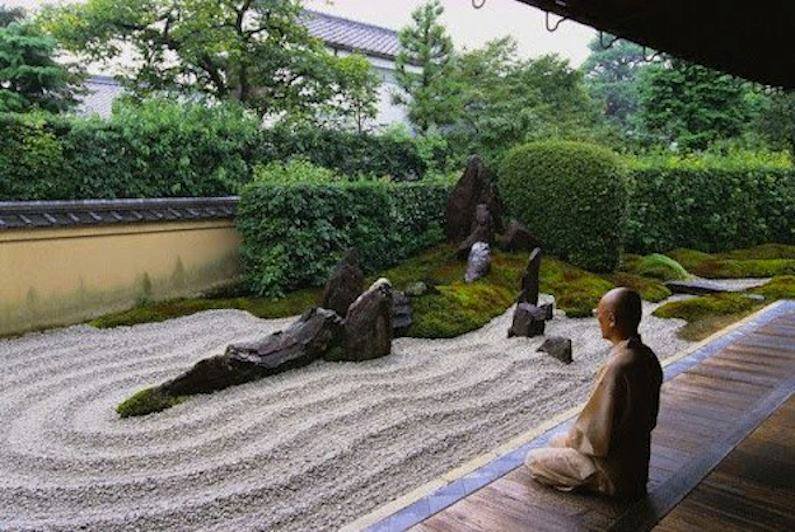
Wabi and sabi refers to a mindful approach to everyday life. Over time their meanings overlapped and converged until they are unified into wabi-sabi (侘寂), the aesthetic defined as the beauty of things “imperfect, impermanent, and incomplete.”
Things in bud, or things in decay, as it were, are more evocative of wabi-sabi than things in full bloom because they suggest the transience of things. As things come and go, they show signs of their coming or going and these signs are considered to be beautiful.
In this, beauty is an altered state of consciousness and can be seen in the mundane and simple. The signatures of nature can be so subtle that it takes a quiet mind and a cultivated eye to discern them. In Zen philosophy there are seven aesthetic principles for achieving wabi-sabi.
Fukinsei (不均整): asymmetry, irregularity; Kanso (簡素): simplicity; Koko: basic, weathered; Shizen (自然): without pretense, natural; Yugen (幽玄): subtly profound grace, not obvious; Datsuzoku (脱俗): unbounded by convention, free; Seijaku (静寂): tranquility, stillness.
Each of these things are found in nature but can suggest virtues of human character and appropriateness of behaviour. This, in turn suggests that virtue can be instilled through an appreciation of, and practice in, the arts. Hence, aesthetic ideals have an ethical connotation and pervade much of the Japanese culture.”
Principle text source: Wikipedia – Japanese Aesthetics
-
"He had dared to be of a time not his own" - Robertson Davies
-
Astrology for People who don't like Astrology: The Fear & Greed Index

#SE #NeuroScience #Narrative #Culture #Magic #Economics #Comedy
-
"The New Normal" is silly talk by fearful, half-alive people and completely misses the point..