tag > P2P
-
Binding Chaos: Mass Collaboration on a Global Scale - Book by Heather Marsh (2013) (PDF)

The world is long overdue for a completely new system of governance. If there was ever a need for political representation or a paternalistic and opaque authority, it has been removed by technology. Every political system we have tried has proven incapable of protecting human rights and dignity. Every political system we have tried has devolved into oligarchy. To effect the change we require immediately, to give individuals control and responsibility, to bring regional systems under regional governance, allow global collaboration and protect the heritage of future generations, we need a new political model.
-
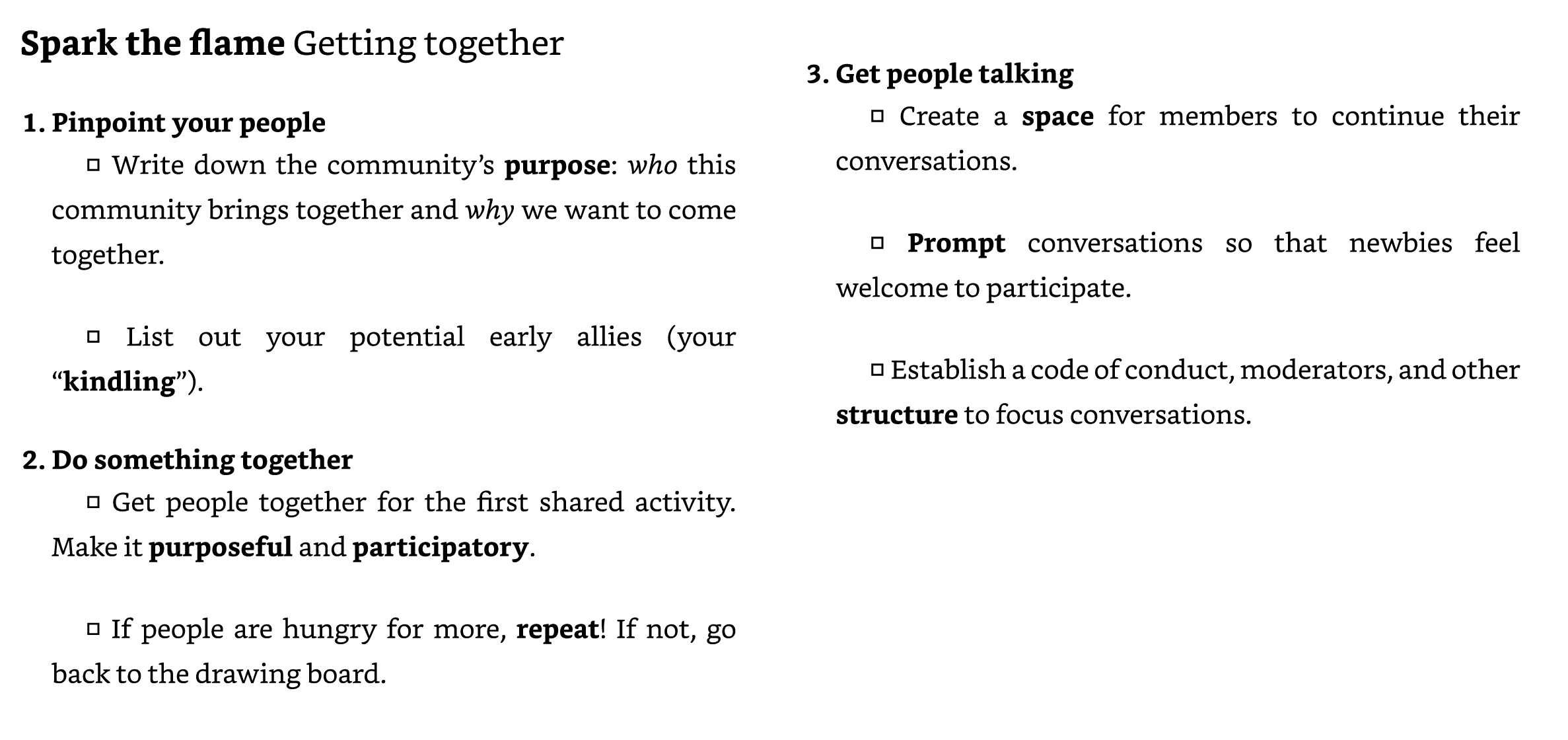
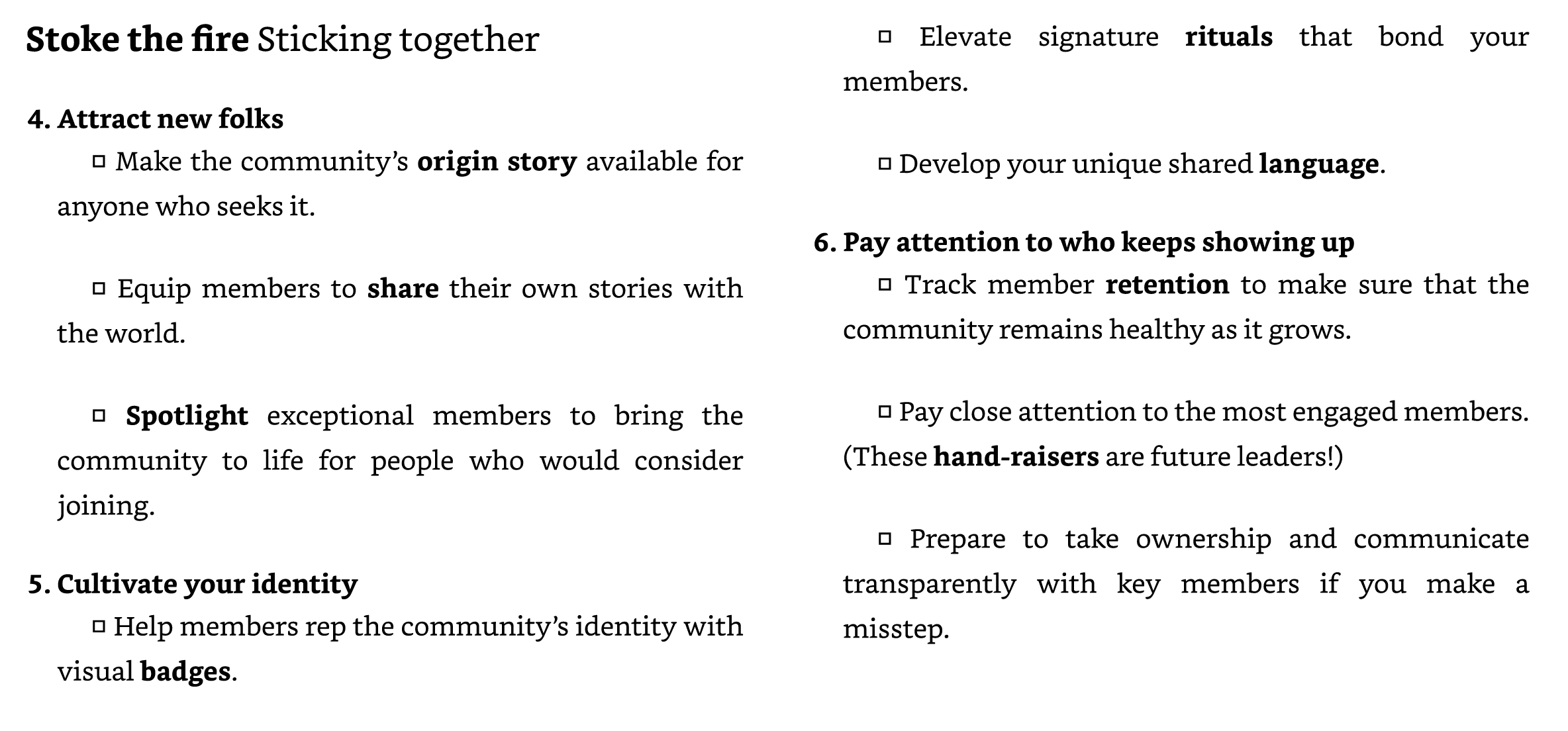
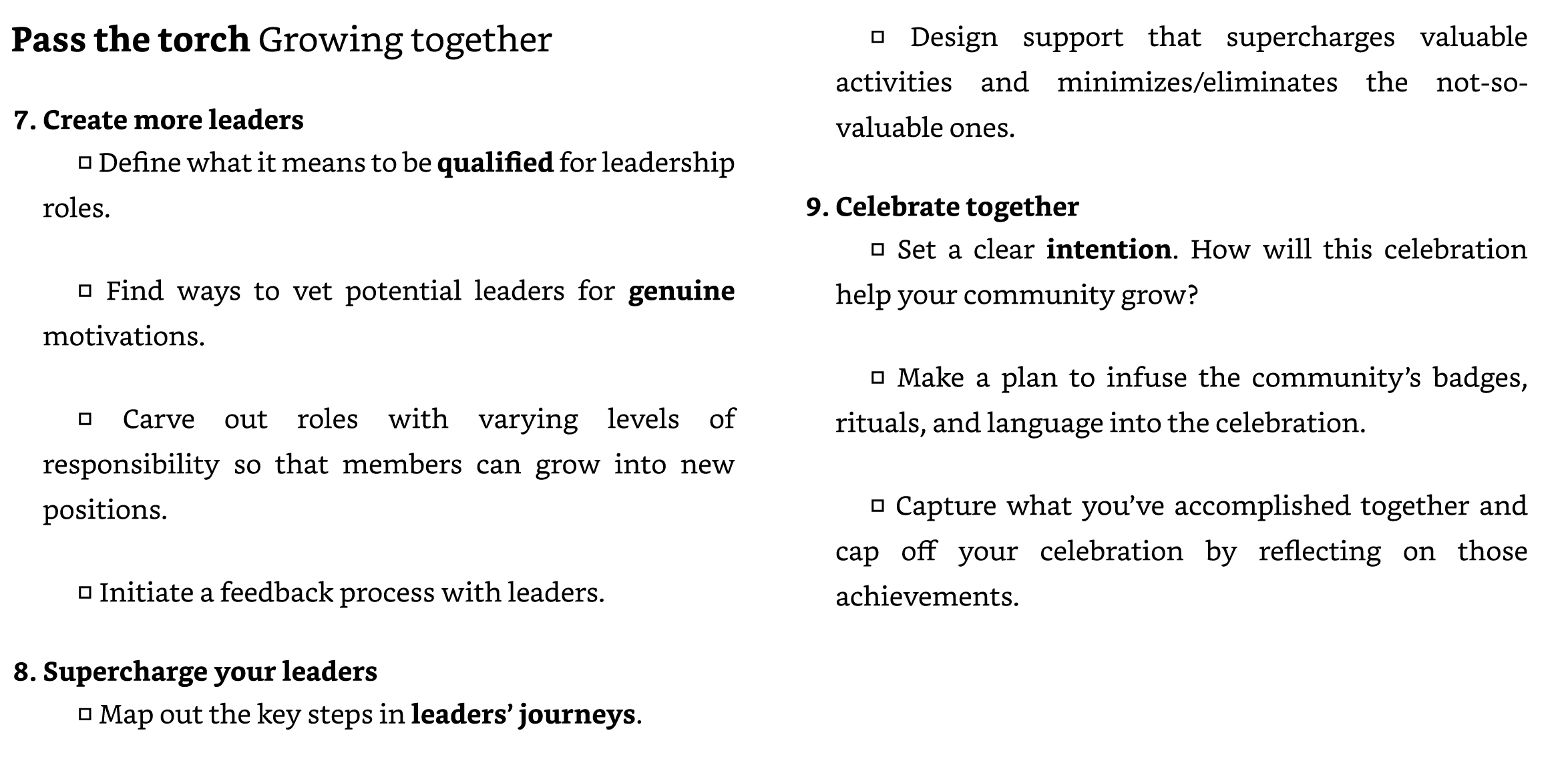
Get Together: How to build a community with your people (Book)
True stories of everyday people who created thriving communities, both in-person and online. The authors untangle the challenge of getting passionate people together into clear steps, helping individuals and organizations navigate the intricacies of leading a community.
-
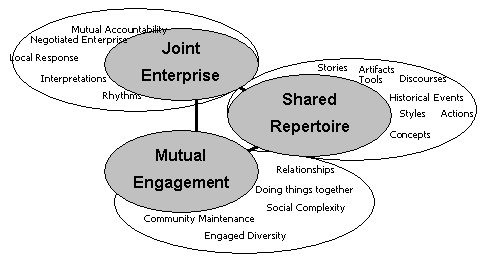
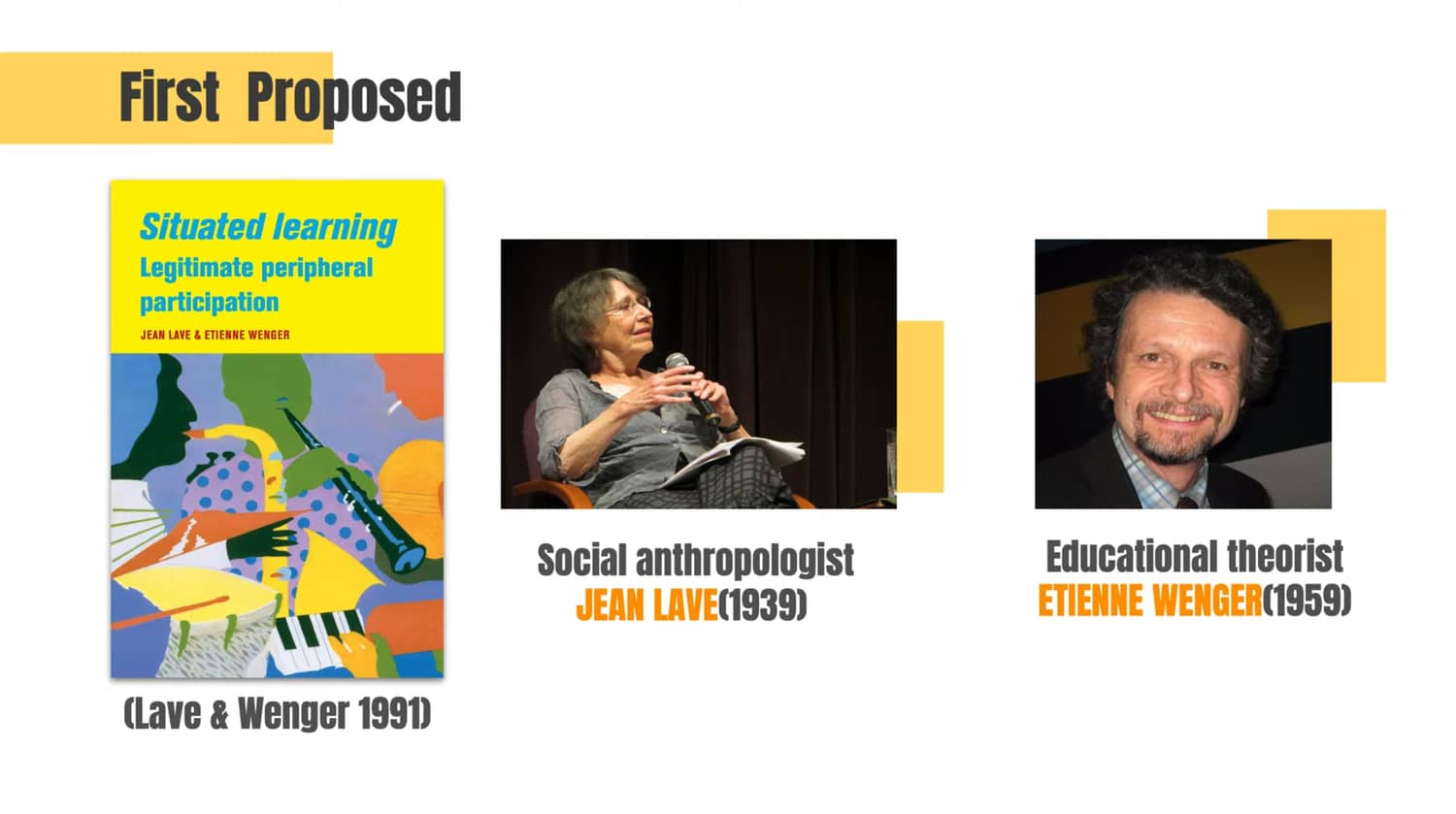
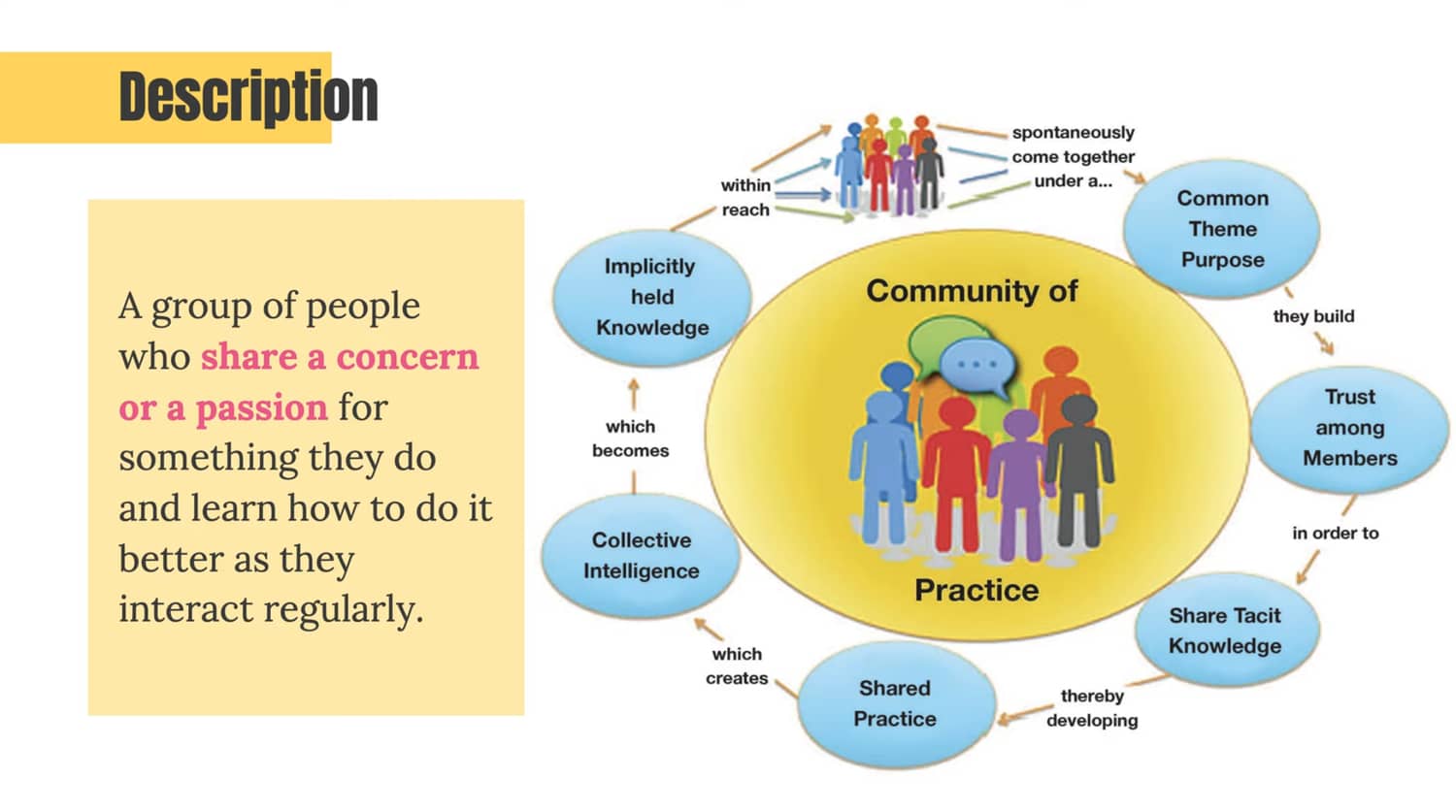
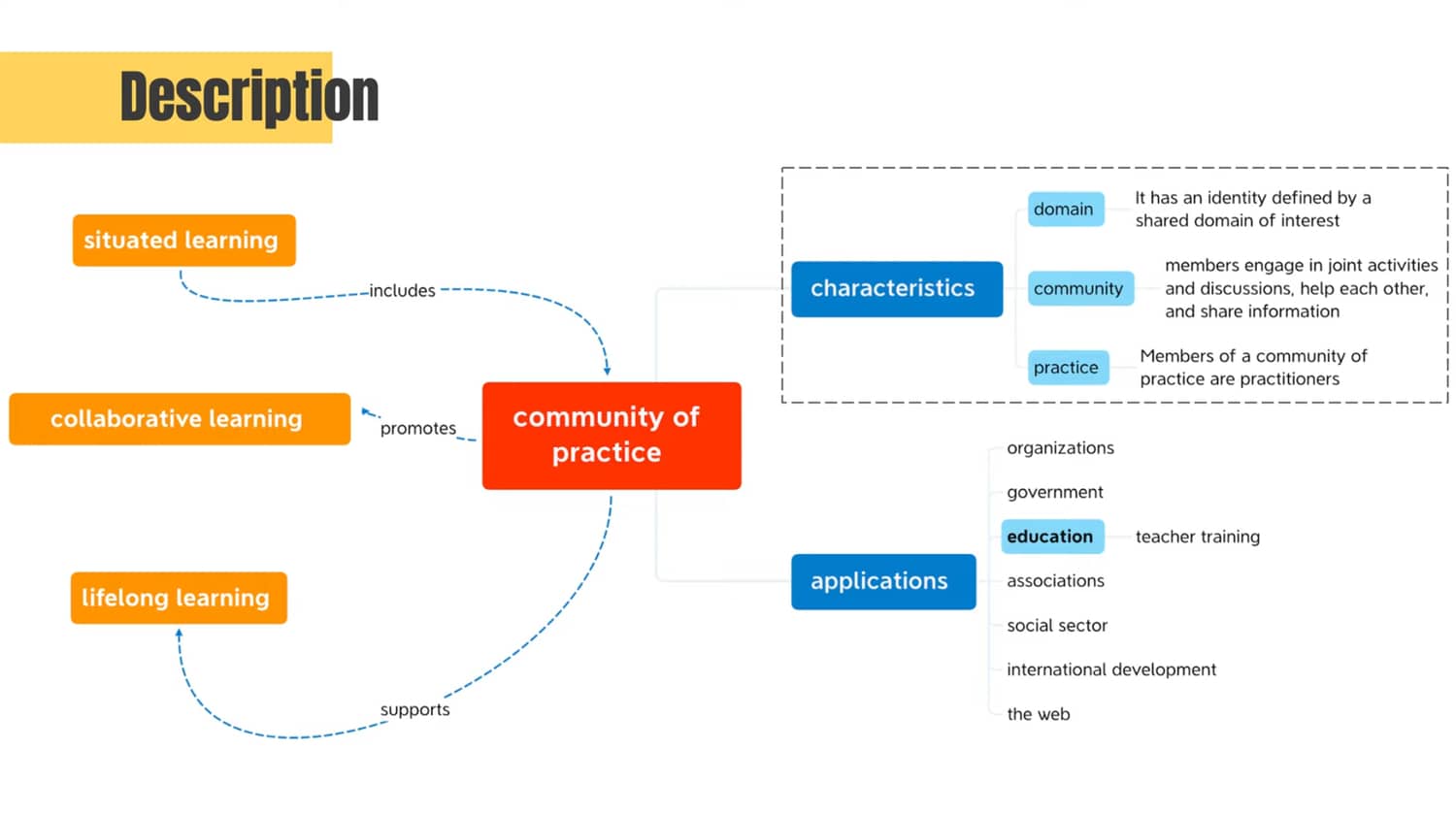
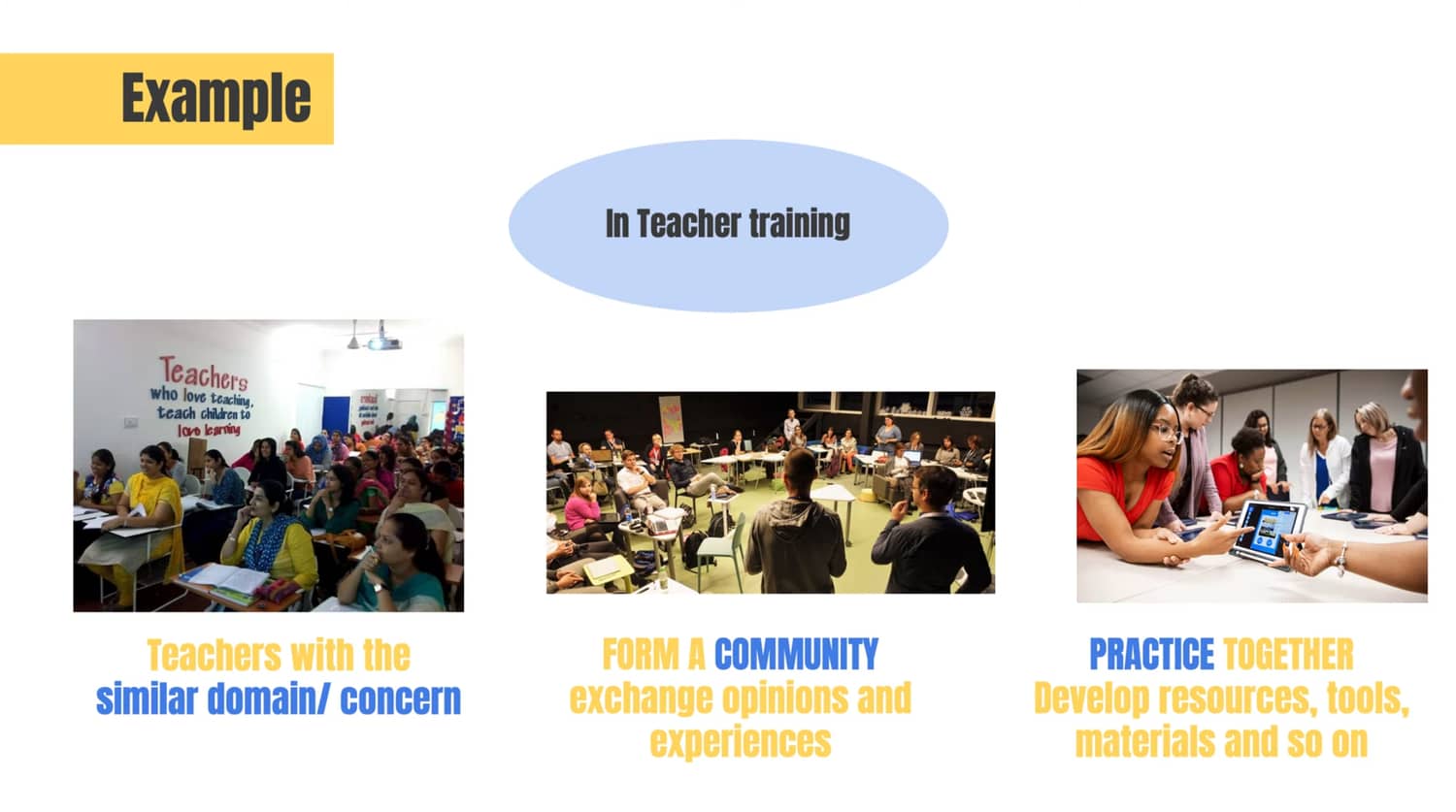
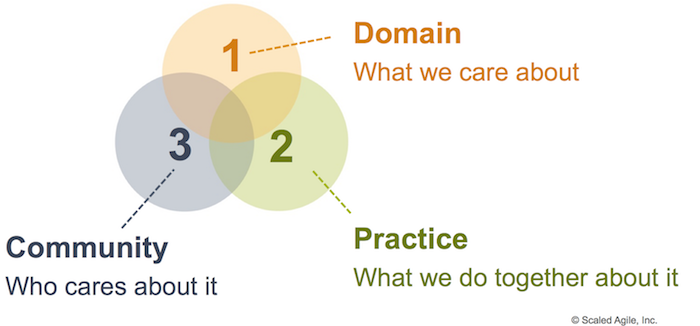
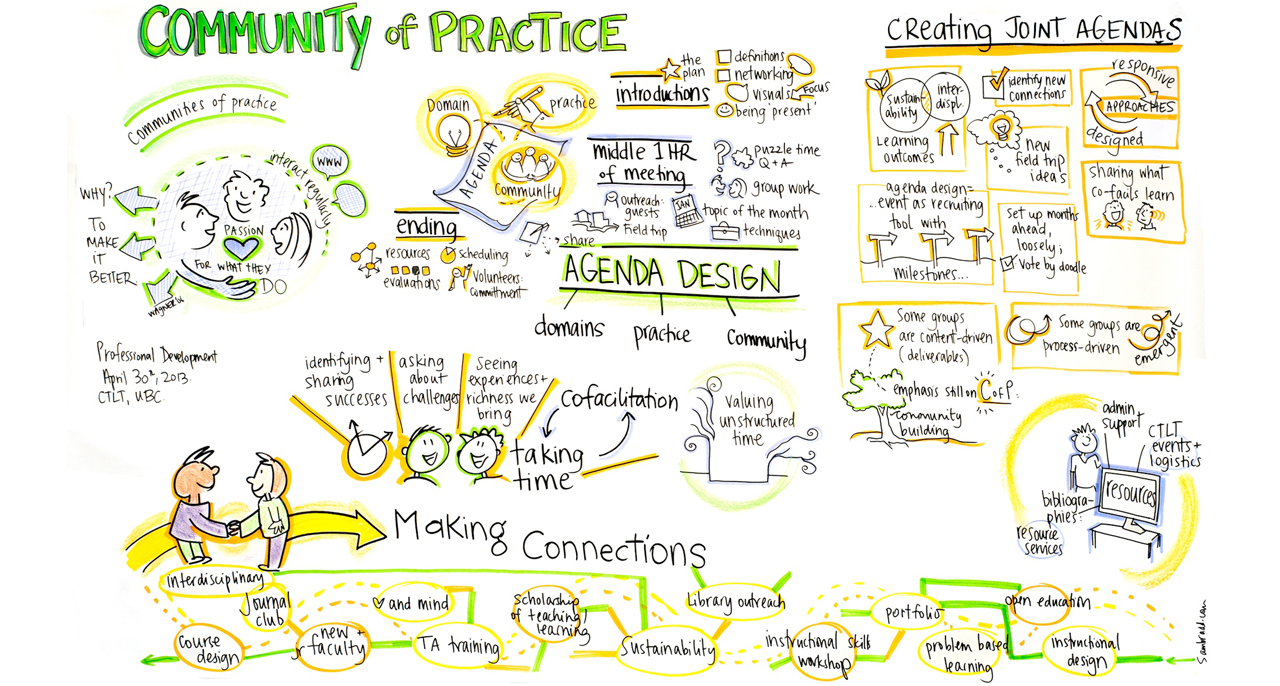
According to Wenger-Trayner (2015), communities of practice (CoP) are “groups of people who share a concern or a passion for something they do and learn how to do it better as they interact regularly.” (p. 1). This is not just a group or team; it has to meet at least three key characteristics: domain, community and practice.
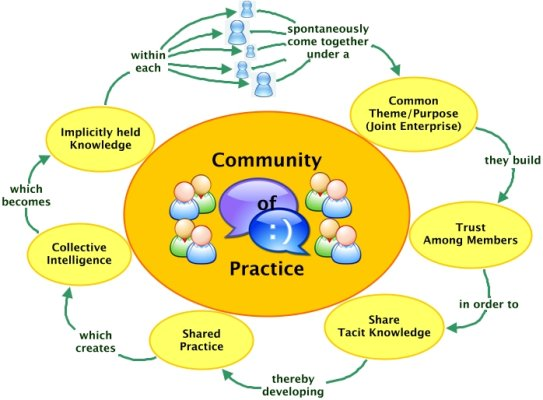
Domain refers to shared interest or competence that distinguishes its members from other individuals. Community, on the other hand, is formed through shared activities and discussions, whereby members help each other, share information and learn from each other to build stronger relationships. Practice means that members are supposed to be practitioners who “share a repertoire of resources: experiences, stories, tools, ways of addressing recurring problems—in short a shared practice… which takes time and sustained interaction.” (Wenger-Trayner, 2015, p. 2). The combination of these three elements constitutes a community of practice, and developing and sustaining these three elements can lead for such a community to flourish. Figure 1 shows the interconnectedness of these key qualities that comprise CoP.
-
The habits of highly effective community development practitioners
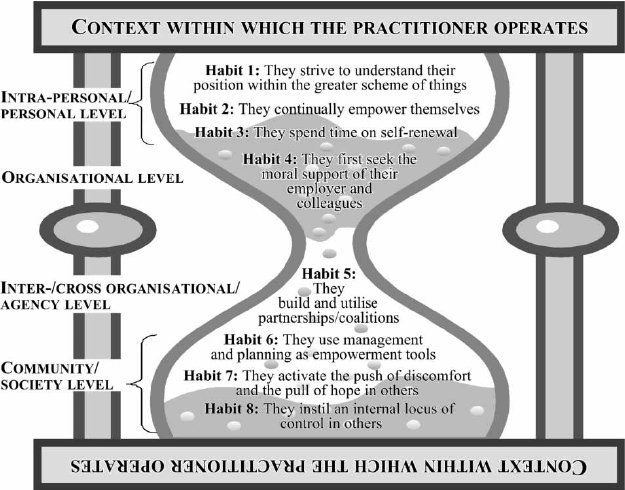
This paper is the result of a study aimed at answering the question: 'What makes effective community development practitioners effective?' In it, all the articles published over a 10-year period in the Community Development Journal, International Social Work, Journal of Community Practice and Social Work (South Africa) were subjected to a secondary analysis. This made it possible to identify eight 'habits of effectiveness'. This set of habits can form a credo to guide a practitioner's service delivery. It also provides a list of criteria to help identify ineffective habits and confirm effective ones.
-
Communities of Practice (CoPs)
Communities of Practice (CoPs) are organized groups of people who have a common interest in a specific technical or business domain. They collaborate regularly to share information, improve their skills, and actively work on advancing the general knowledge of the domain.
-
Rituals create community by translating our love into action - Article on Xunzi by Curie Virág

For Xunzi, the Chinese Confucian philosopher of the third century BCE, emotions such as love and gratitude are not just feelings in response to events – things that happen to us – but possibilities for action. Through ritual, he declares, we ‘give a shape to that which is without physical substance and magnificently accomplish proper form’.
-
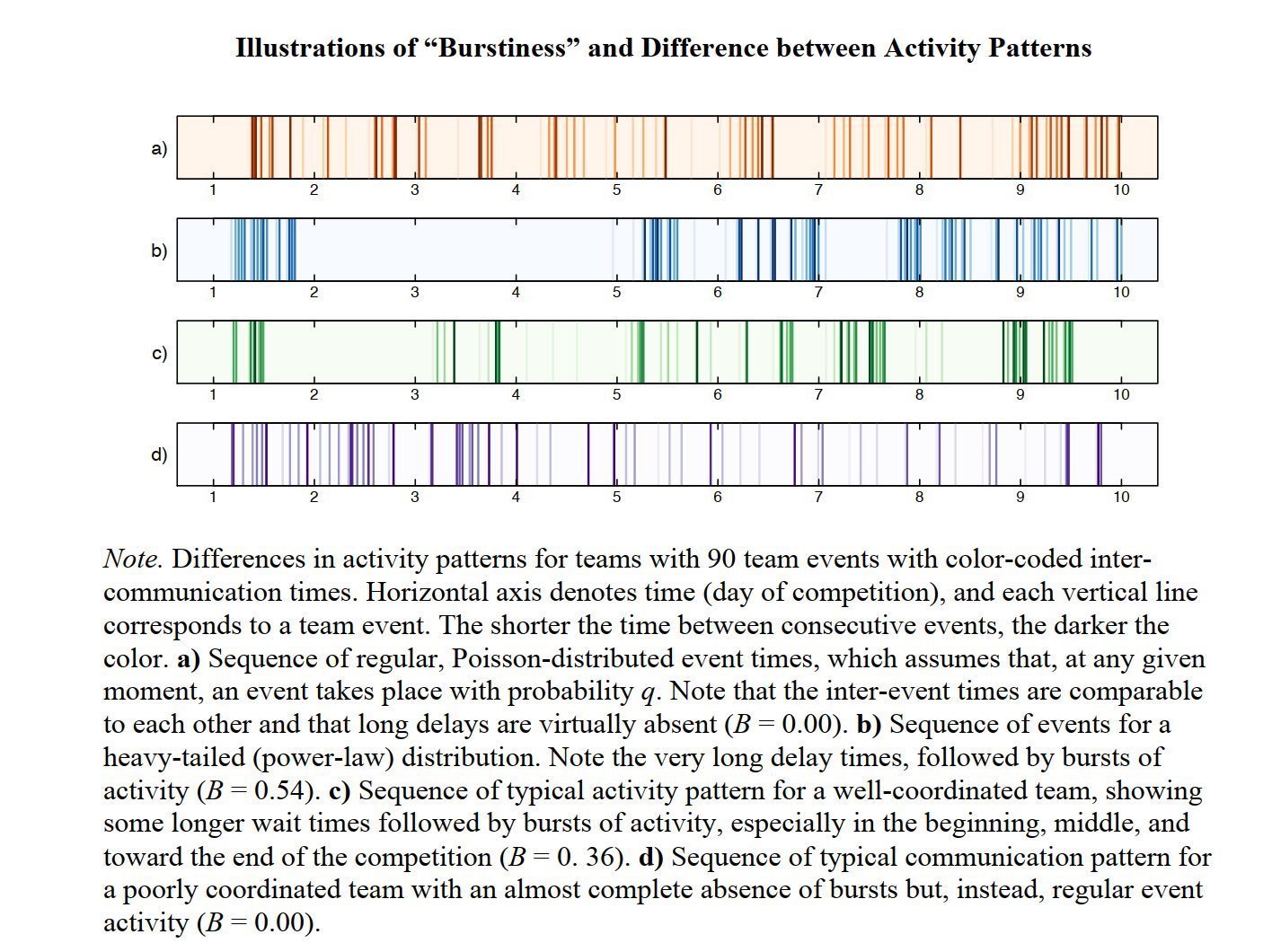
Research on how to be productive in remote teams: be bursty, switching between solo work & intense periods where everyone is exchanging info together at the same time. Bursts allow idea exchange & solo gets work done. A 1 SD increase in burstiness ups team performance by 29%!

-
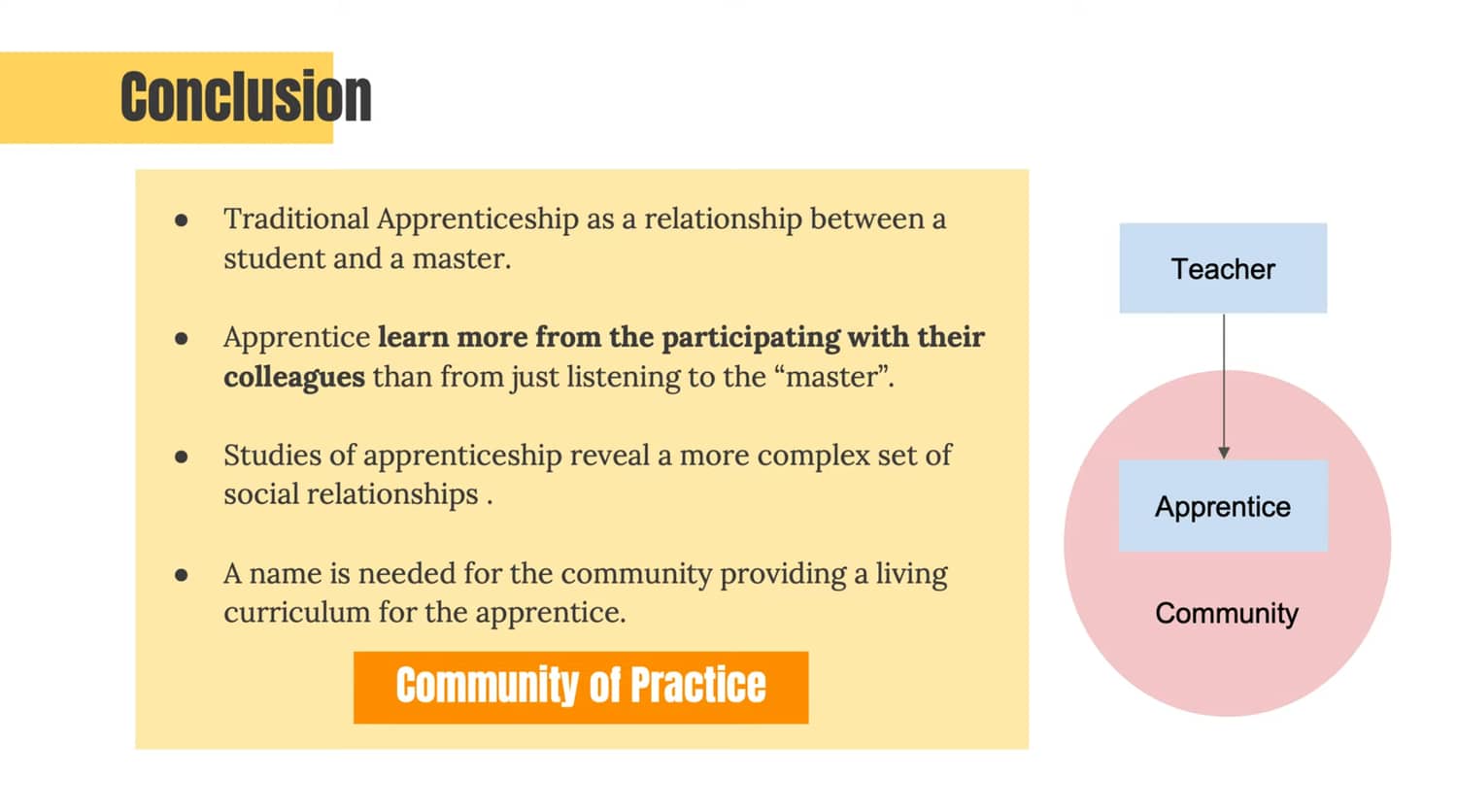
Community of practice - a group of people who "share a concern or a passion for something they do and learn how to do it better as they interact regularly"
-
Unboxing the Toolkit - survey/reflection on design toolkits by @shannonmattern
"Technosolutionist libertarianism is rooted in an assumption that kits and skills are more reliable than other people".
-
The YouTube Revolution in Knowledge Transfer - by Samo Burja (2019)

-
A Post-COVID Revival for Community Shopping? Sharing Expertise with “Machizemi”
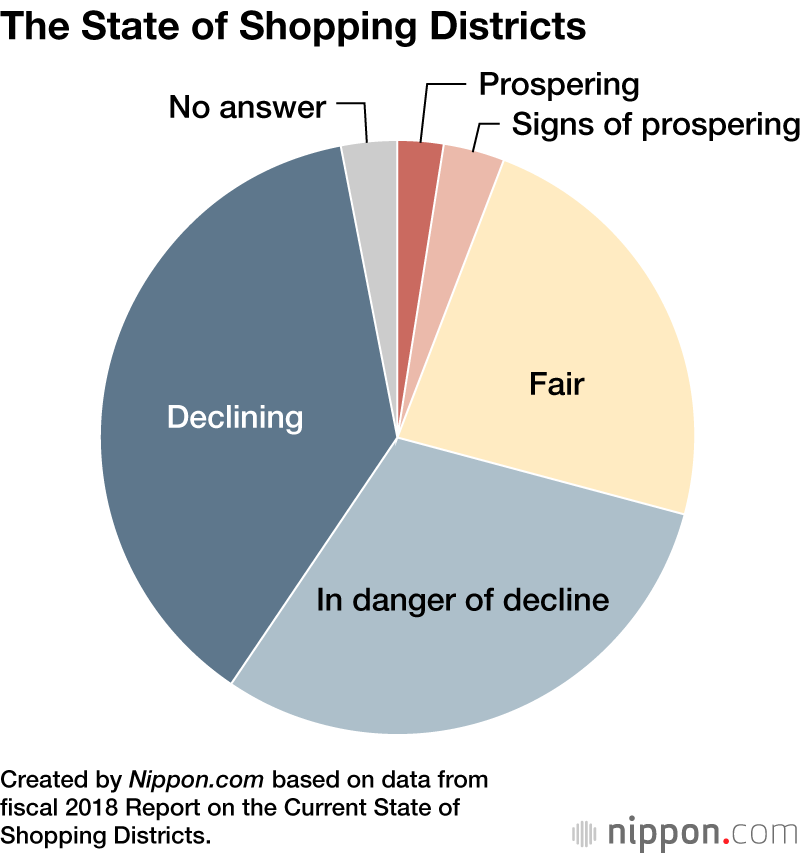
On the Japanese practice of "machizemi" where shop keepers hold learning seminars on things related to their business specialty resulting in increased sales and visitors, revitalization of shopping districts etc. An effective way of competing with malls. A knife shop teaches customers how to sharpen their knives, a restaurant teaches visitors how to cook their speciality, a tea store teaches people who to properly brew tea, etc. So many great stories and ideas here. Should be applicable anywhere in the world.