tag > Politics
-
Trump signs executive order to support moon mining, tap asteroid resources (Space.com)

The new executive order makes things even more official, stressing that the United States does not view space as a "global commons" and sees a clear path to off-Earth mining, without the need for further international treaty-level agreements.
-
This window of opportunism (about intel)
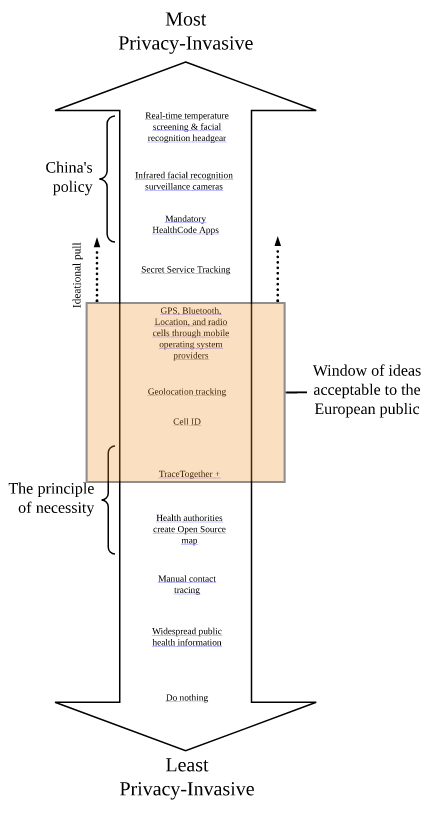
The Chinese Communist Party is using the current crisis to showcase its most dystopian iteration of total surveillance yet. As Europe anxiously looks to Beijing for technological solutions to Covid-19, the window of what we perceive to be acceptable surveillance practice may shift accordingly. It is therefore essential that we stick to the principles of proportionality and necessity. They force us to spell out the aim of surveillance and tell us where to search for inspiration instead.
This is likely to have significant implications for surveillance policy in other parts of the world. For one because the CCP has a strong political and economic interest in convincing other countries that its model of governance is viable. Covid-19 has only given wings to its attempt to broadly export authoritarianism. For another, because the attention citizens and politicians in Europe pay to the Chinese example in the pandemic is likely to shift what they will consider reasonable surveillance practice.
-
In Italy, Going Back to Work May Depend on Having the Right Antibodies (NYTimes)
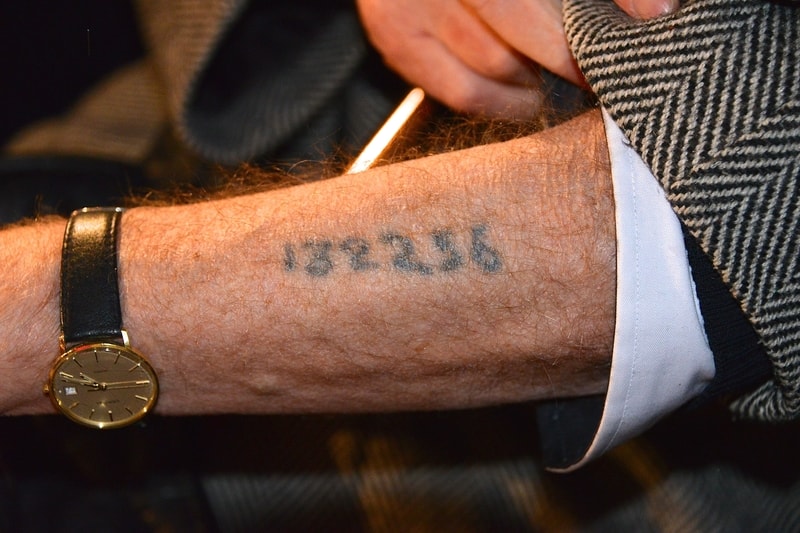
Photo: Identification of inmates in German concentration camps - The Fascists had many "special licences" The conservative president of the northeastern Veneto region has proposed a special “license” for Italians who possess antibodies that show they have had, and beaten, the virus. The former prime minister, Matteo Renzi, a liberal, has spoken about a “Covid Pass” for the uninfected. Prime Minister Giuseppe Conte said that while the lockdown remained in place, the government had begun working with scientists to determine how to send people who have recuperated back to work. With its echoes of a “Brave New World,” the debate about how to reopen arrived in earnest this week in Italy.
-
New episode from the popular series "Oligarchic psychopaths driving the agenda"
Bill Gates - the second richest oligarch on earth - is "looking at getting vaccines to everyone in the world" (quote from the video), after last week predicting that "Eventually we will have some digital certificates to show who has recovered or been tested recently or when we have a vaccine who has received it." Good times.
-
China proposes a new internet protocol that gives government ultimate control (reclaimthenet)
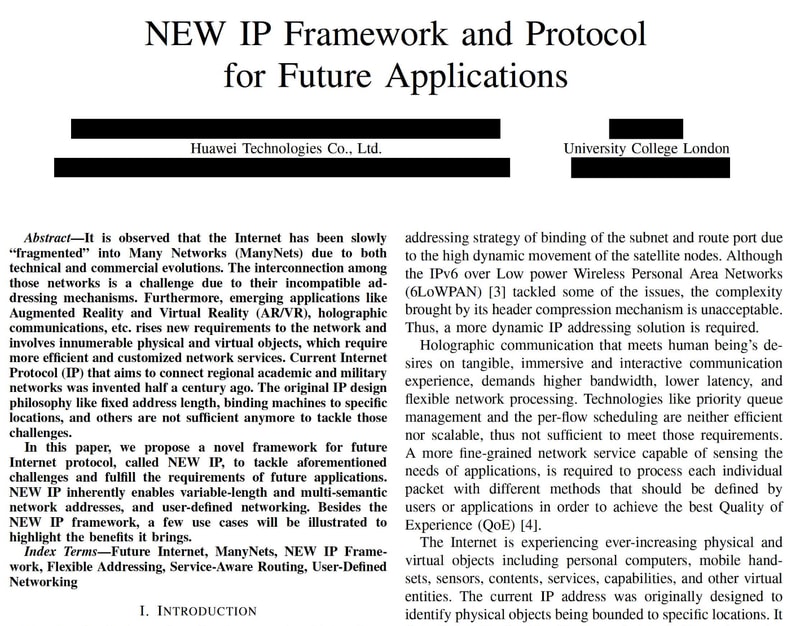
After years of meddling with the internet and censoring everything left and right, China now wants to introduce a new authoritarian-friendly internet protocol. The Financial Times has recently gained access to several documents about the protocol. Huawei, China’s Ministry of Industry and Information Technology (MITT), and state-run Unicom and China Telecom were the ones to craft the proposal and presented it to the UN’s International Telecommunication Union (ITU).
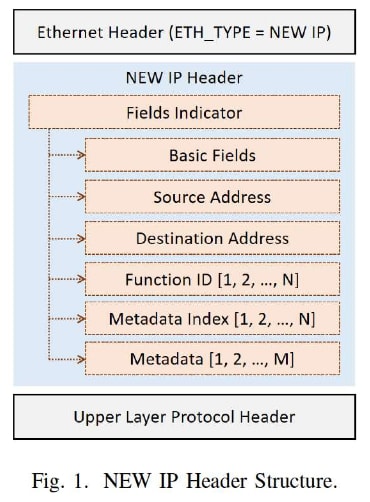
It was found that Russia and maybe Saudi Arabia were in favor of the proposal, whereas nations such as the US and UK expressed concerns. Based on what the developers of the protocol say, it may be standardized at a conference in India later this year with the testing of the protocol beginning in early 2021. On the whole, China’s new proposal states that the internet must catch up with the future and that the “current designs are obviously insufficient”. Considering the fact that the underlying technical architecture of the internet hasn’t really changed in a long time, China’s thoughts to modernize the whole infrastructure does sound like a necessary step to take. The proposal calls for an advanced internet that has improved security and efficiency while supporting holograms as well as latency stability.
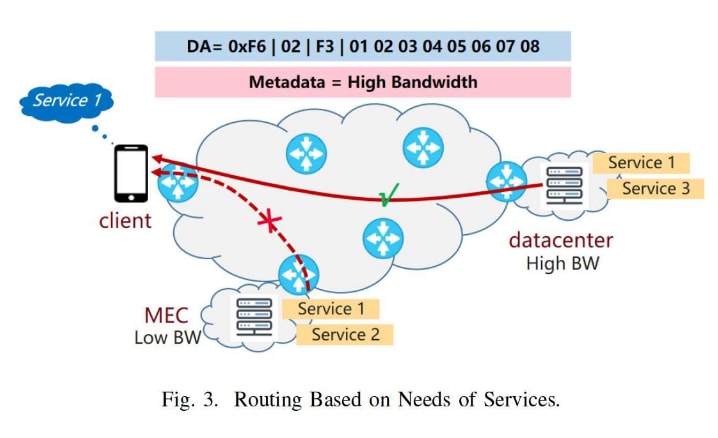
Finally, the new protocol aims to integrate the interactions between ManyNets (networks from IoT and satellites) and the internet seamlessly. But there is a strong concern with the new proposal that was even pointed out by countries such as the US and UK. The new proposal, if accepted globally, will give governments the ultimate power over the internet accessibility in their nations.
Such a “top-down” internet architecture will lead to potential internet censorship. With many countries already practicing blatant internet censorship, especially China, the idea of placing more power over internet accessibility into the hands of a country’s government may not be the wisest course of action. It is also worth noting that authoritarian governments such as Russia are already moving in the direction of gaining “cyber sovereignty“. For instance, Russia already tested its own heavily controlled internet.
At such a juncture, the new proposal by China, while promising the hopes of a better future, might make it easy for countries to practice internet censorship.
#Technology #Infrastructure #Internet #Politics #Economics #Military
-
Pakistan, China and Russia decide to conduct trade in local currencies skip dollars (BRecord)
The eight-member countries of the Shanghai Cooperation Organization (SCO), including China, Russia, and Pakistan, have made the principle decision to conduct bilateral trade and investment and issue bonds in local and national currencies instead of US dollars. As per details, a road map will be finalized and signed at SCO's Finance Ministers' meeting in Moscow on March 18th.
-
The Breakaway Civilization - Interview with Jason Reza Jorjani on New Thinking Allowed
-
China's coronavirus health code apps raise concerns over privacy (Guardian)
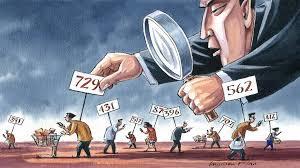
As millions of people in China emerge from weeks of lockdown, their freedom of movement is largely dependent on phone apps. The “health code” service – run on the ubiquitous platforms Alipay and WeChat and developed for the Chinese government – give users colour-coded designations based on their health status and travel history, and a QR code that can be scanned by authorities. The apps are specific to each city or province, but generally people given a green code are allowed to travel relatively freely. A yellow code indicates that the holder should be in home isolation, and a red code says the user is a confirmed Covid-19 patient and should be in quarantine.
#Comment: Digital totalitarianism is just getting started and is here to stay, to be implemented globally in the foreseeable future. The long held aspiration of international technocratic "elites" to "manage" humans in a similar fashion as animal livestock, is reaching maturity. While touted as "the future of globalisation during the forth industrial revolution, enabling shared prosperity and security in times of climate change" at places like the World Economic Forum, digital totalitarianism might results in a substantial loss of agency for many.
-
Covid-19 — Navigating the Uncharted - Research Paper by Anthony S. Fauci, M.D

"If one assumes that the number of asymptomatic or minimally symptomatic cases is several times as high as the number of reported cases, the case fatality rate may be considerably less than 1%. This suggests that the overall clinical consequences of Covid-19 may ultimately be more akin to those of a severe seasonal influenza (which has a case fatality rate of approximately 0.1%) or a pandemic influenza (similar to those in 1957 and 1968) rather than a disease similar to SARS or MERS, which have had case fatality rates of 9 to 10% and 36%, respectively."
-
Pro Tip: Make it a mental habit, to remove the nation-state as primary power centre, when trying to make sense of geo-politics. All the relevant actors fully globalized decades ago, the rest is by and large just fun and games for the confused masses.
-
"Victor Orbán desperately trying to catch up with cosmopolitan liberal elites who have all overtaken him in the authoritarianism league tables in recent weeks." - Dr.Tad Tietze on twitter
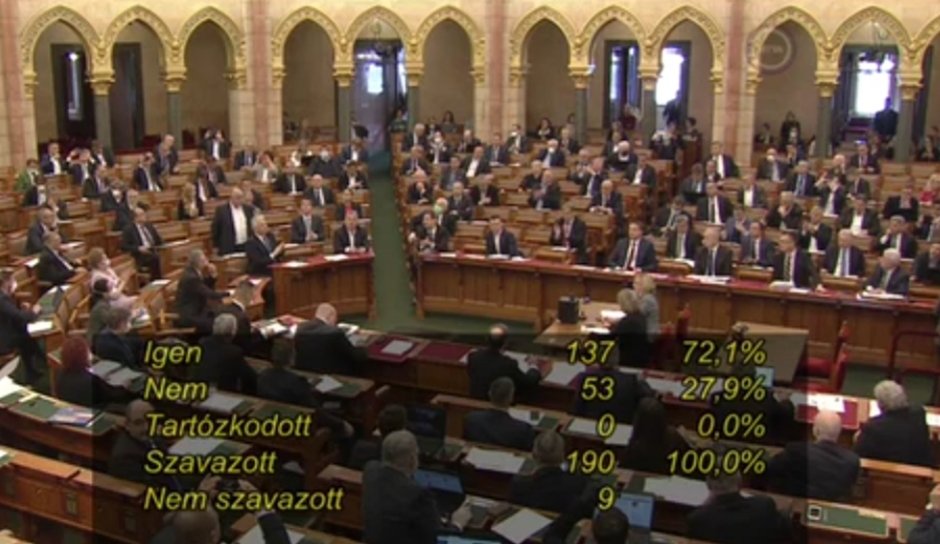
Hungarian Parliament passes bill that gives PM Orbán unlimited power & proclaims:
- State of emergency w/o time limit
- Rule by decree
- Parliament suspended
- No elections
- Spreading fake news + rumors: up to 5 yrs in prison
- Leaving quarantine: up to 8 yrs in prison
-
S Korea unleashes all-out policy assault on virus - ‘Big Brother’ on steroids (Asiantimes)
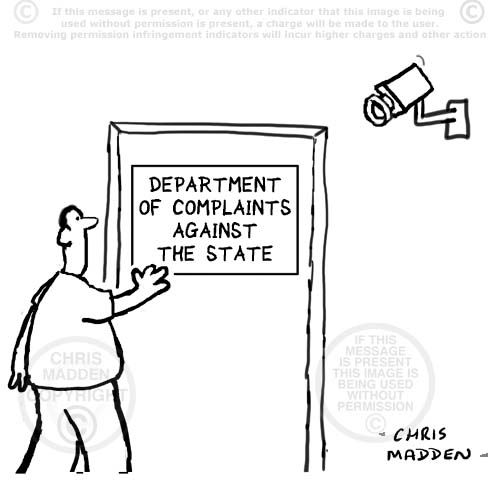
The Korea Center for Disease Control and Prevention is in charge of the new digital surveillance system. It combines information from 27 public and private organizations including the National Police Agency, the Credit Finance Association, three mobile carriers and 22 credit card firms. This vast collection of big data is amassed, trawled through and analyzed by AI. The system is a comprehensive upgrade to a previous program under which “data detectives” combined CCTV footage, GPS location information, credit card payments and other metrics to track down persons who may have been in contact with the infected person.
-
Twitter removes tweets by Brazil, Venezuela presidents for violating COVID-19 content rules
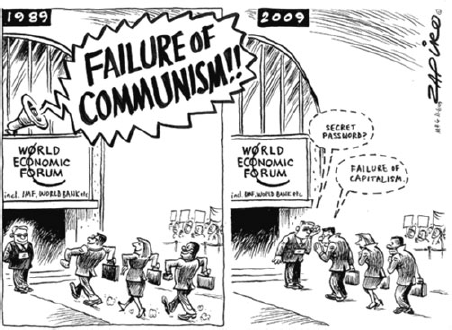
#Comment: Earlier today, Twitter deleted Bolsonaro tweets.
Yesterday, Facebook deleted the Brazilian president’s video because it contained disinformation.
This is a defining moment: companies willing to shut down "disinfo" from world leaders if they have the World Health Organization to back them up on what counts as harmful. A highly comedic development, given the WHO is a deeply corrupt organisation under the control of few cryptocrats.
Ultimately, this is just yet another distraction from the main show: The collapse of the pax americana global petrodollar empire of mass consumer capitalism - which is desperately trying to save itself with ever more violent full spectrum dominance tactics against everybody (from psyops and economic warfare to assassination and nuclear escalation). The corona plandemic won't change the course of this collapse, likely even accelerate it.
-
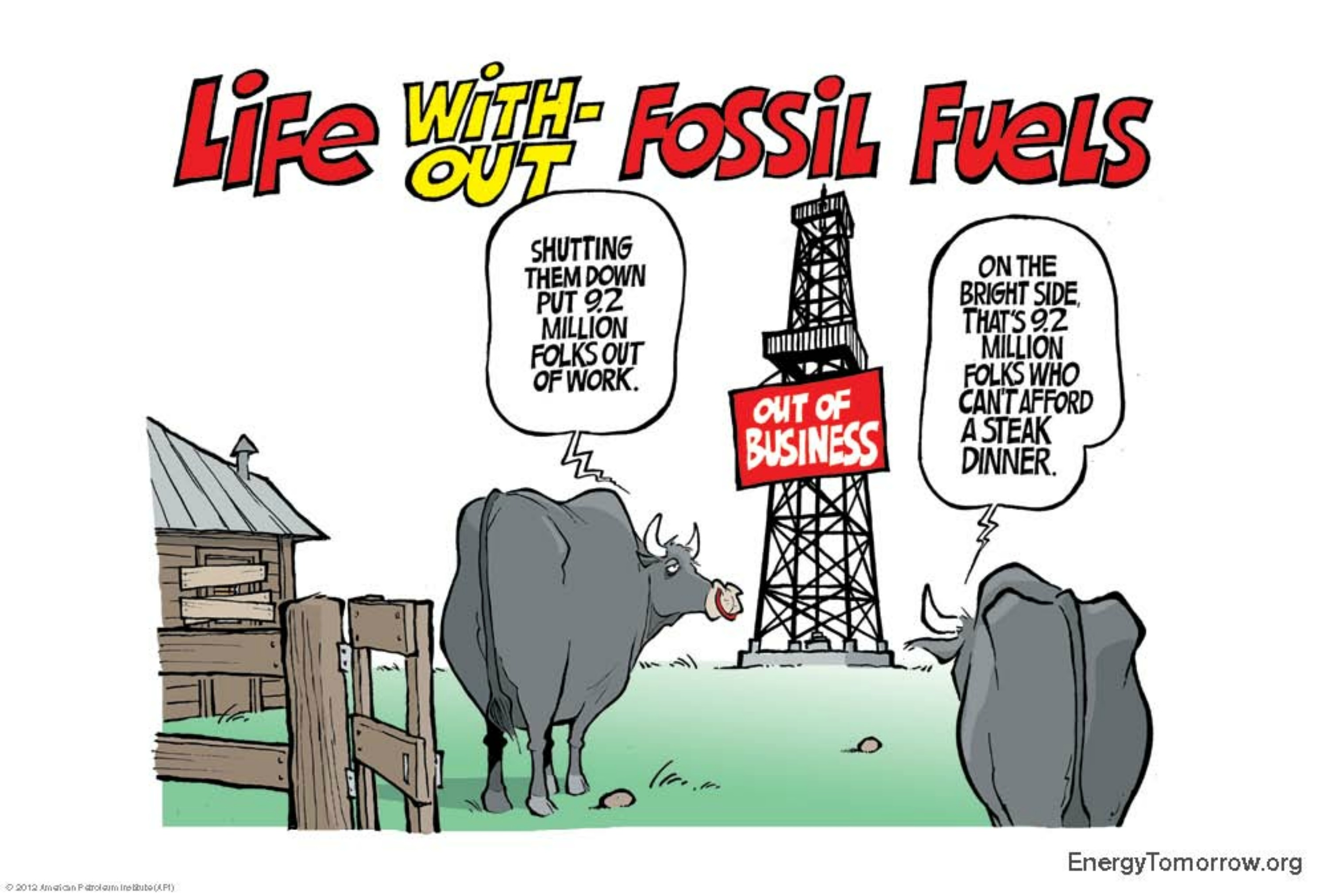
The great oil industry collapse of the 2020s has started
Oil Prices Could Fall Another 20% (oilprice.com)
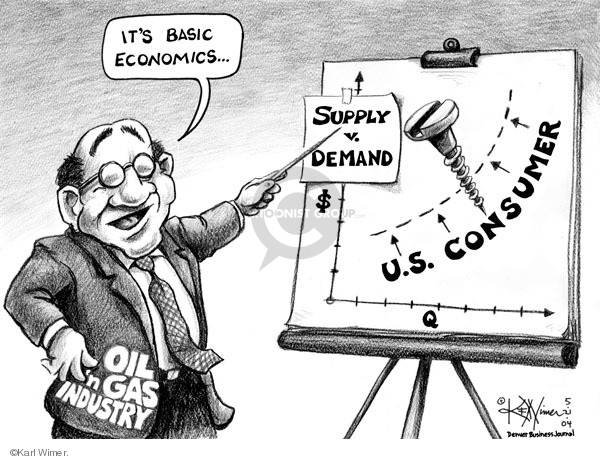
Brent crude was down four percent Friday afternoon at $27.50 per barrel. US crude was five percent lower at $21.47 per barrel. Prices were on track for their fifth weekly drop in a row as coronavirus ravages economies around the world. The price war launched by Saudi Arabia almost three weeks ago after talks with Russia over price stabilisation broke down has sent prices to their lowest level in 17 years. The Brent crude price was around $65 per barrel at the start of January.
US crude oil price falls below $20 (FT)
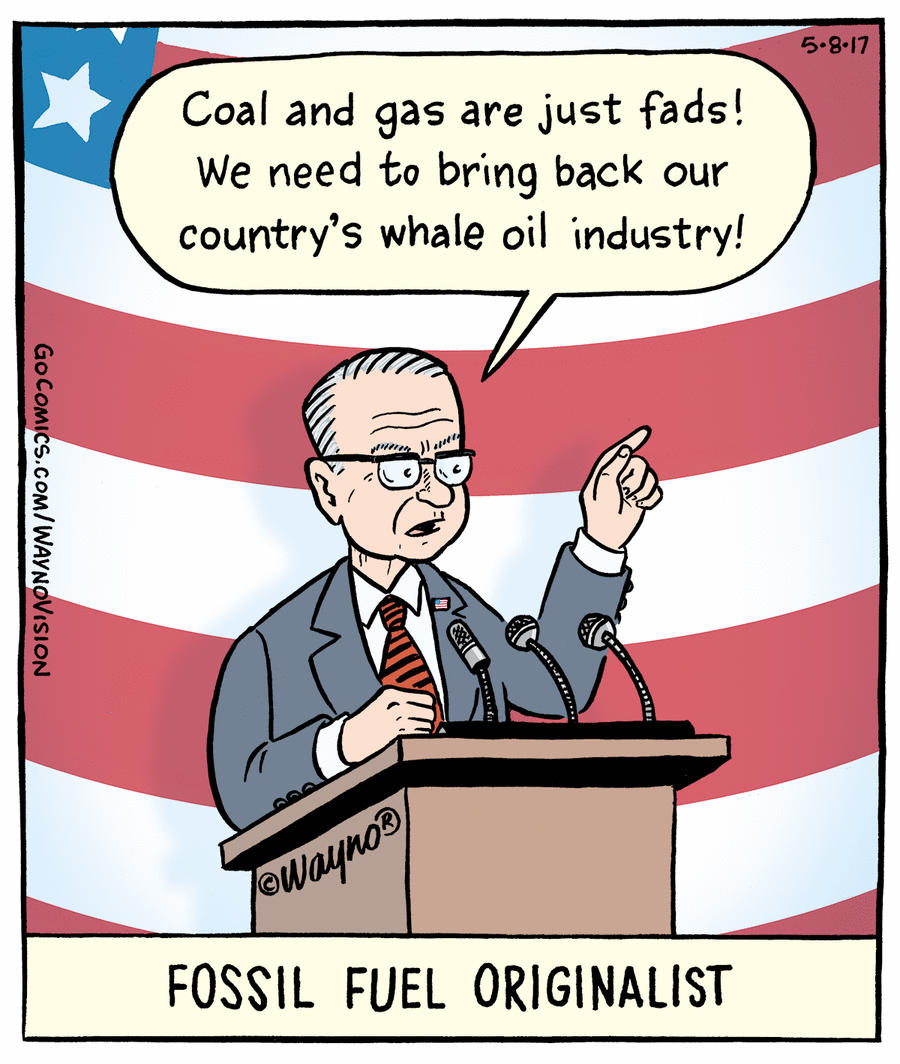
US crude oil prices fell below $20 a barrel on Monday, close to their lowest level in 18 years, as traders bet production would have to shut to cope with the collapse in demand from the coronavirus pandemic. The global oil industry is facing its biggest demand drop in history, with traders and analysts forecasting crude consumption could fall as much as a quarter next month because of widespread lockdowns across the western world as the pandemic spreads.
Oil in Canada hit $3.80 per barrel this morning in Canada.
@MarinKatusa: A starbucks latte is now almost 2X more expensive than a barrel of oil in Canada today. A barrel of oil is cheaper than a donut and coffee from Tim Hortons.
Russia's Rosneft stops operations in Venezuela (TASS)
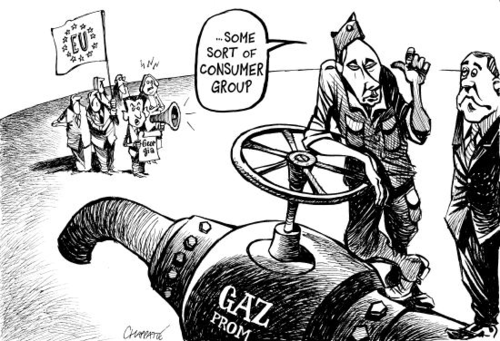
Russia's Rosneft stops operations in Venezuela, sells assets related to functioning in that country. A company owned by Russia has acquired Rosneft’s assets in Venezuela, the cabinet’s press office told TASS on Saturday. "The government of the Russian Federation has acquired assets in Venezuela from Rosneft. A company 100% owned by the Russian Federation has become the owner," the press service said.
Russian state gave up majority share of Rosneft in Venezuela deal (Yahoo News)
The Russian state has cut its holding in oil giant Rosneft to below a majority stake as part of its deal to buy the group's Venezuelan assets, announced over the weekend, a source familiar with the details told Reuters. Rosneft, Russia's largest oil producer, said on Saturday it had sold all its assets in Venezuela to an unnamed company owned by the Russian government. The group said it would receive in return payment worth 9.6% of Rosneft's equity capital, which would be held by a subsidiary. It did not say who the seller of that stake was. Before the deal, Russia, via state holding company Rosneftegaz, owned slightly over 50% of Kremlin-controlled Rosneft's capital.
Russia’s Plan To Bankrupt U.S. Shale Could Send Oil To $60 (oilprice.com)
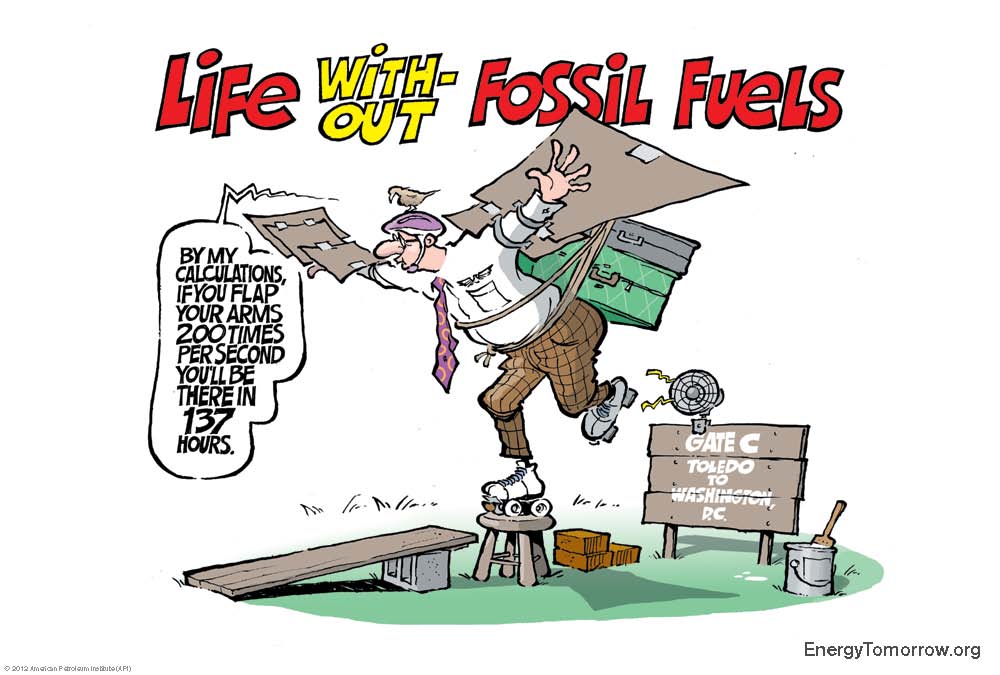
As soon as U.S. shale leaves the market, prices will rebound and could reach $60 a barrel, Rosneft’s Igor Sechin said recently. As fate would have it, in what many would have until recently considered an impossible scenario, a lot of U.S. shale might do just that. Breakeven prices for U.S. shale basins range between $39 and $48 a barrel, according to data compiled by Reuters. Meanwhile, West Texas Intermediate (WIT) is trading below $25 a barrel and has been for over a week now.
The world's on the brink of running out of places to put oil (financial post)
With supply exceeding demand by 12.4 million barrels a day, producers will be forced to cut output by June
Collapse (documentary)
Sitting in a room that looks like a bunker, Ruppert briefly recounts his life including his parents' ties to U.S. intelligence agencies and Ruppert’s own career as an LAPD beat cop and detective. Ruppert then summarizes current energy and economic issues, focusing mainly around the core concepts of peak oil and sustainable development. He also criticizes fiat money, fractional reserve banking, compound interest, and leveraging, and discusses alleged CIA drug trafficking. The bulk of the film presents Ruppert making an array of predictions including social unrest, violence, population dislocation and governmental collapses in the United States and throughout the world. He draws on news reports and data available via the Internet, but he applies a unique interpretation which he calls “connecting the dots”.
USA im Irak: Letzter Akt einer Chaos-Politik? (heise)
90 Prozent der Einkünfte kommen vom Ölgeschäft. Bei dem derzeit niedrigen Ölpreis wird es für die irakische Regierung schwierig, dass sie überhaupt Gehälter bezahlen kann. 30 Prozent der Beschäftigten im Irak leben als Beamte oder Vertragspartner von Staatsgeldern. Das Gesundheitswesen ist vollkommen von den Staatseinnahmen abhängig.
EasyJet grounds 'entire fleet' over coronavirus (Techexplorer)
British airline easyJet on Monday said it had grounded its entire fleet because of the coronavirus pandemic but would still be available for rescue flights to repatriate stranded customers.
Coronavirus may cause global food shortages as panic buying and export curbs hit supply (SCMP)
UN Food and Agricultural Organisation says there could be global food shortages in April and May as a result of supply problems caused by the coronavirus. China is heavily dependent on imports for some crops like soybeans, which may be affected by disruptions to global logistics networks.
UN warns that COVID-19 pandemic could trigger global food shortage (World Socialist Web)
The United Nations Food and Agriculture Organization (FAO) warned of the impact of the COVID-19 virus on the global food supply chain in a notice on their website writing: “We risk a looming food crisis unless measures are taken fast to protect the most vulnerable, keep global food supply chains alive and mitigate the pandemic’s impacts across the food system.”
-
Acclaimed mainstream scientists (Oxford, Standford, MaxPlank, Marie Curie, etc.) speaking up against the corona crisis handling and hysteria.
- 12 Experts Questioning the Coronavirus Panic (off-guardian)
- 10 more Experts Criticising the Coronavirus Panic (off-guardian)
- Perspectives on the Pandemic (off-guardian)
- Why this Nobel laureate predicts a quicker coronavirus recovery (LATimes)
- Wolfgang Wodarg: Corona viruses are not the problem - stay calm
- Corona-Krise: Offener Brief an die Bundeskanzlerin von Prof. Sucharit Bhakdi
- Renowned German mathematician and professor of statistics slams dramatization of Covid-19
- 12 Experts Questioning the Coronavirus Panic (off-guardian)
-
UK has enough intensive care units for coronavirus, expert predicts (New Scientist)
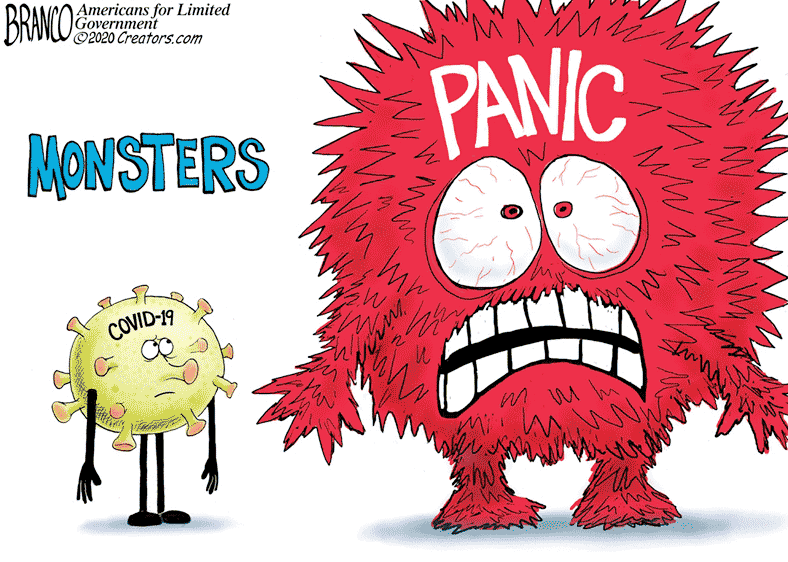
The UK should now be able to cope with the spread of the covid-19 virus, according to one of the epidemiologists advising the government. Neil Ferguson at Imperial College London said that expected increases in National Health Service capacity and ongoing restrictions to people’s movements make him “reasonably confident” the health service can cope when the predicted peak of the epidemic arrives in two or three weeks. UK deaths from the disease are now unlikely to exceed 20,000, he said, and could be much lower.
Comment by @AlexBerenson: This is a remarkable turn from Neil Ferguson, who led the @imperialcollegeauthors who warned of 500,000 UK deaths - and who has now himself tested positive for COVID; He now says both that the U.K. should have enough ICU beds and that the coronavirus will probably kill under 20,000 people in the U.K. - more than 1/2 of whom would have died by the end of the year in any case bc they were so old and sick. Essentially, what has happened is that estimates of the viruses transmissibility have increased - which implies that many more people have already gotten it than we realize - which in turn implies it is less dangerous. Ferguson now predicts that the epidemic in the U.K. will peak and subside within “two to three weeks” - last week’s paper said 18+ months of quarantine would be necessary. One last point here: Ferguson gives the lockdown credit, which is *interesting* - the UK only began ita lockdown 2 days ago, and the theory is that lockdowns take 2 weeks or more to work. Not surprisingly, this testimony has received no attention in the US - I found it only in UK papers. Team Apocalypse is not interested.
More from Imperial
- Coronavirus pandemic could have caused 40 million deaths if left unchecked (Imperial)
- COVID-19: Imperial researchers model likely impact of public health measures (Imperial)
virus modeling
- Coronavirus pandemic could have caused 40 million deaths if left unchecked (Imperial)