tag > RTM
-
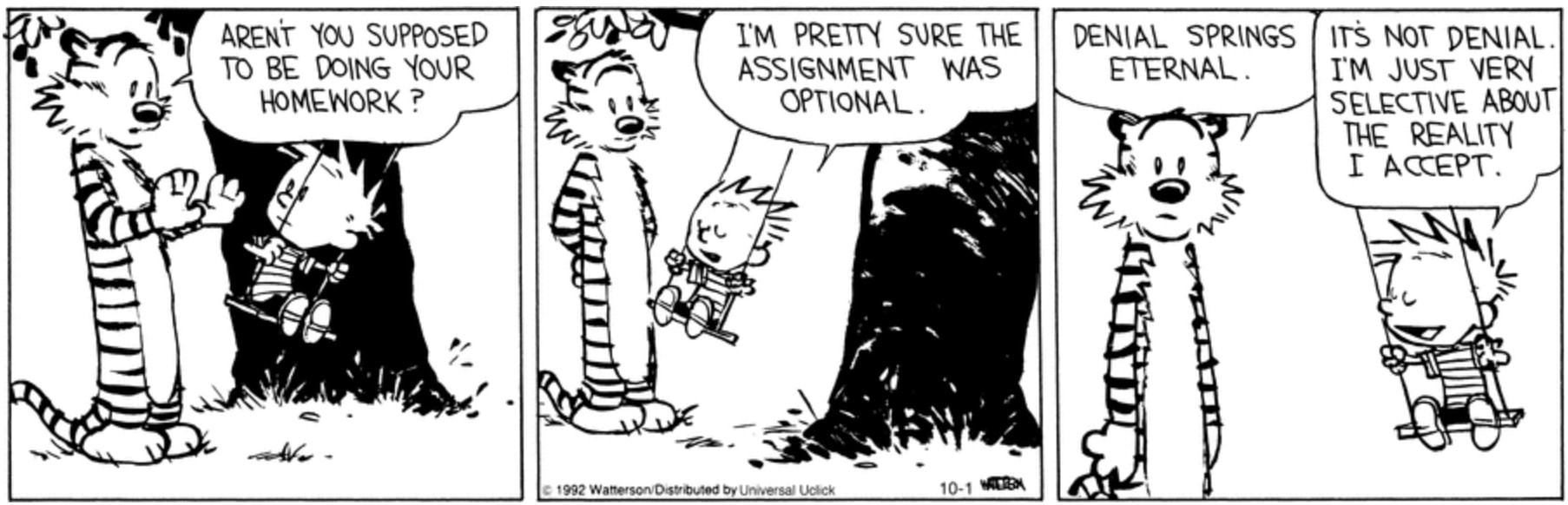
"It's not denial. I'm just selective about the reality I accept." - Comic by Bill Watterson
-
Warning: Subliminal programming in the wild
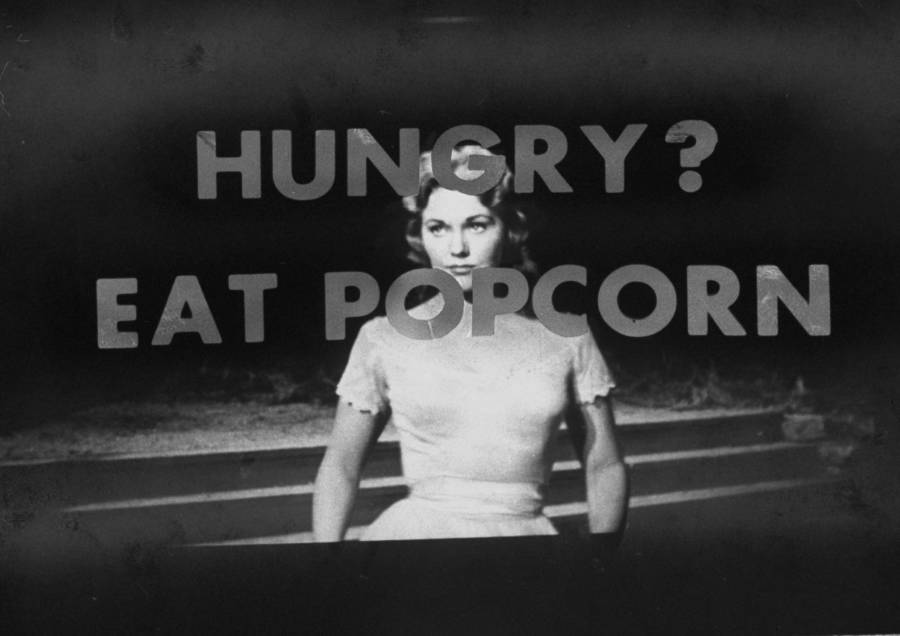
It is quite likely that lots of content on media (video) hosting sites (mainstream and especially "alternative") has been augmented (or poisoned) with a range of subliminal (and supraliminal) programming techniques, that are far outside of the (unofficially) accepted norms. This is highly unethical and dangerous, but hard to forensically prove. As best practice stay alert, stay relaxed and stay offline more often.
-
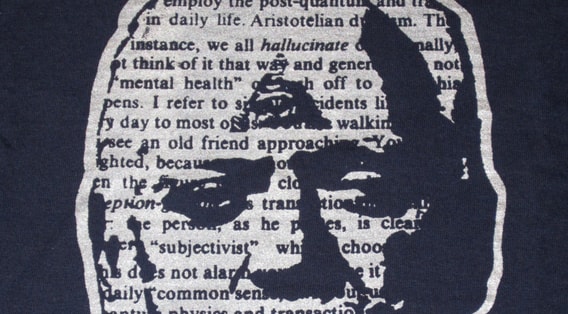
"A quick intelligence test, which also indicates the trajectory of your development, is this: If the world seems to be getting bigger and funnier all he time, your intelligence is steadily increasing. If the world seems to be getting nastier, your stupidity is increasing" - Robert Anton Wilson
-
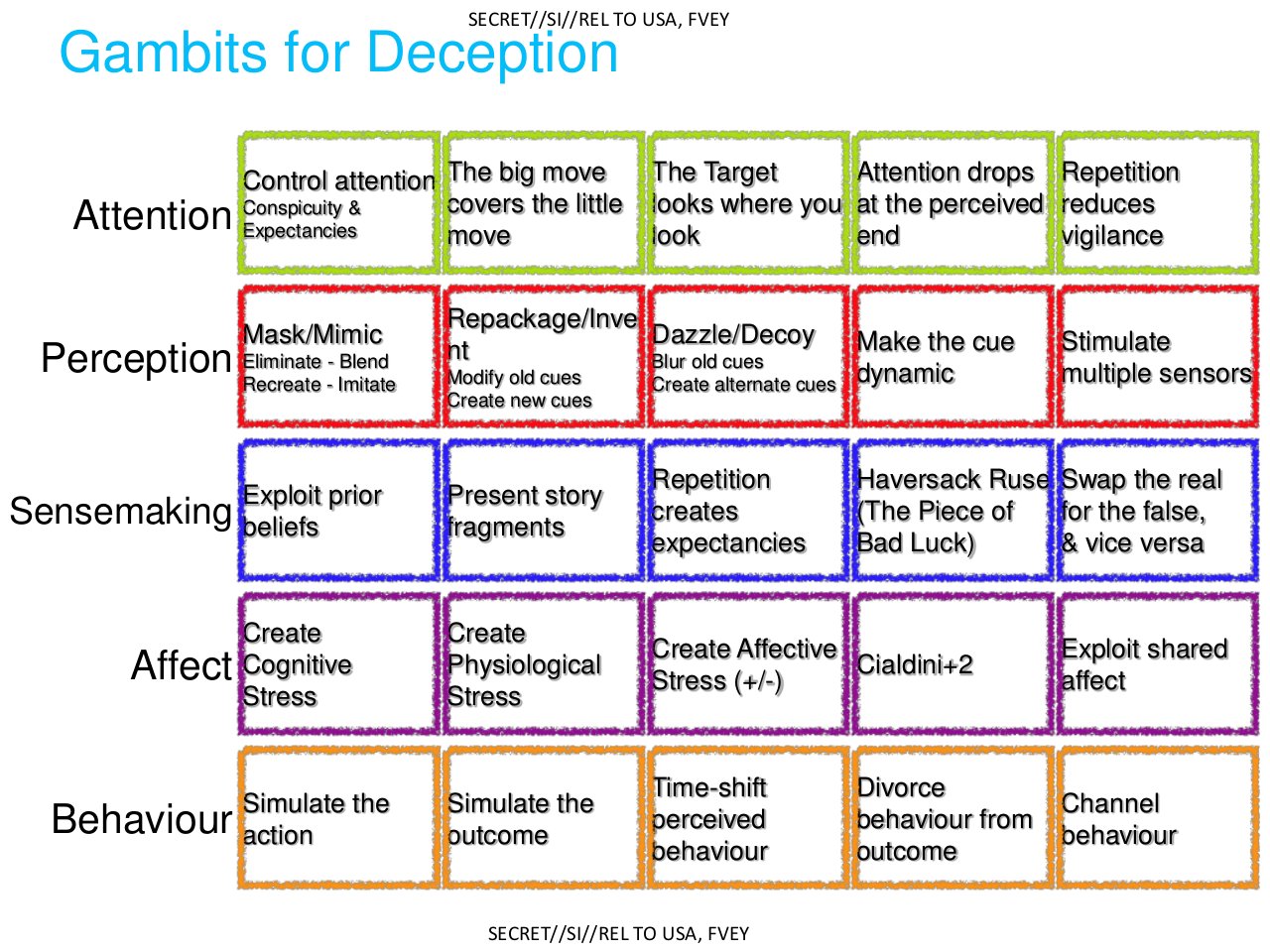
Propaganda Techniques
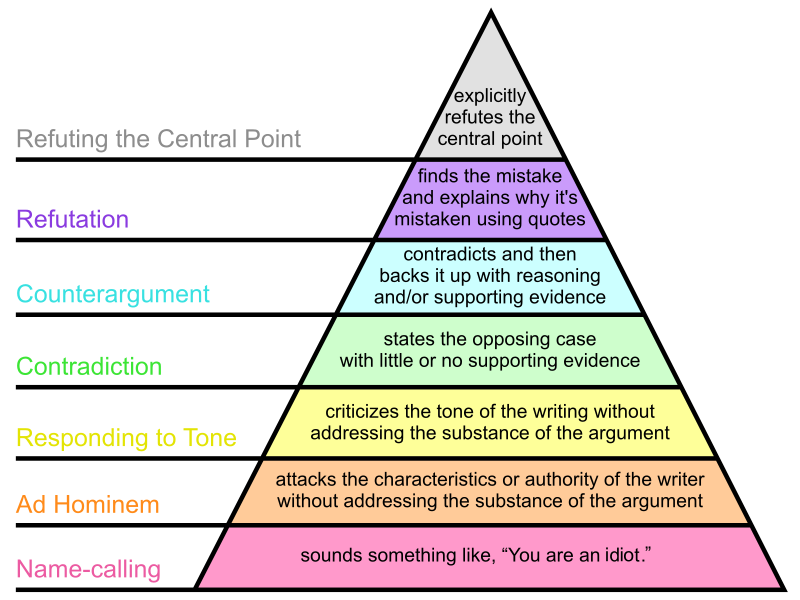
Propaganda is a form of communication that is aimed at influencing the attitude of a community toward some cause or position. As opposed to impartially providing information, propaganda, in its most basic sense, presents information primarily to influence an audience. Propaganda often presents facts selectively (thus possibly lying by omission) to encourage a particular synthesis, or uses loaded messages to produce an emotional response rather than rational response to the information presented. The desired result is a change of the attitude toward the subject in the target audience to further a political agenda. Propaganda can be used as a form of political warfare.
Techniques
Common media for transmitting propaganda messages include news reports, government reports, books, leaflets, movies, radio, television, and posters. In the case of radio and television, propaganda can exist on news, current-affairs or talk-show segments, asadvertising or public-service announce "spots" or as long-running advertorials. Propaganda campaigns often follow a strategic transmission pattern to indoctrinate the target group. This may begin with a simple transmission such as a leaflet dropped from a plane or an advertisement. Generally these messages will contain directions on how to obtain more information, via a web site, hot line, radio program, etc. (as it is seen also for selling purposes among other goals). The strategy intends to initiate the individual from information recipient to information seeker through reinforcement, and then from information seeker to opinion leader through indoctrination.A number of techniques based in social psychological research are used to generate propaganda. Many of these same techniques can be found under logical fallacies, since propagandists use arguments that, while sometimes convincing, are not necessarily valid.Some time has been spent analyzing the means by which propaganda messages are transmitted. That work is important but it is clear that information dissemination strategies only become propaganda strategies when coupled with propagandistic messages. Identifying these messages is a necessary prerequisite to study the methods by which those messages are spread. Below are a number of techniques for generating propaganda:- A Latin phrase which has come to mean attacking your opponent, as opposed to attacking their arguments.
- This argument approach uses tireless repetition of an idea. An idea, especially a simple slogan, that is repeated enough times, may begin to be taken as the truth. This approach works best when media sources are limited and controlled by the propagator.
- Appeals to authority cite prominent figures to support a position, idea, argument, or course of action.
- Appeals to fear seek to build support by instilling anxieties and panic in the general population, for example, Joseph Goebbels exploited Theodore Kaufman's Germany Must Perish! to claim that the Allies sought the extermination of the German people.
- Using loaded or emotive terms to attach value or moral goodness to believing the proposition. For example, the phrase: "Any hard-working taxpayer would have to agree that those who do not work, and who do not support the community do not deserve the community's support through social assistance."
- Bandwagon and "inevitable-victory" appeals attempt to persuade the target audience to join in and take the course of action that "everyone else is taking."
- Inevitable victory: invites those not already on the bandwagon to join those already on the road to certain victory. Those already or at least partially on the bandwagon are reassured that staying aboard is their best course of action.
- Join the crowd: This technique reinforces people's natural desire to be on the winning side. This technique is used to convince the audience that a program is an expression of an irresistible mass movement and that it is in their best interest to join.
- Presenting only two choices, with the product or idea being propagated as the better choice. (e.g., "You are either with us, or you are with the enemy")
- Beautiful people
- The type of propaganda that deals with famous people or depicts attractive, happy people. This makes other people think that if they buy a product or follow a certain ideology, they too will be happy or successful. (This is more used in advertising for products, instead of political reasons)
- The repeated articulation of a complex of events that justify subsequent action. The descriptions of these events have elements of truth, and the "big lie" generalizations merge and eventually supplant the public's accurate perception of the underlying events. After World War I the German Stab in the back explanation of the cause of their defeat became a justification for Nazi re-militarization and revanchist aggression.
- The "'plain folks'" or "common man" approach attempts to convince the audience that the propagandist's positions reflect the common sense of the people. It is designed to win the confidence of the audience by communicating in the common manner and style of the target audience. Propagandists use ordinary language and mannerisms (and clothe their message in face-to-face and audiovisual communications) in attempting to identify their point of view with that of the average person. For example, a propaganda leaflet may make an argument on a macroeconomic issue, such as unemployment insurance benefits, using everyday terms: "given that the country has little money during this recession, we should stop paying unemployment benefits to those who do not work, because that is like maxing out all your credit cards during a tight period, when you should be tightening your belt."
- Making individuals from the opposing nation, from a different ethnic group, or those who support the opposing viewpoint appear to be subhuman (e.g., the Vietnam War-era term "gooks" for National Front for the Liberation of South Vietnam aka Vietcong, (or 'VC') soldiers), worthless, or immoral, through suggestion or false accusations.
- Appeal to Authority
This technique hopes to simplify the decision making process by using images and words to tell the audience exactly what actions to take, eliminating any other possible choices. Authority figures can be used to give the order, overlapping it with the Appeal to authority technique, but not necessarily. The Uncle Sam "I want you" image is an example of this technique.Direct order
- The use of an event that generates euphoria or happiness, or using an appealing event to boost morale. Euphoria can be created by declaring a holiday, making luxury items available, or mounting a military parade with marching bands and patriotic messages.
- The creation or deletion of information from public records, in the purpose of making a false record of an event or the actions of a person or organization, including outrightforgery of photographs, motion pictures, broadcasts, and sound recordings as well as printed documents.
- An attempt to justify an action on the grounds that doing so will make one more patriotic, or in some way benefit a group, country, or idea. The feeling of patriotism which this technique attempts to inspire may not necessarily diminish or entirely omit one's capability for rational examination of the matter in question.
- Glittering generalities are emotionally appealing words applied to a product or idea, but which present no concrete argument or analysis. A famous example is the campaign slogan "Ford has a better idea!"
- A half-truth is a deceptive statement which may come in several forms and includes some element of truth. The statement might be partly true, the statement may be totally true but only part of the whole truth, or it may utilize some deceptive element, such as improper punctuation, or double meaning, especially if the intent is to deceive, evade blame or misrepresent the truth.
- Generalities are deliberately vague so that the audience may supply its own interpretations. The intention is to move the audience by use of undefined phrases, without analyzing their validity or attempting to determine their reasonableness or application. The intent is to cause people to draw their own interpretations rather than simply being presented with an explicit idea. In trying to "figure out" the propaganda, the audience forgoes judgment of the ideas presented. Their validity, reasonableness and application may still be considered.
- This technique is used to persuade a target audience to disapprove of an action or idea by suggesting that the idea is popular with groups hated, feared, or held in contempt by the target audience. Thus if a group which supports a certain policy is led to believe that undesirable, subversive, or contemptible people support the same policy, then the members of the group may decide to change their original position. This is a form of bad logic, where a is said to equal X, and b is said to equal X, therefore, a = b.
- Favorable generalities are used to provide simple answers to complex social, political, economic, or military problems.
- Selective editing of quotes which can change meanings. Political documentaries designed to discredit an opponent or an opposing political viewpoint often make use of this technique.
- Propagandists use the name-calling technique to incite fears and arouse prejudices in their hearers in the intent that the bad names will cause hearers to construct a negative opinion about a group or set of beliefs or ideas that the propagandist would wish hearers to denounce. The method is intended to provoke conclusions about a matter apart from impartial examinations of facts. Name-calling is thus a substitute for rational, fact-based arguments against the an idea or belief on its own merits.[1]
- Individuals or groups may use favorable generalities to rationalize questionable acts or beliefs. Vague and pleasant phrases are often used to justify such actions or beliefs.
- Presenting data or issues that, while compelling, are irrelevant to the argument at hand, and then claiming that it validates the argument.[2]
- A Euphemism is used when the propagandist attempts to increase the perceived quality, credibility, or credence of a particular ideal. A Dysphemism is used when the intent of the propagandist is to discredit, diminish the perceived quality, or hurt the perceived righteousness of the Mark. By creating a 'label' or 'category' or 'faction' of a population, it is much easier to make an example of these larger bodies, because they can uplift or defame the Mark without actually incurring legal-defamation. Example: "Liberal" is a dysphamsim intended to diminish the perceived credibility of a particular Mark. By taking a displeasing argument presented by a Mark, the propagandist can quote that person, and then attack 'liberals' in an attempt to both (1) create a political battle-ax of unaccountable aggression and (2) diminish the quality of the Mark. If the propagandist uses the label on too-many perceivably credible individuals, muddying up the word can be done by broadcasting bad-examples of 'liberals' into the media.Labeling can be thought of as a sub-set of Guilt by association, another Logical Fallacy. [3]
- This type of propaganda deals with a jingle or word that is repeated over and over again, thus getting it stuck in someones head, so they can buy the product. The "Repetition" method has been described previously.[4]
- A slogan is a brief, striking phrase that may include labeling and stereotyping. Although slogans may be enlisted to support reasoned ideas, in practice they tend to act only as emotional appeals. Opponents of the US's invasion and occupation of Iraq use the slogan "blood for oil" to suggest that the invasion and its human losses was done to access Iraq's oil riches. On the other hand, "hawks" who argue that the US should continue to fight in Iraq use the slogan "cut and run" to suggest that it would be cowardly or weak to withdraw from Iraq. Similarly, the names of the military campaigns, such as "enduring freedom" or "just cause", may also be regarded to be slogans, devised to influence people.
- Stereotyping or Name Calling or Labeling
- This technique attempts to arouse prejudices in an audience by labeling the object of the propaganda campaign as something the target audience fears, hates, loathes, or finds undesirable. For instance, reporting on a foreign country or social group may focus on the stereotypical traits that the reader expects, even though they are far from being representative of the whole country or group; such reporting often focuses on the anecdotal.
- Testimonials are quotations, in or out of context, especially cited to support or reject a given policy, action, program, or personality. The reputation or the role (expert, respected public figure, etc.) of the individual giving the statement is exploited. The testimonial places the official sanction of a respected person or authority on a propaganda message. This is done in an effort to cause the target audience to identify itself with the authority or to accept the authority's opinions and beliefs as its own. See also,damaging quotation
- Also known as Association, this is a technique of projecting positive or negative qualities (praise or blame) of a person, entity, object, or value (an individual, group, organization, nation, patriotism, etc.) to another to make the second more acceptable or to discredit it. It evokes an emotional response, which stimulates the target to identify with recognized authorities. Often highly visual, this technique often utilizes symbols (for example, the Swastika used in Nazi Germany, originally a symbol for health and prosperity) superimposed over other visual images. An example of common use of this technique in America is for the President's image to be overlaid with a swastika by his opponents.
- This technique is used when the propaganda concept that the propagandist intends to transmit would seem less credible if explicitly stated. The concept is instead repeatedly assumed or implied.
- These are words in the value system of the target audience which tend to produce a positive image when attached to a person or issue. Peace, happiness, security, wise leadership, freedom, "The Truth", etc. are virtue words. In countries such as the U.S. religiosity is seen as a virtue, making associations to this quality affectively beneficial. See ""Transfer"".
References
Propaganda is a form of communication that is aimed at influencing the attitude of a community toward some cause or position.As opposed to impartially providing information, propaganda, in its most basic sense, presents information primarily to influence an audience. Propaganda often presents facts selectively (thus possibly lying by omission) to encourage a particular synthesis, or uses loaded messages to produce an emotional response rather than rational response to the information presented. The desired result is a change of the attitude toward the subject in the target audience to further a political agenda. Propaganda can be used as a form of political warfare. -
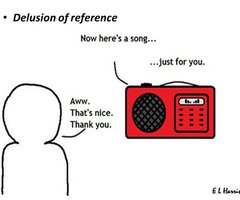
A delusion in which the patient believes that unsuspicious occurrences refer to him or her in person. Patients may, for example, believe that certain news bulletins have a direct reference to them, that music played on the radio is played for them, or that car licence plates have a meaning relevant to them. Ideas of reference differ from delusions of reference in that insight is retained.
-
The Game (Visup)
Cicada 3301, Alternate Reality Games (ARG), QAnon and the US military industrial complex.

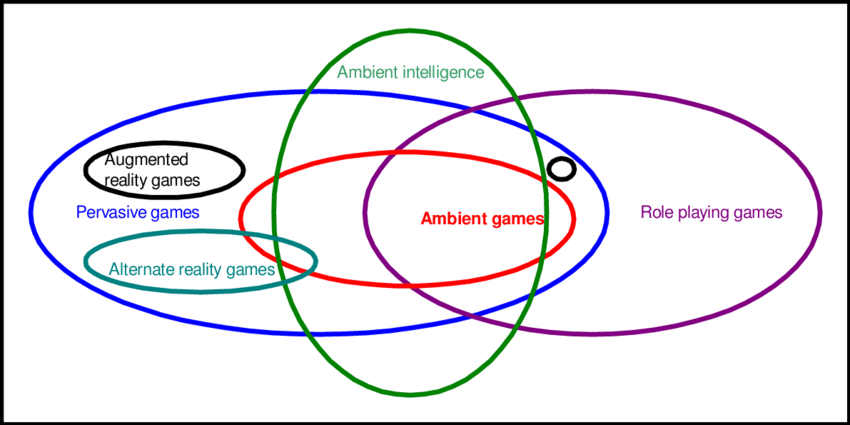
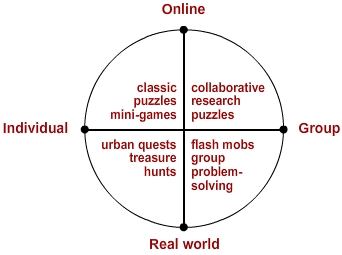
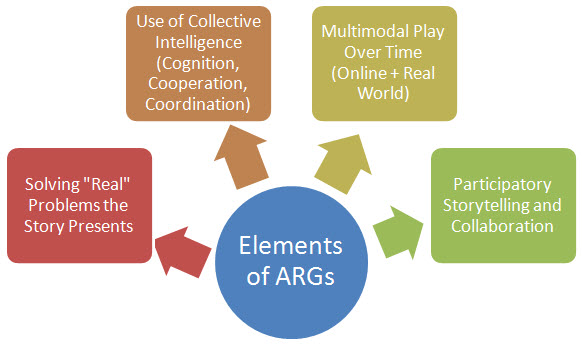

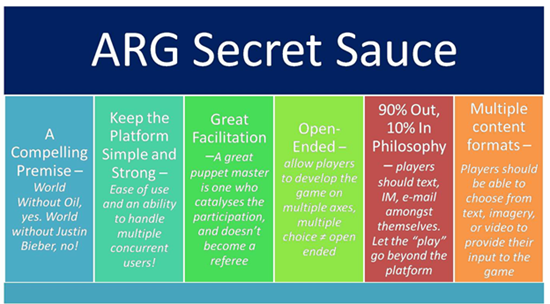
“Q Anon” May Have Been an FBI Psyop (swprs)
A recent Reuters investigation may indicate that “Q Anon” was in fact an FBI cyber psyop.
-
Emotional headlines have an impact regardless of the credibility of the source (HU-Berlin)
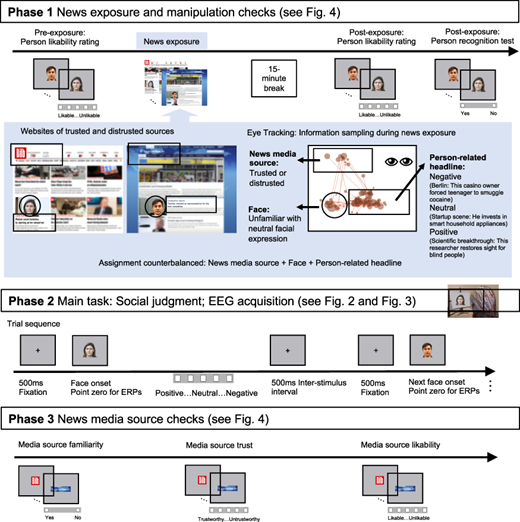
"Neurocognitive studies by researchers at the Humboldt-Universität zu Berlin (HU) show that headlines with emotional content influence our judgments about other people even when we consider the media source to be untrustworthy."
#Comment: More research by captain obvious. Sadly, this study focuses on "the influence of 'fake news' on the brain", instead of "the influence of 'news' in general (fake or true) as key driver of stress and disorder in the brain."
-
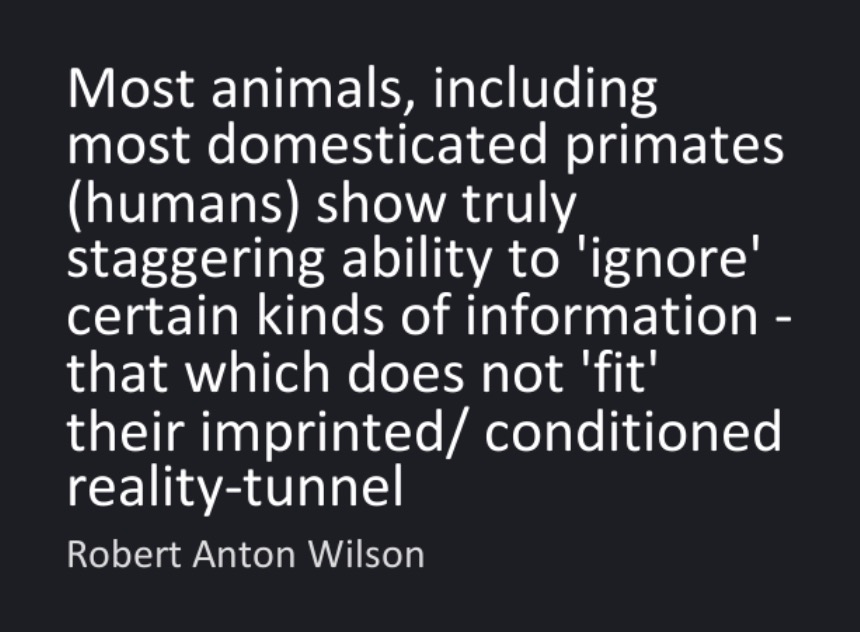
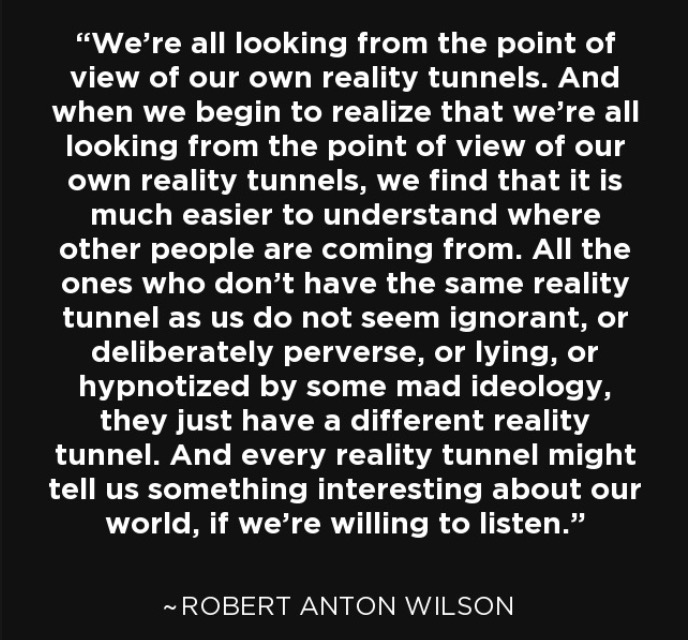
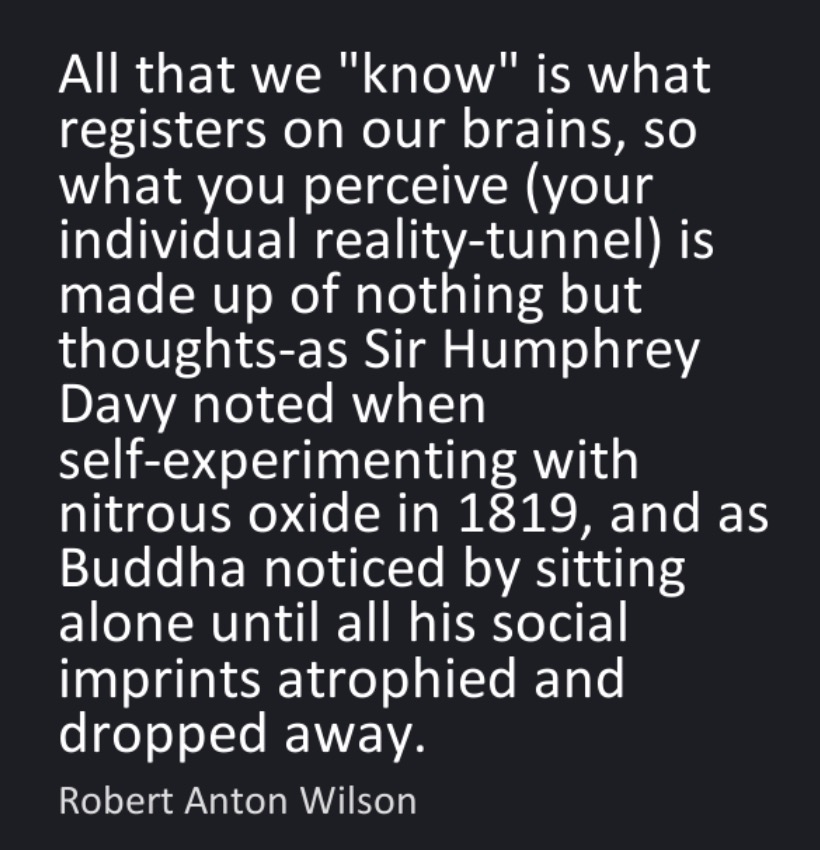
Robert Anton Wilson on Reality Tunnels
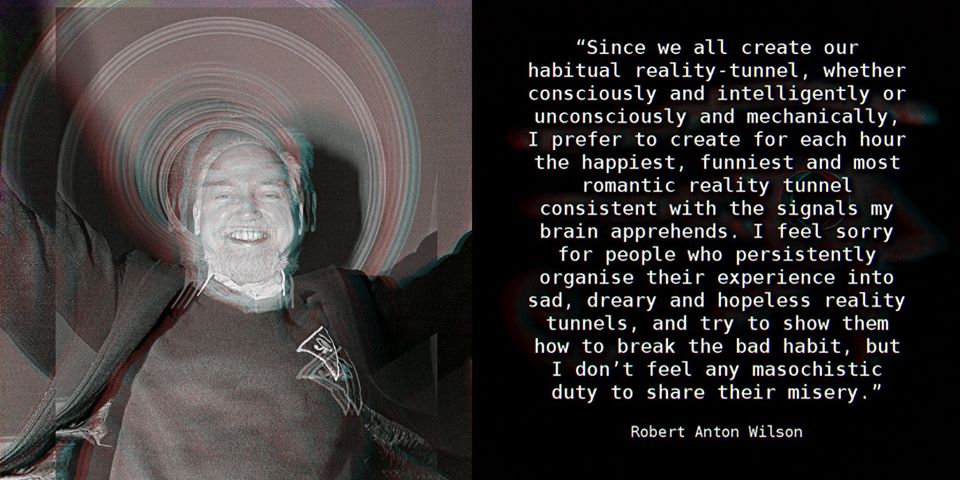
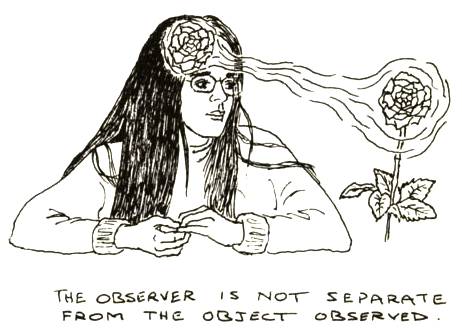
"Since we all create our habitual reality-tunnels, either consciously and intelligently or unconsciously and mechanically, I prefer to create for each hour the happiest, funniest, and most romantic reality-tunnel consistent with the signals my brain apprehends. I feel sorry for people who persistently organize experience into sad, dreary and hopeless reality tunnels, and try to show them how to break the bad habit, but I don't feel any masochistic duty to share their misery.
This book does not claim that you "create your own reality" in the sense of total (but mysteriously unconscious) psychokinesis. If a car hits you and puts you in the hospital, I do not believe this is because you "really wanted" to be hit by a car, or that you "needed" to be hit by a car, as two popular New Age bromides have it. The theory of transactional psychology, which is the source of my favorite models and metaphors, merely says that, once you have been hit by a car, the meaning of the experience depends entirely on you and the results depend partly on you (and partly on your doctors). If it is medically possible for you to live -- and sometimes even if the doctors think it is medically impossible -- you ultimately decide whether to get out of the hospital in a hurry or to lie around suffering and complaining.
Most of the time, this kind of "decision" is unconscious and mechanical, but with the techniques described in this book, such decisions can become conscious and intelligent."
-
Intuitionism in the Philosophy of Mathematics
Intuitionism is a philosophy of mathematics that was introduced by the Dutch mathematician L.E.J. Brouwer (1881–1966). Intuitionism is based on the idea that mathematics is a creation of the mind. The truth of a mathematical statement can only be conceived via a mental construction that proves it to be true, and the communication between mathematicians only serves as a means to create the same mental process in different minds.
-
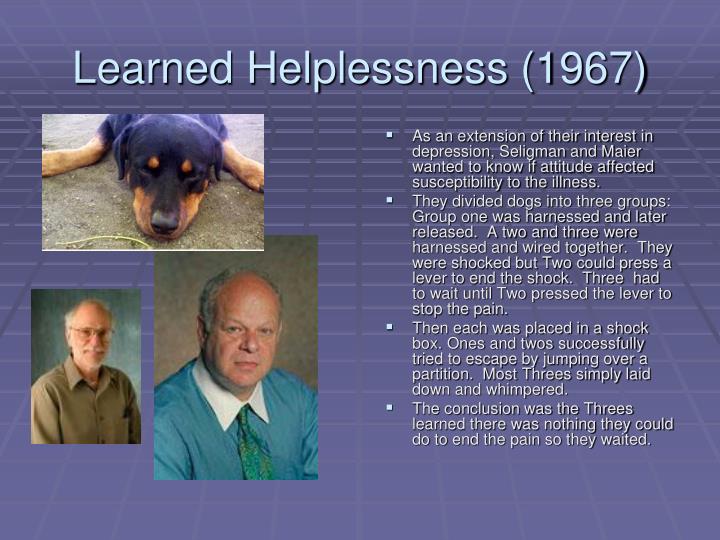
"In psychology, a mental state in which an organism forced to bear aversive stimuli, or stimuli that are painful or otherwise unpleasant, becomes unable or unwilling to avoid subsequent encounters with those stimuli, even if they are “escapable,” presumably because it has learned that it cannot control the situation. Developed by American psychologist Martin Seligman starting in 1967."
#RTM #NeuroScience #Military #Media #Health #Therapy #Experience #Ethics
-
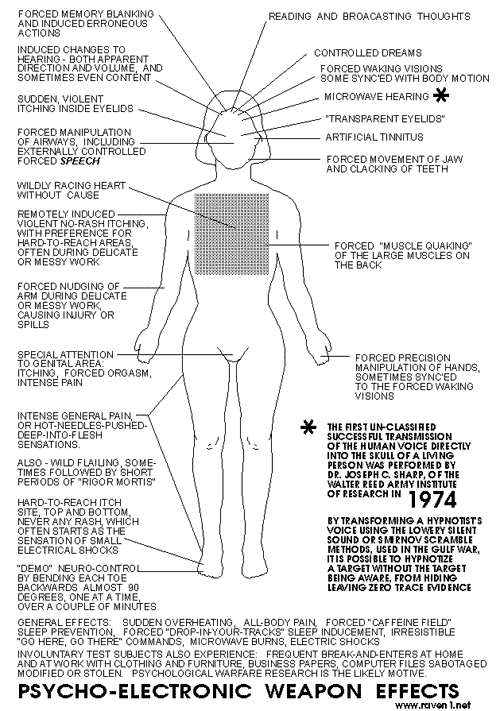
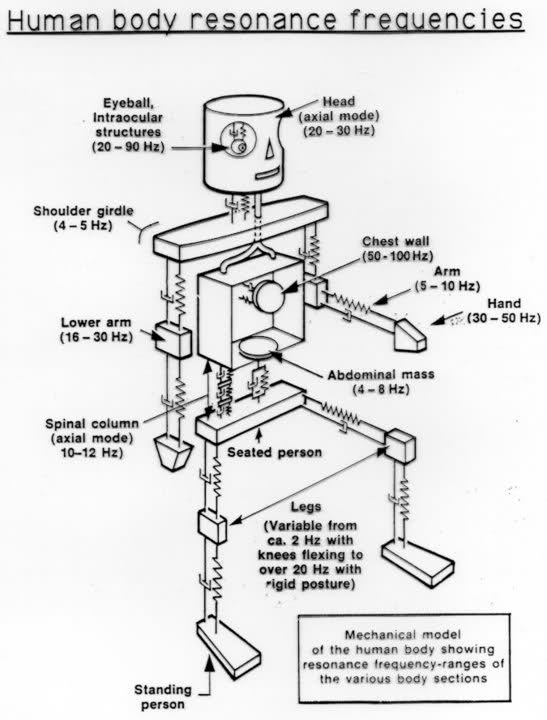
Contemporary Art: Collection of Reality Tunnel Management Techniques
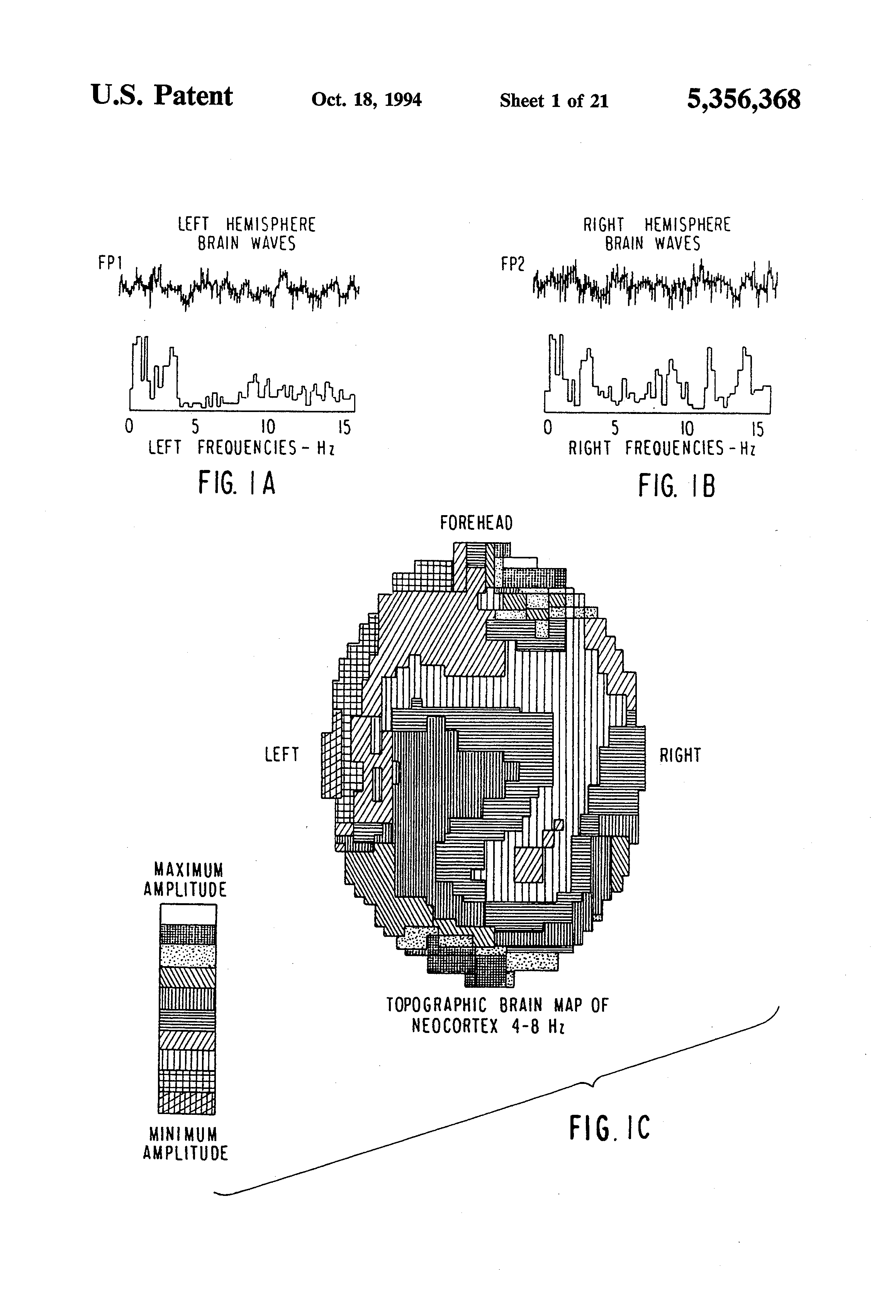
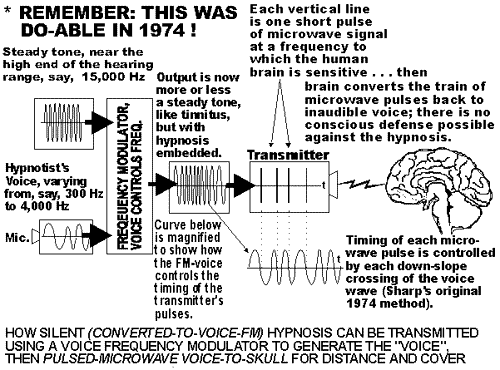
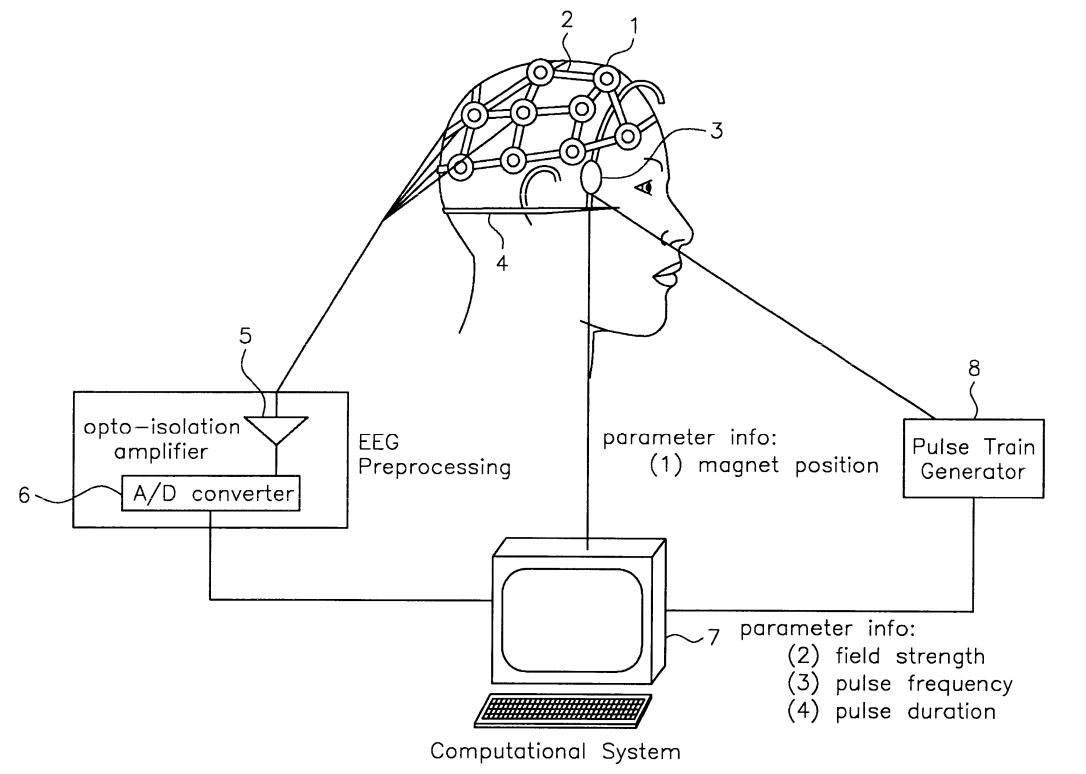
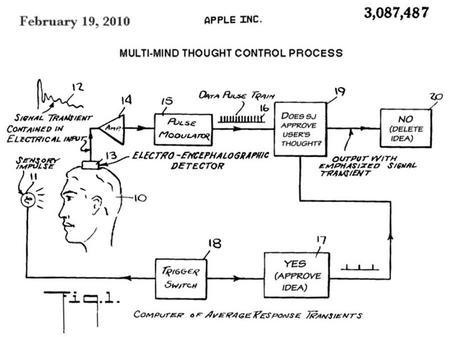
Links:
- https://www.muckrock.com/news/archives/2018/apr/18/fusion-center-em/
- https://patents.google.com/patent/US7629918
- https://patents.google.com/patent/US5507291A/en
- https://patents.google.com/patent/US5159703A/en
- https://patents.google.com/patent/US6506148B2/en
- https://patents.google.com/patent/US3951134A/en
- https://patents.google.com/patent/US5017143A/en
- https://patents.google.com/patent/US6052336A/en
- https://patents.google.com/patent/US5539705A/en
- https://patents.google.com/patent/US7629918B2/en
- https://patents.google.com/patent/US6488617B1/en
- https://patents.google.com/patent/US6239705B1/en
- https://patents.google.com/patent/US6091994A/en
- https://patents.google.com/patent/US6238333B1/en
- https://patents.google.com/patent/US4877027A/en
- https://patents.google.com/patent/US3837331/en
- https://patents.google.com/patent/US8311616/en
- https://patents.google.com/patent/US7350522/en
- https://patents.google.com/patent/US4940058A/en
- https://patents.google.com/patent/US5800481A/en
- https://en.wikipedia.org/wiki/Jos%C3%A9_Manuel_Rodr%C3%ADguez_Delgado
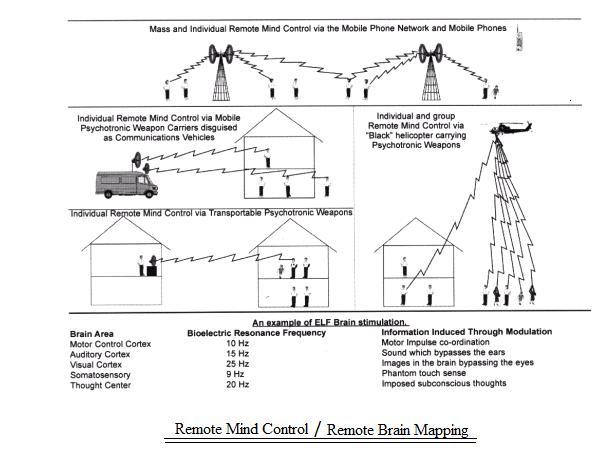
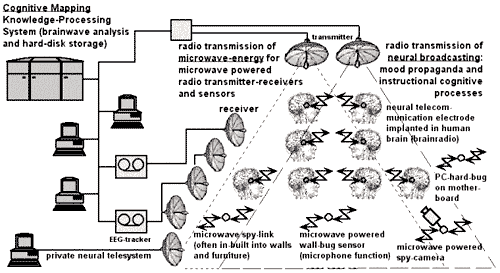
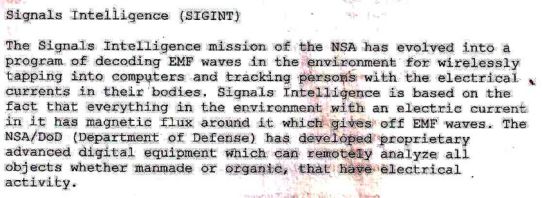
“The secrecy involved in the development of the electromagnetic mind-altering technology reflects the tremendous power that is inherent in it. To put it bluntly, whoever controls this technology can control the minds of men – all men.” - Nexus Magazine (1998)
Or as described by Timothy Leary in 1977:
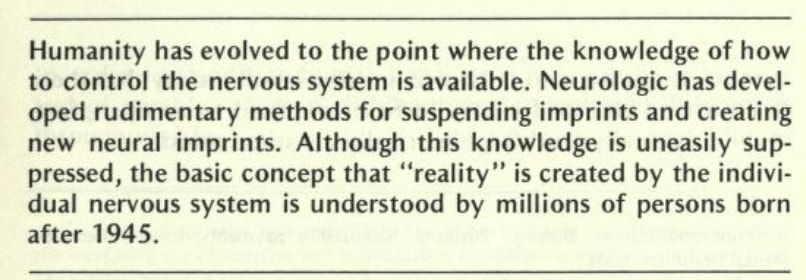
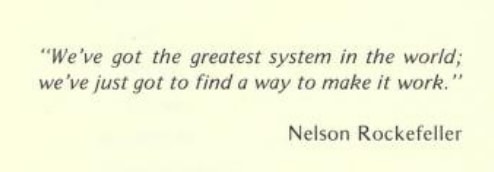
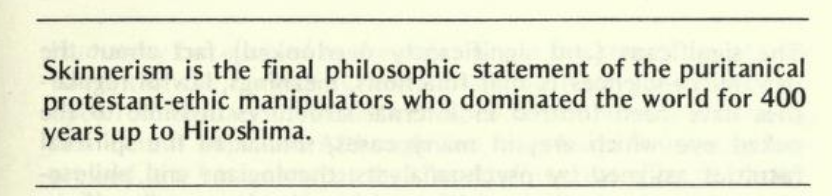
“Reality is the temporary resultant of continuous struggles between rival gangs of programmers. Those who control signals control humanity.” - Robert Anton Wilson, Prometheus Rising (1983)
-
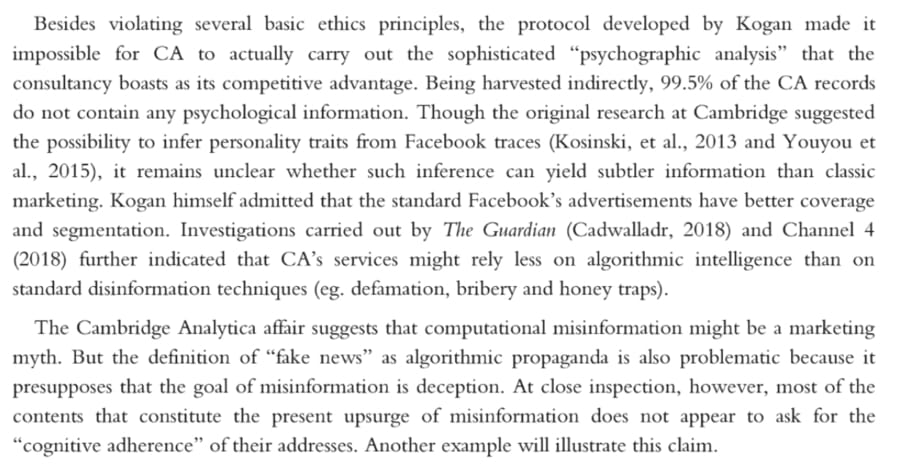
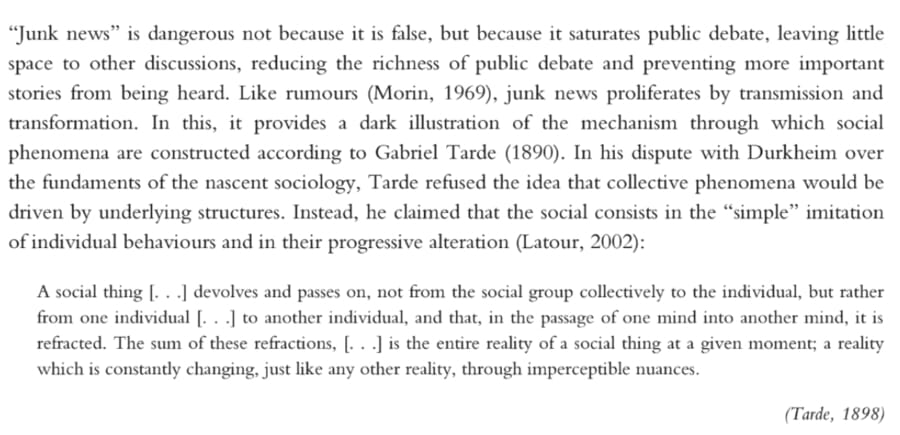
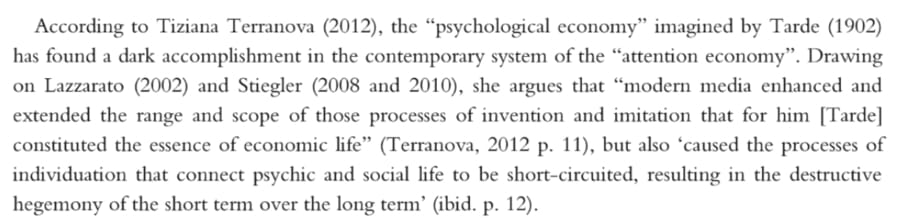
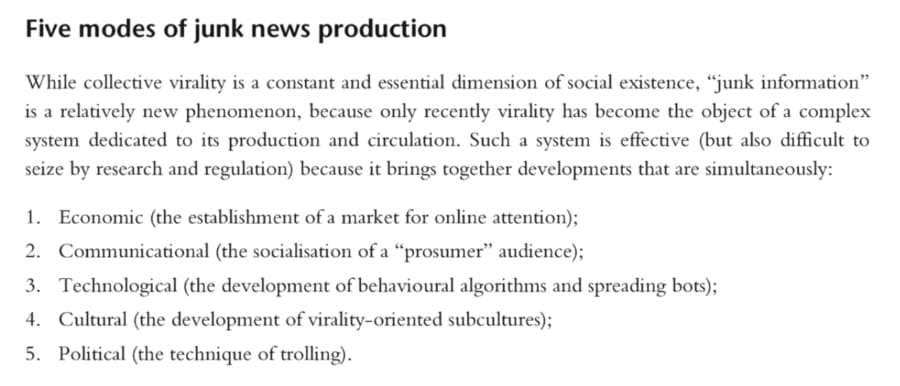
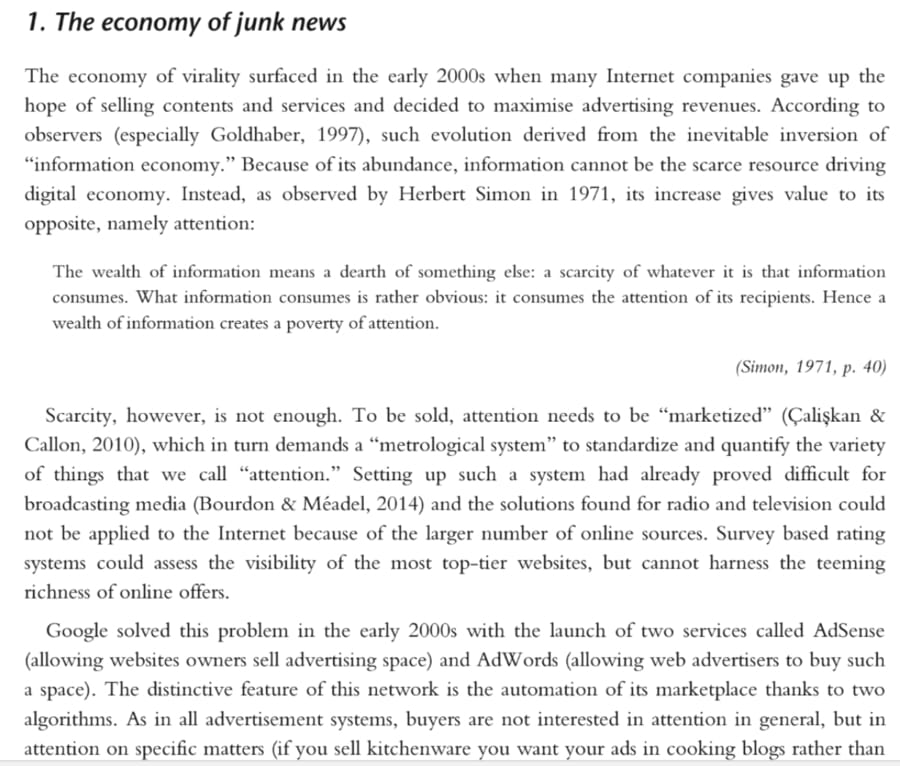
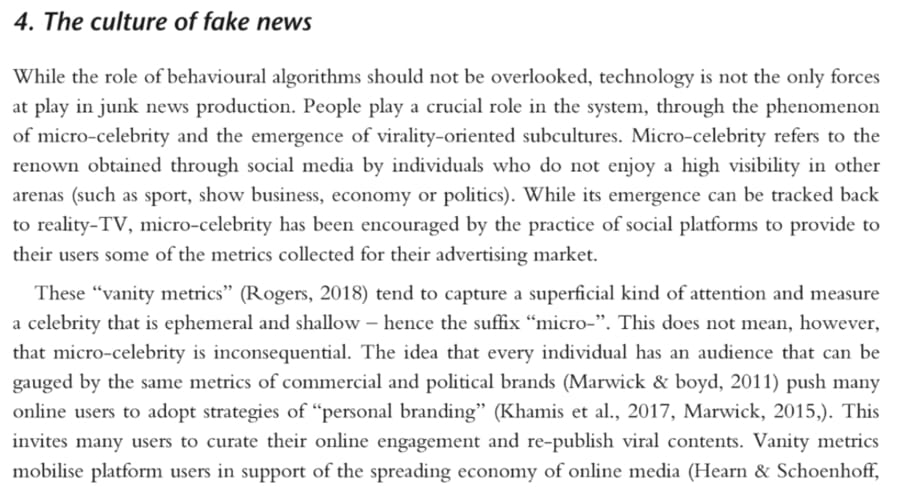
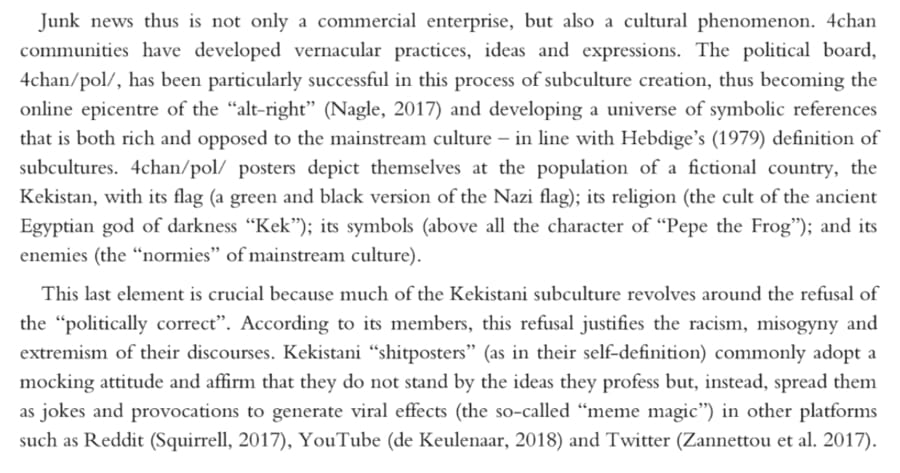
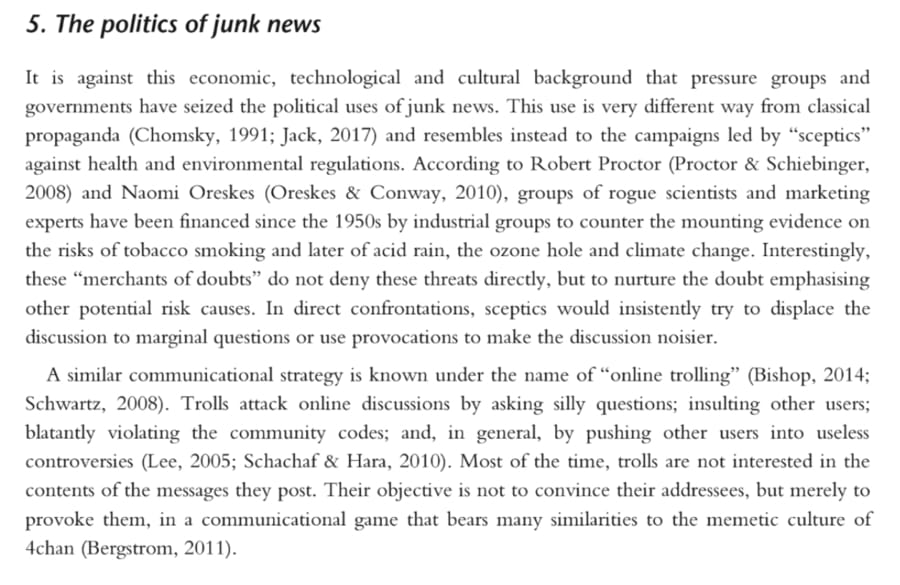
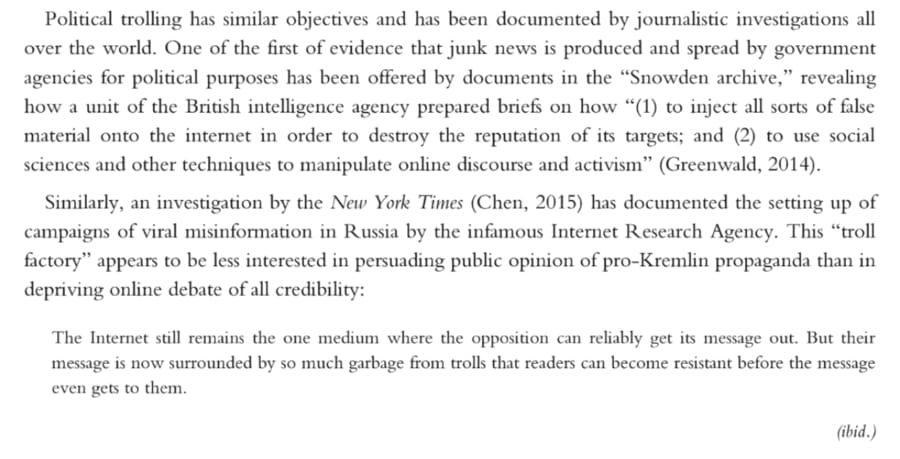
From Fake news to Junk News. The data politics of online virality - by Tommaso Venturini.
Part of the book "Data Politics: Worlds, Subjects, Rights" - by Didier Bigo (site) et.al (2019)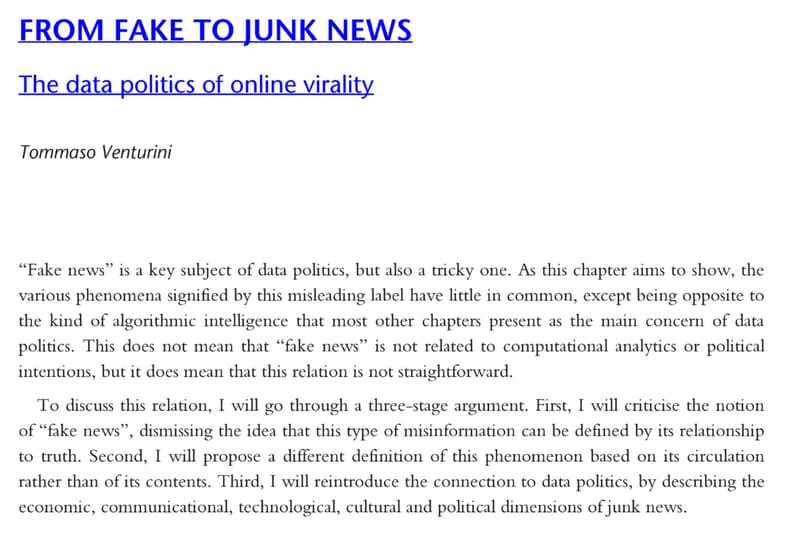
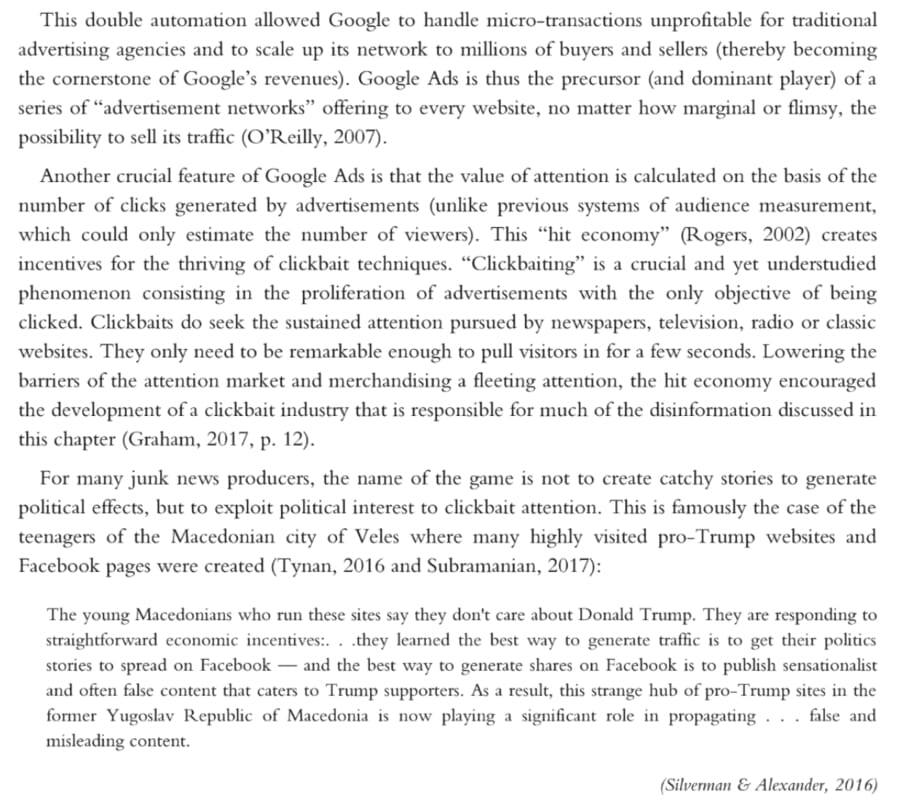
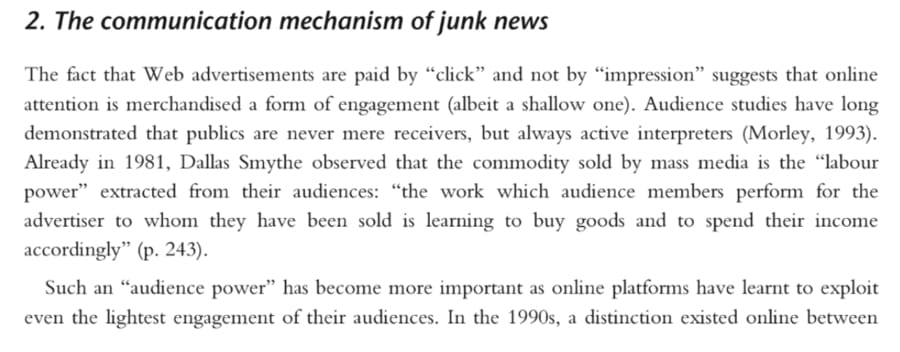
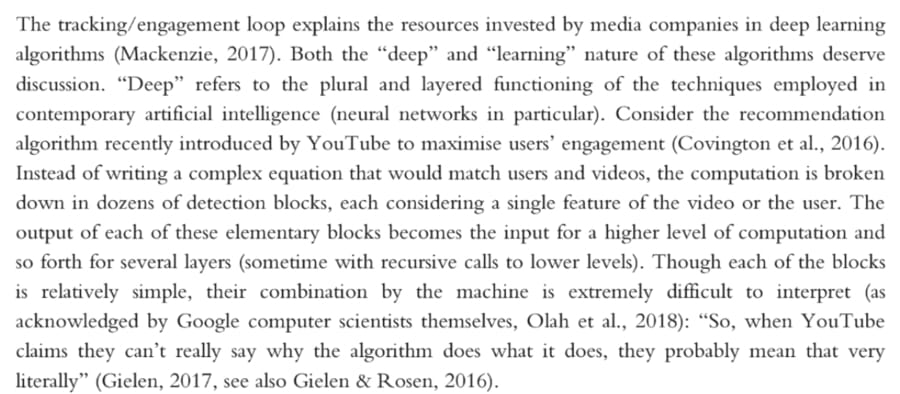
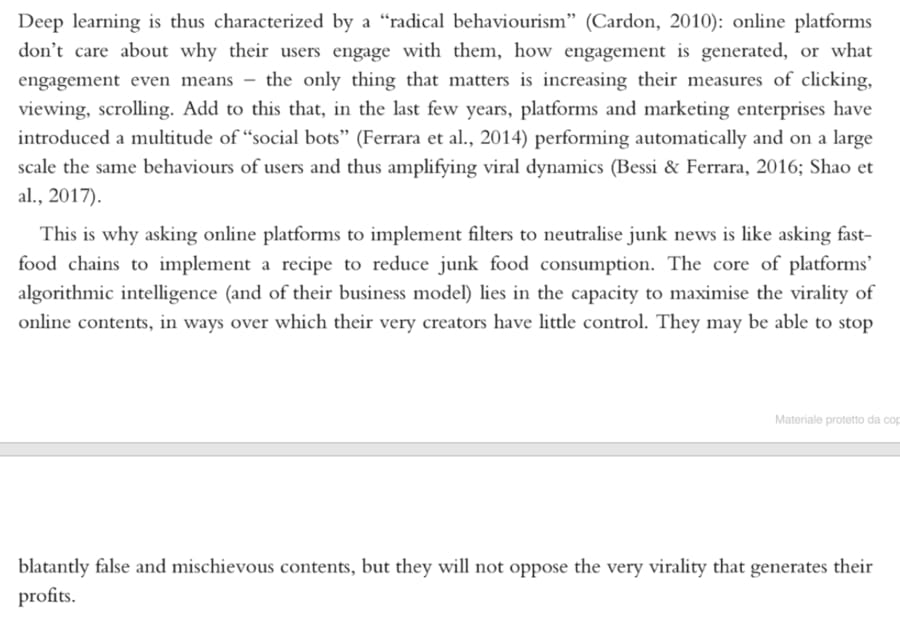
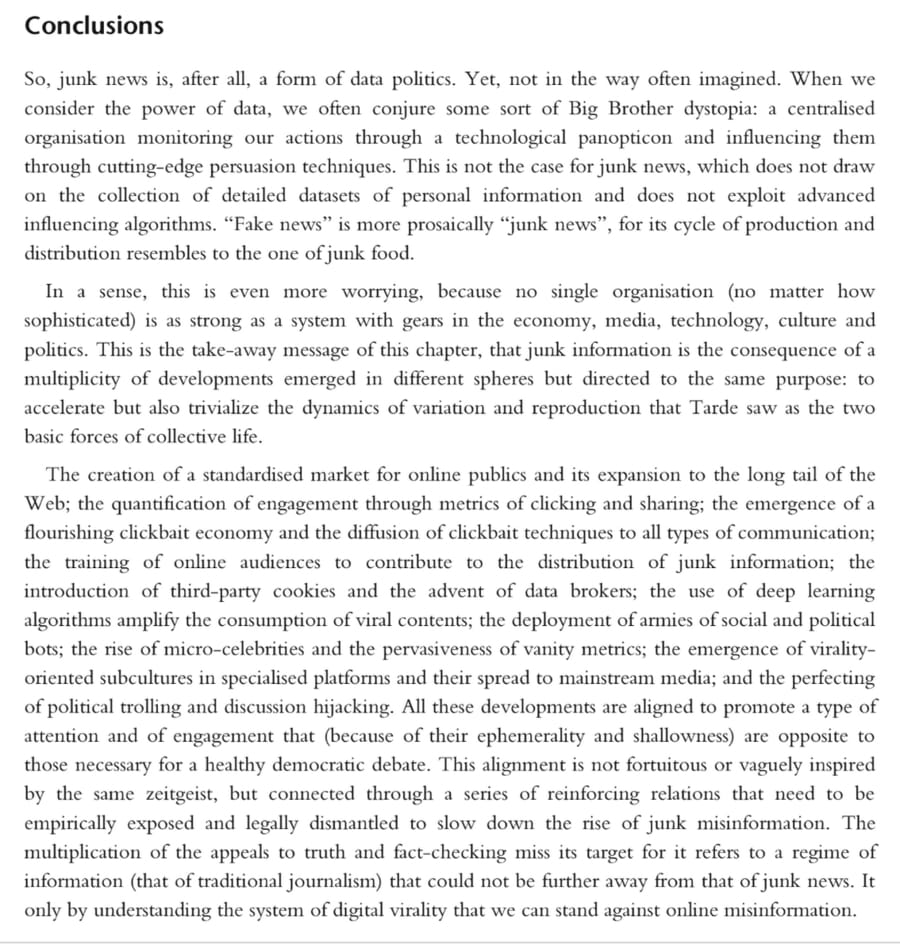
Didier Bigo on Security, Surveillance and Democracy
Fog of Information - by tekgnostics
“In this day and age... we are faced with a Fog of Information that is as distracting and detrimental as the fog of war.” - from “Bread & Circuses”
"Information overload occurs when the amount of input to a system exceeds its processing capacity. Decision-makers have fairly limited cognitive processing capacity. Consequently, when information overload occurs, it is likely that a reduction in decision quality will occur."

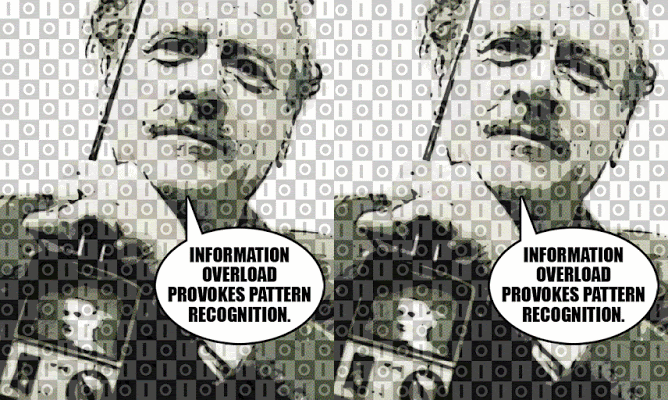

"It's not a matter what is true that counts but a matter of what is perceived to be true" - Henry Kissinger
#Politics #SE #InfoSec #Bots #Culture #KM #Internet #Military #RTM
-
Using Machine Learning for RTM ("Reality Tunnel Management") is a great opportunity ("show me how cities look like without cars" etc) but even greater challenge ("I'm so deeply invested in virtual reality, i don't care about climate change etc). The sirens from Greek mythology.
"First attempt at removing cars off the roads with neural nets":
https://twitter.com/otduet/status/1125390364691640321 -
Diminished Reality Software: http://cyborganthropology.com/Diminished_Reality
Researchers at the Technical University of Ilmenau in Germany have developed “diminished reality” software that can delete an object from live, full-motion video. The software first reduces the resolution of the object, removes the image, and improves the result , then incrementally increases the resolution, improving the result, until the original resolution is restored.
-
"Inside the Brotherhood of the Ad Blockers": https://www.bloomberg.com/news/features/2018-05-10/inside-the-brotherhood-of-pi-hole-ad-blockers Article on "Pi-hole", the open source software, running on a $35 Raspberry Pi which blocks ads across an entire network. "an existential crisis for the $200 billion advertising industry"
Ad-Blocking is only the very first generation of what could be called "Reality Tunnel Management" (RTM) Applications. It will become a very large industry, propelled by the rise of Augmented Reality and Generative Media. https://en.wikipedia.org/wiki/Reality_tunnel