tag > Science
-
In the quantum realm, not even time flows as you might expect - New study shows the boundary between time moving forward and backward may blur in quantum mechanics (review)
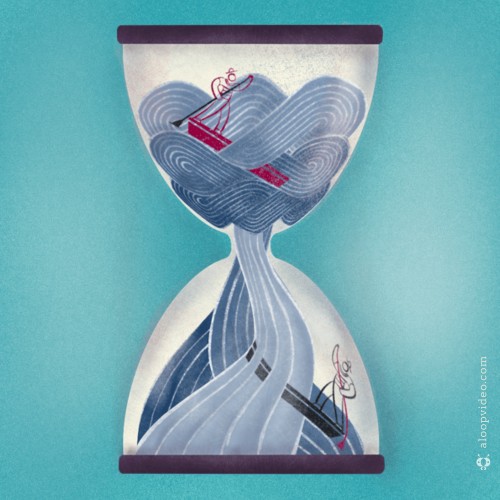
A team of physicists at the Universities of Bristol, Vienna, the Balearic Islands and the Institute for Quantum Optics and Quantum Information (IQOQI-Vienna) has shown how quantum systems can simultaneously evolve along two opposite time arrows - both forward and backward in time.
The study, published in the latest issue of Communications Physics, necessitates a rethink of how the flow of time is understood and represented in contexts where quantum laws play a crucial role.
-
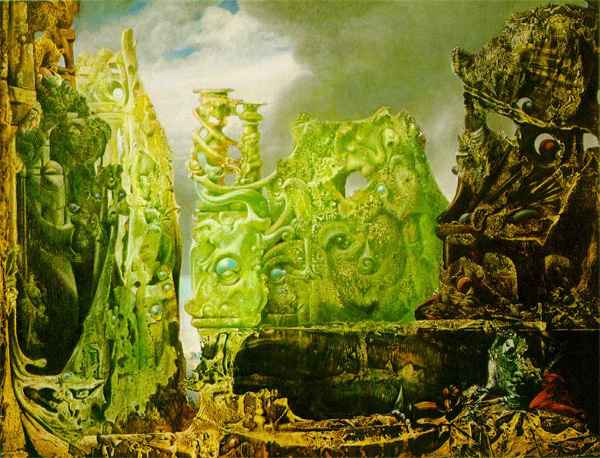
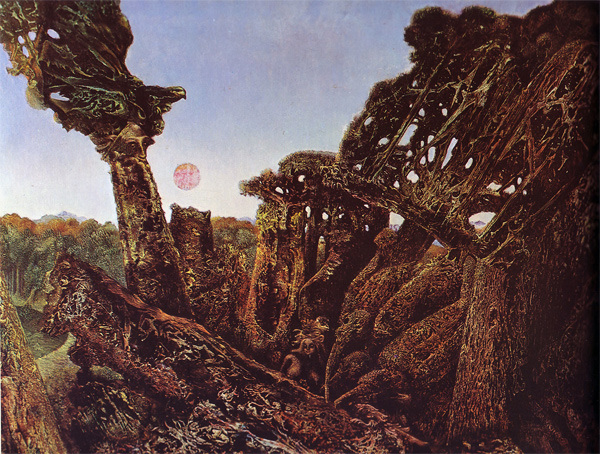
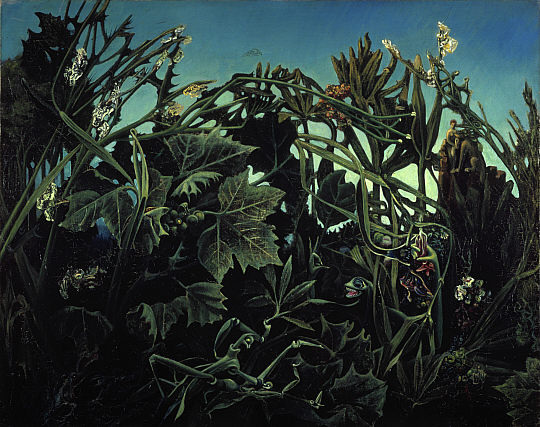
"The Universe Is Not Only Queerer Than We Suppose, But Queerer Than We Can Suppose" - J. B. S. Haldane (?)
-
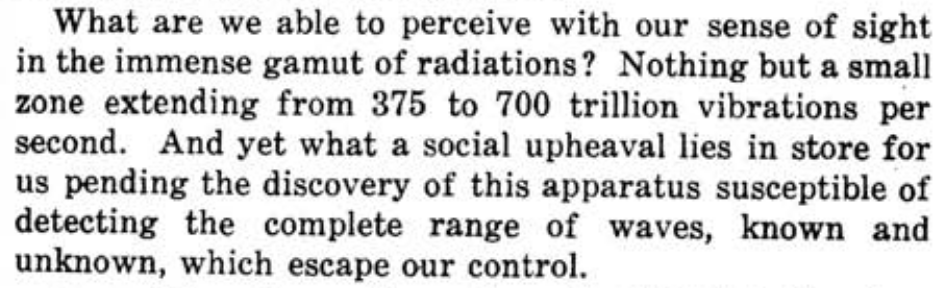
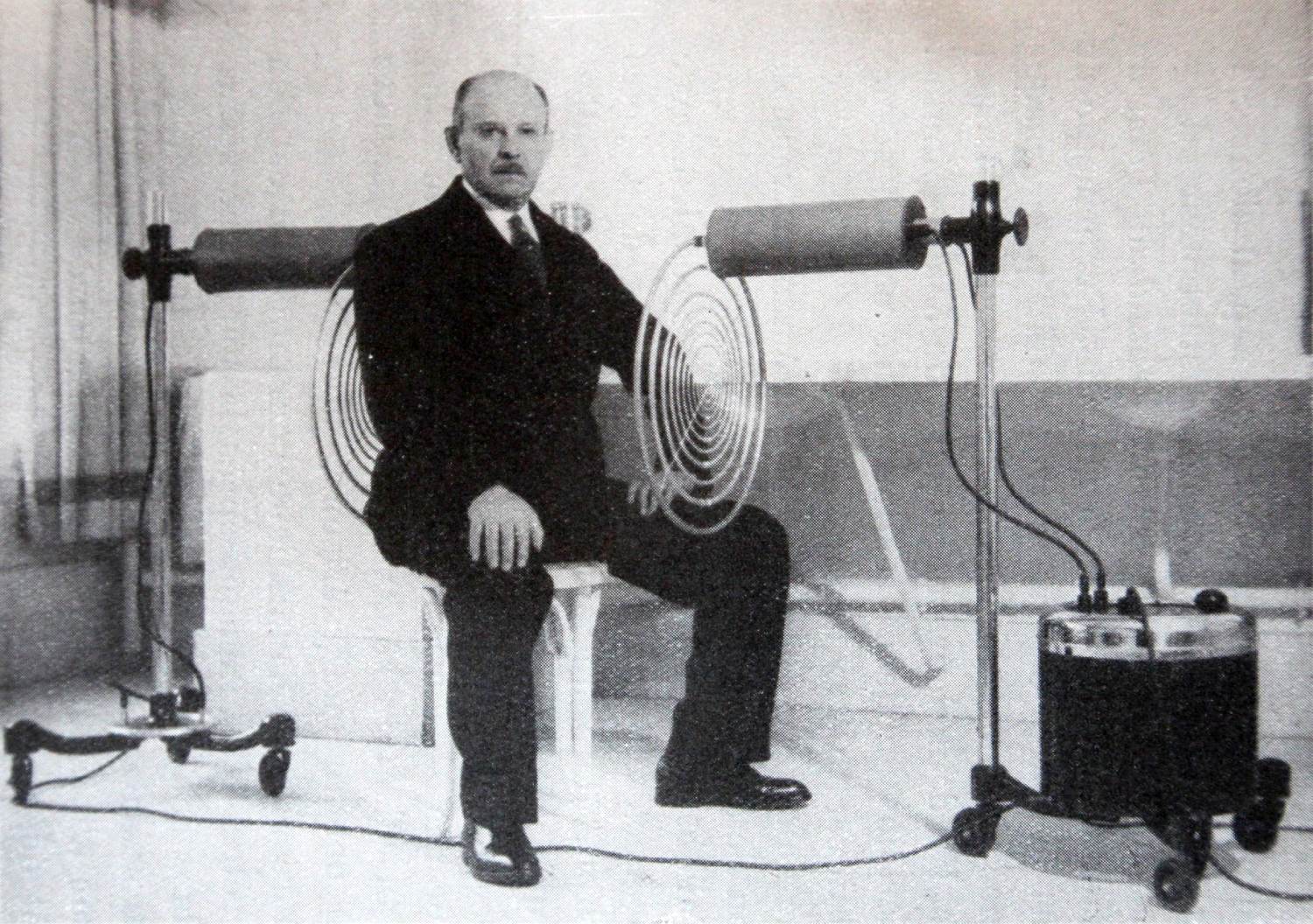
Stay Humble: In the infinite spectrum of cosmic radiations and vibrations, humans only perceive an Infinitesimal tiny sliver. (Text snippet from this book by Georges Lakhovsky)
-
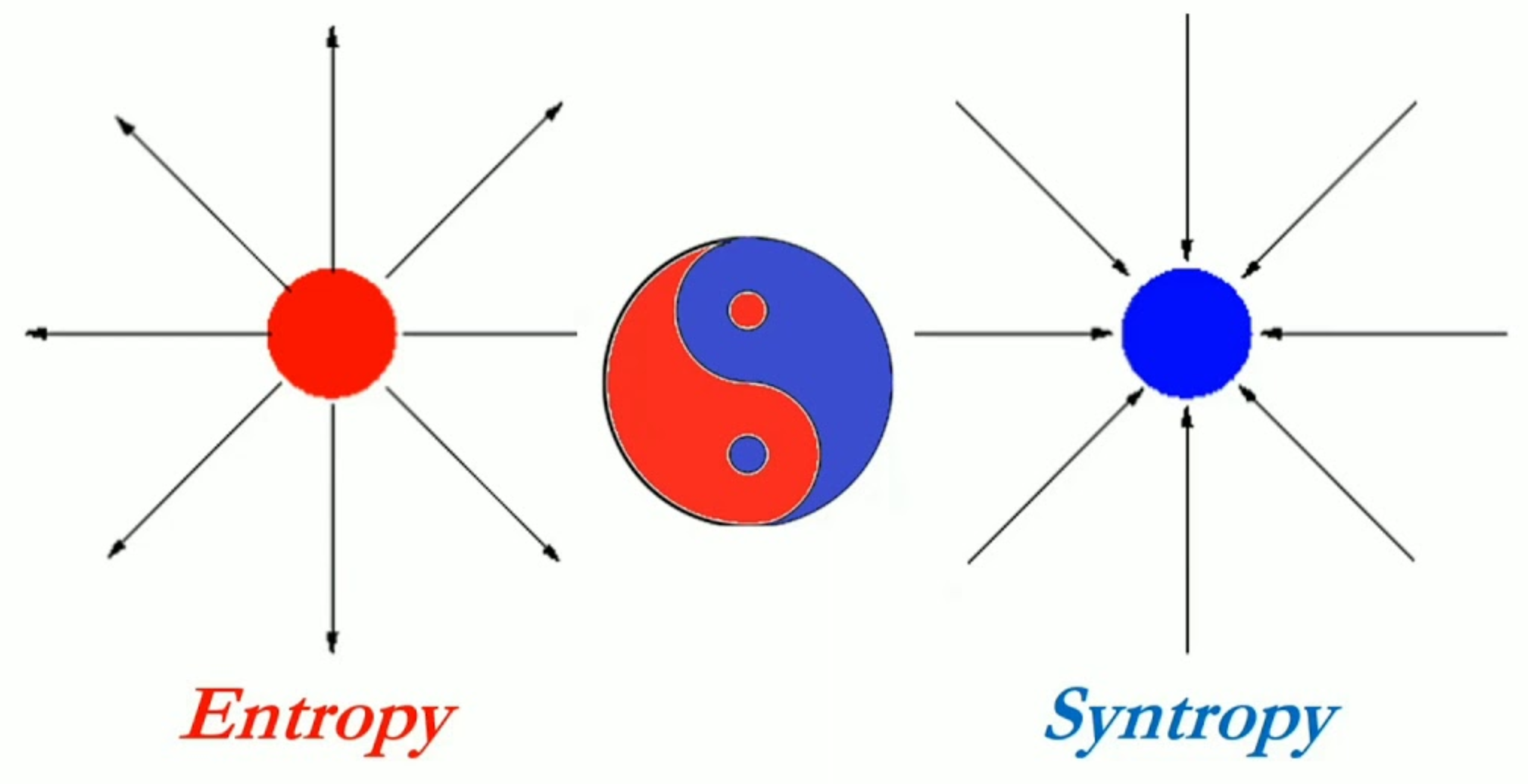
Syntropy
Visual representation of energy flow during the dispersing phase (entropy) and the converging phase (syntropy) - by Ernst Götsch
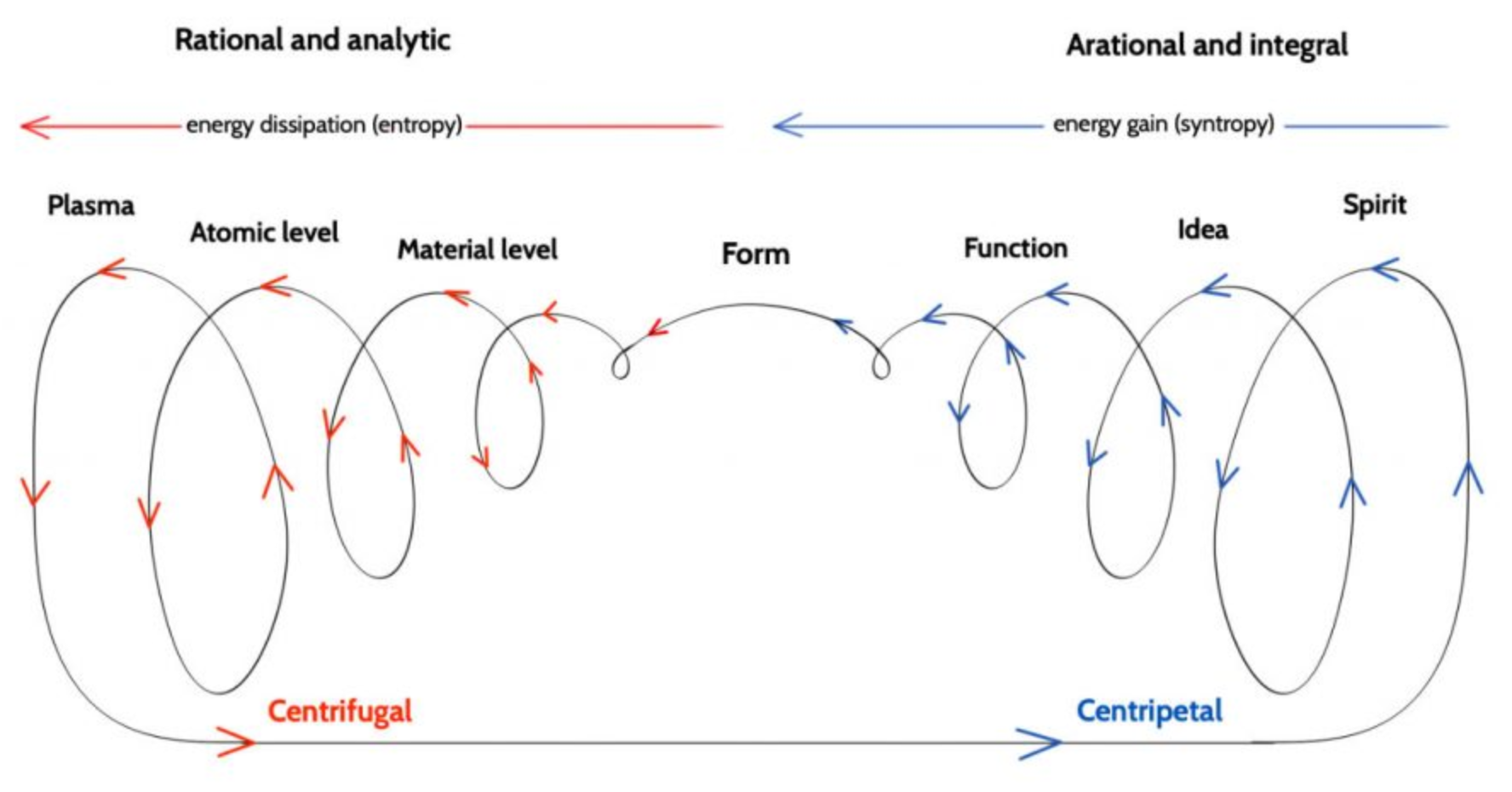
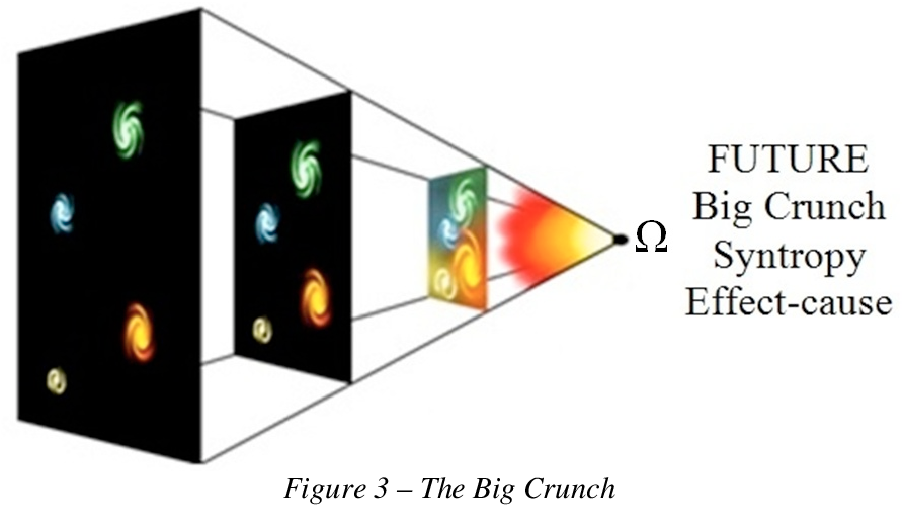
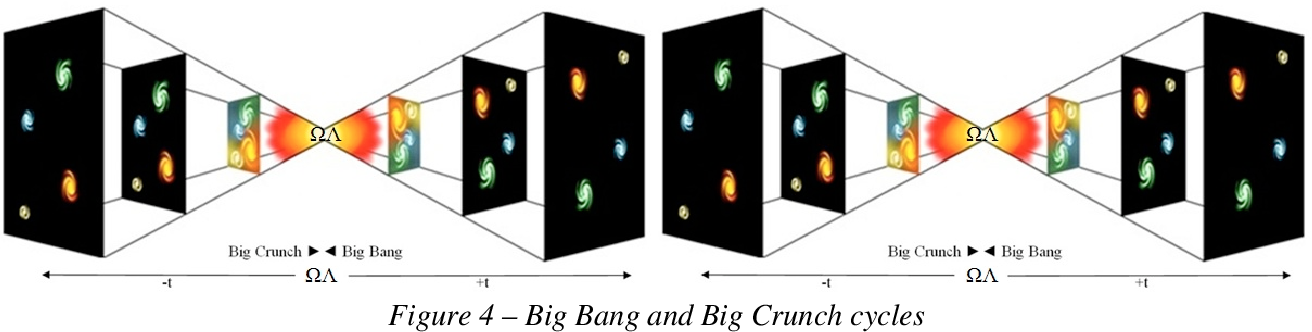
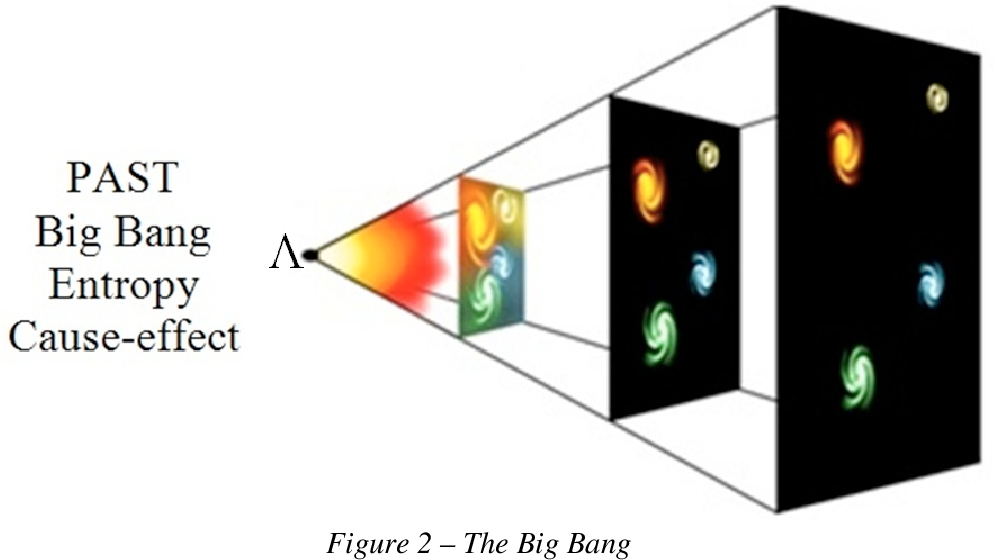
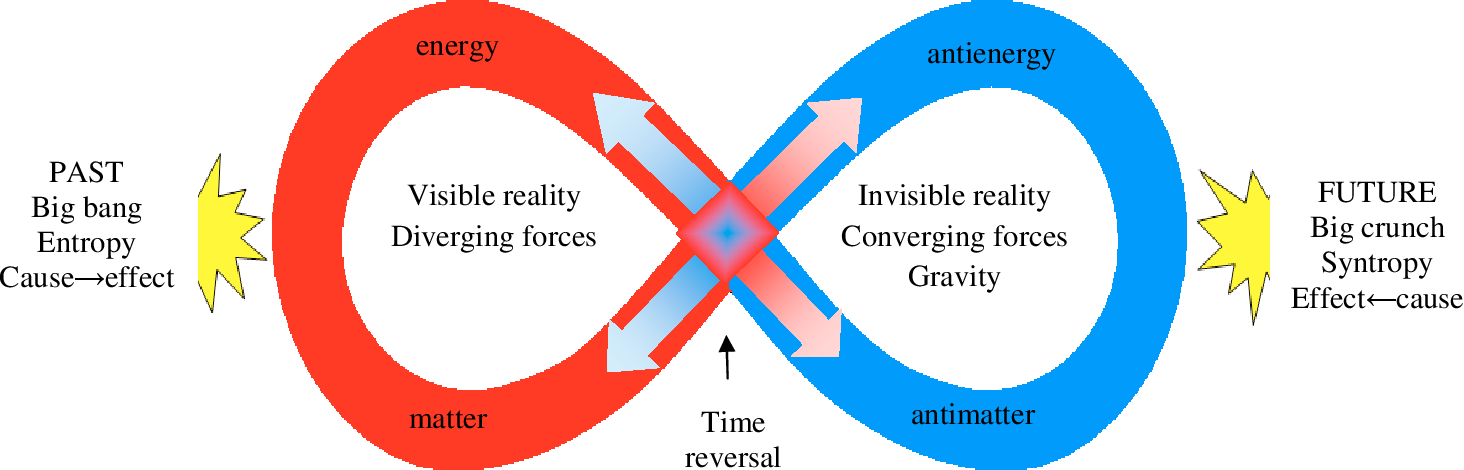
Syntropy, Love and Truth - Talk by Ulisse Di Corpo, of Syntropy.org
-
Precision Medicine for Breath-Focused Mind-Body Therapies for Stress and Anxiety: Are We Ready Yet? - by Helen Lavretsky MD and Jack Feldman PhD

In this viewpoint, we present an argument for transdisciplinary “precision medicine” approaches that combine studies of basic neurobiology of breathing in animal and human models of stress that can help characterize physiological and neural biomarkers and mechanisms of breathing control and emotion regulation in humans. Such mechanistic research is fundamental for the development of more effective and mechanism-based mind-body therapies. The potential for this research to positively impact public health is high, as breathing techniques are inexpensive, accessible, and cross-culturally accepted, with fewer complications then observed with other standard therapies for stress-related disorders.
Mind-body Interventions for Brain Health in Older Adults - talk by Dr. Helen Lavretsky
-
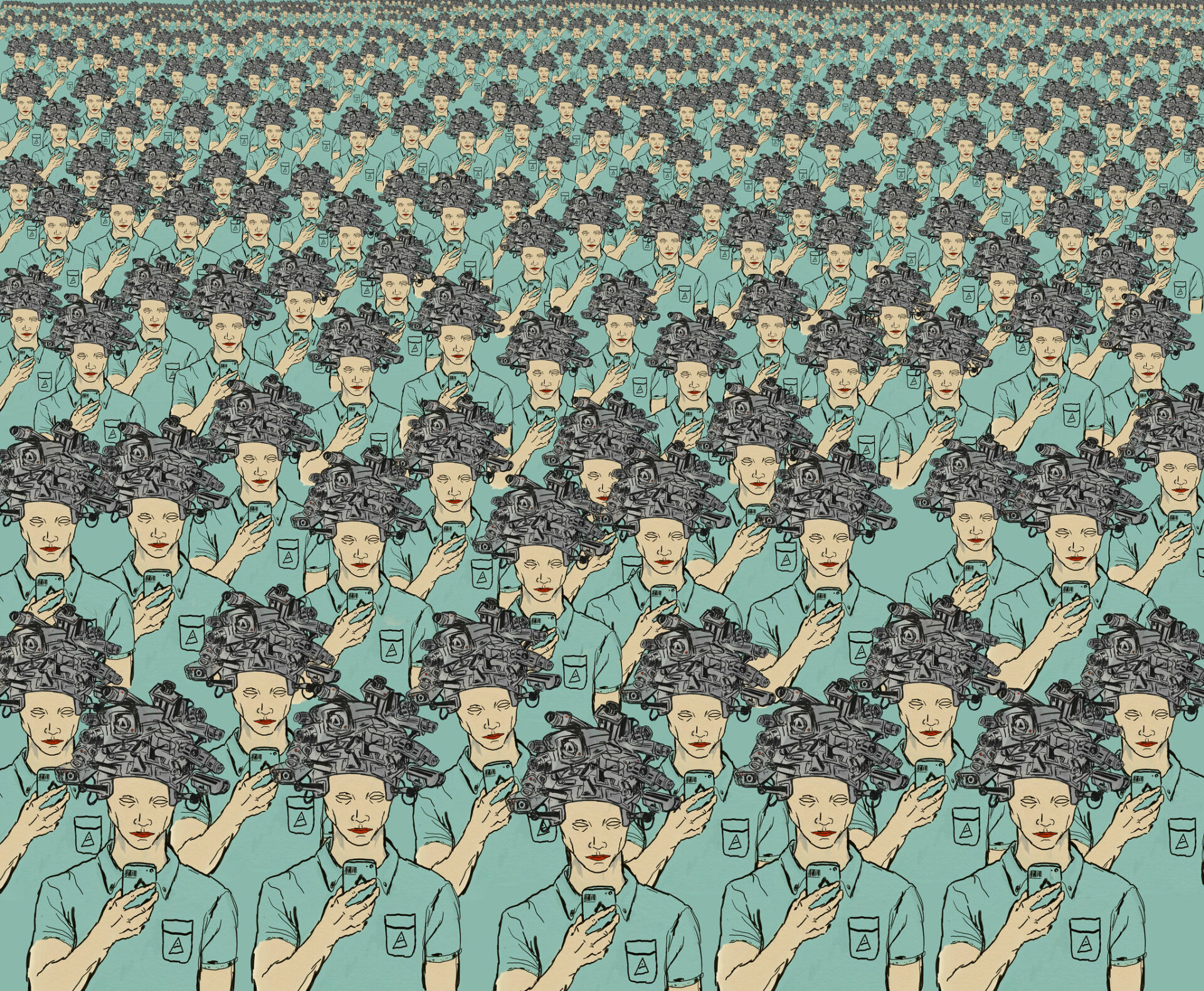
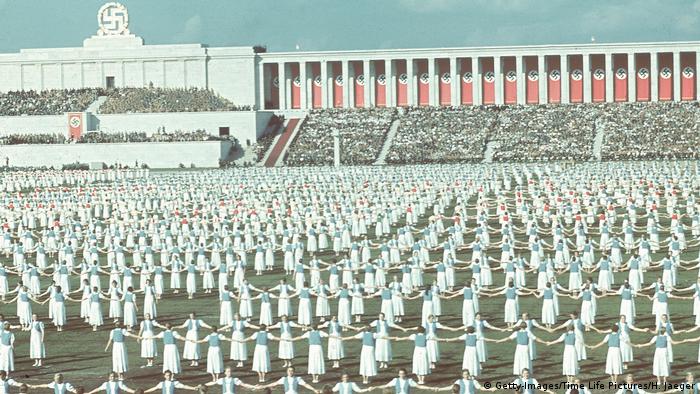
Why do so many still buy into the (corona) narrative? - Interview with Mattias Desmet, Professor of Clinical Psychology at Ghent University in Belgium - about "mass formation"

-
Published scientific studies on meditation
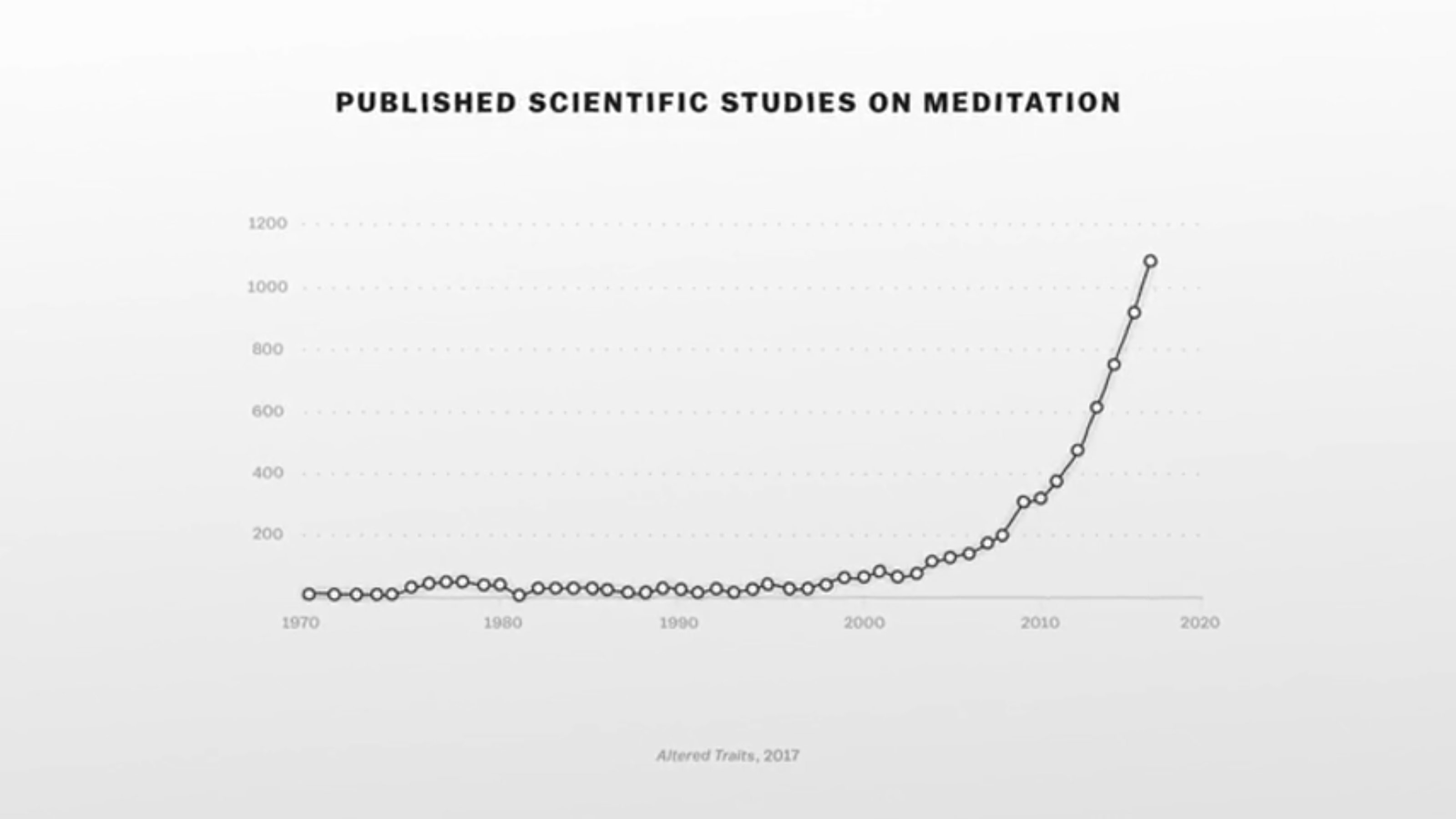
(via "The Mind, Explained" S01 E04) #Mindful #Science #NeuroScience
-
Homo imaginatus (aeon) - "Imagination isn’t just a spillover from our problem-solving prowess. It might be the core of what human brains evolved to do."
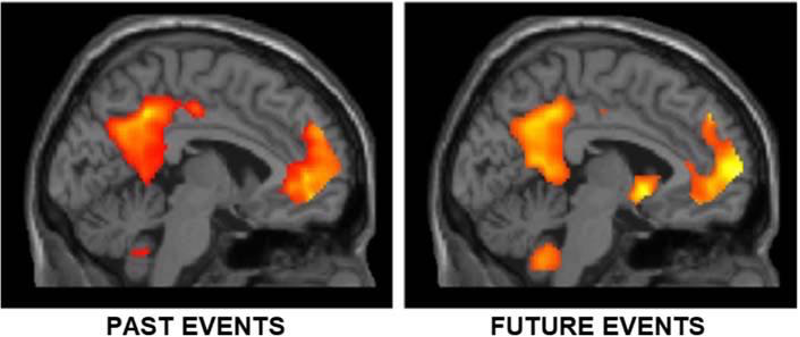
-
Health & Happiness go hand in hand are are linked to new and diverse experiences

-
Jabir ibn Hayyan (721 - 815) - Iranian chemist, scientist, alchemist, polymath
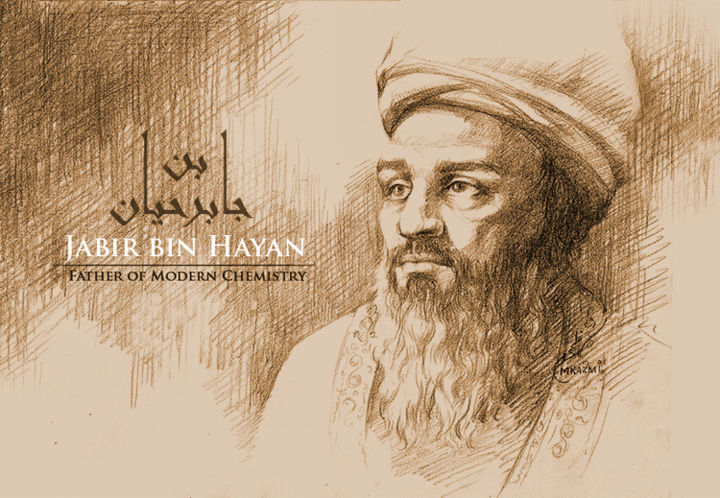
Jabir ibn Hayyan (also known by the Latinized version of his name, Geber, 721–815 AD, 103–200 AH) was a Muslim polymath, philosopher, and alchemist. He was probably born in Tus, Khorasan, in present-day Iran, although some sources claim that he was born and grew up in Kufa, Iraq. Some aspects of the life of Jabir ibn Hayyan as well as the authenticity of tens, if not hundreds, of the titles of his vast body of work have been questioned.
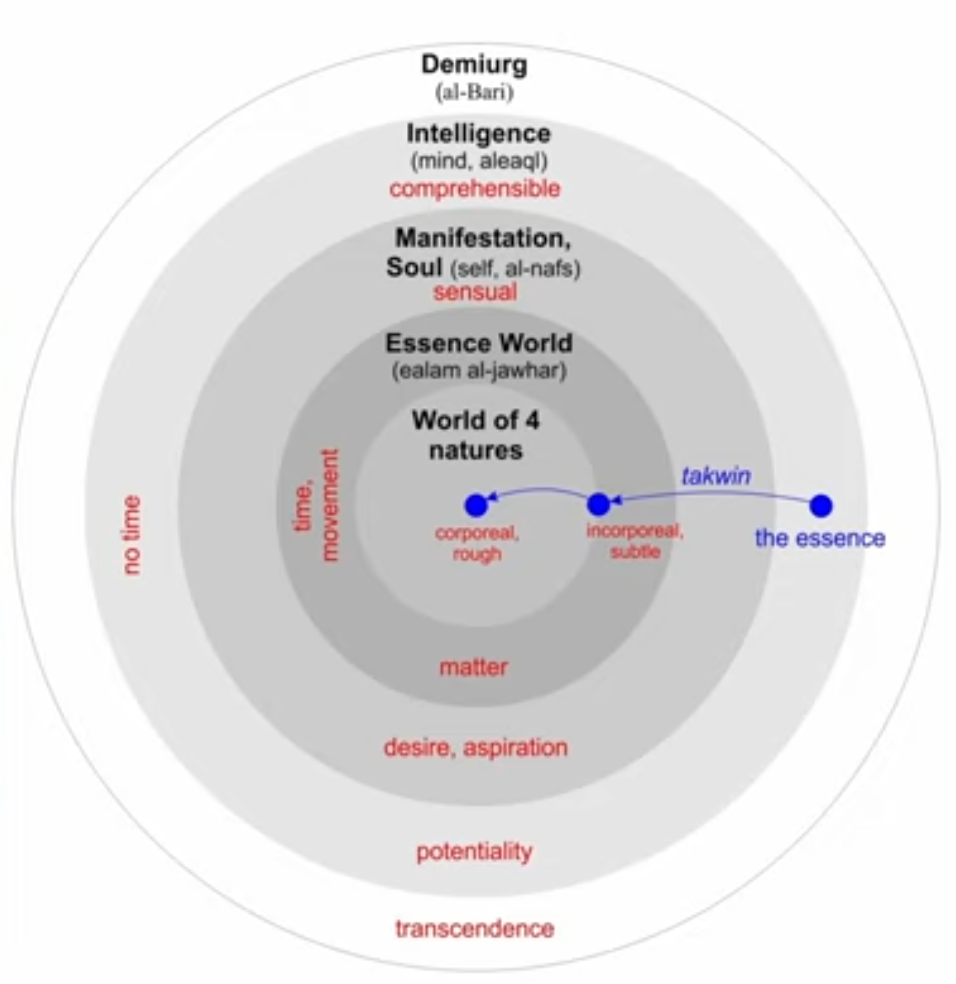
More than 3,000 treatises or books are attributed to him in one way or another, covering fields that include cosmology, music, medicine, magic, biology (including the artificial generation of living beings), chemical technology, geometry, grammar, metaphysics, and logic. This work is a biography of Jabir ibn Hayyan by Zaki Naguib Mahmoud (1905–93), who was an Egyptian writer, academic, and philosophy professor. He was an encyclopedic writer who was known for his ability to simplify complex ideas, and for taking philosophy out of its “ivory tower” and into the public domain.