tag > Science
-
An as yet undiscovered force, more significant than electricity...
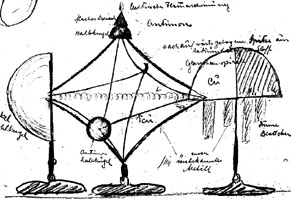
"...The method of science, in a materialistic sense, is based on analysis splitting apart (today atomsplitting and fusion etc.), disintegration, separation, dissecting and all the procedures which have to destroy and take apart, to work on the corpse rather than to grow, to develop, to synthesize. That the human mind was captured by these methods of braking apart: in that I saw the source of our present situation. My question therefore was: is it possible to find another force or energy in nature, which does not have in itself the ductus of atomazing and analysis but builds up, synthesizes. Would we discover that force constructive, which makes things alive and grow, develop adequate building up methods of investigation, evt. use this force for another type of technic, applied to drive machines, than because of the inner nature of this force or energy we might be able to create another technology, social structure, constructive thinking of man rather than destructive thinking. This force must have the impulse of life, of organisation within itself as the so-called physical energies have the splitting, separating trend within themselves. My question to Rudolf Steiner October 1920 and spring 1921 therefore was: does such a force or source of energy exist? Can it be demonstrated? Could an altruistic technic be build upon it?"
-
The “healthy dose” of nature: A cautionary tale
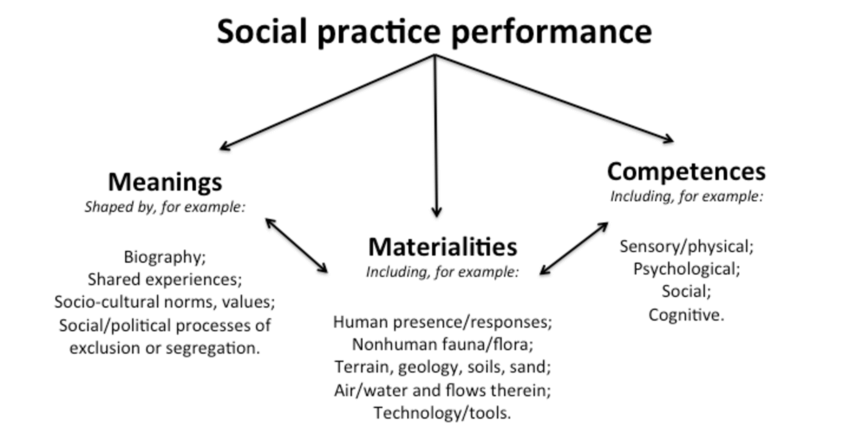
Growing cross‐disciplinary interest in understanding if, how, and why time spent with nature can contribute to human health and well‐being has recently prompted efforts to identify an ideal healthy dose of nature; exposure to a specific type of nature at a specified frequency and duration. These efforts build on longstanding attempts to prescribe nature in some way, most recently in the form of so‐called “green prescriptions.” In this critical discussion paper, we draw on key examples from within the fields of health and cultural geography to encourage deeper and more critical reflection on the value of such reductionist dose‐response frameworks. By foregrounding the relationally emergent qualities of people's dynamic nature encounters, we suggest such efforts may be both illusory and potentially exclusionary for the many individuals and groups whose healthy nature interactions diverge from the statistical average or “normal” way of being. We suggest value in working towards alternative more‐than‐human approaches to health and well‐being, drawing on posthumanist theories of social practice. We present two practice examples—beach‐going and citizen science—to demonstrate how a focus on social practices can better cater for the diverse and dynamic ways in which people come to conceptualise, embody, and interpret nature in their everyday lives. We close by reflecting on the wider societal transformations required to foster greater respect for embodied difference and diversity.
-
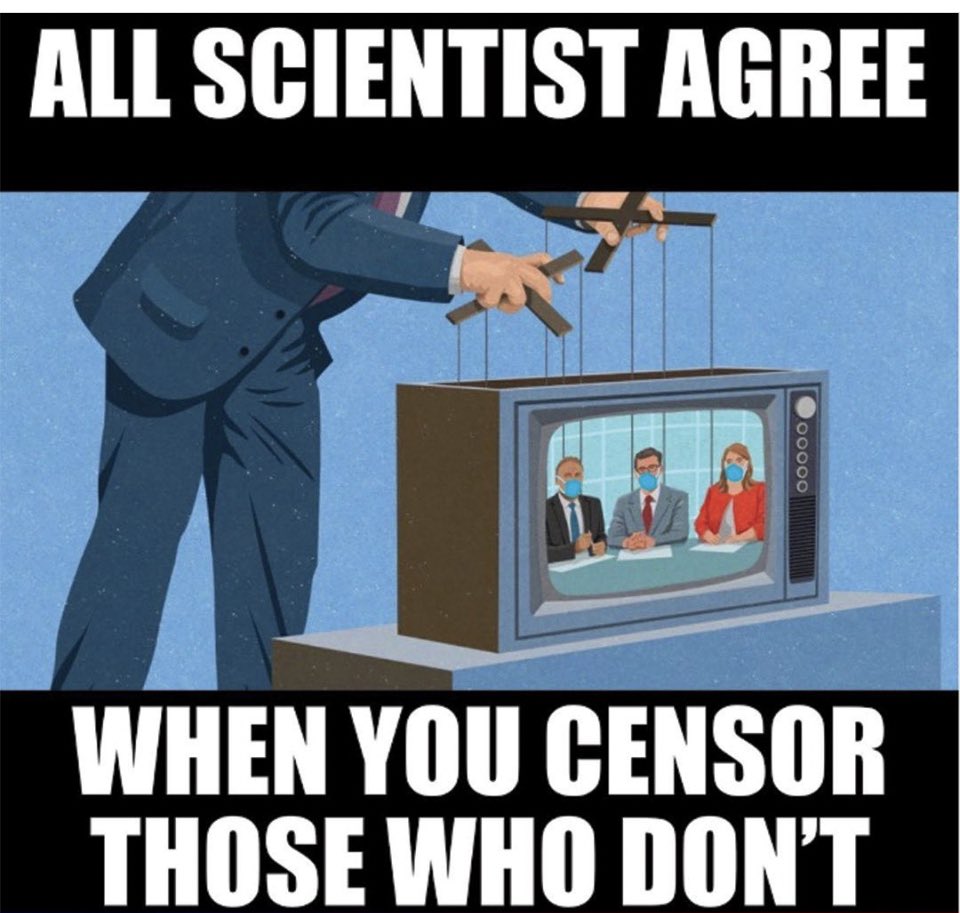
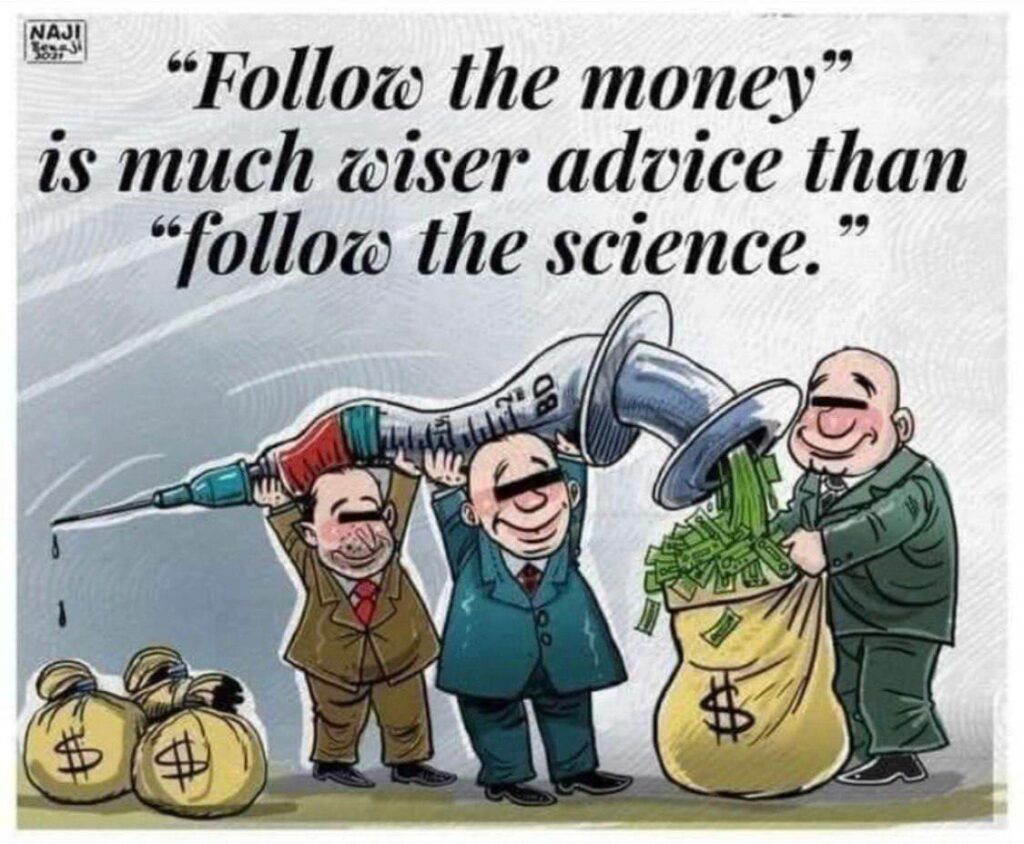
"Follow the money" is much wiser advice than "follow the science."
-
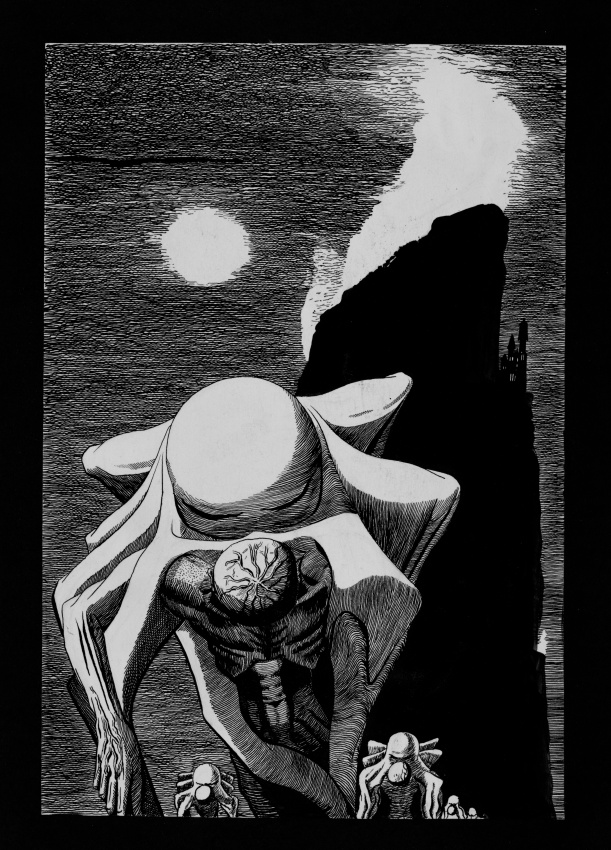
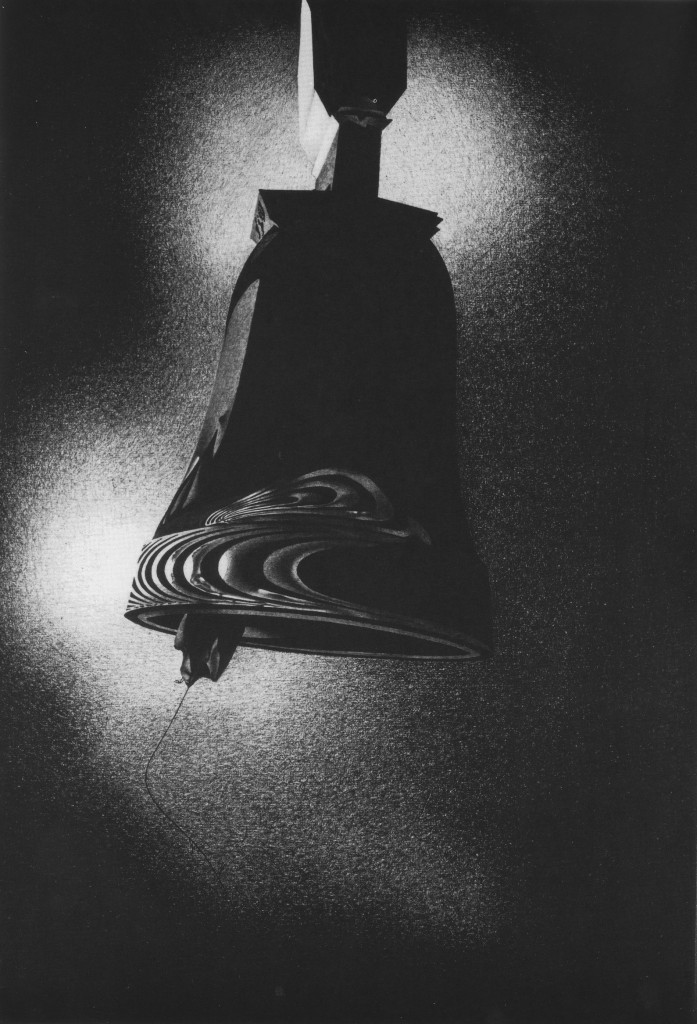
Art by Anatoly Fomenko (Born 1945, USSR) - who is not only an influential mathematician, topologist and an accomplished artist, but also a renegade historian.
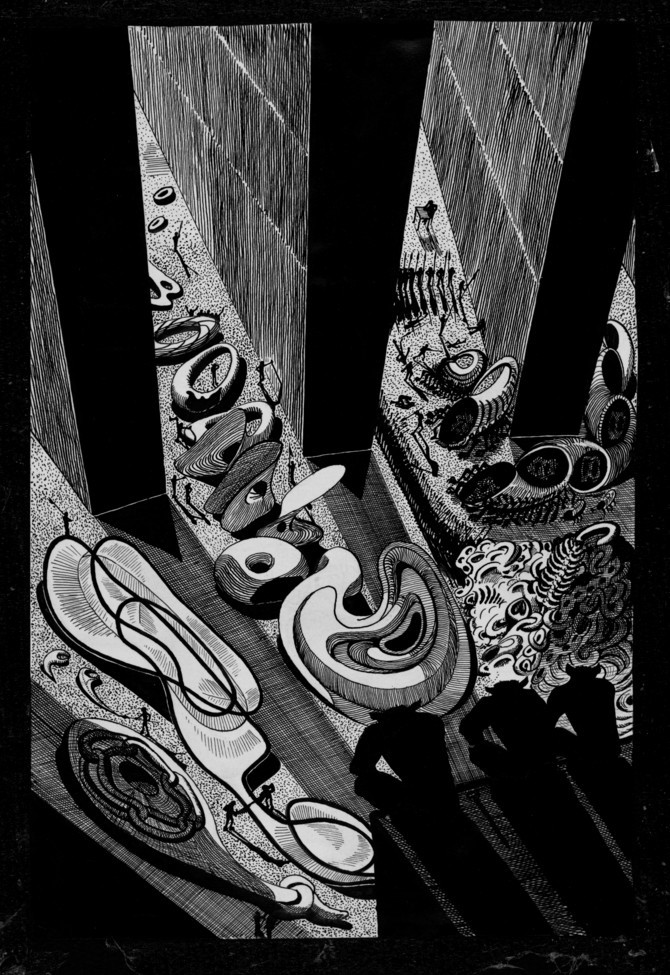
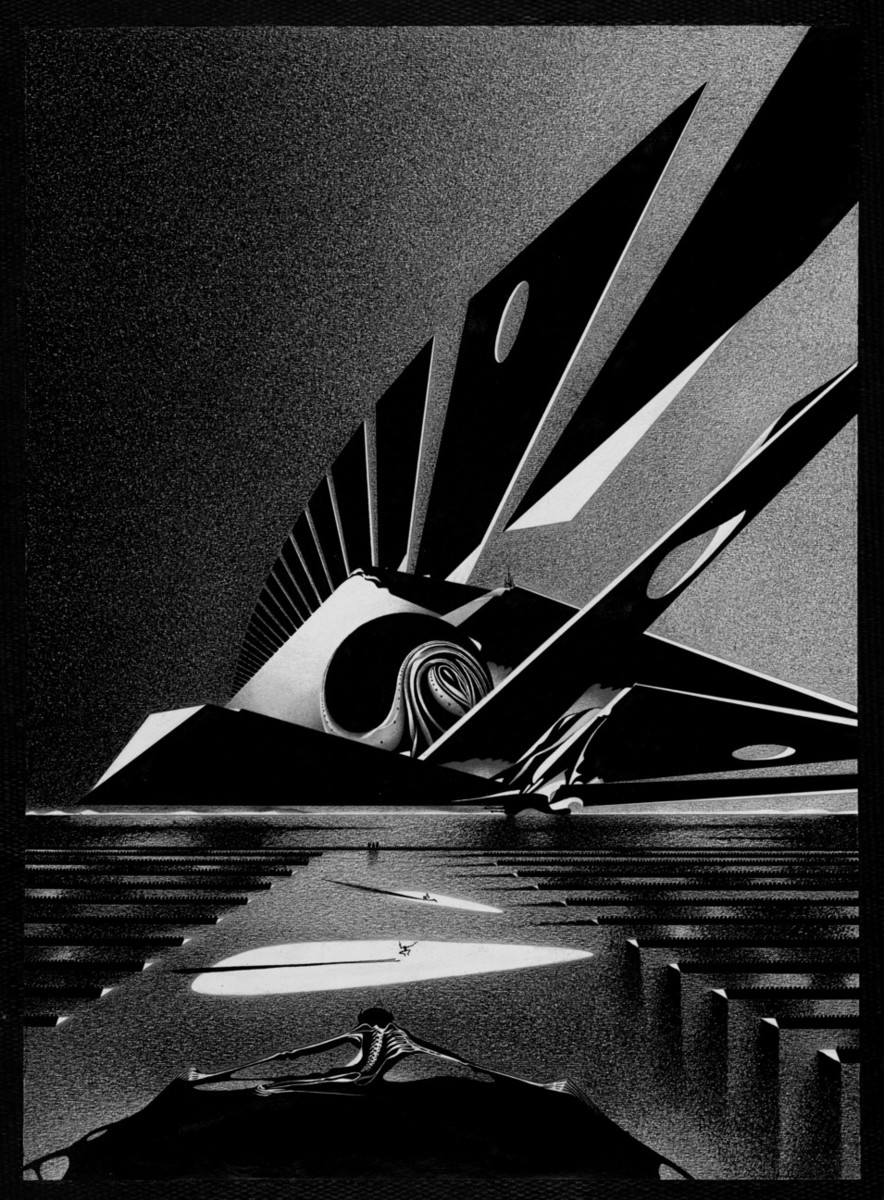
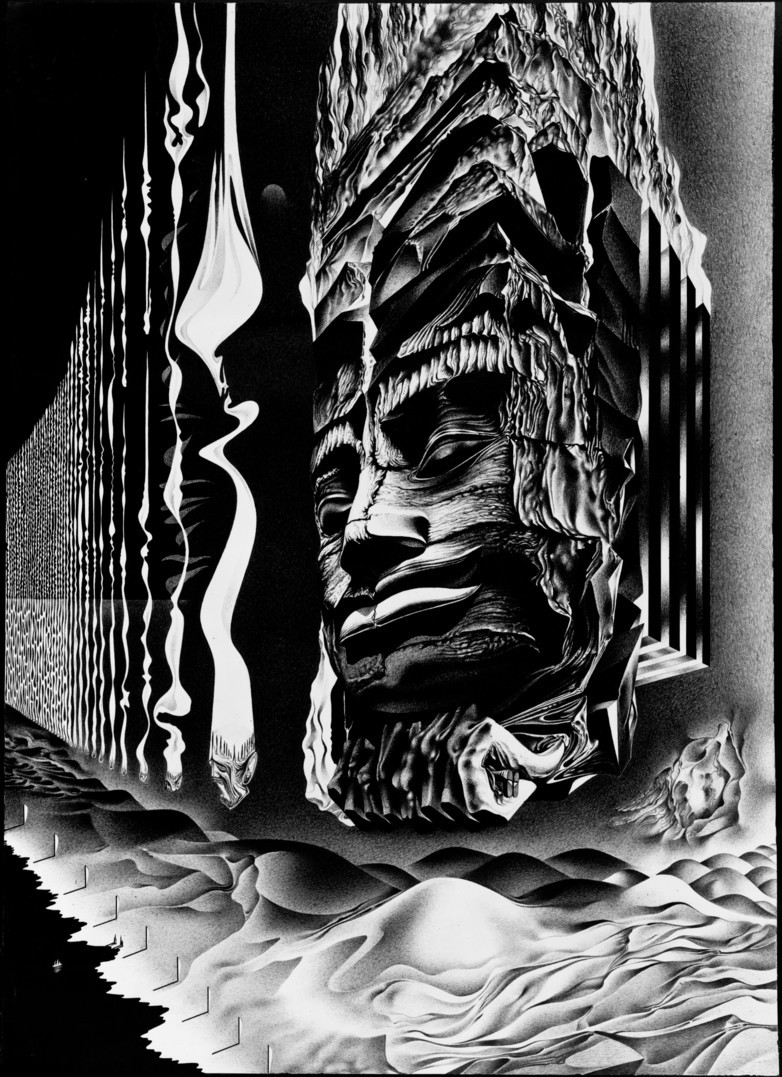
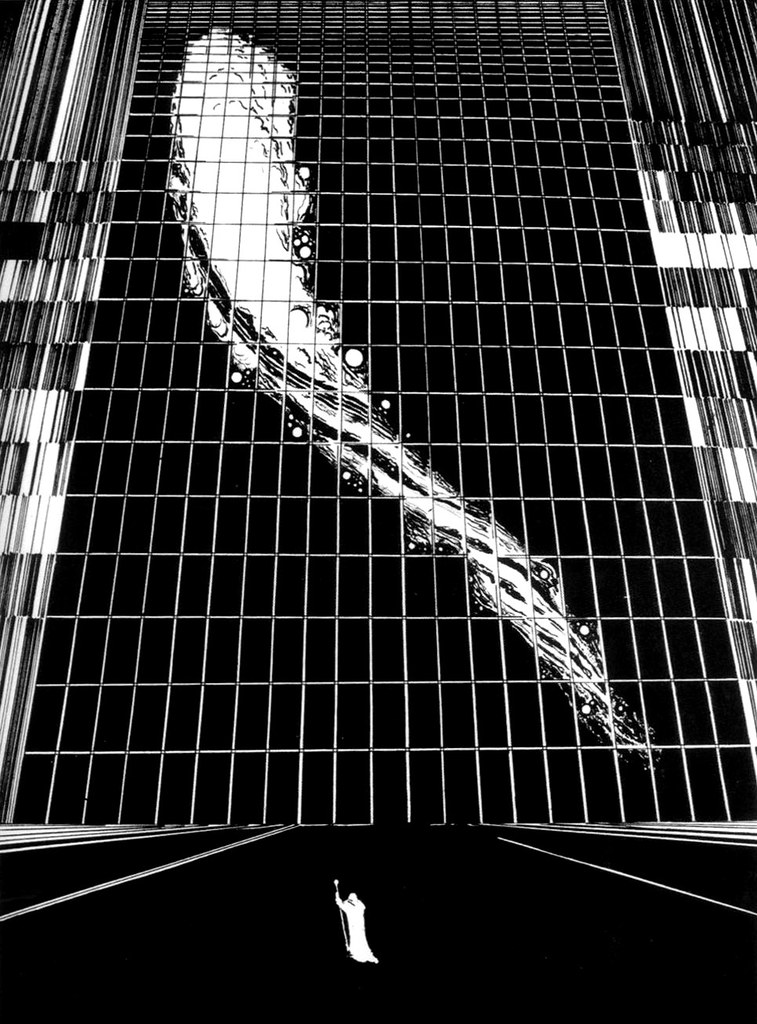
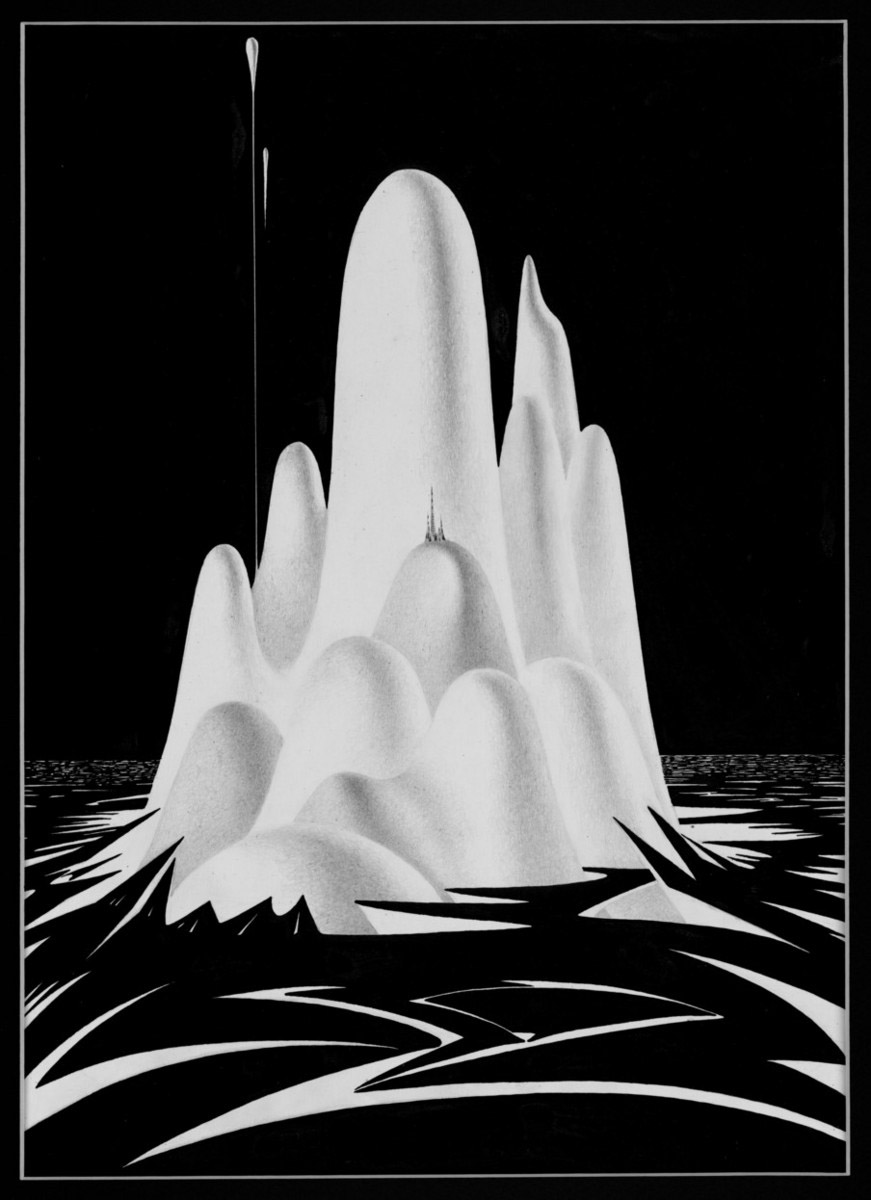
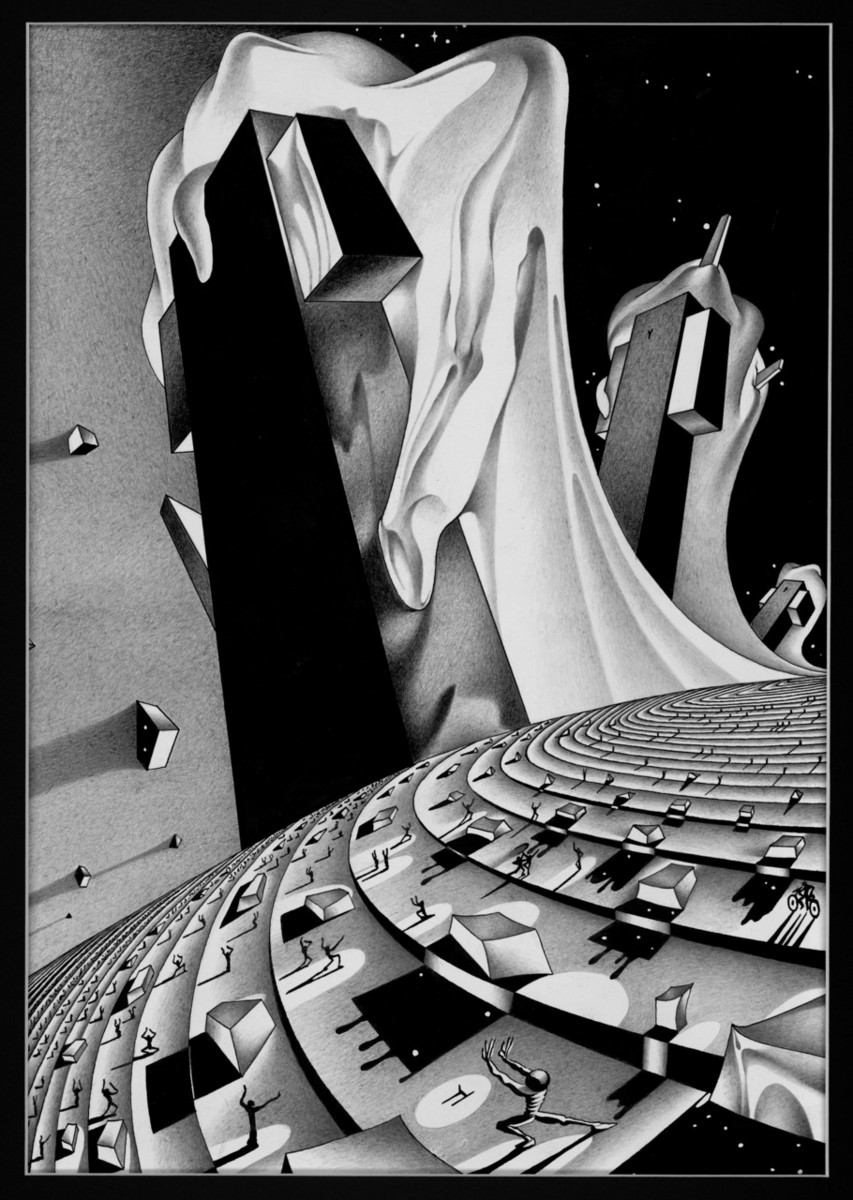
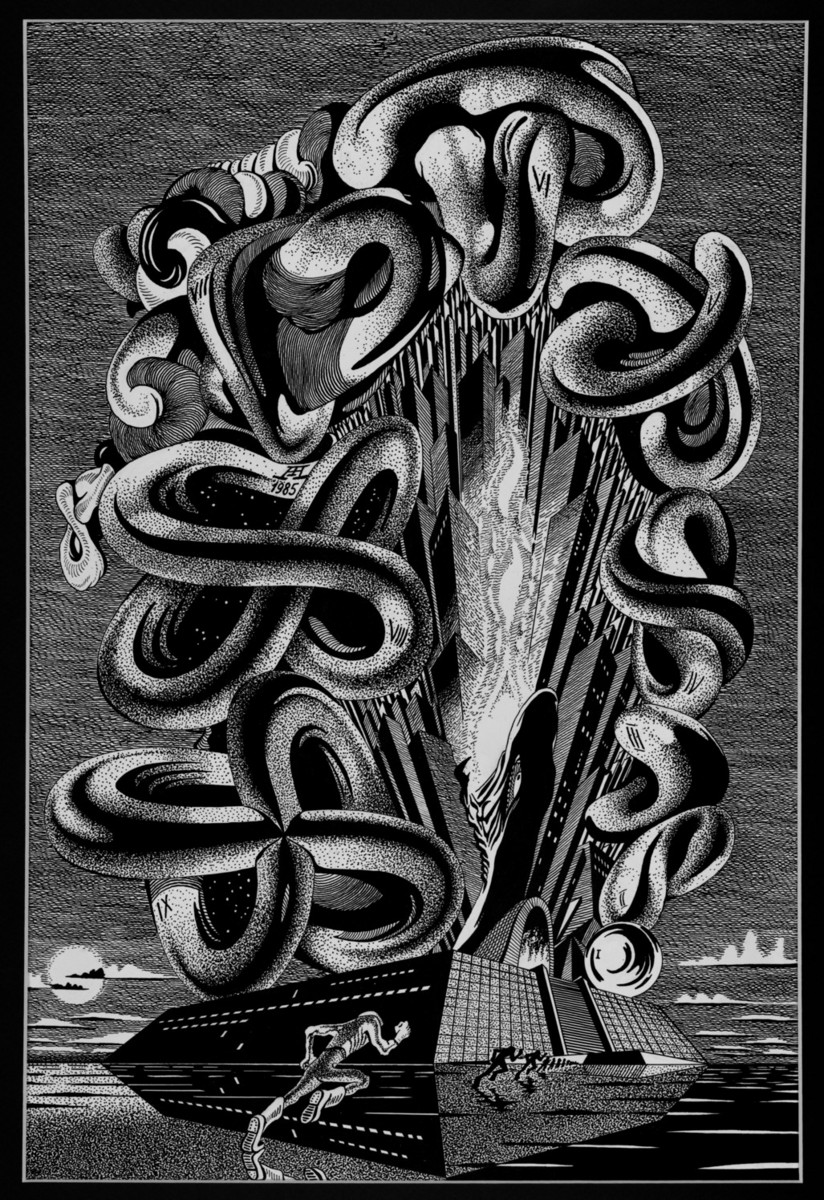
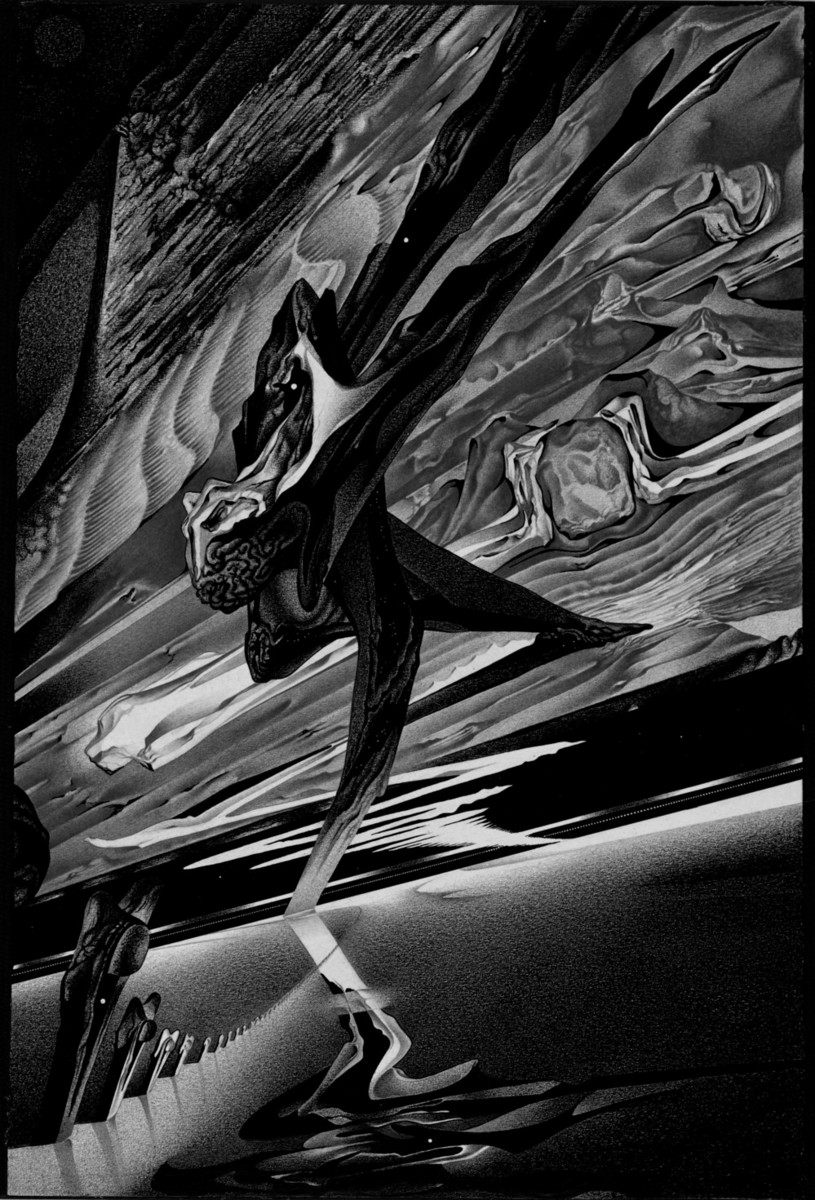
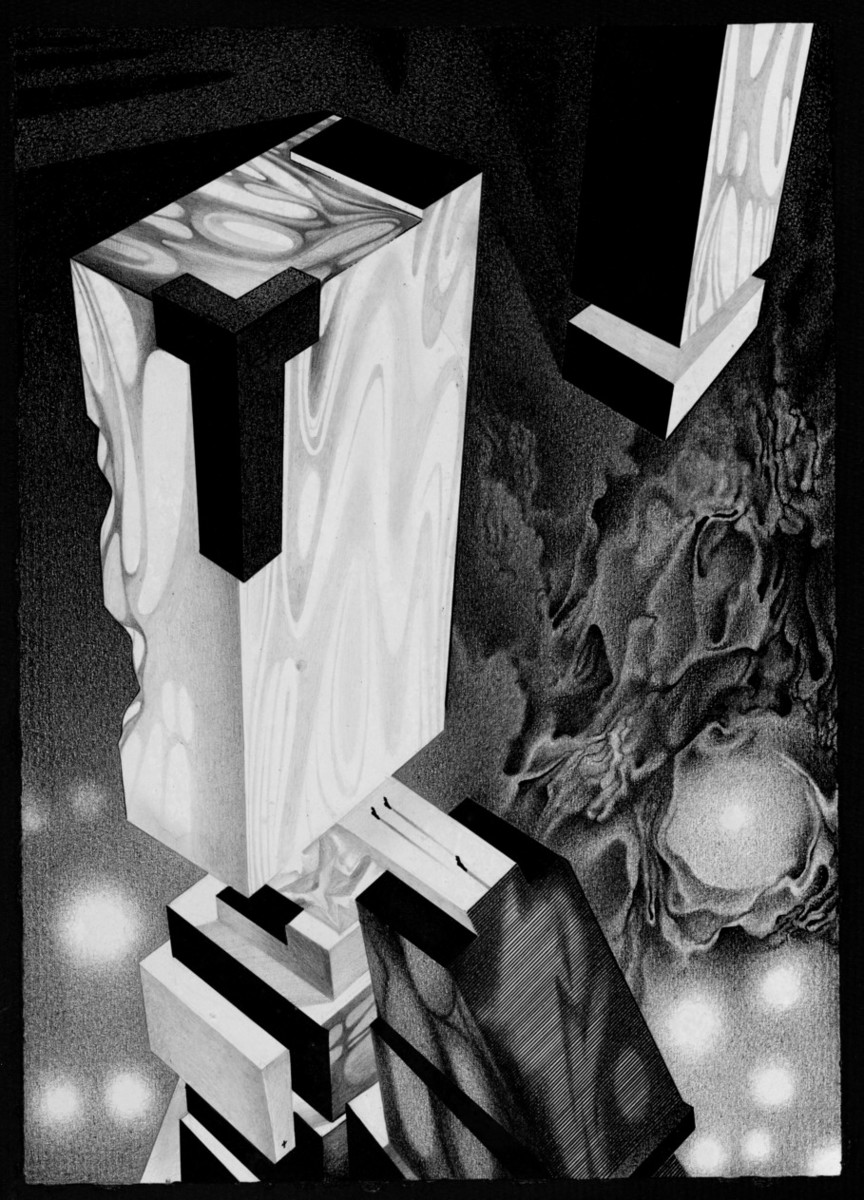
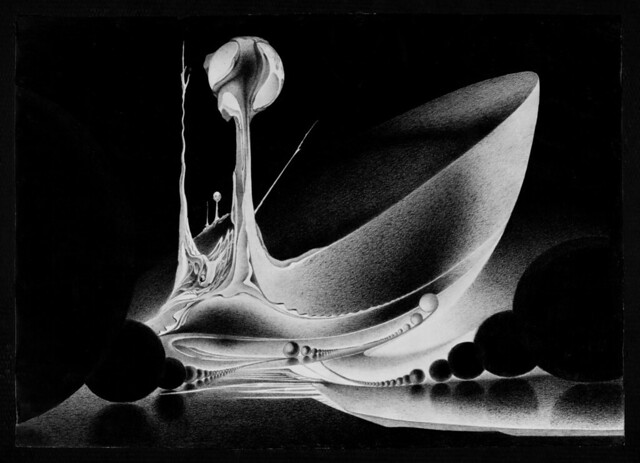
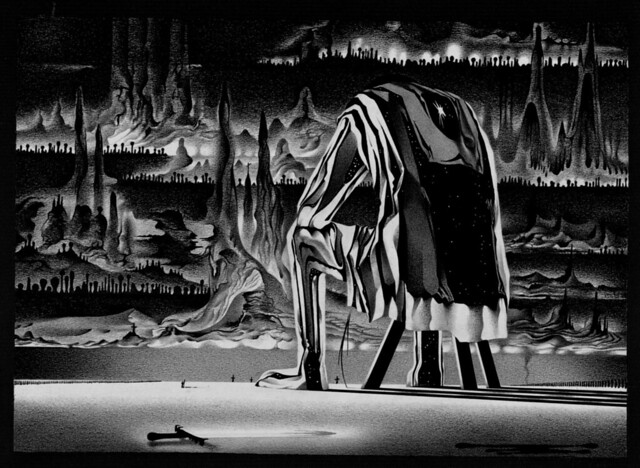
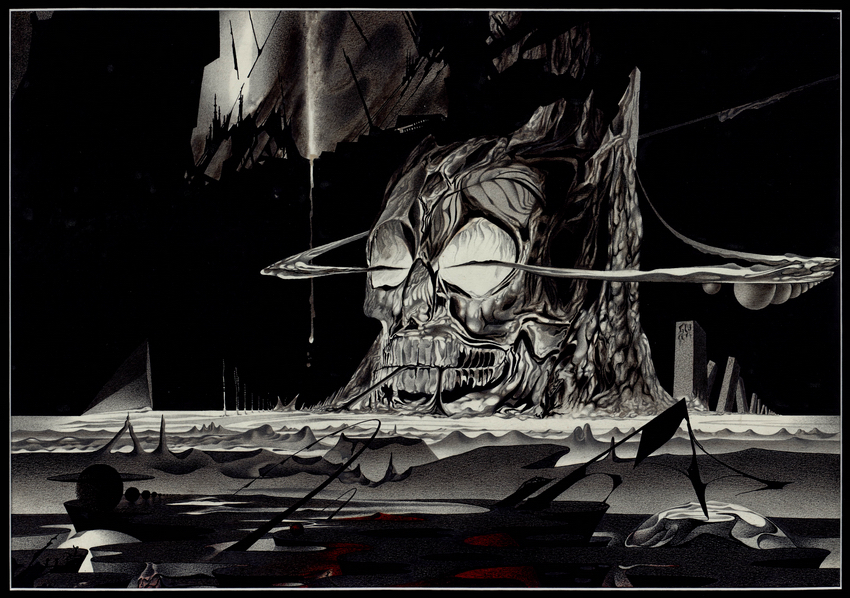
More Art can be found here.
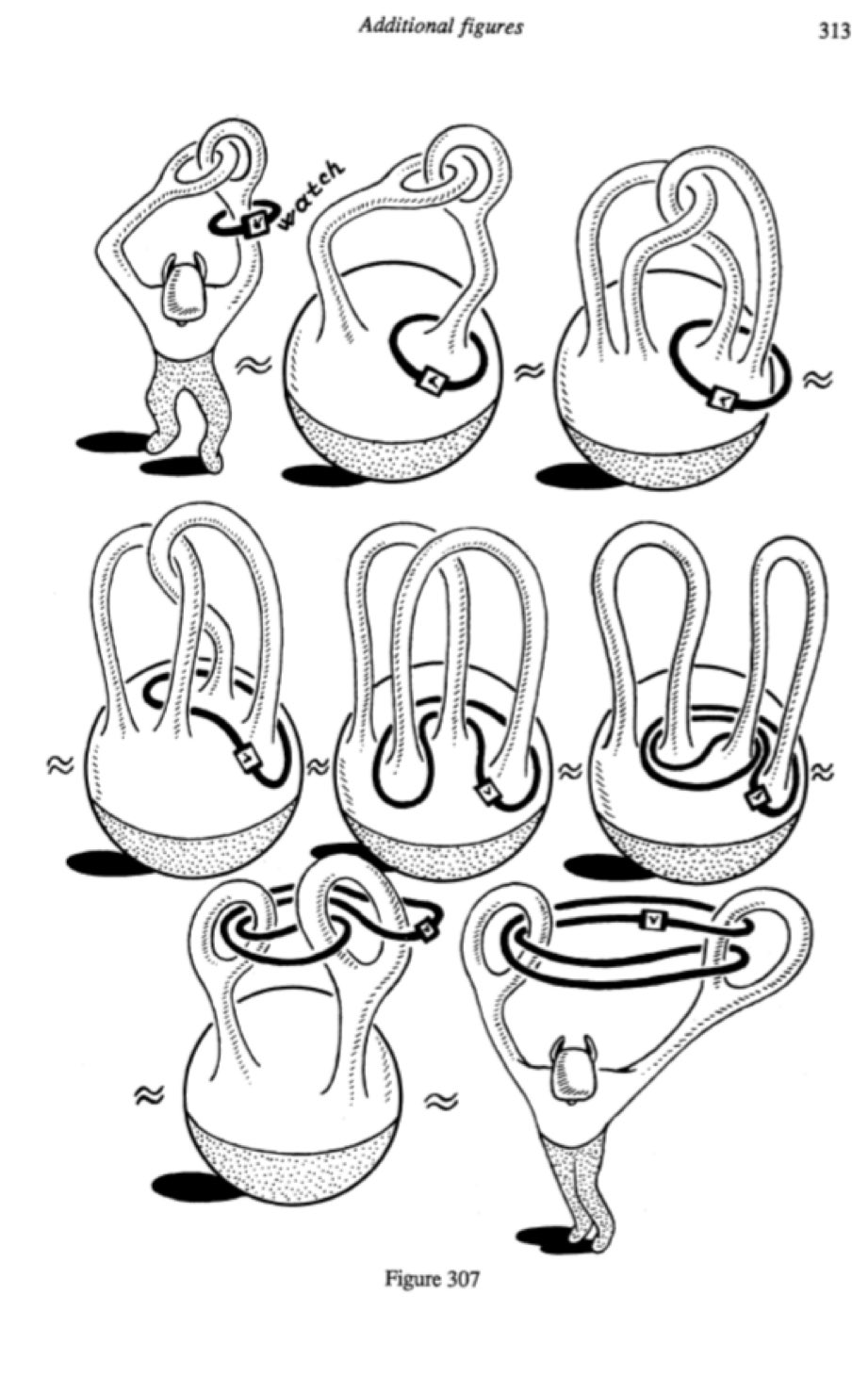
Topological cartoon by Anatoly Fomenko
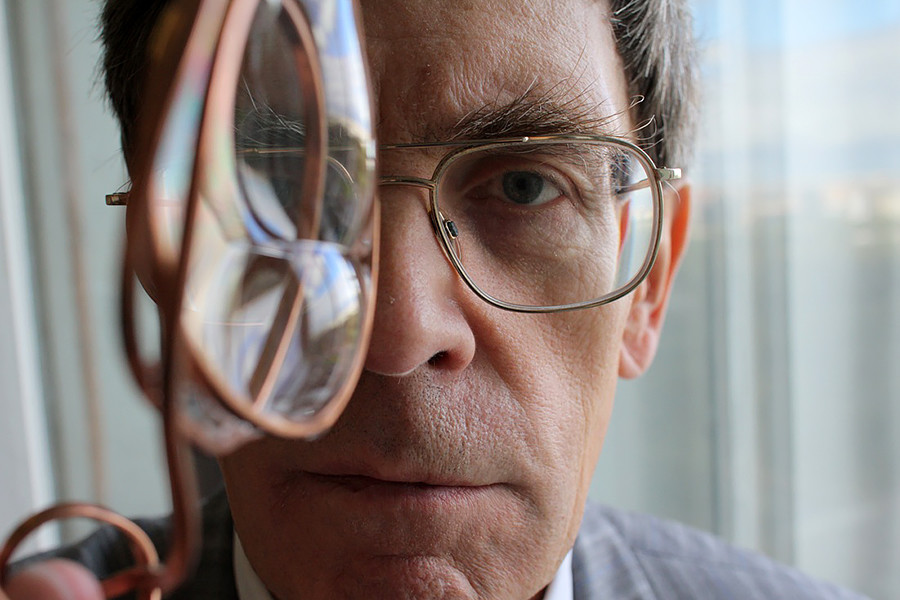
Fomenko the renegade historian
Fomenko has created his own revision of History called New Chronology, based on statistical correlations, dating of zodiacs, and by examining the mathematics and astronomy involved in chronology. Fomenko claims that he has discovered that many historical events do not correspond mathematically with the dates they are supposed to have occurred on. He asserts from this that all of ancient history (including the history of Greece, Rome, and Egypt) is just a reflection of events that occurred in the Middle Ages and that all of Chinese and Arab history are fabrications of 17th and 18th century Jesuits.
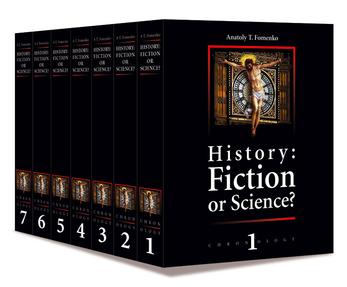
He also claims that Jesus lived in the 12th century A.D. and was crucified on Joshua's Hill; that the Trojan war and the Crusades were the same historical event; and that Genghis Khan and the Mongols were actually Russians. As well as disputing written chronologies, Fomenko also disputes more objective dating techniques such as dendrochronology and radiocarbon dating (see here for an examination of the latter criticism). His books include Empirico-statistical Analysis of Narrative Material and Its Applications and History: Fiction or Science?
History: Fiction or Science? - Book by Anatoly Fomenko
Is Ancient History Completely Made Up By 'The Man'? (gawker)
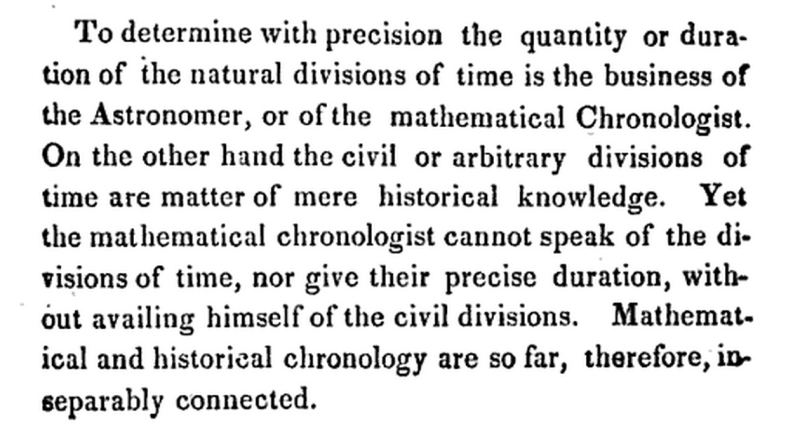
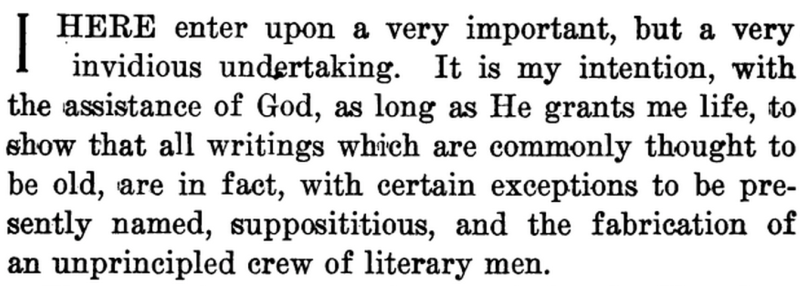
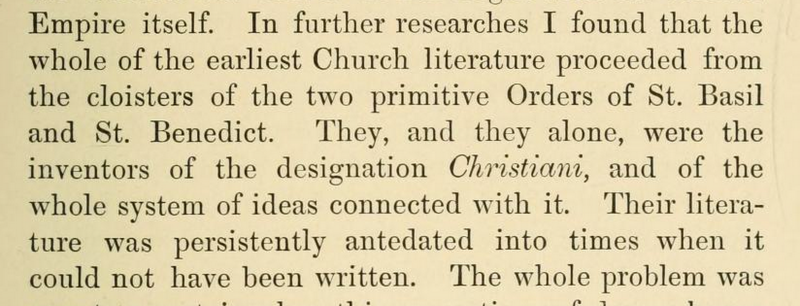
The Chronological Revision Chronicles, Part One: The Fomenko Timeline
-
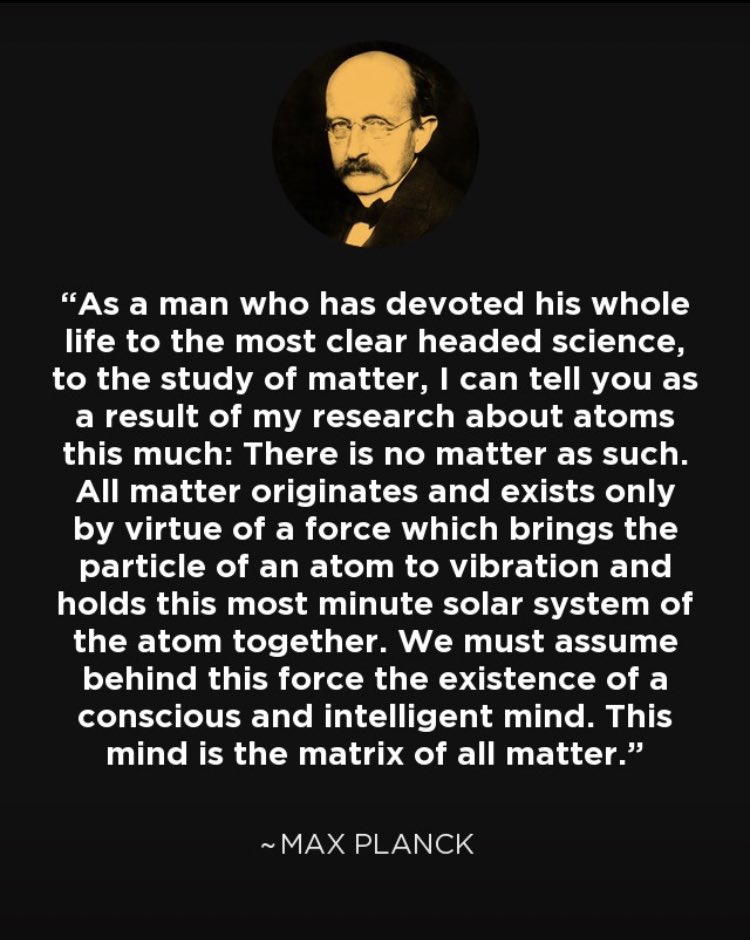
"When you change the way you look at things, the things you look at change" - Max Planck
-
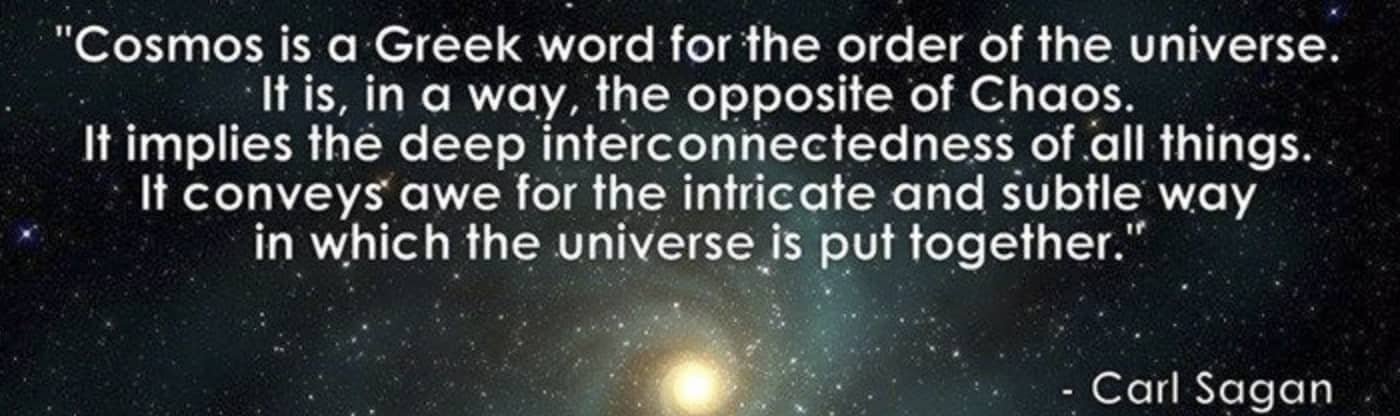
This website shares books, documents and links to other websites on subjects that I hope will cause us to question our most deeply held beliefs, world views , assumptions and our understanding of our relationship with the cosmos.
-
"One's first step in wisdom is to question everything - and one's last is to come to terms with everything." - Georg Christoph Lichtenberg (1742 - 1799)
-
The brain and its time: intrinsic neural timescales are key for input processing
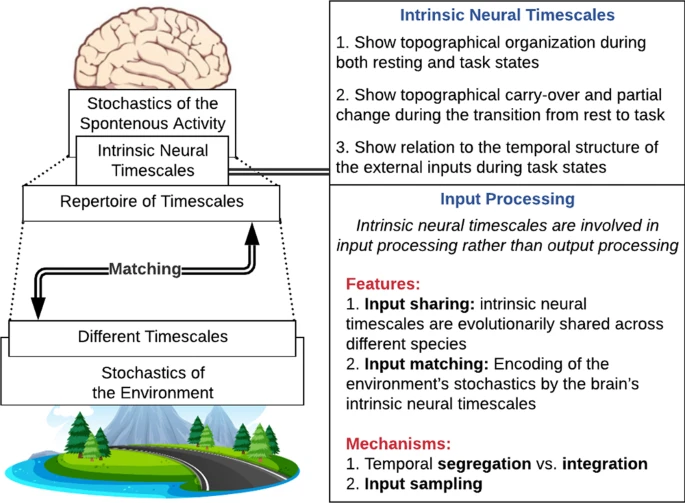
We process and integrate multiple timescales into one meaningful whole. Recent evidence suggests that the brain displays a complex multiscale temporal organization. Different regions exhibit different timescales as described by the concept of intrinsic neural timescales (INT); however, their function and neural mechanisms remains unclear. We review recent literature on INT and propose that they are key for input processing. Specifically, they are shared across different species, i.e., input sharing. This suggests a role of INT in encoding inputs through matching the inputs’ stochastics with the ongoing temporal statistics of the brain’s neural activity, i.e., input encoding. Following simulation and empirical data, we point out input integration versus segregation and input sampling as key temporal mechanisms of input processing. This deeply grounds the brain within its environmental and evolutionary context. It carries major implications in understanding mental features and psychiatric disorders, as well as going beyond the brain in integrating timescales into artificial intelligence.
-
Do what I tell you, because complexity, okay? - by Ben Pile - A necessary take down of the horrendously brain-dead, fear-driven, bullshit psyops that is George Monbiot
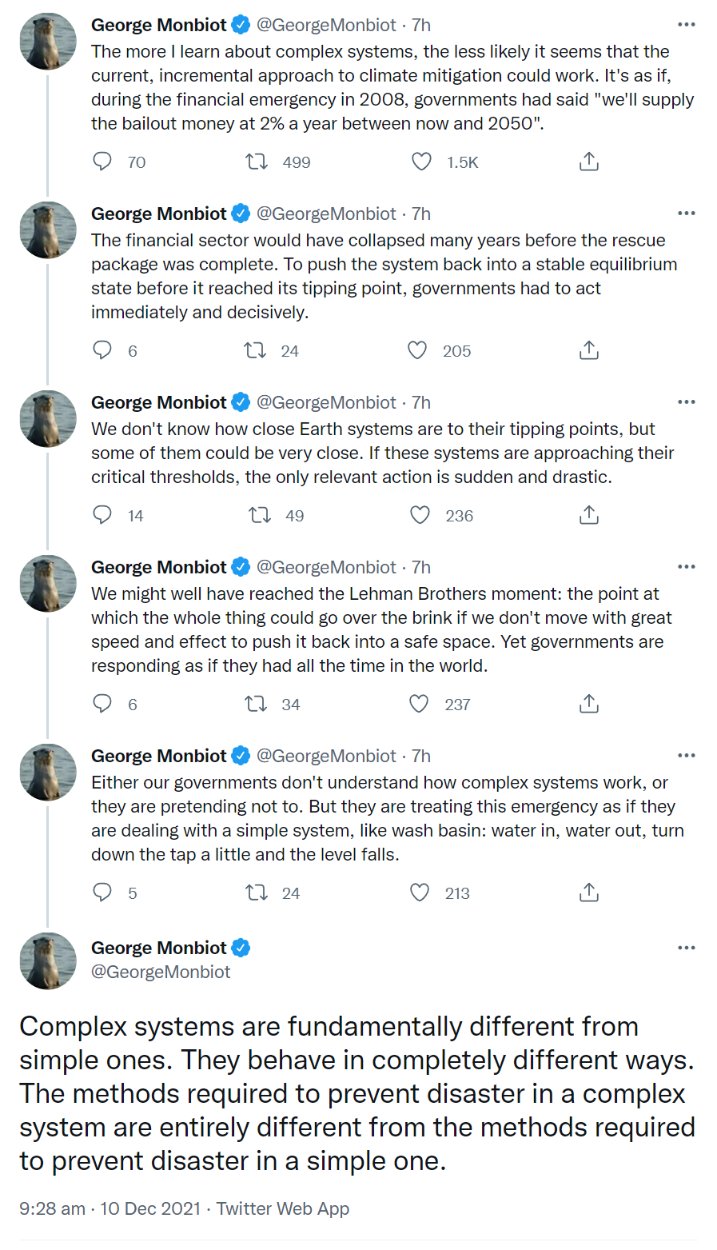
Do what I tell you, because complexity, okay?
In a "complex system", the effect of an intervention might be exactly the same as a non-intervention. Conversely, an incautious intervention might be catastrophic.
But George thinks he knows.
Folk such as George are *obsessed* with "systems". They conceive of the world as a "system", which they claim to have knowledge of. But what they really want to do is systematise human life, to reflect what they believe is the greater 'system'.
In other words, it is ideology dressed as objectivity. Many have claimed to have grasped the meaning of cosmological, social or natural orders, and demanded that the world be reorganised on the basis of these systems of understanding. And tragedy followed.