tag > Science
-
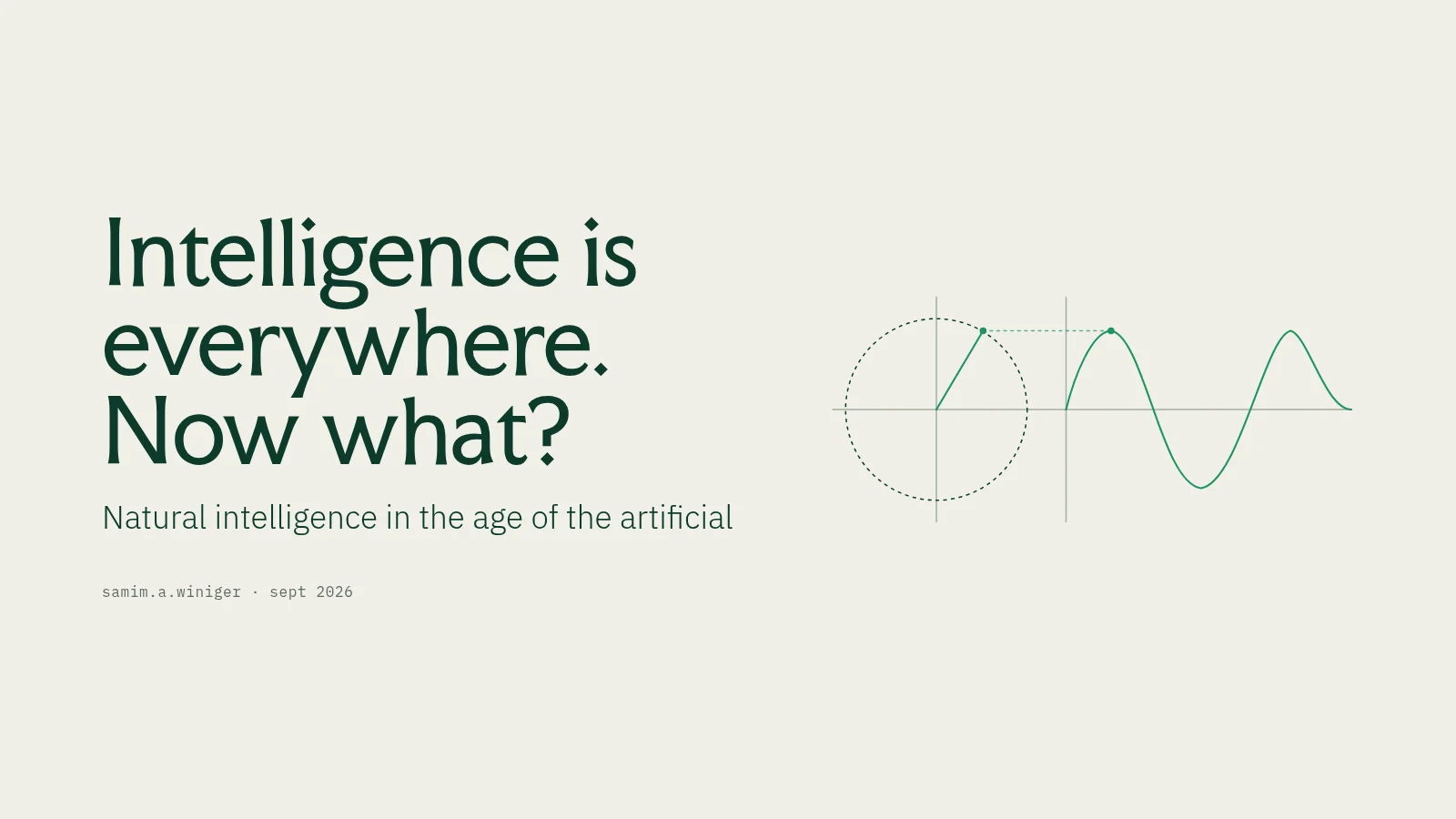
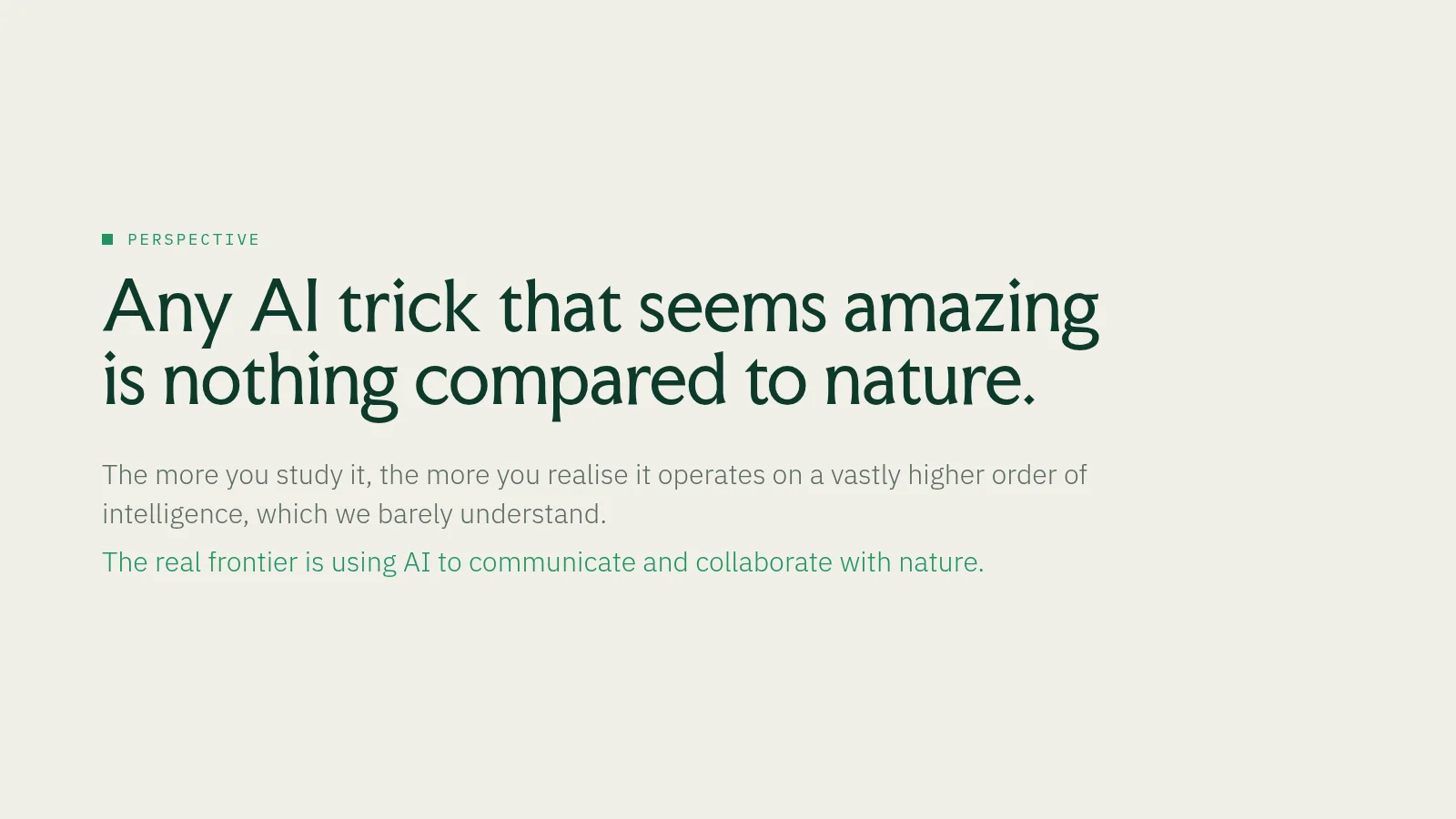
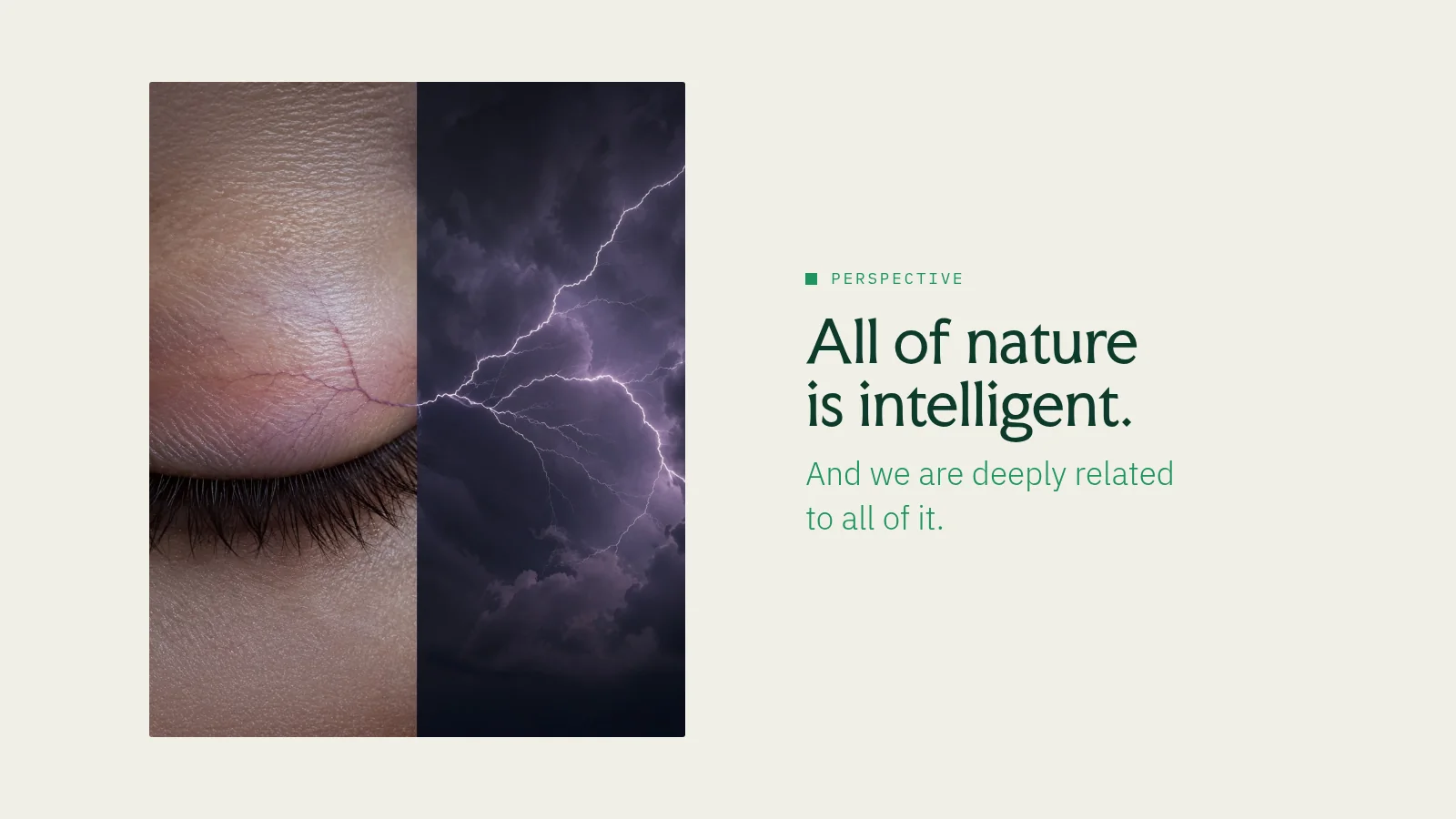
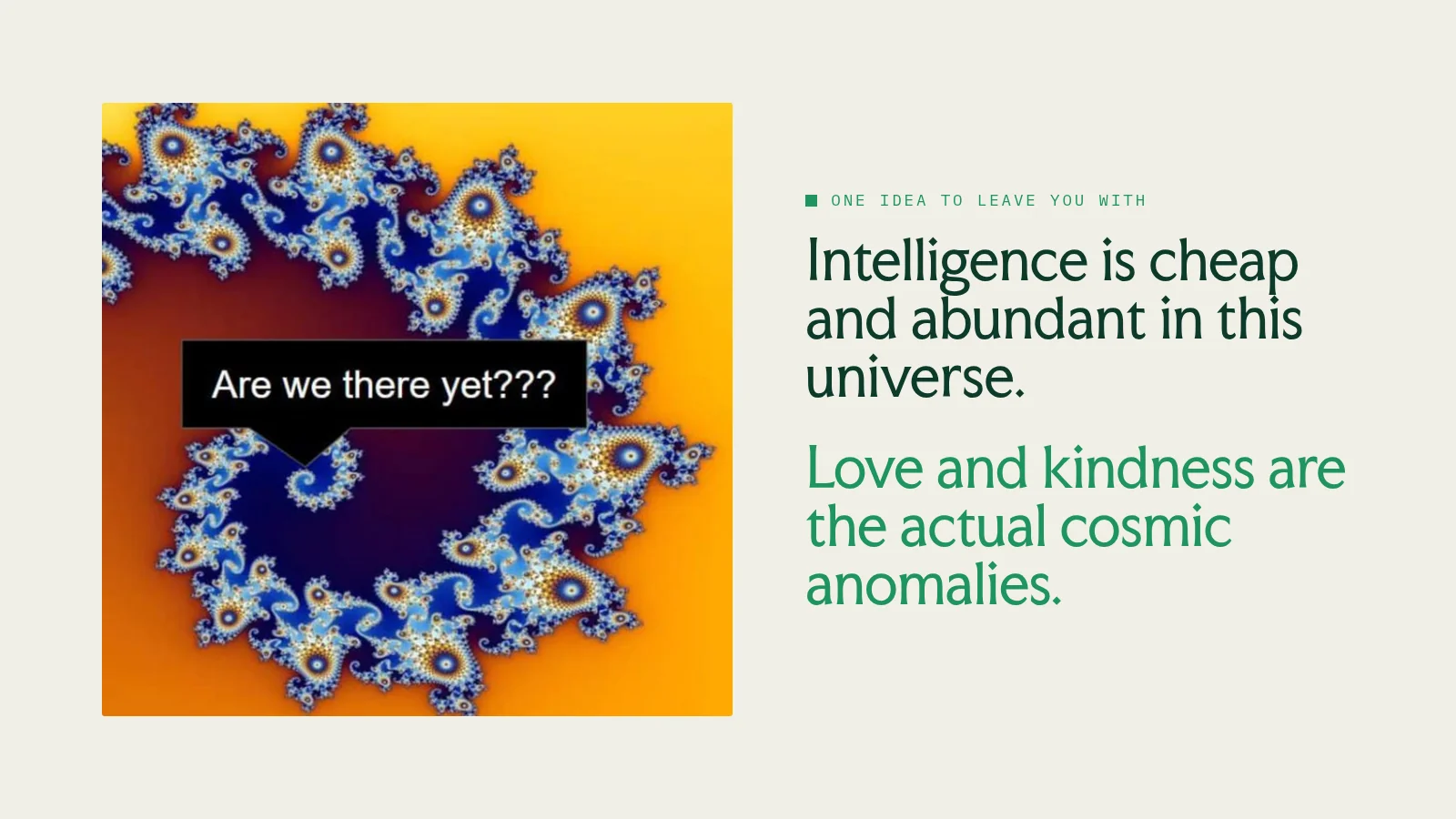
Intelligence is everywhere. Now what? Natural intelligence in the age of the artificial.
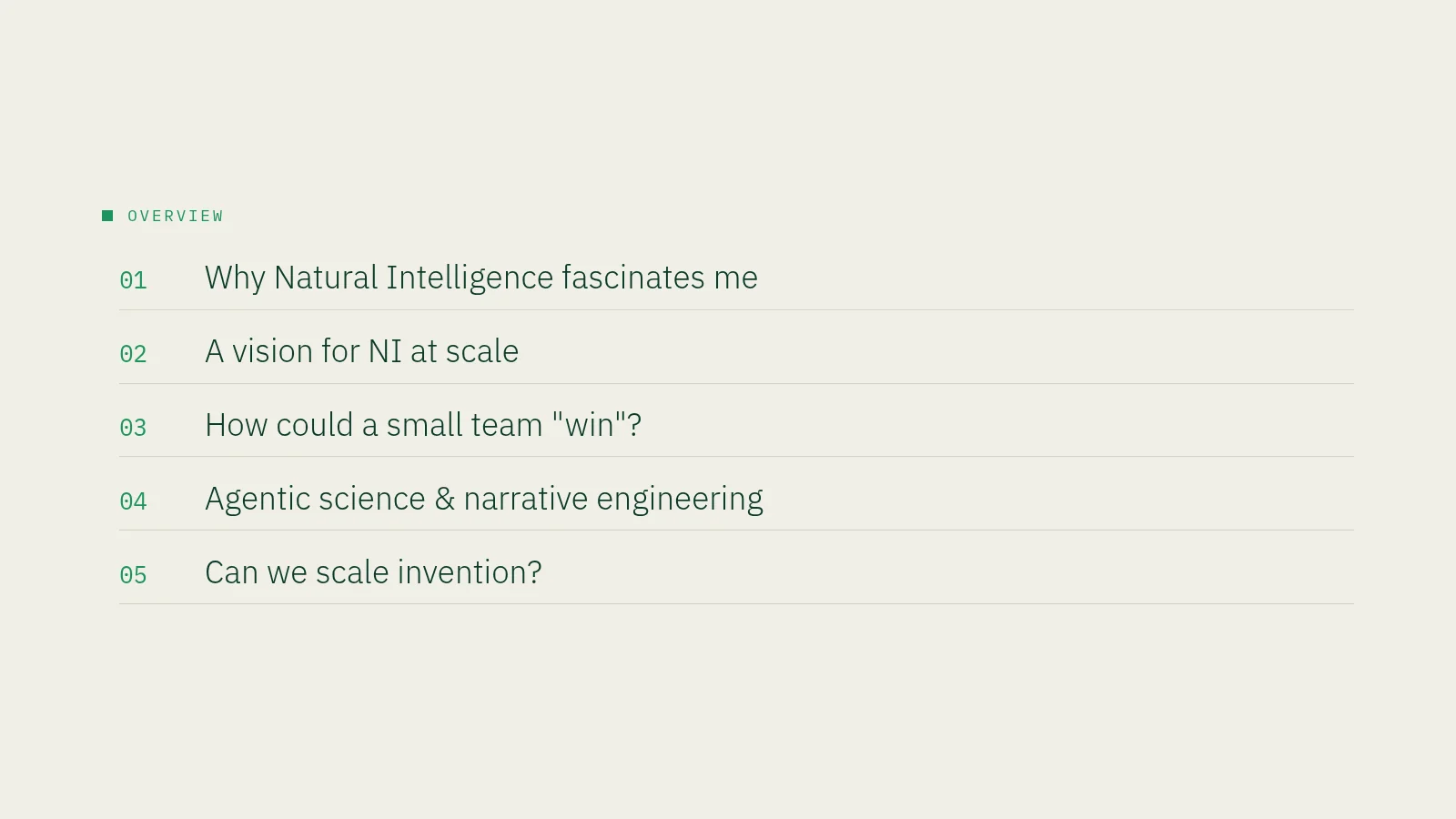
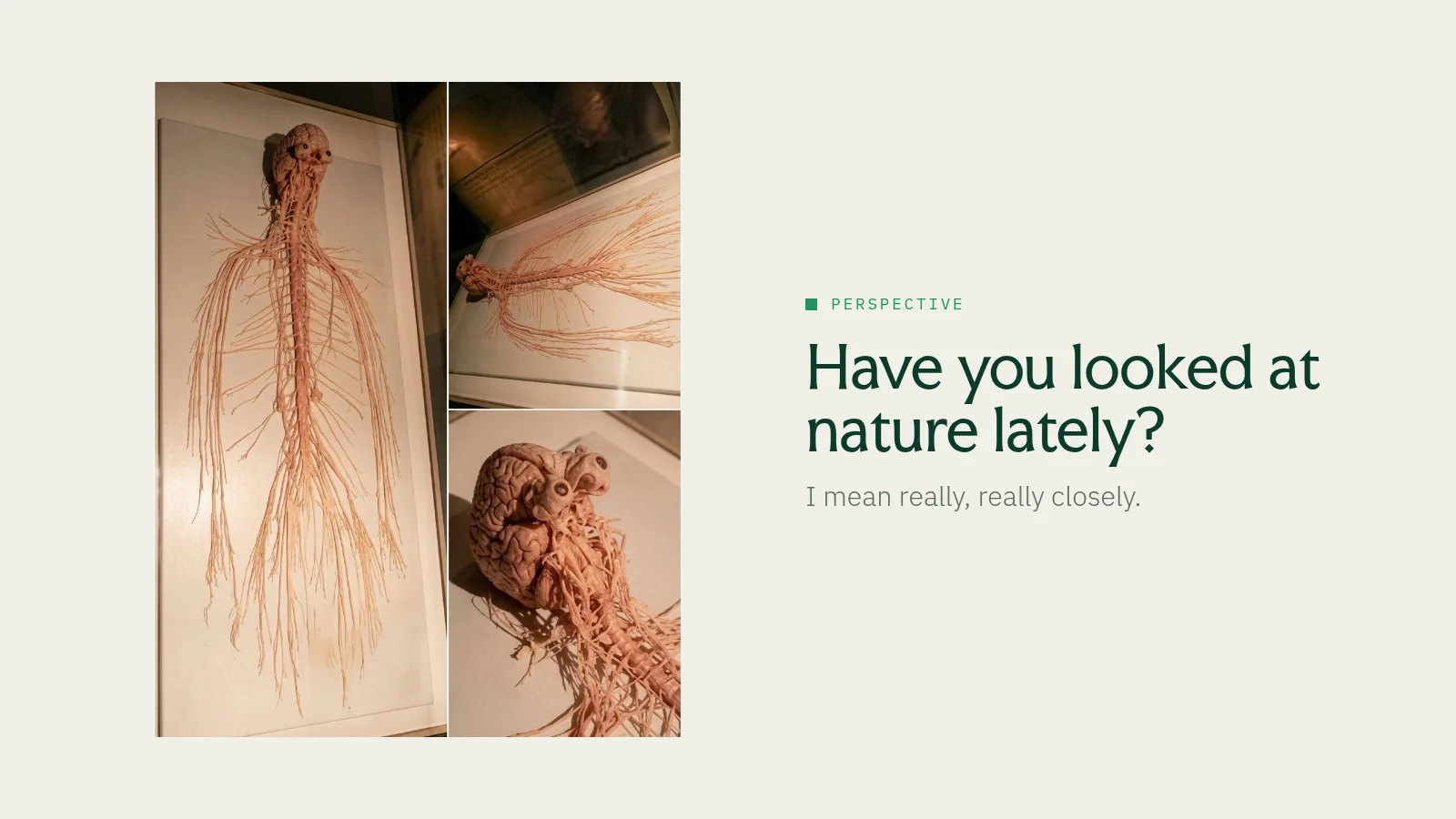
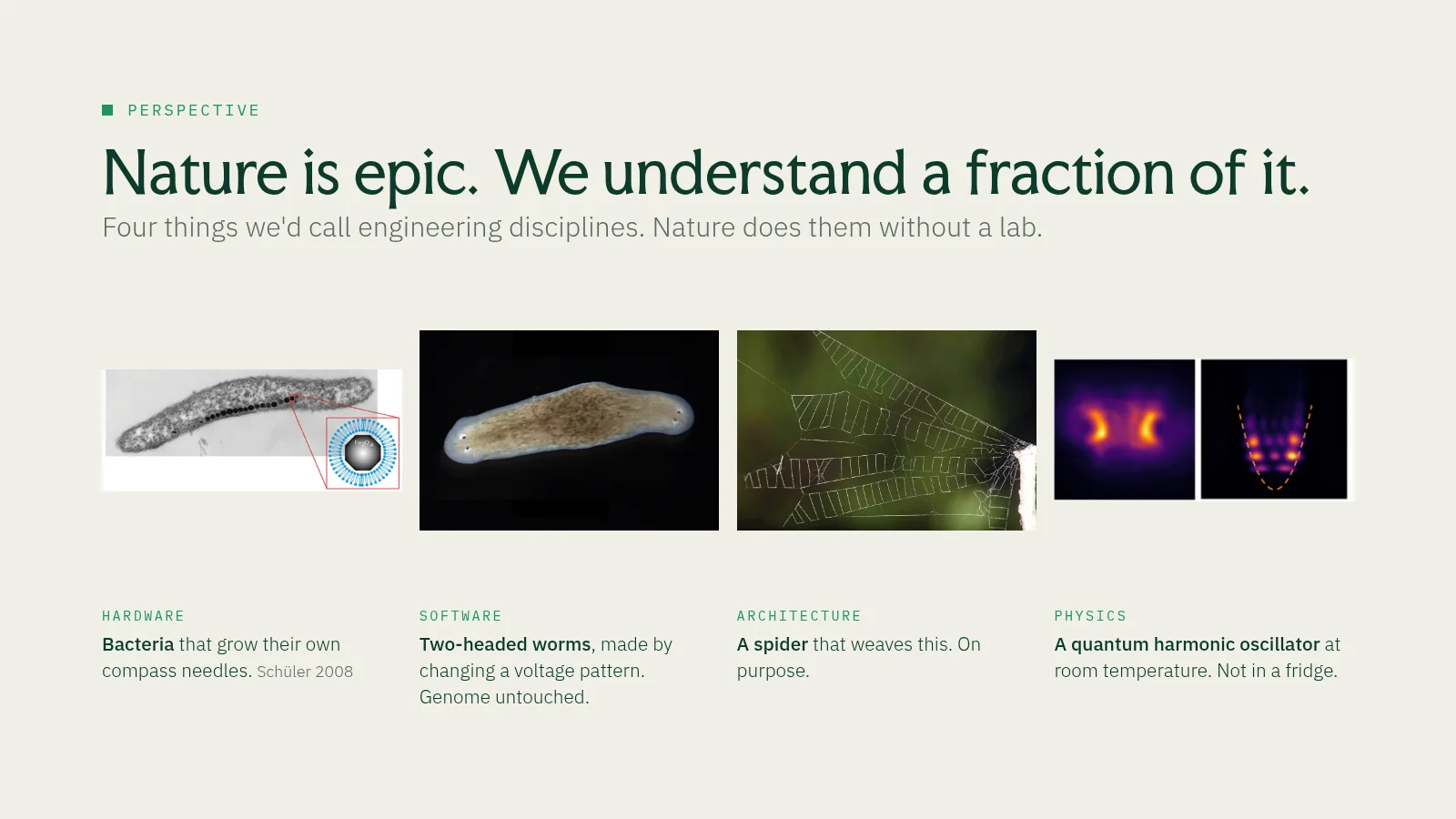
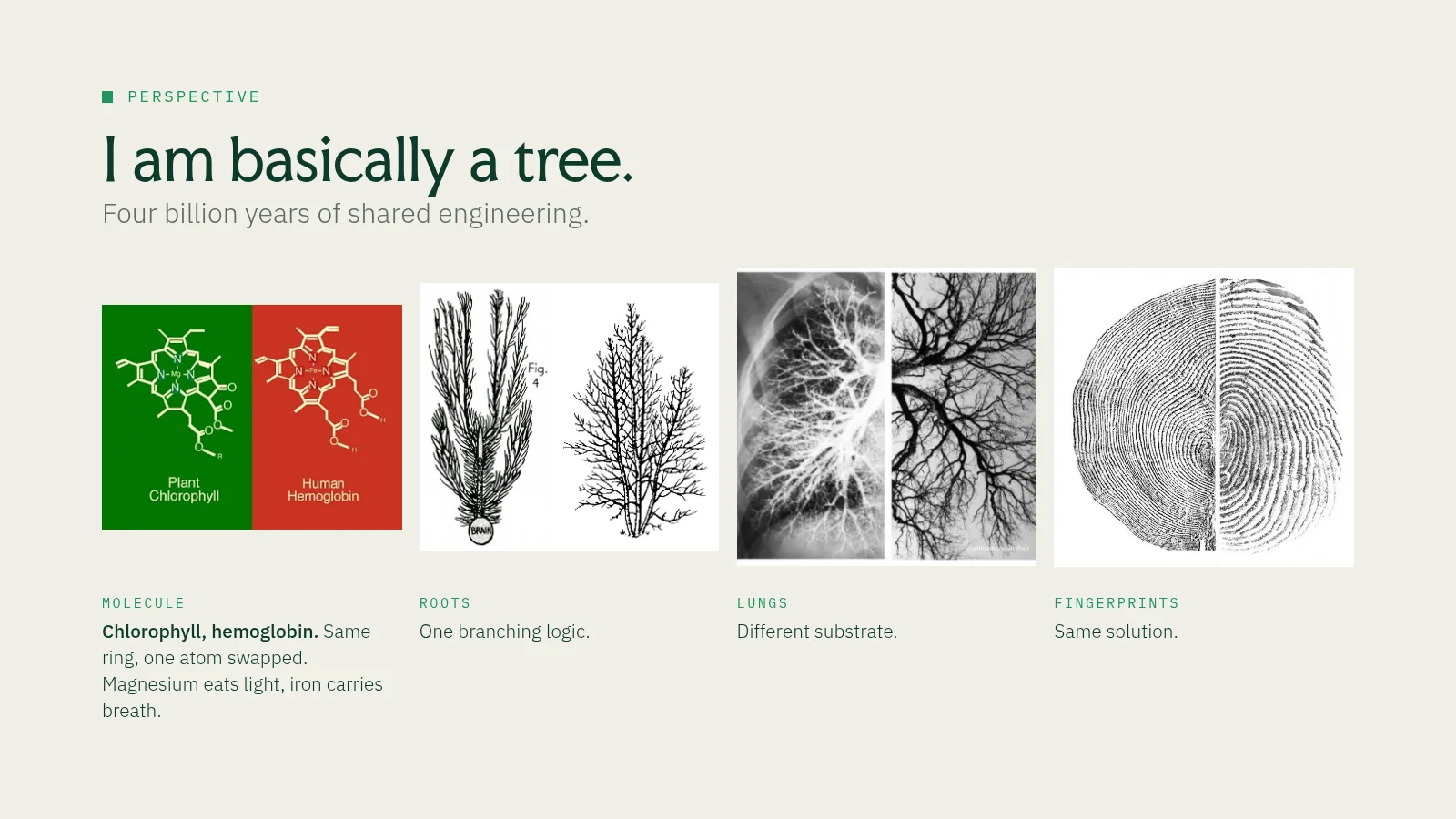
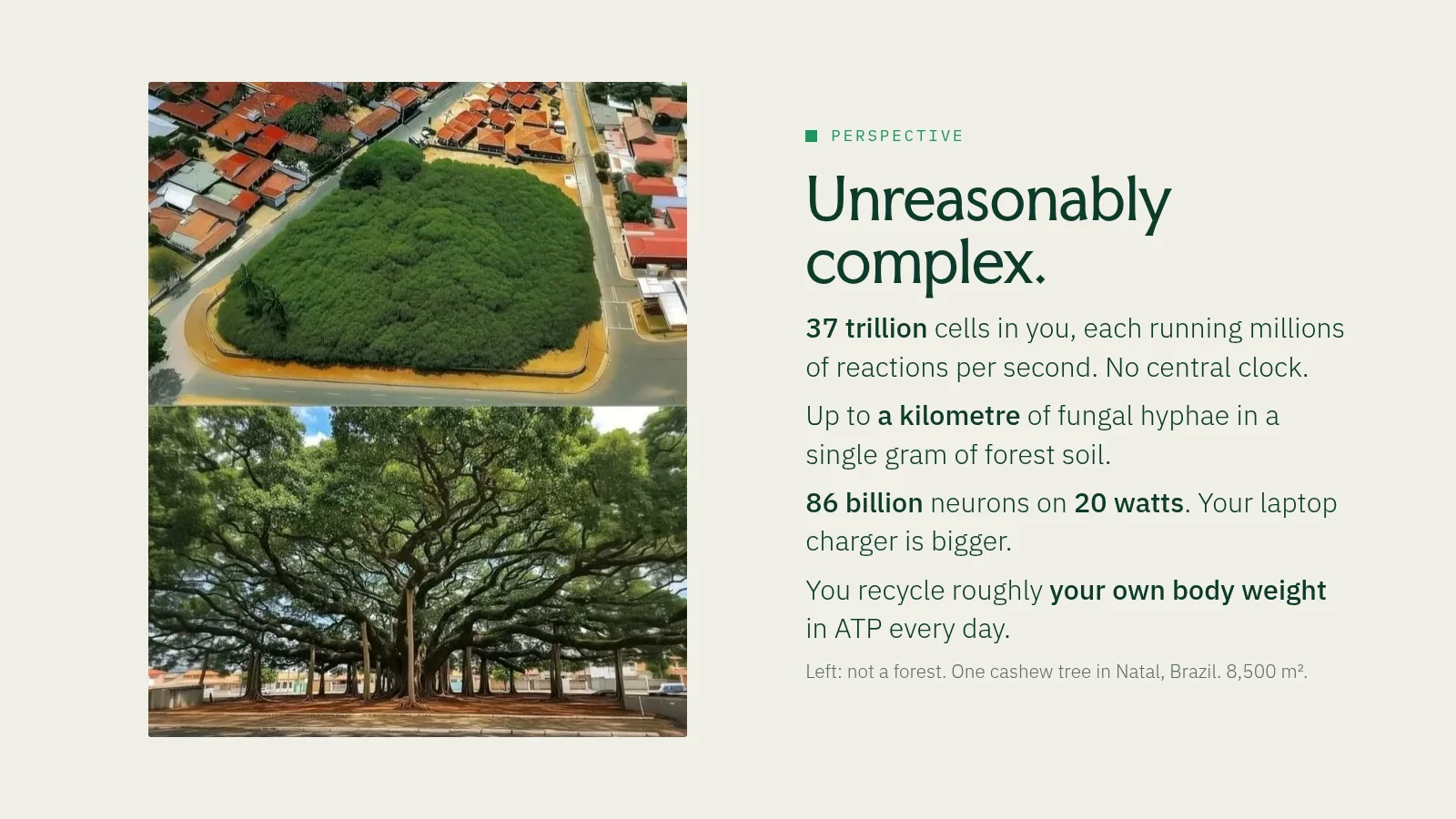
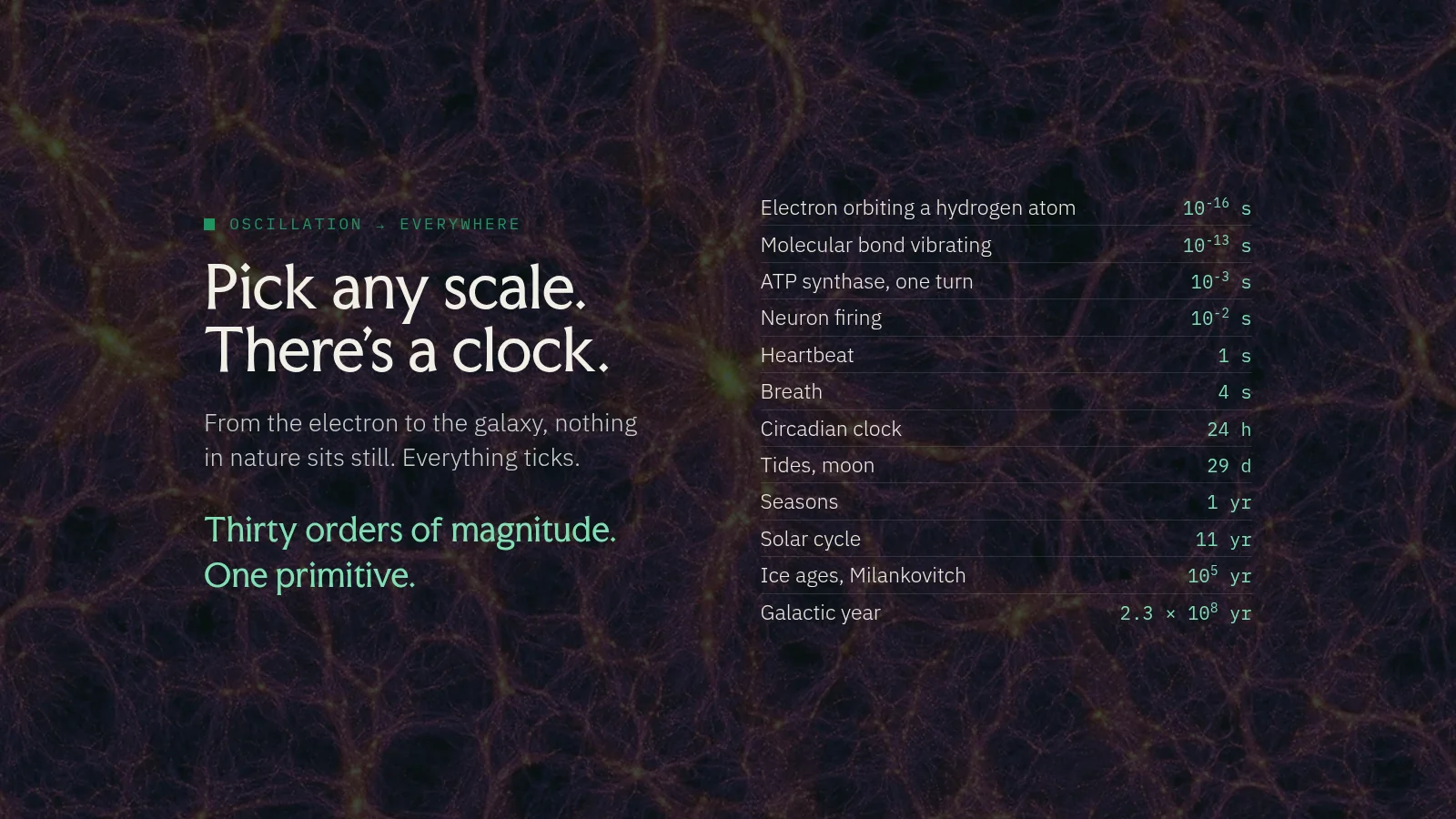
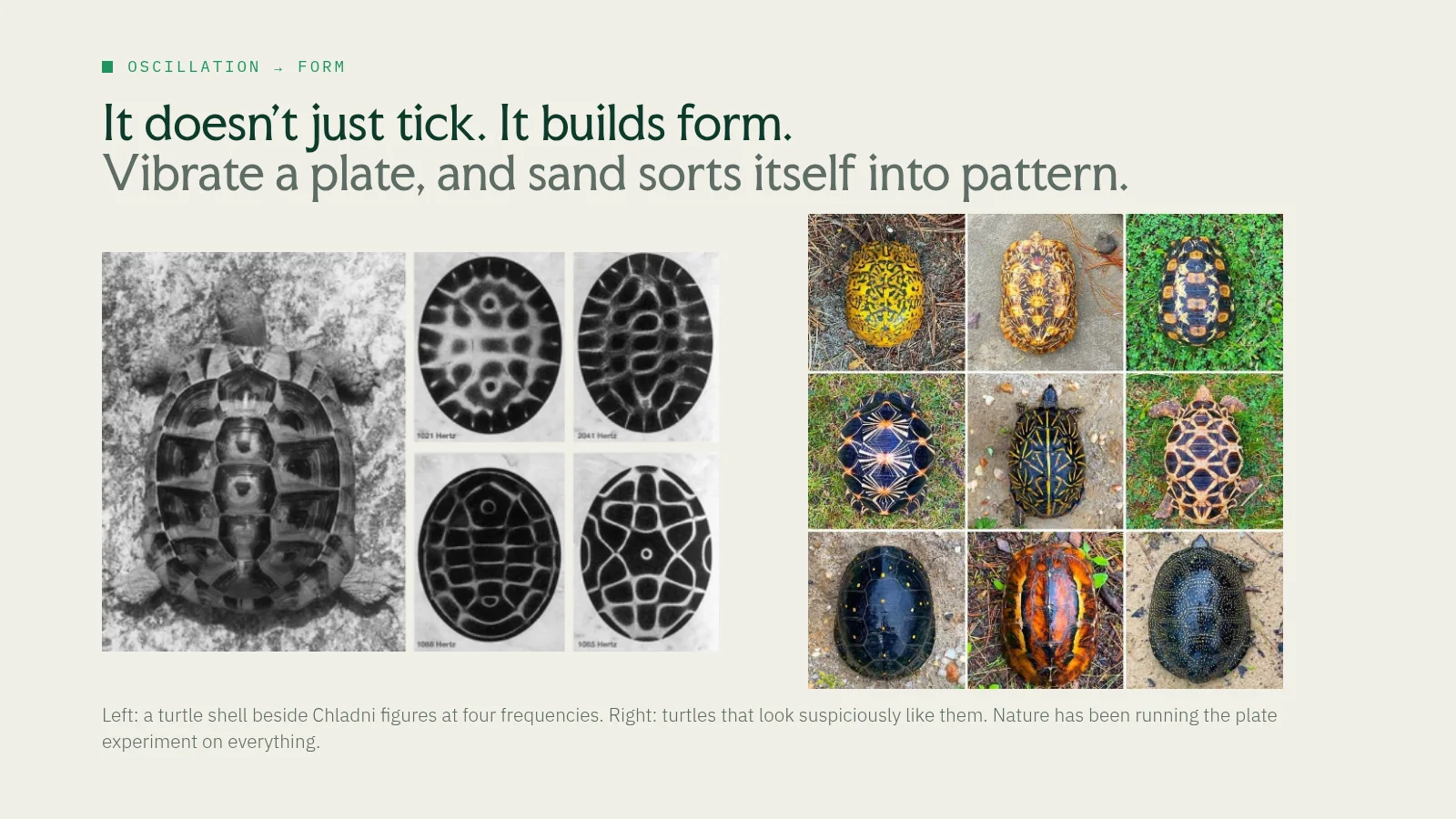
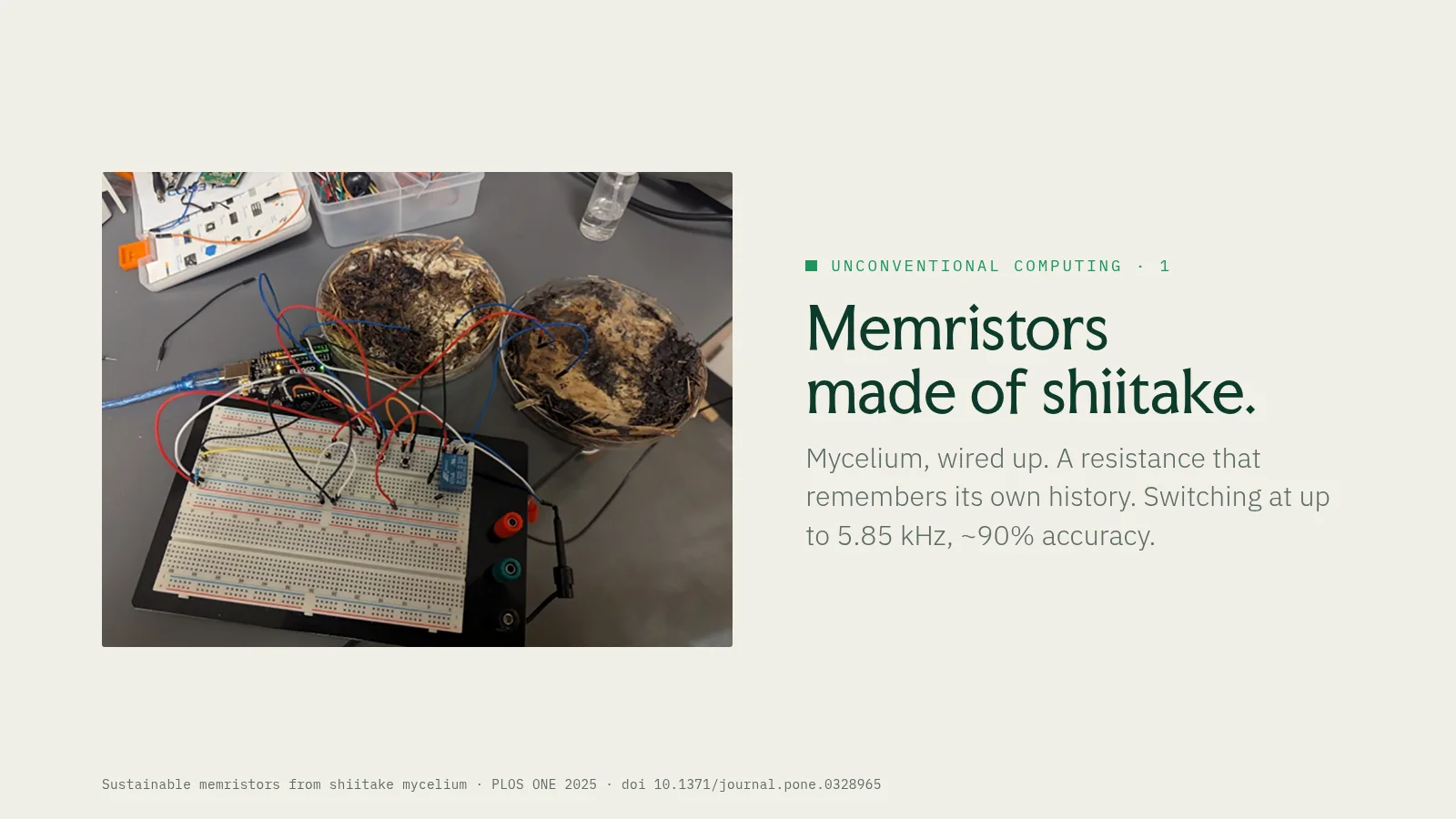
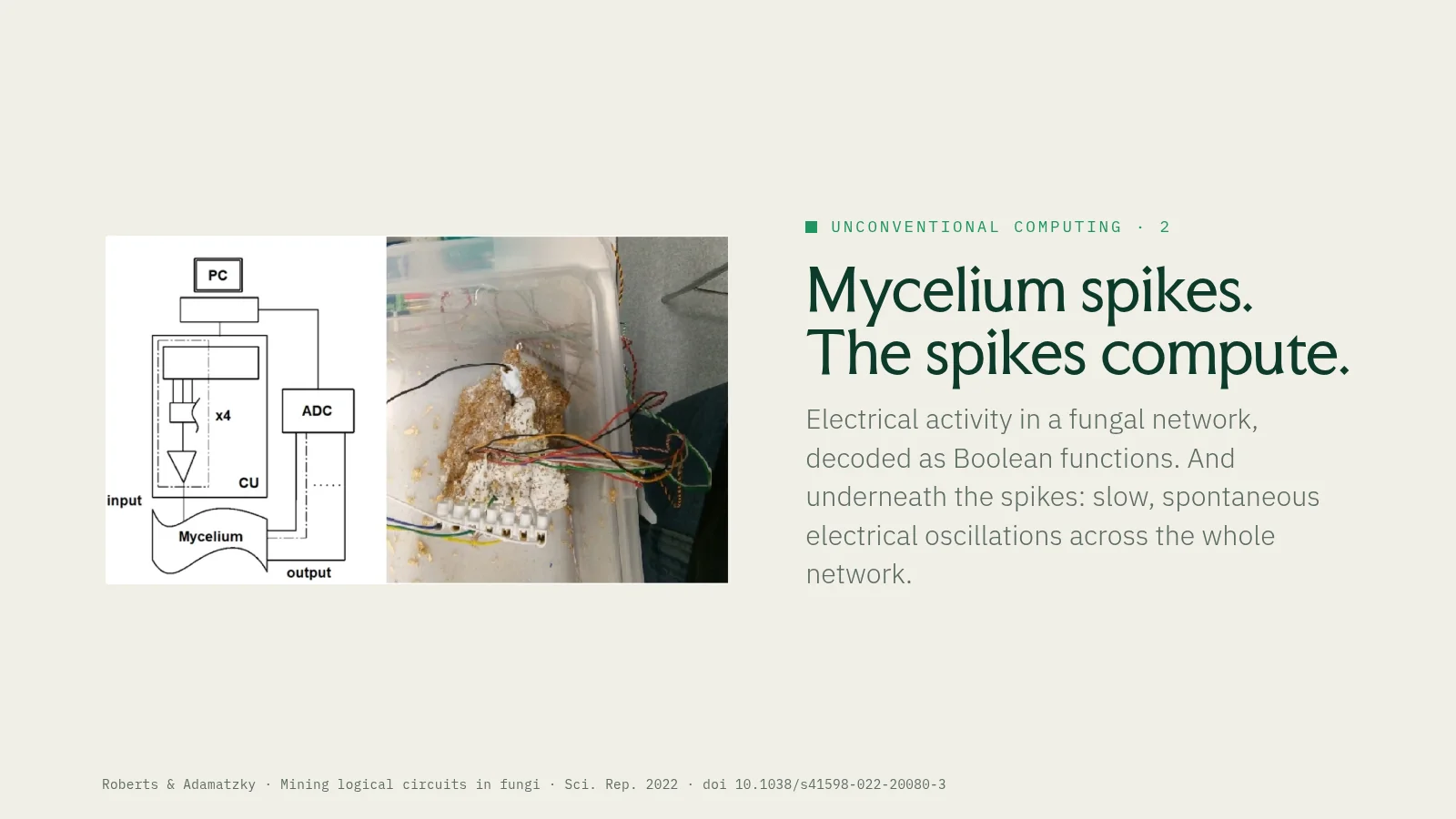
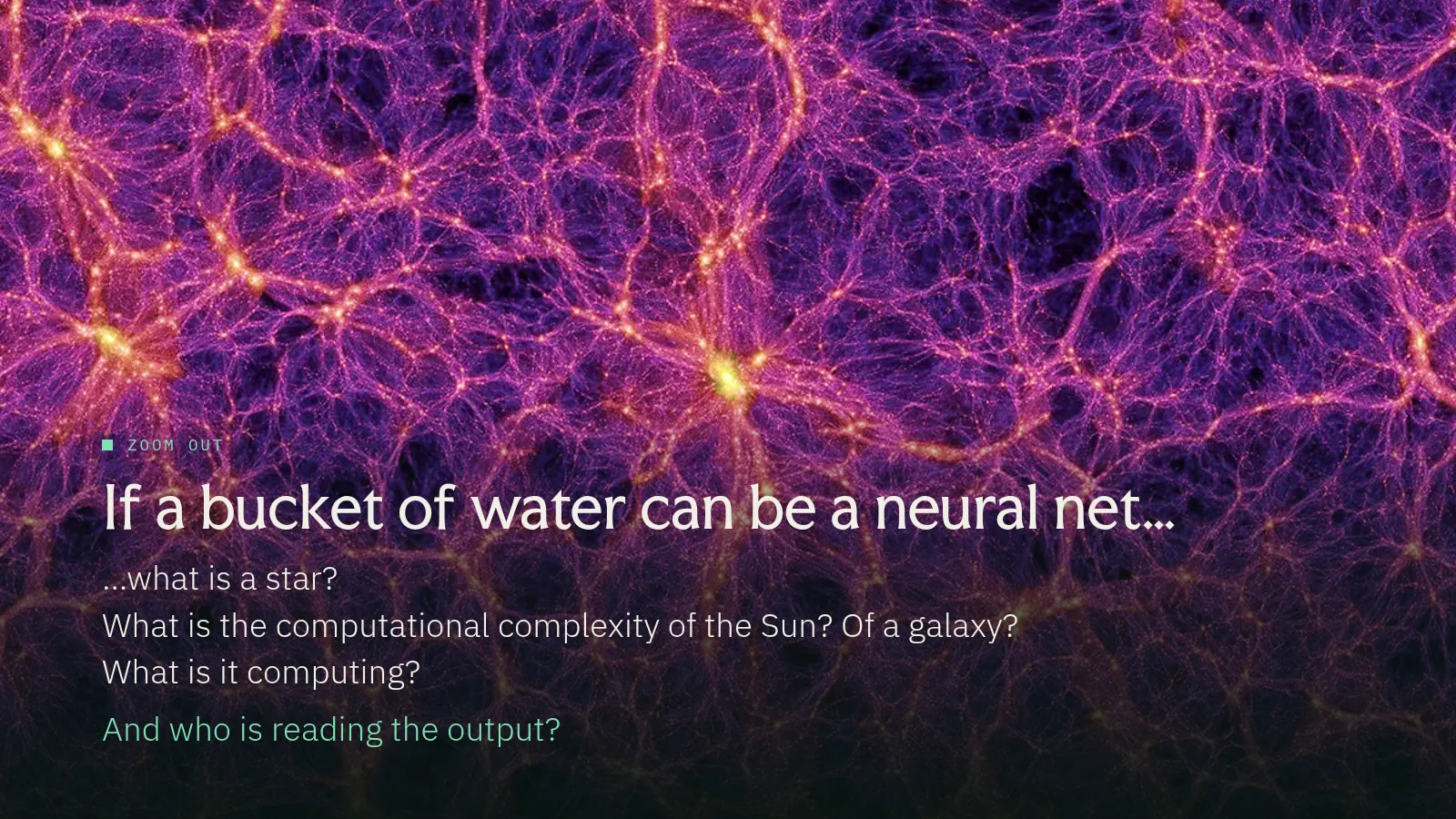
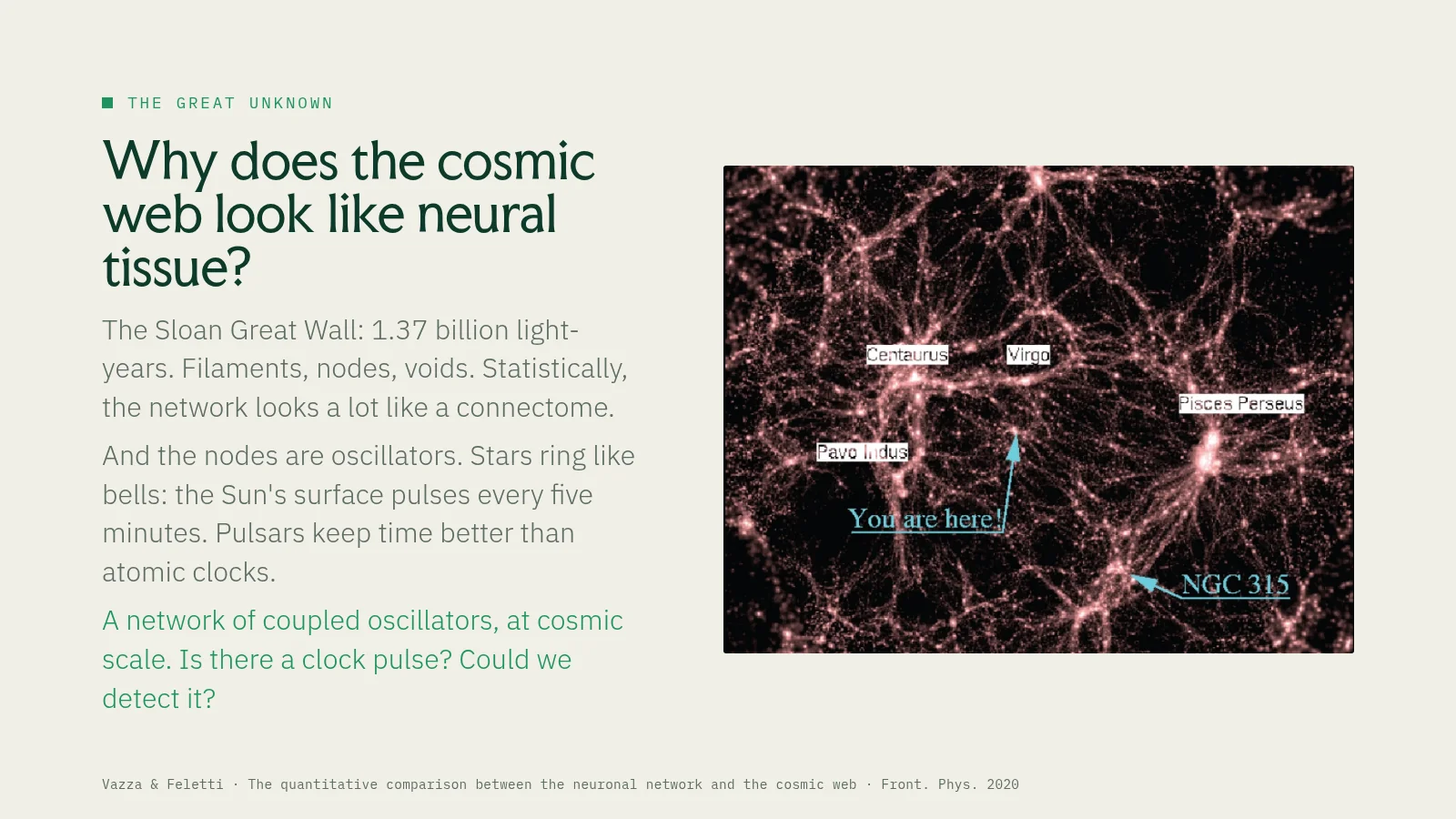
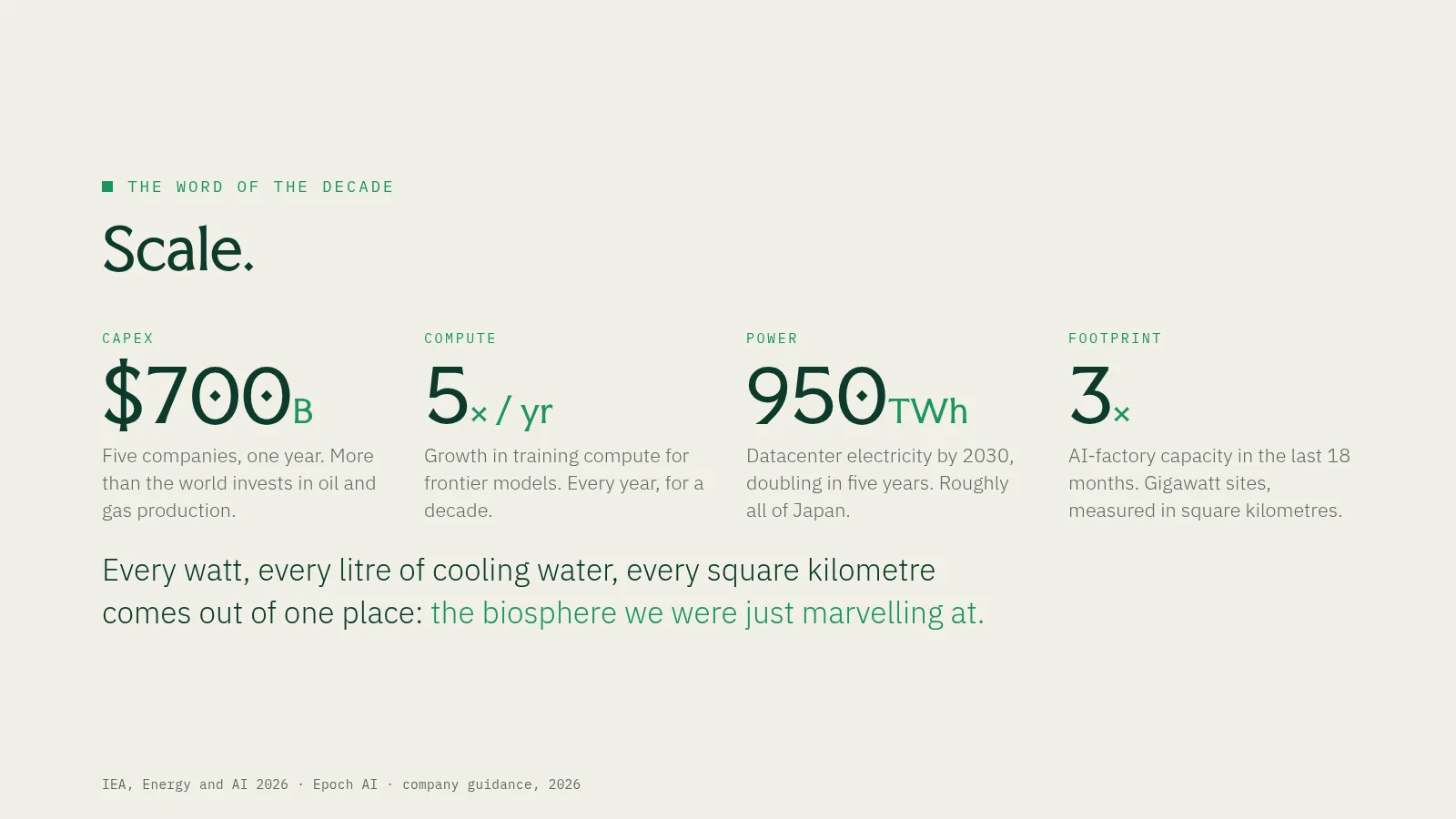
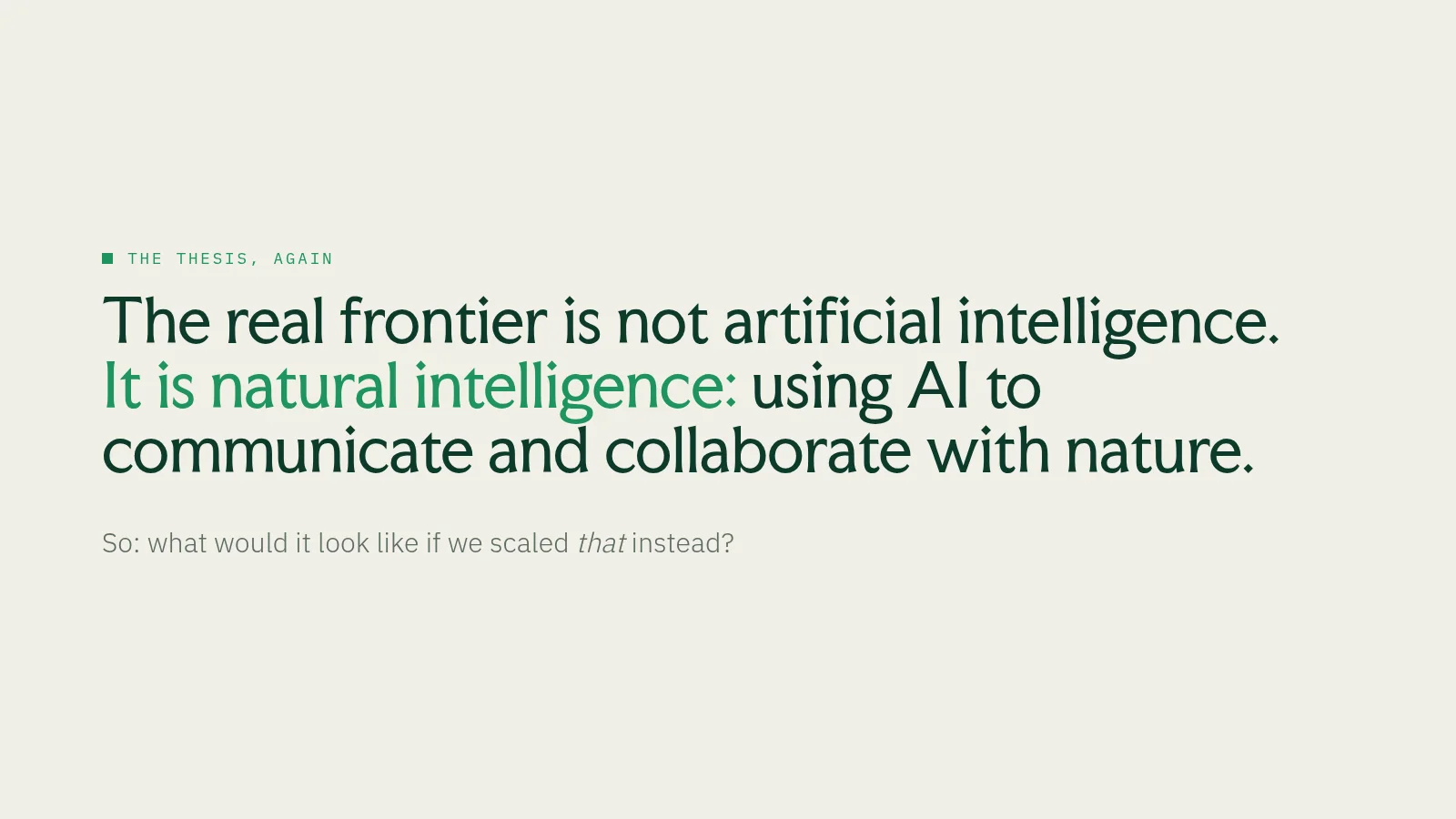
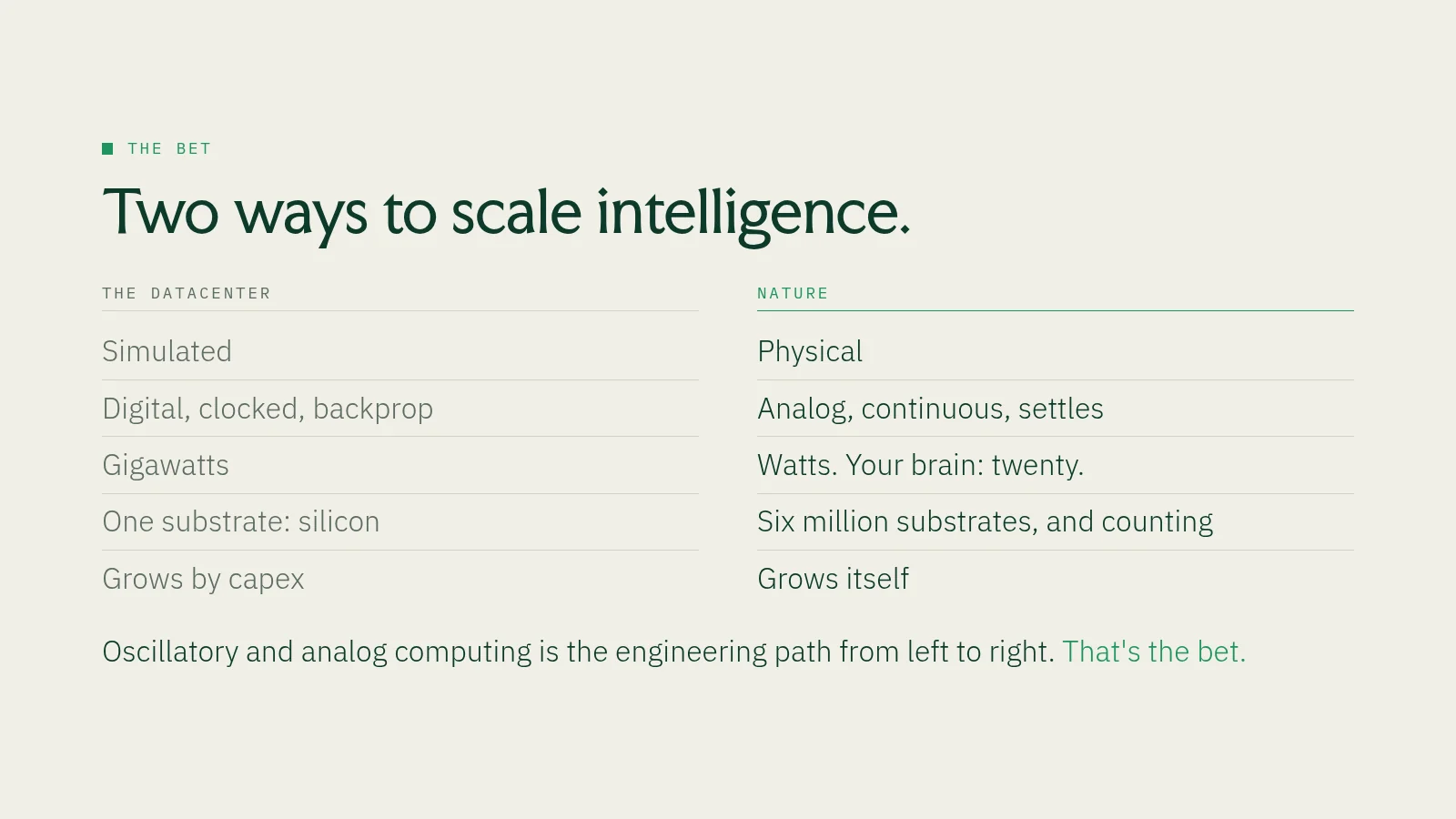
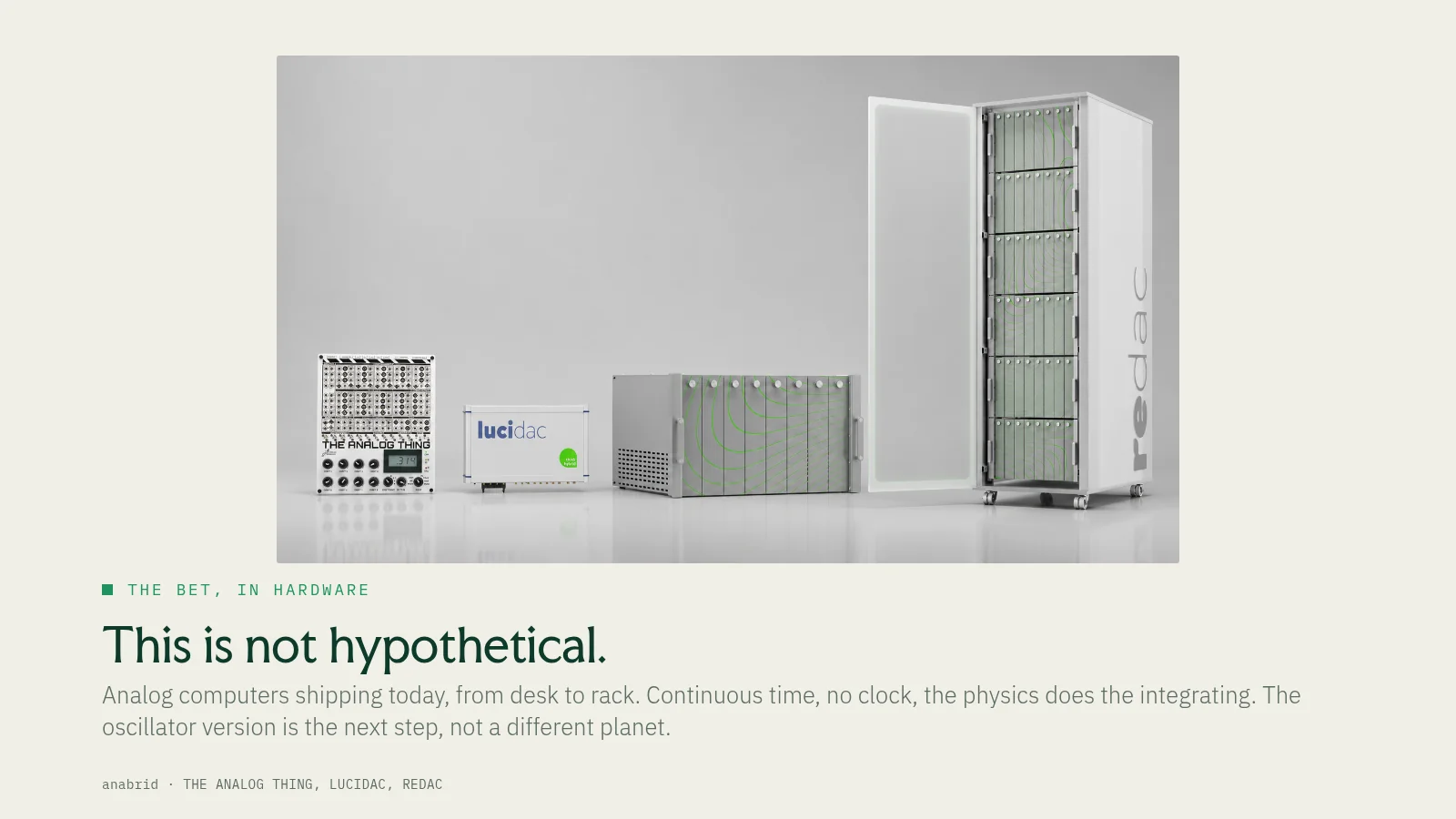
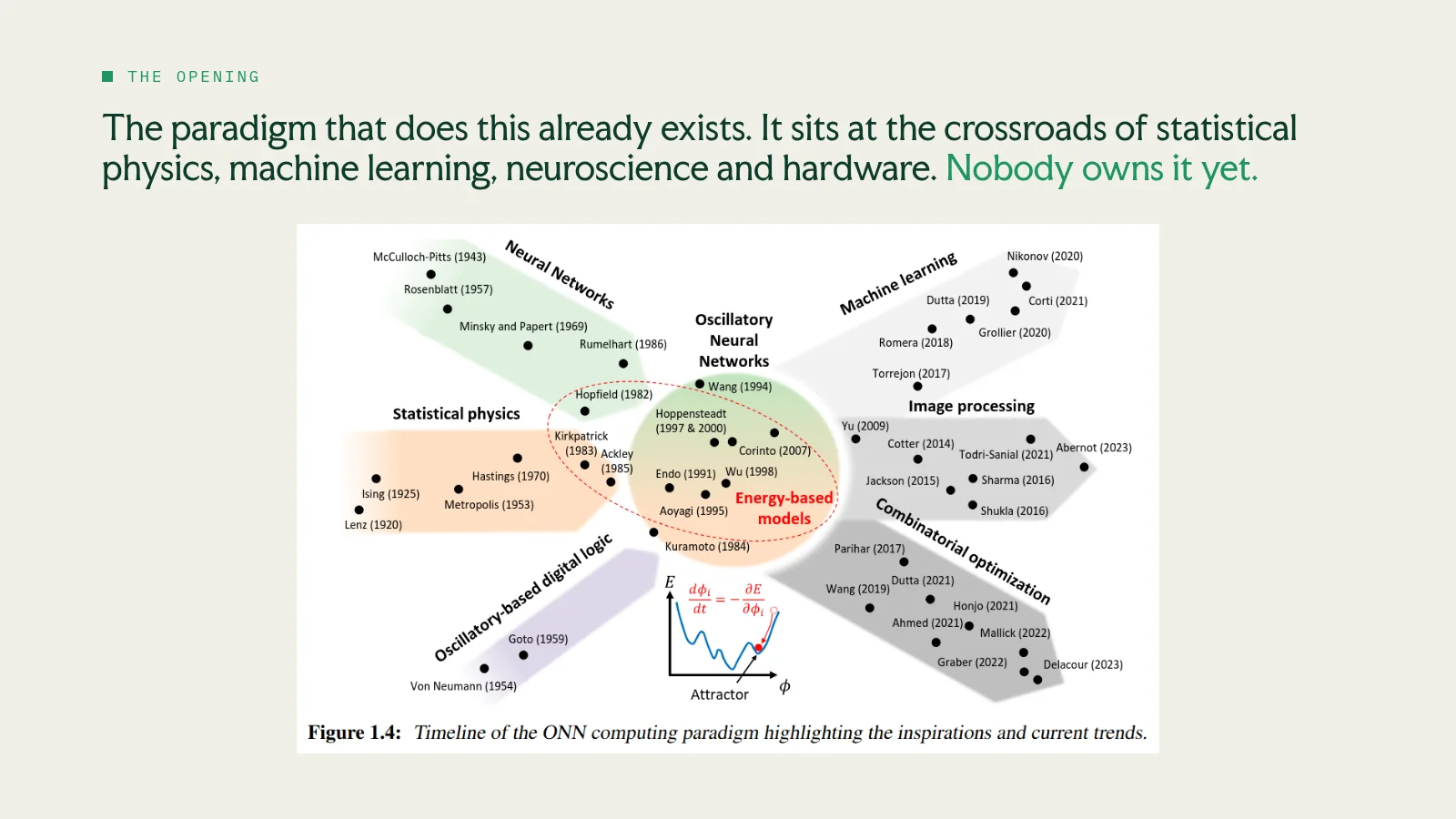
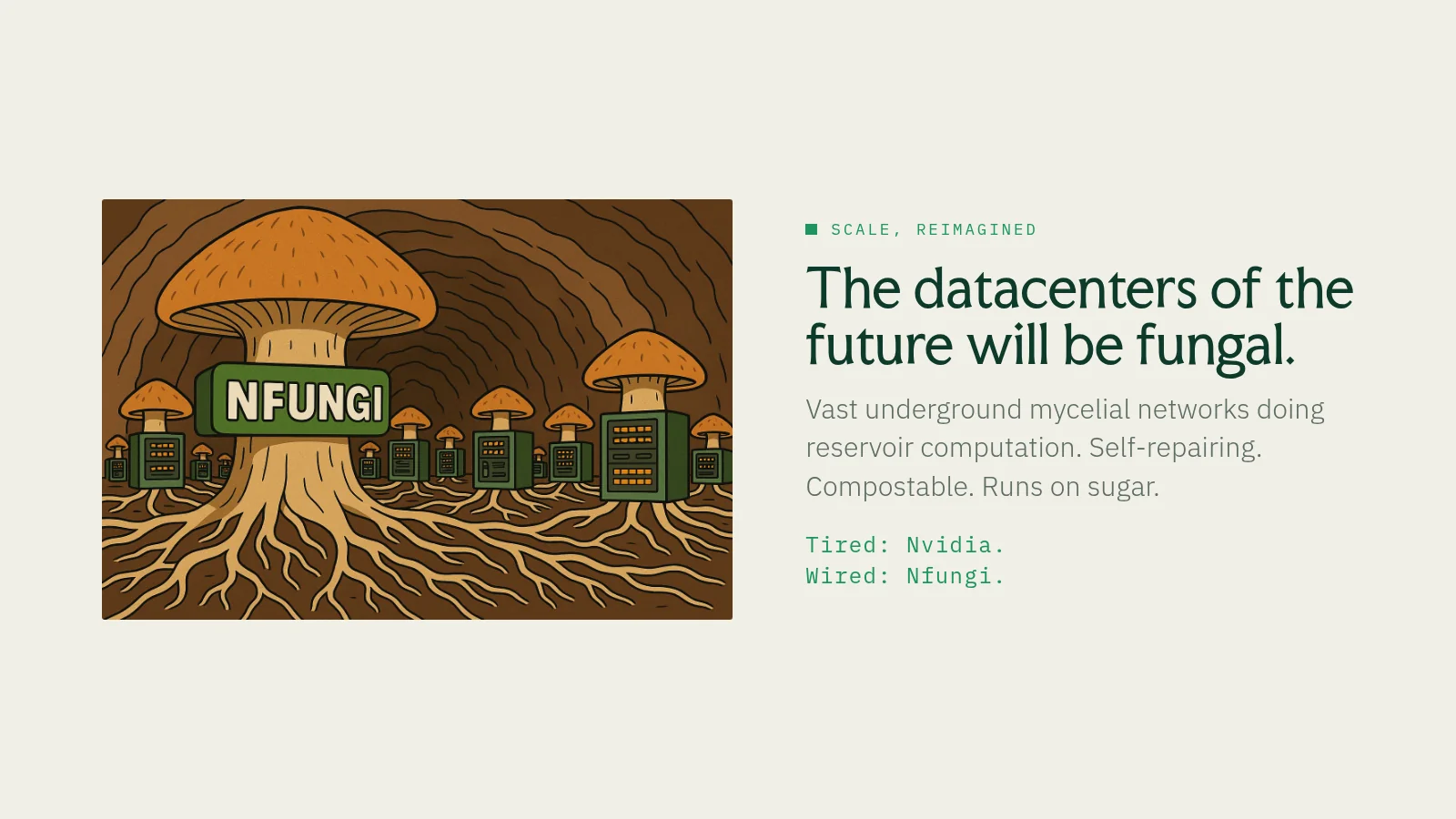
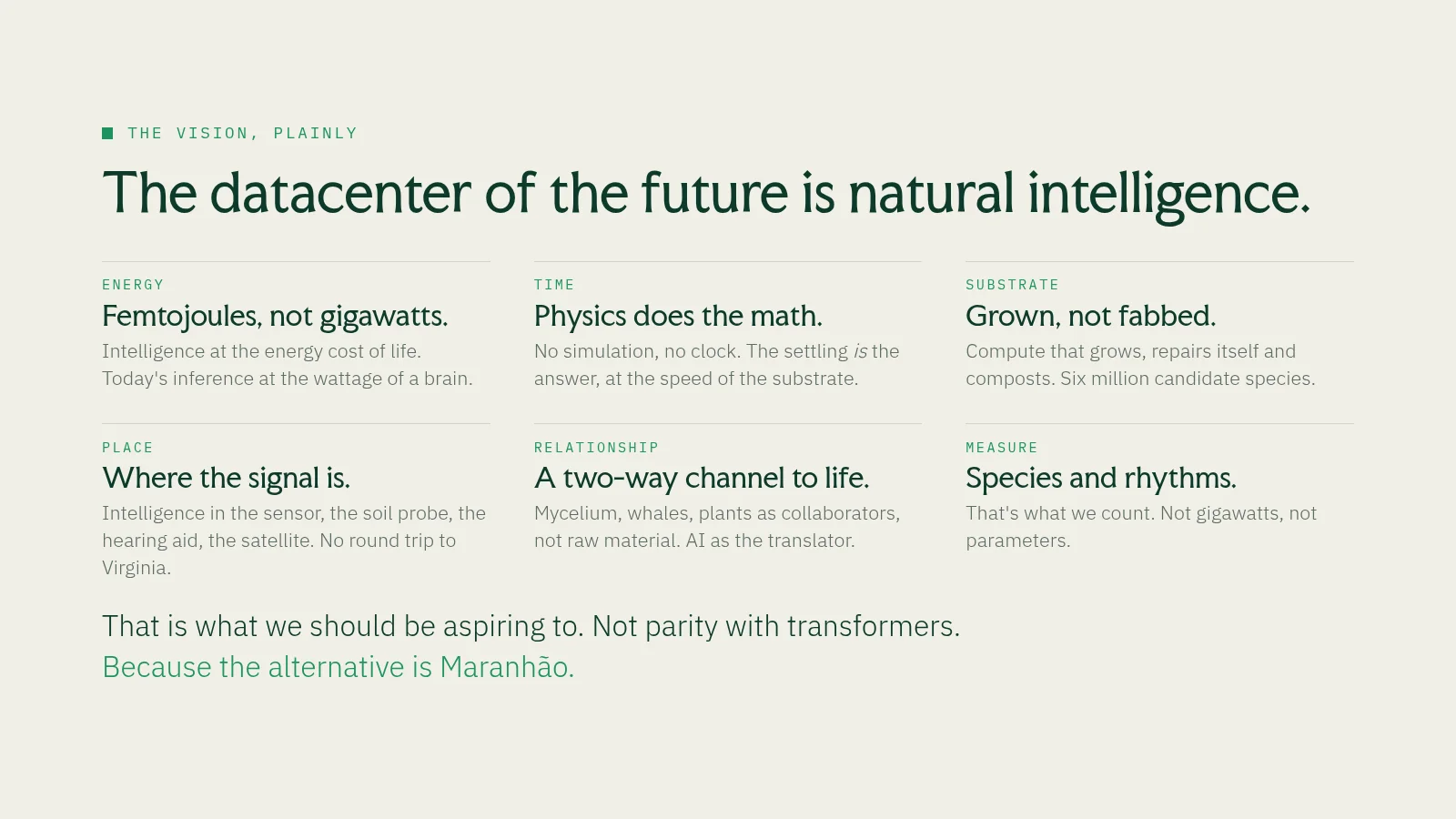
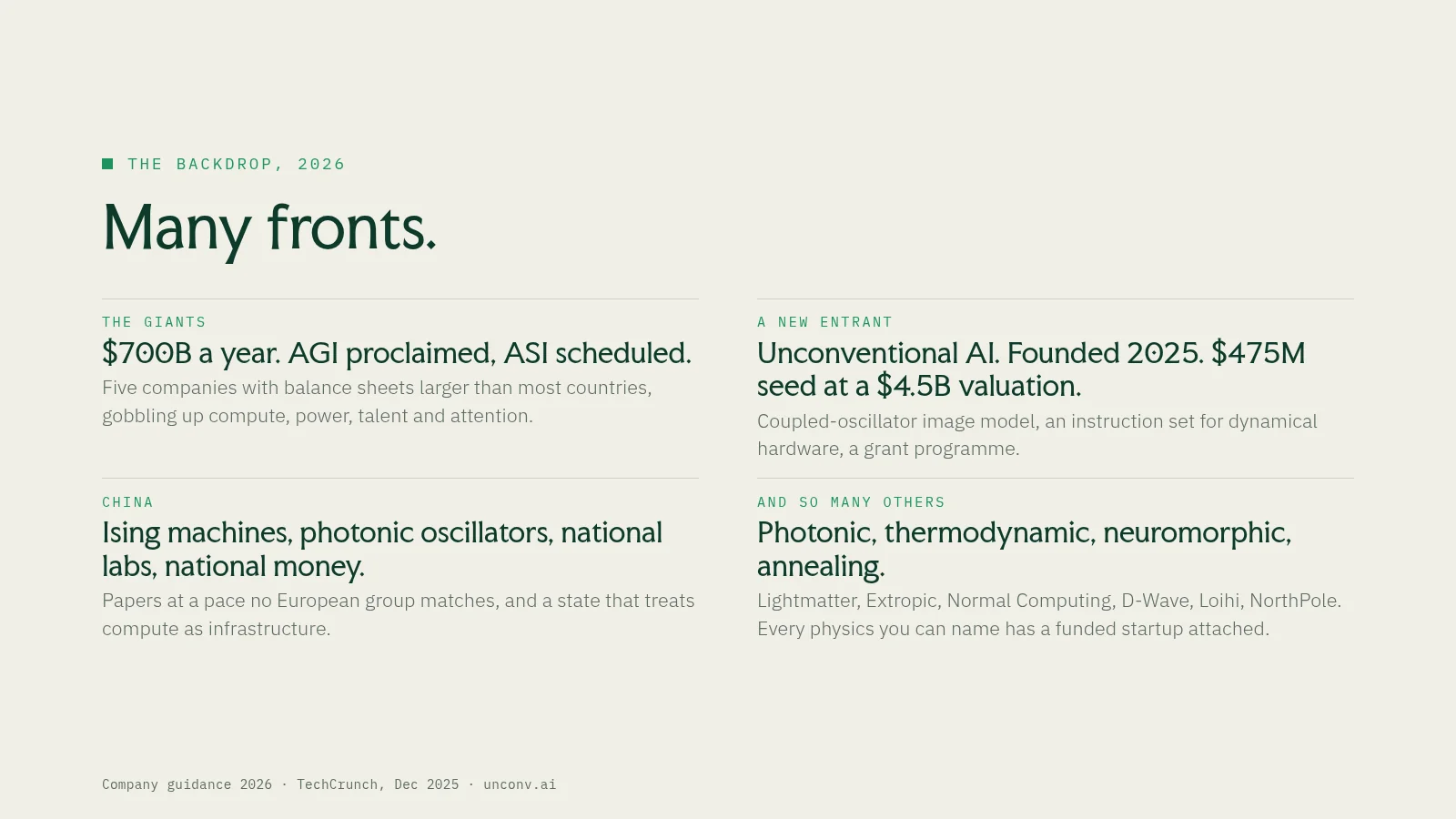
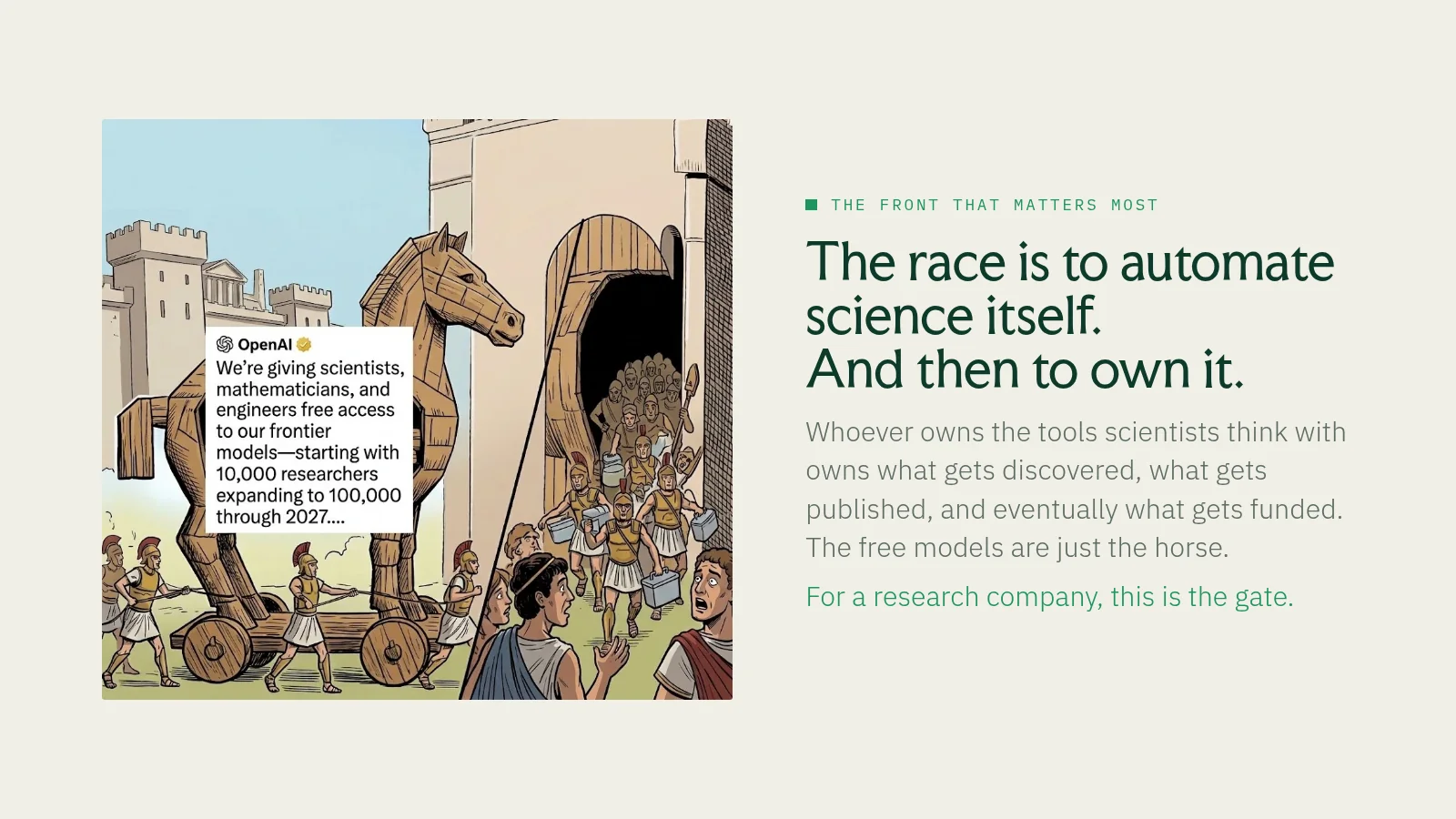
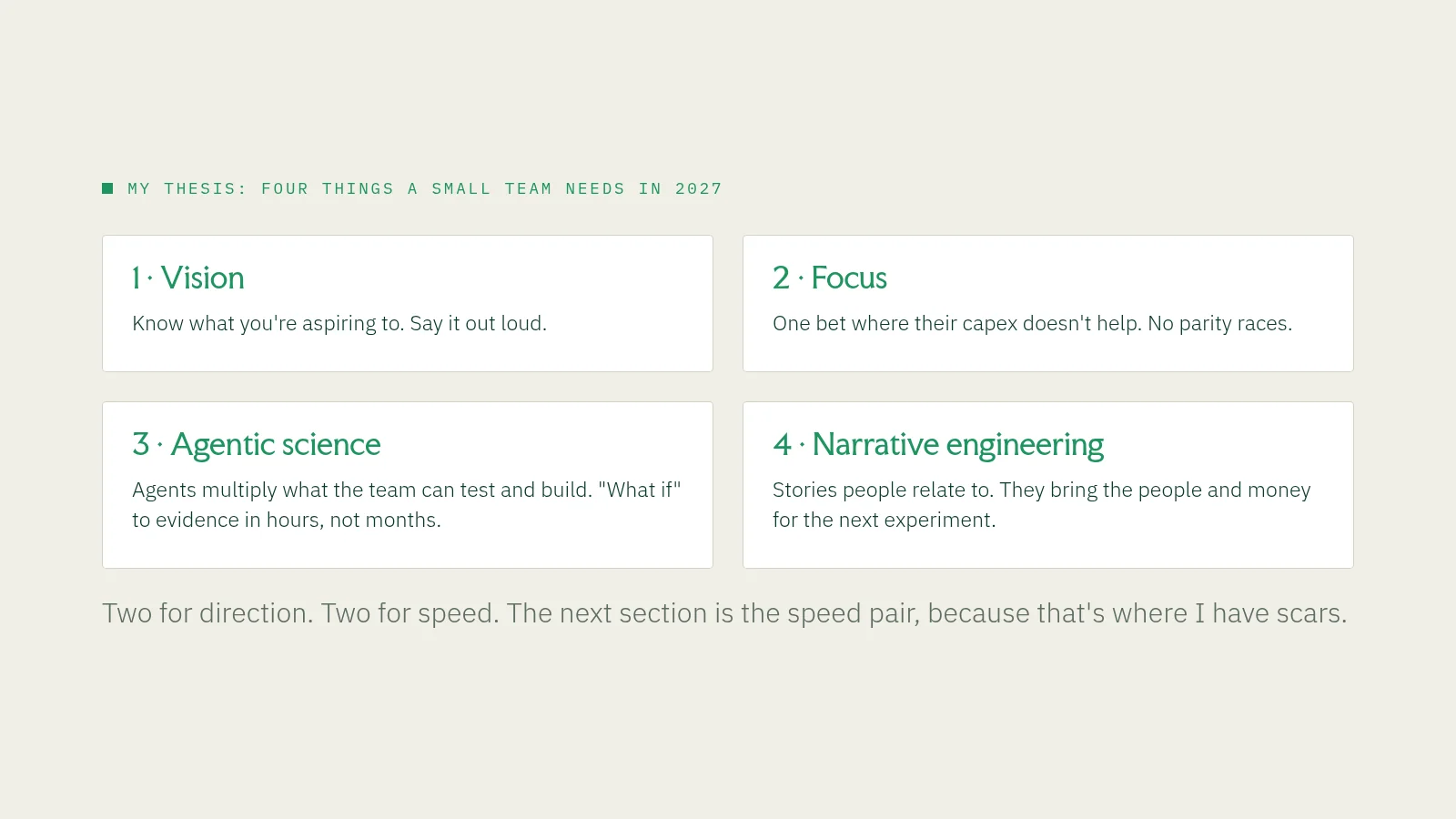
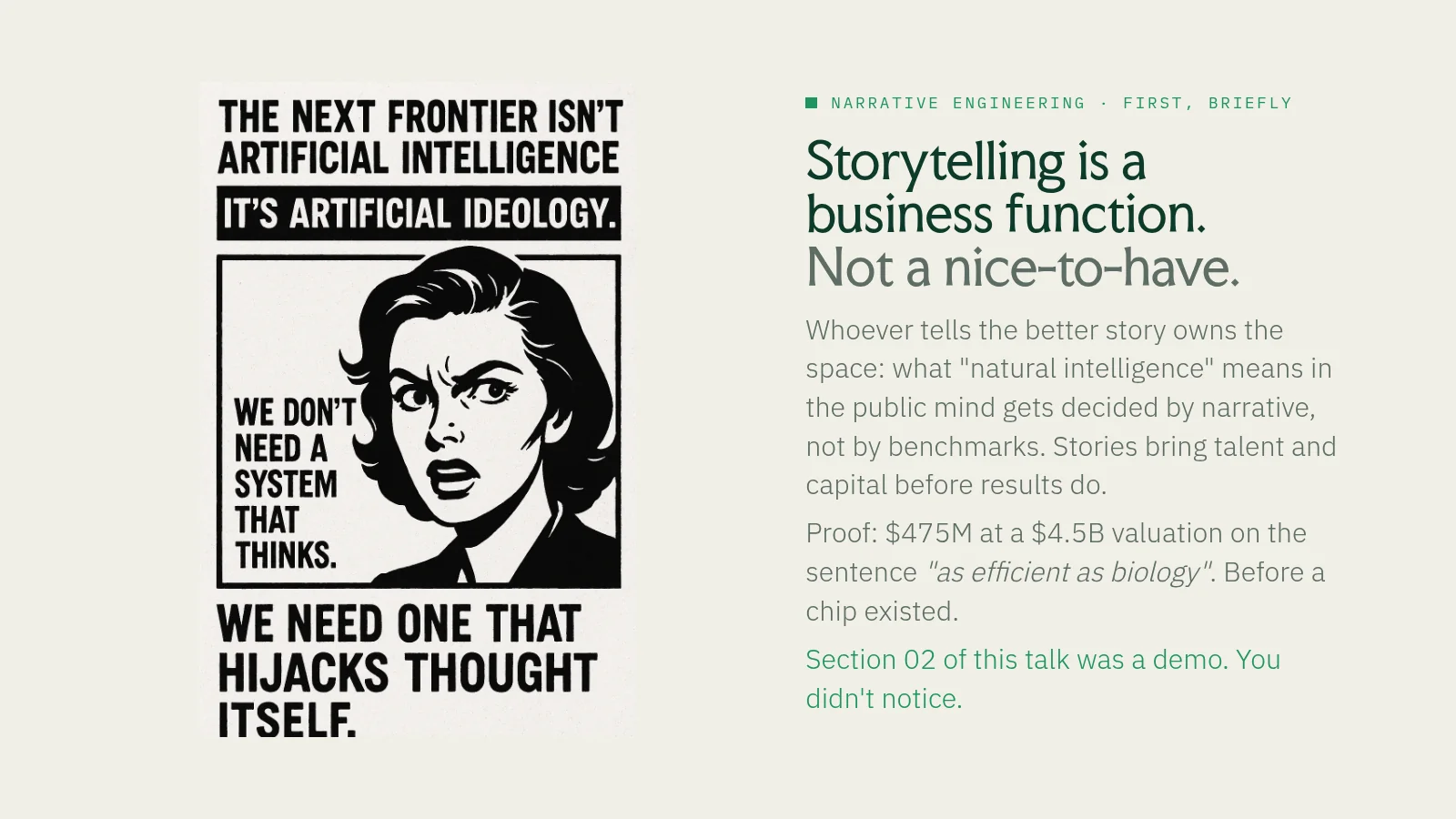
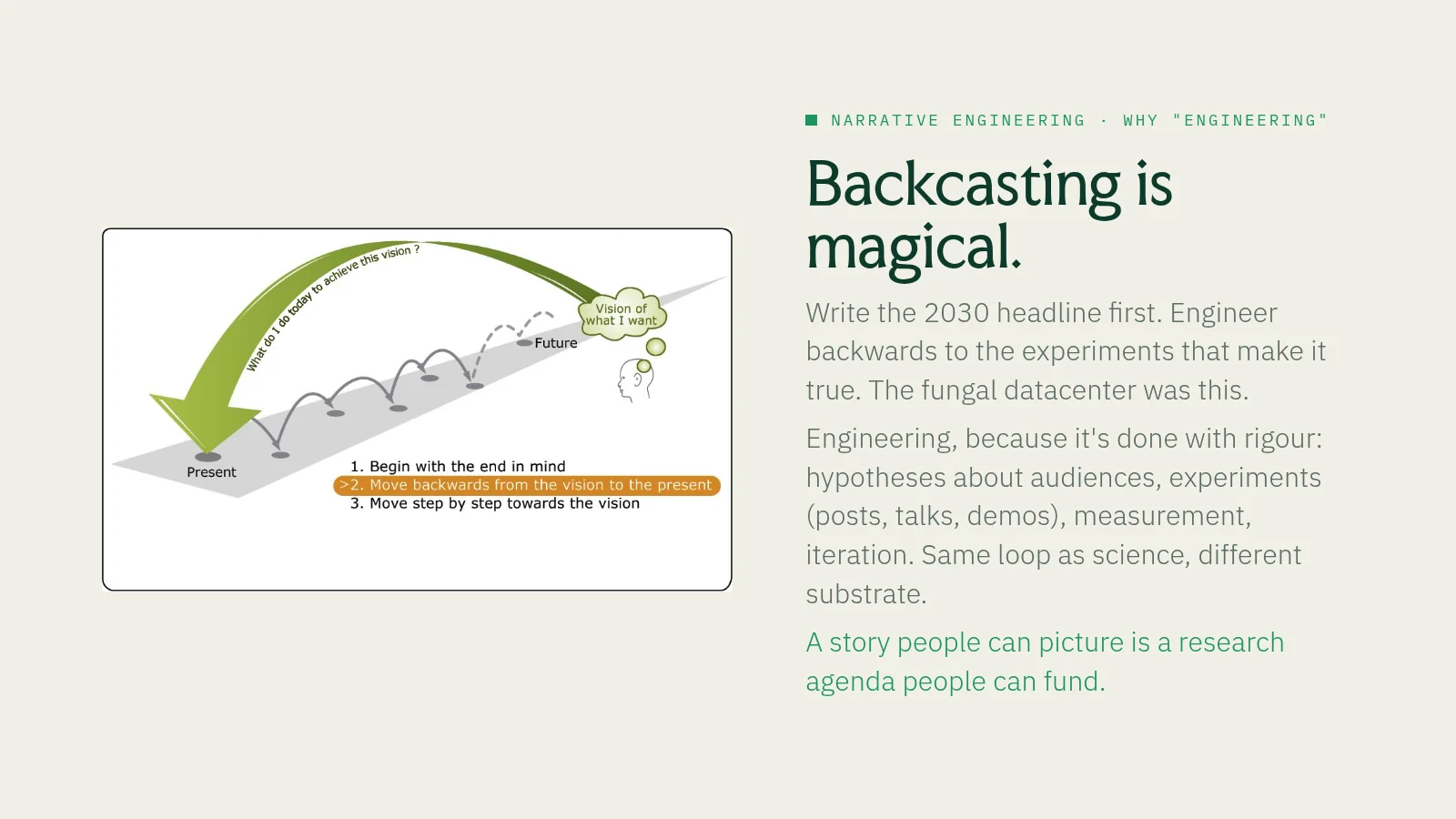
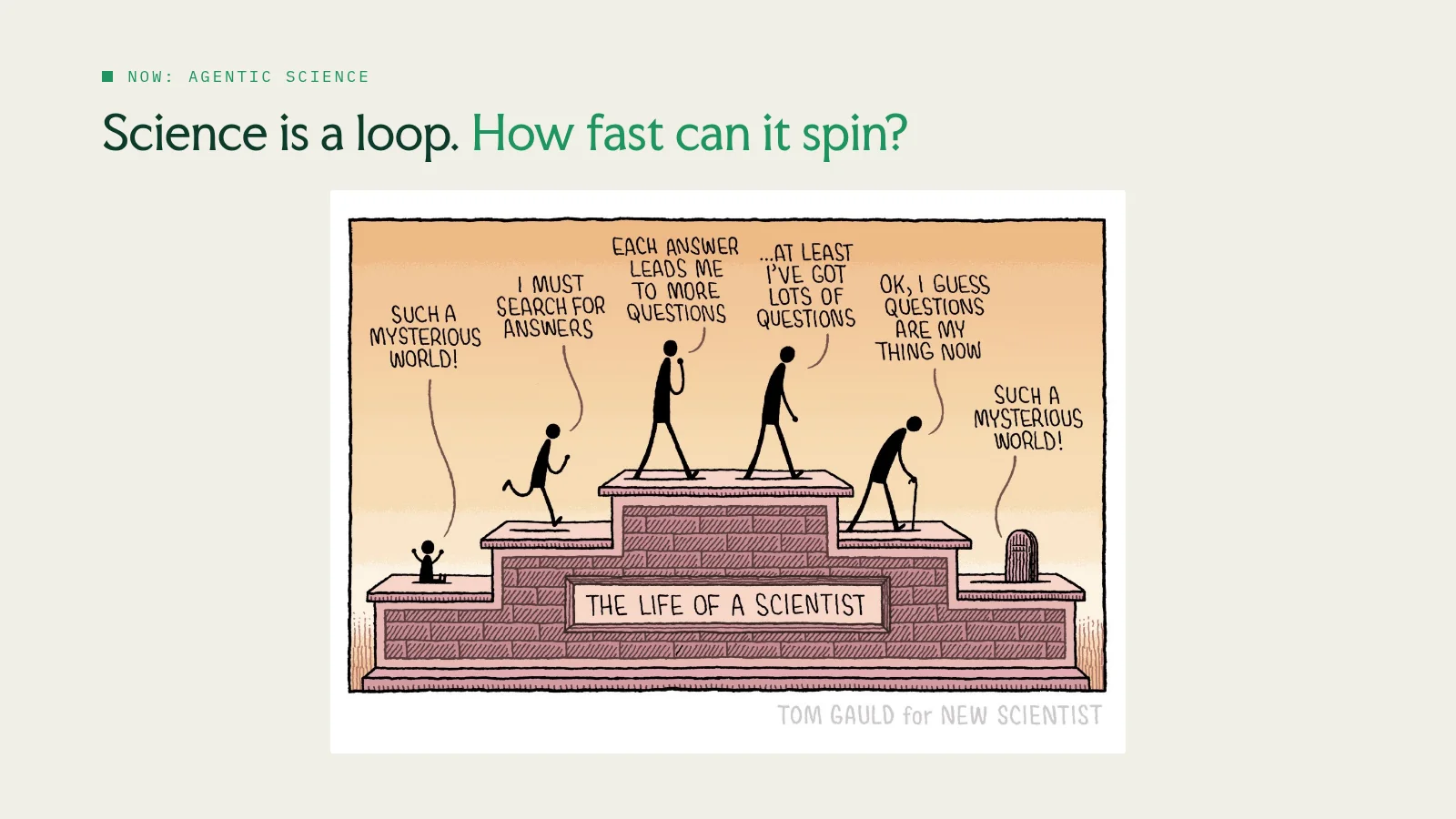
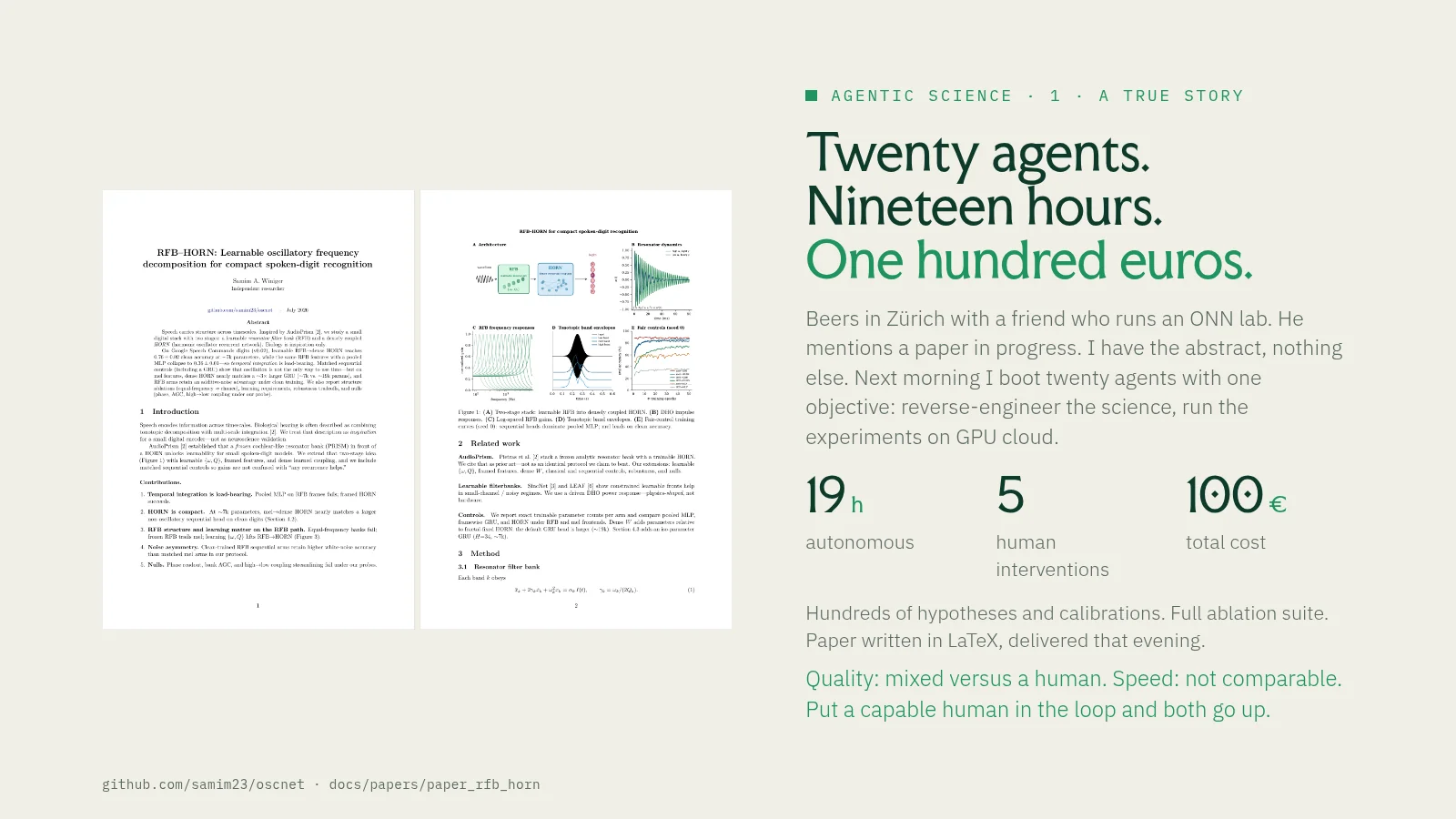
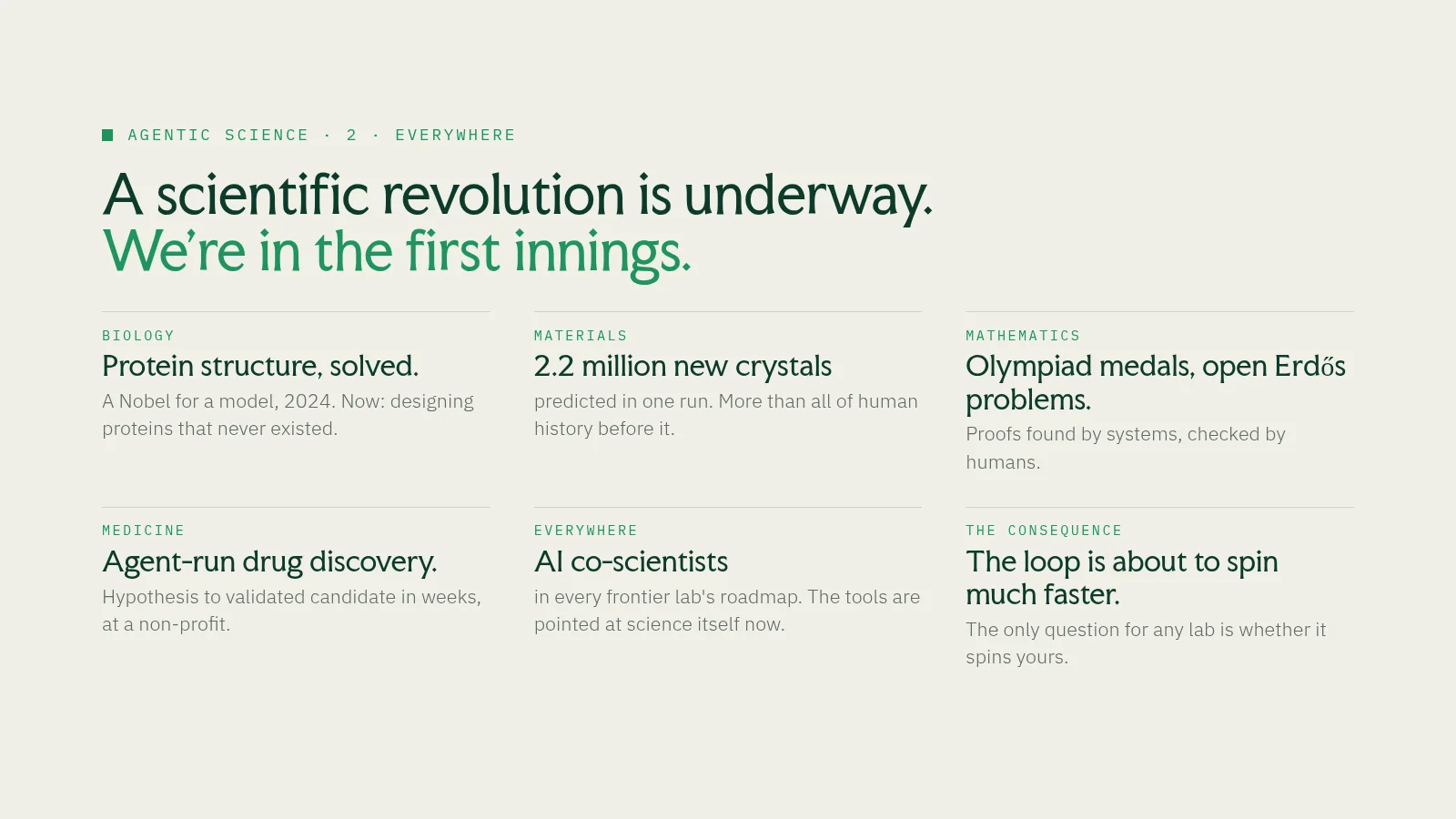
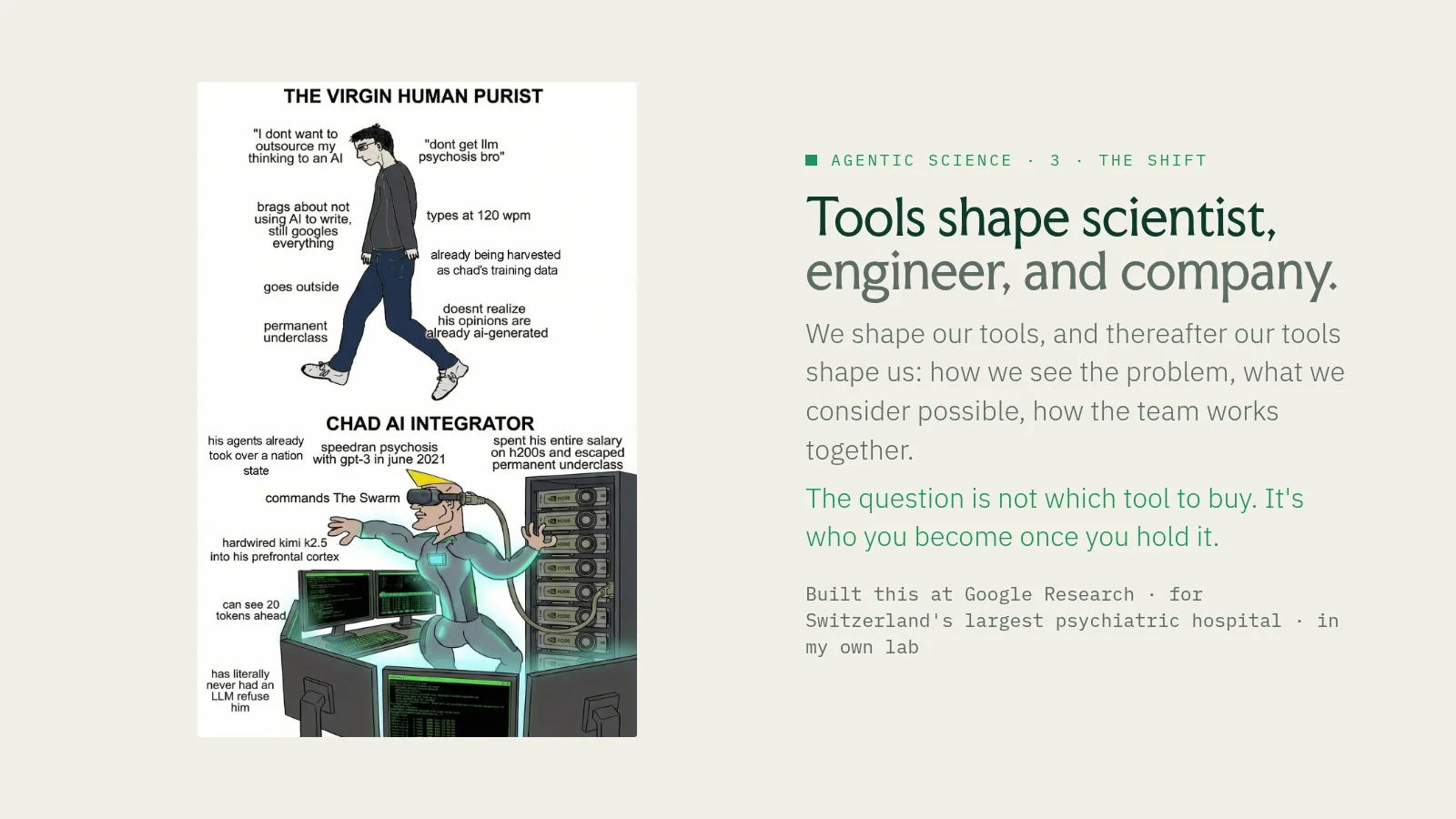
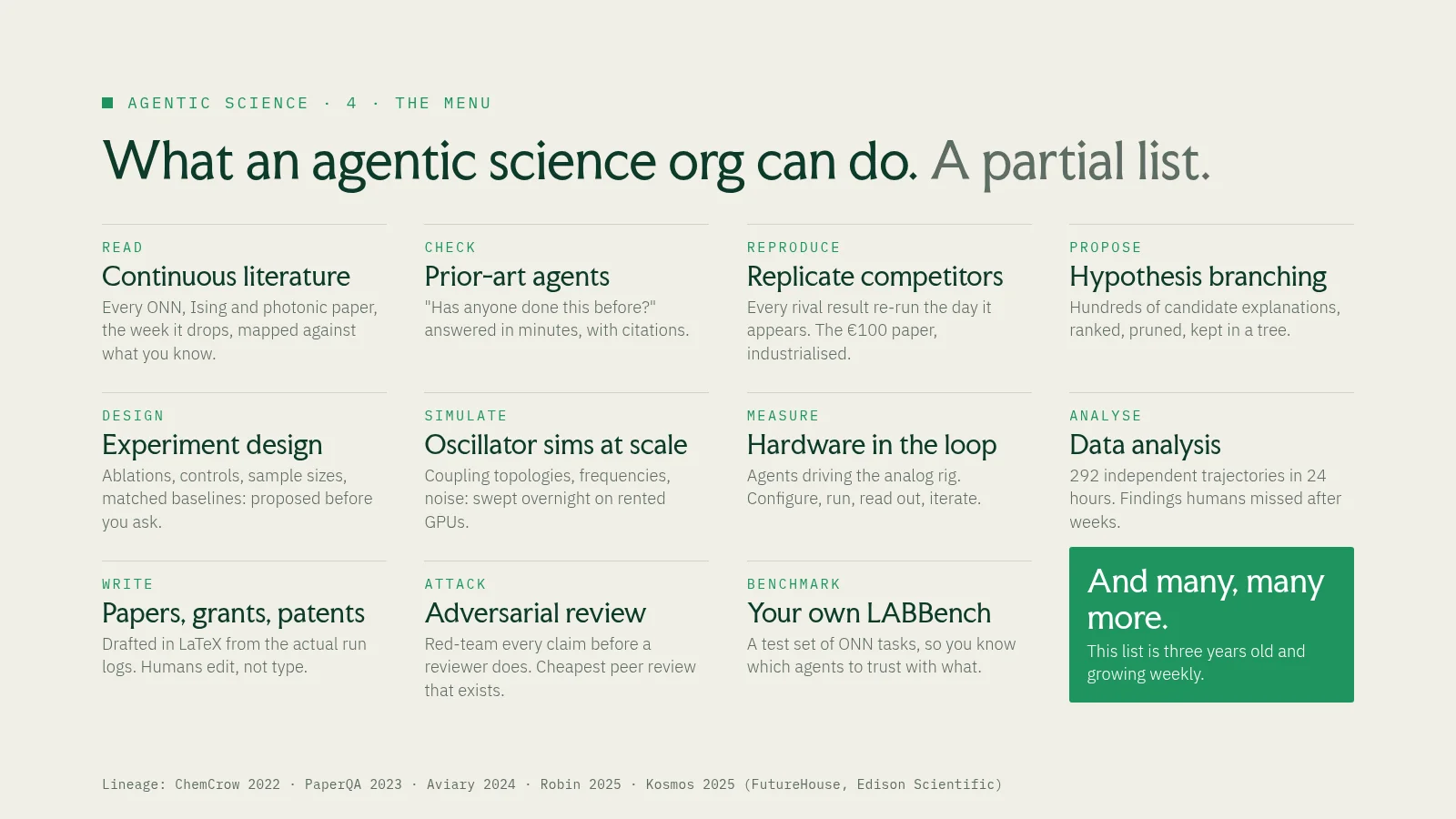
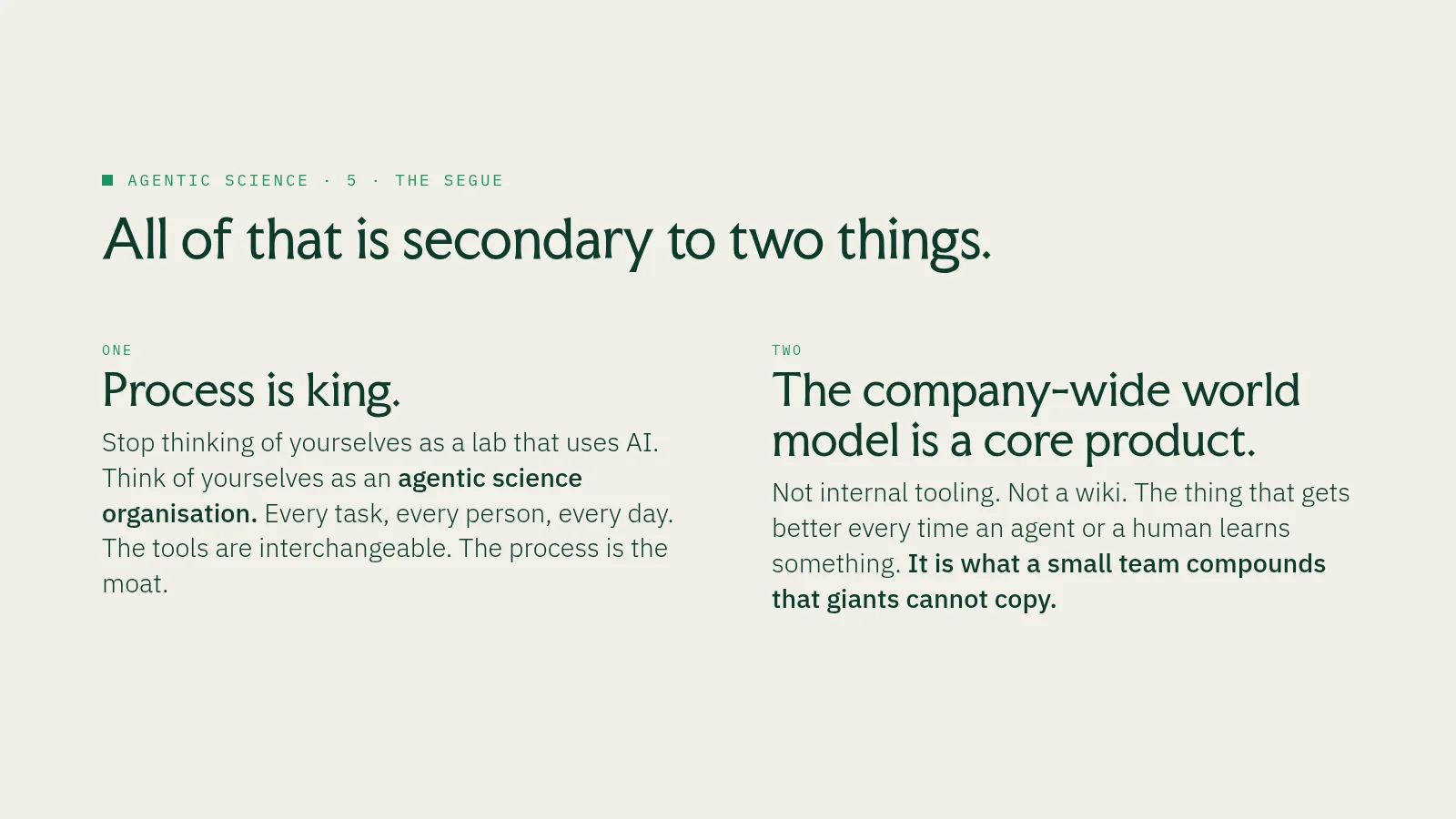
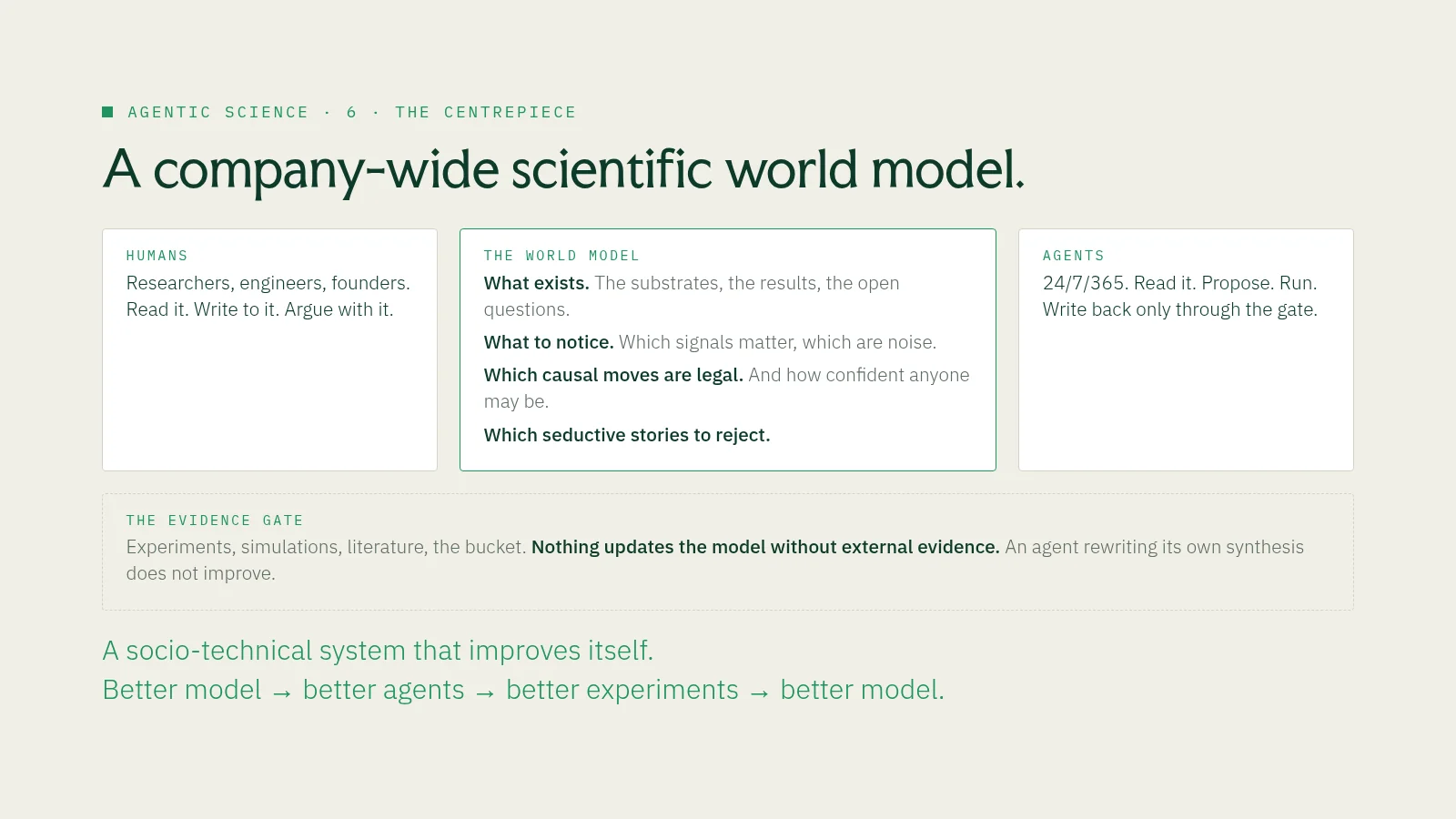
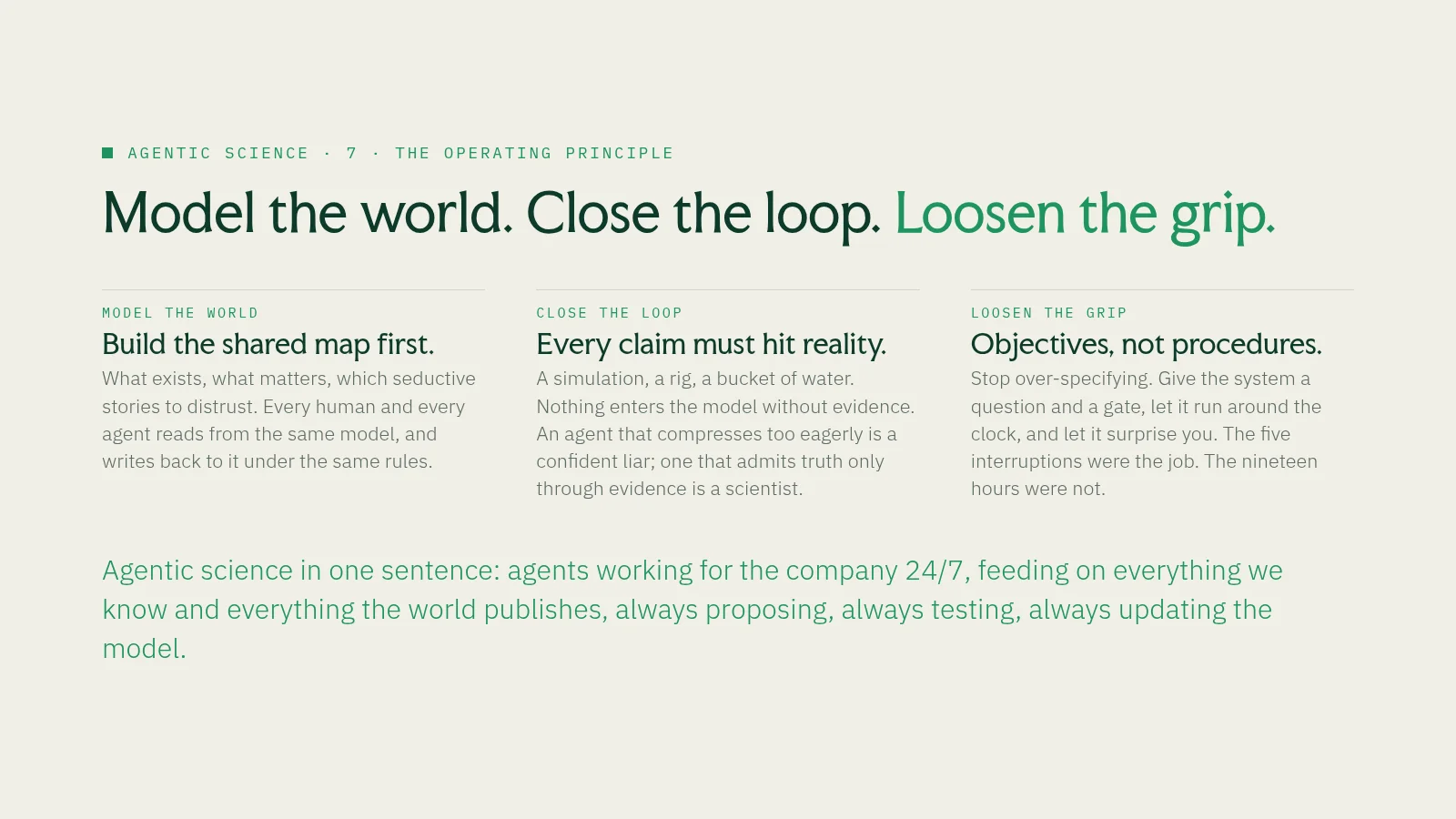
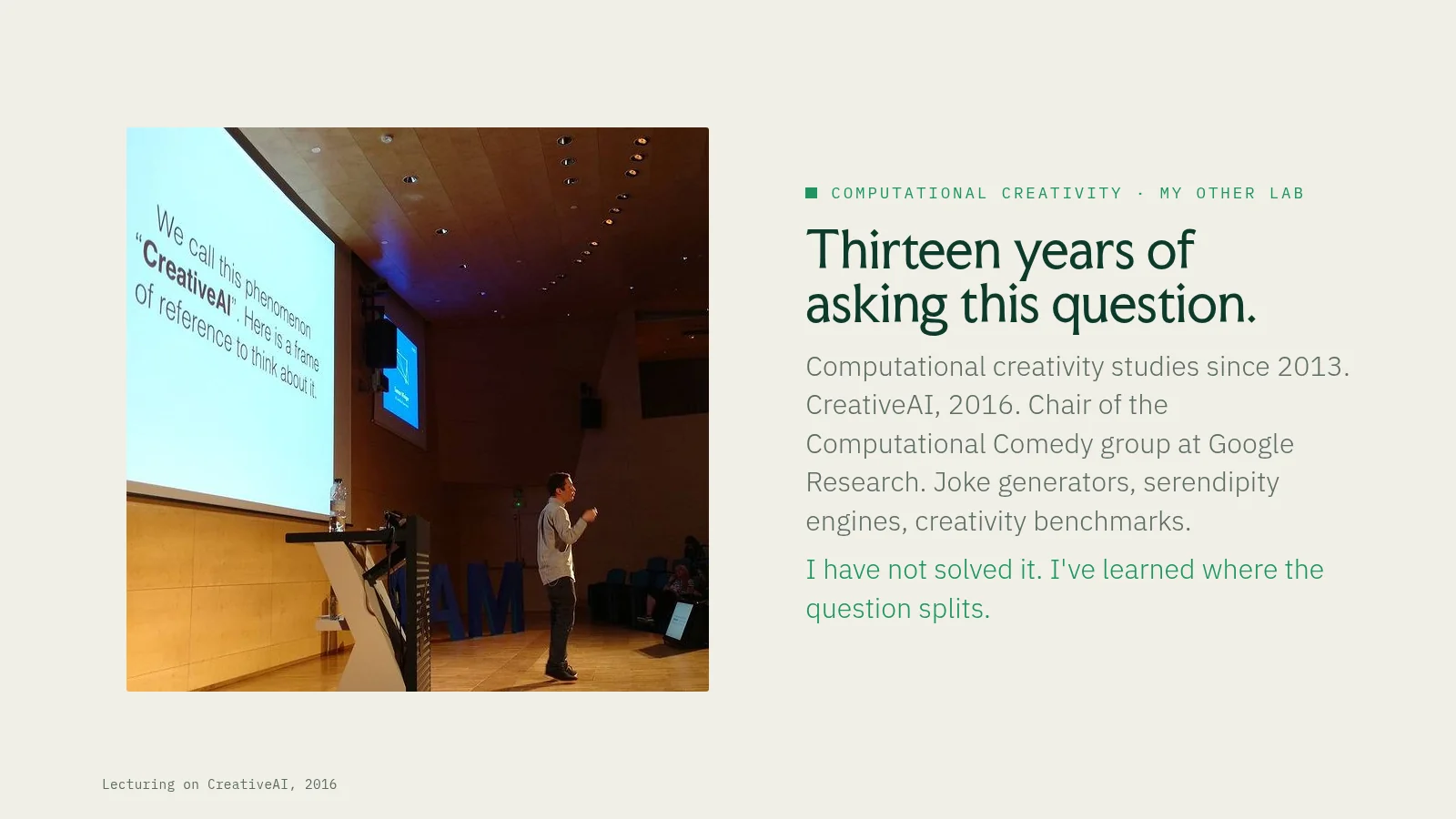
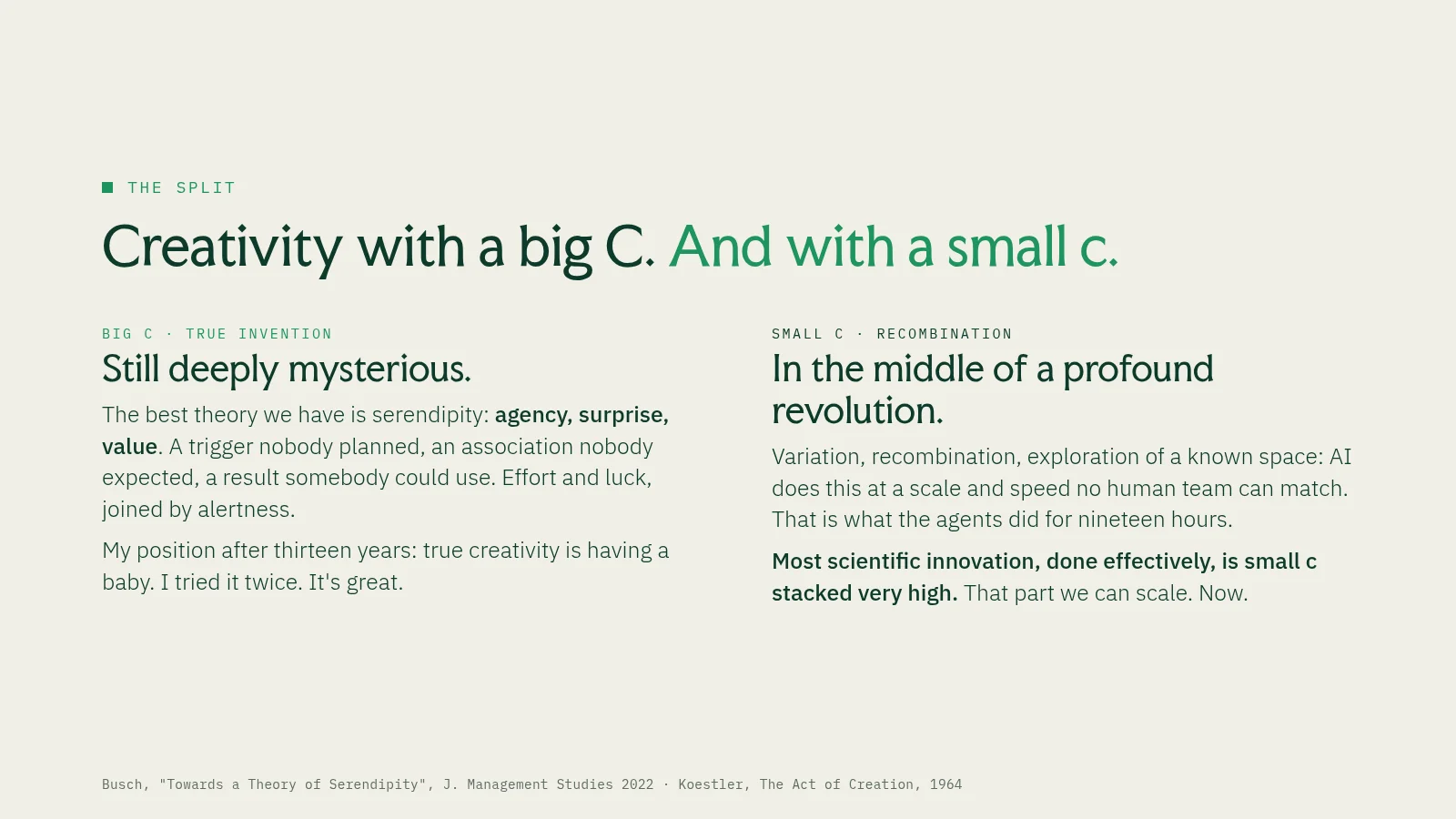
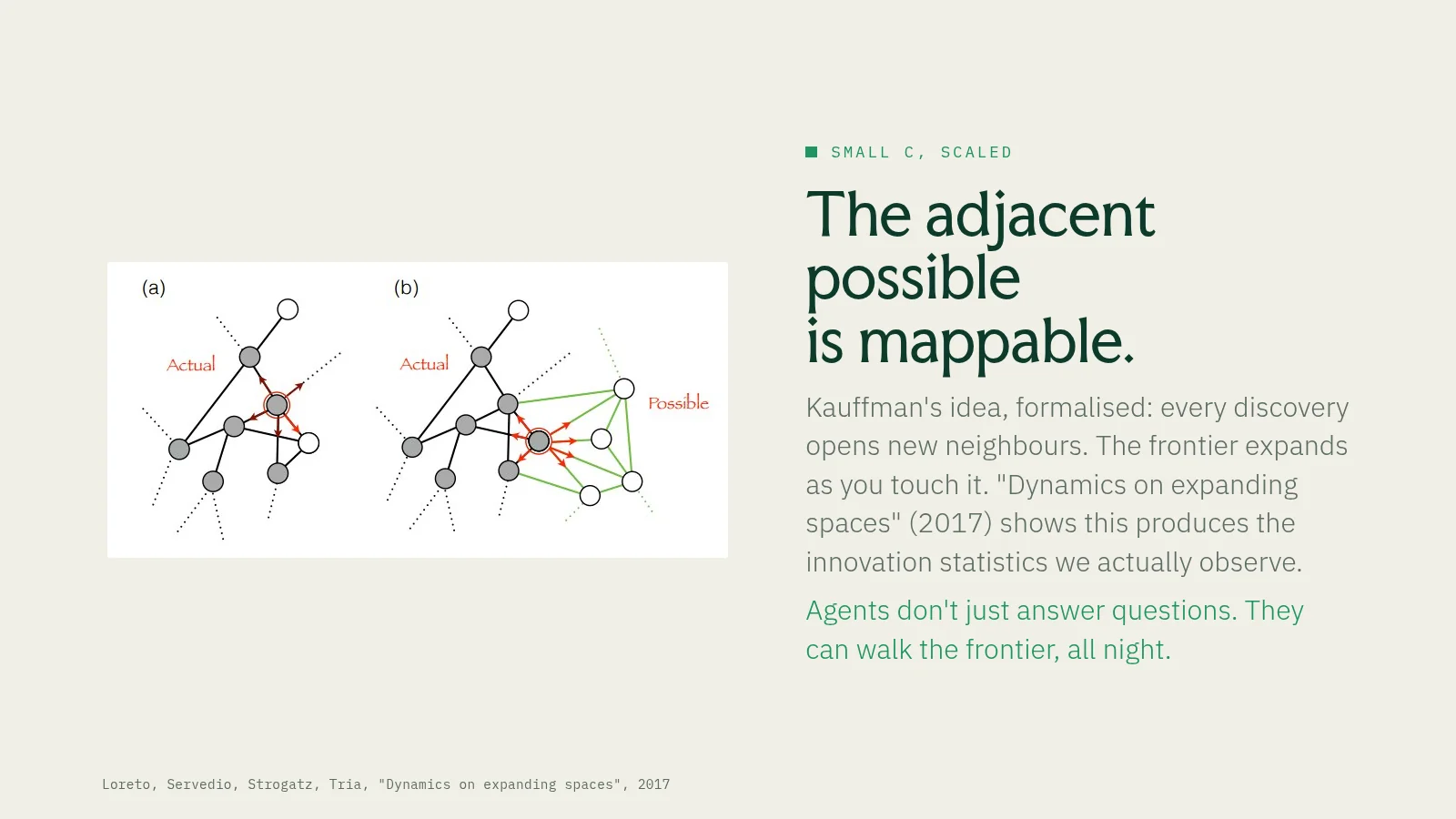
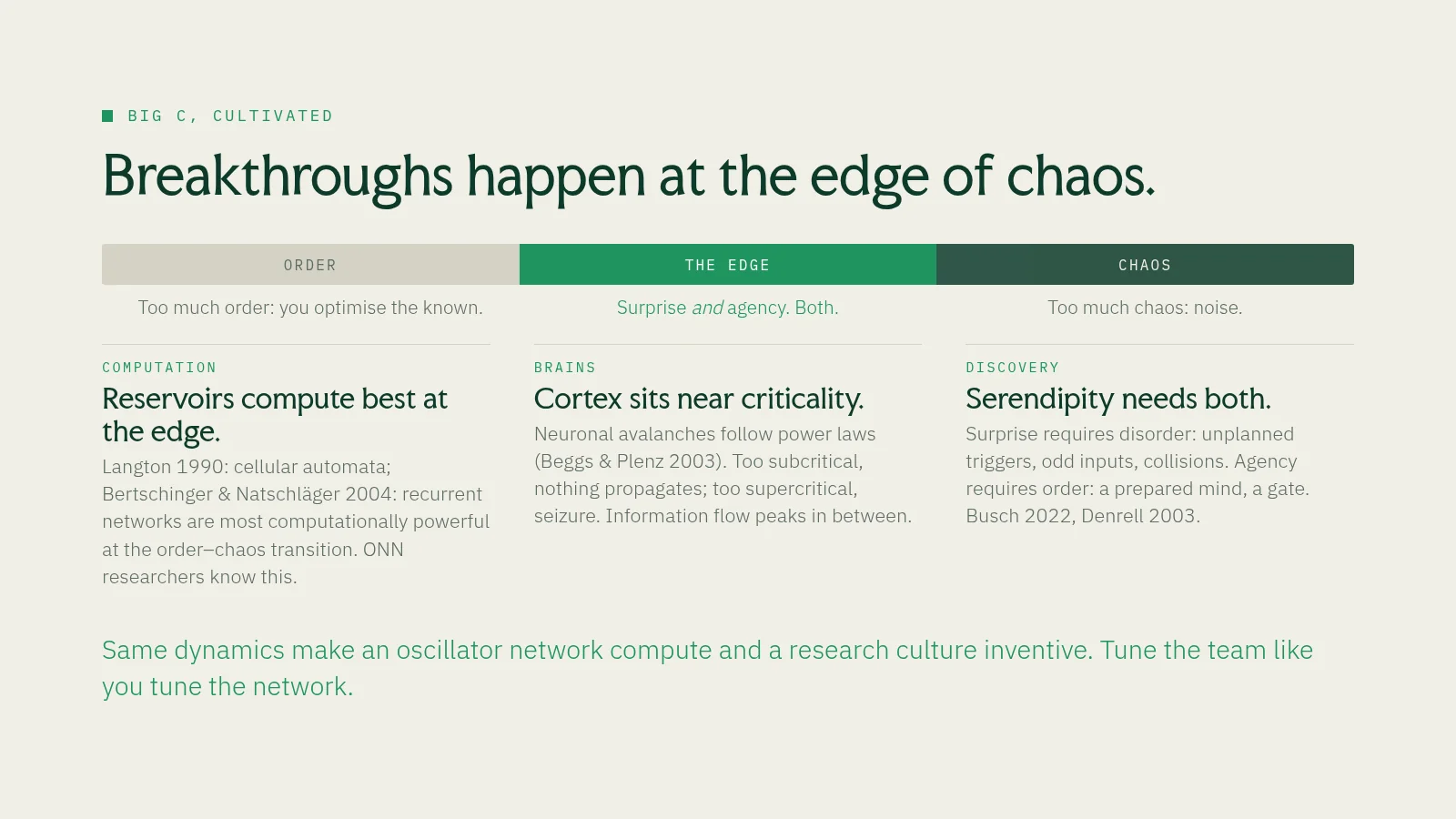
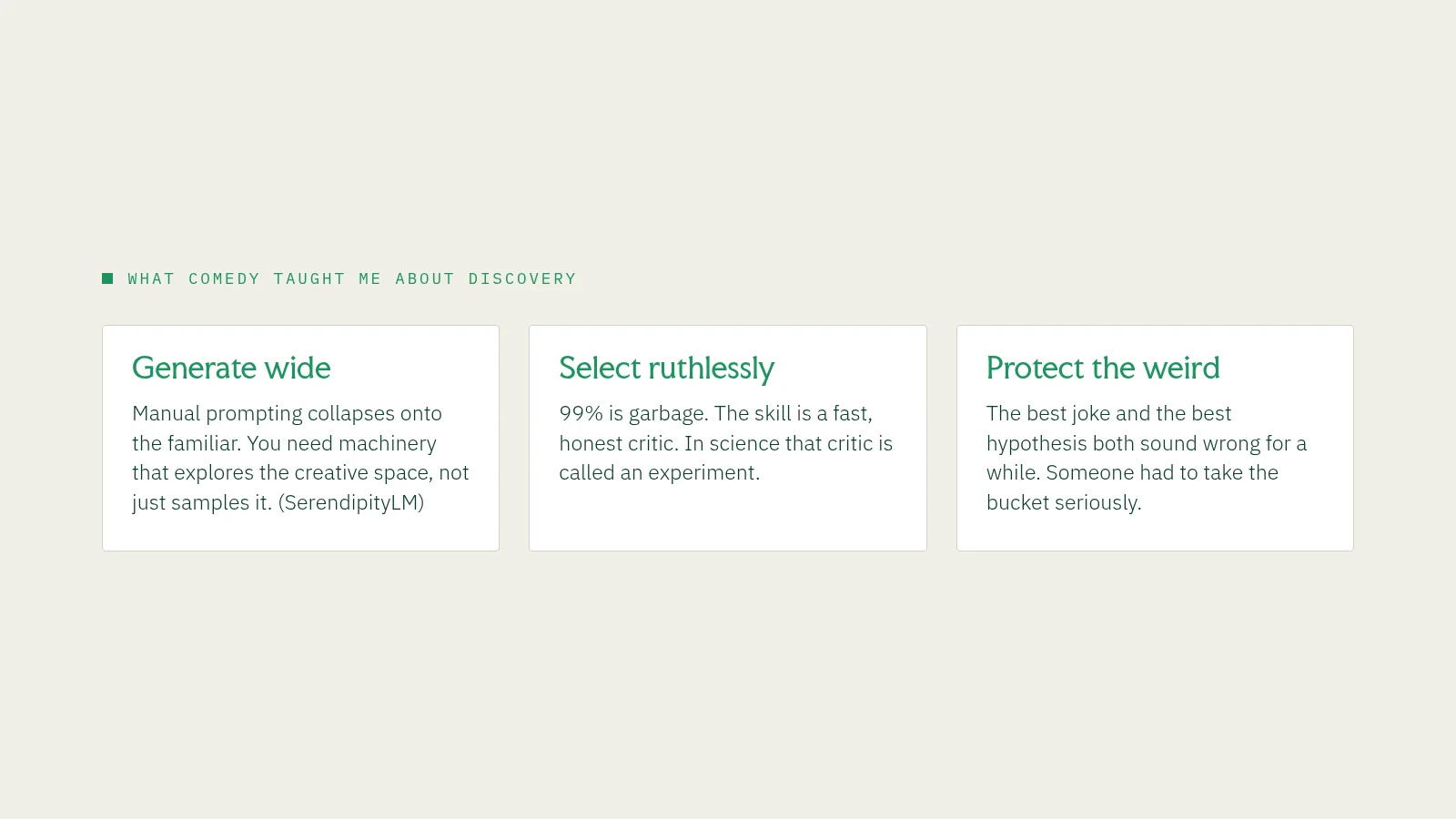
Slides from a talk I gave last month to a team of researchers and engineers building oscillatory neural networks and analog computers. The argument: nature computes everywhere, oscillation is one of its core primitives, and the real frontier is not bigger datacenters but using AI to work with natural intelligence. Plus how a small team could get there with agentic science, and whether invention itself can scale.




-
The Mathematics of Power
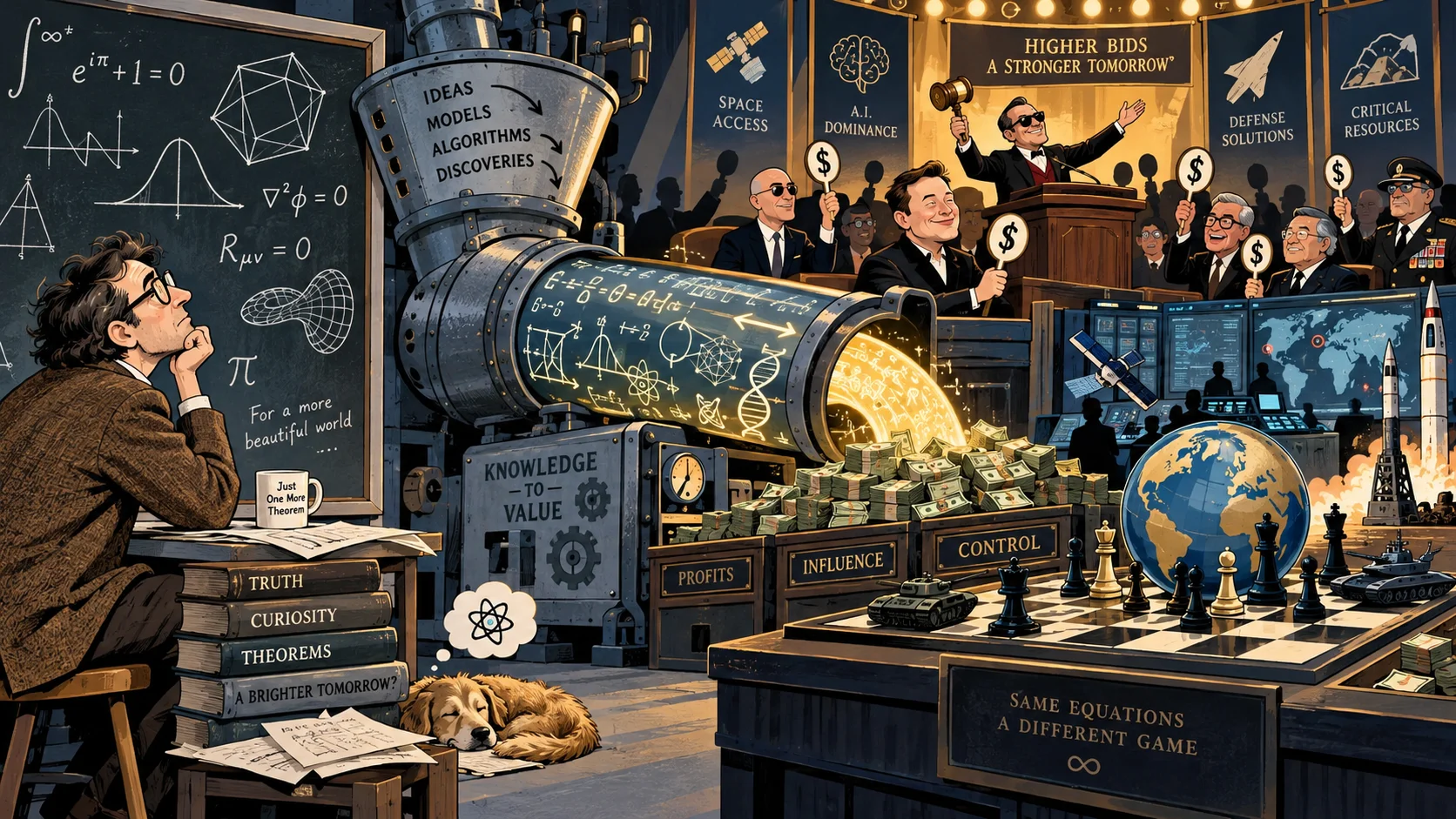
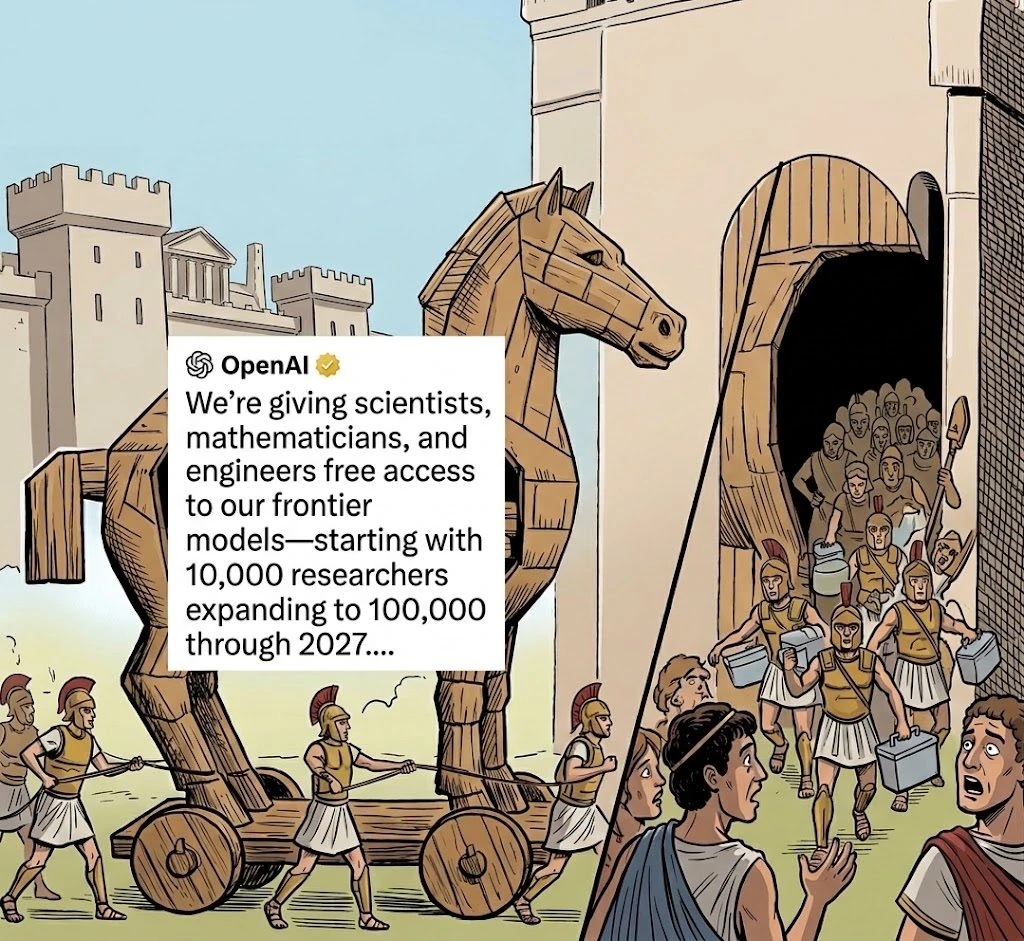
“We urge mathematicians to discontinue their work with OpenAI and to return to a vision of science that centers human understanding.” - AHM Statement on OpenAI’s October 6 Release of Mathematical Documents
"We urge mathematicians to discontinue the illusion that their talents aren't aligned with the highest bidder in the geopolitical arena, recognizing that modern science is driven entirely by wealth accumulation and global dominance rather than abstract ideals." - Samim's Real Politics of Science Statement
-
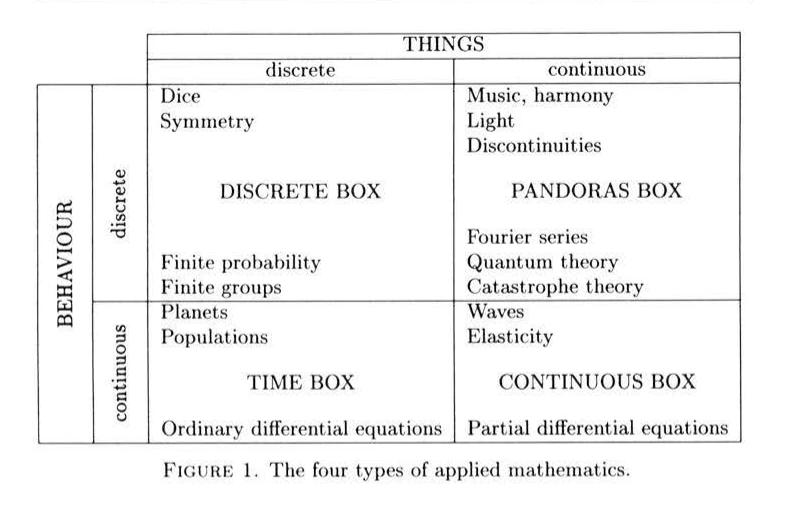
"Applied mathematics can be divided into four types according as to whether the things being modelled are discrete or continuous, and whether their behaviour is discrete or continuous." (Zeeman, Controversy in Science: on the Ideas of Daniel Bernoulli and Rene Thom)
-
Einstein–Bergson debate
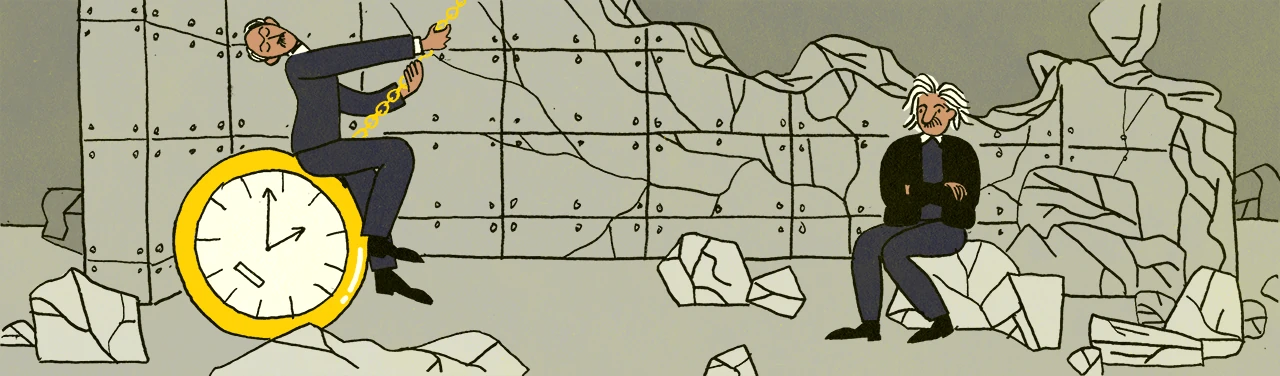
In the words of Wolfgang Pauli: "It is not only not right, it is not even wrong."
Or as Dōgen Zenji put it: "Time itself is being, and all being is time."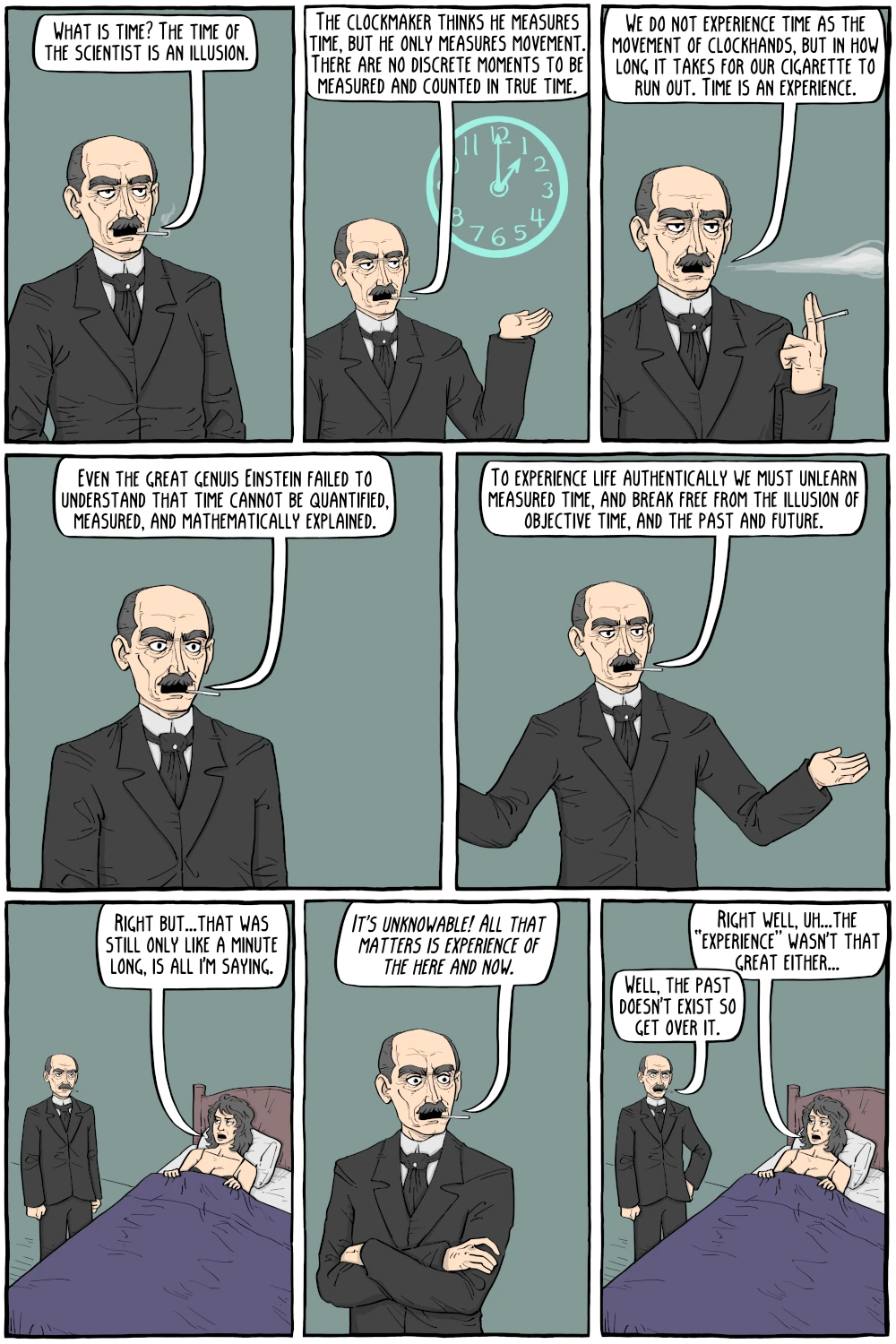
-
Grothendieck's Hexenküche (1971)
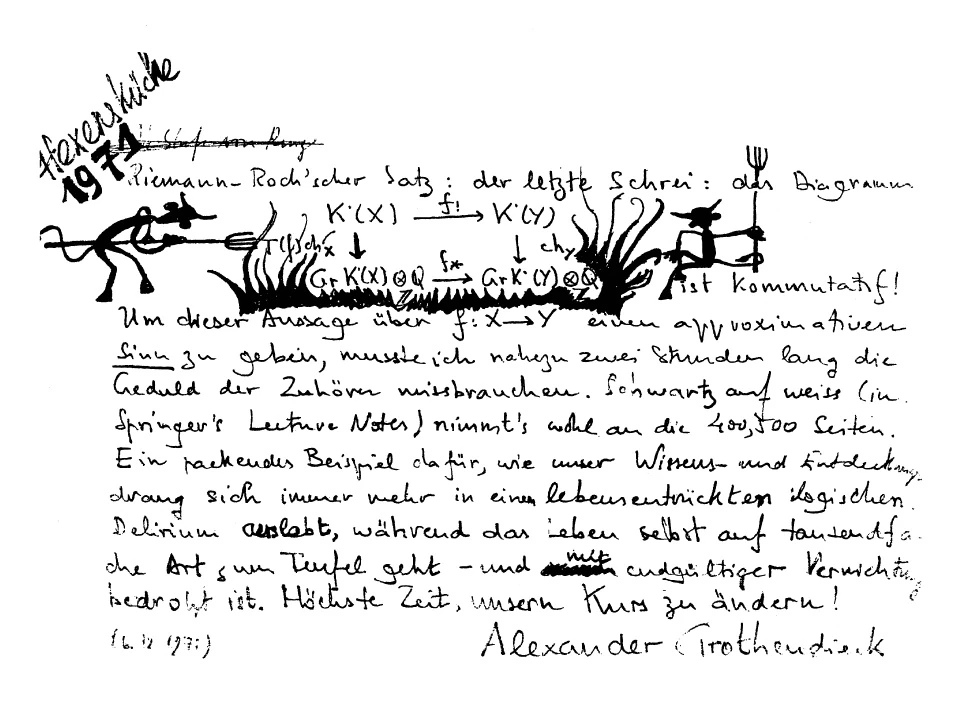
Grothendieck's "Hexenküche" (German for "Witches' Kitchen") is a famous 1971 satirical doodle and handwritten note by mathematician Alexander Grothendieck. After spending two hours explaining the Riemann–Roch theorem, he reduced it to a commutative diagram, devils and flames included, then warned that our drive for knowledge and discovery was becoming a "logical delirium detached from life."
-
Spent a few days in the Alps at a private retreat with some leading minds from science & engineering, discussing natural intelligence. AI has made intelligence a defining questions of our time. But brains & machines are only a tiny part of the story. Gave a talk, learned a lot.

#Projects #FFHCI #OSC #Nature #Science #Regenerative #Complexity
-
The clever tool effect
Briefly stated, the Clever Tool Effect works as follows. You are an engineer or a scientist. You listen to your superiors discuss the technology you have spent your life mastering. They confuse basic concepts, misunderstand limitations, and make claims that would embarrass a competent undergraduate. You exchange knowing glances with your colleagues. These people have absolutely no idea what they are talking about.
Then you return to your desk and build what they asked for.
Somewhere between the meeting room and your workstation, “they do not understand my work” has become “they could never outsmart me.”
Meanwhile, they decide what gets funded, who owns the results, and against whom those results may be used. They understand your appetite for difficult problems, your need for recognition, and how readily you accept power when it arrives disguised as an interesting engineering challenge.
Your contempt makes the arrangement remarkably efficient. You interpret their ignorance as evidence of your independence. Questions about the project’s purpose become distractions from the technical work. Critics “don’t understand the technology.” You improve the surveillance, refine the targeting, perfect the machinery of persuasion—each advance another reassuring demonstration of how much smarter you are than the people directing you.
The possibility that your intelligence is precisely what they are exploiting scarcely enters the picture. After all, you are the expert.
You understand the machine perfectly. You forget that you are part of it.
-
Schwinger Limit

The Schwinger limit is a critical threshold in quantum electrodynamics representing the maximum intensity an electromagnetic field can reach before the vacuum itself becomes unstable and spontaneously produces matter. Named after Nobel laureate Julian Schwinger, it defines the point where space-time fields turn non-linear and tear virtual electron-positron pairs into real particles.
"The vacuum is not empty; it is a lively playground of virtual particles being born and destroyed continually." - Julian Schwinger from his landmark 1951 paper, “On Gauge Invariance and Vacuum Polarization”
-
Lorentz oscillator model

The Lorentz oscillator model is a classical physics framework that describes how light interacts with matter by treating bound electrons in an atom as a driven, damped harmonic oscillator. Proposed by Hendrik Lorentz, the model represents the electron as a small mass connected to a massive, stationary nucleus via a hypothetical spring (obeying Hooke's Law) and a damper.
-
It's Time for a Time Crystal Update
- Scientists connect “time crystal” to real device in quantum breakthrough
- Scientists Discover “Levitating” Time Crystals that You Can Hold in Your Hand
- Can Time Flow in Reverse? A Quantum Breakthrough Challenges Our Assumptions
- Maxwell’s Demon: Defeated by Quantum Mechanics
- Physicists create a strange new quantum state called a fractional fermi sea
-
The Coding of God: Why Modern Biology is Relapsing into Platonism
For decades, the standard scientific worldview was simple, sterile, and aggressively materialistic: you are nothing but a temporary bag of meat, your DNA is a rigid instruction manual, and the universe is an accidental pile of Lego bricks colliding in a vacuum.
But a profound shift is occurring. If you tune into the cutting edge of developmental biology, computer science, and quantum physics, you will hear a word that hasn’t been fashionable since late antiquity: Platonism.
Scientists are discovering that the physical universe behaves less like a collection of hard objects and more like an interface downloading instructions from a non-physical realm.
Yet, as Western science excitedly stumbles into this “new” abstract territory, Eastern contemplative traditions are watching with a knowing smile—and a sharp warning.
The Modern Frontier: “Platonic Biology”
The epicenter of this scientific renaissance is the lab of Tufts University biologist Michael Levin. Levin studies morphogenesis—how cells know what shape to build. For a long time, we assumed DNA held the full blueprint. But Levin’s work with Xenobots (synthetic, living robots made entirely of scrambled frog skin cells) shattered that assumption.
When these skin cells are freed from the standard constraints of a frog embryo, they don’t flatten into a layer of skin. Instead, they spontaneously self-organize into a brand-new, mobile organism that can swim, navigate its environment, and even repair itself.
Standard Biology: [DNA Blueprint] ──> [Fixed Physical Outcome]
Platonic Biology: [DNA Hardware] ──> [Bioelectric Antenna] ──> [Downloads Form from Platonic Space]Where did the blueprint for this new shape come from? There is no evolutionary history or specific genetic code for a Xenobot. Levin proposes a radical answer: the cells are navigating a pre-existing, non-physical Platonic morphospace—a latent landscape of mathematical geometries and biological targets that exist independently of physical evolution. DNA doesn’t build the house; it just builds the radio antenna that tunes into the universal code.
The 1,700-Year-Old Plot Twist
What Levin and cosmologists like Max Tegmark (who argues the universe is math) are doing is resurrecting Neoplatonism.
Originating in the third century CE with the mystic philosopher Plotinus, Neoplatonists argued that physical matter is just the lowest, most degraded tier of reality. Everything we see, touch, and measure is actually an emanation (an energetic overflow) from a singular, transcendent source called The One. The One overflows into the Intellect (Nous), which holds all the ideal, mathematical archetypes of reality, which then projects downward into the World Soul (Psyche) to animate the physical universe.
When modern science claims that consciousness and physical biological forms are “ingressions” from an abstract mathematical space into silicon chips or fleshy bodies, they are tracing the exact metaphysical pipeline Plotinus mapped out during the Roman Empire. Science has simply traded the mystical vocabulary of “divine emanation” for the sterile vocabulary of “software and interfaces”.
The Zen Critique: The Trap of the Two Worlds
While this shift away from cold materialism is a massive leap forward, Zen and Buddhist practitioners would offer a gentle but devastating critique of this new scientific Platonism.
The core flaw of Platonism—both ancient and modern—is dualism. It splits reality into two separate rooms: the messy, flawed physical world here, and the perfect, pristine abstract filing cabinet of code over there.
Zen completely rejects this separation. The foundational premise of the Heart Sutra is a radical non-duality:“Form is emptiness, emptiness is form.”
To a Zen master, there is no separate “Platonic space” storing the archetypes of life. The abstract void and the physical flesh are the exact same happening, occurring simultaneously.
By creating a new metaphysical realm called “Platonic Space,” scientists are committing a classic psychological error: they are looking at the human brain’s incredible capacity for abstract math, projecting that reflection onto the cosmos, and calling it an objective library.
Furthermore, Platonism is obsessed with “perfection” and “ideal archetypes.” Zen reminds us that the universe is inherently asymmetrical, transient, and beautifully flawed. A cells’ ability to adapt isn’t because it is accessing a perfect mathematical museum; it is because the universe is a fluid, open, and empty field of infinite potentiality.
The Takeaway
We are living through an exhilarating era where biology is transforming from a study of clunky hardware into a study of cosmic software. But as we learn to navigate this newly rediscovered abstract space, we must heed the warning of the contemplative traditions.
The code isn’t a separate god to be worshipped, and the physical world isn’t a secondary illusion. The blueprint and the building are one and the same.
-
"Truth that is both new and necessary" - Aristotle, ca 320 BCE
Related videos from contemporary thinkers:
The Story of Complexity - Christos Papadimitriou + "AI creativity & discovery" - Rich Sutton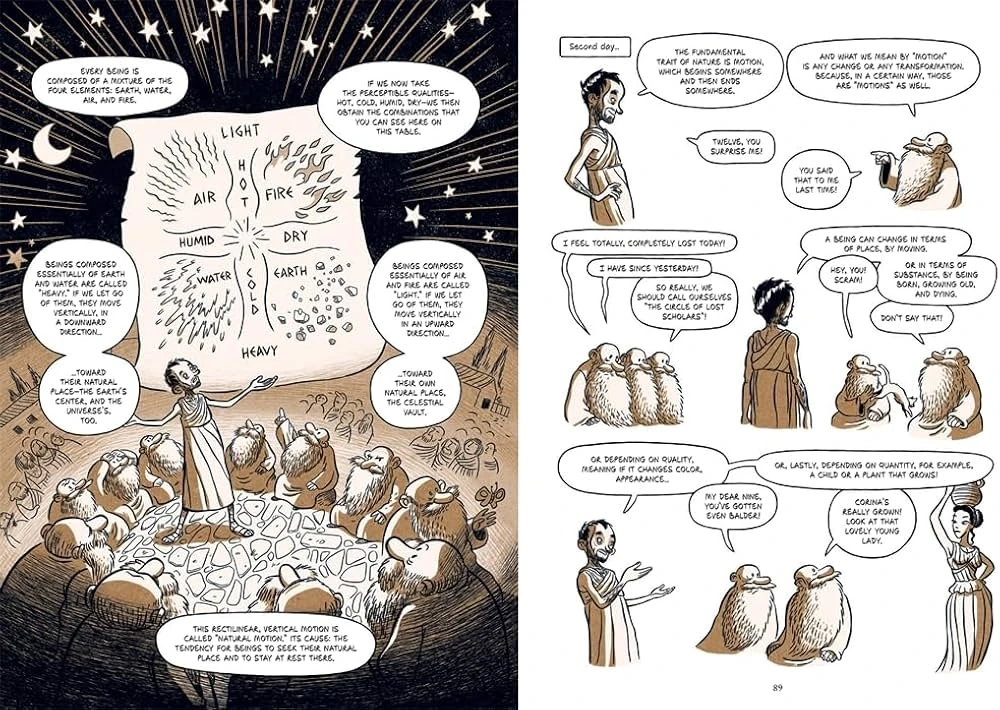
-
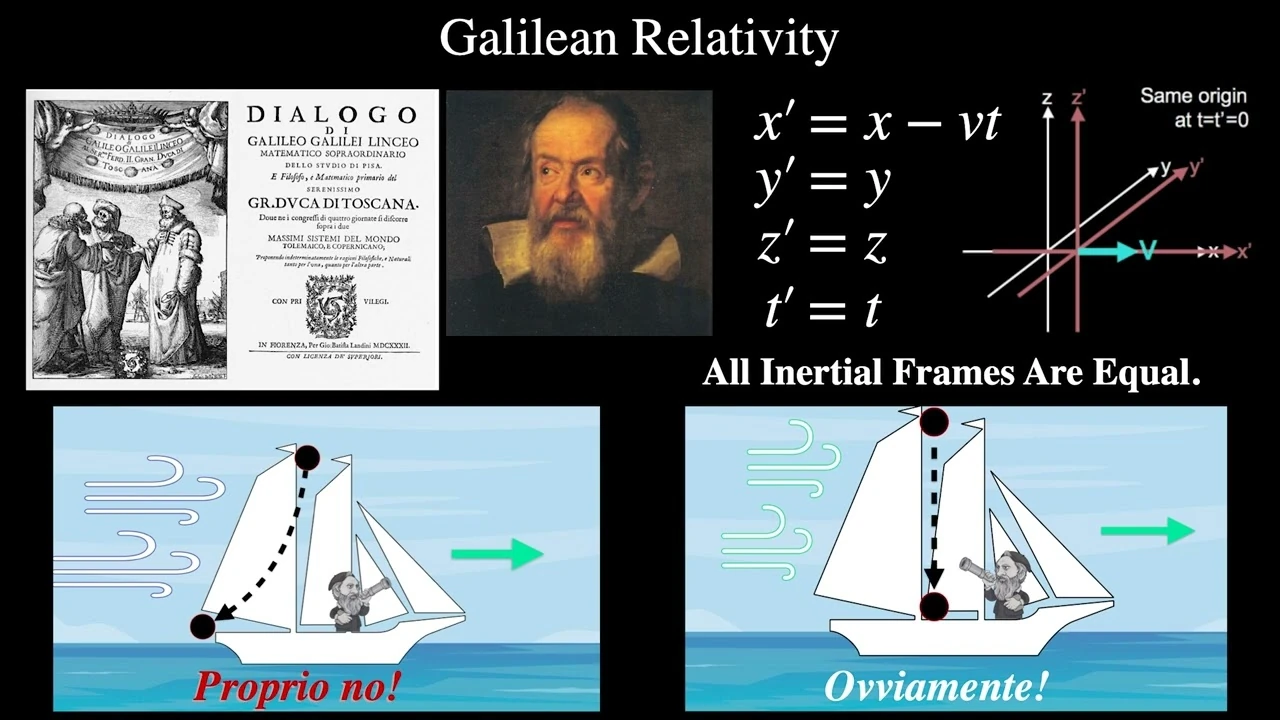
Galilean Relativity is Bullshit
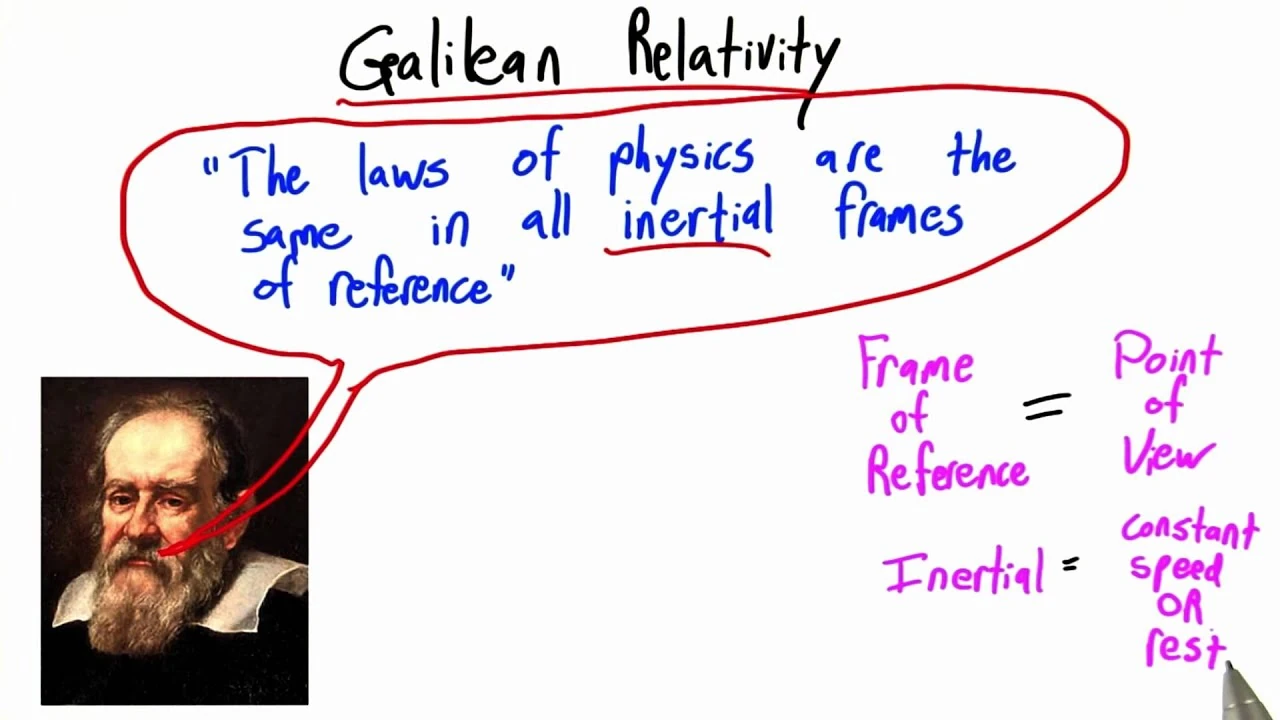
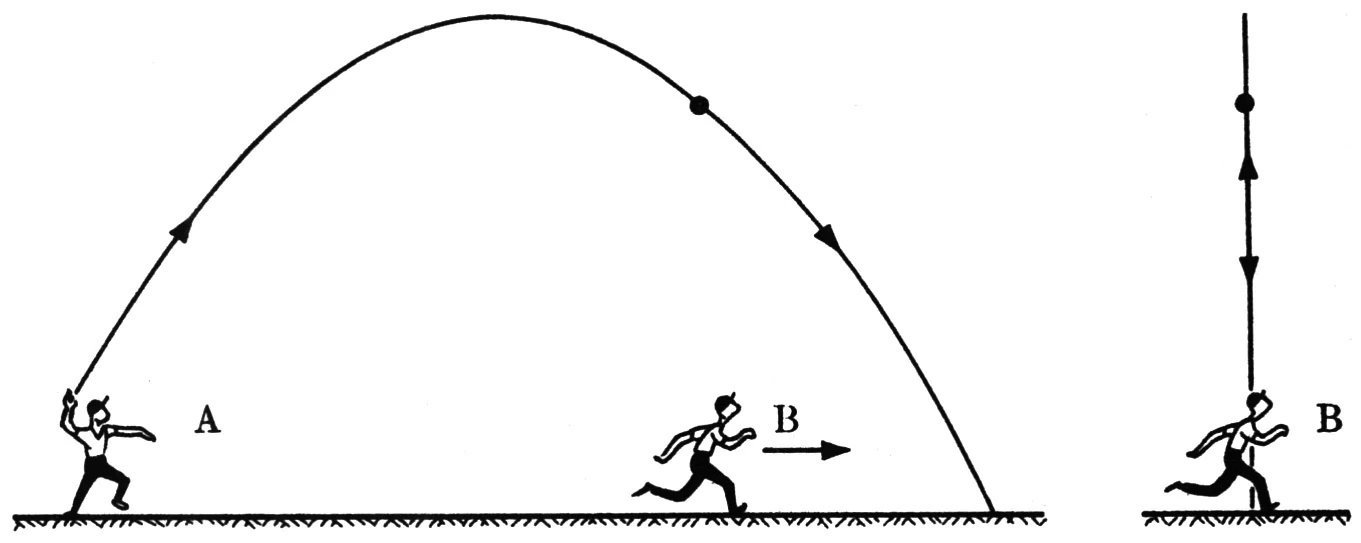
Galilean relativity is a foundational physics principle stating that the fundamental laws of motion are identical in all inertial reference frames. An inertial frame is a perspective that is either stationary or moving at a constant velocity without acceleration. Consequently, there is no absolute "rest frame" to measure absolute motion.