tag > Upcycling
-
The centre of the European Union's Green New Deal is.. Synthetic Biology
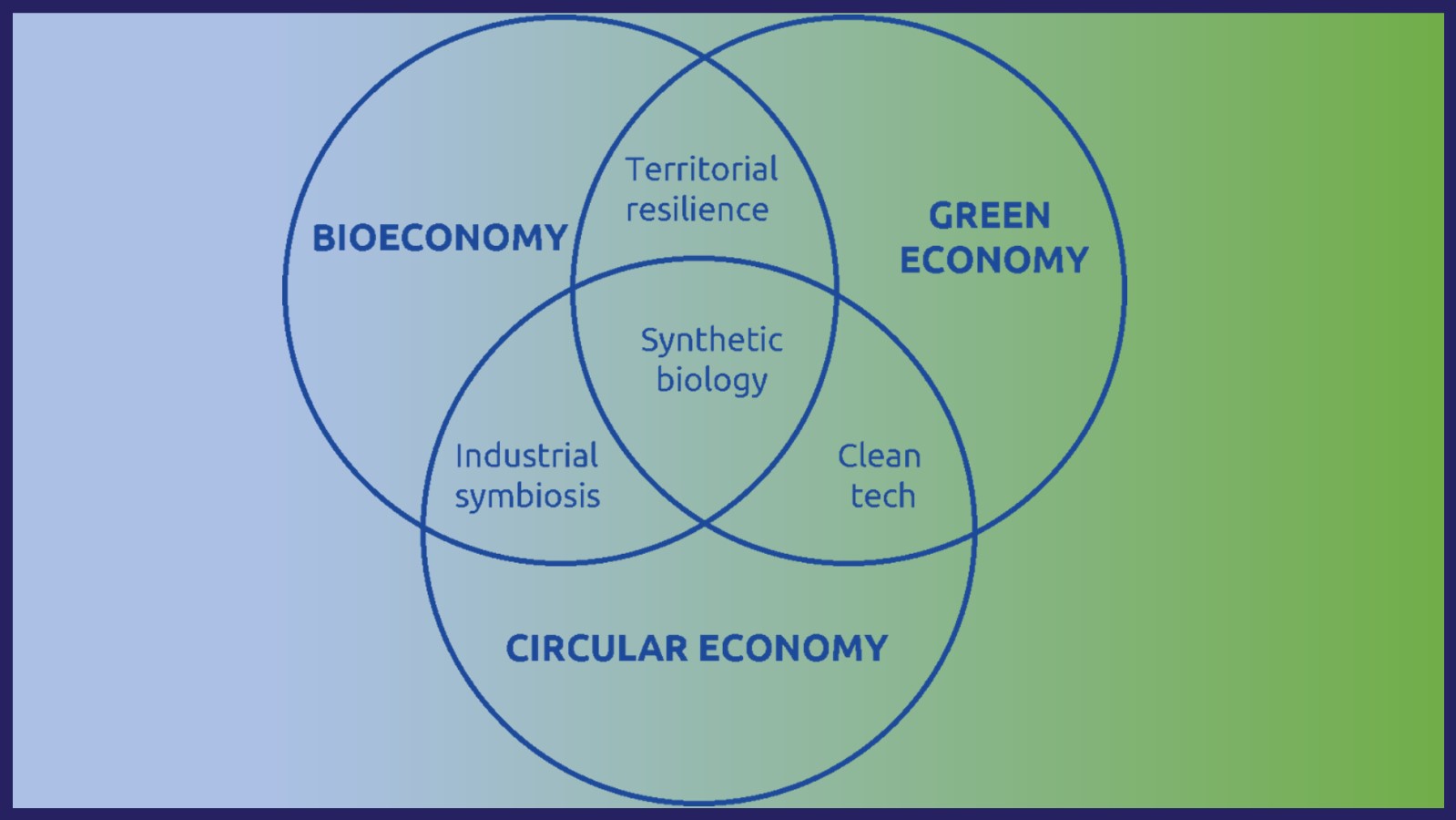
Image from"Bioeconomy & Circular Economy" by the EU funded project "Waystup"
-
China bans all imports of solid waste (2020)
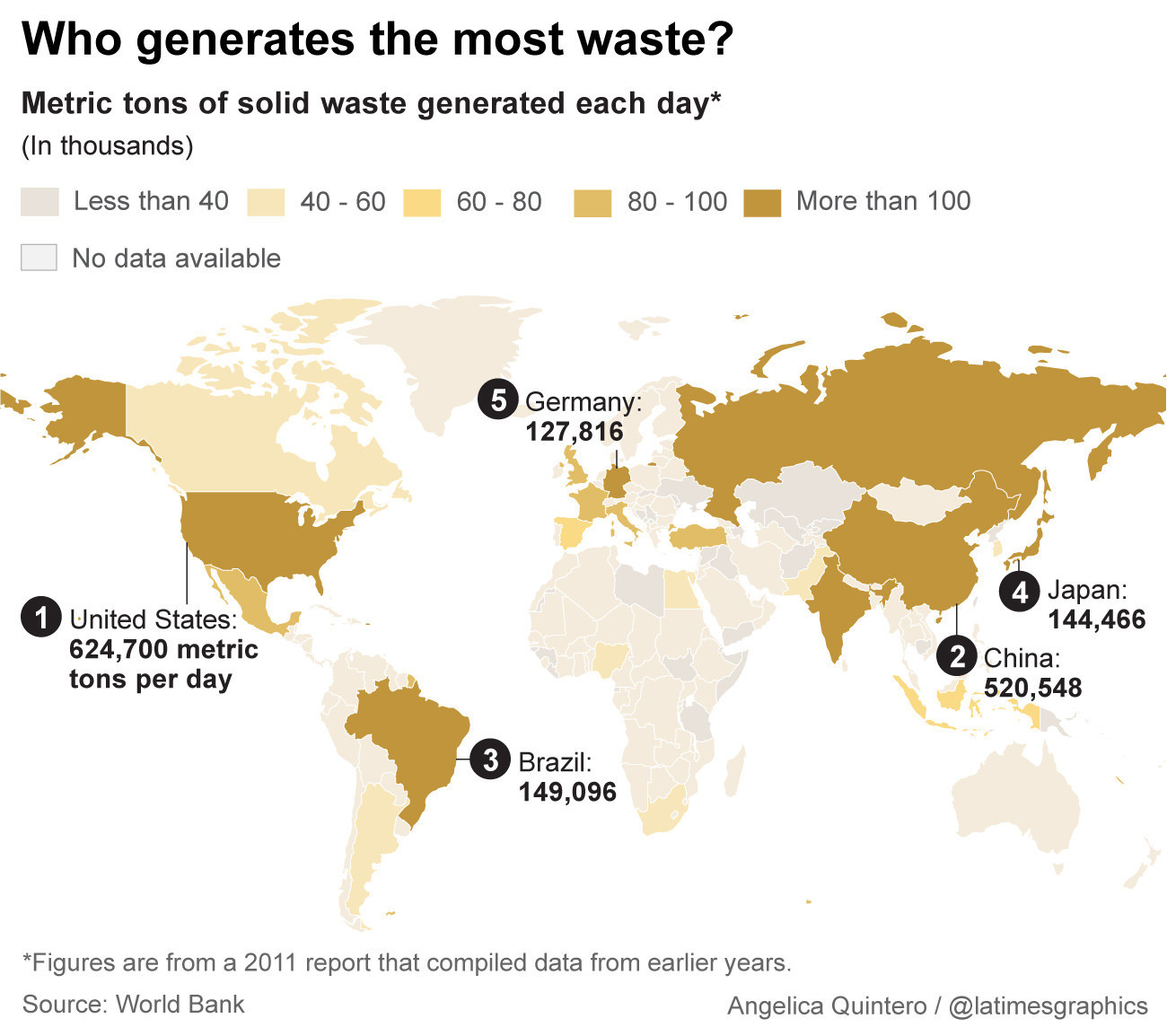
The Chinese Ministry of Ecology and Environment last week announced details about the country’s upcoming ban on all materials it classifies as “solid waste,” including recovered fiber. The new announcement puts the new ban details in writing, but industry insiders have anticipated the policy for over a year. And shipping companies have moved away from accepting shipments of recyclables bound for China.
Through September of this year, the U.S. exported 1.86 million short tons of recovered fiber to China, suggesting potential challenges in 2021 for brokers looking to move this material to alternative markets.
China’s ban on imported waste to have huge impact on global recycling industry (2018)
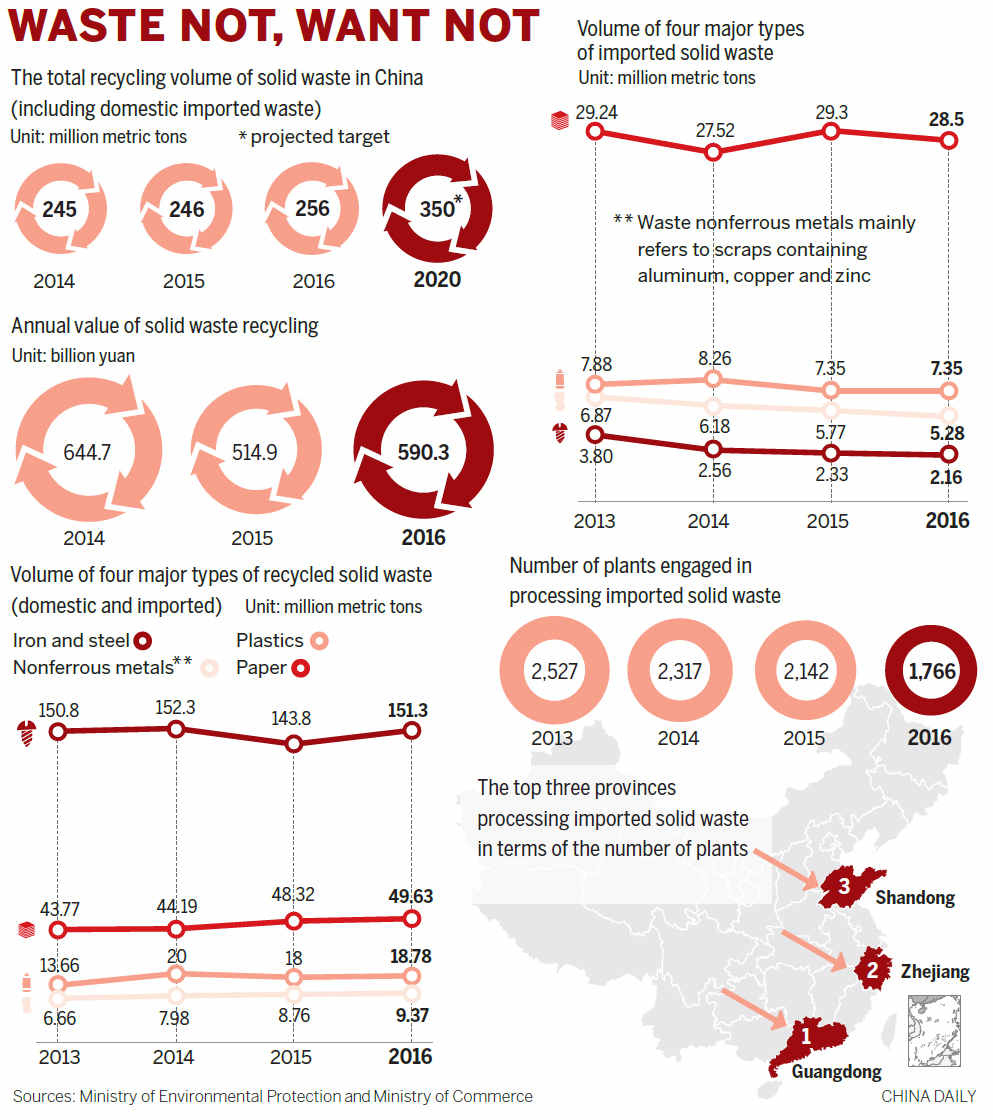
China has officially banned its four-decade long practice of importing foreign garbage in 2018, a move experts believe will promote more sustainable ways to dispose of and recycle waste worldwide. “This ban will send shockwaves around the world, and force many countries to tackle the ‘out of sight, out of mind’ attitude we’ve developed towards waste,” said Liu Hua, Greenpeace East Asia plastic campaigner.
-
European Parliament Votes for Right to Repair
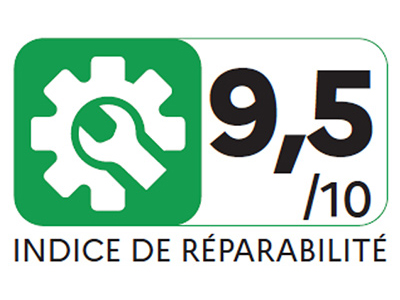
In a landmark move, the European Parliament voted today to support consumers’ Right to Repair. The resolution was adopted with 395 in favour and just 94 against, with 207 abstentions. “By adopting this report, the European Parliament sent a clear message: harmonised mandatory labelling indicating durability and tackling premature obsolescence at EU level are the way forward,” said Rapporteur David Cormand, MEP from France.
-
Plastic Politics: Kenya is not a dumping ground for US plastic
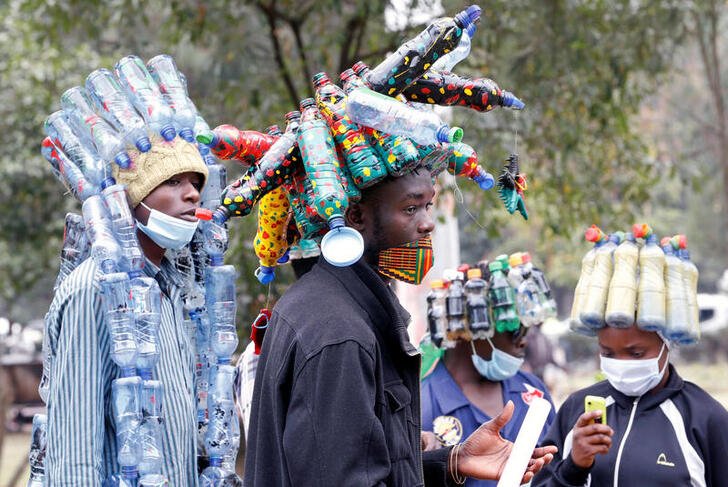
In April, the American Chemistry Council (ACC), members of which include Shell, Exxon, Total, DuPont and Dow, proposed investments in recycling in Kenya, provided that the recipient country accepts US plastic waste. Kenya would get about 500 million tonnes of plastic waste exports from the US per year.
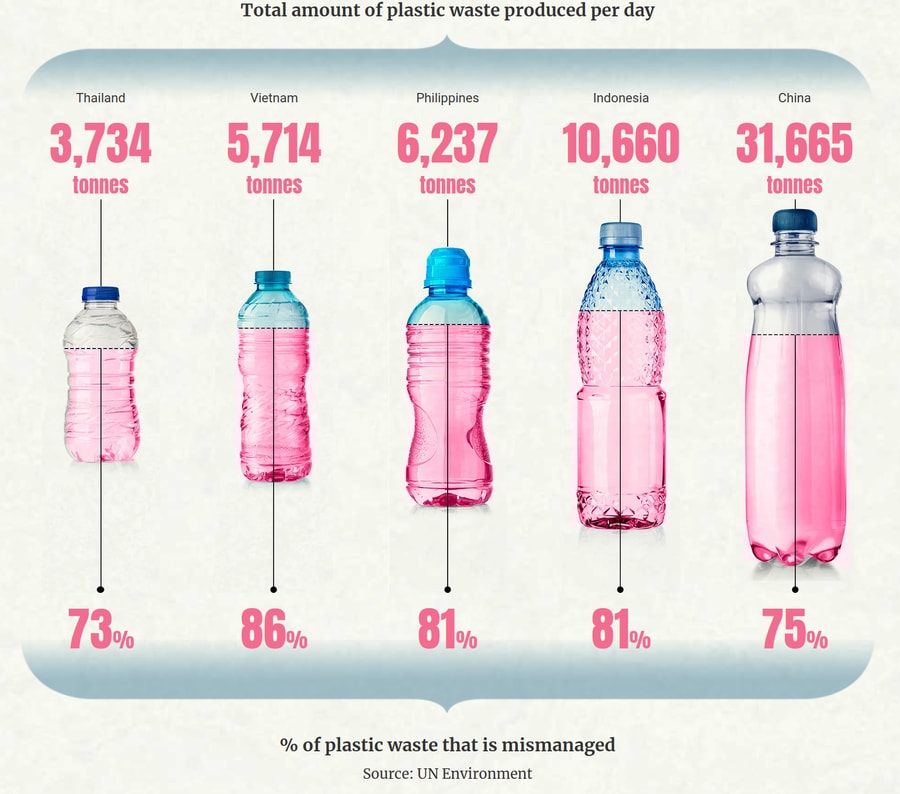
Until January 2018, most of the world’s plastic waste was sent to China. Beijing decided that the environmental risks were not worth it and refused to continue. That led to plastic exports to Africa quadrupling in 2019.
But lack of infrastructure and rapid urbanisation mean Africa faces challenges just in managing its own solid waste. Researchers led by Jenna Jambeck have estimated that Africa’s total mismanaged plastic waste may more than double from 4.4 million metric tons in 2010 to 10.5 million metric tons in 2025.
-
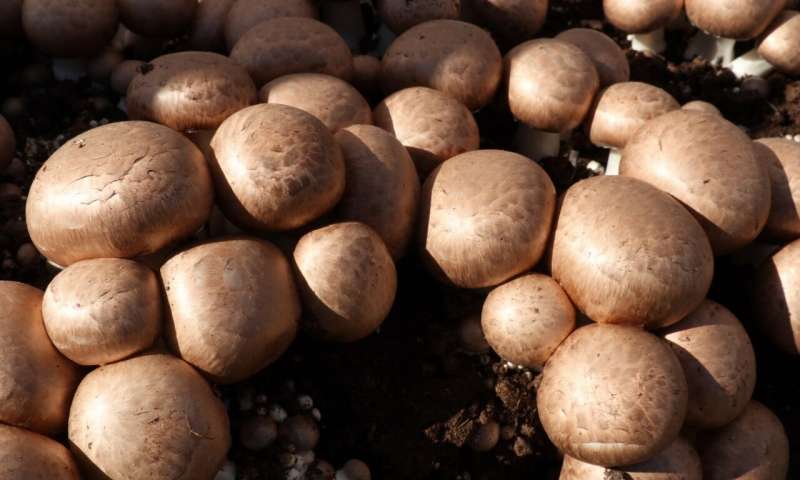
Cultivating mushrooms produces a lot of waste. For every kilogram of mushrooms produced, about three kilograms of soil-like material containing straw, manure and peat is left behind. In the EU, this results in more than 3 billion kilograms of waste per year.
Mumbai Entrepreneur Mints Fortune From Chemical-Free Mushrooms Grown on Agri-Waste
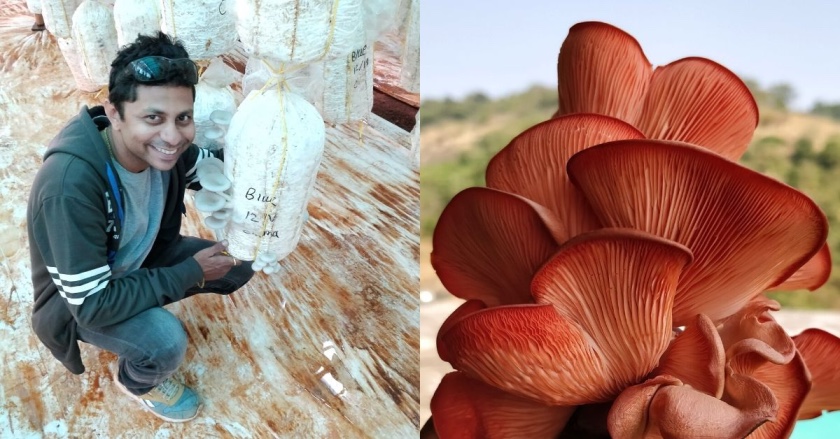
Are they even mushrooms? This was the question Rohhaan Gawde frequently encountered from people he introduced to oyster mushrooms in 2014. Rohhaan, a Mumbai-based entrepreneur, had just quit his job in the mushroom growing industry and started his own venture – The Mushroom Company. Six years later, Rohhaan is one of the biggest sellers of oyster and gourmet mushrooms in Mumbai, is expanding to other states, and earns Rs 4 Lakh a month.
-
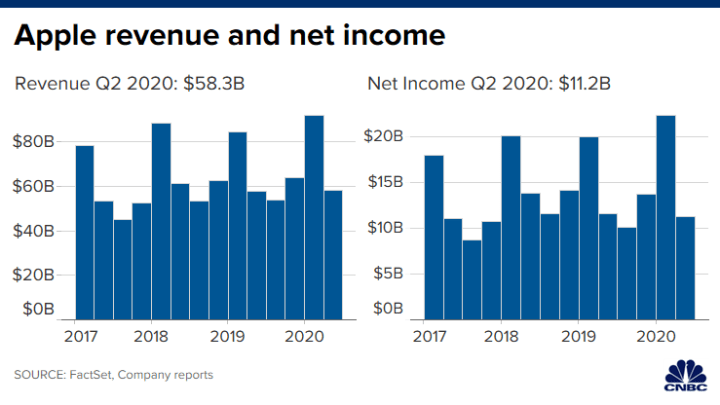
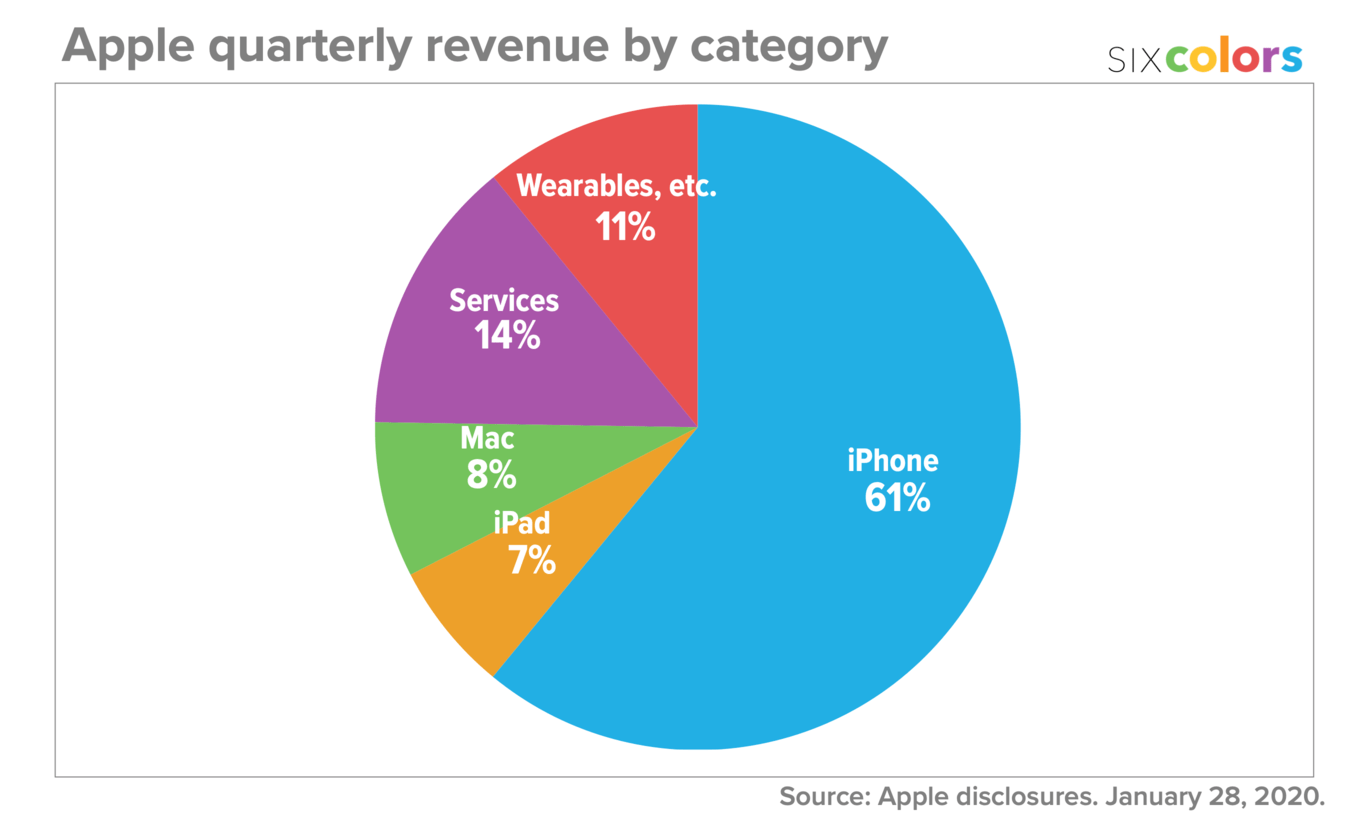
Apple To Pay $113 Million Settlement Over Its iPhone 'Batterygate' Slowdowns (cnet.com)
The settlement involves the 2017 revelation that Apple was purposely slowing older phones when their batteries began to degrade.

-
The week in review, focus on #Regenerative & #Upcycling
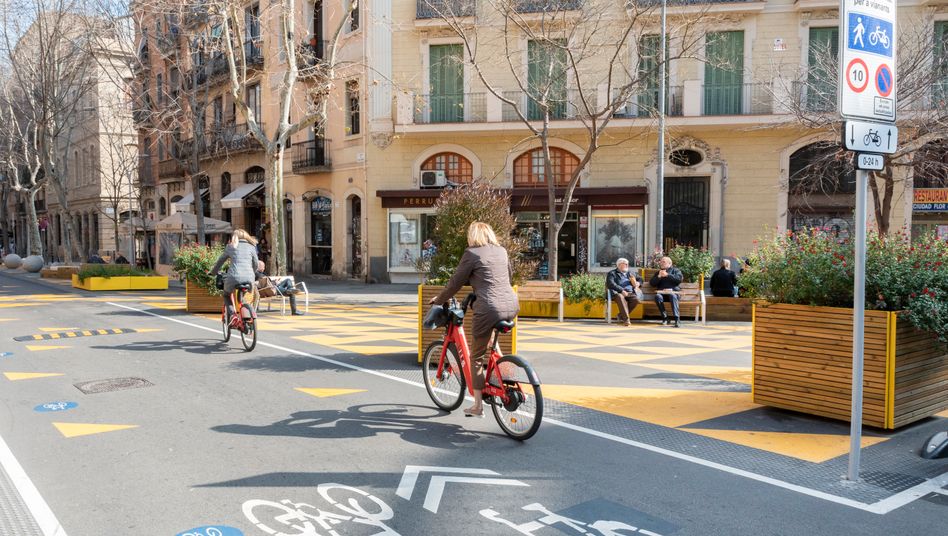
Barcelona continues to restrict car traffic in the city center
Barcelona has had good experiences with so-called super islands - low-traffic areas with priority for cyclists and pedestrians. Now the principle is to be extended to large parts of the city center.
Dutch government pilots technology to cut e-bike road deaths
Digital system automatically reduces electric bicycles’ power in built-up areas
EU eyes huge increase in offshore wind energy to meet climate goals - draft
The European Union is considering a plan to increase its offshore wind energy capacity five-fold this decade and 25-fold by 2050, as it seeks to become climate neutral by mid-century, according to a draft policy.
Ikea to buy back used furniture in recycling push
Ikea, the world's biggest furniture business, is planning a second-hand furniture venture.
Dirt Poor: Have Fruits and Vegetables Become Less Nutritious?
Because of soil depletion, crops grown decades ago were much richer in vitamins and minerals than the varieties most of us get today
Plants can grow quickly or accurately, but not both
New research examines this well-known trade-off in our floral friends
In My Opinion: Focus on waste reduction, not recycling
The author argues that a focus on recycling creates a culture of guilt-free consumption, allowing people to feel they can consume more and more as long as they think what they’re consuming can be recycled.
The spatial dimension of waste is crucial to understanding and making better decisions about reduction and valorisation. WasteMap shows where waste is generated and where it is sent for disposal, recycling, reprocessing. This geo-enablement helps our customers to
-
The most comprehensive review on blacksoldierfly and bionconversion to date
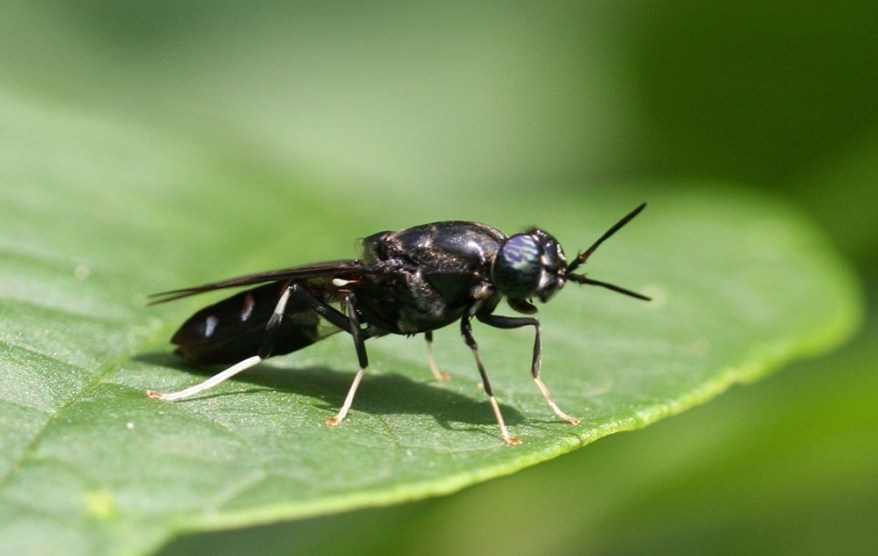
BSF-based biorefinery could valorize organic wastes into biobased products. BSF biomass could substitute a substantial amount protein and fat in animal diets. BSF biomass is rich in bioactive compounds and enhances the nutritive value as feed. Automation and process scale up are needed for exploitation of BSF technology.
-
Largest shipping company won’t take recyclables to China
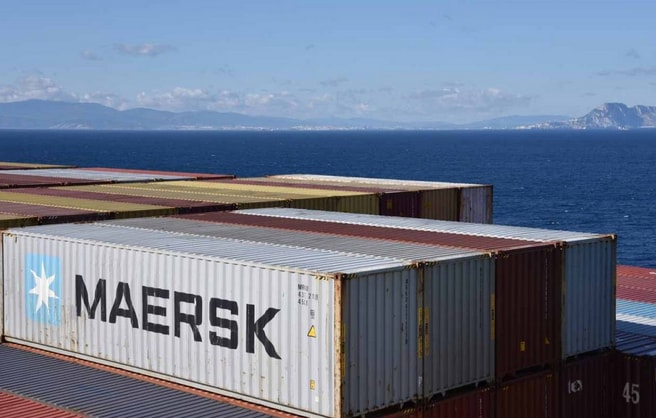
Maersk on July 20 told customers it would stop shipping recovered paper, plastics and other scrap materials to China and Hong Kong. The company said the policy is being implemented “to fully comply with government requirements of the People’s Republic of China about zero solid waste import as of 2021.”
-
The circular bioeconomy: Its elements and role in European bioeconomy clusters
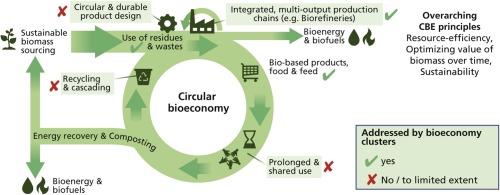
Biomass is projected to play a key role in meeting global climate targets. To achieve a resource-efficient biomass use, European bioeconomy strategies increasingly consider the concept of a circular bioeconomy (CBE). We define the term CBE via a literature review and analyze the concept’s role in north-west European bioeconomy clusters through interviews. We identify strategies regarding the clusters’ feedstock and product focus, and investigate what role biorefineries, circular solutions, recycling and cascading play.
-
http://waystup.eu - Value chains for disruptive transformation of urban biowaste into biobased products in the city context
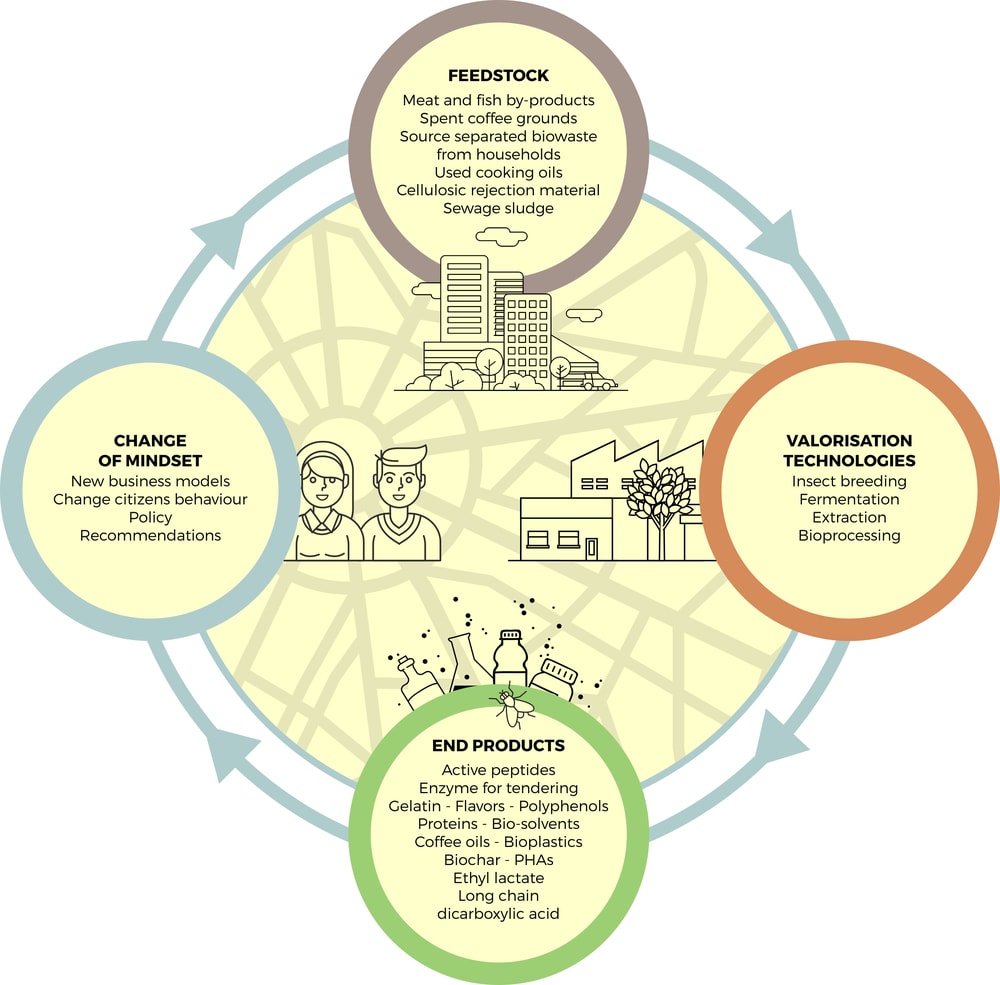
The EU-funded WaysTUP! project aims to establish new value chains for urban bio-waste. The project will display a range of new products produced from urban bio-waste to bio-based processes starting from different feedstocks, including fish and meat waste, spent coffee grounds, household source-separated bio-waste, and used cooking oils. The project is expected to produce a behavioral change in citizens and local communities, improving and changing longstanding perceptions of urban bio-waste during its implementation. This will overall contribute to a more circular economy.
-
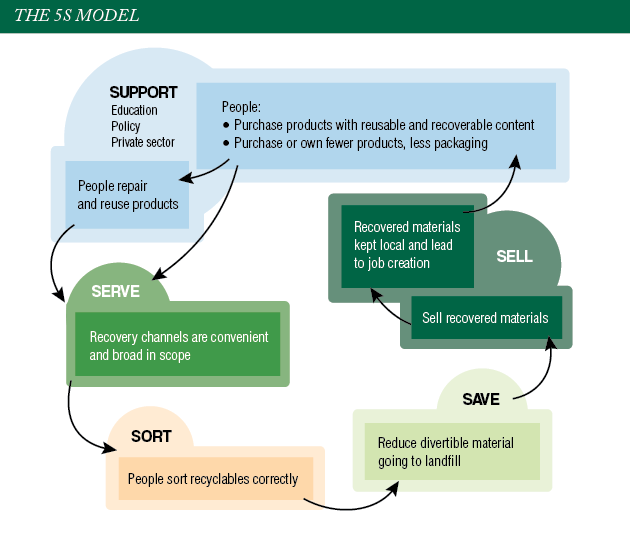
Municipal officials often say they want to boost diversion and keep collected materials in the regional economy, but developing a workable plan for doing so is difficult. Here's a look at one model that lays the groundwork. This is the first in a series of articles called “Steps to Circularity” that will explore a variety of different projects and viewpoints connecting the business of recycling to the wider circular economy movement.
-
The business of the Honey-Suckers in Bengaluru (India)
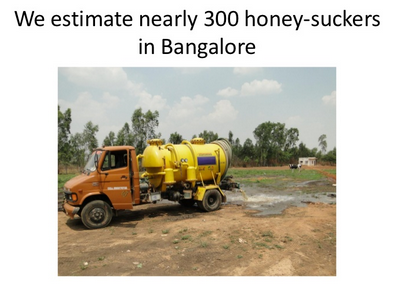
In the absence of a city-wide sewerage network in Bengaluru, one form of sanitation self-service that has emerged is that of the ‘honey-suckers’, which empty holding and septic tanks. Part of the faecal sludge is used productively by farmers in the fringe of Bengaluru. The honey-sucker service has emerged without any form of financial or technical assistance, but operates outside the legal framework.
-
5 Things I Wish I Knew Before I Started Growing Mushrooms For A Living
-
Spain Readies Big Reduction in Single-Use Plastics From Mid-2021
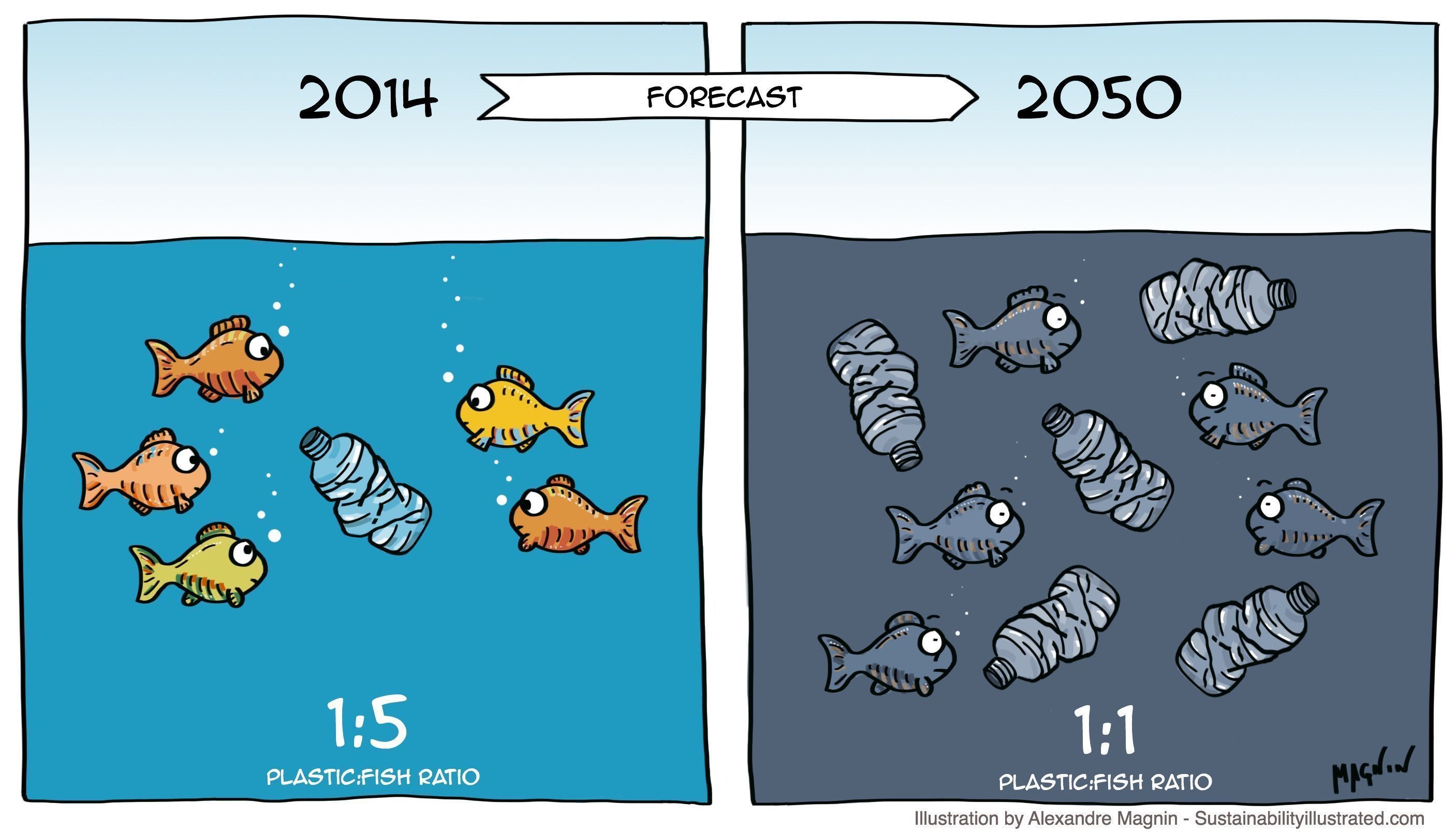
Spain is preparing to significantly reduce the distribution and sale of single-use plastic cutlery, straws, cups and products containing microplastics as part of the government’s drive to promote recycling and reduce waste.
-
Regen: Collaborative Co-production Of Upcycled Products
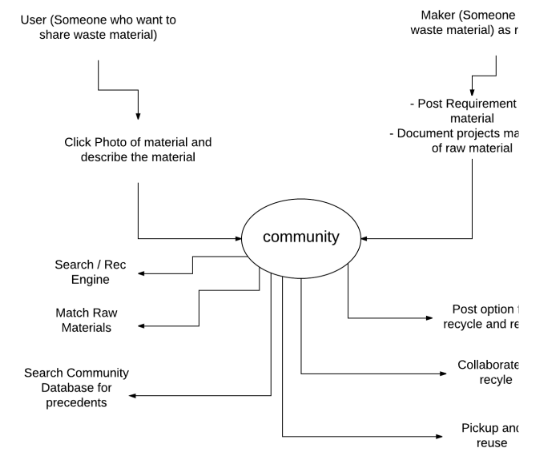
This paper attempts to look at sharing from three angles - community, environment and technology. Sharing is approached as co-production where what is shared is not simply material goods but rather ideas, creativity, pleasure and experience. The paper outlines making as an intrinsic attribute of human nature and how sharing and making can complement each other.
-
Deep-sea worms and bacteria team up to harvest methane (phys.org)
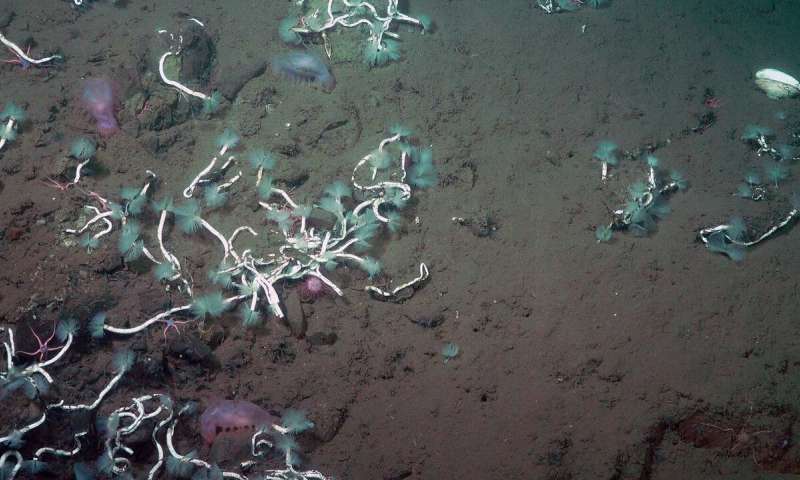
Methane-consuming serpulid worms on the seafloor off the coast of Costa Rica. Scientists at Caltech and Occidental College have discovered a methane-fueled symbiosis between worms and bacteria at the bottom of the sea, shedding new light on the ecology of deep-sea environments. They found that bacteria belonging to the Methylococcaceae family have been hitching a ride on the feathery plumes that act as the respiratory organs of Laminatubus and Bispira worms. Methylococcaceae are methanotrophs, meaning that they harvest carbon and energy from methane, a molecule composed of carbon and hydrogen.