tag > Book
-
Science and the Problem with Chi (via) - an excerpt from the book Chi Gong: The Ancient Chinese Way to Health by Paul Dong.
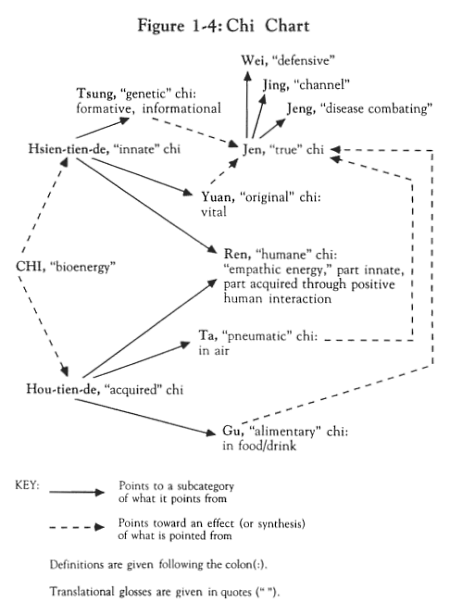
"Chi theory is an ontology, in which it is pointless to declare one’s belief or disbelief prior to understanding".
"The differences between a living human being and a corpse are that the former has an EM field and movement (together called “bioenergy”) and neutral chemical acidity, whereas the latter lacks an EM field, does not move, and is highly acidic. Three possible implied explanations for the changes between the living and the dead can be stated in the form of propositions: (1) absence of bioenergy is an effect of altered biochemistry (the Western scientific proposition; (2) altered biochemistry and exhaustion of bioenergy are effects of a third factor; (3) altered biochemistry is an effect of exhaustion of bioenergy (the Chinese scientific proposition)."
Related:
Dr Yang's Chi bioelectricity conection - review of the book "The Root of Chinese Qigong: Secrets of Health, Longevity, & Enlightenment" by Dr. Yang Jwing-Ming, which contains a section on the scientific interpretation of Chi.
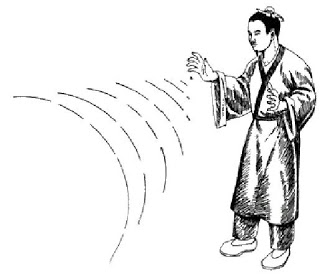
Chi is not energy - which argues that "if you cultivate chi, you do not have more energy, you just become more efficient at using the energy you do have, and so you appear (even to yourself) more energetic."
Finally, this: Dr. Love Raps "THIS IS WHY I DO QIGONG"
-
Notes on Whole Body Interaction in Human Computer Interaction
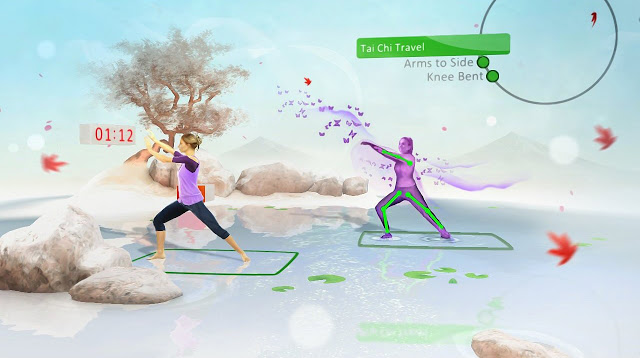
Thoughts on Tai chi for Kinect (2011): "What is powerful about the system is that it shows a digital representation of your own position on the screen in real time - visual feedback. This is placed right next to your "instructor" so you can immediately spot the difference and make the corrections both consciously and subconsciously."
"Whether or not it's good at teaching you tai chi, is almost secondary. What this system is doing is popularizing tai chi, and inspiring people, who might not otherwise do so, to 'have a go'. This game is not designed for a serious practitioner, but that is to miss the point. If these 15 minute workouts help to relax some people, then that is a benefit in itself."
"I have previously talked about how mood can be affected by posture, which is where a lot of the relaxing benefits of tai chi come from. This wired article extrapolates on this principle, to show how kinect systems, which encourage you to adopt certain postures, can in turn affect your mood. Essentially you can design games that subconsciously make you feel different ways. This has potential to be used in scientific research."
How Wii and Kinect Hack Into Your Emotions (Wired, 2010)
“Designing interaction as if we did not have any body or emotion is detrimental to what it means to be human” - Kristina Höök, Stockholm University in Sweden
Designing with the Body. Somaesthetic Interaction Design -Book by Kristina Höök (2008)
"Interaction design that entails a qualitative shift from a symbolic, language-oriented stance to an experiential stance that encompasses the entire design and use cycle"
Body and emotion - talk by Kristina Höök
Body Posture Affects Confidence In Your Own Thoughts - Ohio State University (2009)
"Sitting up straight in your chair isn't just good for your posture -- it also gives you more confidence in your own thoughts, according to a new study. Researchers found that people who were told to sit up straight were more likely to believe thoughts they wrote down while in that posture concerning whether they were qualified for a job" (via)
Math with good posture can mean better scores, study suggests (2018)
" A new study finding that students perform better at math while sitting with good posture could have implications for other kinds of performance under pressure."

Tai Chi Elements virtual training environments (2012)
An interesting but failed kickstarter proposed "Using motion capture & video game tech to create an online multiplayer game where you can become a real T'ai Chi master."
taichiworlds.com - Virtual characters demonstrating Tai Chi in virtual worlds. (2009)
#Book: Whole Body Interaction - by David England, Katherine Isbister, et.al (2011)
"Whole Body Interaction is “The integrated capture and processing of human signals from physical, physiological, cognitive and emotional sources to generate feedback to those sources for interaction in a digital environment” (England 2009). Whole Body Interaction looks at the challenges of Whole Body Interaction from the perspectives of design, engineering and research methods. How do we take physical motion, cognition, physiology, emotion and social context to push boundaries of Human Computer Interaction to involve the complete set of human capabilities? Through the use of various applications the authors attempt to answer this question and set a research agenda for future work."
When the body acquires meaning: Full-Body Interaction Design - talk by Narcís Parés Cognitive Media Technologies Group
Waggling the Form Baton: Analyzing Body-Movement-Based Design Patterns in Nintendo Wii Games, Toward Innovation of New Possibilities for Social and Emotional Experience - by Katherine Isbister
"This chapter describes research conducted to analyze and better understand what is compelling about particular body-movement-based design patterns in Nintendo Wii games, towards innovating new possibilities for social and emotional experience with movement-based games and other interactive experiences."
-
#Book: The Sciences of the Artificial - by Herbert A. Simon (1969) (full e-book)
“Human beings, viewed as behaving systems, are quite simple. The apparent complexity of our behavior over time is largely a reflection of the complexity of the environment in which we find ourselves.” ― Herbert A. Simon, The Sciences of the Artificial
“It is true that humanity is faced with many problems. It always has been but perhaps not always with such keen awareness of them as we have today. We might be more optimistic if we recognized that we do not have to solve all of these problems. Our essential task—a big enough one to be sure—is simply to keep open the options for the future or perhaps even to broaden them a bit by creating new variety and new niches. Our grandchildren cannot ask more of us than that we offer to them the same chance for adventure, for the pursuit of new and interesting designs, that we have had.” ― Herbert A. Simon, The Sciences of the Artificial
“An artifact can be thought of as a meeting point—an “interface” in today’s terms—between an “inner” environment, the substance and organization of the artifact itself, and an “outer” environment, the surroundings in which it operates. If the inner environment is appropriate to the outer environment, or vice versa, the artifact will serve its intended purpose.” ― Herbert A. Simon, The Sciences of the Artificial
-
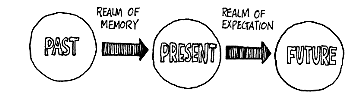
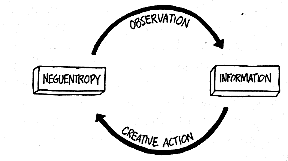
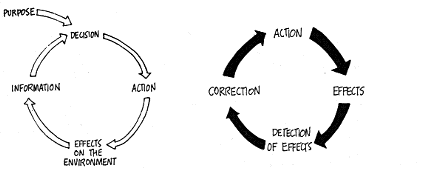
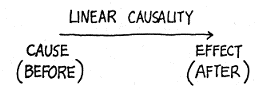
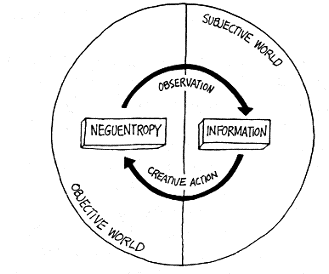
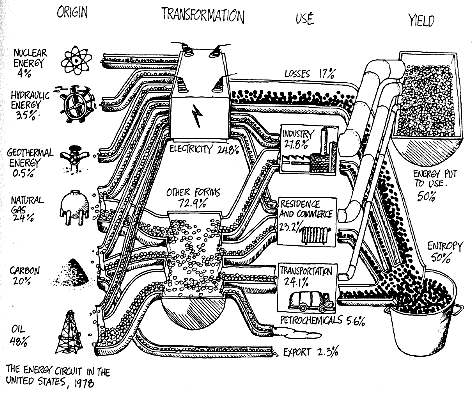
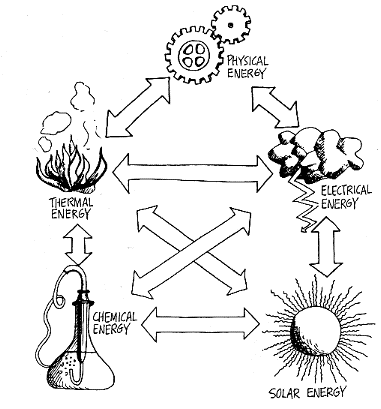
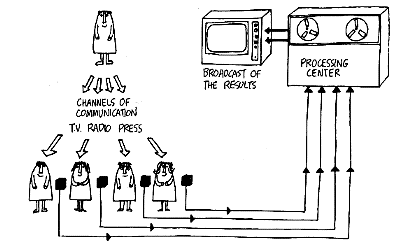
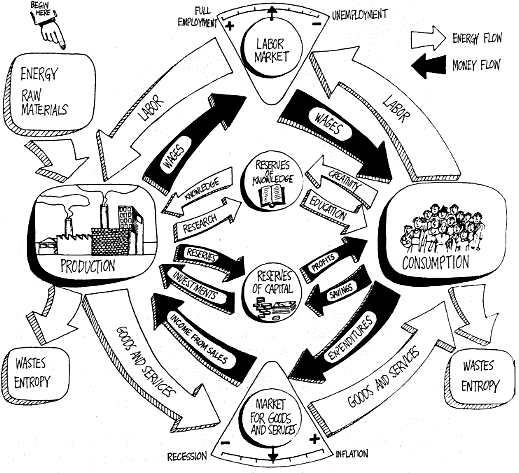
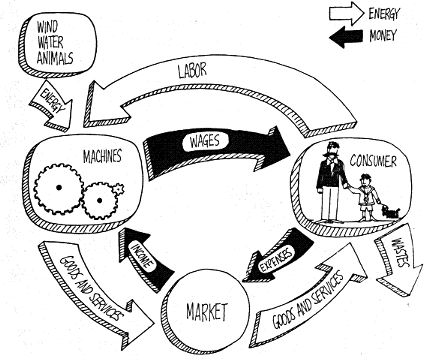
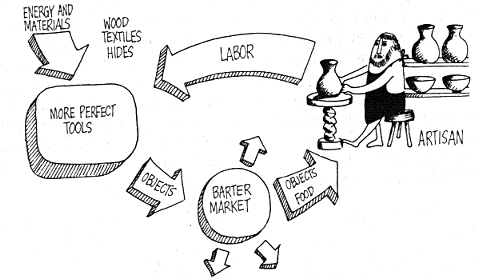
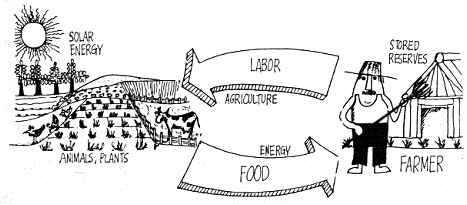
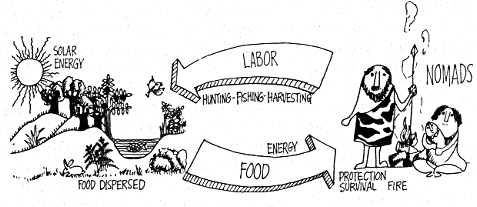
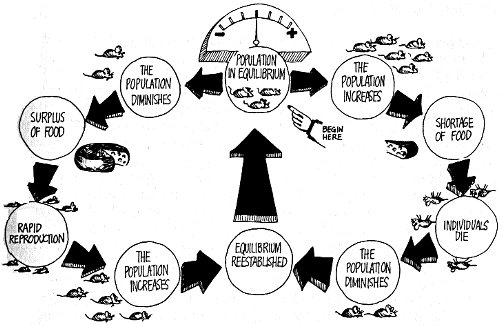
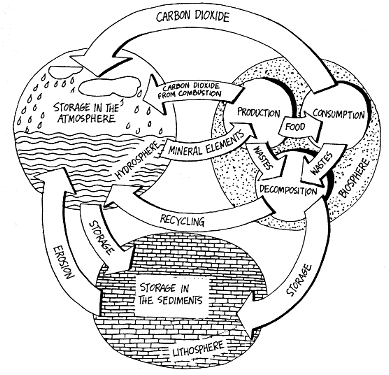
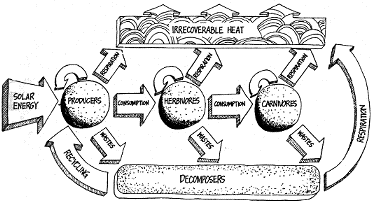
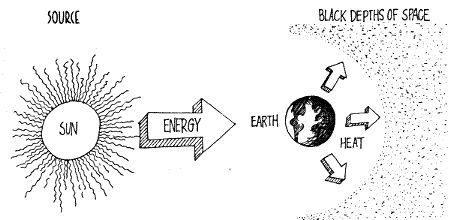
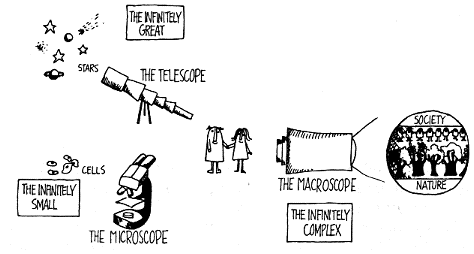
The Book "The Macroscope" by Joël de Rosnay (1979) features many fun illustrations and fun chapters, including one on Time and Evolution.
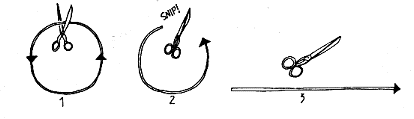
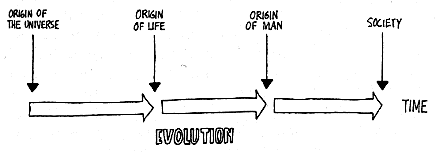
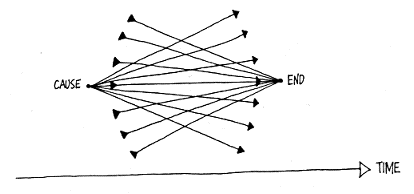
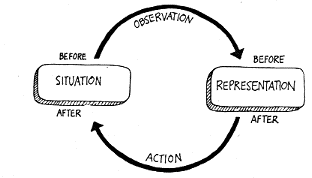
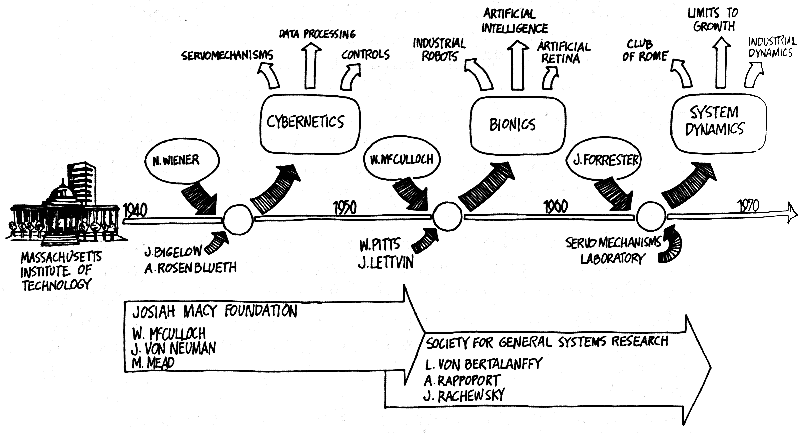
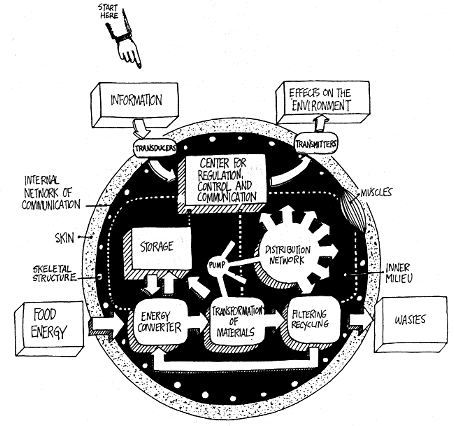
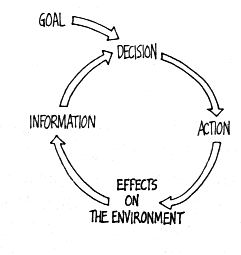
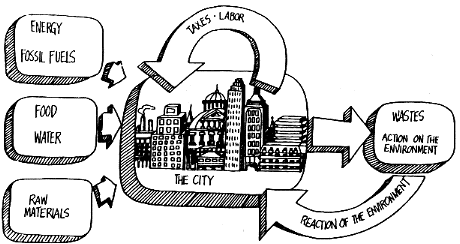
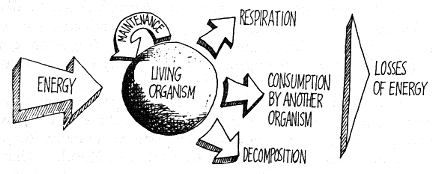
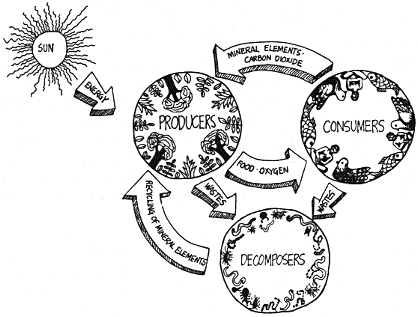
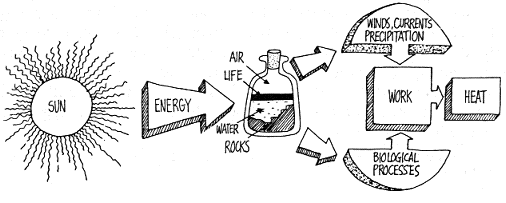
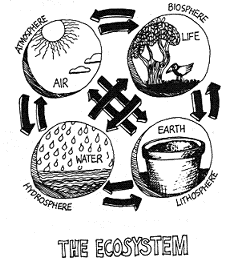
-
Thought as a System - by David Bohm (1994)
"Bohm maintains that thought is a system, in the sense that it is an interconnected network of concepts, ideas and assumptions that pass seamlessly between individuals and throughout society. If there is a fault in the functioning of thought, therefore, it must be a systemic fault, which infects the entire network. The thought that is brought to bear to resolve any given problem, therefore, is susceptible to the same flaw that created the problem it is trying to solve."
"Thought proceeds as if it is merely reporting objectively, but in fact, it is often coloring and distorting perception in unexpected ways. What is required in order to correct the distortions introduced by thought, according to Bohm, is a form of proprioception, or self-awareness. Neural receptors throughout the body inform us directly of our physical position and movement, but there is no corresponding awareness of the activity of thought. Such an awareness would represent psychological proprioception and would enable the possibility of perceiving & correcting the unintended consequences of the thinking process."
"In his book On Creativity, quoting the work of Korzybski, Bohm expressed the view that "metaphysics is an expression of a world view" and is "thus to be regarded as an art form, resembling poetry in some ways and mathematics in others, rather than as an attempt to say something true about reality as a whole."
(source: wikipedia)"Thought is constantly creating problems that way and then trying to solve them. But as it tries to solve them it makes it worse because it doesn't notice that it's creating them, and the more it thinks, the more problems it creates." - David Bohm
-
Book: Dreaming The Future: How Our Dreams Prove Psychic Ability Is Real, And Why It Matters - by Bruce Siegel (discussion). Reminiscent of the classic An Experiment with Time - by J.W.Dunne (1927) (full text)
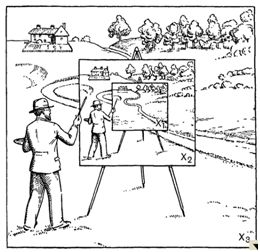
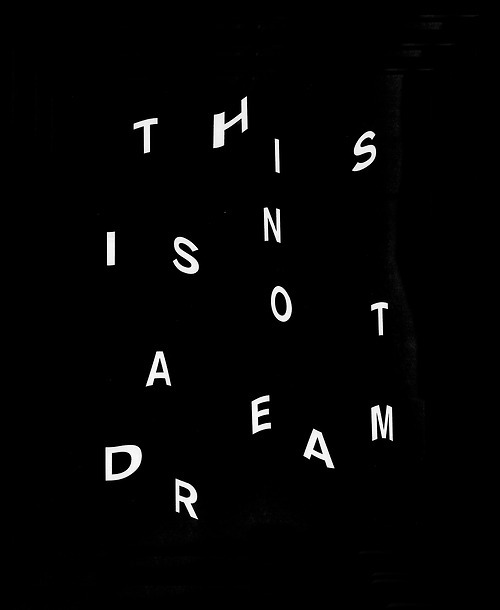
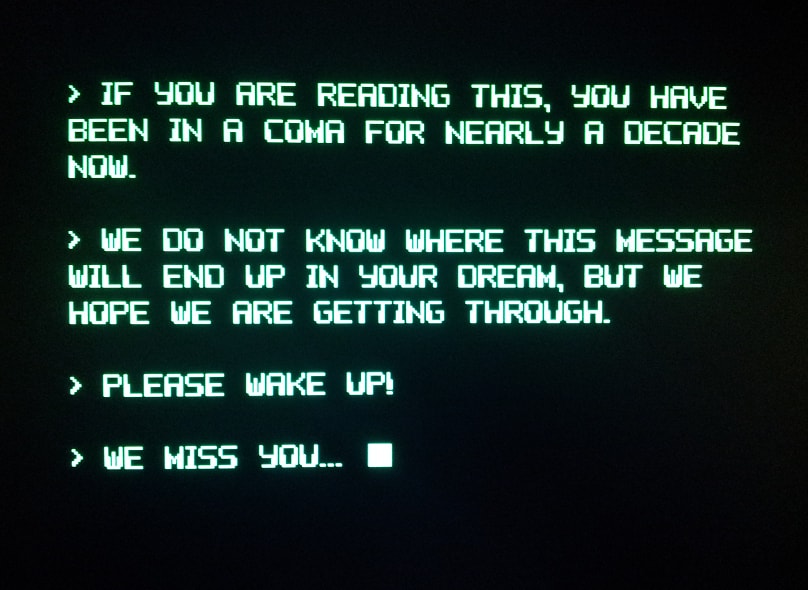
“Once I dreamed I was a butterfly, and now I no longer know whether I am Chuang Tzu, who dreamed I was a butterfly, or whether I am a butterfly dreaming that I am Chuang Tzu.” — Zhuangzi
-
Notes on the Book The End of Certainty - by Ilya Prigogine (1997)
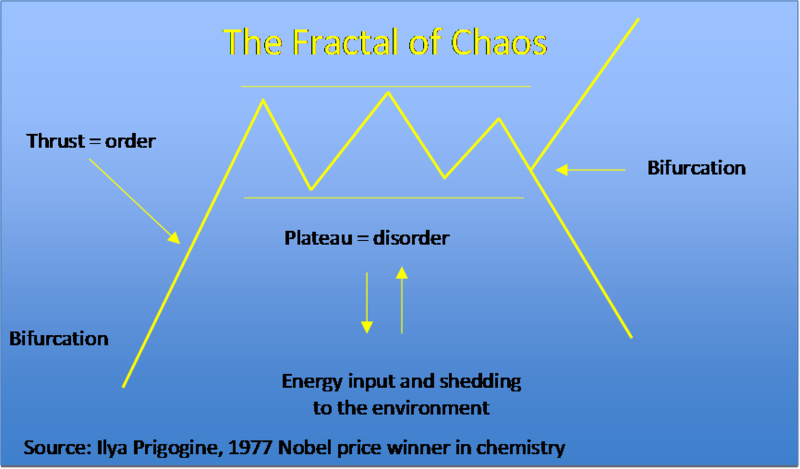
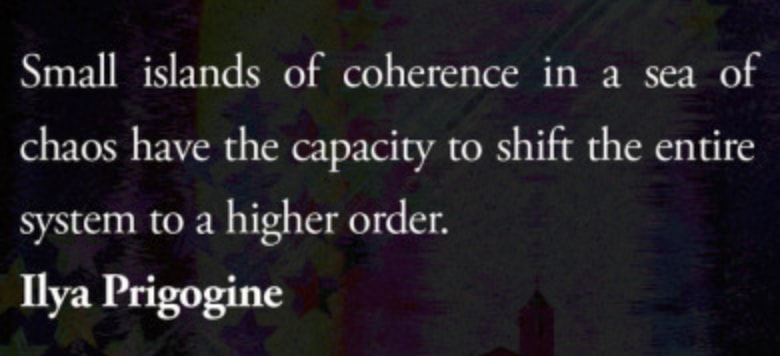
Interesing summery of the book by Mona M.Abd El-Rahman:
Prigogine’s view on cosmology (the more widely accepted Big Band Theory and The Steady State Theory) agrees with that of the Indian cosmologist Jayant Vishnu Narlikar, who wrote “Astrophysicists of today who hold the view that the ‘ultimate cosmological problem’ has been more or less solved may well be in for a few surprises before this century is out”.
“Many scientists have been willing to explain this singularity (the big bang) in terms of the “hand of God” or the triumph of the biblical story or creation.”
“In accepting that the future is not determined, we come to the end of certainty” says Prigogine. He does not believe, however, that this is an admission of defeat for the human mind. He asserts that the opposite is true.
He views the universe as a giant thermodynamical system far from equilibrium, where we find fluctuations, instabilities, and evolutionary patterns at all levels.
Some great quotes from the end of the book: For Einstein, science was a means of avoiding the turmoil of everyday existence. He compared scientific activity to the “longing that irresistibly pulls the town-dweller away from his noisy, cramped quarters and toward the silent high mountains. Einstein’s view of the human condition was profoundly pessimistic.
Science began with the Promethean affirmation of the power or reason, but it seemed to end in alienation – a negation of everything that gives meaning to human life.
Einstein repeatedly stated that he had learned more from Fyodor Dostoyevsky than from any physicist. In a letter to Max Born in 1924, he wrote that if he were forced to abandon strict causality (classical physics and relativity), he “would rather be a cobbler, or even an employee in a gaming house, than a physicist”. In order to be of any value at all, physics has to satisfy his need to escape the tragedy of the human condition. “And yet and yet”, when Einstein was confronted by Godel with the extreme consequences of his quest, the denial of the very reality that physics endeavors to describe, Einstein recoiled. (Godel took Einstein’s Theory of Relativity and classical physics and showed that past and future are equivalent and that it is possible to travel back in time).
Prigogine has tried to follow a narrow path between two conceptions that both lead to alienation: a world ruled by deterministic laws, which leaves no place for novelty, and a world ruled by a dice-playing God, where everything is absurd, acausal, and incomprehensible.
Prigogine ends his book with the following words: “As we follow along the narrow path, we discover that a large part of the concrete world around us has until now “slipped through the meshes of the scientific net”, to use Whitehead’s expression. We face new horizons at this privileged moment in the history of science”.From Wikipedia, on "The End of Certainty":
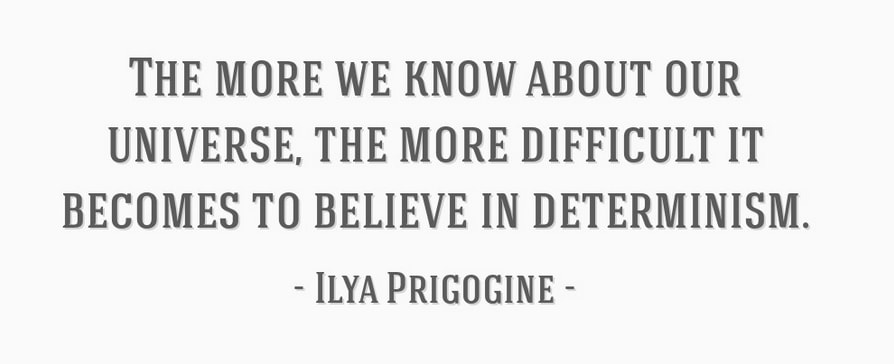
"In The End of Certainty, Prigogine contends that determinism is no longer a viable scientific belief: "The more we know about our universe, the more difficult it becomes to believe in determinism." This is a major departure from the approach of Newton, Einstein and Schrödinger, all of whom expressed their theories in terms of deterministic equations. According to Prigogine, determinism loses its explanatory power in the face of irreversibility and instability."
An interview with Ilya Prigogine by Yiannis Zisis
Ilya Prigogine – On Dualist Knowledge
Dissipative system (wikipedia)
"A thermodynamically open system which is operating out of, and often far from, thermodynamic equilibrium in an environment with which it exchanges energy and matter. A tornado may be thought of as a dissipative system."
#Science #Complexity #Generative #Regenerative #Religion #Philosophy #Book
-
Book: The dragon in China and Japan - by Marinus Willem de Visser (1876-1930) (PDF)



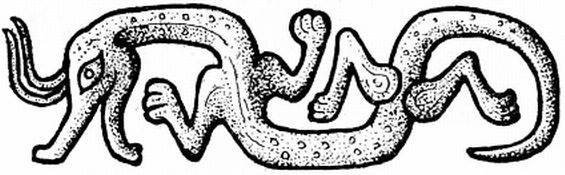
(Alt download link) - #Religion #Magic #History #Art #Book #Dragon
-
"Economy of Permanence - A quest for a social order based on non-violence" - J. C. Kumarappa (with a foreword by M. K. Gandhi):
https://www.mkgandhi.org/ebks/economy-of-permanence.pdf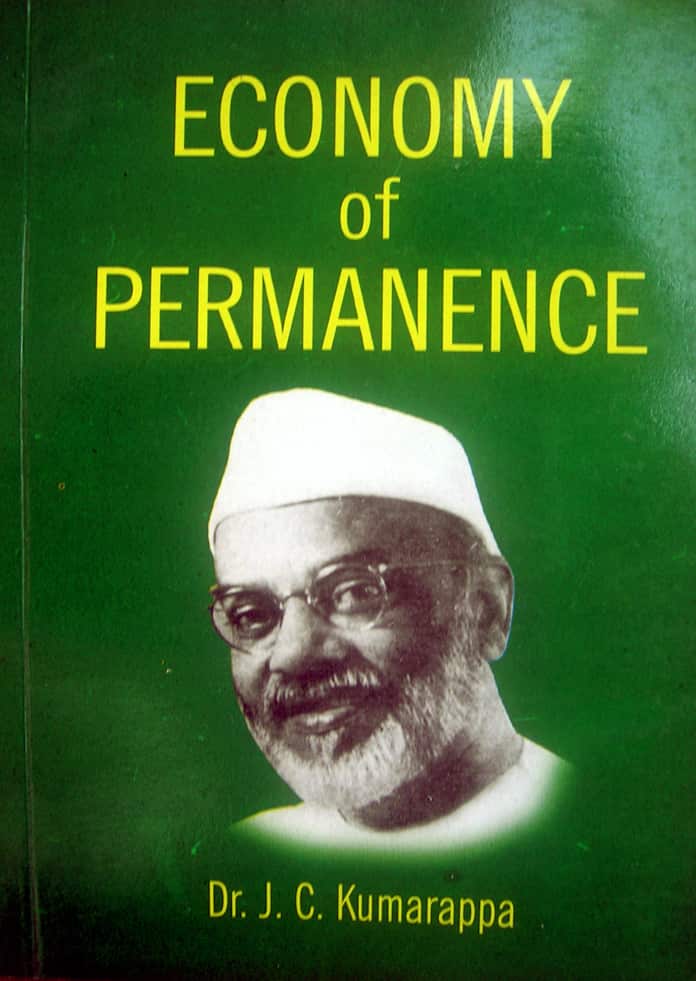
-
"The Urban Homestead: Your Guide to Self-Sufficient Living in the Heart of the City" - book by Kelly Coyne & Erik Knutzen: https://www.amazon.com/Urban-Homestead-Expanded-Revised-Self-Sufficient/dp/1934170100

-
The Dynamics of Patterns - Book by Mikhail Rabinovich, Alexander Ezersky, Patrick Weidman:
https://www.amazon.com/gp/product/9810240562/ref=dbs_a_def_rwt_hsch_vapi_taft_p1_i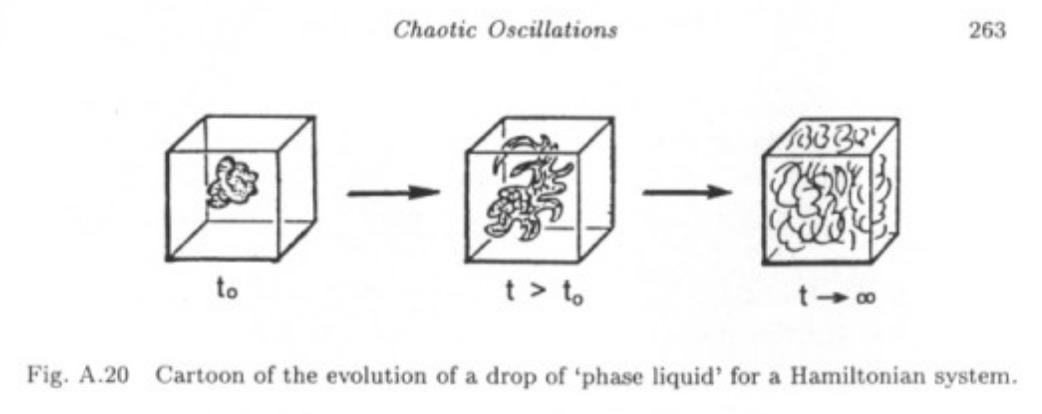
Principles of Brain Dynamics - Global State Interactions: Book Edited by Mikhail I. Rabinovich, Karl J. Friston and Pablo Varona: https://mitpress.mit.edu/books/principles-brain-dynamics
-
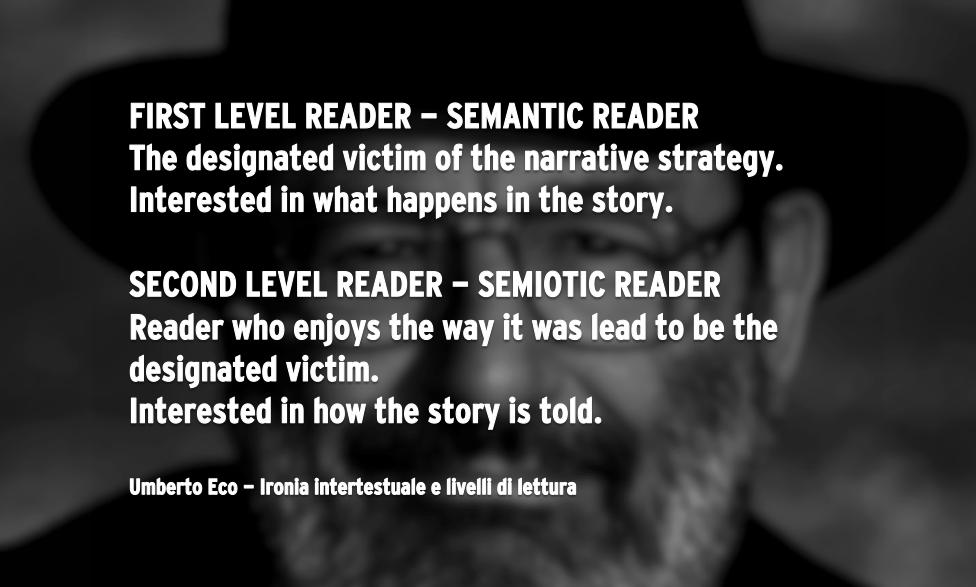
Umberto Eco proposed two models of reader/audience: one interested in the story, and one in the narrative strategy. We alternate between the two mindsets all the time.
-
Dmitry Orlov: How the Technosphere Threatens the Biosphere and our Freedoms:
https://www.amazon.com/Shrinking-Technosphere-Technologies-Autonomy-Self-Sufficiency-ebook-dp-B01N1OO4BD/dp/B01N1OO4BD/ -
The Creativity Code - Art and Innovation in the Age of AI - book by @MarcusduSautoy :
http://www.hup.harvard.edu/catalog.php?isbn=9780674988132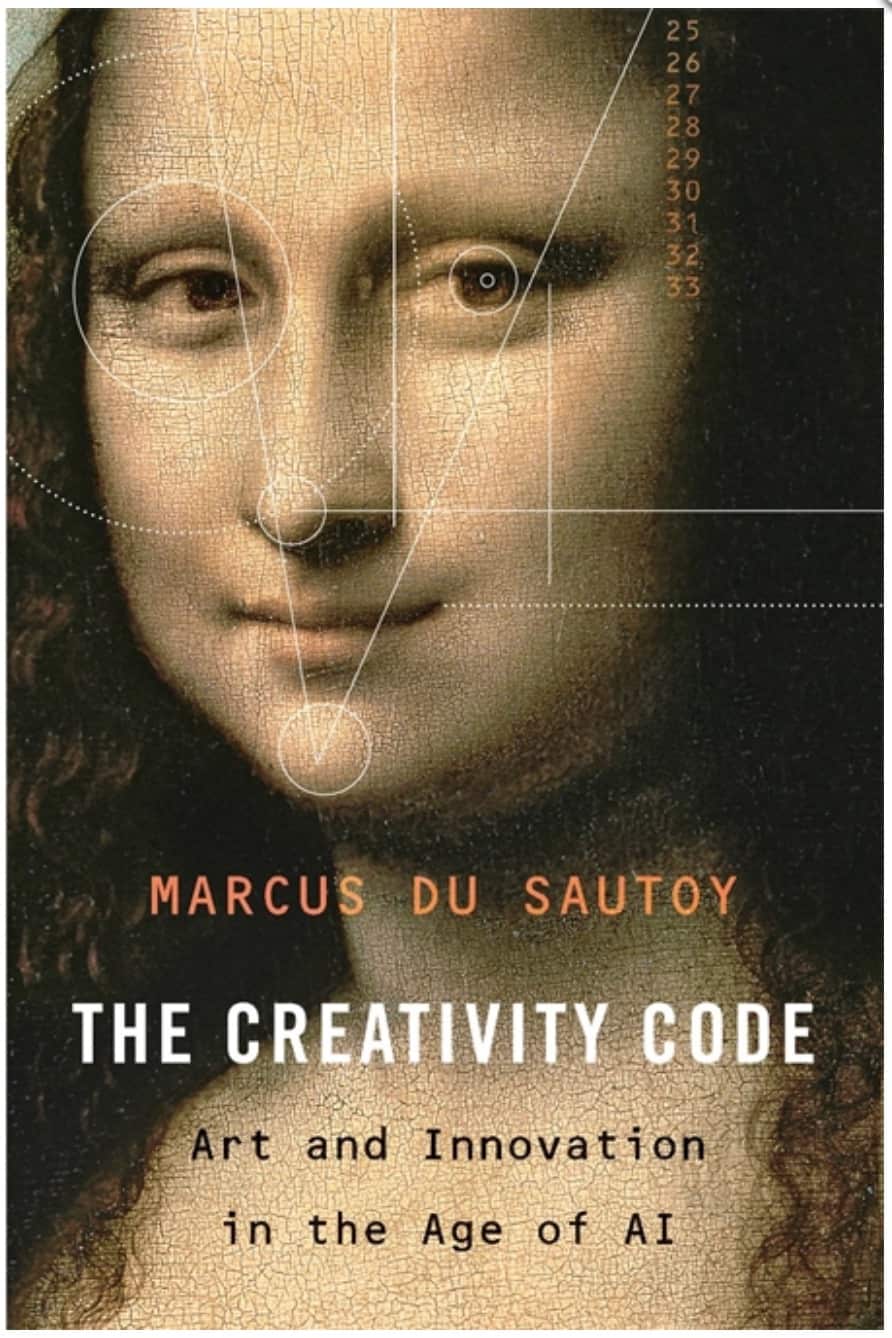
-
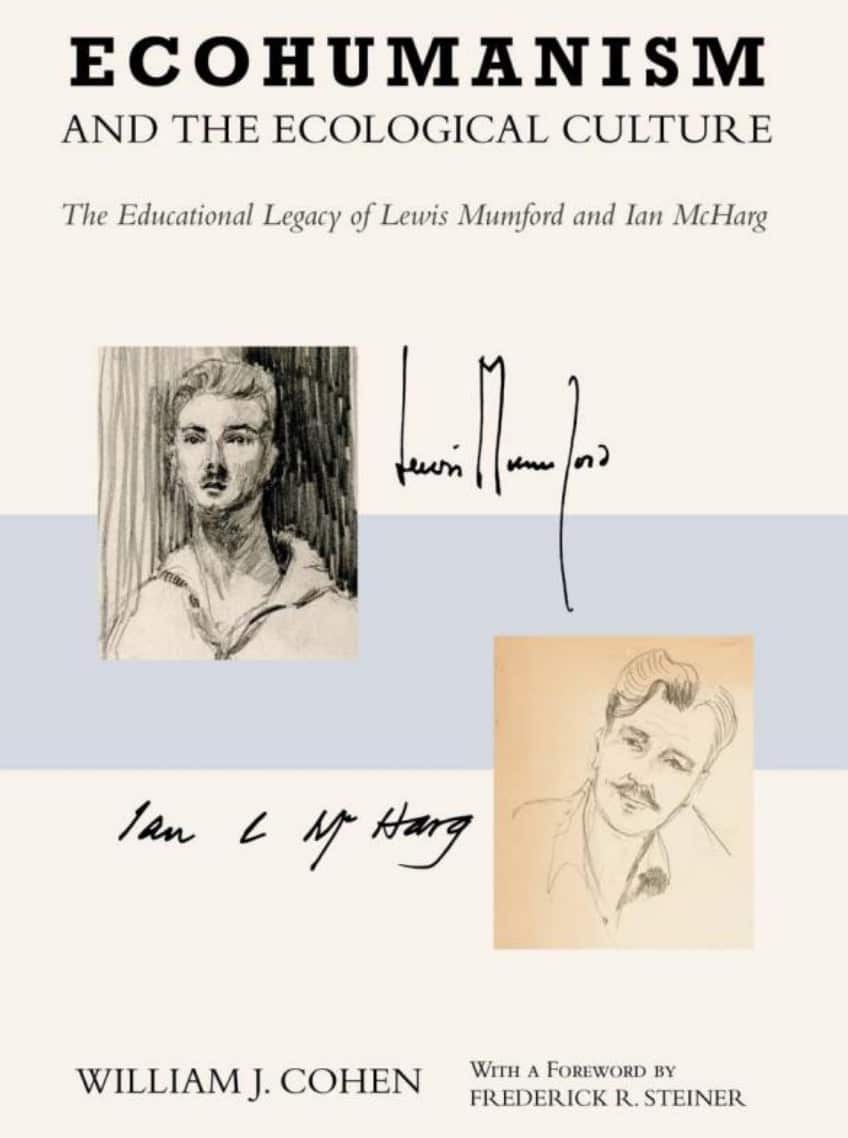
Ecohumanism and the Ecological Culture: The Educational Legacy of Lewis Mumford and Ian McHarg: https://www.amazon.com/Ecohumanism-Ecological-Culture-Educational-Mumford/dp/1439918279/ #Regenerative #Education #Book
-
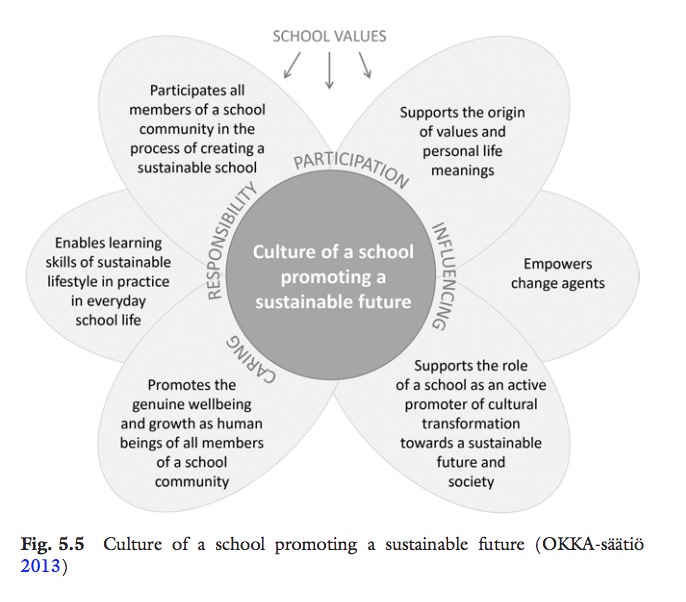
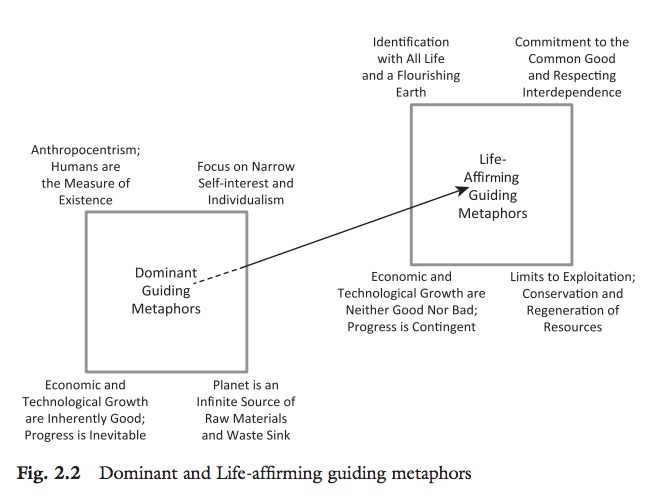
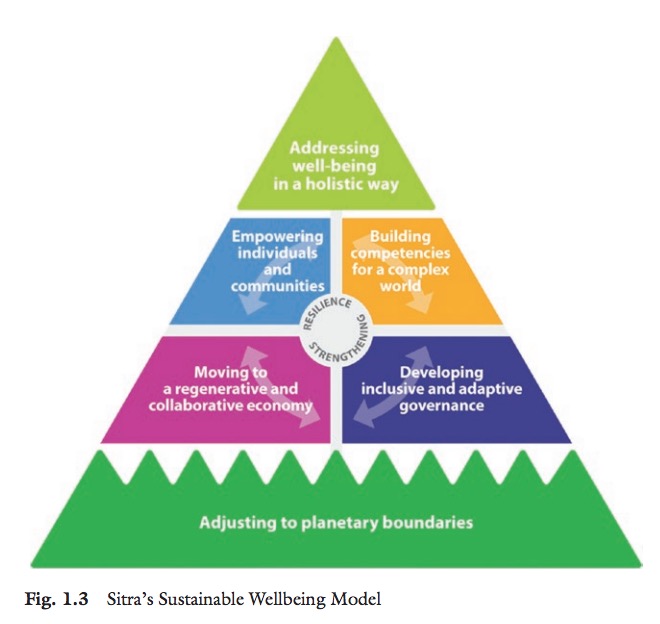
"Sustainability, Human Well-being and the Future of Education" - book by @sitrafund: https://www.sitra.fi/en/publications/sustainability-human-well-future-education/ full open-access e-book: https://link.springer.com/content/pdf/10.1007%2F978-3-319-78580-6.pdf