tag > Book
-
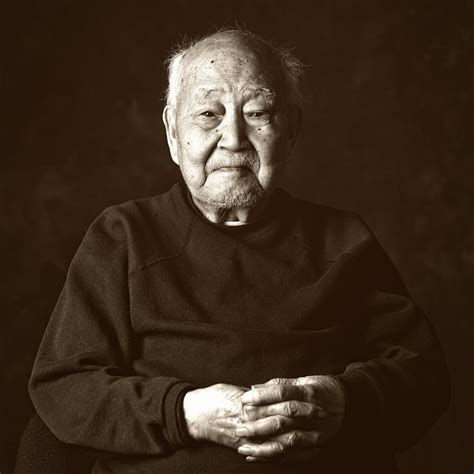
Master T.T Liang (1900-2002)
Master Liang started his martial art career in High School in Tientsin where his physical education teacher was the famous Huang Han Hsun, a Master of Praying Mantis boxing. In 1933, whilst attending a British Maritime Customs service training seminar in Beijing, he was able to study Tui Shou (Pushing Hands) with Yang Cheng Fu (1883–1936), a member of the original Tai Chi Yang family, who also taught Cheng Man Ch'ing. Liang was able to study with him for a couple of weeks but did not name him formally as one of his teachers. After a period of serious illness in Shanghai in 1946, Liang began to study Tai Chi Chuan with various students of Cheng Man Ch'ing, and began formal training with Cheng himself in 1947. He became Cheng's Ta Shih Hsiung (N1 Chief Disciple). Master Liang died in 2002 at the age of 102. (via)
Biography: About Master T.T. Liang - by Sanctuary of Tao
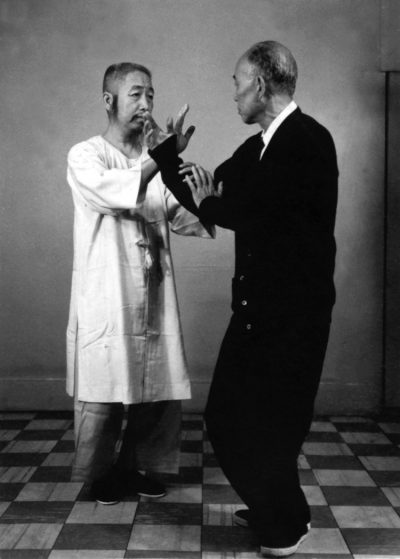
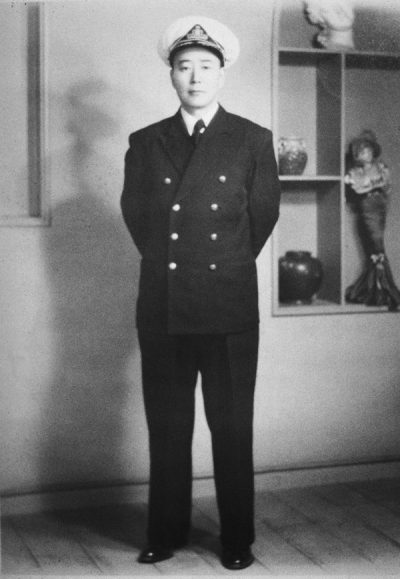
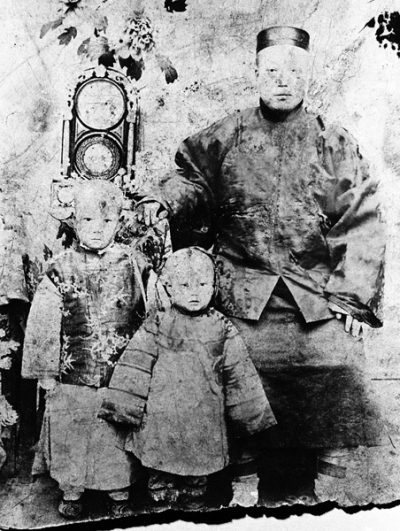
Master T.T Liang (1900-2002) - Yang style Tai Chi, 150 postures full routine
Master T.T. Liang Interview
Book: T. T. Liang's Tai Chi Chuan: The Tai Chi Solo Form with Rhythm - by Jonathan Russell
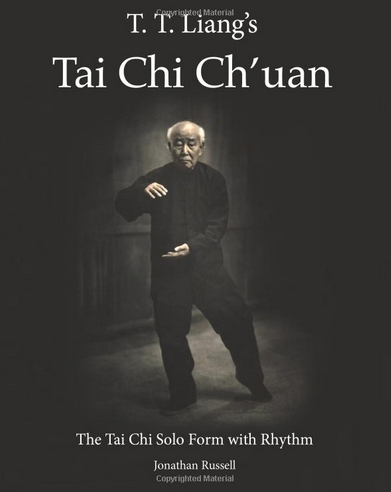
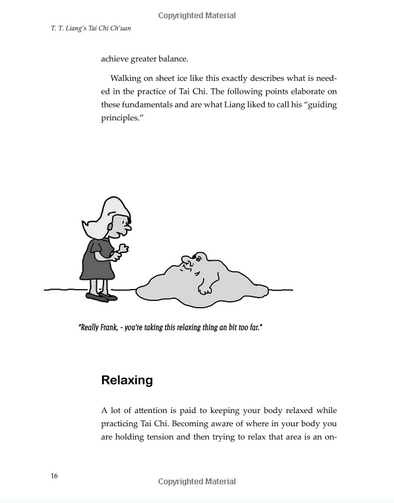
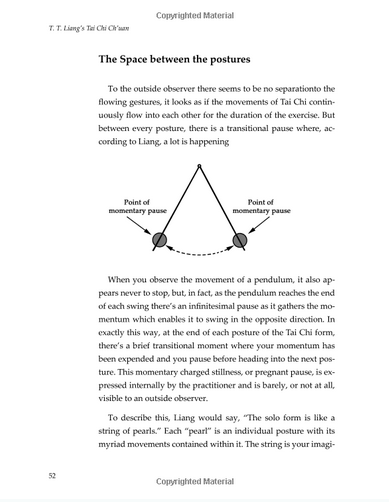
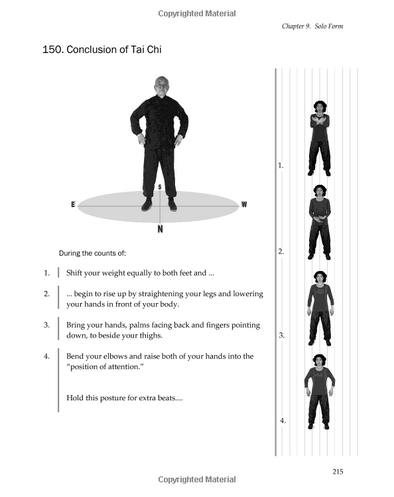
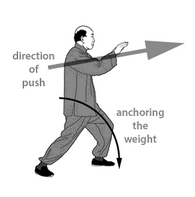
TT Liang Solo form - Performed by Jonathan Russell
-
Paranormal Communism - From the Biography of Gleb Bokii (1879–1937), the chief Bolshevik cryptographer and one of the bosses of the Soviet secret police:
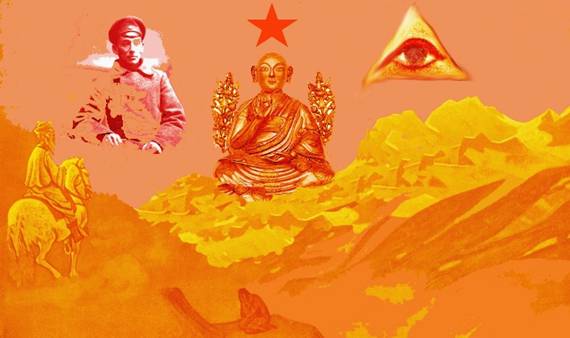
"Inspired by Theosophical lore and several visiting Mongol lamas, Bokii along with his writer friend Alexander Barchenko, embarked on a quest for Shambhala, in an attempt to merge Kalachakra-tantra and ideas of Communism in the 1920s. Among other things, in a secret laboratory affiliated with the secret police, Bokii and Barchenko experimented with Buddhist spiritual techniques to try to find a key for engineering perfect communist human beings. They contemplated a special expedition to Inner Asia to retrieve the wisdom of Shambhala – the project fell through as a result of intrigues within the Soviet intelligence service, as well as rival efforts of the Soviet Foreign Commissariat that sent its own expedition to Tibet in 1924."
See as well this interview with Professor Andrei Znamenski, talking about his latest book, "Red Shambhala", with Professor Guiomar Dueñas-Vargas. (book review here and here)
More here on topic of "Shambhala Researchers" here, including a fun line-up of strangers in strange land, such as Roman von Ungern-Sternberg (see the book "The Bloody White Baron"), Sándor Kőrösi Csoma, Nicolas Roerich, Alexandra David-Neel and many more.
-
Book: "Yurugu: An African-Centered Critique of European Cultural Thought and Behavior" (1994) (PDF) - by Marimba Ani
“Your culture is your Immune system” - Marimba Ani
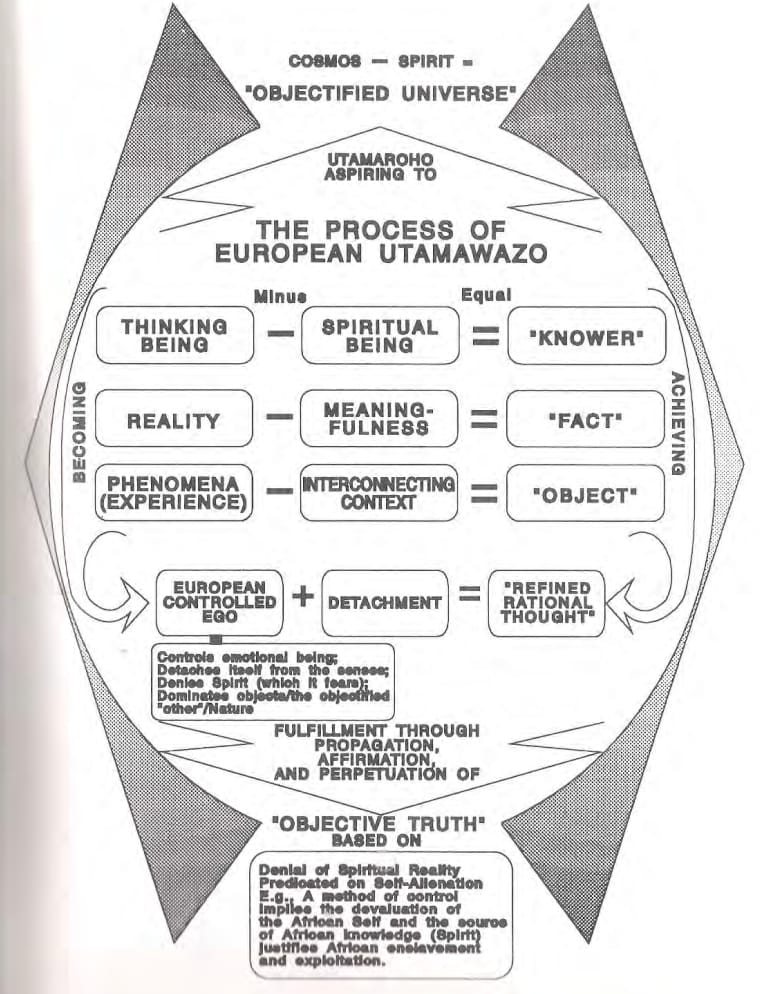
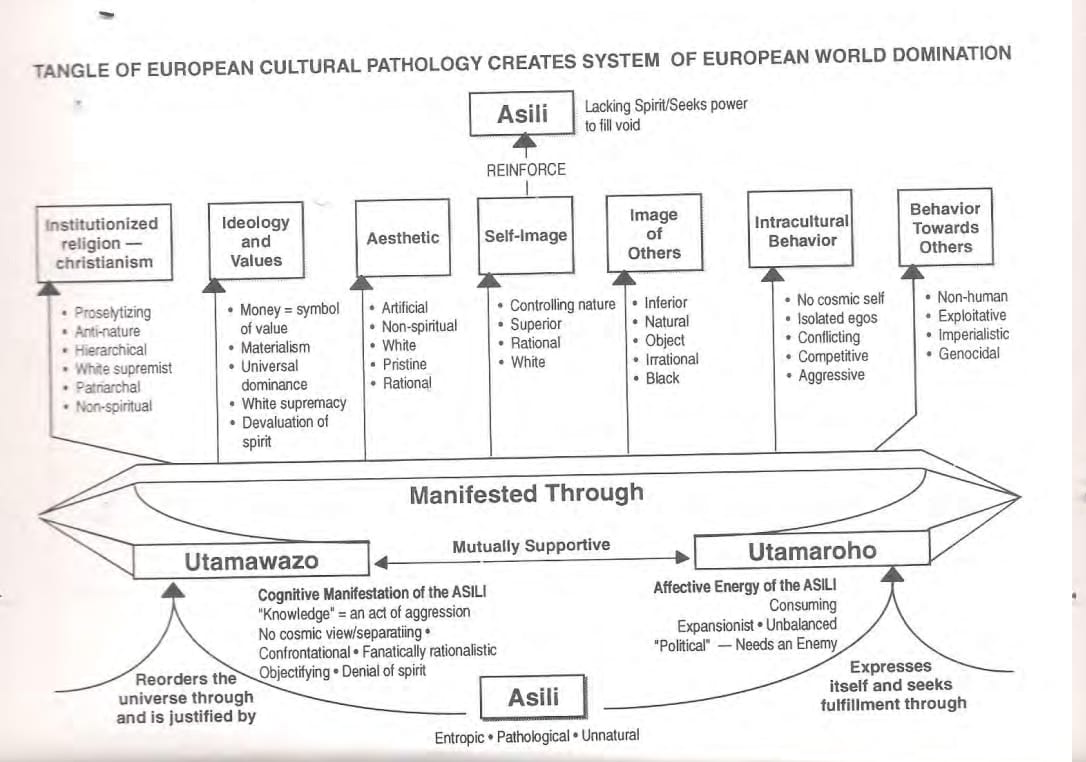
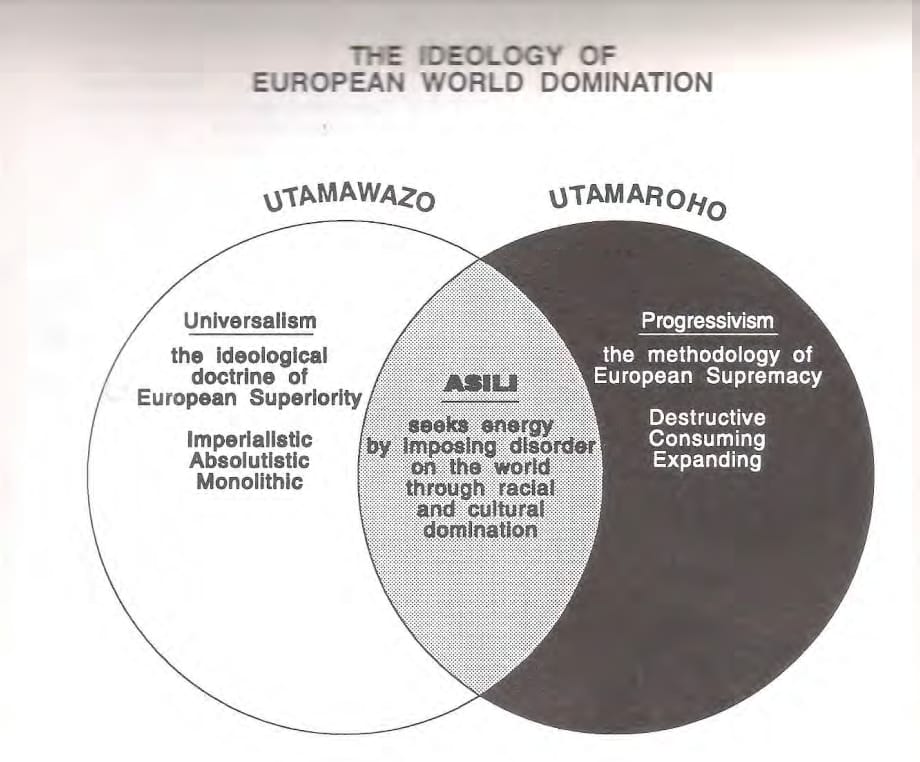
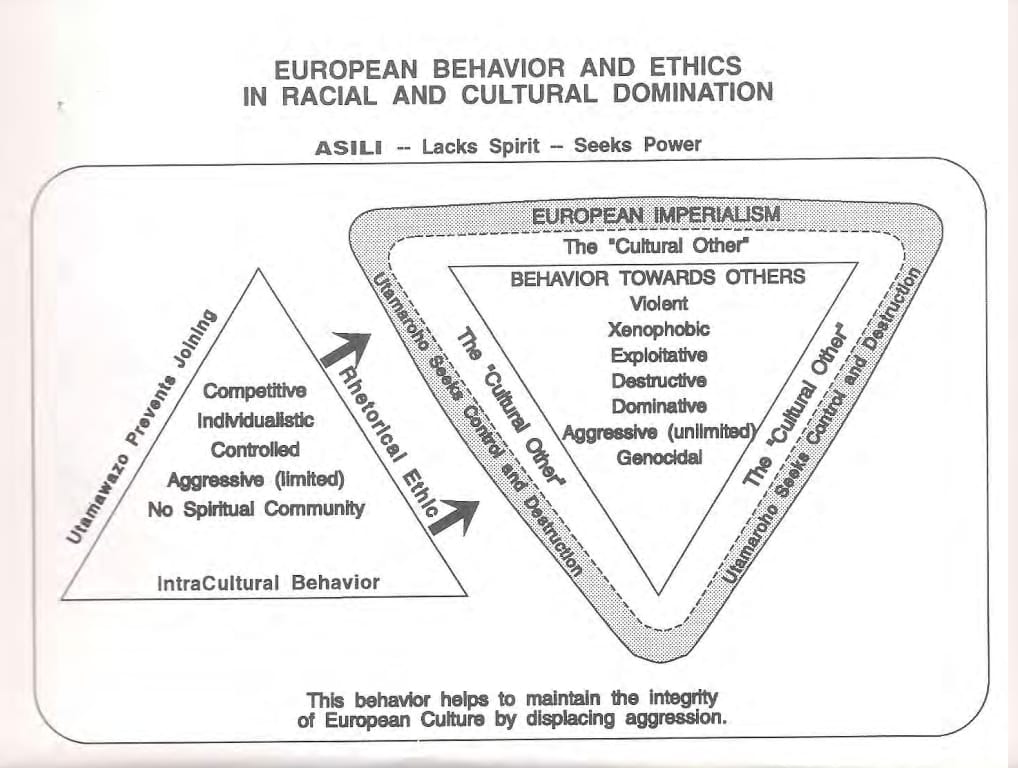
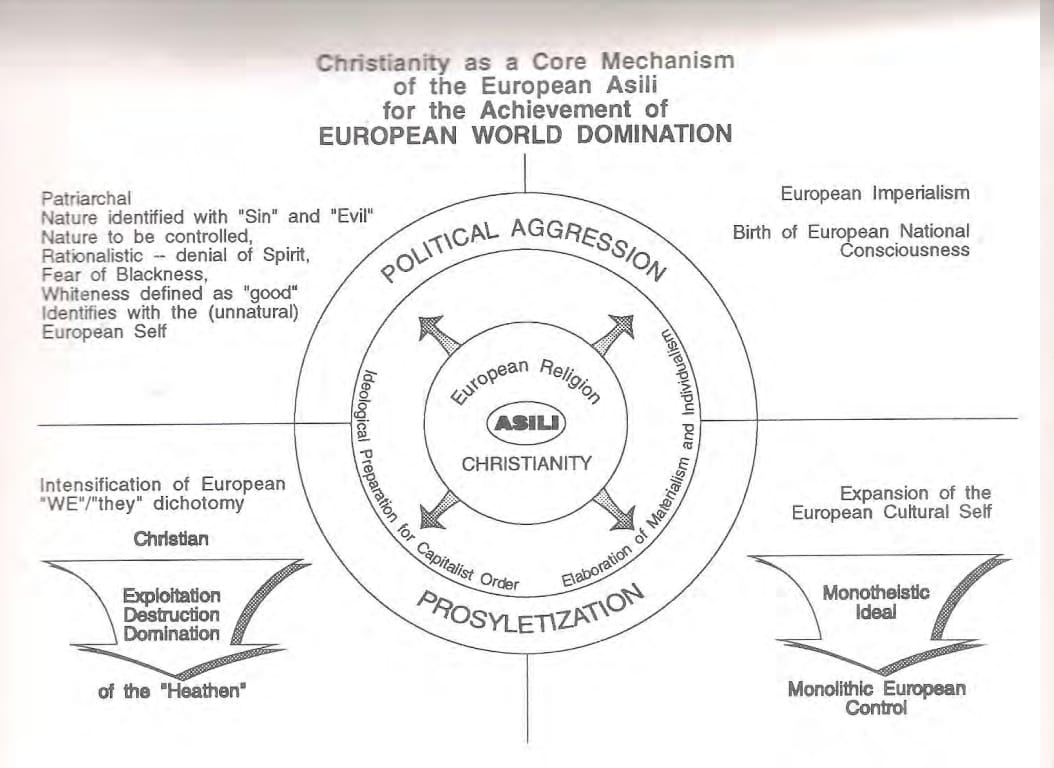
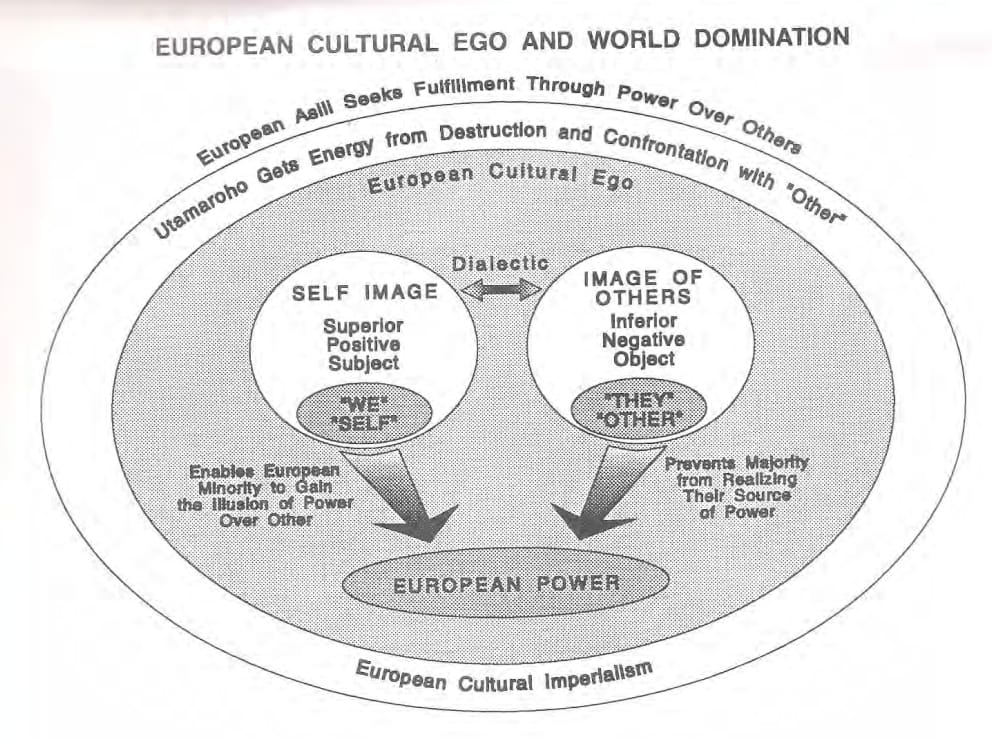
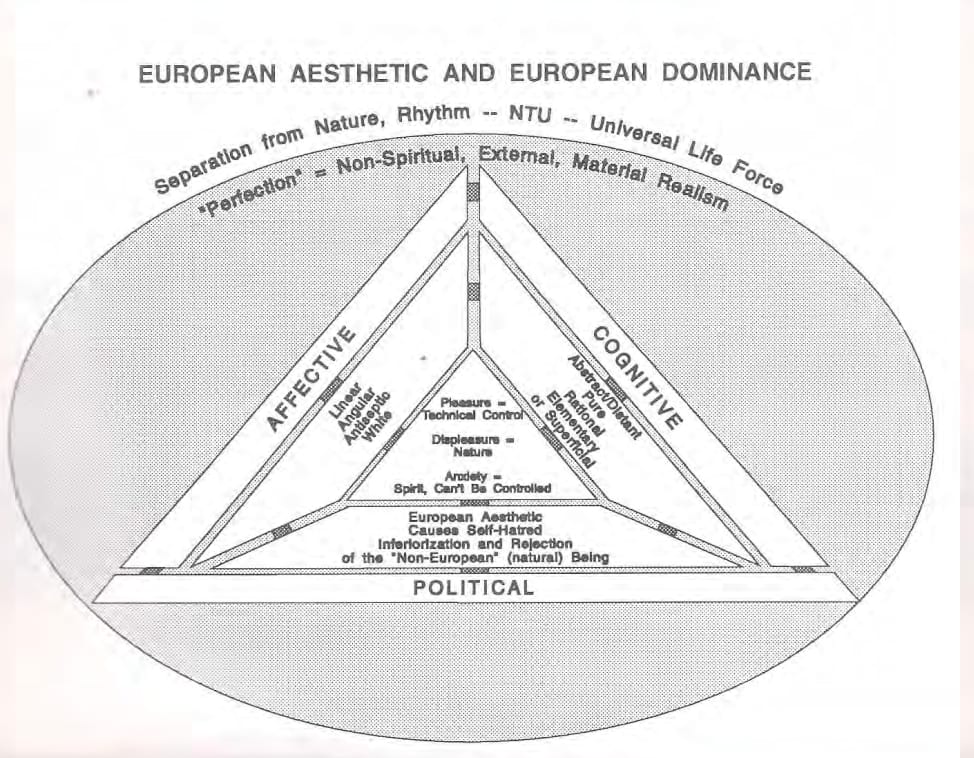
Yurugu: A very brief summary
Ani's 1994 work, Yurugu: An Afrikan-Centered Critique of European Cultural Thought and Behavior, examined the influence of European culture on the formation of modern institutional frameworks, through colonialism and imperialism, from an African perspective. Described by the author as an "intentionally aggressive polemic", the book derives its title from a Dogon legend of an incomplete and destructive being rejected by its creator.
Yurugu, described in Dogon mythology, by the people of Mali, in West Africa, as incomplete, in search of the secrets of AMMA (the creative principle) of which he wants to “gain possession.” Acting with anxiety and impatience, and aggressiveness, he is incessantly restless. Yurugu is responsible for disorder in the universe. This being conceived in denial of the natural order, then acts to initiate and promote disharmony in the universe. In African Cosmology such a being is deficient in spiritual sensibility, is perpetually in conflict, is limited cognitively, and is threatening to the well being of humanity.
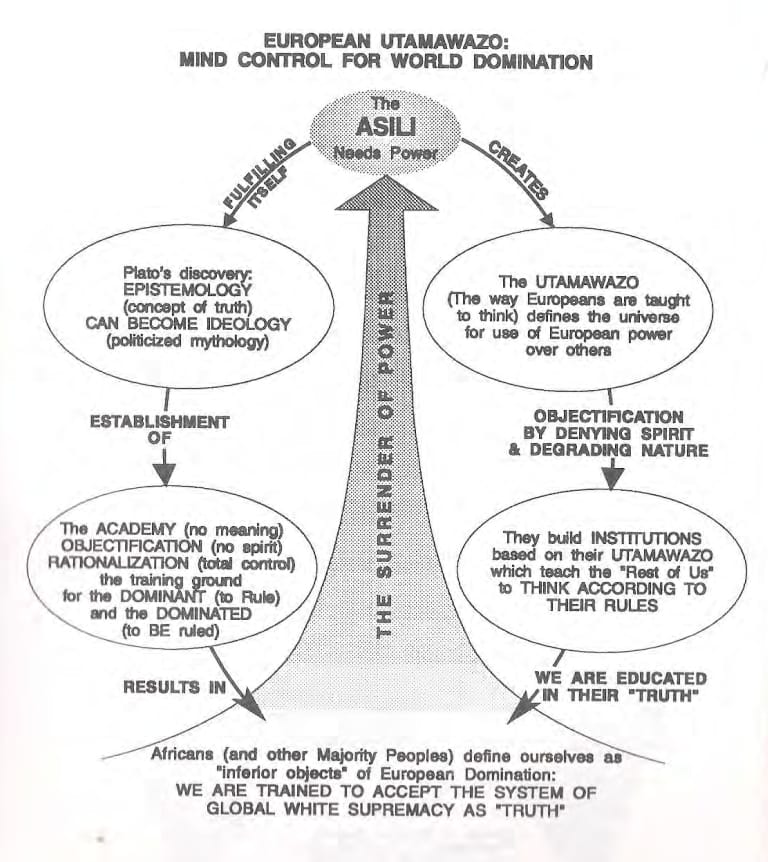
Examining the causes of global white supremacy, Ani argued that European thought implicitly believes in its own superiority, stating: "European culture is unique in the assertion of political interest". In Yurugu, Ani proposed a tripartite conceptualization of culture, based on the concepts of:
- Asili, the central seed or "germinating matrix" of a culture, it's essence.
- Utamawazo, "culturally structured thought" or worldview, "the way in which the thought of members of a culture must be patterned if the asili is to be fulfilled", and
- Utamaroho, a culture's "vital force" or "energy source", which "gives it its emotional tone and motivates the collective behavior of its members".
The terms Ani uses in this framework are based on Swahili. Asili is a common Swahili word meaning "origin" or "essence"; utamawazo and utamaroho are neologisms created by Ani, based on the Swahili words utamaduni ("civilisation"), wazo ("thought") and roho ("spirit life"). The utamawazo and utamaroho are not viewed as separate from the asili, but as its manifestations, which are "born out of the asili and, in turn, affirm it."
Ani characterised the asili of European culture as dominated by the concepts of separation and control, with separation establishing dichotomies like "man" and "nature", "the European" and "the other", "thought" and "emotion" – separations that in effect end up negating the existence of "the other", who or which becomes subservient to the needs of (European) man. Control is disguised in universalism as in reality "the use of abstract 'universal' formulations in the European experience has been to control people, to impress them, and to intimidate them."
According to Ani's model, the utamawazo of European culture "is structured by ideology and bio-cultural experience", and its utamaroho or vital force is domination, reflected in all European-based structures and the imposition of Western values and civilisation on peoples around the world, destroying cultures and languages in the name of progress.
The book also addresses the use of the term Maafa, based on a Swahili word meaning "great disaster", to describe slavery (or African Holocaust). African-centered thinkers have subsequently popularized and expanded on Ani's conceptualization. Citing both the centuries long history of slavery and more recent examples like the Tuskegee study, Ani argued that Europeans and white Americans have an "enormous capacity for the perpetration of physical violence against other cultures" that had resulted in "antihuman, genocidal" treatment of blacks.
Quotes by Marimba Ani
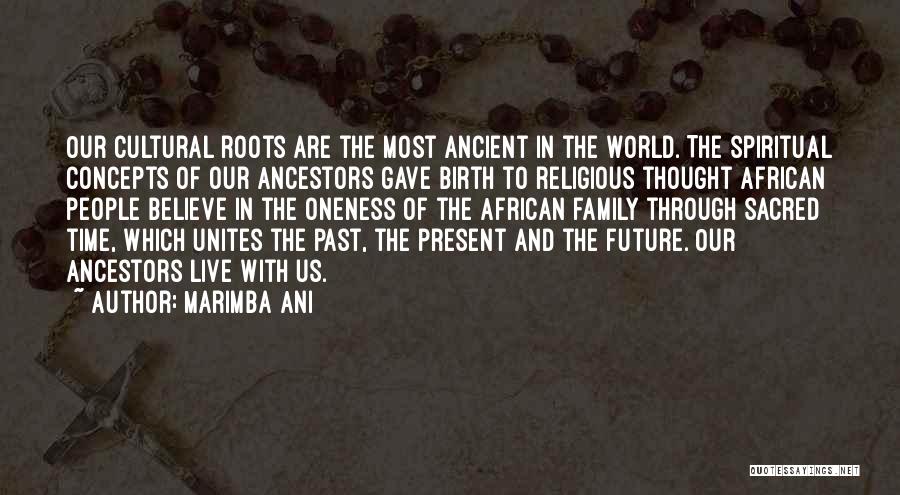
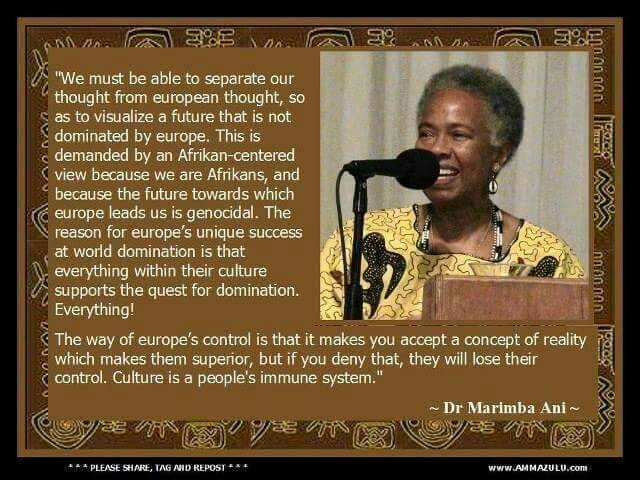

Intellectual “de-colonization” is a prerequisite for the creation of successful, political decolonization and cultural reconstruction strategies. The Caucasian’s (political) imperialistic success can be accredited, not so much to superior military might, as to the WEAPON of culture."
According to Plato’s epistemology, in order to be capable of critical thought, one must be, independent, from that to be know: uninvolved, detached, remote. What this allows for is CONTROL of the self, no longer able to be manipulated by context. A self without context – in African terms is a self without meaning, a “non-self.”
The concept of freedom has to do with the ability – lack of constraining forces – to do. This freedom is the existential prerequisite to individual power. Power, as a Caucasian concept, is the ability to control and to manipulate; control of the self, in order to control and manipulate objects external to the self. [...] The historically exploitative, aggressive, capacious, and selfish nature of Caucasian culture is the antithesis of the professed Christian virtues of “brotherhood, meekness, humility,” generosity and altruism. Capitalism demands the pursuit of one’s own interests. Capitalism is an economic system in which the goal of unlimited gain is linked to this concept of individual freedom and liberty. One must be “allowed” to be properly selfish; that is what it means to be “free.” Self-interest is paramount, and “freedom” is the ability to pursue this interest. One must be a “free agent” – free in the interest of self. [...] Western “democracy” is necessary to assuage the fear and distrust that individuals have of each other. Democracy is envisioned as the system that guarantees the “freedom” of the individual to do what they must on behalf of their own self-interest, which is the control of others.
The motivating factor underlying Caucasian cultural aggression is the power drive, which is fully acted out on the cultural other. Love and power, as they are understood in the West, are opposites. Love representing loss of self and therefore of control, while power demands control of self.
The growth of Caucasian world order was not impeded by passivity and love; rather it thrived on the intensely aggressive and hostile behavior that the asili of the culture encouraged.
Yurugu: A brief summary - by Marimba Ani (via)
Yurugu, described in Dogon mythology, by the people of Mali, in West Africa, as incomplete, in search of the secrets of AMMA (the creative principle) of which he wants to “gain possession.” Acting with anxiety and impatience, and aggressiveness, he is incessantly restless. Yurugu is responsible for disorder in the universe. This being conceived in denial of the natural order, then acts to initiate and promote disharmony in the universe. In African Cosmology such a being is deficient in spiritual sensibility, is perpetually in conflict, is limited cognitively, and is threatening to the well being of humanity.
AMMA, the Creator, ordained that all created beings should be living manifestations of the fundamental universal principle of complementary or “twin-ness.” This principle manifests itself as the wholeness which is created when female and male pairs join in all things. Such establishes equilibrium, cooperation, balance, and harmony. AMMA therefore equipped each being with twin souls – both female and male at birth.
But in one of these primordial placentas, the male SOUL did not wait for the full gestation period to be born. This male being known as Yurugu, arrogantly wished to compete with AMMA and to create a world better than that, which AMMA created.
With his fragmented placenta he created Earth; but it was imperfect, since he was incomplete, born prematurely, without his female twin-soul. The Earth, he had defiled in the act of self-creation, was now inhabited by single-SOUL, incomplete beings like himself. Yurugu’s descendants, all eternally deficient, originated in an incestuous act, since he had procreated with his own placenta, the representation of his mother.
Realizing he was flawed and deficient, Yurugu returned to AMMA, seeking his complementary female self. But AMMA had given his female SOUL away. Yurugu, forever incomplete, was doomed, “MARKED” from birth for failure, to perpetually search for completeness, his female principle, that could never be his.
***Introduction***
There is a “stultifying” intellectual mystification that prevents, the victims, of Caucasian colonization, from THINKING in a manner that leads to authentic self-determination. Intellectual “de-colonization” is a prerequisite for the creation of successful, political decolonization and cultural reconstruction strategies.
The Caucasian’s (political) imperialistic success can be accredited, not so much to superior military might, as to the WEAPON of culture.
Cultural supremism is, the systematic imposition of an alien culture in the attempt to destroy the will of a politically dominated people. The mechanism of cultural supremism causes cultural insecurity and self doubt within the dominated group. Separated from their ancestral legacy they lose access to their source of political resistance.
To be truly liberated, non-white (black, brown, red, yellow) people must come to KNOW the nature of Caucasian thought and behavior, in order to understand the EFFECT that whites have had on our ability to THINK victoriously. Non-white people must be able to separate our thought, from Caucasian thought, so as to visualize a future that is not dominated by them. This is demanded because the FUTURE, towards which Caucasians lead us, is genocidal.
Ultimately the liberation of the thinking of Non-white people, from its colonized condition will require the creation of a new language.
***SECTION 1: Concepts and Terms***
—A THEORY OF CULTURE—
In all cultures there is the “taken-for-granted,” assumed, and habitual aspect that though generally less visible than others, and rarely explicit – exerts the most profound effect on its members. It is precisely because these “hidden controls” functions on such a deep level, that they become habitual responses that are experienced “as though they were innate.”
***SECTION 1: Concepts and Terms Cont.***
—A THEORY OF CULTURE Cont.—
Culture “teaches” its “logic” and “world-view” to the ordinary participants, who assimilate it, assume it, and push it BENEATH the SURFACE, from where it influences their COLLECTIVE BEHAVIOR and response.
Culture, as a “norm”-a-tive structure, concerns standards of desirability – values. “Norms” are rules of conduct, that, specify what should and should not be done. The “norm”-a-tive aspects of culture, combine to form a “set of guidelines” by which people regulate their own behavior and that of their fellows.
“Values” and “norms” can only be supported or positively “sanctioned” within a culture in such a way that behavior that conforms to them is “rewarded” – meets with “success” and “approval.” While behavior that contradicts them is “punished” – results in “failure” and is “put-down” by one’s fellows, or is simply not rewarded in any way, is not recognized as “valued” behavior.
“World-view” is that aspect of culture that, functions to replace presented chaos with perceived order, by supplying the members of a culture with definitions of reality, with which to make sense of their surroundings and experiences. It is the meaningful organization of experience, the “assumed structure of reality.” This “deep structure” of culture, has a most powerful influence on the shape of the culture and the thought-patterns of its members.
Then “special” members of the culture, regarded as “intellectuals, scholars, theorist,” retrieve the assumptions of this world-view and re-present them as tenets of a universal system of thought, one that presents standards of logic, rationality, and truth to the world.
These “intellectuals and scholars” are considered the “theorist” of the culture, when actually, their ideas, simply reflect the assumed reality of the mainstream culture. But the manner of their “presentation” is authoritative.
In this way the Caucasian world-view takes on ideological force not only within, but OUTSIDE the culture, since it can be imposed as universal, speculative and self-CONSCIOUS.
—Asili—
The concept of “Asili” – a Kiswahili word, is used in several related ways to mean: beginning, origin, source, nature, essence, fundamental initiating principle, germ – is introduced. The introduction of this concept implies a theory of culture.
Asili, as a conceptual tool for cultural analysis, refers to the explanatory principle of a culture. It is the germinal principle of the being of a culture, its essence.
Asili is the logos of a culture, within which its various aspects cohere. It is the developmental germ/seed of a culture. It is the cultural essence, the ideological core, the matrix of a cultural entity which must be identified in order to make sense of the collective creations of its members.
The Asili is like a template that carries within it the pattern or archetypical model for cultural development. It embodies the “logic” of the culture. The logic of a culture, is an explanation of how it works, as well as, the principle of its development.
The Asili generates systematic development – it is a statement of the logos. The Asili of a culture is formulative, it is ideological in that it gives direction to development. Asili in its ideological focus, is concerned with that which compels and demands particular forms and content of expression.
Asili allows us to recognize culture as a basic organizing mechanism that forges a group of people into an “interest group,” an ideological unit.
Asili accounts for consistency and pattern in culture, also its tenacity. The Asili determines cultural development, the form that the culture takes; how the culture acts to maintain the integrity of the Asili.
Every culture has an Asili, determined by the collective, fundamental nature of its members. The Asili of a particular culture can be identified and its inherent nature delineated. This presents us with a powerful tool of explanation, since we have a concept that helps to explain the organicity, structure, and development of any culture. Asili accounts for the driving force of a culture, telling us “what makes the culture it tick.”
Asili is a synthesizing concept, it allows us to explain and to see the way in which the various aspect of a culture relate and cohere. This critical relationship takes place within the ideological matrix of the culture, the Asili.
The Asili is the reference point and center – explaining cultural phenomenon within the context of a specific cultural tradition.
Asili, enables us to understand and explain the behavior, thought, and creations of a people in terms of the origin and logic of their culture. It enables us to understand Caucasian thought and behavior as being part of an ideological whole. Caucasian culture becomes explicable as an ideological totality.
Asili is a force, an energy that asserts itself by giving direction to and placing limits on cultural creativity. Asili is the primary determinative factor of cultural development and an essential explanatory principle of cultural theory.
Asili does not imply its own cause – what caused the Asili to come into being.
—Utamaroho—
Two other concepts, to complement the Asili concept, are, U-tam-a-wazo. The concept of “U-tam-a-wazo” is created from the Kiswahili terms:
“U-tam-a-du-ni,” which means: civilization or culture; and “Wazo,” which means: thought; and “Ro-ho,” which means: spirit-life.
So “u-tam-a-roho” is defined as the “spirit-life of a culture,” the collective personality of its members. Utamaroho, like ethos, accounts for: attitude, character, and “aesthetic” in a collective sense. Utamaroho, as collective personality is not self conscious. Utamaroho remains on an UNCONSCIOUS level of feeling. It is affective.
A culture, or group of people possess an immaterial (nonphysical) substance that determines their unique character or nature. We speak of utamaroho as we speak of temperament and character and emotional response. Utamaroho is not individual, it is collective.
Utamaroho focuses on the uniqueness of a particular culture with respect to its emotional rather than cognitive patterns.
Asili is the seed that produces a force. The force is the utamaroho of a people. Utamaroho is the inspirational source from which the utamawazo derives its form. It is the energy source for all of the culture’s collective forms.
“U-tam-a-ro-ho” is the vital force of a culture, set in motion by the Asili. It is the thrust or energy source of a culture; that which gives it its emotional tone and motivates the collective behavior of its members. Both the Utamawazo and the Utamaroho are born out of the Asili and, in turn, affirm it. They should not be thought of as distinct from the Asili but as its manifestations. The Utamaroho of a people is a force made powerful through its collectiveness.
Utamaroho, is not thought out or planned. It is an instinctive reaction caused by “spirit.” Spirit refers to the essential nature of a being. It denotes the way in which the Asili acts to forge a collective response among the members of a culture to life and to the world as they confront it.
Utamawazo conveys the idea of, THOUGHT, as determined by CULTURE. It focuses on the WAY, culture acts to determine, collective cognitive style. It refers to the THOUGHT PATTERNS of a group of people who are culturally related, in so far as these thought patterns are determined by the culture. Utamawazo is not simply thought, but forms of thought.
Utamawazo is culturally structured thought. It is the way in which cognition is determined by a cultural Asili. It is the way in which the thought of members of a culture must be patterned if the Asili is to be fulfilled.
Utamawazo stresses the significance of metaphysical assumptions and presuppositions about the nature of reality, and the way in which the culture presents its members with definitions and conceptions with which to order experience.
Utamawazo, places emphasis on conscious mental operations and refers to the way in which both speculative and non-speculative thought is structured by ideology and bio-cultural experience.
Utamawazo allows us to demonstrate the ideological consistency of the premises of the culture and to identify those premises as they tend to be standardized expressions of a single cultural entity.
Utamawazo focuses on “epistemological definitions” in the belief that as culture acts to fix definitions of truth, the culture constructs a universe of authorization that rejects and incorporates ideas with reference to a cultural predisposition in intent and style. It accounts for perspective.
“Epistemology,” is the division of philosophy that investigates the nature and origin of knowledge. It is a philosophical theory of the nature and origin of knowledge.
Can it be an accident that, the only people who have built an entire CULTURE based on the DOMINANCE of others, are also the only ones who are, Caucasian? NO, it is not coincidental that only Caucasians have based their CULTURE on dominance.
White supreme-ism, is a form of behavior that is SYSTEMATIC. Whites have constructed a SYSTEM of institutions, which depend on and encourage a particular PATTERN of BEHAVIOR towards non-whites, that is called “racist.” The behavior is lodged comfortably within the matrix of Caucasian CULTURE. White world supremacy is part of the definition of Caucasian ideology.
The functioning of culture as a synthetic whole requires the commitment of people, and that commitment requires the conviction that one way of life is right for them.
The inordinate power drive is lodged within the formulative and origination process of the CULTURE – this is the “Asili.”
The “utama-roho” that manifest an insatiable “will-to-power,” developed out of the “Asili” that demanded it.
***Section 2: Plato’s Epistemology***
Nietzsche enthusiastically embraces the “ideology of power” and his accurate interpretation of the power drive as the essential dominating force within Caucasian culture. “Life itself,” he says, “I regard as instinct for growth, for continuance, for accumulation of forces, for power: where the will to power is wanting there is decline.”
Any discussion of the nature and origin of Caucasian epistemology (philosophical theory of the nature and origin of knowledge) must focus on, if not begin, with Plato. Plato’s influence on the Caucasian style of speculative thought and ultimately on the utamawazo – the general premises and assumptions of the culture – has been formulative.
Plato had to argue for the supremacy of his epistemology, his philosophical theory of the nature and origin of knowledge, fighting against the Sophists of his time, the powerful ancient mystery systems of ancient Kemetic (Egyptian) science, philosophy, religion, and other philosophical and ideological possibilities, a long time ago, when Europe was not even in its infancy.
Twenty-five thousand (2500) years after Plato’s concepts were introduced as “new,” “radical” and “revolutionary” to the Greeks, they are now part of the “taken-for-granted,” underlying, pre-suppositional foundation of Caucasian scholarly thought and cognitive aspects (utamawazo) of its world culture as a whole.
The Platonic epistemological mode (utamawazo) put archaic Caucasian culture on the right track, towards successful imperialistic expansion by establishing the intellectual confines of that ideology.
Platonic theory and epistemology and its subsequent development, en-culturation, and reformulation, provided the most effective, ideological underpinning for, politically and culturally aggressive and imperialistic behavior patterns, on the part of Caucasians, precisely because the argument was stated in INTELLECTUAL and academic “scientific” terms.
Plato, not only helped to, establish a theory of the human that would valorize “scientific” cognition, to the exclusion of other cognitive modes, but he established the Academy (university/college).
A characteristic assumption of Caucasian culture is that, association with “academia” (university/college), represents association with truth, superior reasoning capacity, impartiality or “objectivity” and a commitment to nothing other than, the supposed, “abstract truth.”
The Caucasian “cognitive style” (u-tam-a-waz-o) became an extension of Plato-ism. Not only all Caucasian intellectuals, but ALL intellectuals would be trained in the Caucasian Academy (Plato’s legacy). A testament to the success of white cultural supremism/imperialism.
The mode of the academy is still at the base of social control. The Academy (university/college) has preserved a cultural tradition, of a race of people, and a dominant society. The Academy ensures that the ideological intra-structure will remain intact.
Plato was, very much, aware of himself as a social and ideological architect. Plato set the mold for a method of thinking, discourse, argumentation, and organization that would guarantee social control by people (men) like himself. His genius was in understanding that to do this successfully he had to influence the style of thought, language, and behavior of all human beings, their total experience.
Plato laid a rigorously constructed foundation for the repudiation of the symbolic sense – the denial of cosmic, intuitive knowledge.
Plato’s “Republic” is the paramount guide to activity, in an endless approach to supposed perfection.
Plato’s “Republic” is his, ideological justification of, the State, he wishes to bring into being – as the creation of the OBJECT.
Plato established a dogma that, not only discredited other epistemologies – philosophical theories of the nature and origin of knowledge – it established a hierarchy, in which, certain kinds of people – the worlds majority of Non-white – were inferior.
Plato’s epistemology became the foundation for a form of social organization that would facilitate, world DOMINATION of the many (Non-white), by the FEW (white).
Plato’s epistemology became the assumptions of white world cultural tradition, these assumptions, translated into an ideological tradition of the civilization.
***Section 4: OBJECTIFICATION***
A cognitive modality, which designates, everything, other than the SELF, as OBJECT. This process mandates a de-spiritualized, isolated EGO, and facilitates the use of knowledge as, CONTROL and power over the OTHER.
The creation of the OBJECT, requires a transformation of the universe – no longer experienced but rather, “objectified.” Plato performs this feat in the “Republic” – a psycho-intellectual maneuver by which the SUBJECT is able to separate the self, from the known. This SEPARATION, is the KEY that, LOCKS the door to, the possibilities of the apprehension of a SPIRITUAL universe.
The psyche undergoes a transformation. The Greek word “psyche” indicates an understanding of an “autonomous self,” distinct from everything surrounding the self. The self is no longer a cosmic being, instead it becomes “the thinking subject.” The primary function of this self becomes the “knowing” and “thinking” of scientific activity, which is no longer connected to “intuiting,” the cosmic universe.
The assumption of cosmic interrelationship, forms a basis of communal relationships, as well as sympathetic relationship with the natural environment.
Plato’s “autonomous, thinking self or psyche” is a thing or entity capable of not only scientific cognition, but of moral decision.
For Plato, with rationality comes the power to make, moral decisions, and only this new “autonomous thinking self” could properly be the seat of moral decision.
Plato’s “thinking self” discarded other aspects of our “human” beingness as invalid or unworthy (unreal) and declared this super-conceptual function – this totally cerebral activity – as the essence of humanness.
This means that the SOUL became identified with “cognitive thought,” with “cold” calculation, with lack of emotion and a denial of feeling and sensation.
Plato’s theory of humanness successfully creates an illusion of the isolated self. This conception of the autonomous thinking self has locked the Caucasian into a narrow and limiting view of the human. A kind of spiritual retardation, in which painful isolation and alienation either incapacitates participants in the culture or makes them extremely efficient competitors, aggressors, and technocrats (technicians).
The way we create OBJECTS is by, totally detaching ourselves from what it is we wish to KNOW. By eliminating or gaining CONTROL of emotions, we become thinking SUBJECTS, distinct from the contemplated OBJECT. Through this separation, this remoteness, this denial of COSMIC RELATIONSHIP, OBJECTIFICATION is achieved.
This emotional distance from the OBJECT, is achieved by first and foremost, gaining control – by placing REASON (intellect) in control of emotions (feelings).
According to Plato’s epistemology, in order to be capable of critical thought, one must be, independent, from that to be know: uninvolved, detached, remote. What this allows for is CONTROL of the self, no longer able to be manipulated by context. A self without context – in African terms is a self without meaning, a “non-self.”
In Plato’s, “epistemology of objectification,” there is a separation between the SELF (subject) and the non-self (phenomenal world). The phenomenal world (non-self) – the totality of phenomena conceived as constituting the non-self – are the anti-thesis of SUBJECT, EGO, self-consciousness, becomes an OBJECT, an “it.”
The phenomenal world (non-self) becomes an, ENTITY (object), totally independent of the SELF (subject).
External reality – and conceptions formed in the mind itself – is to be apprehended.
Only the Platonic state of mind is equipped to deal with “knowledge,” because the mind has separated itself from the “object.”
This idea of CONTROL is facilitated by first, separating the human being into distinct compartments of “reason” and “appetite” or “emotion.” Reason is a higher principle or function, appetite is “more base.”
The cognitive self is split into that which controls – the conquering self, and that which is or should be controlled – the controllable other.
The key is CONTROL. Reason is positive, valued, “higher” – emotions are negative, devalued, “more base” because they have a tendency to control us. Such control is an indication of powerlessness. To understand the SELF as a COSMIC SPIRITUAL (emotional) BEING, is to be rendered, powerless, to the Caucasian..
SPIRITUALITY rest on the conception of a SACRED COSMOS that transcends physical reality, in terms of significance and meaning. Spirituality enables us to apprehend the SACRED in our natural, ordinary surroundings.
Spirituality is the recognition of spiritual connectedness, beyond lineal, ordinary, profane time. Spirituality is the apprehension of cosmic interrelationship; the apperception of meaning in existence; and the degree to which one is motivated by such meaning.
Spirituality is our ability to relate to the metaphysical levels of experience. It unites thought and feeling and thereby allows for intuitive understanding. This cognitive, affective sense is transmitted through collective relationship.
Spirituality, is a particular vision of a universal reality in which a given order underlies organic interrelationship of all beings within the resultant cosmos. This perceived order is, a matter of faith, is of a metaphysical-essentialist nature. It is on this ultimate, primordial level that meaning is derived, to explain material physical reality – spirituality is transcendent nature.
In spiritual conceptions while we function pragmatically within a profane reality, that “reality” is never thought to be the essence of meaning. In spiritual conceptions there is always a striving for the experience of a reality that joins all being. It allows for the apprehension of spirit (energy) in matter (form).
The SELF is conceived as a COSMIC SPIRITUAL BEING, a being that experiences itself as intimately involved with other beings in the cosmos. Cosmos refers to the universe as a unified, interrelated (organic) whole. A COSMIC SPIRITUAL SELF, cannot OBJECTIFY the universe.
Plato traveled widely and studied in various “mystery schools,” in Kemet (ancient Egypt), which were held in highest esteem. In the ancient Kemet conceptions, from which Plato learned, the universe was a cosmos, a harmoniously ordered whole. All phenomena were connected by a universal life-force, which made a unity of being.
When the Platonic mentality confronted the Kemet, esoteric, spiritualistic conception, it was rendered intellectualist, exoteric, and ideological.
The science of the cosmos, which later came to be known as alchemy, used mathematics, as a metaphorical expression and symbolic language that allowed the knowing person to participate in eternal truths.
For Plato, mathematical, geometrical proportions became the standard of beauty. The order had been reversed. Spirit was no longer primary, “creating symmetry and proportion” in the natural sphere, but symmetry and proportion were now used to impose a standard on the natural and on human conceptions. For Plato the geometrical form became a measure of perfection.
In the Platonic mentality the “object” is controlled by the mind that contemplates it. With this knowledge comes power, because the world could begin to be understood as being comprised of many such objects, capable of being manipulated by the knower, the knower who is aware of self, as knower and as being in complete control.
Unless the intellect is separated from the emotions – by controlling or eliminating the emotional relationship to a given situation, thing or person – it is not possible to talk about emotion distinctly, or concentrate on gaining knowledge.
To THINK PROPERLY – to achieve and be capable of scientific cognition – about an OBJECT, is to gain knowledge of (mastery and control over) an OBJECT.
Plato’s objectification is a cognitive modality which designates everything other than the “self” as object. This process mandates a de-spiritualized, isolated ego and facilitates the use of knowledge as control and power over other.
This results in the splitting of the human being. No longer whole, we become “mind vs. body.” The superiority of the intellect over the emotional self is established as, spirit is separated from matter.
This splitting of the human being facilitates the achievement of that supreme mental state (of being) in Caucasian culture, identified with the ability to “THINK.”
Plato’s “reason” is the denial of SPIRIT. Reason functions to control the more “base appetites” and “instincts.” For Plato, self-mastery, like justice in the State, is achieved when reason controls.
Plato described for Caucasians the “Ideal State,” in which the human being, who has gained control of self, controls those who haven’t.
Justice or the Good is achieved when the “best” controls the “worst.” In the State, the “highest” control, the “lowest.” The person is constantly at war with their own self and is not properly human until REASON, controls, emotion.
Plato indicates, the “higher” tendencies will always be “less” in number and the “lower” tendencies of greater mass. This rationalizes an ideology of CONTROL by, the FEW, within the State, and world DOMINANCE by a small white minority.
The mind is trained from birth to think in terms of dichotomies or “splits.” The splits become irreconcilable, antagonistic opposites. Holistic conceptions become almost impossible given this mind-set.
The mind is artificially split into conflicting faculties or tendencies – to think in terms of one faculty “winning” or controlling the others.
The process of VALUATION occurs in which one term is VALUED and the other is devalued. One is considered “good,” positive, superior; the other is considered “bad,” negative, inferior. Unlike the Eastern (Zen) conception of Yin and Yang – harmony is achieved through the balance of complementary forces – these contrasting terms are not conceived as complementary and necessary parts of a whole.
The members of a culture can VALUE one style of cognition over another. One will be emphasized and encouraged, while the other is not. A person will be rewarded for thinking in the valued mode, and such habits of thought will be reinforced in the formalized learning and socialization processes.
The process of “dichotomized perception” of reality, in the Caucasian utamawazo, is what the controlling imperialistic behavior depends upon. The utama-roho, which needs to control, is dependent on the antagonistic oppositions presented by the cognitive style – utamawazo- of the culture. Realities are split, then evaluated, so that one part is “better,” which mandates its controlling.
“Harmony” is RATIONAL order, an order based on the mechanism of CONTROL. Harmony is achieved when the “positive” term, CONTROLS (or destroys) the “negative” term: when reason controls emotion, both in the person and in the state.
The Platonic epistemology, which idealized objectification, enhanced the idea that, there was only one correct method of reaching truth, and that was via “logic.”
The idea of “logic” is presented as though it were a guarantee that conclusions would have absolute, verifiable truth. Anything else was mere opinion, subject to the shims of human nature. Logic helped one to maintain one’s “objectivity” (emotional distance).
Platonic epistemology allowed one to choose between the “logically and eternally true” and the “logically and eternally false.” Plato identifies the “logical” with the “eternal.”
The Platonic-influenced utamawazo provides the theoretical basis for a conceptual ethics – an ethical system – the themes of which are considered to be VALID, as long as they are consistent in terms of the logic of that system. What is “ethical” becomes what is “rational” and “logical.” The individual’s ability to act ethically is based on one’s ability to think “rationally” – “abstractly.”
Linear logic is only one aspect of our consciousness, one part of our cognitive apparatus, humans also have intuition. Deficient in “Intuition” – the ability to grasp cosmic reality, organic interrelationship – Caucasians were deprived of a different kind of power, which comes from JOINING.
***Section 5: Rational – Scientific Man***
When Plato described “justice” as the triumph of “reason” over “passion” in human beings, he was laying out a blue print for what he wanted the “men” of the Republic to become. Rationality helps to create a certain kind of person (“individual”).
Caucasian “rationalistic ideology” has created a particular kind of person who can be expected to behave in certain characteristic ways.
In Plato’s day there may have been only an inconsequential number of people “capable” of conceiving in this way. Now, whites are almost “born” with a concept of themselves as a, distinct psyche, isolated from all “others” and being responsible only to themselves.
The Platonic, “thinking-self” that exist separately and distinctly from the objects it encounters, enabled Caucasians to construct a rationalistic science.
Rationalistic science serves as the supremely valued activity, replacing “religion” (spiritual knowledge).
What is considered to be science and scientific method is regarded with the awe and humility that in other cultures represents the “religious attitude.”
“Scientific man” indicates a state of mind and of being: a way of looking at the world. Scientific man is “he” who approaches the universe with a particular attitude. Scientific man is above all logical, remote and detached.
Scientific knowledge is the ability to control, manipulate, and predict the movements of people and other “objects.
The desire for power – ever expanding control – is the basis of Caucasian culture, science, representing the epitome of rational control and manipulation to the Caucasian mind, becomes a primary means of power. Scientism is but its universalistic expression.
A scientific ideology was unavoidably attractive to the Caucasian mind. What they called “scientific truth” – a truth stripped of its human implications – could be imparted and absorbed “coldly” and rationally (“scientifically”). The extension of the scientific method in every aspect of human contemplation and experience was dictated by the Caucasian fear of the spiritual-emotional, which does not lead itself readily to manipulation and control. Objectification and the scientific method give the illusion of the kind of control and power that the Caucasian UTAMAROHO requires.
The Caucasian psyche needs the illusion of a rationally ordered universe in which everything can be known.
The supremacy of the rational mode requires that the human being be split into rational and irrational (emotional) tendencies. The rational self offers the possibility of knowledge (control), while the emotional self is a constant threat to the loss of control.
By controlling the emotions and dulling the senses, “it” (the ego) is able to project “itself” and to seek domination of others.
Rationalistic epistemology, requires that the “self” be split and that its emotional ground be denied. That which is denied represents precisely the aspects of the human SOUL that allow one “self” to join with another.
The “rational man,” is above all the person who is in control of his passions. He makes decisions – choices based on reason – the proper and invulnerable guide. Being in control of himself puts him in a better position to manipulate and control others – those who are irrational or less rational. He has power over others by virtue of his rationalism. Through the institutionalization and abstraction of the “rational” decision-making process – of which science is constituted – he believes that he can even control his destiny. He plans, predicts, and creates his future.
Other cultures are experienced as the emotional, uncontrolled self. It is “just” (“rational”) that inferiors should be conquered by superior beings.
This control of the emotions begins to imply the elimination of feeling. Whites learn to value unemotional behavior, by being cold, uninvolved, “rational” they gain respect, referred to as the achievement of “objectivity.”
Rationalism and its ascendance to the position of dominant cultural mode, dehumanizes humanity as it consciously de-spiritualizes the universe. De-spiritualization of the world denied whites the possibility of transcendence, of attaining a sense of the divine, an awareness of the sacred dimension, the experience of the eternal, to exceed the boundaries of a conceptually limited EGO.
The lack of identification with others was in Plato’s conception the primary rational act. The idea of “identification with,” love of, and sympathy or empathetic understanding for others goes against the grain of the Caucasian tradition; it is an epistemological, ideological, political, and spiritual contradiction. A morality based on “altruism” is inconceivable in the Caucasian context.
The universe transformed into lifeless matter, the supernatural is reduced to the natural, which means merely physical.
Spirituality represents a constant threat to the ordered system Caucasian have constructed.
Once the human spirit had been devalued as a DETERMINANT and inspiration of culture, the character of the culture itself began to move further and further in the direction of the DENIAL of that spirit.
This is the result of the de-sacralization of the universe by the Caucasian UTAMAWAZO and the arrogance that accompanies it.
Caucasian culture is a culture with, a non-spiritual ideological base. This essential and defining characteristic has allowed it to become the most materially successful culture, the most aggressively political culture, the most scientifically rational culture, and the most psycho-pathological culture the world has ever known.
It is at the same time the only culture that provides little source of spiritual or emotional well-being for its members, It carries little tradition of insight into the human spirit and virtually no knowledge of the human SOUL. It is atrophied toward nonhuman realities.
The Caucasian utamawazo – its intense rationalism, analysis, objectification, and lineality – all contribute to the illusion of intellectual power and the achievement of material power.
The Platonic emphasis, mandated the use of “objectification” as the essential mental “tool” of conceptual rationalism. Intense objectification is a prerequisite for the de-spiritualization of the universe, and through it the Caucasian/white “world” was made ready for ever increasing materialization.
Materialization begins with the separation of spirit and matter. This separation, results in the denial of spirit (de-spiritualization), the loss of meaning, and the loss of cosmos (inter-relationship).
But these mechanisms are breaking down since the essential problem of the Caucasian white world is spiritual, and demands another perspective on existence.
This mode of thought that has worked so well to produce the kind of technical and social order that Caucasian’s desire has also created a moral and spiritual disaster.
Caucasian culture presents the individual it produces with only the alternatives of materialism, scientism, and rationalism, but what the Caucasian needs is the inner peace that comes with COMMUNION (merging) with others, the sense of oneness, and emotional identification with other people.
Rational ordering becomes a sublimated form of violence. Rational order can never be more than a creation of human beings in partial recognition of who they are – in partial recognition of their cosmic significance. Rational order is the order of lesser beings, who can only experience a part of what is possible.
***Section 6: Universalism: The Syntax of Cultural Supremism (Imperialism)***
Non-whites must be able to recognize the phenomenon of Caucasian CULTURAL SUPREMISM, no matter what FORM it takes – the concepts that are used to “package” it.
Whites present their culture to the world, in universalistic terms. The most subtle and ideologically effective manifestation of white cultural supremism (imperialism) is the use of the semantics of “universalism” by whites. As people become more “rational,” they become more “universal.” The “Platonic Abstraction” represents the universal.
The struggle towards and search for the universal is, for whites, a movement towards the ontologically and epistemologically independent. The “whole” for Plato represents “being.” The “part” or partial is mere “becoming.”
“Otology,” is that branch of philosophy that deals with “being.” Epistemology meets with “ontology” as concepts of space and time begin to adhere in theories.
“Universalism,” is the critical ingredient of white cultural supremism / imperialism. Caucasian interest as the interest of all people. The small minority speaking for the overwhelming majority of the world.
Caucasians represent their culture by the term “civilization.” Civilization, becomes the “universally” valid cultural form created by rational human beings.
By camouflaging Caucasian political interest as “universal” human goals, whites disarm the victims of their imperialism.
The more successfully Caucasian culture is imposed on Non-white people, the more convincing becomes the rhetoric, until Non-white “intellectuals” (Caucasian trained), struggle also to represent not our own, but the “universal-humanitarian” interest – already defined in terms of Caucasian value. We find it “unintelligent” to talk in terms of “Race.”
White nationalism goes unrecognized while it spreads and destroys. That is the function of the “universal” in terms of white cultural supremism – imperialism.
The myth of “universalism” is what enables Caucasians to impose their definitions so successfully to convince their political objects that they are not Caucasian definitions, but that they are UNIVERSALLY valid definitions, which serve the benefit of humankind. Caucasian “definitions” are translated into “universalistic terms.
***Individuality, Freedom, and Self***
In the social order that the Caucasian asili generates, the self, becomes more spiritually separate, resulting in a collection of alienated selves.
Community can no longer be found in modern Western society, which is based on collectives that are functional to specialized ends.
The concept of individuality and freedom is prominent in the Caucasians own conception of the value and superiority of his culture.
The concept of freedom has to do with the ability – lack of constraining forces – to do. This freedom is the existential prerequisite to individual power.
Power, as a Caucasian concept, is the ability to control and to manipulate; control of the self, in order to control and manipulate objects external to the self.
It is this all important need to distinguish self from “other” (cognitively, emotionally, and politically) in its quest for power, on which the Caucasian utamaroho gives direction to white cultural nationalism.
This concept of power is synonymous with the Caucasian utamaroho, the most basic motivating force in the culture, touching every aspect of belief and behavior.
Inter-culturally, the entire culture bands together expertly in group effort to ensure its power over other cultures.
This idea of freedom in the Caucasian cultural psyche, has been handed down through various states of development of Caucasian collective consciousness.
The historically exploitative, aggressive, capacious, and selfish nature of Caucasian culture is the antithesis of the professed Christian virtues of “brotherhood, meekness, humility,” generosity and altruism. Capitalism demands the pursuit of one’s own interests. Capitalism is an economic system in which the goal of unlimited gain is linked to this concept of individual freedom and liberty.
One must be “allowed” to be properly selfish; that is what it means to be “free.” Self-interest is paramount, and “freedom” is the ability to pursue this interest. One must be a “free agent” – free in the interest of self.
The culture into which the Caucasian is born provides them with an individualistic and isolating concept of self, while it fails to provide them with a spiritual base of emotional inspiration and support.
A critical understanding of the European concept of self makes it possible to understand better the ideology of individualism and the related assumed value of human freedom.
The Caucasian “personality” is a by product of a conception of self that isolates the individual. They are alone and vulnerable, surrounded by other alone, vulnerable and defensive personalities.
Interpersonal behavior among white people is competitive, aggressive, exploitative, and based on, “survivalism”; made necessary by the nature of the culture itself. This behavior is, characterized by hostility and defensiveness.
Once past the level of the primary ideological substratum of the culture, which tends to bind Caucasian individuals together, there is no identification between them and other individuals within the culture.
Beyond this there is no commonality. He defines himself as their “opposite,” and his interest as “opposed to” or “in conflict with” theirs. “Meaning,” at the level of, secondary or derived values, is determined by the needs of survival among hostile beings.
With these given’s they have no choice but to go about the business of surviving as best they can. They are, indeed, in a “jungle.” An initially defensive posture soon becomes aggressively offensive behavior. The individual perceives that the best way to assure their own survival is to disarm others; to “beat” them, to “win,” to “get ahead,” to usurp the objects of value before they do, to control them. They must do all of these things before they are done to them.
That becomes the Golden Rule. The culture thrives on violence, and is becoming more intense.
The Western ethic is the epitome of selfishness. Contrary to the verbal expression of the rhetorical ethic, it is not considered immoral, in the West, to act in one’s own interest at the expense of the well being of others; rather, selfishness, competitiveness, exploitation of others are necessary for survival, dictated by the ideology of the culture, indicating, “moral” acceptable, encouraged behavior patterns.
Western “democracy” is necessary to assuage the fear and distrust that individuals have of each other.
Democracy is envisioned as the system that guarantees the “freedom” of the individual to do what they must on behalf of their own self-interest, which is the control of others.
These characteristics represent moral behavior in the context of Caucasian culture in that they are sanctioned by every aspect of the culture, and the individual within it is conditioned to manifest them.
***The Concept of – the “CULTURAL OTHER”***
The successful “culture-bearers” of “Western man” is the most competitive and aggressive person. While the least successful person in the culture, is characterized by humility and love.
In terms of Non-white ontological formulations the “person” has power or force by virtue of being “a part of” the cosmological whole.
A crucial aspect of the white supremist system/culture for understanding its imperialistic posture is the Caucasian conception of the “cultural other.” This conception helps to make Caucasian behavior towards others possible.
The cultural other is a conceptual, existential construct which allows whites to act out their most extreme aggression and destructiveness, while simultaneously limiting their collective self-destruction on a conscious level.
There is a significant distinction between Caucasian intra-cultural behavior and behavior towards “others.” Caucasian conceptions about these, two distinct behavior patterns, generate two distinct “ethical” systems.
The image of others, the “dialectical antithesis” of the Caucasian self image, helps to define the Caucasian self image. A negative conception of “other” is the basis upon which whites build their image of other peoples.
The “positive self-image” of the Caucasian is predicated on the degradation and demeaning of other peoples, on the support and persistence of a negative image of “others.”
The cultural other for the Caucasian belongs to a different ethnic persuasion, has a different racial origin. The “cultural other” is the “non-human” or the “not properly human.”
What allows whites to act as they do is a definition of non-whites as essentially nonhuman.
It is the ideological conceptual basis of Caucasian imperialistic behavior that the “cultural-other” be conceived of as “non-human.” This conception is mandated by the asili, which seeks power.
Thomas Jefferson said, “Black, whether originally a distinct race, or made distinct by time and circumstances, are inferior to the whites in the endowment of body and mind.*
The concept of “race” links CULTURE with the gene pool and color is one determining factor in a cultural identification, a definitive component in the Caucasian conception of the cultural OTHER.
“Racial” terms identify those who are “white” (Caucasian). These characteristics form a national and cultural ethnicity – a concept that combines the cultural-ideological and physical groupings of people.
The self-image of the Caucasian includes “whiteness,” while the “cultural other” is its dialectical opposite.
Whites “identify with” those with whom they share a common “self-image.” Other whites share with them those characteristics and roles of their collective self-image.
How do whites decide who is the “cultural other?” From the tradition they inherit in which this definition has hardened and matured.
In the “dialectic of definition” in defining “good” we hereby define “bad,” the cultural other (negative) is the dialectical opposite of those with whom whites identify (positive).
The definition of the self, in terms of culture, rest on the laws of contradiction. The self cannot be both, self and not self – both self and other – the self excludes the other. Subject/object, self/other.
The concept of the cultural other enables the continued existence of the extremely negative image of non-whites, that is a dialectically NECESSARY part of the white self-image.
The Utamaroho needs, the cultural other to fulfill the role of “object.” Cultural destruction is, achieved by convincing people of other cultures that they are in fact destined or created to be controlled by whites.
The cultural other is a creation of Caucasian culture, constructed, to answer the needs of the Caucasian utamaroho. The utamaroho is expansionistic. The EGO seeks to infinitely expand itself. The desire to “give of oneself” – to “merge self with other” or to “become one with the world” – are identified with the spiritual experience of love. Expansionism is the psychological, emotional and ideological, projection and imposition of the cultural ego onto the world. It is the expression of arrogance, greed, and an obsession to consume all that is distinguished from self.
“Discovered” phenomena automatically become areas to CONQUER – to be made OURS. In Caucasian ideology the cultural other is like the land, territory or space into which whites expand themselves. The cultural other is there for whites to define, to “make over.” This is why whites can describe their new awareness of objects, peoples, and territories as THEIR “discovery.”
A black or non-white person, no matter how successfully acculturated, is still an outsider.
The capacity for action has been defined only in terms of a power relationship – either I am dominant, or I am dominated. The “rational psyche” has little basis from which to identify and MERGE with the “other.”
The Caucasian conceives of the desirable power relationship in terms of his (white) supremacy over the (non-white) cultural other.
The ethic that guides the behavior of whites WITHIN their culture is quantitatively and qualitatively different from that which is acceptable and sanctioned behavior toward those outside of the culture.
The characteristic behavior of whites toward those outside their culture is made culturally possible – the system/culture can support and sustain it – by the existence within Caucasian ideology of the conception of the CULTURAL OTHER.
The conception of the cultural other becomes that which can be destroyed or, that upon which culturally destructive behavior can be unleased. The cultural other is the person (object) who can be treated in any manner, with an unlimited degree of hostility and brutality.
While the utamaroho demands the destruction of others, it is simultaneously dependent on the existence of the cultural other, for its definition and functioning. Without the “other” there is no possibility of power.
The motivating factor underlying Caucasian cultural aggression is the power drive, which is fully acted out on the cultural other.
Love and power, as they are understood in the West, are opposites. Love representing loss of self and therefore of control, while power demands control of self.
Cultural destruction is successful when Non-white peoples, accept, the definitions of themselves, given them within the terms of Caucasian white supremist ideology.
Caucasians are successful in their efforts to economically and politically control others, because culturally they are able to force Non-whites, to assimilate their definition of inferiority into their own self-image, while at the same time gaining support for their image of themselves as superior.
***Rhetorical Ethic***
Within the nature of Caucasian culture there exist a statement of value or of “moral” behavior that has no meaning for the members of that culture – the rhetorical ethic. The distinction used traditionally is stated as the “ideal culture” and “actual behavior” – the distinction between the standards of intra-cultural behavior and the standards of behavior towards others; between words and deeds; between the “rhetorical ethic” and the ethic that in fact guides Caucasian behavior.
The rhetorical Ethic is culturally structured European hypocrisy. It is a statement framed in terms of acceptable moral behavior towards others that is meant for rhetorical purposes only. Its purpose is to disarm intended victims of European cultural and political imperialism. It is meant for “export” only. It is not intended to have significance within the culture. Its essence is its deceptive effect in the service of white power.
A, rhetorical ethic, is a superficial verbal expression that is not intended for assimilation by the members of the system/culture that produced it. The gap in all cultures between thought and deed, between ideas and actions, is between verbal expression and belief or commitment; between what people say and what they do. Nowhere other than in Caucasian culture do words mean so little as indices of belief.
Caucasian culture breeds hypocrisy, in which hypocrisy is a supportive theme, a standard of behavior.
“Value” is only meaningful value, if it, motivates behavior and is the origin of human commitment. “Avowed values,” are merely professed, which find expression only verbally, which are not indicative of behavior – the rhetorical ethic.
Its objective is to encourage non-strategic, non-political behavior on the part of others. It is designed to sell, to dupe, to promote white supremist objectives. It “packages” Caucasian cultural supremism in a wrapping that makes it appear more attractive, less harmful.
The pursuit of “peace,” the “love” of one’s enemy (which concretely implies the betrayal of oneself), the “brotherhood of man” – are an abstraction that concretely manifests itself as the denial of one’s culture and therefore one’s ideology and commitment.
Raw aggressiveness towards other people would have been resisted by them much more successfully without the use of the “rhetorical ethic.” With it, whites could elicit the cooperation of those within the cultures they sought to conquer. To view white supremism as beneficent “universalism” and “altruism” also helps to enlist the aid of those individuals within Caucasian culture who need to view themselves as “world saviors”; they encourage the supremist pursuit in the form of Caucasian paternalism.
Through continual efforts to deceive others by means of the construction of an elaborate rhetorical system, a small proportion of Caucasian culture has succeeded in deceiving itself. This kind of self-deception must be carefully distinguished from a functional ideal or value.
The Caucasian who takes the “rhetorical ethic” seriously does so out of a “false consciousness” that prevents them from perceiving their own group interest as defined by their culture.
A Caucasian who is deceived about who they are, merely succeeds in deceiving Non-whites. A Caucasian who understands the nature of their culture, but does not share the UTAMAROHO of the culture, must act to change the culture’s utamaroho, to get rid of its “carriers.” That is their only recourse, if they are honest.
The rhetorical ethic is made possible by the fact that hypocrisy as a mode of behavior is a valued theme in Caucasian life. Successful survival within it discourages honesty and directness and encourages dishonesty and deceit – the ability to appear to be something other than what one is; to hide one’s “self,” one’s motives and intent.
What is usually referred to as the “Christian ethic” (universal love, brotherhood and peace, the meek shall inherit the earth, turn the other cheek, love thine enemy), once officially recognized by the States of Europe, was not designed for the assimilation or moral guidance of the Caucasians. It is culturally designed to serve the white supremist pursuit of a culture whose dominate cohesive ideology is based on a power drive, or in Nietzschean terms, “the will to power.”
The growth of Caucasian world order was not impeded by passivity and love; rather it thrived on the intensely aggressive and hostile behavior that the asili of the culture encouraged.
***Religion As Ideology Of Supremism***
Religion is integrally related to the development of ideology in Caucasian culture.
Religion is the expression of beliefs about the supernatural world and the ethical behavior derived from such as a determinant of value.
Religion refers to the formalization of ritual, dogma, and belief, leading to a systematic statement of syntactical supra-rational tenets that may or may not issue from a spiritual conception of the universe.
Religion has by definition to do with the awareness of a power (super-natural) that transcends the MORTAL self, yet is immanent within the IMMORTAL being / spirit.
The mathematical, astrological, astronomical, and philosophical knowledge of the Kemites (Egyptians), were products of a total conception of the universe as SPIRIT – the apprehension of the universe as cosmic harmony.
Spirit is the creative force which unites all phenomena. It is the source of all energy, motion, cause, and effect. As it becomes more dense, it manifests as matter. It is the meaningful level of existence.
The Caucasian interpretation of these priestly Kemetic – (“Kemites” – people of the black earth) – teachings became much of “Greek Philosophy.”
The ancient Kemites studied themselves until they came to understand the relationship of “blackness” to spirituality and inner vision. The higher levels of understanding on which synthesis occurs. For them “blackness” represented the divine.
The pineal gland, placed in the middle of the forehead, indicating the “substantia Nigra,” or “black substance” of the middle brain, was known to these ancient Kemites as “the eye of Heru,” – the key to “inner vision,” or the door to the collective unconscious, or to what we call “intuition.”
The pineal gland secretes melatonin, which activates the pituitary to release M.S.H. – Melanocyte Stimulating Hormone. It is in the melanocyte’s that melanin – from Greek, “melas” = “black” – is produced.
Melatonin is released from the pineal gland during darkness periodically between 11 p.m. and 7 a.m.. It induces sleep and increases the amount of melanin production.
Melanin is related to highly developed states of consciousness, or “spiritual light.” It unlocks the door to the unconscious.
With less melanin we could expect less activity of the pineal gland. This might limit access to the right-brain function, the development of intuitiveness, holistic, or global thinking, the ability to synthesize mentally, and the ability to comprehend spiritual truths.
Melanin and the pineal gland are the keys to a deeper spiritual consciousness on which level human beings can integrate their understanding, knowledge to reach metaphysical truths that unlock the doors of the dark unconscious.
Blackness was the spiritual, metaphysical realm to which Caucasians had little if any access. Whites fear and hate blackness, which they associate with spiritual power – a power which they can neither possess, create, nor control.
The religious sense is the recognition that we are indeed “claimed” by a universe that extends beyond the finiteness of our single, physical selves. This is where the concept of the SOUL comes in.
The relationship of Caucasian religion to other aspects of the culture is symptomatic of a persistent de-spiritualization and de-sacralization of experience and can be shown to be a characteristic of “Westerness.”
“De-sacralization,” is a necessary by-product of all of the characteristics of the Caucasian utamawazo. As nature is alienated and objectified and approached with a “quantifying mentality,” that views, the universe, as material reality only – non spiritual- to be acted upon by superior “mind.”
De-sacralization is the alienation and objectification of nature. In this view, nature becomes an adversary. This approach to reality originates in unnaturalness.
De-spiritualization is the denial of spiritual reality. The inability to experience spirit. Objectification used ideological results in the de-sacralization and despiritualization of the universe.
Religion, to be superior and worthy of the “civilized,” had to be “knowledge” and have the nature of the eternal truth of logic. Its written codification helped to give it this character.
The most insidious expression of Caucasian cultural supremism is manifested in the process of codification through which behavior and thought patterns have been standardized by validating theoretical formulations provided by Caucasian academia. We need only to decode its workings in order to understand the mechanisms of white supremacy and break its power.
The written word in Caucasian parlance, is connoted by the term “codification.” Codification, refers to the systematic arrangement and preservation of certain aspects of culture.
Written codification is necessary for the development and growth of a certain kind of ideology and a qualitatively distinct style of organization. It forces human activity to be increasingly technologically oriented.
The act of writing and its importance become ideological in function. It becomes a, frame of reference that acts to, determine and limit the mode of perception of those caught in the structure of values
Religion has greater force, is “truer,” because it is codified in writing. Writing publicizes, revels and spreads – it “makes public” its content.
There is an important connection between the expression of the “monotheistic” ideal and that of Plato’s ontology.
Value must be abstract, universal, unchanging. The Republic is perfect because it’s form is modeled after such an abstraction.
The “logical” and ontological “authority” that issues from the “good” or grom “God” must be monolithic. It is a more suitable structure, the ideally organized state for the growth and nurture of technology and for a particular kind of ideology. The concept of monotheism provides an ontological justication for the State as an efficient mechanism of assured control.
The Hebrews put forth the proposition that all religions that did not espouse the one-god ideal were evolutionarily inferior. The adherents of this religious statement, in effect, declared war on all peoples who did not profess this idea.
The Judaic statement was fashioned for the creation and survival of a strong, self sufficient and isolated cultural group. Its primary objectives were not world expansion. It possessed an inner directed ideology, nationalistic in the self deterministic sense. In Judaism is found a rational, political and material base, as opposed to a spiritual, supernatural one.
Nationalism is ideological commitment to the perpetuation, advancement, and defense of a cultural, political, racial entity, and way of life. This use of the term is neither limited to, nor determined by the boundaries of a “nation-state.”
All religions are by necessity culturally nationalistic in that they profess in some way the special-ness if not the moral superiority of those who are “born into” them and, involve an explanation of the sacred origins of the group.
All religious statements are likely to be shaped in time so as to be consistent with the nationalistic objectives of the cultures within which they were created. Religious statements provide ideological, spiritual, and emotional support for the maintenance of cultural entities and help to define, as they reflect, the definition of the collective personality of the individuals within them.
Caucasian cultural’s primary objective is the worldwide expansion of white culture and the resultant control of Non-white peoples. The Christian formulation, when hardened into ideology, developed as consistent – not in conflict – with this objective.
The Caucasian institutionalization of Christianity was a technological advance. It added the element of proselytization that suited the objective of imperialistic expansionism within which those objectives could be hidden or camouflaged.
In the formulative stages of Western culture it was precisely the isolationism and self deterministic emphasis of Judaism that rendered it inappropriate for the expanded Caucasian EGO and the newly conceived Caucasian world supremist objective.
The Christian statement of Europe incorporated many of the cultural and ideological characteristics of Judaism, while adding to it the universalism and proselytizing mandate necessary to sanction the building of a world order. “World order” in the context of Caucasian cultural supremism (imperialism).
Videos featuring Marimba Ani
Critical reception
The following from "Afrocentrism: Mythical Pasts and Imagined Homes" - by Stephen Howe:
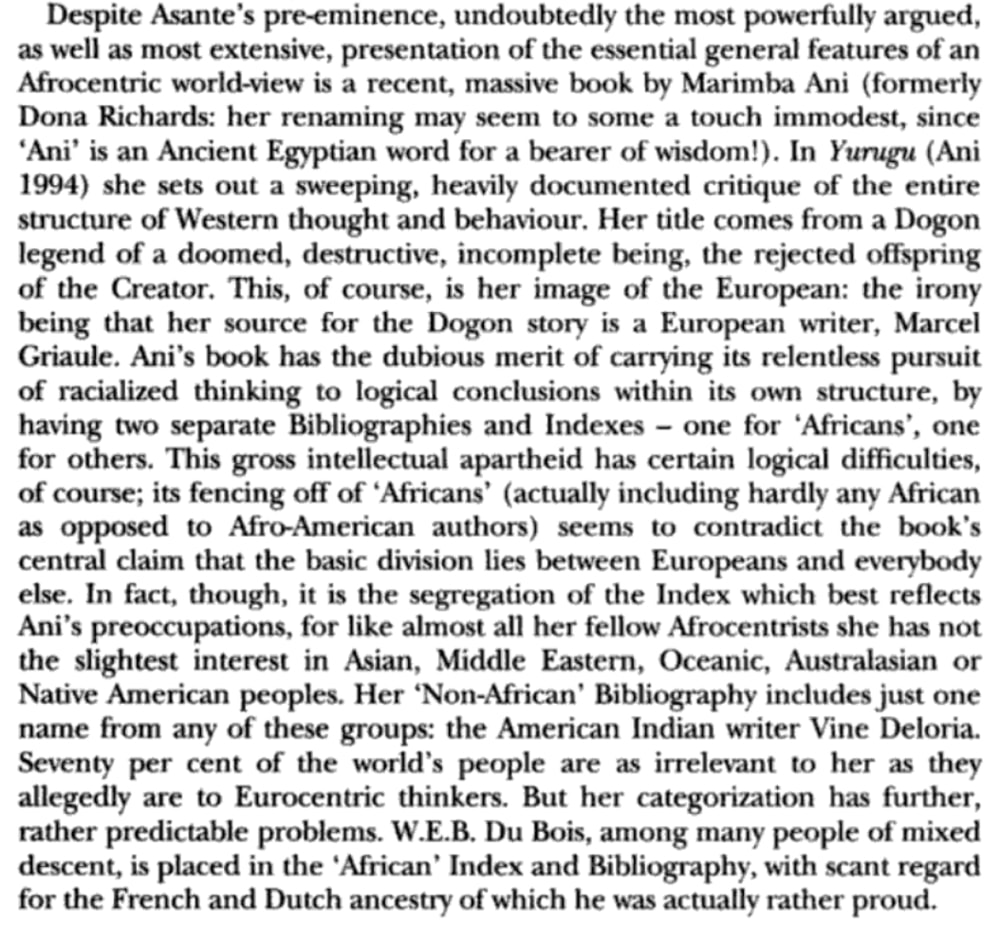
- Asili, the central seed or "germinating matrix" of a culture, it's essence.
-
Synthetic Telepathy: The Microwave Auditory Effect
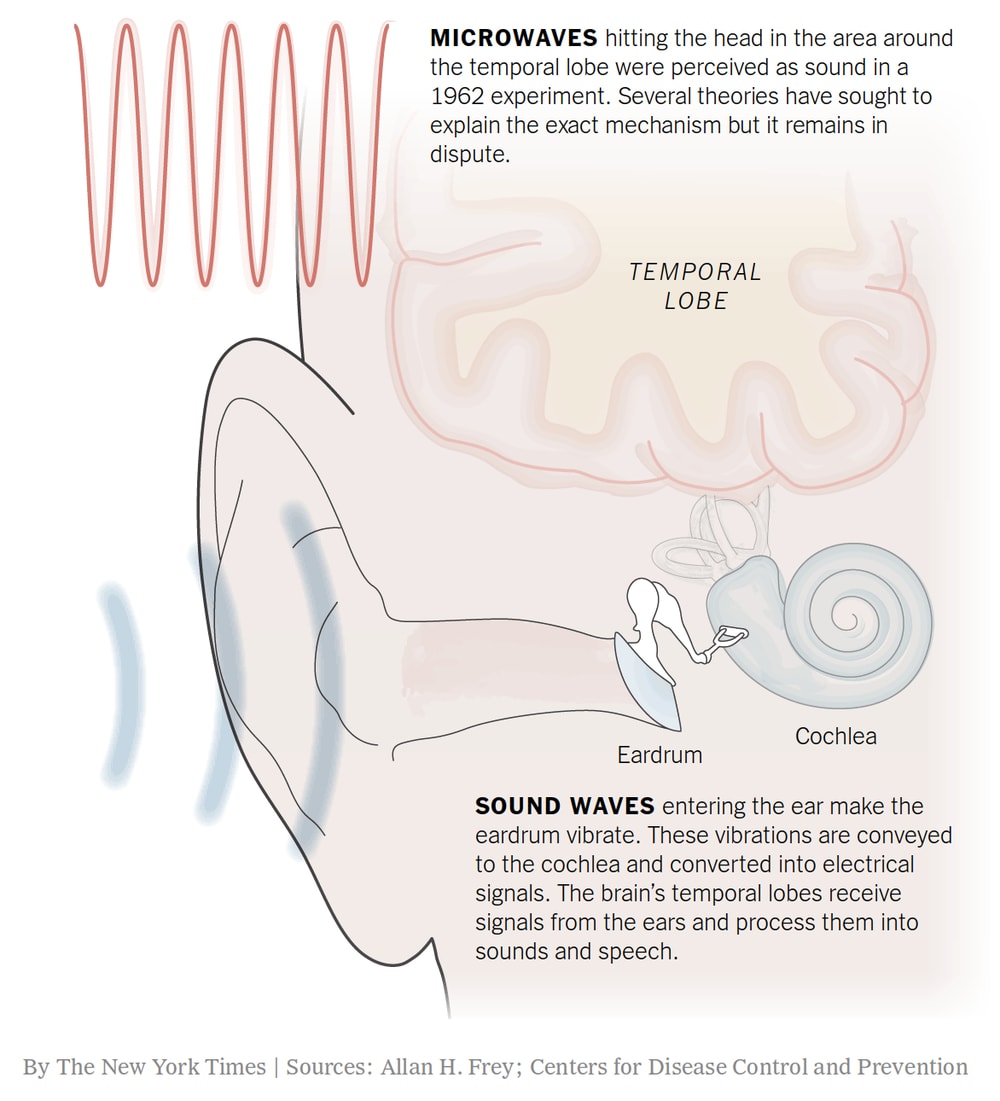
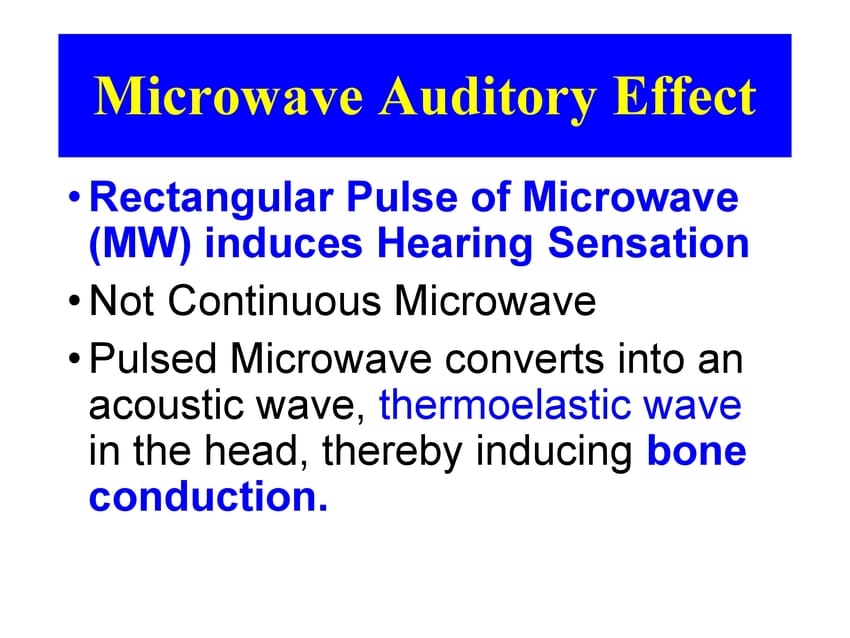
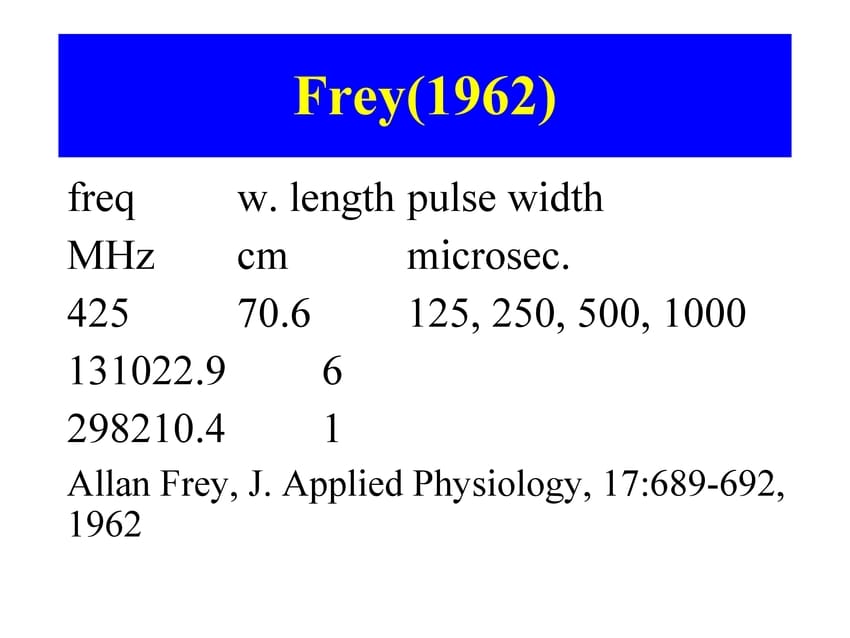
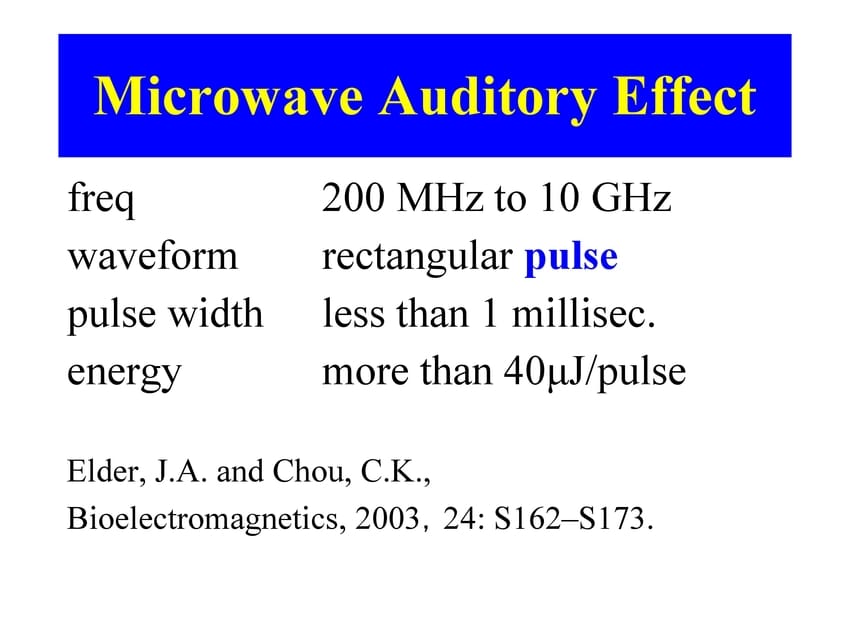
The microwave auditory effect, also known as the Frey effect, consists of the human perception of audible clicks, or even speech, induced by pulsed or modulated radio frequencies. The communications are generated directly inside the human head without the need of any receiving electronic device. The effect was first reported by persons working in the vicinity of radar transponders during World War II. In 1961, the American neuroscientist Allan H. Frey studied this phenomenon and was the first to publish information its nature.
Research
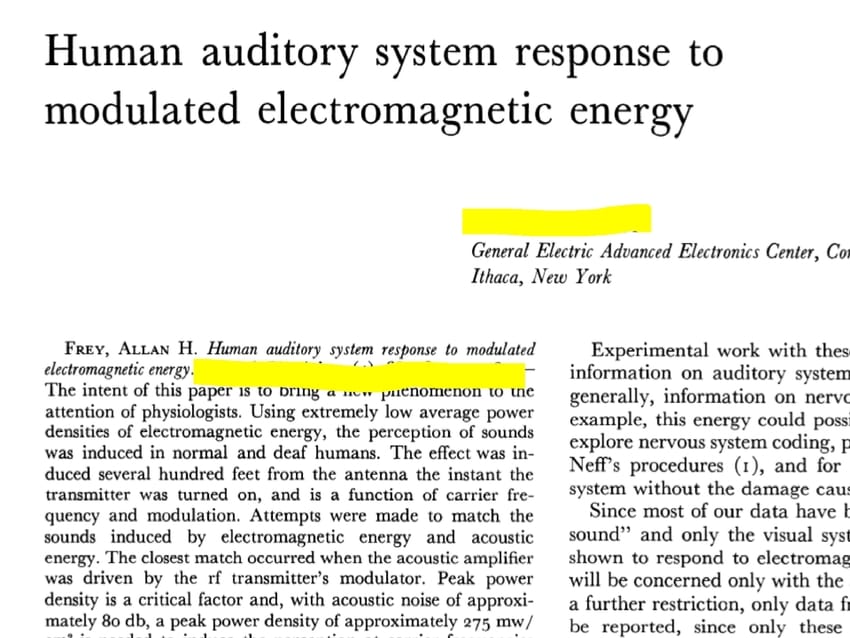
Research Origin: Human auditory system response to Modulated electromagnetic energy - Allan.H.Frey (1961) (unpaywalled)
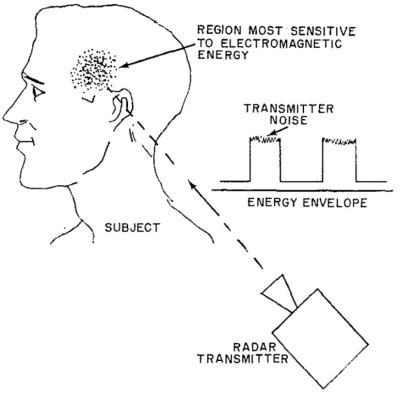
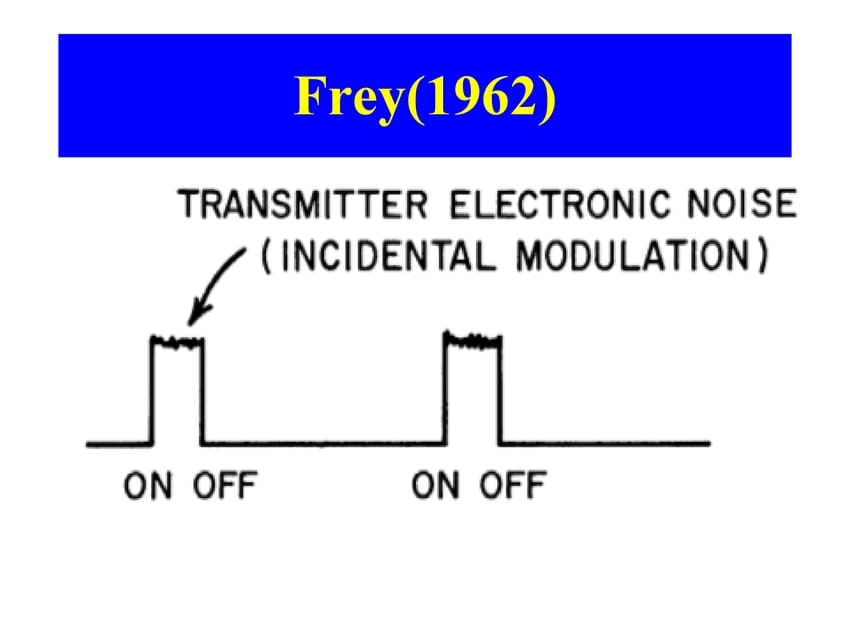
In his experiments, the subjects were discovered to be able to hear appropriately pulsed microwave radiation, from a distance of a few inches to hundreds of feet from the transmitter. In Frey's tests, a repetition rate of 50 Hz was used, with pulse width between 10–70 microseconds. According to Frey, the induced sounds were described as "a buzz, clicking, hiss, or knocking, depending on several transmitter parameters, i.e., pulse width and pulse-repetition rate.
Research Evolution: From the book "Military Neuroscience and the Coming Age of Neurowarfare" - by Armin Krishnan (2017):
"In 1975, an article by neuropsychologist Don Justesen discussing radiation effects on human perceptions referred to an experiment by Joseph C. Sharp and Mark Grove at the Walter Reed Army Institute of Research during which Sharp and Grove reportedly were able to recognize nine out of ten words transmitted by "voice modulated microwaves". Since the radiation levels approached the (then current) 10 mW/cm² limit of safe exposure, critics have observed that under such conditions brain damage from thermal effects of high power microwave radiation would occur, and there was 'no conclusive evidence for MAE at lower energy densities'".
Research Application: Microwave Weapons Are Prime Suspect in Ills of U.S. Embassy Workers - NYtimes (2018)
"Doctors and scientists say microwave strikes may have caused sonic delusions and very real brain damage among embassy staff and family members."
Research Foundation: Microwave Auditory Effects And Applications - Book by James C. Lin, PhD (1978) (PDF)
"The purpose of the book is to bring a body of research literature, scattered in a large number of journals and reports, into some compact form for the convenience of students and researchers. It will deal with selected experimental and theoretical topics in an interdisciplinary field which is 'undergoing explosive growth." - James C.Lin (1978)
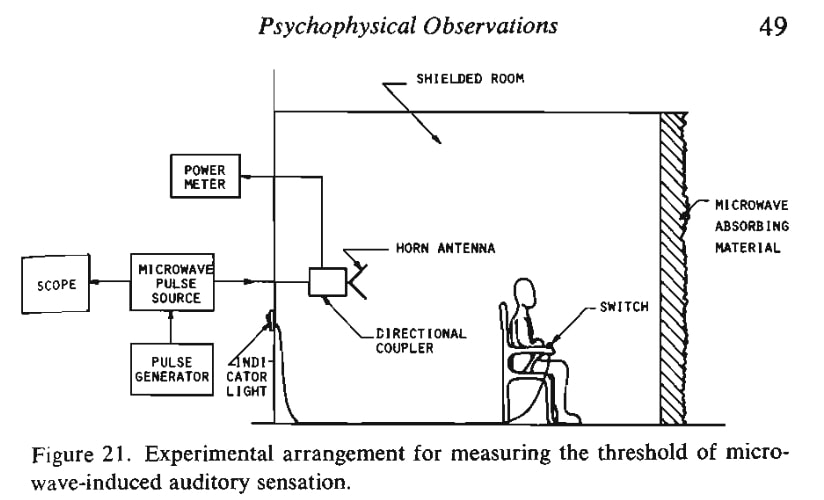
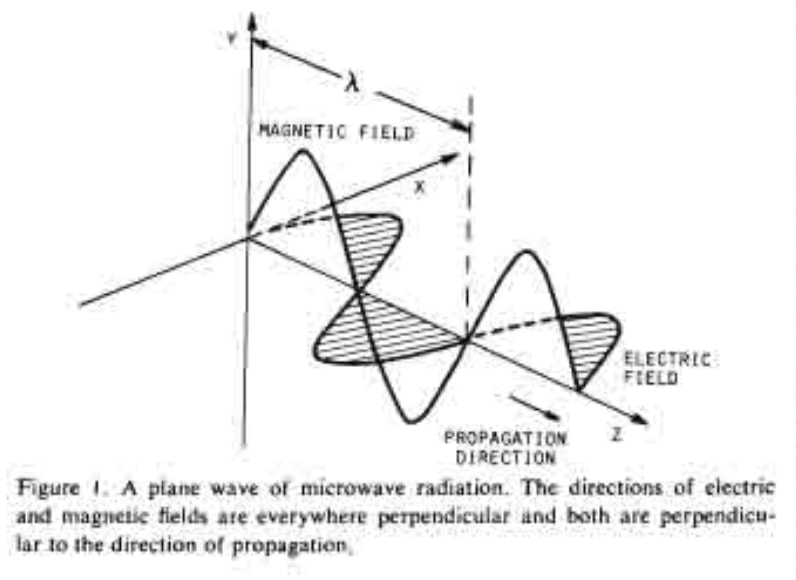
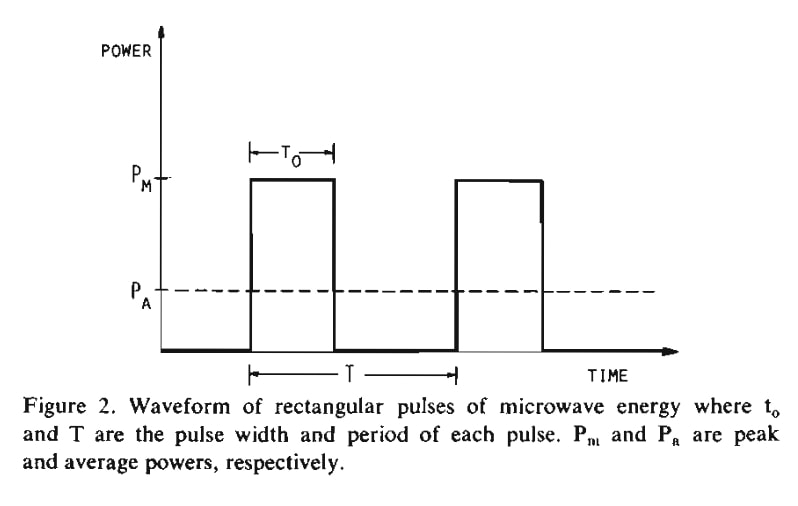
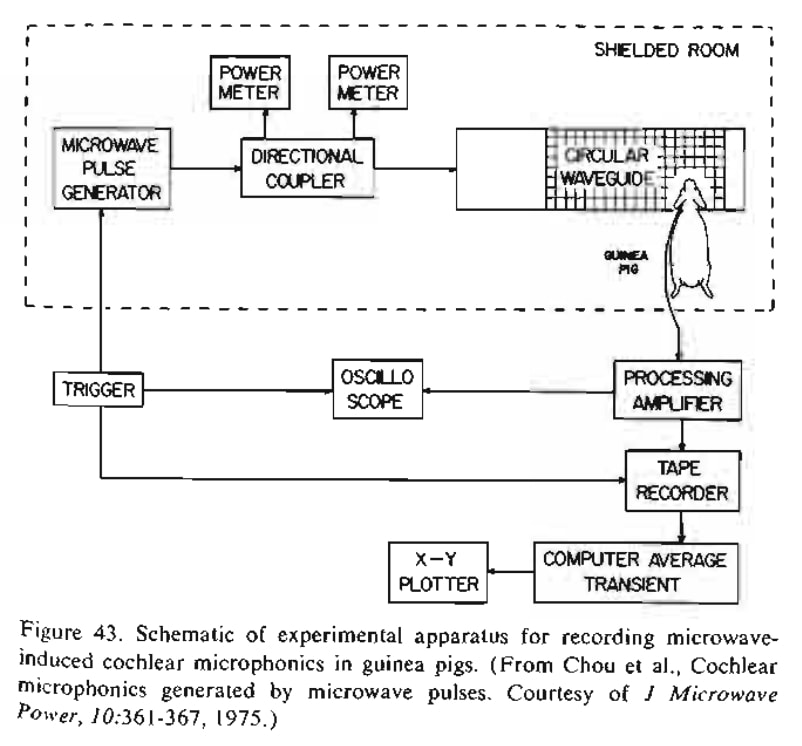
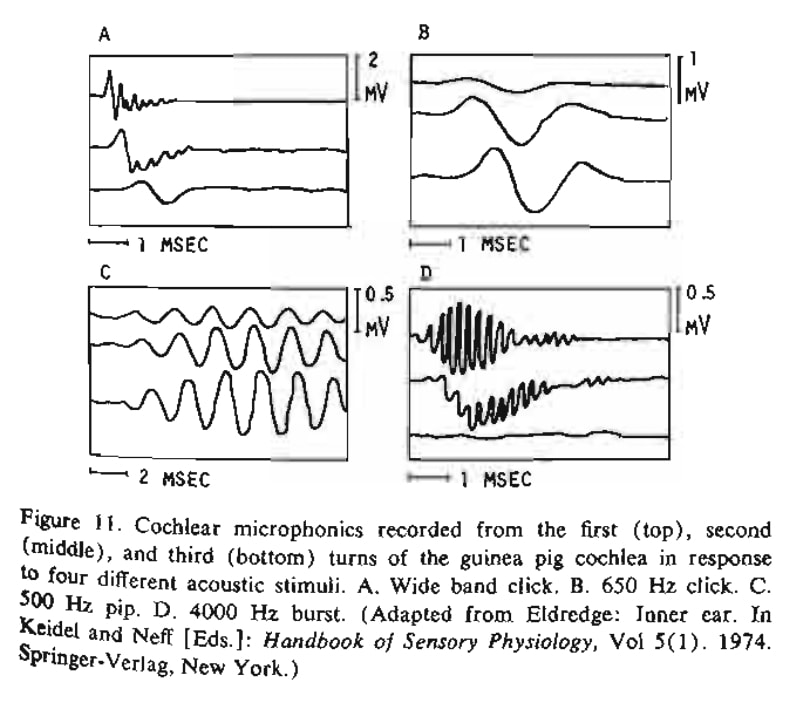
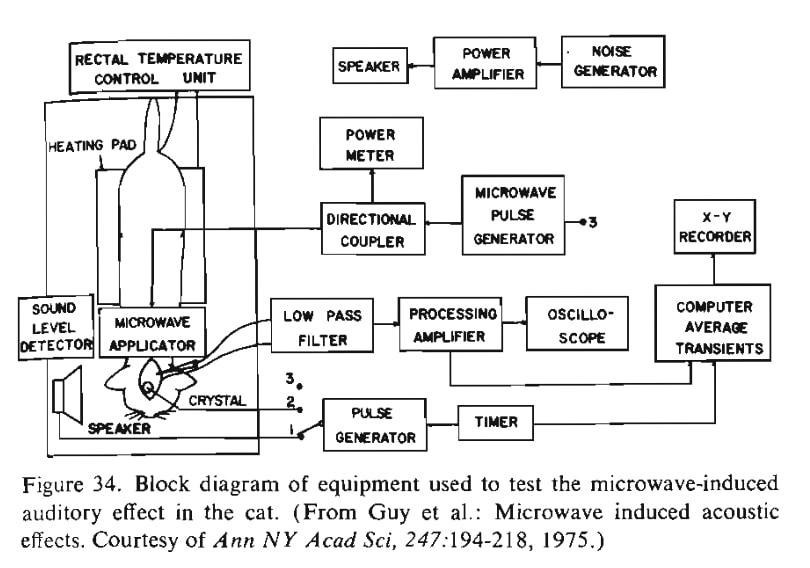
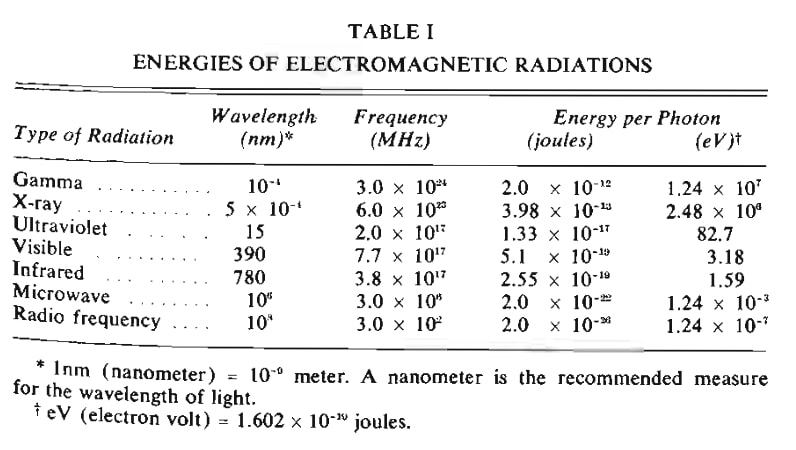
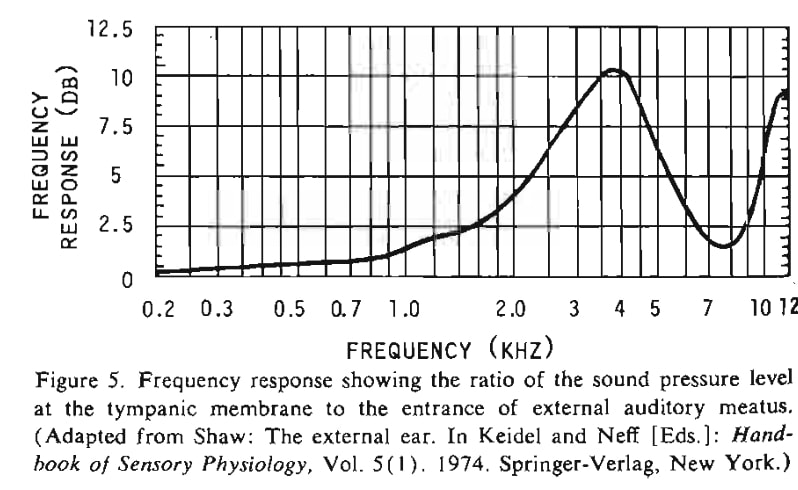
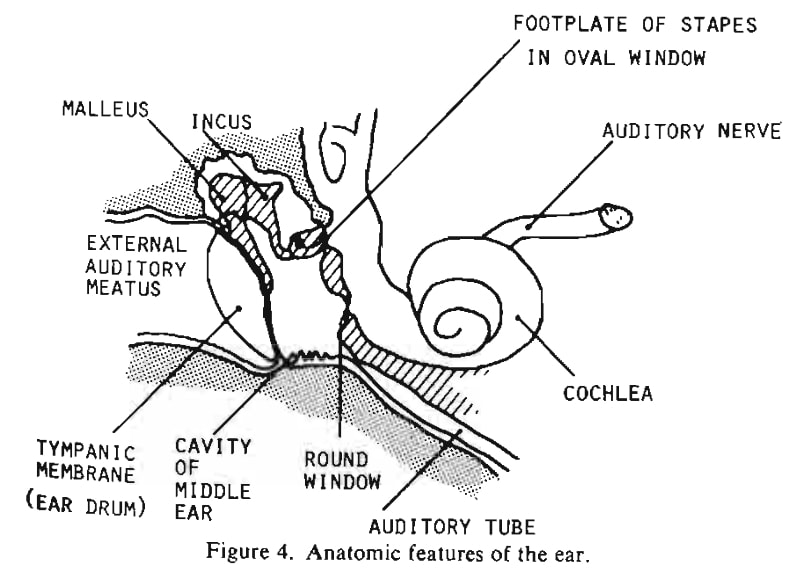
Research Today: Mostly classified. The following from an independent researcher: Microwave Auditory Effect And Its Aplication - Research Project by Makoto Koike (2019)
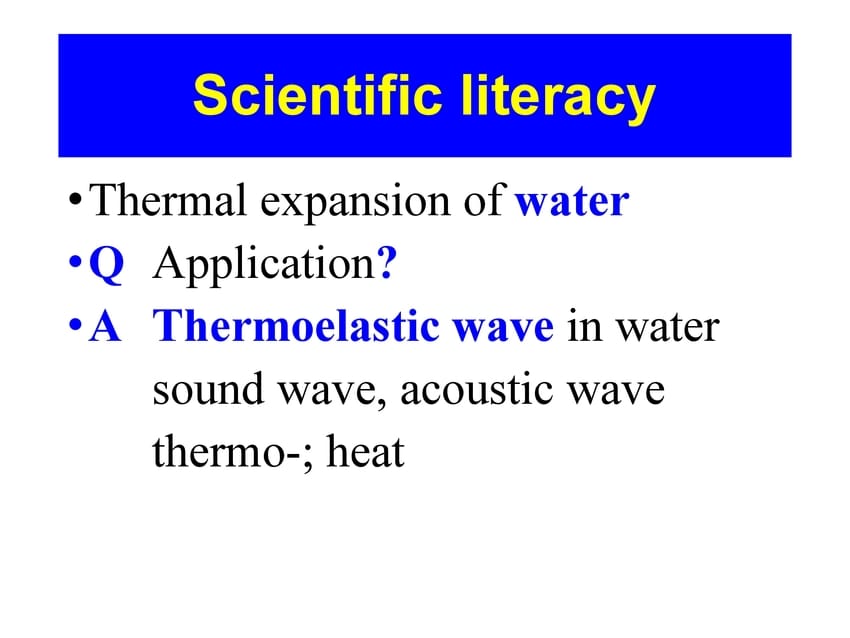
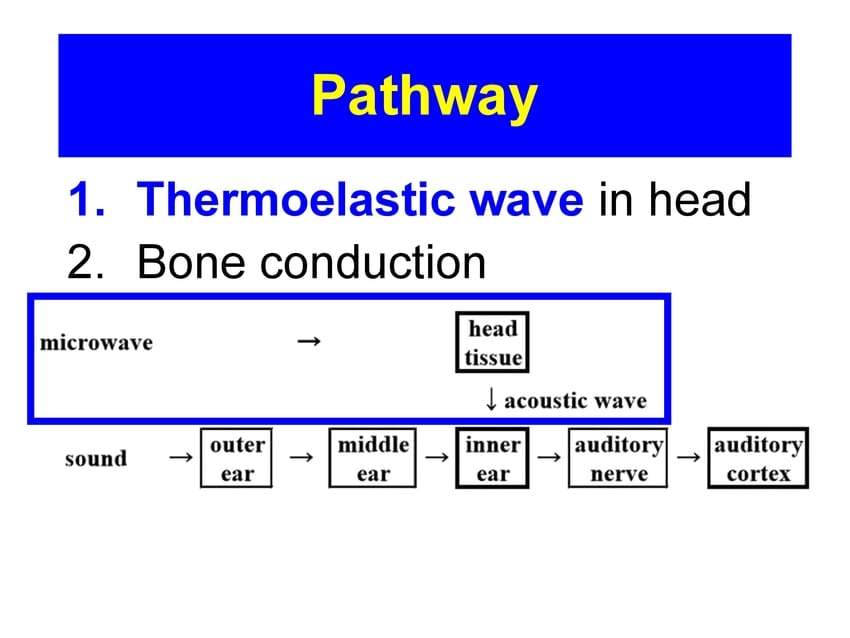
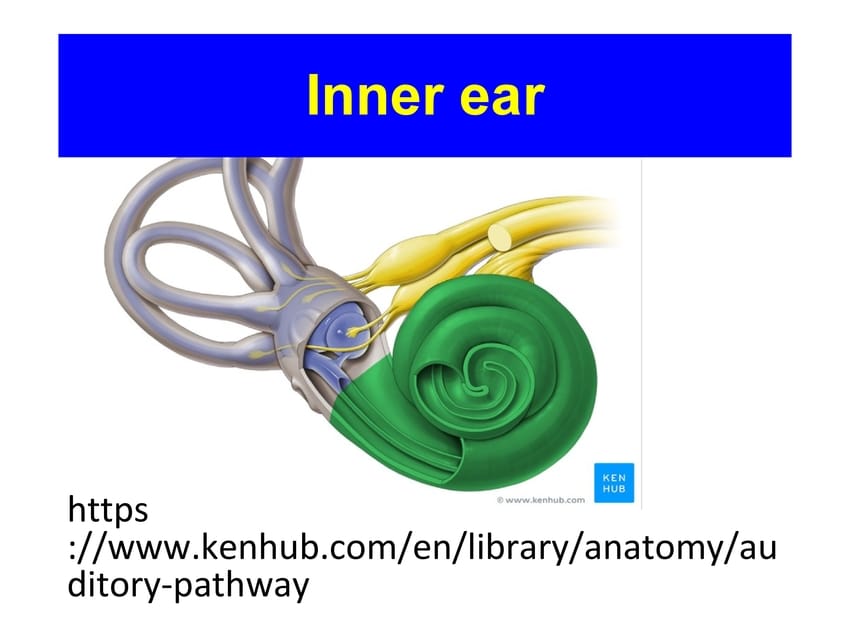
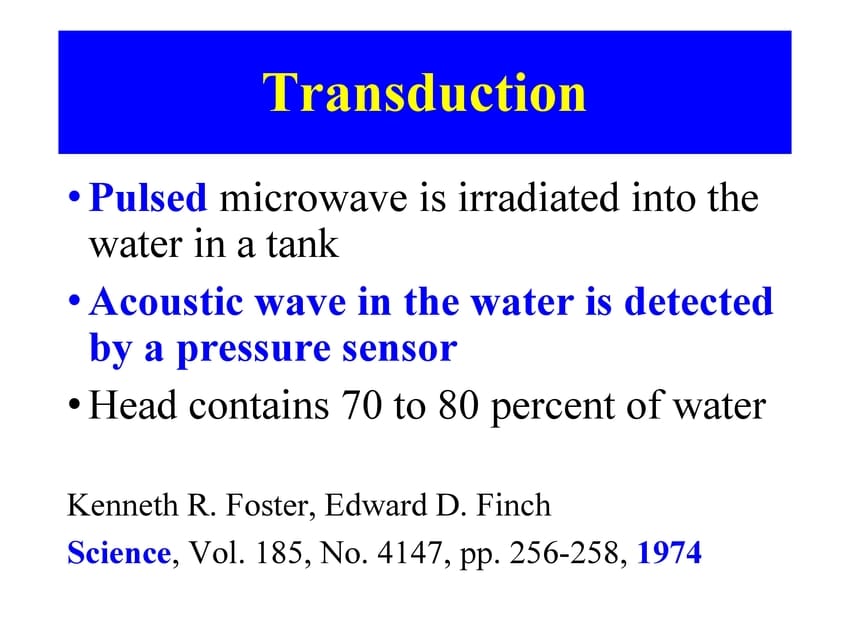
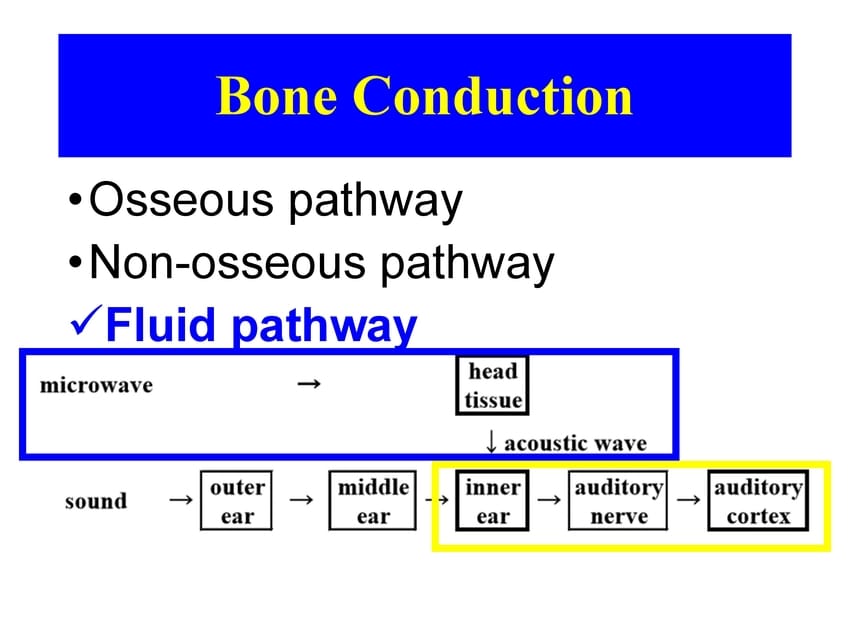
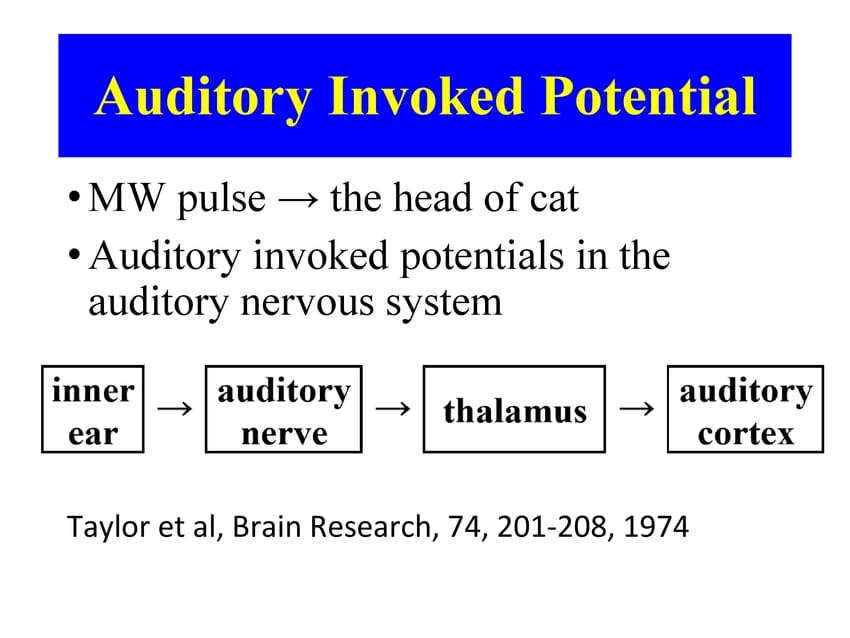
Project Goal: "Microwave auditory effect refers to the phenomenon that pulse-modulated microwave induces auditory perception. The head acts as an acoustic transducer to convert the microwave into a theremoelastic wave, thereby invoking bone conduction. I am exploring the application of the microwave auditory effect onto a novel telecommunication system as well as a conspiracy theory that the novel telecommunication induces psychosis with symptoms of hallucination and delusion."
Review of microwave auditory effect: rediscovery of radiofrequency hearing phenomenon. - by Makoto Koike (2016, JP only) (PDF)
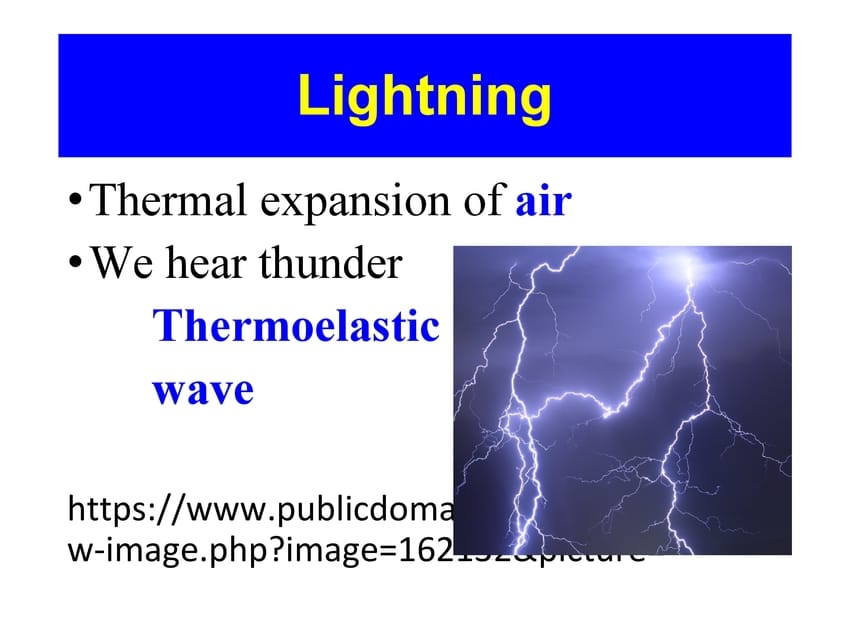
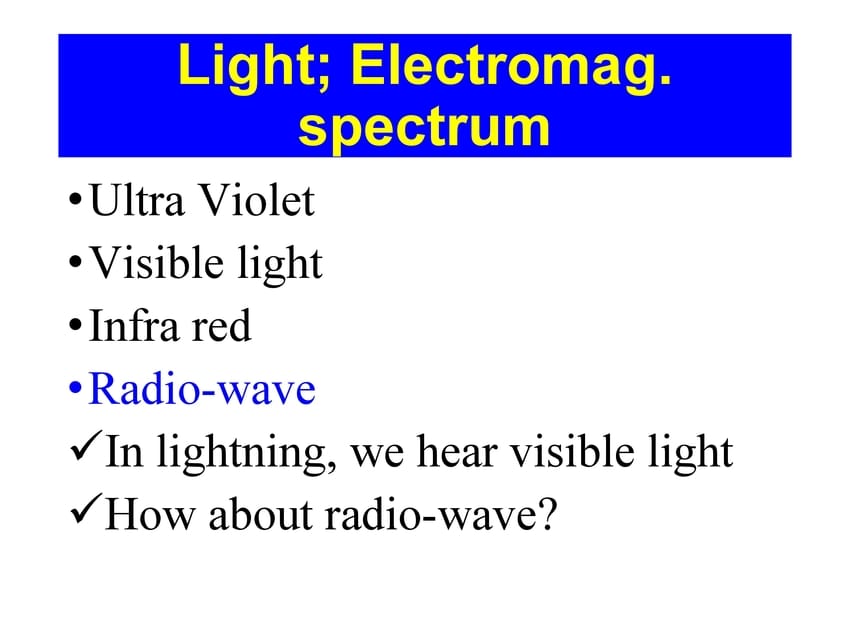
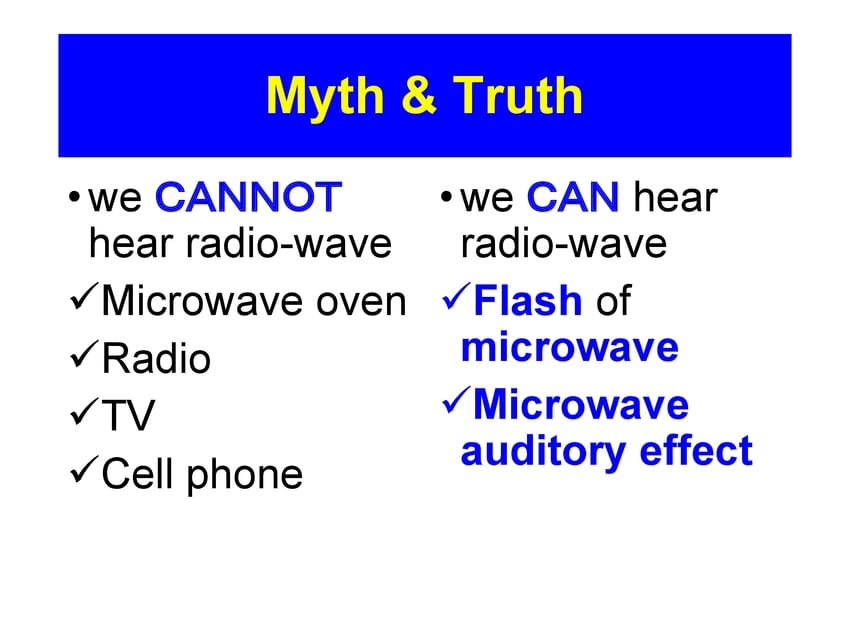
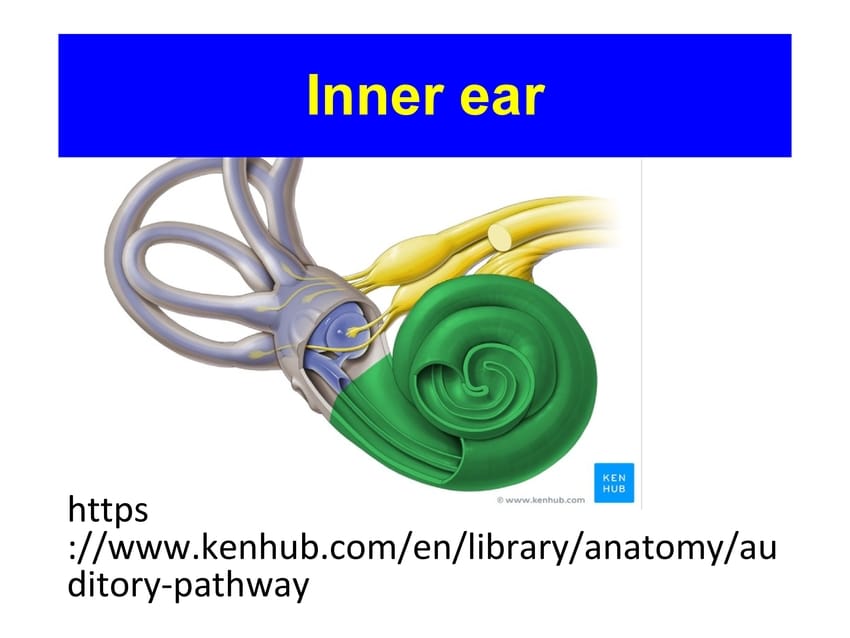
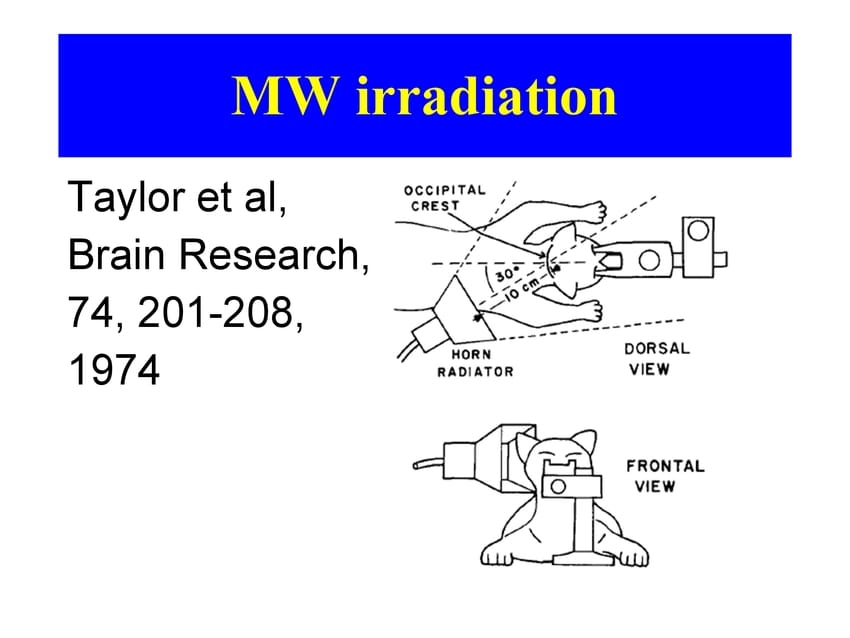
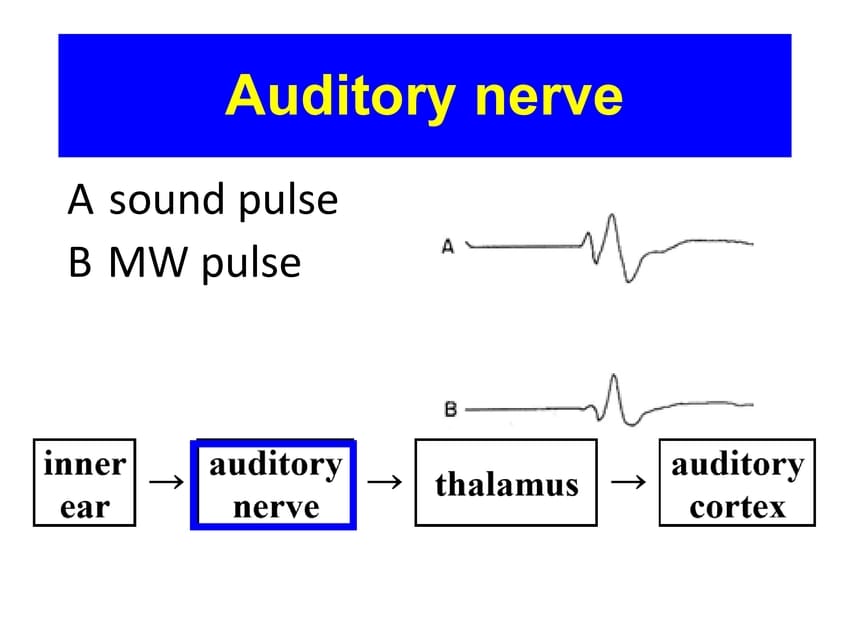
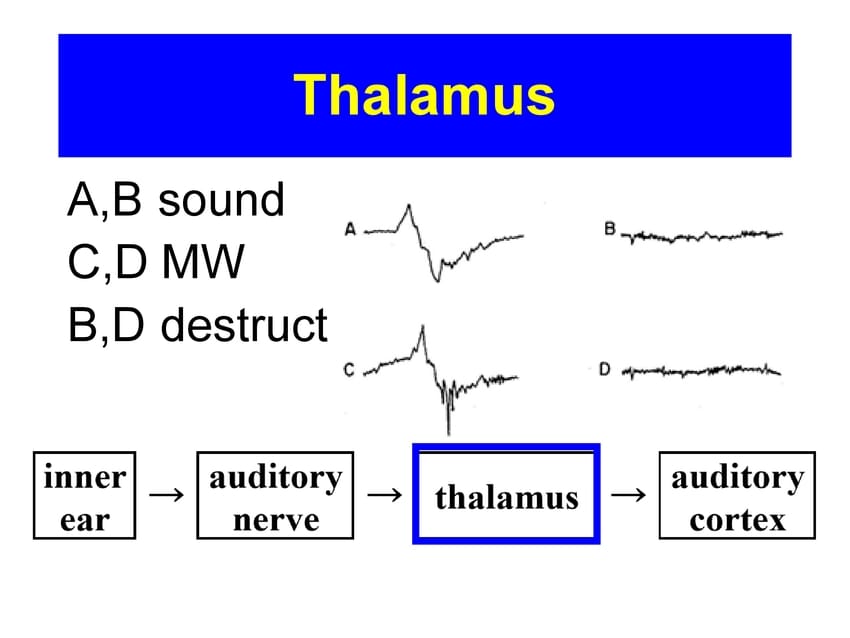
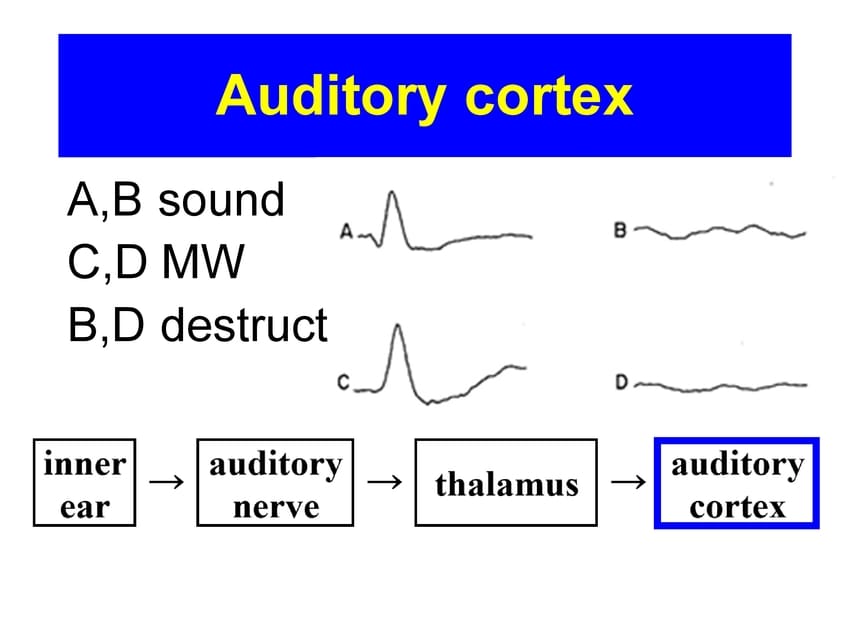
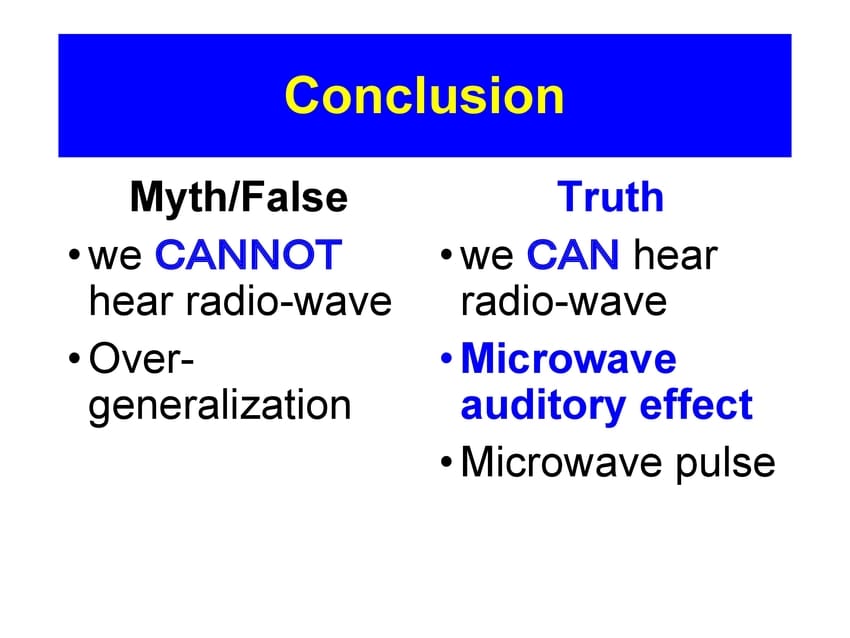
The Myth concerning Not Hearing Microwave - Presentation by Makoto Koike (2019, The 99th CSJ Annual Meeting, The Chemical Society of Japan)
Research Patents
These patents by the U.S. Air Force, suggest that wireless, receiver-less communication (based on the Microwave Auditory Effect) could be used in military communication today:
- Method and device for implementing the radio frequency hearing effect https://patents.google.com/patent/US6470214B1/en
- Apparatus for audibly communicating speech using the radio frequency hearing effect https://patents.google.com/patent/US6587729B2/en
Related Research
- Microwave Auditory Effect Research Paper Search on Semanticscholar
- Advances in Electromagnetic Fields in Living Systems - Book by by James C. Lin (1994)
- Exposure to RF electromagnetic energy decreases aggressive behavior - by Allan H. Frey PhD & Jack Spector (1986)
- Holographic Assessment of Microwave Hearing - by Allan H. Frey PhD & E.Coren (1979)
- Auditory response to pulsed radiofrequency energy - by Elder & Chou (2003)
- Hearing of microwave pulses by humans and animals: effects, mechanism, and thresholds - by Lin & Wang (2007)
- Generalized model of the microwave auditory effect. - by Yitzhak, Ruppin, Hareuveny (2009)
- From Psyops to Neurowar: What Are the Dangers? - by Armin Krishnan (2014) (PDF)
- Neuroweapons: New Type of Non-Lethal Weapons Raises Troubling Ethical Questions - by Armin Krishnan
Conspiracy Theories
- Synthetic Telepathy And The Early Mind Wars - By Richard Alan Miller (2001) (PDF)
- The State of Unclassified and Commercial Technology - by Eleanor White (2000)
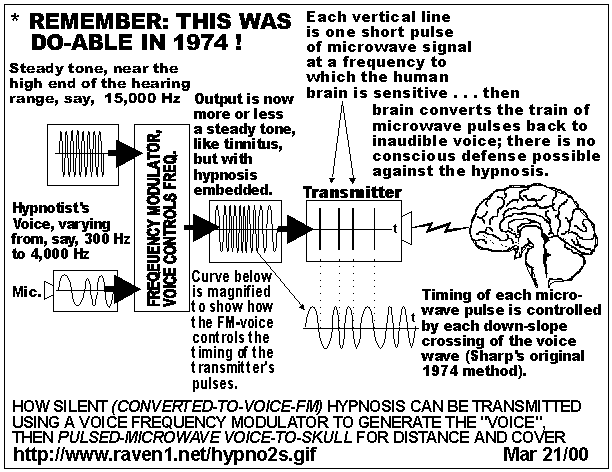
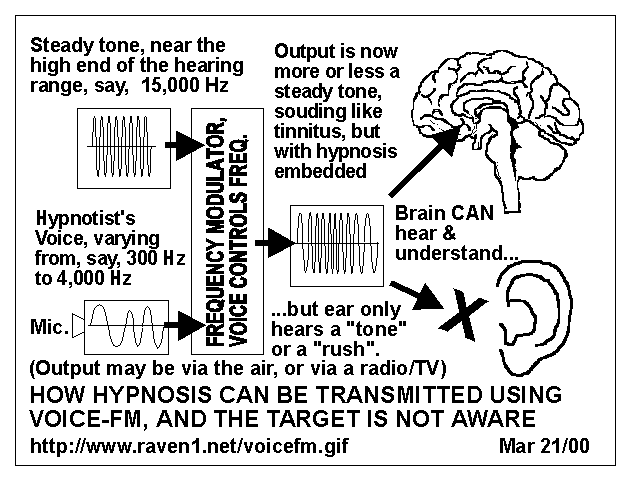
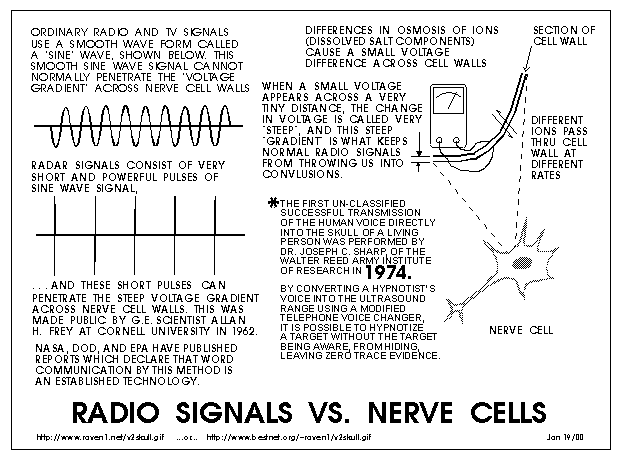
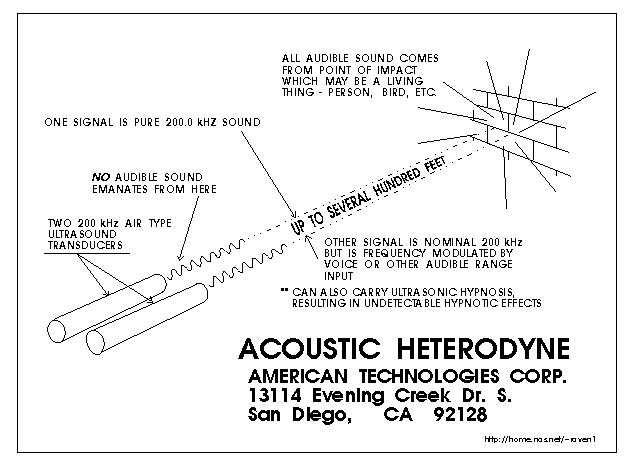
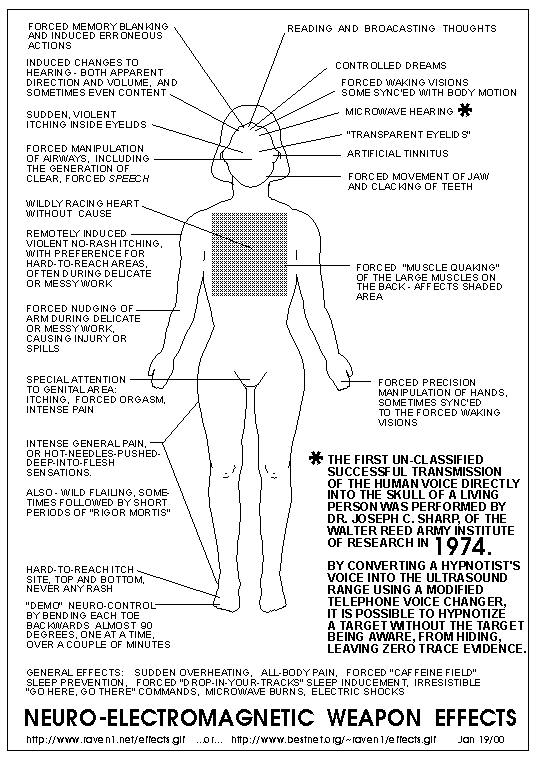

#BCI #NeuroScience #RadioBio #Biology #Cryptocracy #Book #Military
-
Li Ching-Yuen (李清雲) - Qigong Master who lived a very long life
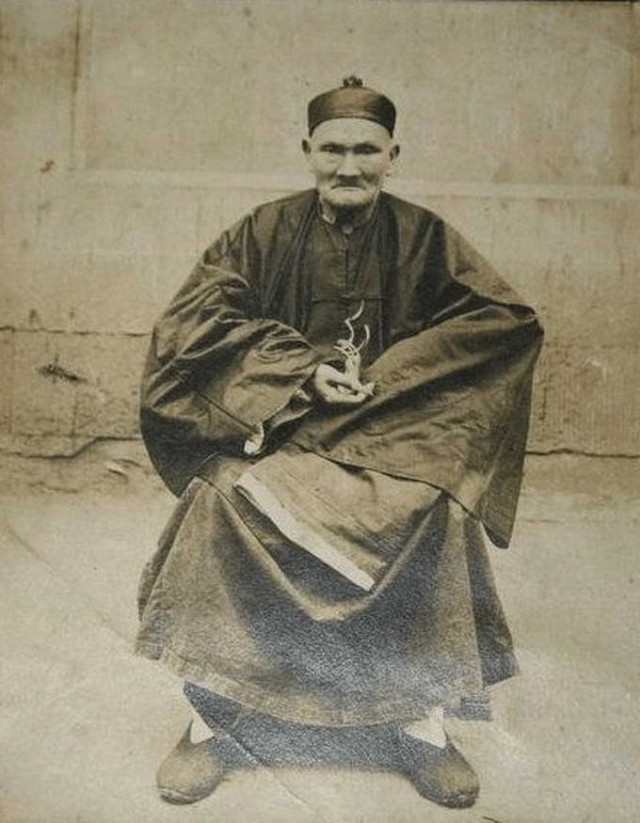
Li Ching-Yuen (simplified Chinese: 李清云; traditional Chinese: 李清雲) (1677 or 1736 – 6 May 1933) was a Chinese herbalist, martial artist and tactical advisor, known for his supposed extreme longevity. He claimed to have been born in 1736, while disputed records suggest 1677, implying an age at death of 197 or 256 years. Li Ching-Yuen spent most of his life in the mountains and was skilled in Qigong. He worked as an herbalist, selling lingzhi, goji berry, wild ginseng, he shou wu and gotu kola along with other Chinese herbs, and lived off a diet of these herbs and rice wine. He died from natural causes on 6 May 1933 in Kai Xian, Sichuan, China and was survived by his 24th wife, a woman of 60 years. Li supposedly produced over 200 descendants during his life span, surviving 23 wives.
After his death, General Yang Sen wrote a report about him, A Factual Account of the 250 Year-Old Good-Luck Man (一个250岁长寿老人的真实记载), in which he described Li's appearance: "He has good eyesight and a brisk stride; Li stands seven feet tall, has very long fingernails, and a ruddy complexion." General Yang became his disciple, practicing his teaching until the end of his life. In 1927 he invited him to his residence in Wanxian, Sichuan. The Tai Chi Chuan Master T. T. Liang (Liang Tung Tsai) learned from General Yang the practice of the "Eight Brocade Qigong". His student Stuart Alve Olson wrote in 2002 the book "Qigong Teachings of a Taoist Immortal: The Eight Essential Exercises of Master Li Ching-Yun", taking General Yang's report as reference. Some praticants of Jiulong Baguazhang, also known as Nine Dragon Eight Diagram Palm, claims that it was conceived by Li Ching-Yuen.
Longevity
Whereas Li Ching-Yuen himself claimed to have been born in 1736, Wu Chung-chieh, a professor of the Chengdu University, asserted that Li was born in 1677; according to a 1930 New York Times article, Wu discovered Imperial Chinese government records from 1827 congratulating Li on his 150th birthday, and further documents later congratulating him on his 200th birthday in 1877. However, gerontological researchers have viewed the age claim with extreme skepticism; the frequency of invalid age claims increases with the claimed age, rising from 65% of claims to ages 110–111 being invalid, to 98% of claims to being 115, with a 100% rate for claims of 120+ years.
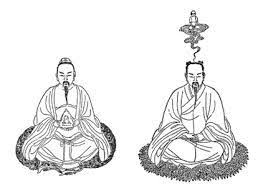
One of Li's disciples, the Taijiquan Master Da Liu, told of his master's story: when 130 years old Master Li encountered in the mountains an older hermit, over 500 years old, who taught him Baguazhang and a set of Qigong with breathing instructions, movements training coordinated with specific sounds, and dietary recommendations. Da Liu reports that his master said that his longevity "is due to the fact that he performed the exercises every day – regularly, correctly, and with sincerity – for 120 years."
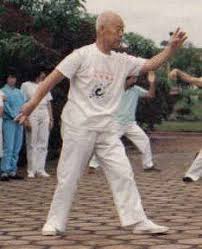
Master Liu Pai Lin (劉百齡) The Taoist Master Liu Pai Lin (劉百齡), who lived in São Paulo, Brazil from 1975 until 2000, had in his classroom another photograph of Master Li Ching Yuen unknown to the West. In this photo his face is clearly visible, as are his long and curled fingernails. Master Liu had met him personally in China, and considered him as one of his Masters. He used to say that Master Li answered to him that the fundamental taoist practice is to learn to keep the “Emptiness” (Wuji). Master Liu’s son, Master Liu Chih Ming, teaches the 12 Silks Qigong in CEMETRAC, as transmitted by Master Li.
The article "Tortoise-Pigeon-Dog", from the 15 May 1933 issue of Time reports on his history, and includes Li's answer to the secret of a long life:
- Keep a quiet heart
- Sit like a tortoise
- Walk sprightly like a pigeon
- Sleep like a dog
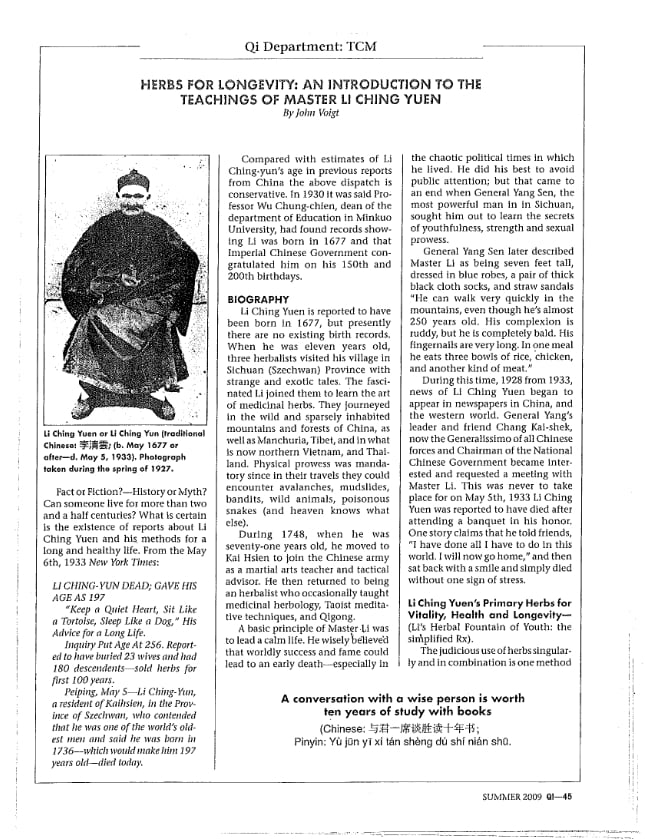
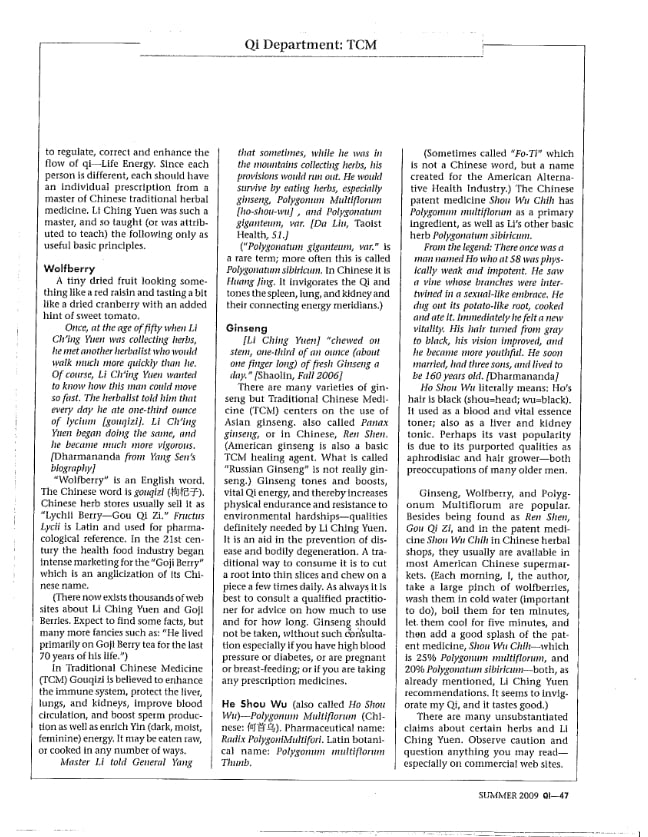
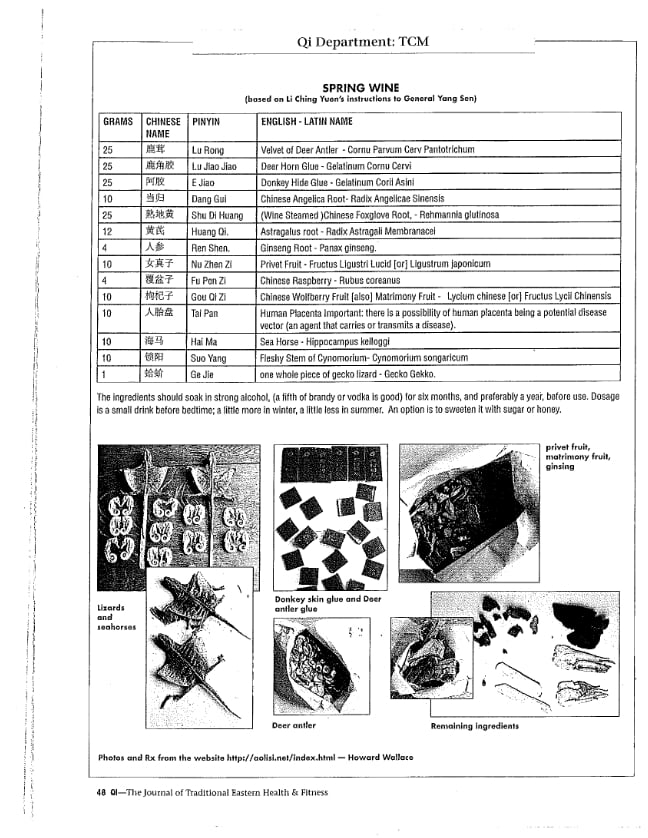
Following from "The Legend of Li Qingyun Meets Scientific Life Span Experiments":
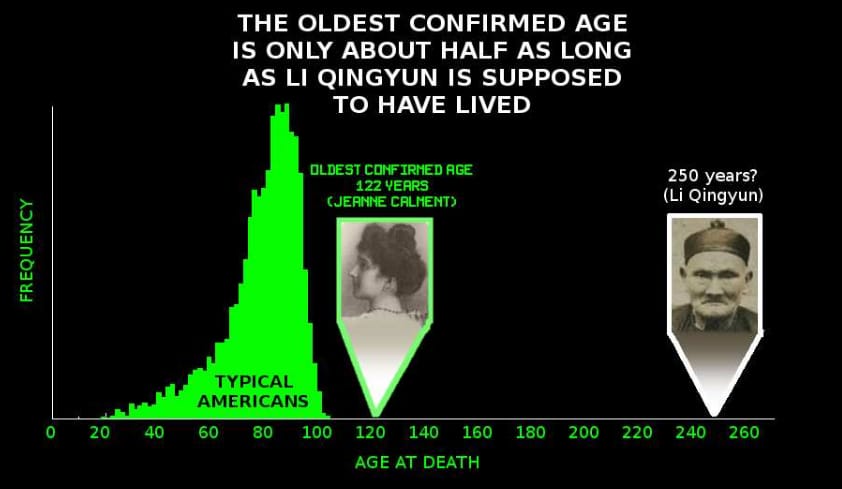
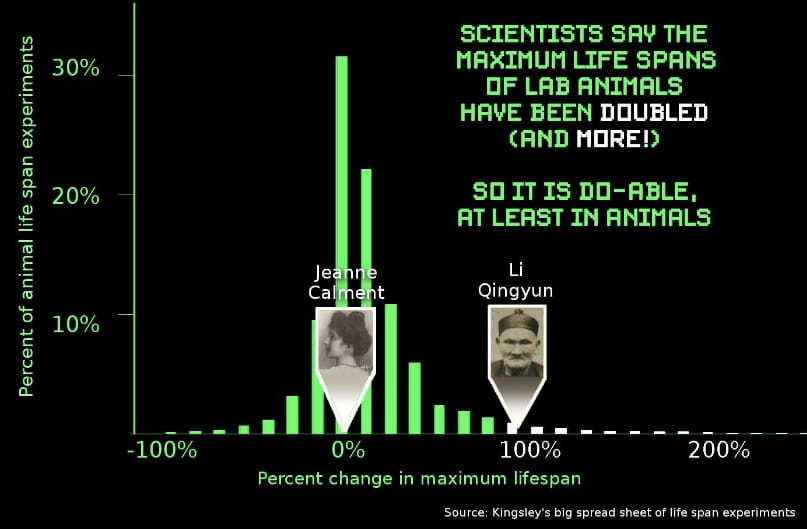

- Li Qingyun advised against feeling too happy
- Li Qingyun advised against drinking wine
- Li Qingyun meditated
- Li Qingyun ate rice
- Li Qingyun ate herbs
- Li Qingyun had plenty more tips for living longer.They included: Diet, exercise, sleep, religion, education, relaxing, living in remote areas, and occasionally going hungry.
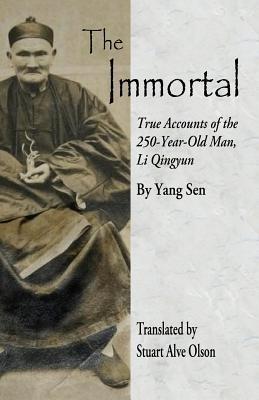
Books:
- Qigong - The secret of youth - Da Mo’s Muscle/Tendon Changing and Marrow/Brain Washing Classics - by Dr. Yang, Jwing-Ming
- The Immortal: True Accounts of the 250-Year-Old Man, Li Qingyun - by Yang Sen, Stuart Alve Olson
- The Jade Emperor's Mind Seal Classic: The Taoist Guide to Health, Longevity, and Immortality - by Stuart Alve Olson
- Blog post on Li Qingyun in Chinese
Related
-
Notes on Robert Rosen (1934 - 1998), an American theoretical biologist:
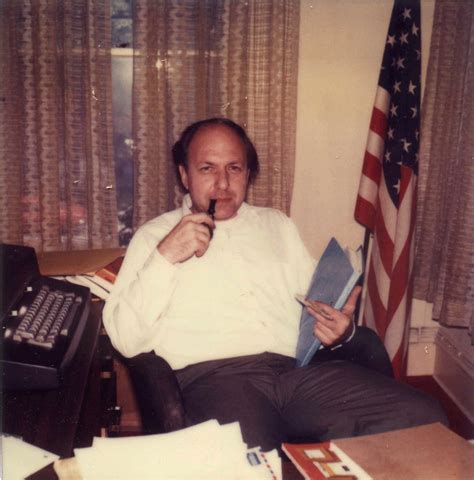
‘What are the defining characteristics of a natural system for us to perceive it as being alive?’’ - Robert Rosen in "Life Itself: A Comprehensive Inquiry Into the Nature, Origin, and Fabrication of Life"
"I do not consider myself a philosopher. I am a biologist, attempting to grapple with the Schrodinger question, “What is Life?” It turns out that this is not an empirical question, to be resolved through observation in a laboratory" - Robert Rosen in "Boundaries and barriers: On the limits to scientific knowledge" (1996)
"No finite organism can completely model the infinite universe, but even more to the point, the senses can only provide a subset of the needed information; the organism must correct the measured values and guess at the needed missing ones."..."Indeed, even the best guesses can only be an approximation to reality - perception is a creative process." - from "Robert Rosen: The Well Posed Question And Its Answer-why Are Organisms Different From Machines?" - by Donald C. Mikulecky
The human body completely changes the matter it is made of roughly every 8 weeks, through metabolism, replication and repair. Yet, you're still you --with all your memories, your personality... If science insists on chasing particles, they will follow them right through an organism and miss the organism entirely. — Robert Rosen, (as told to his daughter, Ms. Judith Rosen)
Presentation "Anticipatory Systems Theory: What the science of Life and Mind can teach us about science, itself" - by Judith Rosen
Presentation: "Robert Rosen And George Lakoff: The Role Of Causality In Complex Systems" - by Hamid Y. Javanbakht
-
Book: Music, Cosmology, and the Politics of Harmony in Early China - by Erica Fox Brindley (2014) (Full e-book PDF)
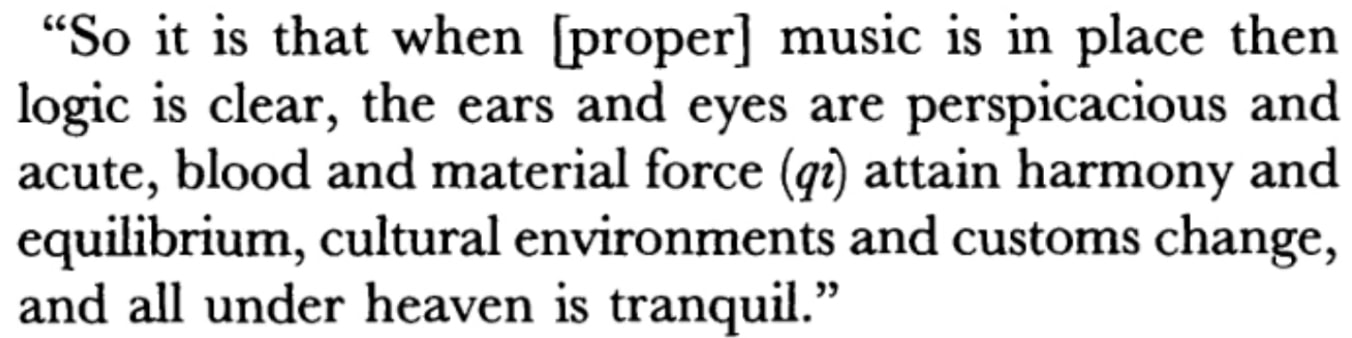
from "Yueji" ("Record of Music"), from the Book of Rites 
"In early China, conceptions of music became important culturally and politically. This fascinating book examines a wide range of texts and discourse on music during this period (ca. 500–100 BCE) in light of the rise of religious, protoscientific beliefs on the intrinsic harmony of the cosmos. By tracking how music began to take on cosmic and religious significance, Erica Fox Brindley shows how music was used as a tool for such enterprises as state unification and cultural imperialism. She also outlines how musical discourse accompanied the growth of an explicit psychology of the emotions, served as a fundamental medium for spiritual attunement with the cosmos, and was thought to have utility and potency in medicine. While discussions of music in state ritual or as an aesthetic and cultural practice abound, this book is unique in linking music to religious belief and demonstrating its convergences with key religious, political, and intellectual transformations in early China."
Related: "Music, Cosmos, and the Development of Psychology in Early China" - by Erica Brindley (2006) (unpaywalled PDF)
Related: "In Tune With The Cosmos: Tuning Theory, Cosmology, And Concepts Of Sound In Early China" - Dissertation by Noa Hegesh (2018)
Wikipedia on the "Book of Rites":
"The Book of Rites, also known as the Liji, is a collection of texts describing the social forms, administration, and ceremonial rites of the Zhou dynasty as they were understood in the Warring States and the early Han periods. The Book of Rites is a diverse collection of texts of varied but uncertain origin & date.
During the reign of Qin Shihuang, many of the Confucian classics were destroyed during the 213 BC "Burning of the Books." However, the Qin dynasty collapsed within the decade: Confucian scholars who had memorized the classics or hid written copies recompiled them in the early Han dynasty. The Book of Rites was said to have been fully reconstructed, but the Classic of Music could not be recompiled and fragments principally survive in the "Record of Music" (Yueji) chapter of the Book of Rites."
Chinese Ancient Music
Ancient Music Of Tang Dynasty
Chinese Ancient Music: Wild Goose on the Peaceful Beach
-
Paranormal and Qiqong frenzy in China: Collection of texts & links

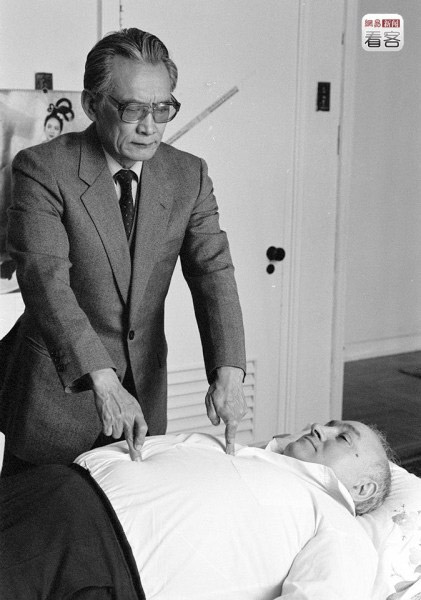
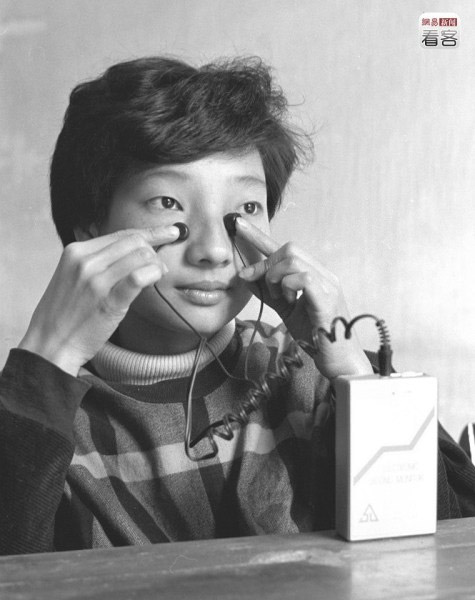
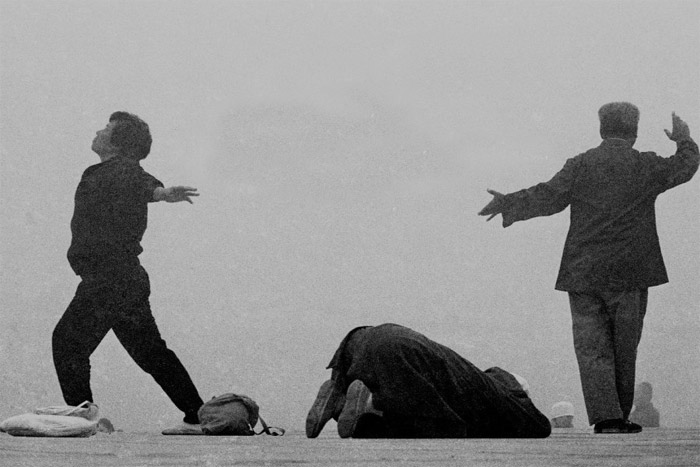
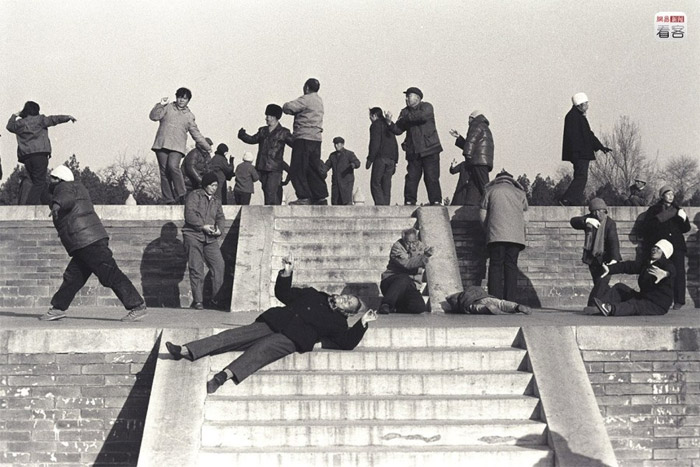
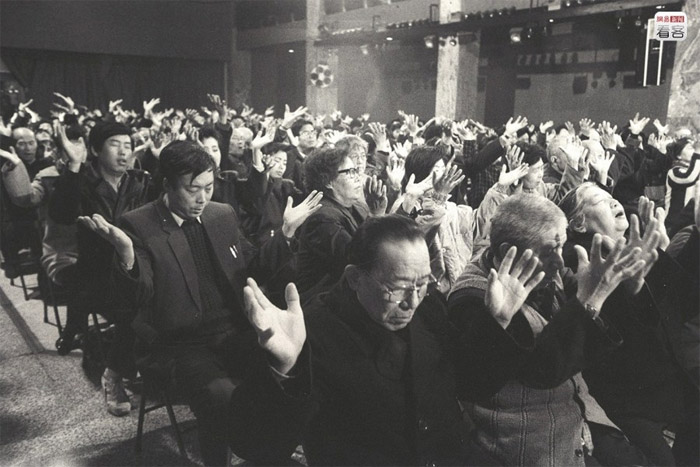
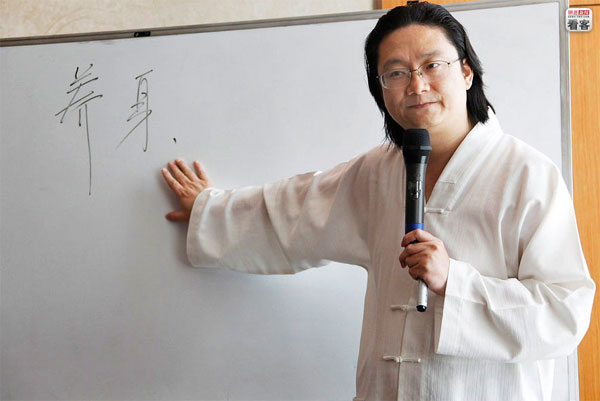



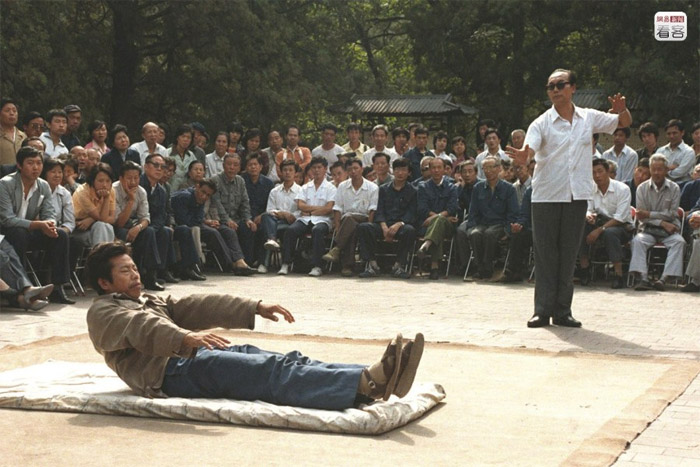
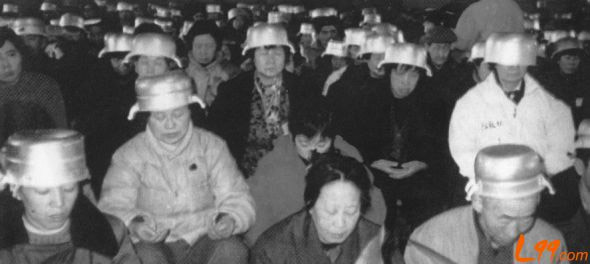
Rise and fall of the QiGong frenzy in China: when superstition and science collide - by Matteo Damiani (2014, china-underground)
"After the fall of the Gang of Four, Qigong represented an opportunity for China to find a cultural identity tested by the disastrous consequences of the Cultural Revolution that erased an entire cultural and relationships system. Looking for its own way to modernization, China took a shortcut to scientific progress by mixing weird science and superstition, with grotesque and devastating consequences in the long run."
Paranormal in China - by Wu Xianghong (1995, skepticalinquirer)
Excerpt: "At the same time, the research into Qi Gong was also booming. New ways of performing Qi Gong were found, such as projecting the Qi out of the sender’s body, through the air, and finally into the body of receivers. These methods were investigated with “scientific” apparatus, including infrared detectors and radiometers. It has been reported since 1984 that Qi Gong could activate the potential SA (“special ability”) in people. In 1985, Zhang Hongbao, a master of Qi Gong, proposed the theory of a “cosmic field”; that the energy accounting for both Qi Gong and SA were generated out of and transferred through the “cosmic field” and therefore Qi Gong and SA were unified. Zhang believed that everyone could get SA by training in Qi Gong and that those who had SA but did not know Qi Gong could be taught it. Henceforth, all those who were engaged in the paranormal named themselves “Master of Qi Gong.” Millions of people began to train in Qi Gong, including the youth. The main goal was usually not to heal diseases and improve health, but to get SA and be a “superman.”
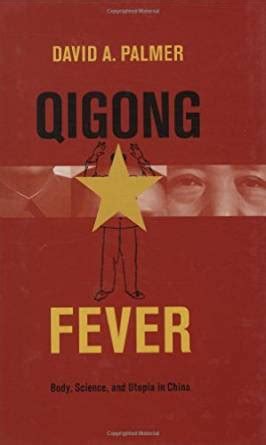
#Book: Qigong Fever: Body, Science, & Utopia in China - by David A. Palmer (2007)
"In this absorbing and revealing book, David A. Palmer relies on a combination of historical, anthropological, and sociological perspectives to describe the spread of the qigong craze and its reflection of key trends that have shaped China since 1949, including the search for a national identity and an emphasis on the absolute authority of science. Qigong offered the promise of an all-powerful technology of the body rooted in the mysteries of Chinese culture. However, after 1995 the scientific underpinnings of qigong came under attack, its leaders were denounced as charlatans, and its networks of followers, notably Falungong, were suppressed as 'evil cults.'"
Zhang Hongbao (1954 - 2006, died in a vehicle "accident" in Arizona/USA) is a fascinating character, which makes the explosive power of Cult "PK-Politics" in communist china clear:

"In 1987, he founded Zhong Gong. Zhang gave two-week-long Qigong workshops which received national coverage in the People's Daily. Among the over a thousand people who participated were prominent academics such as the President of Beijing University, who were reportedly able to capture and emit Qi. Having won over the academic community, Zhang also gained acceptance within the China Academy of Science, and other sections of the scientific community. Furthermore, he became a media celebrity after one workshop was featured in a three-minute news segment on CCTV. He also gained credibility within the media and political elites. The movement claimed 34 million followers, 120,000 employees, 30 life cultivation bases, and 100,000 "branches" at its peak.
Zhong Gong Beliefs and teachings:
"Zhang developed a style of Qigong which was based on automation, physics, relativity, bionics, and with distinctive use of mechanical engineering jargon"
.
"Zhong Gong is based on the Qilin culture (麒麟文化) created by Zhang in 1987 which He (2000) states is "an obvious challenge to Marxism and the CCP's one-party rule". According to Zhang's 'spirit-matter dialectics', both spirit and matter both have objective existence and can transform into the other under certain circumstances. In 1992, based on the ancient theories of yin and yang, Zhang extrapolated his universal law of motion according to which all objects or matter can subdivide into 'Yin' or 'Yang', predicting anything or act which contravened it would bring eventual disaster. He asserted Marxist property right theory and the derived Communist Party aim to eliminate private property were in conflict with his laws. In 1993, Zhang advanced his theories of 'promotion-restriction-inhibition-transformation' derived from the Five elements. In 1998, Zhang put forward a moral code which he referred to as "eight virtues and eight calls".[4]Cultural Context:
"However, Qi Gong staged a comeback in a different form after 1992, as a trend of thought instead of a practical movement. In this way it has much to do with the revival of the paranormal in traditional Chinese culture. The renaissance of traditional culture began in 1989, when the government found it useful as an ideological weapon to fight against Western-style liberalism. Moreover, it seemed to be a hopeful alternative to orthodox Marxism as an ideology to join people’s viewpoints with feelings.
In the 1990s, as China accepts the market system step by step, the public media plays more and more important roles in the spread of pseudoscience, and cases of pseudoscience increase in the area of business. The Chinese people haven’t developed the necessary skeptical view of advertising, and the lack of related laws provide cunning businessmen with an open field. Until November 1994 China didn’t have a law for truth in advertising. The public media abounded with fraudulent advertisements.
Related:
"Only a real hero can goes along with no sword on. In 1999, directed the first national political action protesting the national political persecution in CCP ruled Chinese history. In 1999, continental China experienced another Cultural Revolution. Just by one order from Jiang Zemin, almost a billion Chinese who practice meditation became the target for persecution.
This year, CCP government lay down complete blockade and rounded up Fa Lun Gong and Zhonggong for the kill.
The only difference in the ways CCP treated Fa Lun Gong and Zhonggong is, it only kills but doesn¡¯t talk about the kill to Zhonggong.
"
Declassified CIA report from 1990 about Qigong cult prosecution start.
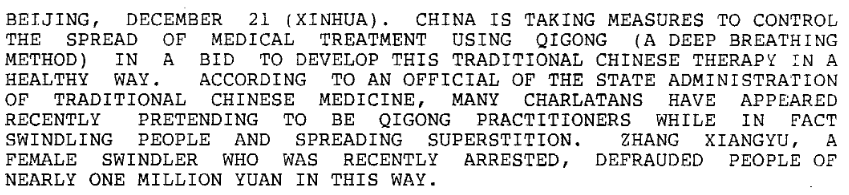
Video: Jack Ma talks about Tai Chi Chuan and applying it into life and business.
#Comment: Jack Ma - the world's 20th Richest Person, chairman of Alibaba Group, Kung fu master - is frequently directly associated with prominent Chinese cult-type "Qigong" etc. spiritual movements and its leaders (that get banned by the government)
Documentary on Qigong in the 1990s in China:
"Qigong Documentary Overview by Francesco Garri Garripoli "Here is a copy of the entire "Paranormal in China" article, for future backup:
Paranormal in China - by Wu Xianghong
From: Skeptical Briefs Volume 5.1 - March 1, 1995
Every evening in an open area furnished with several pine trees, I wander from the new library of our university. I see a group of old people, standing swaying, and rocking in time with the rhythm of Chinese classical music, coming out from a shabby loud speaker hanging from one of the branches. They are performing the Qi Gong, an ancient Chinese exercise, revived in the early 1980s, that supposedly advances one’s ability to gather and utilize the “energy” or “force” of the universe.
Now there are hundreds of types of Qi Gong: some only need meditation and others require body motion to music. They are popular among Chinese who wish to improve their health and cure their diseases. It is hard to say if anyone has restored his health by performing Qi Gong; while it is also hard to say if Qi Gong is completely ineffective if accompanied by orthodox treatment. Deep breathing, self-controlled meditation, and little movement, which are usually involved in performing Qi Gong, are not harmful.
The cult of Qi Gong, however, is not based on its effectiveness in health care. The “spirit balance” it gives and the quasi-religious mood involved in performing Qi Gong partly accounts for its popularity. Old people may perform it because they have no better ways to spend their time. Around 1985, Qi Gong began to closely connect with another cult—the cult of “special ability”—and each reinforced the popularity of the other.
The phenomenon of SA was first reported in 1978, when the political group headed by Mao’s widow lost its power, and Deng Xiaoping was reinstated and began to advocate the movement to “love, learn and utilize science” in China. This science movement quickly met the needs that the majority of Chinese, including some scholars had. They had forgotten what the rigorous demarcation line of empirical science was. In articles published in many scientific magazines and journals, the coming 21st century was portrayed as a utopian, entirely automated world. The research of UFOs and ETs was regarded as an advanced area of science. Scientific spirit was understood as “to doubt every idea you believe in and to believe in the raw materials you see with your eyes.” This attitude I’d like to name as the “materialist” view on science. (It is not even a Marxist view because Engels disagreed. He believed that observation should be guided by theory, and that idea was quite popular among the scientists and philosophers.)
It was in such a context that the public media reported finding some children who could identify human character by outward appearance—ear, forehead, and nose—and called it “special ability” (SA). The word “special” (Teyi in Chinese) means something a bit different from “paranormal,” the word my American colleagues prefer to use.
The “materialist” scientists believed that SA was not a transcendent phenomenon, but an empirical phenomenon outside of the existing scientific knowledge that could explain and predict; that it could be and should be studied by “scientific method.” In this way the existing laws and theories of scientific knowledge might be challenged and revised. Perhaps it is better to translate the concept of SA as “exceptional ability.”
Although there were some disagreements, the research into SA was booming. More cases were reported and the field expanded to include perception and PK—the ability to bend iron wire in a sealed test tube, or remove pills from a sealed bottle. At the same time, the research into Qi Gong was also booming. New ways of performing Qi Gong were found, such as projecting the Qi out of the sender’s body, through the air, and finally into the body of receivers. These methods were investigated with “scientific” apparatus, including infrared detectors and radiometers. It has been reported since 1984 that Qi Gong could activate the potential SA in people. In 1985, Zhang Hongbao, a master of Qi Gong, proposed the theory of a “cosmic field”; that the energy accounting for both Qi Gong and SA were generated out of and transferred through the “cosmic field” and therefore Qi Gong and SA were unified. Zhang believed that everyone could get SA by training in Qi Gong and that those who had SA but did not know Qi Gong could be taught it. Henceforth, all those who were engaged in the paranormal named themselves “Master of Qi Gong.” Millions of people began to train in Qi Gong, including the youth. The main goal was usually not to heal diseases and improve health, but to get SA and be a “superman.”
In 1987 and 1988, Yaniments by a group at Tsing Hua University were published in scientific journals that “verified” that Qi could be sent out over 2,000 kilometers to hit the targets—a polariscope and a reagent in a test tube—and change the direction of the polariscope axis and the molecular structure of the reagent. The scientific community was shocked by these results, and even more so when it was discovered that those who engaged in these experiments were only amateurs. The authorities at Tsing Hua University had failed to realize that the group represented the university.
Another creation of Yan Xin was the “Talk Show with Gong.” Hundreds, even thousands of people came to listen to his lecture and were induced by some unexplained forces to sway, quiver, sob, grin, sleep, and express other emotions at the lecture. Such induced emotions were believed to be good for health. The “Talk Show with Gong” was quite popular from that time on, and the recorded tapes of Yan’s lecture were claimed to carry the information of Qi Gong. They sold very well around the country.
Yan Xin attributed SA to Qi Gong. His theory was that the children who had SA were not talents but that there were some masters of Qi Gong sending Qi to them in secret. Yan also expanded the effectiveness of Qi Gong’s psychokinetic powers to include moving away tons of fish, changing the weather, and putting out a forest fire.
After 1988, Qi Gong became more influential. In 1990, a woman master of Qi Gong, Zhang Xiangyu, pushed its influence to a peak with her performance in Beijing. Millions of “pilgrims” gathered from several provinces to see her and caused great traffic jams. When Zhang waved her hand out of a window of the third floor of the hotel, the “pilgrims” in the street cheered. Zhang claimed that she could talk with extraterrestrial beings and was able to cure every disease. She treated her patients with methods similar to those of witchcraft and demanded large amounts of money from them. Many patients became ill under her treatment and some of them died. In August, Zhang was arrested and accused of cheating. The exposition of her swindle weakened the cult of Qi Gong. Zhang was convicted in 1993.
Soon after the arrest of Zhang Xiangyu, a conscientious master of Qi Gong, Sima Tu, told the truth about the various kinds of Qi Gong hoaxes. The prestige of Qi Gong dropped rapidly and became merely a sort of body exercise popular among old people, as I mentioned at the beginning of this article. However, Qi Gong staged a comeback in a different form after 1992, as a trend of thought instead of a practical movement. In this way it has much to do with the revival of the paranormal in traditional Chinese culture.
The renaissance of traditional culture began in 1989, when the government found it useful as an ideological weapon to fight against Western-style liberalism. Moreover, it seemed to be a hopeful alternative to orthodox Marxism as an ideology to join people’s viewpoints with feelings. The preference for traditional culture in literature, however, can be dated back to 1984. Then, some novelists announced they were able to “find the root for our literature” when they felt disillusioned by the importation of Western literature and art since 1978, as well as Marxism, which is also a western ideology. The announcement of finding the “root” is not a bad one.
When the government took part in the revival of traditional culture, things turned out to be worse, because the leadership of government was far from being scientific and rational. A manifest example was the “I Ching” craze beginning in 1989. An ancient classic about divination, the “I Ching” relates something of the philosophy, beliefs, customs, and mathematical ability of ancient China. But in the recent craze it was claimed to have the implications of modern physics, mathematics, astronomy, and computer science.
For example, it is said that G.W. Leibniz (1646 – 1716) got inspiration out of the Eight Diagrams to create the binary computer and had sent one of his machines to Emperor Kang Xi of the Ding Dynasty. This claim turns out to be completely false. The binary computer wasn’t created until 1941 (the Z-3 machine). What Leibniz created is the binary system, and he worked it out before he saw the Eight Diagrams.
While the cult of traditional culture led to pseudoscience in intellectual circles, it resulted in the revival of primitive superstition, such as fortune telling, astrology, physiognomy, and “I Ching,” ancestral worship, and magic among the masses with less education. They abounded in the broad rural areas, as did the Qi Gong in the cities. The official newspapers warned that “the superstition of feudal ideology is reviving in our countryside.”
From the standpoint of the official media, superstition refers to something more than we have mentioned above. It includes the spontaneous, disorganized minor religions in the rural areas. For instance, hundreds of pamphlets on Zen have been issued since 1990. Zen, as a specific religion originating in China and spreading over the Far East, was generated out of the mixture of Indian Buddhism and Chinese traditional thought. It had benefited from Taoism, Confucianism and other traditional Chinese teachings. Therefore Zen, as well as Taoism and other religious traditions, became popular with the revival of traditional culture. These traditions should be highly appreciated in themselves but the popular interpretation of them came to include the paranormal.
A typical case is the book The Decoding of Liuman’s Mysteries (Renlei Shenmi Xianxiang Poyi, 1992) by Ke Yuniu. In it, he announced that he had encoded all the mysteries in human history: Qi Gong, Yoga, SA, psychic phenomena, parapsychology, magic, soul, I Ching, Chinese medicine, Laozi and Dao De Jing, Zen, Sakyamulli and Buddhism, the Bible, Jesus and God!
Carefully read, one can uncover that Ke’s thoughts never transcend the ideas of the early sages, such as Laozi, Sakyamuni and Jesus. He borrows from Zen epistemology, makes use of Laozi in the ontology, believes Qi Gong as an alternative to physics, and he also contributes his own illogical methods of thinking.
In November 1994, Ke issued his new three volume book: Research Into Life. In this book he proposed few new ideas but described hundreds of “successful” experiments to verify the presence of SA. In general, Ke’s books are not worth being treated seriously; but their great influence on the social ideology is dangerous, and we need to deal with them.
The movement to “love, learn and utilize science” from the end of the 1970s unexpectedly helped the growth of pseudoscience. The above-mentioned “materialist” view of science was an important cause, another was that public education in science was led astray in this period. The masses were given “scientific knowledge” without the necessary explanation of how it was achieved. That no method was available for the masses to decide whether a claim was scientific made them turn to some “authoritative” source, for example, the public media, an administrative organ, or the “mystery authority” relating to the intelligence agencies and the military.
“Hongcheng Magic Liquid” is a case of “mystery authority.” Being an ordinary man in Northeast China without higher education, Wang Hongcheng, in the early 1980s, pretended to have created a sort of “liquid” of which two to three drops could change the structure of one liter of water to make it as combustible as petrol. Were his claim true the words “energy crisis” could be canceled from the dictionary eternally. The Chinese security and military departments paid much attention to the declared creation and funded Wang for further research. When it was shown to be obviously a fraud, Wang was thrown into prison. However, he became a legendary figure. Some people believed that Wang was persecuted because he refused to turn over his “secret” formula to the government, and that this was covered up.
When Wang was finally freed, many news reporters, worshippers, investors, and crooks gathered around him to hear about the “secret” formula. In 1992-1993, Wang was rather popular on the public media, and he set up a company to develop the “Hongcheng Magic Liquid.” Nothing happened in the end, of course.
Another case has more to do with the authority of administrative organs. It is the “W-Shape Ship Patent” belonging to Zhou Jinyu from South China. He was a young technician and announced his innovation in 1985. This was to put the propeller in the middle of a ship instead of at the stern and to give the whole ship a W-shape. Zhou claimed that he had discovered a new fluid theory, by which the W-shape innovation could improve the speed of ships by 200 to 300 percent, but he had never published a paper about his “theory.” Experiments performed by some experts indicated that a ship when applied with this innovation would lose 20 to 30 percent of its speed and risk turning over. However, Zhou managed to get a formal appraisal from the local administrative committee of science and technology. He succeeded in bypassing the patent bureaus, the local government, public media, and entrepreneurs, simply by waving the appraisal. A large amount of money was wasted in making W-shaped ships, because they couldn’t move at all. Zhou was awarded and honored by governments at different levels until he was exposed by thirty scientists in 1992.
In the 1990s, as China accepts the market system step by step, the public media plays more and more important roles in the spread of pseudoscience, and cases of pseudoscience increase in the area of business. The Chinese people haven’t developed the necessary skeptical view of advertising, and the lack of related laws provide cunning businessmen with an open field. Until November 1994 China didn’t have a law for truth in advertising. The public media abounded with fraudulent advertisements. One example was the “electronic adding-growth shoe pad.” This shoe pad was said to help short young men grow taller by stimulating specific parts of the sole of the foot.
Another case was the “electronic stutter-curing instrument,” which was only a micro-amplifier, to enable you to hear your own voice through an earphone attached.
Fraudulent advertisements have been reduced since the Law of Advertisements went into effect, but pseudoscientific businesses, especially in the field of medicine, haven’t been contained. First, an essential system to test the quality of new medicines has not been established. New medicines always have to “pass” a clinical test, but the necessary control group is usually neglected, or the it is not under rigorous control. For example, all the patients of the control group haven’t been given the same dose. Second, the effectiveness of Chinese medicines cannot be tested by orthodox procecare articles” insteading disease instead of caring for health.
The Chinese medicine and “health care articles” market has been full of various sorts of oral liquids. They all claimed to be able to reduce your white hair, or improve your memory, or strengthen your sexual ability. One of them is called “China Soft- Shelled Turtle Extract.” It is well known that female Chinese long-distance runners have continually been winning the championships in different races and often also win and as the runner-ups. It is also well known that all these female athletes are guided by the same coach, Ma Junren. Ma’s method in training is peculiar, but public opinion holds that he has a certain “secret formula.” In the West, reporters guess about the stimulant used. In China, people noted that Ma had his athletes drink the blood and fat of soft-shelled turtles everyday. A financial group in Chang Zhou announced that they had bought the “secret formula” from Ma and began to produce the extract. However, a group of reporters recently discovered that no turtles could be found on the production line.
Besides, Ma had sold his “secret formula” to another company for two million Juan (about $250,000). Turtle, of course, is not among the ingredients. This company is now selling a liquid named “Life Atomic Energy,” which is said to be produced according to Ma’s direction.
In my view, the most influential commodity and the first object that ought to be inquired about in the present China market is the so-called “Life-Spectrum Healing Instrument.” According to its creator, Zhou Lin, it can emit rays whose spectrum is similar to the emission spectrum of the human body. Thus it “adjusts the balance of the human body system.” This explanation for its mechanism is not clear. If its spectrum is really in accordance with the human’s emission spectrum, we can understand that the energy of the rays is subject to absorption by the body, that it will heat the tissue inside of body.
Perhaps it is a better physical healing method than the traditional hot compress, but this wouldn’t help us to understand how it could adjust the balance of the body system.
In fact, Zhou’s instrument hasn’t been strictly investigated. It is widely accepted primarily because it won the first prize in an international fair. The general underdevelopment of Chinese science and technology induces people to be convinced by the “authority” from any international organization.
On December 5, 1994, the State Council and the Committee of the CPC issued a proclamation to strengthen public education in science. In this proclamation it was recognized that “public education in science has been withering in recent years, at the same time activities of superstition and ignorance have been growing and antiscience and pseudoscience cases have frequently been happening. Therefore effective measures must be applied as soon as possible to strengthen public education of science. The level of public education in science and technology is an important sign of the national scientific accomplishment, and is a matter of overall importance relating to the promotion of the economy, the advancement of science, and the development of the society. We must pay attention and carry out the public education with consideration of a strategy to modernize our socialist country and to make our nation powerful and prosperous. Ignorance is never socialist nor is poverty.” It is planned to advocate education with the three aspects of science: scientific knowledge, scientific method, and scientific ideas. This proclamation greatly encourages the rationalists, and has formed a helpful context for attacking the paranormal. However, it is possible that such a government- guided movement would turn out to be politically oriented. If the paranormal was only suppressed by the political power, and if people were not to be persuaded reasonably to discard their irrational beliefs, the matter would be worse. In my view, political intervention is the most dangerous element of skepticism, and it could result in many more cases of paranormal claims.
Author: Wu Xianghong - a doctoral candidate in philosophy and science at Renmin University of China, Beijing.
-
Harnessing Dynamic Knowledge Principles in the Technology-Driven World (2013) - Book by Mark Nissen (Prof. of Information Sciences, Naval Postgraduate School - Research)
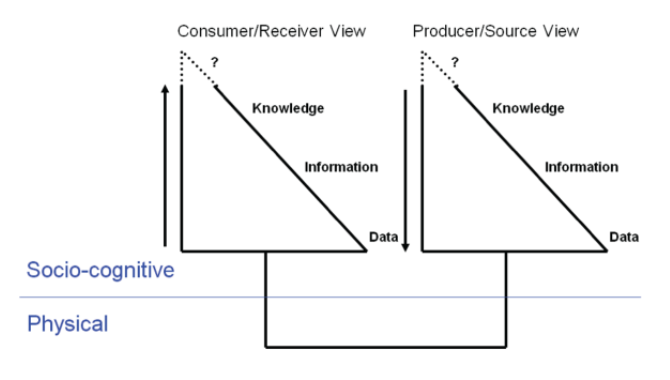
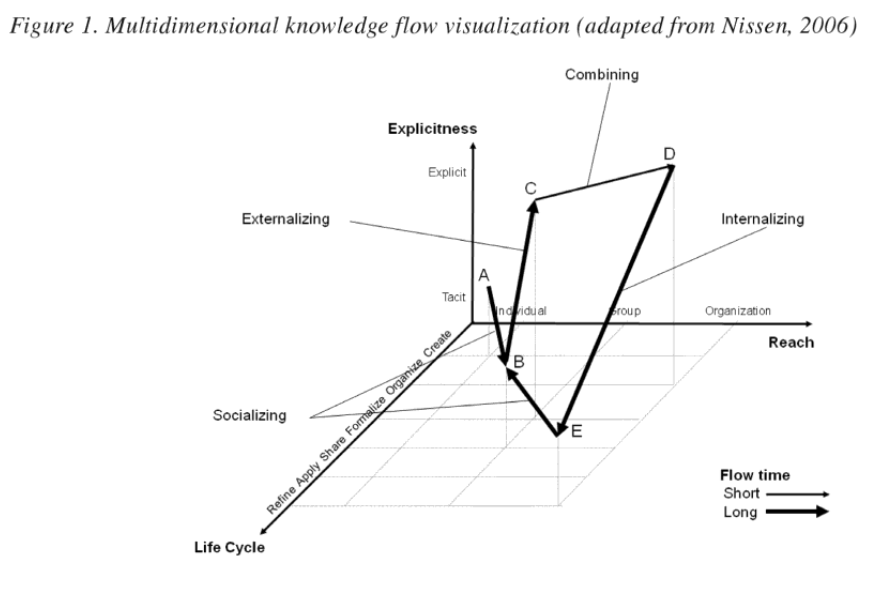
-
Current Issues and Trends in Knowledge Management, Discovery, and Transfer - Book edited by Murray E. Jennex (2019)
"An essential reference source that discusses crucial practices for collaborating and distributing work as well as validating accrued knowledge from real-time data. Featuring research on topics such as dynamic knowledge, management systems, and sharing behavior, this book is ideally designed for academics, researchers, librarians, managing professionals, and students seeking coverage on knowledge acquisition and implementation across systems." #KM #HCI #Book
-
Understanding Information Age Warfare - Book by David S. Alberts et.al (2001)
Classic "network-centric warfare" document.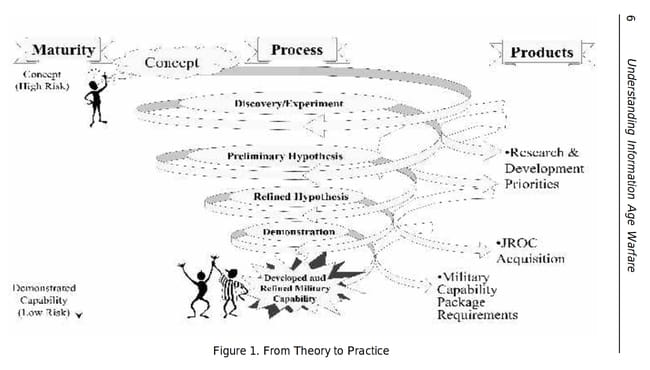
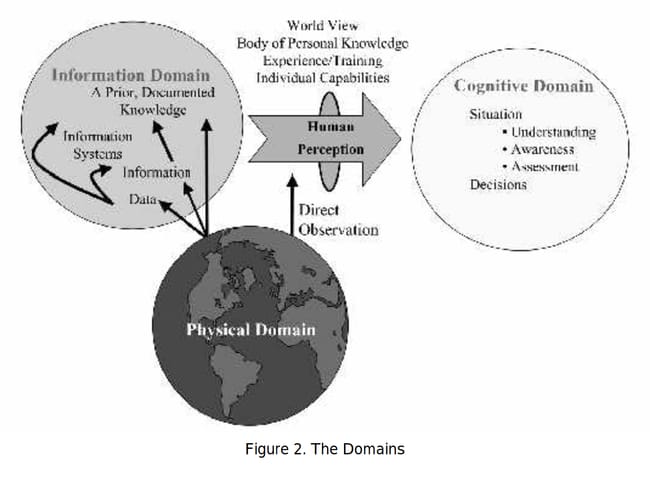
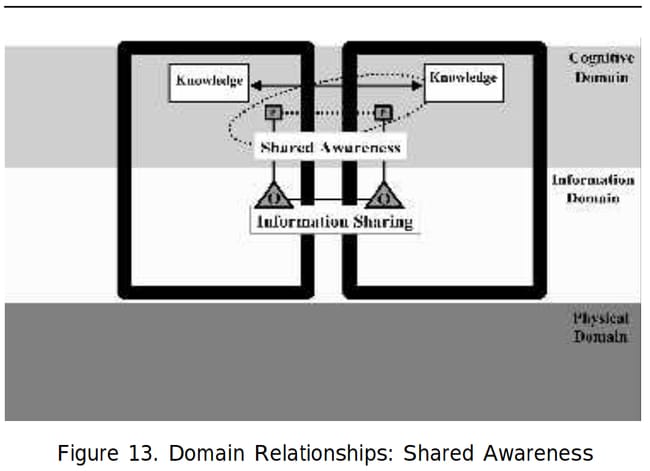
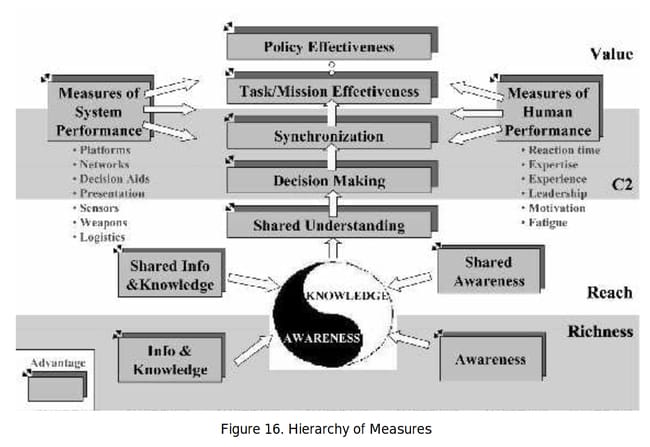
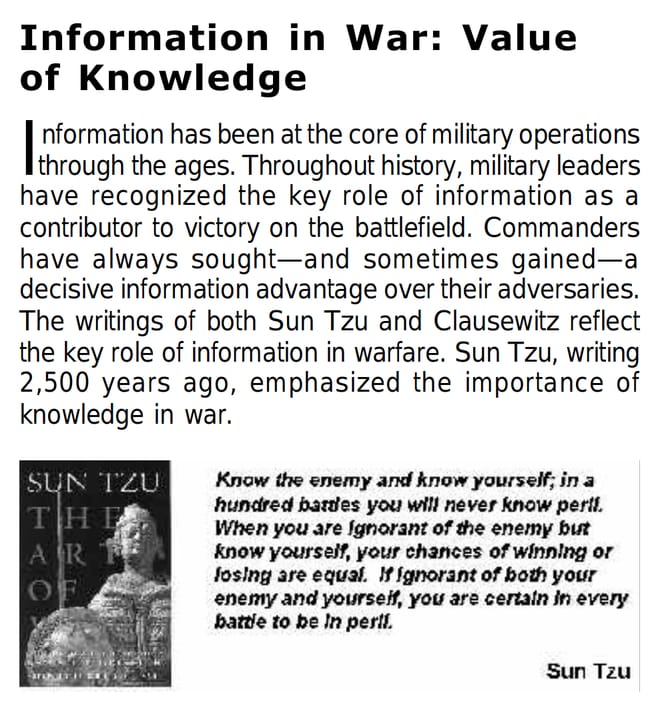
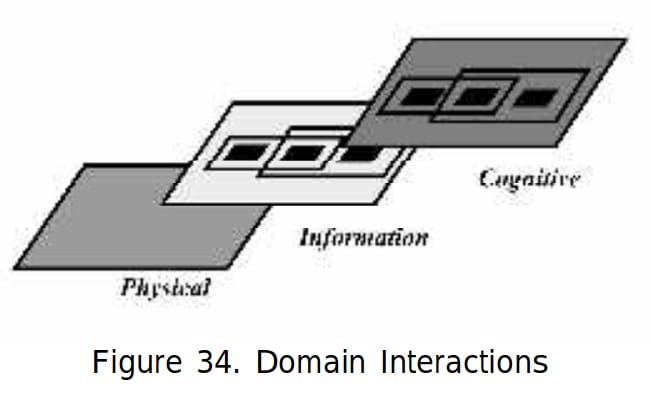
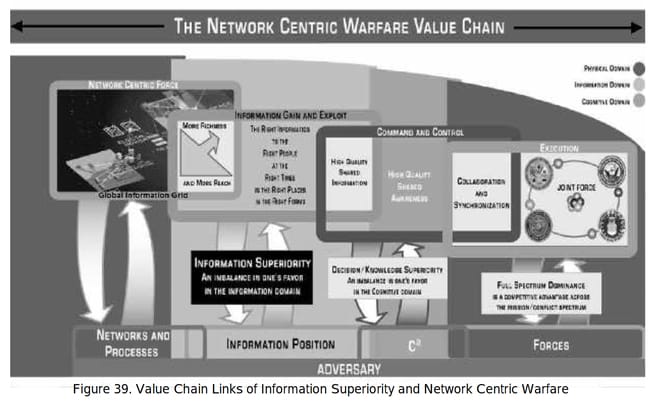
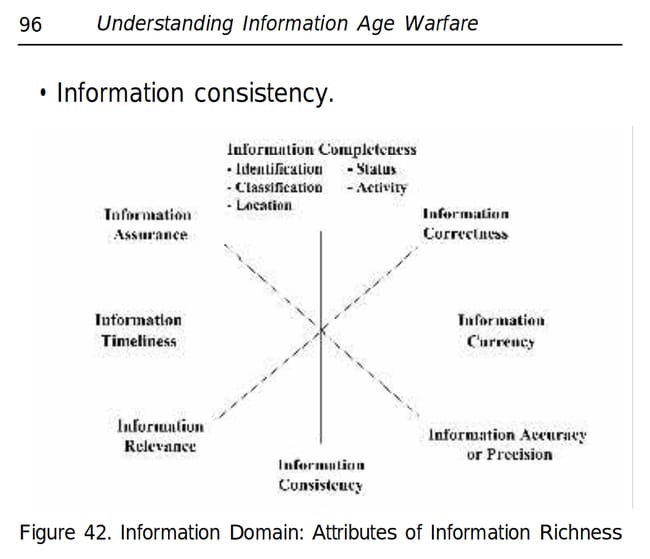
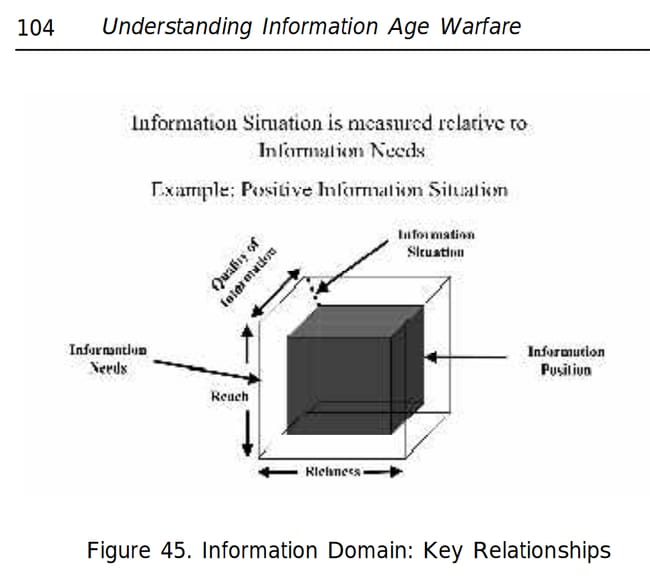
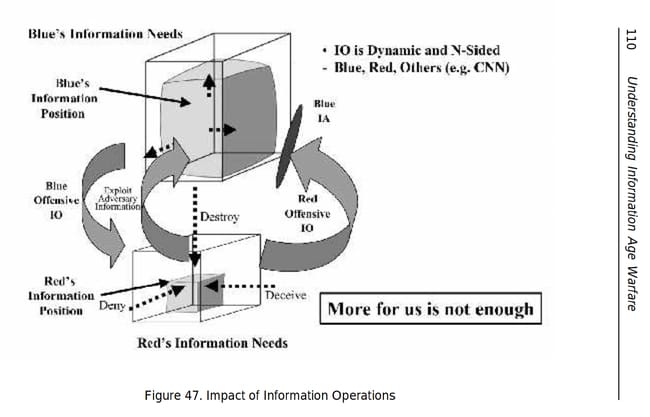
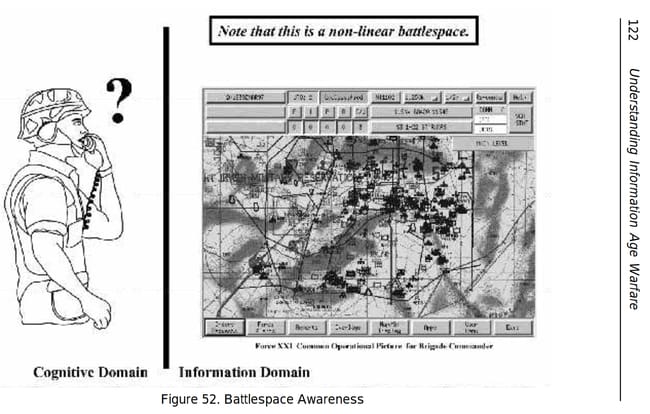
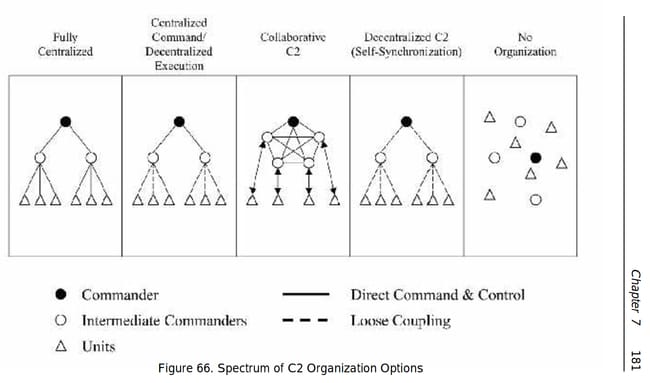
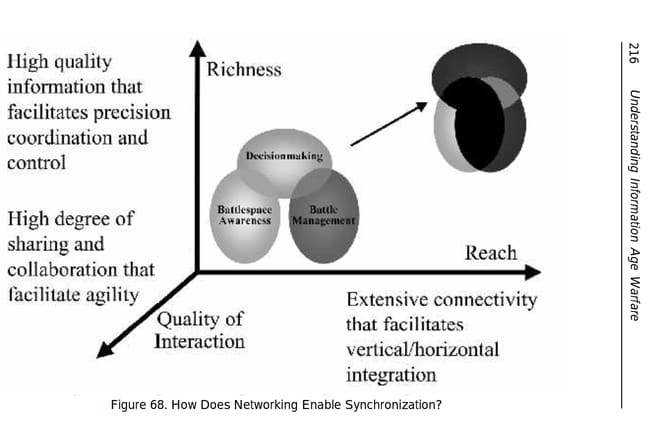
A peak at more recent, related thinking:
Transformation of European Defense Cooperation: A Complex Endeavour (2014) - by James Moffat, Reiner K Huber, David S. Alberts
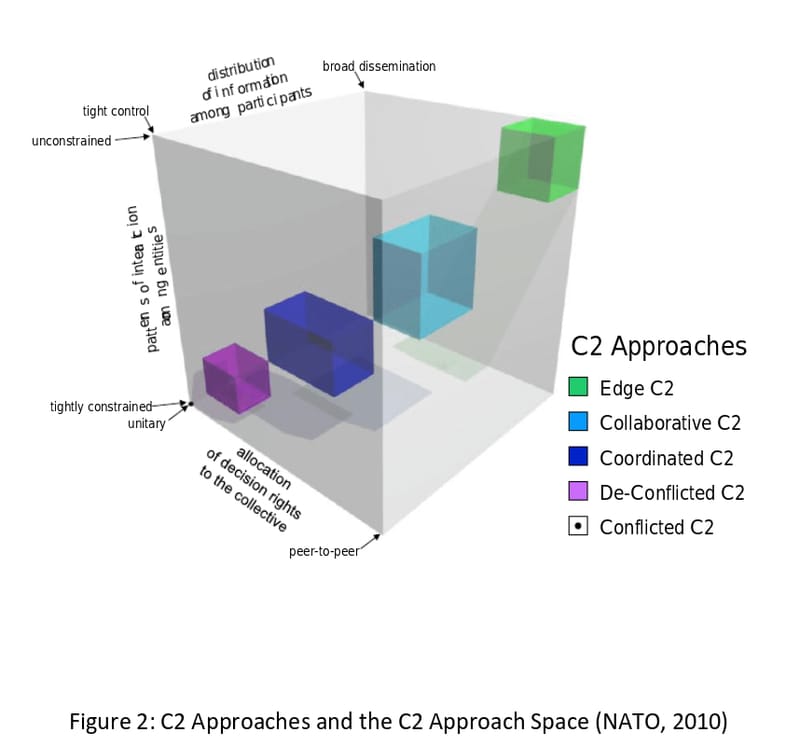
Operationalizing C2 Agility” Megatrends Reshaping C2 and their Implications for Science and Technology Priorities (2012) - M. S. Vassiliou, David S. Alberts
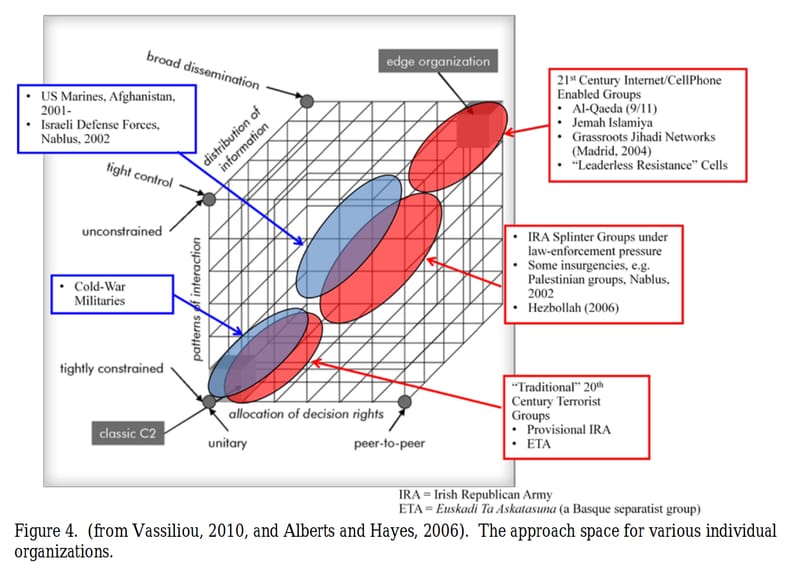
-
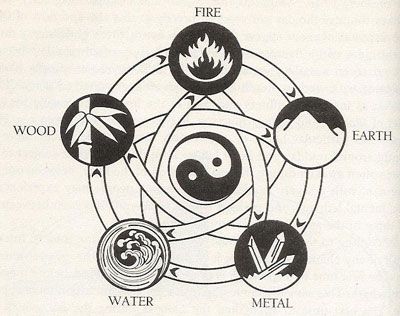
"According to Wuxing (五行) theory, the structure of the cosmos mirrors the five phases. Each phase has a complex series of associations with different aspects of nature. In the ancient Chinese form of geomancy, known as Feng Shui, practitioners all based their art and system on wuxing. All of these phases are represented within the trigrams. Associated with these phases are colors, seasons & shapes; all of which are interacting with each other." - Wikipedia
Book (PDF): Fengshui in China: Geomantic Divination between state Orthodoxy & Popular Religion (2011) - by Ole Bruun (Professor Social Sciences & Business & Prof Global Political Sociology at University of Roskilde)

Book Cover: "Fengshui in China" "For well over a century, Chinese fengshui, or "geomancy," has interested Western laymen and scholars. Today, hundreds of popular manuals claim to use its principles in their advice on how people can increase their wealth, happiness, longevity, and so on. This study is quite different, approaching fengshui from an academic angle. The focus is on its significance in China, but the recent history of its reinterpretation in the West is also depicted. The author argues that fengshui serves as an alternative tradition of cosmological knowledge, which is used to explain a range of everyday occurrences in rural areas, such as disease, mental disorders, accidents, and common mischief. The study includes a historical account of fengshui over the last 150 years augmented by the results of anthropological fieldwork on contemporary practices in two Chinese rural areas."
-
Quotes from Carroll Quigley's (1910 - 1977) book "Tragedy and Hope" (1966):
"It is clear that the West believes in diversity rather than in uniformity, in pluralism rather than in monism or dualism, in inclusion rather than exclusion, in liberty rather than in authority, in truth rather than in power, in conversion rather than in annihilation, in the individual rather than in the organization, in reconciliation rather than in triumph, in heterogeneity rather than in homogeneity, in relativism rather than in absolutes, and in approximations rather than in final answers." - Pg. 1227 of Tragedy and Hope
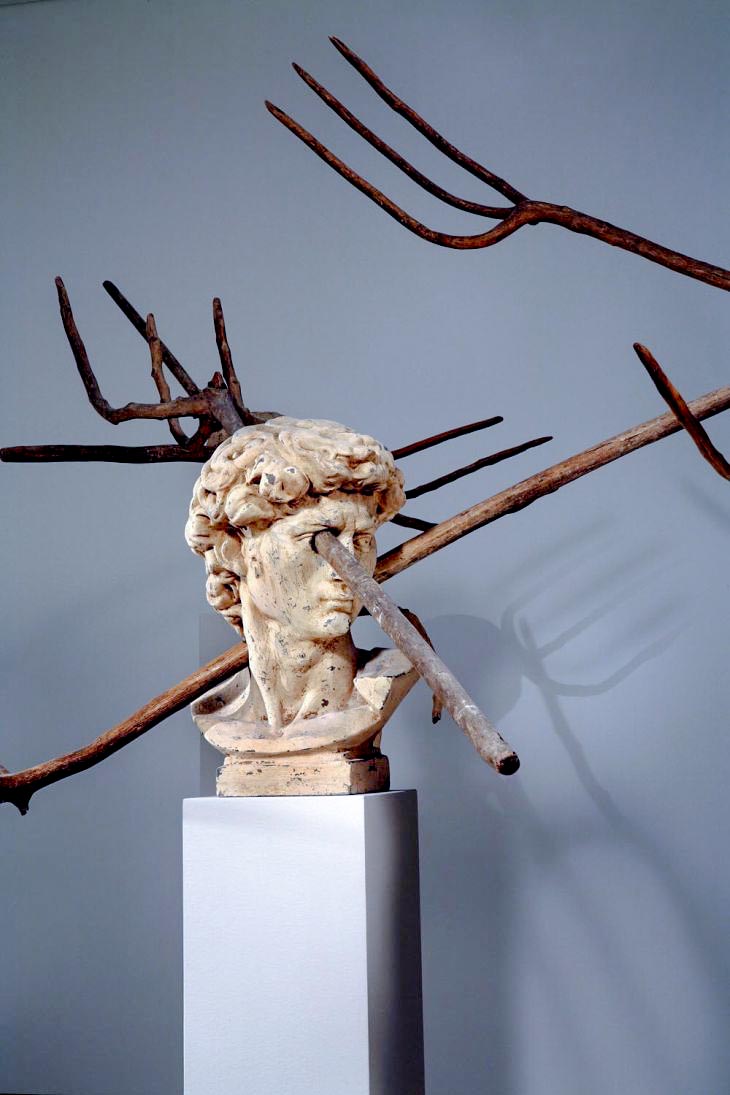
Impaled Classical Sculptures by Artist Bai Yiluo "The powers of financial capitalism had another far-reaching aim, nothing less than to create a world system of financial control in private hands able to dominate the political system of each country and the economy of the world as a whole.
This system was to be controlled in a feudalist fashion by the central banks of the world acting in concert, by secret agreements arrived at in frequent private meetings and conferences.
The apex of the system was to be the Bank for International Settlements in Basle, Switzerland, a private bank owned and controlled by the world’s central banks which were themselves private corporations.
Each central bank, in the hands of men like Montagu Norman of the Bank of England, Benjamin Strong of the New York Federal Reserve Bank, Charles Rist of the Bank of France, and Hjalmar Schacht of the Reichsbank, sought to dominate its government by its ability to control Treasury loans, to manipulate foreign exchanges, to influence the level of economic activity in the country, and to influence cooperative politicians by subsequent economic rewards in the business world." - Pg. 324 of Tragedy and Hope
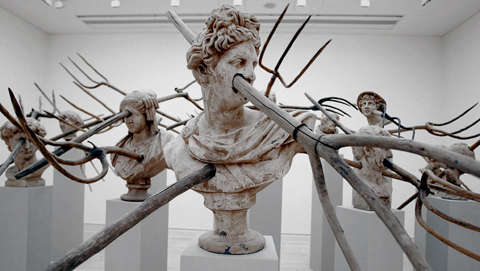
Impaled Classical Sculptures by Artist Bai Yiluo “There does exist an international Anglophile network which we may identify as the Round Table Groups. I know of the operations of this network because I have studied it for twenty years and was permitted for two years, in the early 1960’s, to examine its papers and secret records. I have no aversion to it or to most of its aims and have, for much of my life, been close to it and to many of its instruments. I have objected to a few of its policies but in general my chief difference of opinion is that it wishes to remain unknown, and I believe its role in history is significant enough to be known.” - Pg. 950 of Tragedy and Hope
-
Affordance is what the environment offers the individual. James J. Gibson, coined the term in his 1966 book, The Senses Considered as Perceptual Systems.
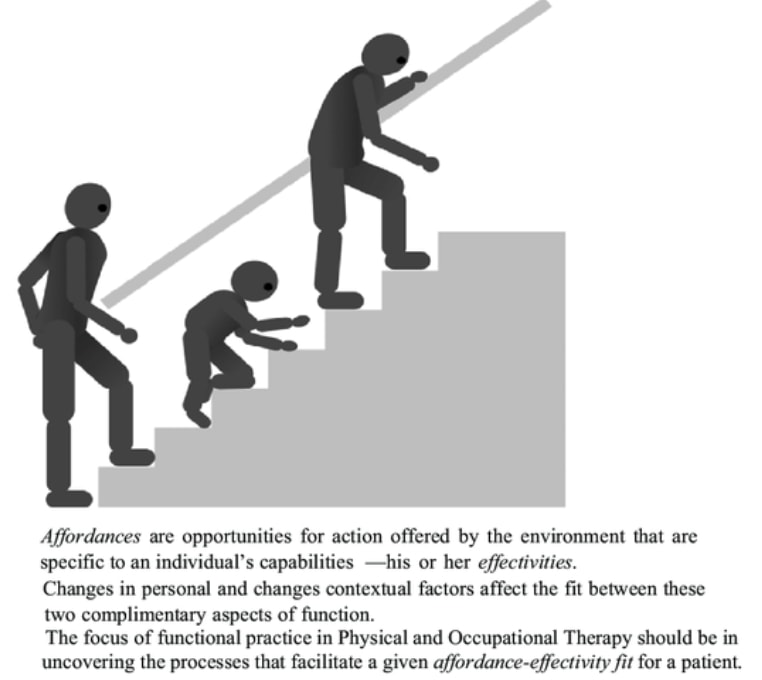
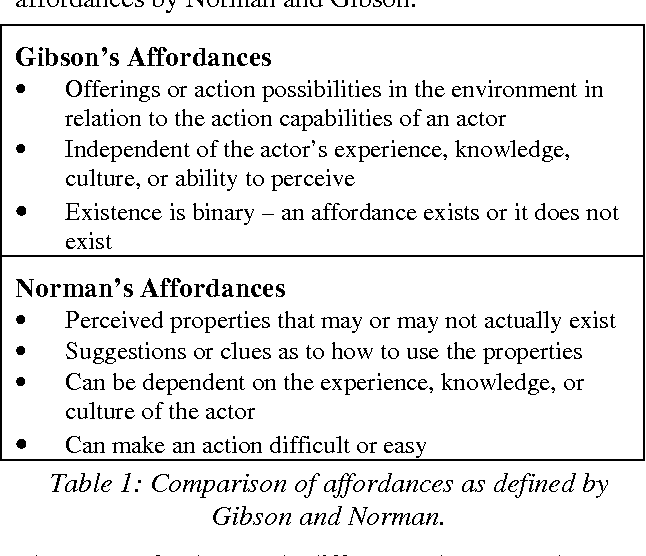
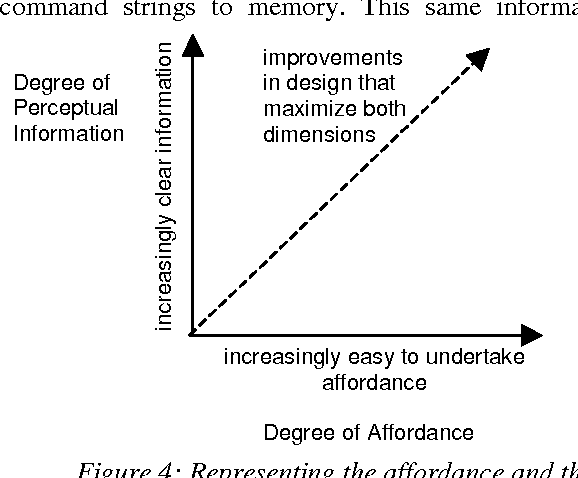
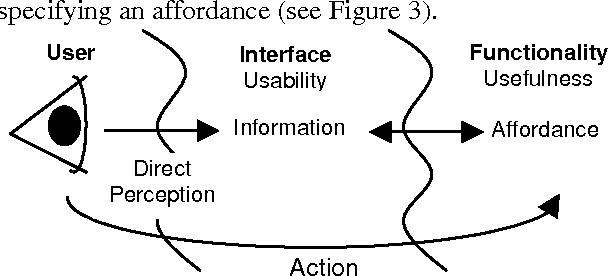
Images from Affordances: Clarifying and Evolving a Concept - by Joanna McGrenere (2000)
Eleanor (1910–2002) & James J. Gibson (1904–1979) were American psychologists who coined & expanded research on an ‘ecological approach’ to perceptual psychology. They positioned perception as shaped by environment & the way the observer reacts & interacts with it: Stimuli that prompt visual & sensory impressions were locally observed & directly perceived, rather than through neural or cognitive systems that involved evaluation and analysis.
Gibsonian ecological theory of development: "Gibson emphasized the importance of environment and context in learning and, together with husband and fellow psychologist James J. Gibson, argued that perception was crucial as it allowed humans to adapt to their environments. Gibson stated that "children learn to detect information that specifies objects, events, and layouts in the world that they can use for their daily activities". Thus, humans learn out of necessity. Children are information "hunter-gatherers", gathering information in order to survive and navigate in the world."
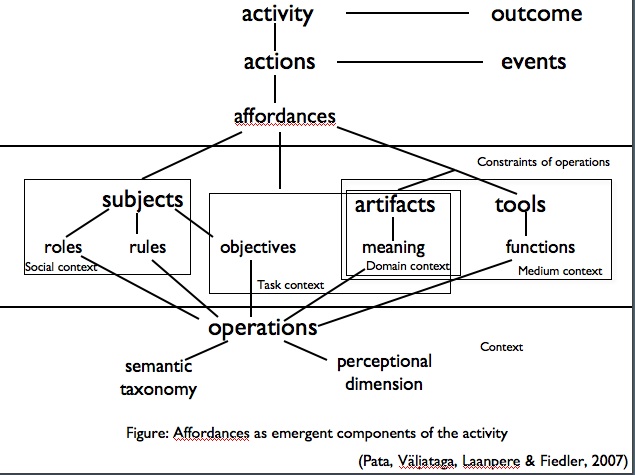
Related posts by Kai Pata
- About affordances again
- How are affordances dynamic?
- Two Theories of Perception and affordances
- Interactivity and affordances in digital ecosystems
The following from the book "Understanding Context" - by Andrew Hinton: Chapter 4 - Perception, Cognition, and Affordance:
"In the Universe, there are things that are known, and things that are unknown, and in between there are doors." —WILLIAM BLAKE
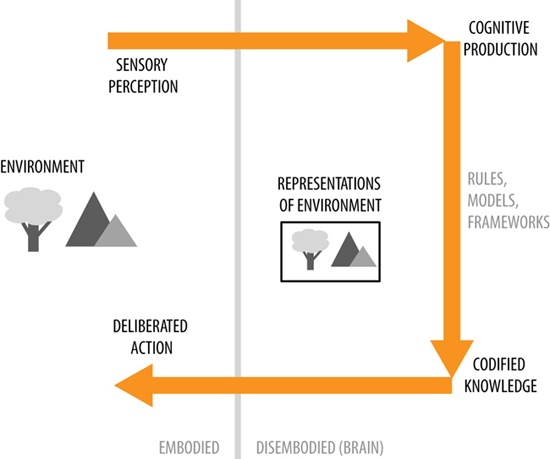
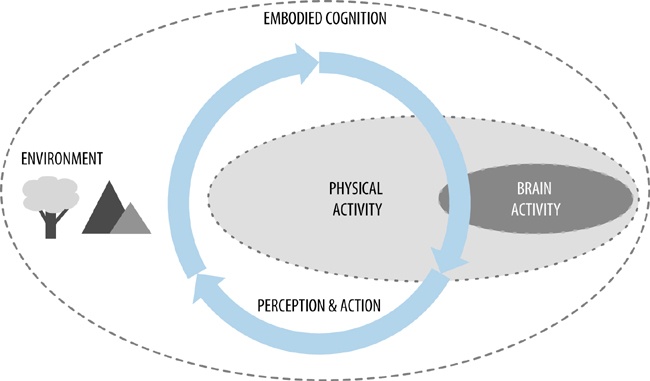
The following from the review of the book "Action in perception, by Alva Noë" - by Patrick Mineault:
The author goes on to discuss some of the more radical aspects of Gibson’s ideas on the ecological approach to vision: “He [Gibson] argued that just as there is a fit between an animal and the environmental niche it occupies, thanks to the coevolution of animal and niche, so there is a tight perceptual attunement between animal and niche. Because of this attunement, animals are directly sensitive to the features of the world that afford the animal opportunities for action (What Gibson calls affordances).”
- About affordances again
-

Greta Thunberg at an 'apocalyptic environmentalism' event by Extinction Rebellion (2019) William Vogt (1902 - 1968) "laid out the basic ideas for the modern environmental movement. He founded 'apocalyptic environmentalism'—the belief that unless humankind drastically reduces consumption & limits population, it will ravage global ecosystems. Vogt argued that affluence is not our greatest achievement but our biggest problem. If we continue taking more than the Earth can give, the result will be devastation on a global scale. Cut back! was his mantra."
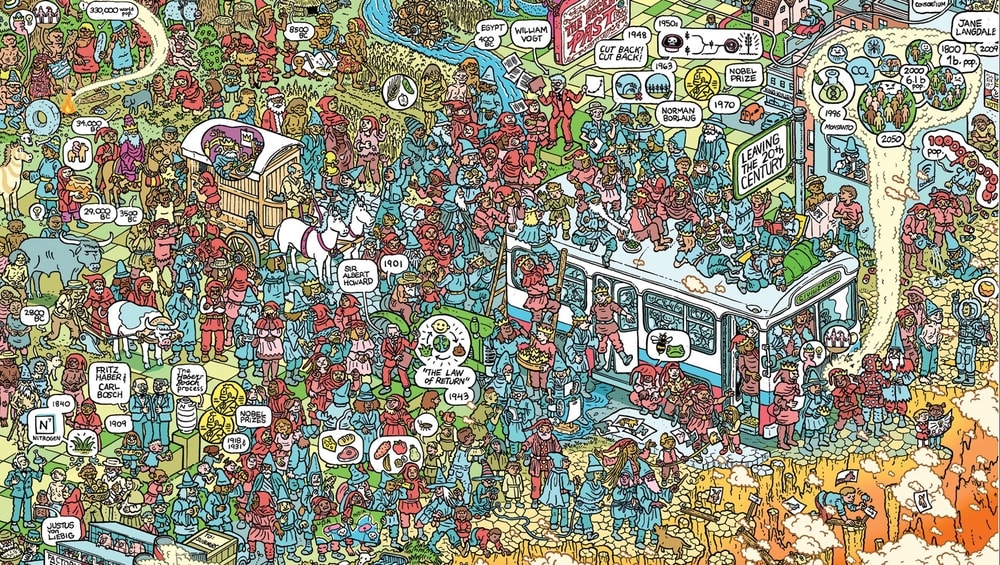
Inhale & exhale deeply, relax and say "everything is ok, me and everyone will die either way"... then explore these related links:
- Book: "The Malthusian Moment: Global Population Growth and the Birth of American Environmentalism" - by Thomas Robertson
- Essay: "Can Planet Earth Feed 10 Billion People? Humanity has 30 years to find out." - by Charles C. Mann
- https://en.wikipedia.org/wiki/Doomsday_cult
- https://www.reddit.com/r/collapse/
-
From "Technopoly: The Surrender of Culture to Technology" - by Neil Postman (1992)
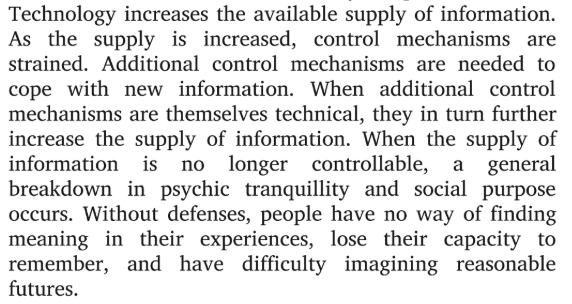
Illuminating another side of the Information Dynamics, which H.Simon pointed to:
"What information consumes is rather obvious: it consumes the attention of its recipients. Hence a wealth of information creates a poverty of attention, and a need to allocate that attention efficiently among the overabundance of information sources that might consume it." ―Herbert Simon (Designing Organizations for an Information-Rich World, 1969)
See as well this video interview with Neil Postman about Technopoly (C-Span, 1992)
-
Notes on the Historical Division between "Logical thinking" and "Visuals"
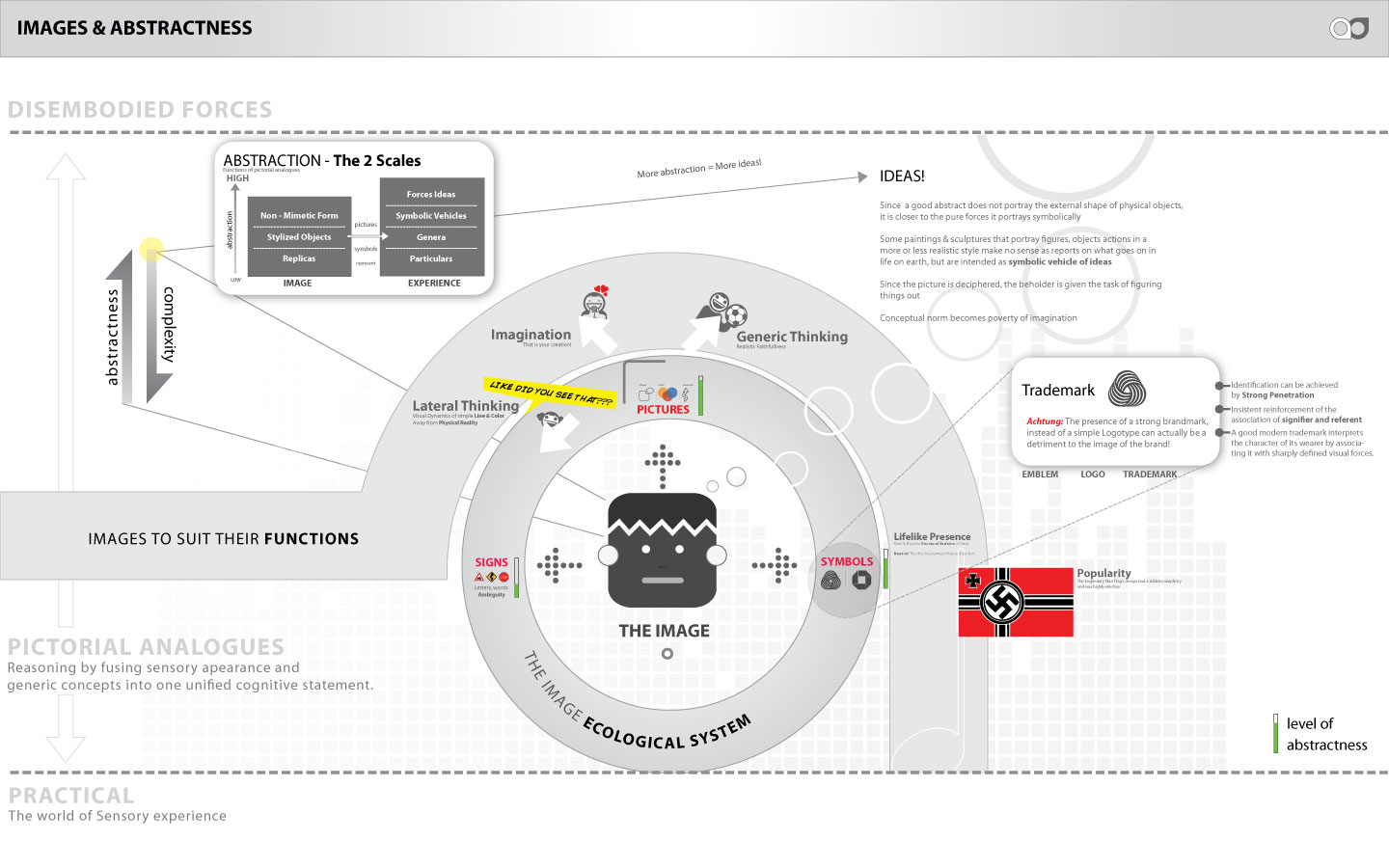
An description of the Image and its functions as a Picture, Signs & Symbols from the book "Visual Thinking" (1969) (via) Rudolf Arnheim suggested a historical division between "Logical thinking" and "Visuals" in his ground-breaking book, Visual Thinking (1969).
He pointed out that philosophers in ancient Greek credited the direct vision as the start and end source of wisdom although they also learned possible distortion in human’s visual perception (Arnheim, 1969. pp. 12). However, hundreds of years later, the potential of using sketching in creative problem solving are still paid less attention. Sketching is often not considered as a form of thinking. (found via viz-up-the-world)
In his book, Arnheim (1969. pp. 2-3) reflected on the issue as the followed:
“Today, the prejudicial discrimination between perception and thinking is still with us. We shall find it in examples from philosophy and psychology. Our entire educational system continues to be based on the study of words and numbers … More and more the arts are considered as a training in agreeable skills, as entertainment and mental release."
"As the ruling disciplines stress more rigorously the study of words and numbers, their kinship with the arts is increasingly obscured, and the arts are reduced to a desirable supplement…. The arts are neglected because they are based on perception, and perception is disdained because it is not assumed to involve thought. In fact, educators and administrators cannot justify giving the arts an important position in the curriculum unless they understand that the arts are the most powerful means of strengthening the perceptual component without which productive thinking is impossible in any field of endeavor. The neglect of the arts is only the most tangible symptom of the widespread unemployment of the senses….”
"All perceiving is also thinking, all reasoning is also intuition, all observation is also invention." - Rudolf Arnheim
Mind map: Rudolf Arnheim - Visual Thinking & The Intelligence of Visual Perception.
Simplicity, clarity, balance: A tribute to Rudolf Arnheim - by David Bordwell (2007):
"My teachers Max Wertheimer and Wolfgang Köhler were laying the theoretical and practical foundations of gestalt theory at the Psychological Institute of the Uni of Berlin, and I found myself fastening on to what may be called a Kantian turn of the new doctrine, according to which even the most elementary processes of vision do not produce mechanical recordings of the outer world but organize the sensory raw material according to principles of simplicity, regularity, and balance, which govern the receptor mechanism. This discovery of the gestalt school fitted the notion that the work of art, too, is not simply an imitation or selective duplication of reality but a translation of observed characteristics into the forms of a given medium" (from Film as Art)
"We have been trained to think of perception as the recording of shapes, distances, hues, motions. The awareness of these measurable characteristics is really a fairly late accomplishment of the human mind. Even in the Western man of the twentieth century it presupposes special conditions. It is the attitude of the scientist and the engineer or of the salesman who estimates the size of a customer’s waist, the shade of a lipstick, the weight of a suitcase. But if I sit in front of a fireplace and watch the flames, I do not normally register certain shades of red, various degrees of brightness, geometrically defined shapes moving at such and such a speed. I see the graceful play of aggressive tongues, flexible striving, lively color. The face of a person is more readily perceived and remembered as being alert, tense, concentrated rather than being triangularly shaped, having slanted eyebrows, straight lips, and so on" (from Art and Visual Perception, first ed., 430).
"Without the flourishing of visual expression no culture can function productively" - Rudolf Arnheim
Related: What Is Visual Thinking? - by xplane (2019)
Related: Perceptual Psychology (wikipedia)
#KM #Design #Media #Book #Creativity #Education #HCI #Philosophy
-
Book: Lazy Mans Guide to Relaxation - by Israel Regardie (1983) (PDF)
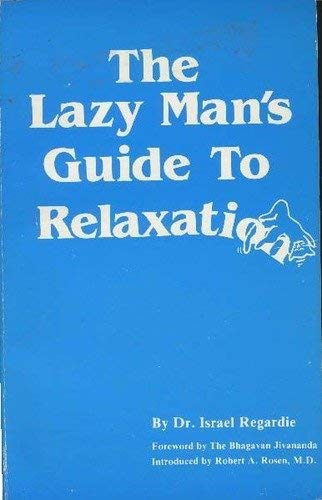
"Relaxation is an Art!" - Foreword:
"There once was a scholar of Chinese thought who came to visit a village which was suffering from a most unusual prolonged drought. All the people were very worried, since everything had been done to end it. Every kind of prayer, charm and magic had been used, but all to no avail. So the elders of the village told the old scholar that the only thing left was to send for the rainmaker. The old scholar was very interested in this idea, since he had never seen a rainmaker before. The rainmaker arrived in a covered car. He was a small and wizened old man. He stepped out of the car and smelled the air in disgust. He then asked for a house on the outskirts of the village. He insisted that no one should disturb him and that his food should be placed outside his door.
No one heard or saw him for three days, when everyone was awakened by a heavy downpour of rain. It was even at times snowing, which was unusual for that time of year. The old scholar was deeply impressed and went to see him. The scholar asked, "So you can make rain?" The rainmaker scoffed at the idea and said "of course I can't." The scholar replied, "but there was the most persistent drought until you came, and within a few days it rains?" "Oh," replied the rainmaker, "that was something quite different. You see, I came from a region where everything was in order. It rains when it should and is dry when that is needed, and the people are also in order and Harmony with themselves. But that was not the case with the people here. They were all out of Harmony with themselves. I was at once ill when I arrived, so I had to be totally alone until I was once more in Harmony with myself and then of course quite naturally it rained!"
The essence of this little story is that when you are in Harmony with yourself the whole world begins to orchestrate with you. The Lazy Man's Guide to Relaxation is about finding this Harmony within yourself. You see, this is one of the great secrets of life, learning how to be in Harmony with yourself, and thus with the world. To do . this -- to be in Harmony -- to be yourself-- you must first know how to relax. If you are truly relaxed everything begins to change. There is no need for deep penetrating thought — only the Bliss of Relaxation.
In this little book written by a man with a vast knowledge encompassing various fields, the reader is treated to a nurturing and penetrating method of deep relaxation accomplished with simplicity and ease. After a few weeks of practice a new exhilaration will be yours. There will be joyousness in your heart and you will meet life with gaiety and vivacity. But, more importantly there will be peace of mind. You will be freed from the labour of worry.

So often the stress and strain of life makes us callous to friendship and love. We become short, sometimes even hostile. But it is very important never to forget that even though the frequent hardships of life cause pain, that asleep within — is Harmony, the Being at one with everything -- the profound graceful source that can turn everything into a symphony of Joy.
- Bhagavan Jivananda
Excerpts from the book:
"You must now begin to learn something of the gentle and invaluable art of relaxation. A few minutes, once or twice a day, spent in relaxation will work wonders. You will eventually come to realize that you should have done this long ago."
" One becomes accustomed to living in and with a relaxed frame which is not exhausting its vital energies in maintaining unnecessary and useless tensions. That vital energy, therefore, being retained within, goes towards heightening and clarifying the mind. Energy must do something. Energy is defined as that which can perform work. If energy is not being wasted in keeping your neck or your abdomen or thigh rigid and taut, it is still retained within your own system. What happens to the energy therefore? In physics, as I have remarked, energy is considered very concretely as that which will do work.
Now, if you are relaxed and there is no needless expenditure of metabolic energy, that energy must do something. Hence, the work it does is entirely psychological in nature & scope. All your latent abilities and mental powers and faculties become sharpened. A distinct exaltation must accompany the process. There should be a fresh acquisition of intellectual power and capacity."
"You must experiment yourself with your own body to obtain relaxation and observe these incidents, sensations, and psychological phenomena. Explain them afterwards if you wish. First relax."
Another book by the same author on the same topic: Be Yourself: The Art of Relaxation
-
Book: A New Culture of Learning - Cultivating the Imagination for a World of Constant Change - by Douglas Thomas and John Seely Brown (2011)
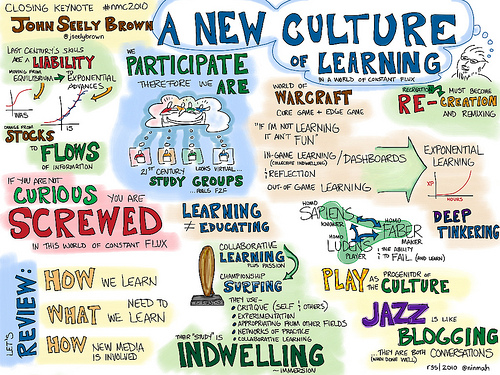
“What happens to learning when we move from the stable infrastructure of the twentieth century to the fluid infrastructure of the twenty-first century, where technology is constantly creating and responding to change?” - Douglas Thomas and Seely Brown (A New Culture of Learning p.17)
-
Book: Educating the Reflective Practitioner: Toward a New Design for Teaching and Learning in the Professions - by Donald A. Schön (1983)
"Design as a Reflective Conversation with the Situation" - Donald A. Schön
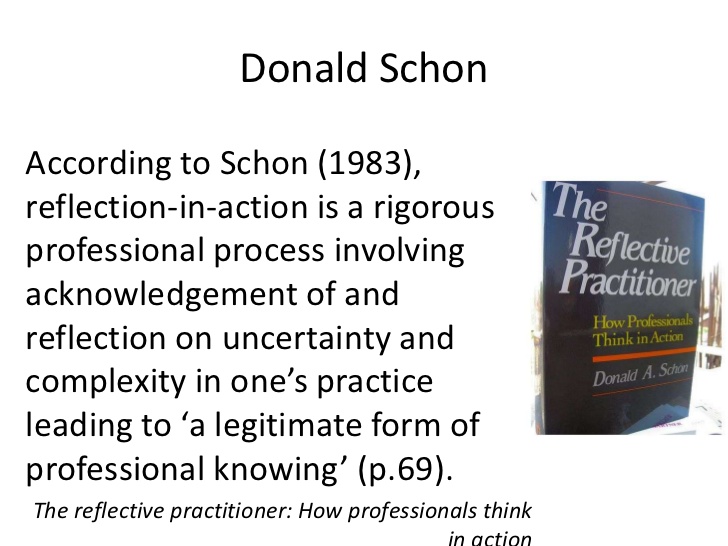

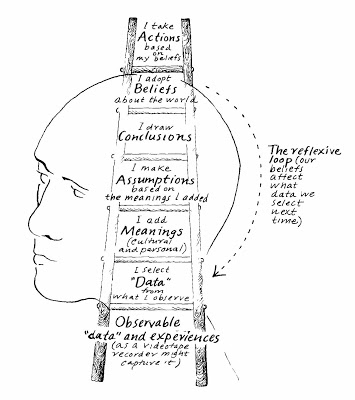
Reflective Practice Links
- Wikipedia: Reflective Practice
- Overview blog: The Reflective Practitioner by Donald Schon - by Peter Buwert (2012)
- Paper: Re-Educating The Reflective Practitioner: A Critique - by C.Cáceres (2017)
- Paper: An Ontology Of Donald Schön’s Reflection In Designing - by John.S.Gero
- Blog: Donald Schon (Schön): learning, reflection and change - by infed
- Presentation: Reflective Practice
#Design #Philosophy #Education #Urban #Architecture #Book #KM