tag > Complexity
-
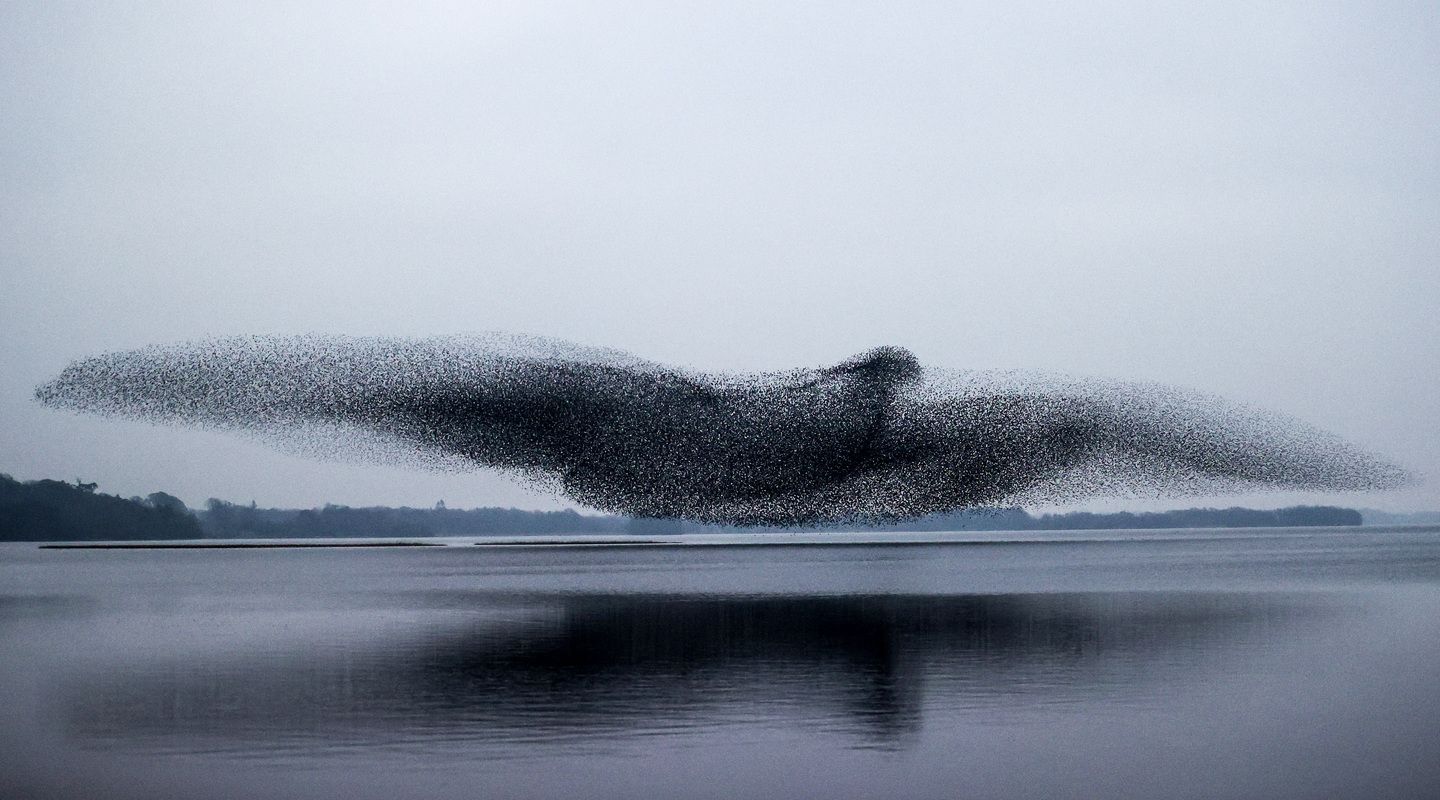
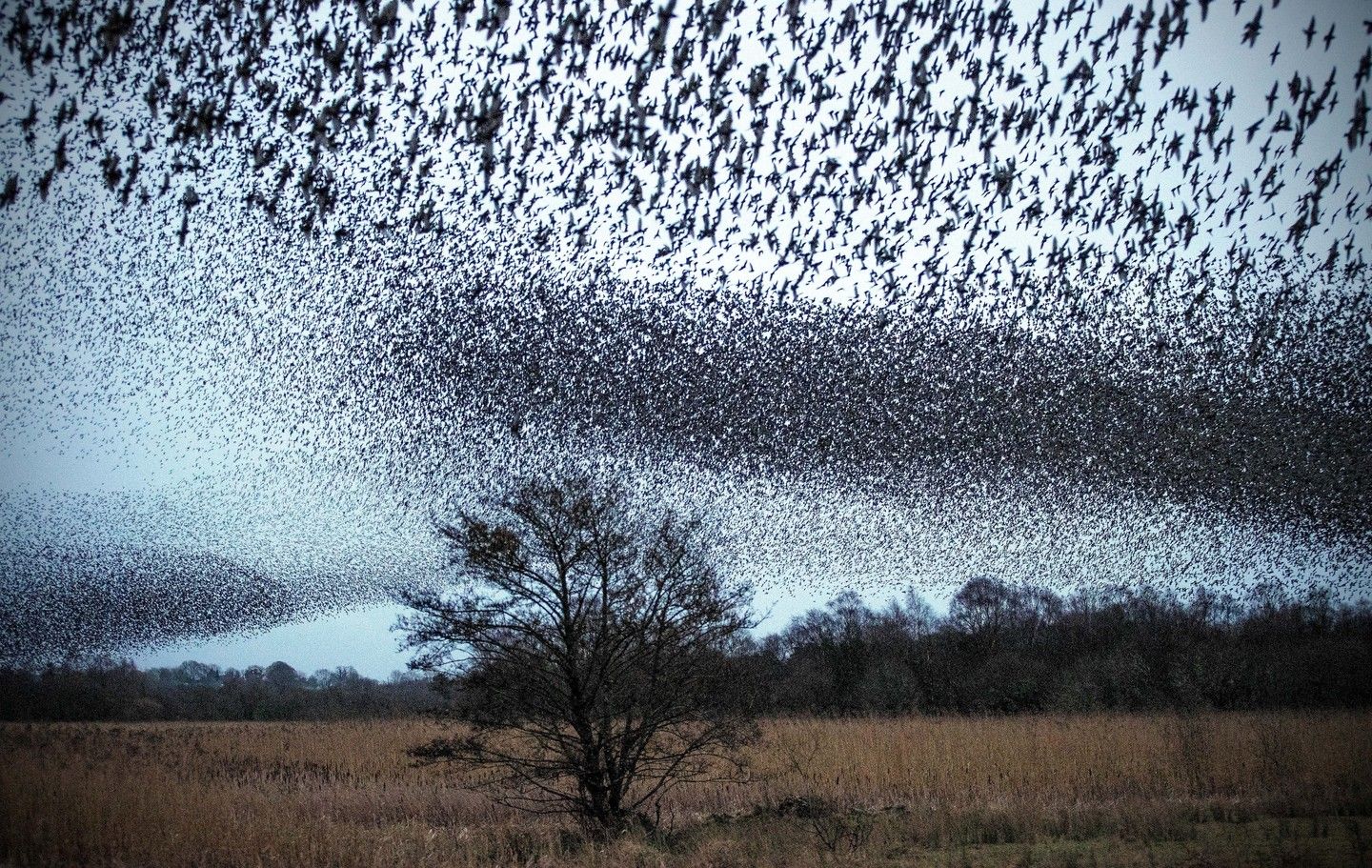
Robust Soldier Crab Ball Gate - A study that shows how swarm behaviors can be Turing complete
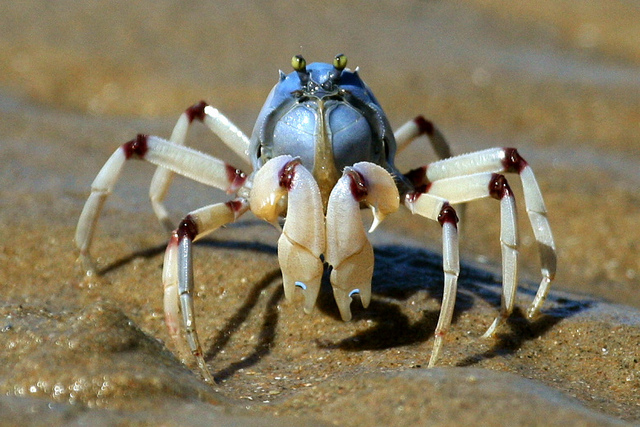
“Soldier crabs Mictyris guinotae exhibit pronounced swarming behaviour. The swarms of the crabs tolerant of perturbations. In computer models and laboratory experiments we demonstrate that swarms of soldier crabs can implement logical gates when placed in a geometrically constrained environment.”
-

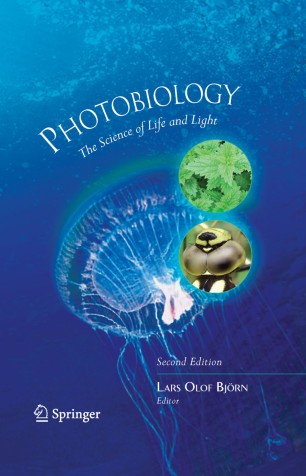
Photobiology is the scientific study of the beneficial and harmful interactions of light in living organisms. The field includes the study of photophysics, photochemistry, photosynthesis, photomorphogenesis, visual processing, circadian rhythms, photomovement, bioluminescence, and ultraviolet radiation effects.


-
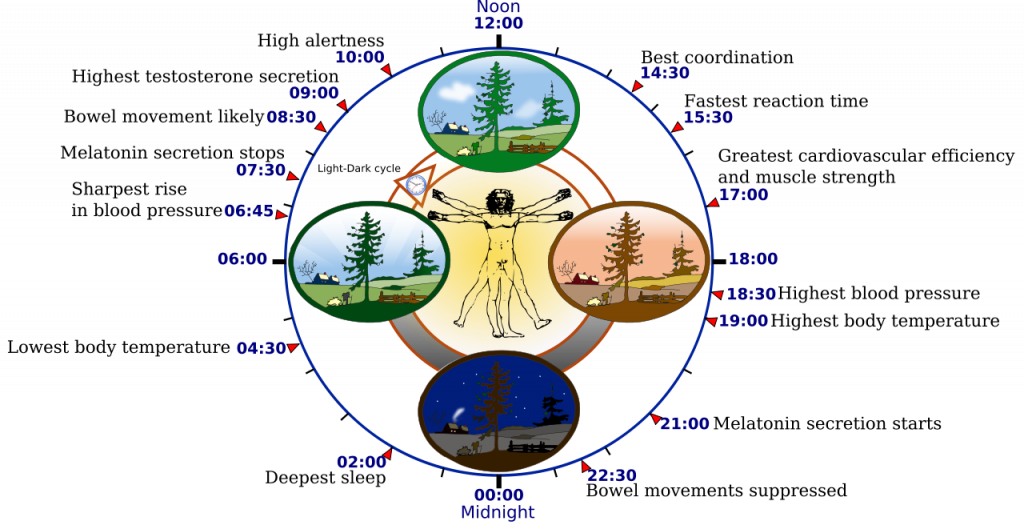
Chronobiology is a field of biology that examines timing processes, including periodic (cyclic) phenomena in living organisms, such as their adaptation to solar- and lunar-related rhythms.
Read more:
- Landmarks of circadian research
- Rütger Wever was a scientist, known for his significant contributions to the field of Chronobiology, including the first experiments on humans in time isolated environments.
- Electromagnetic Fields and Circadian Rhythmicity (1992)
- Influence of Electric, Magnetic, and Electromagnetic Fields on the Circadian System: Current Stage of Knowledge (2014)
- Circadian Rhythm Influences the Promoting Role of Pulsed Electromagnetic Fields on Sciatic Nerve Regeneration in Rats (2017)
-
Scientists identify over 140,000 virus species in the human gut, half of which new to science
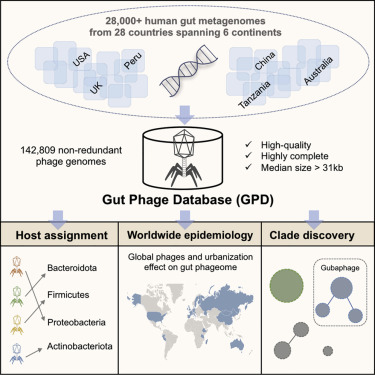
Viruses are the most numerous biological entities on the planet. Now researchers have identified over 140,000 viral species living in the human gut, more than half of which have never been seen before. The paper published in Cell, contains an analysis of over 28,000 gut microbiome samples collected in different parts of the world. The number and diversity of the viruses the researchers found was surprisingly high, and the data opens up new research avenues for understanding how viruses living in the gut affect human health.
-
Memory Without a Brain: How a Single Cell Slime Mold Makes Smart Decisions (scitechdaily)
Article about the paper: Encoding memory in tube diameter hierarchy of living flow network: "We follow experimentally the organism’s response to a nutrient source and find that memory about nutrient location is encoded in the morphology of the network-shaped organism."
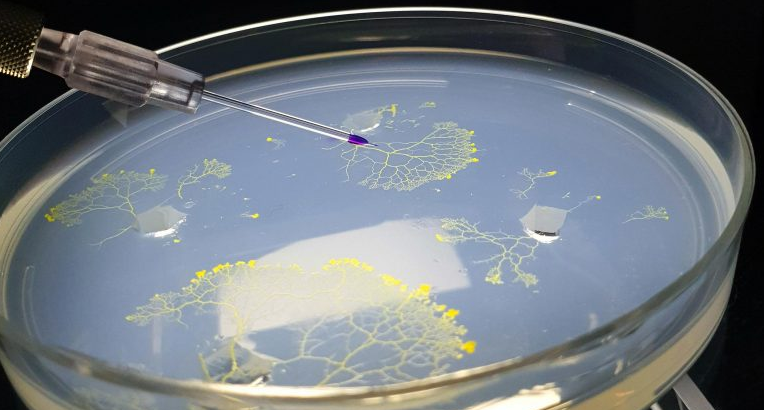
Slime Molds: When Micro Becomes Macro
-
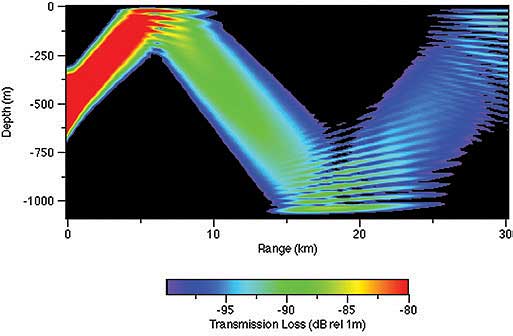
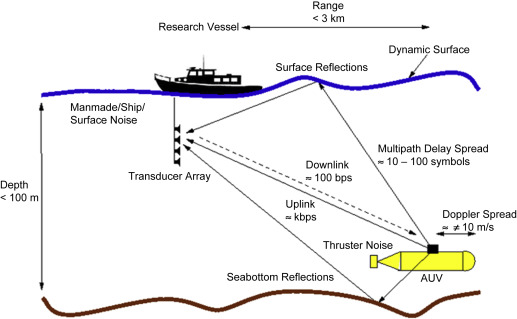
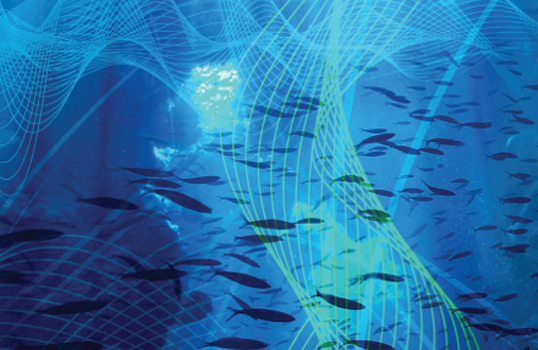
Underwater acoustics is the study of the propagation of sound in water and the interaction of the mechanical waves that constitute sound with the water, its contents and its boundaries.
-
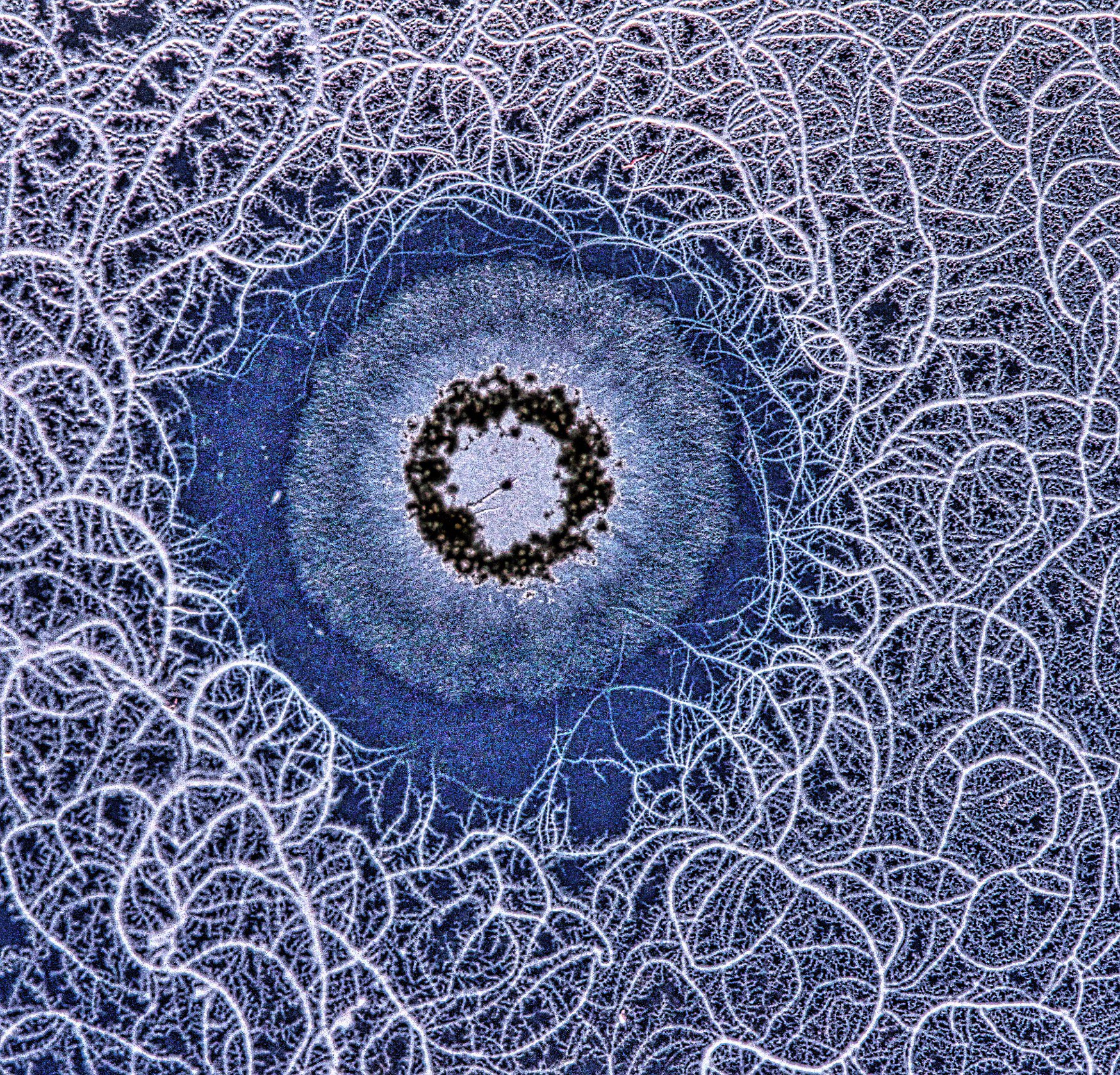
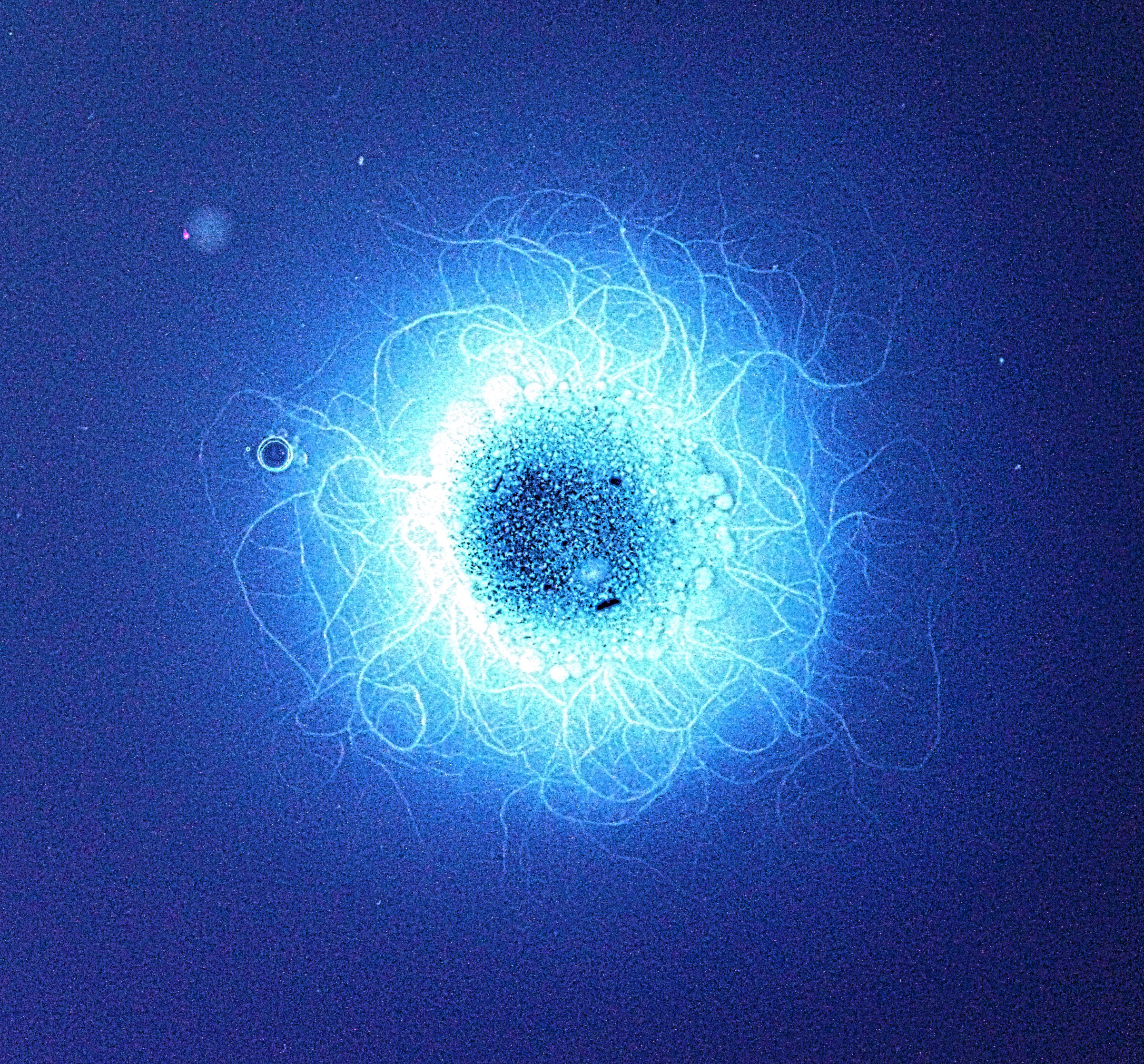
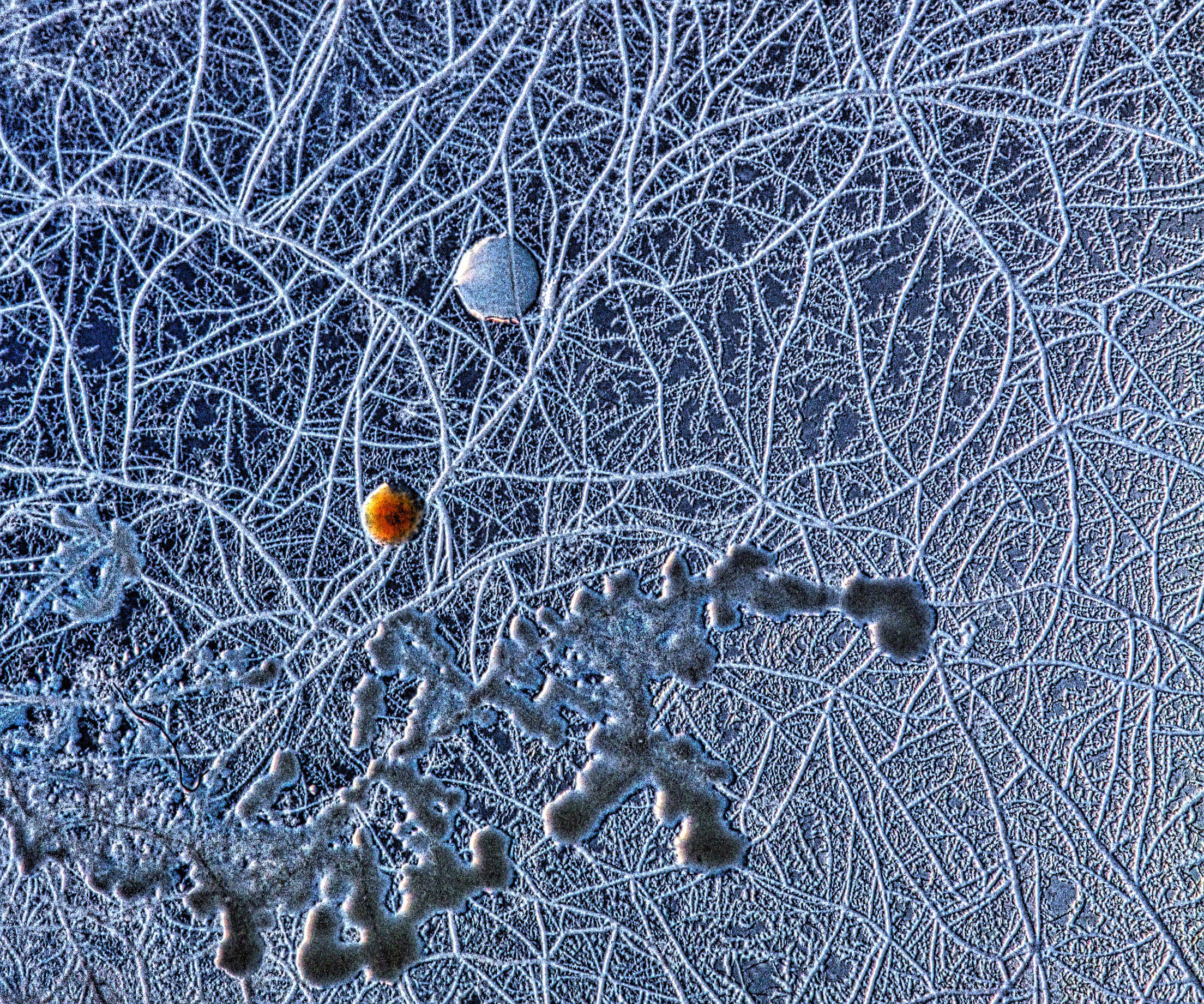
A soil superorganism emerges from a drop of soil, and across an agar surface. It's easy to imagine some kind of biological signal passing down these fibres, comprising mostly bacteria.
-
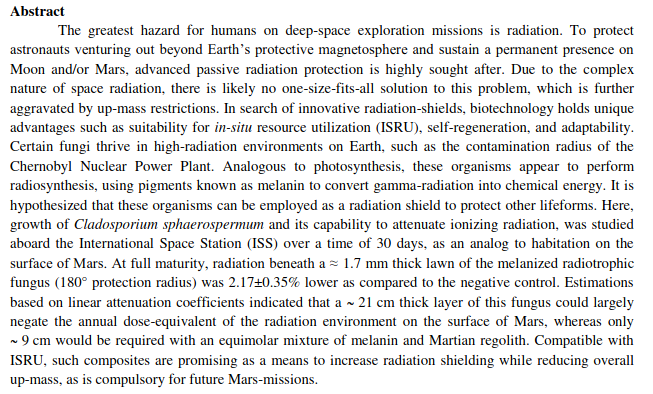
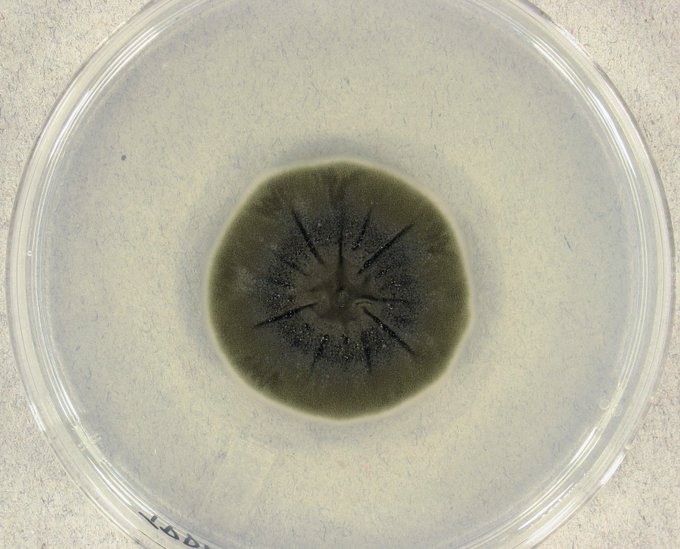
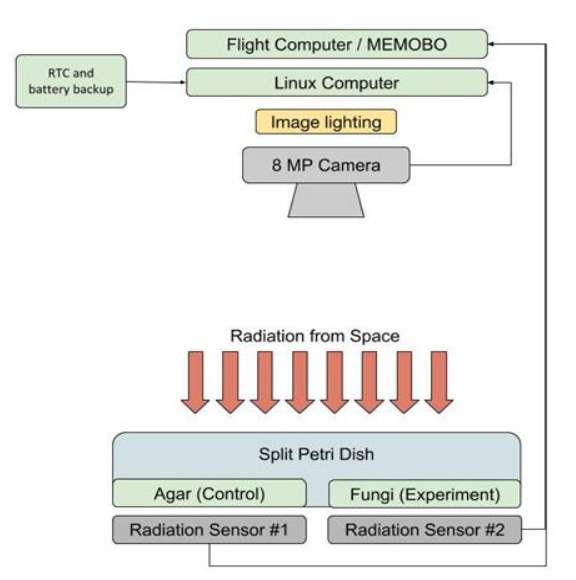
Self-replicating fungi converts gamma radiation into chemical energy.
"been found to thrive in ... Chernobyl Nuclear Power Plant" and " been found to populate the exteriors of spacecraft in low Earth orbit (LEO)".
-
First ever observation of 'time crystals' interacting
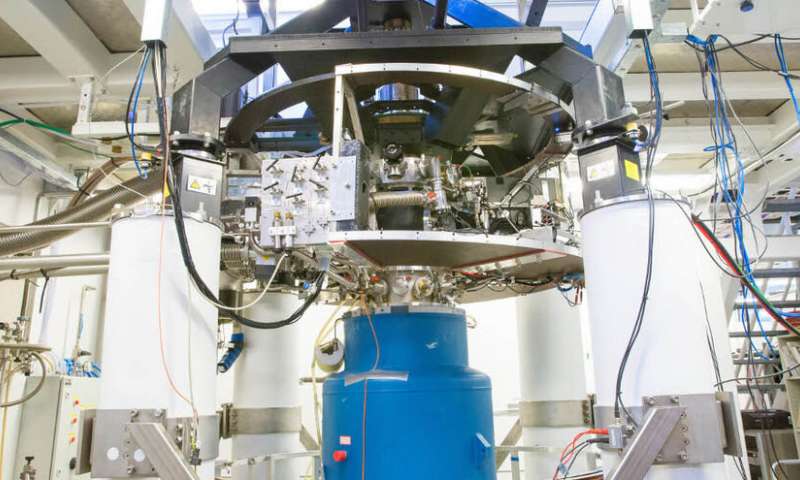
The discovery, published in Nature Materials, may lead to applications in quantum information processing because time crystals automatically remain intact—coherent—in varying conditions. Protecting coherence is the main difficulty hindering the development of powerful quantum computers.
Time Crystals May Be the Next Major Leap in Quantum Network Research
Time crystals sound like something out of science fiction, but they may be the next major leap in quantum network research. A team based in Japan has proposed a method to use time crystals to simulate massive networks with very little computing power.
Melting Time Crystals Could Help Us Model Complex Networks Like The Human Brain
A team of researchers from institutions across Japan has shown the quantum underpinnings of particles arranged as a time crystal could in theory be used to represent some fairly complex networks, from the human brain to the internet, as it breaks down.
Time crystals interact for the first time! But what are they?!
-

The Pauli effect or Pauli's Device Corollary is the supposed tendency of technical equipment to encounter critical failure in the presence of certain people. The term was coined after mysterious anecdotal stories involving Austrian theoretical physicist Wolfgang Pauli, describing numerous instances in which demonstrations involving equipment suffered technical problems only when he was present.