tag > Culture
-
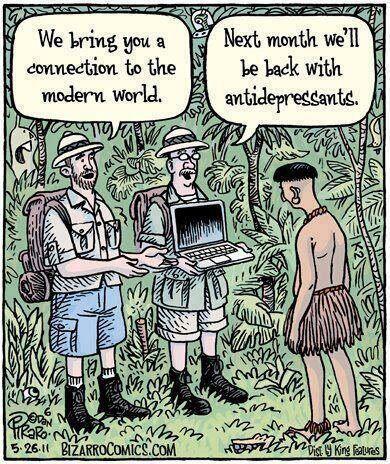
We bring you a connection to the modern world - and antidepressants...
-
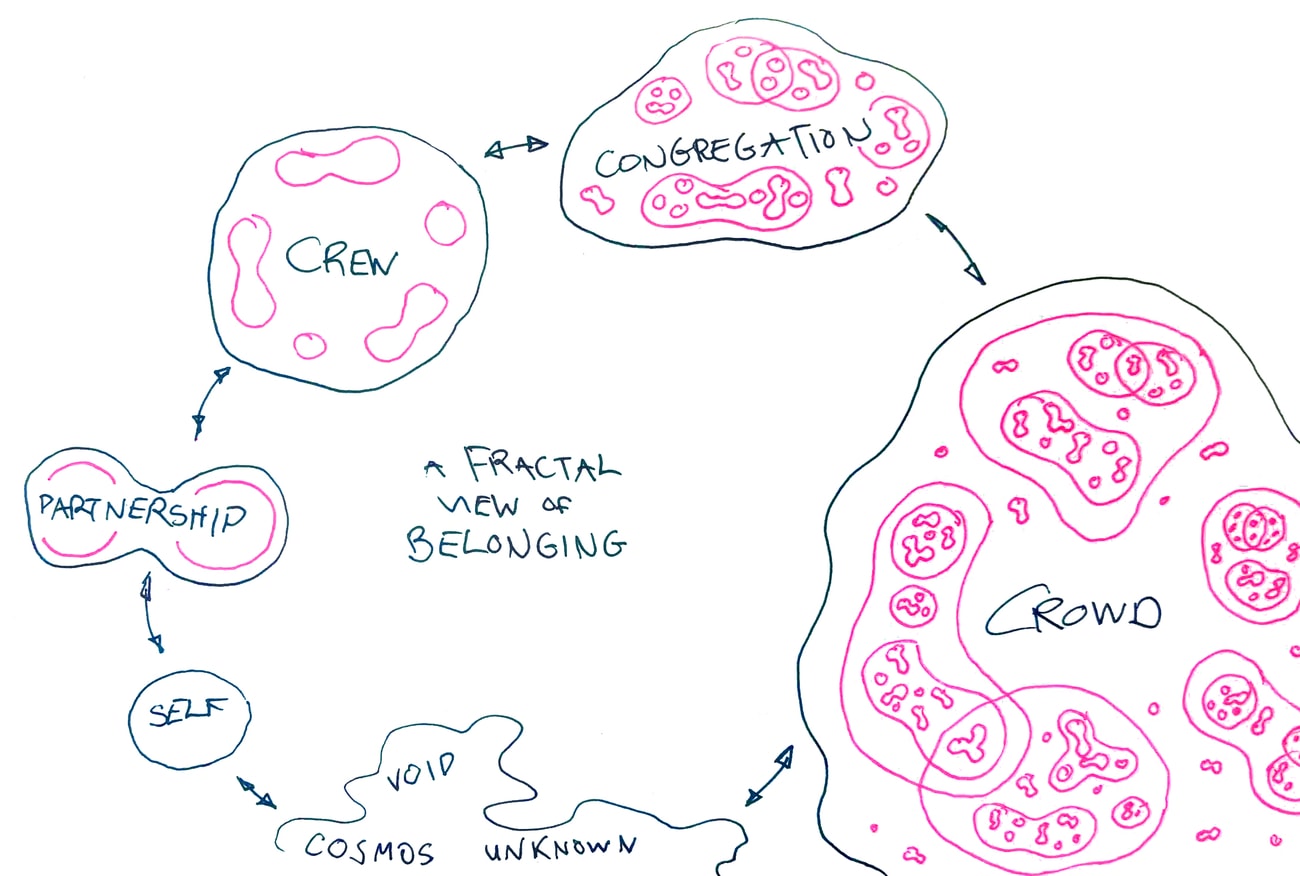
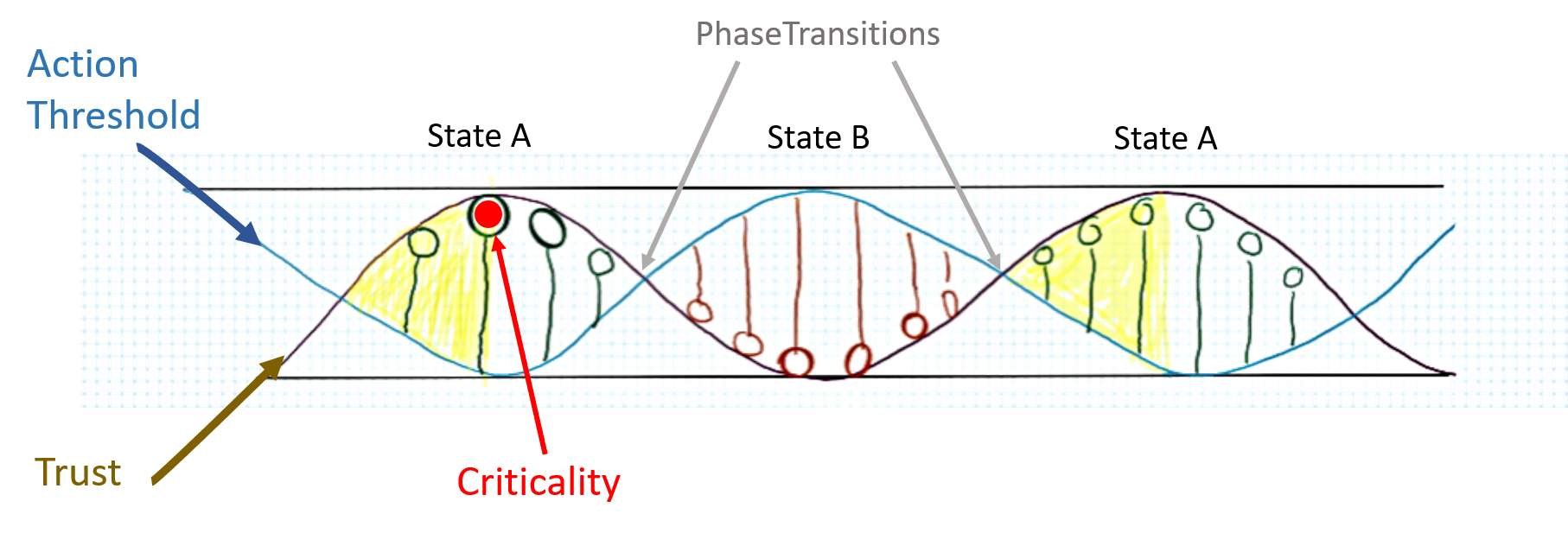
A source code for team flow - Team flow potential is now the holy grail of agile - by Bonnitta Roy
-
"An ounce of practice is worth a ton of theory" - Paramahamsa Hariharananda
-

The Quimbaya artifacts are several dozen golden objects, found in Colombia, made by the Quimbaya civilization, dated around 1000 CE, a few of which are supposed to represent modern airplanes, and therefore to be out-of-place artifacts. In 1994, German researchers created simplified radio-controlled scale models of these objects and showed that their models, which lack some convoluted features present in the real figurines, could fly.
-
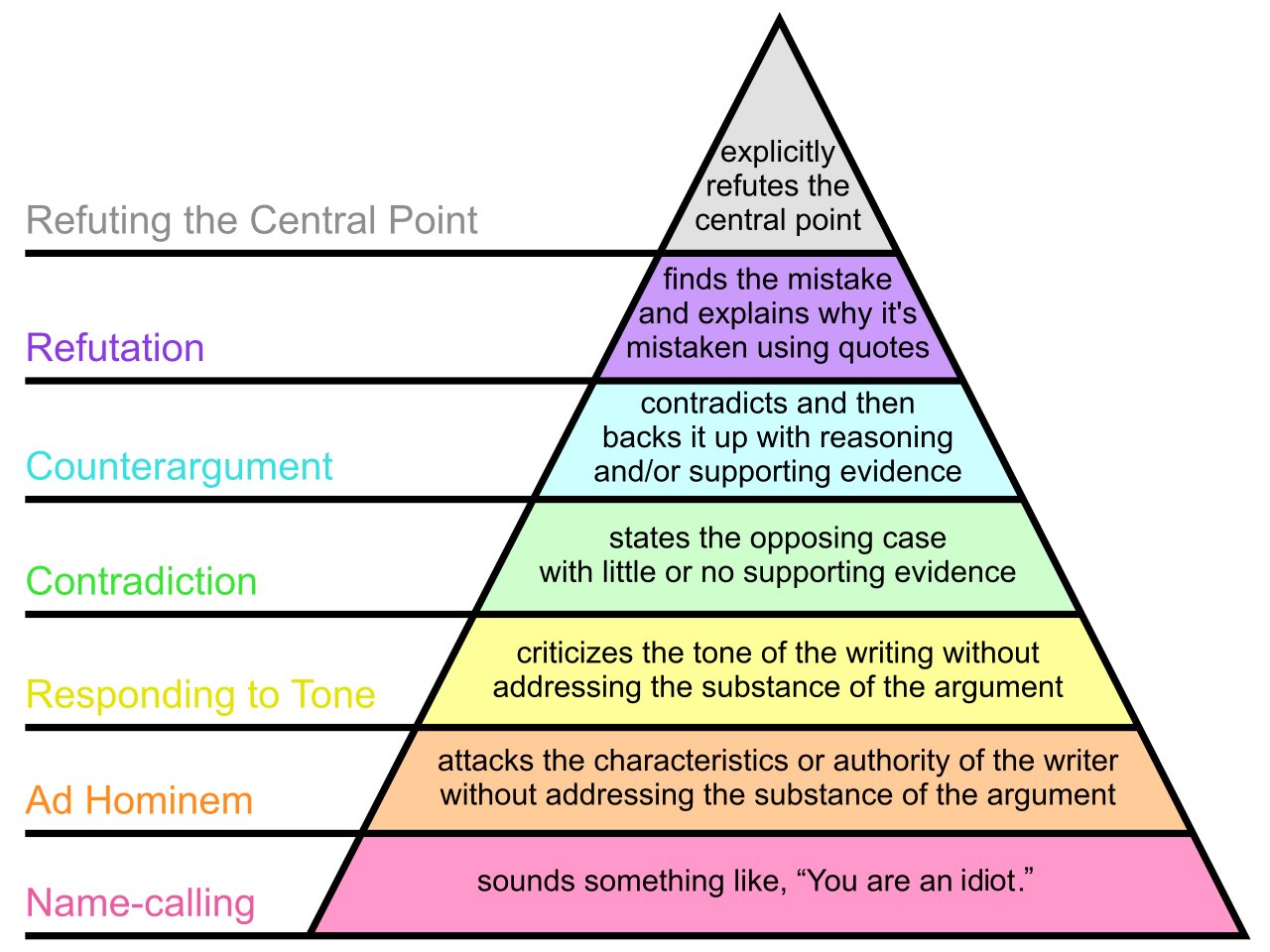
"When people can't control their own emotions, they have to control someone else's behavior" - John Cleese
-
Hegra in Saudi Arabia - Photograph by Jordan Hammond

Hegra (Ancient Greek: Ἔγρα), also known as Mada’in Salih (Arabic: مَدَائِن صَالِح), or Al-Ḥijr (ٱلْحِجْر), an archaeological site located in the area of AlUla within Al Madinah Region in the Hejaz, Saudi Arabia.
-
Brains that Fire Together Wire Together: Interbrain Plasticity Underlies Learning in Social Interactions - Research by Simone G. Shamay-Tsoory
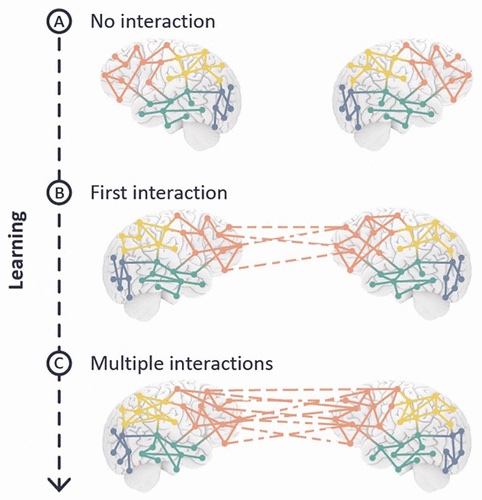
Abstract: Social interactions are powerful determinants of learning. Yet the field of neuroplasticity is deeply rooted in probing changes occurring in synapses, brain structures, and networks within an individual brain. Here I synthesize disparate findings on network neuroplasticity and mechanisms of social interactions to propose a new approach for understanding interaction-based learning that focuses on the dynamics of interbrain coupling. I argue that the facilitation effect of social interactions on learning may be explained by interbrain plasticity, defined here as the short- and long-term experience-dependent changes in interbrain coupling. The interbrain plasticity approach may radically change our understanding of how we learn in social interactions.
-
Western society has nearly completely lost the infrastructure that could support complex thinking - thread by Samo Burja
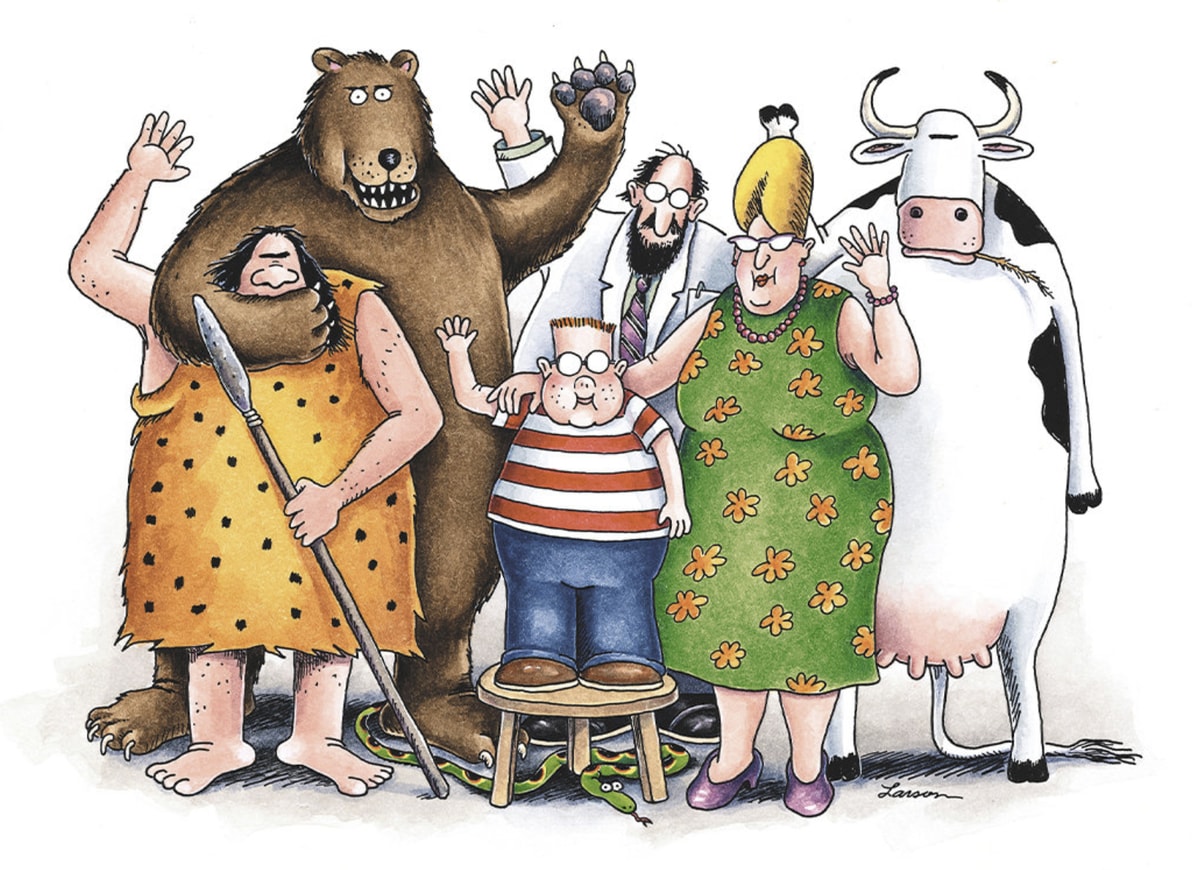
- A culture open to voicing accurate observations about itself. Every capable thinker voices these early in life before they learn better, if this disqualifies them, the culture cannot support original thinkers.
- Viable economic niches. Academia is much too contested. Silicon Valley allows for some original thinking, but the thinking isn't what provides returns.
- Viable social niches. Trust fund kids don't have a leisured class that values thought they could join. The role of public intellectual is extinct, it is possible to be a popularizer. Comparable to say Polybius.
- Viable knowledge succession. Deep mentoring is considered unfair, threatening or cult-like. The assumption is always that the most recent experts have the best information in a field.
-
Silk Road Adventures
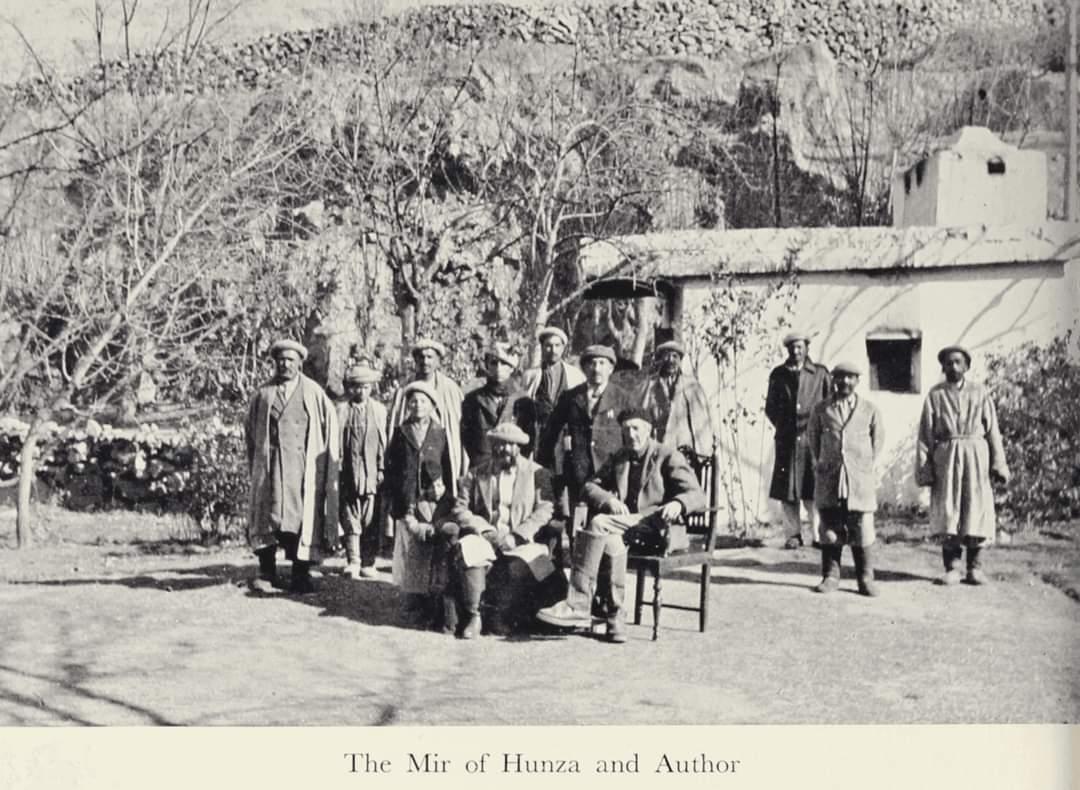
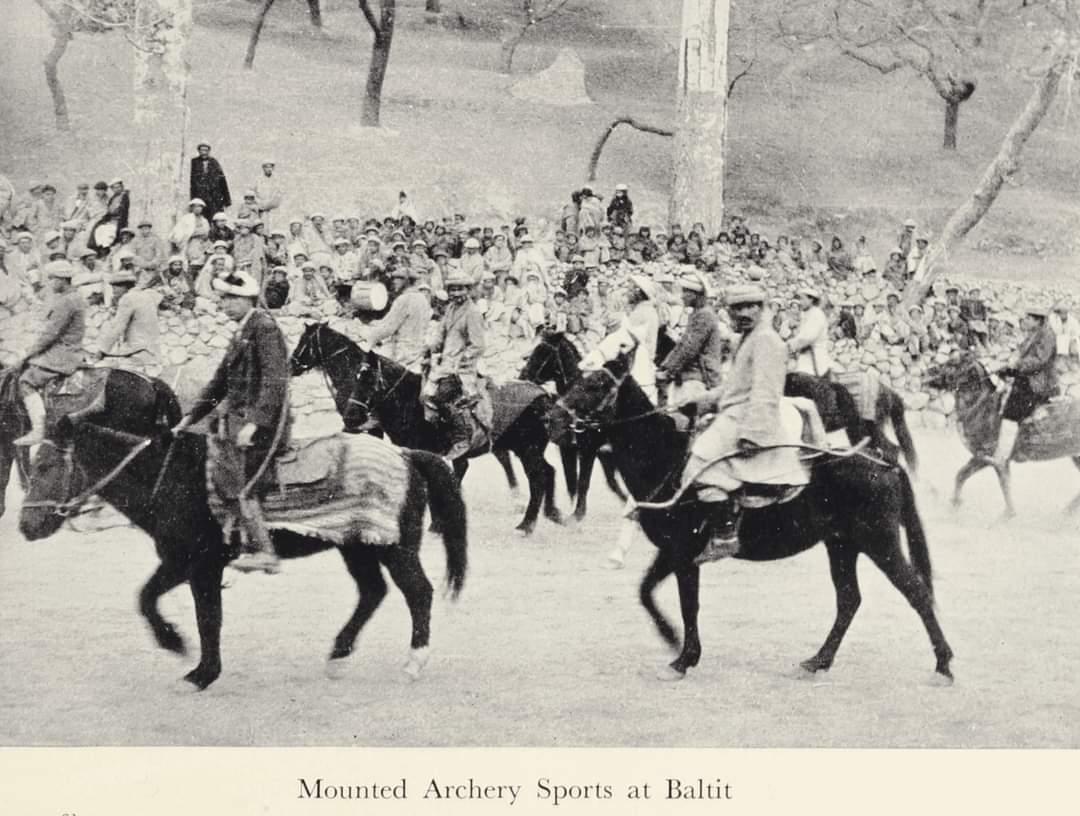
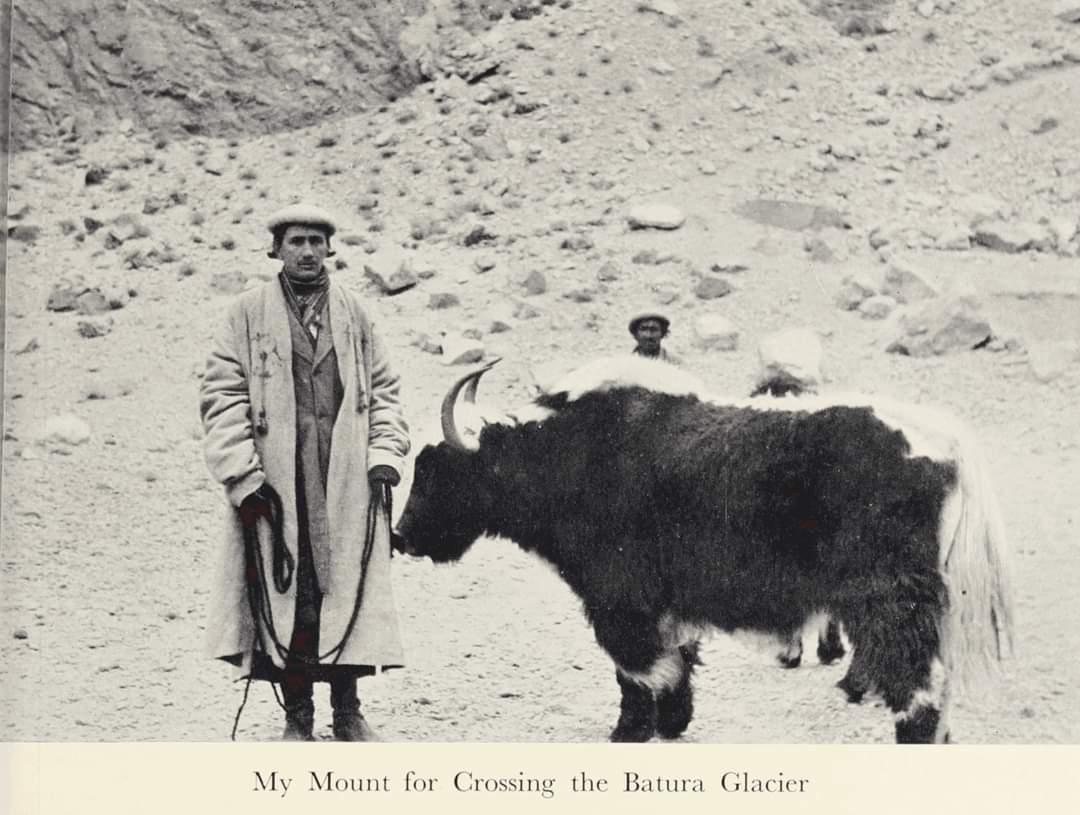
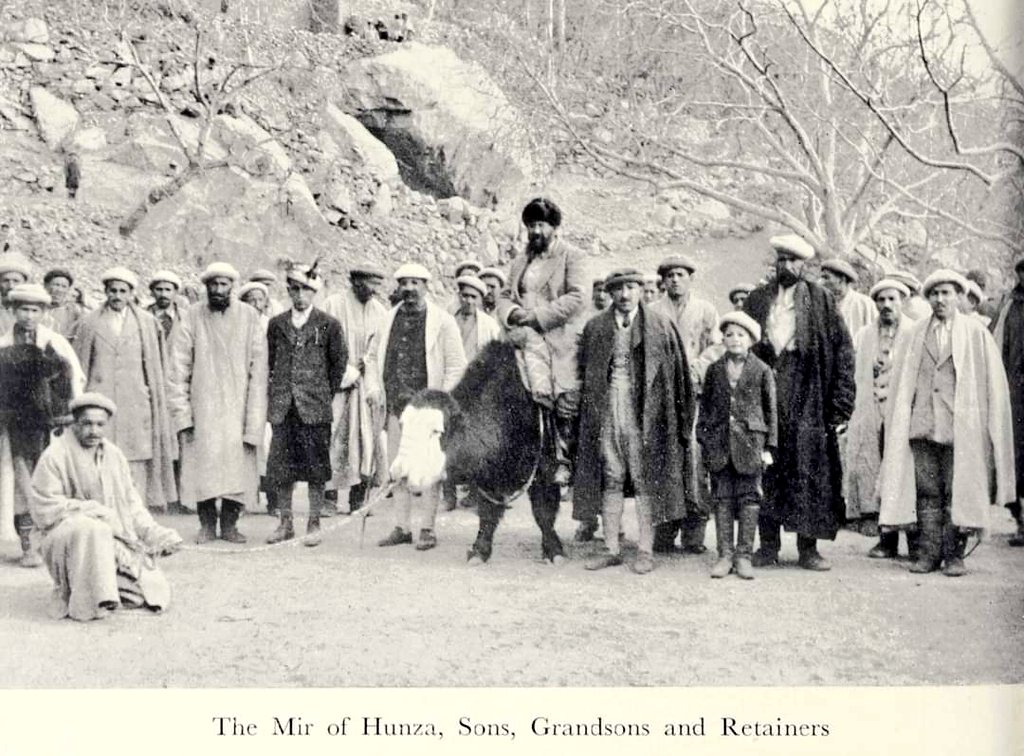
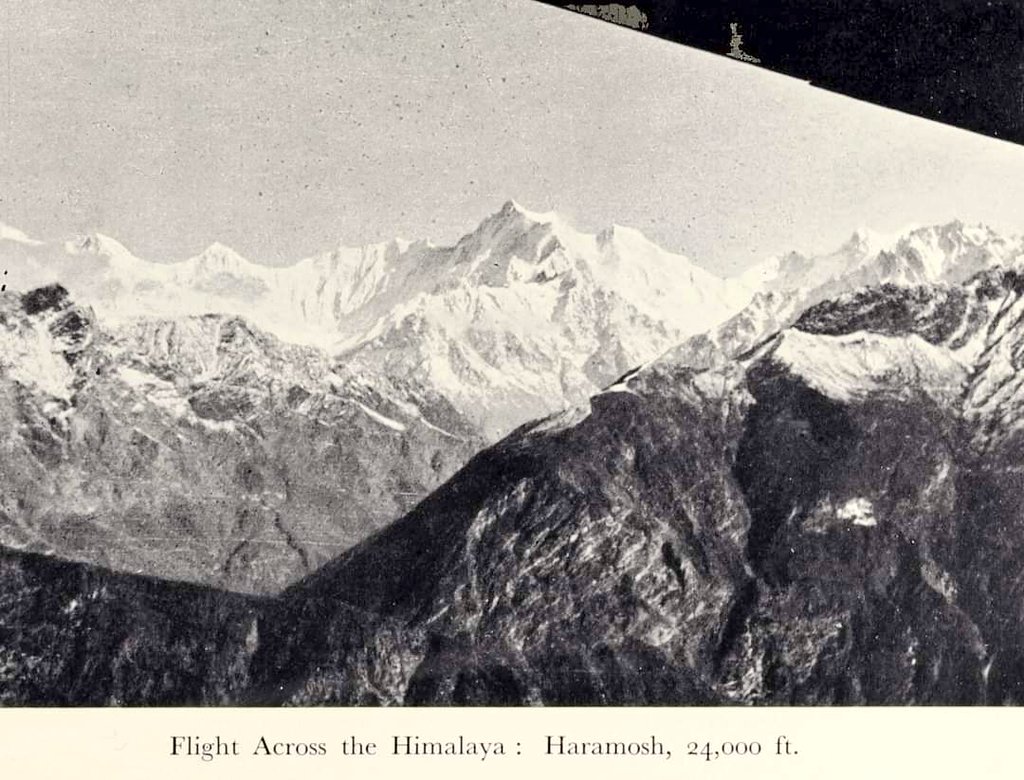

In 1935 the British Consul Eric Teichman leaves his post in Beijing and sets out for Chinese Turkestan, before returning to England through India. His journey from Beijing to India lasts for four months. He crosses Suiyuan by train and travels through Inner and Outer Mongolia, the Gobi desert, Hami, Urumchi, Turfan, and Karashar on a motor truck, from Kashgar to Gilgit on horseback and on foot, and finally takes a plane to Delhi. Some great photographs taken during this journey from Hunza are to be found in book. (via)