tag > Culture
-
The crisis of science arrives just in time.
Down with the cult of strong truths! Long live imagination, magic, love & relaxation! -
Double Dragon Gate - Haruna Shrine (榛名神社), in Gunma, Japan



-
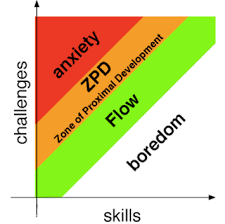
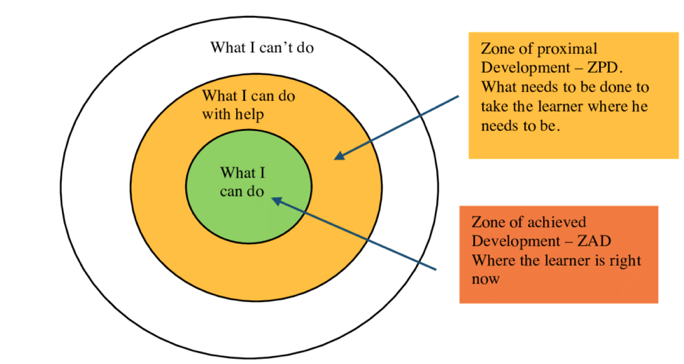
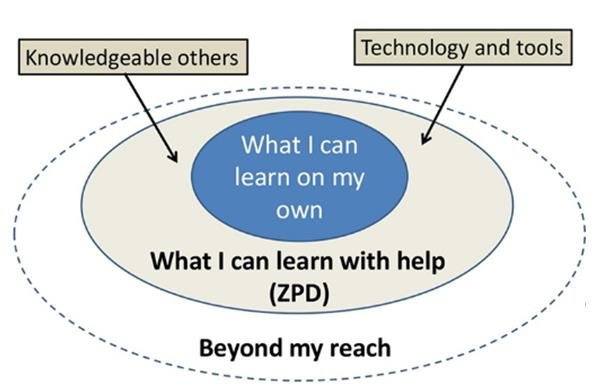
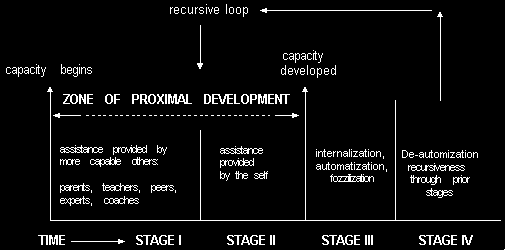
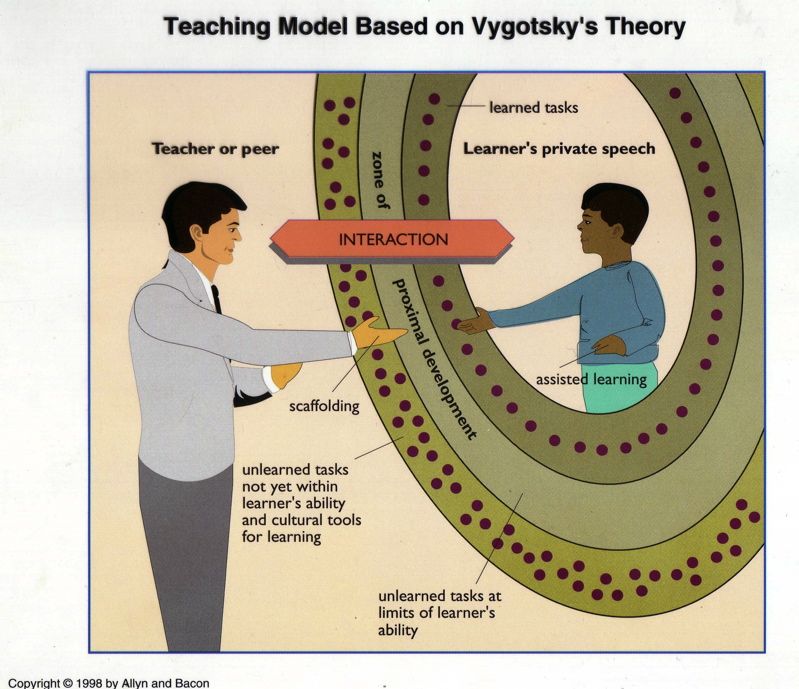
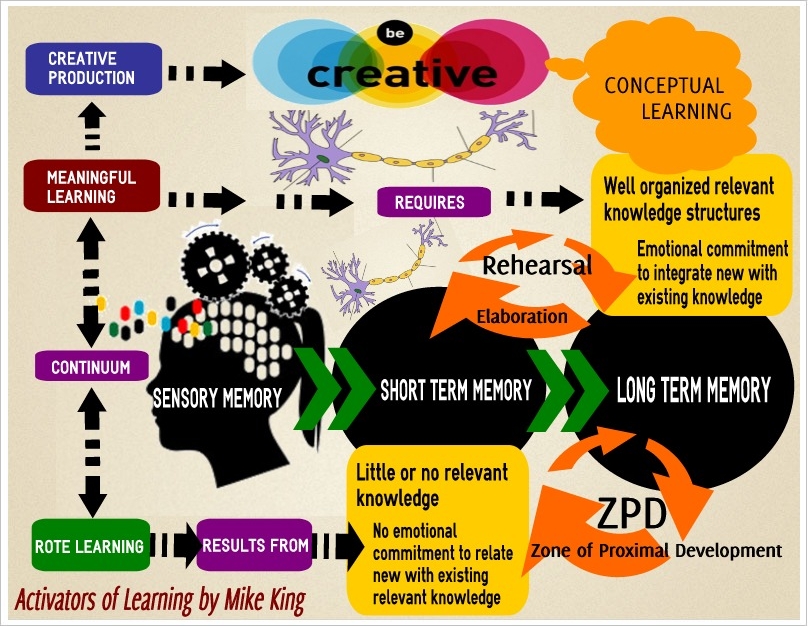
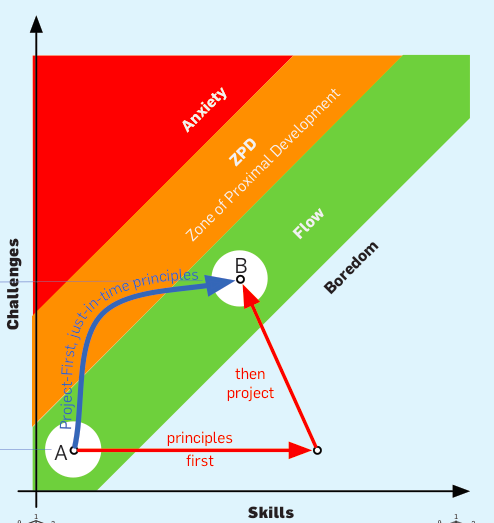
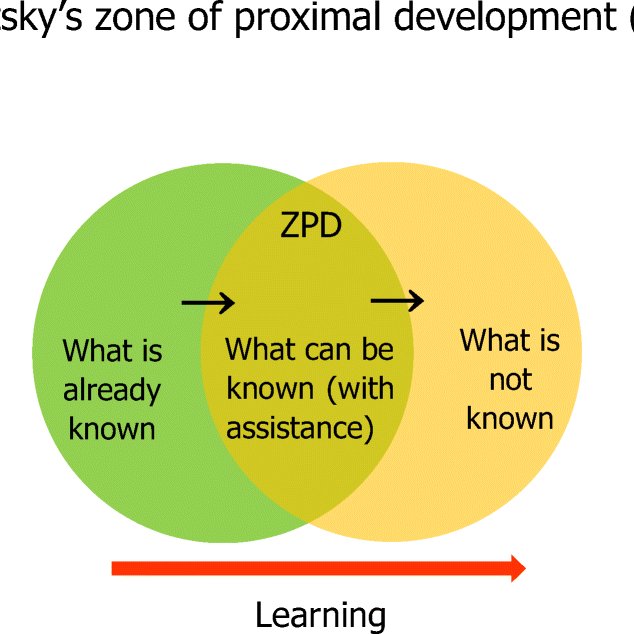
The zone of proximal development (ZPD), is best understood as the zone of the closest, most immediate psychological development of learners that includes a wide range of their emotional, cognitive, and volitional psychological processes. In contemporary educational research and practice, though, it is often interpreted as the distance between what a learner can do without help, and what they can do with support from someone with more knowledge or expertise ("more knowledgeable other"). The concept was introduced, but not fully developed, by psychologist Lev Vygotsky (1896–1934) during the last three years of his life.
Related
-
What is Bagua Zhang?
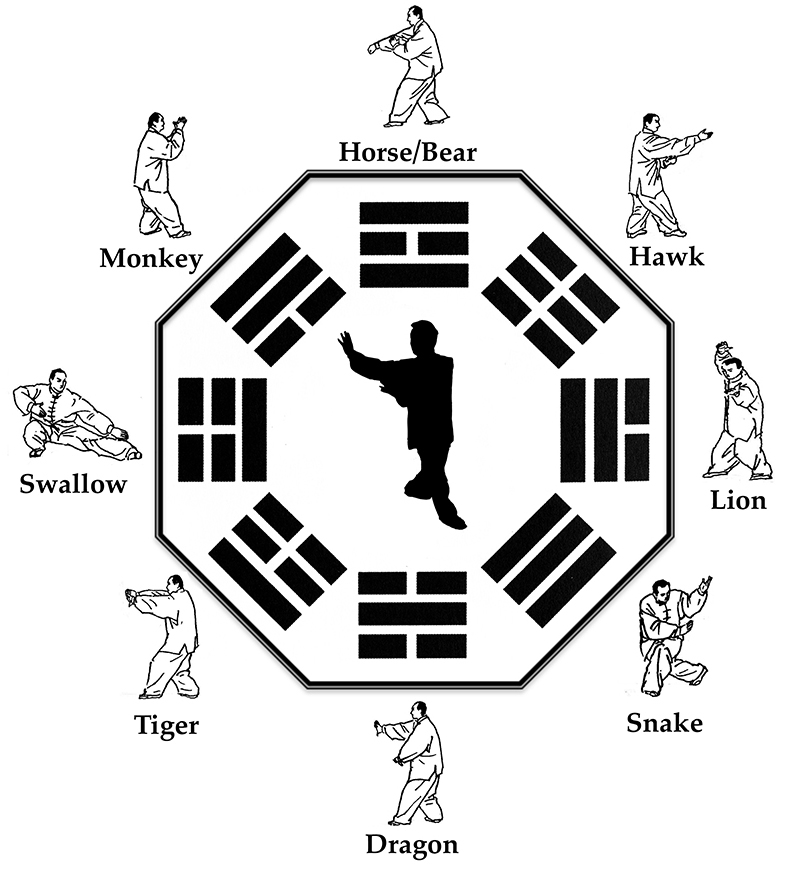
Bagua Zhang, meaning "Eight Trigram Palm", is a complex, beautiful and mature "internal" martial style. Bagua Zhang is based on the principle of change. The practitioner of Bagua Zhang is always in movement - producing ceaseless change - a reflection of the natural phenomena of the universe. Masters of Bagua Zhang seek to constantly express the fundamental concepts: never stop walking and never stop changing; always be prepared to shift direction; unify the qualities of soft and hard; combine the benefits of internal and external; enter and exit suddenly and with speed; coordinate the physical strength of the body with the internal energies (Qi).
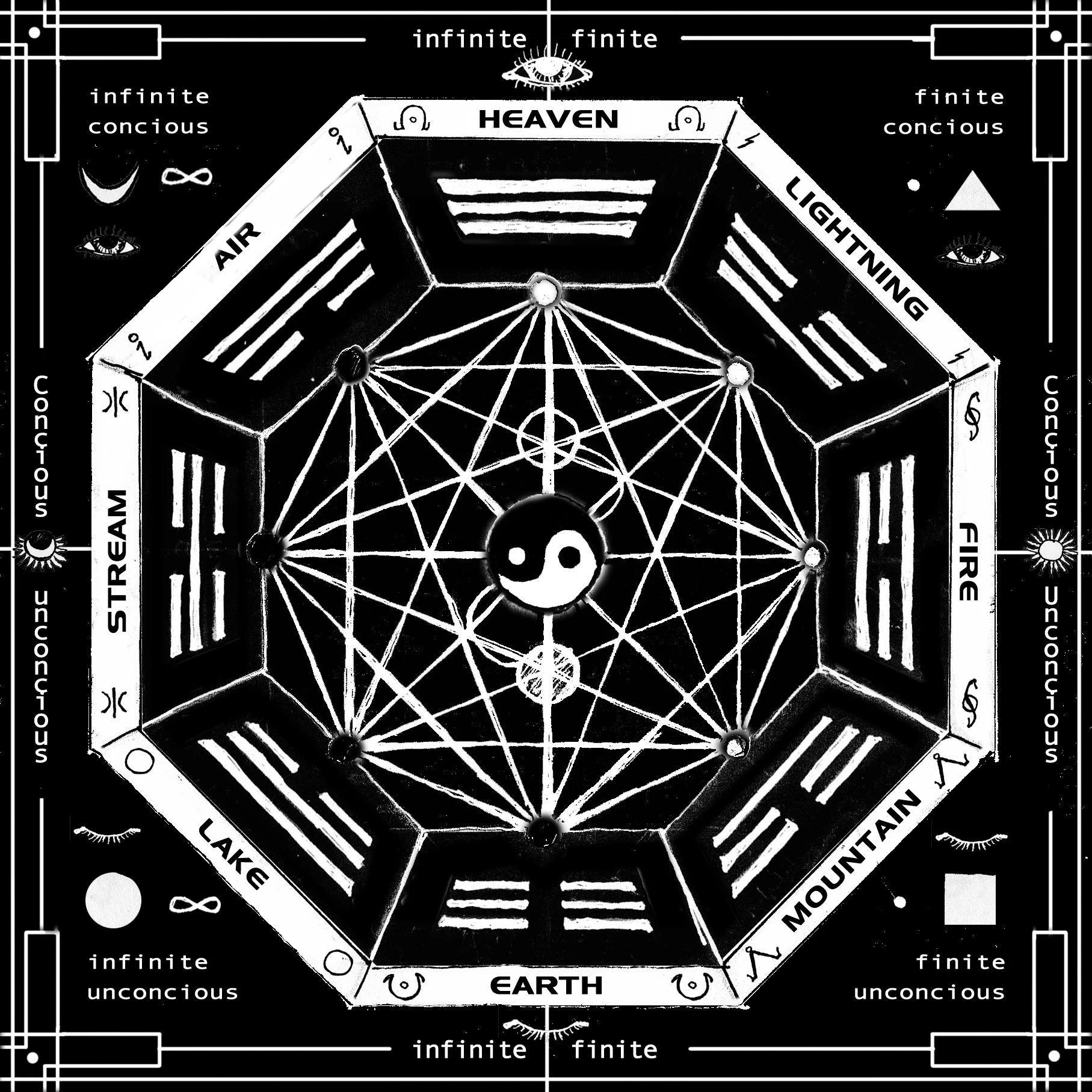
As the name implies, many of the combat techniques of Bagua Zhang involve the palm (Zhang). The use of the palm over the fist is what allows for the constant transformation from shape to shape and technique to technique. The palms allow for listening and manipulation of the opponent in contrast to a fist whose inherent tense quality has limited use beyond the strike. The core practice method of Bagua Zhang is the walking of the circle, wherein the practitioner develops rootedness in movement, strength and focus. The training method is, in essence, a form of moving meditation. The benefits of regular practice of Bagua Zhang towards physical, mental, emotional and spiritual growth and wellness cannot be understated.
-
The 8 Senses

- Visual (sight)
- Auditory (hearing)
- Olfactory (smell)
- Gustatory (taste)
- Tactile (touch)
- Vestibular (balance and movement)
- Proprioceptive (muscles and joints)
- Interoception ( Internal body sensations)
-
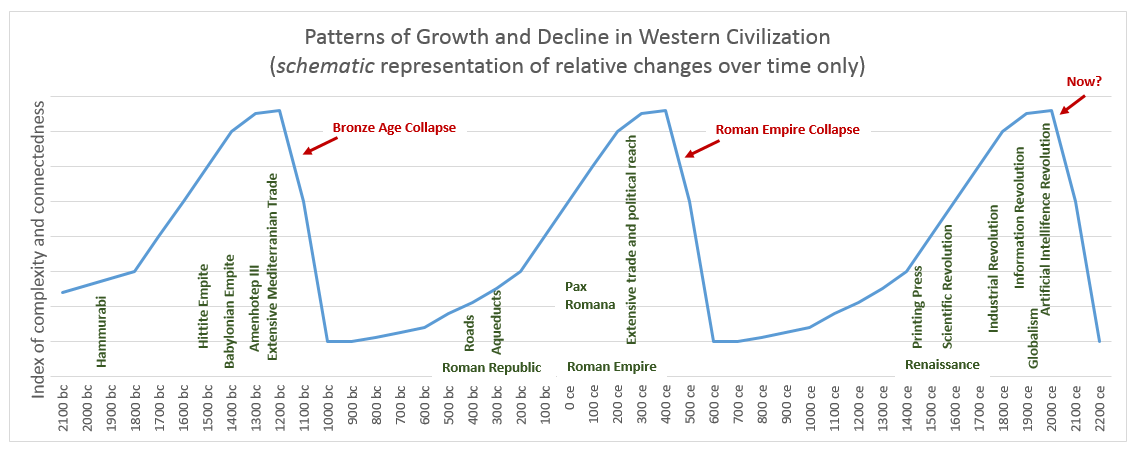
Western institutions, networks and culture are rapidly collapsing - the signs are all around us.
-
"How to shift language from me to others" - Effective Communication Tips - by Robin Dreeke
1. Seek their thoughts and opinions, rather giving them yours.
2. Talk in-terms of whats important to them, and their priories - instead of yours.
3. Validate them with out judging them. Have none judgmental curiosity about who they are.
4. Empower them with choices."You can't achieve anything in life alone. It requires good healthy strong relationships. And those relationships are forged on trust. And trust is forged from great interpersonal communication skills. Where you are talking in terms of the other person, your being fully transparent, honest and trustworthy." - Robin Dreeke
Ten Techniques for Quickly Building Trust With Anyone - by Robin Dreeke
1. Establishing Artificial Time Constraints
2. Accommodating Nonverbals
3. Slower Rate of Speech
4. Sympathy or Assistance Theme
5. Ego Suspension
6. Validate Others (techniques: Listening, Thoughtfulness, Validate Thoughts & Opinions.)
7. Ask … How? When? Why?
8. Connect with Quid Pro Quo
9. Gift Giving
10. Manage Expectations6 Steps for Predicting People’s Behavior - by Robin Dreeke
1. Vesting: Does this person believe they will benefit from your success?
2. Longevity: Does this person think they will have a long relationship with you?
3. Reliability: Can this person do what they say they will? And will they?
4. Actions: Does this person consistently demonstrate patterns of positive behavior?
5. Language: Does this person know how to communicate in a positive way?
6. Stability: Does this person consistently demonstrate emotional maturity, self-awareness, and social skills?