tag > Internet
-
EU Open Web Search Project Started

I’m looking forward to following this project, Djoerd! It sounds sort-of IndieWeb like. Where e.g. MicroSub decouples feed fetching from feed reading and Micropub writing from posting, this project decouples index building from the search. Within IndieWeb that allows the creation of a variety of personal tools, to read and write the web. I’ve long been musing about personal search engines and personal agents and crawlers without putting anything into action. I’m curious to see if this project will actually deliver some of the things I dreamt of over time, by enabling personal tools for search.
-
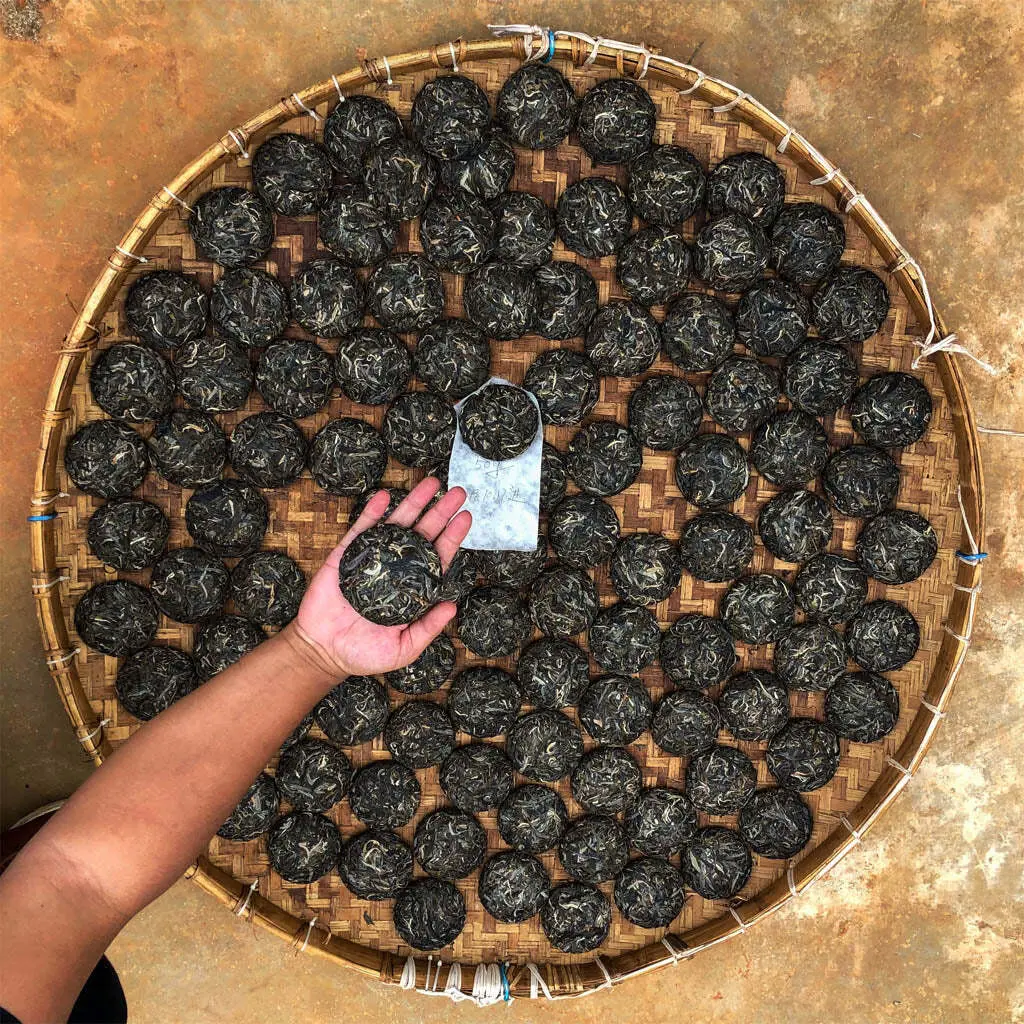
Extremely online pu'er tea - One man’s journey to track down, package, and sell the world’s most coveted tea. - by Krish Raghav
-
Prince on the Internet
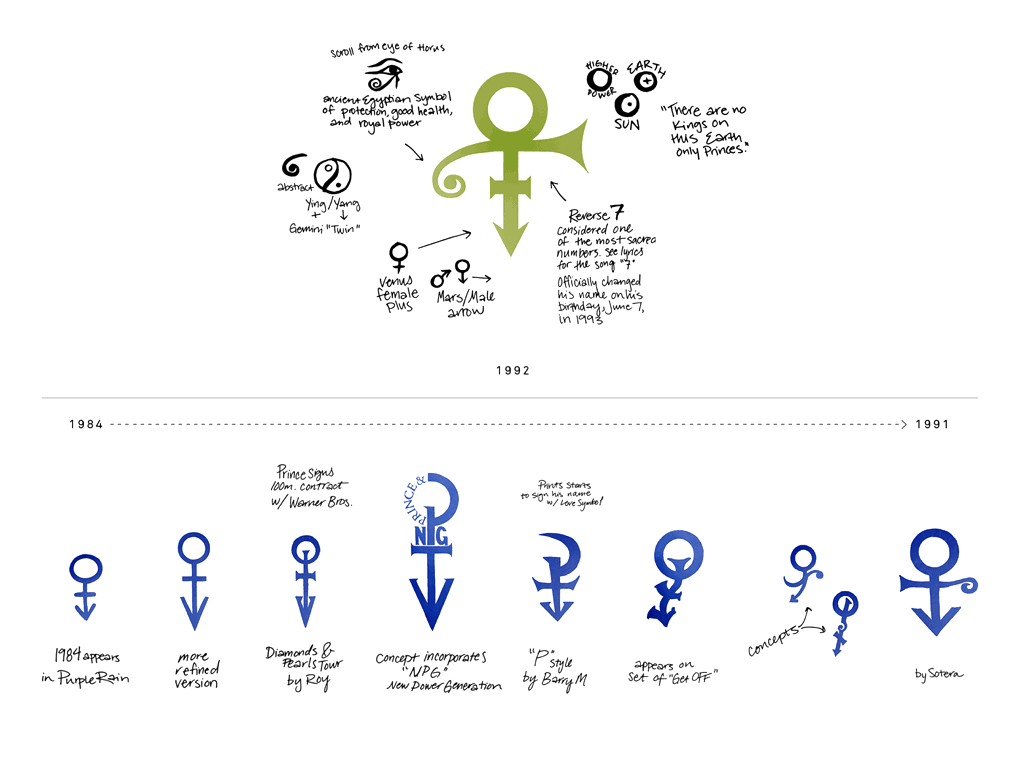
"Don't be fooled by the internet. It's cool to get on the computer, but don't let the computer get on you. It's cool to use the computer, but don't let the computer use you. You all saw the matrix. There is a war going on - the battle field is in the mind - and the price is the soul. So be careful." - Prince, 1999
-
Infornography



Infornography is a portmanteau word formed by the combination of the two words "information" and "pornography". Infornography is used to define an addiction to or an obsession with acquiring, manipulating, and sharing information. People "suffering" from infornography are generally people that greatly enjoy receiving, sending, exchanging, and digitizing information.
The term was popularized by the cult cyberpunk anime series Serial Experiments Lain (1998), which used the word as the title of episode eleven; see Infornography (Serial Experiments Lain episode).
The definition (without explicitly using the term itself) is also greatly applied in many cyberpunk settings, where information can almost be considered a currency of its own, in a sense facilitating the development of an alternate world for 'escapism'. Megacorps, hackers and other kinds of people use information to thrive. They can subtly be called "infornographers".



-
Digital Presenteeism - Bullshitjobs for remote work. Functional Stupidity

New data from Qatalag and GitLab puts a number on it: Knowledge workers waste an extra 67 minutes online each day doing menial tasks for the express purpose of proving to their managers and colleagues that they’re available and working.
It’s taking a strain. The survey polled 2,000 knowledge workers and found that more than half of them (54%) reported feeling pressure to show their online status by replying to emails and Slack messages, adding comments to Google Docs, or updating project management tools.
The report calls this “digital presenteeism.” It’s the remote version of traditional presenteeism, when workers stay at their desk for no reason other than to prove to their bosses they’re working.
-
"It's all bullshit, folks and it's bad for ya” ― George Carlin

Open almost any current media or communications channel for longer than 5 minutes in 2022 and one thing becomes abundantly clear: It's all bullshit, folks and it's bad for ya. Like being stuck in a terrible video game with brain-dead NPC's malfunctioning left and right. Any yet, one has to be very thankful for this situation as it painfully forces one to seek out the few pockets of sanity that are left. Good night.
-
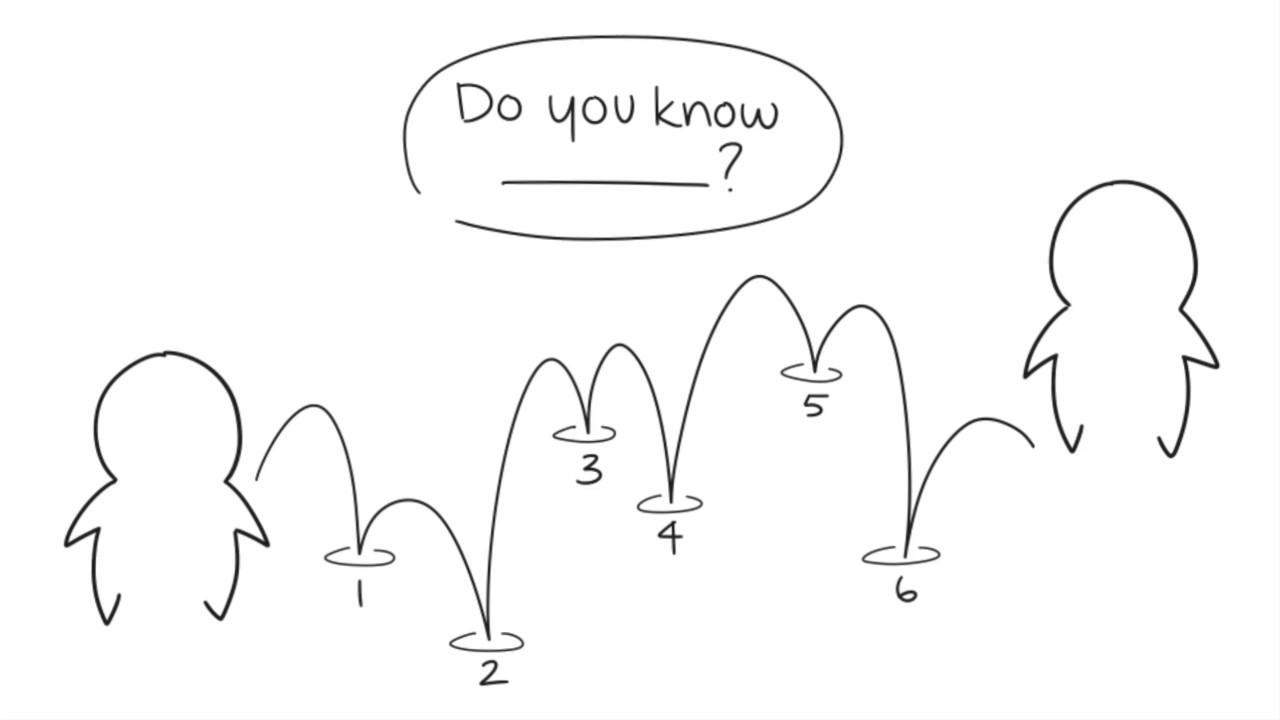
A property of wiki where authors citing non-existent pages discover that they do exist. It is often alleged that a CamelCase LinkPattern makes this magically happen, whereas FreeLinks do not allow it, but this claim is HotlyDisputed.
-

Every day there are dozens of cases all over the Dark Web that escalate to this underground justice system and patiently wait for the high-ranking authorized cybercriminals (usually members of a forum administration) to solve the dispute and assign a winner and loser. Much like the United States judicial system, this whole process begins with a dispute between two opposing sides.
-
Wiki as Pattern Language - by Ward Cunningham & Michael W. Mehaffy
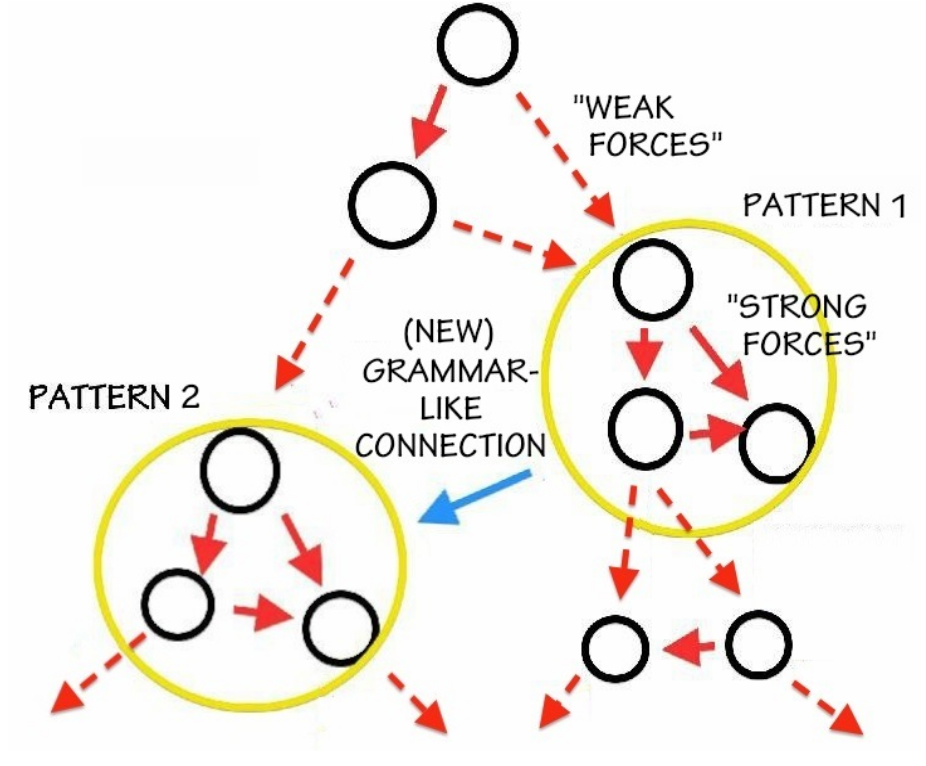
We describe the origin of wiki technology, which has become widely influential, and its relationship to the development of pattern languages in software. We show here how the relationship is deeper than previously understood, opening up the possibility of expanded capability for wikis, including a new generation of “federated” wiki
#OpenSource #Internet #Architecture #Design #CrowdIntelligence
-
Thinking in 140 Characters: The Internet, Neuroplasticity, and Intelligence Analysis

“Studies have shown the internet and related technologies are fundamentally changing the way people engage information, which in turn has compromised cognitive functioning in a number of important ways.”
“In the analytic segments of intelligence organizations, this phenomenon speaks directly to a—if not the—core occupational function: focused, disciplined thinking. This issue can be expected to be more pronounced among younger and newer analytic cohorts…”
“In this article, the basic concepts and science of neuroplasticity are introduced, as well as specific findings pertaining to the neuroplastic effects of internet usage. Potential implications for U.S. intelligence organizations are then explored.”
“It does not take long for the brain to show signs of physiological change after even moderate engagement with the internet and its applications.”
“One particularly worrisome finding is when in the state or habit of multi- tasking, individuals are more likely to accept conventional ideas and solutions without questioning them or considering alternatives.”
-
Re-Organizing the World’s Information: Why we need more Boutique Search Engines
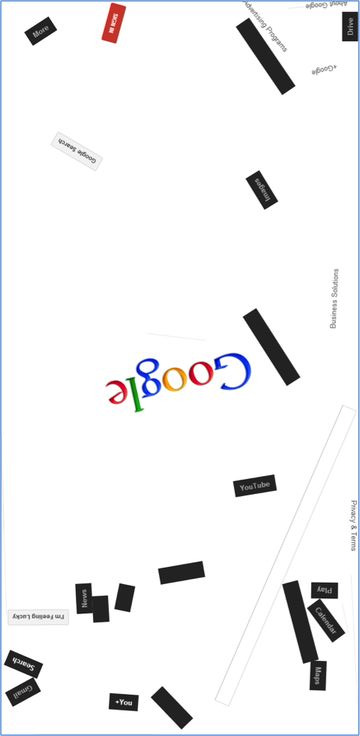
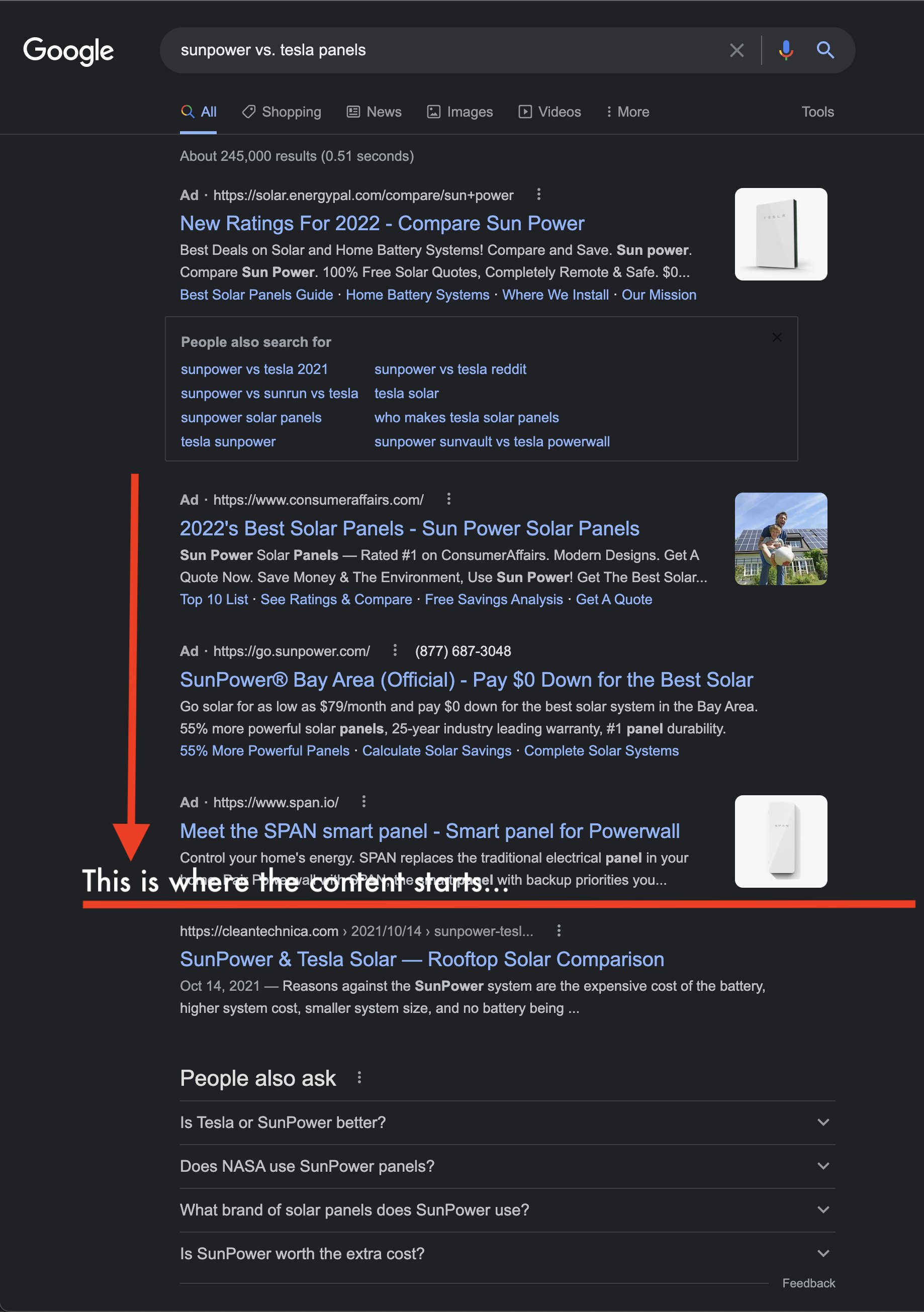
The stated mission of a company worth almost two trillion dollars is to “organize the world’s information” and yet the Internet remains poorly organized. Or, stated differently, in a world of infinite information, it’s no longer enough to organize the world’s information. It becomes important to organize the world’s trustworthy information.
"Google is no longer producing high quality search results"
Health, product reviews, recipes are three categories I searched today where top results featured clickbait sites riddled with crappy ads. I’m sure there are many more. Feel free to reply to the thread with the categories where you no longer trust Google Search results.
Classic short term thinking. Juice ad revenue in the short run. Open the door to complete disruption in the long run. This is why no software incumbent is truly protected from startup disruption. Inevitably the rot of a bad incumbent product starts from within.
-
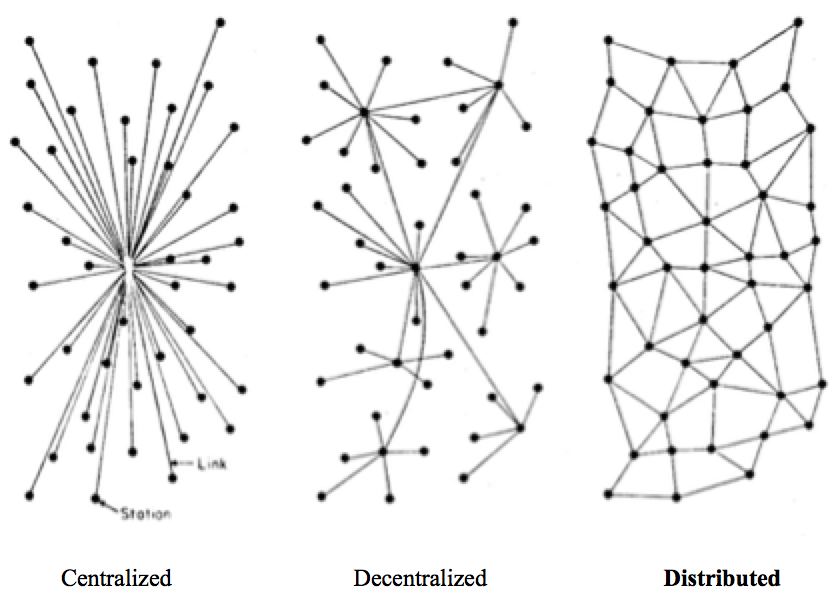
web3, as it exists today and appears to be building towards, is actually more centralized than the web it seeks to replace. [...] The problem here is the profit motive: people who are working on web3 generally want to get paid for it, but it's fundamentally harder to extract rent from truly decentralized systems than it is from centralized ones. Because of that, people end up building systems that are centralized at their core, with some aesthetics of decentralization smeared on top, and call it web3.