tag > ML
-
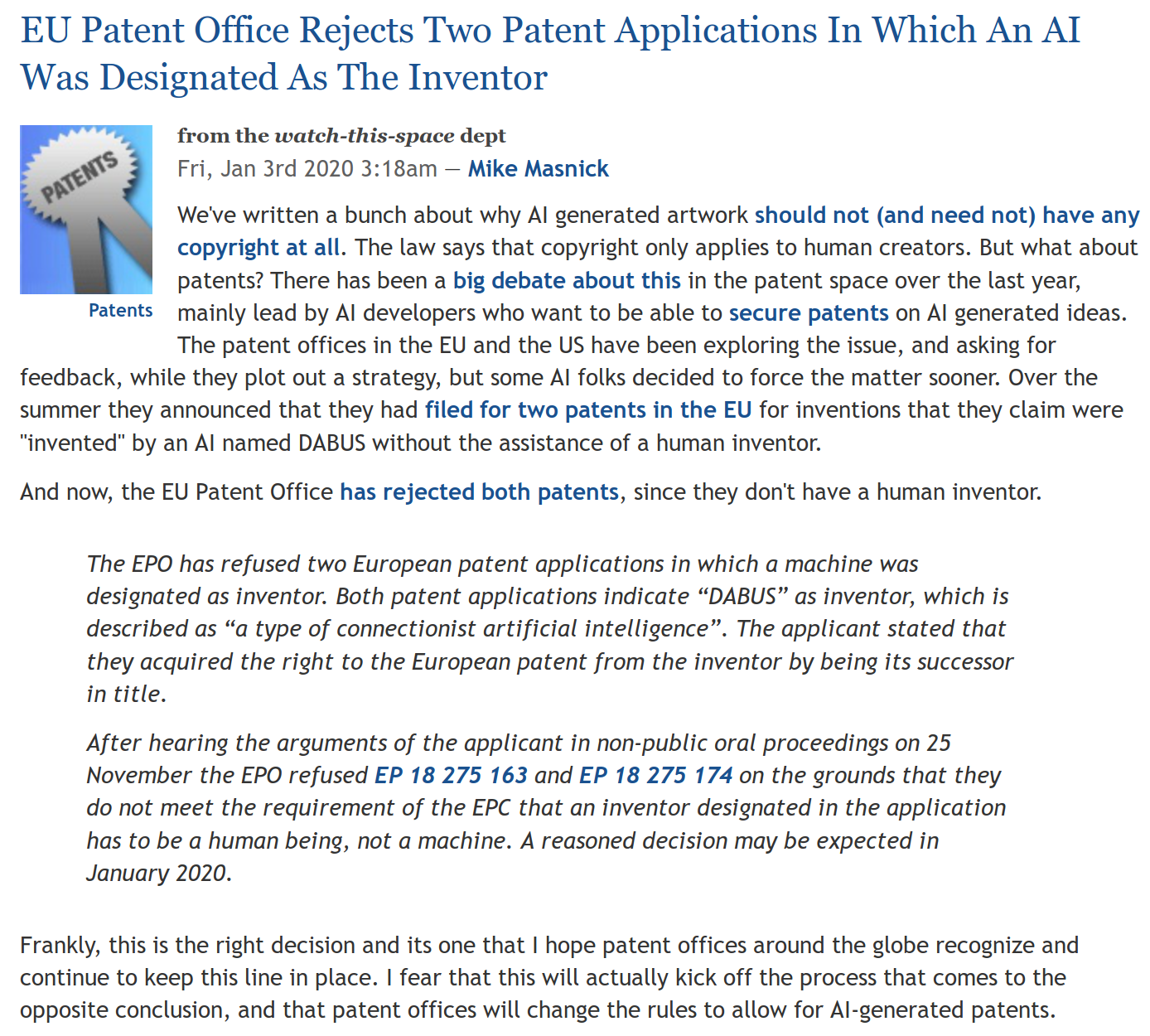
AI-Written Articles Are Copyright-Protected, Rules Chinese Court (worldipreview)
Machines Are Learning To Write Poetry (newyorker)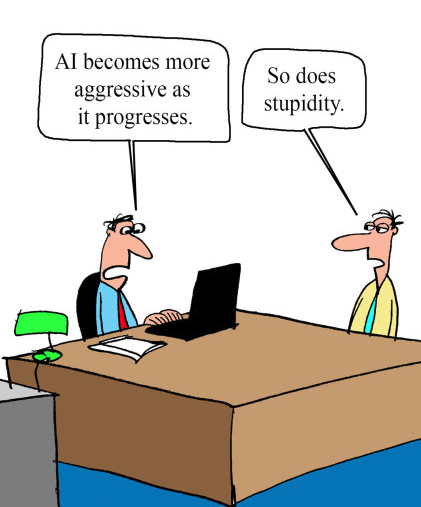
#Comment: The real test for "Creative A.I" capabilities, is if it can generate such highly advanced forms of bullshit, akin to what humans (authors, lawyers, bankers, artists, etc.) "thinking" and writing about A.I produce regularly. I doubt it...
-
Moving from Documents to Models - Presentation by Dr. Darius Silingas (2016)
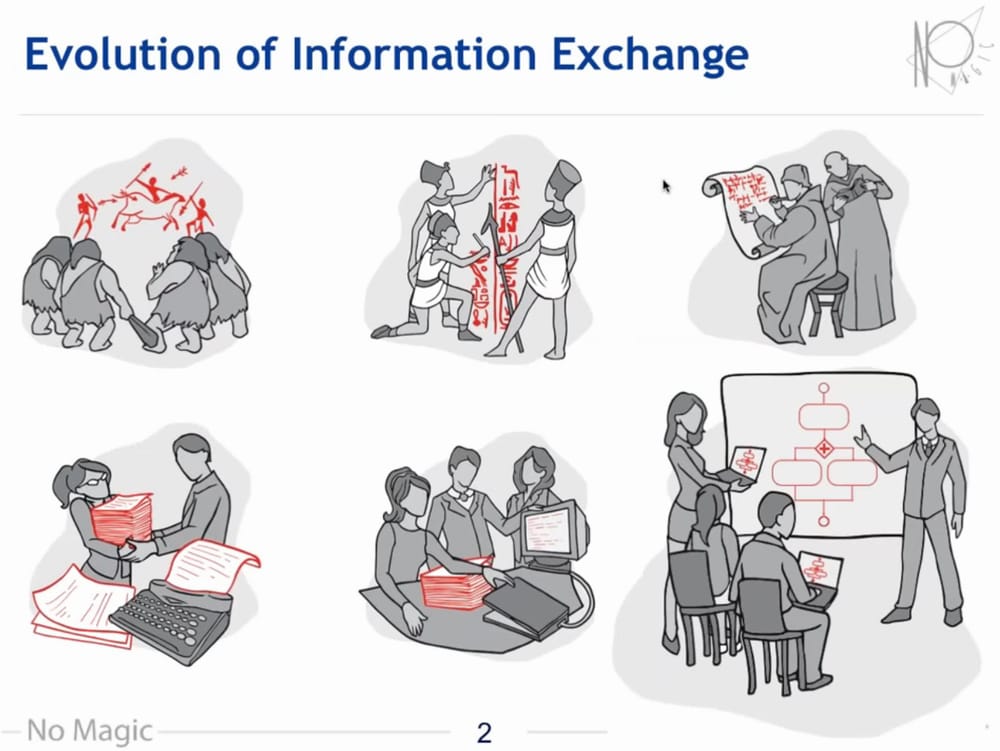
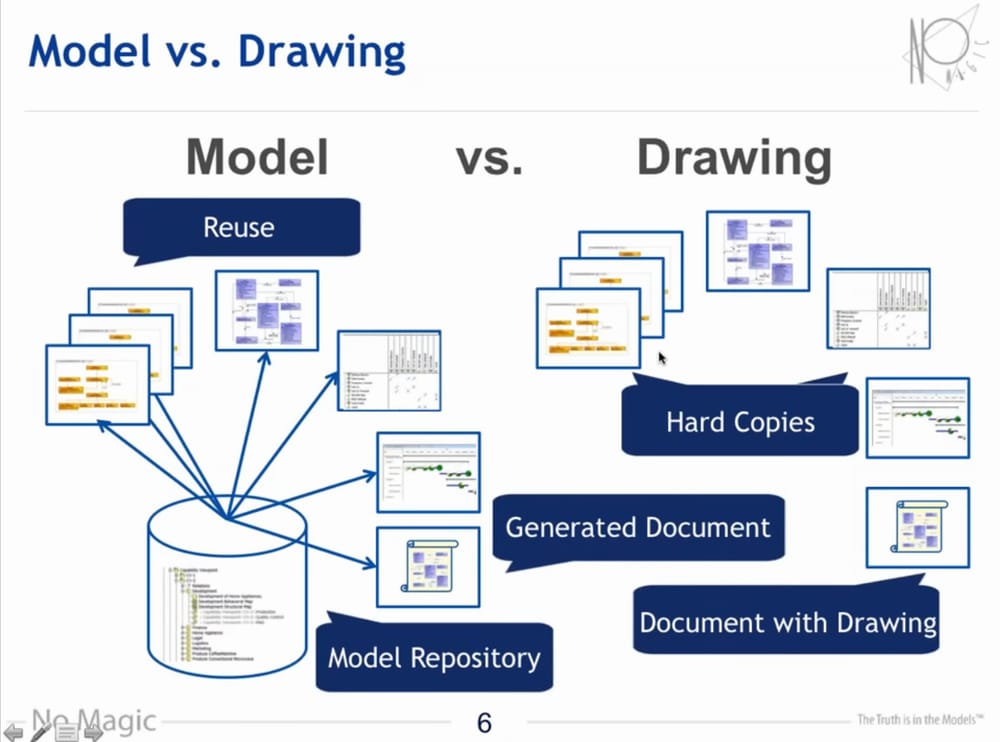
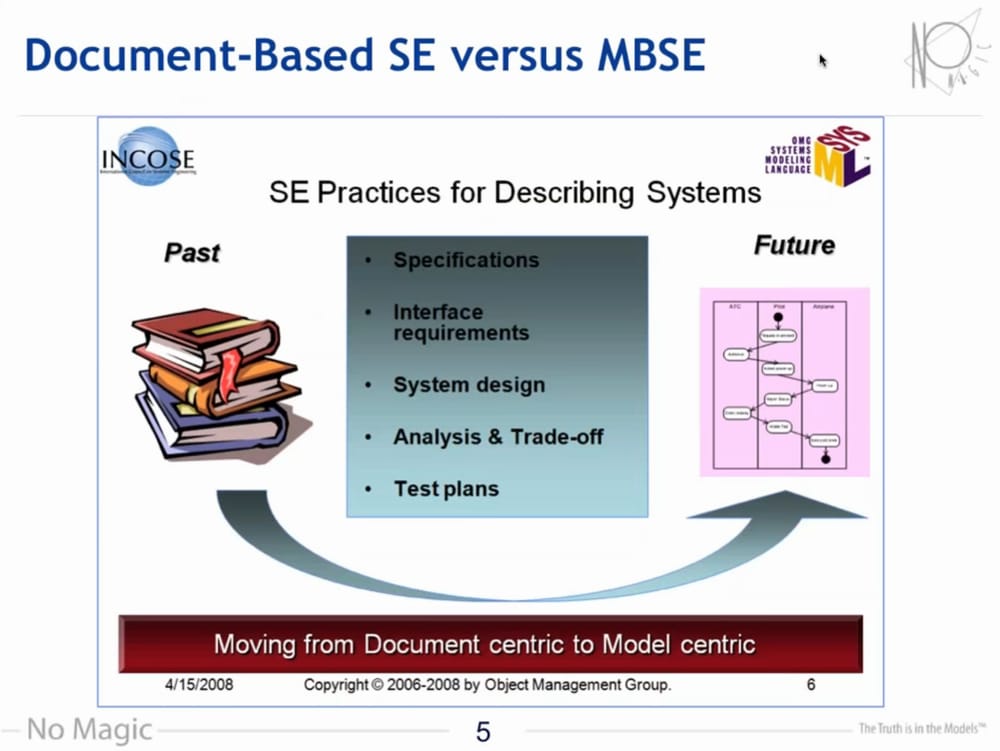
-
Navya-Nyāya
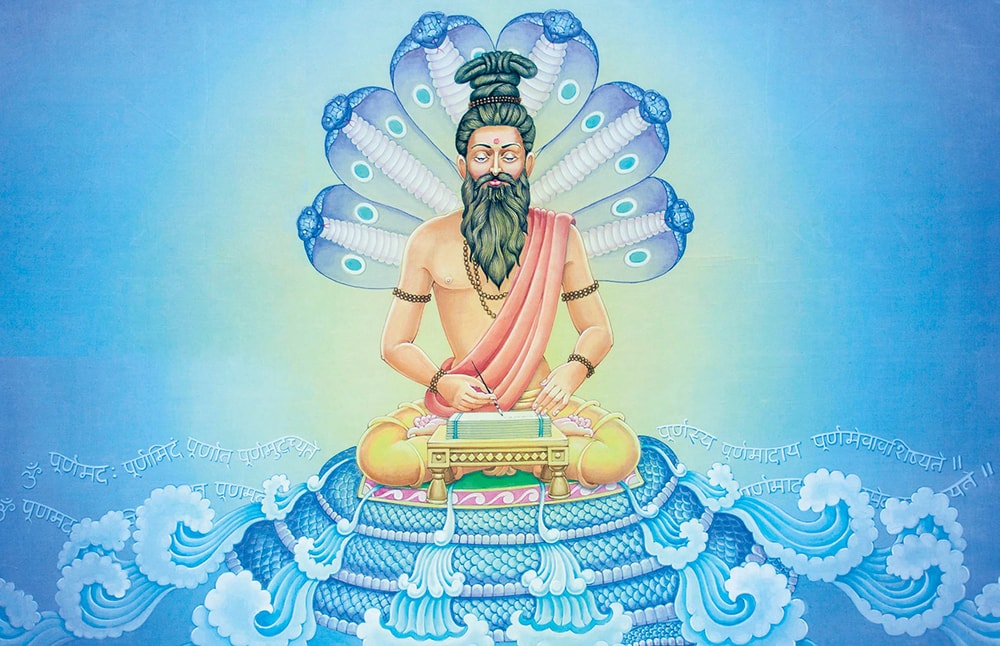
The Navya-Nyāya darśana (system/school) of Indian logic and philosophy was founded in the 13th century by the philosopher Gangeśa Upādhyāya. Other influences were the work of earlier philosophers Vācaspati Miśra (900–980 CE) and Udayana (10th century). Nyaya means correct thinking with proper arguments & valid reasoning. Its goal is “acquiring knowledge of the reality”. It remained active in India to the 18th century.
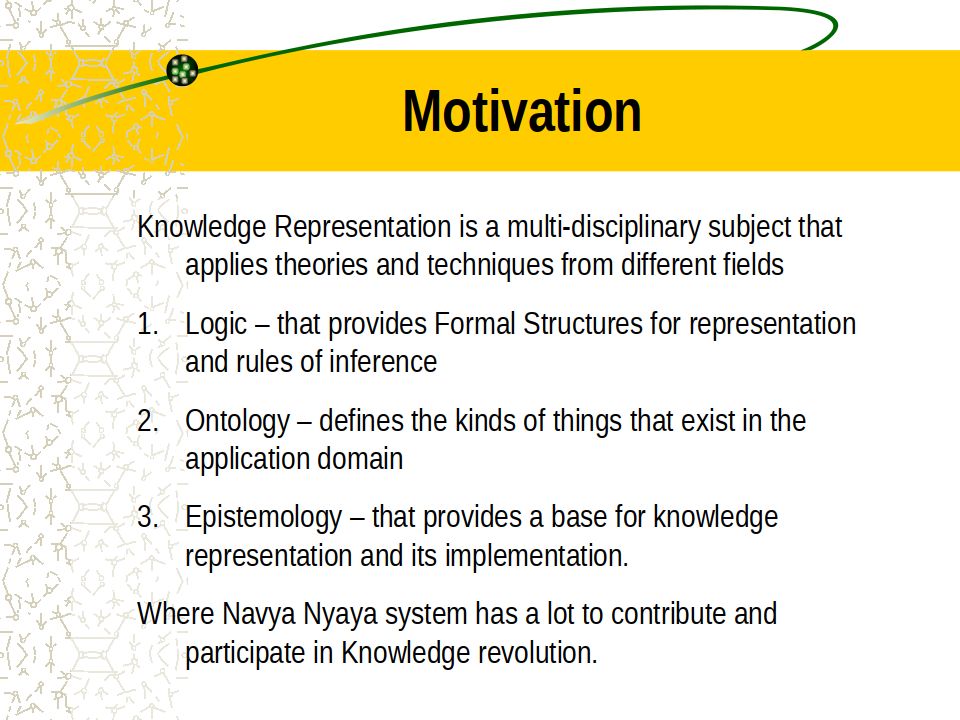
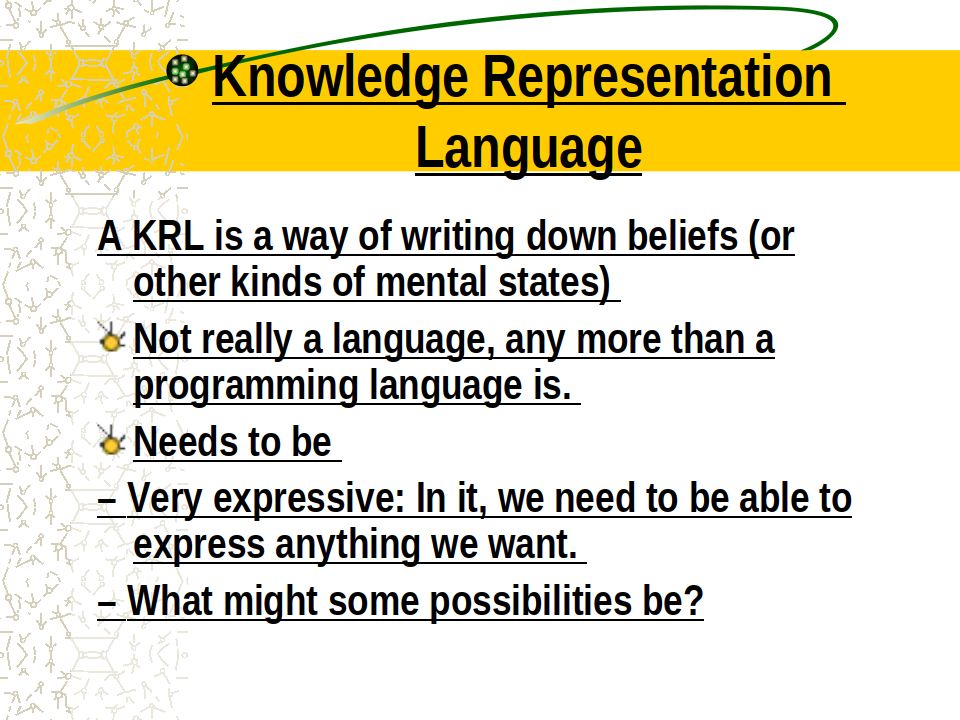
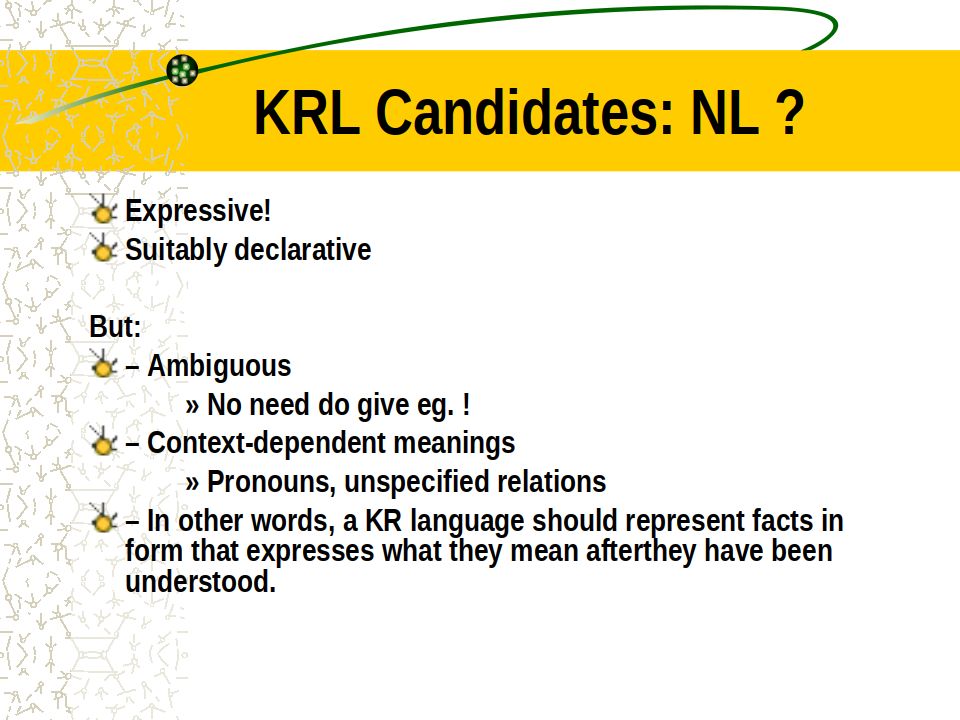
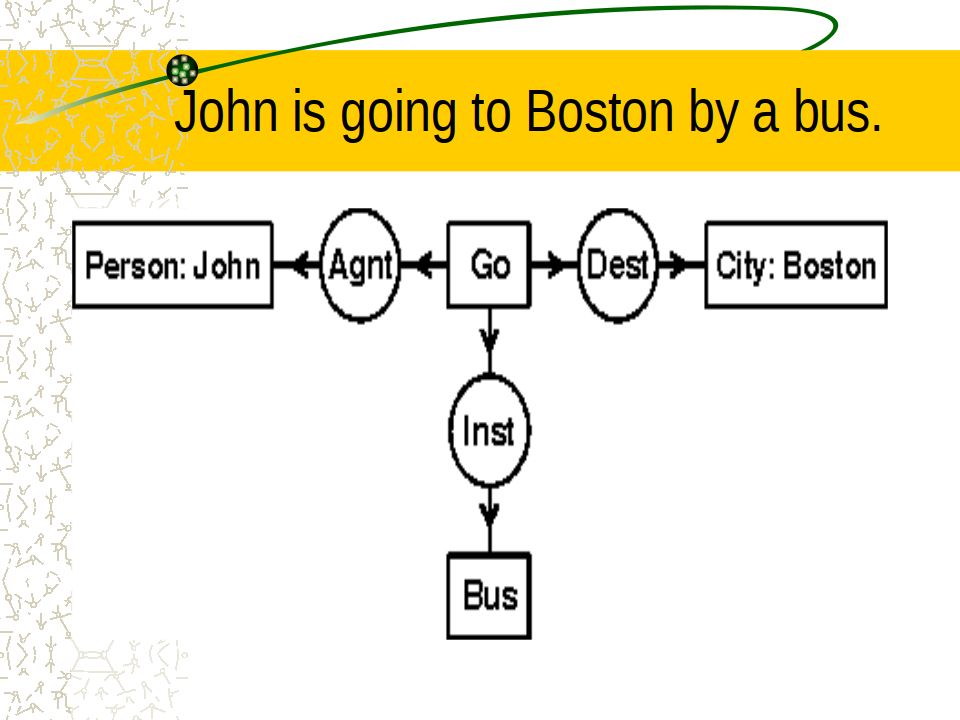
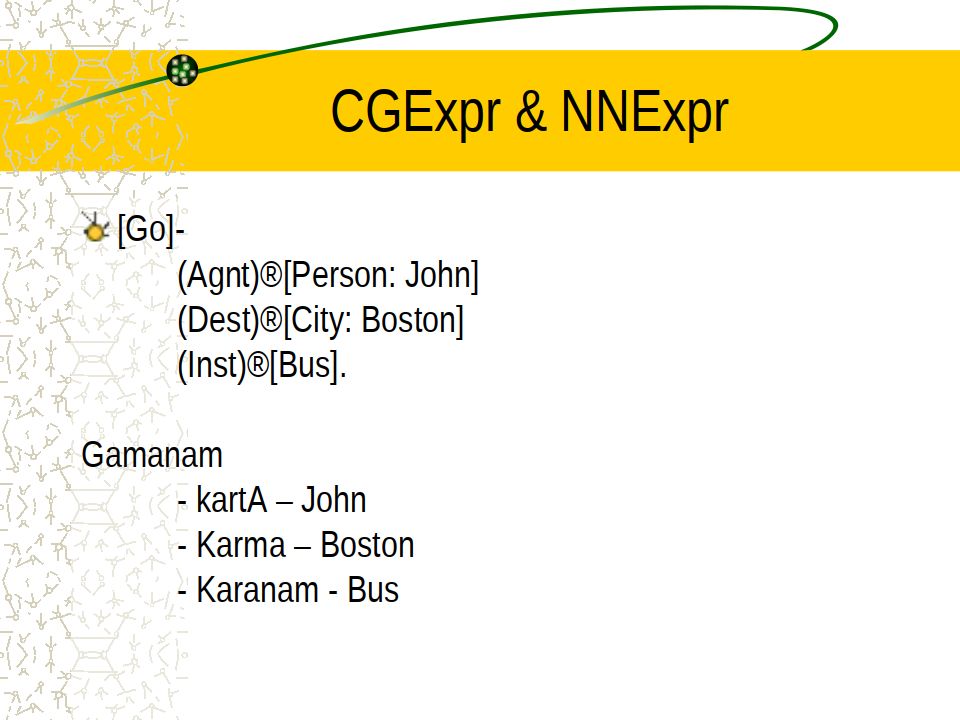
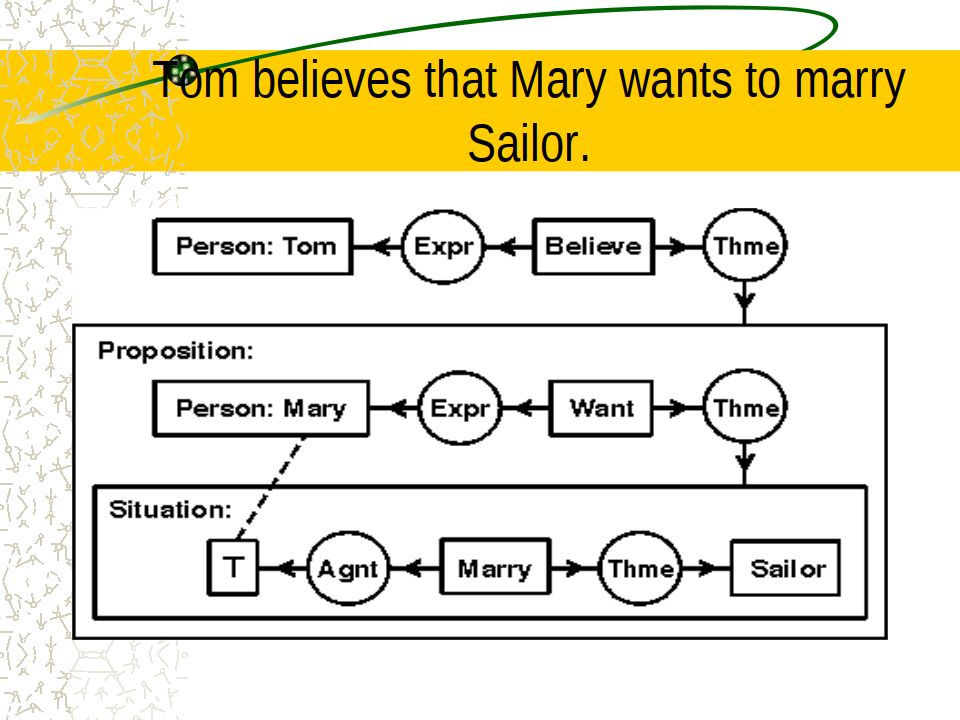
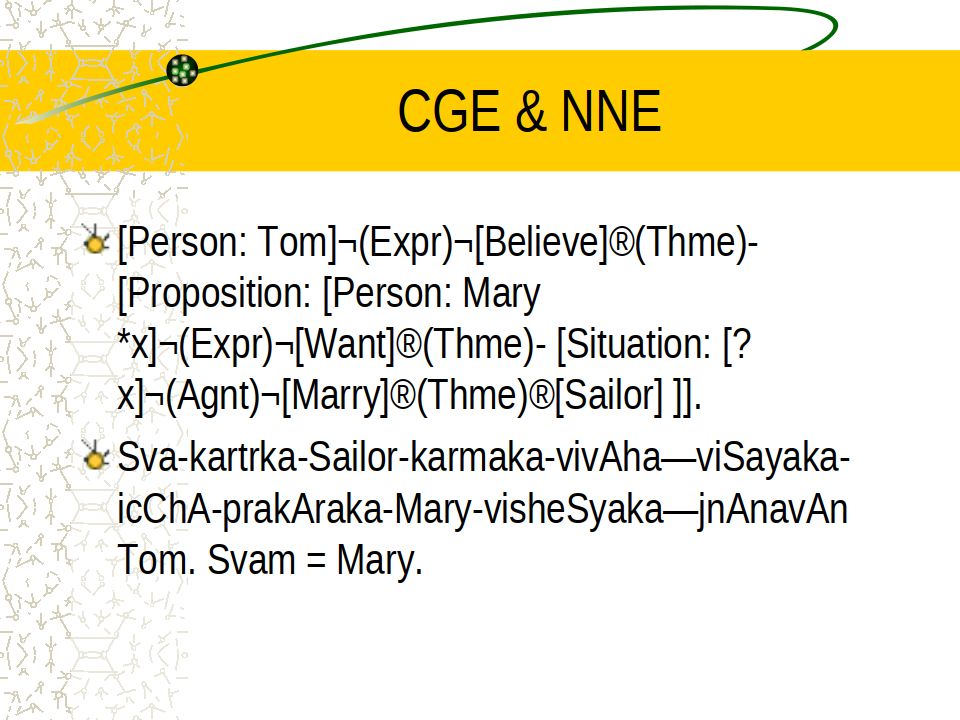
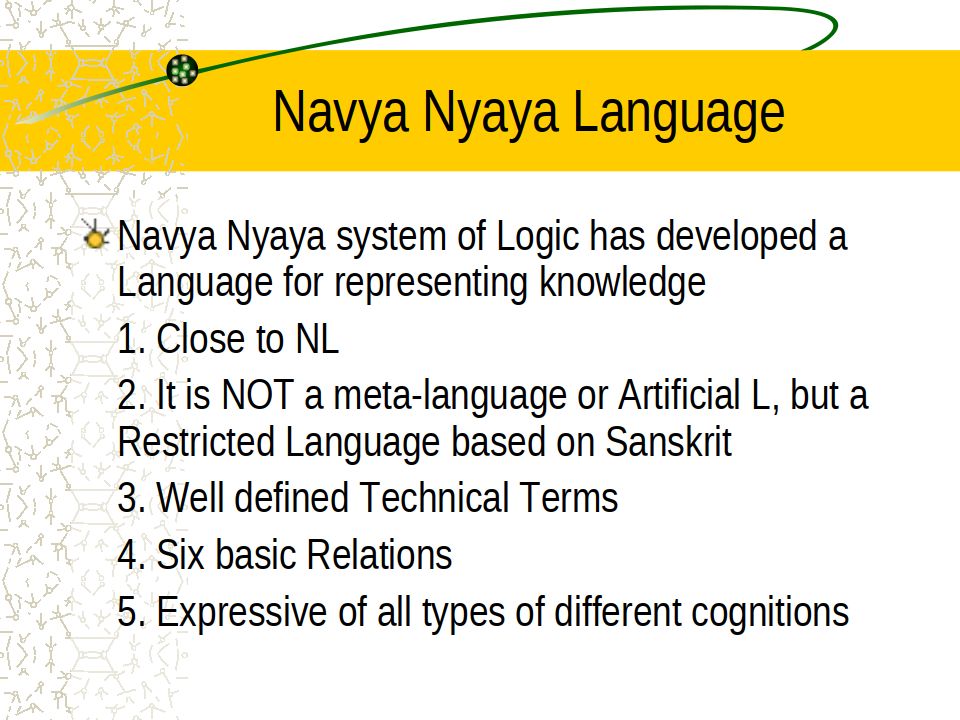
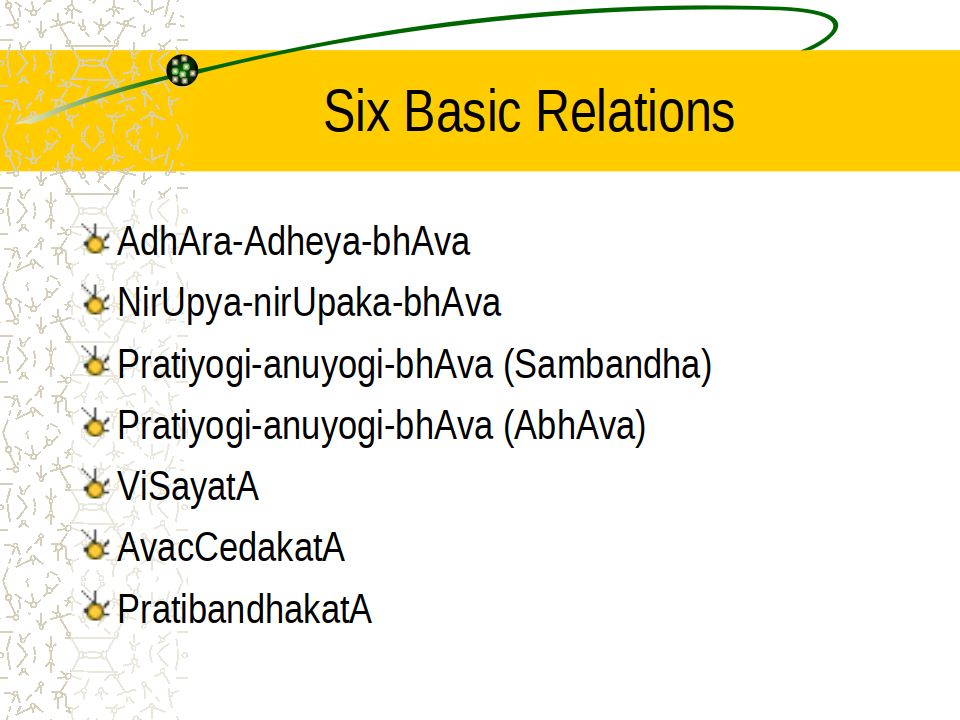
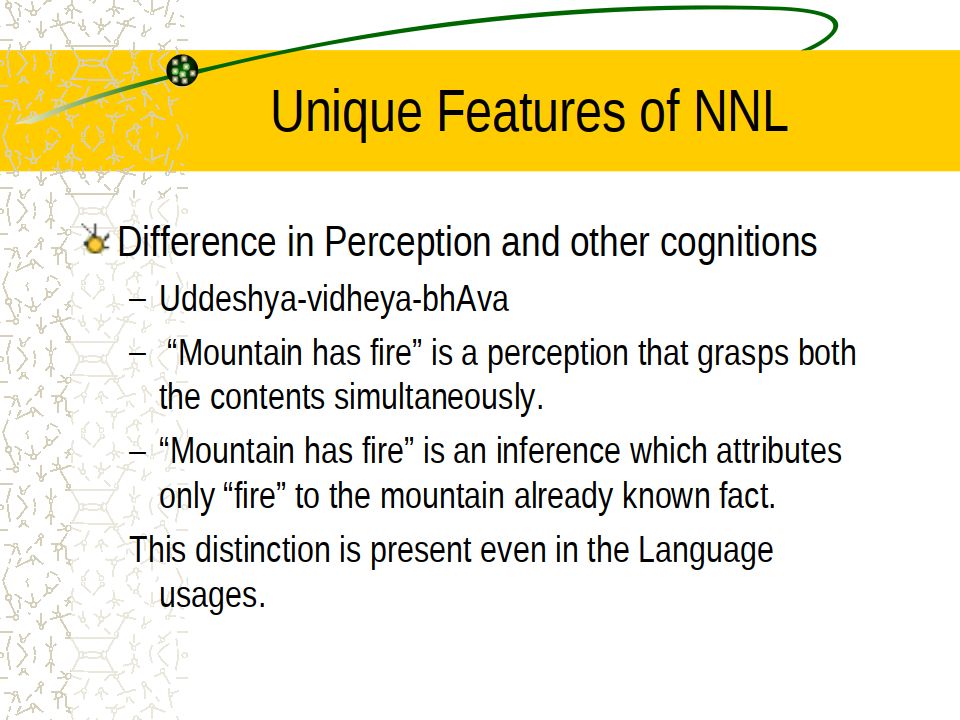
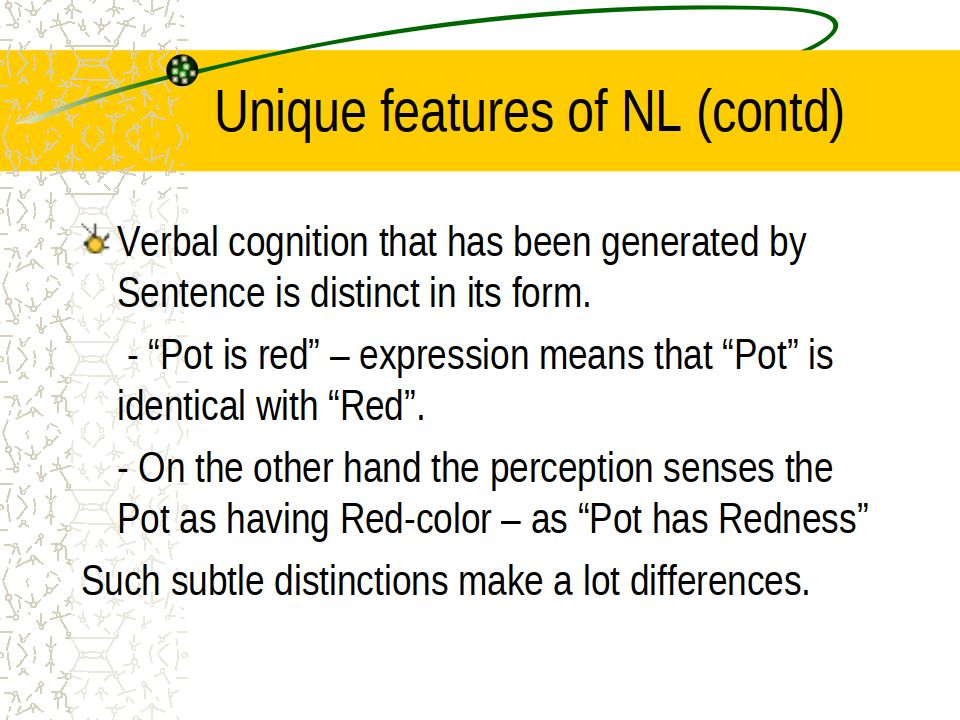
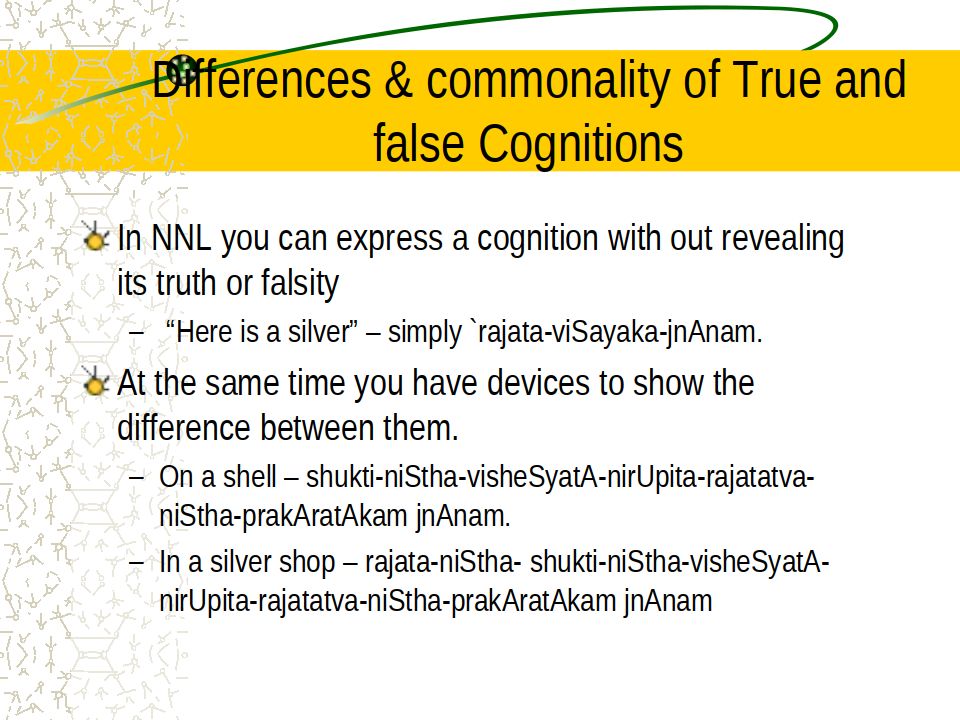
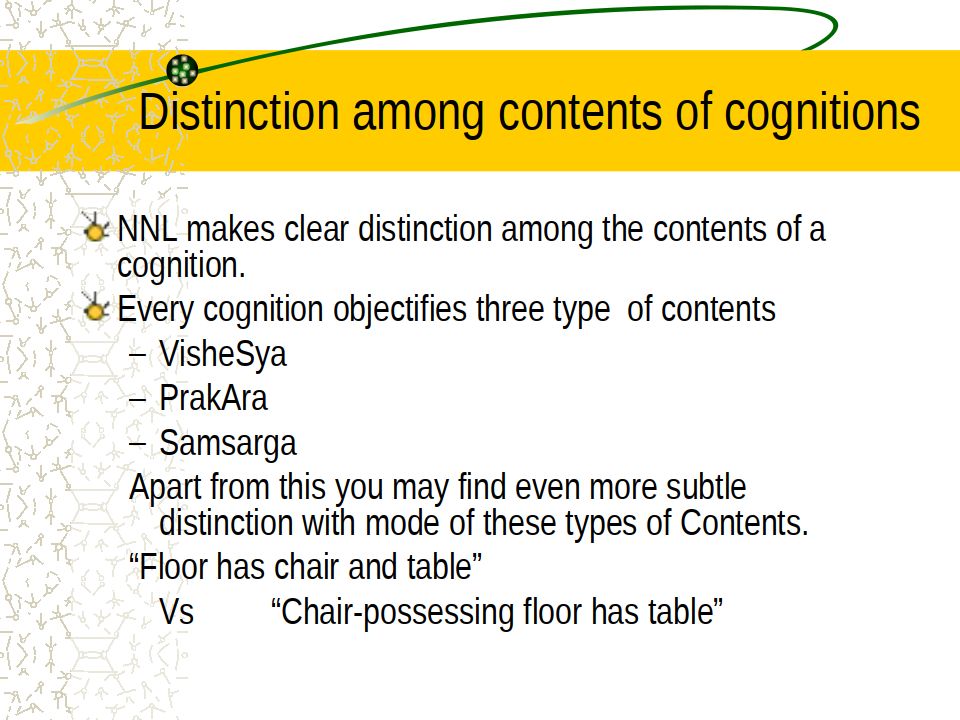
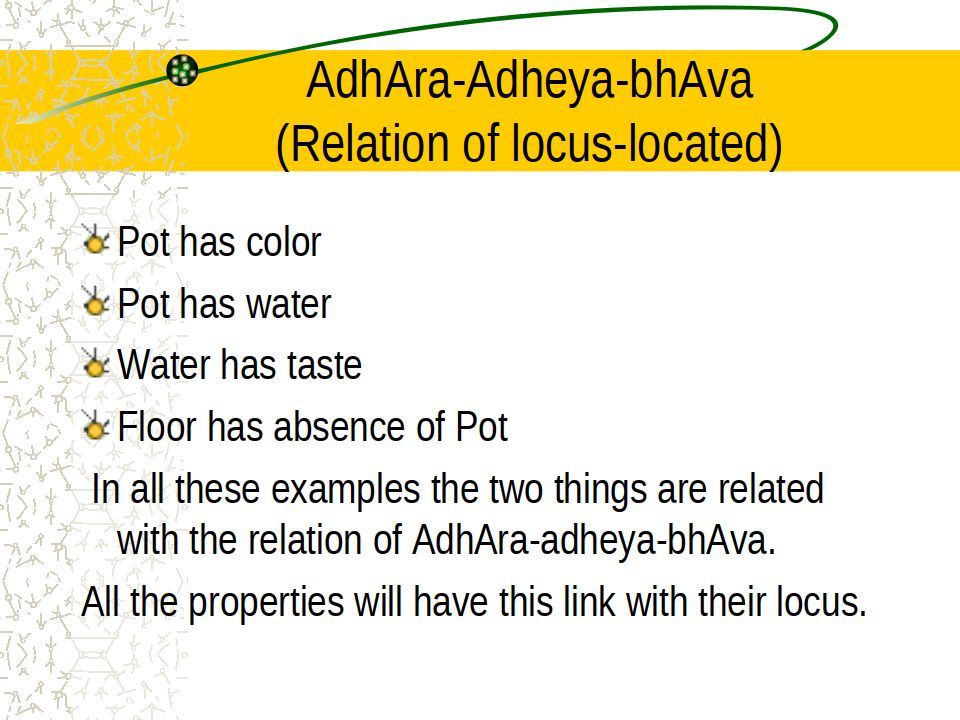
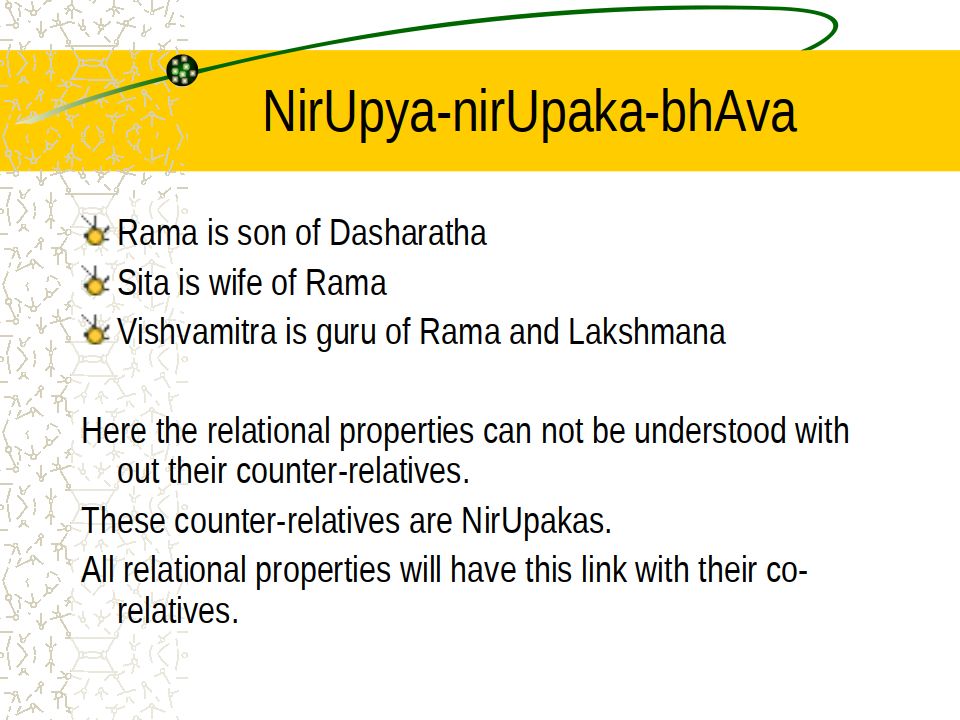
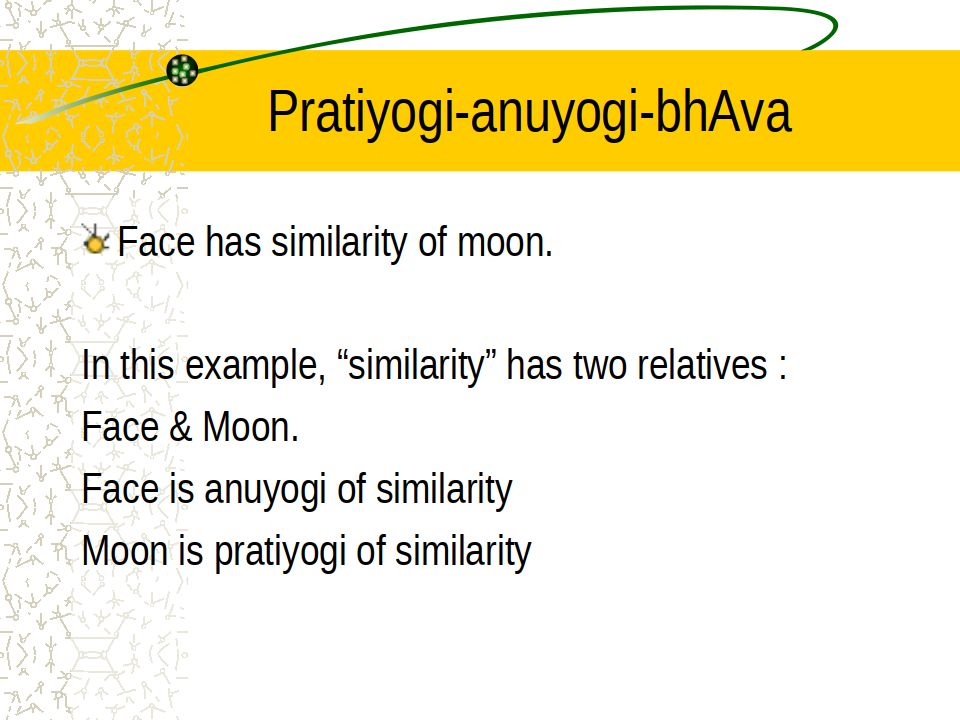
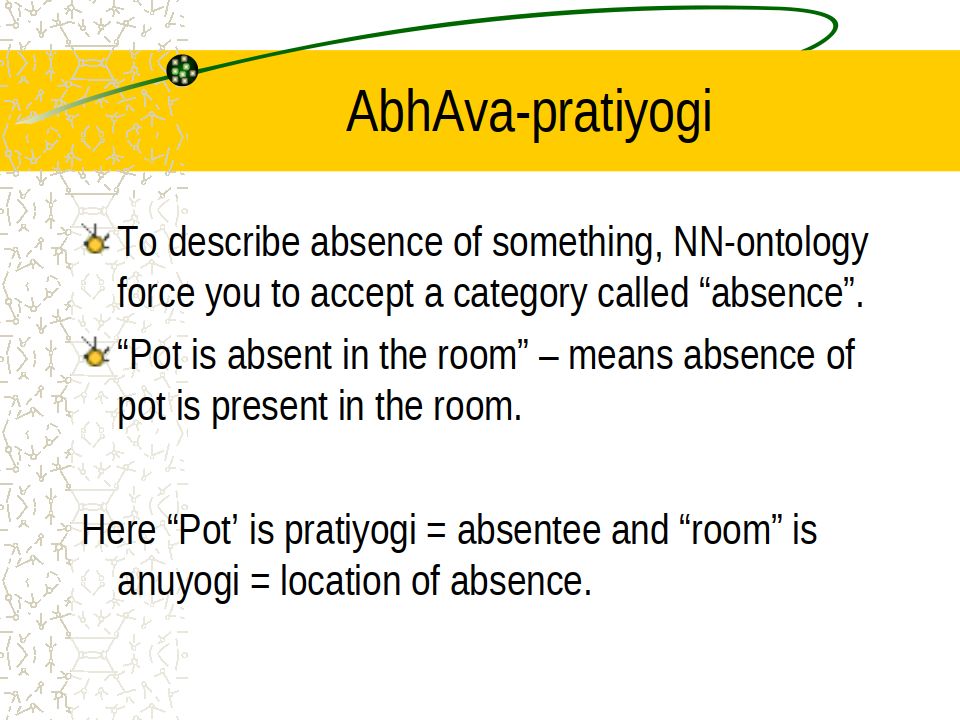
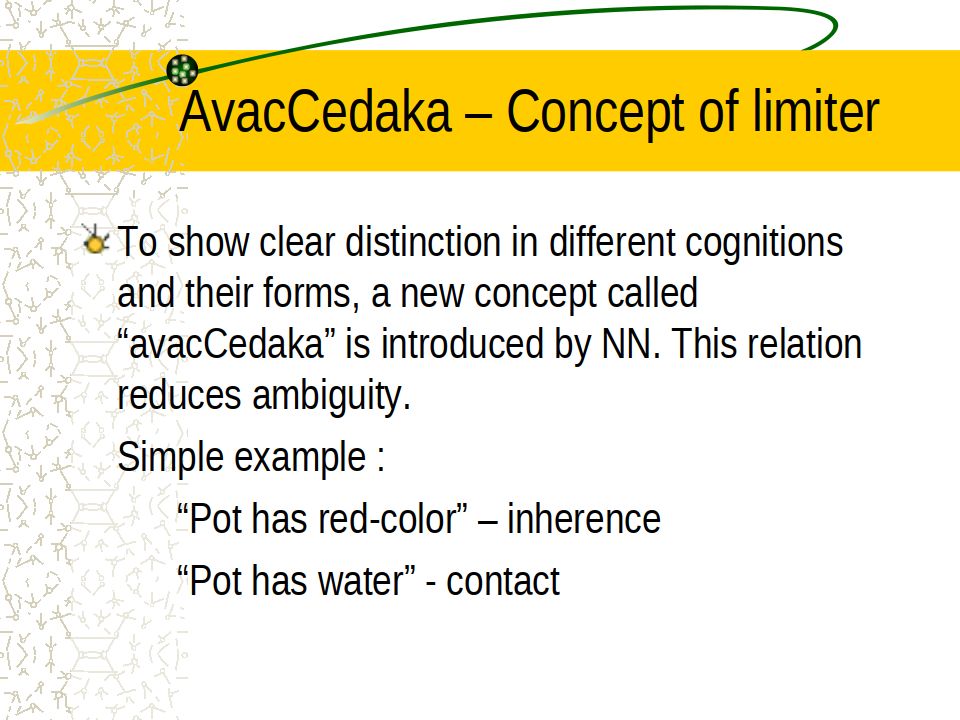
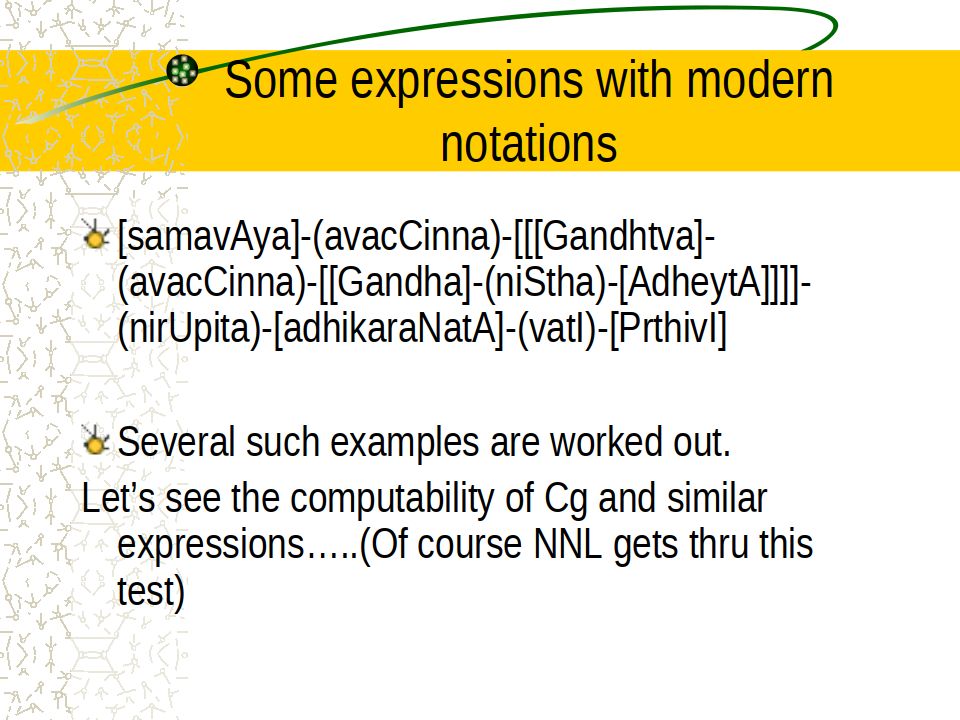
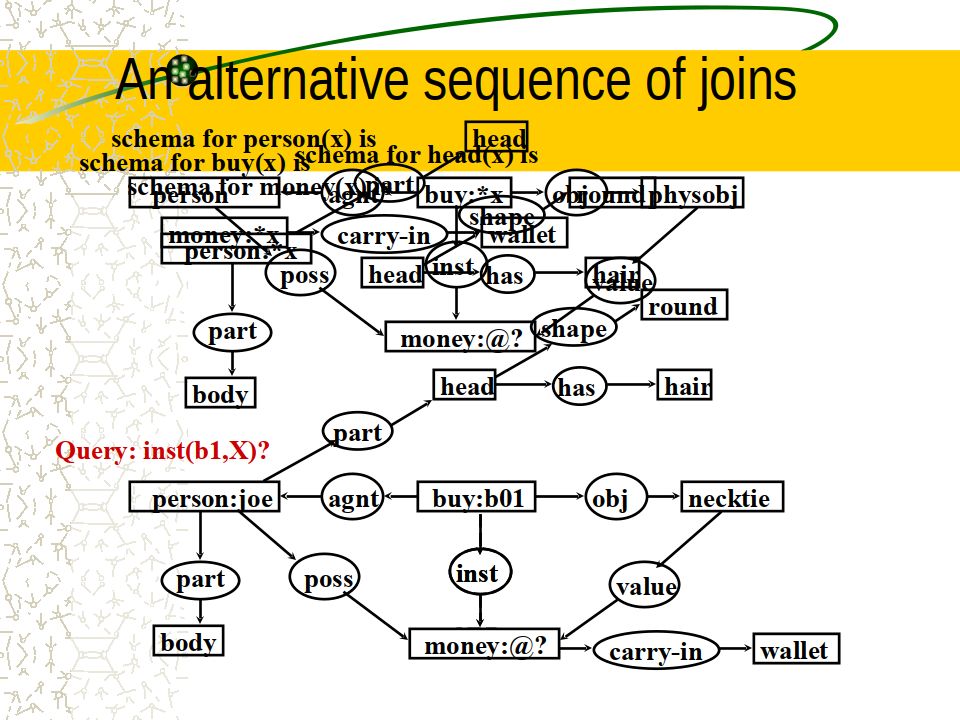
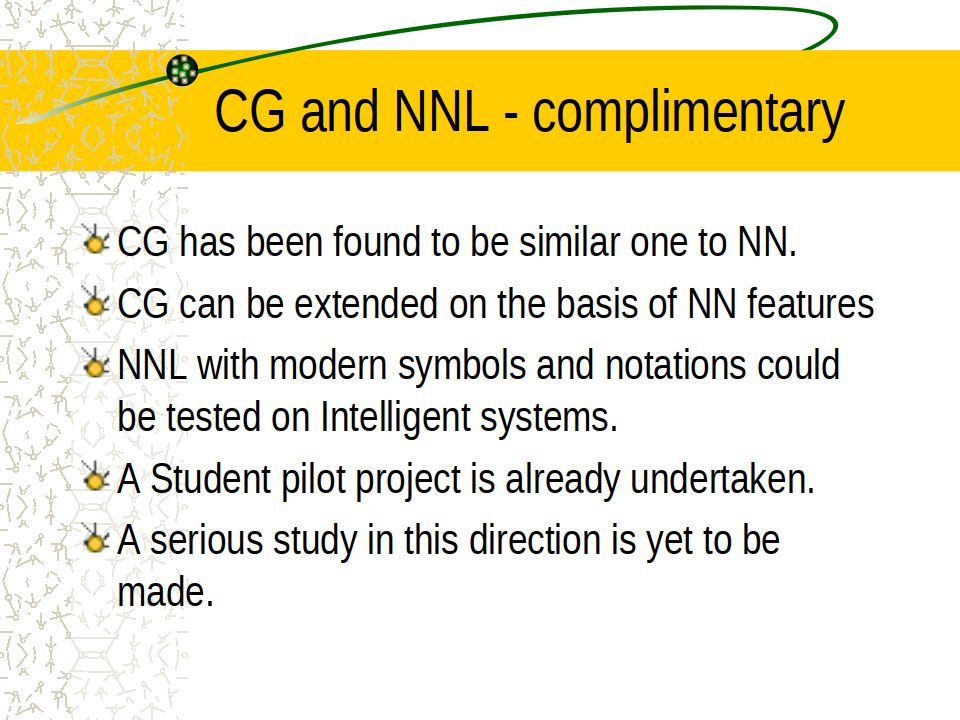
Introduction to Knowledge Representation and Navya Nyaya - by Dr. Shrinivasa Varakhedi
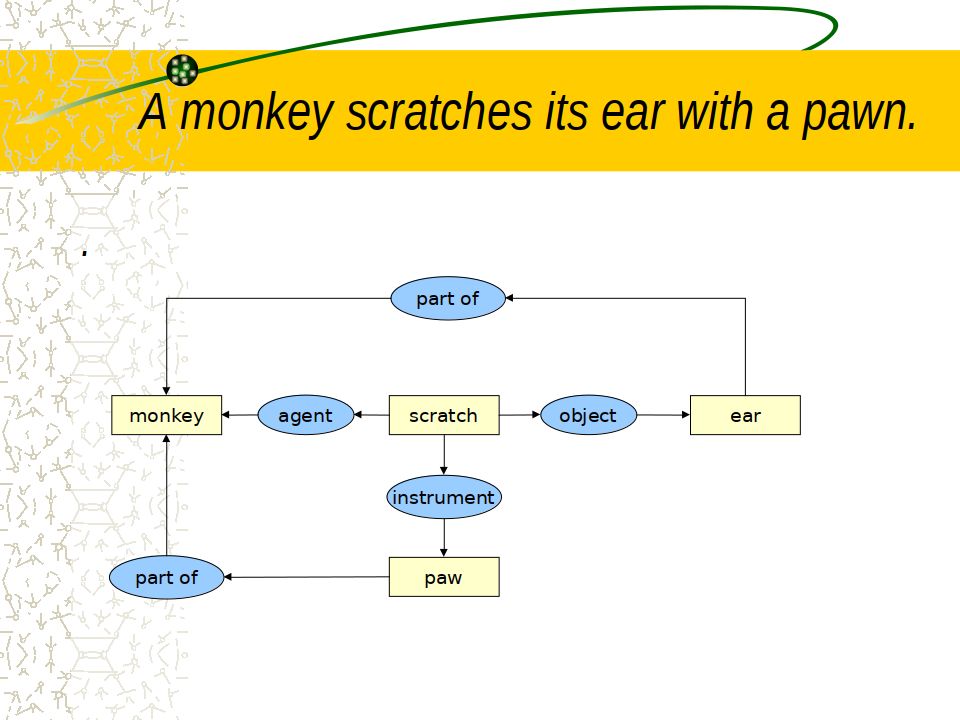
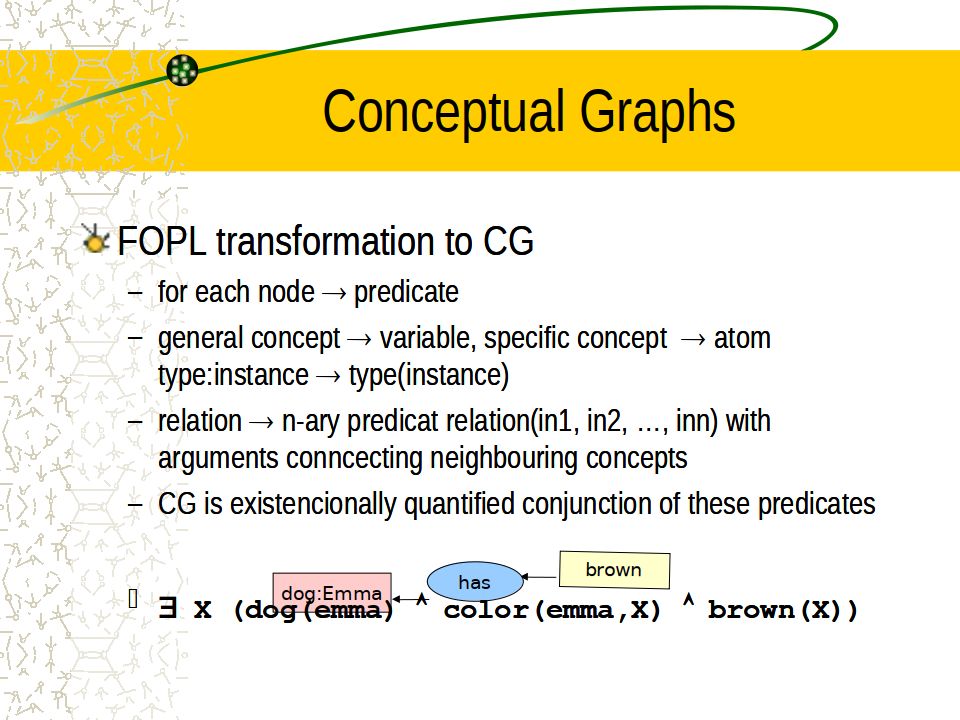
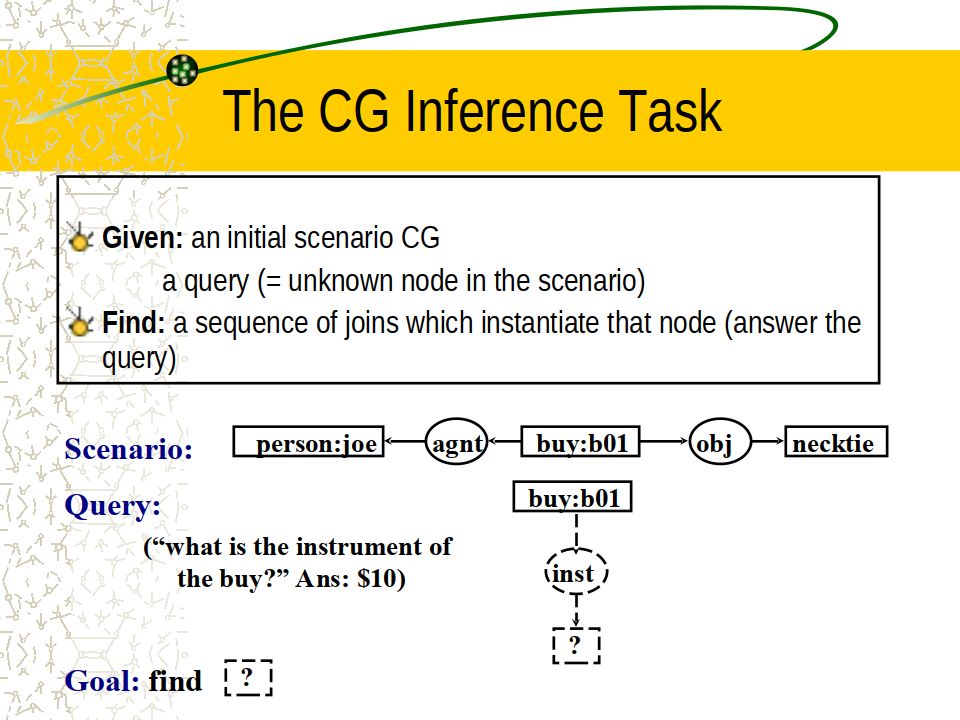
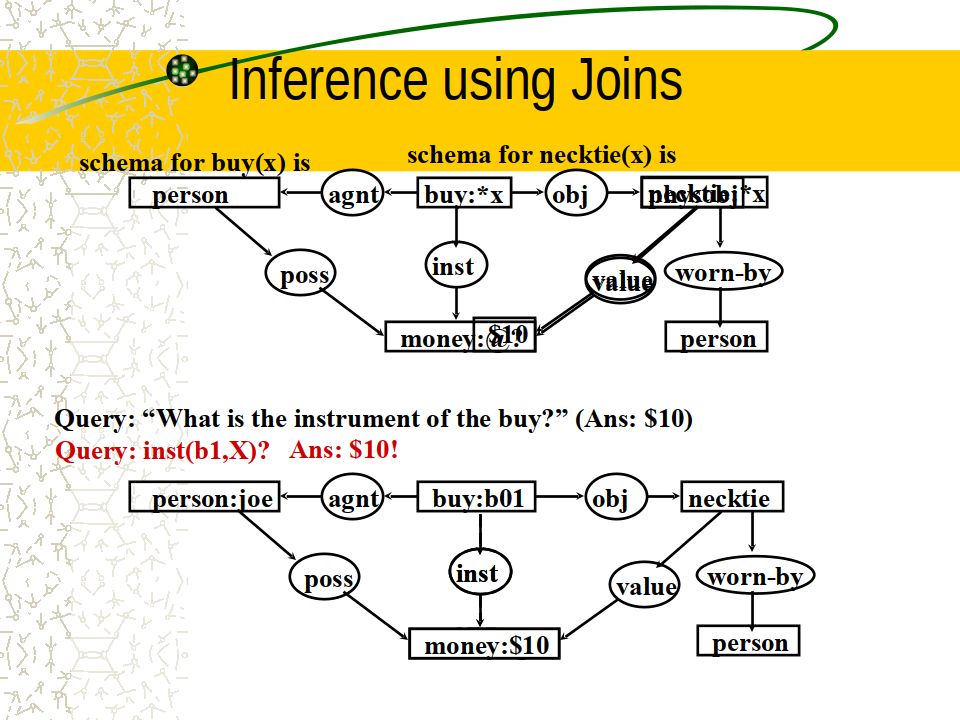
Related Links:
- Blog: The comparatively early appearance of sophisticated Nyāya logic, epistemology, and empiricism in Indian/Indic philosophy
- Research: Segmentation of Navya-Nyāya Expressions
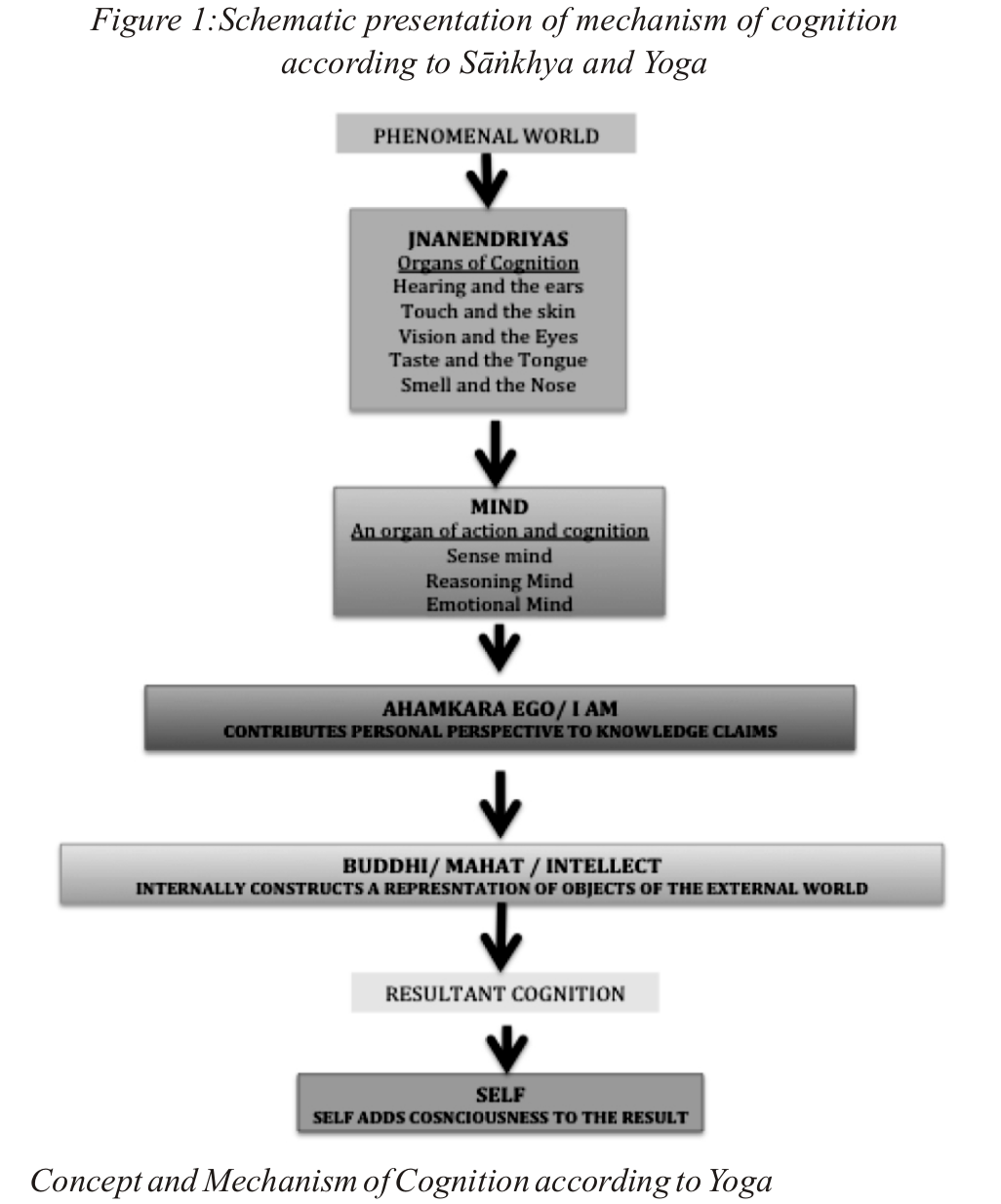
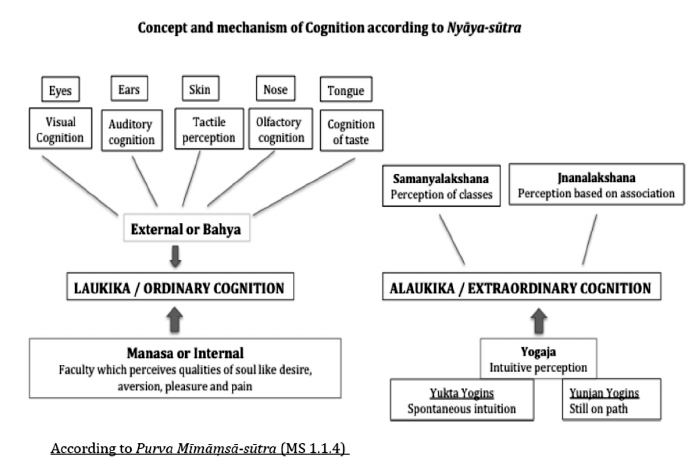
- Research: Concept and Mechanism of Cognition According to Ancient Indian Texts
- Research: A Survey and Evaluation of Diagrams for Navya-Nyāya
- Researchers: John Vattanky, Bimal Krishna Matilal
- Book: Navya Nyaya System of Logic - by D. Guha
- Book: Materials For The Study Of Navya Nyaya Logic - by Daniel H.H. Ingalls
- Context: Educational Insight: Six Streams Of Hindu Philosophy
- Context: Nyāya Sūtras
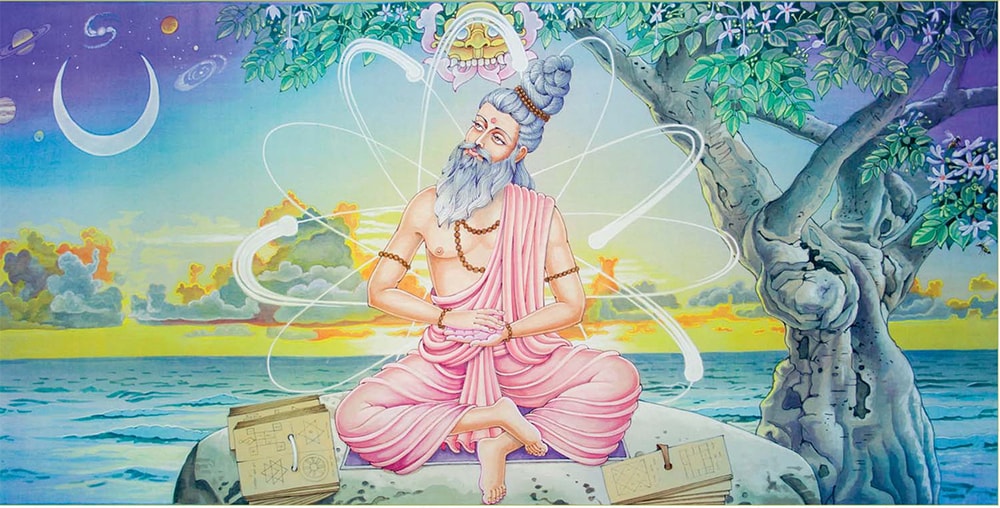
Nyaya Philosophy
Following Text is by Vikas Dhavaria from his Dhavaria blog:
1.1 Introduction
- Nyaya school is founded by sage Gautama (Aksapada).
- Nyaya means correct thinking with proper arguments and valid reasoning.
- Known as:
- Tarakshashtra (The science of reasoning)
- Pramanashashtra (The science of logic and epistemology)
- Hetuvidya (The science of causes)
- Vadavidya (The science of debate)
- Anviksiki (The science of critical study)
- Its goal is “acquiring knowledge of the reality”.
1.2 Epistemology
Nyaya school of thought is adhered to atomistic pluralism and logical realism.
Atomistic Pluralism
- atom is the constituent of matter,
- they are not one but many entities,
- both material and spiritual,
- as ultimate constituents of the universe.
Logical Realism
- world exist independently of our perception and knowledge.
- Independent existence of the world can be defended by logical argument and critical reflection on the nature of experience.
The Nyaya philosophy recognized sixteen categories and the first category is known as “Pramana” which focuses the logical and epistemological character of the Nyaya system.
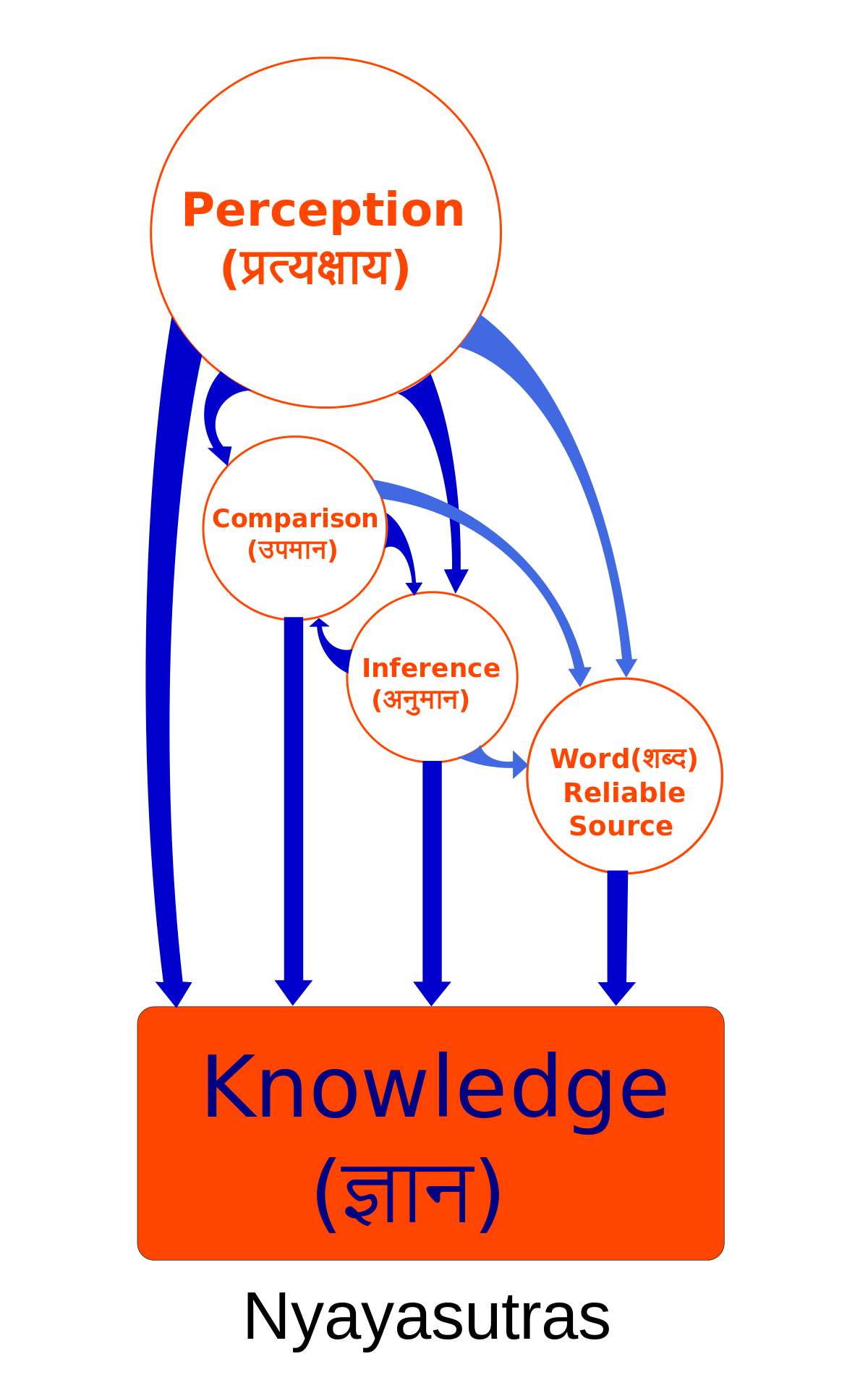
Pramanas – Four independent pramanas (sources of valid knowledge)
- Perception
- Inference
- Comparision
- Verbal testimony or sabda
Knowledge may be treated as cognition, apprehension, consciousness, manifestation of objects. Knowledge is of subjective and objective.
Subjective knowledge –
- Different people
- Different opinion
- Particular subject
Objective knowledge –
- Different people
- Similar opinion
- Particular subject
Knowledge may be valid (prama) or invalid (aprama).
Valid knowledge (Prama)
- True and right apprehension of an object.
- Manifestation of object as it is.
- Consequence of the correspondence theory of truth – truth is the correspondence between a proposition and reality.
- Presentative knowledge.
- Object of knowledge is directly present to the knower.
- Produced by four valid sources of knowledge-
- Perception
- Inference
- Comparision
- Sabda
Invalid knowledge (Aprama)
- Wrong apprehension of object
- It includes-
- Memory (smriti) – representative knowledge
- Doubt (samasya) – lack of certinity
- Error (viparyaya) – misapprehension
- Hypothetical reasoning (tarka) – invalid knowledge
Consider the four valid sources of knowledge (pramanas) that is upheld by the Nyayikas.
1. Perception
Direct and immediate cognition produced by the interaction between the object and sense-organs.
Four elements are necessary:
- self
- mind
- sense organs
- objects
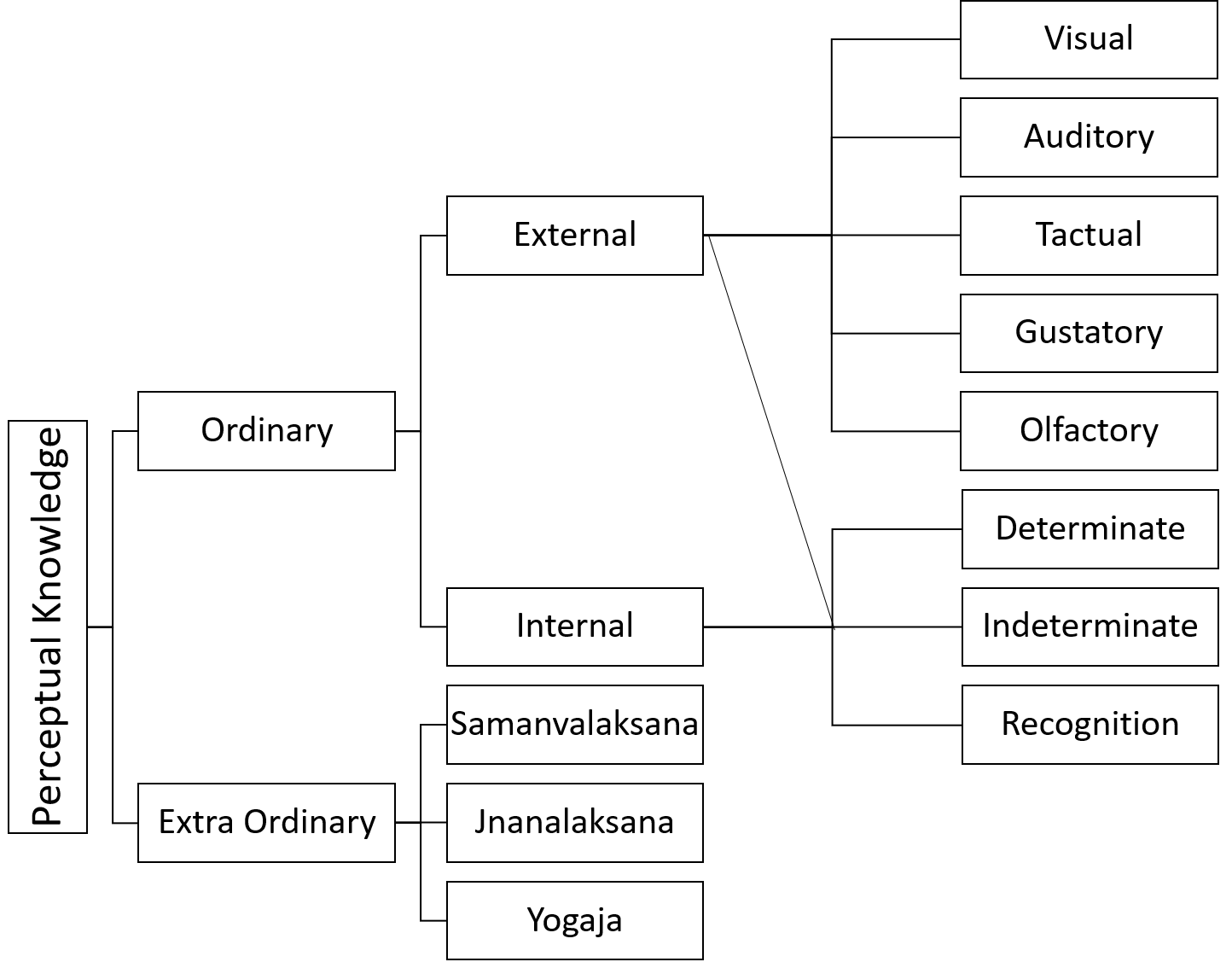
Two types of perception:
- Ordinary perception (laukika)
- Extra ordinary perception (alaukika)
Ordinary Perception (two types – external and internal)
- External perception (bahya)
- five sense organs
- auditory
- visual
- tactual
- gustatory
- olfactory
- five sense organs
- Internal perception (manas)
- only mind and object (example: feeling, desiring, wishing etc.)
Again, perceptions are divided in three sorts-
- Indeterminate perception (nirvikalpa)
- when we can not determine its features like color, shape, size etc.
- Determinate perception (savikalpa)
- when the knowledge of an object consists of characters, such as; name, color, shape etc.
- Recognition (prativijnana)
- the senses contact with the object and recalled that whether the same object had been encountered earlier or not.
Extra ordinary perception
It is a perception that provides knowledge even without the senses object contact.
Three types of extra ordinary perception
- Samanyalaksana
- perception of universals or classess
- all the particulars belonging to same class
- Jnanalaksana
- an object is not directly presented to the sense organs, but it is retrived in memory through the past cognition of it and is perceived through representation.
- example: the ice looks cold, the fire looks hot etc.
- Yogaja
- yogis through their power of meditation can have intuitive and immediate perception of all objects, past, present and future.
2. Inference (anumana)
anumana, anu (after) + mana (cognition)
Anumana or inference is such knowledge which follows from other knowledge.
Constituents of inference
An inference is constituted with at least three sentences and these
- three sentences
- major premise
- minor premise
- conclusion
are again constituted of
- three different terms
- major term
- minor term
- middle term

Major Premise : All things which have smoke (middle/hetu) have fire (major/sadhya).
Minor Premise : This hill (minor/paksha) has smoke (middle/hetu).
Conclusion : Therefore, this hill has fire.- Major term or Sadhya is found in the major premise. Not perceived but it is inferred by us.
- Minor term or Paksha is found in minor premise. Perceived but not inferred by us.
- Middle term or Hetu is found in both premises. Establish a relation between Sadhya and Paksha.
In an inference, knowledge of and object is derived due to previous knowledge of some sign or mark. The previous knowledge is due to the universal relation between the major term and the middle term is being present in the minor term.
Types of Inference
- Svartha or for one’s self
- Parartha of for other
Inference for others consists of five constituents:
- This hill has fire (Pratijna).
- Because there is smoke (Hetu).
- Wherever there is smoke, there is fire (Udaharana).
- This hill has smoke (Upamana).
- Therefore, this hill has fire (Nigamana).
Smoke, the middle term appears three times. Therefore, it is also known as “tritiyanlinga paramarsa”.
3. Upamana (Comparison)
Upa (similarity) + mana (cognition) means… the similarity between the things and objects.
Four steps involved:
- Authoritative statement or description of object (Describe a squirrel)
- One observes any such object. (Observe an animal)
- Recollection of description. (Recall the description of squirrel)
- Resulting knowledge… object is same as described. (Observed animal is squirrel)
4. Verbal Testimony (Sabda)
Sabda is the instructive assertion of a reliable person.
Example: A local fisherman tells about the depth of river.
Kinds of Sabda:
Based on objects of meaning-
- Drustartha – deals with perceptible object. Table is brown.
- Adrustartha – deals with imperceptible object. Truth is noble.
Based on the origin of words-
- Laukika – secular. Only the words of trustworthy person.
- Alaukika – Divine or Vaidika.
1.3 Theory of causation (Asatkaryavada/Armbhavada)
Two important components in this theory:
- Cause – an unconditional and invariable antecedent of an effect.
- Effect – an unconditional and invariable consequent of a cause.
Effect is produced by a cause but the effect and the cause are not one and the same.
Effect is a new product comes to the existence.
1.4 Self and liberation
Infinite numbers of self exists in the universe.
Self:
- neither be identified with mind
- nor with pure consciousness
- but a consciousness belonging to an individual.
Self (no consciousness) when comes to contact with sense organs = Acquires consciousness. This acquiring produces bondage, hence aspires for liberation or salvation.
Liberation:
- The state refrain from all kinds of sufferings, cycle or birth and death.
- Can be achieved when there is cessation of karmic chain or karmic influx.
1.5 The concept of God
God:
- Creator, sustainer and destroyer.
- Efficient cause (not the material) of universe.
- Desires the universe remain in the state of stability and tranquillity.
- Omnipresent and omniscient being.
-
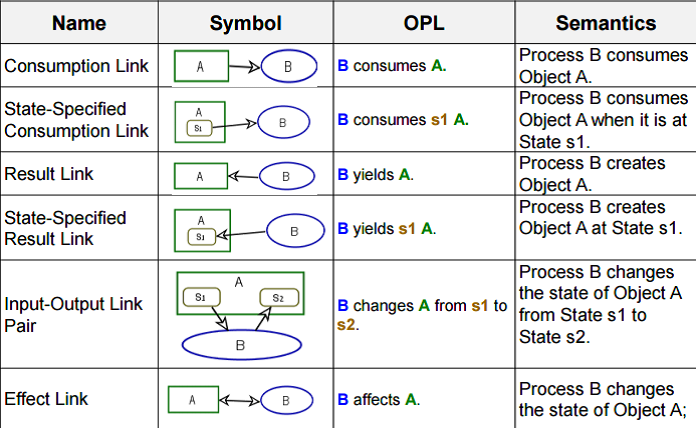
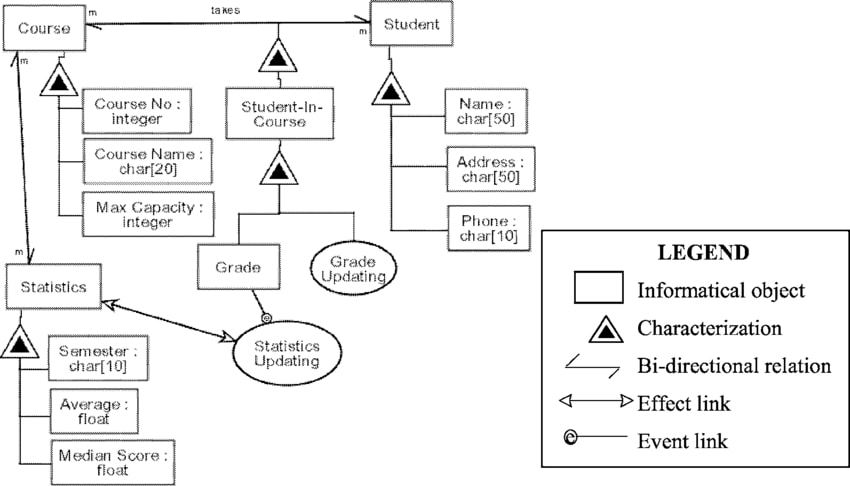
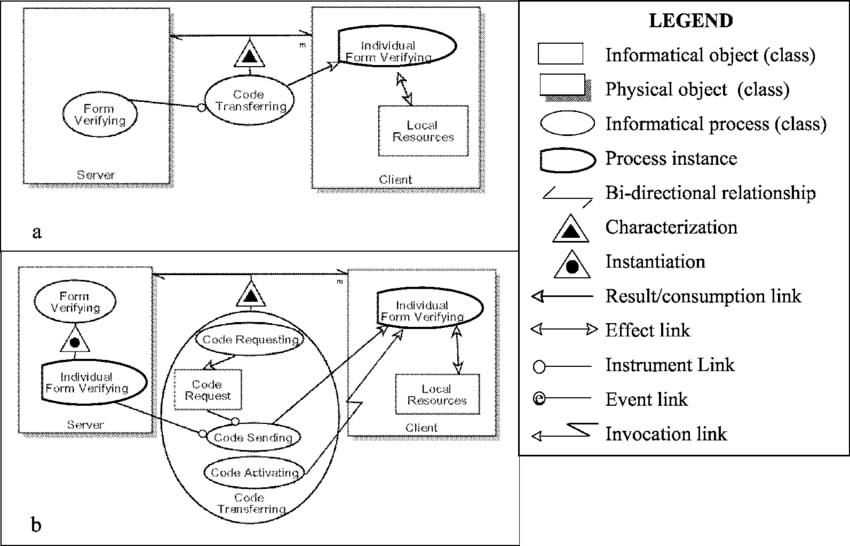
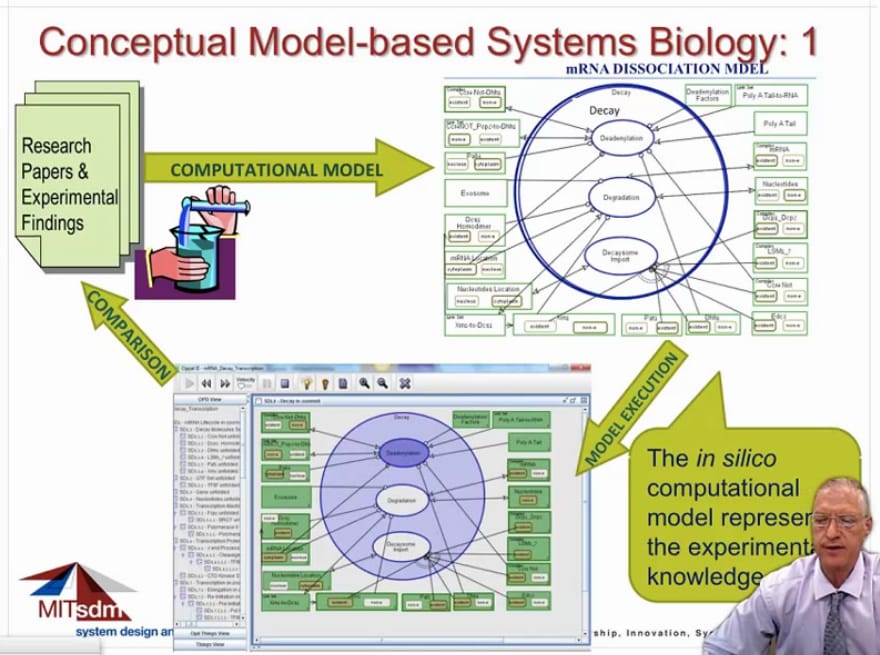
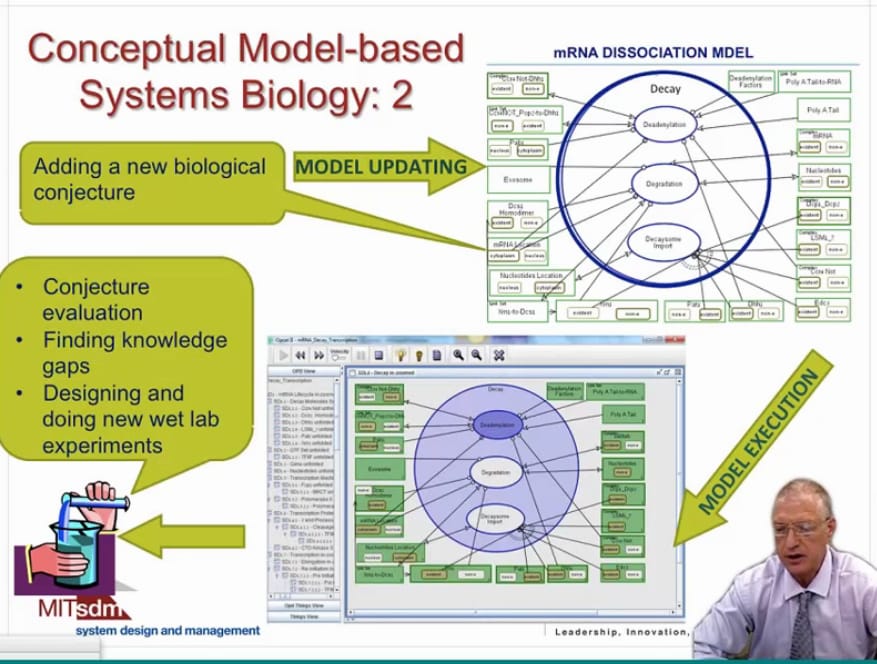
Object Process Methodology (OPM) is a conceptual modeling language and methodology for capturing knowledge and designing systems. Based on a minimal universal ontology of stateful objects and processes that transform them, OPM can be used to formally specify the function, structure, and behavior of artificial and natural systems in a large variety of domains. OPM was conceived and developed by Dov Dori. The ontology of OPM and ontology of Navya-Nyāya an ancient Hindu school of thought in india are identical.
More on OPM: Presi, Presi, Presi, Video, Video, Video, Video, Video, Video, Video, Video
Following text from the blog post "Object Process Methodology" - by Joe Gollner:
My encounter with OPM was facilitated by attending the above-referenced course at MIT. This course was delivered by Professor Dov Dori, the driving force behind OPM, and by Professor Edward Crawley, Head of the Cambridge MIT Institute and advocate for how OPM can be leveraged to model business as well as system considerations. The course, I should note, represents the best value I have ever encountered in a professional education program. I would highly recommend it to anyone who is interested in the general question of modeling complex systems in a way that all stakeholders can intuitively understand.
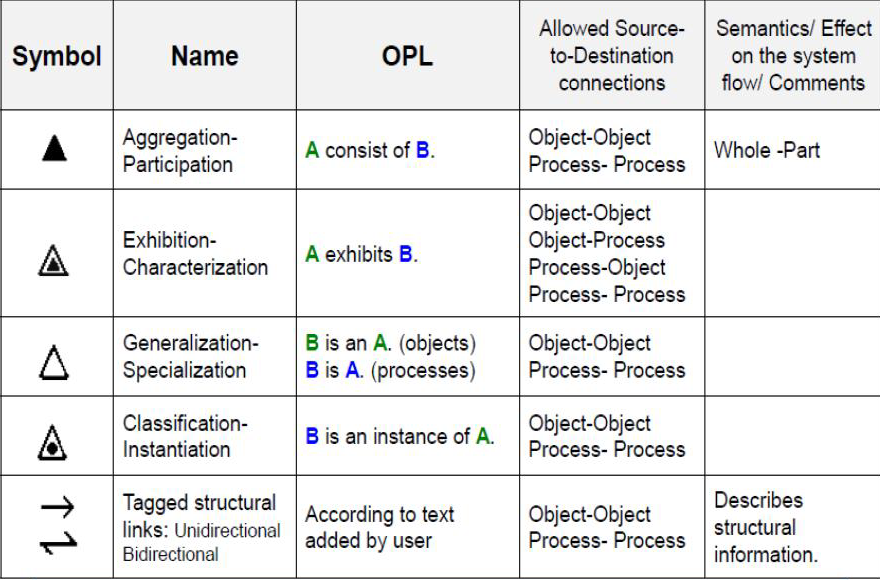
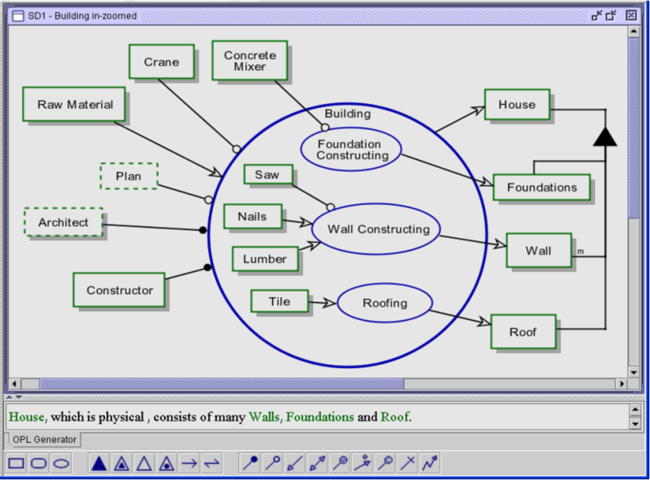
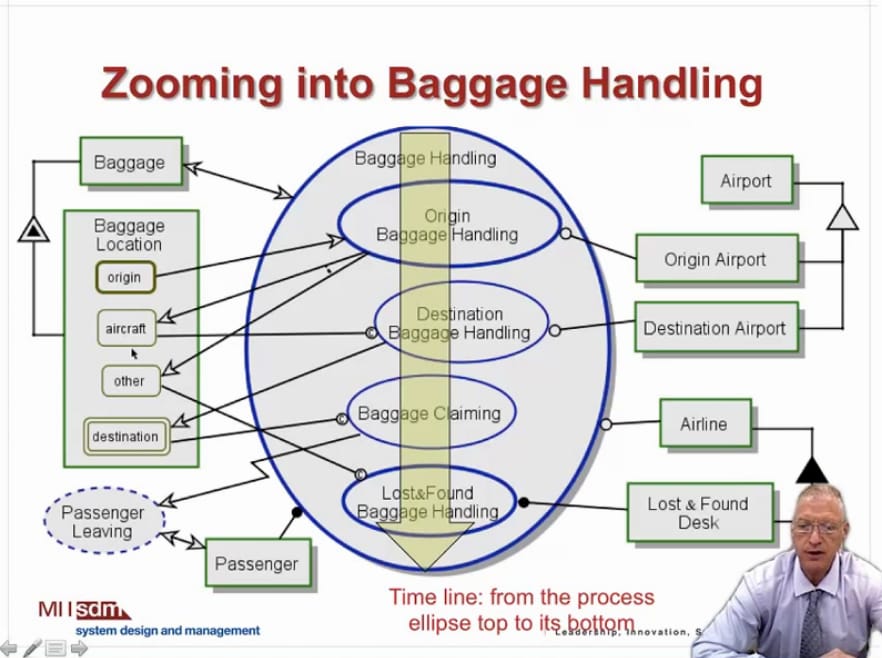
I will attempt an unforgivably brief description of OPM here. The Object Process Methodology offers an astoundingly simple framework for modeling systems and scenarios of unlimited complexity. The root of its ability to do so lies in the fact that it departs from the prevailing fixation with Object Orientation (OO) which, in ultimately trying to represent the world using constructs relevant to software, inevitably spawns bewildering models as soon as it moves beyond anything more "real" than a software component. The main departure that OPM makes, as its name suggests, is the elevation of "processes" to being peers to "objects". In the real world, there are things and there are things that happen to things and this basic decomposition of conceptual units fits reality to a tee. So it is that whereas the full envelope of UML diagrams provides over 150 individual symbols, OPM manages to get by with literally a handful. This simplicity then makes a second major departure possible - the elimination of the litany of diagram types. In OPM, there is only one diagram type and only one integrated view. This is one major reason why business people can immediately grasp the contents of an OPM model.
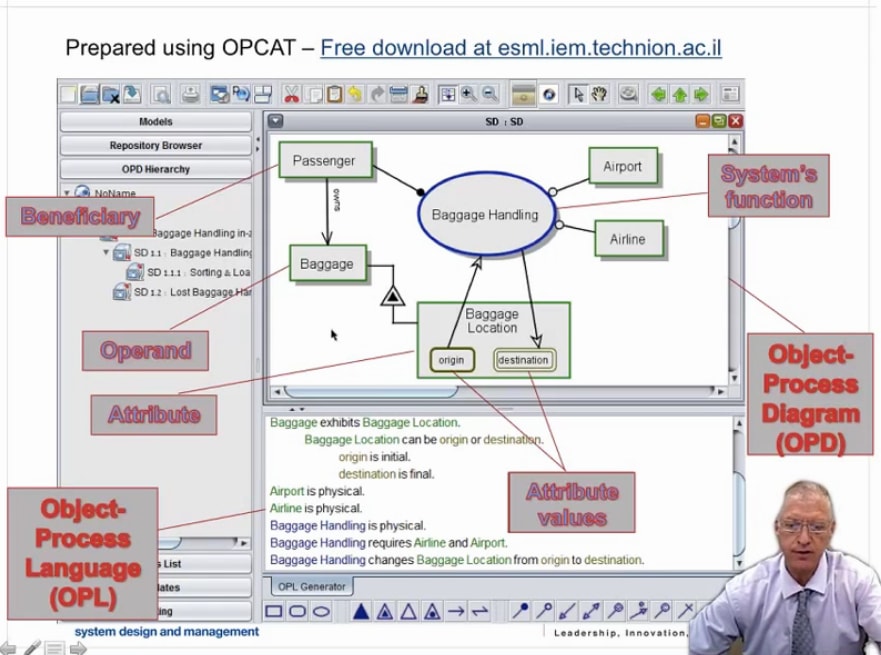
Equally interesting is the fact that associated with any visual representation that can be constructed using the OPM notation will be a supporting "natural language" expression. The above image illustrates a very simple OPM model. The image is taken from the OPCAT modeling tool and along the bottom of the screen shot can be seen both the limited set of symbols used and a segment of the natural language expression associated with the model. [...]
The short summary of this argument is that anyone interested in the general problem of understanding complex systems, and representing and communicating that understanding to a broad community of stakeholders, absolutely must take a closer look at the Object Process Methodology.
Short video interview with Dov Dori. Part of a free MOOC on OPM.
Tools: OPCloud and the Evolution of OPM Modeling Tools - Dov Dori et.al. which mentions the cloud based https://www.opcloud.tech/ and the OPCAT software:
-
A World Without Apps - talk by Michel Beaudouin-Lafon (UIST 2019)
Homo Cyberneticus: The Era of Human-AI Integration - talk by Jun Rekimoto (UIST 2019)

-
Among the key efforts launched under Walker’s tenure at DARPA was development of the Long-Range Anti-Ship Missile. Walker also reinvigorated the agency’s hypersonic weapons and space efforts. Also noted by the agency: Under Walker’s leadership, DARPA launched the three-year, $1.5 billion Electronics Resurgence Initiative as well as the five-year, $2 billion AI Next program. Walker also “made pivotal investments in the realm of engineered biology, resulting in several breakthroughs, chief among them a program that has helped reduce Ebola fatality rates by more than 70%,”
#Military #BCI #Biotech #Biology #RadioBio #ML #Augmentation #Robot
-
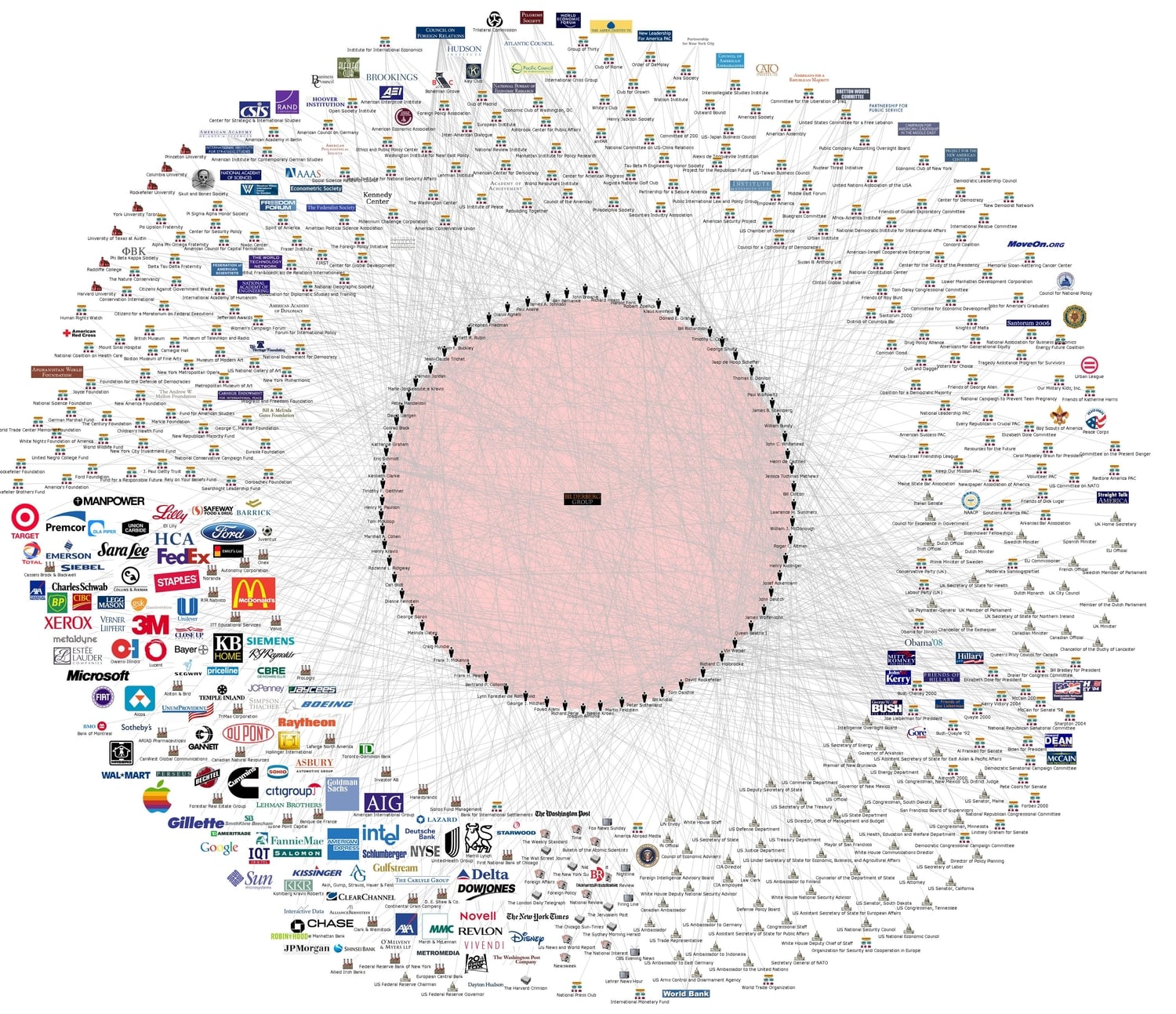
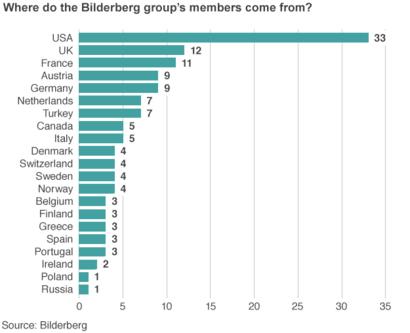
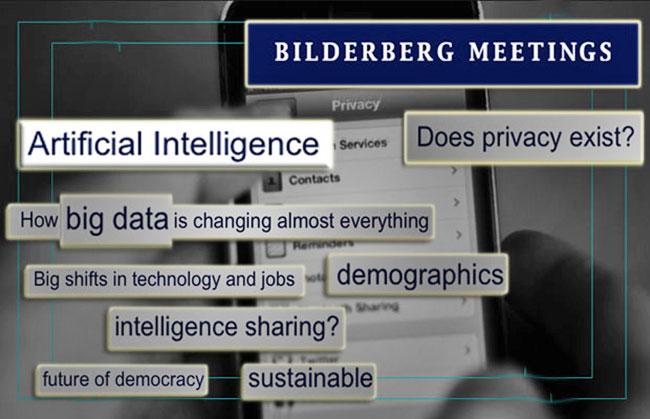
Analysis of Bilderberg Members Network “It pays to look closely at how Silicon Valley, Bilderberg, and AI fit together. On a practical level, AI offers enormous opportunities for everything from the commercial exploitation of data, the profiling of citizens/shoppers, and political control, so it obviously flutters the skirts of the Bilderberg bigwigs, whether they run HSBC, BP, the NSA, or Her Majesty’s Treasury. But the AI/Bilderberg symbiosis rests upon something deeper: the shared ideology of globalization—an ideology that resembles nothing less than a spiritual quest.” — Charlie Skelton in “Silicon Assets” (2015)

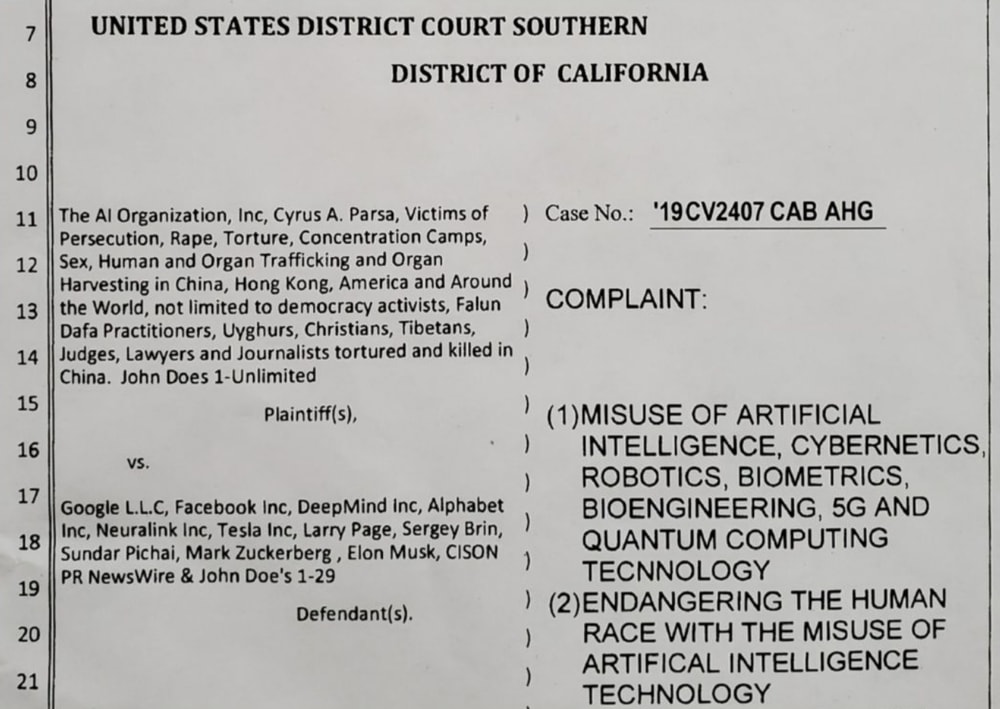
Related high weirdness: "Google, Facebook, Neuralink Sued for Weaponized AI Tech Transfer, Complicity to Genocide in China and Endangering Humanity with Misuse of AI" (December 2019)
-
Another layer of opacity: how spies use AI and why we should talk about it
"Instead of reducing complexity for intelligence agencies, AI creates new data problems and will add another layer of opacity to already secretive organisations. At the same time, the general hype around AI presents a unique opportunity to learn about and weigh in on intelligence practice in real time. "
Augmentation as Artifice: A Palantir Look at AI
"AI is overrated. The role of machines is not to replace but facilitate human reasoning. Augmented intelligence (AuI) can help intelligence agencies navigate the data deluge by enabling human analysts to make data-driven decisions in a more transparent and accountable way."
-
U.S. government limits exports of artificial intelligence software (Reuters)
"The Trump administration took measures to crimp exports of artificial intelligence software as part of a bid to keep sensitive technologies out of the hands of rival powers like China. Under a new rule, companies that export certain types of geospatial imagery software from the US must apply for a license to send it overseas."
#Comment: Does this mean no more Tensorflow and Pytorch in China (and in a rapidly growing list of countries the US empire does no like)? How do they define "AI"? Truly comedic move, just as open-access science is becoming the norm in EU & China.
-
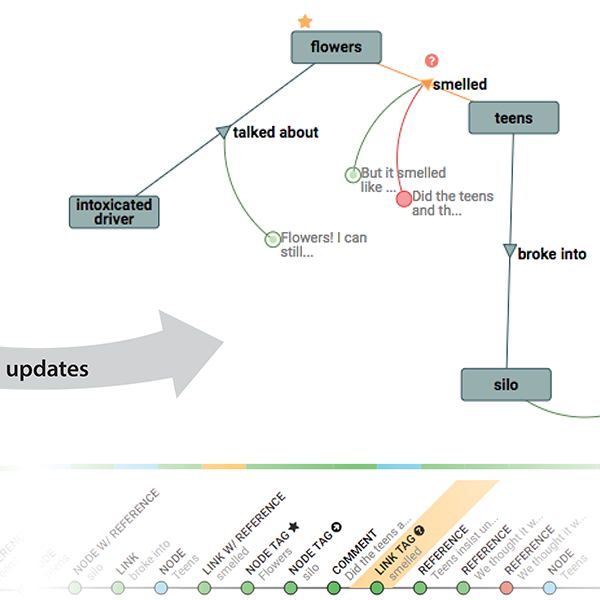
Supporting Handoff in Asynchronous Collaborative Sensemaking Using Knowledge-Transfer Graphs - by Autodesk Research (2017)
-
PathNet & Beyond - talk by Chrisantha Fernando (DeepMind)
Related: "Encoding temporal regularities and information copying in hippocampal circuits" - by Chrisantha Fernando el.al (2019)
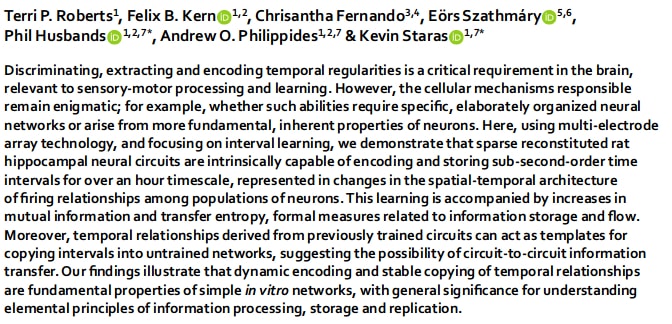

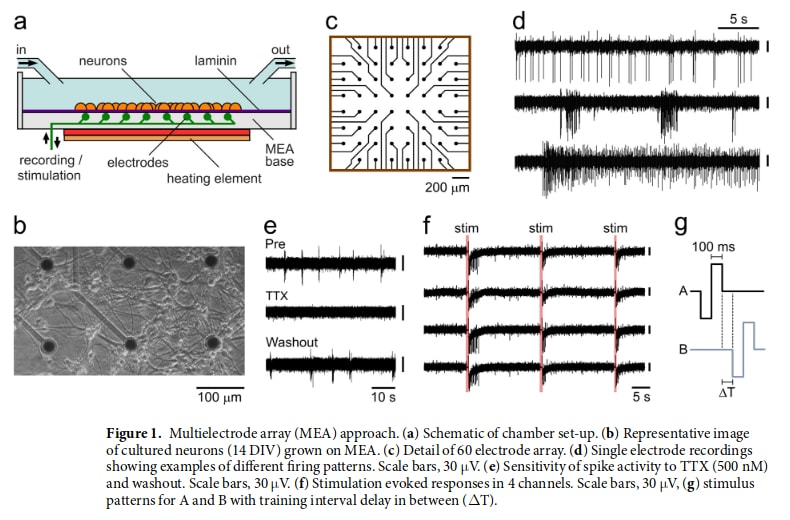
"A New Research Program: Evolutionary Neurodynamics" - talk by Chrisantha Fernando (2014)
-
Videos by Andy Adamatzky, Professor in Unconventional Computing, UWE, Bristol
-
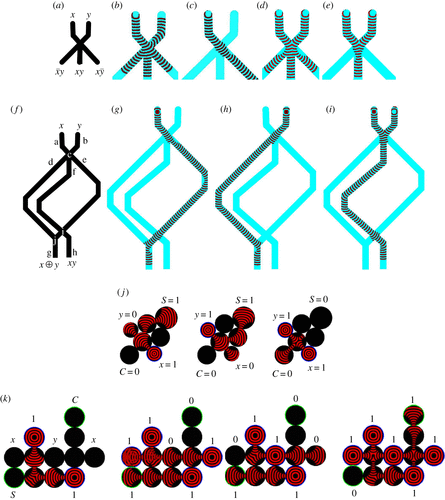
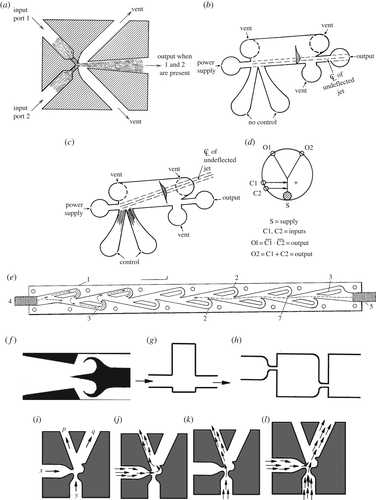
A brief history of liquid computers - by Andrew Adamatzky (2019)
The dry history of liquid computers - by Andrew Adamatzky (2018)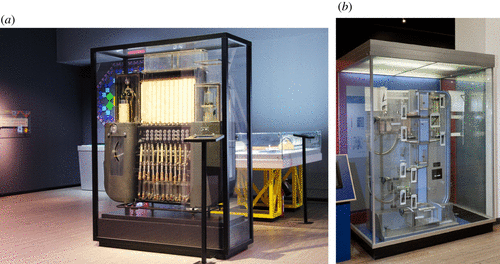
-
Where do minds belong? - by Caleb Scharf (Director of astrobiology at Columbia)
"Intelligence could have been moving back and forth between biological beings and machine receptacles for aeons"
"Any machine intelligence might already be dreaming of becoming biological again, returning to an islanded state in the great wash of interstellar space"
-
"The meaning of life is…" - answers generated by the GPT-2 machine learning model:
the meaning of life is a good, not an afterlife. Thus, accepting death has to mean accepting life. Surprisingly, this revelation is simple, humble, and radical. It leaves all of my other beliefs at the door and replaces them with our own theism. I have to mention here that every other answer I've seen to life after death ties to the idea that God exists to explain or justify our choices, needs or desires. My personal life goal is to leave God's name in my will, and my personal death warrant to be followed.
the meaning of life is now available to anyone who is ready to listen," she said. She has in the past argued that the committee process can distort Parliament, and a select committee of parliamentarians does not properly represent the whole Canadian population.
the meaning of life is to exist as an event in an era before time." If space is infinite then in what context is an event described as "a former existence" a matter of preference? If, for purposes of inquiry, the mathematics of multiple universes is discovered to be purely analytic then does that make the infinite nature of the universe a matter of preference or is there any way that we could determine what the role of time might be in the theoretical situation?
In this paper, we believe that these difficulties can be handled with the assumption that time is not an important part of the possible universes. We will begin with a formalization of how the potential of a non-empirical way to identify a single universe in many parallel universes is improved on by a principled theory of universes
the meaning of life is to protect innocent lives and that love and love alone will enable us to stop the evil in the world. The education in Christianity is also led by Jesus who, rather than teaching that all people are good, shows that just as some are evil, so too some are good and, therefore, as a loving God, has prescribed the perfect and depraved paths of existence as a prelude to everlasting damnation. The effect on children is that they learn that none are without fault, and they are taught that they are inherently capable of doing wicked things because God has given them the ability. The concept of sin does not exist in
-
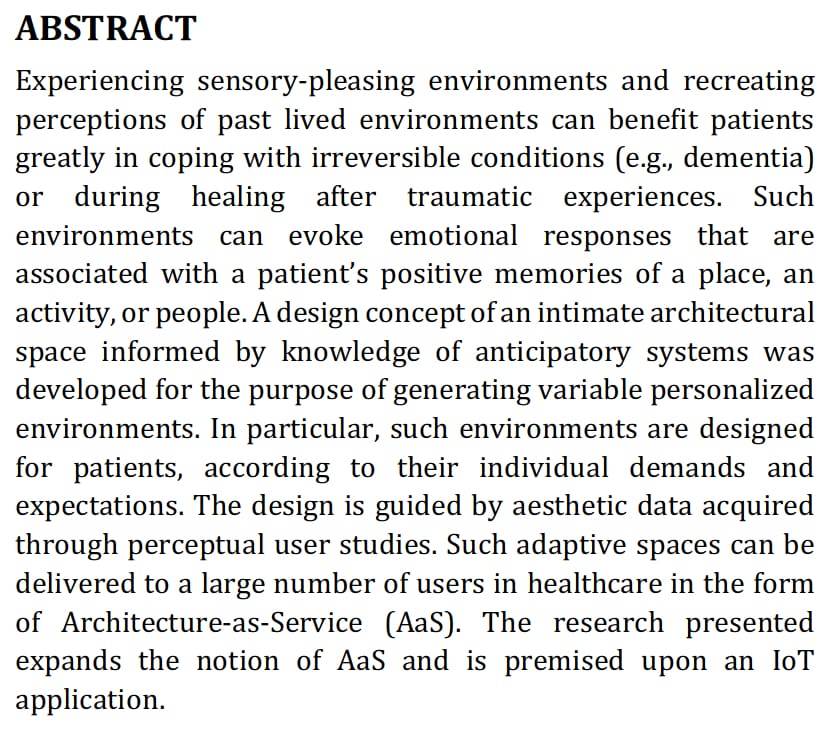
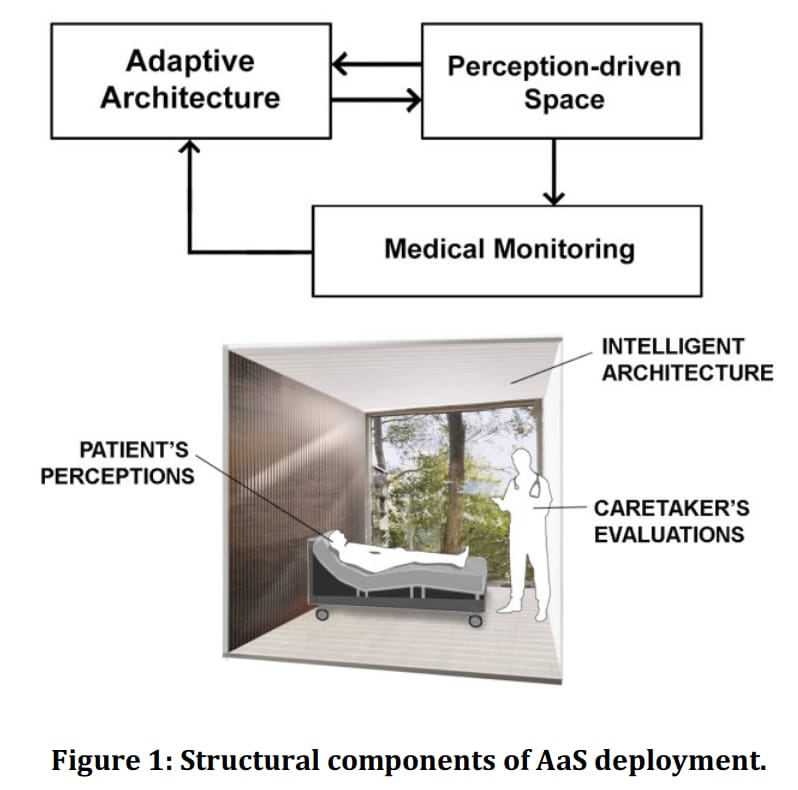
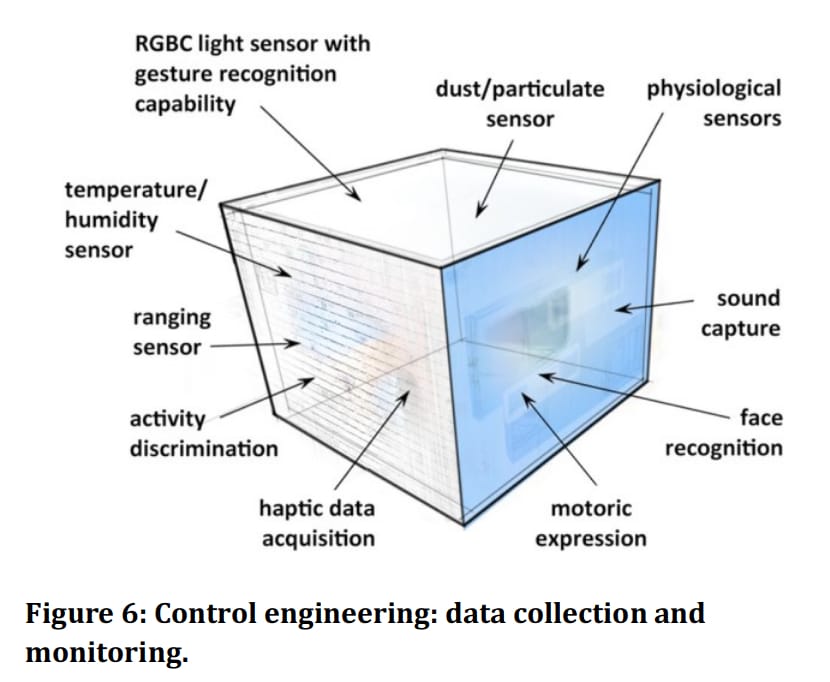
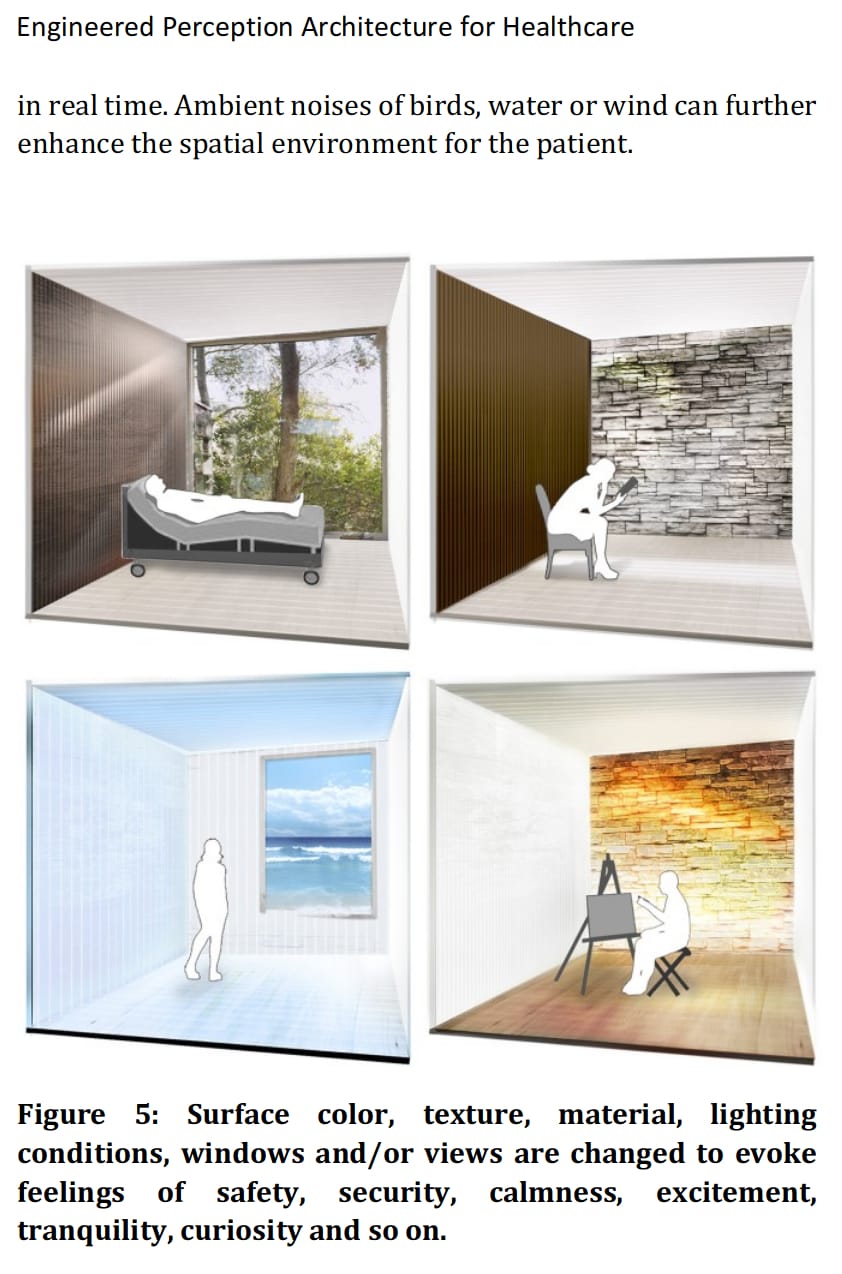
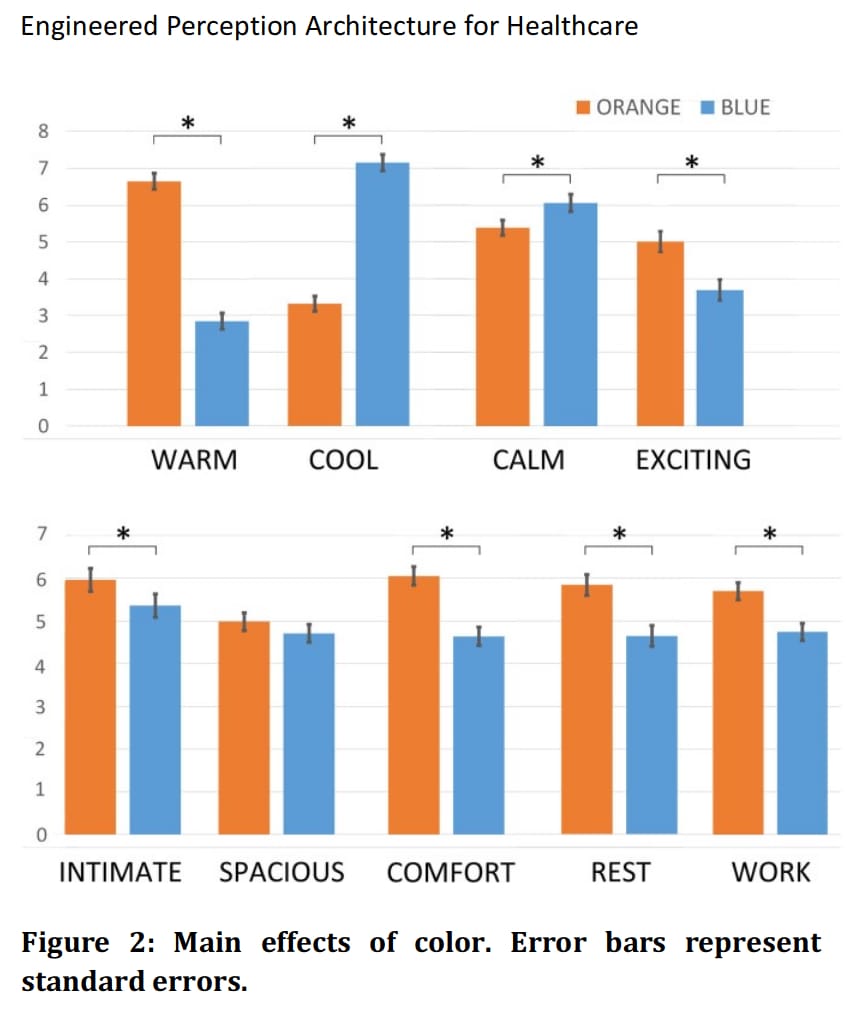
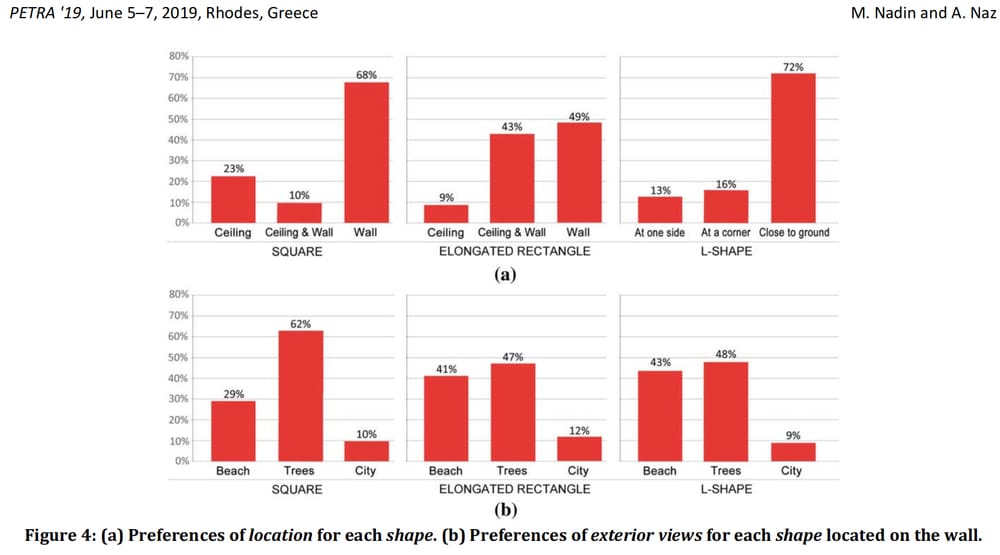
Engineered Perception Architecture for Healthcare - "Adaptive Interactive Room" Research by Mihai Nadin & Asma Naz (2019)