tag > Mindbody
-
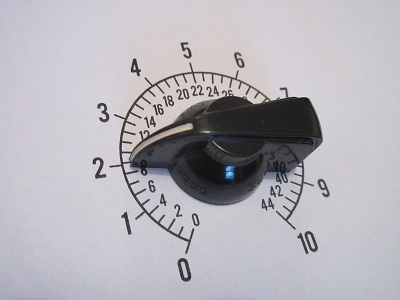
This collective radionic pattern is comparable to a mandala or yantra, both of which are devices used in Eastern spiritual traditions. These symbols may be understood to possess or manipulate conscious energy.
The creation of a mandala (a metaphysical circular symbol) is a meditative process that brings about a transformation of consciousness. A yantra is a grid or pattern (a “machine”) designed to process energy with the purpose of harmonising or focusing specific subtle energies.
A radionic instrument is a physical device with a subtle purpose – a machine that functions through intention. A machine is useless without the human element; it is nothing on its own. Its purpose is to enhance the abilities of the human. Numbers are a way in which the operator can interact with the machine.
Because of the intention of the constructor and the operator, the instrument therefore possesses Purpose. As the instrument is designed with a purpose, those who consciously interact with it empower the instrument to fulfill its purpose.
The purpose of a radionics instrument is to access, amplify and remedy a situation or condition by referencing and resonating with energetic or vibrational information that is at the origin of manifestation. The operator brings to the instrument specific vibrational or energetic information in the form of his or her intention, and will fine tune the instrument to resonate with that intention, as it relates to a situation or substance, by means of the dials.
-
How green spaces benefit mental health
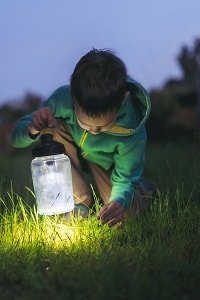
Studies show that green spaces can have a protective effect on our mental well-being. We’re quicker to recover from stress, and less likely to experience depression. Kids grow up with fewer psychiatric problems. Adults are less likely to commit suicide. But not all green spaces are equal, and not everyone has equal access to safe, high-quality nature zones. Here’s what every parent — and every thinking person — needs to know. Improving mental well-being usually requires that we make a special effort, but here’s a remedy that requires no work at all: Experiments consistently show that we can improve our immediate outlook — and bounce back from stress — by merely gazing at scenes of nature.
-
The Rhythms of the Brain Shape Our Perceptions
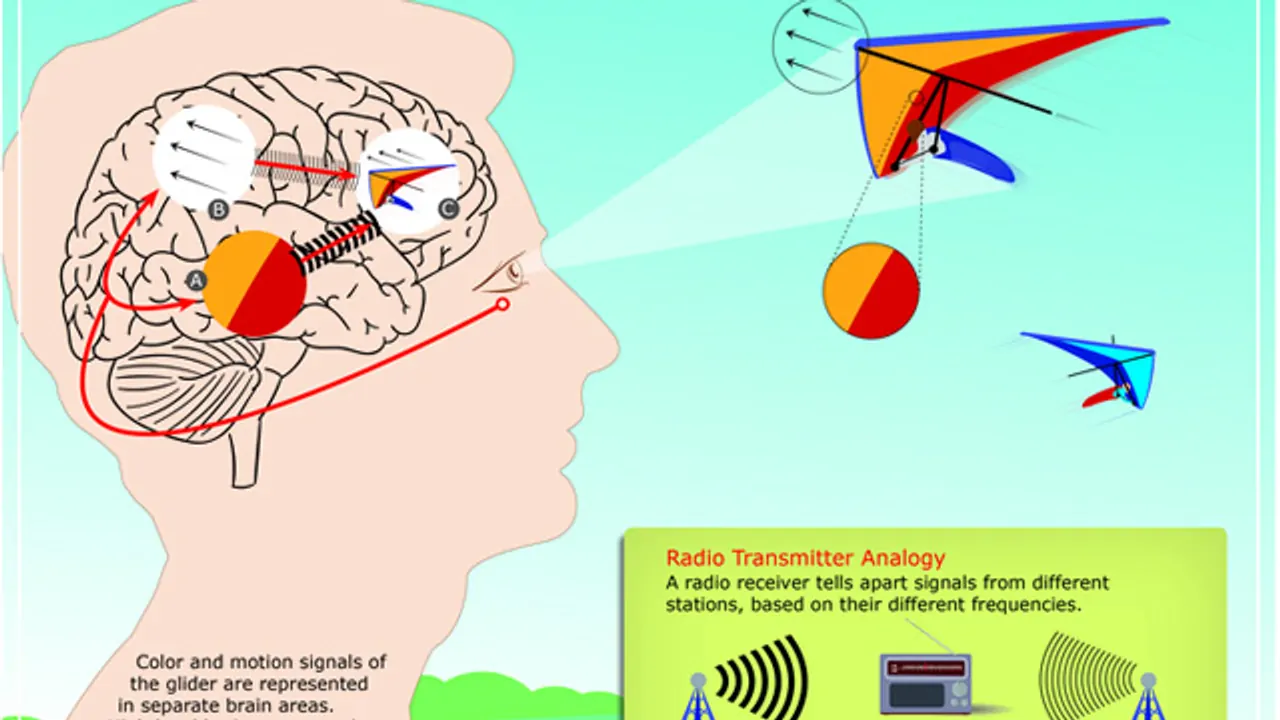
Focusing on what's important - this is one of the main tasks of our brain. After all, countless amounts of information are constantly flooding our senses. But how do we manage to separate the important from the unimportant? It has long been known that oscillatory neural activity is a key factor for this attentional selection in the mammalian brain. Scientists from the German Primate Center in Göttingen and the University of Melbourne have now investigated how this works. They found that coupling lower frequencies of oscillations with higher ones allows fine-tuning the brain and is thus the basis for higher cognitive functions, such as selective attention.
-
The lung's microbial flora regulates the brain's immune reactivity
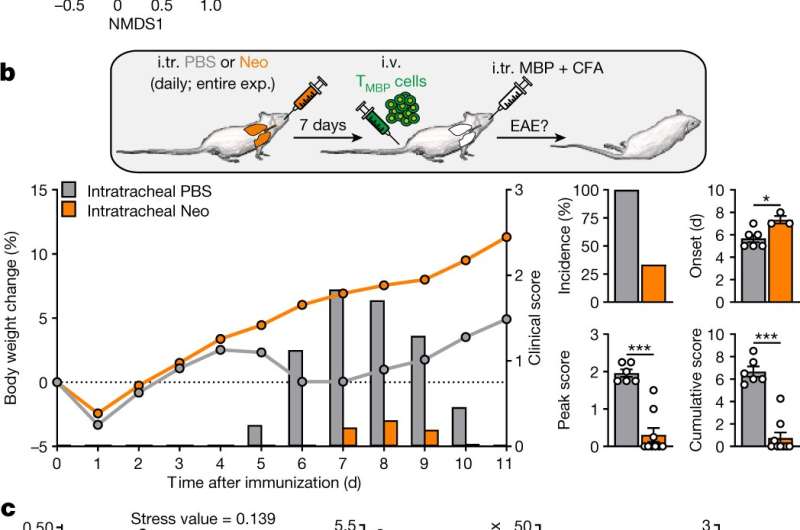
In its vital function of providing the body with oxygen, the lung is connected to the outside environment by a large exchange surface. This boundary between lung tissue and outside air is inhabited by a specific microbial flora, the so-called lung microbiome. The exact function of this microbiome has been scarcely researched. A scientific team led by Profs. Alexander Flügel and Francesca Odoardi at the Institute for Neuroimmunology and Multiple Sclerosis Research, University Medical Center Göttingen, have shown a close relationship between the lung microbiome and the brain. The researchers found out that the lung microbiome regulates the activity of microglia, the "brain's immune cells." This newly ascertained lung-brain axis is significant for disease processes: the exact composition of the lung microbiome determines the susceptibility of developing an autoimmune inflammation in the brain such as occurs in multiple sclerosis. The experimental results of this work were published today, 23 February 2022, in the online edition of the journal Nature.
-
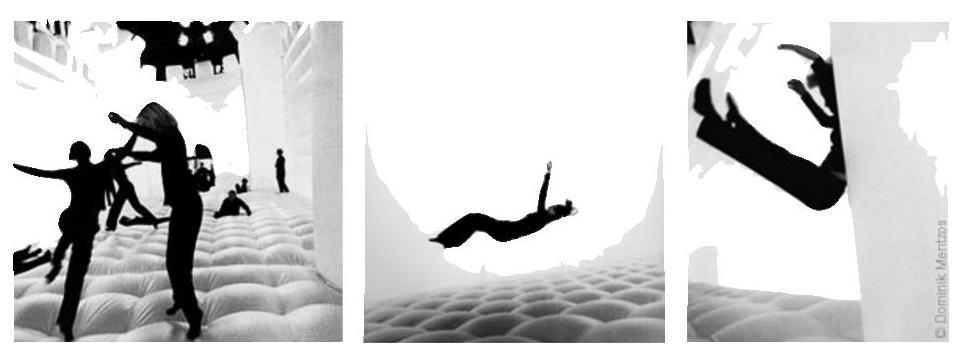
#Comment: As to be excepted, these western intellectual art academics complete ignore "proprioceptive art" traditions such as martial arts (Aikido, Kung fu, etc.), self cultivation arts (Qigong, Yoga, etc.), or diverse forms of nature-focused practices. Is this heavy selection bias due to Ignorance or Arrogance?
-
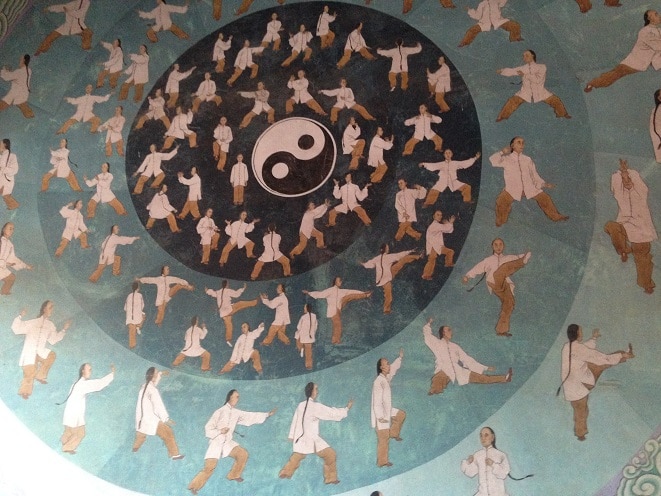
Secret Tai Chi Training - by Earthbalance Taichi
A lot of Tai Chi and Qigong students practice secretly out in the wild. What is this secret training and how can you add it to your practice? It's being outside of your training space or studio, it could be somewhere in public or somewhere non Tai Chi related, in everyday clothes, doing every routines and sneaking some Tai Chi and Qigong practice into what you are doing. Examples:
- Standing in a supermarket queue and doing a variation of standing practice.
- Driving a car, paying attention to how you are using your shoulders, their alignment through movement, and being aware of unnecessary physical holding or tension.
- Standing in a queue, in a modified forwards bow stance, shifting weight subtly from 30-70% on each leg, switch legs.
- Walking somewhere, and being mindful with your posture e.g. lengthening the spine whilst rooting the hips (ding).
- Standing at the post office and modifying (shortening) the lower body silk reeling stance, going through a short training session.
- Sitting at your computer, paying attention to your posture, replicating as much as possible the correct Tai Chi and Qigong alignment.
- When gardening, use the strength of my waist, kua, core and lower body instead of my arms and shoulders.
- Practicing breathing colour into one of the yin organs the inner smile waiting in a queue.
- Attending a yoga class and adapting the movements to be more qigong based than yoga.
- Waiting in line, practicing empty stance leg and right. This is great single leg strength and conditioning training.
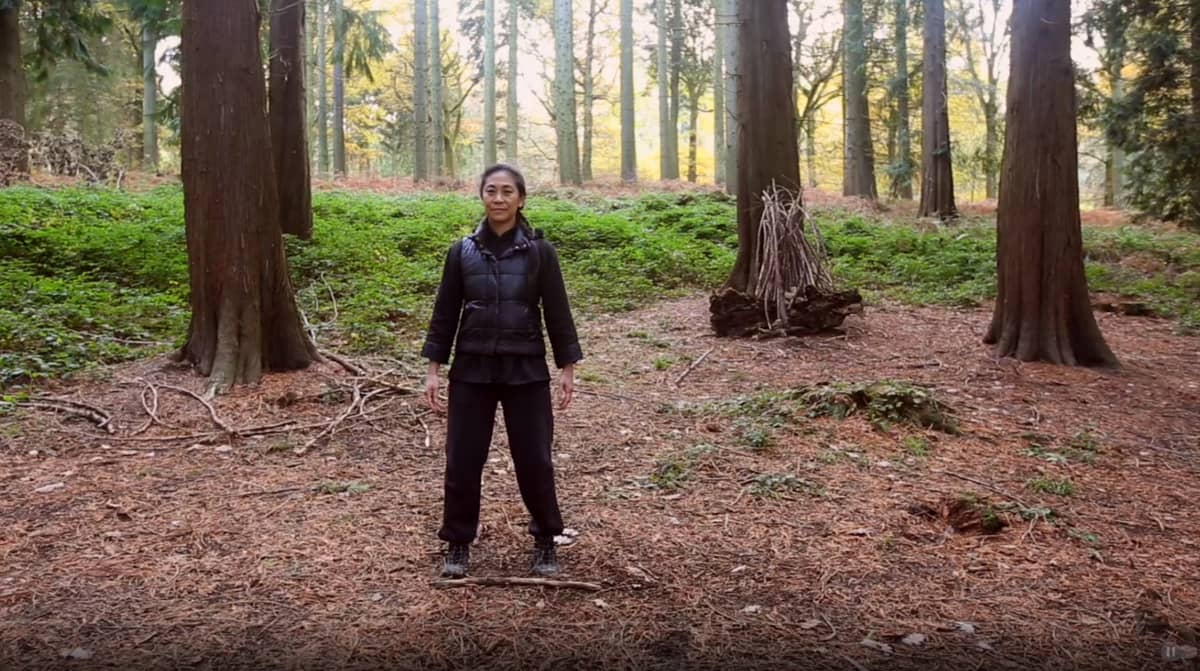
- Walking in the woods and practicing deep physical relaxation, either focusing on a specific body part as you move and observing and adjusting as you walk, or with an overall sense of physical release and ease.
- Standing at a bus stop and practicing connecting the pressure going into the ground with equal force in the opposite shoulder, switching from left to right (ground path, rooting with opposing force).
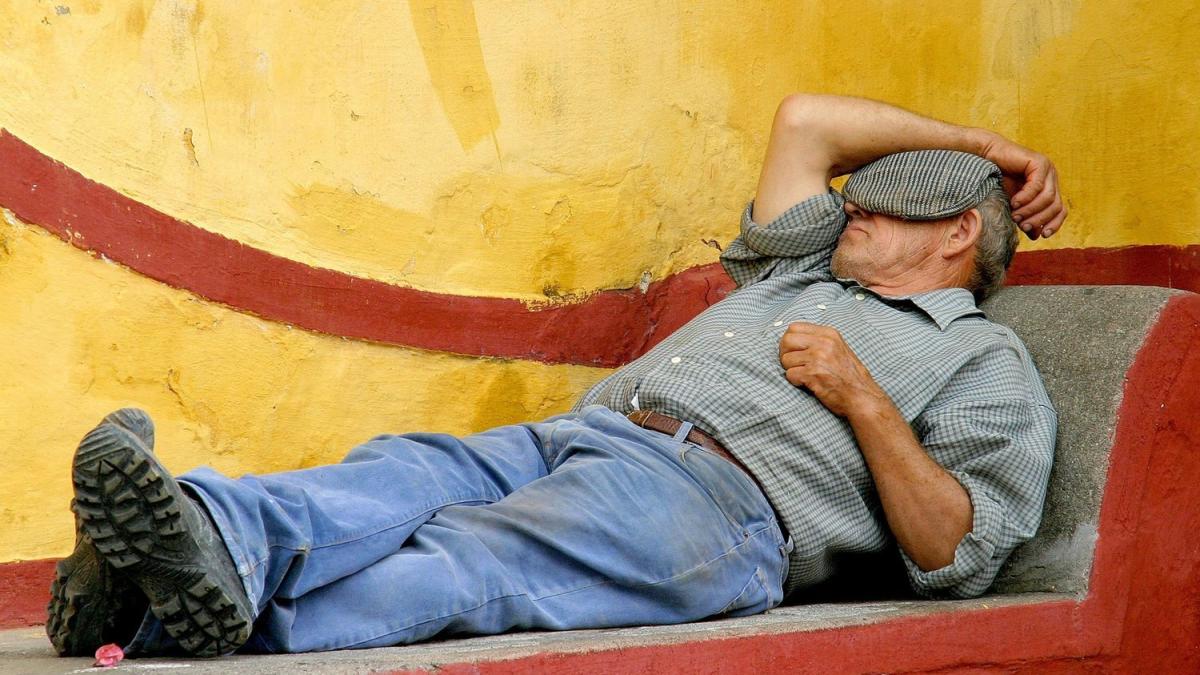
- Lying down in bed, aligning the body into a modified standing practice pose, using dantian breathing to fall off to sleep.
- Standing on a tube whilst it is travelling and taking a stable lower body stance e.g. a modified forwards bow stance, lowering your centre of gravity and maintaining stability through softening.
- Waiting in a queue and practicing expanding and compressing the joints in my shoulders, elbows, wrists and fingers, over a small range of motion.
- Picking something up off the floor by performing a full squat or a low stance (not out in public for this one!).
I have done all of these, and still do regularly. There's plenty you can do without anyone being the wiser. Queues are a firm favourite place! All you need is a single point of focus, and you can adapt most standing, sitting, lying down and walking activities. This is part of a life long practice.
-
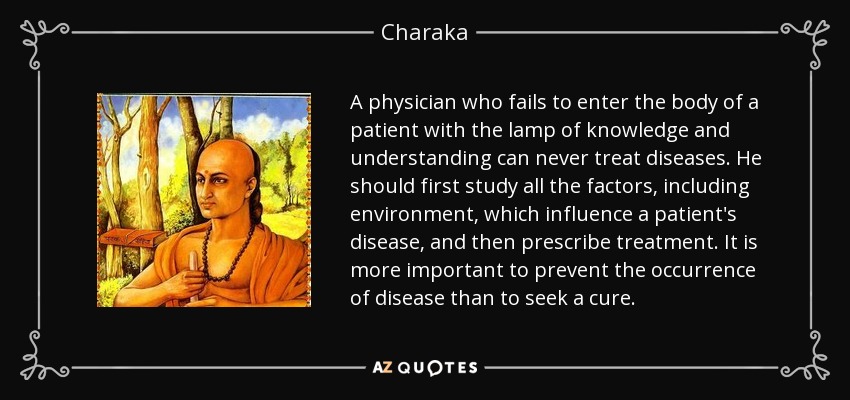
Charaka and Suśruta replaces the Hippocratic oath in India
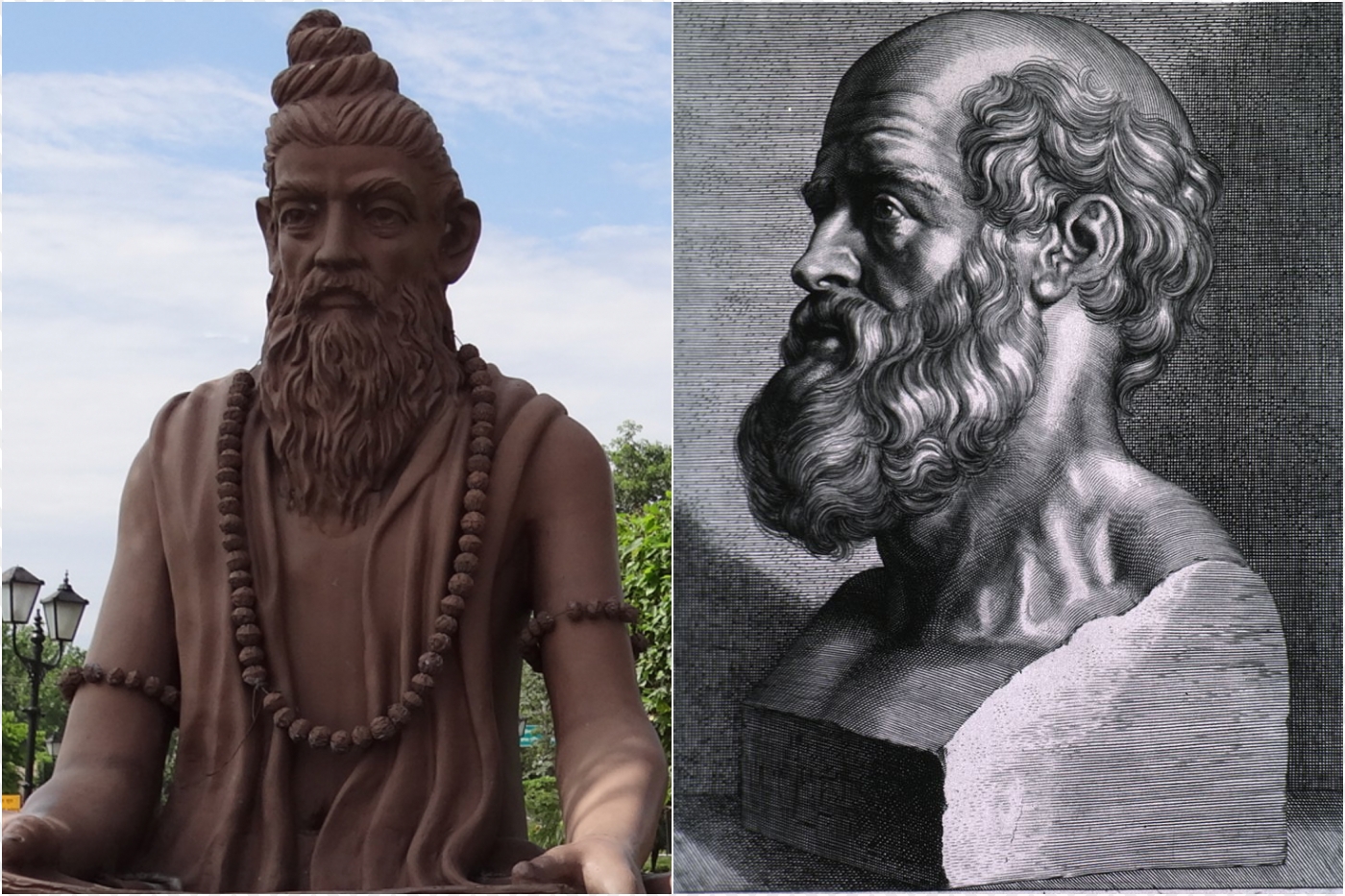
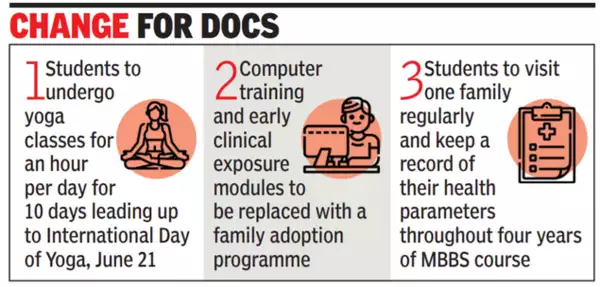
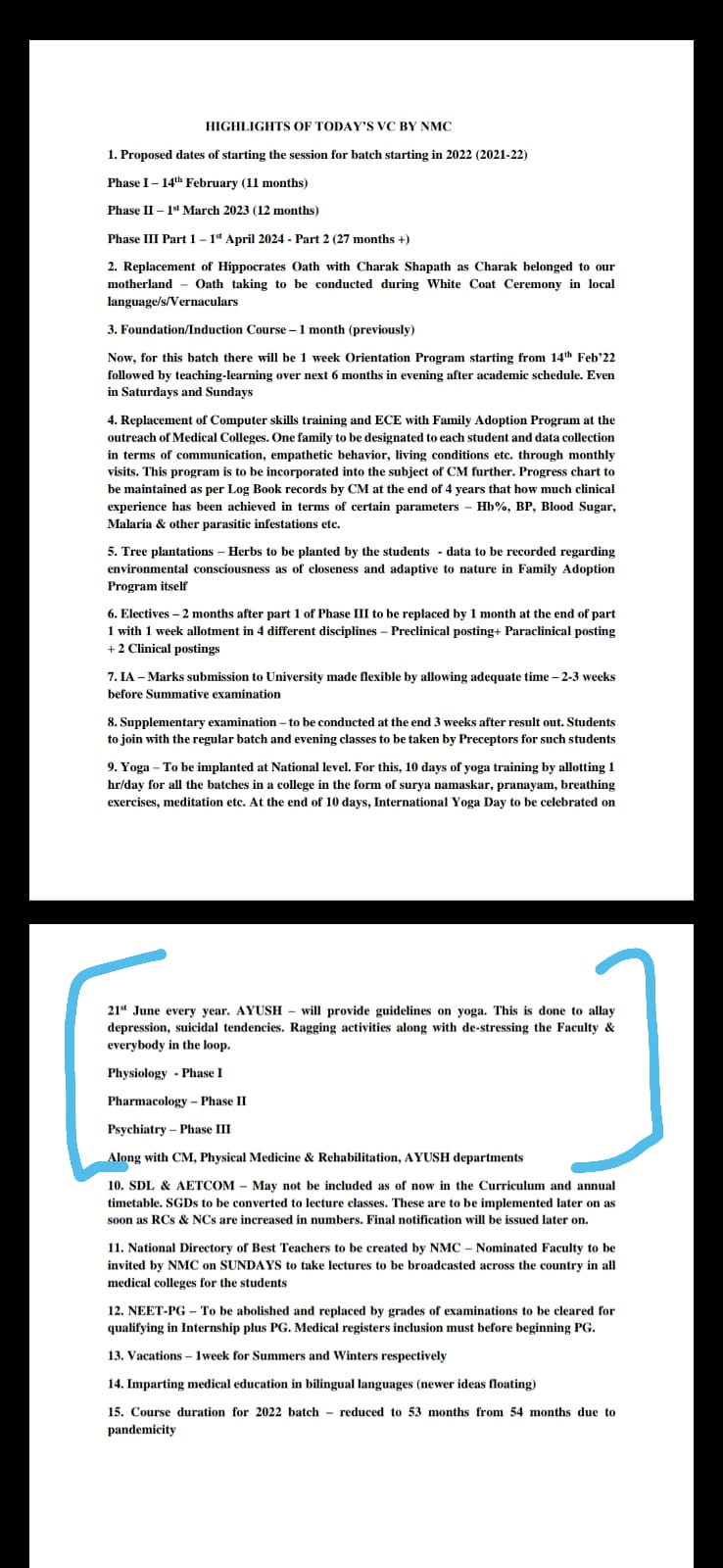
National medical commission on India has given orders to Medical Colleges in India to replace the Hippocratic oath with "Maharishi Charaka shapath". Now Modern Medicine Doctors will be taking the oath in the name of the Father of Ayurveda. Additionally, Students face "compulsory 10 days of yoga for one hour per day" and Yoga is going to help allay depression and suicidal tendencies.
Comment by Joe Agneya: Charaka & Suśruta has direct contributions to modern medicine-Variolation, Cataract extraction etc Charaka was translated & studied in Arabic & Latin. Why must Indians honor Hippocrates? Decolonization needs change of heroes & scientific independence.
Comment by Vakibs: Charaka Samhita is also the first clear formulation of the scientific method, anywhere in the world. One cannot get a better antecedent to “evidence based medicine”. [...] The first clear enunciation of scientific method was in Ayurvedic texts: termed as "Yukti". It is a better formulation as it takes care of the bias from language. Europe just copied wholesale a lot of science & maths from India. Bullshit about inventing the "scientific method"

-
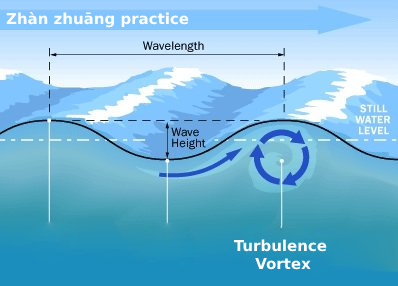
"Stillness in Movement and Movement in Stillness" is the guiding principle