tag > Narrative
-
Liebe, Wahrheit und Mut versus Kriegspropaganda - talk by Dr. Daniele Ganser (2019, DE Only)
-
Quis custodiet ipsos custodes? - "Who watches the watchmen?"
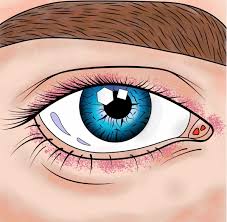
Quis custodiet ipsos custodes? ("Who watches the watchmen?") is a Latin phrase found in the work of the Roman poet Juvenal from his Satires (Satire VI, lines 347–348). The original context deals with the problem of ensuring marital fidelity, though the phrase is now commonly used more generally to refer to the problem of controlling the actions of persons in positions of power, an issue discussed by Plato in the Republic. It is not clear whether the phrase was written by Juvenal, or whether the passage in which it appears was interpolated into his works.
-
Joe Brewer: Global Revolution in Alternate Reality? - by Kevin Carson (p2pfoundation)
Back in the late ’90s, cyberpunk writer Neal Stephenson introduced the concept of “phyles” in The Diamond Age. Phyles filled the void left after encryped commerce and digital currencies had deprived the Westphalian nation-state of most of its revenues, and most of the world’s states were either substantially hollowed out or had collapsed altogether into Balkanized collections of city-states. The phyle was a distributed, non-geographically-based, global civil society, providing — much like the medieval guilds at the height of their vigor — a range of support platforms for its members: reputational rating systems and quality certification, cooperative buying and marketing, assorted benefits like health and unemployment insurance, legal and security services, encrypted currencies and virtual marketplaces, and so forth.
-
Global Narrative Breakdown
As the
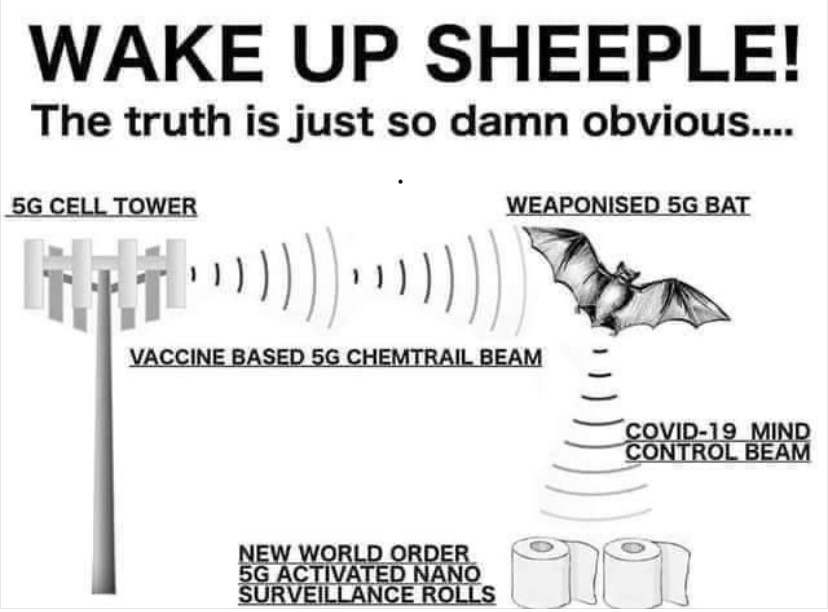
corona virus crisis unfolds, an army of conspiracy theorists has emerged, producing a dizzying amount of colourful viral narratives. The mainstream media is responding aggressively, with an onslaught of critical coverage about how "the alternative media and crazy conspiracy theorists are putting all our health in danger". Yet on closer examination, the mainstream's responds is as primitive and manipulative as the narratives of conspiracy theorist they critique.
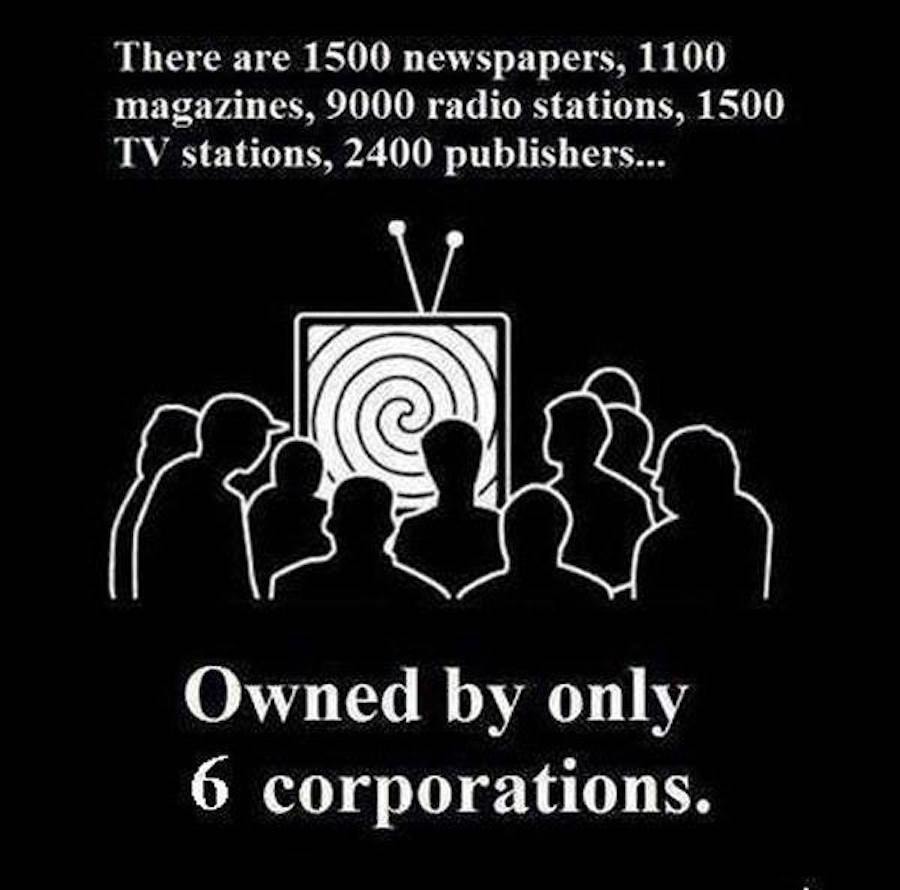
While they might appear like enemies engaged in a war over the sovereignty of interpretation of reality, in actuality the mainstream media and conspiracy theorists have a complex, interdependent relationship. Regardless of who's "truth" is "righter", both are in effect collaboratively poisoning an already highly in-transparent media and communications environment, contributing to a global narrative breakdown.
Currently billions of peoples are assaulted with overwhelming amounts of "information", "truths" and "opinions", presented by experts, politicians, oligarchs and conspiracy theorists. In such an environment, where all signals are lost in an ocean of noise, shared narratives (right/wrong, etc.) quickly collapse and large-scale developments can happen silently, unnoticed by most.
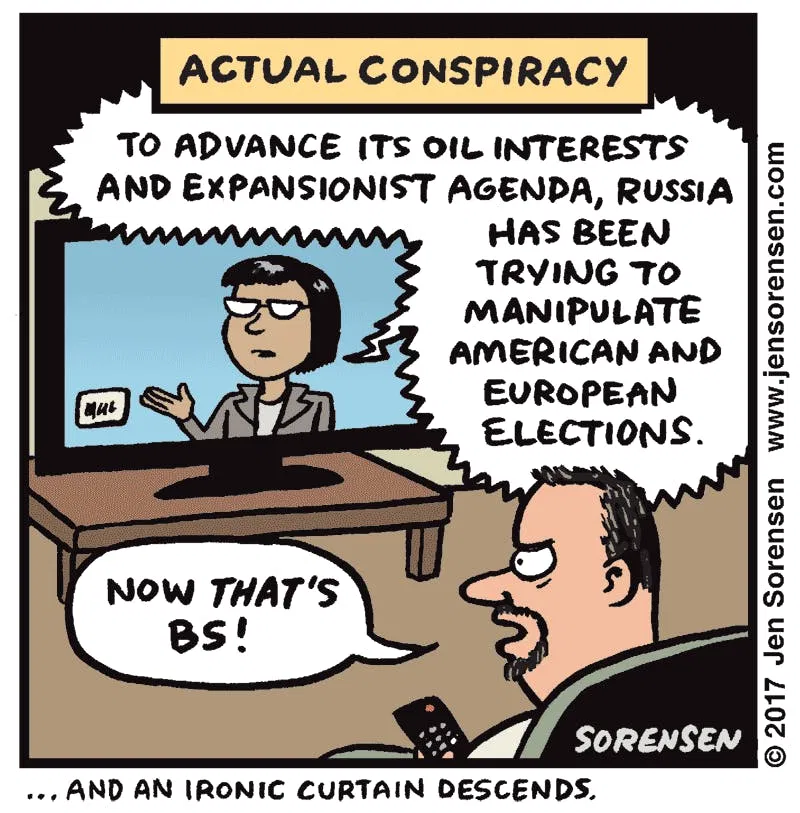
A global narrative collapse is especially dangerous in a time where there is no shortage of actual"conspiracy facts", mostly ignored in the public discourse. For examples: How the USA and EU are pumping uncounted trillions into the world economy (mostly reaching super elites, cementing totalitarian control structures) - or the accelerating global oil crash (oil is in 85% of stuff we consume) - or the bifurcation of global infrastructure (china/russia are launching their own internet and digital currencies) - or the ongoing collapse of capitalism and rebirth as the "fourth industrial rei...volution" - or the radical expansion of computational surveillance and policing (Dictators with A.I's don't care if you "have nothing to hide", they care about power) and the creation of global DNA databases.
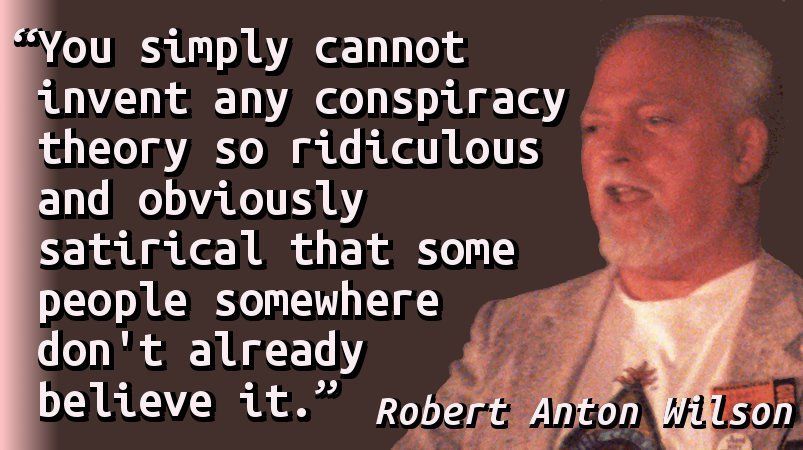
In the shadow of the the corona virus dominating the global media cycle for month, such projects ("conspiracy facts") are accelerating and reaching maturity. Its effect will be felt for decades to come (unlike this virus). Yet instead of informing the public about such urgent matters, who does the global mainstream media choose to constantly ridicule and critique? A wide range of incoherent conspiracy theorists - mixing up everything from biowarfare, killer beams, space aliens and Jesus Christ into one crazy story.

What is at play here are political attack tactics, known at least since Machiavelli: "Gaslighting", "Fog of war" and "Flooding the zone": Providing experts, idiots, crazies and disinfo agents a megaphone, so they can pump out wast amounts of confusing and contradictory information, frequently attacking the integrity of those making counter-claims, and occasionally injecting conspiracy theories. Within such a media environment, all serious discussion about "conspiracy facts" will be inevitably confused with far-out garbage - to be disagreed by any half way thinking person. We now have a global media environment in which very large-scale developments ("conspiracy facts") can happen silently, unnoticed by most.
But hey, back to the program: Switch off your brain immediately and just PANIC! So that nobody dears to even ask critical question when conspiratorial scenarios like the post-democratic police state emerges in full force. Now smile, go wash your hands and enjoy the breakdown of the global narrative and rise of the global grid.
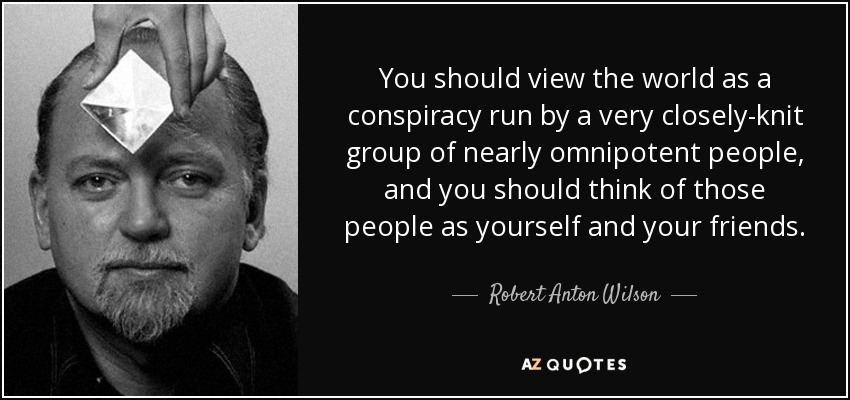
#Media #Narrative #InfoSec #Health #Cryptocracy #Ideas #fnord #Comment
-
The Global Grid
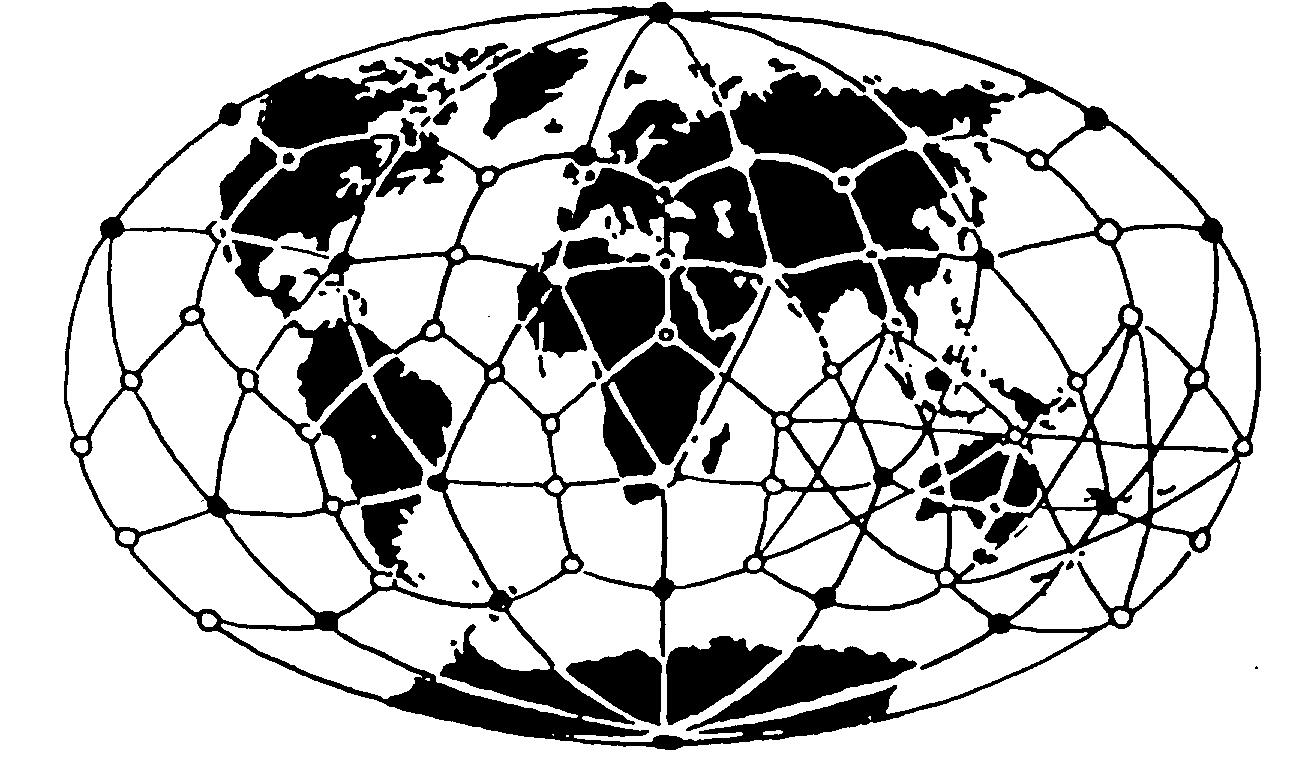
Global Grid The Global Grid is a digital representation of 85% human beings of planet earth - their vital signs, communications, infrastructure and energy flows over time. The Girds foundation is Identity, a universally unique identifier for all things and life-forms. Identity bifurcates into a myriad of applications: centralized digital currency & taxation, computational economics & social credit systems - surveillance, policing & access control - public health, life-sciences, social engineering, etc.
"The Girds foundation is Identity", keep that in mind when you follow the news. All Biometrics are good (sensor-fusion), but DNA is best. Hence when you see the roll-out of medical testing across a few billion people, consider the possibility that the tests could include a covert DNA sampling itself, building up a very large database. What the Chinese call "the internet of life".
"The Quantization of Reality is a Totalitarian Fallacy. Let Go or Be Dragged."
- Samim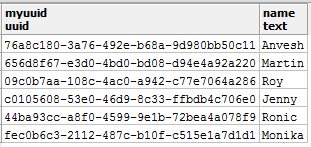
universally unique identifier "The Tao that can be told is not the eternal Tao. The name that can be named is not the eternal name. The nameless is the beginning of heaven and earth. The named is the mother of ten thousand things. Ever desireless, one can see the mystery. Ever desiring, one can see the manifestations. These two spring from the same source but differ in name; this appears as darkness. Darkness within darkness. The gate to all mystery."
- Tao Te Ching - Lao Tzu - chapter 1
-
The Breakaway Civilization - Interview with Jason Reza Jorjani on New Thinking Allowed
-
The War of the Worlds - 1938 radio drama by Orson Welles
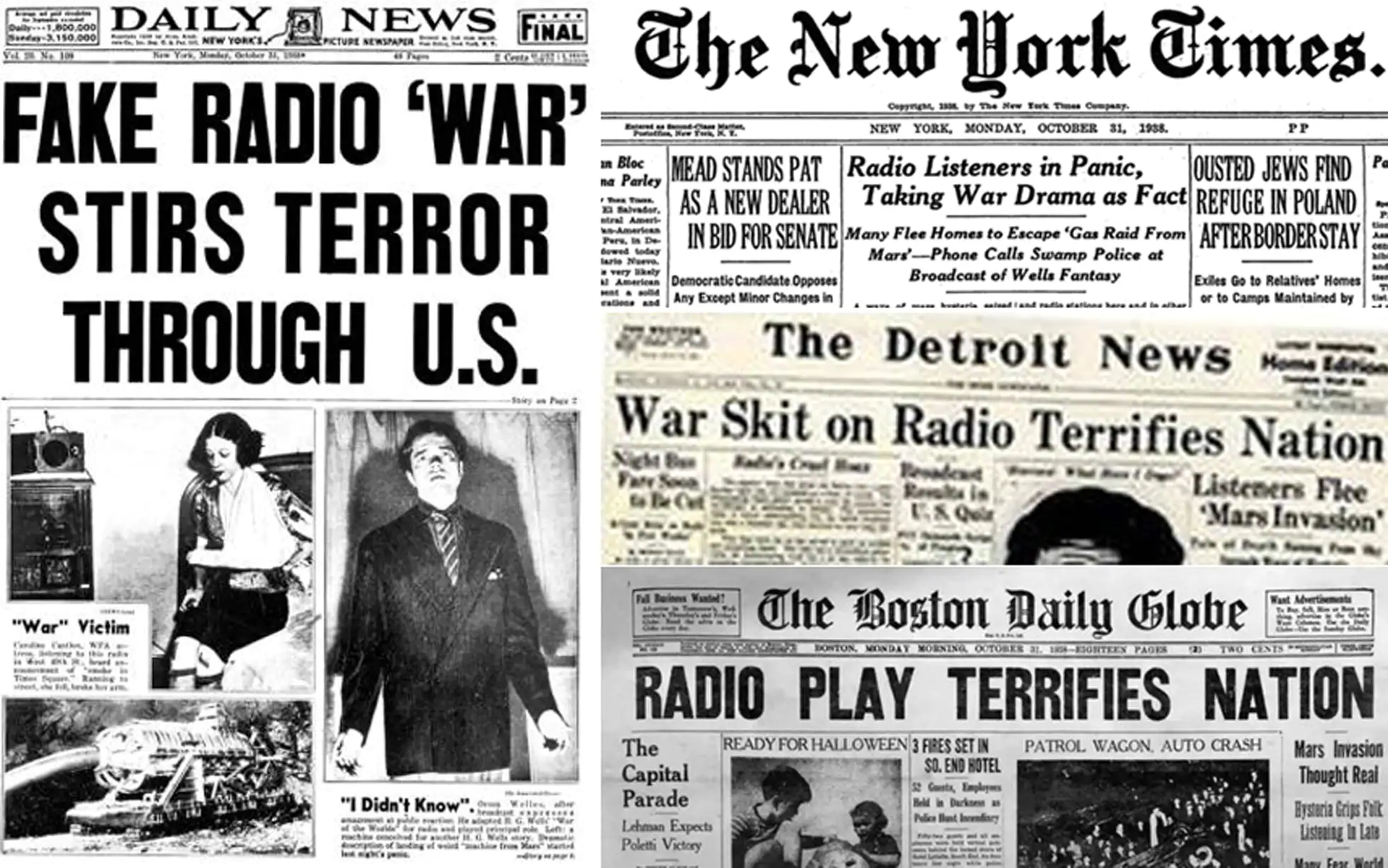
"The War of the Worlds" is an episode of the American radio drama anthology series directed and narrated by actor and future filmmaker Orson Welles as an adaptation of H. G. Wells's novel The War of the Worlds (1898).The episode became famous for causing panic among its listening audience.
-
The Second Golden Age of Blogging (otherlife)
Blogging was then diffused into social media, but now social media is so tribal and algo-regulated that anybody with a real message today needs their own property. At the same time, professional institutions are increasingly suffocated by older, rent-seeking incumbents and politically-correct upstarts using moralism as a career strategy. In such a context, blogging — if it is intelligent, courageous, and consistent — is currently one of the most reliable methods for intellectually sophisticated individuals to accrue social and cultural capital outside of institutions. (Youtube for the videographic, Instagram for the photographic, podcasting for the loquacious, but writing and therefore blogging for the most intellectually sophisticated.
If the First Golden Age of Blogging saw the blog as a public amplifier of creative, intellectual talent ensconced in professional careers, today we are living through a Second Golden Age of Blogging, where the blog is now a vehicle for starting and exiting careers.
-
YC graduate Genecis Bioindustries turns food waste into compostable plastics (techcrunch)
#Comment: The biotech industry continues their go-to "we must control and engineer life on all levels, or all die" narrative, under the implicit "Everything is IP & Money" paradigm . It illustrates, that the industry by and large still has not comprehended the power of "scaling out" systems , instead of the legacy "scaling up". In short, greedy control freaks disregarding the flexibility and resilience of natural ecosystems which have been evolutionary fine-tuned for aeons.
-
Vladislav Surkov: Russia's Putin dismisses secretive adviser (BBC)

The secretive strategist was known as the grey cardinal in Russia due to his perceived influence on the president behind the scenes. Surkov was widely seen as an aide who helped Mr Putin cement his hold on power.
-
Niftyword - "Let's cast the net beyond mere synonyms and antonyms in the hunt for words!"
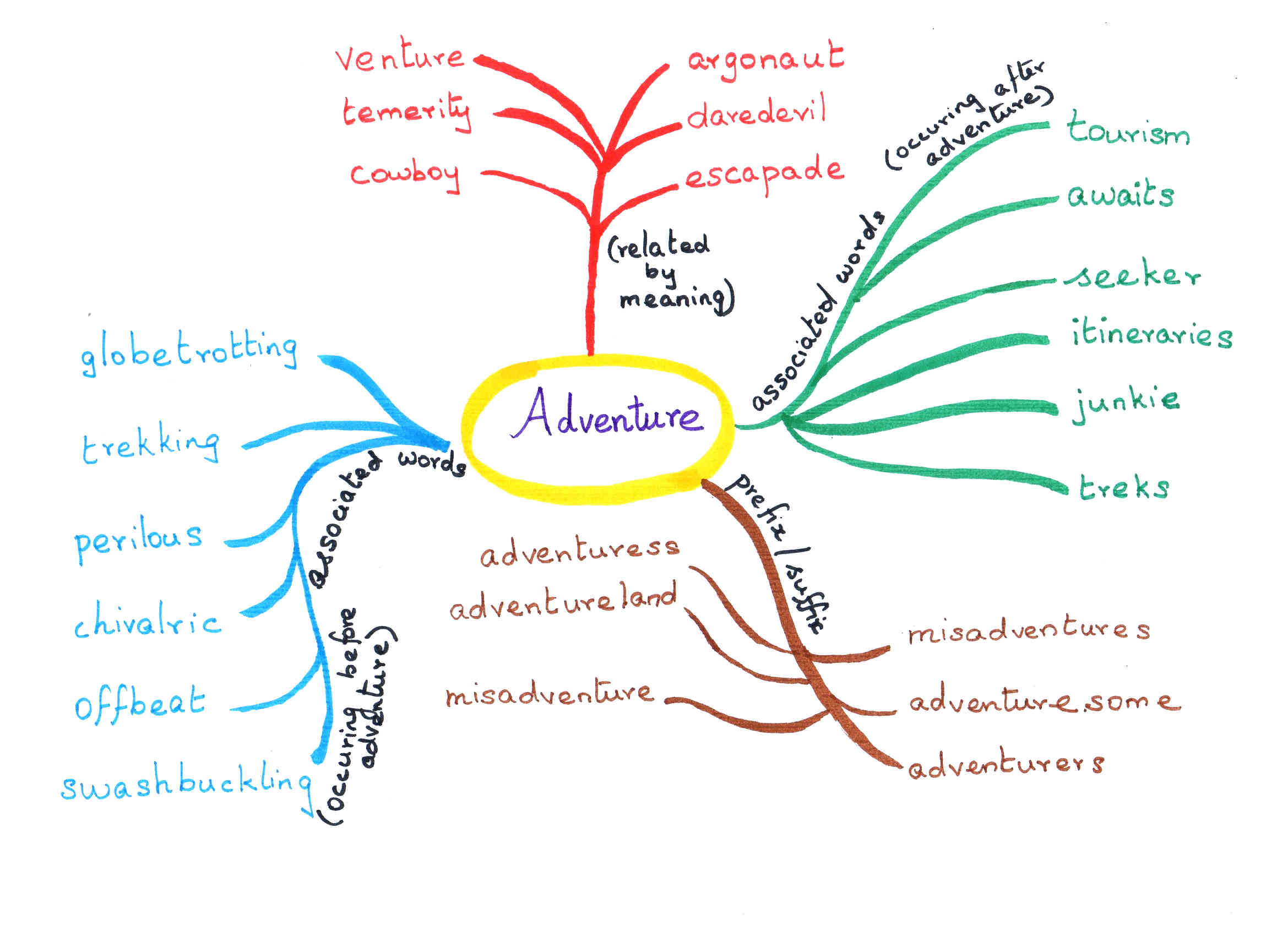
Words that are connected by virtue of occuring together often. They need not be related by meaning necessarily. Some of them will be practical, salt-of-the-earth words. Others maybe be flowy, poetic, even flamboyant. We hope you will find what you are looking for. Below are some terms and a sample of their associated words. (Hint: Why don't you try clicking on an unknown word to explore further?)
-
Photo of the first "computer bug": A Moth (1947)
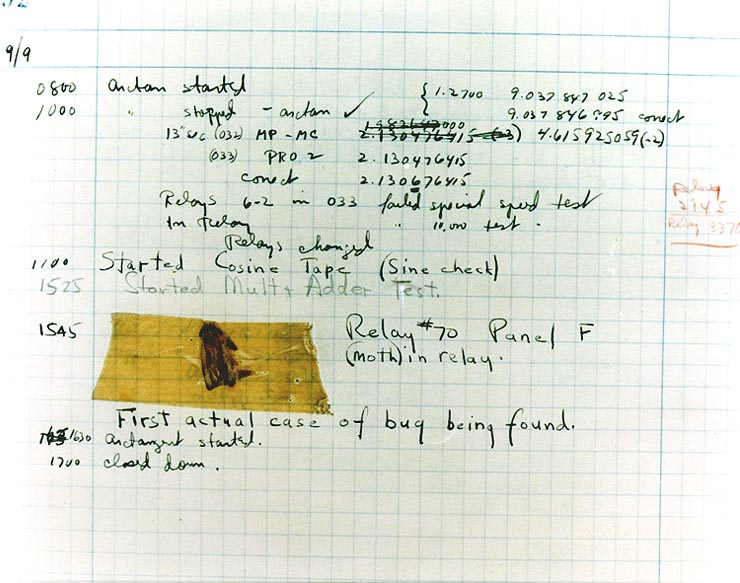
Wikipedia: While Grace Hopper was working on a Mark II Computer at Harvard University in 1947, her associates discovered a moth that was stuck in a relay; the moth impeded the operation of the relay. While neither Hopper nor her crew mentioned the phrase "debugging" in their logs, the case was held as an instance of literal "debugging." For many years, the term bug had been in use in engineering. The remains of the moth can be found in the group's log book at the Smithsonian Institution's National Museum of American History in Washington, D.C.
-
On Bullshit - Book by Harry Frankfurt (Princeton) (PDF)
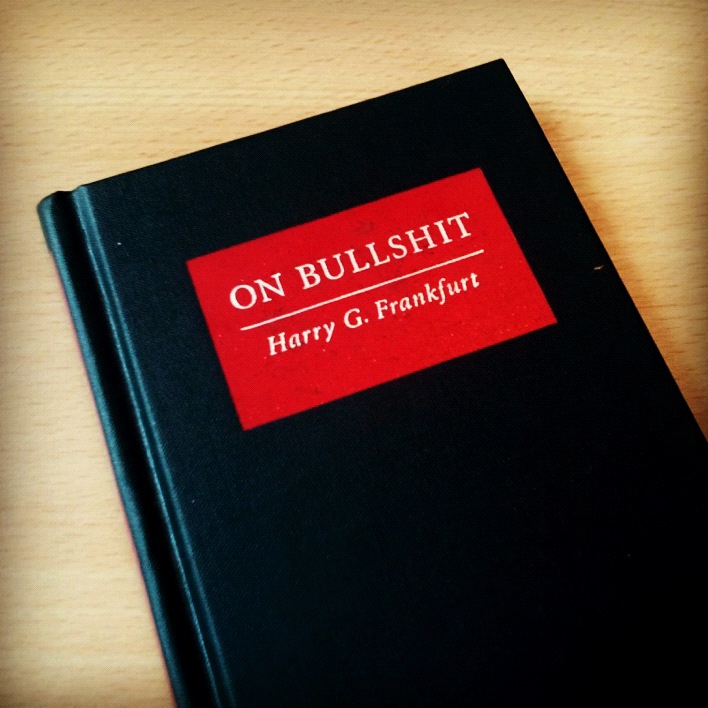
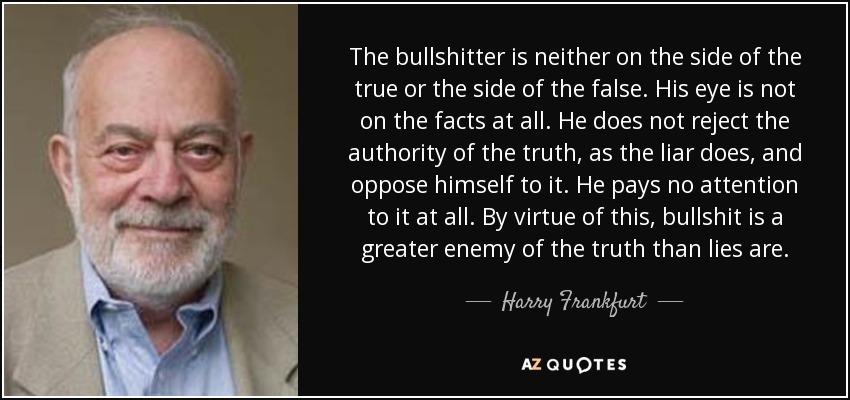
On Bullshit is a 1986 essay, reprinted as a 2005 book, by philosopher Harry G. Frankfurt which presents a theory of bullshit that defines the concept and analyzes the applications of bullshit in the context of communication. Frankfurt determines that bullshit is speech intended to persuade without regard for truth. The liar cares about the truth and attempts to hide it; the bullshitter doesn't care if what they say is true or false, but rather only cares whether their listener is persuaded.
Video: Harry Frankfurt ''On Bullshit" (2014)
-
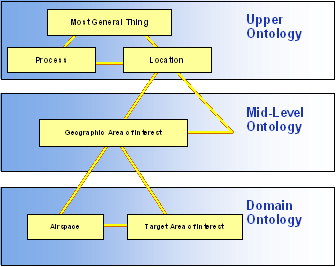
"In information science, an upper ontology is an ontology which consists of very general terms (such as "object", "property", "relation") that are common across all domains. An important function of an upper ontology is to support broad semantic interoperability among a large number of domain-specific ontologies. Terms in the domain ontology are ranked under the terms in the upper ontology, e.g., the upper ontology classes are superclasses or supersets of all the classes in the domain ontologies."
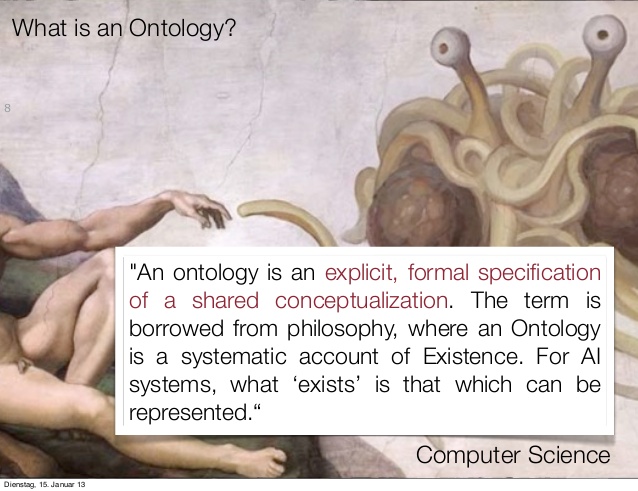
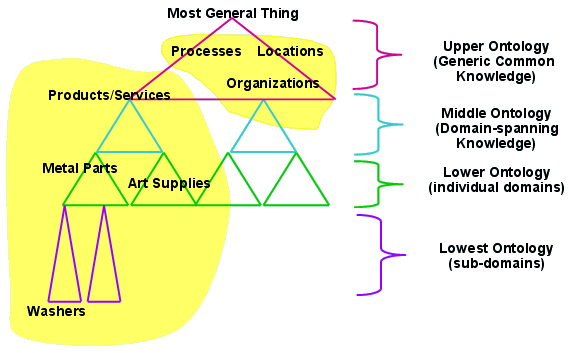
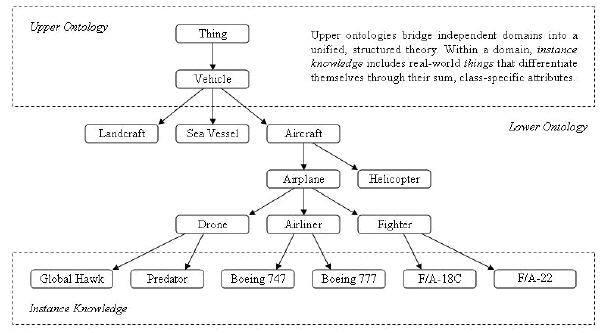
Image from the presentation "Semantic Web Technologies - Ontological Engineering"
-
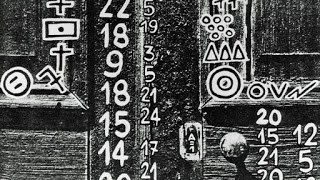
"A graphic representation of data abstracted from the banks of every computer in the human system. Unthinkable complexity. Lines of light ranged in the nonspace of the mind, clusters and constellations of data. Like city lights, receding." - William Gibson
-
"And now i see with eye serene, the very pulse of the machine. A being breathing thoughtful breaths, a traveler between life and death." - William Wordsworth (1770 – 1850)