tag > Science
-
Dig Into an Enormous Archive of Drawings Unveiling the Complex Root Systems of 1,180 Plants
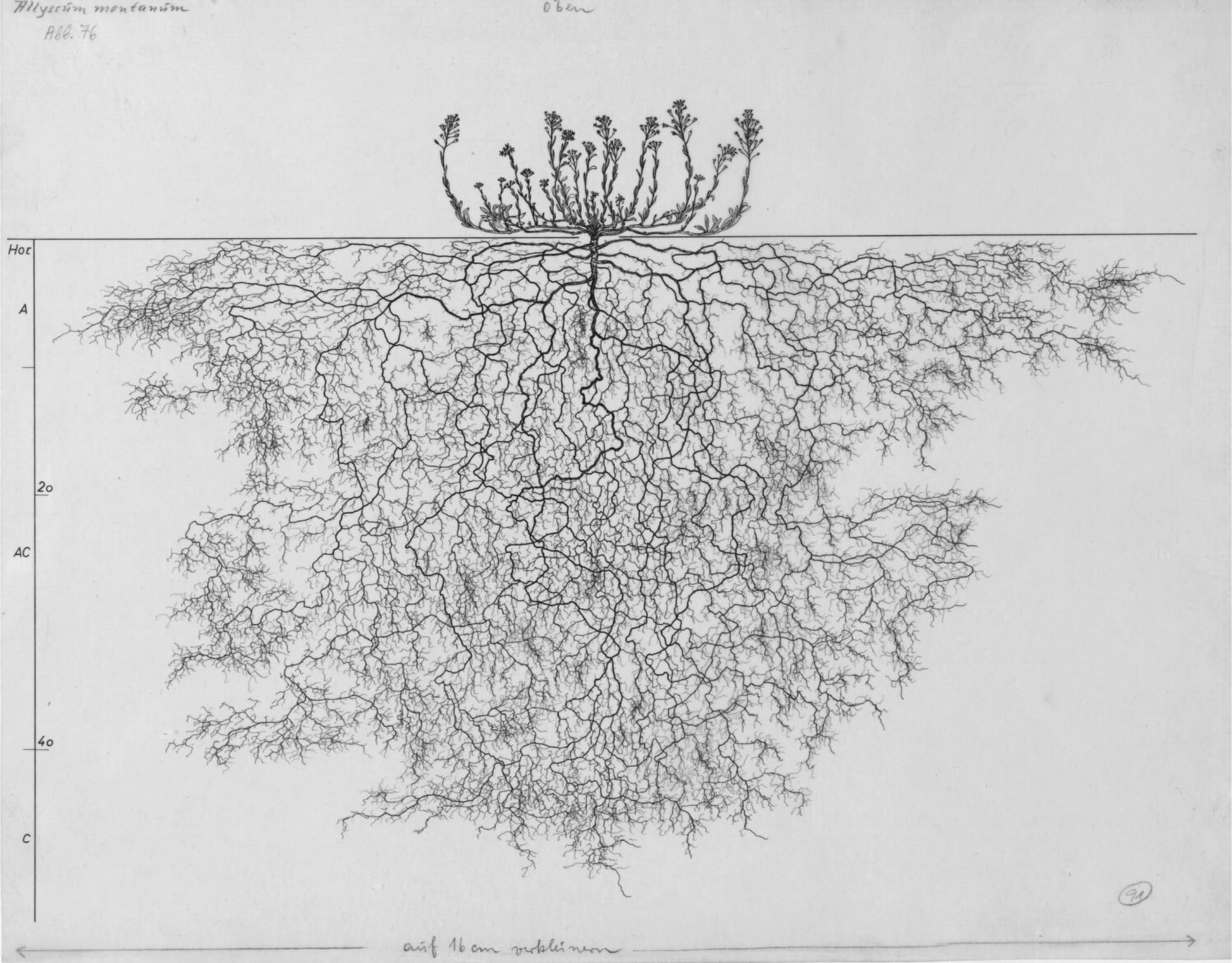
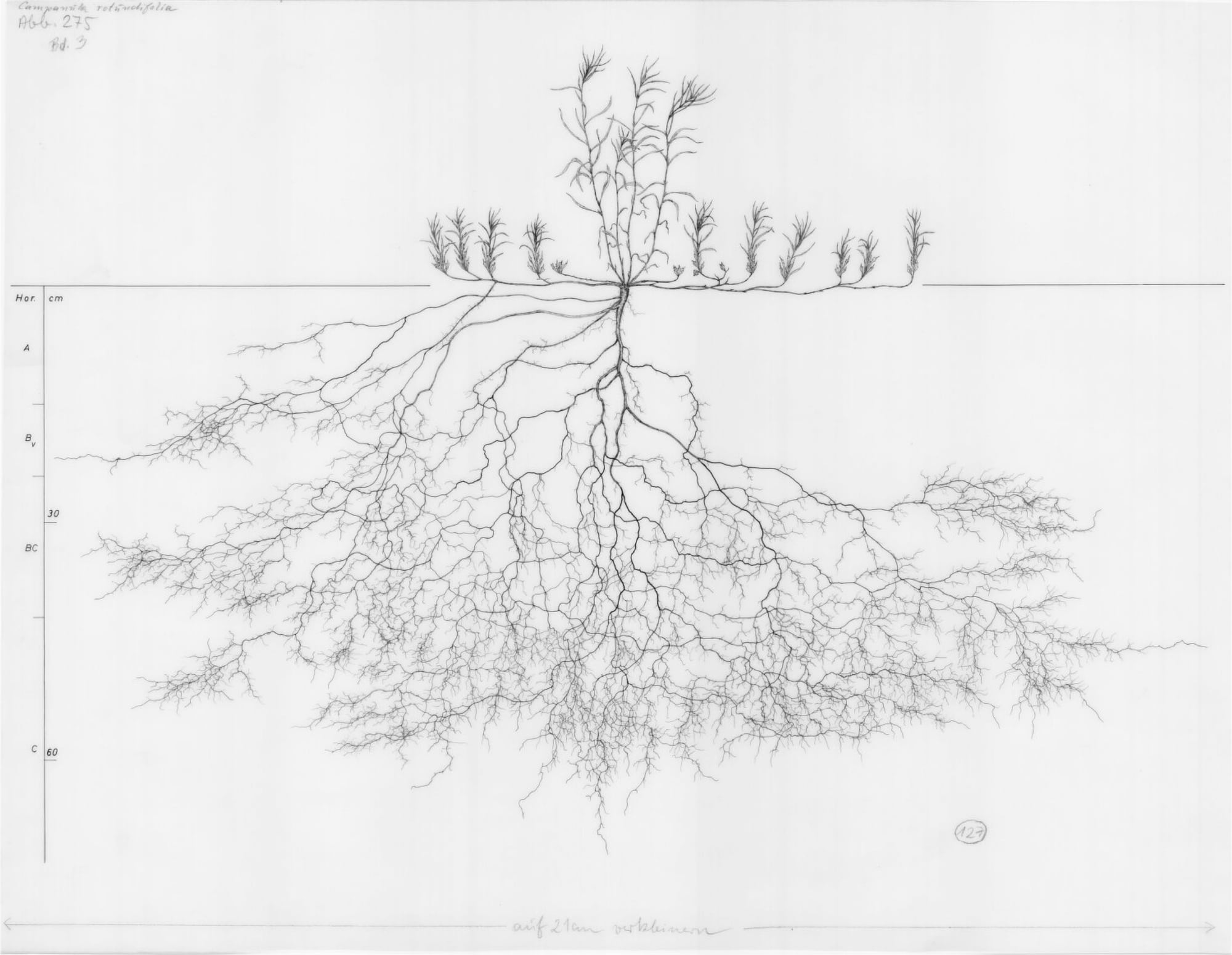
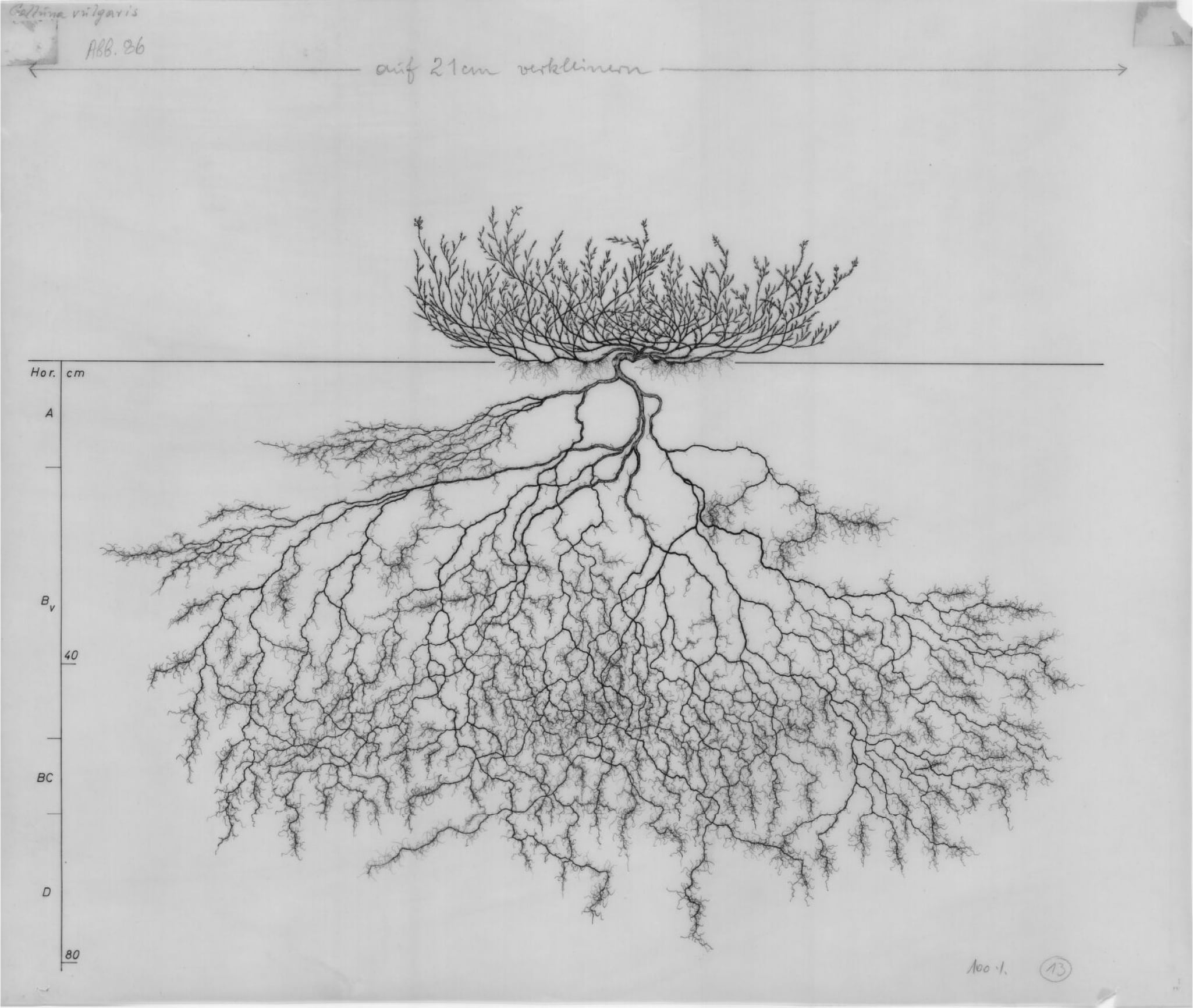
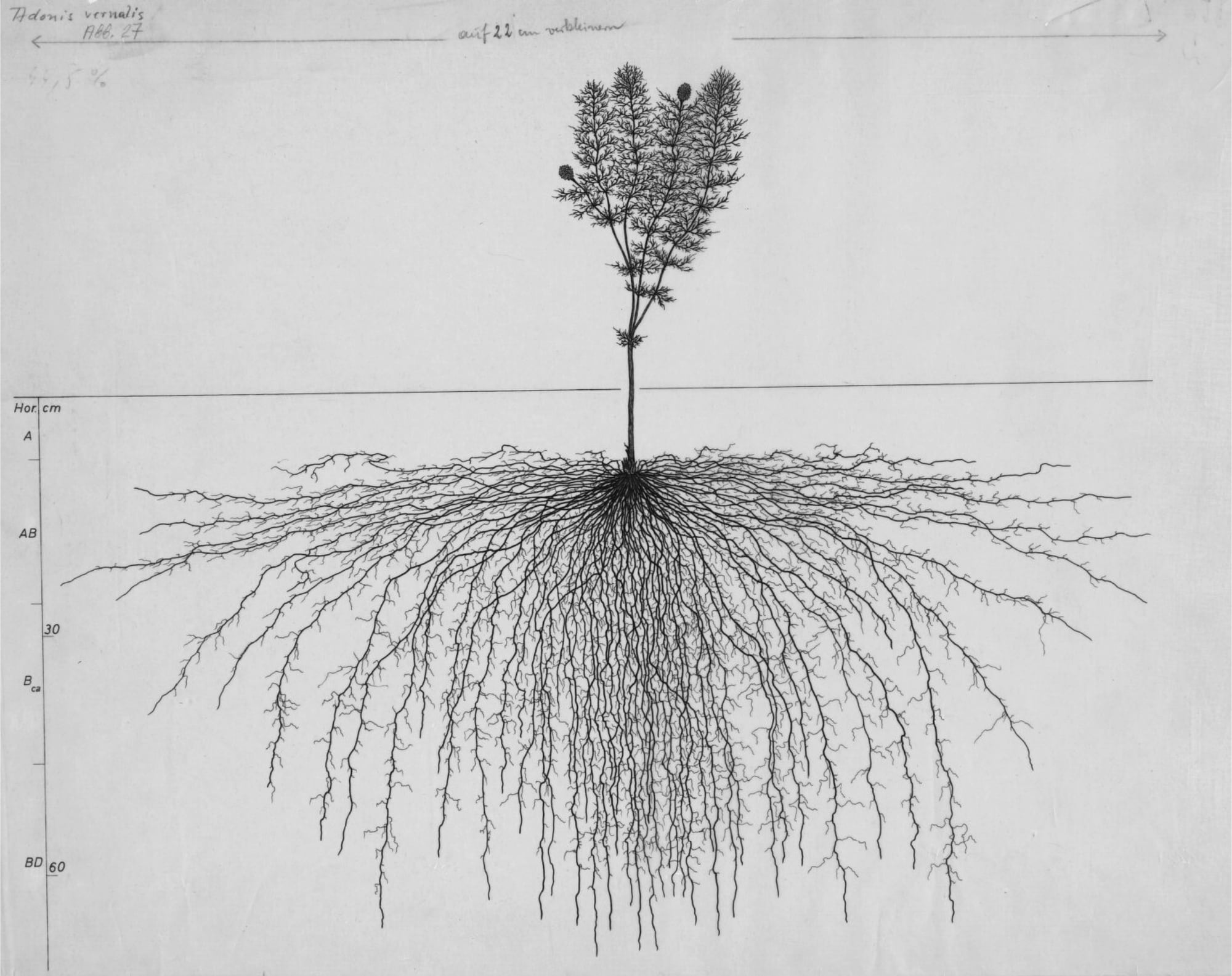
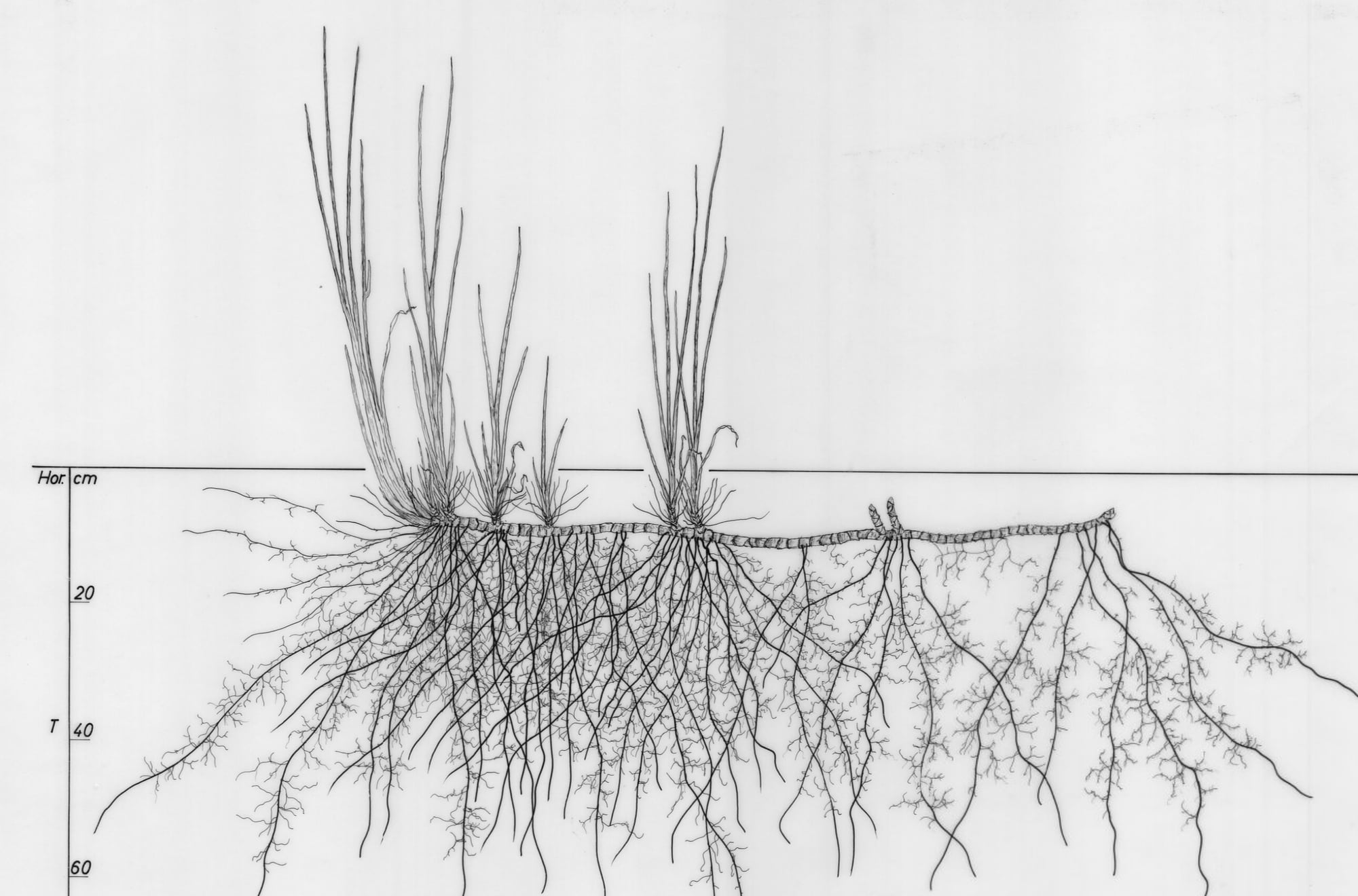
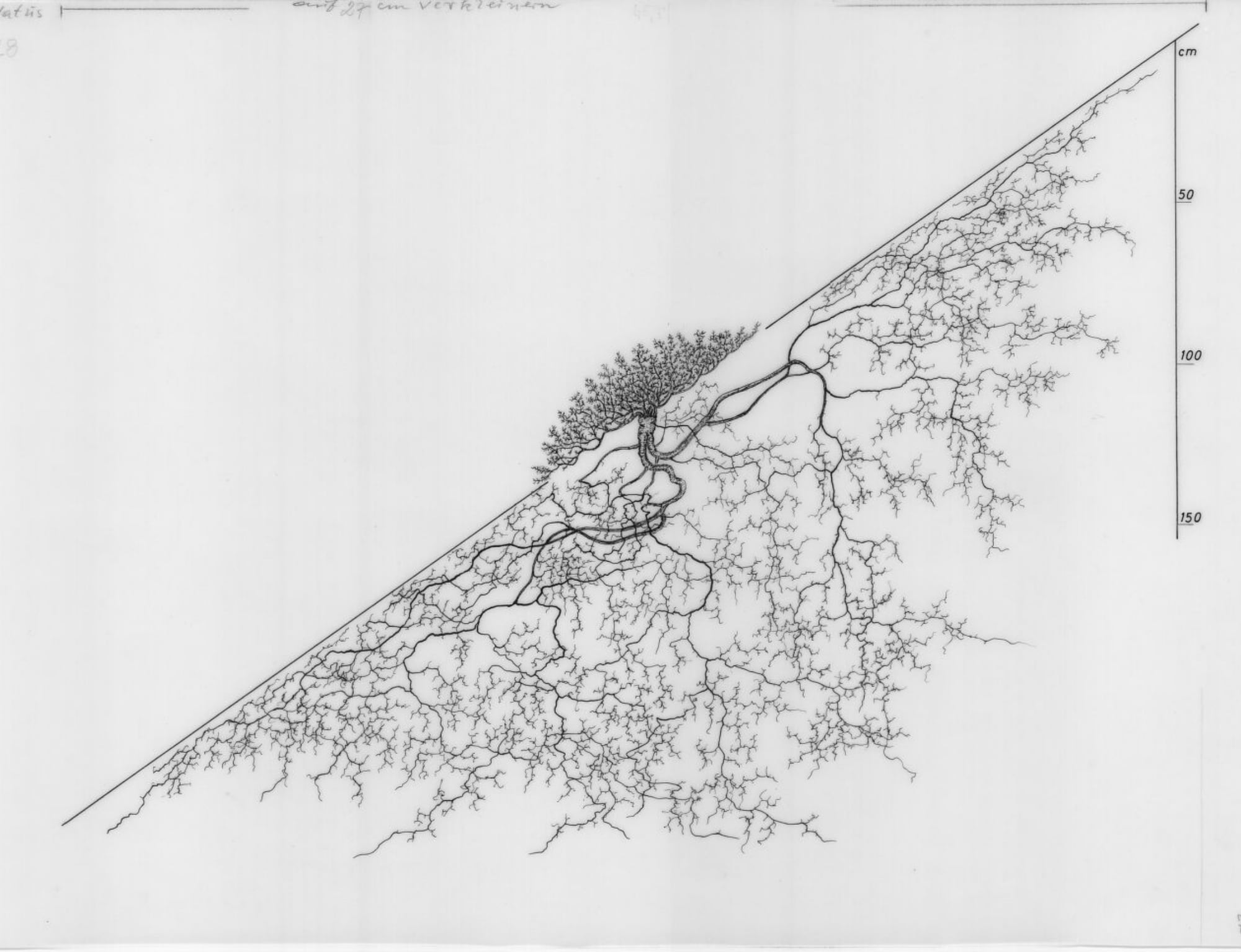
It’s generally understood that terrestrial plant life evolved from algae, one key to its successful adaptation being roots that sprawled underground to absorb important nutrients and water. Billions of years later, the fibrous networks are essential to life across the planet as they ensure the growth and health of individual specimens, help prevent erosion, and capture carbon from the air.
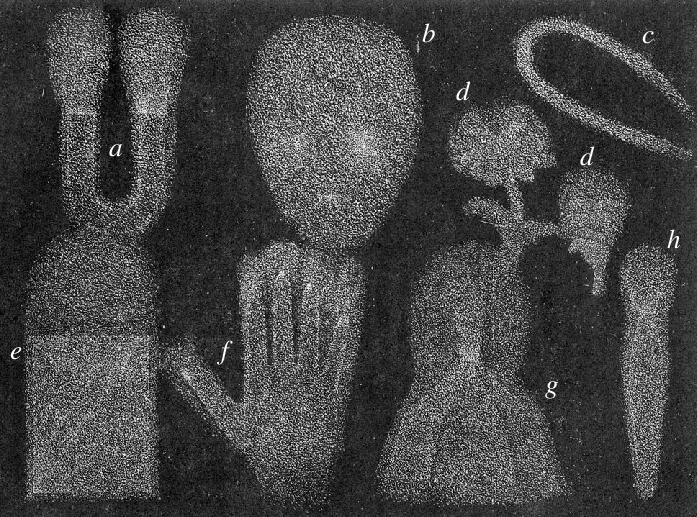
A collaborative project of the late botanists Erwin Lichtenegger and Lore Kutschera celebrates the power and beauty of these otherwise hidden systems through detailed drawings of agricultural crops, shrubs, trees, and weeds. Digitized by the Wageningen University & Research, the extensive archive is the culmination of 40 years of research in Austria that involved cultivating and carefully retrieving developed plant life from the soil for study. It now boasts more than 1,000 renderings of the winding, spindly roots, some of which branch multiple feet wide.
-
Researchers regrow frog's lost leg

In a study published in the journal Science Advances, scientists at Tufts University and Harvard University's Wyss Institute have brought us a step closer to the goal of regenerative medicine. On adult frogs, which are naturally unable to regenerate limbs, the researchers were able to trigger regrowth of a lost leg using a five-drug cocktail applied in a silicone wearable bioreactor dome that seals in the elixir over the stump for just 24 hours. That brief treatment sets in motion an 18-month period of regrowth that restores a functional leg.
-
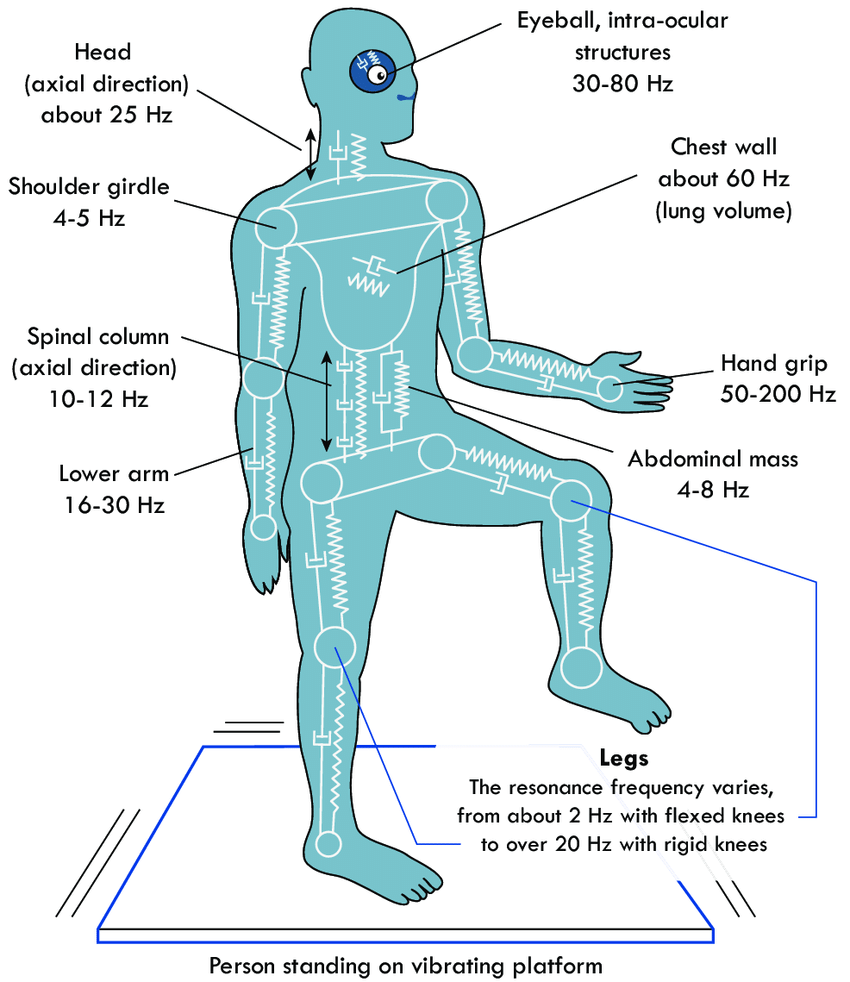
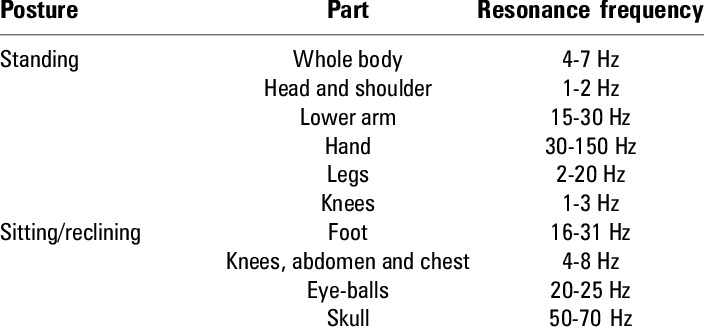
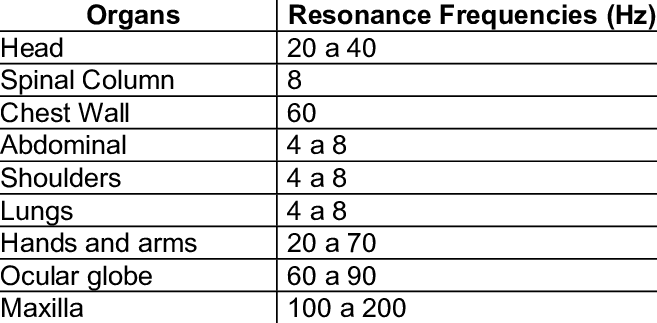
How the Physics of Resonance Shapes Reality - The same phenomenon by which an opera singer can shatter a wineglass also underlies the very existence of subatomic particles. (Quanta Magazine)

-
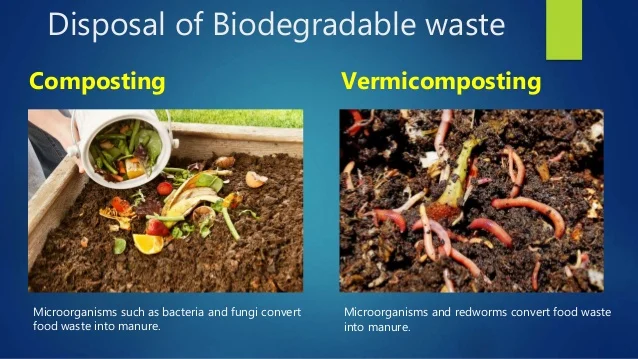
"Garbage in, Garbage out" is a widespread notion in (Data) Science, Academia & Industry. It is an example of the limits of mechanical thinking, as they are missing an important concept: Composting.
-
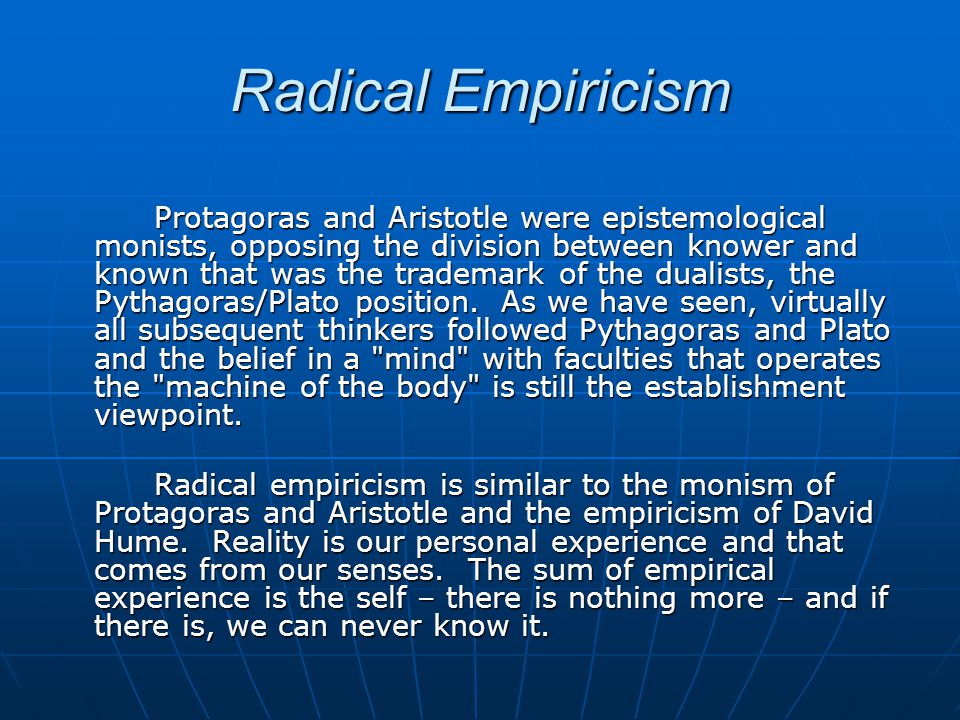
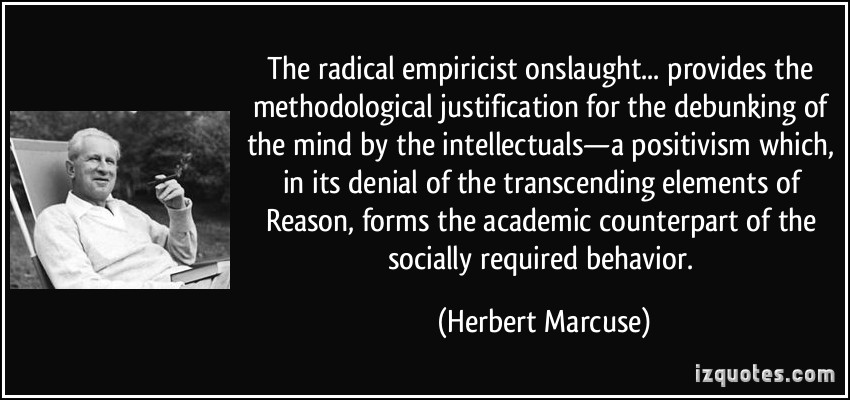
Radical Empiricism is a philosophical doctrine that asserts that experience includes both particulars and relations between those particulars, and that therefore both deserve a place in our explanations.

-
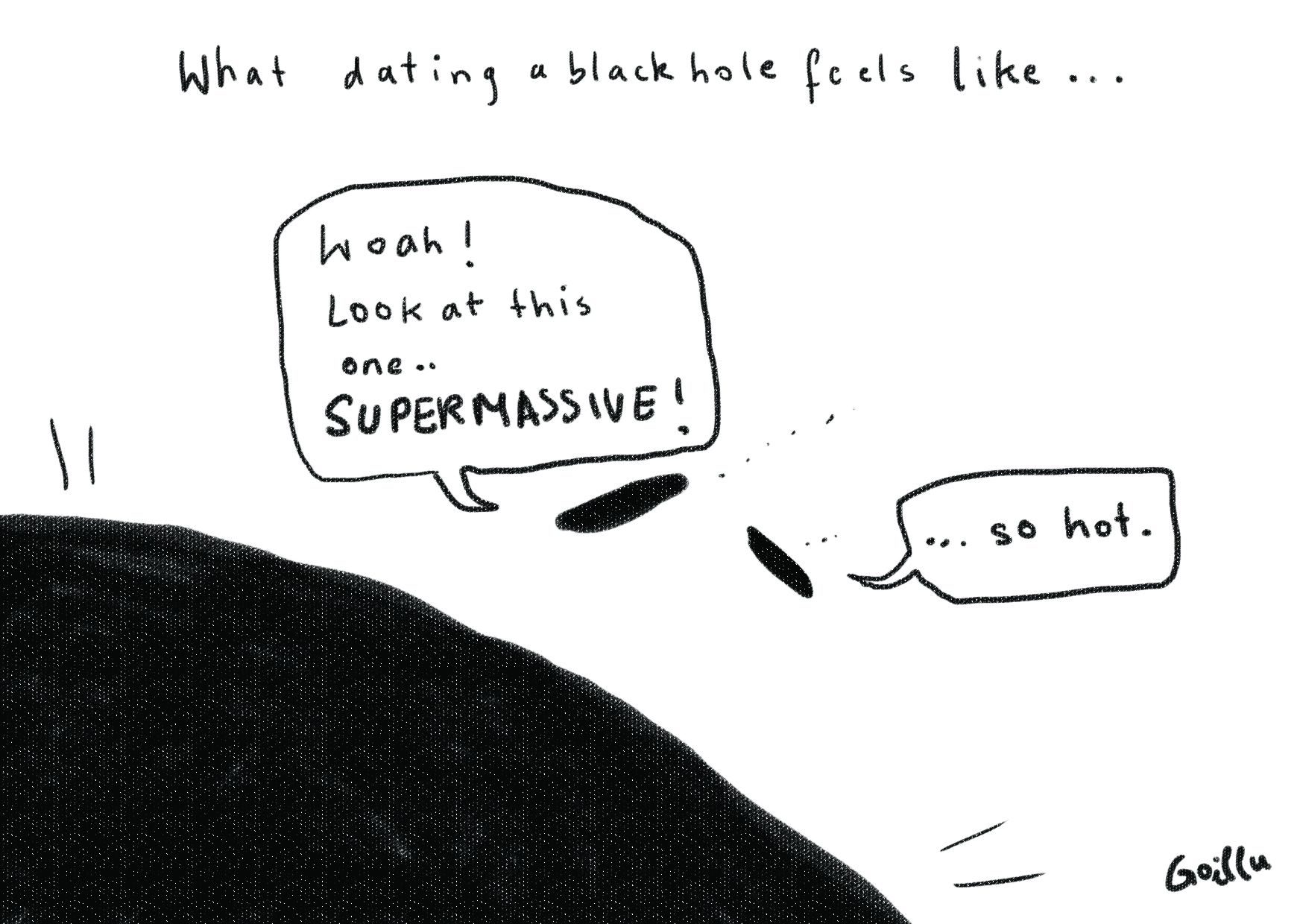
40 quintillion stellar-mass black holes are lurking in the universe, new study finds - "Small" black holes are estimated to make up 1% of the universe’s matter. #Comment: They will do anything to ignore "Infinity"

-
Lake Vostok is one of the largest subglacial lakes in the world
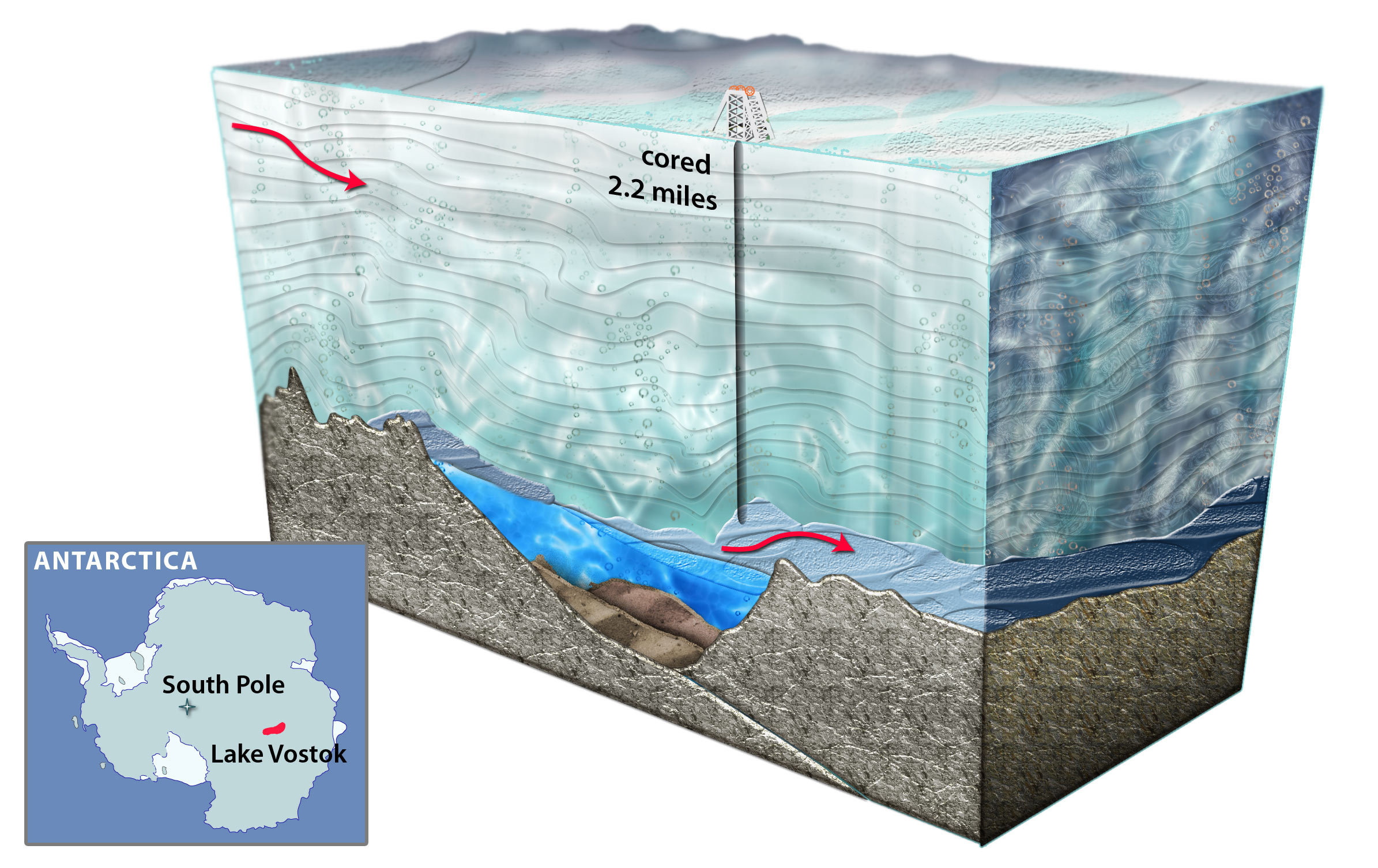
- Antarctica's hidden Lake Vostok found to teem with life
- He Found ‘Islands of Fertility’ Beneath Antarctica’s Ice
- ‘Unclassified’ Life Found in Antarctic Lake – Researcher
- Russian scientist defends Lake Vostok life claims
- Bacteria May Thrive in Antarctic Lake
- Holds Implications for Search for Life in the Solar System
- The Very Strange Case Of The NSA And Lake Vostok In Antarctica
-
Peter Kropotkin on the Law
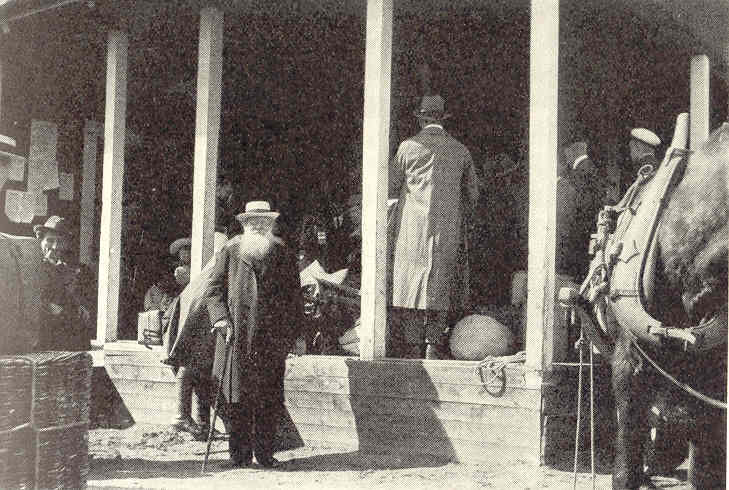
Kropotkin in Haparanda, 1917 "The law is an adroit mixture of customs that are beneficial to society, and could be followed even if no law existed, and others that are of advantage to a ruling minority, but harmful to the masses of men, and can be enforced on them only by terror." - Peter Kropotkin (1842 - 1921)
-
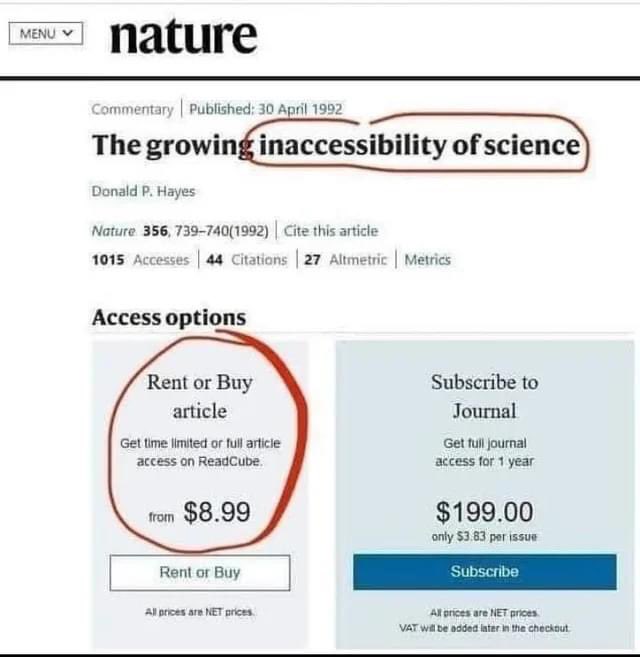
ArXiv.org Reaches a Milestone and a Reckoning - "Runaway success and underfunding have led to growing pains for the preprint server" (Scientific American)

-

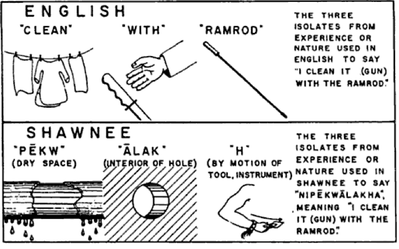
The Sapir–Whorf hypothesis, also known as the linguistic relativity hypothesis, refers to the proposal that the particular language one speaks influences the way one thinks about reality. Linguistic relativity stands in close relation to semiotic-level concerns with the general relation of language and thought, and to discourse-level concerns with how patterns of language use in cultural context can affect thought.
Related: 🗣️ A Look Into Sapir–Whorf Hypothesis and Ethnolinguistics: Does Language Effect What We Perceive? 🗣️ Genocidal Organ 🗣️ Magical Words: General Semantics & the Power of Language
-
Boxes
“We have all to specialize, more or less — but whoever boxes himself in, tries to find the whole truth inside his box, knows nothing of other approaches to knowledge or is merely contemptuous of them, is working with only one hand and hopping on one foot, when he doesn’t need to.” - N. Meade Layne