-
Researcher studies importance of synchrony in ecological systems such as food webs (2018, University of Kansas)
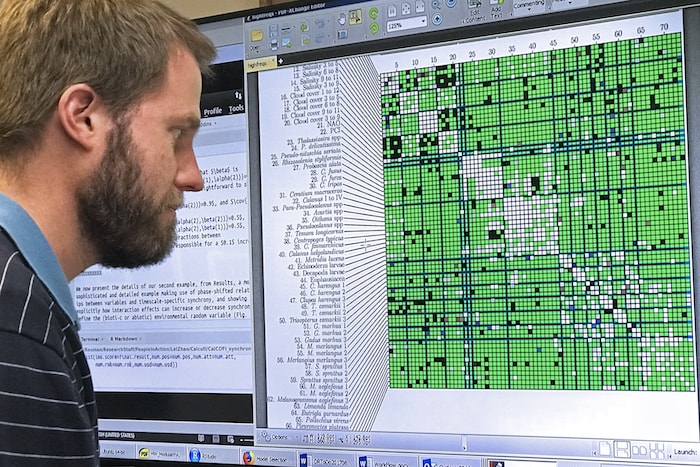
"Synchrony is when multiple populations in different places all fluctuate in the same way," said Daniel Reuman, professor of ecology & evolutionary biology. "One of the causes of population synchrony is synchrony of environmental variables -- like the amount of rainfall. When rainfall in different areas is correlated through time, like a drought that's spread across a large area, that will affect all populations across that area in similar ways."
-
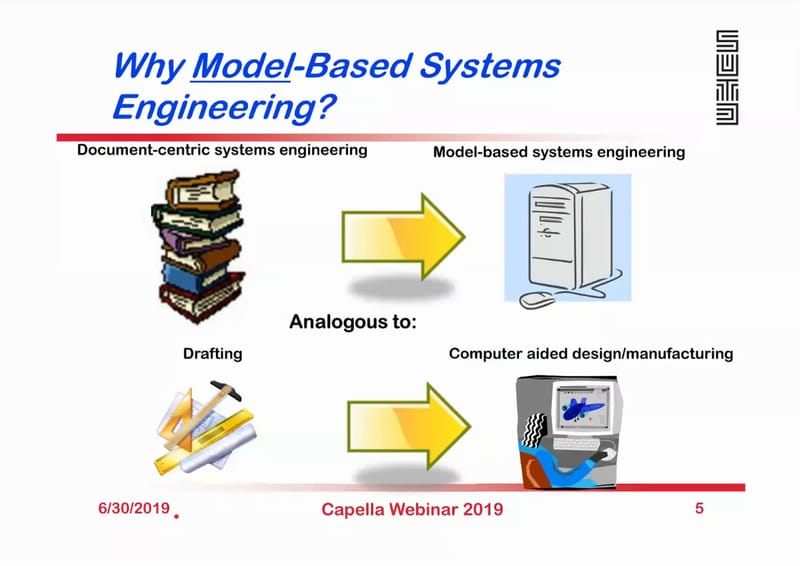
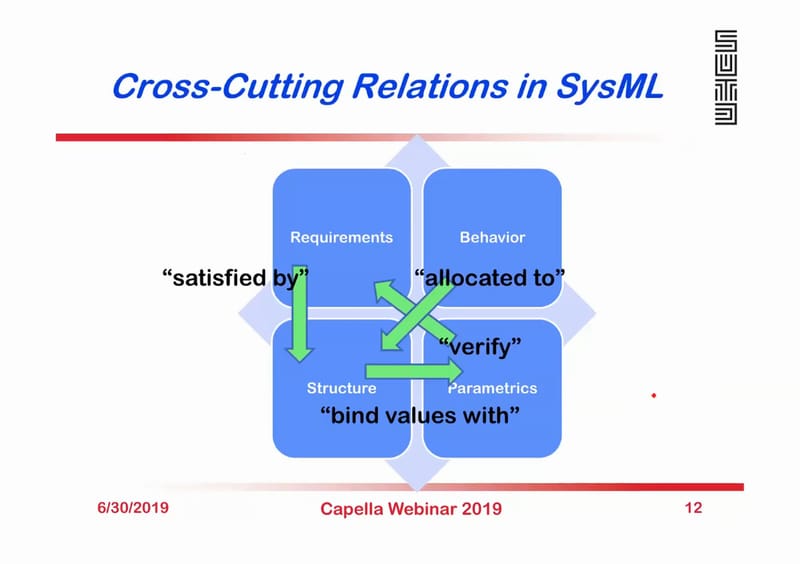
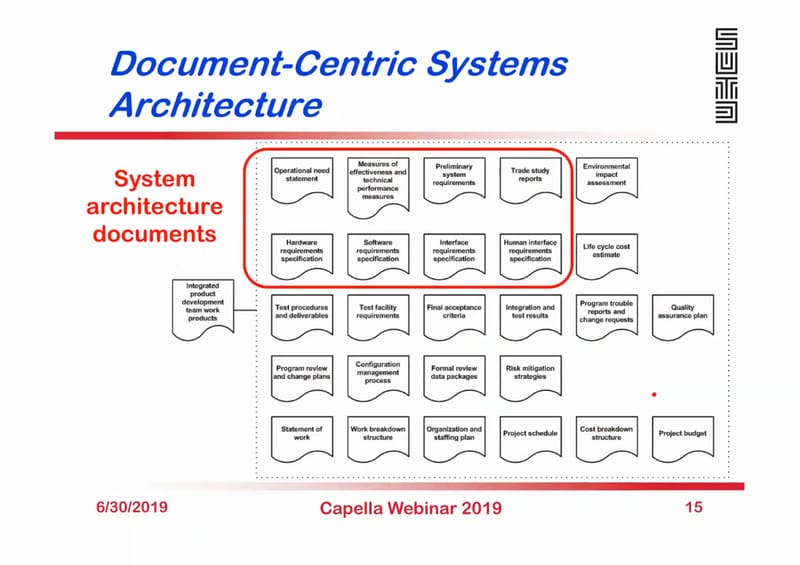
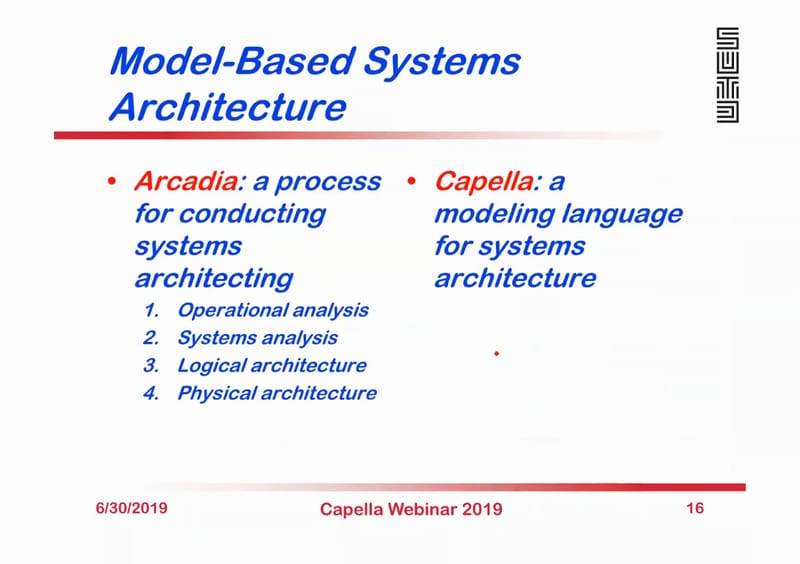
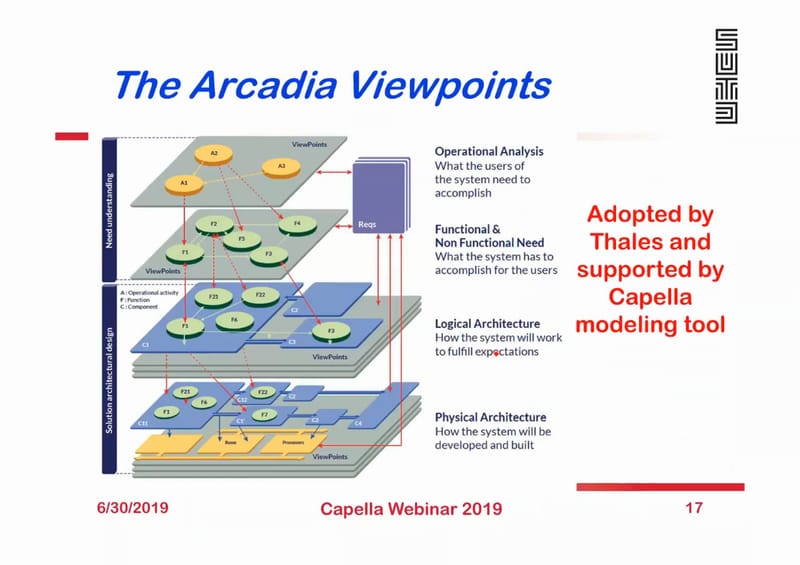
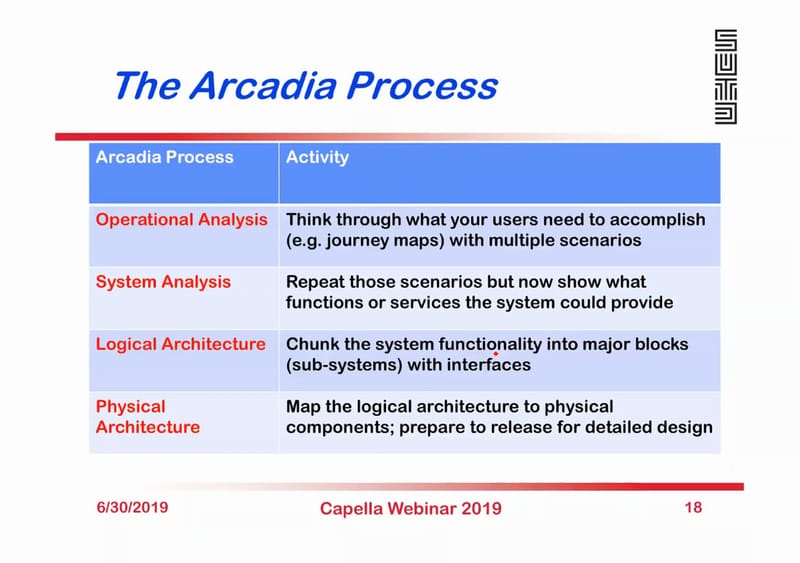
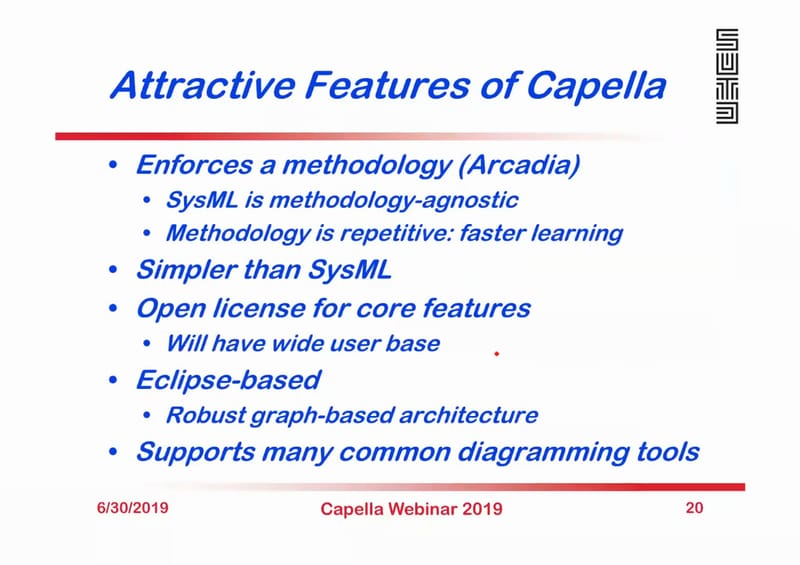
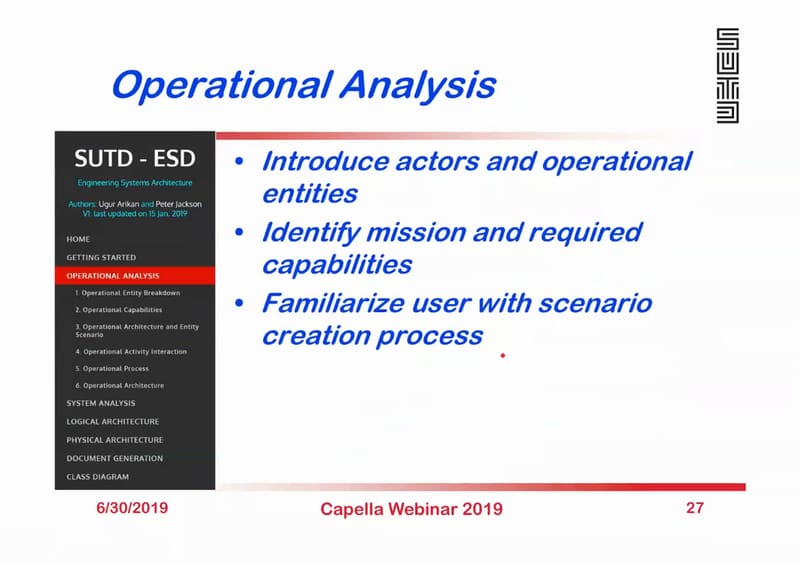
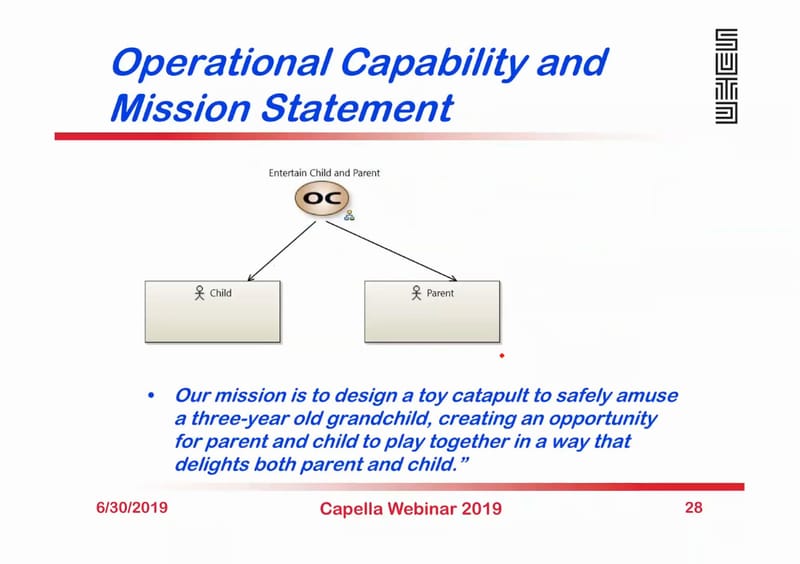
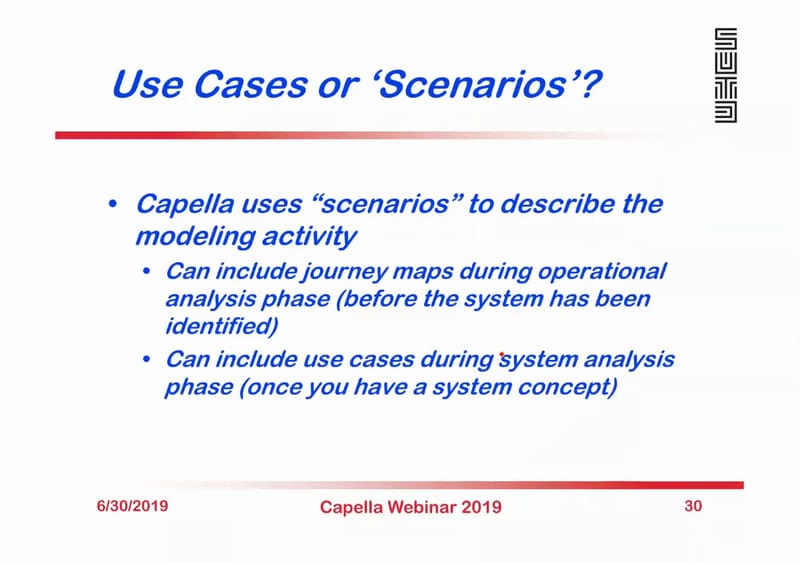
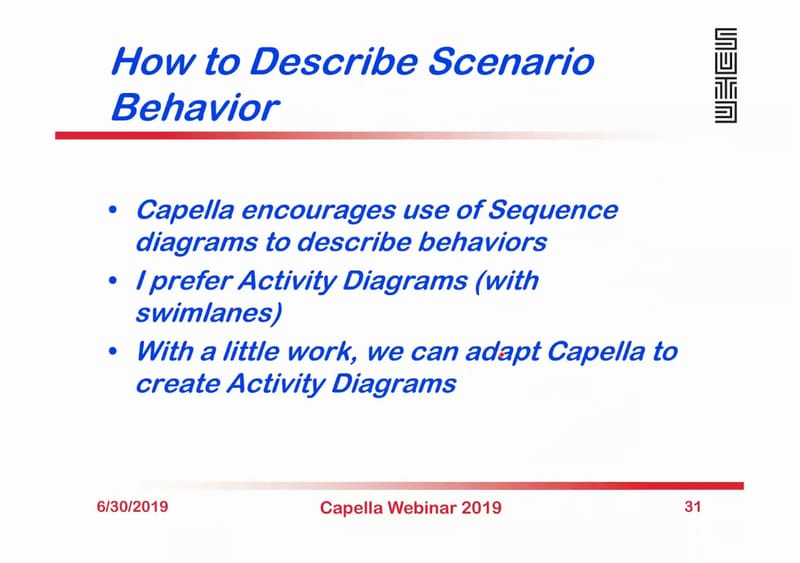
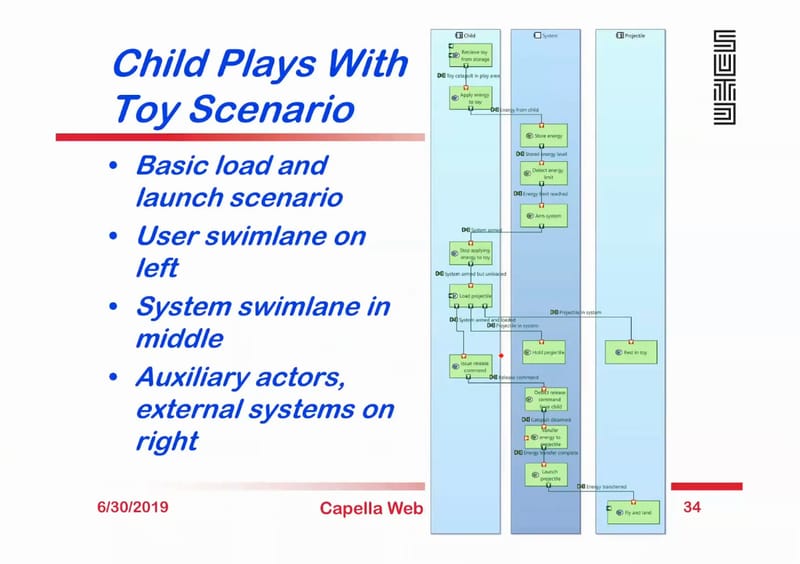
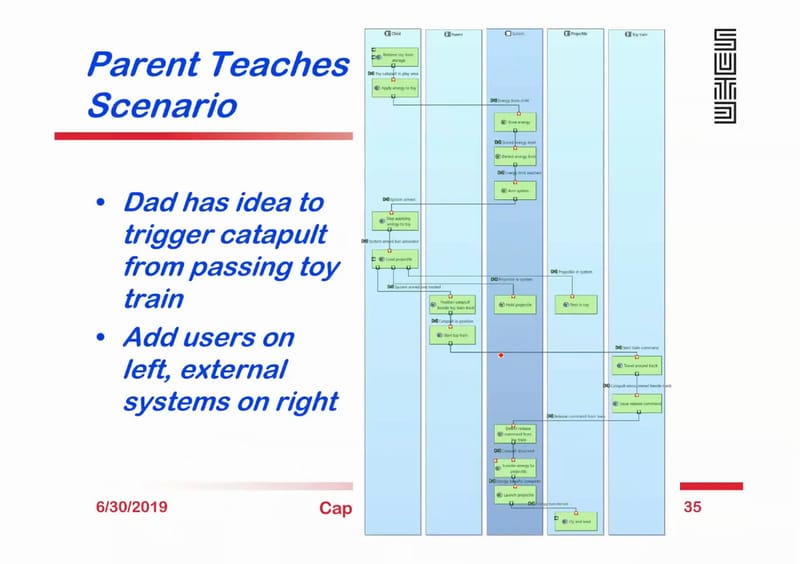
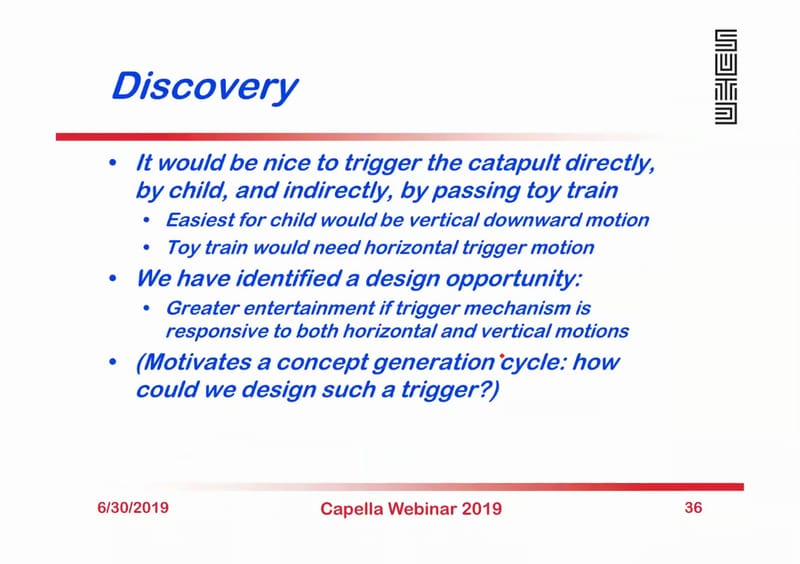
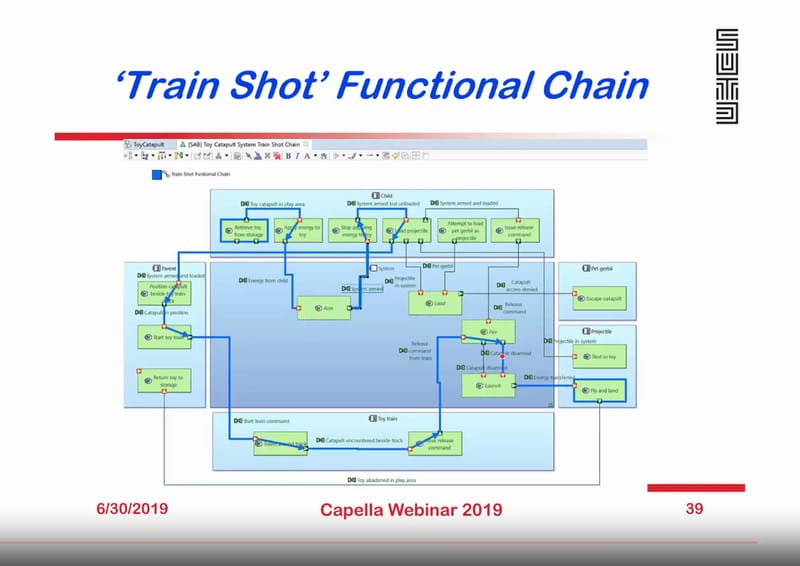
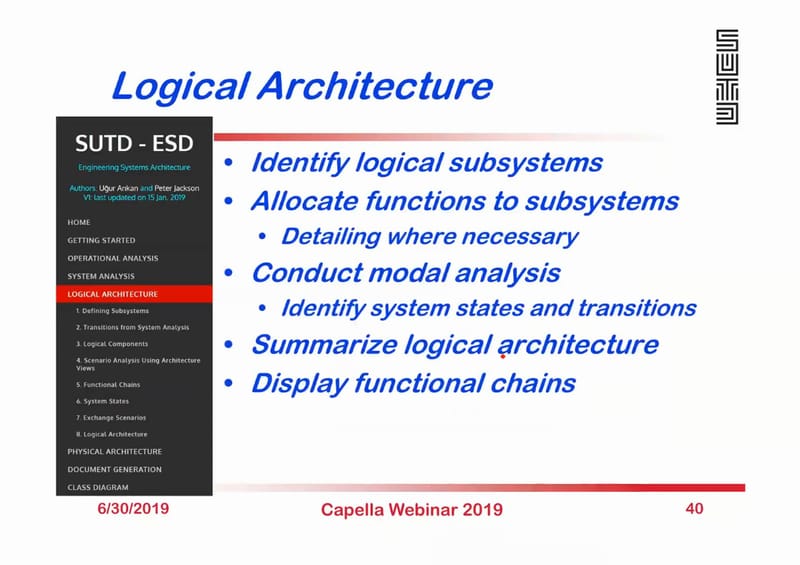
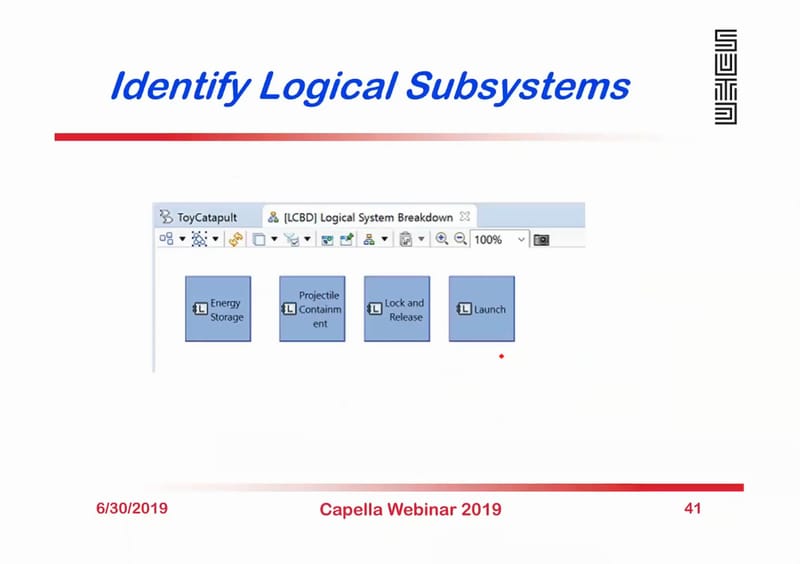
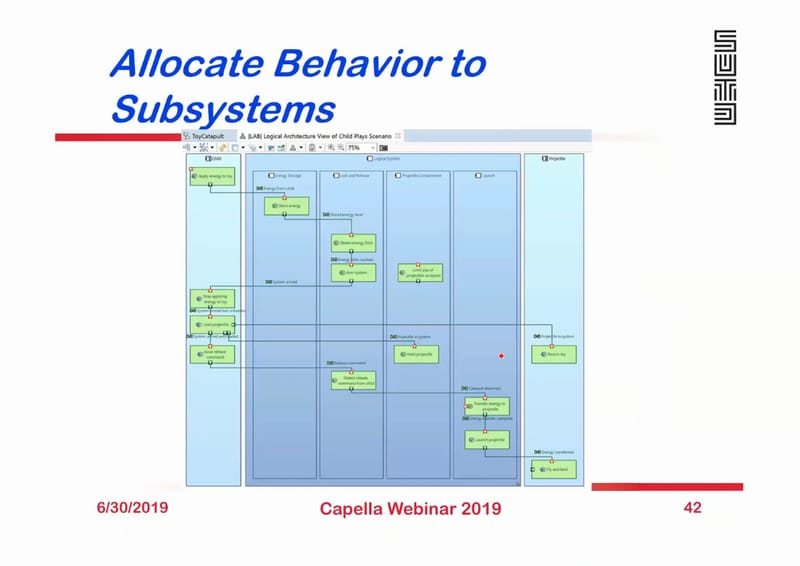
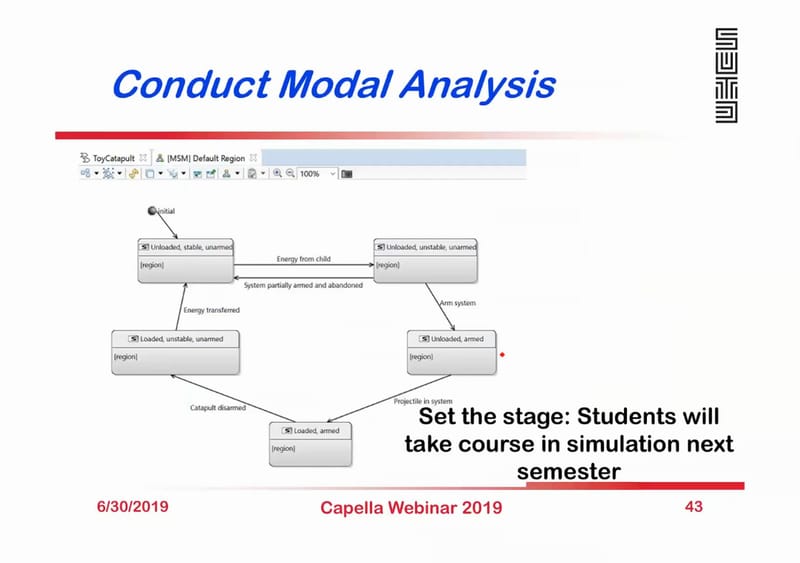
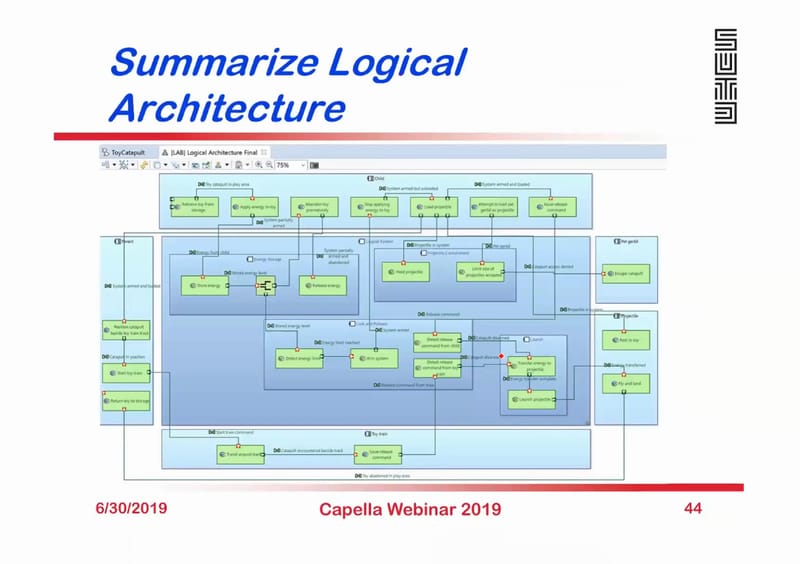
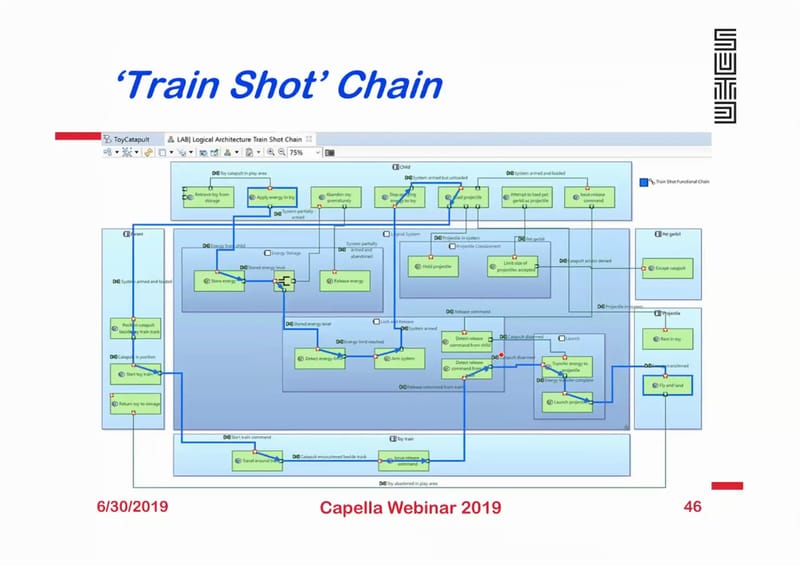
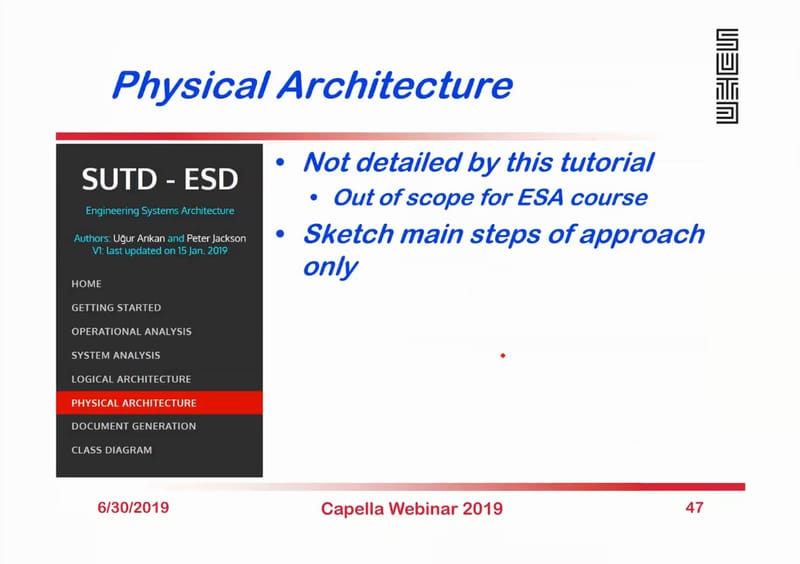
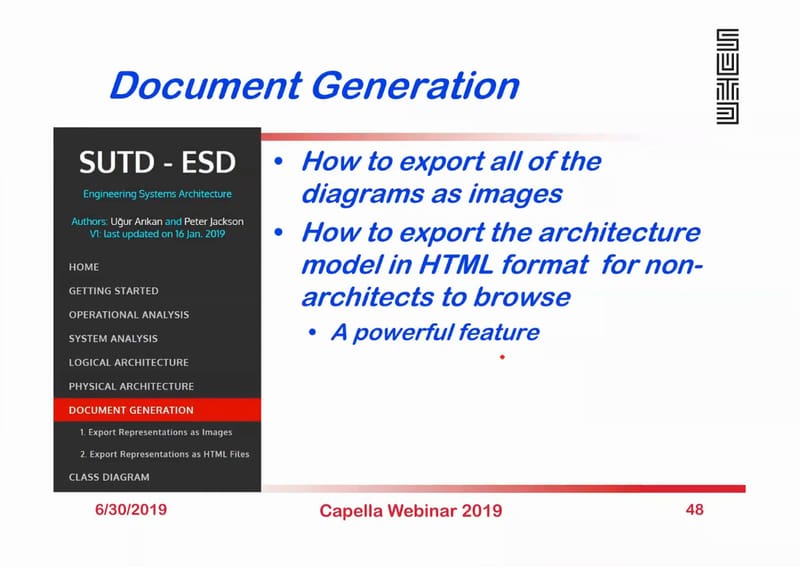
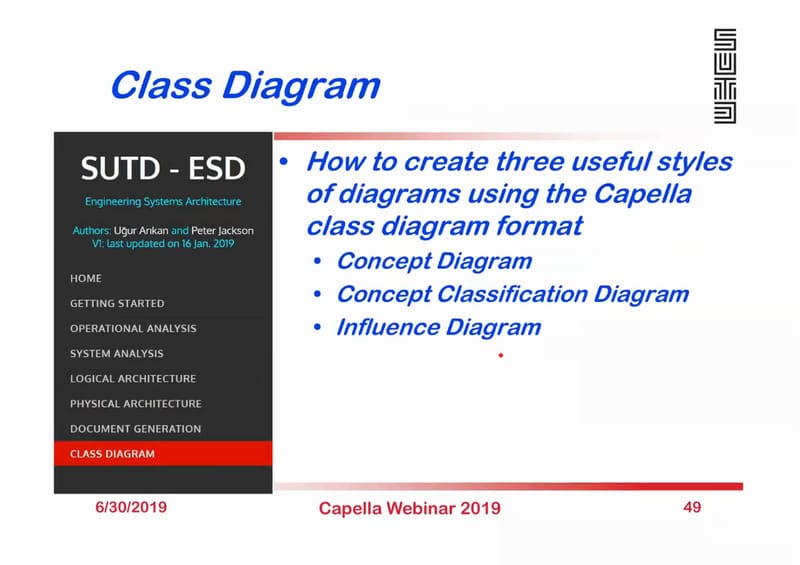
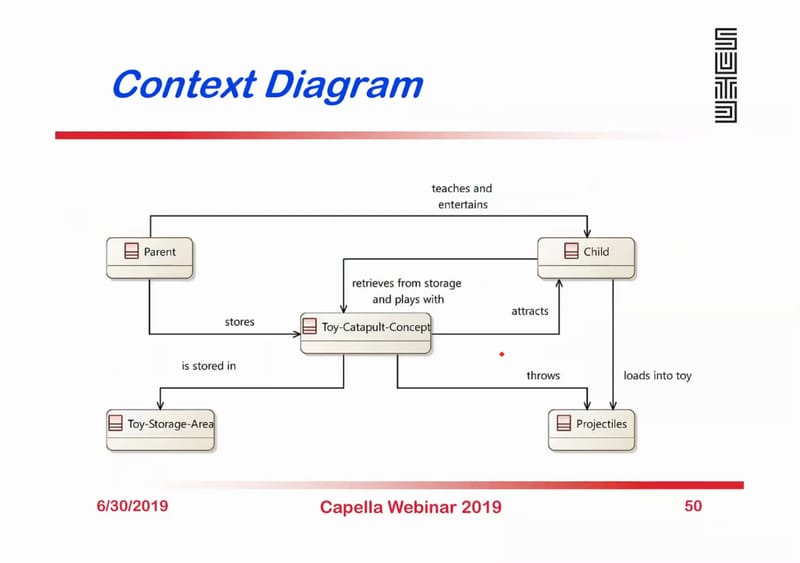
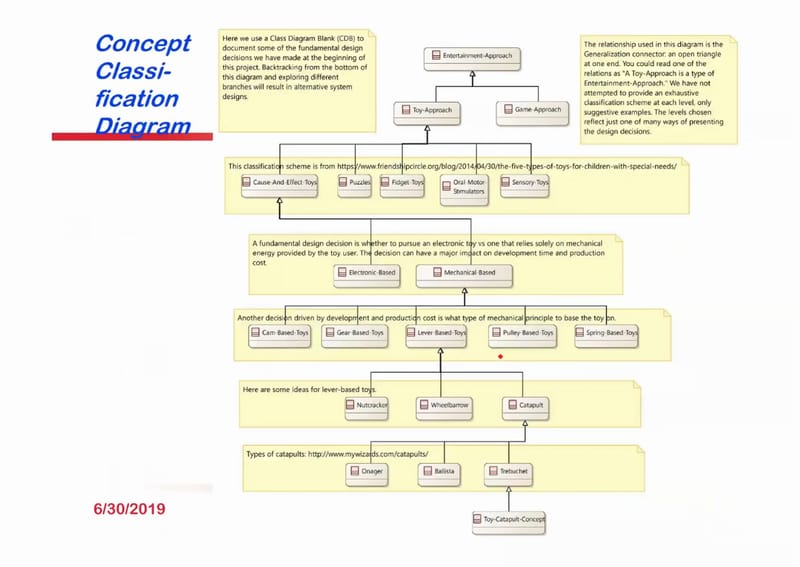
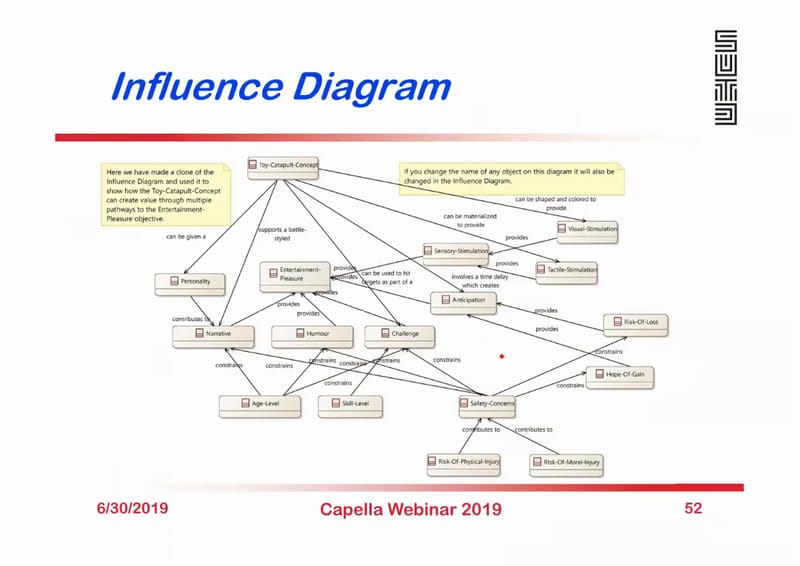
Introduction to Arcadia Capella with a toy catapult project - Systems Engineering Webinar by Professor Peter L. Jackson (Head, Engineering Systems and Design Pillar at Singapore University of Technology & Design.) Tutorial: https://esd.sutd.edu.sg/40014-capella-tutorial/


-
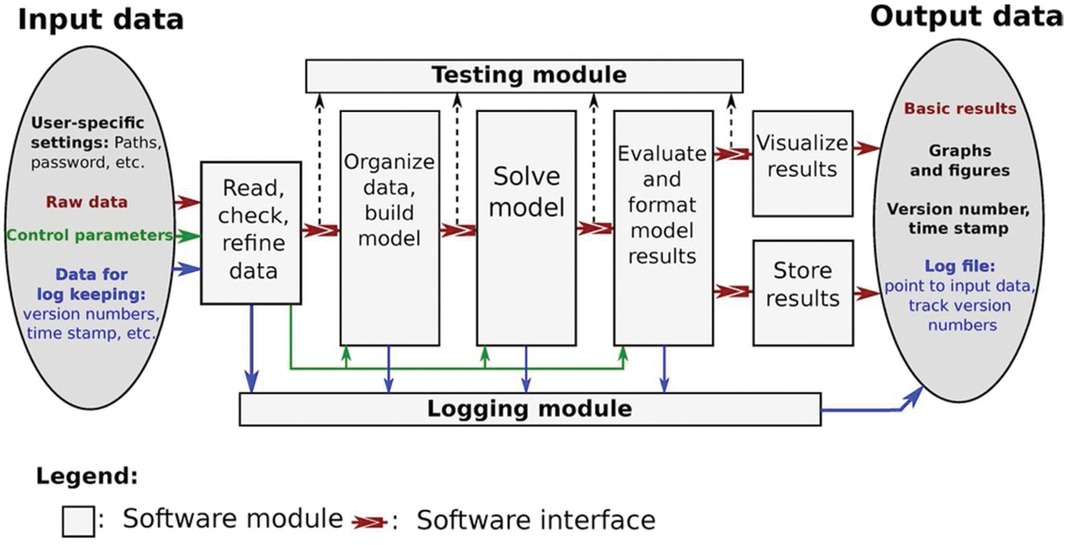
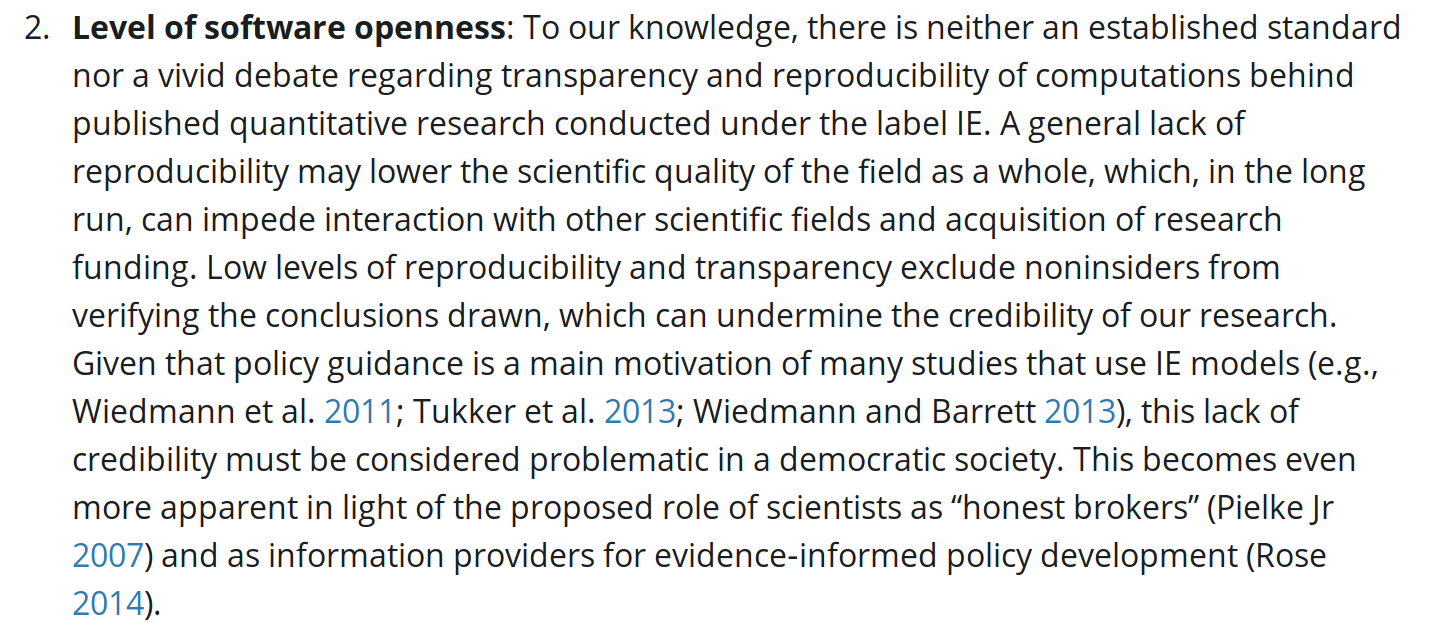
Lifting Industrial Ecology Modeling to a New Level of Quality and Transparency: A Call for More Transparent Publications and a Collaborative Open Source Software Framework by Stefan Pauliuk, Guillaume Majeau‐Bettez et.al (2015)
-
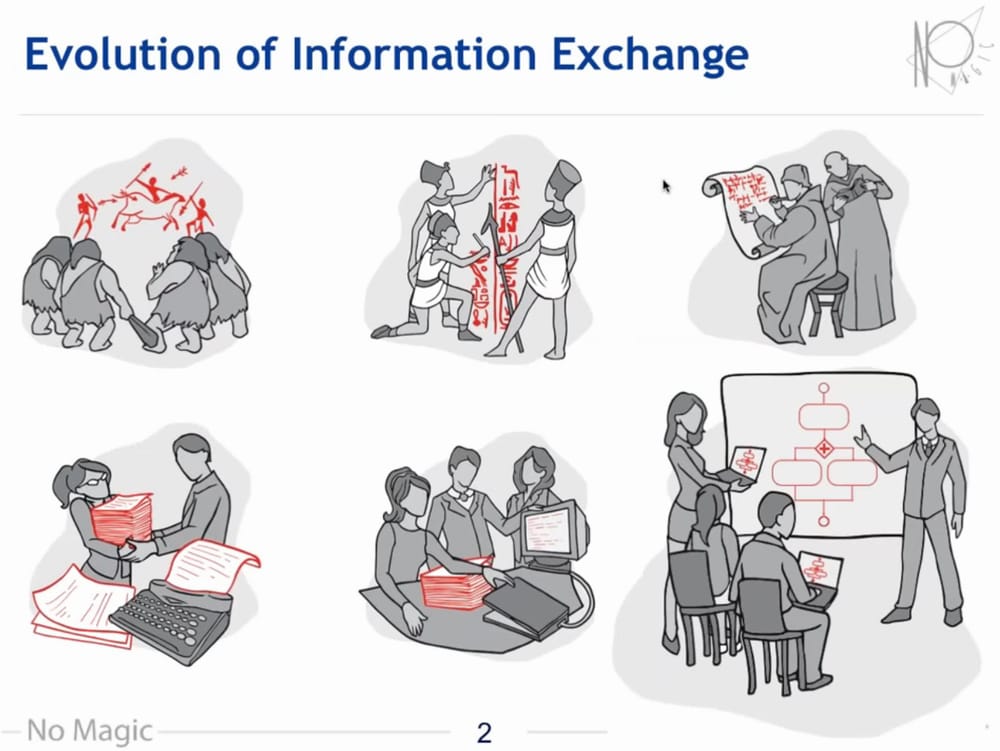
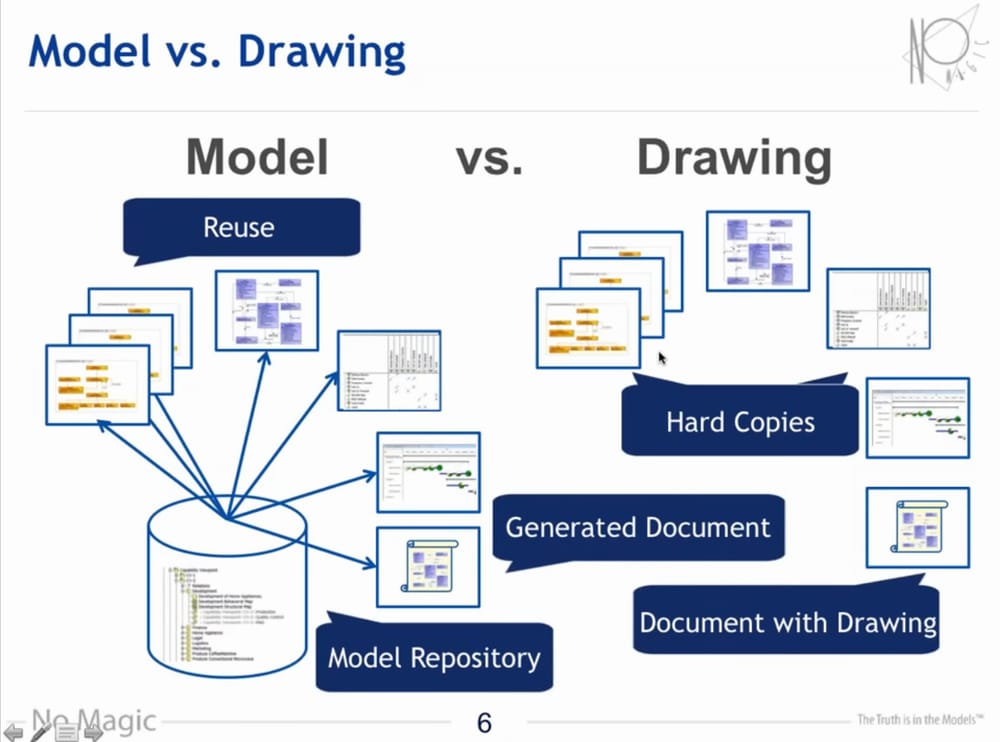
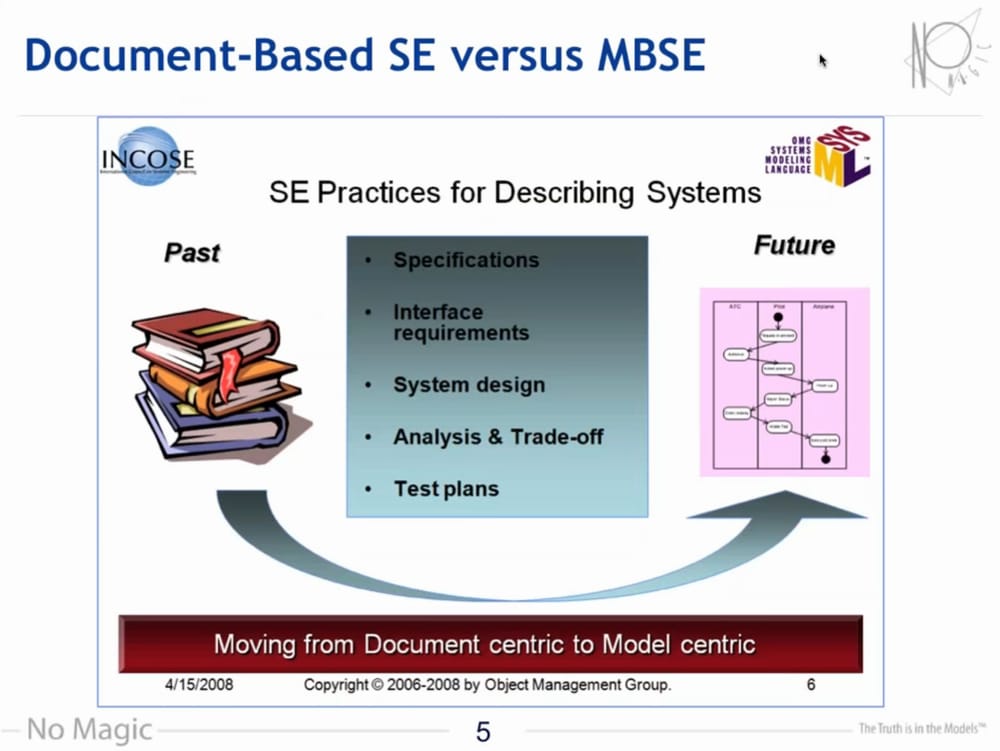
Moving from Documents to Models - Presentation by Dr. Darius Silingas (2016)
-
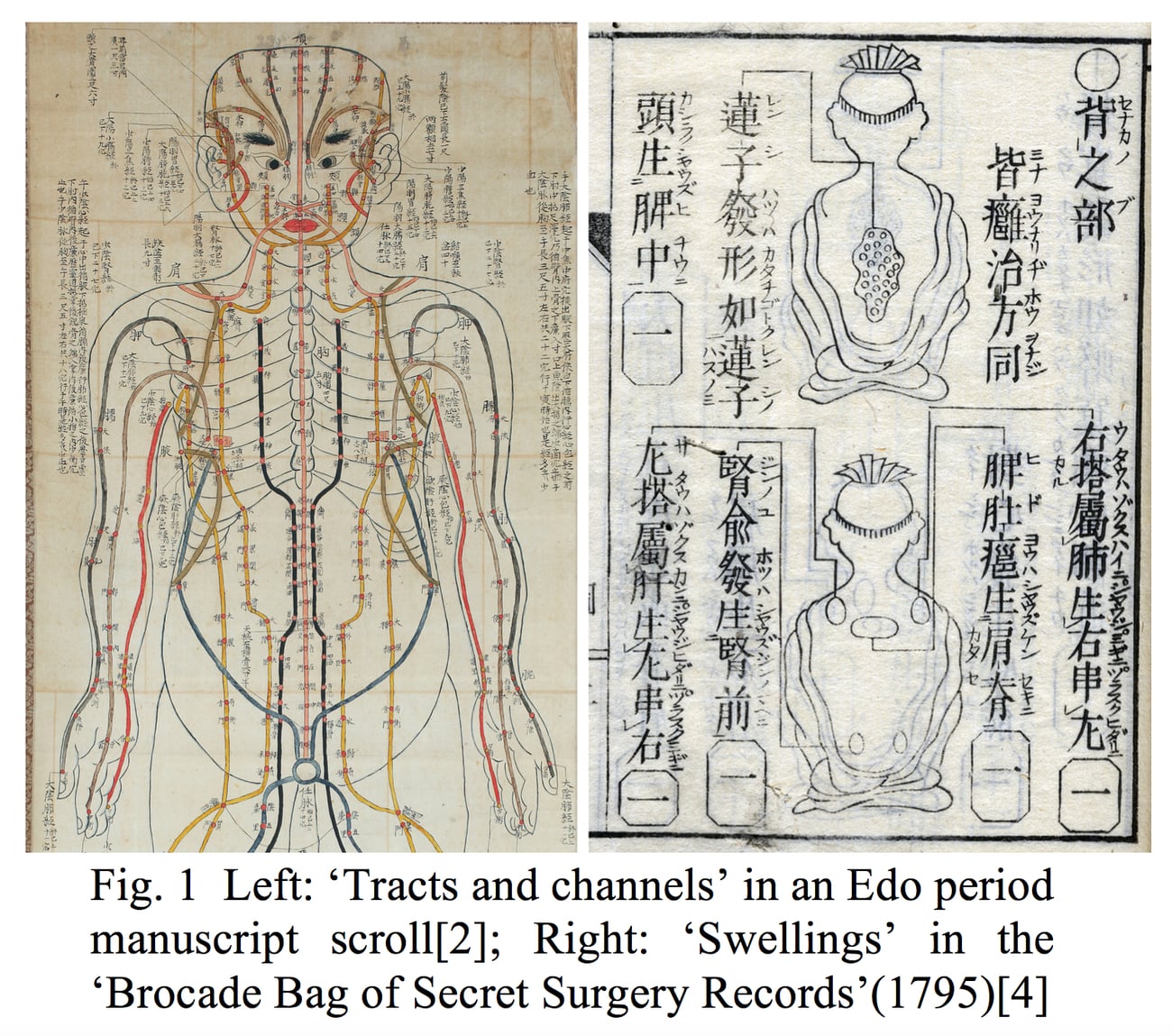
Buddhist Meditation on the Foul, and the Body in Horror Manga - by Videshi Sutra
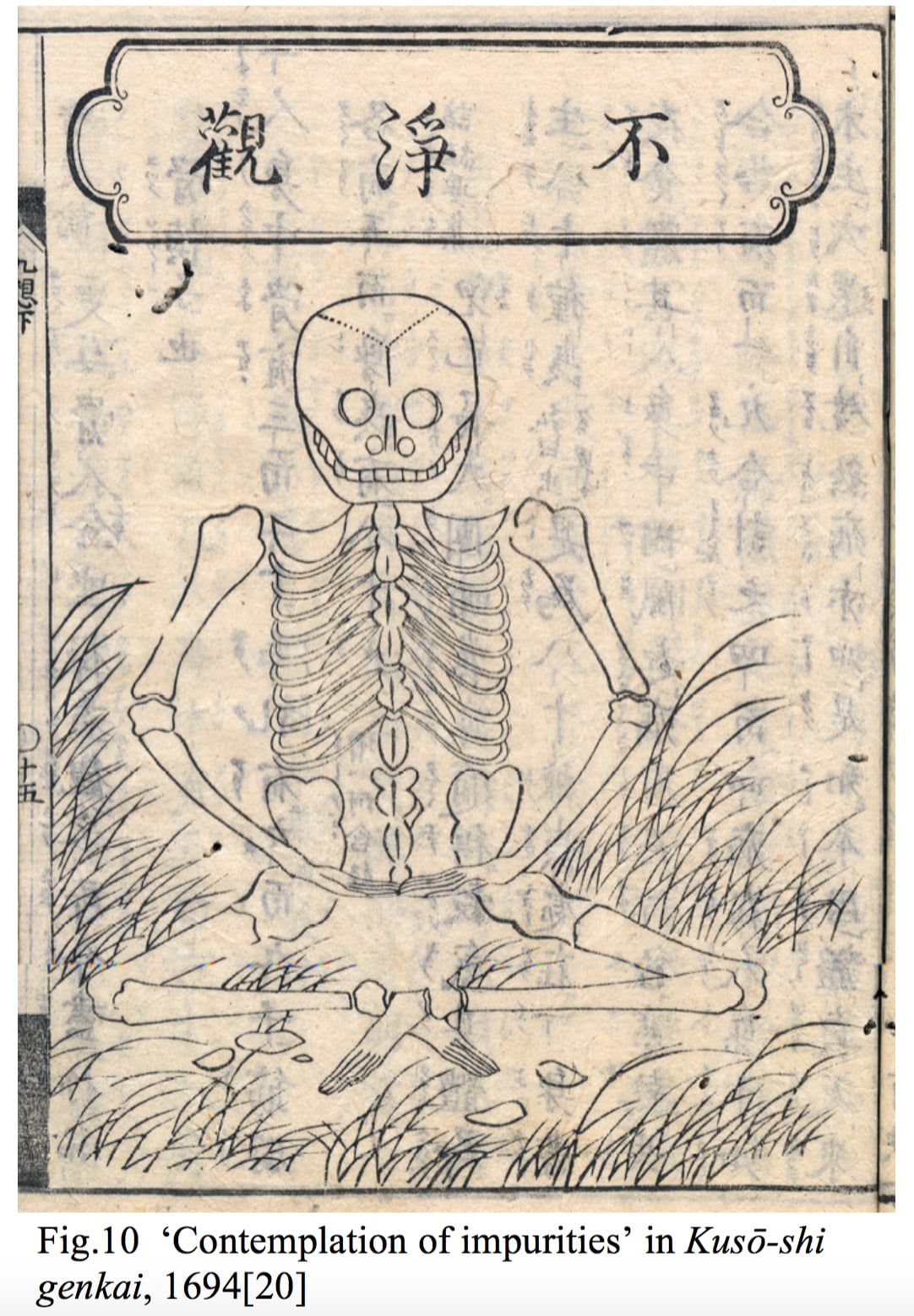

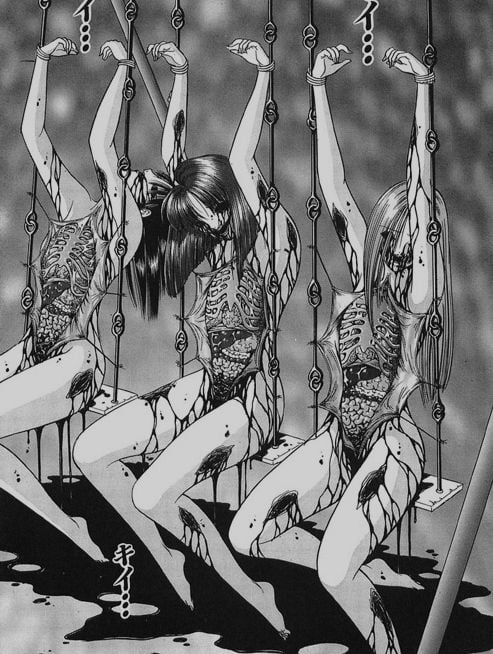


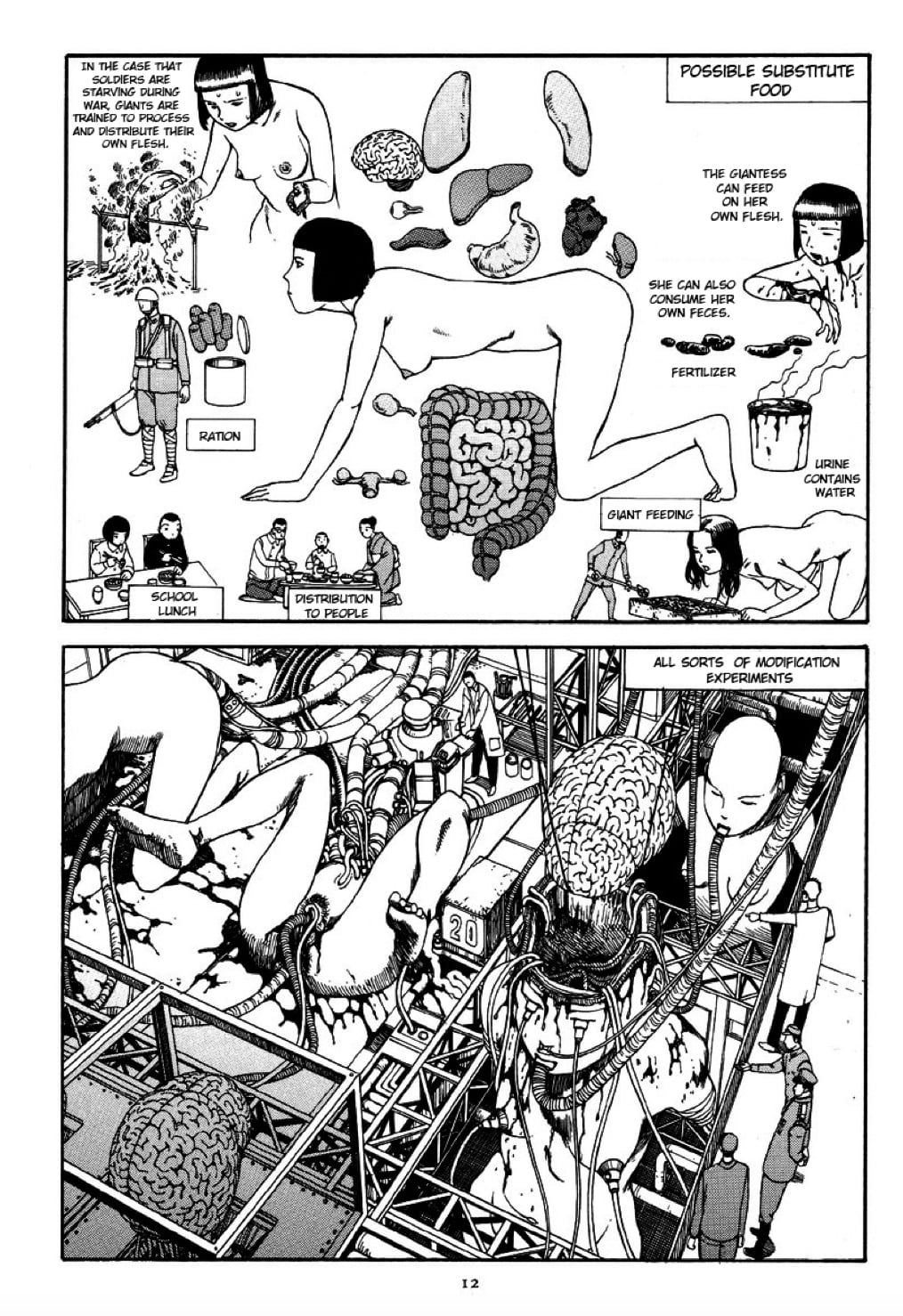

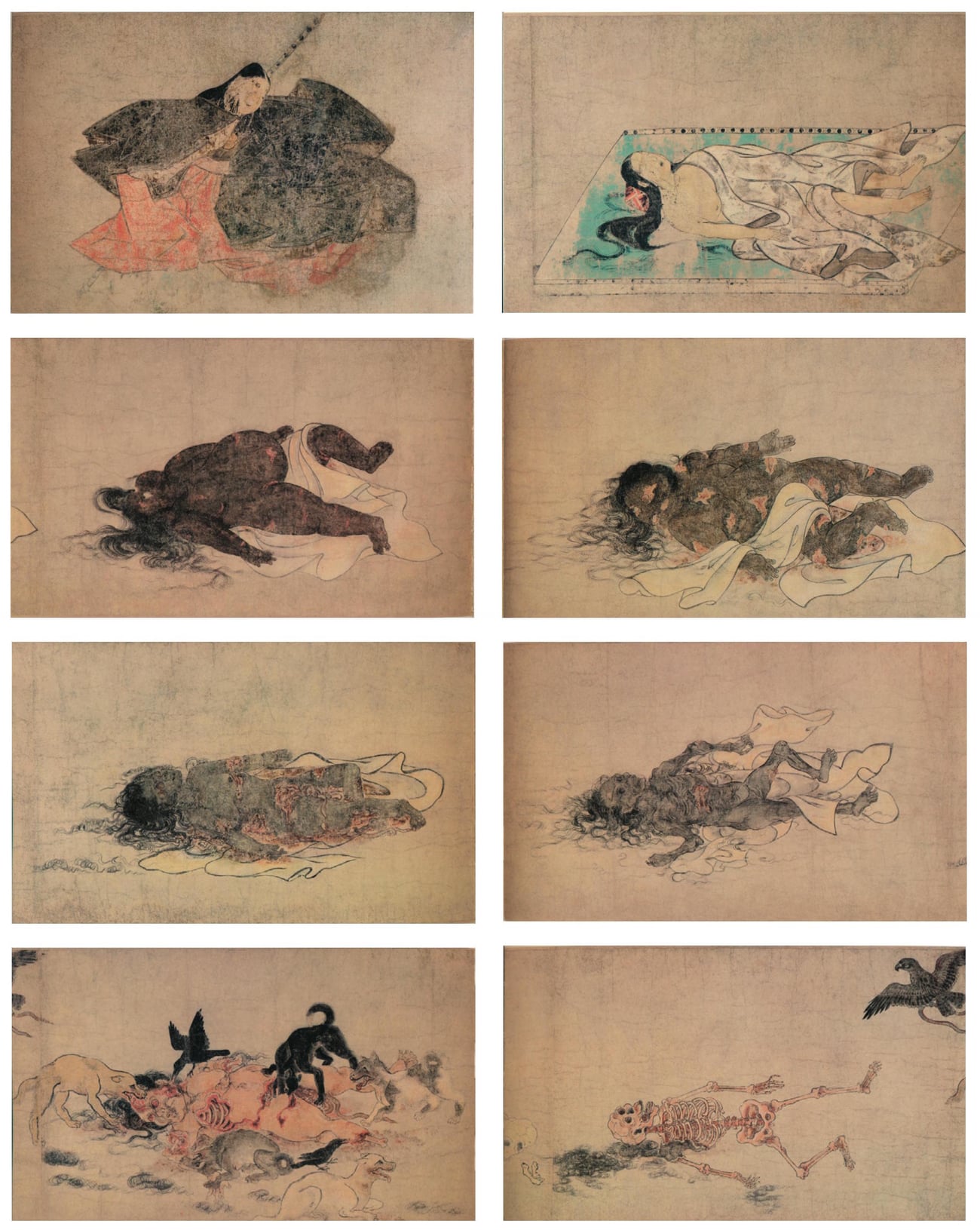
-
Talk on Indian philosophy by Swāmī Agehānanda Bhāratī (Leopold Fischer) (1978)
He clearly lays out the argument, that the Indian "philosophy" (a western term, inadequate to describe Hinduism, Buddhism, etc.) tradition is at its core therapeutic, not scientific - yet it still uses scientific techniques (many of which it pioneered: logic, epistemology, etc.).
-
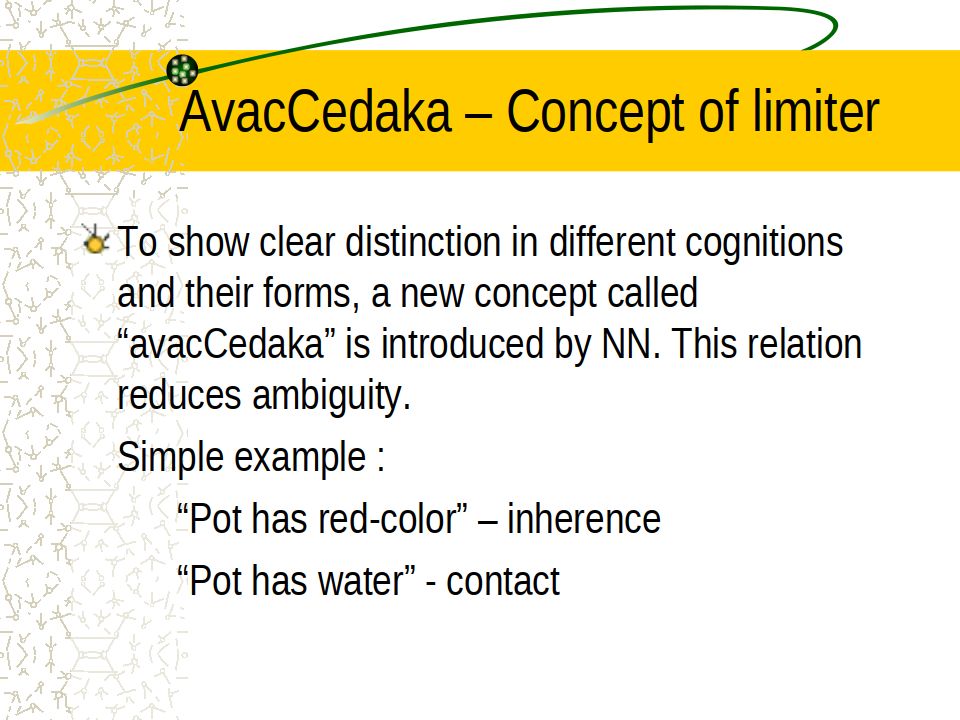
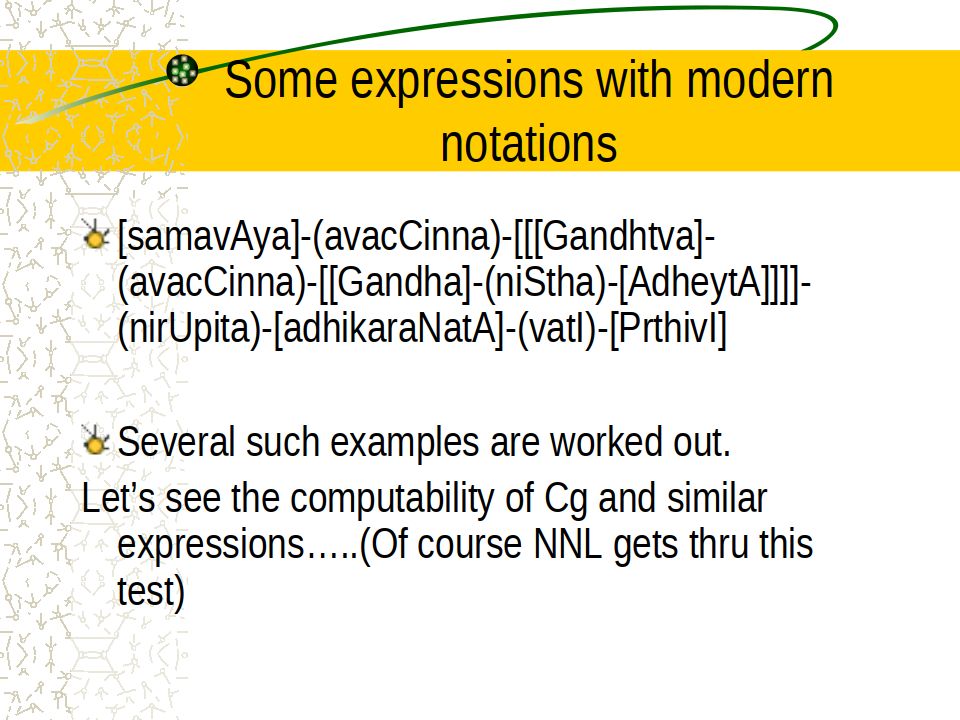
Navya-Nyāya
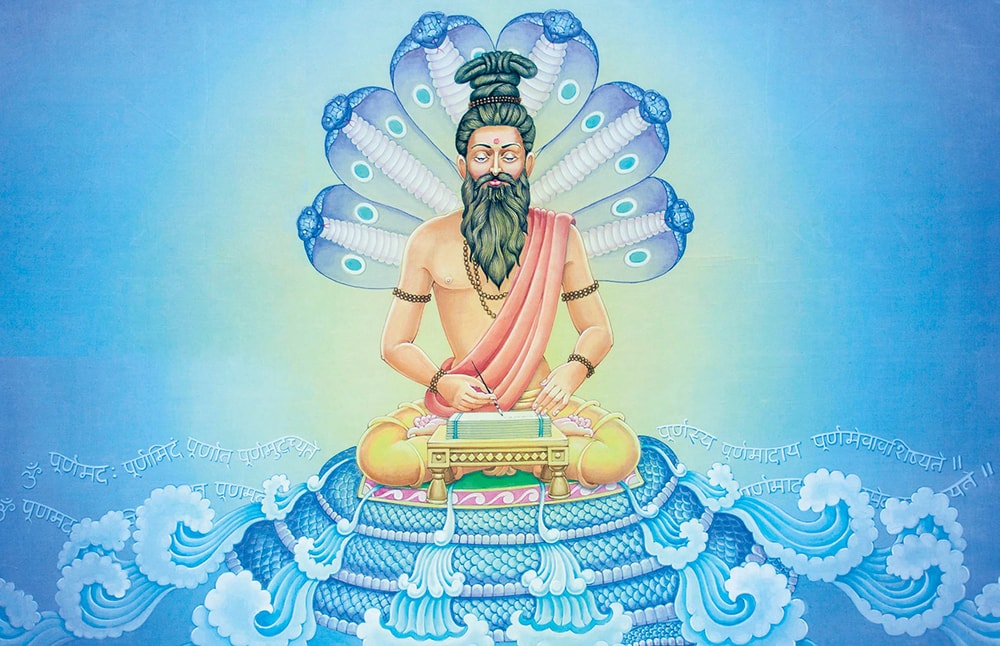
The Navya-Nyāya darśana (system/school) of Indian logic and philosophy was founded in the 13th century by the philosopher Gangeśa Upādhyāya. Other influences were the work of earlier philosophers Vācaspati Miśra (900–980 CE) and Udayana (10th century). Nyaya means correct thinking with proper arguments & valid reasoning. Its goal is “acquiring knowledge of the reality”. It remained active in India to the 18th century.
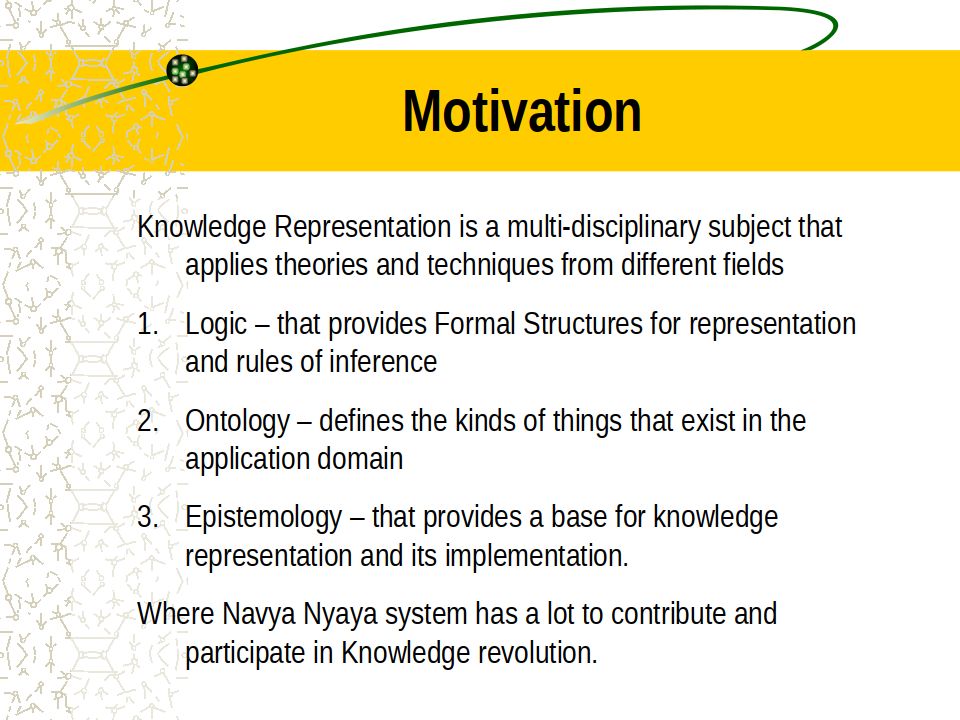
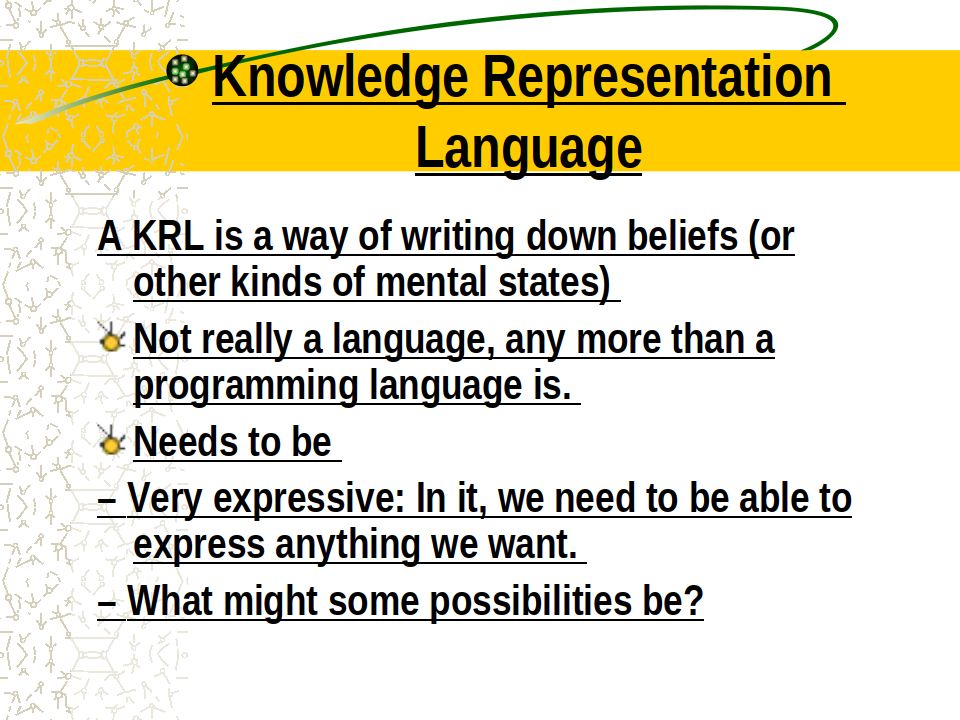
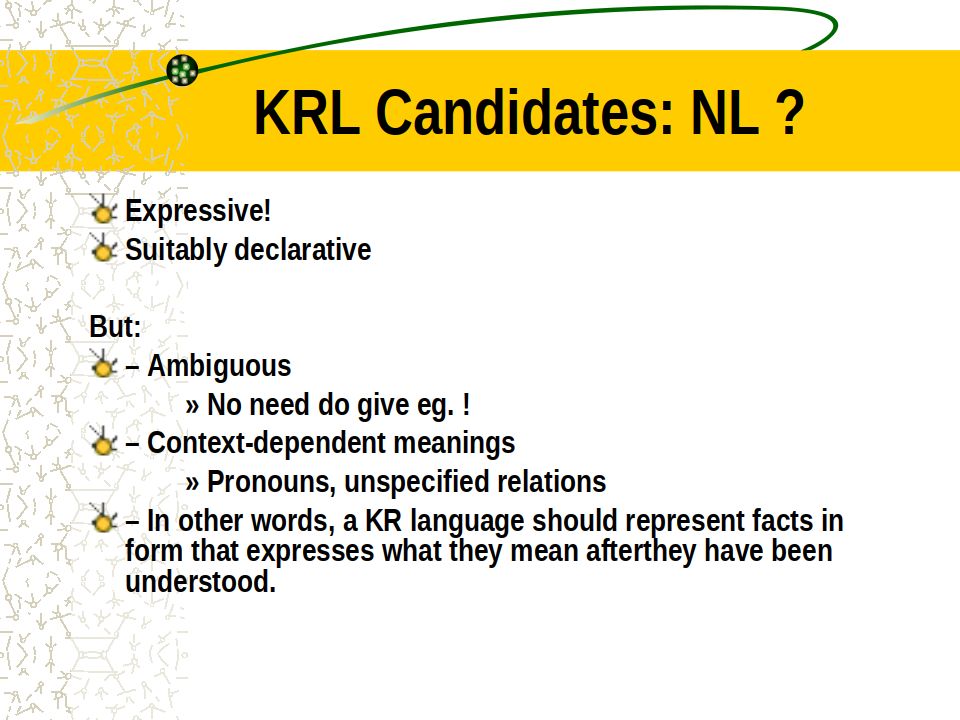
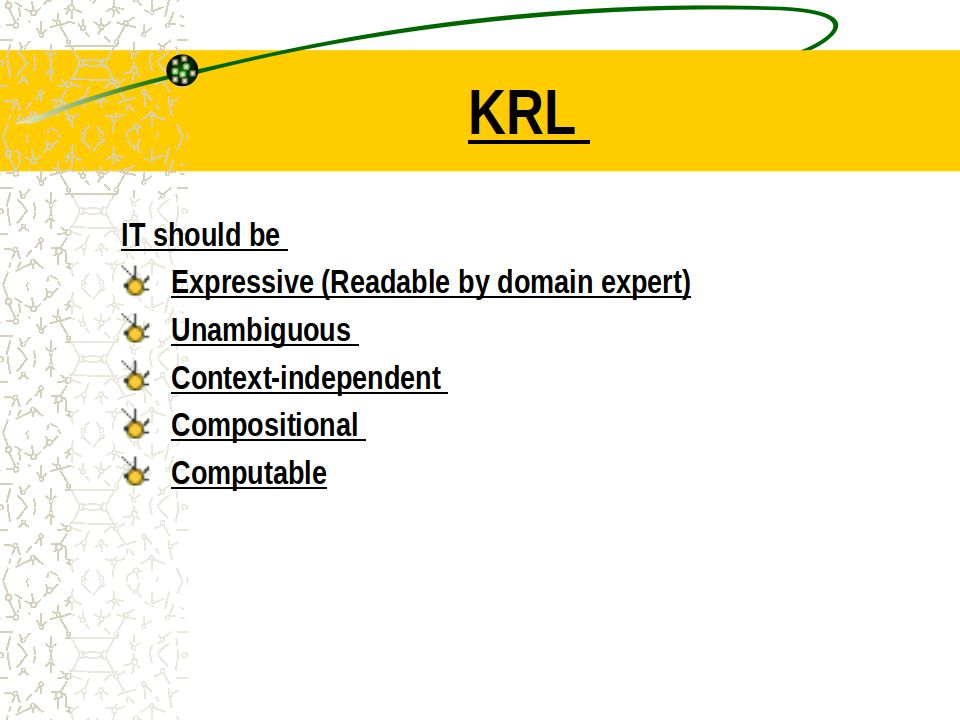
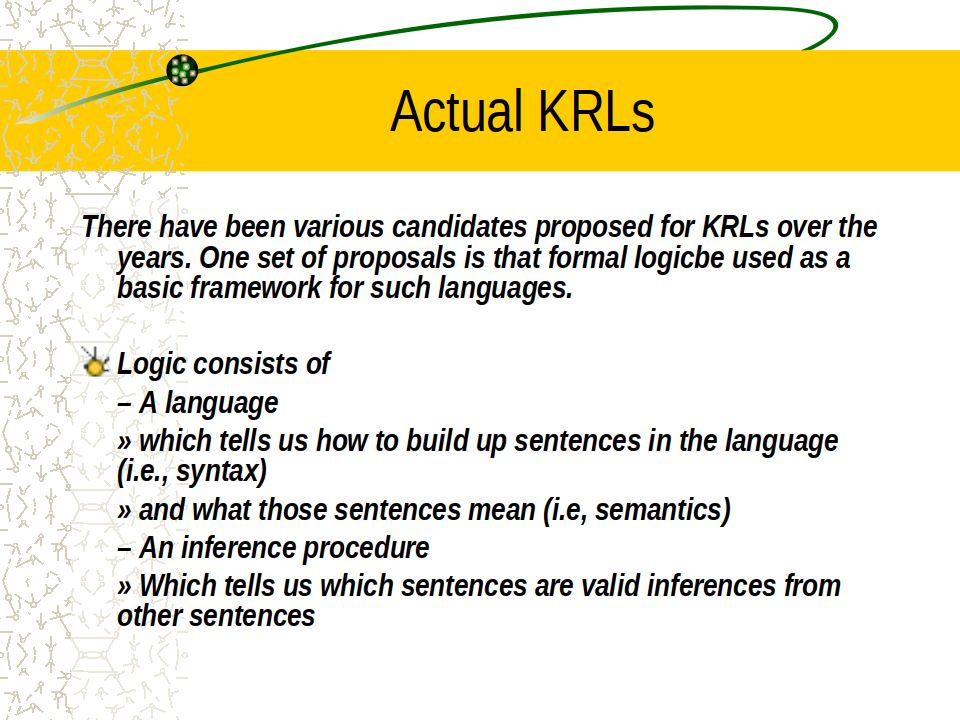
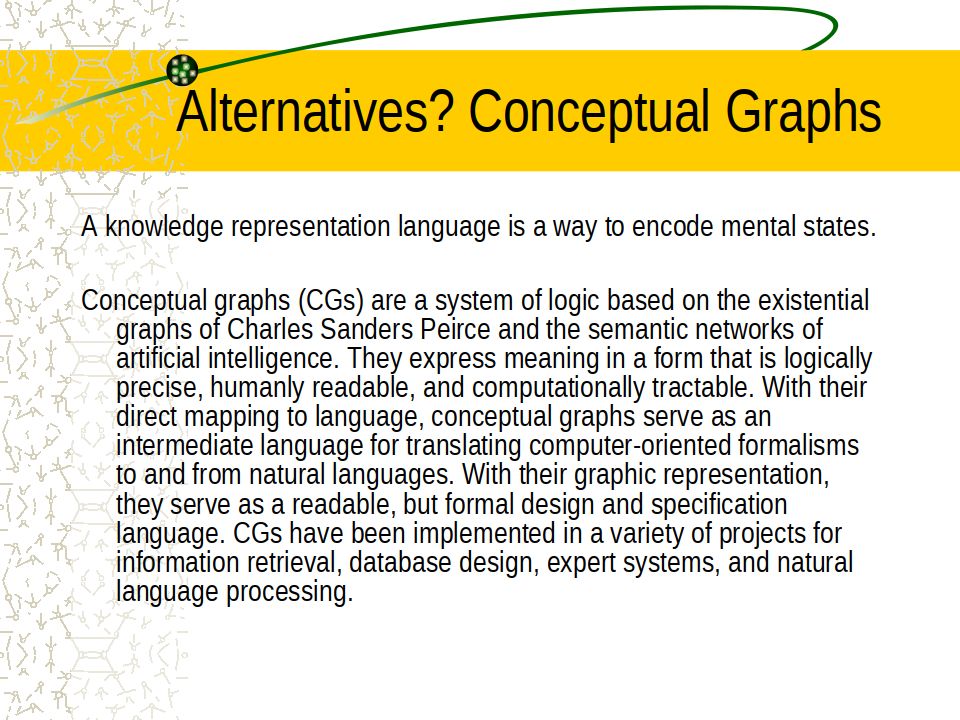
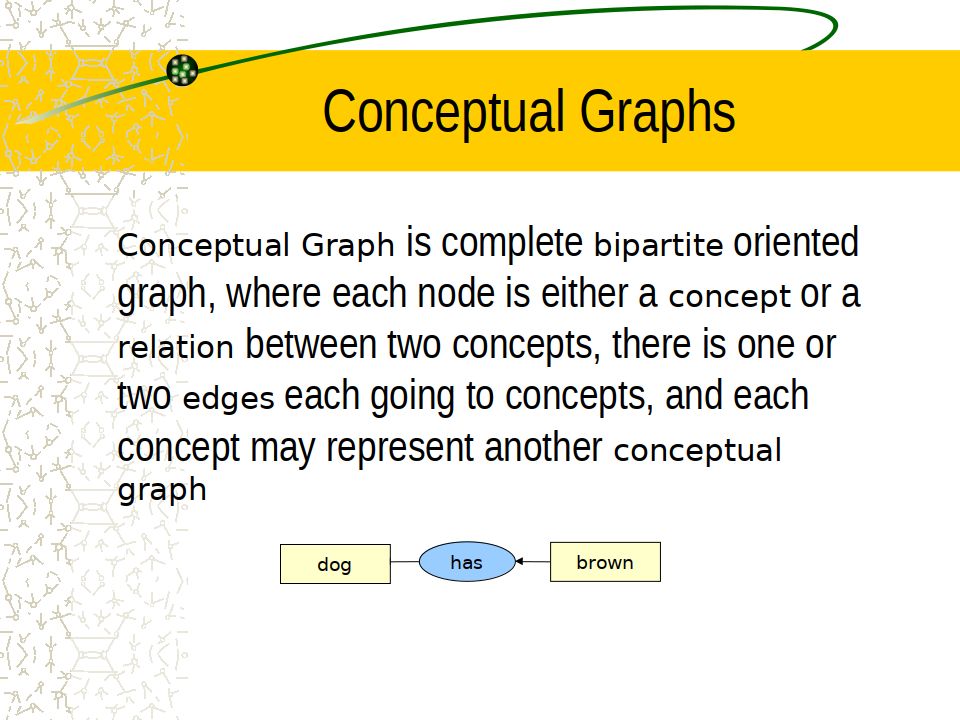
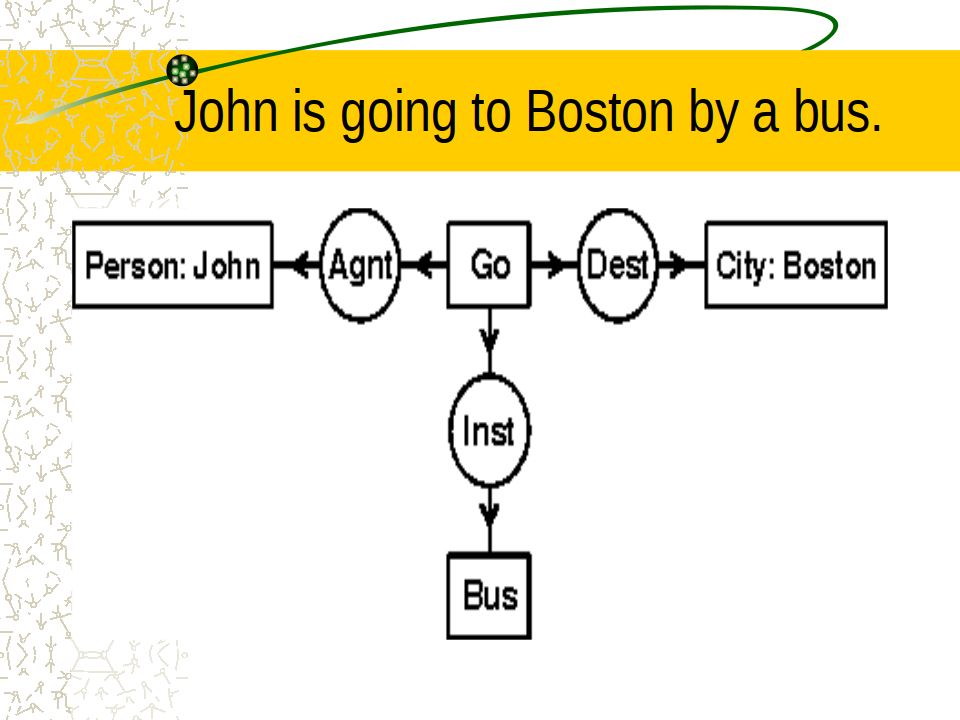
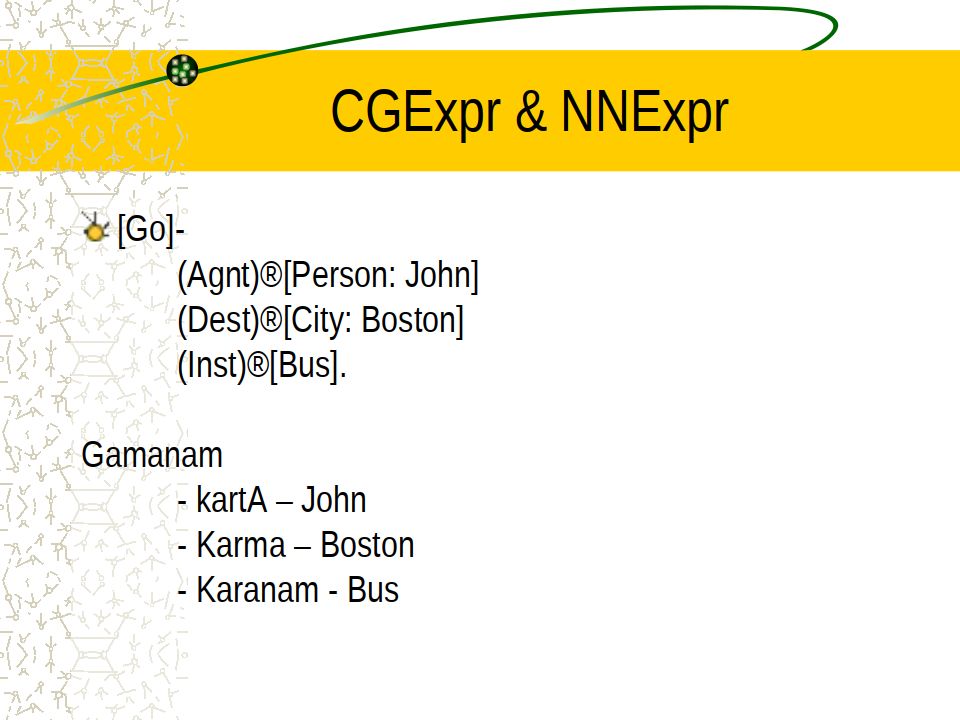
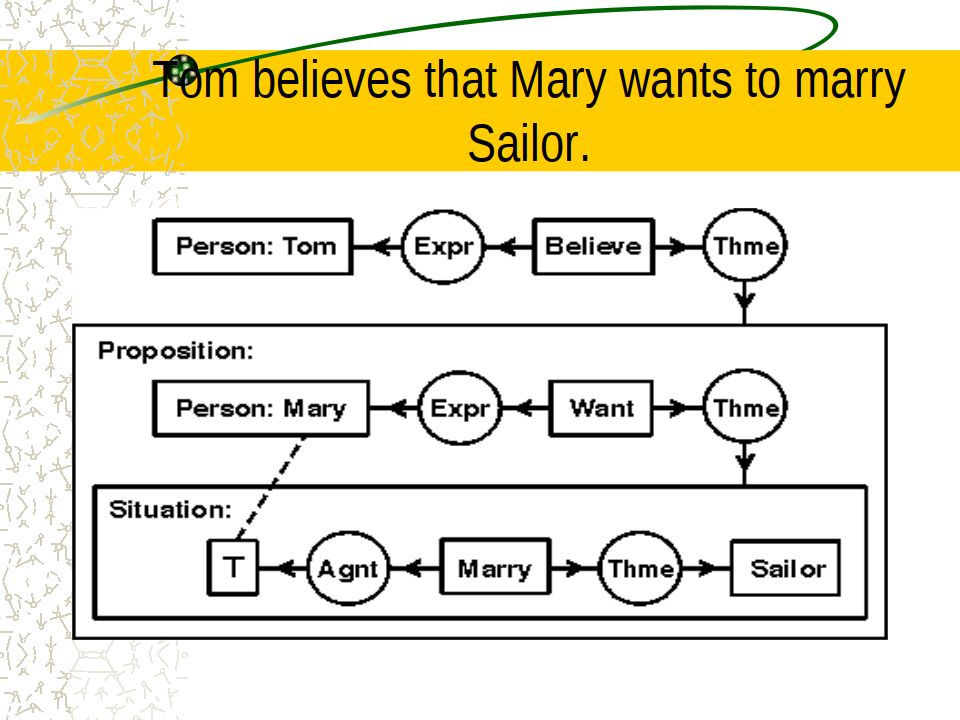
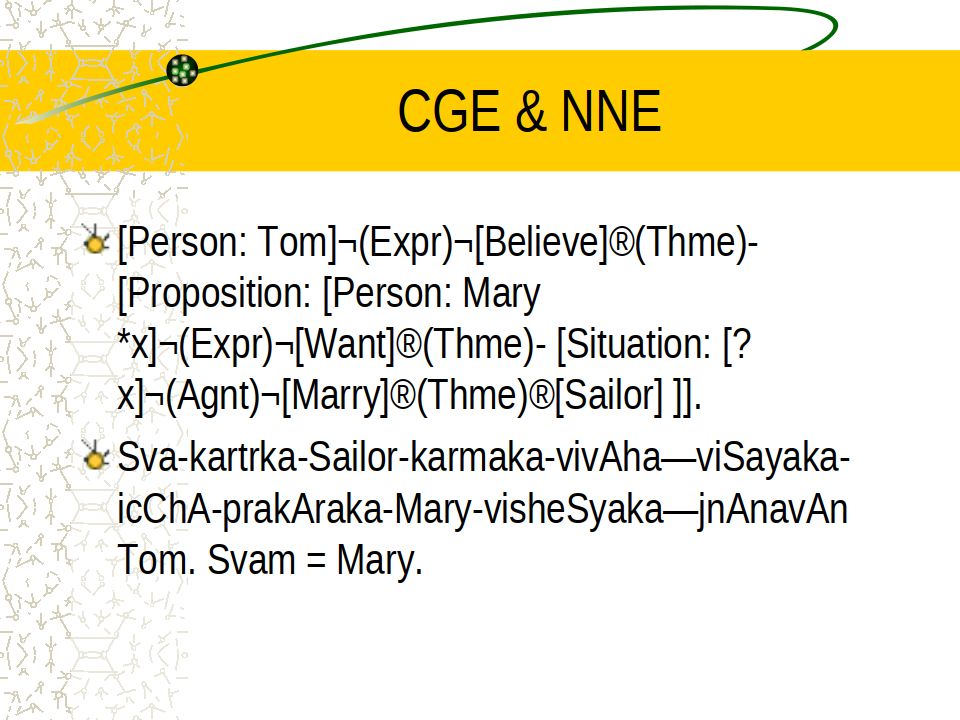
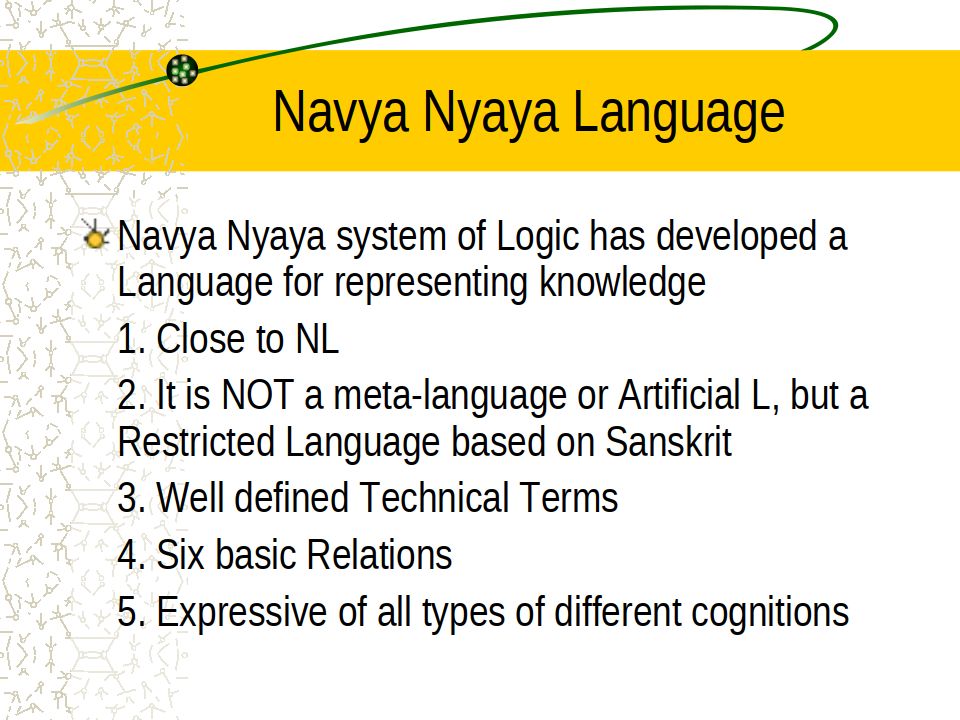
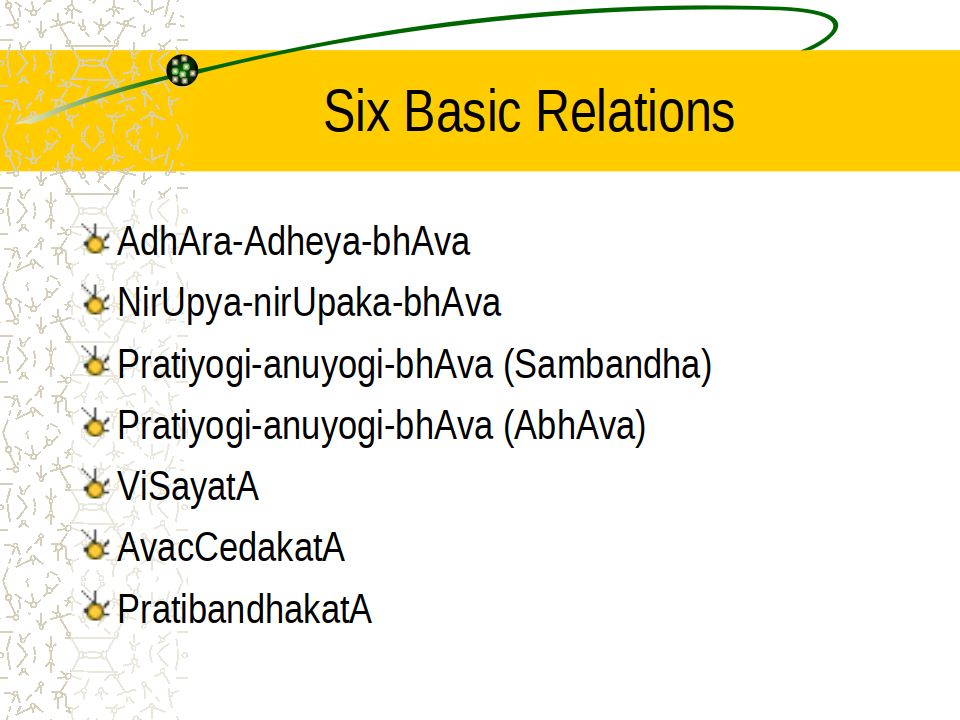
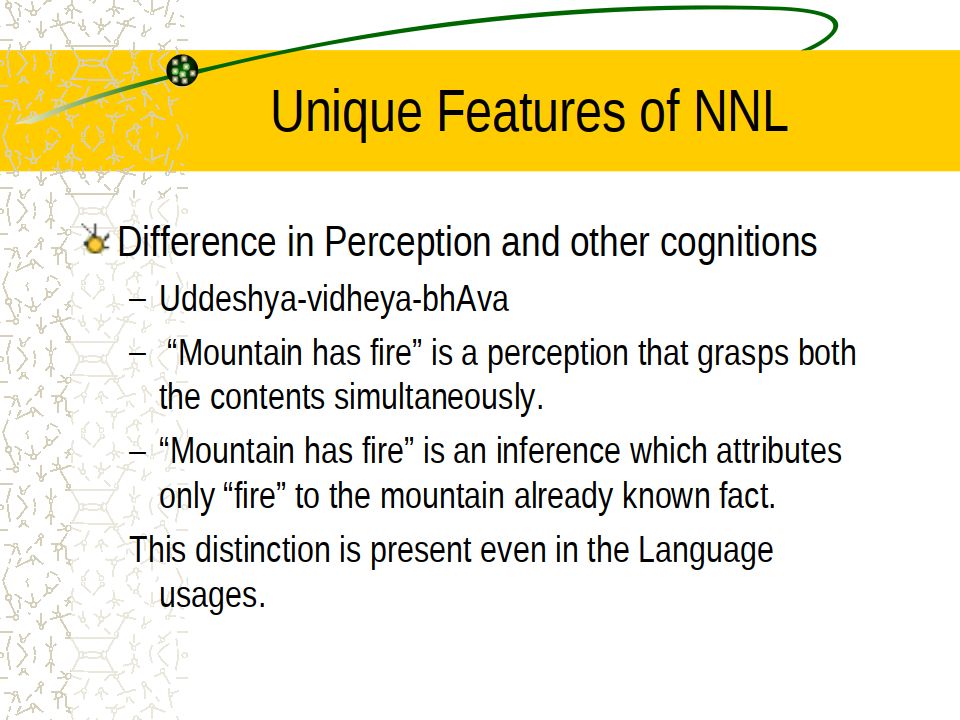
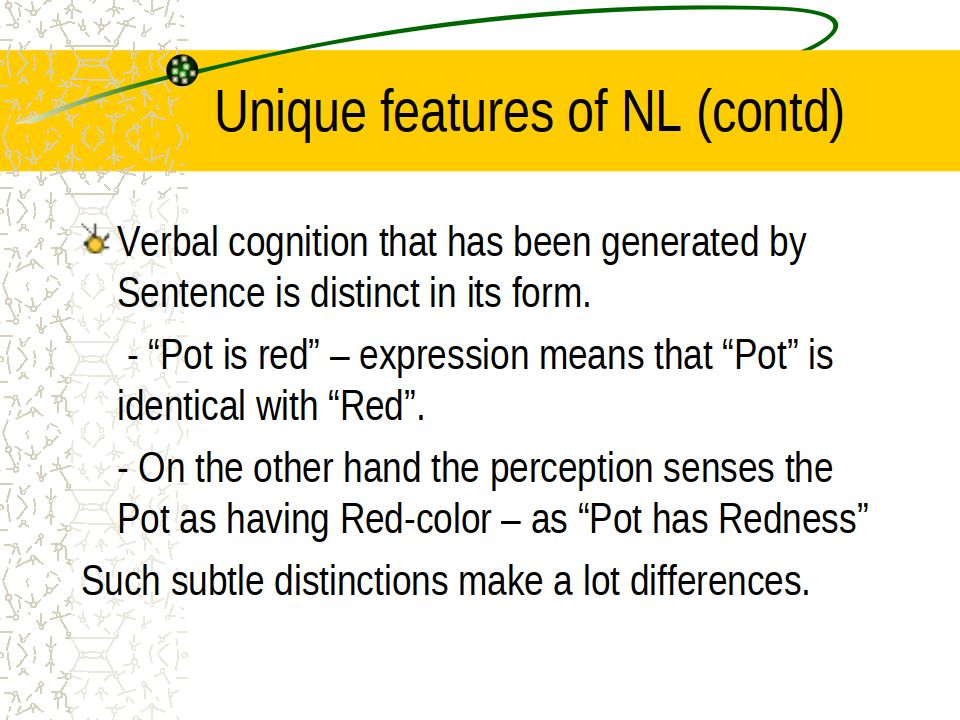
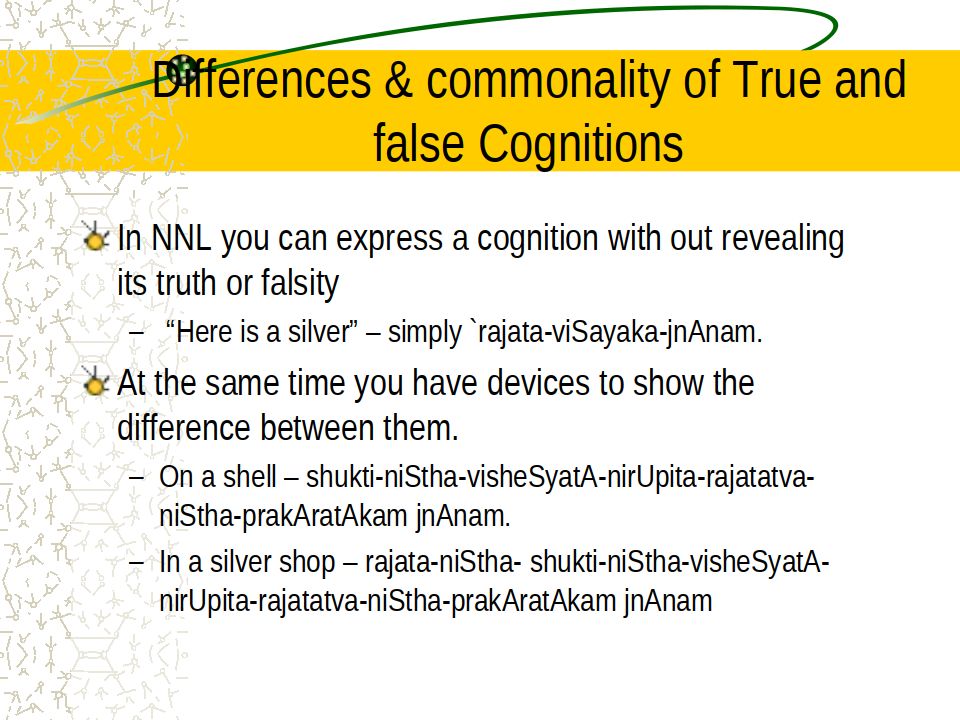
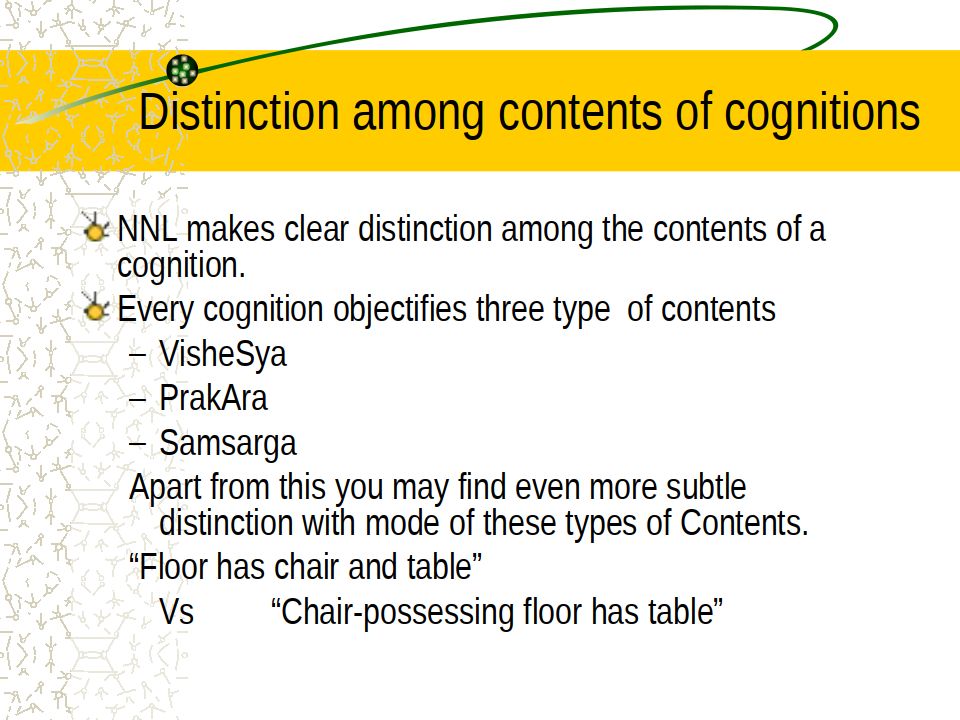
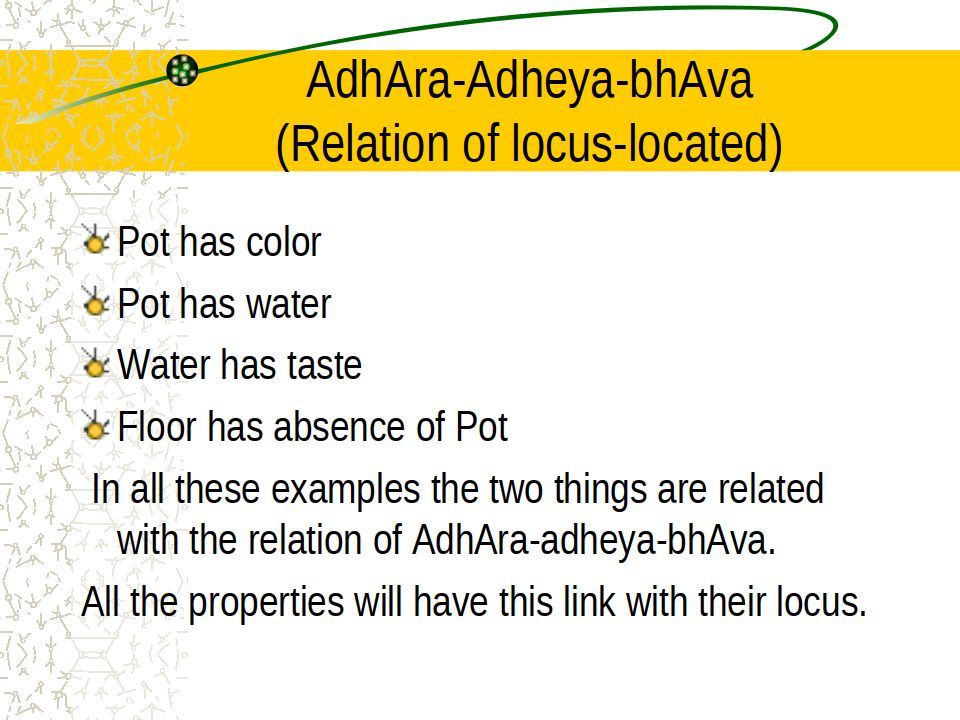
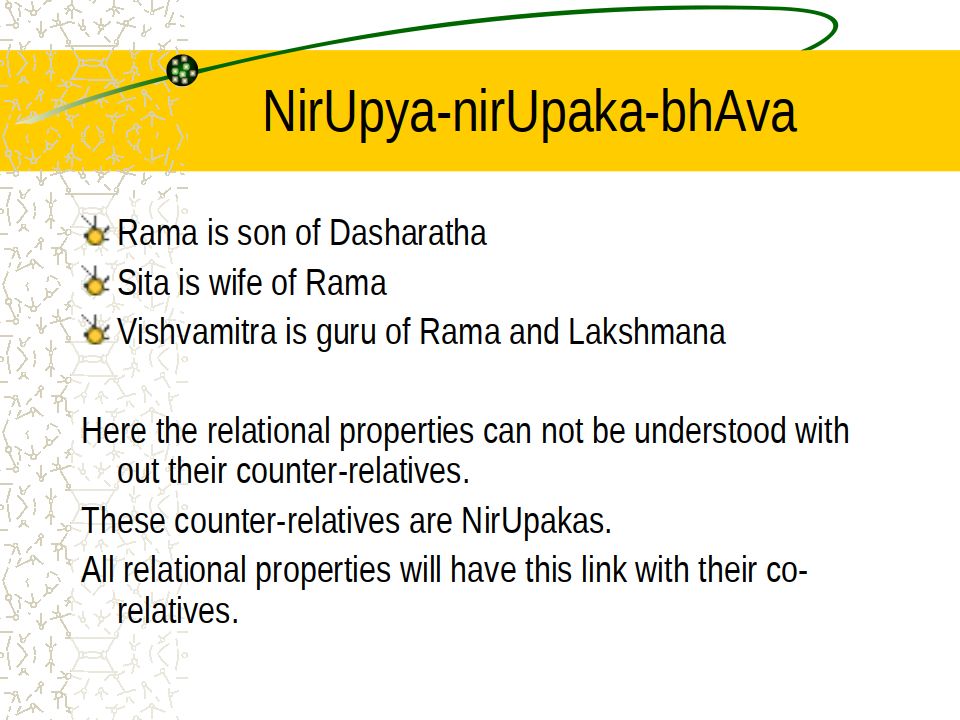
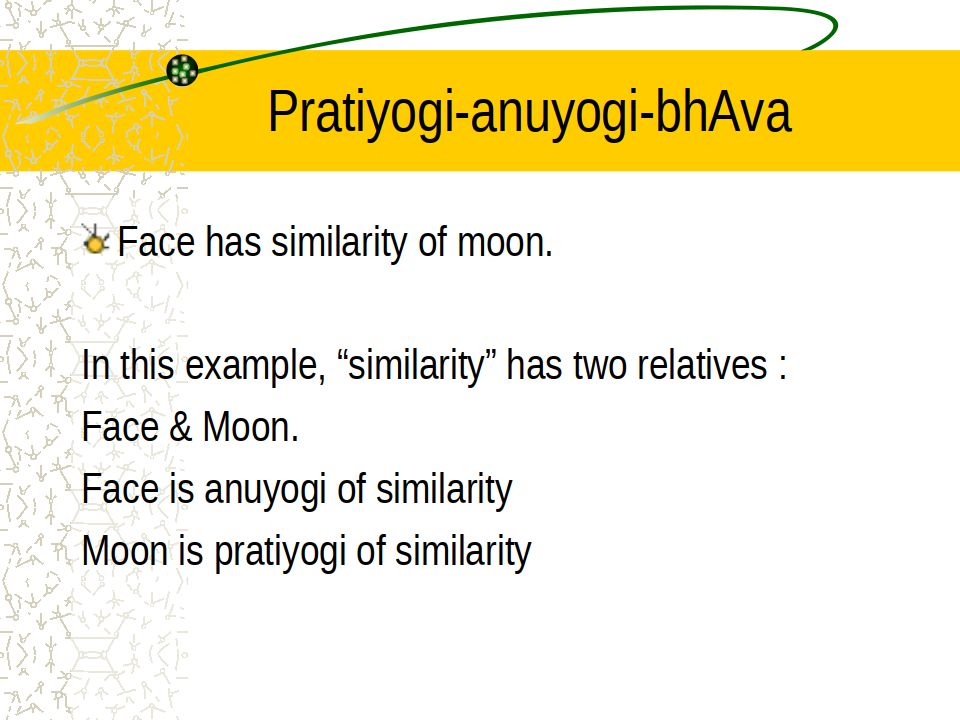
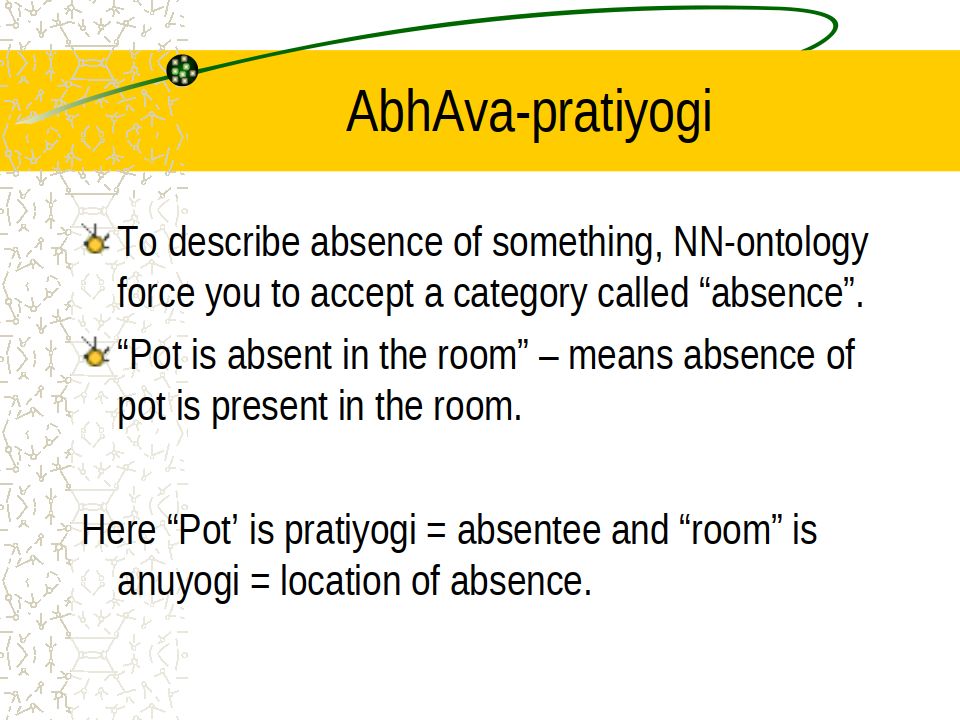
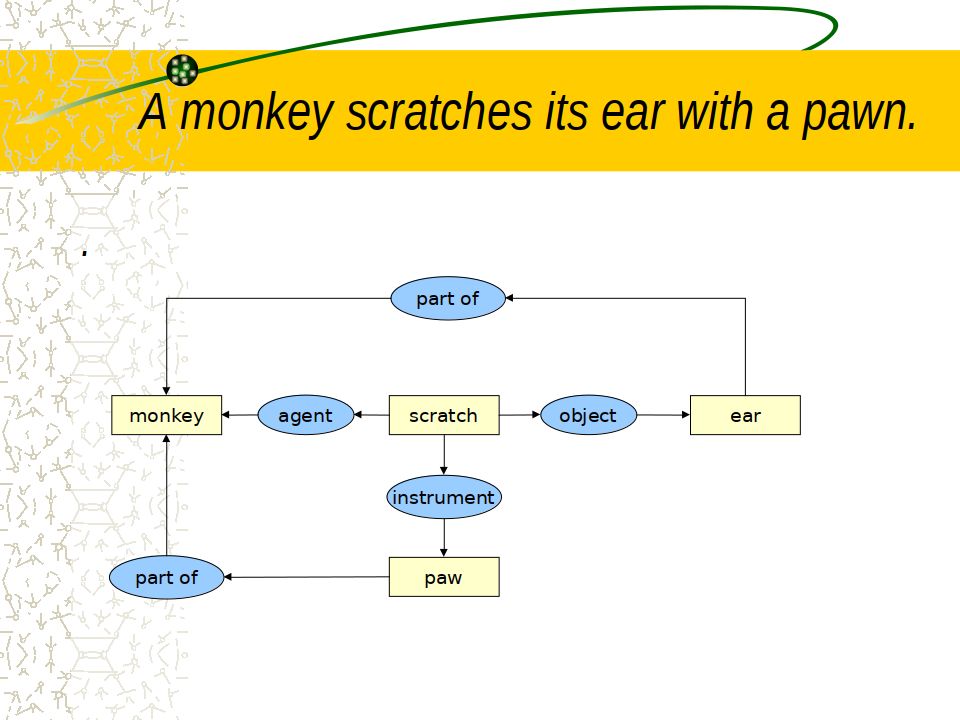
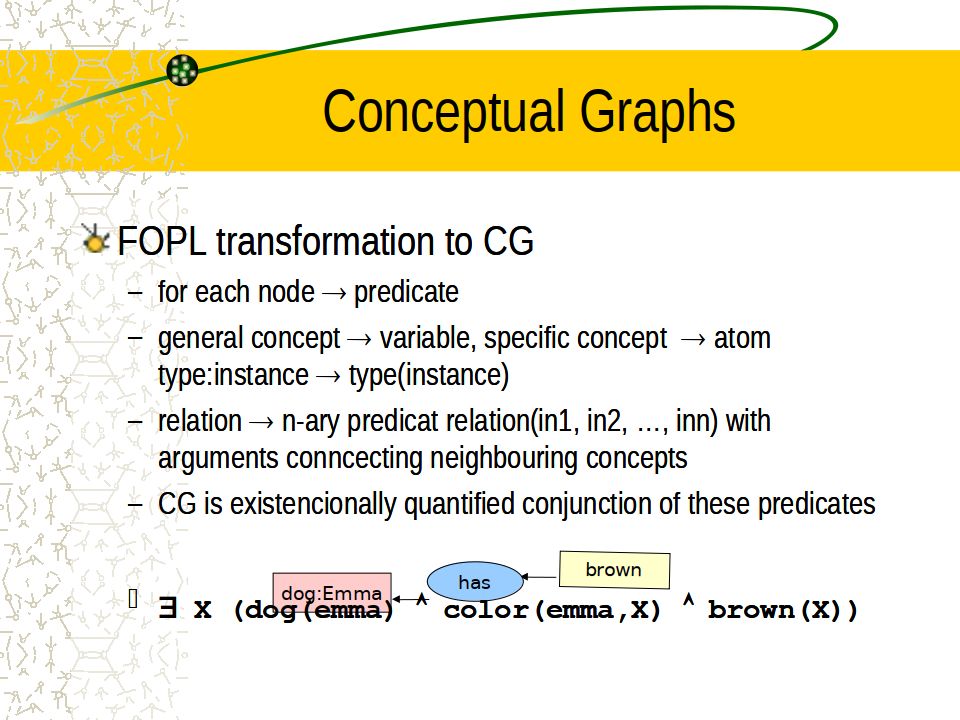
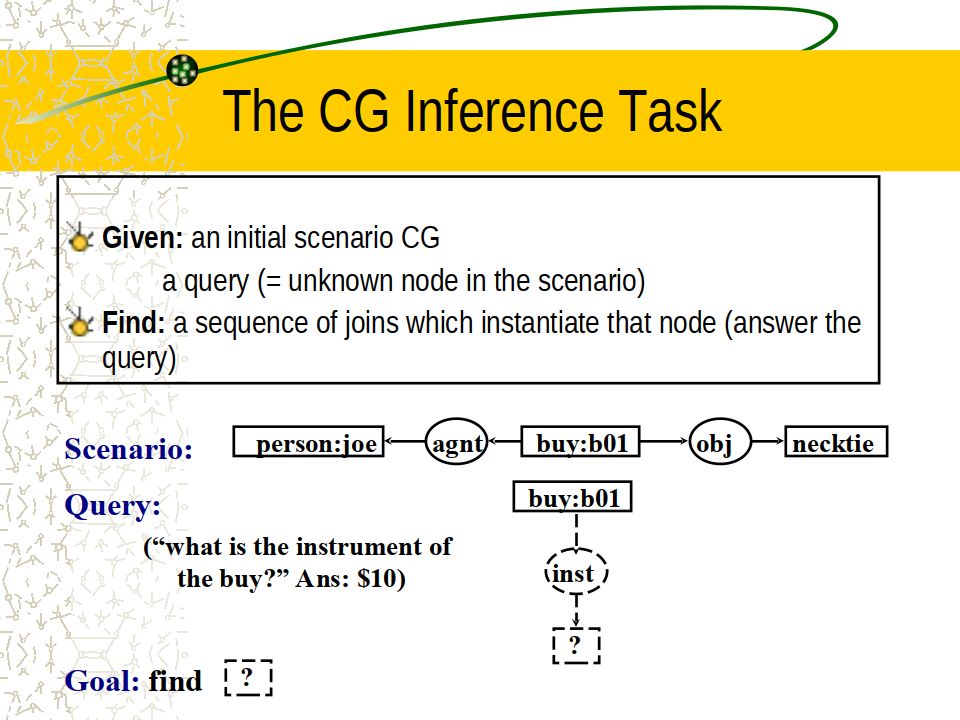
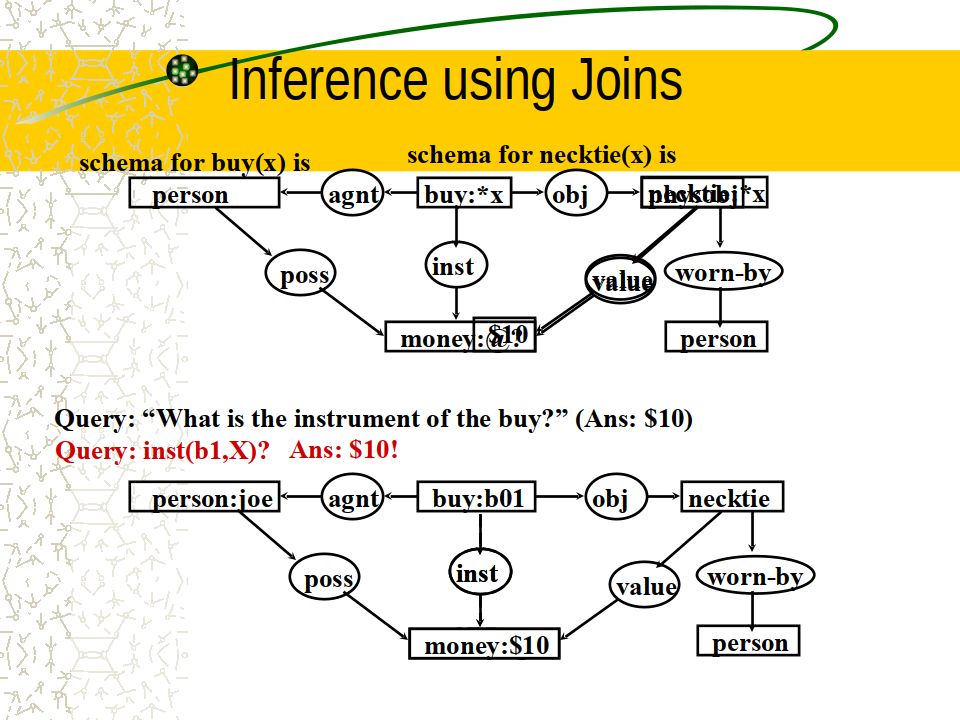
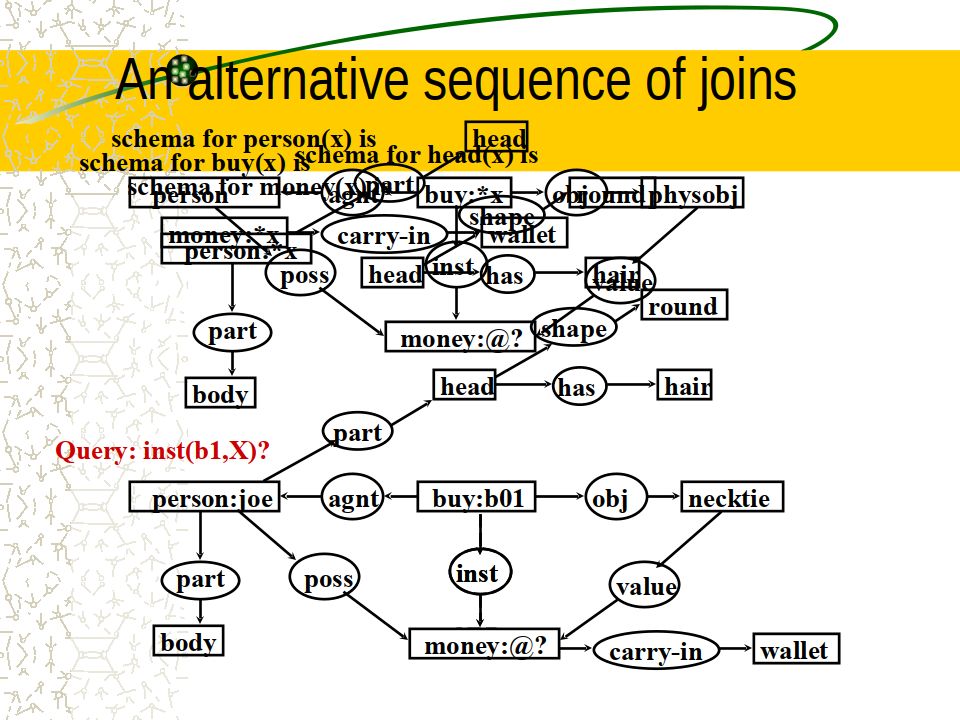
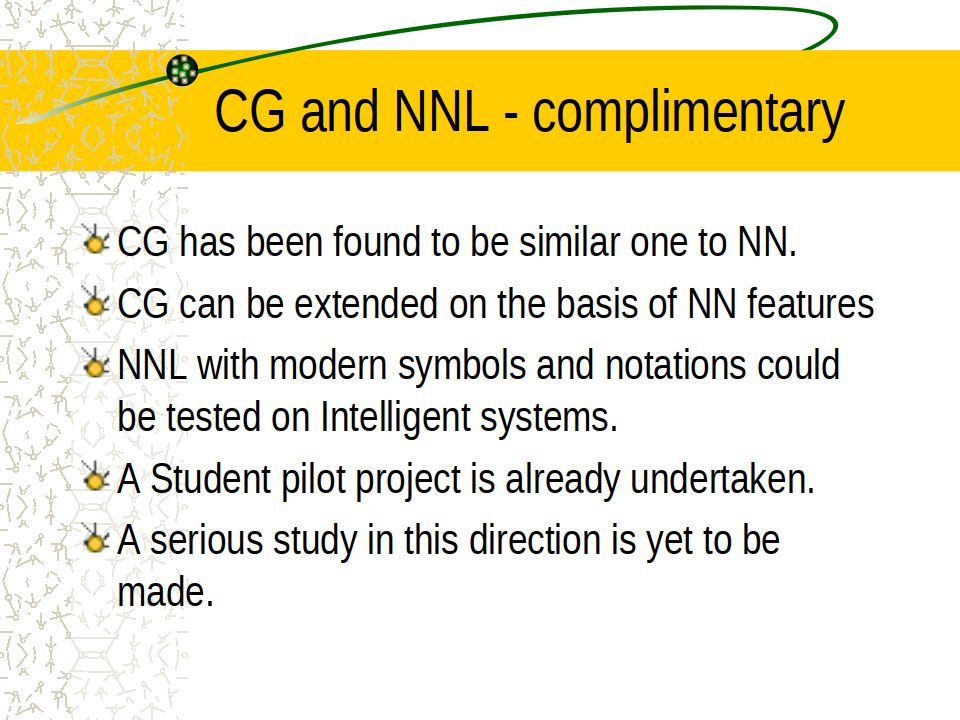
Introduction to Knowledge Representation and Navya Nyaya - by Dr. Shrinivasa Varakhedi
Related Links:
- Blog: The comparatively early appearance of sophisticated Nyāya logic, epistemology, and empiricism in Indian/Indic philosophy
- Research: Segmentation of Navya-Nyāya Expressions
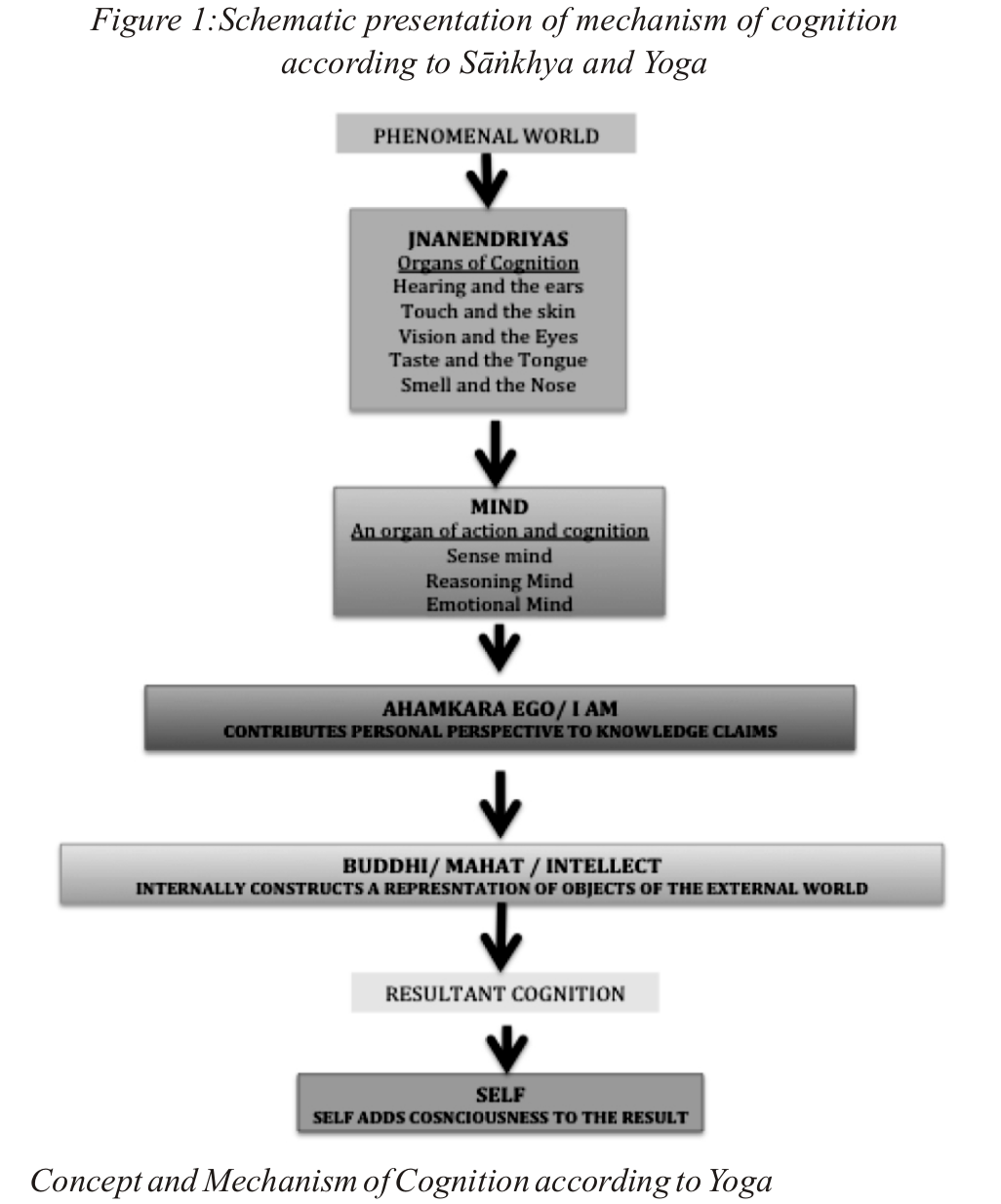
- Research: Concept and Mechanism of Cognition According to Ancient Indian Texts
- Research: A Survey and Evaluation of Diagrams for Navya-Nyāya
- Researchers: John Vattanky, Bimal Krishna Matilal
- Book: Navya Nyaya System of Logic - by D. Guha
- Book: Materials For The Study Of Navya Nyaya Logic - by Daniel H.H. Ingalls
- Context: Educational Insight: Six Streams Of Hindu Philosophy
- Context: Nyāya Sūtras
Nyaya Philosophy
Following Text is by Vikas Dhavaria from his Dhavaria blog:
1.1 Introduction
- Nyaya school is founded by sage Gautama (Aksapada).
- Nyaya means correct thinking with proper arguments and valid reasoning.
- Known as:
- Tarakshashtra (The science of reasoning)
- Pramanashashtra (The science of logic and epistemology)
- Hetuvidya (The science of causes)
- Vadavidya (The science of debate)
- Anviksiki (The science of critical study)
- Its goal is “acquiring knowledge of the reality”.
1.2 Epistemology
Nyaya school of thought is adhered to atomistic pluralism and logical realism.
Atomistic Pluralism
- atom is the constituent of matter,
- they are not one but many entities,
- both material and spiritual,
- as ultimate constituents of the universe.
Logical Realism
- world exist independently of our perception and knowledge.
- Independent existence of the world can be defended by logical argument and critical reflection on the nature of experience.
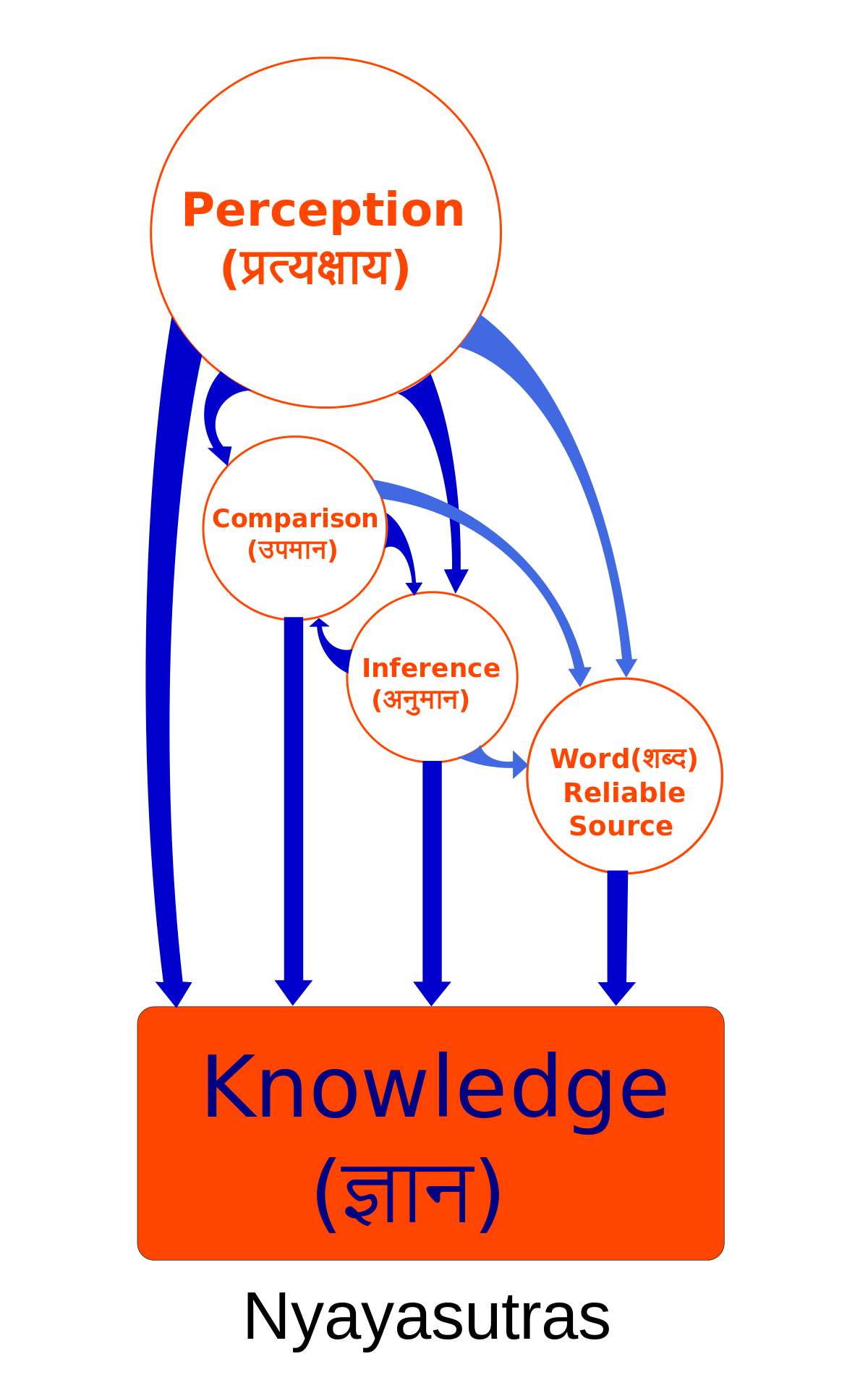
The Nyaya philosophy recognized sixteen categories and the first category is known as “Pramana” which focuses the logical and epistemological character of the Nyaya system.
Pramanas – Four independent pramanas (sources of valid knowledge)
- Perception
- Inference
- Comparision
- Verbal testimony or sabda
Knowledge may be treated as cognition, apprehension, consciousness, manifestation of objects. Knowledge is of subjective and objective.
Subjective knowledge –
- Different people
- Different opinion
- Particular subject
Objective knowledge –
- Different people
- Similar opinion
- Particular subject
Knowledge may be valid (prama) or invalid (aprama).
Valid knowledge (Prama)
- True and right apprehension of an object.
- Manifestation of object as it is.
- Consequence of the correspondence theory of truth – truth is the correspondence between a proposition and reality.
- Presentative knowledge.
- Object of knowledge is directly present to the knower.
- Produced by four valid sources of knowledge-
- Perception
- Inference
- Comparision
- Sabda
Invalid knowledge (Aprama)
- Wrong apprehension of object
- It includes-
- Memory (smriti) – representative knowledge
- Doubt (samasya) – lack of certinity
- Error (viparyaya) – misapprehension
- Hypothetical reasoning (tarka) – invalid knowledge
Consider the four valid sources of knowledge (pramanas) that is upheld by the Nyayikas.
1. Perception
Direct and immediate cognition produced by the interaction between the object and sense-organs.
Four elements are necessary:
- self
- mind
- sense organs
- objects
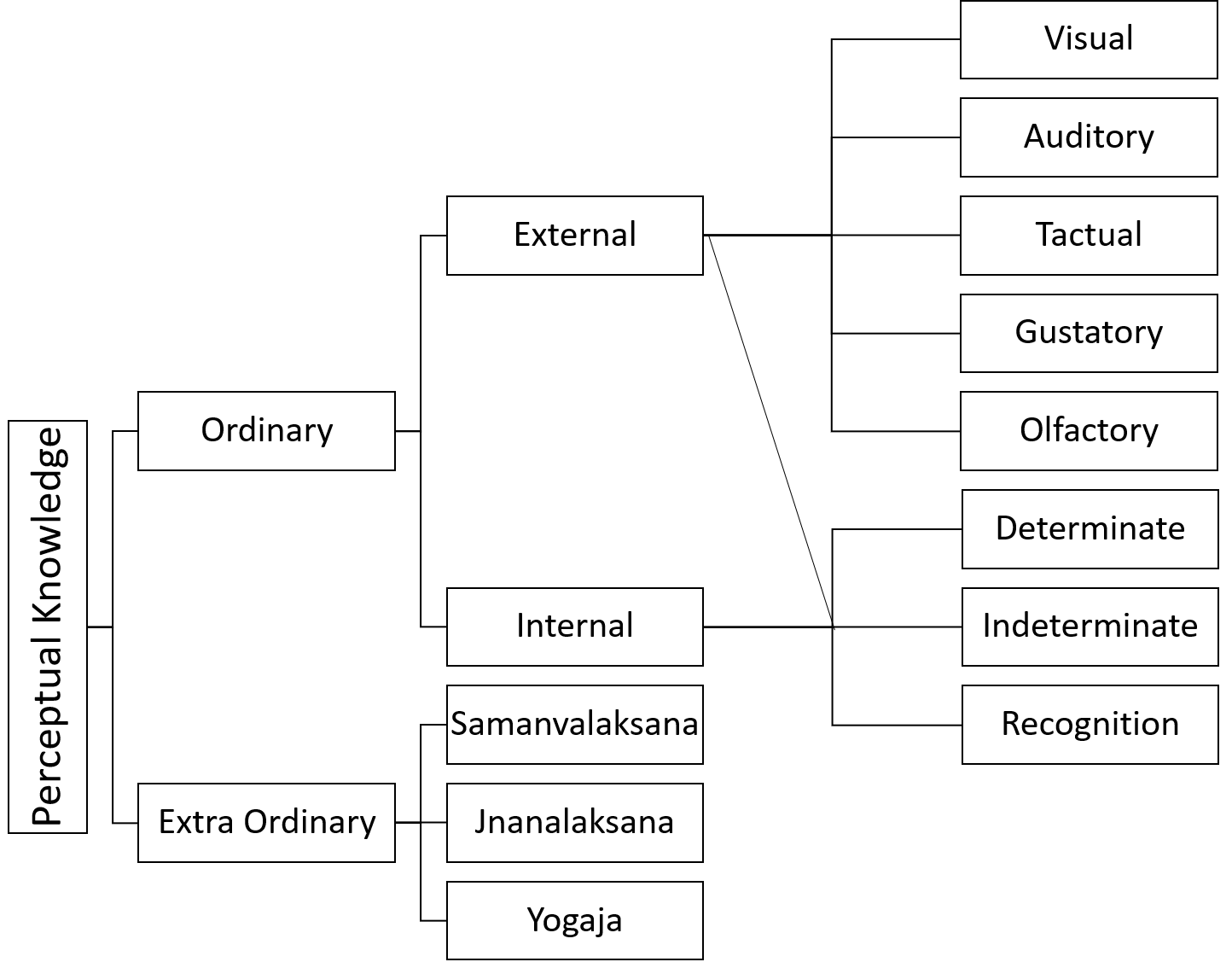
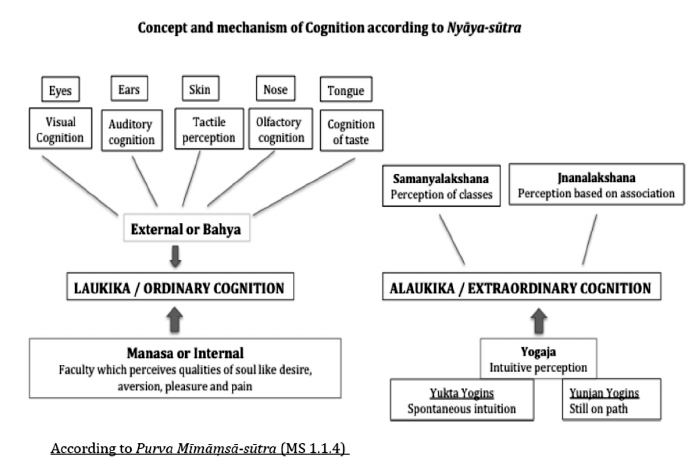
Two types of perception:
- Ordinary perception (laukika)
- Extra ordinary perception (alaukika)
Ordinary Perception (two types – external and internal)
- External perception (bahya)
- five sense organs
- auditory
- visual
- tactual
- gustatory
- olfactory
- five sense organs
- Internal perception (manas)
- only mind and object (example: feeling, desiring, wishing etc.)
Again, perceptions are divided in three sorts-
- Indeterminate perception (nirvikalpa)
- when we can not determine its features like color, shape, size etc.
- Determinate perception (savikalpa)
- when the knowledge of an object consists of characters, such as; name, color, shape etc.
- Recognition (prativijnana)
- the senses contact with the object and recalled that whether the same object had been encountered earlier or not.
Extra ordinary perception
It is a perception that provides knowledge even without the senses object contact.
Three types of extra ordinary perception
- Samanyalaksana
- perception of universals or classess
- all the particulars belonging to same class
- Jnanalaksana
- an object is not directly presented to the sense organs, but it is retrived in memory through the past cognition of it and is perceived through representation.
- example: the ice looks cold, the fire looks hot etc.
- Yogaja
- yogis through their power of meditation can have intuitive and immediate perception of all objects, past, present and future.
2. Inference (anumana)
anumana, anu (after) + mana (cognition)
Anumana or inference is such knowledge which follows from other knowledge.
Constituents of inference
An inference is constituted with at least three sentences and these
- three sentences
- major premise
- minor premise
- conclusion
are again constituted of
- three different terms
- major term
- minor term
- middle term

Major Premise : All things which have smoke (middle/hetu) have fire (major/sadhya).
Minor Premise : This hill (minor/paksha) has smoke (middle/hetu).
Conclusion : Therefore, this hill has fire.- Major term or Sadhya is found in the major premise. Not perceived but it is inferred by us.
- Minor term or Paksha is found in minor premise. Perceived but not inferred by us.
- Middle term or Hetu is found in both premises. Establish a relation between Sadhya and Paksha.
In an inference, knowledge of and object is derived due to previous knowledge of some sign or mark. The previous knowledge is due to the universal relation between the major term and the middle term is being present in the minor term.
Types of Inference
- Svartha or for one’s self
- Parartha of for other
Inference for others consists of five constituents:
- This hill has fire (Pratijna).
- Because there is smoke (Hetu).
- Wherever there is smoke, there is fire (Udaharana).
- This hill has smoke (Upamana).
- Therefore, this hill has fire (Nigamana).
Smoke, the middle term appears three times. Therefore, it is also known as “tritiyanlinga paramarsa”.
3. Upamana (Comparison)
Upa (similarity) + mana (cognition) means… the similarity between the things and objects.
Four steps involved:
- Authoritative statement or description of object (Describe a squirrel)
- One observes any such object. (Observe an animal)
- Recollection of description. (Recall the description of squirrel)
- Resulting knowledge… object is same as described. (Observed animal is squirrel)
4. Verbal Testimony (Sabda)
Sabda is the instructive assertion of a reliable person.
Example: A local fisherman tells about the depth of river.
Kinds of Sabda:
Based on objects of meaning-
- Drustartha – deals with perceptible object. Table is brown.
- Adrustartha – deals with imperceptible object. Truth is noble.
Based on the origin of words-
- Laukika – secular. Only the words of trustworthy person.
- Alaukika – Divine or Vaidika.
1.3 Theory of causation (Asatkaryavada/Armbhavada)
Two important components in this theory:
- Cause – an unconditional and invariable antecedent of an effect.
- Effect – an unconditional and invariable consequent of a cause.
Effect is produced by a cause but the effect and the cause are not one and the same.
Effect is a new product comes to the existence.
1.4 Self and liberation
Infinite numbers of self exists in the universe.
Self:
- neither be identified with mind
- nor with pure consciousness
- but a consciousness belonging to an individual.
Self (no consciousness) when comes to contact with sense organs = Acquires consciousness. This acquiring produces bondage, hence aspires for liberation or salvation.
Liberation:
- The state refrain from all kinds of sufferings, cycle or birth and death.
- Can be achieved when there is cessation of karmic chain or karmic influx.
1.5 The concept of God
God:
- Creator, sustainer and destroyer.
- Efficient cause (not the material) of universe.
- Desires the universe remain in the state of stability and tranquillity.
- Omnipresent and omniscient being.
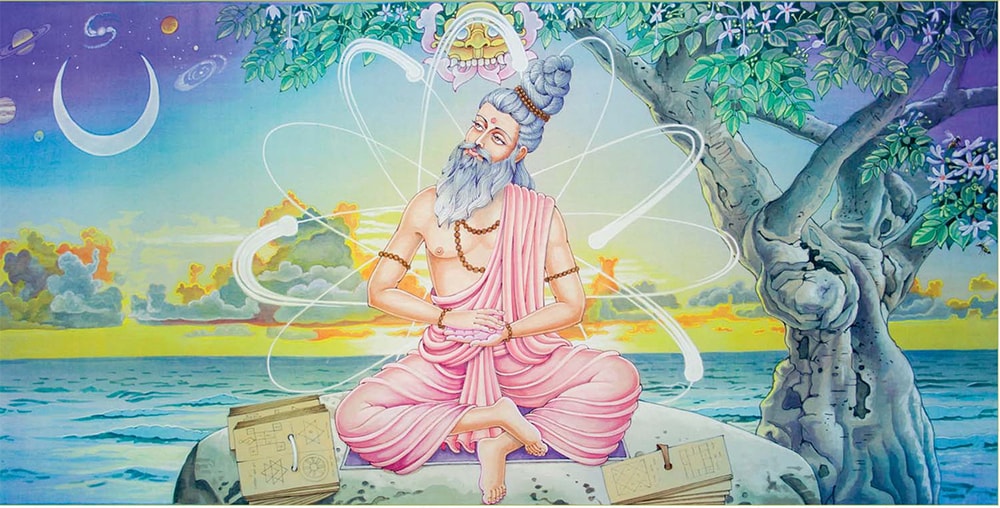
-
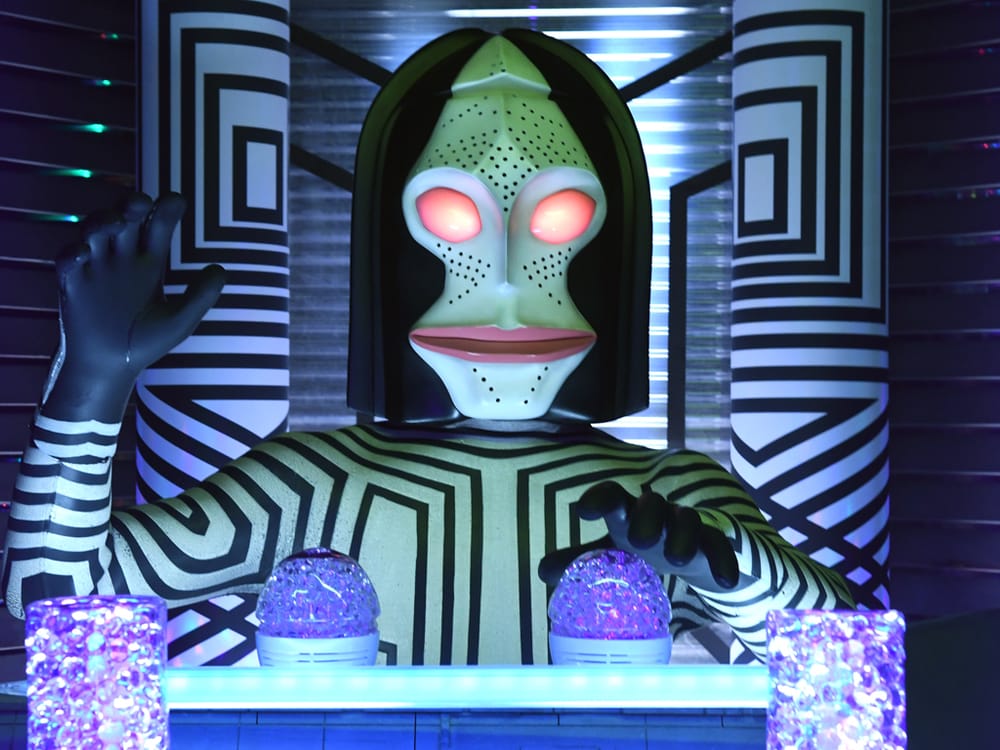
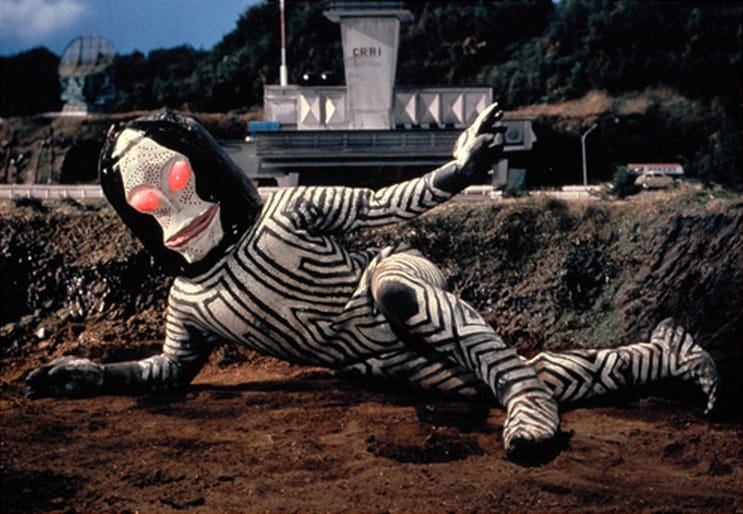
DADAISM in Japan!
Dada (ダダ) are a humanoid alien race that attacked Earth and started abducting humans to advance some form of research. A character from the Japanese TV show "Utraman".

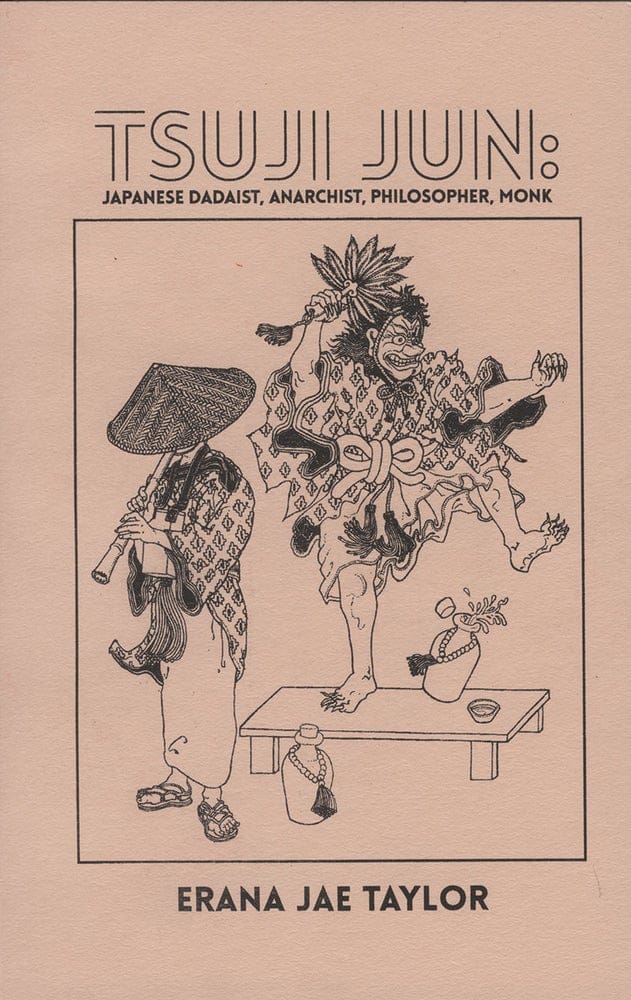
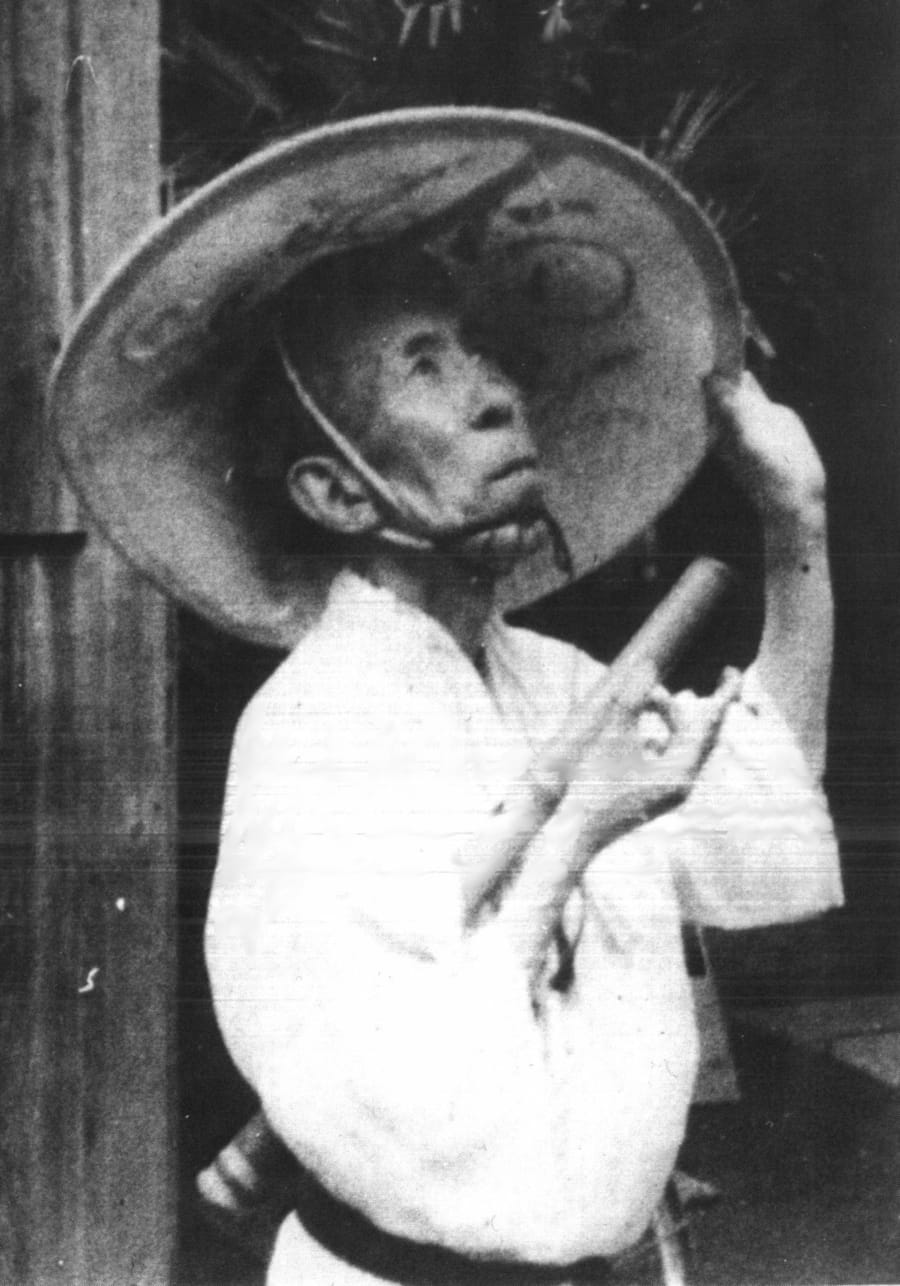
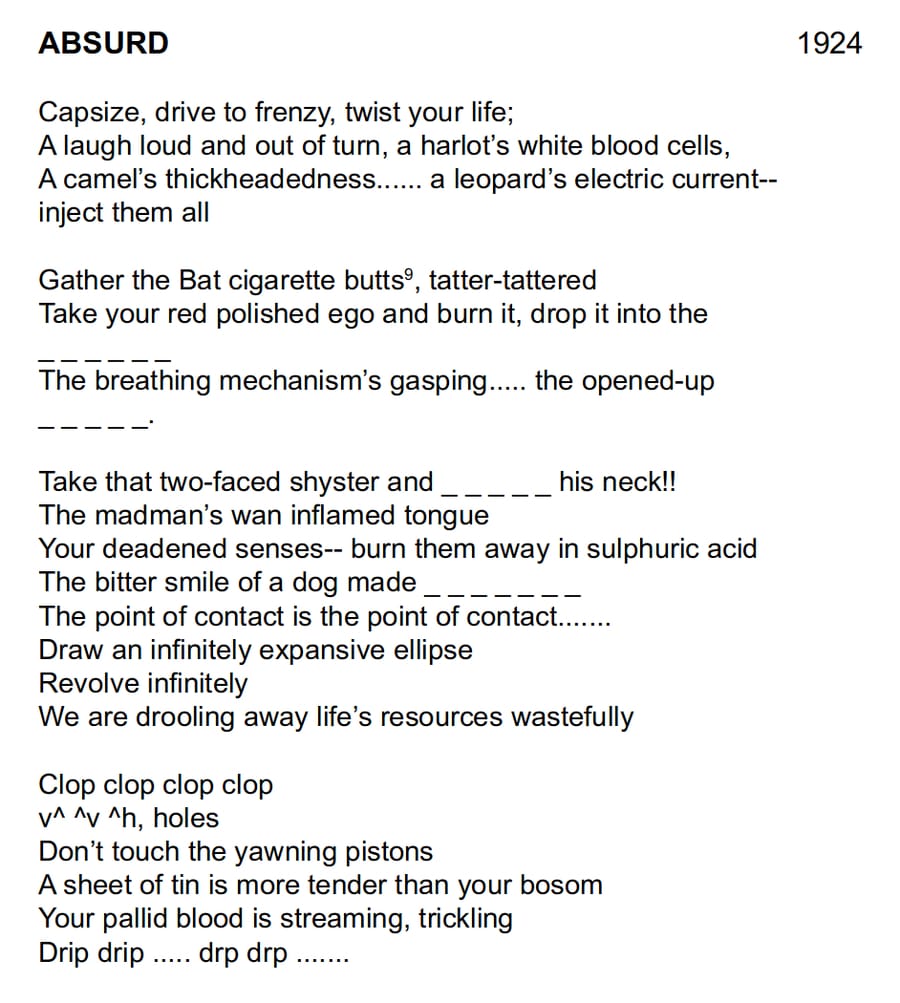
Jun Tsuji (辻 潤) (1884 - 1944) was a Japanese writer, translator, theater actor, musician, monk and philosopher of anarchism, egoism, nihilism, Dada and Buddhism. There is a book about him - by Erana Jae Taylor, a collection of poems (PDF) and more poems.
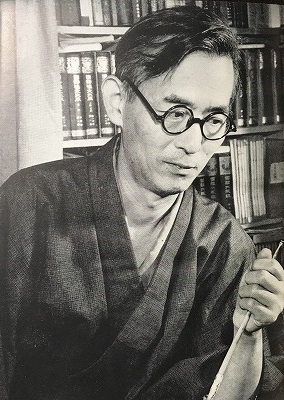
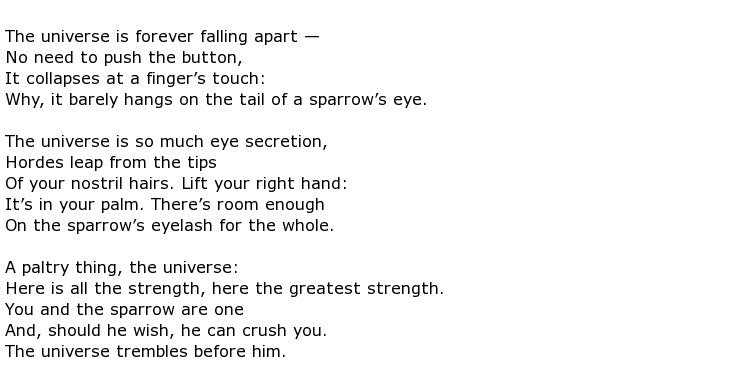
Shinkichi Takahash (wiki) (1901 - 1987), Japanese poet and pioneer of Dadaism in Japan. According to Makoto Ueda, he is also the only major Zen poet of modern Japanese literature.

The Art Of Nothingness: Dada, Taoism, And Zen - by Erin Megan Lochmann (2011) (PDF)
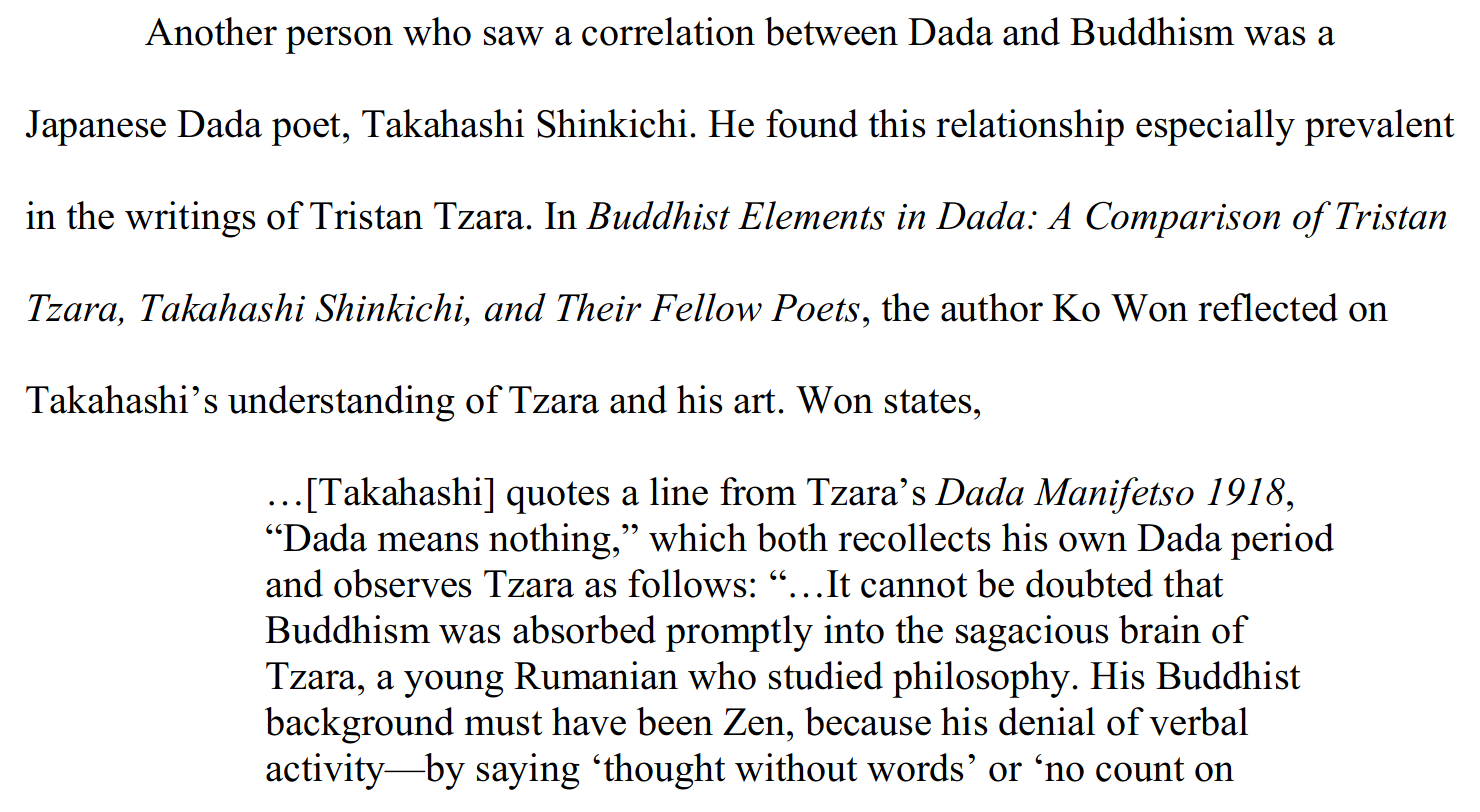
Abstract: When examining the art, actions, and writings of Zurich Dadaists it becomes apparent that there is an affinity with Eastern thought, namely Taoism and Zen Buddhism. It cannot be said that Eastern thought directly influenced the artistic production of these Dadaists. However, the philosophy of Dada artists in Zurich mirrors that of Taoism and Zen so strongly that this connection cannot be ignored.
Was Japanese Dada Even Tougher Than Its European Versions? - by Blake Gopnik (2016)

"Today’s Pic illuminates an arm of the international Dada movement about which I was totally ignorant – its Japanese arm. I’m showing the cover of a 1924 issue of the Japanese Dada journal called Mavo, edited by Tatsuo Okada and the Berlin-trained Tomoyoshi Murayama. Mavo originally came with a firecracker attached to its cover: How many museums or libraries would want that detail “read” outloud in their halls?"
MAVO was a radical Japanese art movement of the 1920s. The group used an interdisciplinary array of art, to communicate anti-establishment messages. Fueled by responses to industrial development, the MAVO group created works about crisis, peril and uncertainty. (wikipedia)
Dada theory and the current noise scene in Japan (JP only)
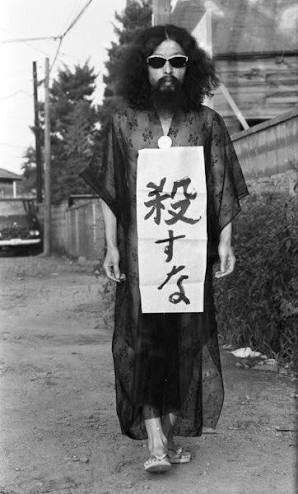

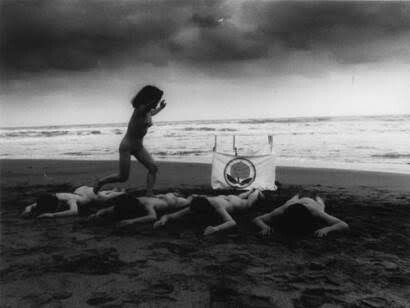
Dada movement's influence felt in Tokyo 100 years after launch in Europe

Photo: Swiss Ambassador to Japan Urs Bucher (left) poses for photos with "Dada," a monster in a popular TV series created as an extension of Dadaism, in Tokyo.
#Philosophy #Religion #Art #Politics #fnord #Comedy #Book #Japan
-
Apple AirPods Make More Money Than Spotify, Twitter, Snapchat & Shopify Combined
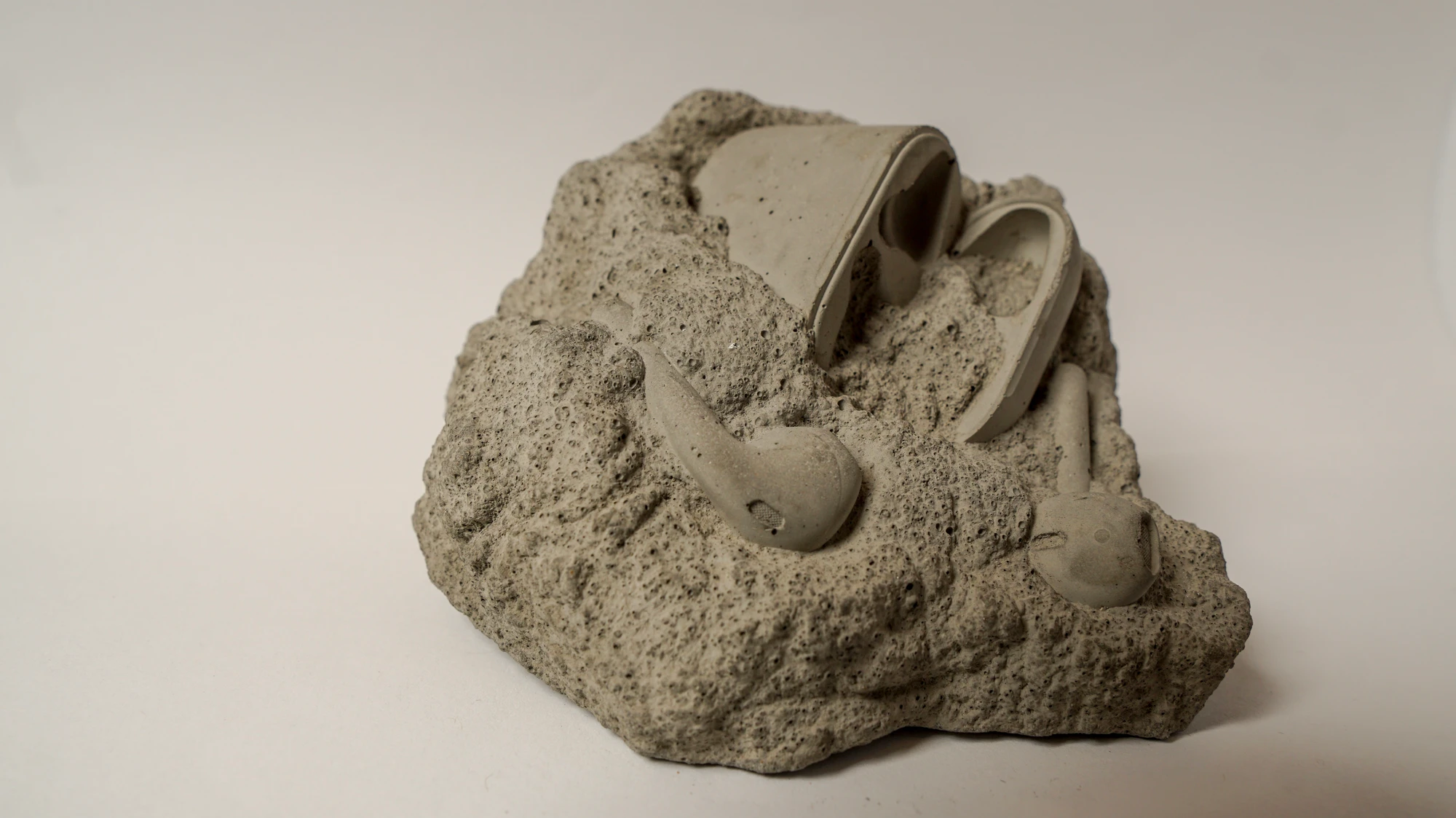
#Comment: Given that Apple's Airpods are an absolute environmental disaster (very short lifespan & many components are un-recyclable), this story is a wonderful illustration of the mechanics of late capitalism: the bigger the pollution, the bigger the profits. Future historians will come to see Apple & co as deeply regressive entities, ridding the tail-end of collapsing mass-consumerism culture.
-
China sounds clarion call to making absolute poverty history. (Xinhuanet)
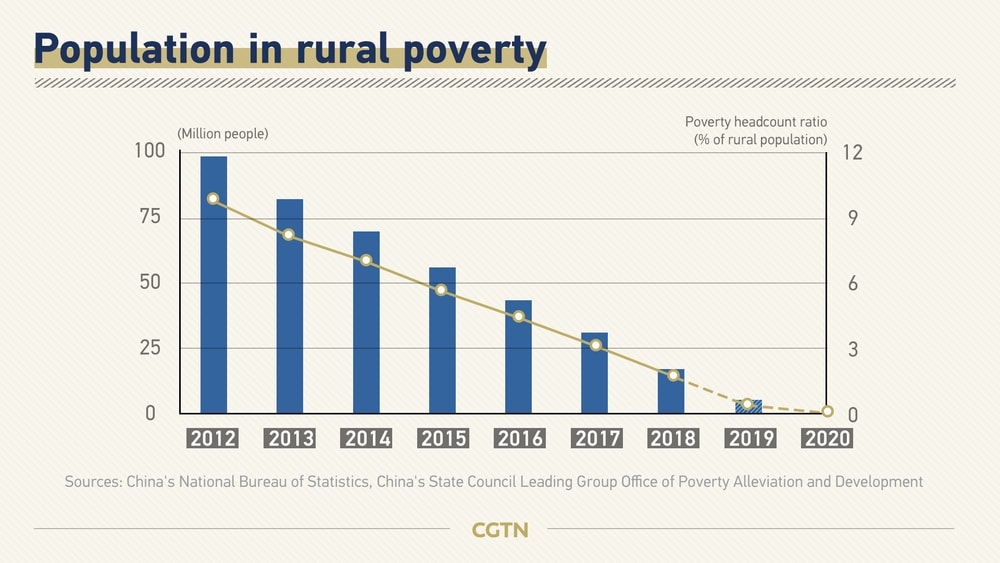
from "Ending China's poverty by 2020", by Zhao Hong (CGTN, 2020) "China is poised to tackle the hardest phase in securing a full victory in the anti-poverty battle in 2020 as it enters the homestretch in achieving the first centenary goal of building a moderately prosperous society in all respects. [...] In 2019, more than 10 million people were expected to shake off poverty. [...] By the end of 2019, the poverty headcount ratio in the areas has fallen to 2% from 8.2% in 2018. "
-
"What you practice, you become." - Liu Hung Chieh
-
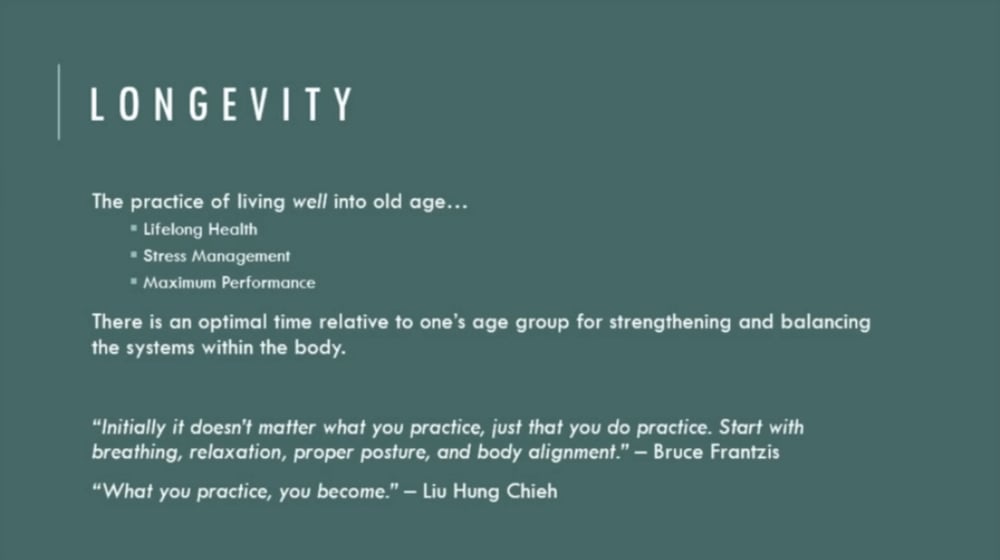
Taoist Neigong: The Internal Power of Tai Chi, Qigong, and Meditation - talk by Don Myers
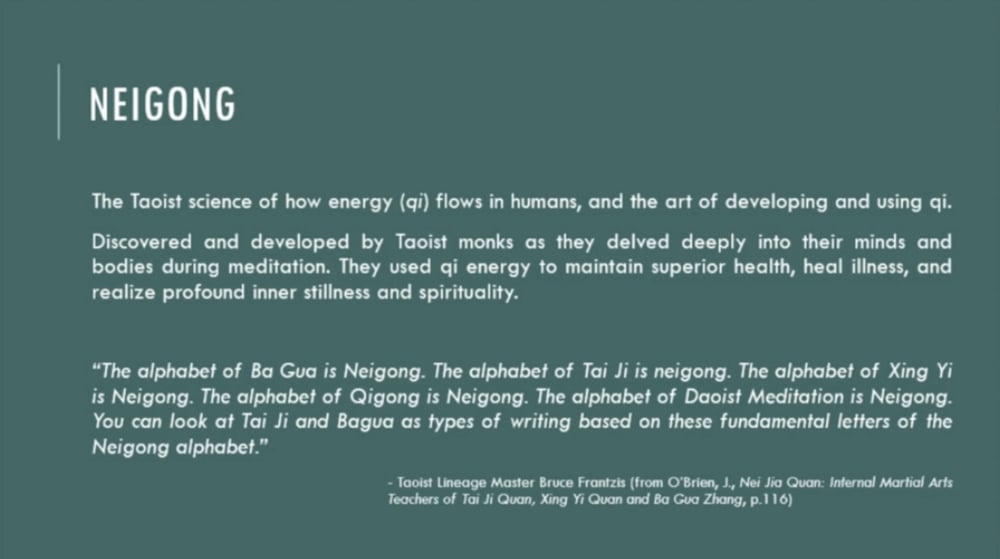
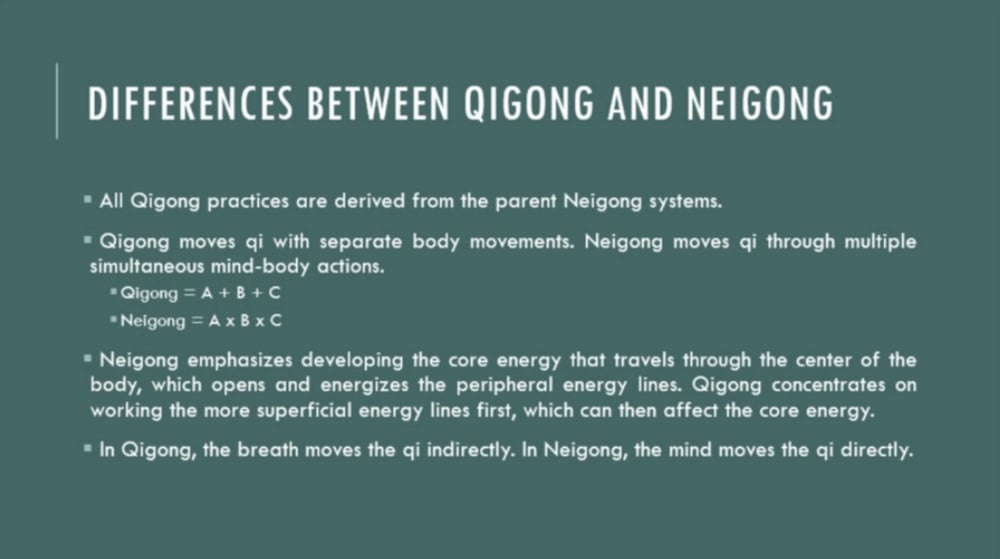
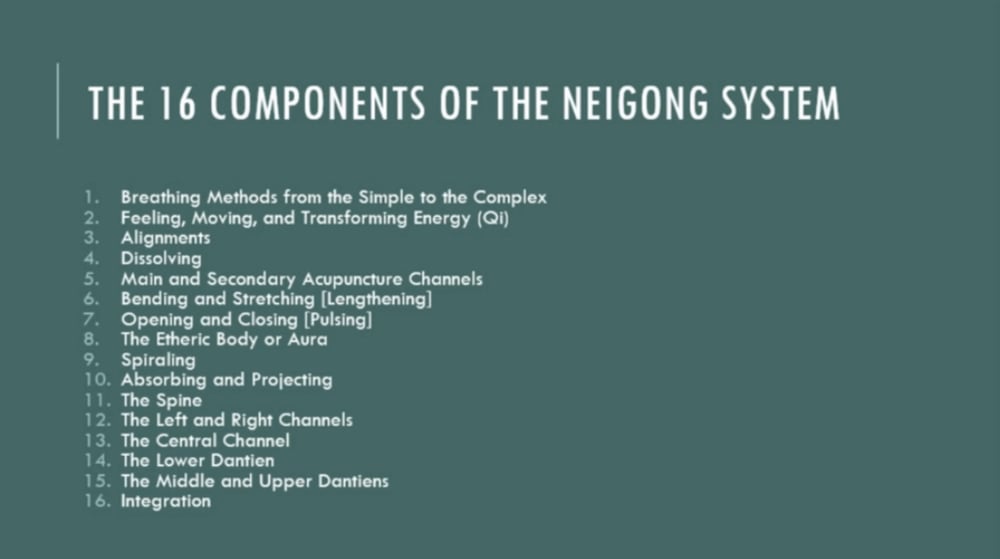

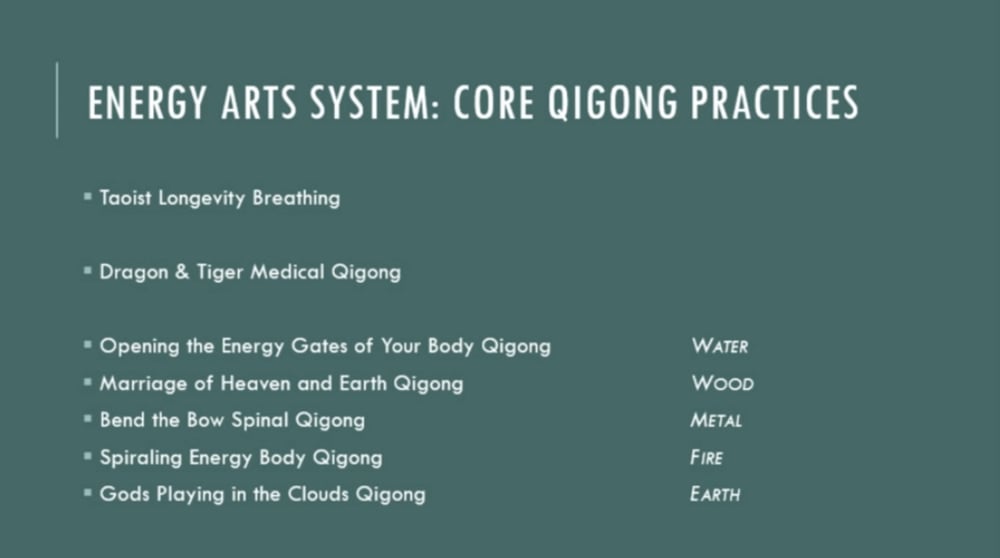
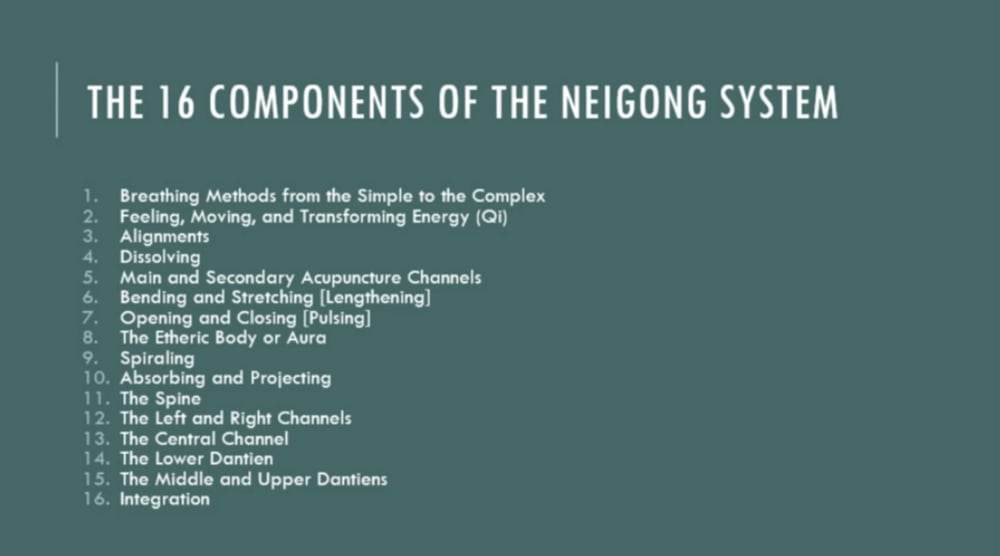
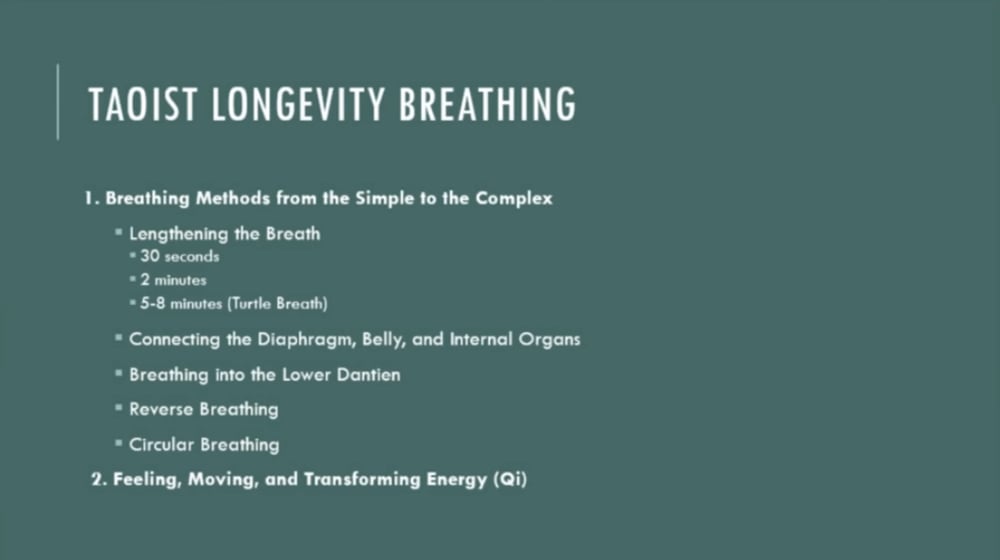
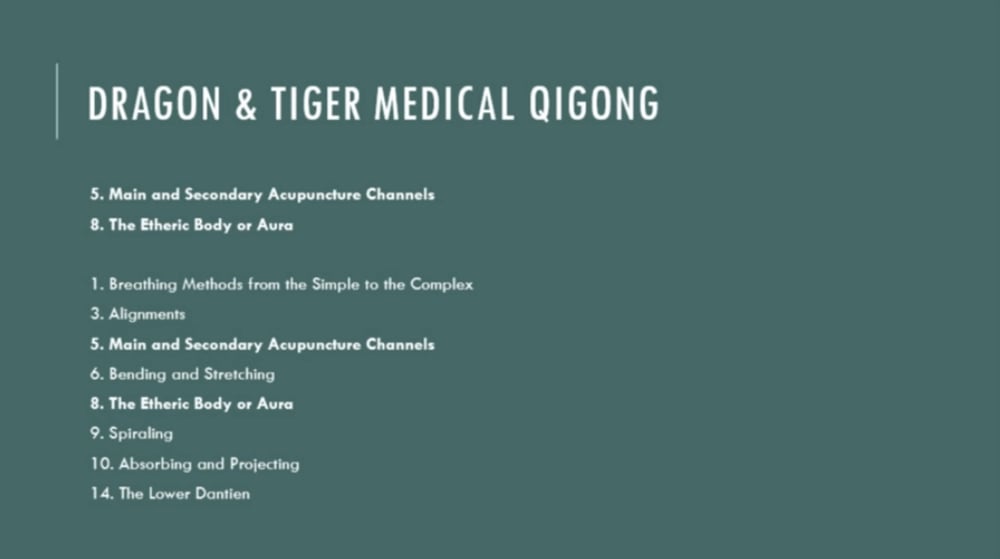
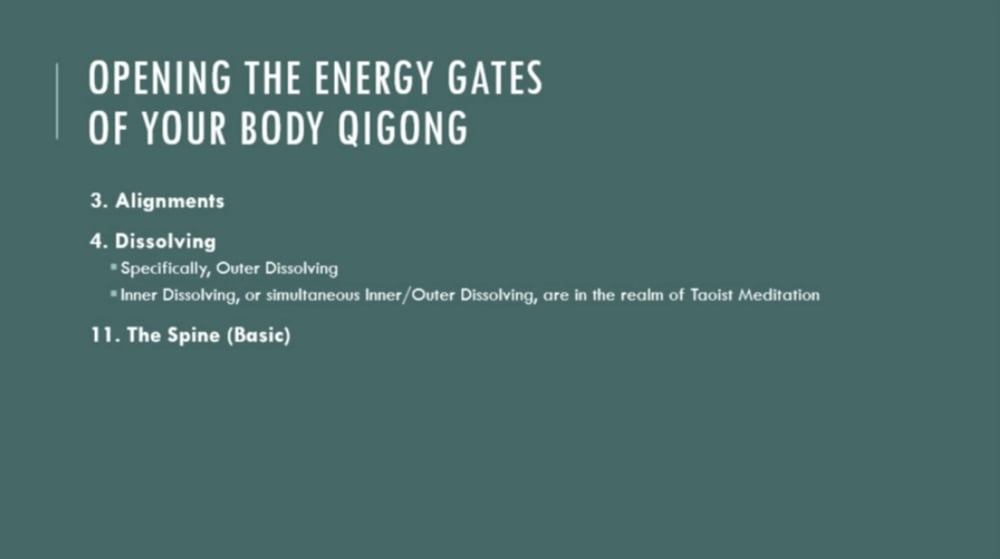
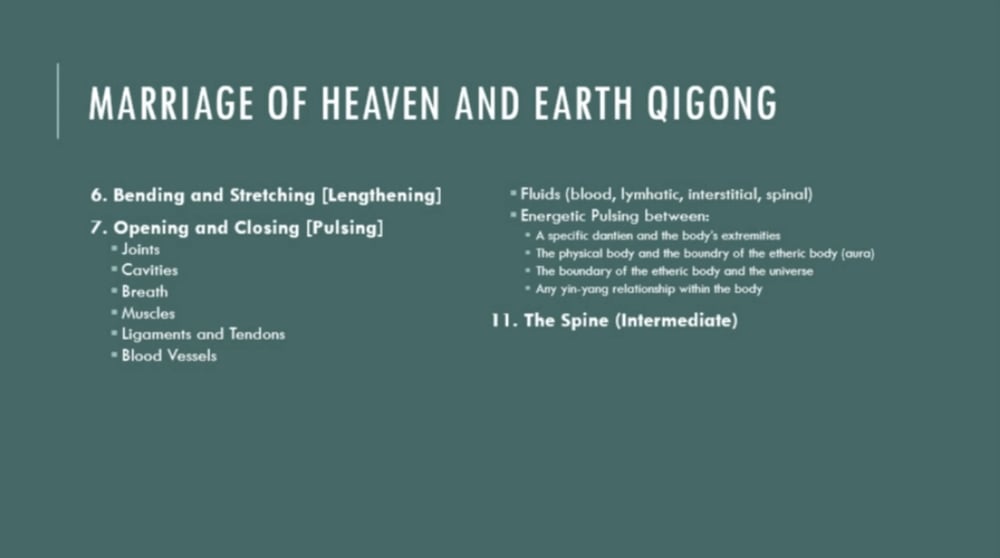
More talks by Don Myers:
- Embodying the Yin and Yang of Taoism
- Introduction to Dragon and Tiger Medical Qigong
- From Movement Comes Stillness: Tai Chi and Meditation
- The Dissolving Methods of Lao Tzu's Water Meditation Tradition
Taoist Learning: Intellectual VS. Embodied Knowledge
"Initially it doesn't matter what you practice, just that you do practice. Start with breathing, relation, proper posture, and body alignment." - Bruce Frantzis
"What you practice, you become" - Liu Hung Chieh
-
Jumping capability of a four-legged structure - #Art by Edgard de Souza (via)

-
Top Facebook exec: Yes, we got Trump elected and it may happen again (CNN)

From a memo by Facebook VP Andrew Bosworth: "So was Facebook responsible for Donald Trump getting elected? I think the answer is yes, but not for the reasons anyone thinks. He didn't get elected because of Russia or misinformation or Cambridge Analytica. He got elected because he ran the single best digital ad campaign I've ever seen from any advertiser. Period." Bosworth said Trump and Brad Parscale, the digital director for Trump's 2016 campaign and now the campaign manager for the 2020 campaign, did "unbelievable work." "They weren't running misinformation or hoaxes. They weren't microtargeting or saying different things to different people. They just used the tools we had to show the right creative to each person."
-
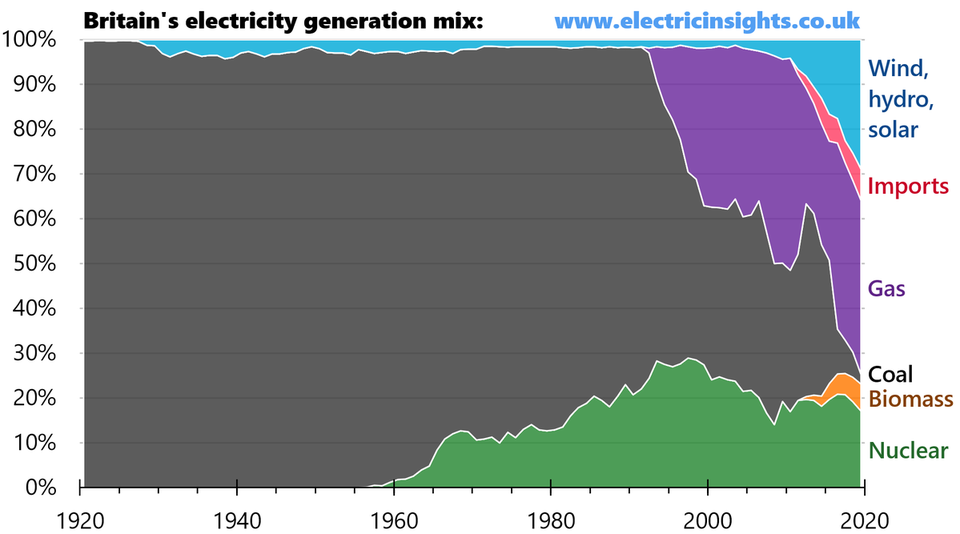
Britain's electricity generation mix over the last 100 years (via)
-
New demand for very old farm tractors specifically because they're low tech
Farmers are increasingly sick of high-tech tractors that are expensive to buy and usually impossible to fix yourself due to their integrated digital technology. Tractors built in 1980 or earlier cause bidding wars at auctions.