tag > Biology
-
RadioBio and Other Recent U.S. Bioelectromagnetics Research Programs - by James C. Lin, University of Illinois at Chicago (2018)
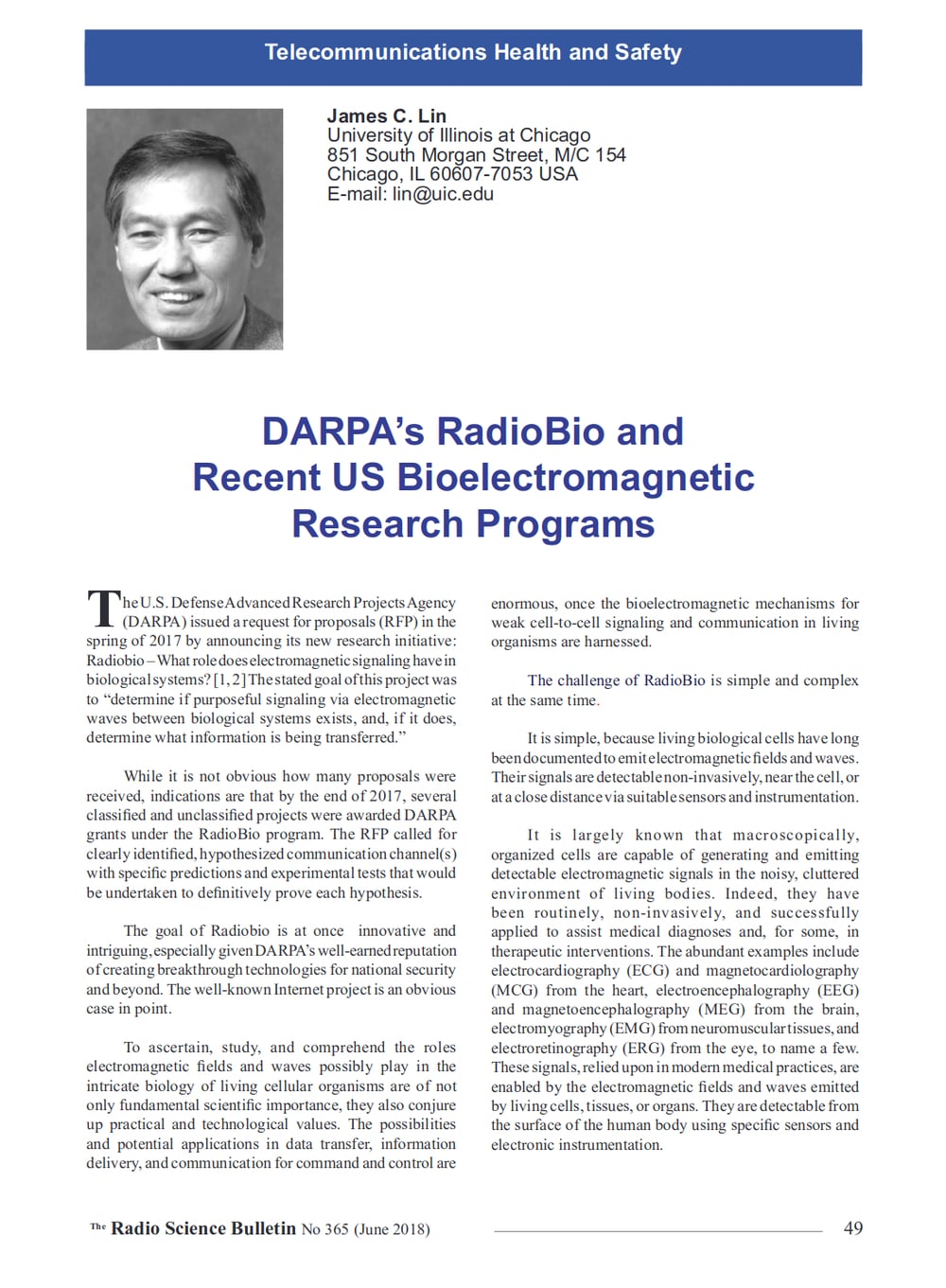
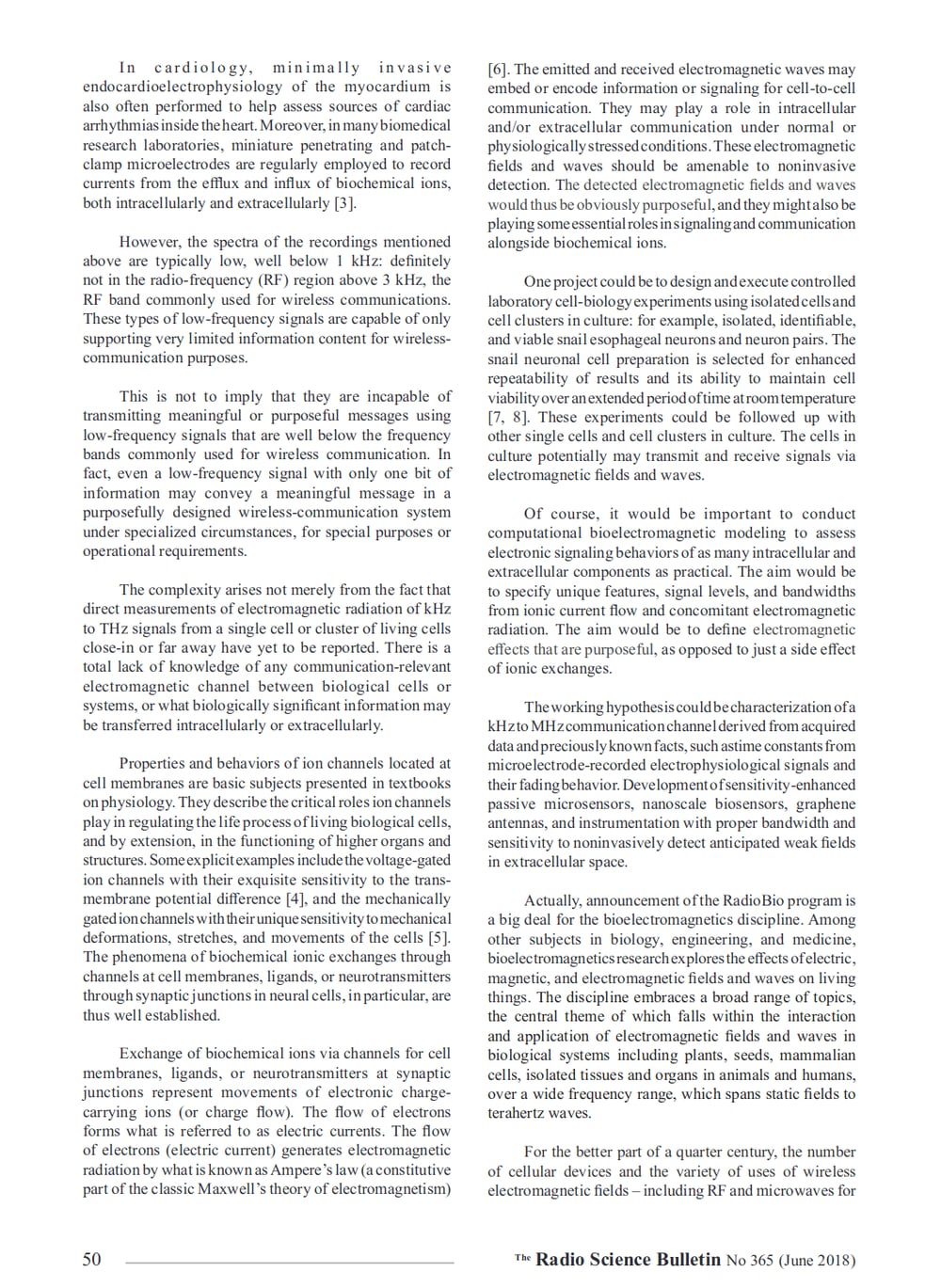
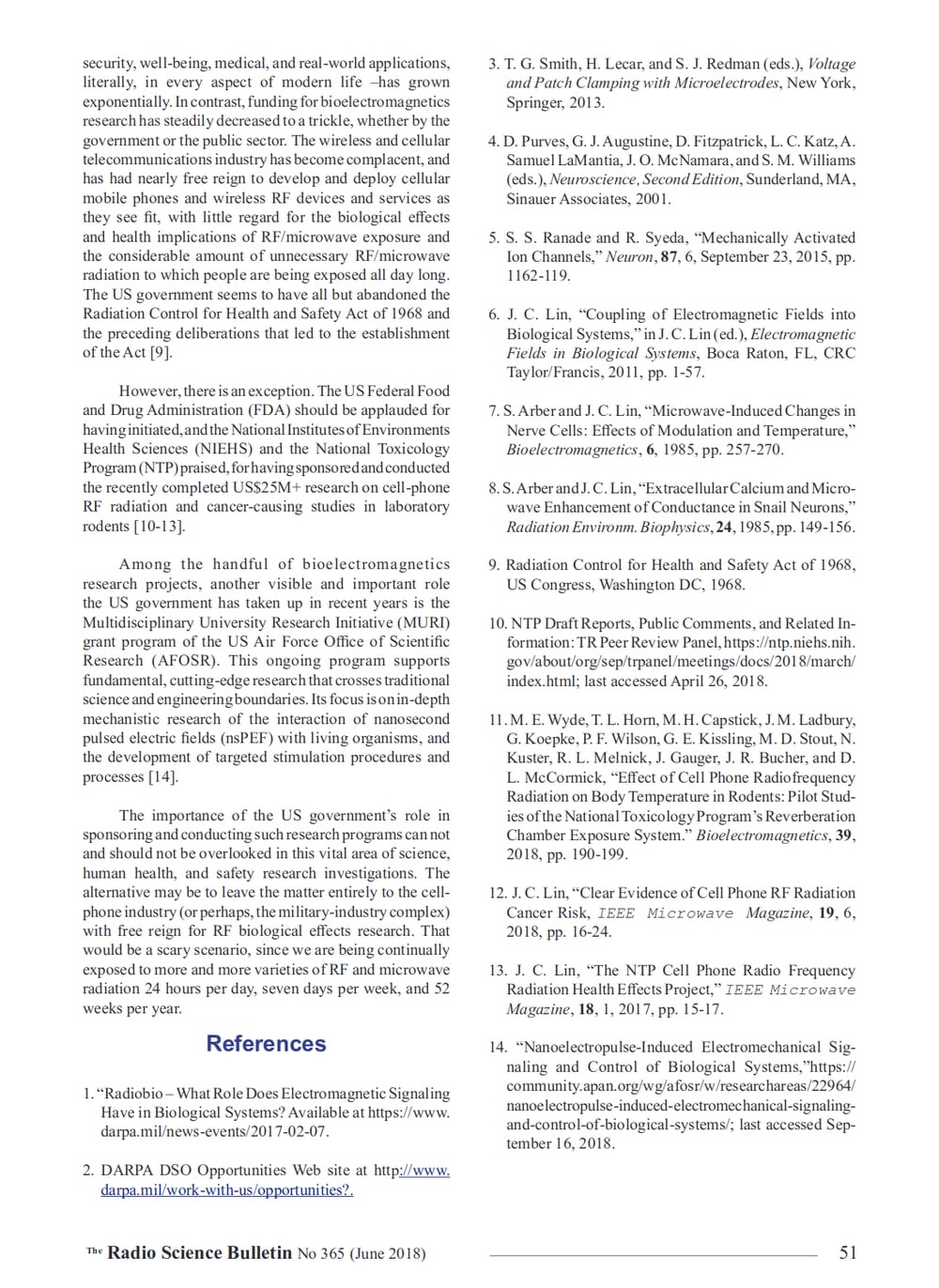
Abstract: The U.S. Defense Advanced Research Projects Agency (DARPA) issued a request for proposal (RFP) in spring 2017 by announcing its new research initiative: "RadioBio: What Role Does Electromagnetic Signaling Have in Biological Systems?"
-
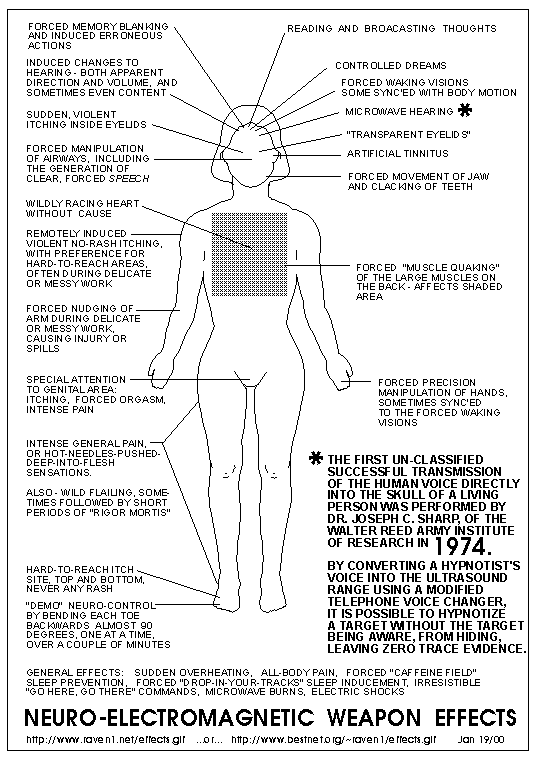
Synthetic Telepathy: The Microwave Auditory Effect
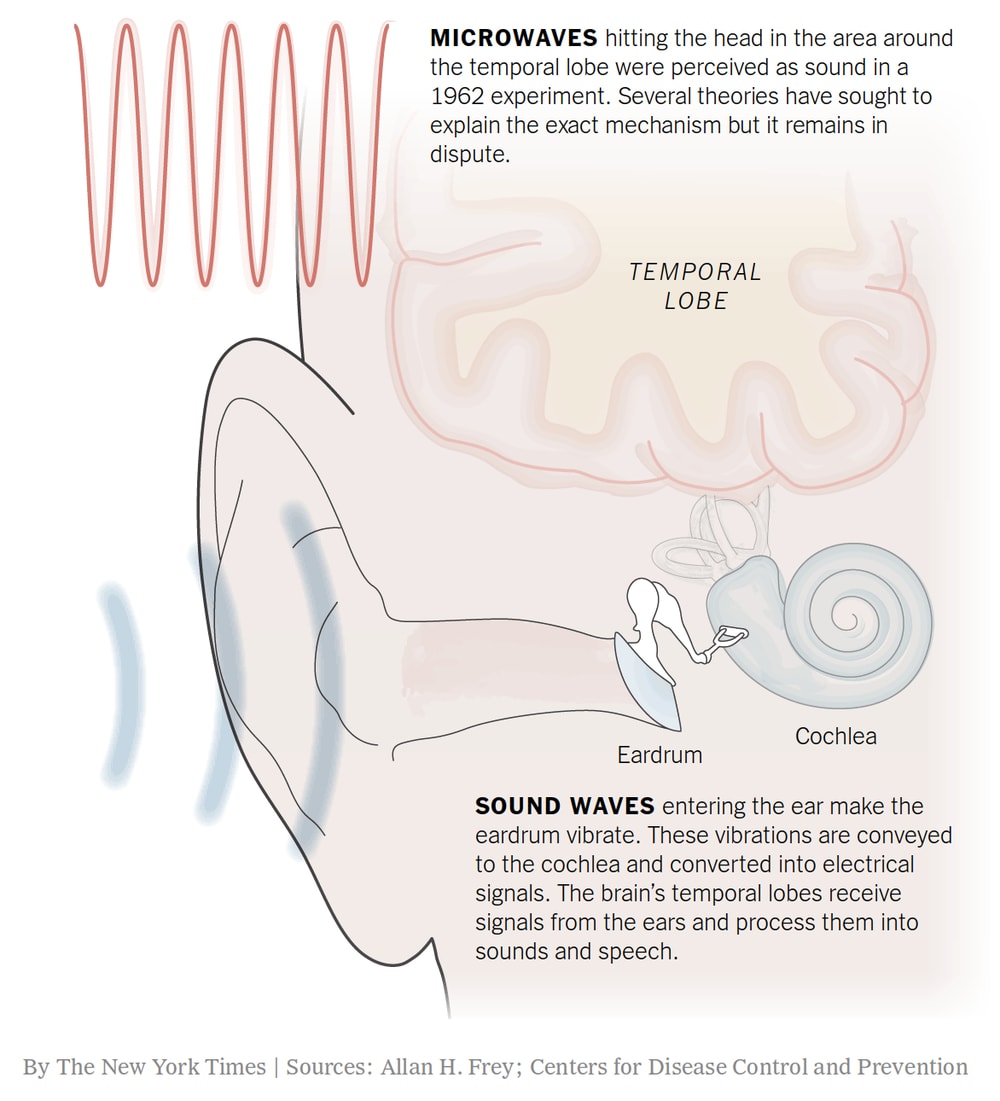
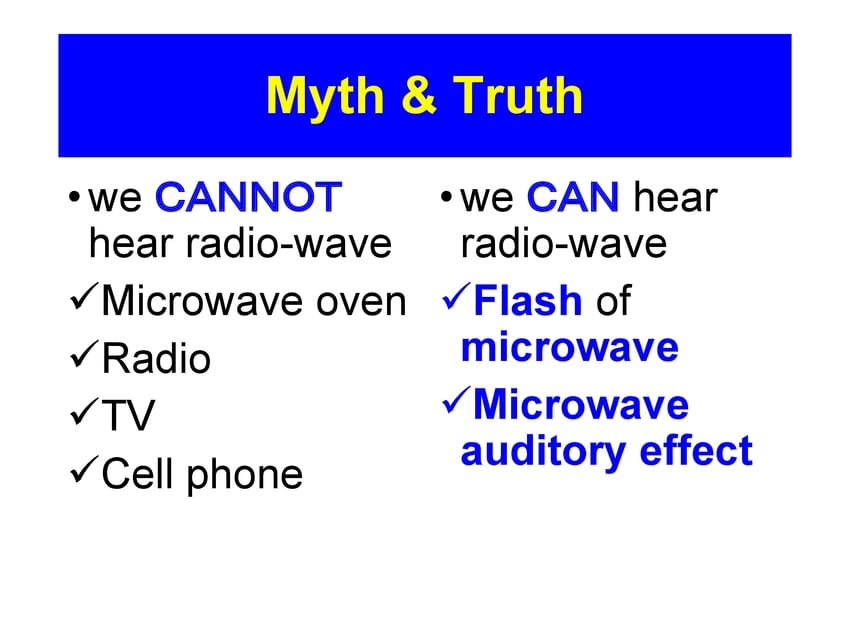
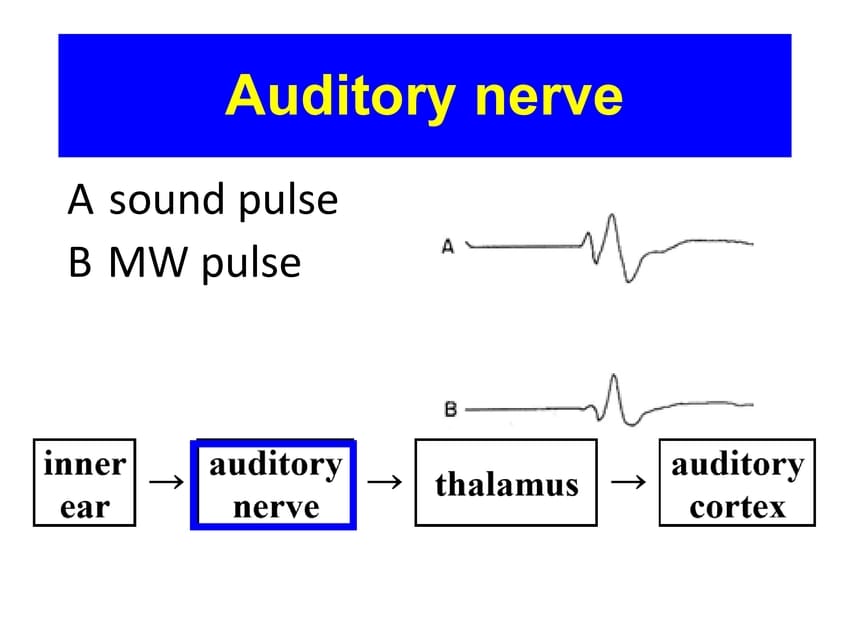
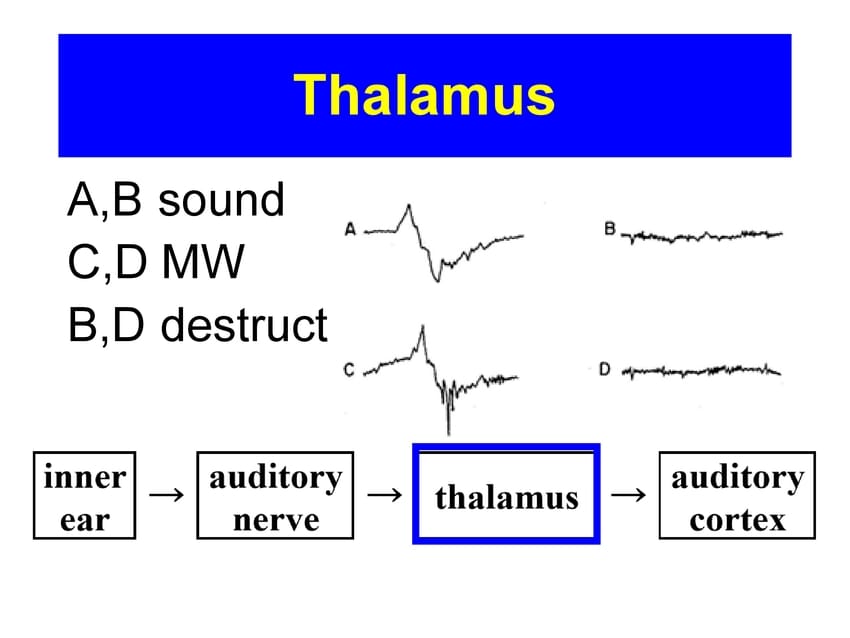
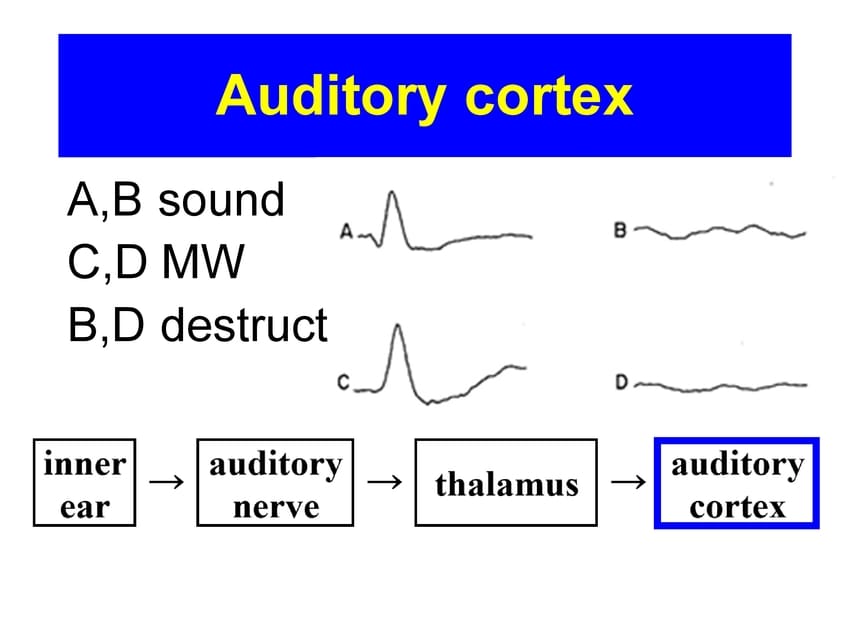
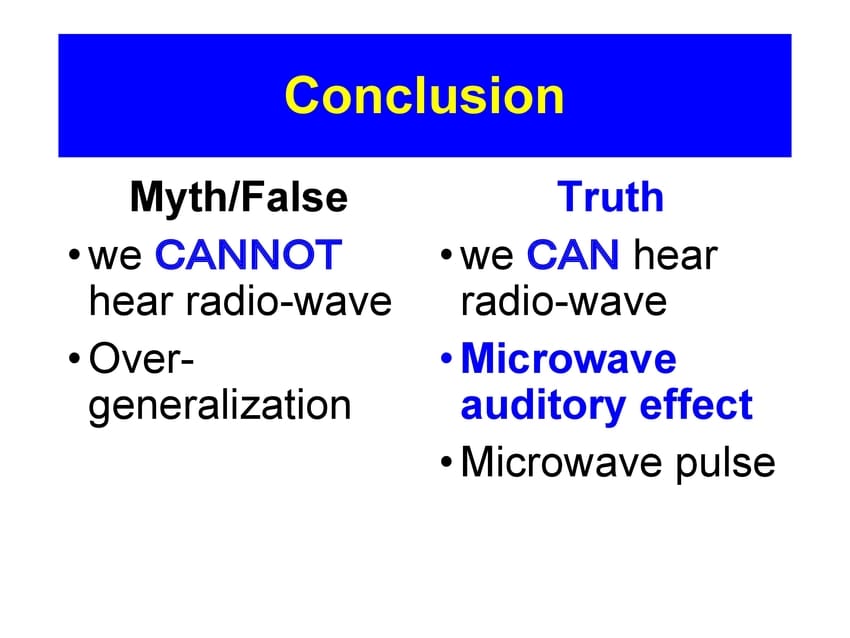
The microwave auditory effect, also known as the Frey effect, consists of the human perception of audible clicks, or even speech, induced by pulsed or modulated radio frequencies. The communications are generated directly inside the human head without the need of any receiving electronic device. The effect was first reported by persons working in the vicinity of radar transponders during World War II. In 1961, the American neuroscientist Allan H. Frey studied this phenomenon and was the first to publish information its nature.
Research
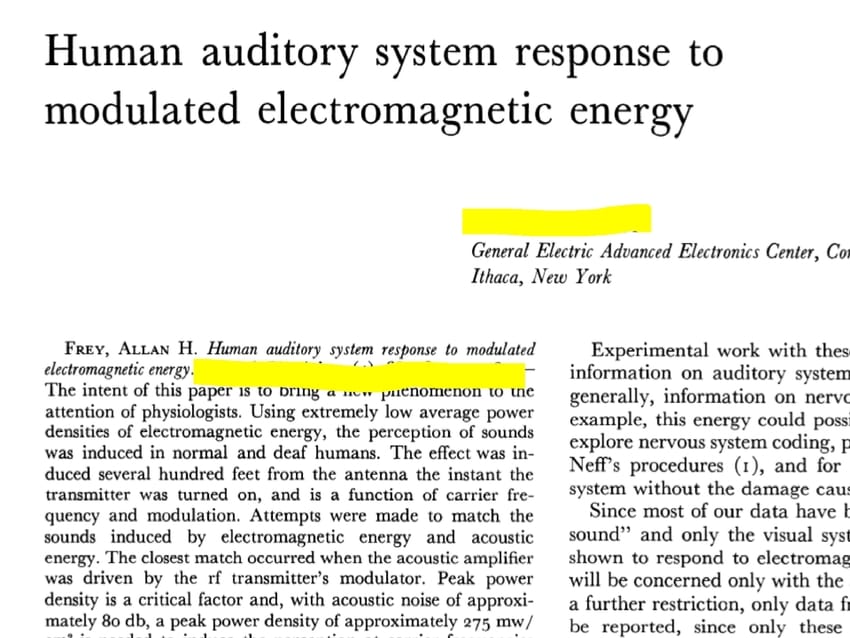
Research Origin: Human auditory system response to Modulated electromagnetic energy - Allan.H.Frey (1961) (unpaywalled)
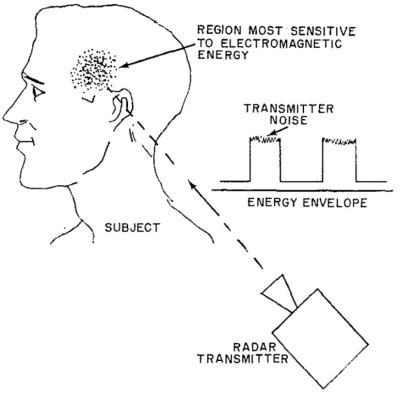
In his experiments, the subjects were discovered to be able to hear appropriately pulsed microwave radiation, from a distance of a few inches to hundreds of feet from the transmitter. In Frey's tests, a repetition rate of 50 Hz was used, with pulse width between 10–70 microseconds. According to Frey, the induced sounds were described as "a buzz, clicking, hiss, or knocking, depending on several transmitter parameters, i.e., pulse width and pulse-repetition rate.
Research Evolution: From the book "Military Neuroscience and the Coming Age of Neurowarfare" - by Armin Krishnan (2017):
"In 1975, an article by neuropsychologist Don Justesen discussing radiation effects on human perceptions referred to an experiment by Joseph C. Sharp and Mark Grove at the Walter Reed Army Institute of Research during which Sharp and Grove reportedly were able to recognize nine out of ten words transmitted by "voice modulated microwaves". Since the radiation levels approached the (then current) 10 mW/cm² limit of safe exposure, critics have observed that under such conditions brain damage from thermal effects of high power microwave radiation would occur, and there was 'no conclusive evidence for MAE at lower energy densities'".
Research Application: Microwave Weapons Are Prime Suspect in Ills of U.S. Embassy Workers - NYtimes (2018)
"Doctors and scientists say microwave strikes may have caused sonic delusions and very real brain damage among embassy staff and family members."
Research Foundation: Microwave Auditory Effects And Applications - Book by James C. Lin, PhD (1978) (PDF)
"The purpose of the book is to bring a body of research literature, scattered in a large number of journals and reports, into some compact form for the convenience of students and researchers. It will deal with selected experimental and theoretical topics in an interdisciplinary field which is 'undergoing explosive growth." - James C.Lin (1978)
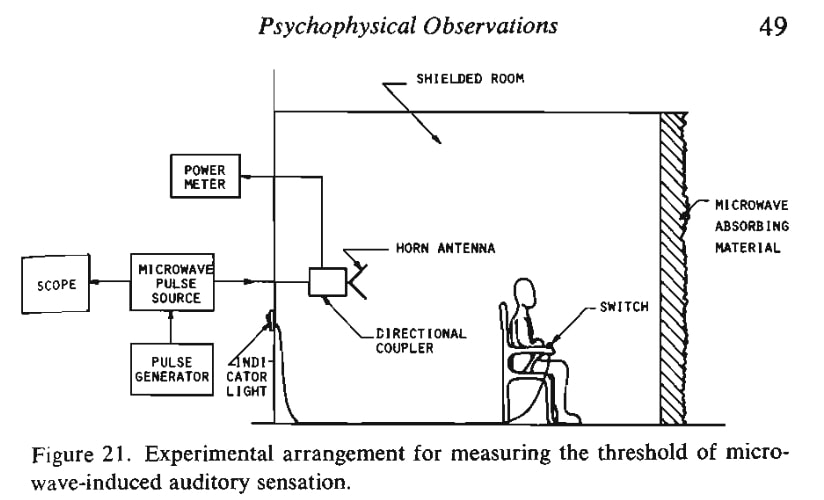
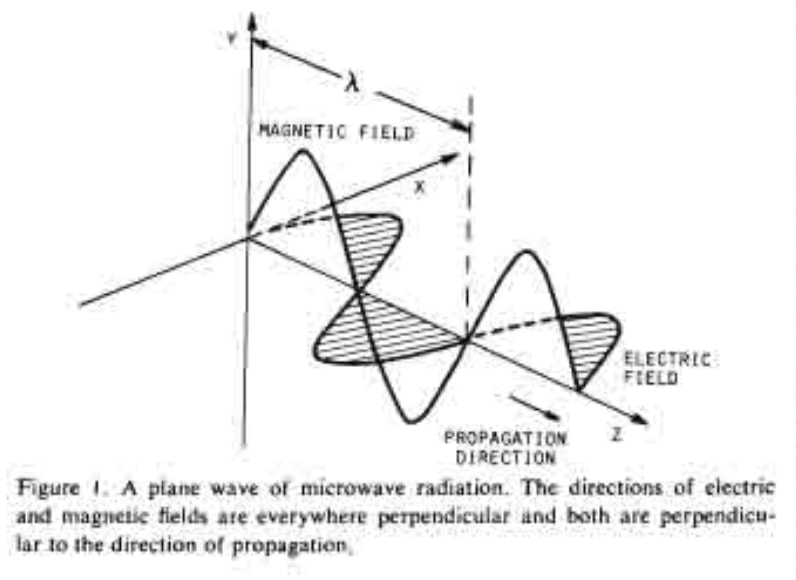
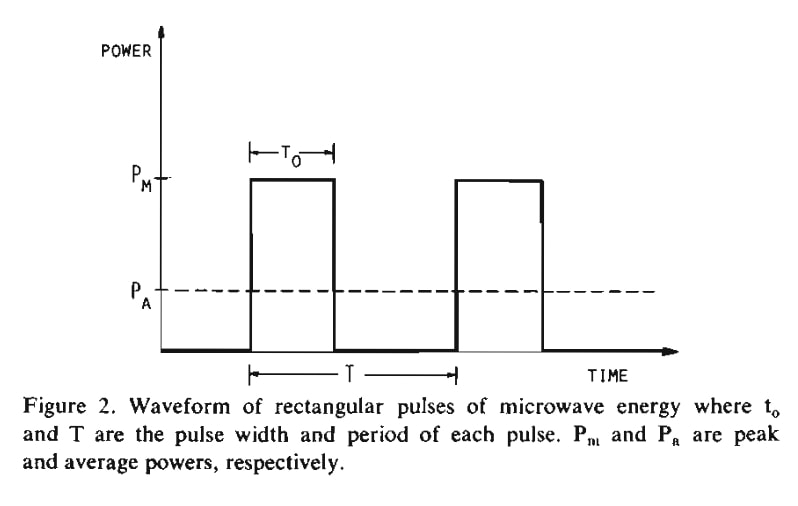
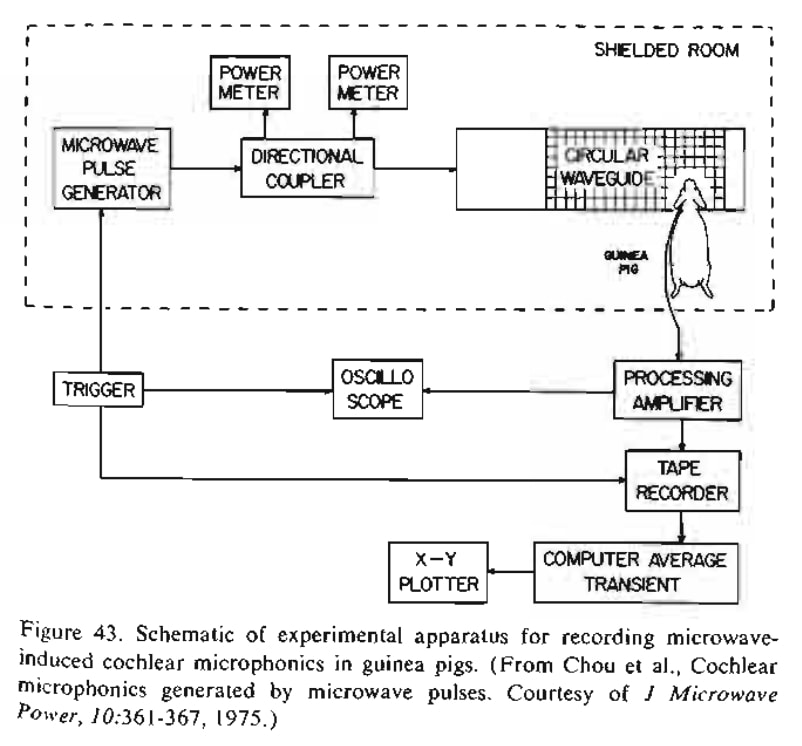
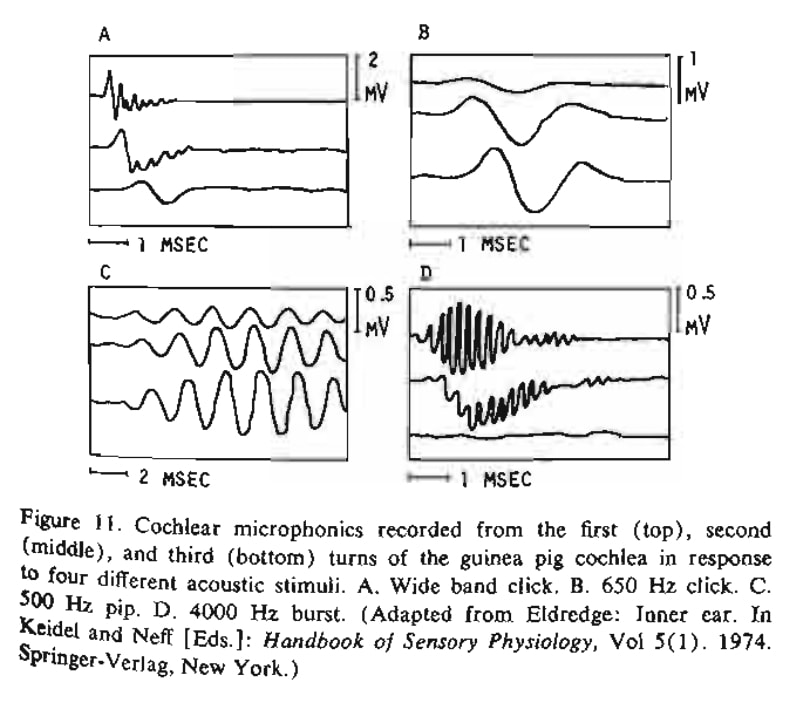
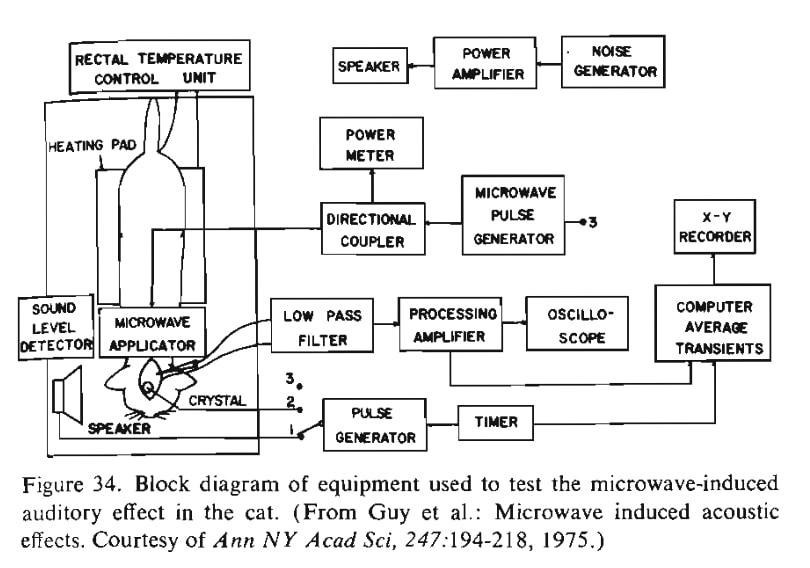
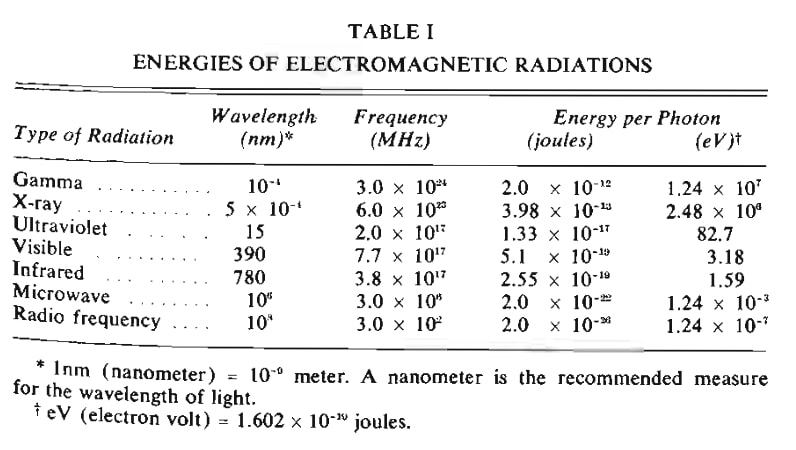
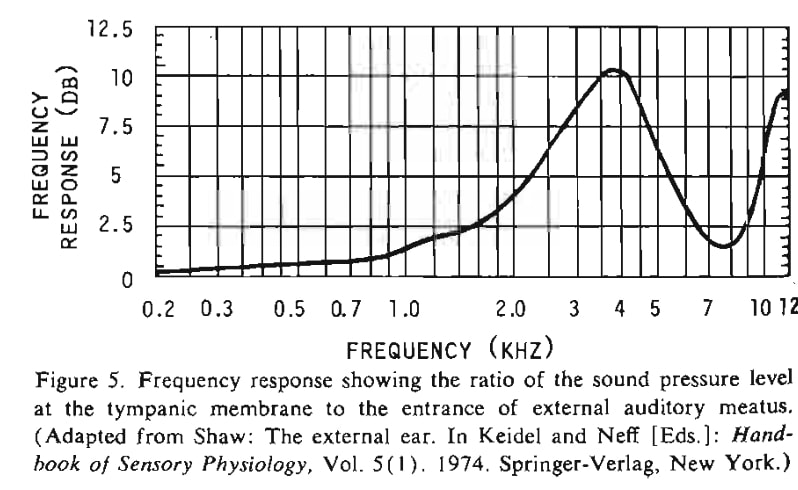
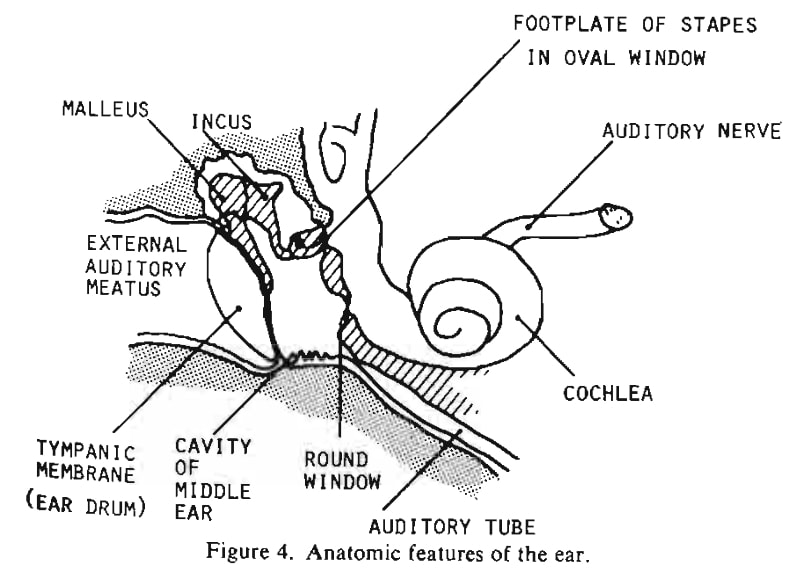
Research Today: Mostly classified. The following from an independent researcher: Microwave Auditory Effect And Its Aplication - Research Project by Makoto Koike (2019)
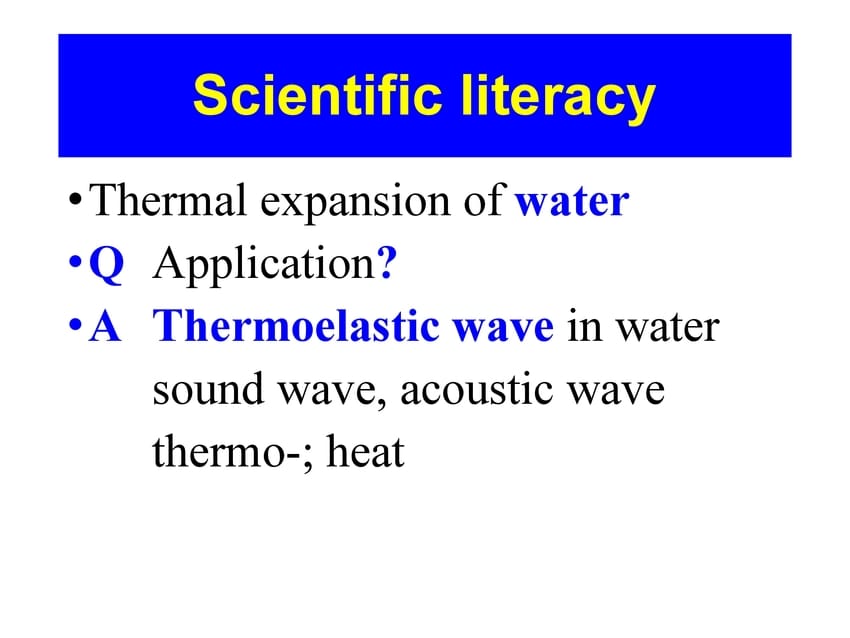
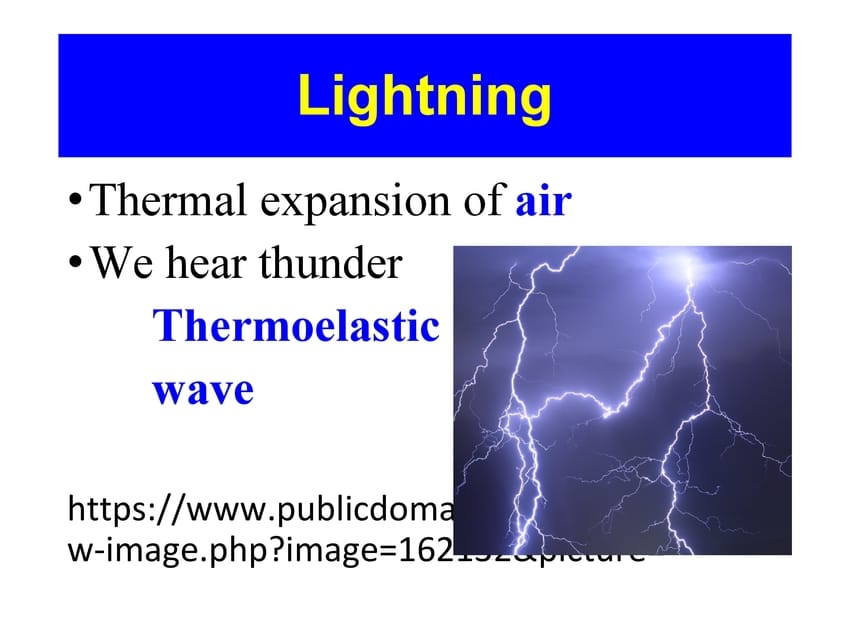
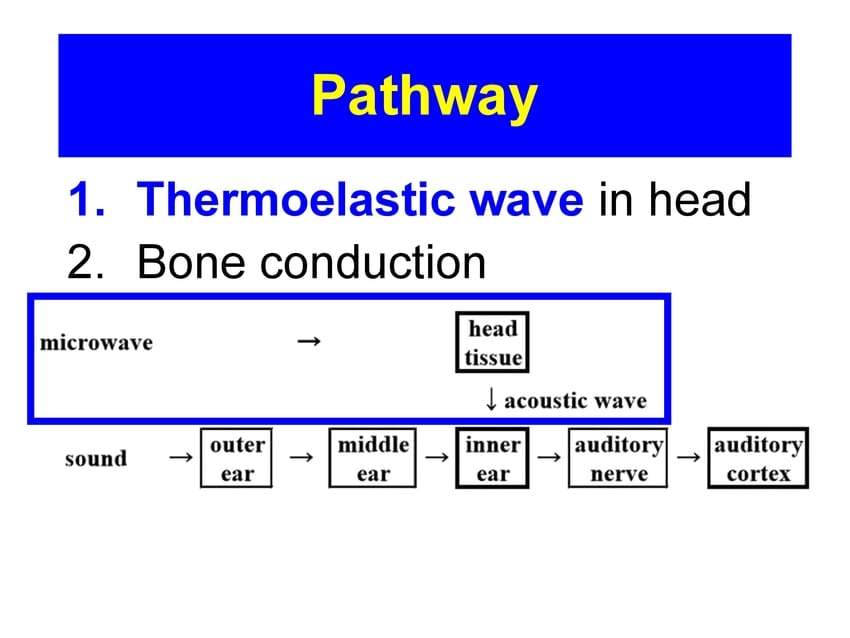
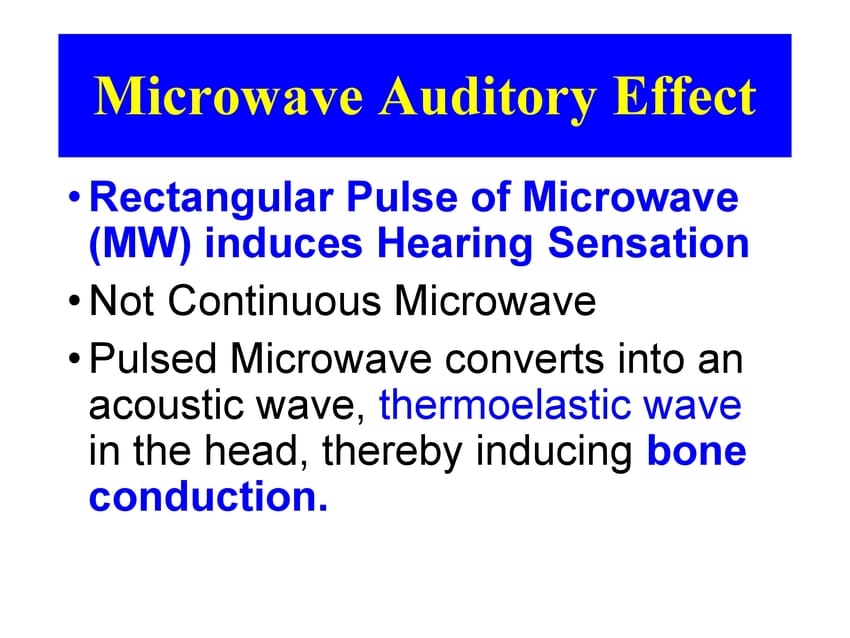
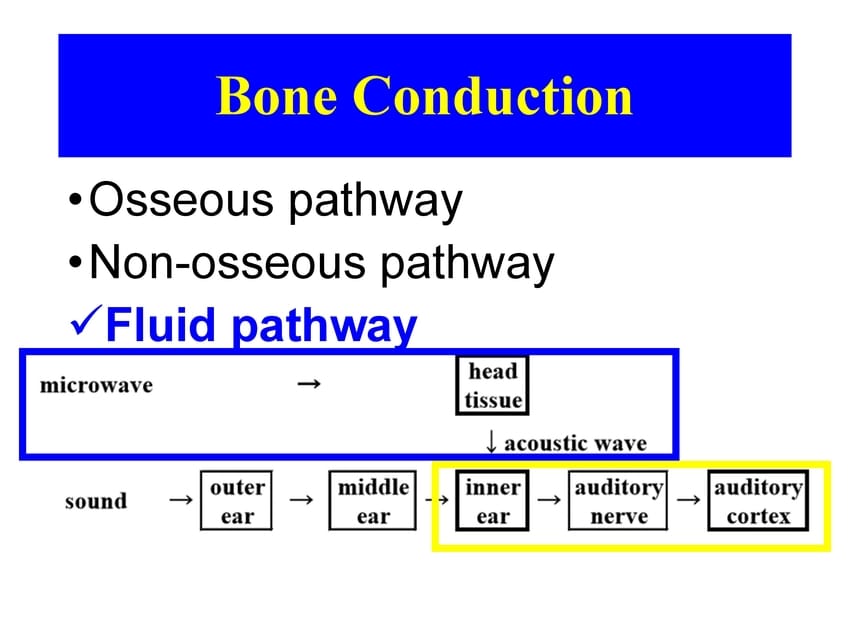
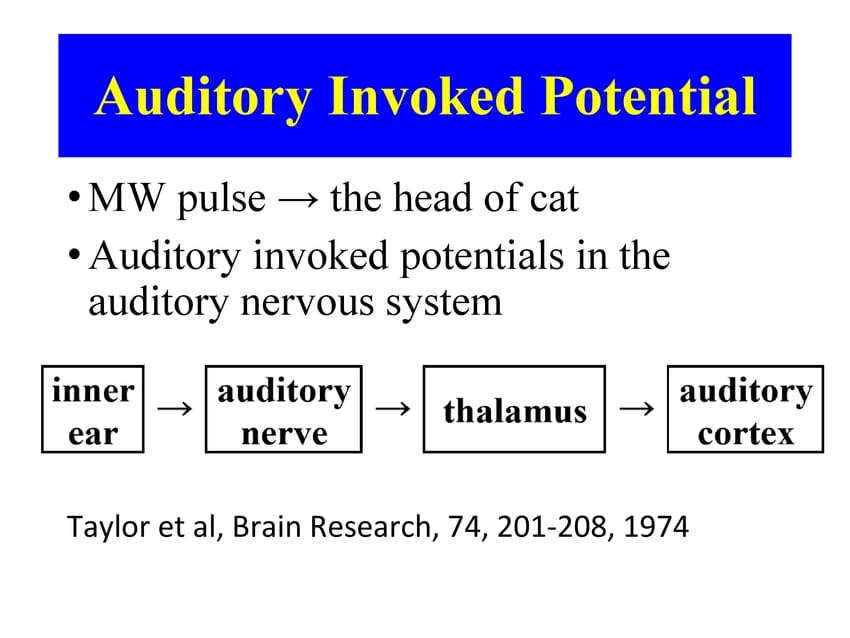
Project Goal: "Microwave auditory effect refers to the phenomenon that pulse-modulated microwave induces auditory perception. The head acts as an acoustic transducer to convert the microwave into a theremoelastic wave, thereby invoking bone conduction. I am exploring the application of the microwave auditory effect onto a novel telecommunication system as well as a conspiracy theory that the novel telecommunication induces psychosis with symptoms of hallucination and delusion."
Review of microwave auditory effect: rediscovery of radiofrequency hearing phenomenon. - by Makoto Koike (2016, JP only) (PDF)
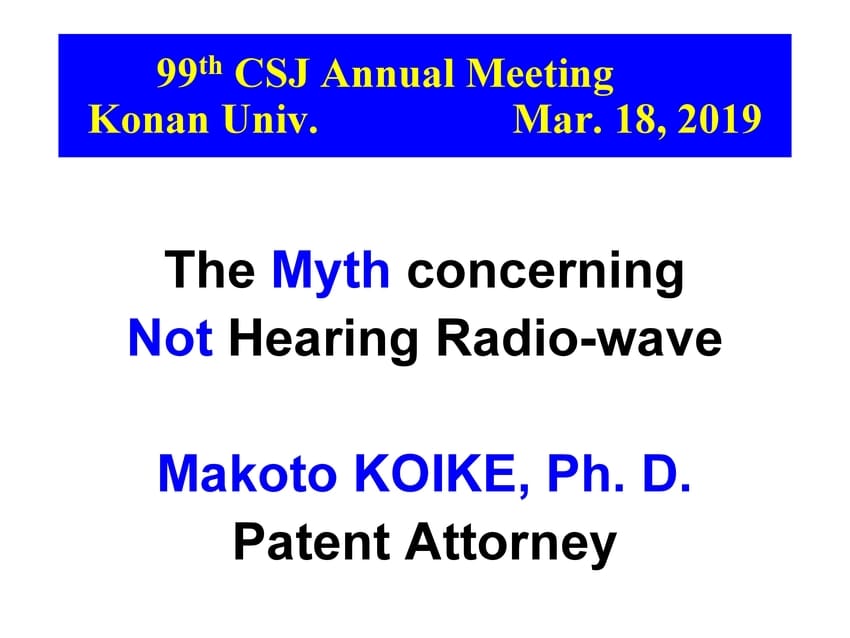
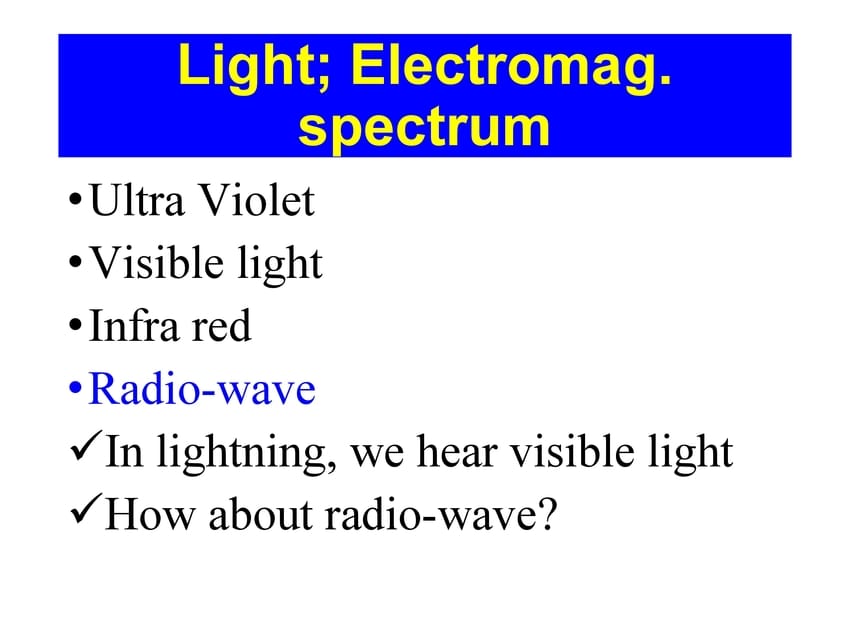
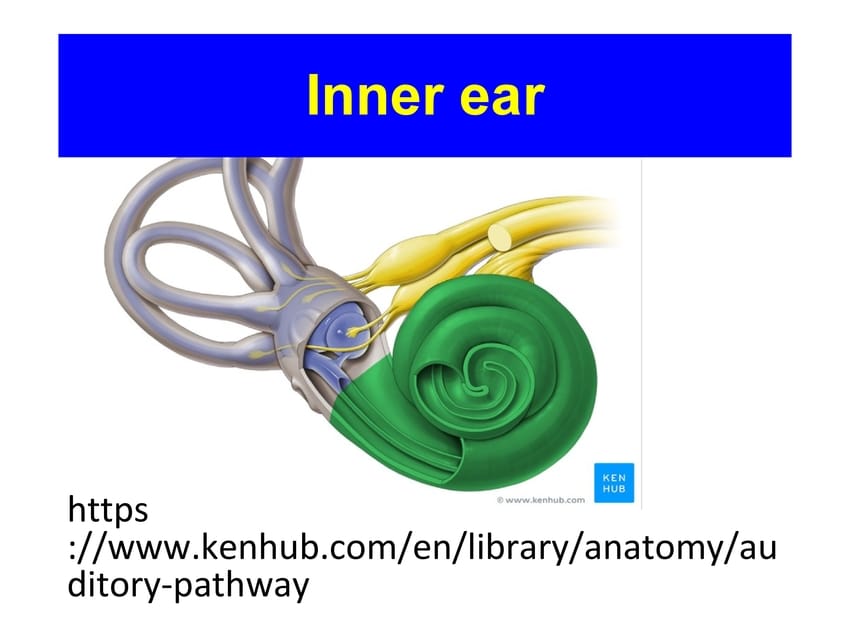
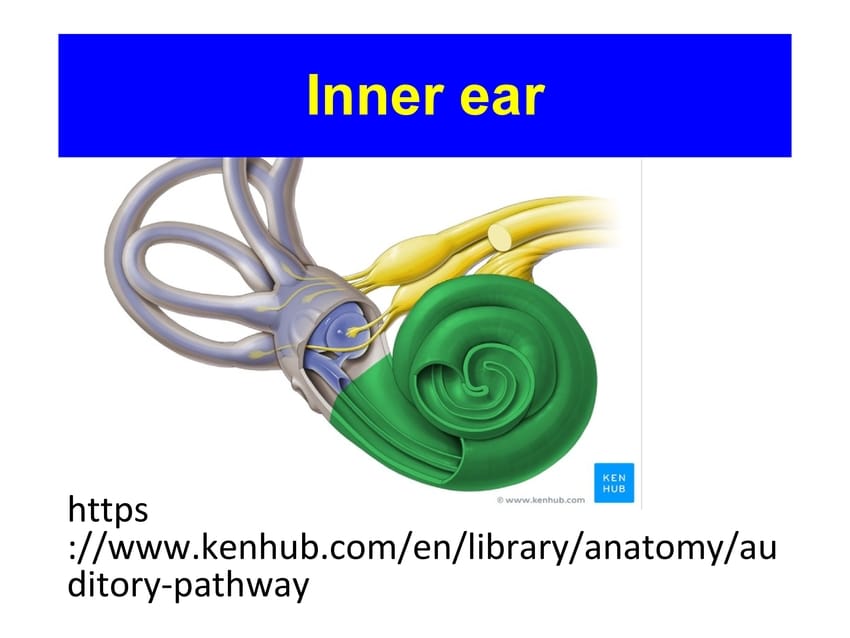
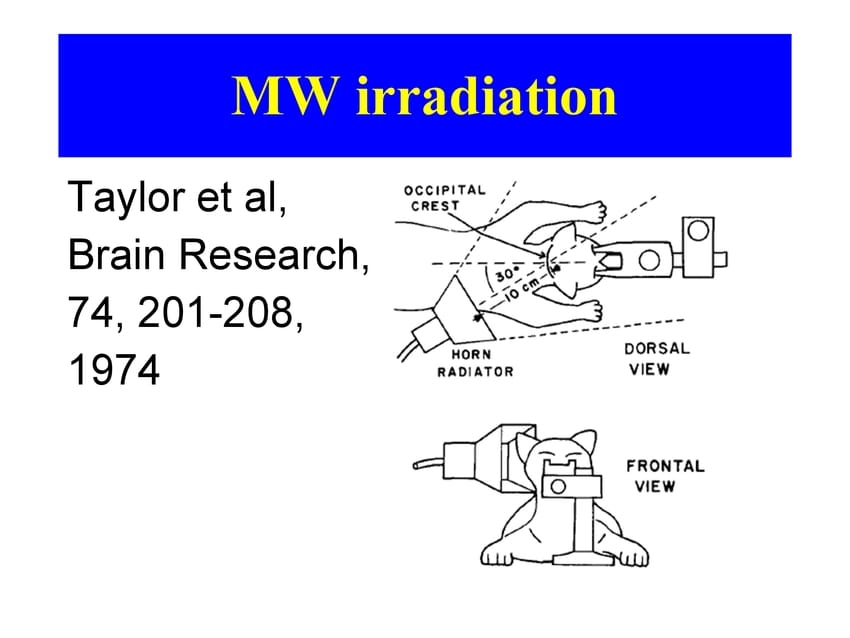
The Myth concerning Not Hearing Microwave - Presentation by Makoto Koike (2019, The 99th CSJ Annual Meeting, The Chemical Society of Japan)
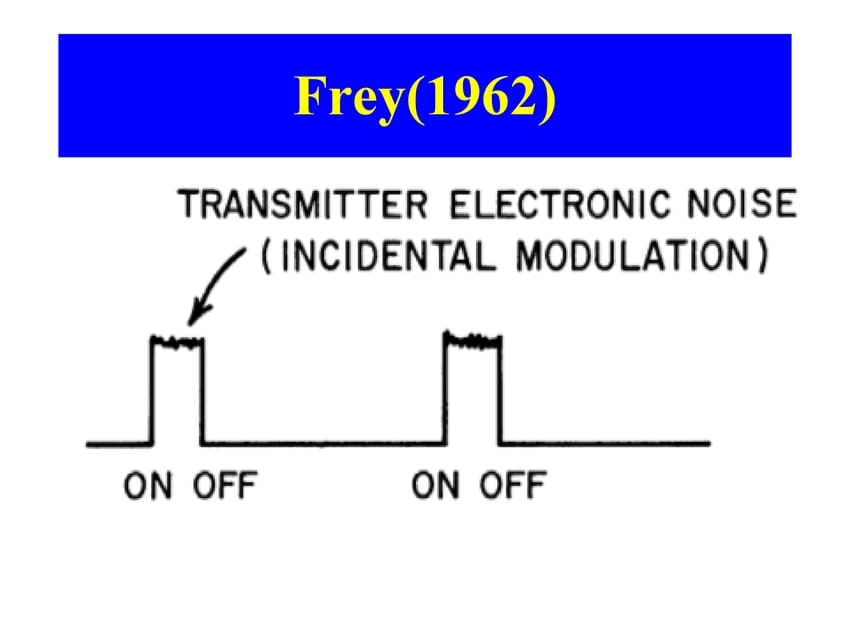
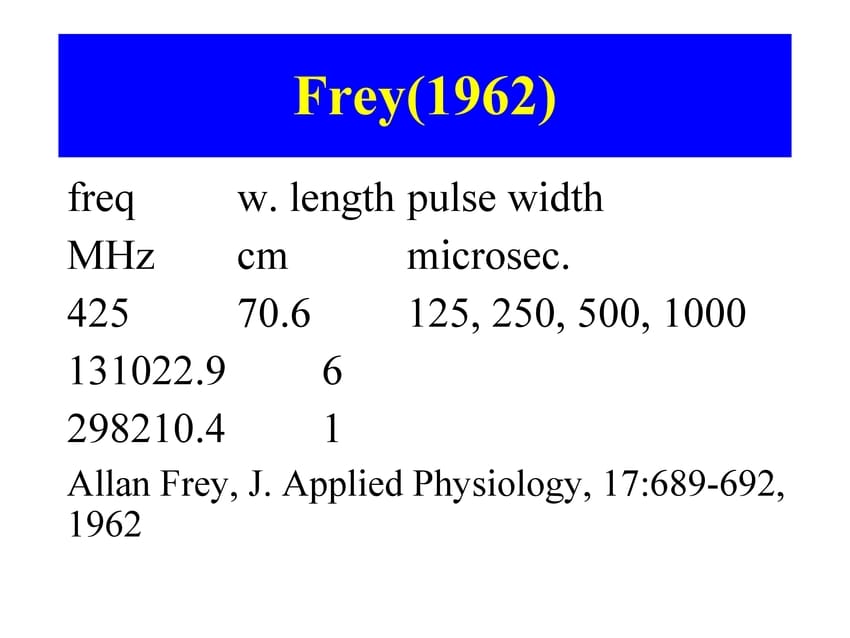
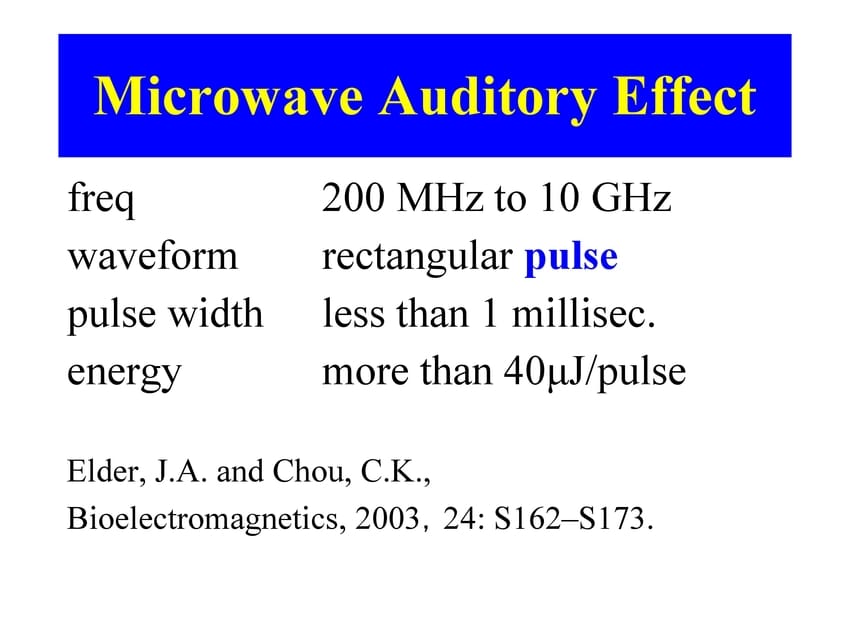
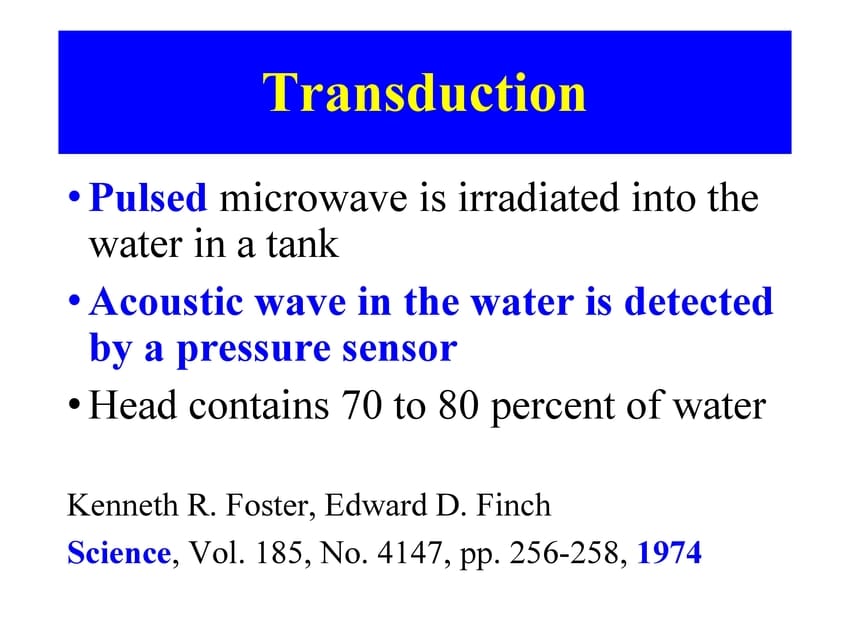
Research Patents
These patents by the U.S. Air Force, suggest that wireless, receiver-less communication (based on the Microwave Auditory Effect) could be used in military communication today:
- Method and device for implementing the radio frequency hearing effect https://patents.google.com/patent/US6470214B1/en
- Apparatus for audibly communicating speech using the radio frequency hearing effect https://patents.google.com/patent/US6587729B2/en
Related Research
- Microwave Auditory Effect Research Paper Search on Semanticscholar
- Advances in Electromagnetic Fields in Living Systems - Book by by James C. Lin (1994)
- Exposure to RF electromagnetic energy decreases aggressive behavior - by Allan H. Frey PhD & Jack Spector (1986)
- Holographic Assessment of Microwave Hearing - by Allan H. Frey PhD & E.Coren (1979)
- Auditory response to pulsed radiofrequency energy - by Elder & Chou (2003)
- Hearing of microwave pulses by humans and animals: effects, mechanism, and thresholds - by Lin & Wang (2007)
- Generalized model of the microwave auditory effect. - by Yitzhak, Ruppin, Hareuveny (2009)
- From Psyops to Neurowar: What Are the Dangers? - by Armin Krishnan (2014) (PDF)
- Neuroweapons: New Type of Non-Lethal Weapons Raises Troubling Ethical Questions - by Armin Krishnan
Conspiracy Theories
- Synthetic Telepathy And The Early Mind Wars - By Richard Alan Miller (2001) (PDF)
- The State of Unclassified and Commercial Technology - by Eleanor White (2000)
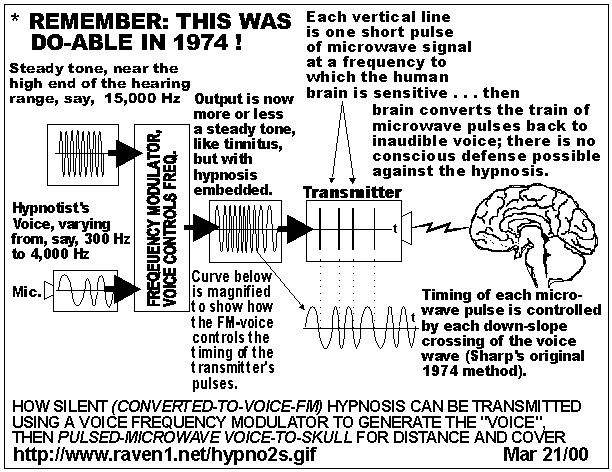
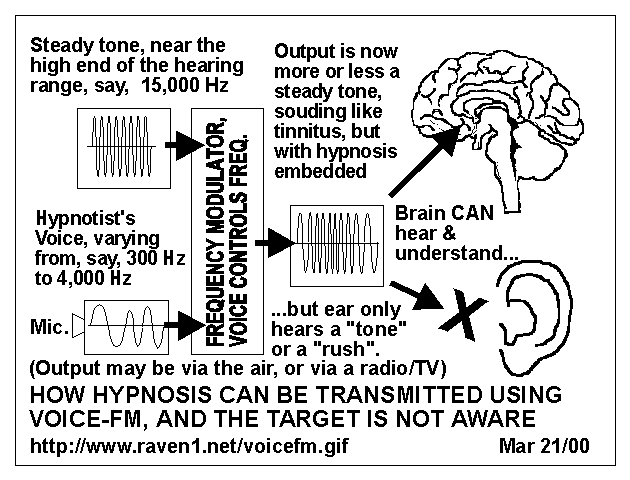
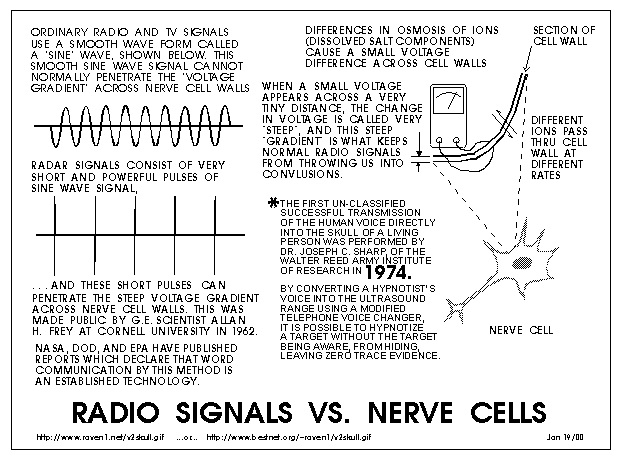
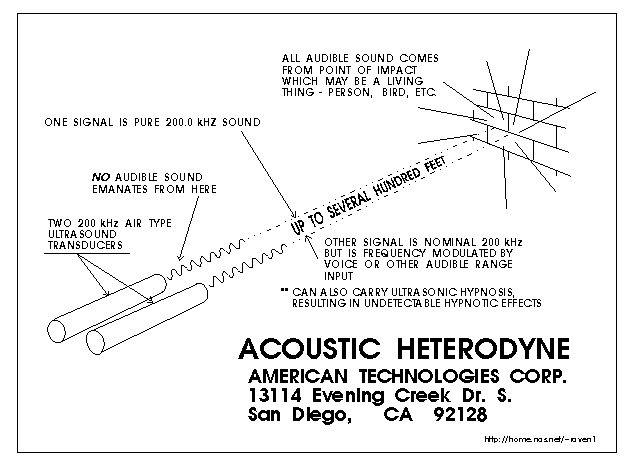

#BCI #NeuroScience #RadioBio #Biology #Cryptocracy #Book #Military
-
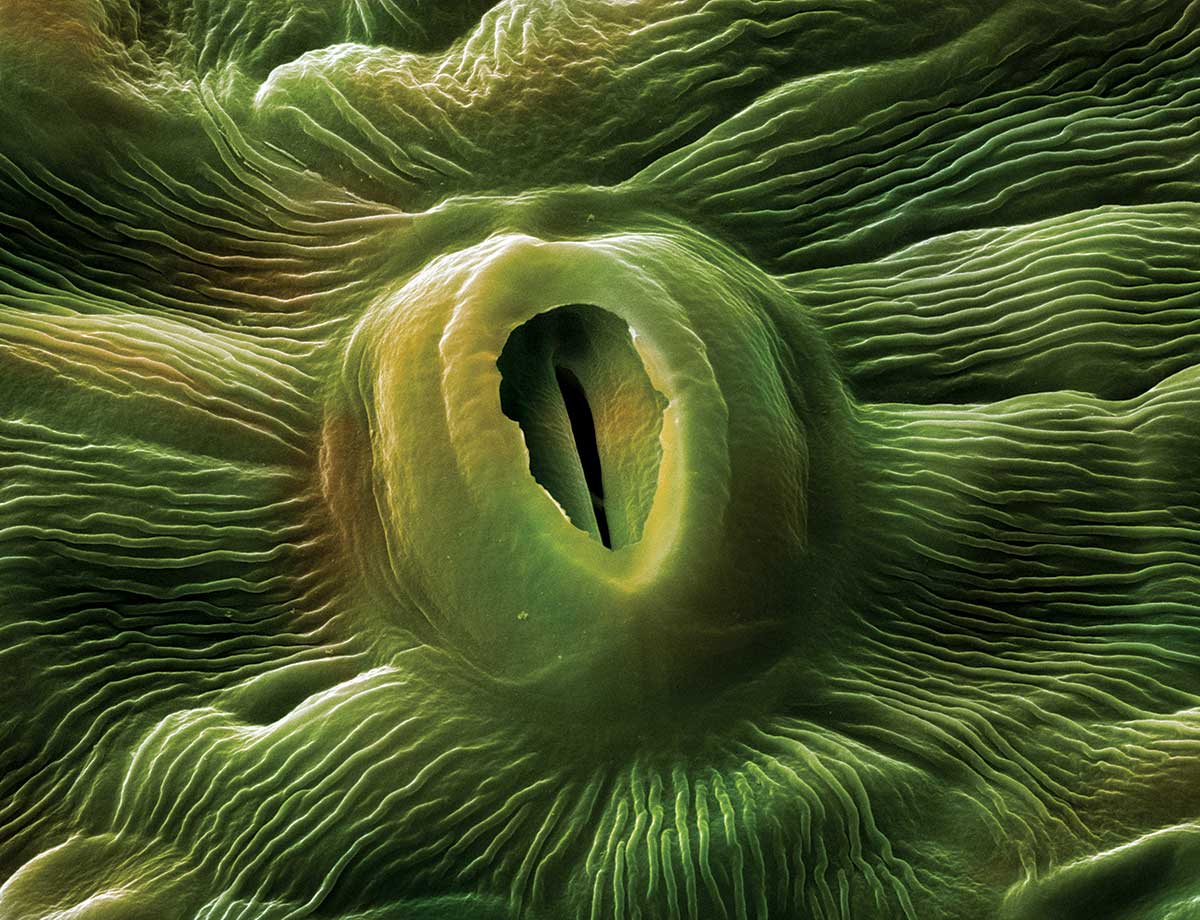
Plant Stomata - a pore, found in the epidermis of leaves, stems, and other organs, that facilitates gas exchange.
-
Never Underestimate the Intelligence of Trees - Plants communicate, nurture their seedlings, and get stressed - Article by Nautils about Suzanne Simard's work.



The secret language of trees - Short Video by Camille Defrenne & Suzanne Simard
-
Prof. Dr. Günter von Kiedrowski - on "Chemical Self-replicating systems: Facts, goals, and visions" (7th European Conference on Artificial Life, 2003)
"Why replication at all? In the natural context, replication has the same meaning as integration in electronics. I mean, if you are able to do integrate electronic circuitry, you can establish Moore's Law and in chemistry this kind of replication was not addresses so far. But if it is possible to replicate objects, then it is possible to make things cheaper, to pay for complexity. - Prof. Dr. Günter von Kiedrowski
Related:
- "Research Paper by Günter von Kiedrowski" (semanticscholar)
- "Self replicating systems" - by Volker Patzke and Günter von Kiedrowski (2007)
- "Exponential replication of patterns in the signal tile assembly model" (2014)
- "Where Did Life Come From? The Mind? The Universe? Can We Even Know?" (2013)
- "The Beginning of Systems Chemistry" - by Peter Strazewski"
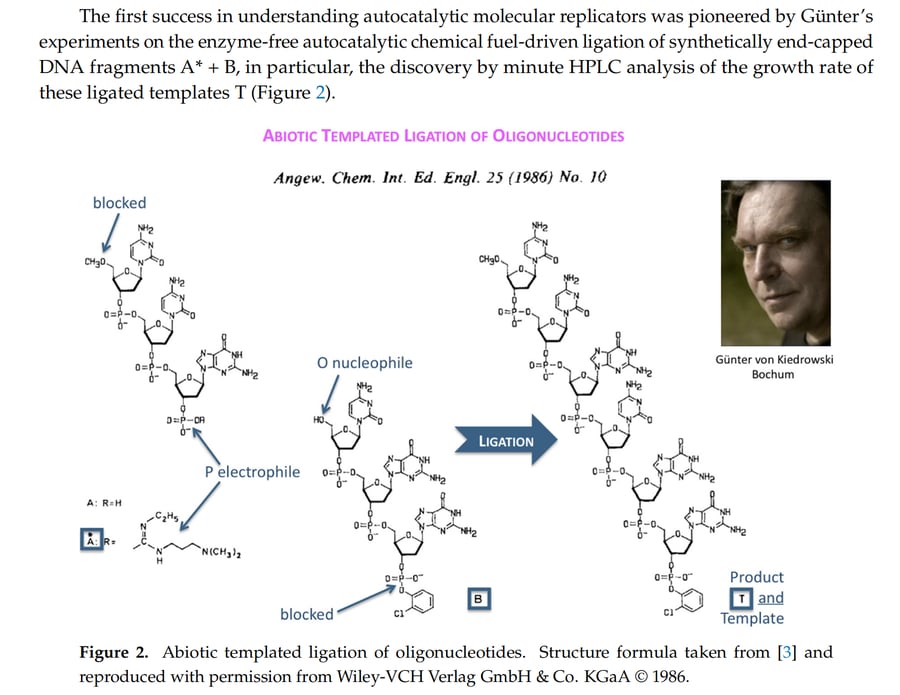
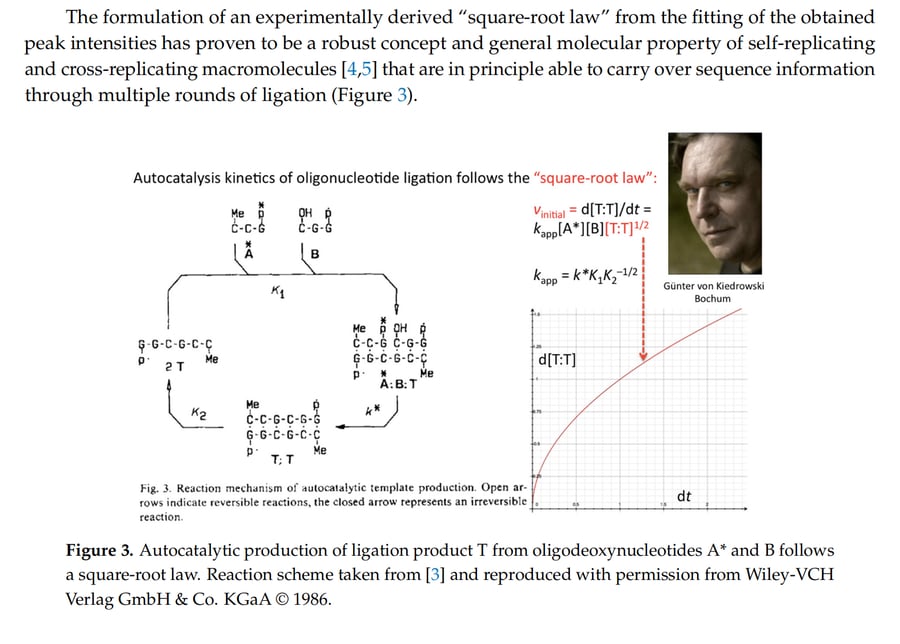
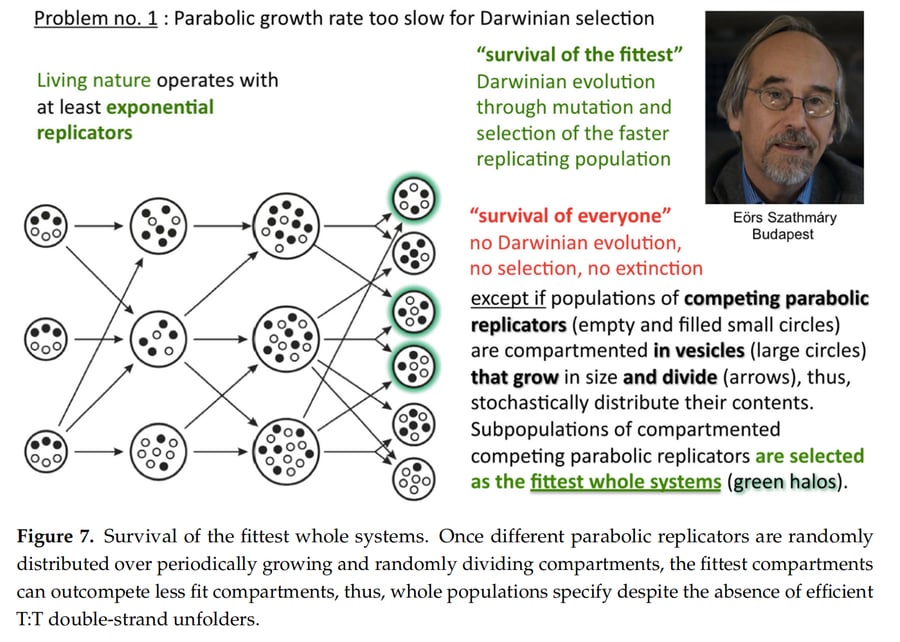
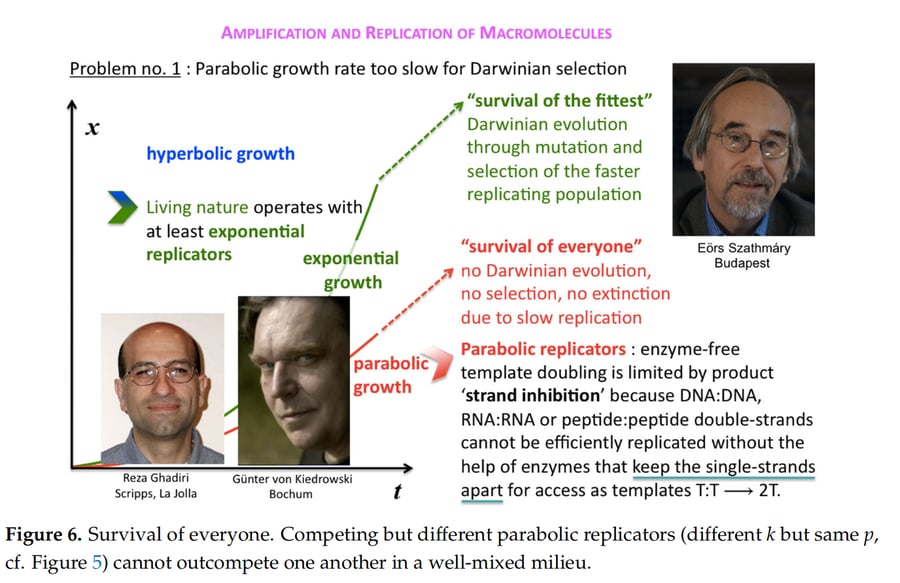
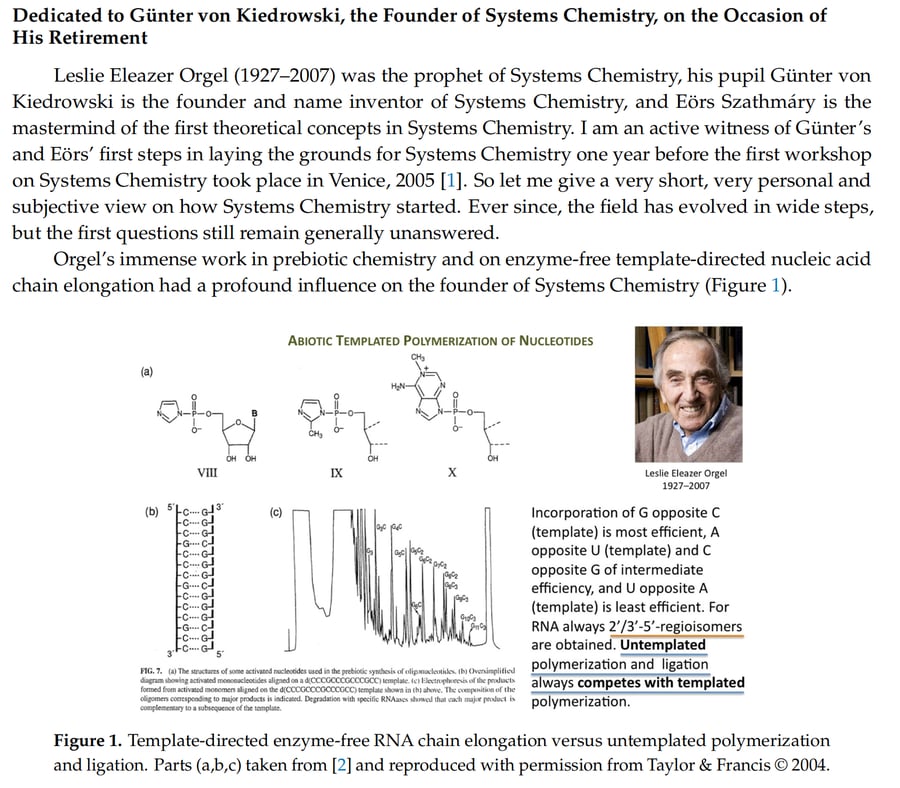
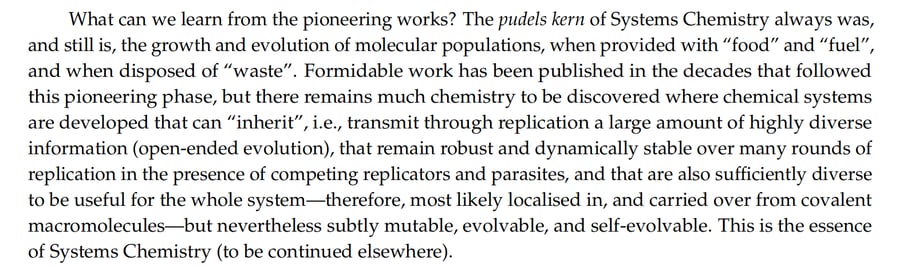
Images from "The Beginning of Systems Chemistry" - by Peter Strazewski" -
Study Finds Common Dolphins Tend to Be 'Right-Handed' (Research)
"Researchers working with the Dolphin Communication Project in the US spent six years watching a population of common bottlenose dolphins (Tursiops truncatus) forage from the ocean floor, taking note of which way they tended to turn, and found the animals like to keep their right eye on the food. Having a preference for one side of the body or the other is now understood to be common throughout the animal kingdom. Gorillas and chimpanzees favour their right hands, like us."
Dolphins struggle against noise pollution
"A new study has found increased ship traffic and dredging in India’s Ganga River is rapidly heightening noise levels in the river and stressing the river’s iconic dolphins and changing how they communicate."
-
Notes on Robert Rosen (1934 - 1998), an American theoretical biologist:
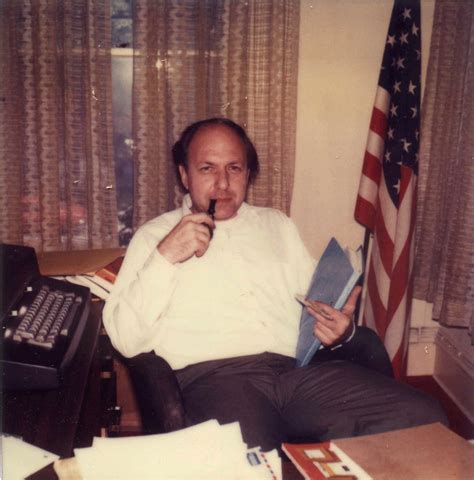
‘What are the defining characteristics of a natural system for us to perceive it as being alive?’’ - Robert Rosen in "Life Itself: A Comprehensive Inquiry Into the Nature, Origin, and Fabrication of Life"
"I do not consider myself a philosopher. I am a biologist, attempting to grapple with the Schrodinger question, “What is Life?” It turns out that this is not an empirical question, to be resolved through observation in a laboratory" - Robert Rosen in "Boundaries and barriers: On the limits to scientific knowledge" (1996)
"No finite organism can completely model the infinite universe, but even more to the point, the senses can only provide a subset of the needed information; the organism must correct the measured values and guess at the needed missing ones."..."Indeed, even the best guesses can only be an approximation to reality - perception is a creative process." - from "Robert Rosen: The Well Posed Question And Its Answer-why Are Organisms Different From Machines?" - by Donald C. Mikulecky
The human body completely changes the matter it is made of roughly every 8 weeks, through metabolism, replication and repair. Yet, you're still you --with all your memories, your personality... If science insists on chasing particles, they will follow them right through an organism and miss the organism entirely. — Robert Rosen, (as told to his daughter, Ms. Judith Rosen)
Presentation "Anticipatory Systems Theory: What the science of Life and Mind can teach us about science, itself" - by Judith Rosen
Presentation: "Robert Rosen And George Lakoff: The Role Of Causality In Complex Systems" - by Hamid Y. Javanbakht
-
China flight systems jammed by pig farm’s African swine fever defences (scmp)
"Chinese state media reported last week that gangs were exploiting the African swine fever crisis by deliberately spreading the disease by using drones to drop infected items on to pig farms. A Chinese pig farm’s attempt to ward off drones – said to be spreading African swine fever – jammed the navigation systems of a number of planes flying overhead. In more common cases, according to the magazine, the criminals spread rumours about the presence of the virus to achieve a cheap purchase price."
-
"Blood now makes up well over 2 percent of total U.S. exports by value. To put that in perspective, Americans' blood is now worth more than all exported corn or soy products that cover vast areas of the country's heartland. The U.S. supplies fully 70% of the world's plasma, mainly because most other countries have banned the practice on ethical and medical grounds."



"The people who show up are a mix of disabled, working poor, homeless, single parents, and college students. With the exception of the college students who are looking for booze money, this is probably the easiest and most reliable income they have. Your job may fire you at any time when you're on this level of society, but you always have blood. And selling your blood doesn't count as a job or income when it comes to determining disability benefits, food stamps, or unemployment eligibility so it's a source of money for the people who have absolutely nothing else."
"Desperate Americans are allowed to donate twice per week. But losing that much plasma could have serious health consequences, most of which have not been studied [...] Around 70 percent of donors experience health complications. Donors have a lower protein count in their blood, putting them at greater risk of infections and liver and kidney disorders. Many regulars suffer from near-permanent fatigue and are borderline anemic. All this for an average of $30 per visit."
-
Gut-brain connection signals worms to alter behavior while eating (MIT)
"Researchers found that a type of nerve cell found in the gut of the worm Caenorhabditis elegans is specialized to detect when bacteria are ingested; once that occurs, the neurons release a neurotransmitter that signals the brain to halt locomotion. They also identified new ion channels that operate in this specialized nerve cell to detect bacteria."
-
Interesting read about Donald O. Hebb (1904 - 1985) - famous Canadian psychologist known for his theory of Hebbian learning, the father of neuropsychology and neural networks - and his involvement with CIA interrogation techniques, including sensory deprivation:
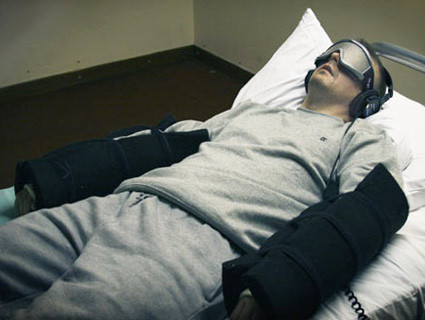
2008 BBC reenactment of Donald Hebb's experiments "In classified experiments, Donald Hebb found that he could induce a state akin to drug-induced hallucinations and psychosis in just 48 hours – without drugs, hypnosis, or electric shock. Instead, for two days student volunteers at McGill University simply sat in a comfortable cubicle deprived of sensory stimulation by goggles, gloves, and earmuffs. “It scared the hell out of us,” Hebb said later, “to see how completely dependent the mind is on a close connection with the ordinary sensory environment, and how disorganizing to be cut off from that support.”"
Related:
- What Extreme Isolation Does to Your Mind - by Motherjones
- CIA’s psychological torture is rooted in experiments at Dachau - by The Alliance For Human Research Protection
- Alfred Mccoy, Hebb, the CIA and Torture - by Richard E. Brown (Journal of the History of the Behavioral Sciences, 2007)
-
Affordance is what the environment offers the individual. James J. Gibson, coined the term in his 1966 book, The Senses Considered as Perceptual Systems.
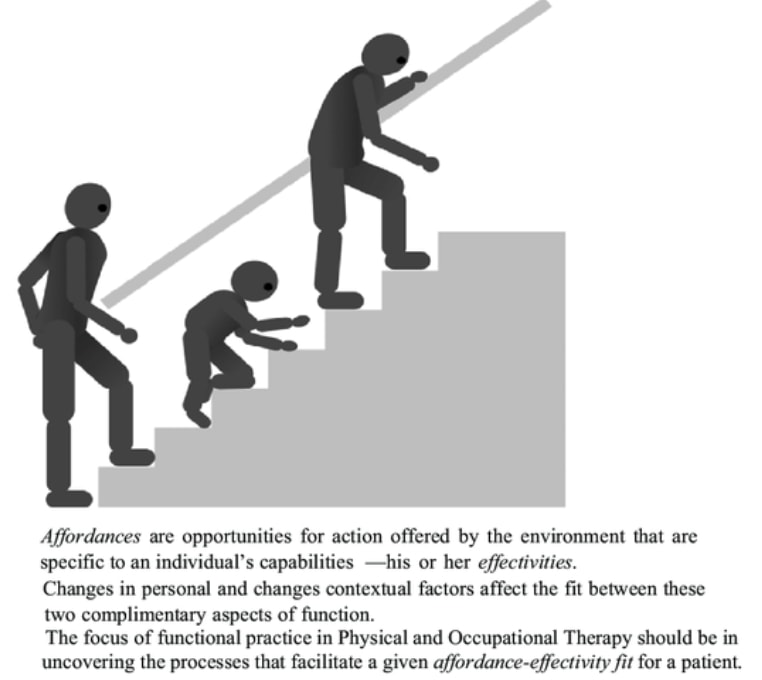
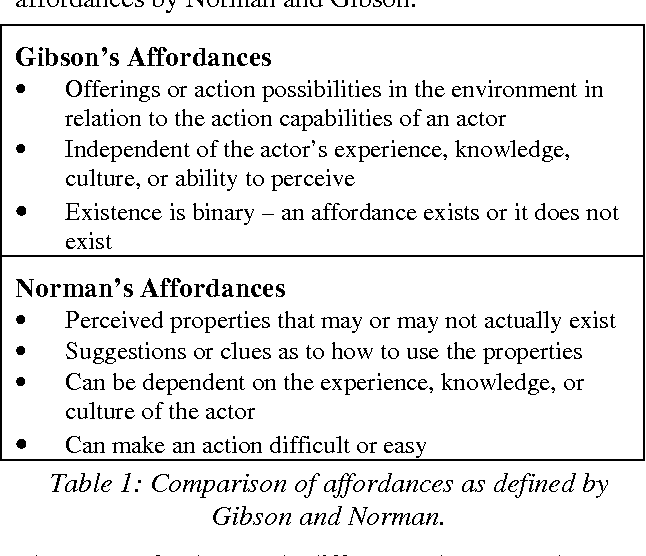
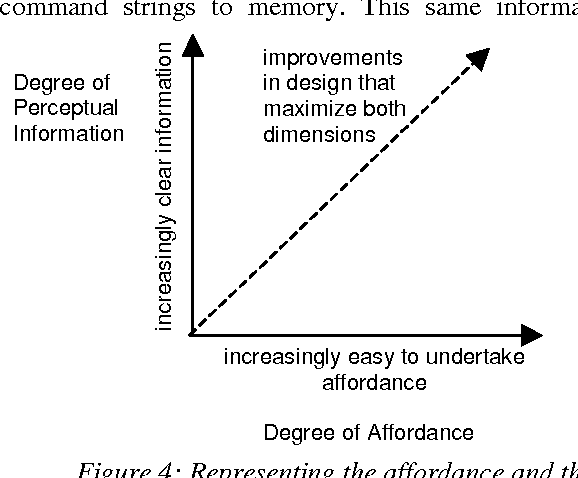
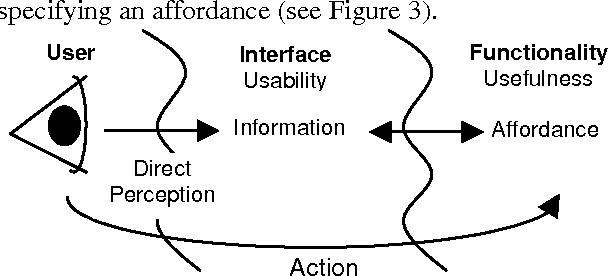
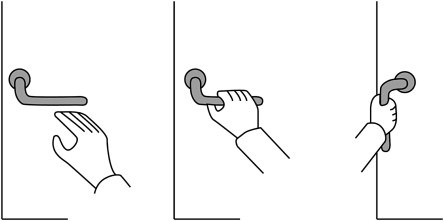
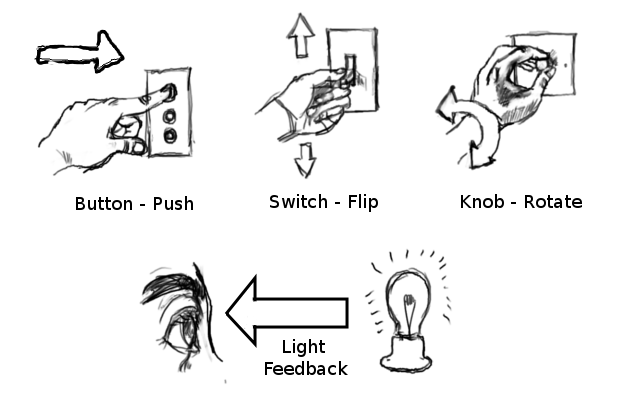
Images from Affordances: Clarifying and Evolving a Concept - by Joanna McGrenere (2000)
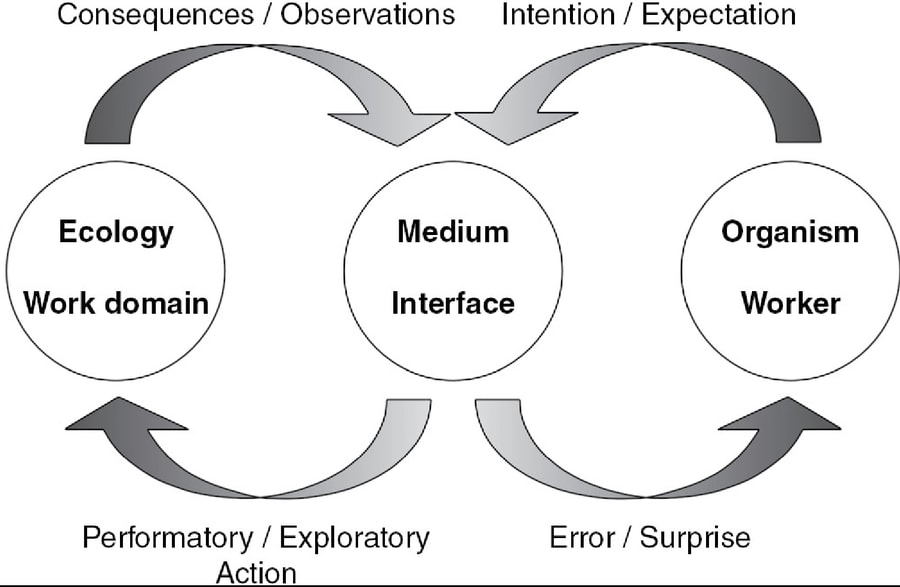
Eleanor (1910–2002) & James J. Gibson (1904–1979) were American psychologists who coined & expanded research on an ‘ecological approach’ to perceptual psychology. They positioned perception as shaped by environment & the way the observer reacts & interacts with it: Stimuli that prompt visual & sensory impressions were locally observed & directly perceived, rather than through neural or cognitive systems that involved evaluation and analysis.
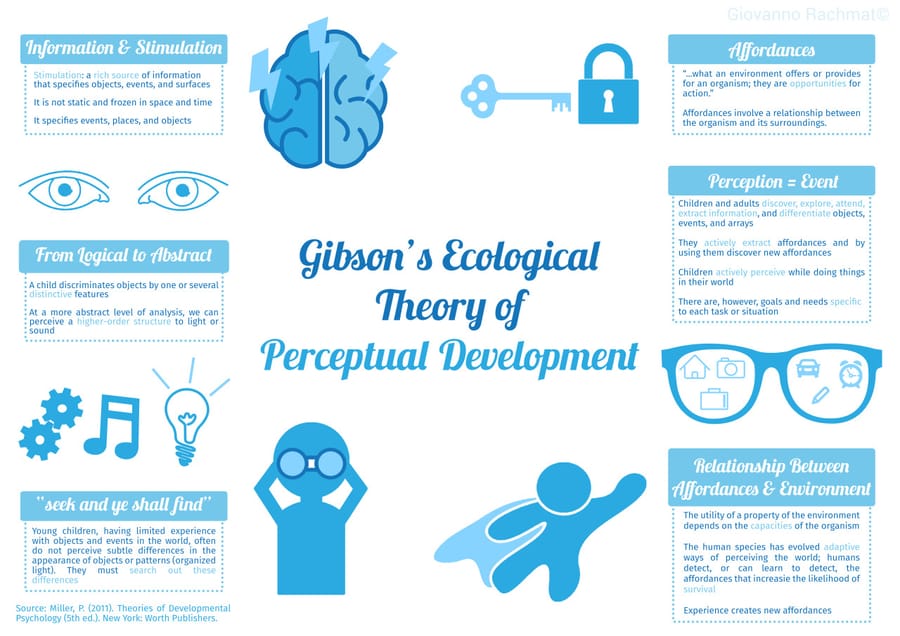
Gibsonian ecological theory of development: "Gibson emphasized the importance of environment and context in learning and, together with husband and fellow psychologist James J. Gibson, argued that perception was crucial as it allowed humans to adapt to their environments. Gibson stated that "children learn to detect information that specifies objects, events, and layouts in the world that they can use for their daily activities". Thus, humans learn out of necessity. Children are information "hunter-gatherers", gathering information in order to survive and navigate in the world."
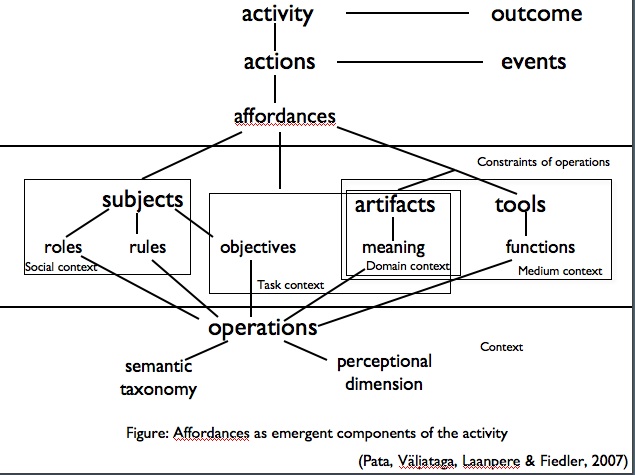
Related posts by Kai Pata
- About affordances again
- How are affordances dynamic?
- Two Theories of Perception and affordances
- Interactivity and affordances in digital ecosystems
The following from the book "Understanding Context" - by Andrew Hinton: Chapter 4 - Perception, Cognition, and Affordance:
"In the Universe, there are things that are known, and things that are unknown, and in between there are doors." —WILLIAM BLAKE
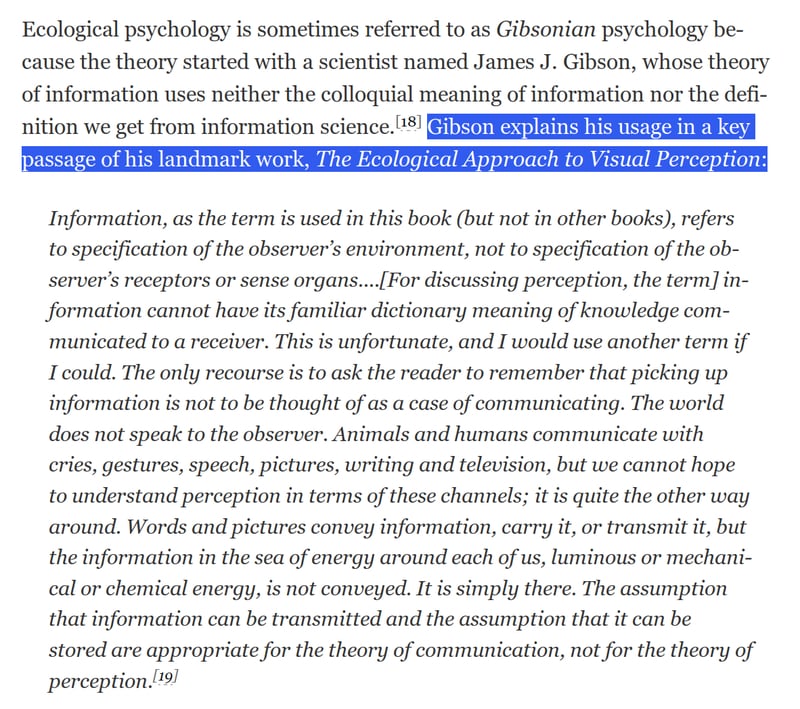
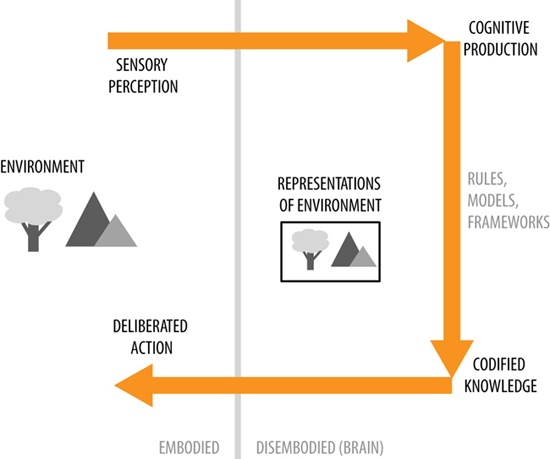
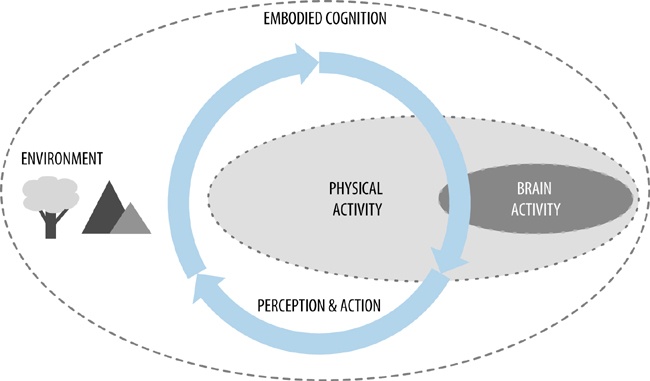
The following from the review of the book "Action in perception, by Alva Noë" - by Patrick Mineault:
The author goes on to discuss some of the more radical aspects of Gibson’s ideas on the ecological approach to vision: “He [Gibson] argued that just as there is a fit between an animal and the environmental niche it occupies, thanks to the coevolution of animal and niche, so there is a tight perceptual attunement between animal and niche. Because of this attunement, animals are directly sensitive to the features of the world that afford the animal opportunities for action (What Gibson calls affordances).”
- About affordances again
-
Crows Could Be the Smartest Animal Other Than Primates (BBC)

"Christian Rutz at the University of St Andrews is unequivocal. Some birds, like the New Caledonian crows he studies -- can do remarkable things. In a paper published earlier this year, he and his co-authors described how New Caledonians seek out a specific type of plant stem from which to make their hooked tools."
"Experiments showed that crows found the stems they desired even when they had been disguised with leaves from a different plant species. This suggested that the birds were selecting a kind of material for their tools that they knew was just right for the job. You wouldn't use a spanner to hammer in a nail, would you? Ranking the intelligence of animals seems an increasingly pointless exercise when one considers the really important thing: how well that animal is adapted to its niche. In the wild, New Caledonians use their tools to scoop insects out of holes, for example in tree trunks. Footage of this behavior has been caught on camera."
#Comment: "Ranking the intelligence of animals seems an increasingly pointless exercise when one considers the really important thing: how well that animal is adapted to its niche" is a spot on observation! Rigid, hierarchical "we humans are the top of creation" thinking is totally absurd and backwards. While "human smartest, the rest stupid" ideas are deeply rooted in ancient (christian) tradition, their full madness and destructive potential has been unleashed since the dawn of Darwin's evolution theory and dominance of science.
-
DNA computing is a branch of computing which uses DNA, biochemistry, and molecular biology hardware, instead of the traditional silicon-based computer technologies. A brief introduction of the field can be found on the site of the Qian Lab:
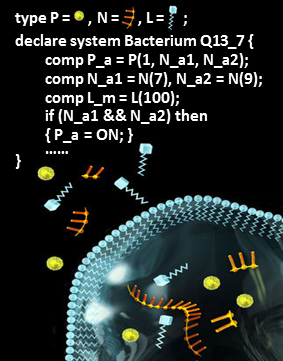
How can we rationally design and synthesize molecular systems with programmable behaviors? Life is full of amazingly sophisticated programs encoded in genomes, orchestrating molecules to sense, to compute, to respond, and to grow. One approach to interpreting the molecular programs that nature creates is to explore and re-realize the principles of information processing in biology, for example by rationally designing and synthesizing molecular systems that exhibit programmable behaviors. As much as electronics has changed our lives, at a much smaller scale computer science in its new form as molecular programming will change our lives with nanomachines, smart drugs and diagnostic devices.
-
Synchronized Oscillators (via)
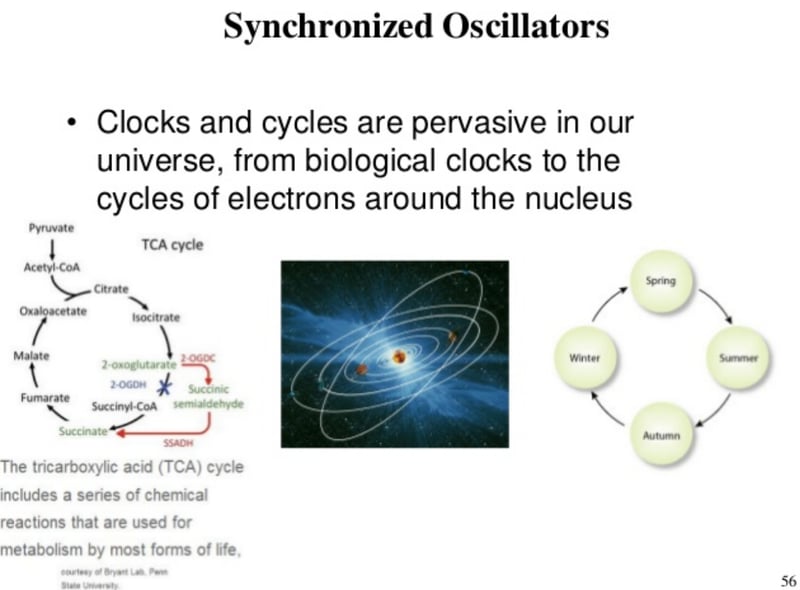
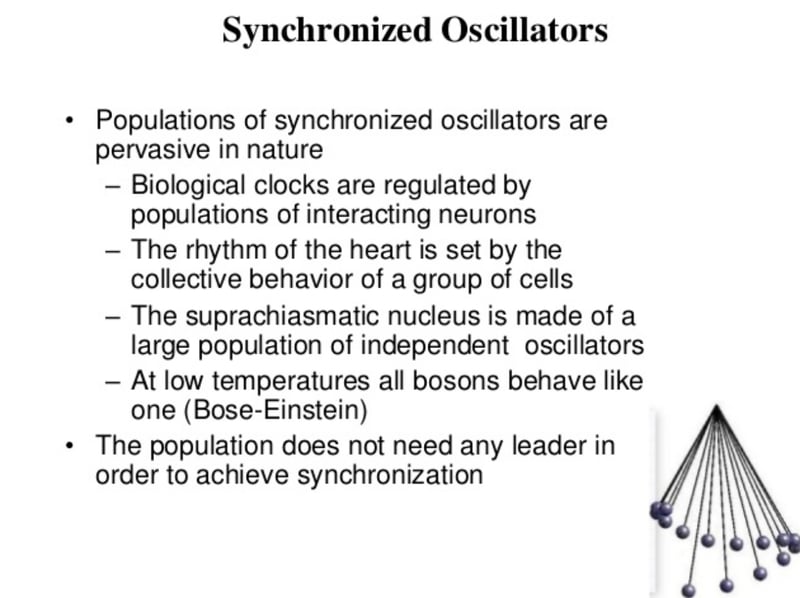
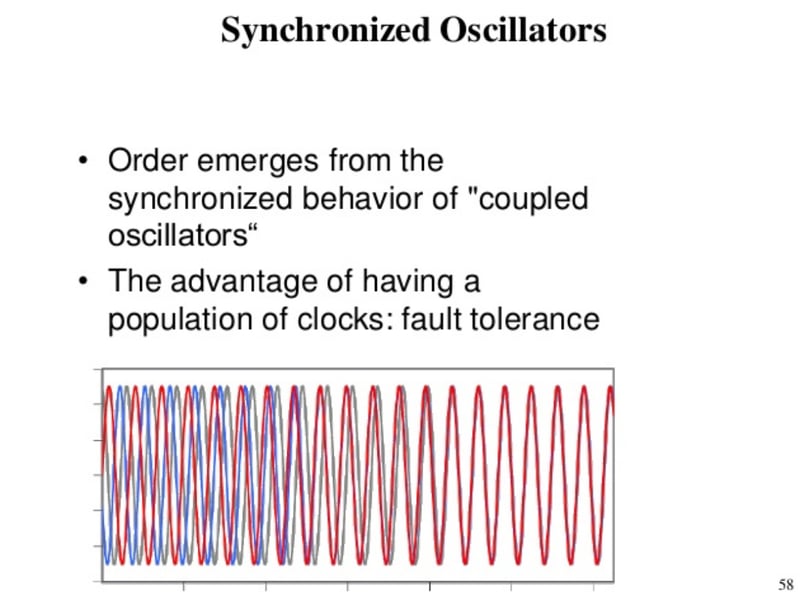
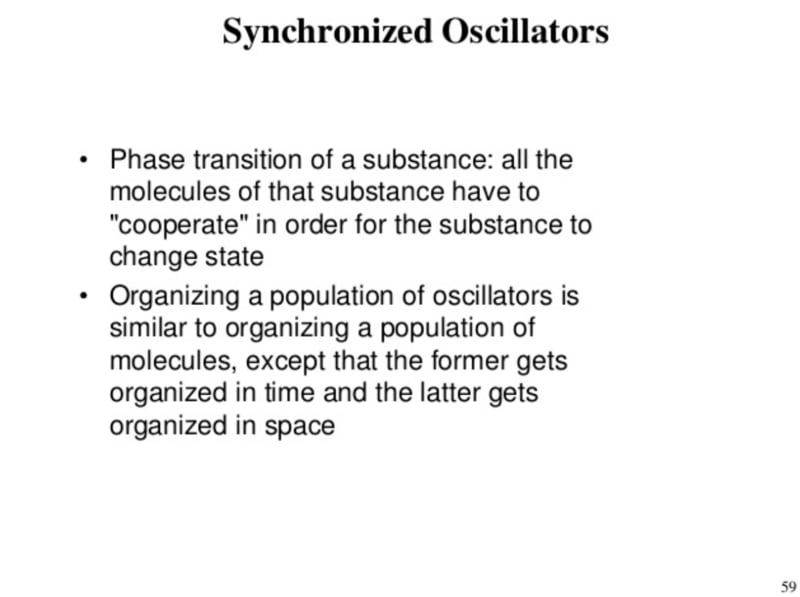
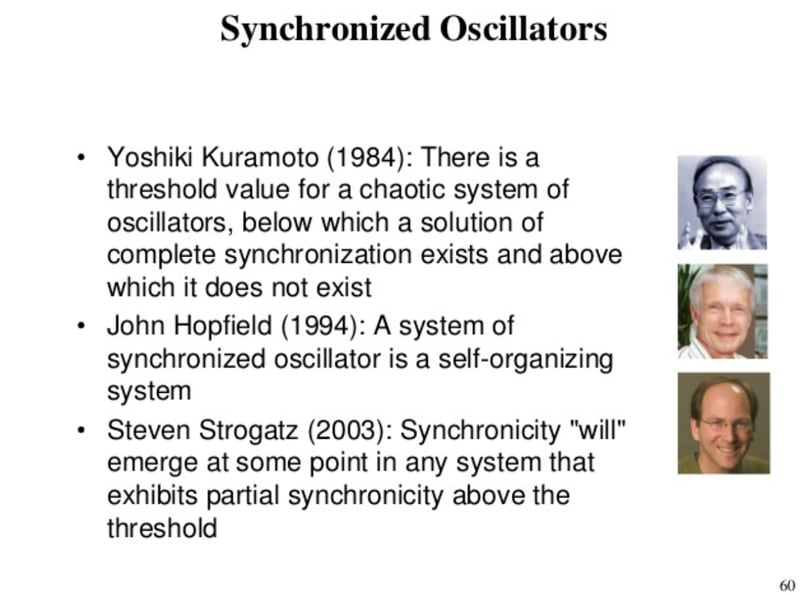
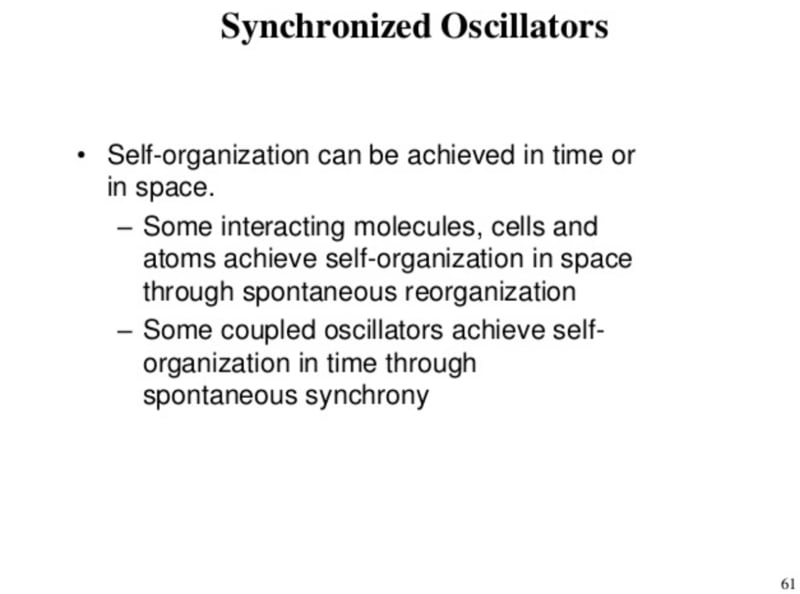
In 1975, Yoshiki Kuramoto introduced a simple model to describe the collective dynamics of a set of interacting oscillators. In the model, each oscillator has a natural frequency, and is coupled equally to all other oscillators. Assuming a fixed spread in oscillator frequencies, Kuramoto showed that in the limit of a large number of oscillators, the model exhibits a continuous phase transition from asynchronous to synchronous behaviour with increasing inter-oscillator coupling. Since then, the model and generalizations of it have been widely used in exploring the synchronization behavior in groups of biological cells, fireflies, superconducting Josephson junctions, or the movements of swarms or flocks of organisms.
- Yoshiki Kuramoto: https://en.wikipedia.org/wiki/Yoshiki_Kuramoto
- Kuramoto model: https://en.wikipedia.org/wiki/Kuramoto_model
- Kuramoto Model of Synchronized Oscillators https://blogs.mathworks.com/cleve/2019/08/26/kuramoto-model-of-synchronized-oscillators/
- All together now https://www.nature.com/articles/421780a
- pyclustring: https://github.com/annoviko/pyclustering
- Continuous vs. Discontinuous Transitions in the D-Dimensional Generalized Kuramoto Model: https://arxiv.org/pdf/1806.01314.pdf
- Synchronization networks https://en.wikipedia.org/wiki/Synchronization_networks
- Oscillatory neural network: https://en.wikipedia.org/wiki/Oscillatory_neural_network
- Synchronization: https://en.wikipedia.org/wiki/Synchronization
- An Oscillatory Neural Autoencoder Based on Frequency Modulation and Multiplexing: https://www.ncbi.nlm.nih.gov/pmc/articles/PMC6048285/
- A Neural Network Based on Synchronized Pairs of Nano-Oscillators https://arxiv.org/abs/1709.02274v1
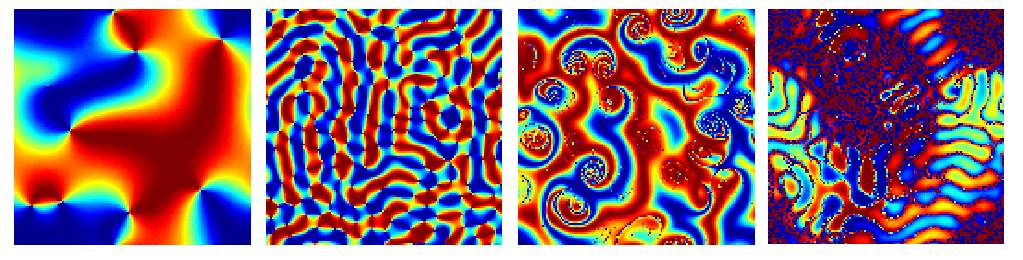
Image: Synchronization patterns in a two-dimensional array of Kuramoto-like oscillators
-
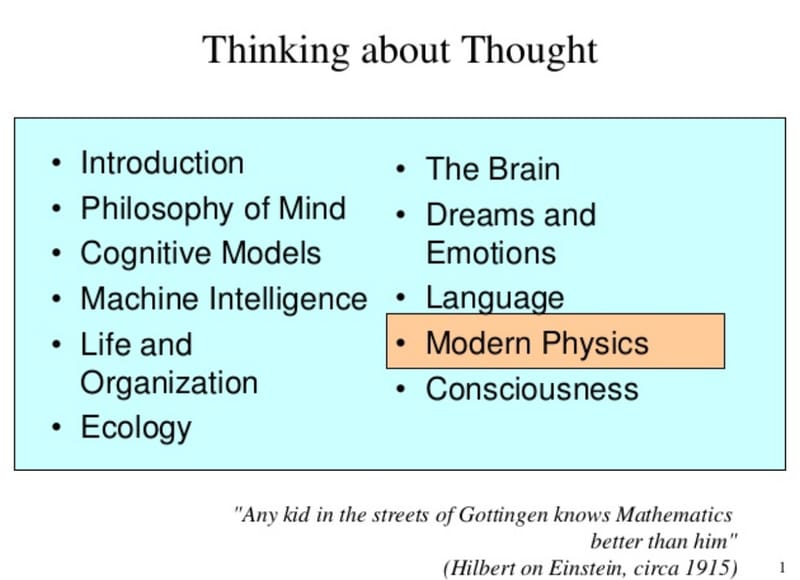
"Thinking about Thought" - Slides for Piero Scaruffi's excellent class on Modern Physics at UC Berkeley (2014). https://www.scaruffi.com/
-
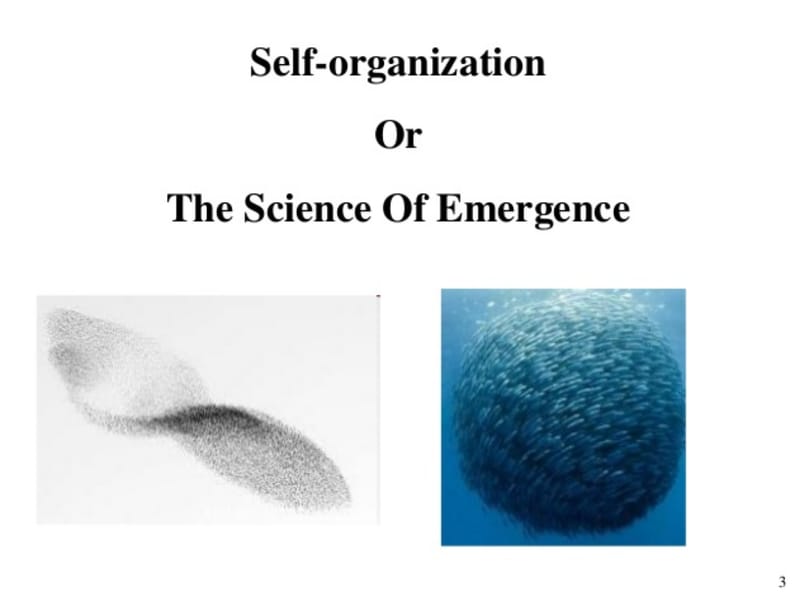
Self-organized criticality is a property of dynamical systems that have a critical point as an attractor. Their macroscopic behavior thus displays the spatial or temporal scale-invariance characteristic of the critical point of a phase transition, but without the need to tune control parameters to a precise value, because the system tunes itself as it evolves towards criticality. The concept was put forward by Per Bak, Chao Tang and Kurt Wiesenfeld, and is considered to be one of the mechanisms by which complexity arises in nature.
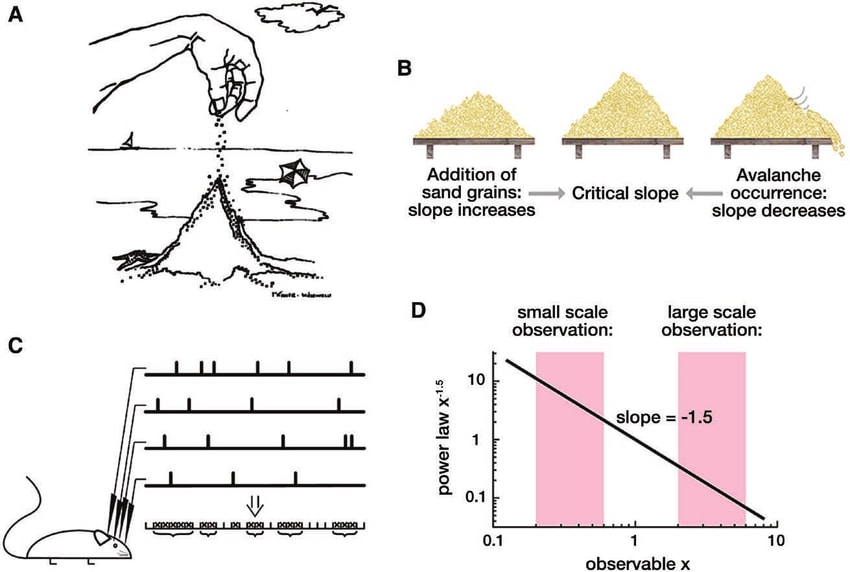
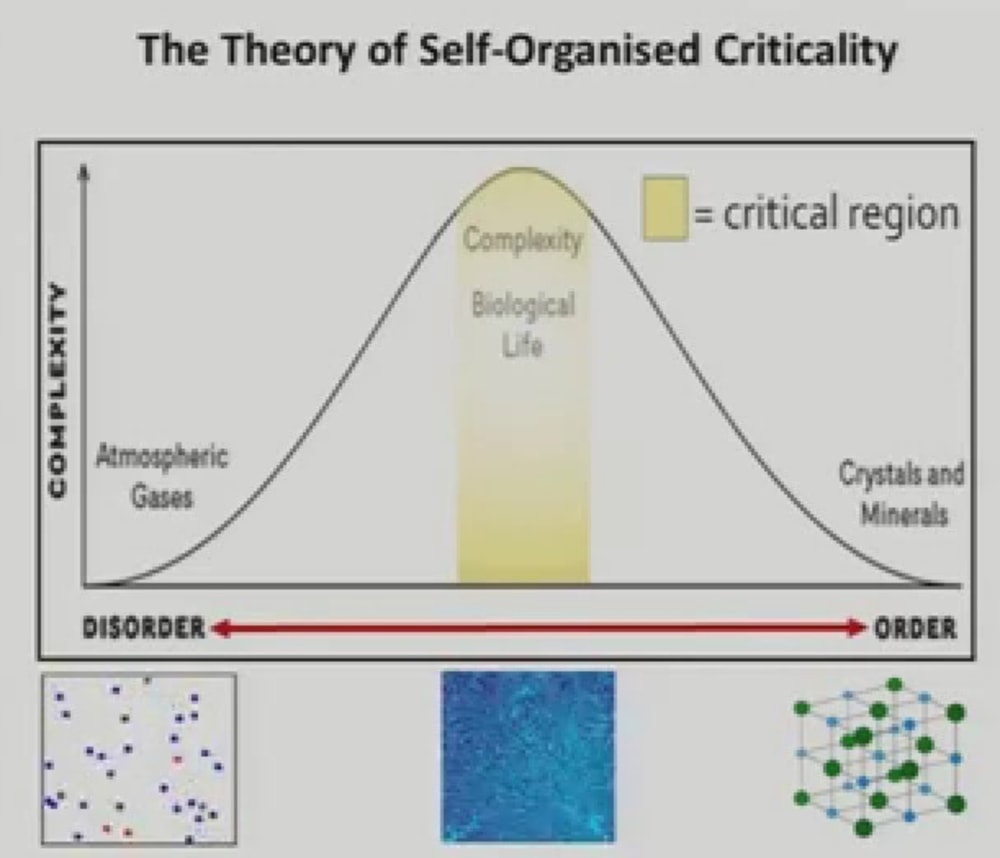
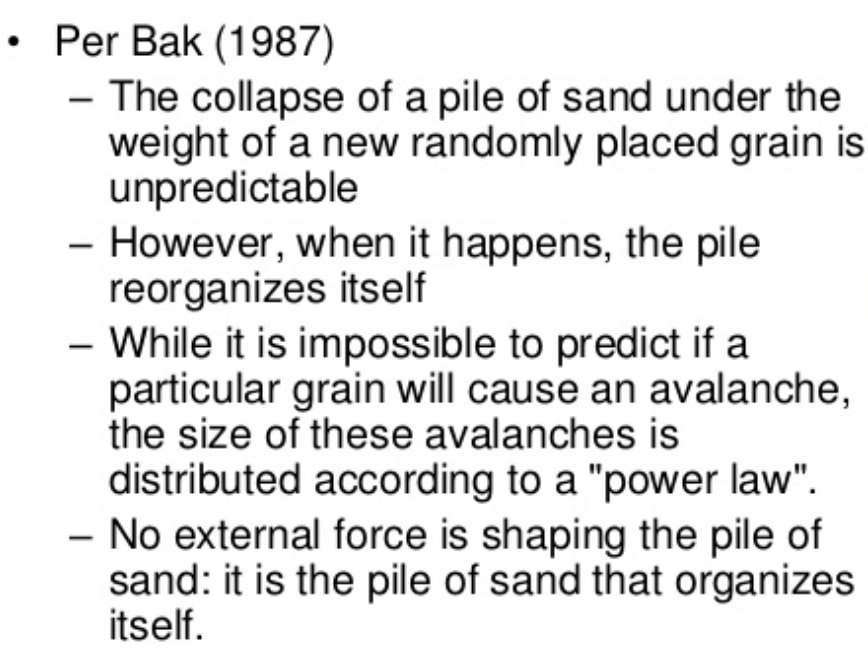
Images from: "Role of Network Science in the Study of Anesthetic State Transitions" and "Tuning Pathological Oscillations with EEG Neurofeedback and Self-Organized Criticality"