tag > Book
-
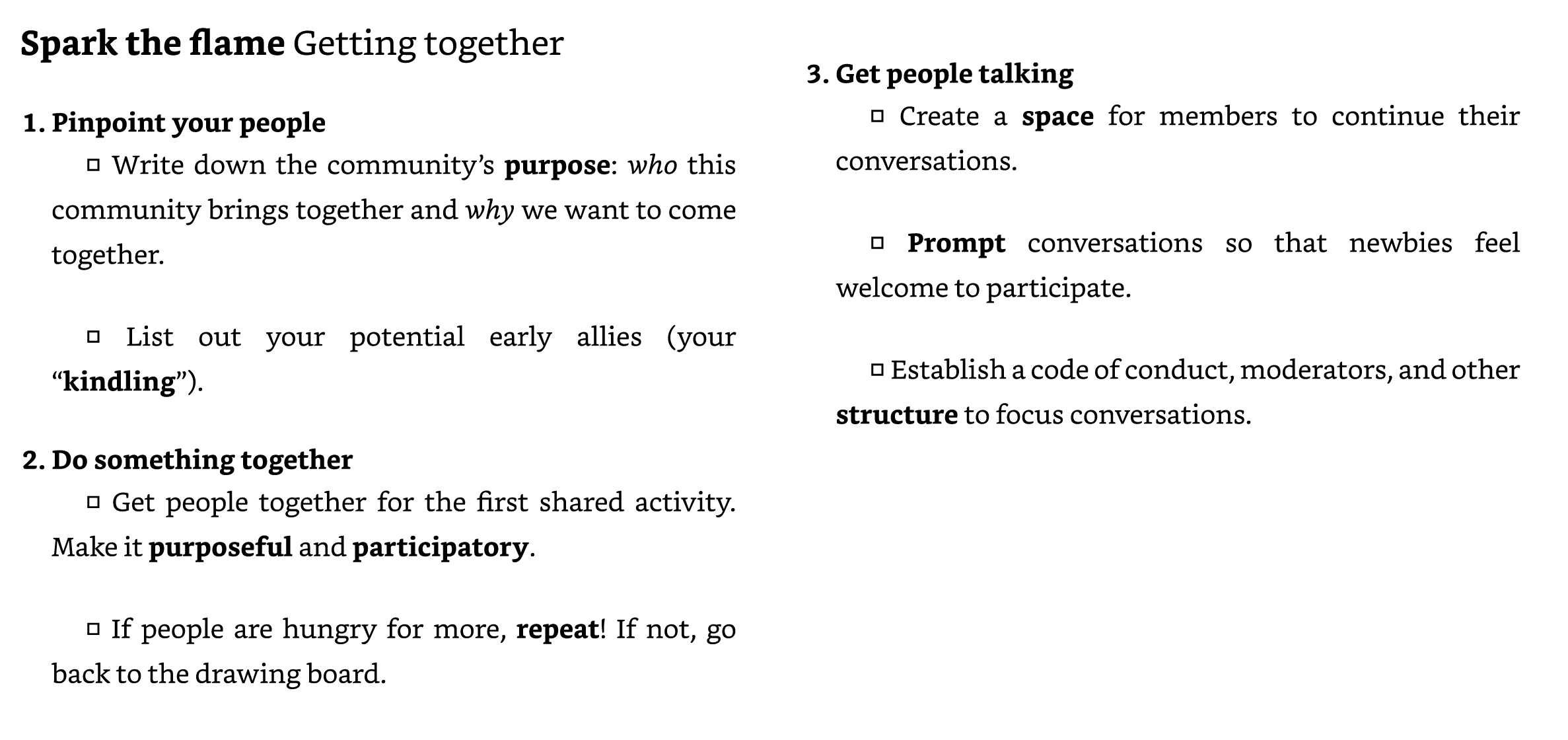
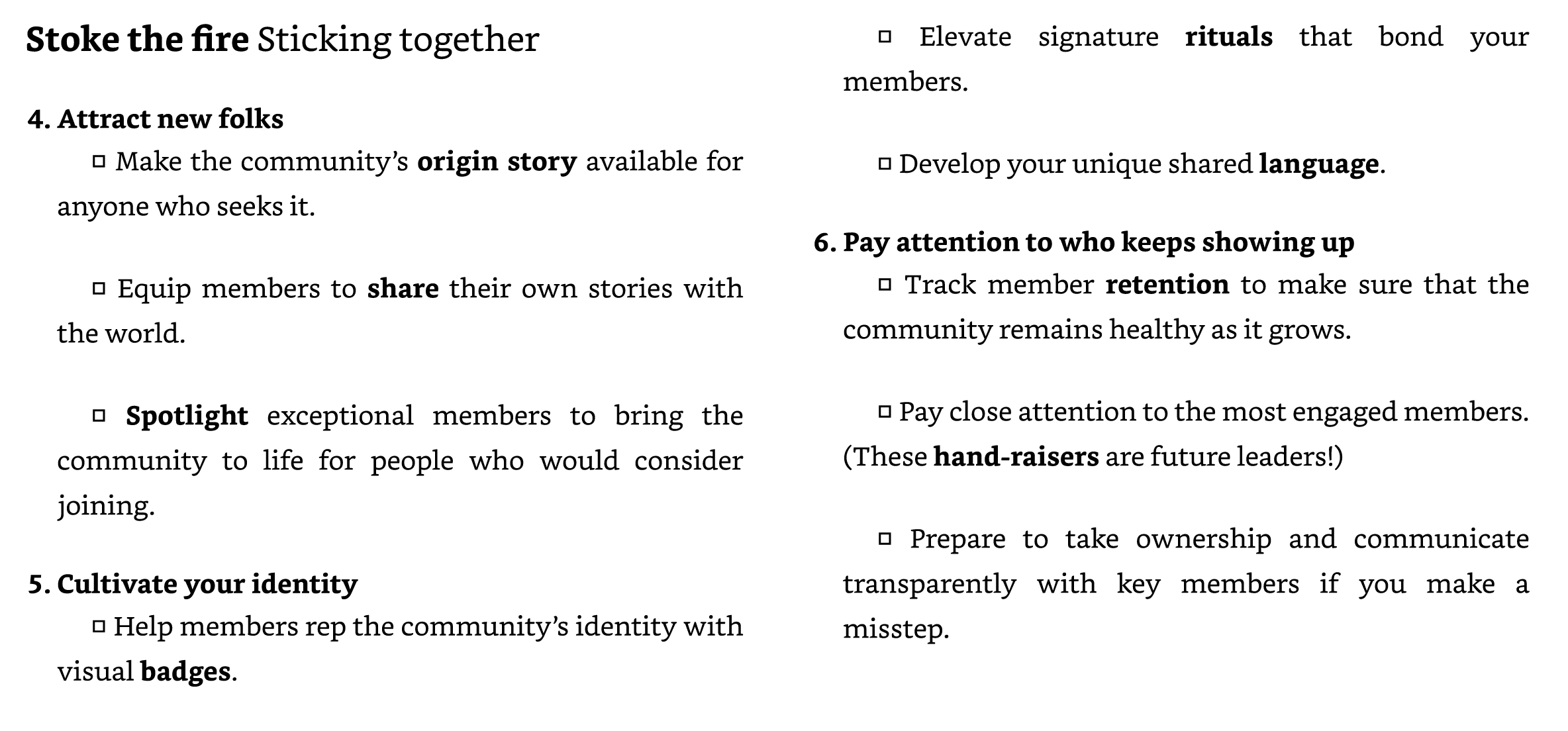
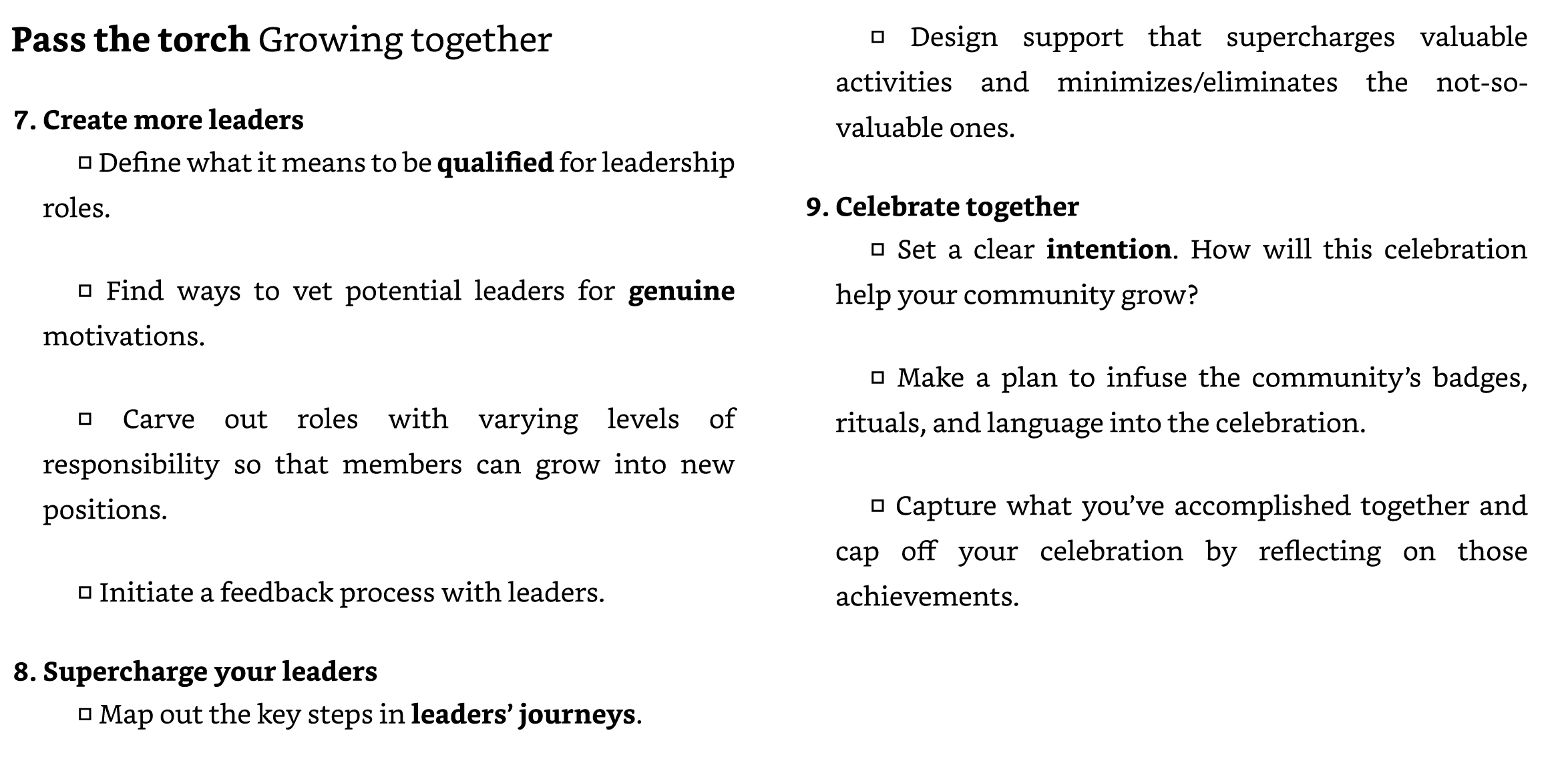
Get Together: How to build a community with your people (Book)
True stories of everyday people who created thriving communities, both in-person and online. The authors untangle the challenge of getting passionate people together into clear steps, helping individuals and organizations navigate the intricacies of leading a community.
-
Tsurezuregusa (徒然草, Essays in Idleness) - collection of essays written by the Japanese monk Yoshida Kenkō between 1330 and 1332.
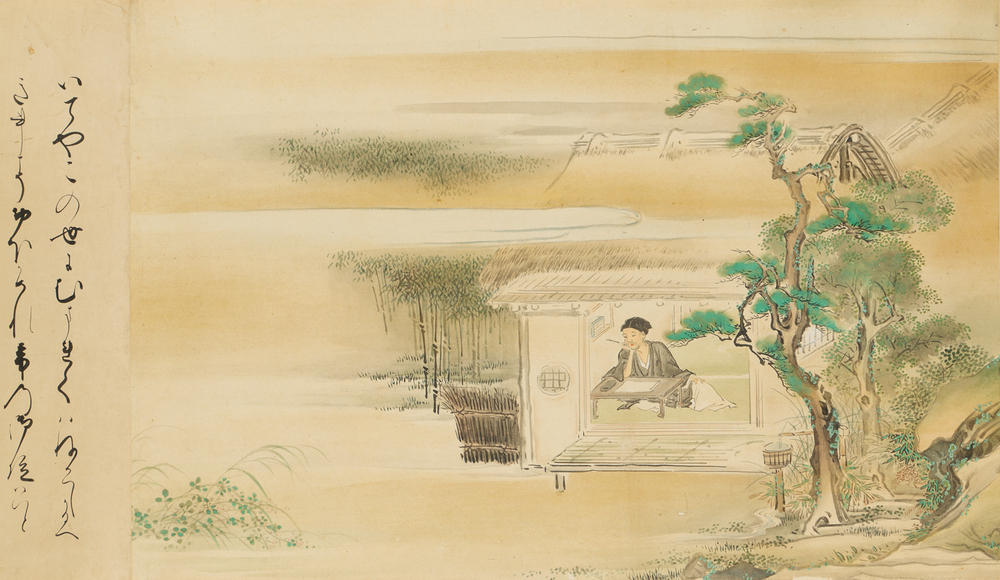
“It is typical of the unintelligent man to insist on assembling complete sets of everything. Imperfect sets are better.”
“If man were never to fade away like the dews of Adashino, never to vanish like the smoke over Toribeyama, but lingered on forever in this world, how things would lose their power to move us! The most precious thing in life is its uncertainty.”
-
Huangdi Neijing - The Yellow Emperor's Classic of Medicine
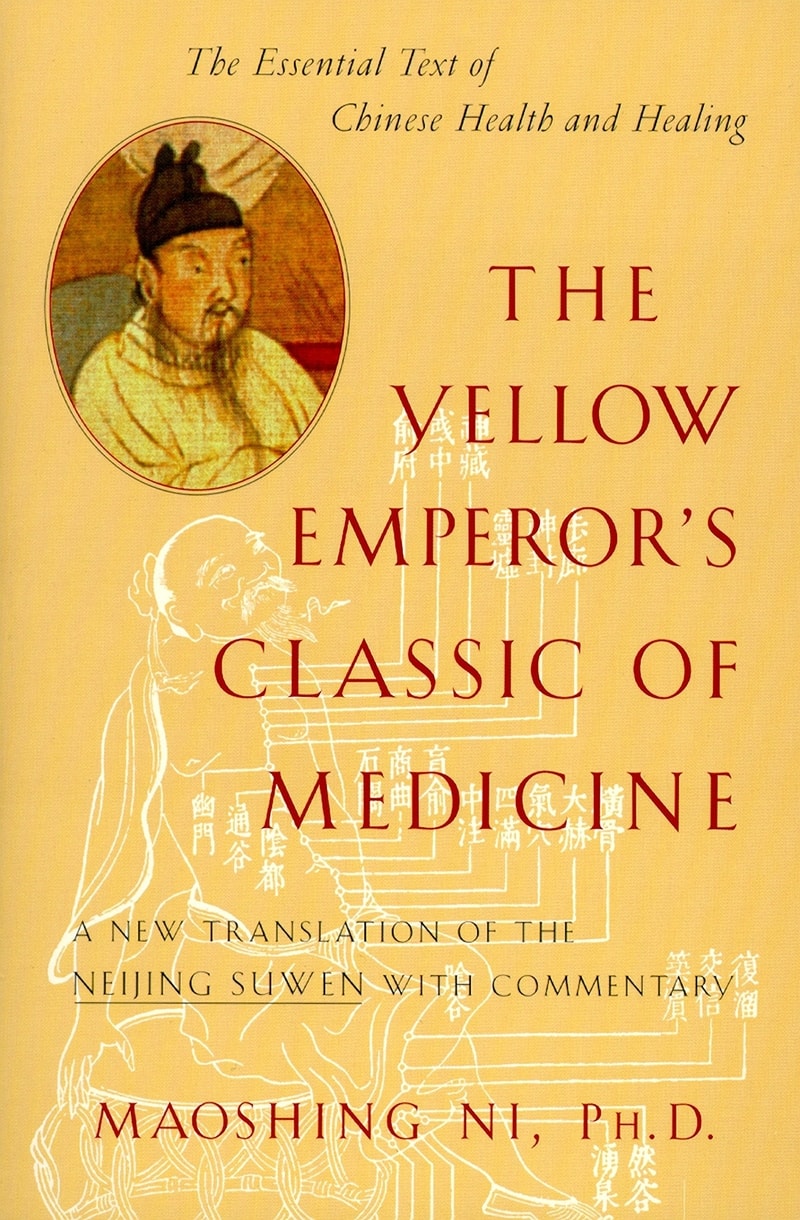
The Neijing is one of the most important classics of Taoism, as well as the highest authority on traditional Chinese medicine. Its authorship is attributed to the great Huang Di, the Yellow Emperor, who reigned during the third millennium BCE. Written in the form of a discourse between Huang Di and his ministers, The Yellow Emperor's Classic of Medicine contains a wealth of knowledge, including etiology, physiology, diagnosis, therapy, and prevention of disease, as well as in-depth investigation of such diverse subjects as ethics, psychology, and cosmology. All of these subjects are discussed in a holistic context that says life is not fragmented, as in the model provided by modern science, but rather that all the pieces make up an interconnected whole. By revealing the natural laws of this holistic universe, the book offers much practical advice on how to promote a long, happy, and healthy life.
Excerpts
"Dedicated to a world in need of balance and harmony"
"Those who understand the principles of wholesome living tame their minds and prevent them from straying. They do not force anything upon themselves or others, are happy & content, tranquil & quiet, and can live indefinitely. These are the ancient methods of self-maintenance."
-
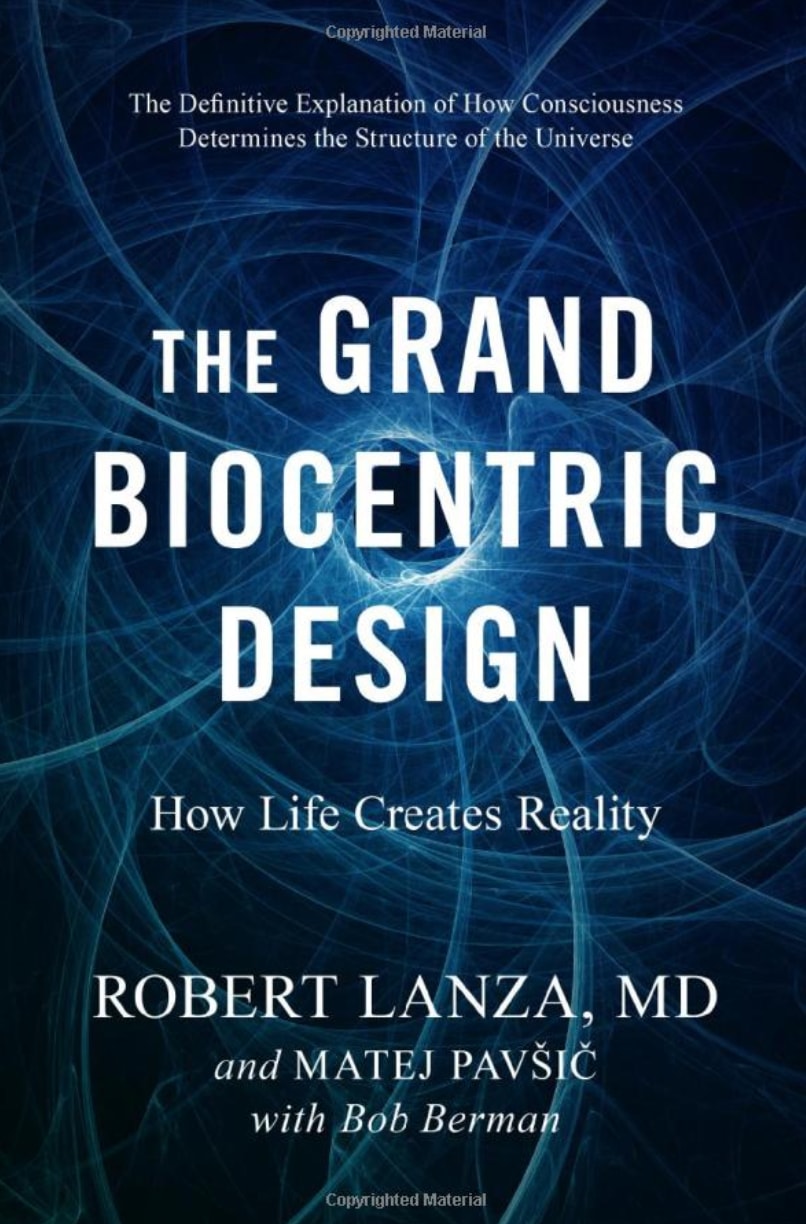
The Grand Biocentric Design / How Life Creates Reality - by Robert Lanza and Matej Pavšič, with Bob Berman
What if life isn’t just a part of the universe . . . what if it determines the very structure of the universe itself. The theory that blew your mind in Biocentrism and Beyond Biocentrism is back, with brand-new research revealing the startling truth about our existence.
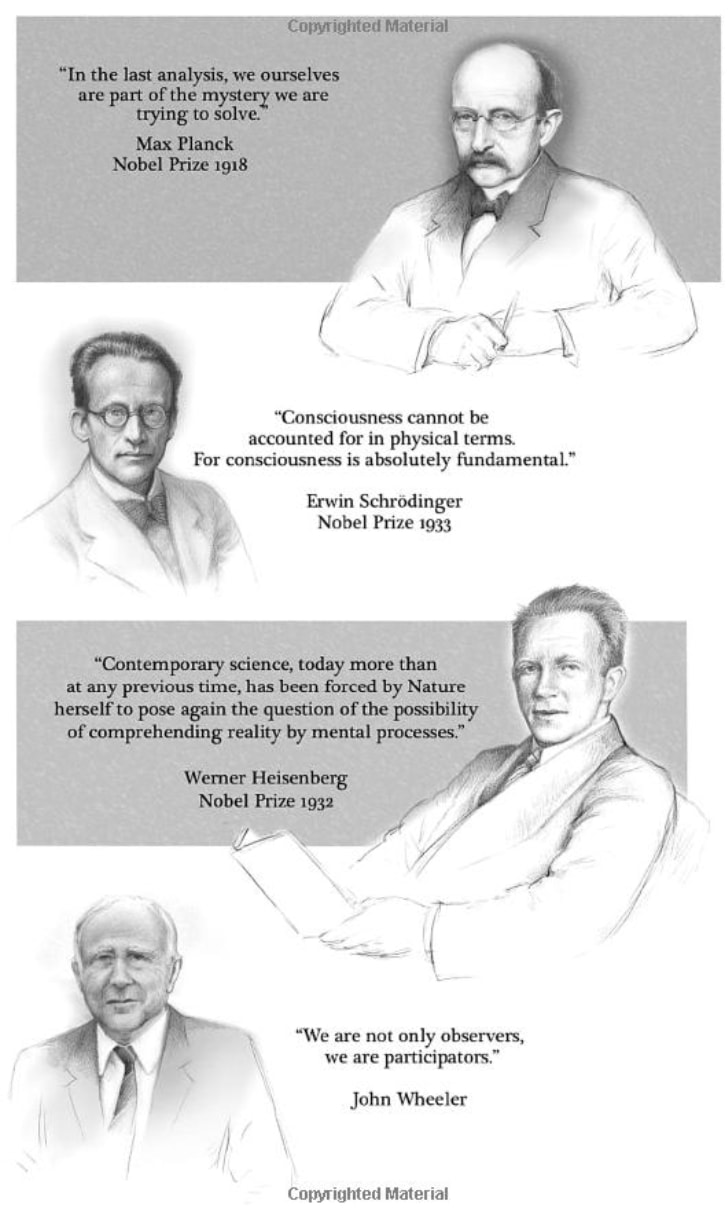
"The universe is simply the spatial/temporal logic of the animal observer" - Robert Lanza
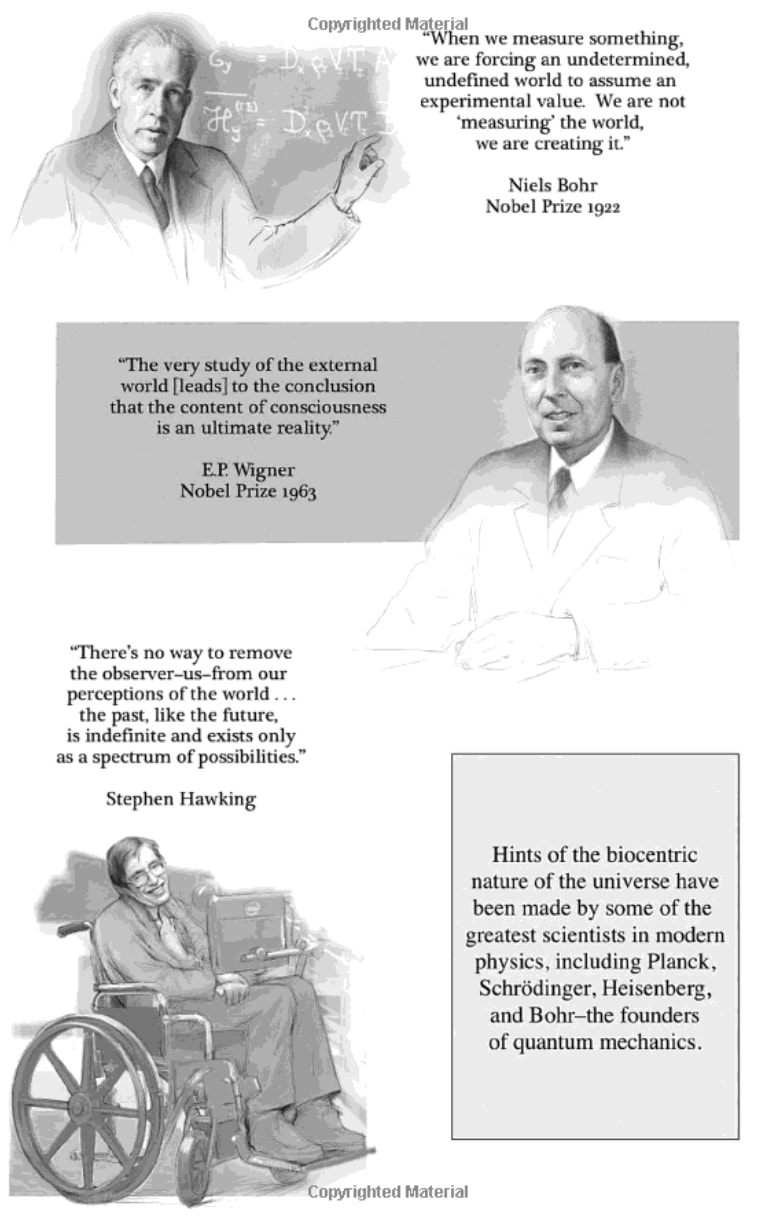
Robert Lanza: The Theory of Biocentrism, Part 1
Time & the Biocentric Universe as Explained by Dr. Robert Lanza Father of Biocentrism
Bob Berman - Strange Universe
-
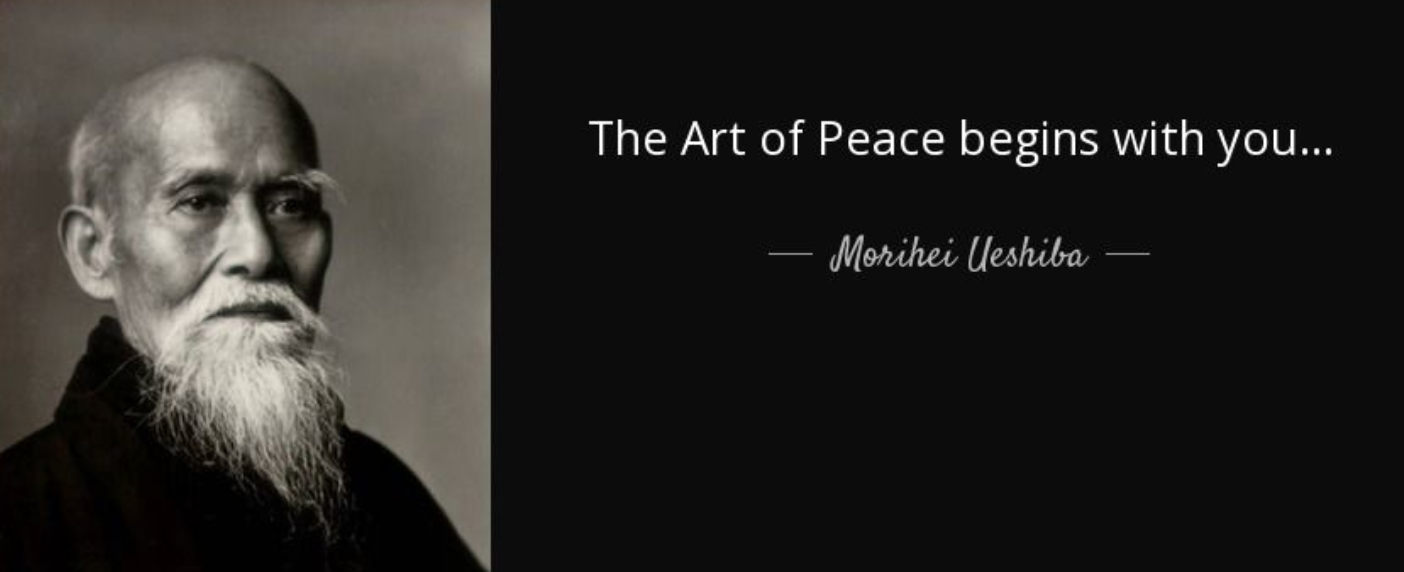
Book of the Month: The Art of Peace - by Morihei Ueshiba
-
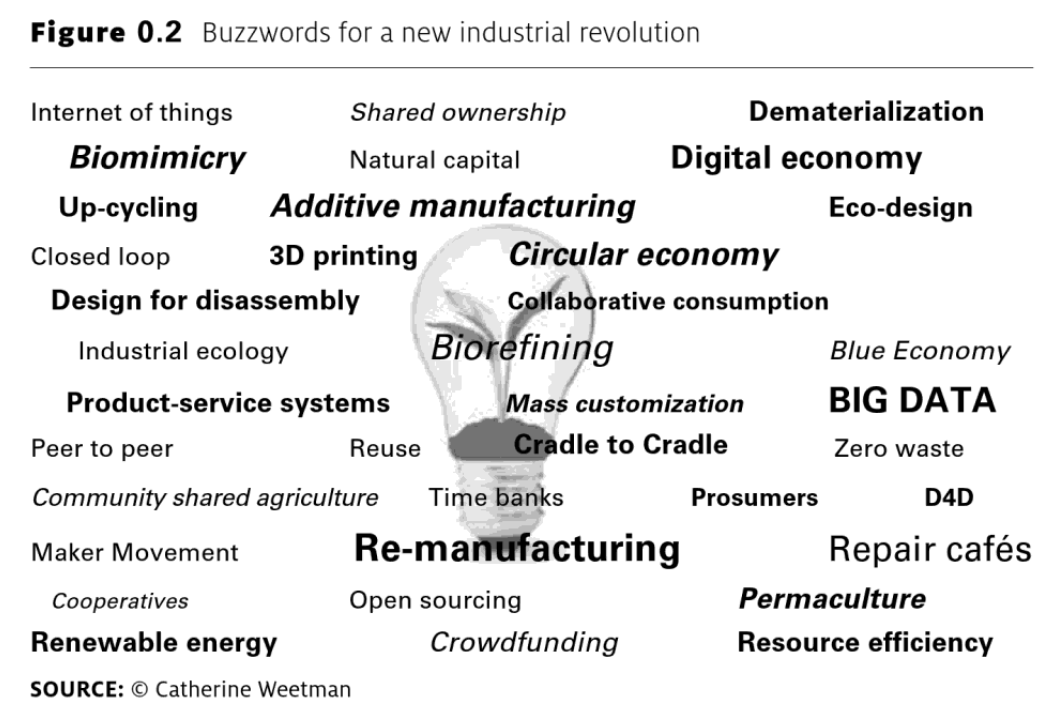
Buzzwords for a new Industrial Revolution - from the book "A Circular Economy Handbook for Business and Supply Chains: Repair, Remake"
-
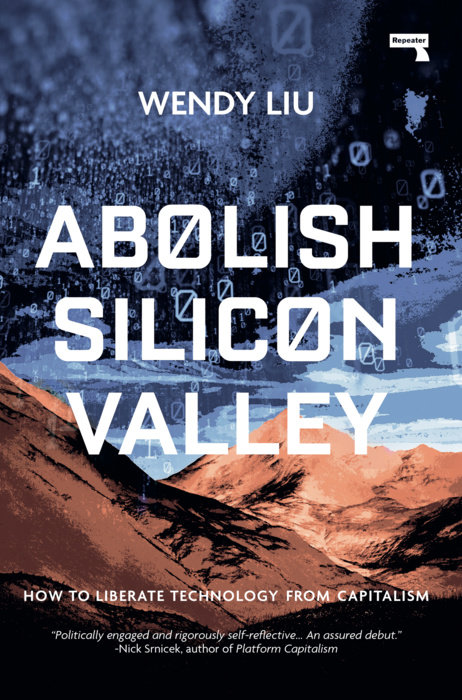
'Abolish Silicon Valley' Author Urges 'Expropriating' Platforms, Making them Open-Source Public Services (Book)
Q: How do you fix this broken system? A: Overall the goal that I'm thinking about is that you have the private sector so overfunded and glorified that it seems like the only way to do things, but things could be much better serviced by the public sector without the profit motive that the private sector demands. Reclaim the wealth from capital, push back capital and fund public innovation... Right now the way it works is all these tech companies are predicated on a very particular way of regulating work and will hire people short-time and pay them nothing and not provide them with safety nets.
There are also companies that shouldn't necessarily exist. A lot of companies are being funded to do something the public sector could've provided. Instead of good public transit, we have Uber. Instead of a good social mobility system, we get paid scooters. What people want is to streamline a centralized system that is run in a way that is accountable and actually serves the public...
My Utopian view is to put tech companies in full public view. Expropriate platforms and turn them into municipal services, public services and make them open-source.
-
Brain Warfare: The Covert Sphere, Terrorism, And The Legacy Of The Cold War - Essay By Timothy Melley (MITPress, 2011)
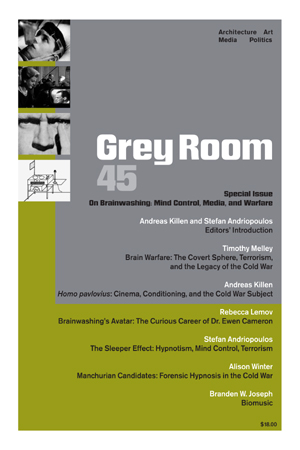
On October 2, 2005, three months after the coordinated bombing of the London transportation system and three days before the U.S. Senate overwhelmingly approved John McCain’s Detainee Treatment Act, British Home Secretary Charles Clarke attempted to explain terrorism via a specter of the Cold War. Islamic terrorists, Clarke argued, should not be seen in the “‘classic’ mould of revolutionaries fighting for a political cause.” Rather, they are like educated youths “brainwashed”into joining cults. Indeed, Clarke added, perhaps “anti-brainwashing techniques”could be used to “deprogramme” terrorists—converting them back to productive citizens essentially by running brainwashing protocols in reverse.
-
Entangled Life: How Fungi Make Our Worlds, Change Our Minds & Shape Our Futures - by Merlin Sheldrake
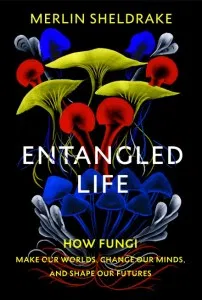
When we think of fungi, we probably think of mushrooms. But mushrooms are only fruiting bodies, analogous to apples on a tree. Most fungi live out of sight, yet make up a massively diverse kingdom of organisms that support and sustain nearly all living systems. The more we learn about fungi, the less makes sense without them. Sheldrake’s vivid exploration ranges from yeast to psychedelics, to the fungi that sprawl for miles underground and are the largest organisms on the planet, to those that link plants together in complex networks known as the ‘Wood Wide Web’, to those that infiltrate and manipulate insect bodies with devastating precision. Fungi throw our concepts of individuality and even intelligence into question. They can change our minds, heal our bodies, and even help us remediate environmental disaster. By examining fungi on their own terms, Sheldrake reveals how these extraordinary organisms – and our relationships with them – are changing our understanding of how life works.
-
Bit Tyrants: The Political Economy of Silicon Valley Paperback - Book by Rob Larson (2020)
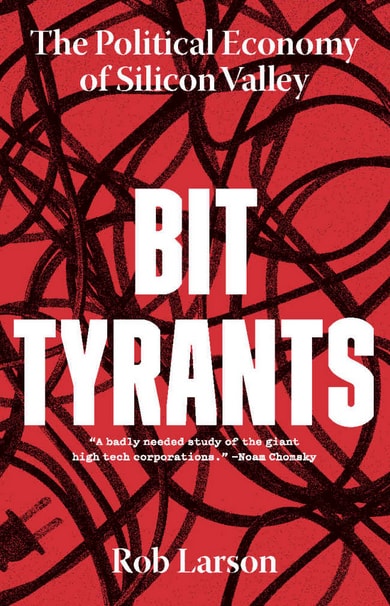
In this highly unauthorized account of the Big Five's origins, Rob Larson sets the record straight, and in the process shreds every focus-grouped bromide about corporate benevolence he could get his hands on. Those readers unwilling to smile and nod as every day we become more dependent on our phones and apps to do our chores, our jobs, and our socializing can take heart as Larson provides us with maps to all the shallow graves, skeleton filled closets, and invective laced emails Big Tech left behind on its ascent to power. His withering analysis will help readers crack the code of the economic dynamics that allowed these companies to become near-monopolies very early on, and, with a little bit of luck, his calls for digital socialism might just inspire a viral movement for online revolution.
-
Information And Complexity - Book by Mark Burgin & Cristian Calude (2016)
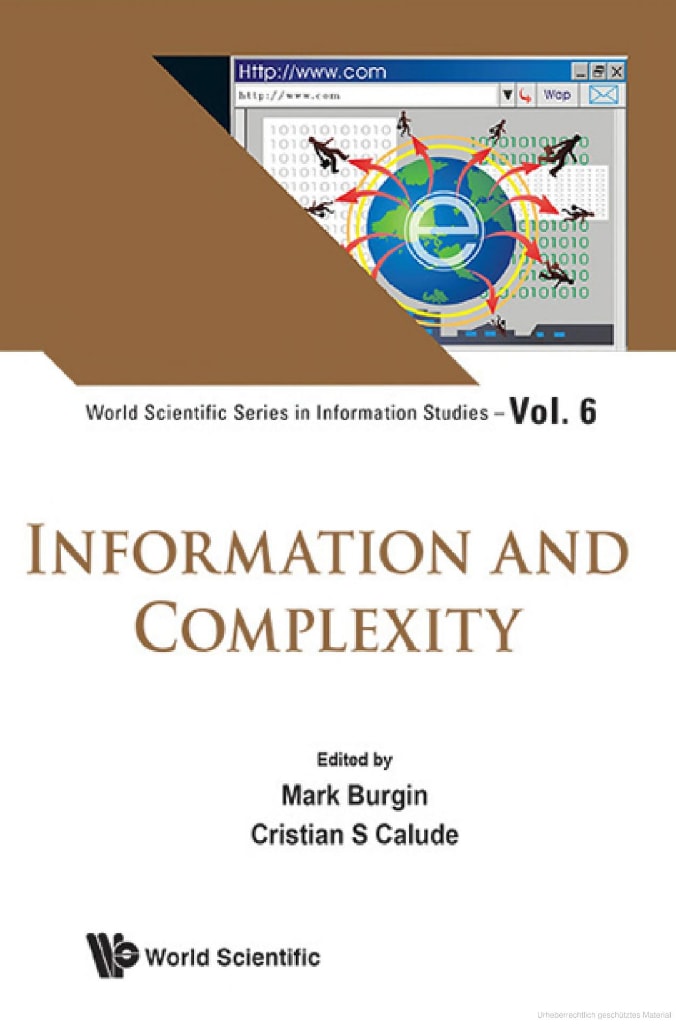
The book is a collection of papers of experts in the fields of information and complexity. Information is a basic structure of the world, while complexity is a fundamental property of systems and processes. There are intrinsic relations between information and complexity. The research in information theory, the theory of complexity and their interrelations is very active. The book will expand knowledge on information, complexity and their relations representing the most recent and advanced studies and achievements in this area. The goal of the book is to present the topic from different perspectives — mathematical, informational, philosophical, methodological, etc.
-
Artificial Life Models in Software - Book by Andrew Adamatzky and Maciej Komosinski

An introduction and guideto modern software tools for modeling and simulating life-likephenomena, written by those who personally design and develop software,hardware, and art installations in artificial life, simulated complexsystems and virtual worlds. This timely volume offers a nearly exhaustive overview and originalanalysis of major non-profit software packages that are activelydeveloped and supported by experts in artificial life and softwaredesign.
-
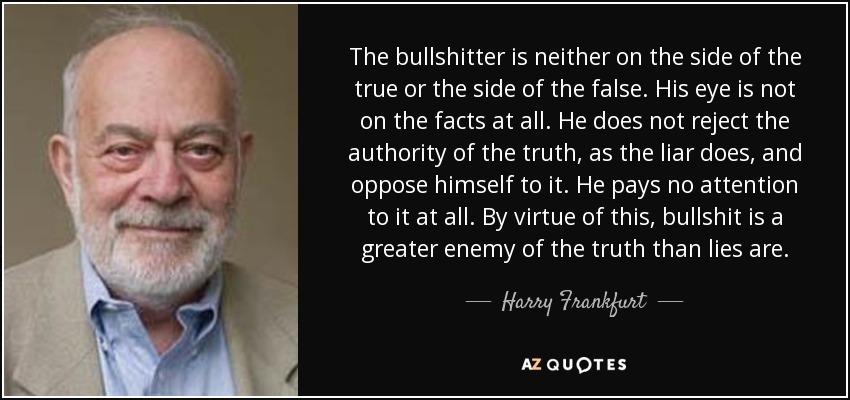
On Bullshit - Book by Harry Frankfurt (Princeton) (PDF)

On Bullshit is a 1986 essay, reprinted as a 2005 book, by philosopher Harry G. Frankfurt which presents a theory of bullshit that defines the concept and analyzes the applications of bullshit in the context of communication. Frankfurt determines that bullshit is speech intended to persuade without regard for truth. The liar cares about the truth and attempts to hide it; the bullshitter doesn't care if what they say is true or false, but rather only cares whether their listener is persuaded.
Video: Harry Frankfurt ''On Bullshit" (2014)
-
Book: "Moment to Moment Mindfulness. A Pictorial Manual for Meditators" - by Achan Sobin S. Namto (1989) (PDF)
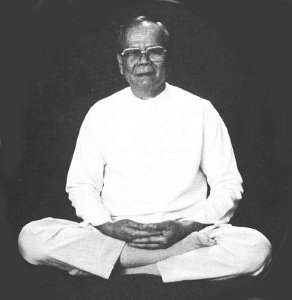
"Those who perceive the arising and ceasing of mental and Physical states, even though they live for a day, are far better than those who never see the arising and ceasing of mental states and physical live a hundred years." - Dhammapada
-
Emergent Design - Explorations in Systems Phenomenology in Relation to Ontology, Hermeneutics and the Meta-dialectics of Design - by Kent Duane Palmer (2009) (PDF)
Synopsis: A Phenomenological Analysis of Emergent Design is performed based on the foundations of General Schemas Theory. The concept of Sign Engineering is explored in terms of Hermeneutics, Dialectics, and Ontology in order to define Emergent Systems and Meta-systems Engineering based on the concept of Meta-dialectics.
-
Solar Cycle 25 Forecast (NOAA)

First new sunspots in 40 days herald coming solar cycle (space.com)

Researchers discover a new source of space weather – too close to home

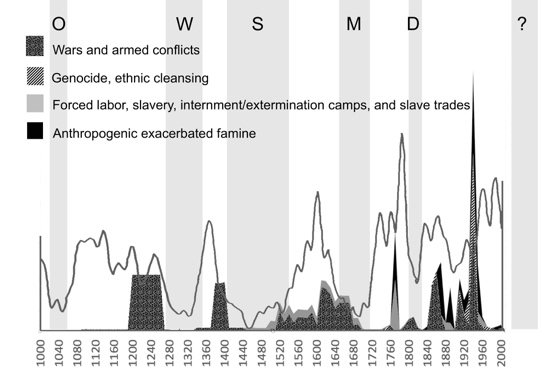
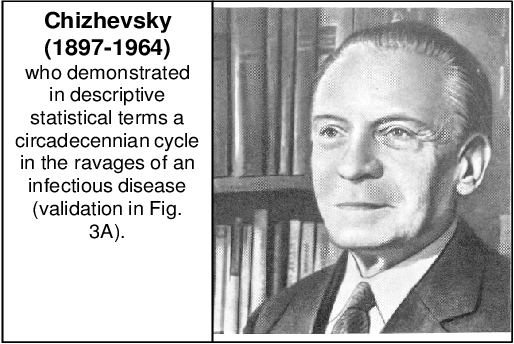
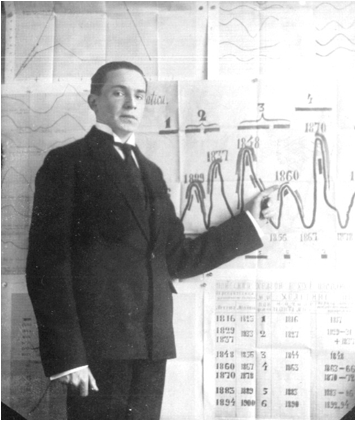
Alexander Chizhevsky (1897 - 1964) was a Soviet-era interdisciplinary scientist, a biophysicist who founded "heliobiology" (study of the sun's effect on biology) and "aero-ionization" (study of effect of ionization of air on biological entities). He also was noted for his work in "cosmo-biology", biological rhythms and hematology." He may be most notable for his use of historical research techniques (historiometry) to link the 11-year solar cycle, Earth’s climate and the mass activity of peoples.
Book: The Role of the Sun in Climate Change - by Douglas V. Hoyt & Kenneth H. Schatten (Oxford University Press, 2007) (PDF)

Book starts with this paragraph: "About 400 years before the birth of Christ, near Mt. Lyscabettus in ancient Greece, the pale orb of the sun rose through the mists. According to habit, Meton recorded the sun’s location on the horizon. In this era when much remained to be discovered, Meton hoped to find predictable changes in the locations of sunrise and moonrise. Although rainy weather had limited his recent observations, this foggy morning he discerned specks on the face of the sun, the culmination of many such blemishes in recent years. On a hunch, Meton began examining his more than 20 years of solar records. These seemed to confirm his belief: when the sun has spots, the weather tends to be wetter and rainier."
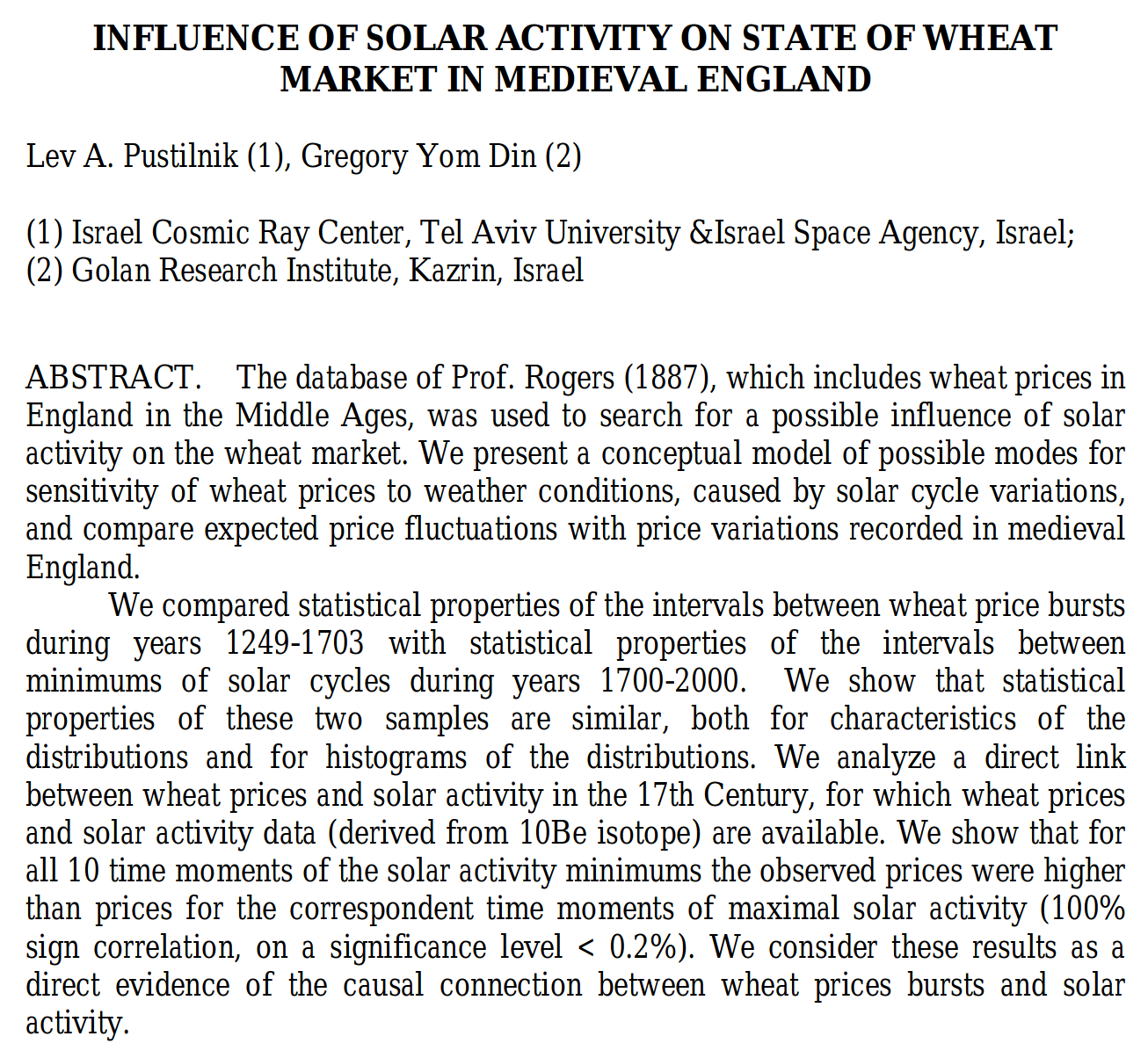
Influence Of Solar Activity On State Of Wheat Market In Medieval England - research by Lev A. Pustilnik & Gregory Yom Din
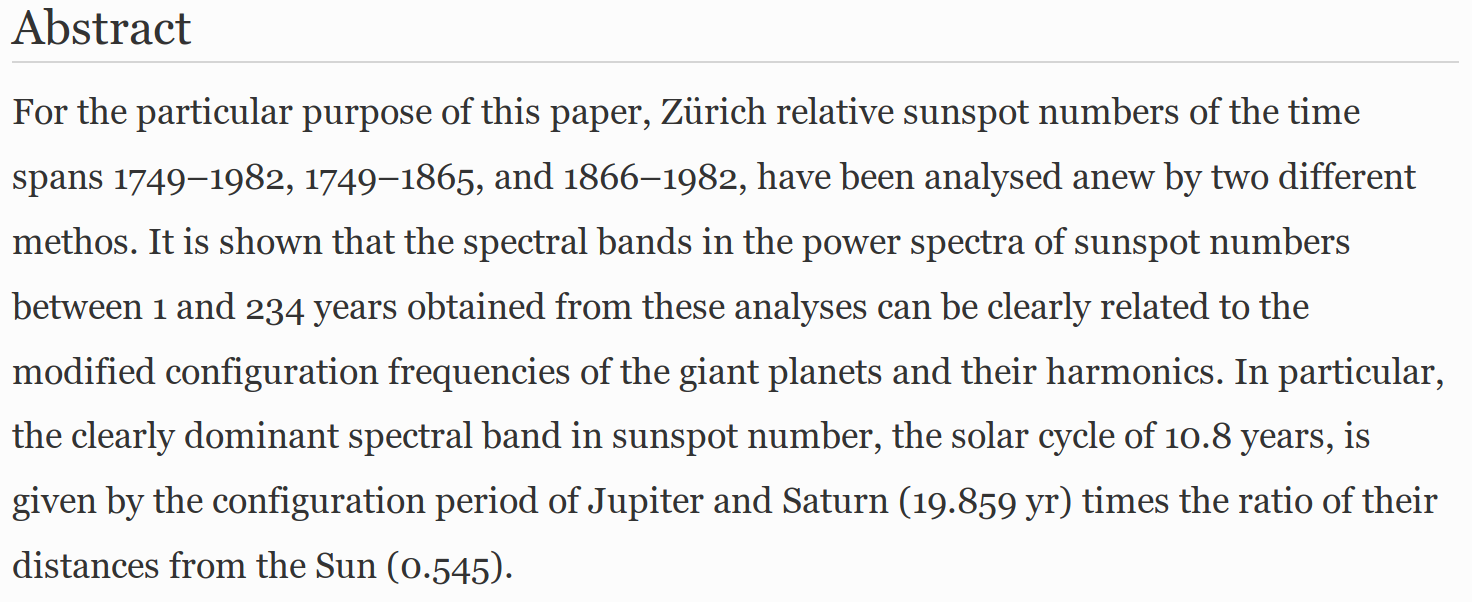
A possible relationship between spectral bands in sunspot number and the space-time organization of our planetary system - by Schwentek & Elling (1984).
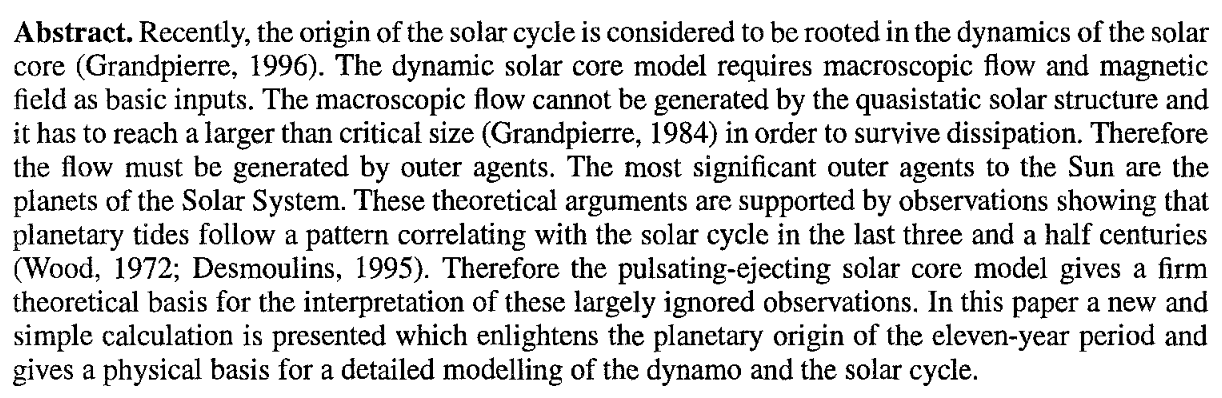
On the origin of solar cycle periodicity - by Attila Grandpierre (1996)
-
DADAISM in Japan!
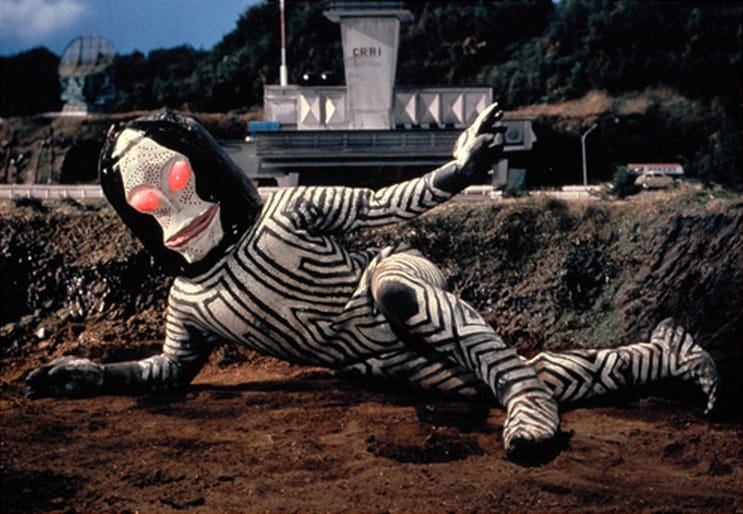
Dada (ダダ) are a humanoid alien race that attacked Earth and started abducting humans to advance some form of research. A character from the Japanese TV show "Utraman".


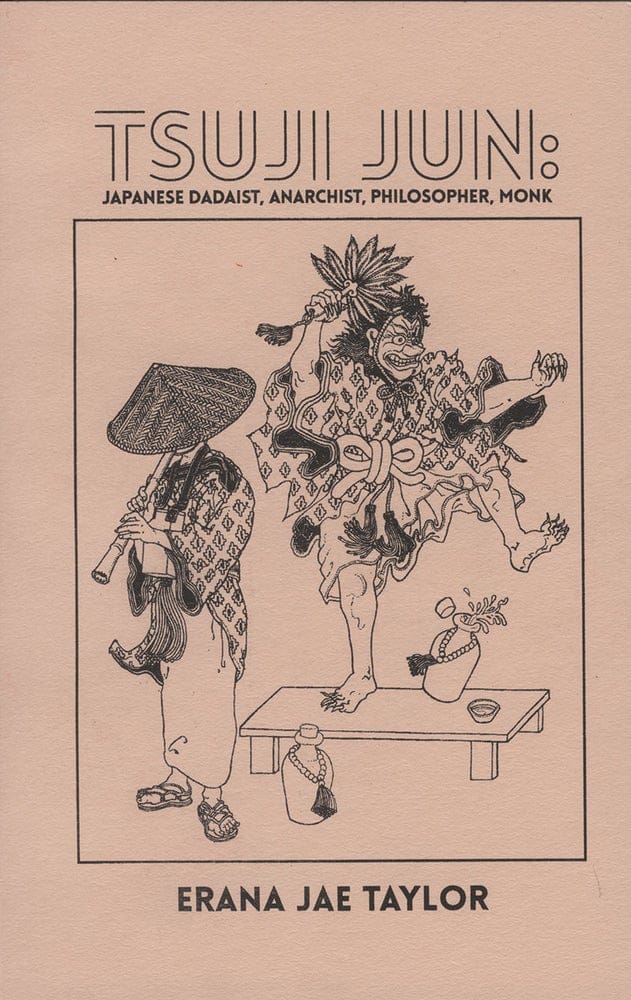
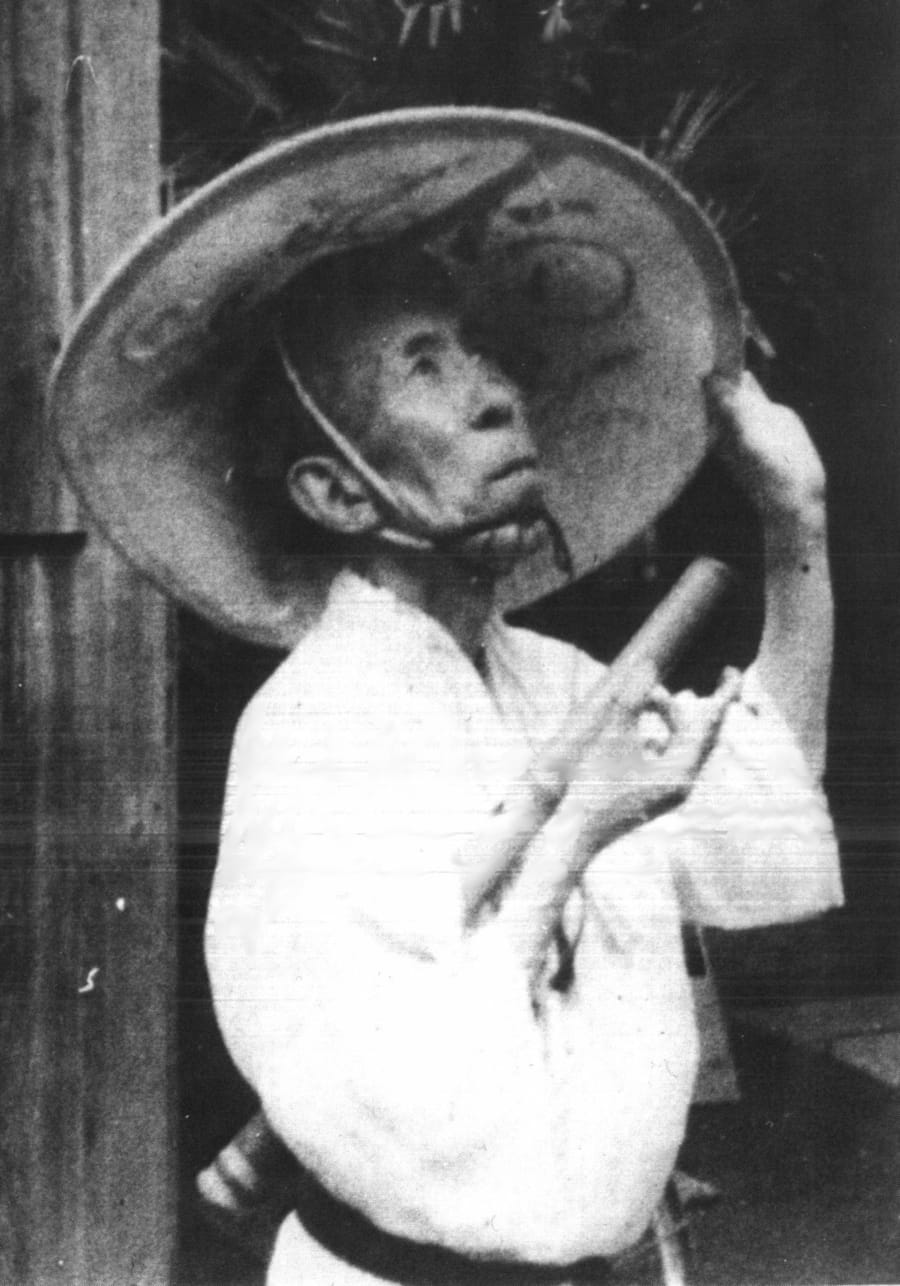
Jun Tsuji (辻 潤) (1884 - 1944) was a Japanese writer, translator, theater actor, musician, monk and philosopher of anarchism, egoism, nihilism, Dada and Buddhism. There is a book about him - by Erana Jae Taylor, a collection of poems (PDF) and more poems.
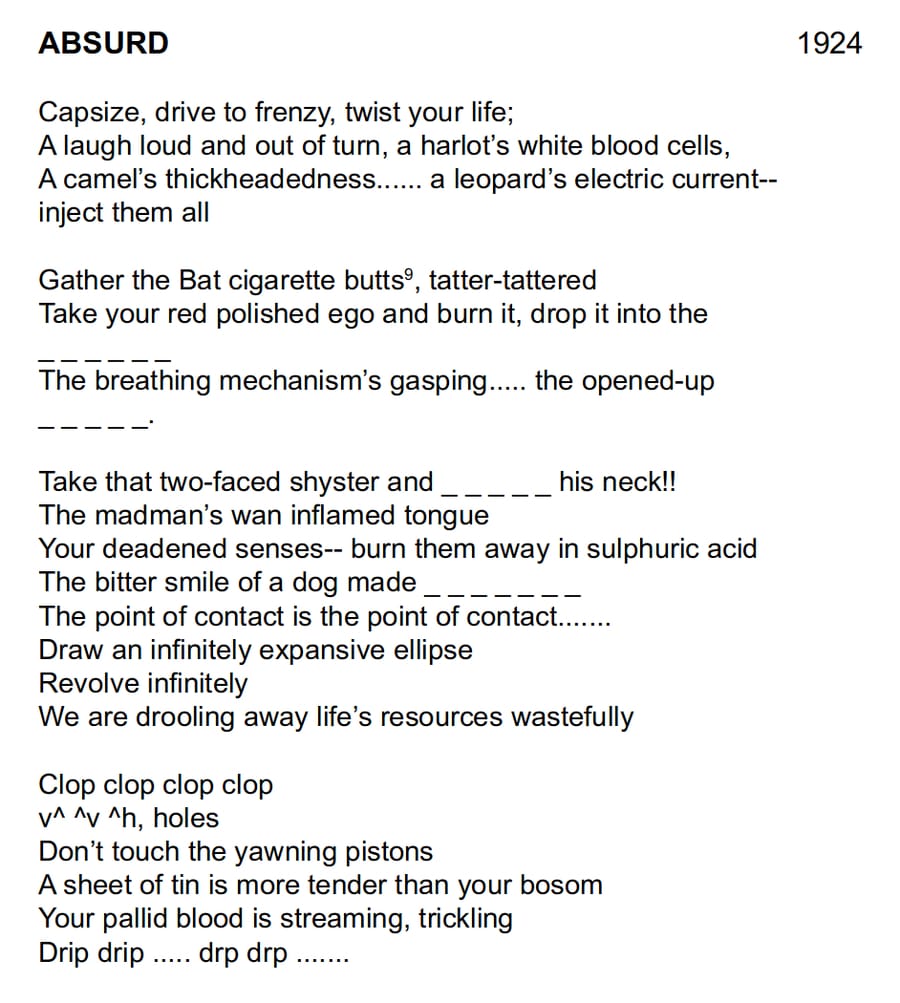
Shinkichi Takahash (wiki) (1901 - 1987), Japanese poet and pioneer of Dadaism in Japan. According to Makoto Ueda, he is also the only major Zen poet of modern Japanese literature.
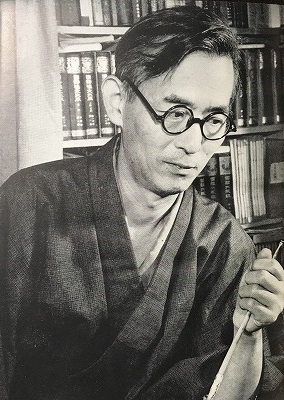
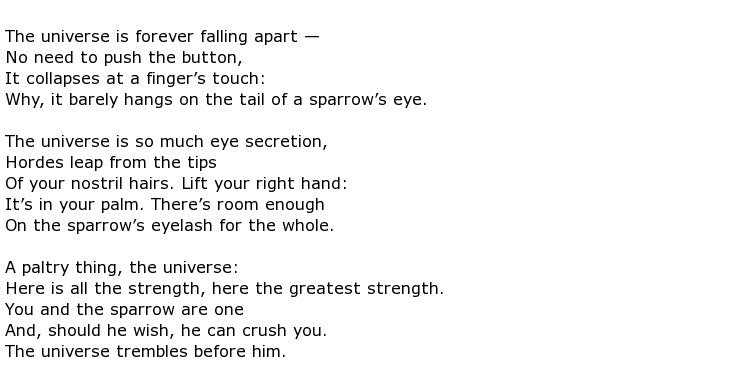
The Art Of Nothingness: Dada, Taoism, And Zen - by Erin Megan Lochmann (2011) (PDF)
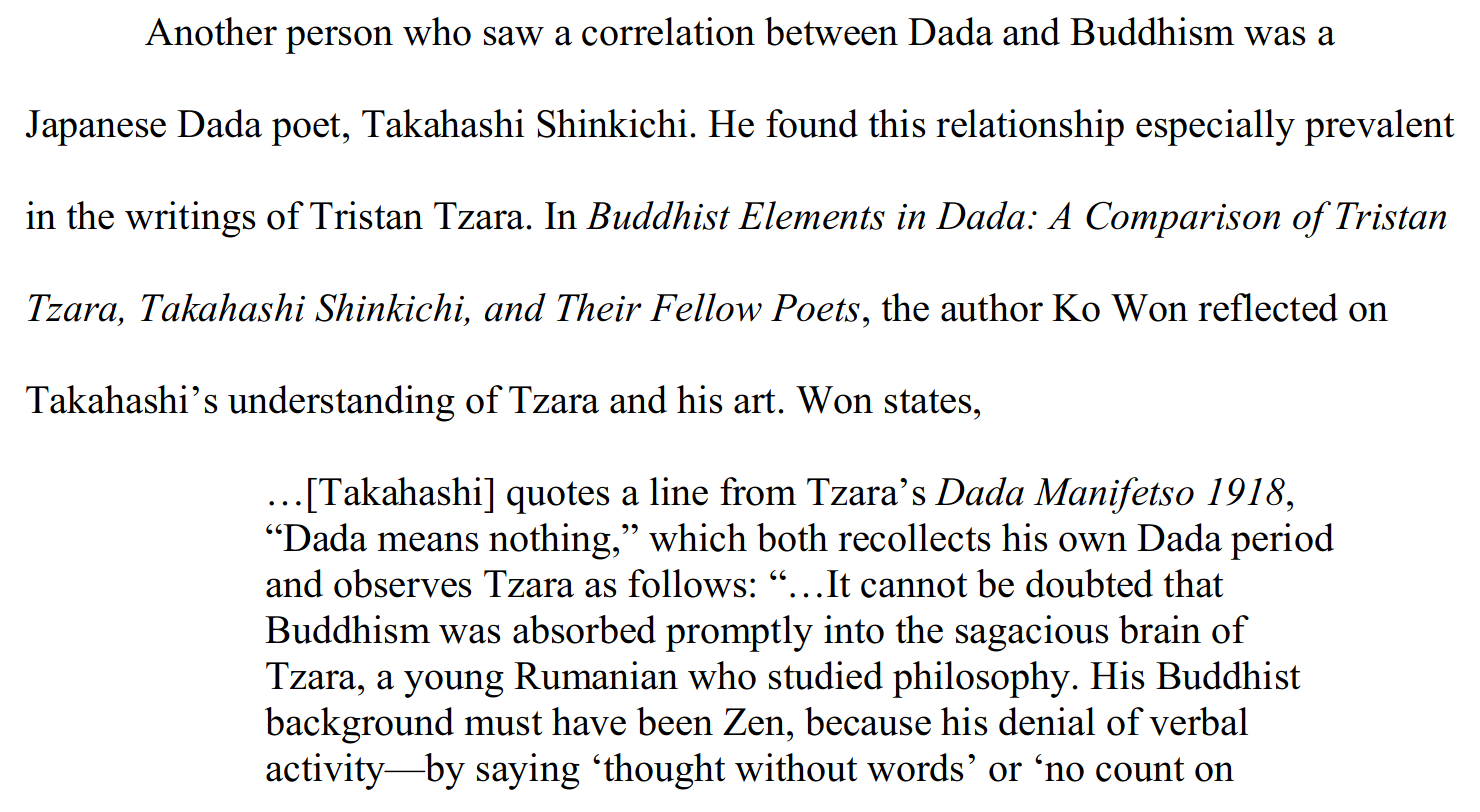
Abstract: When examining the art, actions, and writings of Zurich Dadaists it becomes apparent that there is an affinity with Eastern thought, namely Taoism and Zen Buddhism. It cannot be said that Eastern thought directly influenced the artistic production of these Dadaists. However, the philosophy of Dada artists in Zurich mirrors that of Taoism and Zen so strongly that this connection cannot be ignored.
Was Japanese Dada Even Tougher Than Its European Versions? - by Blake Gopnik (2016)
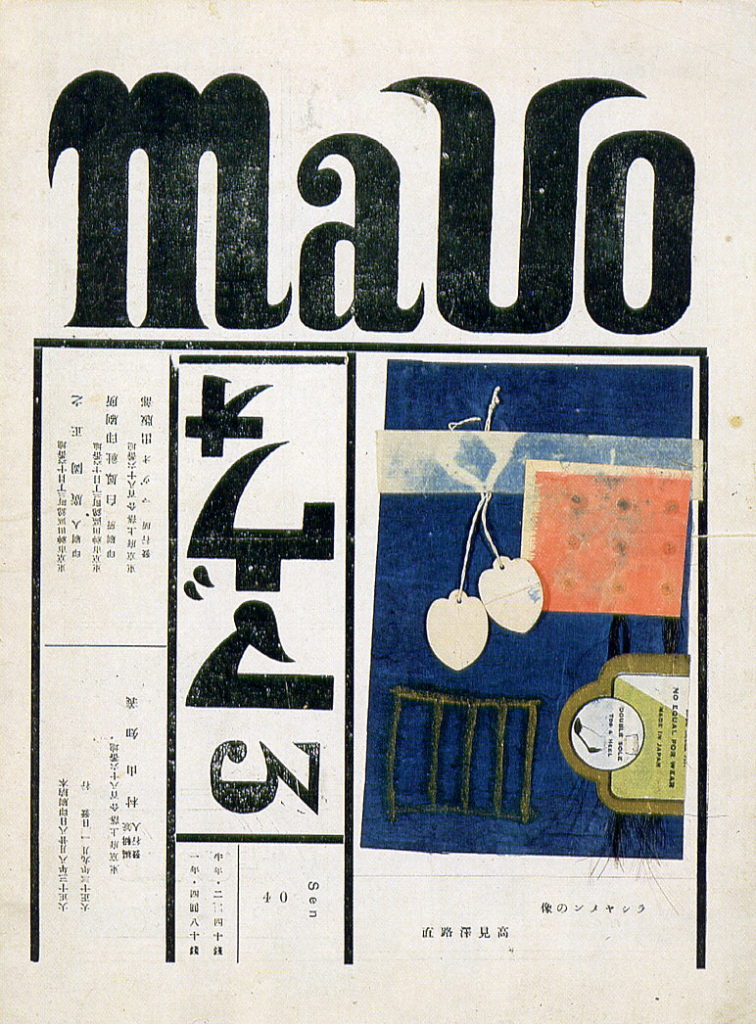
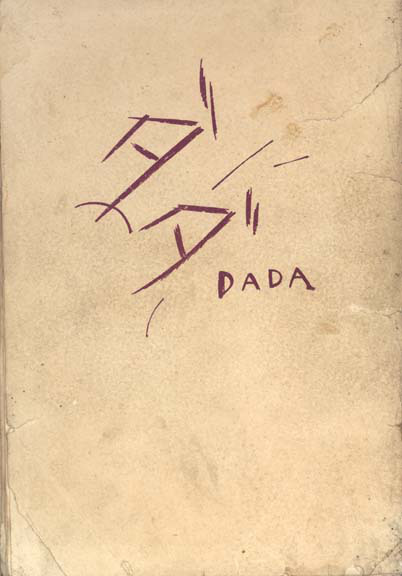
"Today’s Pic illuminates an arm of the international Dada movement about which I was totally ignorant – its Japanese arm. I’m showing the cover of a 1924 issue of the Japanese Dada journal called Mavo, edited by Tatsuo Okada and the Berlin-trained Tomoyoshi Murayama. Mavo originally came with a firecracker attached to its cover: How many museums or libraries would want that detail “read” outloud in their halls?"
MAVO was a radical Japanese art movement of the 1920s. The group used an interdisciplinary array of art, to communicate anti-establishment messages. Fueled by responses to industrial development, the MAVO group created works about crisis, peril and uncertainty. (wikipedia)
Dada theory and the current noise scene in Japan (JP only)
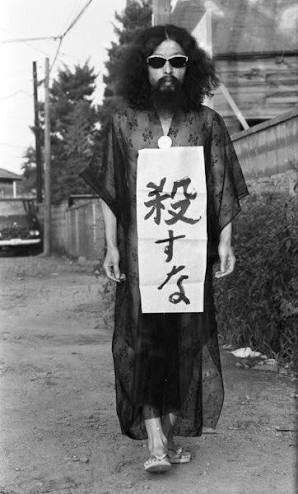

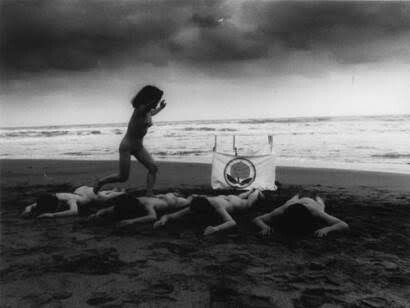
Dada movement's influence felt in Tokyo 100 years after launch in Europe
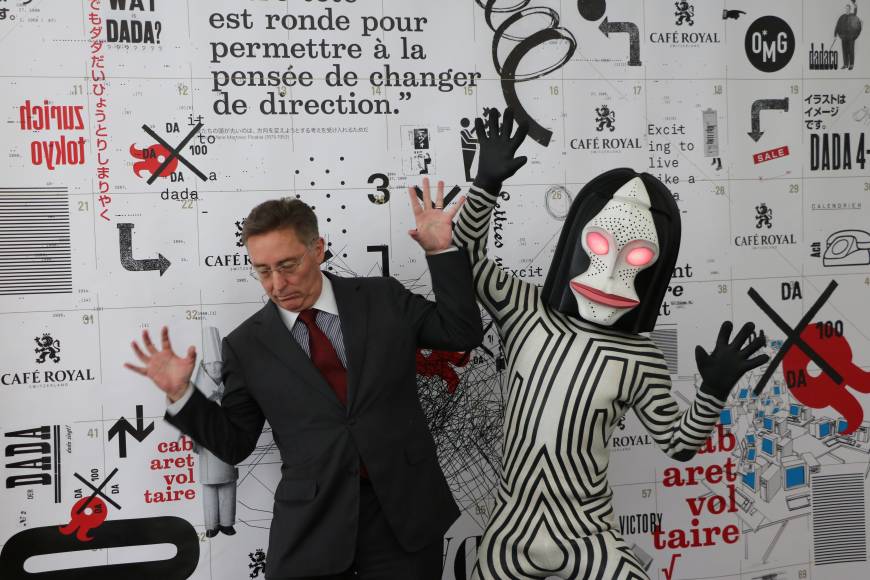
Photo: Swiss Ambassador to Japan Urs Bucher (left) poses for photos with "Dada," a monster in a popular TV series created as an extension of Dadaism, in Tokyo.
#Philosophy #Religion #Art #Politics #fnord #Comedy #Book #Japan
-
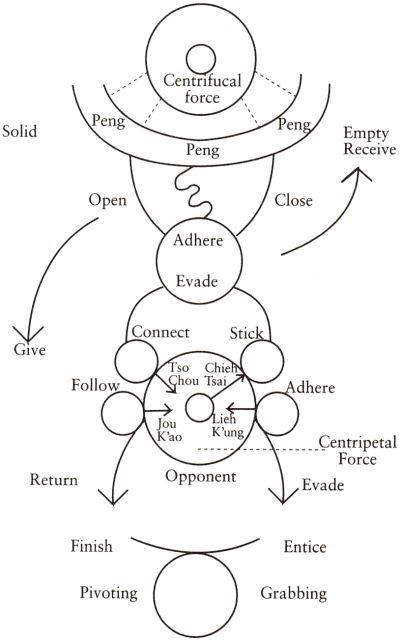
The Essence of Tai Chi Chi Kung: Health & Martial Arts - by Jwing-Ming Yang (1990) (PDF)
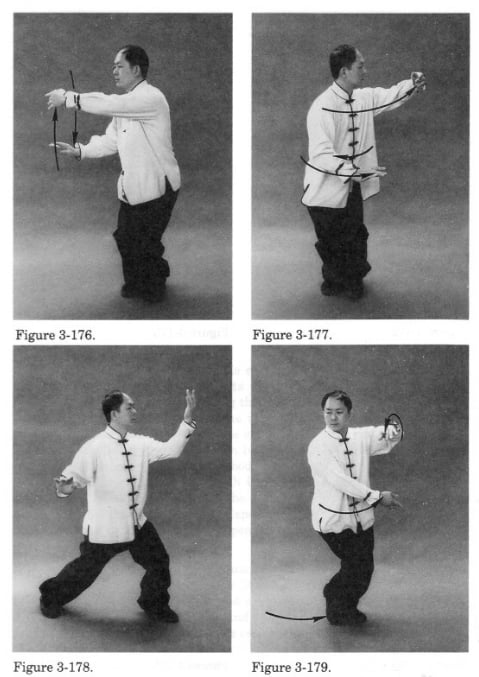
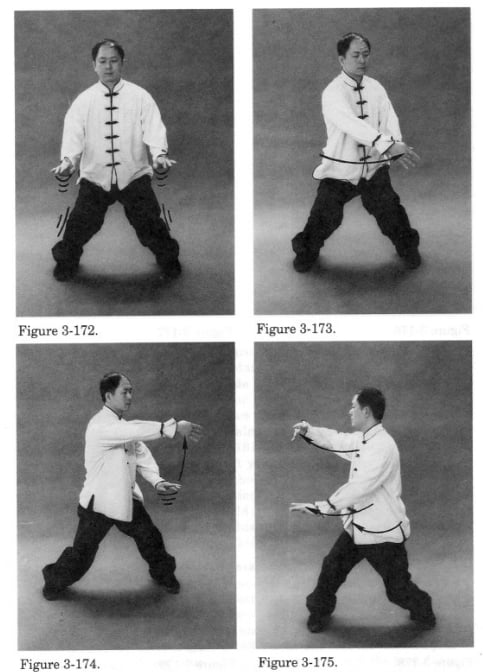
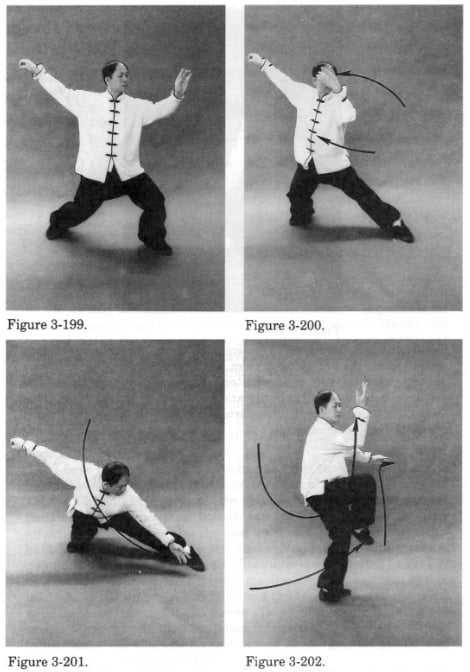
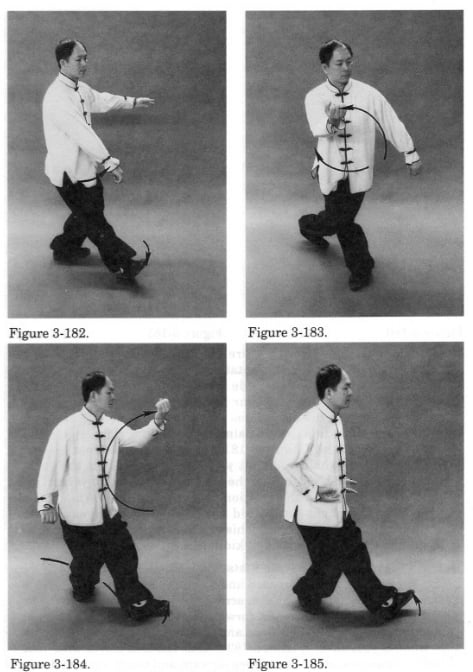

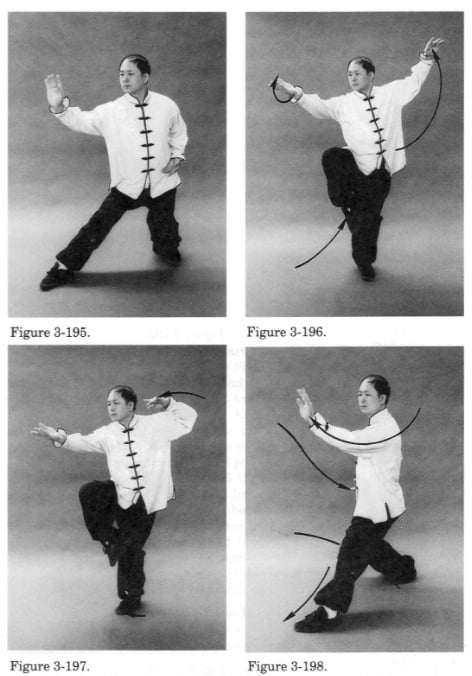


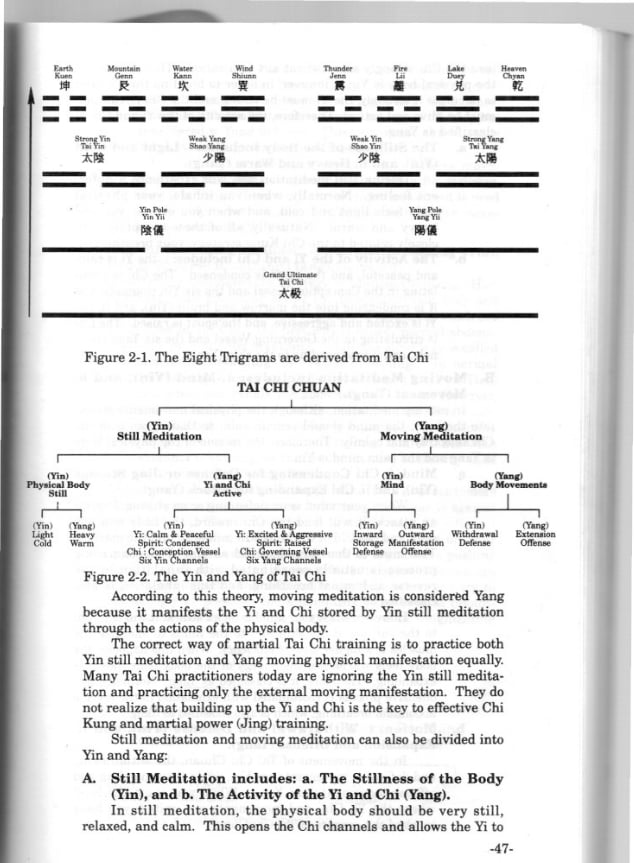
Dr. Yang, Jwing-Ming Biography (YMAA) Yang's Martial Arts Association



-
"Big moves are not as well polished as small moves; small moves are not as well polished as stillness!" - Kuo Lin Ying
(1895–1984)

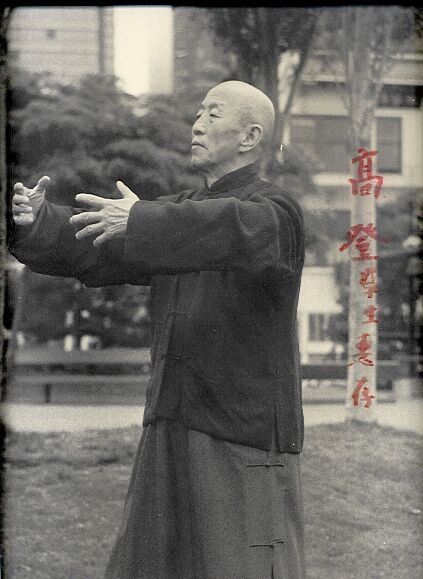

"The T'ai Chi Boxing Chronicle" - Book by Kuo Lien-Ying