tag > History
-
Book: Music, Cosmology, and the Politics of Harmony in Early China - by Erica Fox Brindley (2014) (Full e-book PDF)
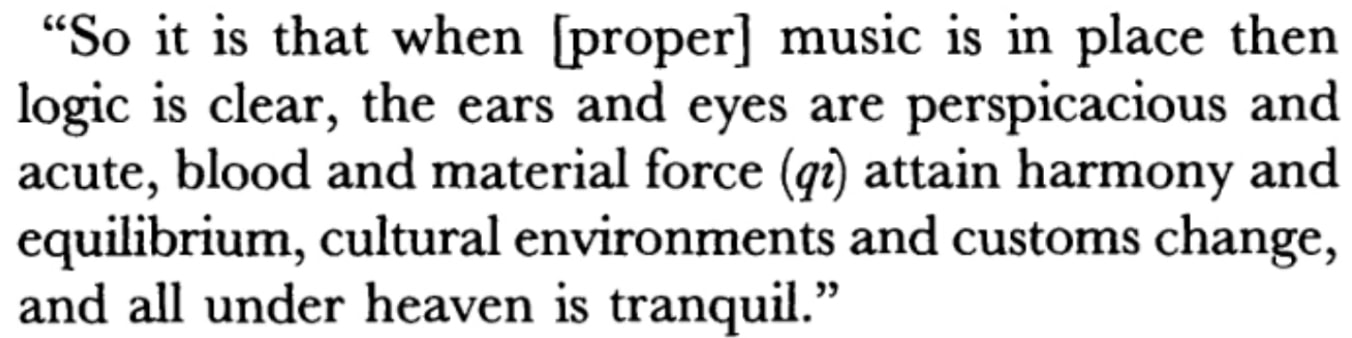
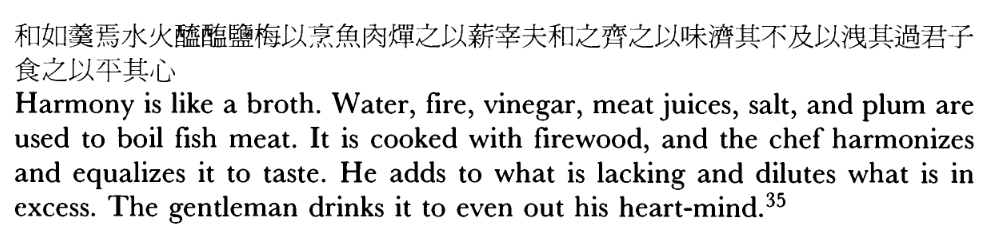
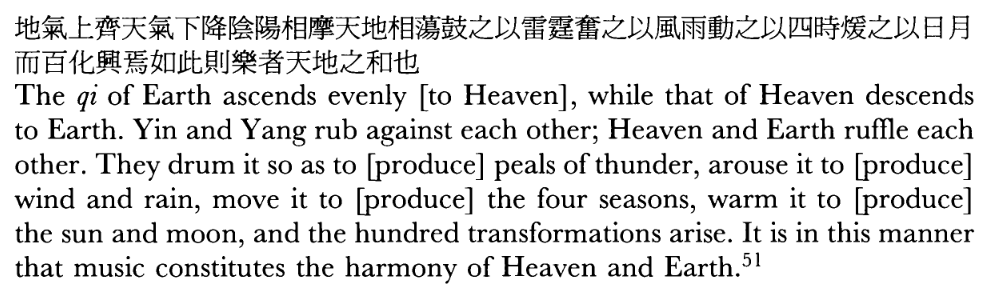
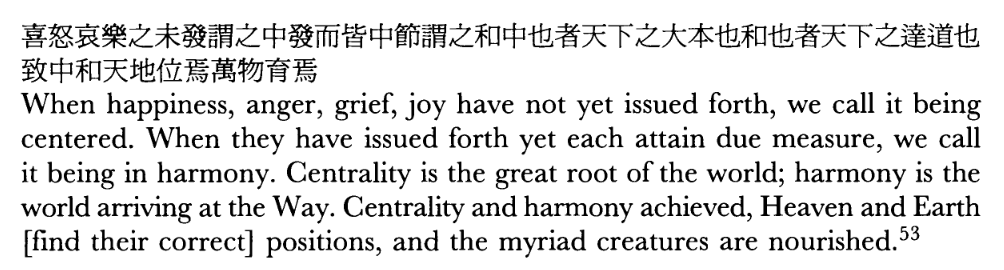
from "Yueji" ("Record of Music"), from the Book of Rites 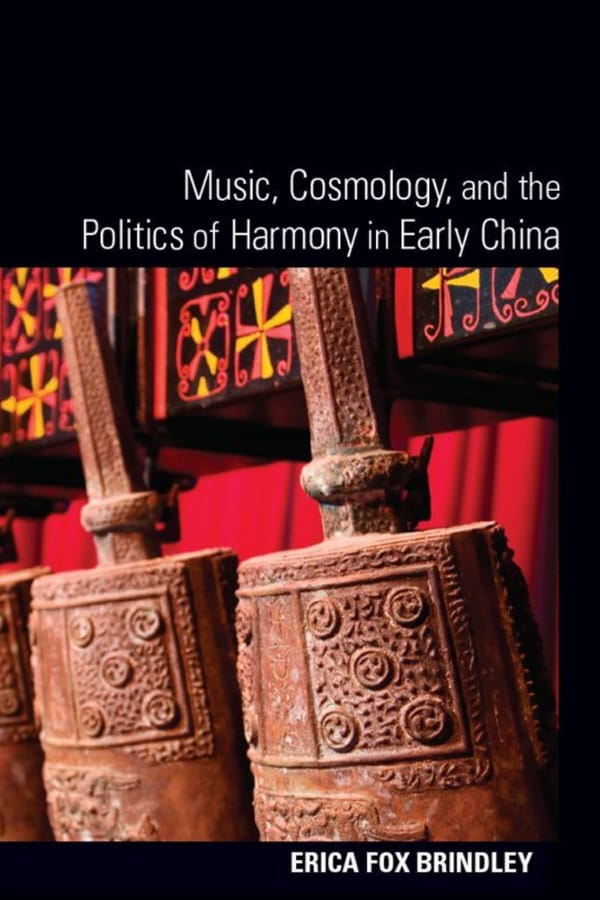
"In early China, conceptions of music became important culturally and politically. This fascinating book examines a wide range of texts and discourse on music during this period (ca. 500–100 BCE) in light of the rise of religious, protoscientific beliefs on the intrinsic harmony of the cosmos. By tracking how music began to take on cosmic and religious significance, Erica Fox Brindley shows how music was used as a tool for such enterprises as state unification and cultural imperialism. She also outlines how musical discourse accompanied the growth of an explicit psychology of the emotions, served as a fundamental medium for spiritual attunement with the cosmos, and was thought to have utility and potency in medicine. While discussions of music in state ritual or as an aesthetic and cultural practice abound, this book is unique in linking music to religious belief and demonstrating its convergences with key religious, political, and intellectual transformations in early China."
Related: "Music, Cosmos, and the Development of Psychology in Early China" - by Erica Brindley (2006) (unpaywalled PDF)
Related: "In Tune With The Cosmos: Tuning Theory, Cosmology, And Concepts Of Sound In Early China" - Dissertation by Noa Hegesh (2018)
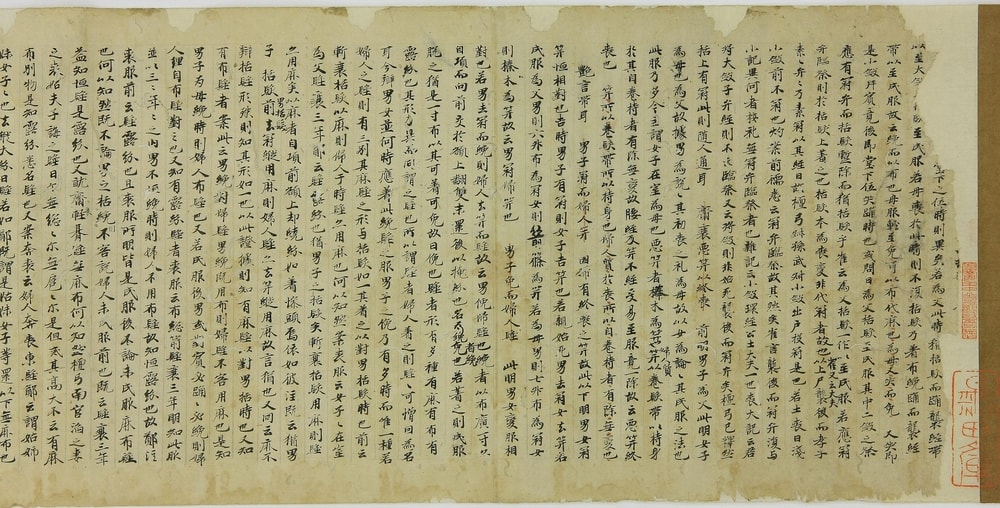
Wikipedia on the "Book of Rites":
"The Book of Rites, also known as the Liji, is a collection of texts describing the social forms, administration, and ceremonial rites of the Zhou dynasty as they were understood in the Warring States and the early Han periods. The Book of Rites is a diverse collection of texts of varied but uncertain origin & date.
During the reign of Qin Shihuang, many of the Confucian classics were destroyed during the 213 BC "Burning of the Books." However, the Qin dynasty collapsed within the decade: Confucian scholars who had memorized the classics or hid written copies recompiled them in the early Han dynasty. The Book of Rites was said to have been fully reconstructed, but the Classic of Music could not be recompiled and fragments principally survive in the "Record of Music" (Yueji) chapter of the Book of Rites."
Chinese Ancient Music
Ancient Music Of Tang Dynasty
Chinese Ancient Music: Wild Goose on the Peaceful Beach
-
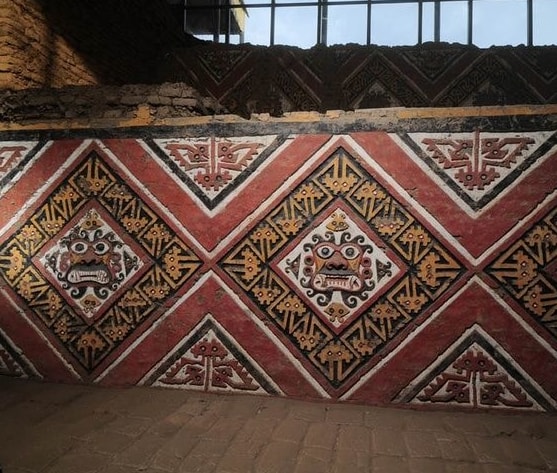
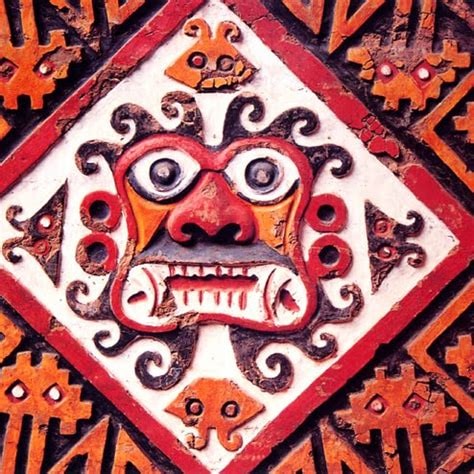
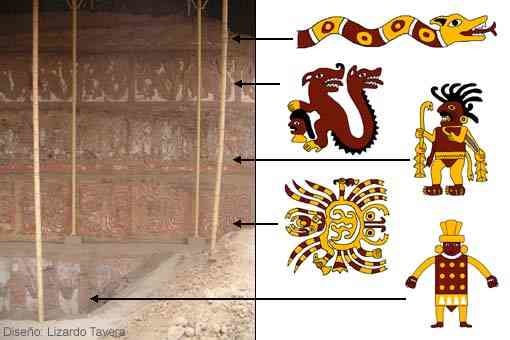
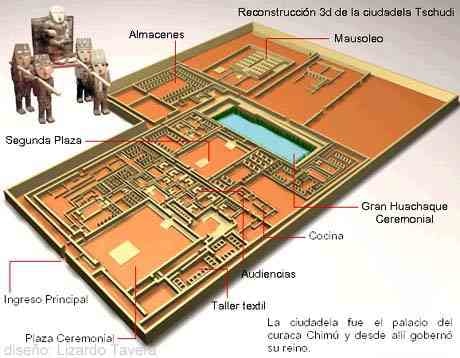
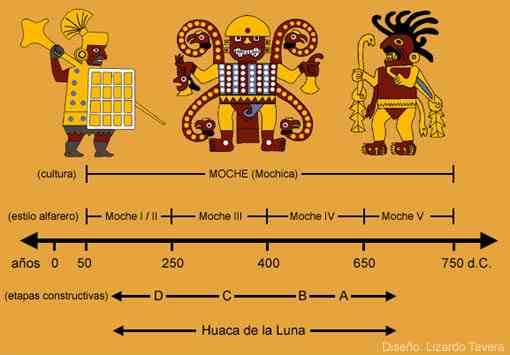
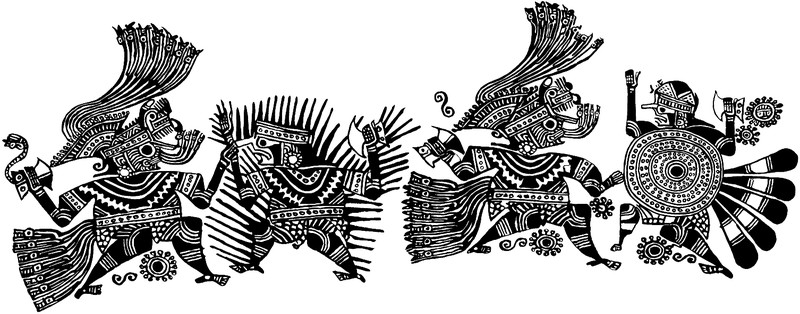
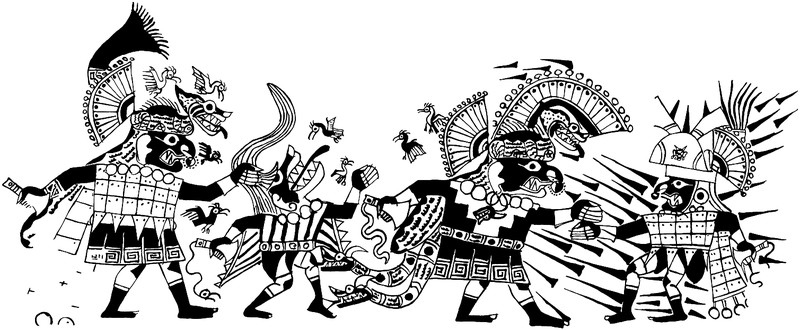
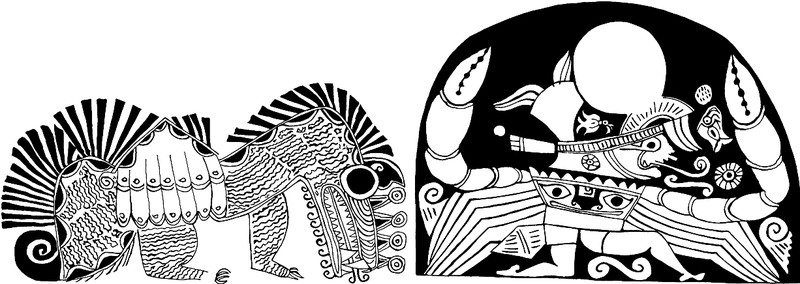
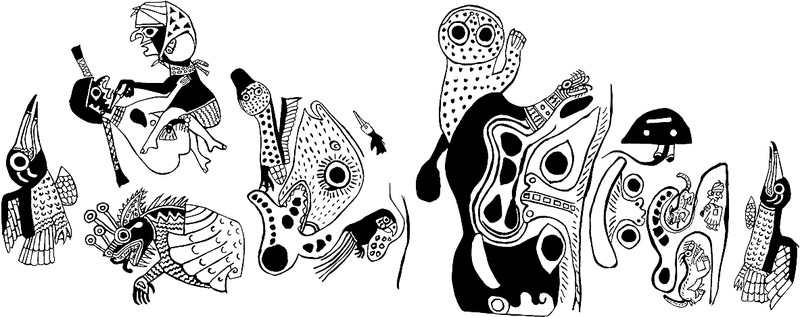
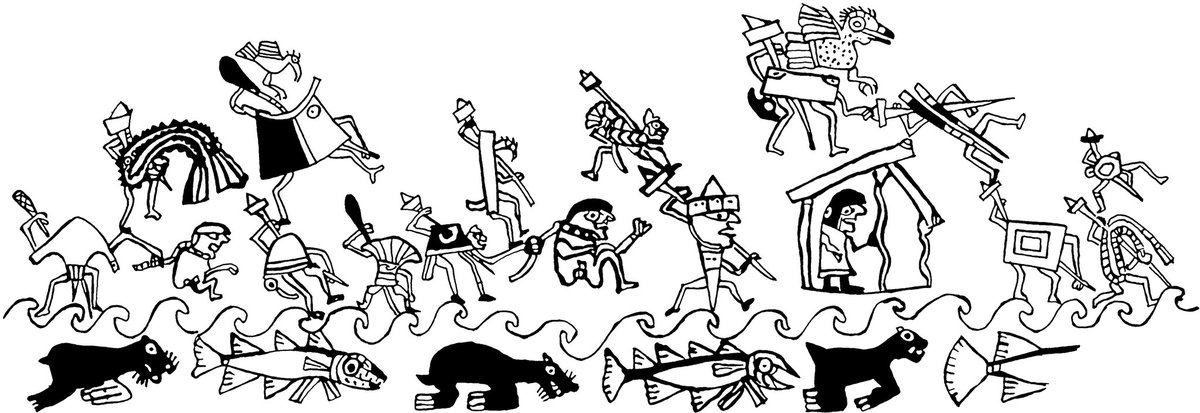
Art from "Huaca de la Luna" - A shrine built by the Moche people of northern Peru.
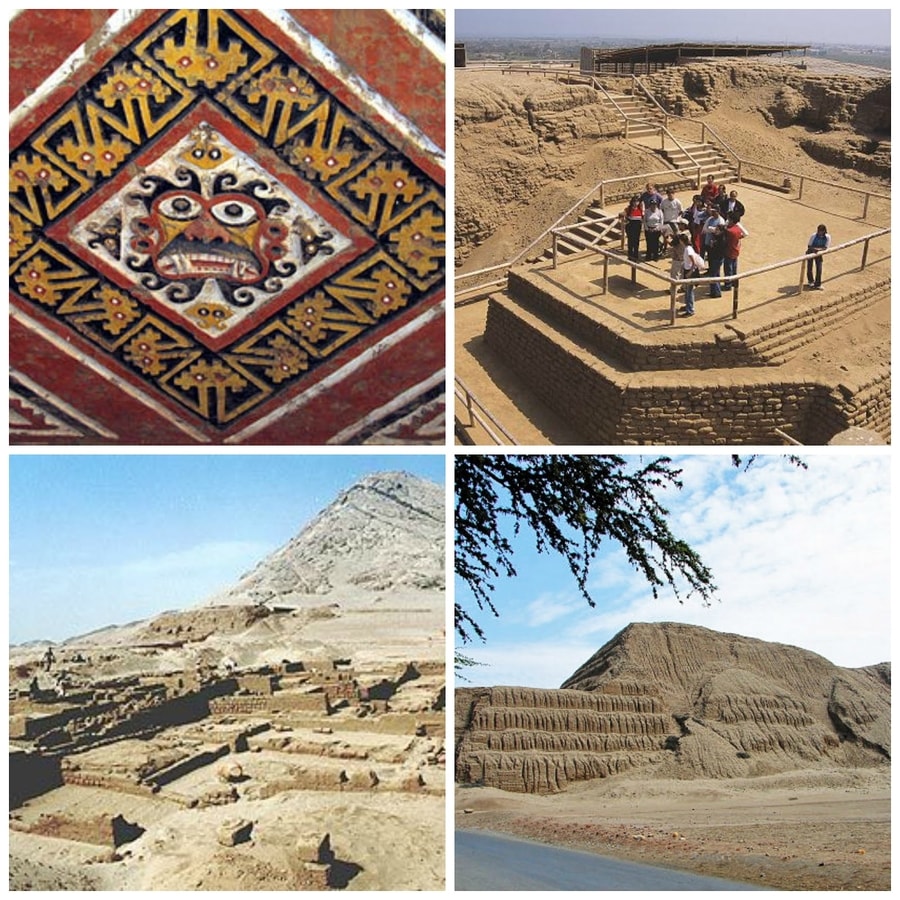
Text and Images from Dumbarton Oaks Research Library and Collection:
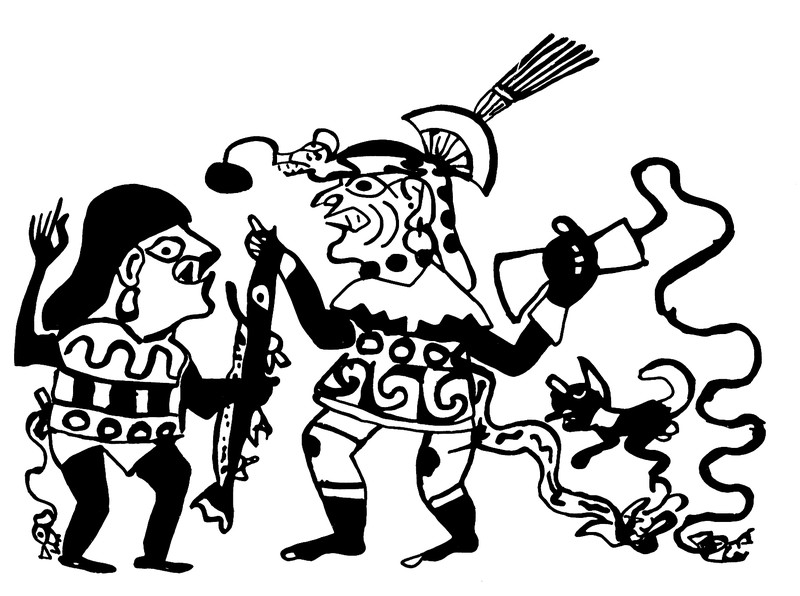
"The Moche worldview blurred the boundaries between the cultural realm and the natural world. Humans with animal bodies, objects with human traits, or anthropomorphic creatures that combined features from multiple animals, were painted as warriors in combat. Supernatural battles took place under water, on land or in abstract arenas. Finally, several supernatural characters are repeated throughout Moche imagery, in Narrative Themes, as individuals, and in other contexts, such as hunting scenes. Clearly, the ability of human figures to move between the natural and cultural realms was an important organizing principle of the Moche world."
Anthropomorphic Wave
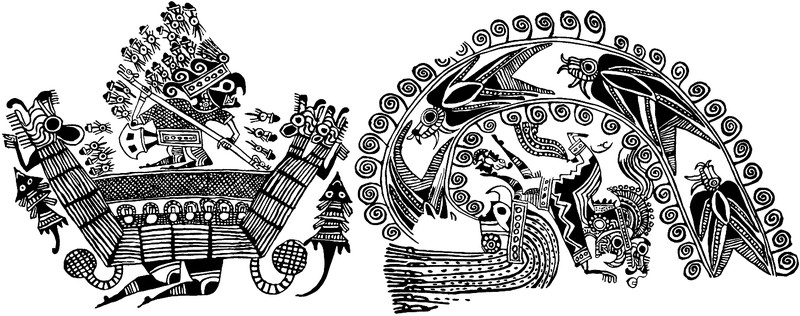
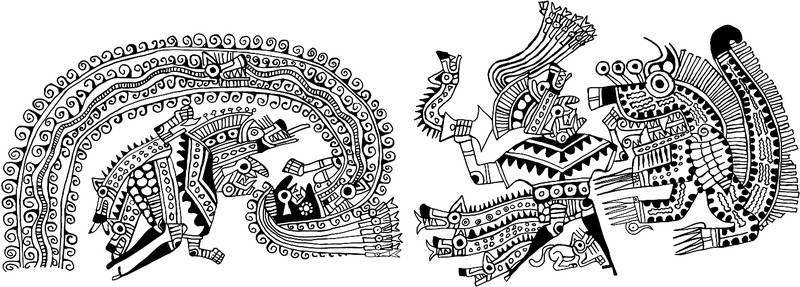
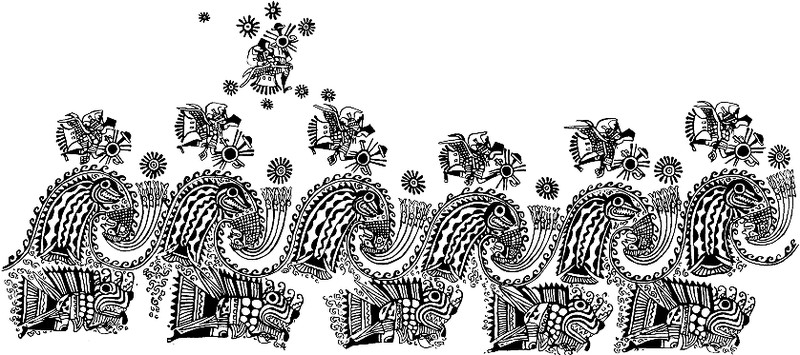
Anthropomorphic Urchin
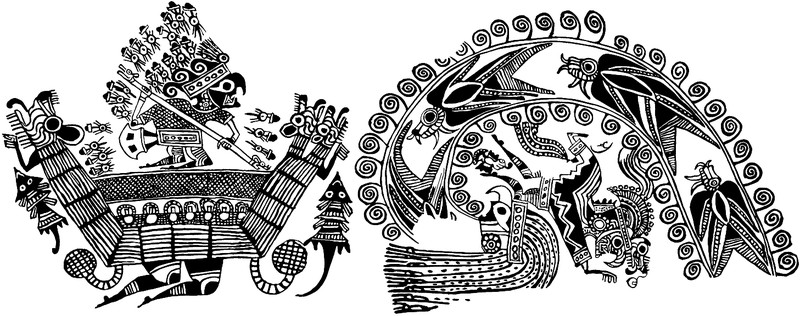
Crab Deity
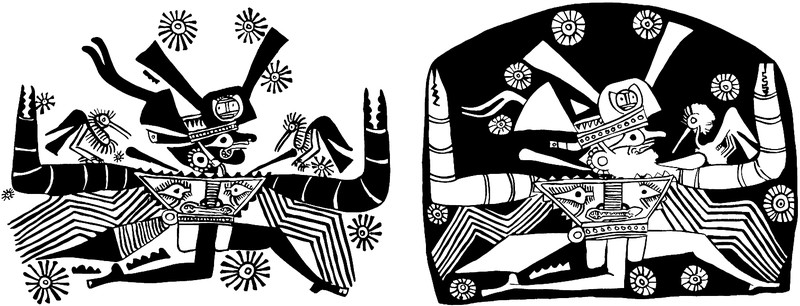
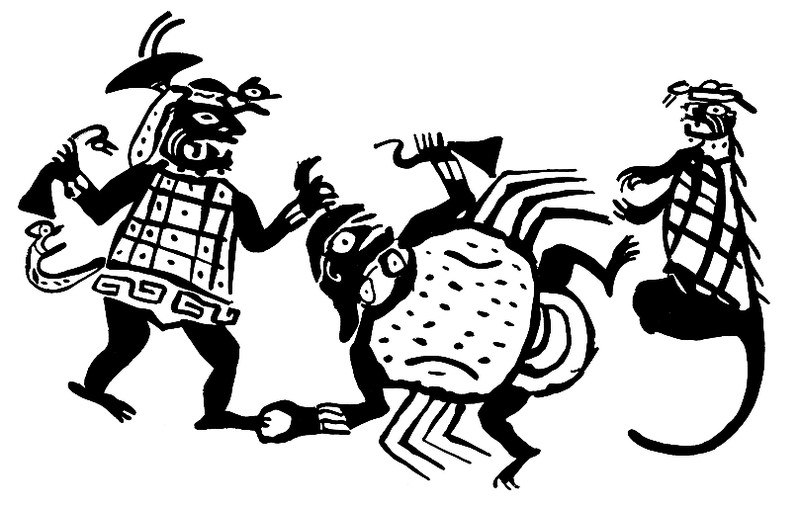
Crayfish Deity
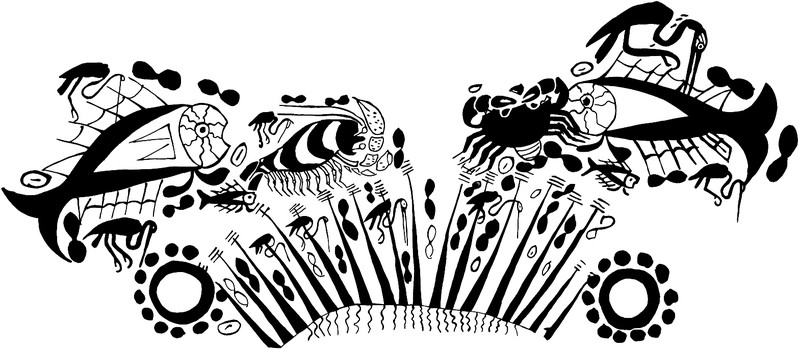
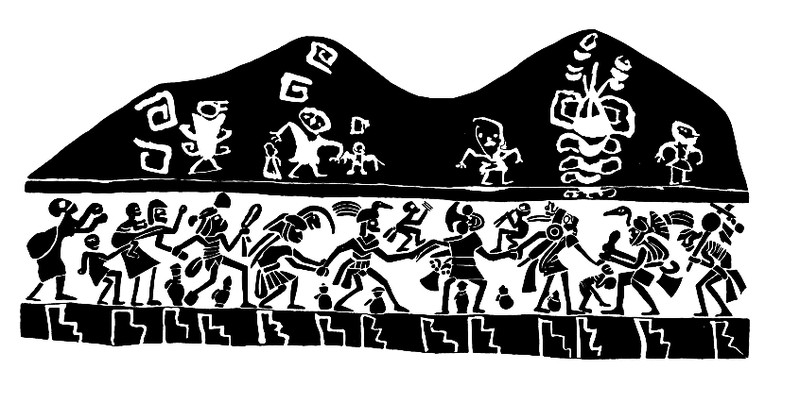
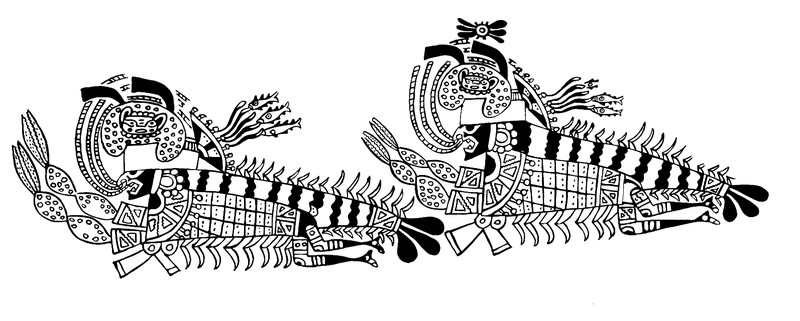
Strombus Being
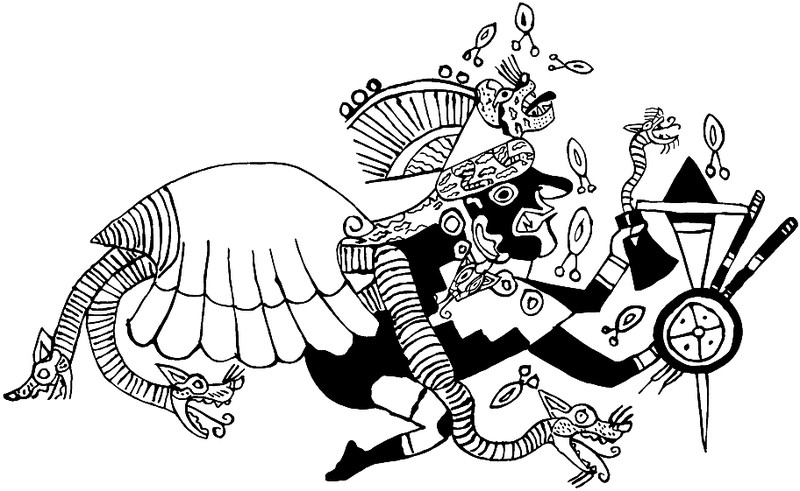
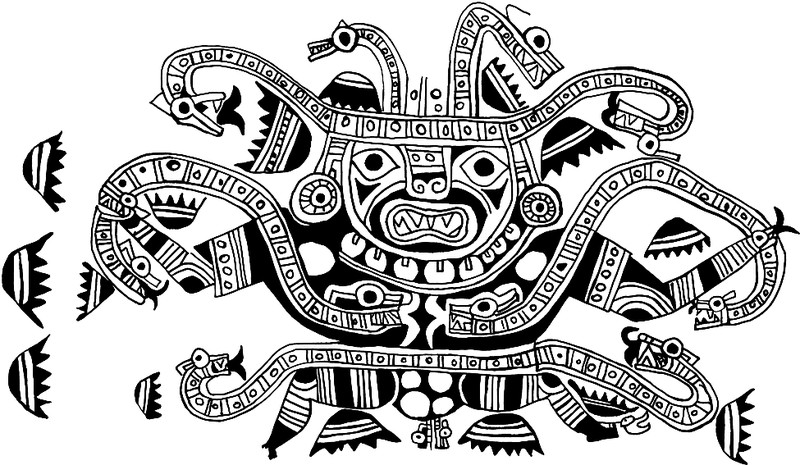
Ai Apaec/Wrinkle Face/the Fanged God
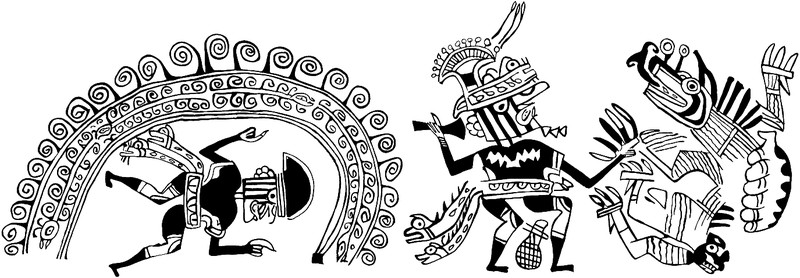
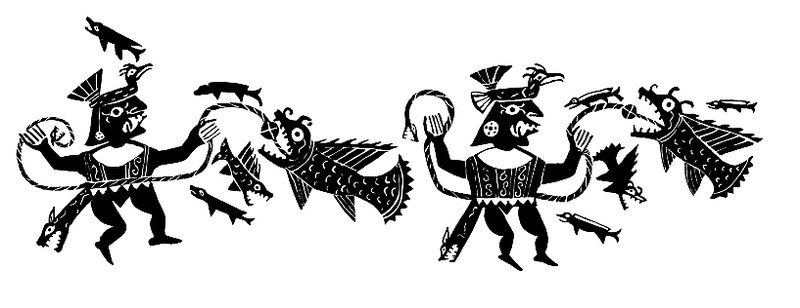
The Circulator God
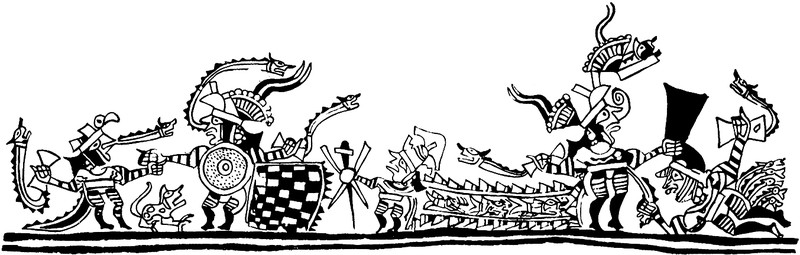
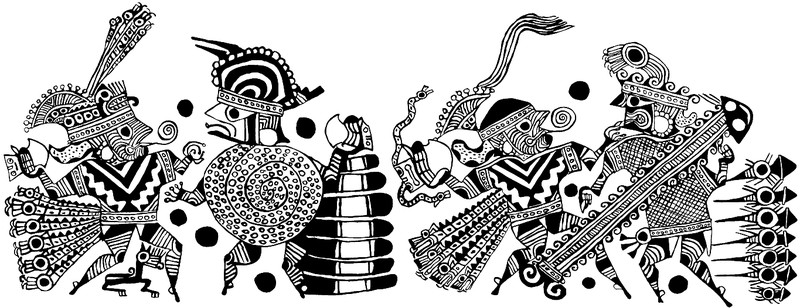
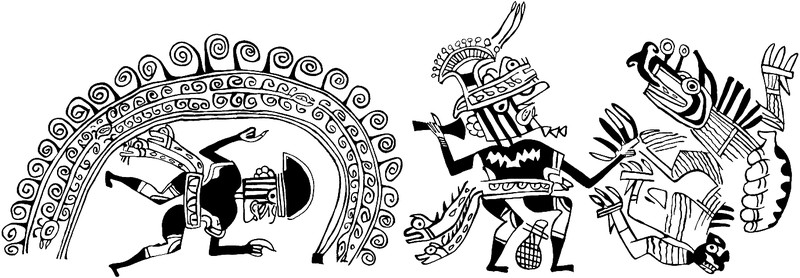
Revolt of the Objects
-
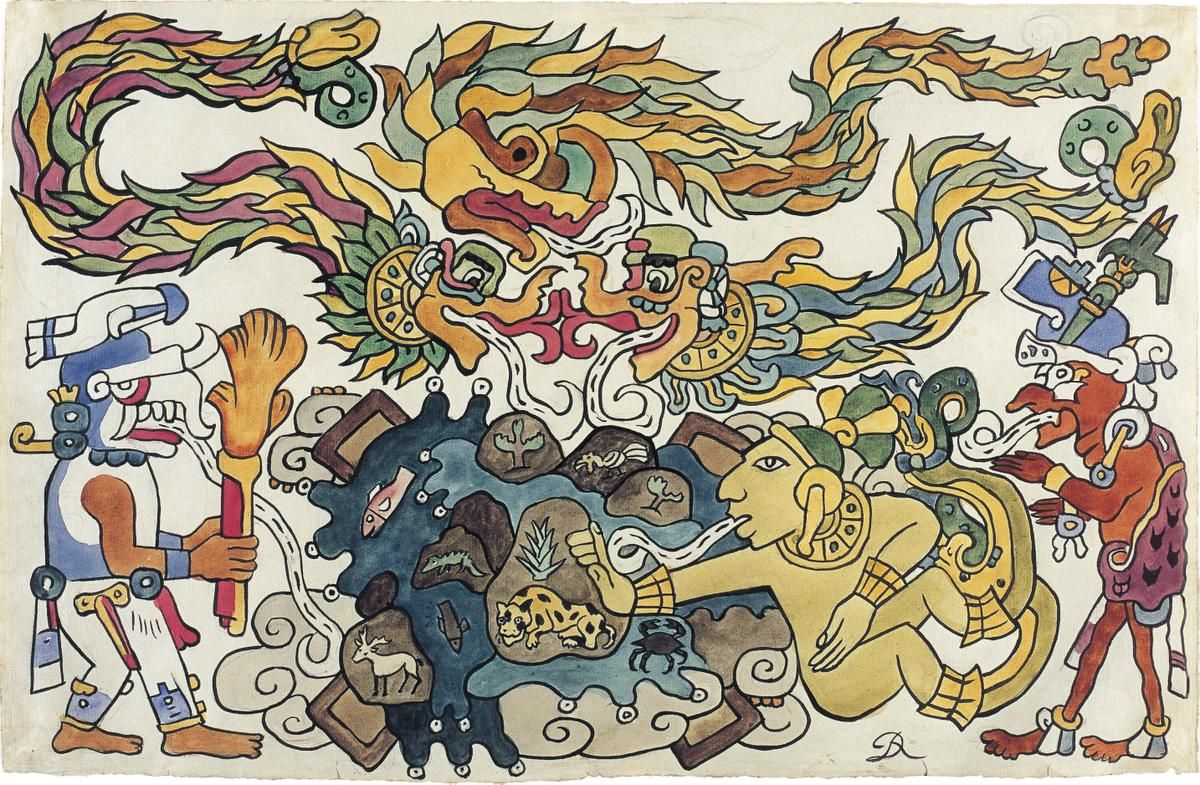
The Creation of the Earth, from Popol Vuh - painting by Diego Rivera (1886 - 1957, Mexican painter, active Communist & husband of Frida Kahlo). (More info):
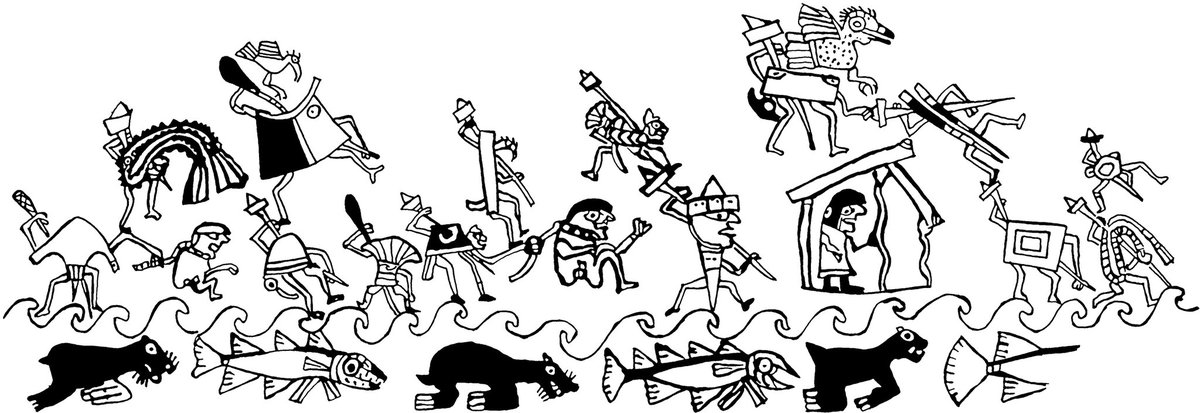
The "Revolt of the Objects" from the Moche site at Huaca de la Luna. A similar story of tools rising against their masters can be found in the Popol Vuh.
-
Somethings change only very slowly. Such things are worth studying very closely:
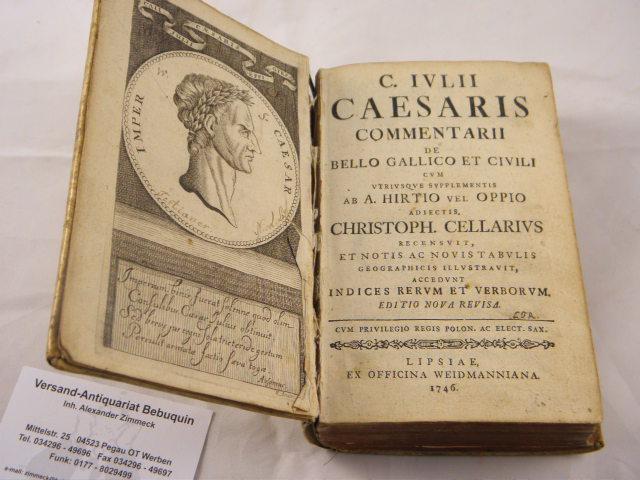
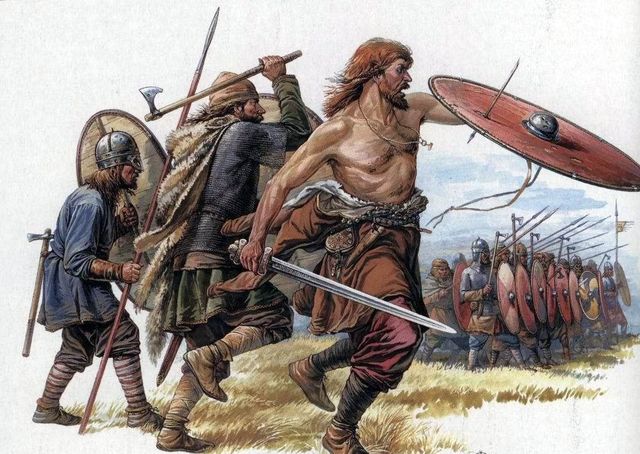
"In De Bello Gallico (58 BC), Julius Caesar provides his audience with a picture of Germanic peoples lifestyle and culture: He depicts the Germans as primitive hunter gatherers with diets mostly consisting of meat and dairy products who only celebrate earthly gods such as the sun, fire, and the moon. German women reportedly wear small cloaks of deer hides and bathe in the river naked with their fellow men, yet their culture celebrates men who abstain from sex for as long as possible."

German Food 2019: Mostly Meat & Dairy -
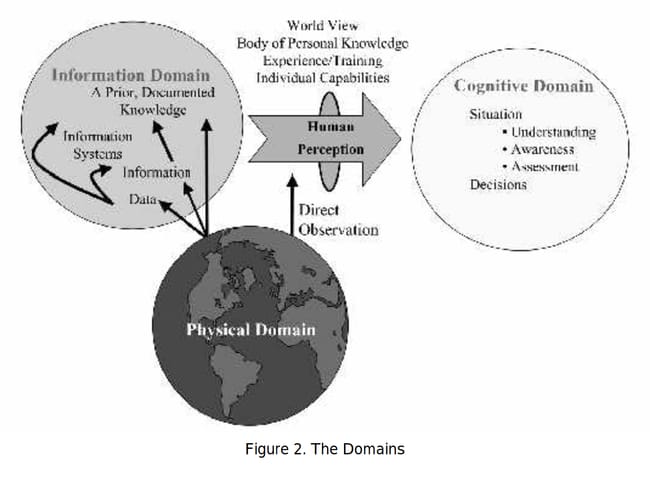
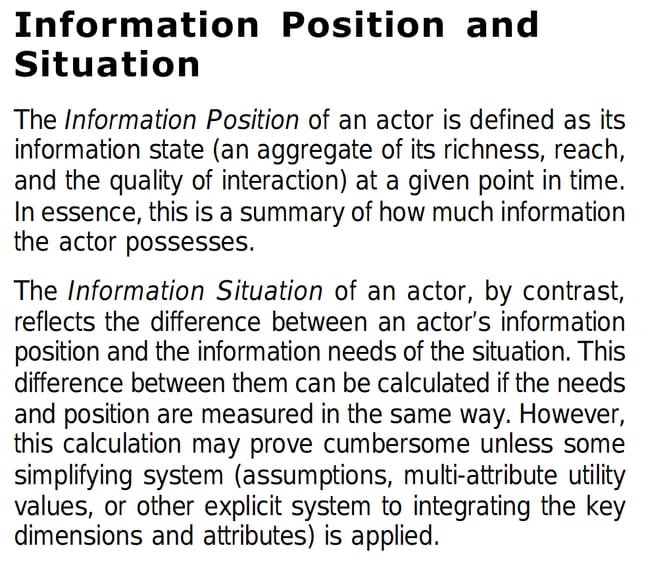
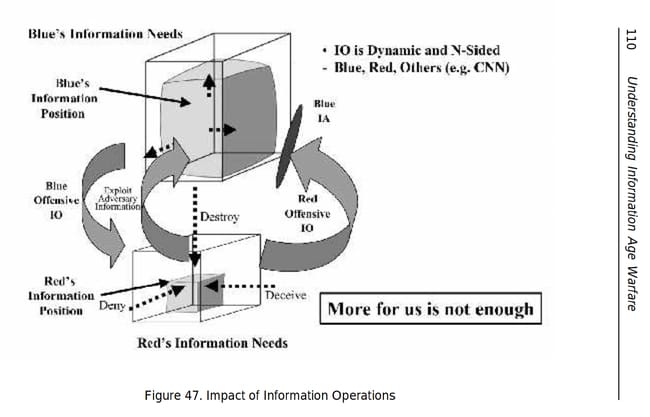
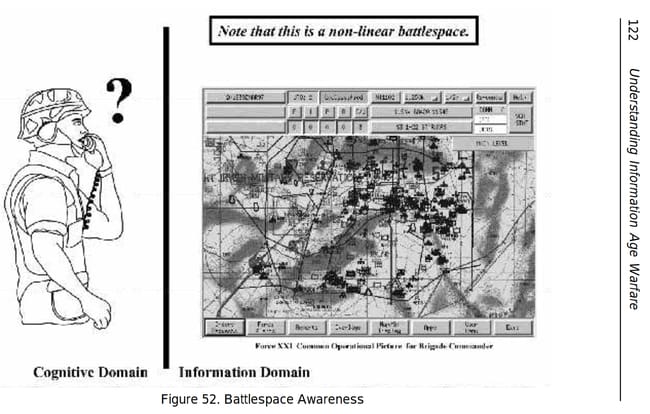
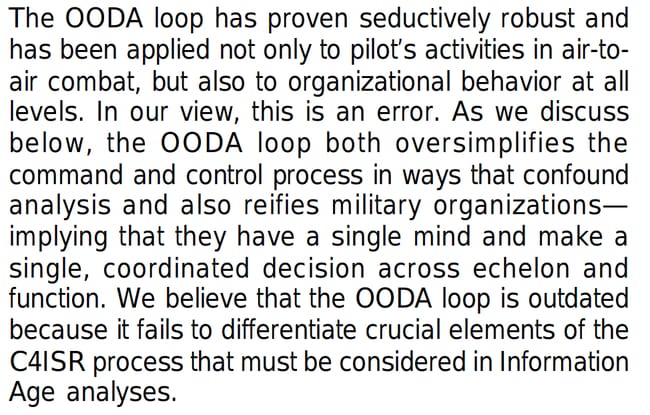
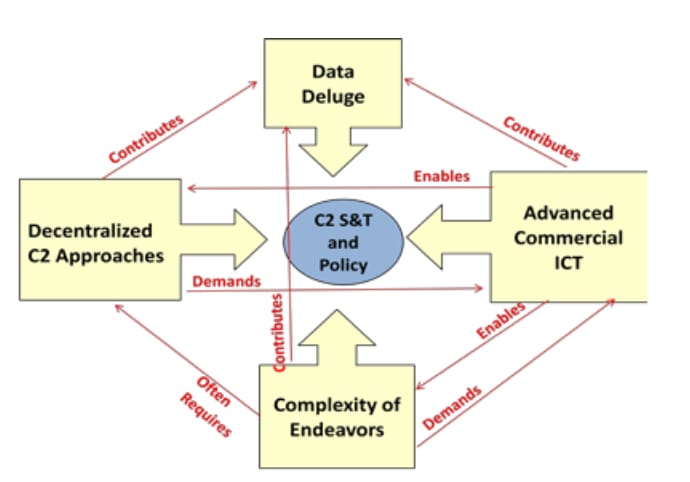
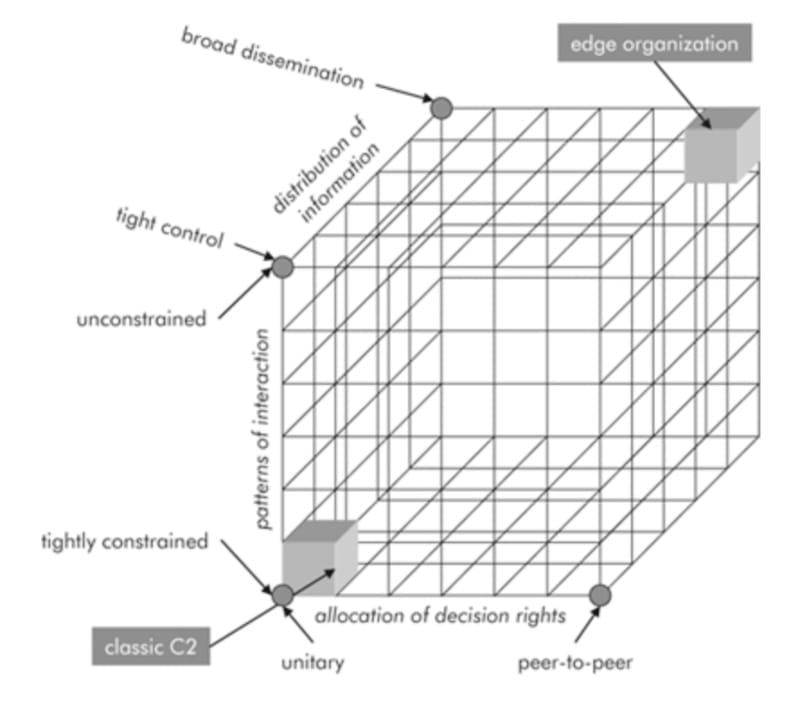
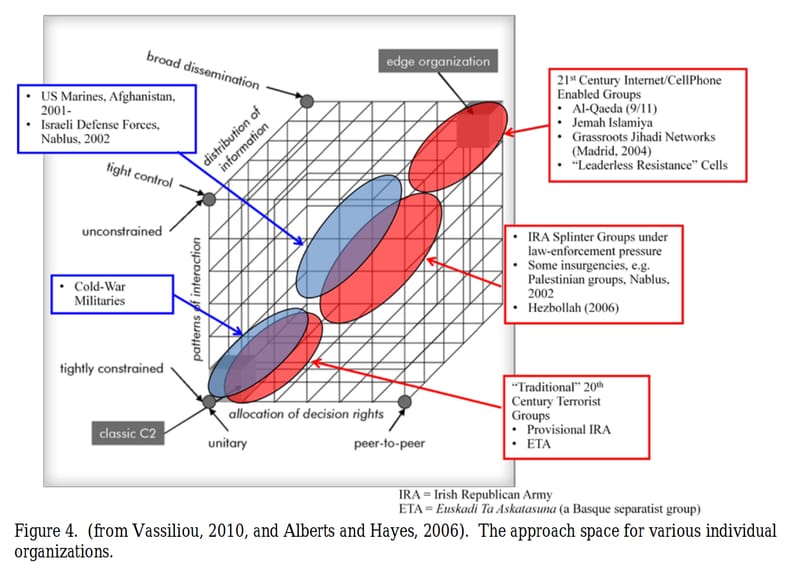
Understanding Information Age Warfare - Book by David S. Alberts et.al (2001)
Classic "network-centric warfare" document.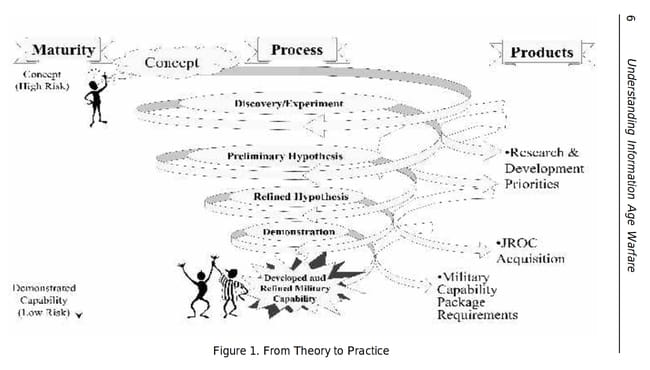
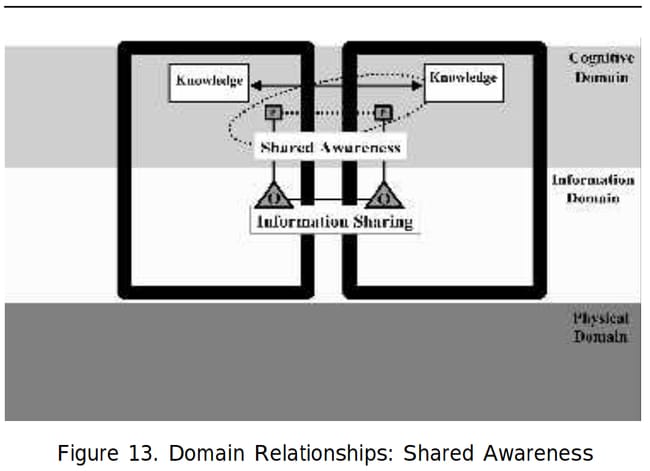
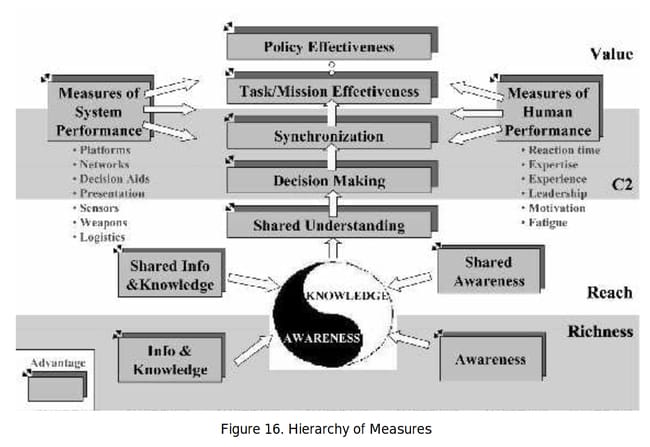

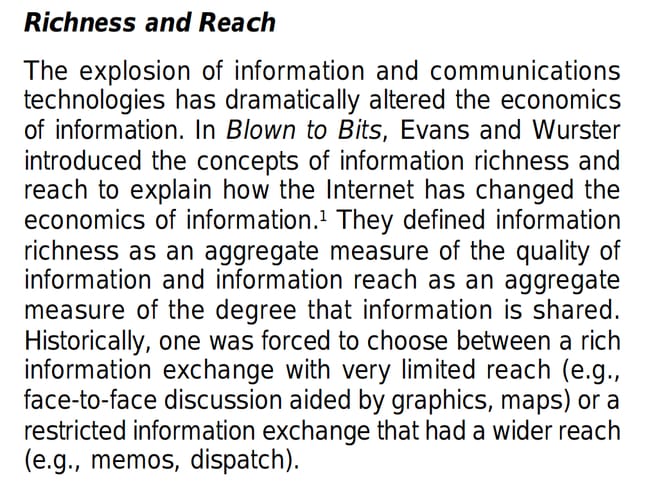
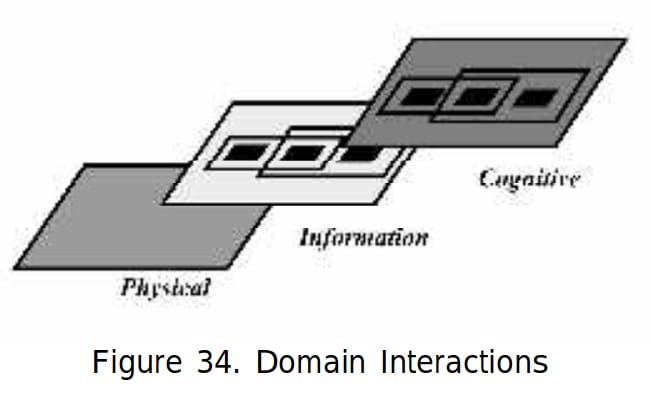
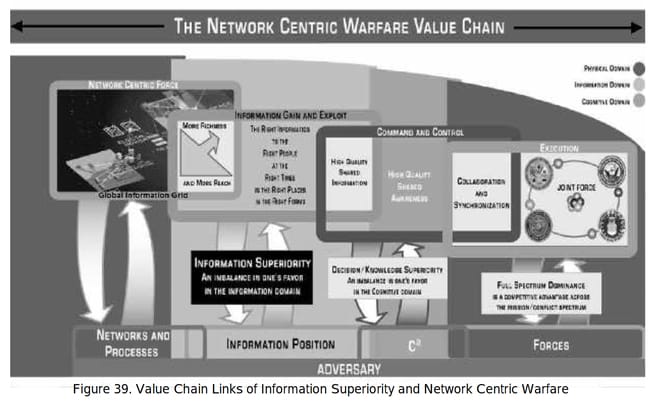
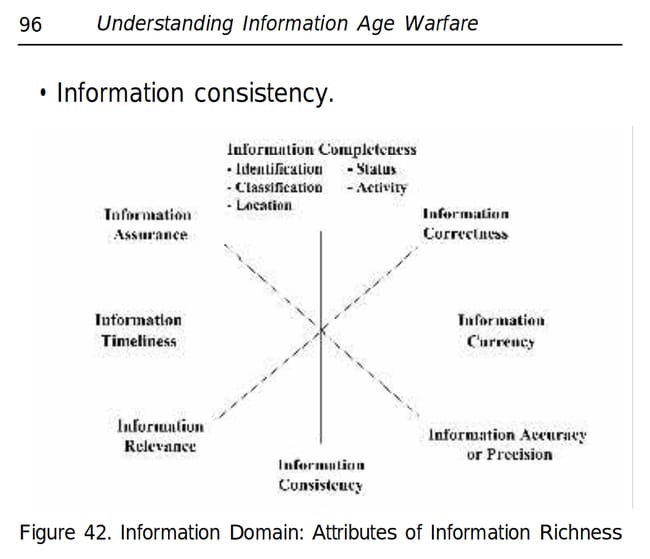
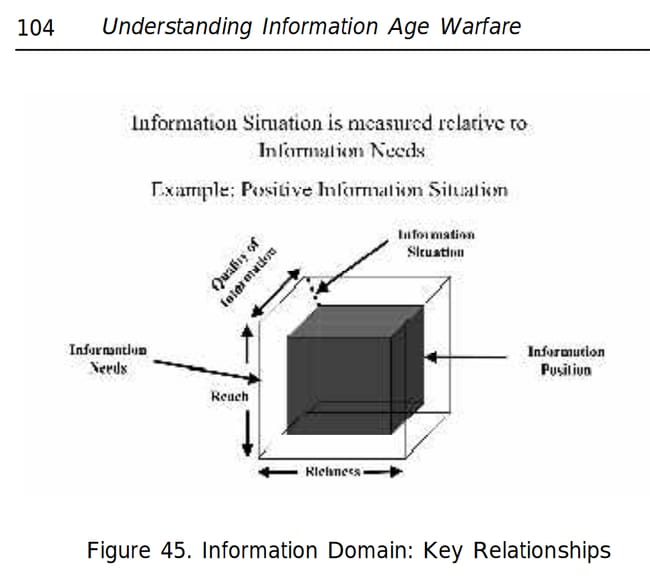
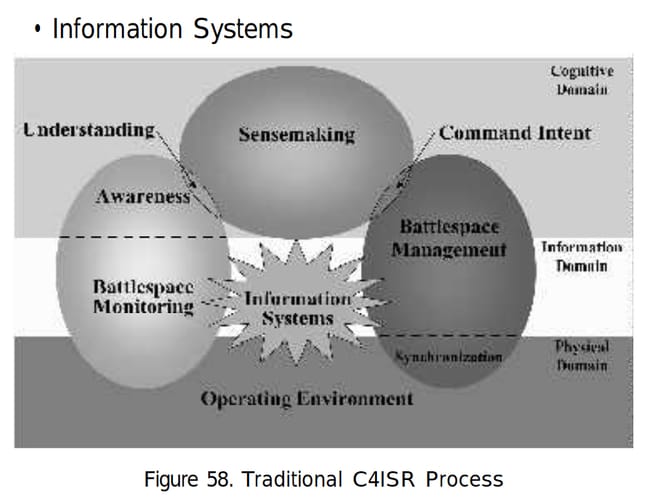
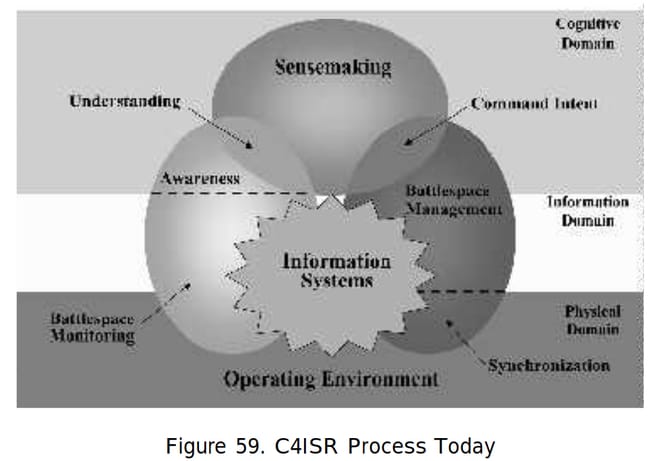
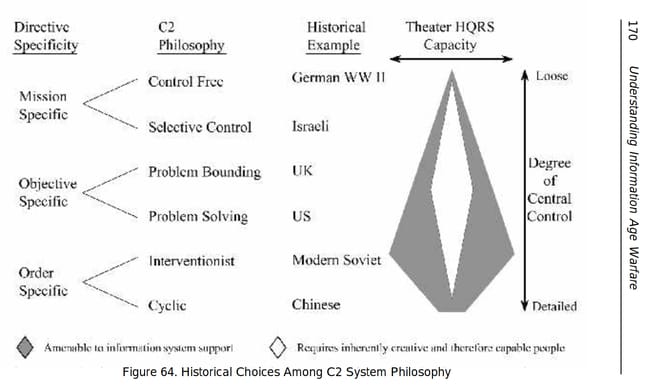
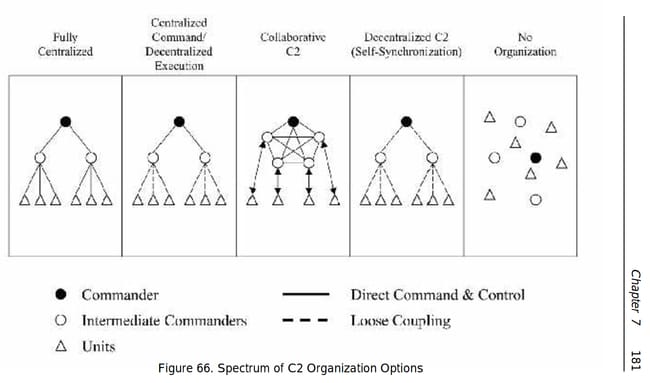

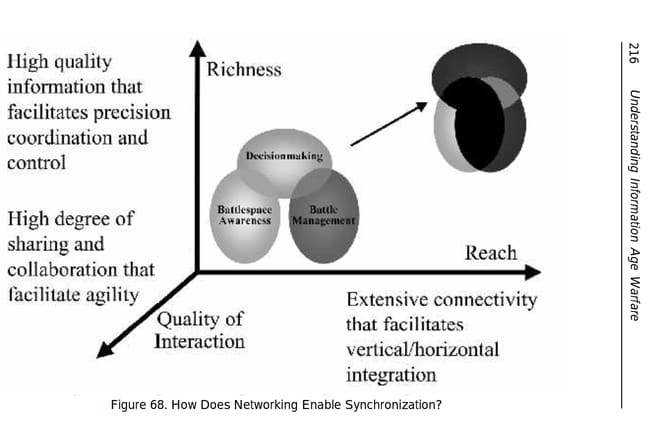
A peak at more recent, related thinking:
Transformation of European Defense Cooperation: A Complex Endeavour (2014) - by James Moffat, Reiner K Huber, David S. Alberts
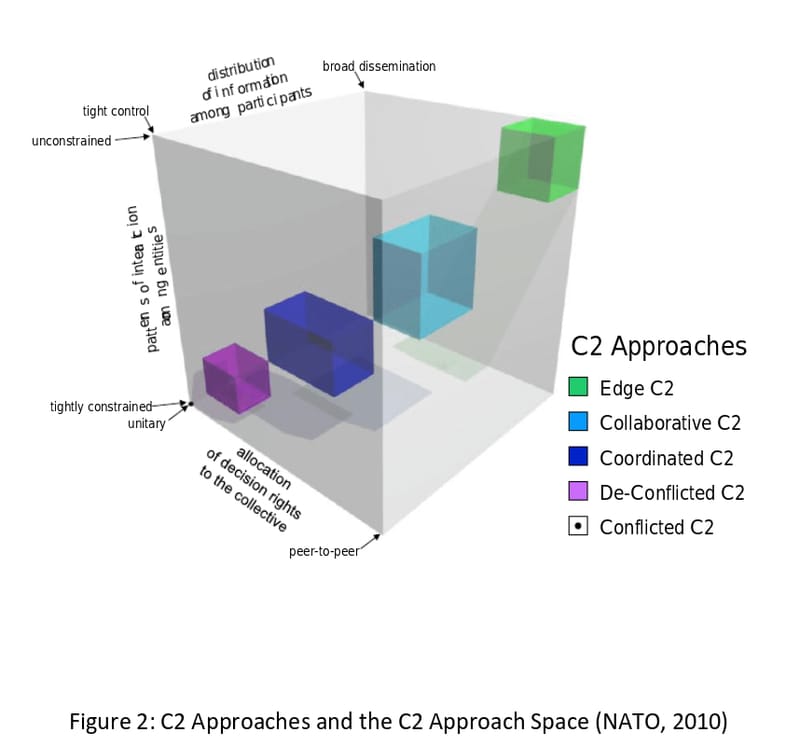
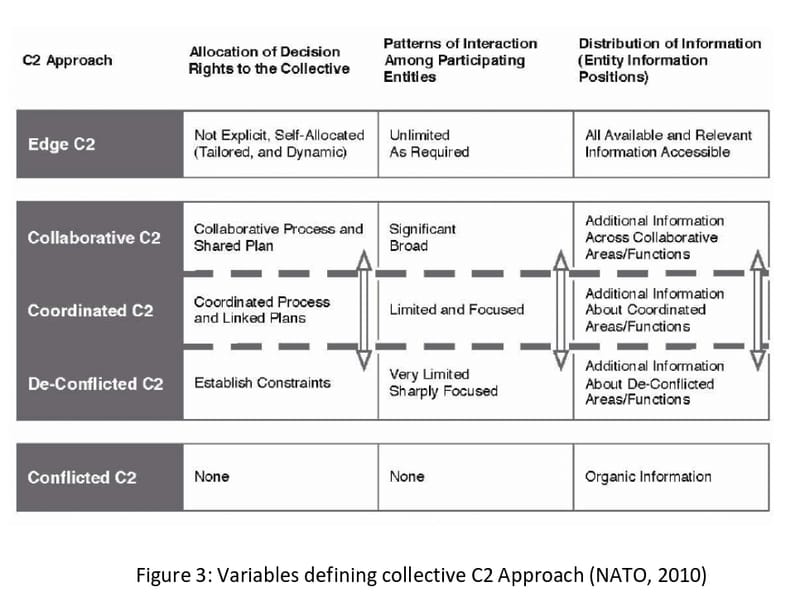
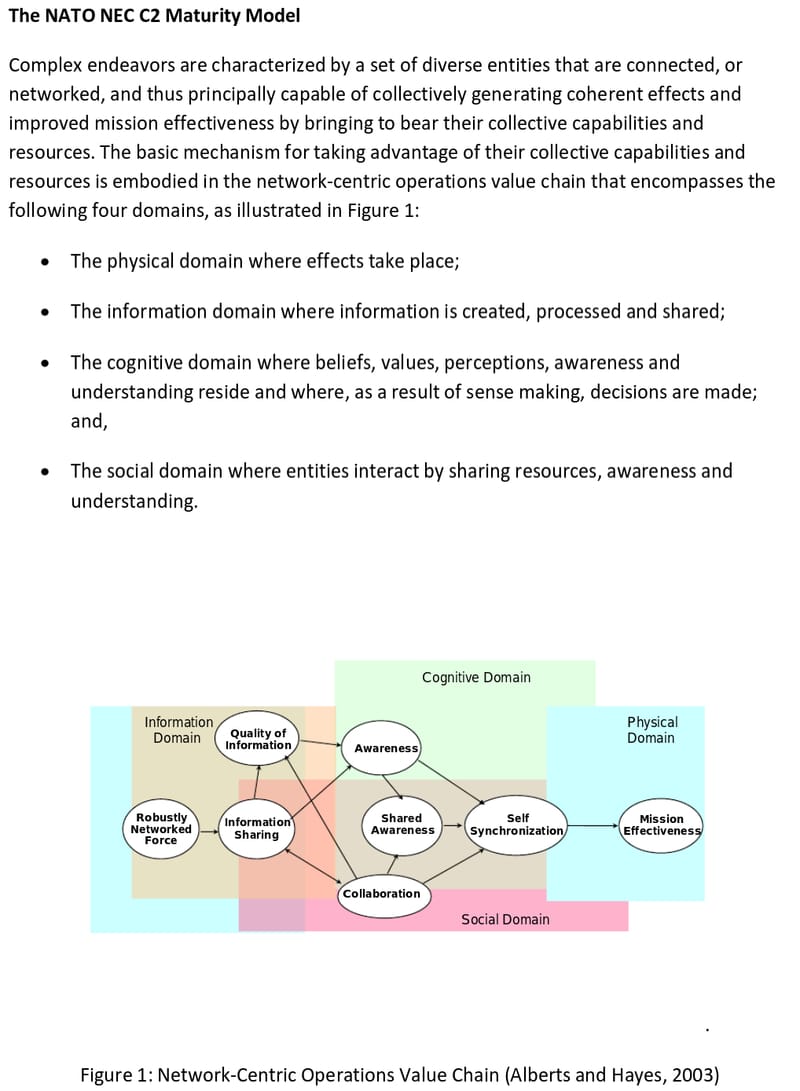
Operationalizing C2 Agility” Megatrends Reshaping C2 and their Implications for Science and Technology Priorities (2012) - M. S. Vassiliou, David S. Alberts
-
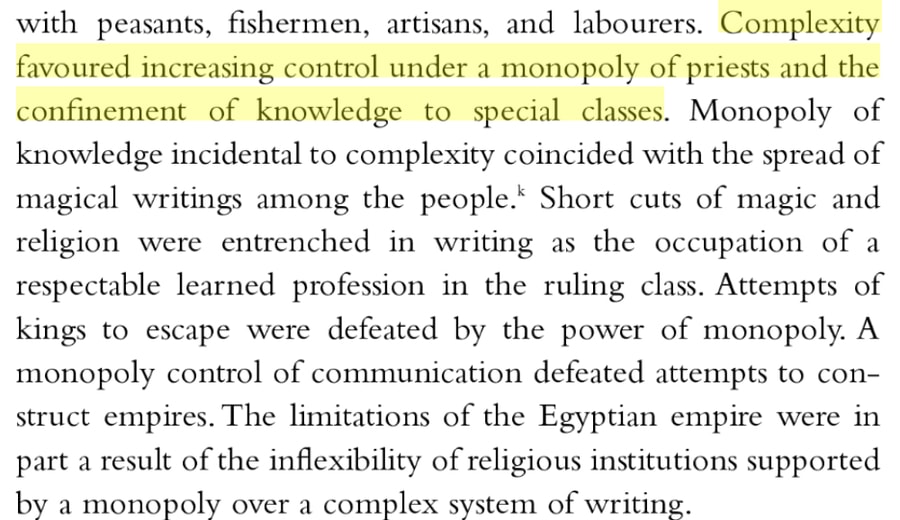
"Complexity favoured increasing control under a monopoly of priests and the confinement of knowledge to special classes" - Harold Innis, in "Empire and Communication" (1950)
-
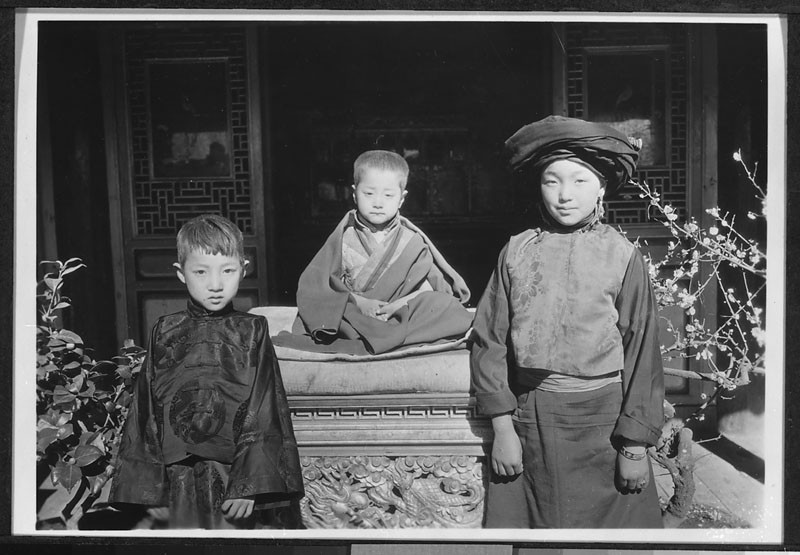
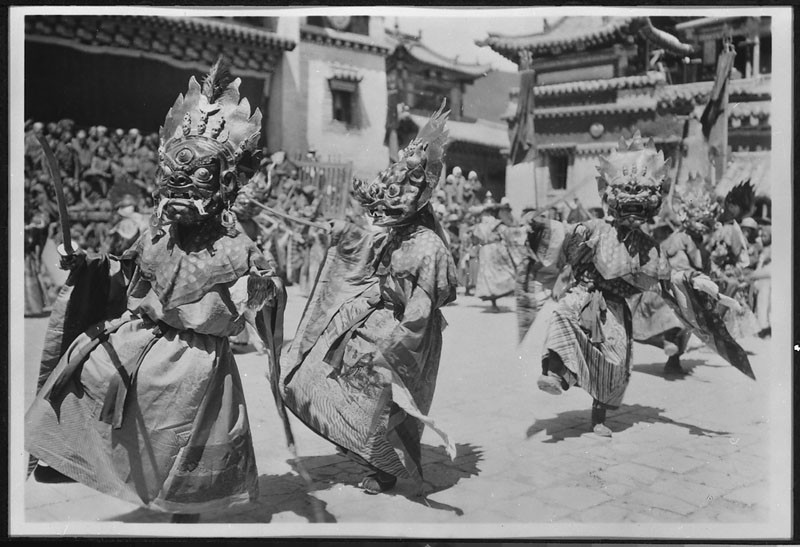
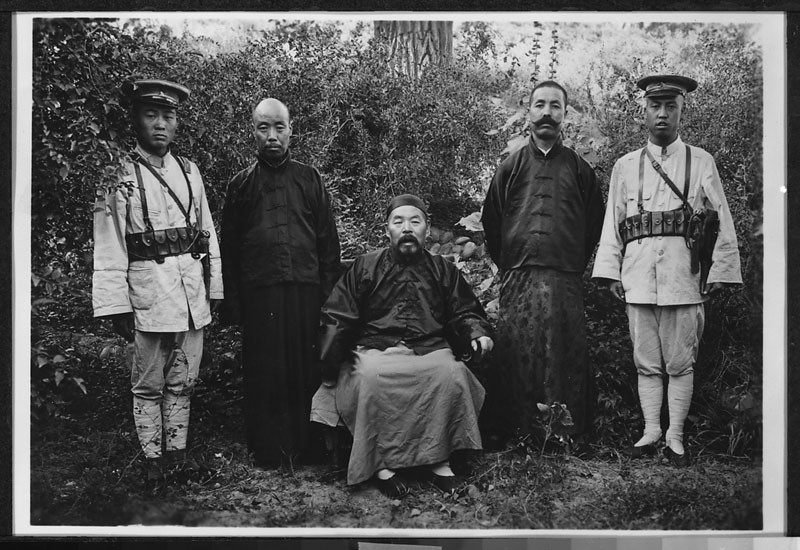
Joseph Rock: Travels Through China
Joseph Francis Charles Rock (1884 – 1962) was an Austrian-American explorer, botanist, and anthropologist. For more than 25 years, he travelled extensively through Tibet and Yunnan, Gansu, and Szechuan provinces in China before finally leaving in 1949. This is a visual excerpt of some of the works of Joseph Rock.

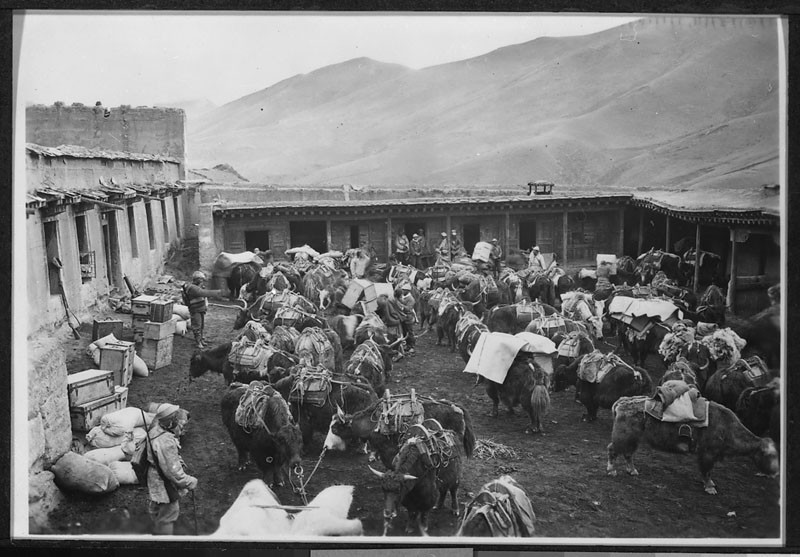

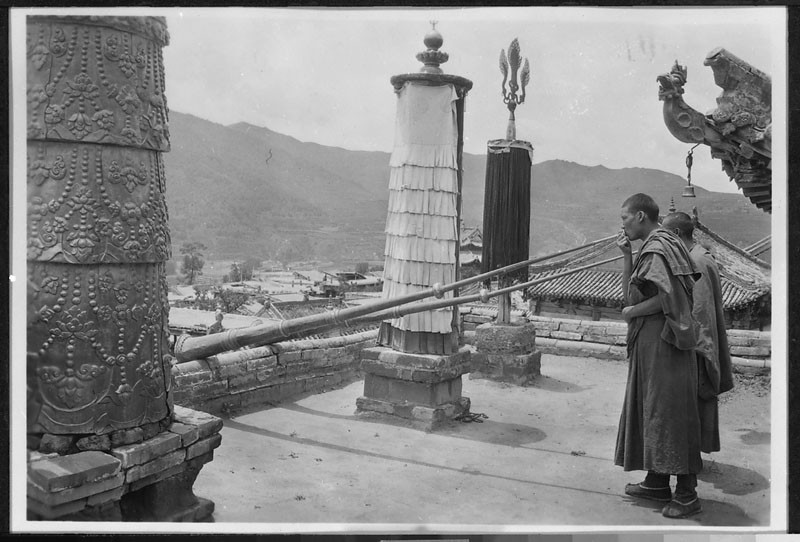
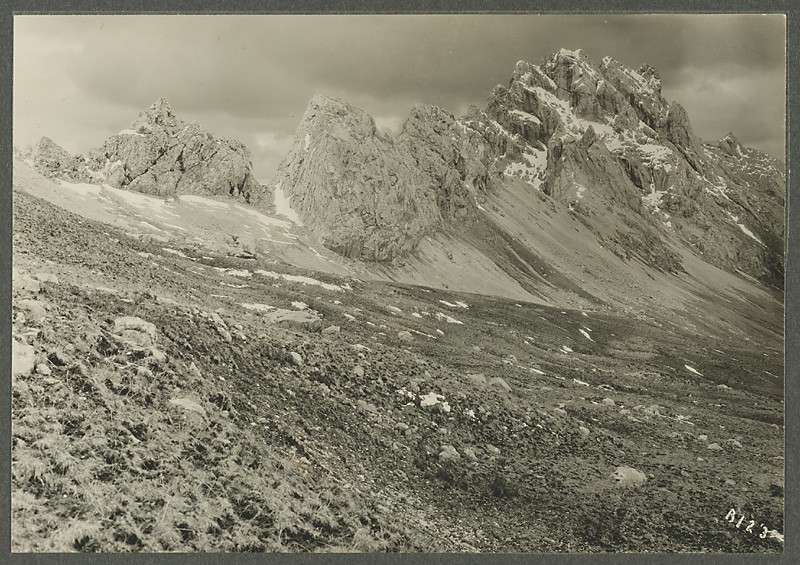
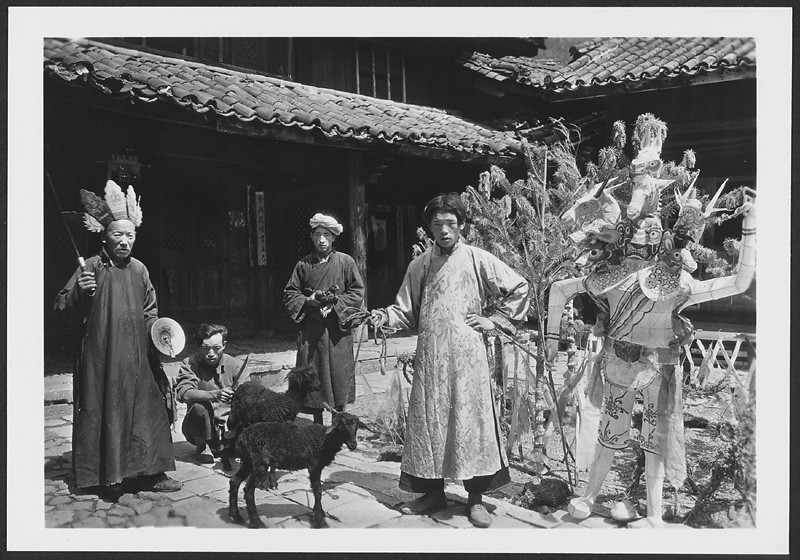



-
Why didn't the government of India open Vault B of the Padmanabhaswamy Temple in Kerala?
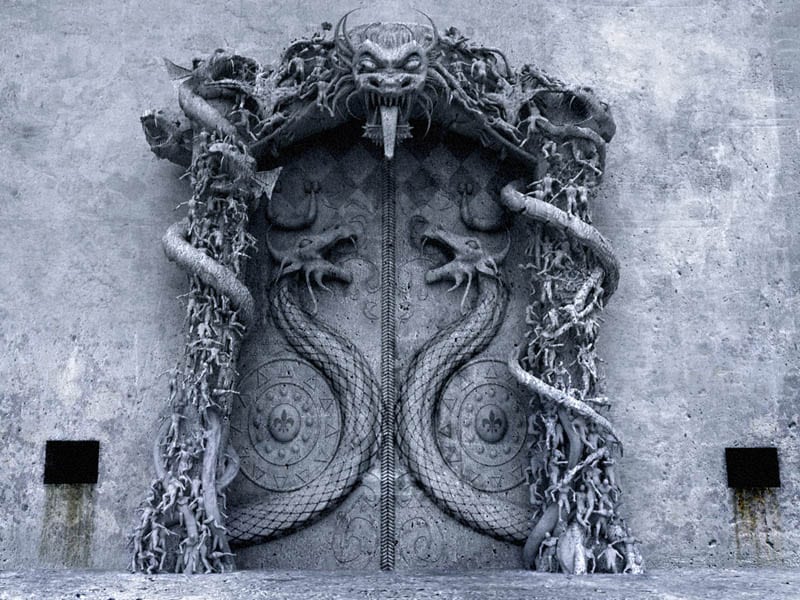
"Naga Bandhan" Door leading to Vault 'B' - Vault (Nilavara) B, the forbidden zone (wikipedia)
- Nāga (wikipedia)
- "Naga Magick: The Wisdom of the Serpent Lords" – Book by Denny Sargent
- The Tibetan Bon Terma of the Naga/Serpent Cults containing The Grimoire of Za-Rahula
- A Study of Naga Beings as a Global Phenomenon and their relation with Kailash/Manosarovar region
- Story of the nāga-king Elapatra
- The Naga worship
- Vault (Nilavara) B, the forbidden zone (wikipedia)
-
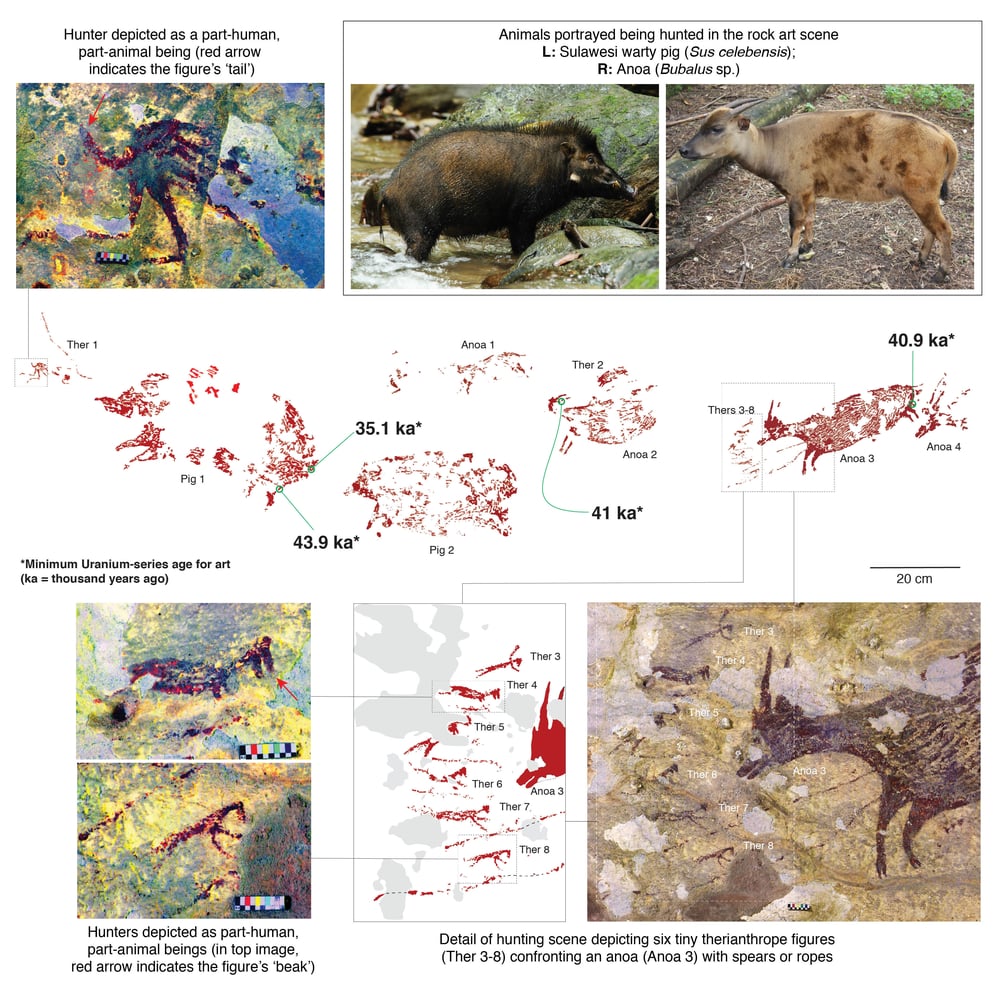
Interesting discovery published in Nature this week pushes back the date of earliest human figurative painting to 44,000 years ago: an elaborate hunting scene, telling a story, in an Indonesian cave. Here is a not paywalled summary of the findings.
-
#History of #Complexity #Science. Even their diagrams are extremely complex...
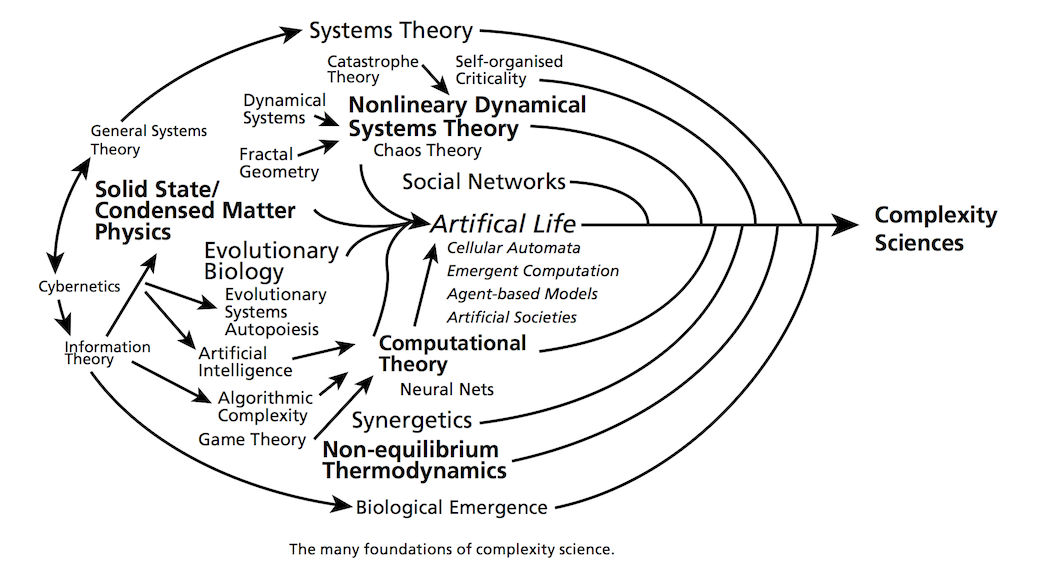
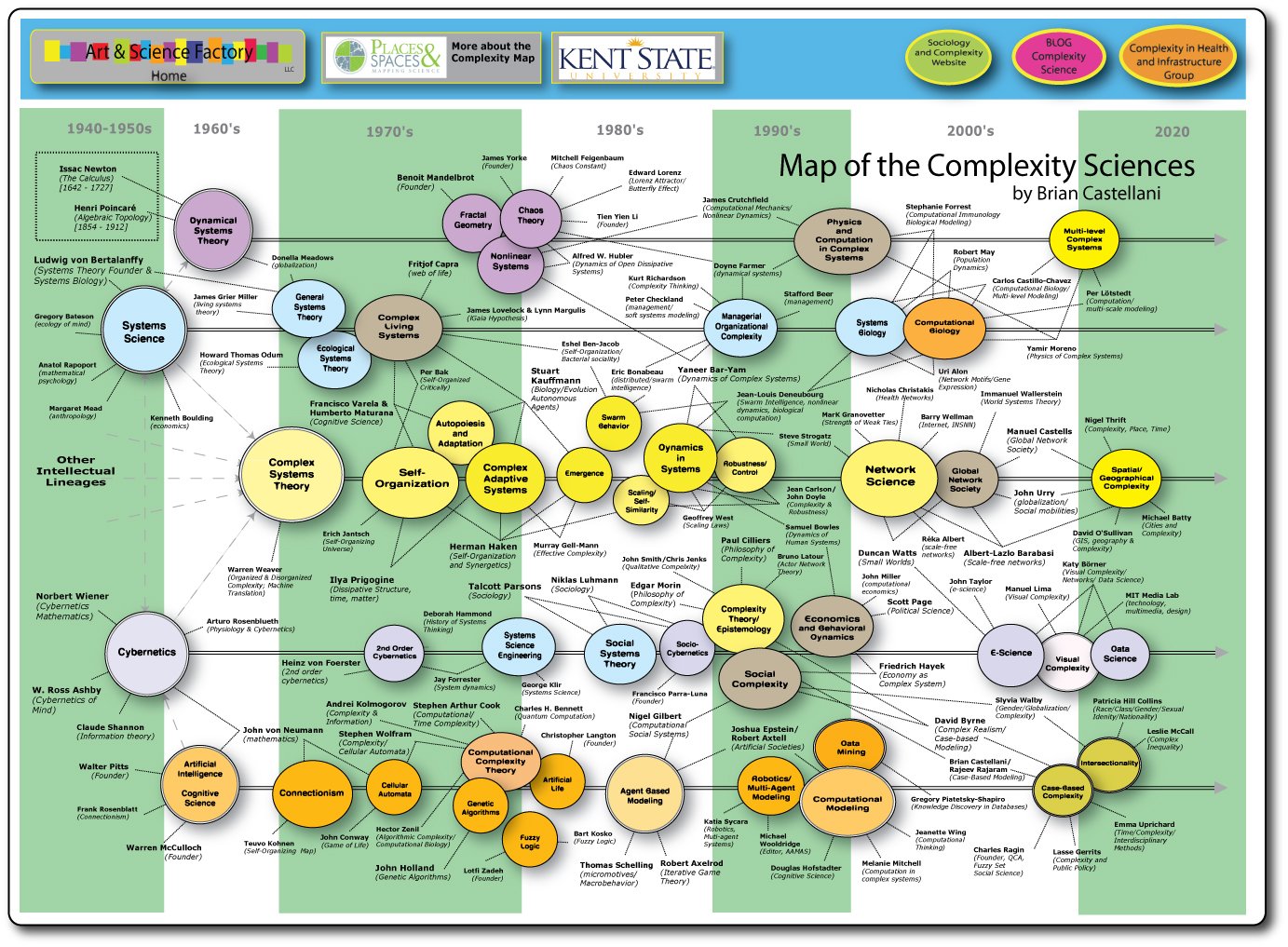
Image source: "Grip on Complexity" and Complexity Map
-
"People out of Stone" - a brief backstory of modern-day robotics and AI:
In India, it is a tradition amongst certain Tantric sects to anoint their phallic lingam images with oil, milk, and sometimes semen. A similar tradition involving living statues and plaster busts exists in Western culture - at least on a literary level. E.T.A. Hoffman, Edgar Allen Poe, Ambrose Bierce, and Jules Verne amongst others, have reinterpreted the original myth of Pygmalion from Ovid; it can even be seen in the musical 'My Fair Lady'. This tradition fulfills an ancient human dream, that of bringing the dead back to life, either artificially or with the help of the gods of magic. Even today there are hints of it in cybernetics and genetic engineering. Inspired by the attempts of Charles Darwin's grandfather Erasmus Darwin to re-animate dead worms, the nineteen-year-old Mary Shelley wrote the novel 'Frankenstein: or the new Prometheus' which was published in 1818. More on the theme has been written more recently by authors such as Philip K. Dick (as in 'Blade Runner'), Alfred Bester, Stanislaw Lem and Pierre Klossowsky. In Switzerland in 1972, a drama based on the classical myth of Galatea appeared, expressing the eternal dream of a man for a woman who is wholly dedicated to him. In the play, which was a reworking of an 'Alpensaga' (Swiss mountain fairy tale), some farmers create a 'Sennentuntschi', an artificial woman grown in a bottle from a mixture of dung and cheese. Needless to say, Sennentuntschi soon frees herself from their attentions.
In Jewish mysticism, there is the legend of the Golem, which is ultimately based on Psalm 139 verse 16; the story is best known from the mediæval golem created by Rabbi Löw of Prague, as described in Gustav Meyrink's impressive novel The Golem (1915). Golems are reproductions of Adam, formed from the dust of the earth, and they go even further back in Jewish culture, as may be discovered in a commentary on the ancient Cabalistic text the Sefer Yetzirah, as expounded by the eminent scholar Gershom Scholem. The German author of occult and erotic potboilers H.H. Ewers added a sexual twist to the legend with his novel Alraune in 1911. Also in Germany, Paul Wegener directed a film of The Golem in 1915, the first in a series of German films such as Nosferatu, Das Kabinett des Doktor Caligari and Dr. Mabuse which evoked a fascination for evil. Neo-Gnostics and secret societies in Germany and elsewhere got a lot of inspiration from fictional sources such as these - enough for them to devise their own 'Order Secrets'. The concept of the Homunculus, an alchemical mannikin produced in a bottle, was not foreign to Theodor Reuss, the O.T.O.'s founder. The prescribed reading-list for O.T.O. members included G. Herman's work called Genesis - das Gesetz der Zeugung (Genesis - the Law of Procreation) which describes the production of a being "who is realized through the odic power of materialization, and which as odic mist streams from the vulvae, and under the traditional uterine influence easily forms child-souls." The alchemist Paracelsus described his formula for creating a Homunculus using blood and semen, and this has been compared to the consecrated hosts of the Spermo-Gnostics. In 1914 Aleister Crowley wrote his Xth degree instruction De Homunculo Epistola in which he described the homunculus, even though he was less than enthusiastic about it. It is quite possible that he had been inspired by Somerset Maugham, who had published a novel called The Magician in 1907, whose villain Oliver Haddo is based on Crowley; in the novel Haddo manufactures a mad homunculus by devilish arts. Similarly, Crowley himself wrote a novel in 1917 (not published until 1929) called Moonchild, in which sex-magicians create a speaking homunculus with astrological enchantments.
"You are my Creator, but I am your Master — Obey!" - Mary Shelley, Frankenstein
Text is an excerpt from: "Nosferatu's Baby (Much Too Much) Too hot To Handle" - by Peter-R. Koenig
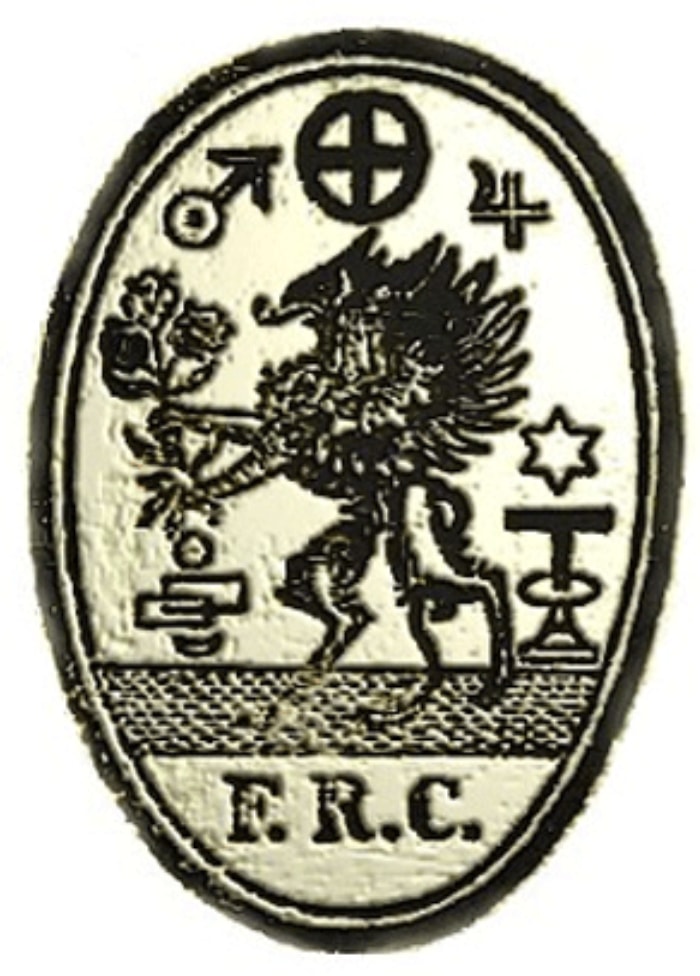
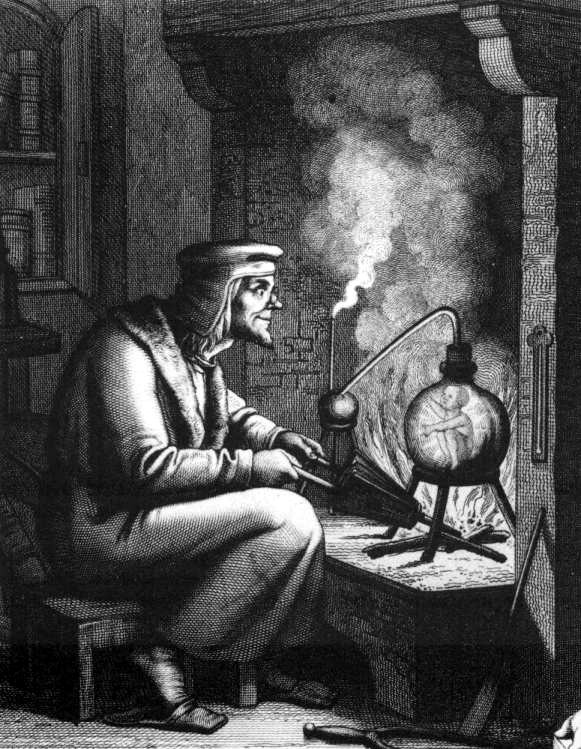
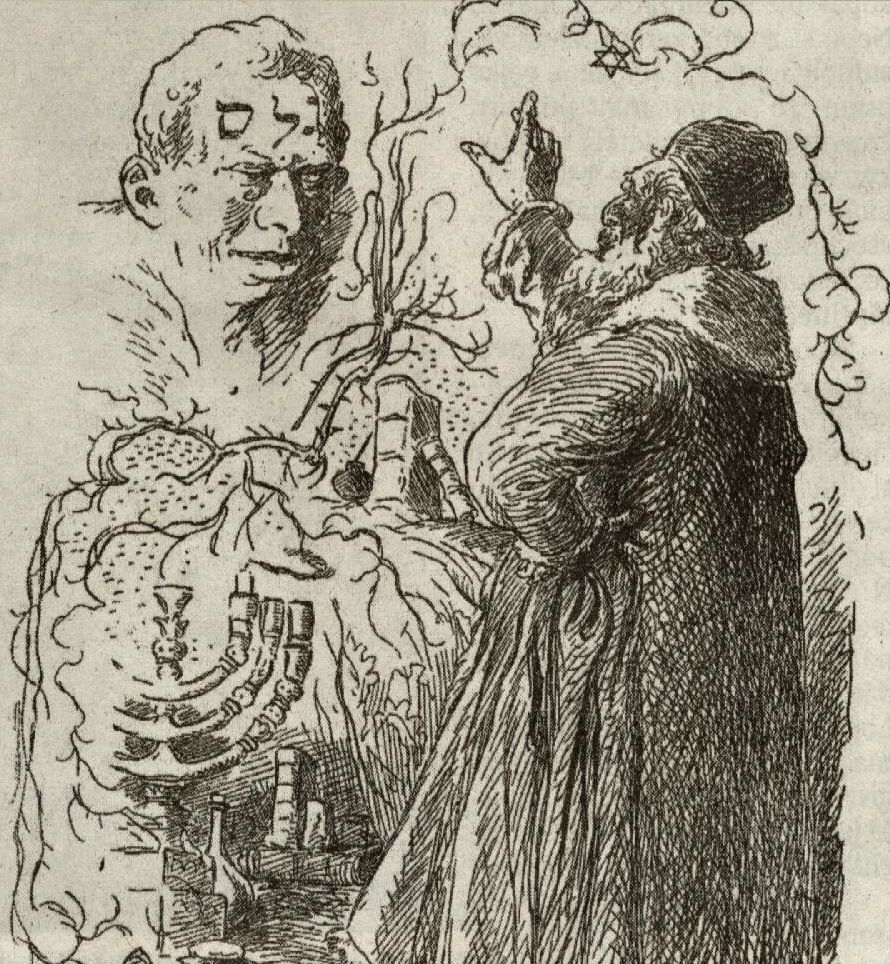
#Comment: It is rather comedic, that generations of highly educated elite men tried to make inanimate matter come alive through ever-evolving complex means. It seem obvious, that the driving psychological force behind such efforts, is a pathological jealousy of men towards women, resulting from the biological inability of males to give birth.
Consider the somewhat related insights, by Robert Anton Wilson: "Elohim," the name for the creative power in Genesis, is a female plural, a fact that generations of learned rabbis and Christian theologians have all explained as merely grammatical convention. The King James and most other Bibles translate it as "God," but if you take the grammar literally, it seems to mean "goddesses." Al Shaddai, god of battles, appears later, and YHWH, mispronounced Jehovah, later still. - Genesis, p. 197
-
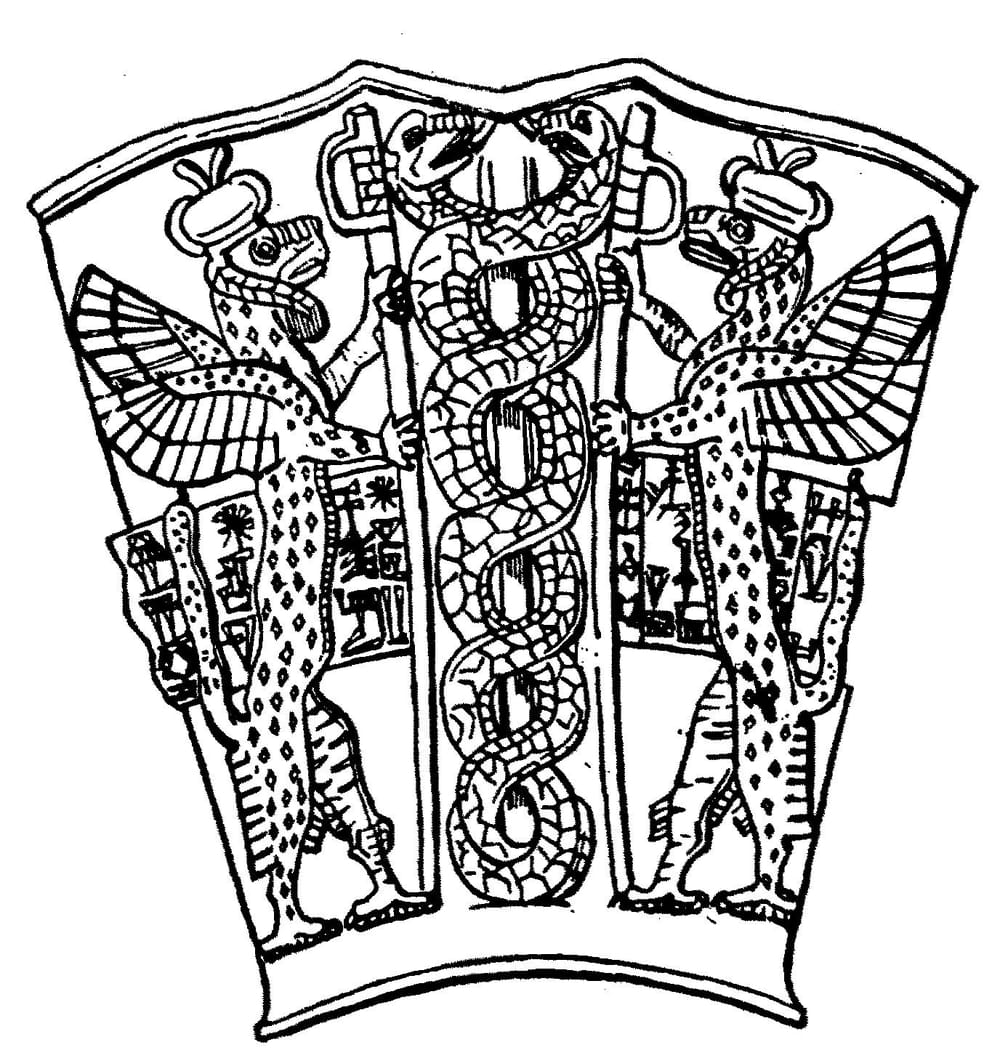
Ningishzida is a Mesopotamian deity of vegetation and the underworld.
-
Quasicrystals - Israeli Found New Form of Matter Imagined in Islamic Art (2011)



"This year's Nobel prize in Chemistry will be awarded to Israeli scientist Daniel Shechtman for his discovery of quasicrystals, metallic alloys with atoms arranged in orderly, infinite, aperiodic, crystal-like patterns with theoretically forbidden (typically 5 fold) symmetry. This form of matter was believed to be impossible to create."
-
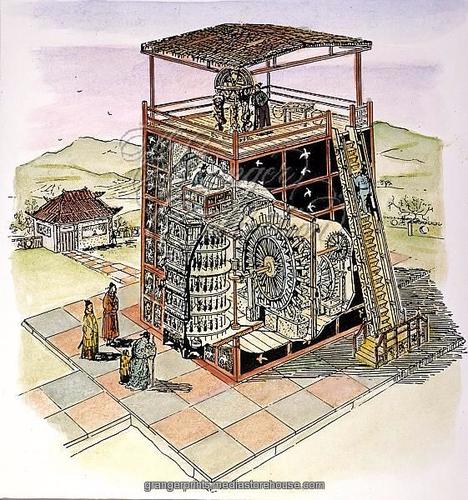
Su Song (1020–1101 AD) was a Chinese polymathic scientist and statesman. Excelling in a variety of fields, he was accomplished in mathematics, astronomy, cartography, geography, horology, pharmacology, mineralogy, metallurgy, zoology, botany, mechanical engineering, hydraulic engineering, civil engineering, architecture, invention, art, poetry, philosophy, antiquities, and statesmanship during the Song Dynasty (960–1279). Su Song was the engineer for a hydro-mechanical astronomical clock tower in medieval Kaifeng.
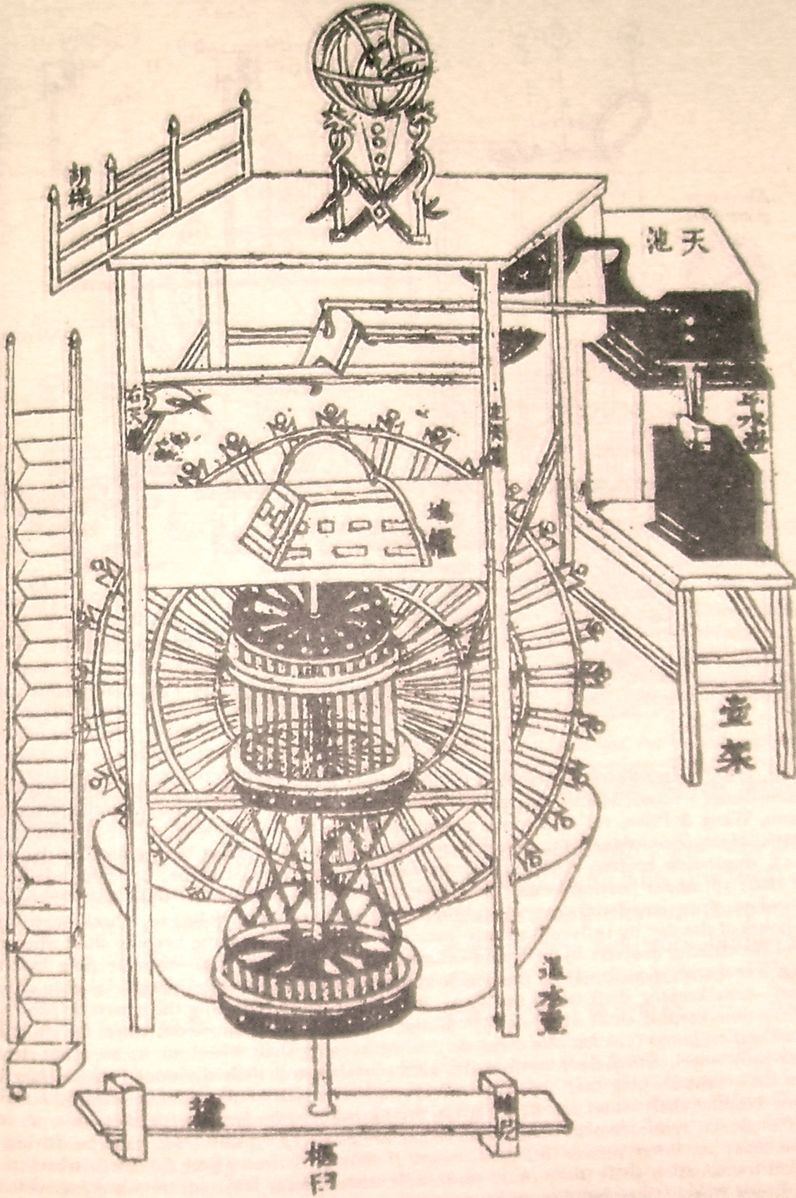
Yi Xing (683–727), born Zhang Sui (Chinese: 張遂), was a Chinese astronomer, mathematician, inventor, mechanical engineer, philosopher, and Buddhist monk of the Tang dynasty (618–907). His astronomical celestial globe featured a clockwork escapement mechanism, the first in a long tradition of Chinese astronomical clockworks.
-
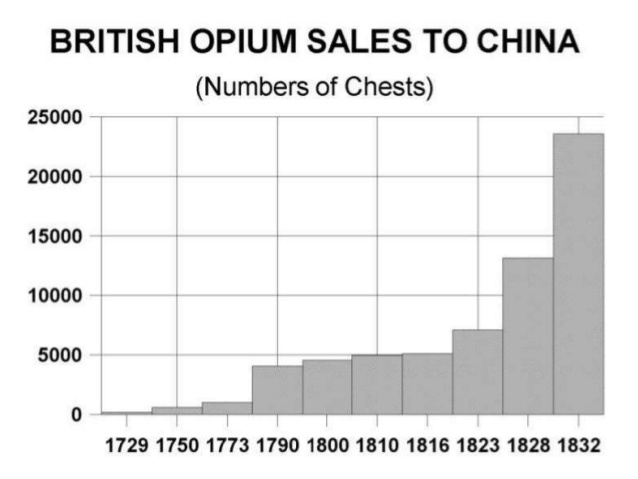
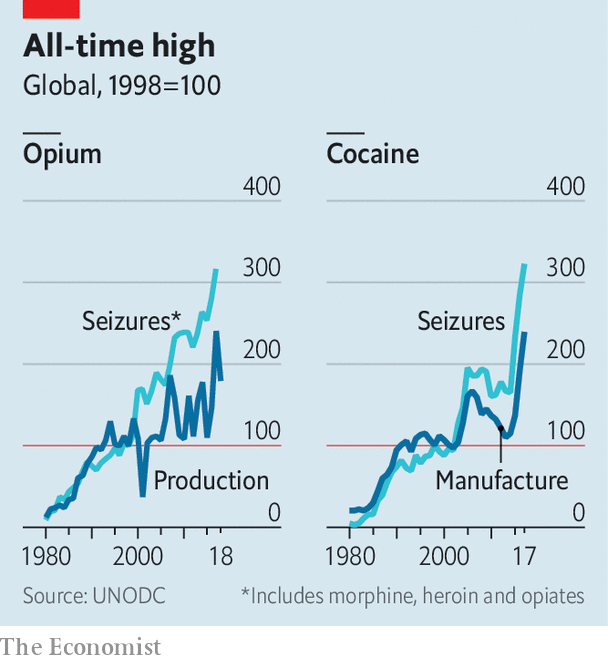
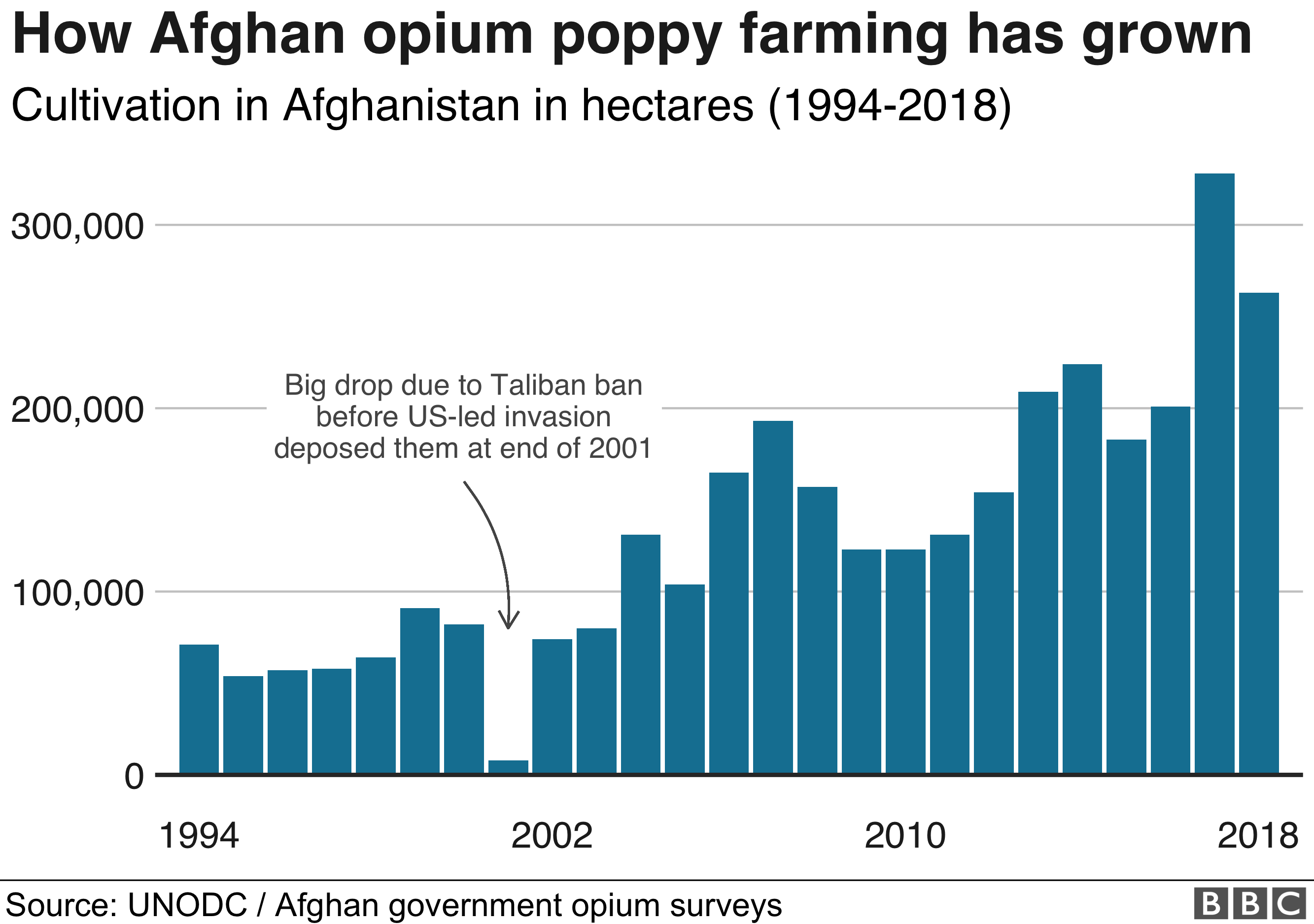
Juan Pablo Escobar Henao, son of notorious Medellín cartel drug kingpin, Pablo Escobar, now says his father "worked for the CIA", selling cocaine to finance the fight against Communism in Central America. At one point, Escobar smuggled 15 tons a day into the US, making $420 million per week". Dirty business as usual - things change only very slowly.
-
Book: The dragon in China and Japan - by Marinus Willem de Visser (1876-1930) (PDF)
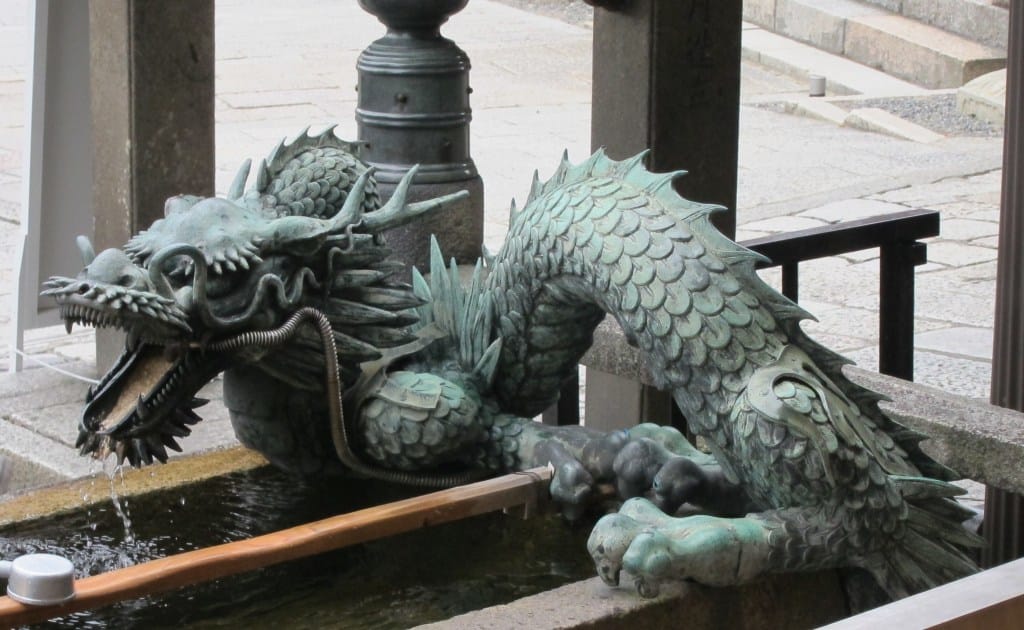
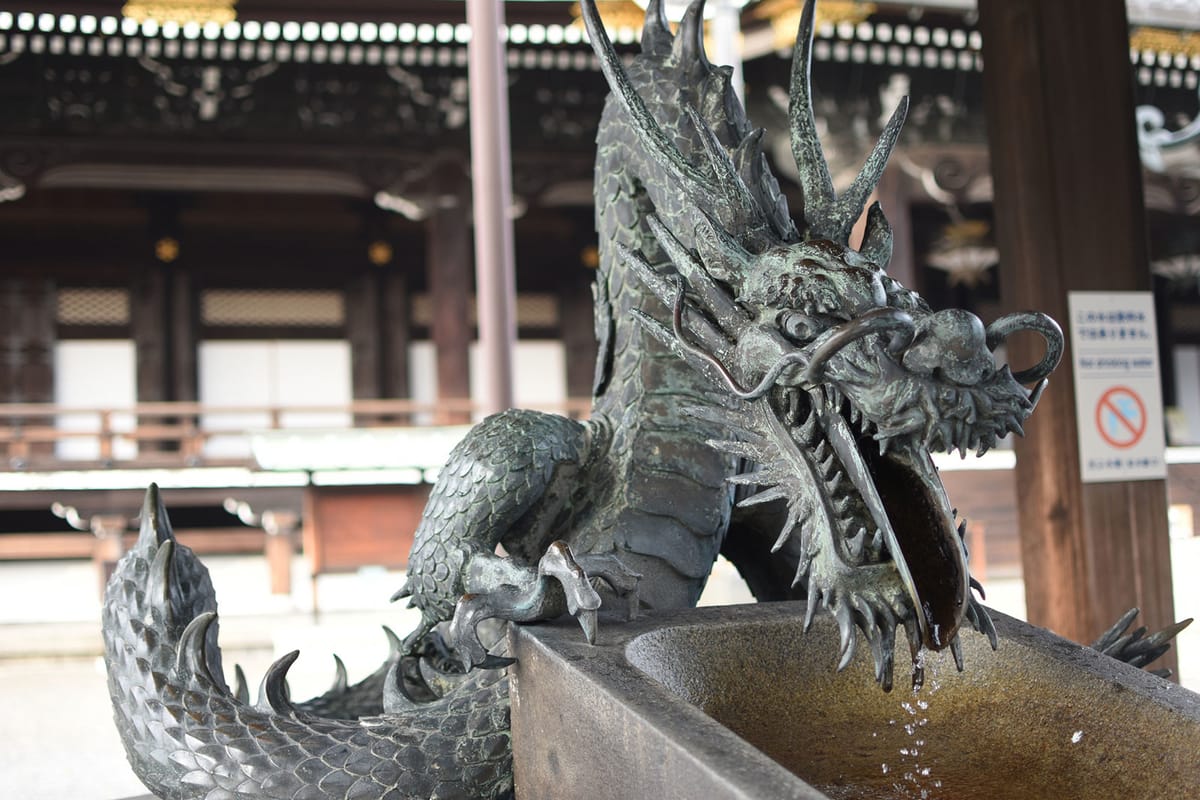

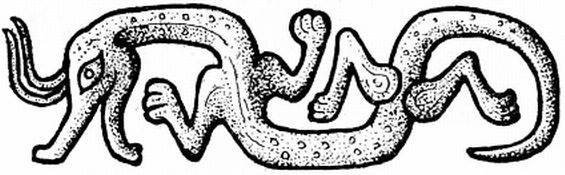
(Alt download link) - #Religion #Magic #History #Art #Book #Dragon