tag > Mindful
-
"Time is three eyes and eight elbows." - Dogen Zenji
-
#Comment: A peculiar characteristic of the dominant (western) science paradigm, is how little emphasis is placed on cultivating mind-body states (beyond pure book learning, jointly shaping mental & physical conditions via exercise, meditation, diet, etc.) of participants (peers & public), while they interact with the science discipline and its fruits. During the past century, science has (re-) discovered, that the process of thinking-acting in living beings (incl. humans) is inherently embodied, multi-modal, contextual and distributed. Long dead is the notion of a disembodied philosopher king, generating objective truth from high above. Health and Cognitive accessibility are key for effective change-making. Yet, contemporary science is still practiced as strictly intellectual activity of sedentary elites, producing sacred knowledge on the assembly-lines of giant for-profit institutions. Peculiar indeed, as ancients cultures in India (Vedic, Yoga), China (Daosim, Qigong) or Greece (Philosophy, Sports) demonstrated the efficacy and joyfulness of a more holistic paradigm.
-
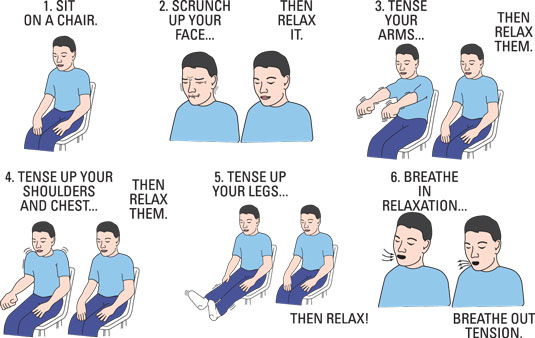
Illustrated Collection of Relaxation Techniques
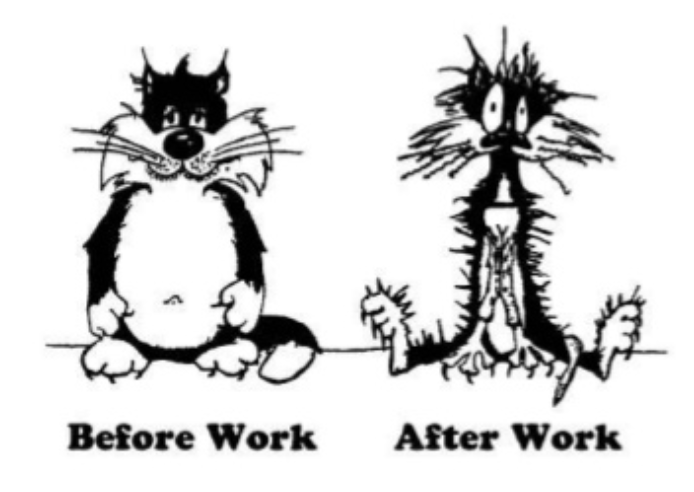
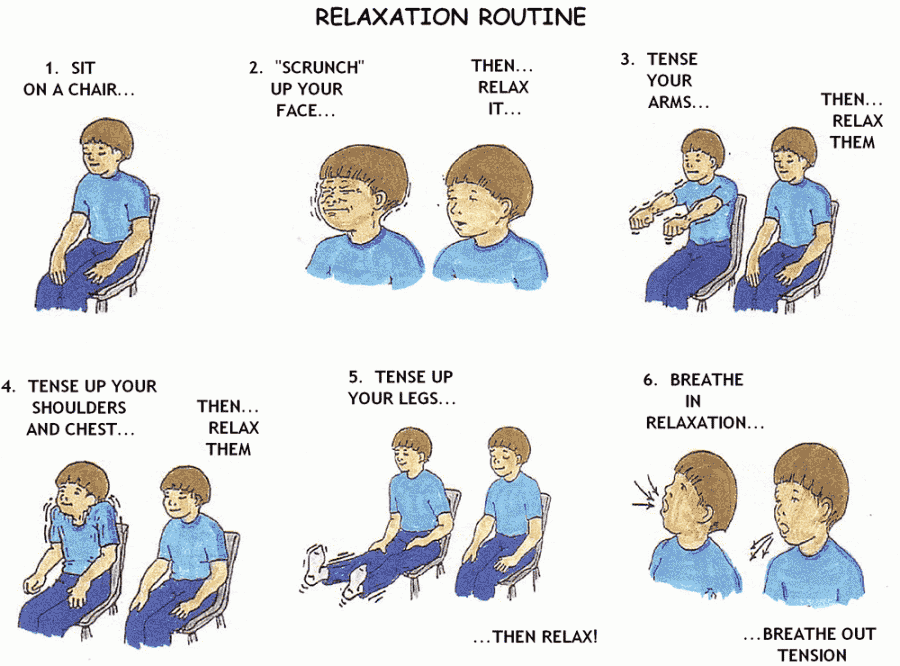
#Comment: Relaxation is essential for health. But further, it is the true foundation of effective communication, collaboration, creativity and productivity. Yet, in today's western world it is hardly studied and taught systematically. Relaxation is an art and science: The more you practice the more proficient you become. When you are relaxed and in harmony with yourself the whole world begins to orchestrate with you and everything begins to change. Relax!
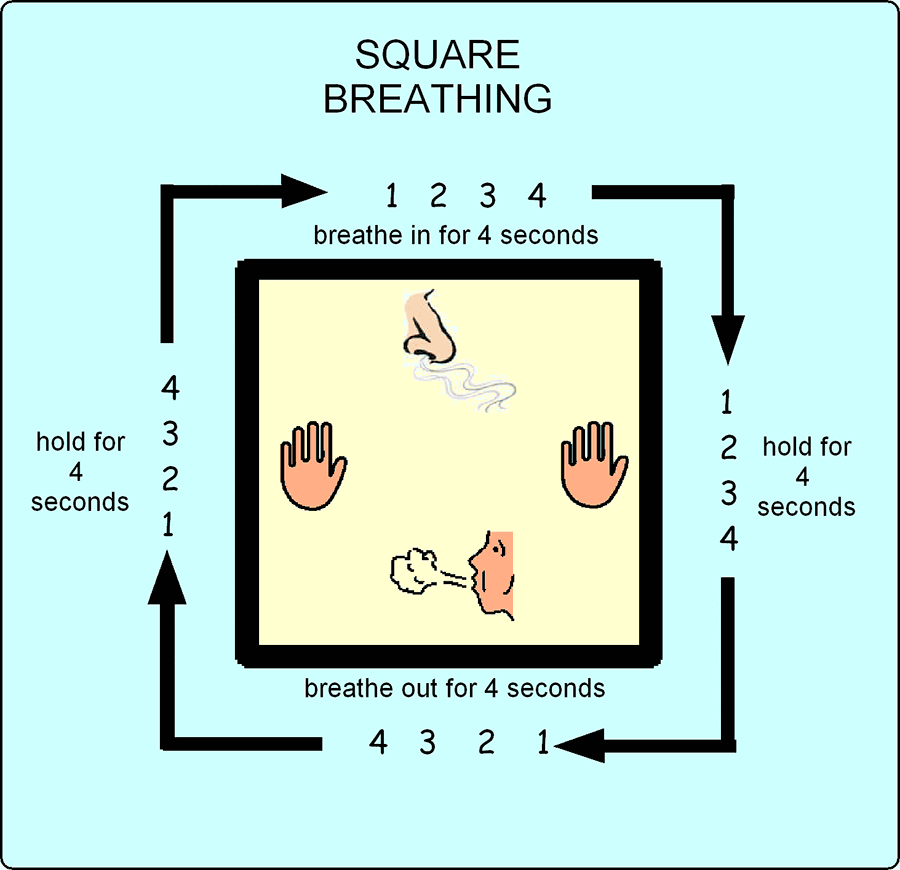
Progressive Muscle Relaxation & Square Breathing
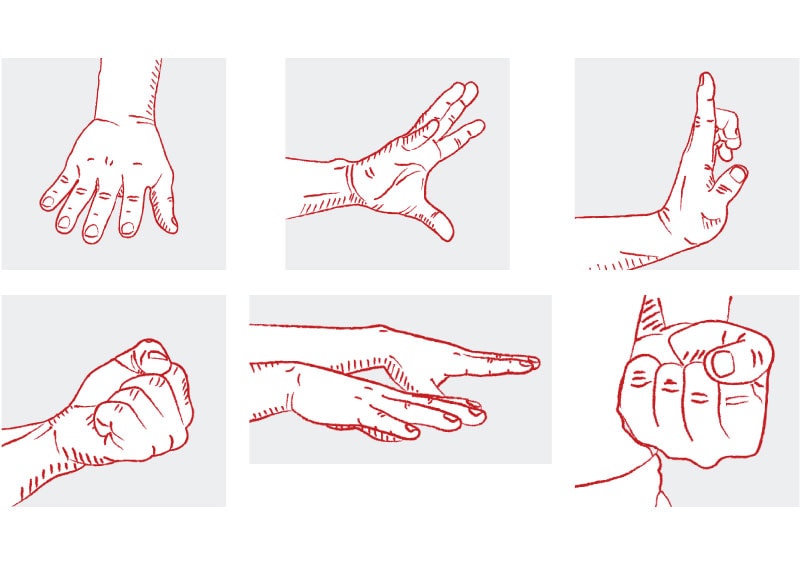
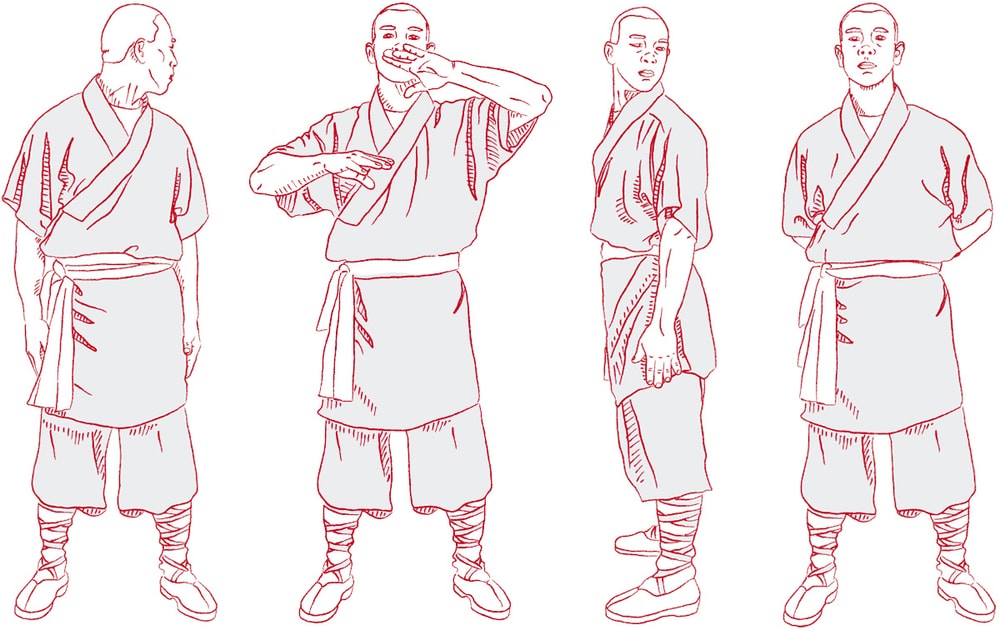
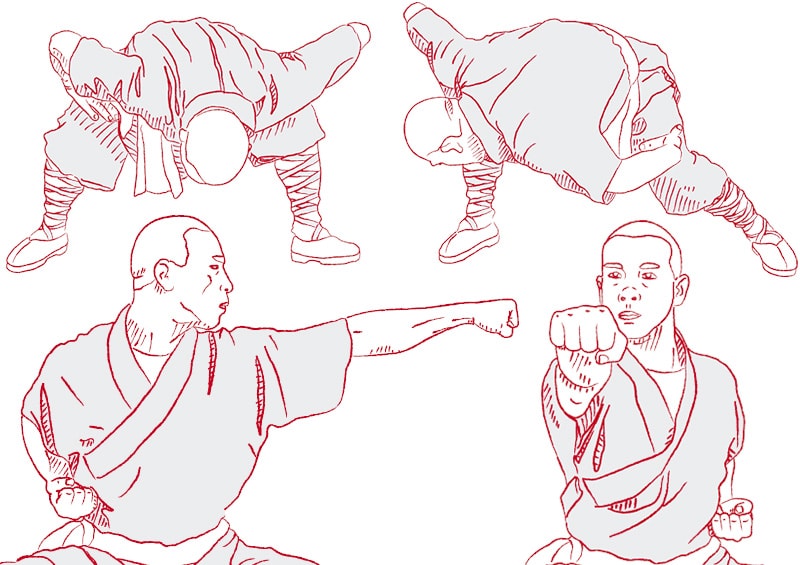
Qigong (illustrations by Irene Nemeth)
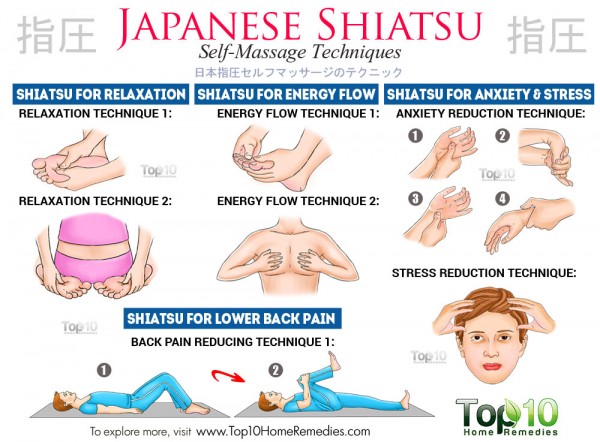
Japanese Shiatsu Self-Massage Techniques
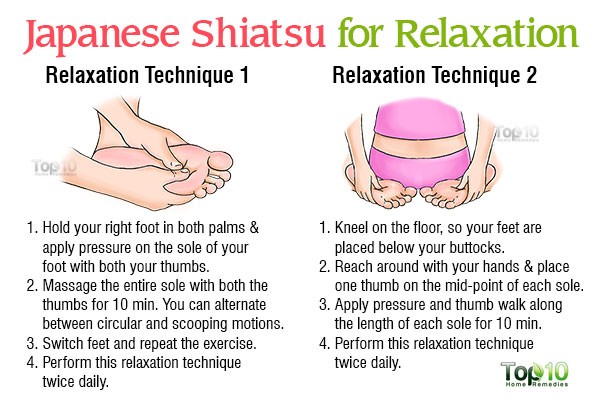
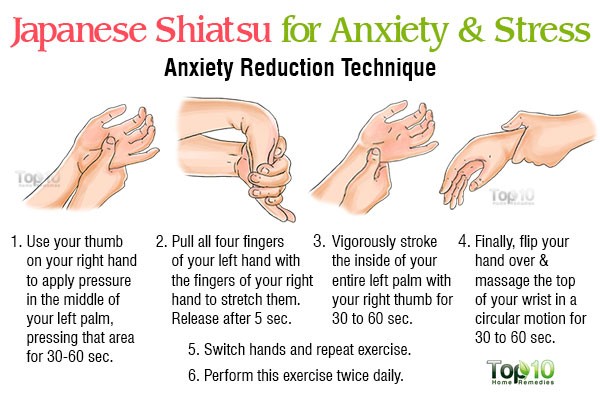
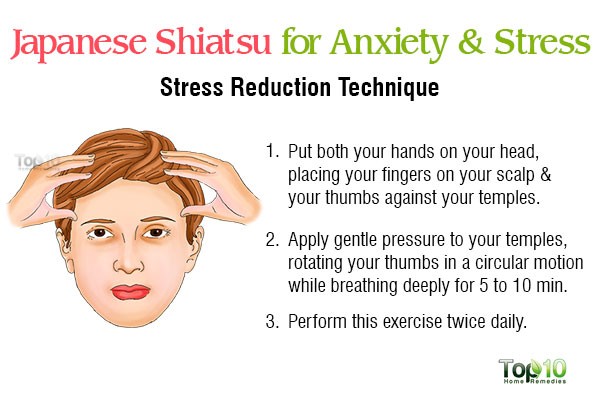
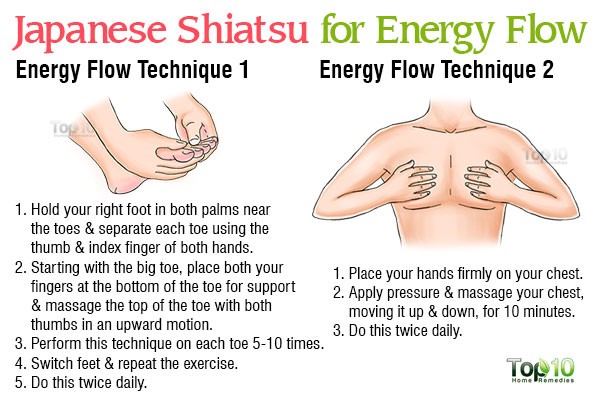
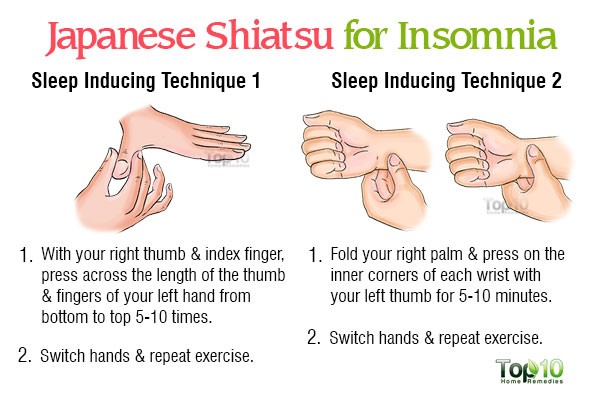
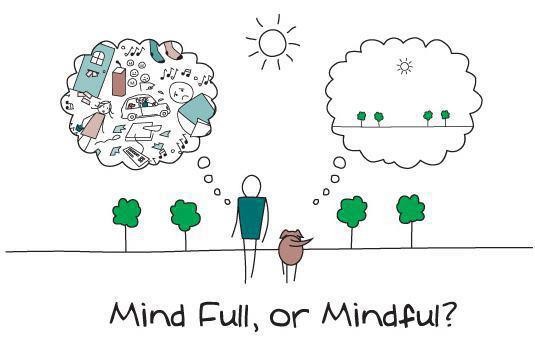
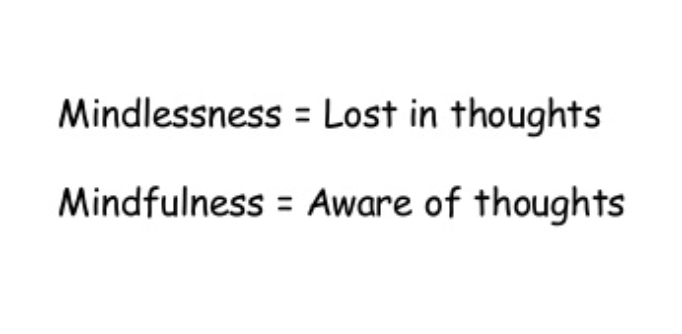
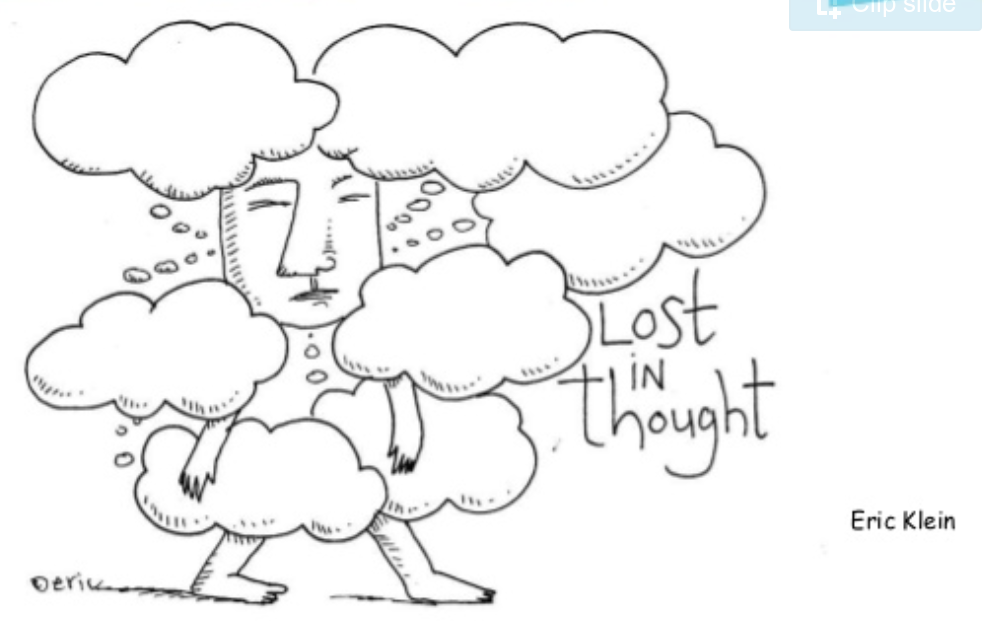
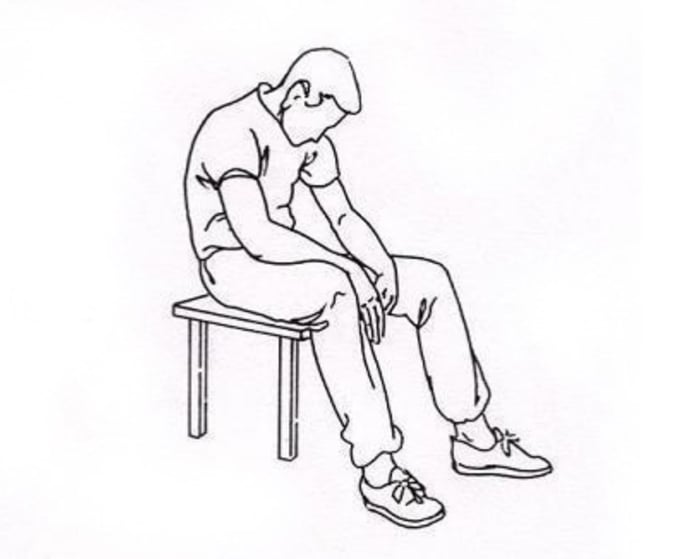
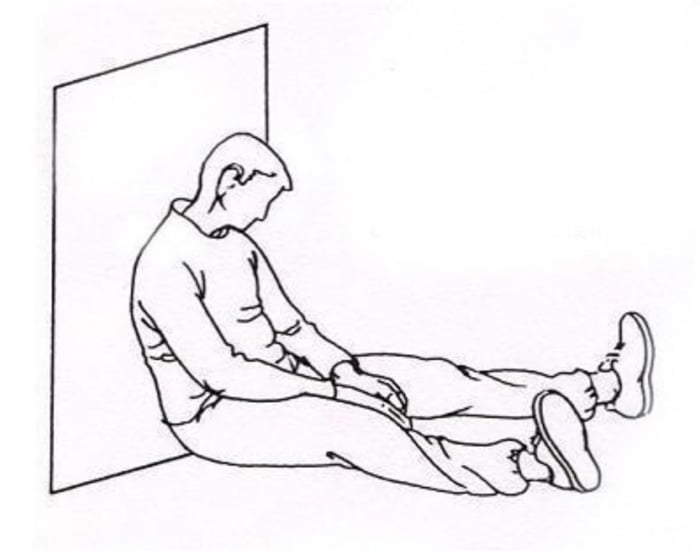
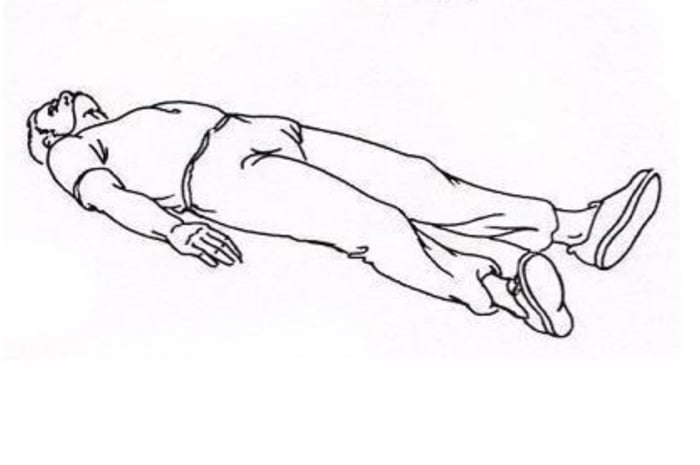
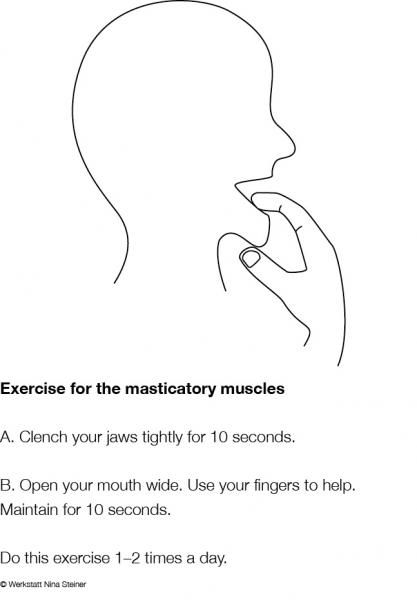
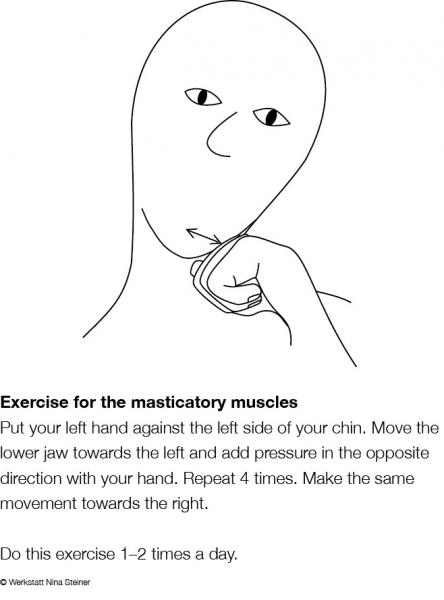
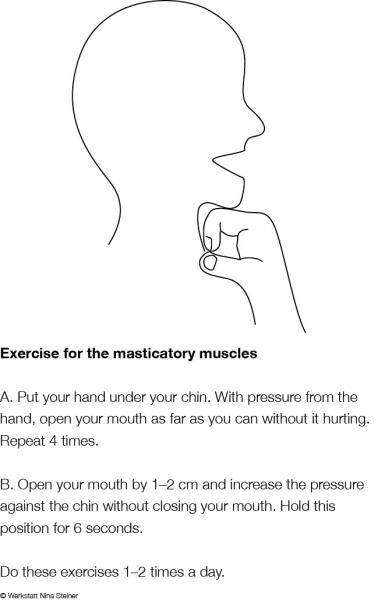
Medical Research: Mindful movement and skilled attention
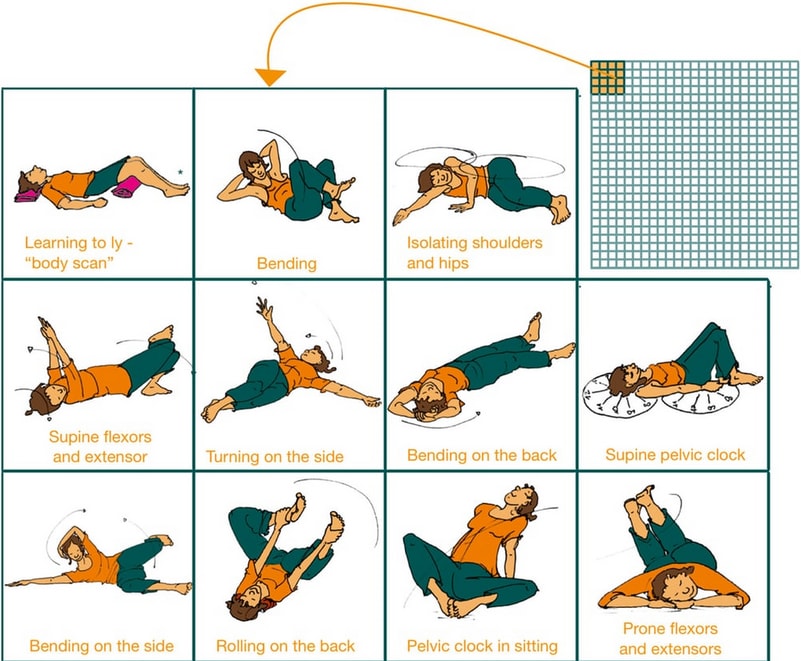
Related From earlier on this blog: Lazy Mans Guide to Relaxation.
-
What would happen, if global leaders would start focusing on DAO instead of the DOW?
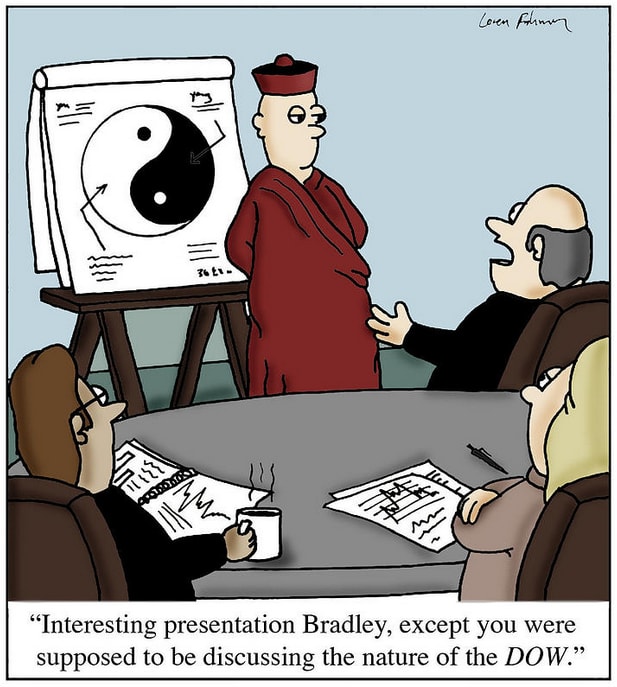
#Comment: Contemporary capitalist "businesses" are directly modeled after military armies (Chief Executive OFFICER" etc.). Instead of focusing on the mind/body health and development of employees, customers and partners ("win/win/win") - it's a permanent war "game" against imaginary "external" enemies - a race to exploit and pollute everything as radical and fast as possible ("zero-sum"). Unsubstantial behavior on all levels.
-
Book: Lazy Mans Guide to Relaxation - by Israel Regardie (1983) (PDF)
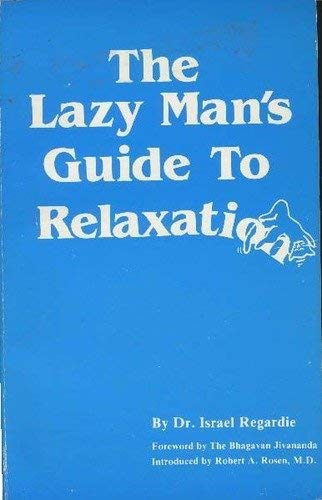
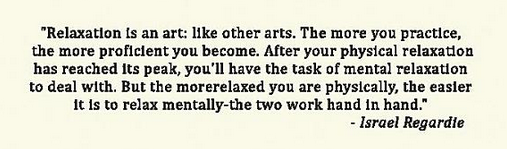
"Relaxation is an Art!" - Foreword:
"There once was a scholar of Chinese thought who came to visit a village which was suffering from a most unusual prolonged drought. All the people were very worried, since everything had been done to end it. Every kind of prayer, charm and magic had been used, but all to no avail. So the elders of the village told the old scholar that the only thing left was to send for the rainmaker. The old scholar was very interested in this idea, since he had never seen a rainmaker before. The rainmaker arrived in a covered car. He was a small and wizened old man. He stepped out of the car and smelled the air in disgust. He then asked for a house on the outskirts of the village. He insisted that no one should disturb him and that his food should be placed outside his door.
No one heard or saw him for three days, when everyone was awakened by a heavy downpour of rain. It was even at times snowing, which was unusual for that time of year. The old scholar was deeply impressed and went to see him. The scholar asked, "So you can make rain?" The rainmaker scoffed at the idea and said "of course I can't." The scholar replied, "but there was the most persistent drought until you came, and within a few days it rains?" "Oh," replied the rainmaker, "that was something quite different. You see, I came from a region where everything was in order. It rains when it should and is dry when that is needed, and the people are also in order and Harmony with themselves. But that was not the case with the people here. They were all out of Harmony with themselves. I was at once ill when I arrived, so I had to be totally alone until I was once more in Harmony with myself and then of course quite naturally it rained!"
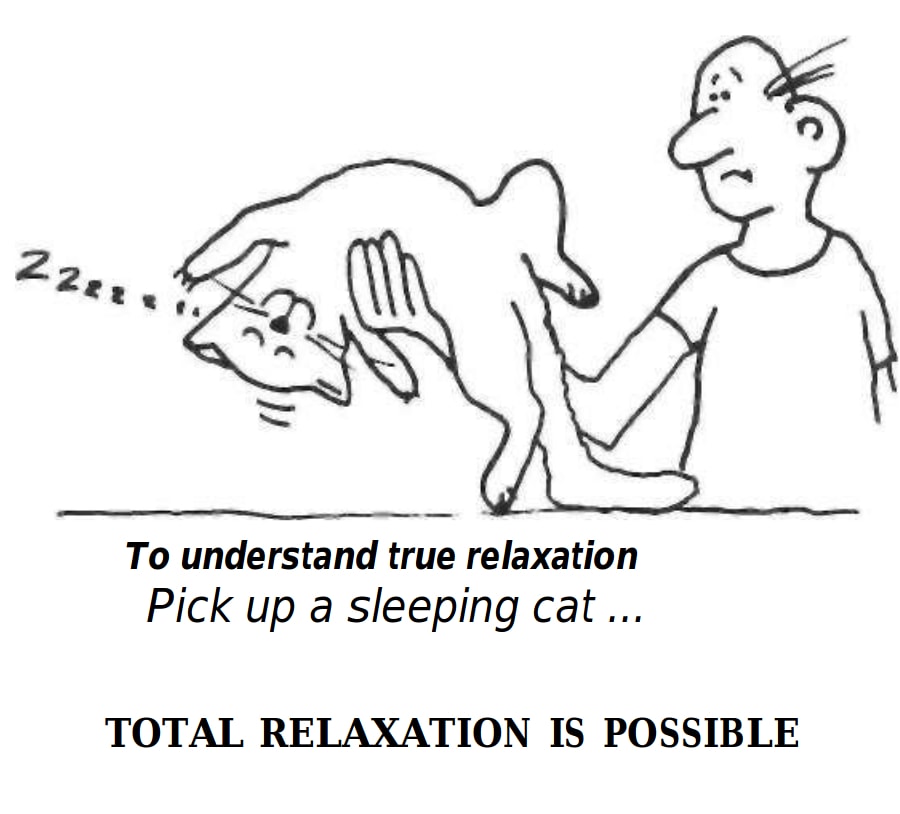
The essence of this little story is that when you are in Harmony with yourself the whole world begins to orchestrate with you. The Lazy Man's Guide to Relaxation is about finding this Harmony within yourself. You see, this is one of the great secrets of life, learning how to be in Harmony with yourself, and thus with the world. To do . this -- to be in Harmony -- to be yourself-- you must first know how to relax. If you are truly relaxed everything begins to change. There is no need for deep penetrating thought — only the Bliss of Relaxation.
In this little book written by a man with a vast knowledge encompassing various fields, the reader is treated to a nurturing and penetrating method of deep relaxation accomplished with simplicity and ease. After a few weeks of practice a new exhilaration will be yours. There will be joyousness in your heart and you will meet life with gaiety and vivacity. But, more importantly there will be peace of mind. You will be freed from the labour of worry.
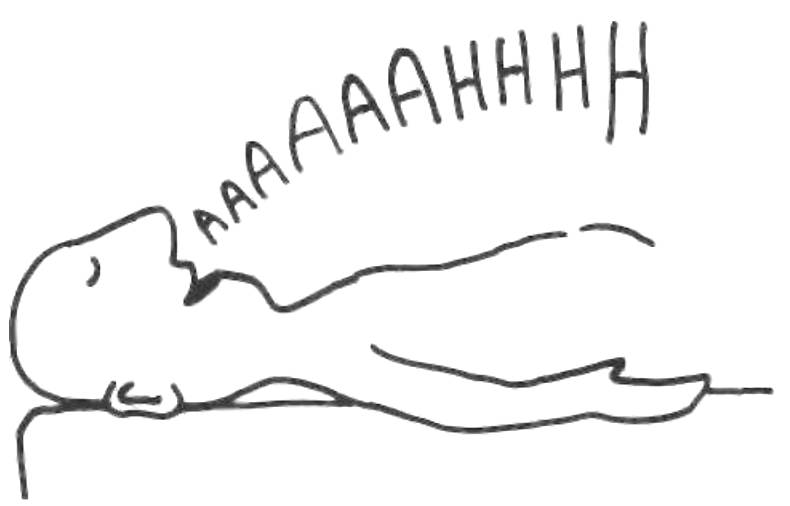
So often the stress and strain of life makes us callous to friendship and love. We become short, sometimes even hostile. But it is very important never to forget that even though the frequent hardships of life cause pain, that asleep within — is Harmony, the Being at one with everything -- the profound graceful source that can turn everything into a symphony of Joy.
- Bhagavan Jivananda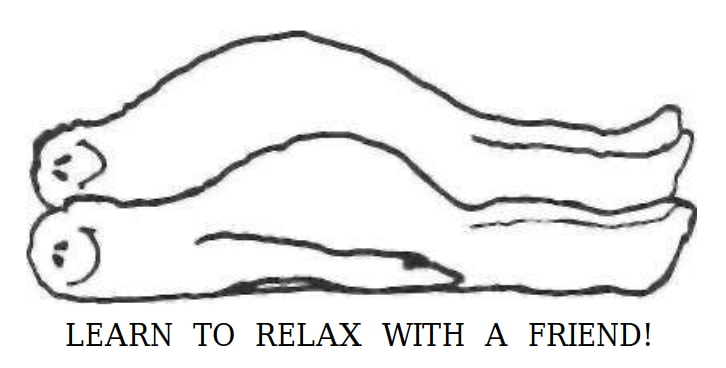
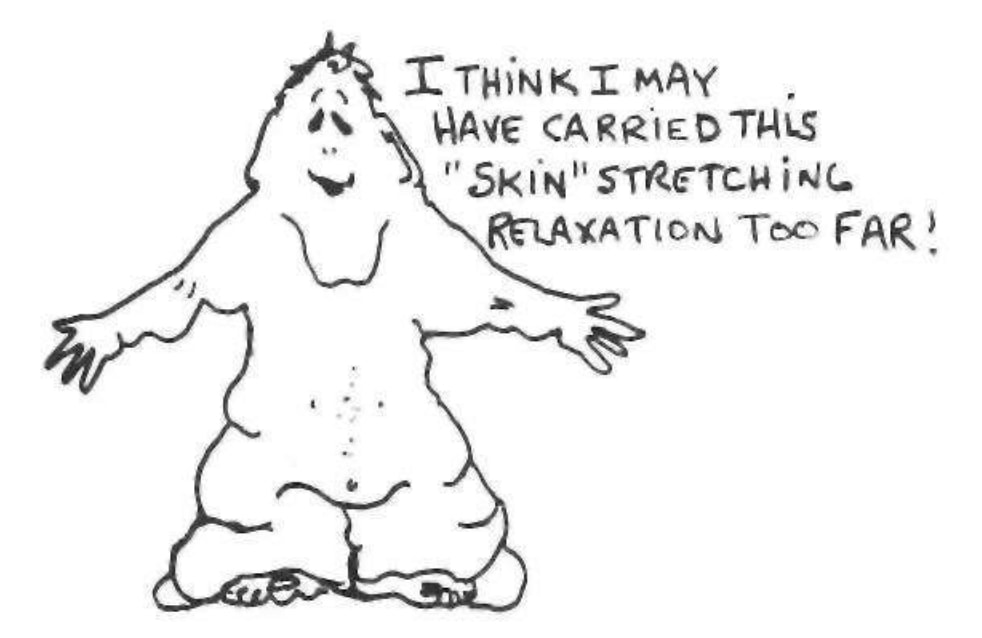
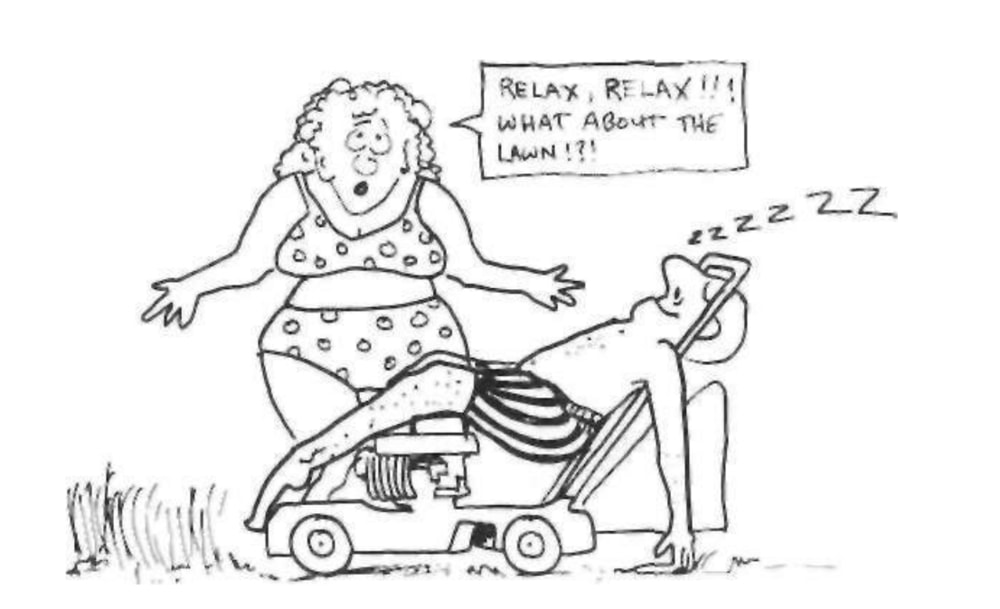
Excerpts from the book:
"You must now begin to learn something of the gentle and invaluable art of relaxation. A few minutes, once or twice a day, spent in relaxation will work wonders. You will eventually come to realize that you should have done this long ago."
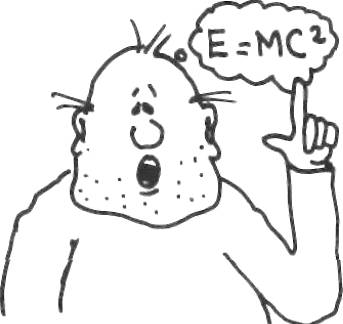
" One becomes accustomed to living in and with a relaxed frame which is not exhausting its vital energies in maintaining unnecessary and useless tensions. That vital energy, therefore, being retained within, goes towards heightening and clarifying the mind. Energy must do something. Energy is defined as that which can perform work. If energy is not being wasted in keeping your neck or your abdomen or thigh rigid and taut, it is still retained within your own system. What happens to the energy therefore? In physics, as I have remarked, energy is considered very concretely as that which will do work.
Now, if you are relaxed and there is no needless expenditure of metabolic energy, that energy must do something. Hence, the work it does is entirely psychological in nature & scope. All your latent abilities and mental powers and faculties become sharpened. A distinct exaltation must accompany the process. There should be a fresh acquisition of intellectual power and capacity."
"You must experiment yourself with your own body to obtain relaxation and observe these incidents, sensations, and psychological phenomena. Explain them afterwards if you wish. First relax."
Another book by the same author on the same topic: Be Yourself: The Art of Relaxation
-
Reminder: Science Says You've Been Breathing All Wrong.
How breathing is supposed to work:
- The abdominal muscles relax while your diaphragm contracts downward, pushing all your guts out of the way.
- Your intercostal muscles contract to expand your rib cage, lowering the air pressure in your lungs and creating a vacuum in the chest cavity.
- Air flows through your nose and mouth in response to the vacuum.
- The intercostal muscles and diaphragm relax while the abdominal muscles contract, pushing air out of the lungs.
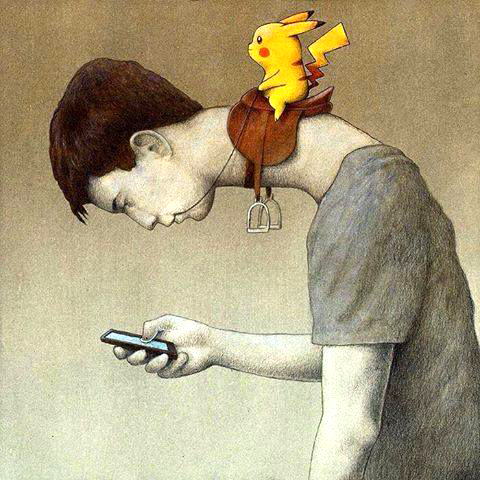
"Now, if you're hunched over your desk for hours, what happens? The amount of oxygen you receive thus is less than optimal. In fact, a 2006 study from the American Academy of Physical Medicine and Rehabilitation showed that crappy posture produced the worst lung capacity and expiratory flow compared to normal sitting and a posture designed to mimic standing spinal alignment. Rene Cailliet, former director of the department of physical medicine and rehabilitation at the University of Southern California, asserts that the reduction in lung capacity can be as much as 30 percent."
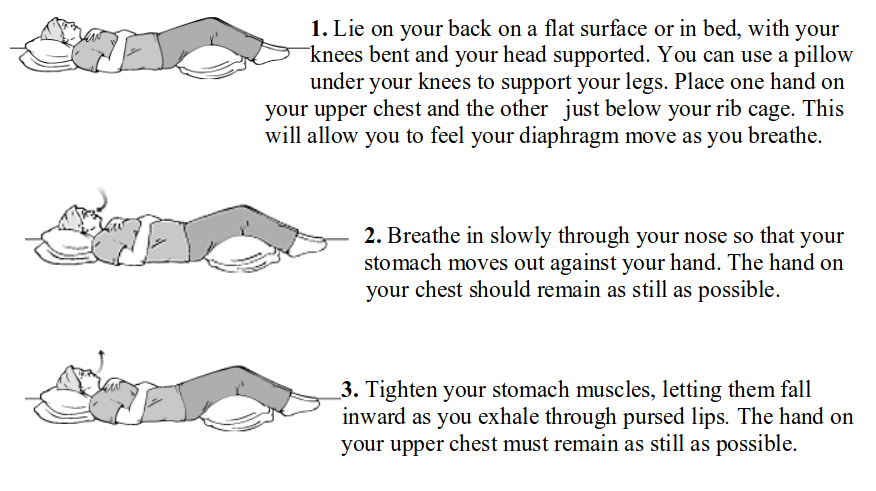
If you're not used to breathing properly anymore, you have to retrain yourself what it feels like. Here's a good, basic diaphragmatic breathing exercise, as described by the University of Georgia, that I used as a vocal major and teach to my music students. You should start by doing this exercise 5 to 10 minutes at a time 3 to 4 times a day:
And while you are here, visit https://samim.io/breath/ and just breath for a moment.
-
Science and the Problem with Chi (via) - an excerpt from the book Chi Gong: The Ancient Chinese Way to Health by Paul Dong.
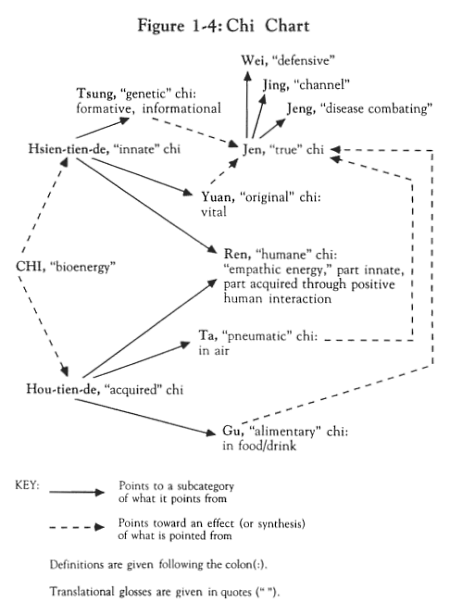
"Chi theory is an ontology, in which it is pointless to declare one’s belief or disbelief prior to understanding".
"The differences between a living human being and a corpse are that the former has an EM field and movement (together called “bioenergy”) and neutral chemical acidity, whereas the latter lacks an EM field, does not move, and is highly acidic. Three possible implied explanations for the changes between the living and the dead can be stated in the form of propositions: (1) absence of bioenergy is an effect of altered biochemistry (the Western scientific proposition; (2) altered biochemistry and exhaustion of bioenergy are effects of a third factor; (3) altered biochemistry is an effect of exhaustion of bioenergy (the Chinese scientific proposition)."
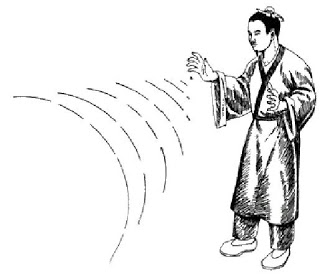
Related:
Dr Yang's Chi bioelectricity conection - review of the book "The Root of Chinese Qigong: Secrets of Health, Longevity, & Enlightenment" by Dr. Yang Jwing-Ming, which contains a section on the scientific interpretation of Chi.
Chi is not energy - which argues that "if you cultivate chi, you do not have more energy, you just become more efficient at using the energy you do have, and so you appear (even to yourself) more energetic."
Finally, this: Dr. Love Raps "THIS IS WHY I DO QIGONG"
-
Notes on Whole Body Interaction in Human Computer Interaction
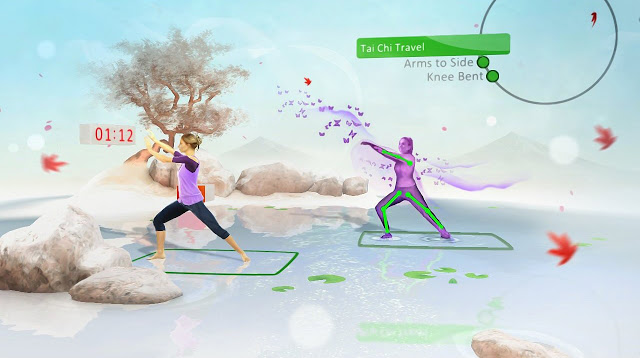
Thoughts on Tai chi for Kinect (2011): "What is powerful about the system is that it shows a digital representation of your own position on the screen in real time - visual feedback. This is placed right next to your "instructor" so you can immediately spot the difference and make the corrections both consciously and subconsciously."
"Whether or not it's good at teaching you tai chi, is almost secondary. What this system is doing is popularizing tai chi, and inspiring people, who might not otherwise do so, to 'have a go'. This game is not designed for a serious practitioner, but that is to miss the point. If these 15 minute workouts help to relax some people, then that is a benefit in itself."
"I have previously talked about how mood can be affected by posture, which is where a lot of the relaxing benefits of tai chi come from. This wired article extrapolates on this principle, to show how kinect systems, which encourage you to adopt certain postures, can in turn affect your mood. Essentially you can design games that subconsciously make you feel different ways. This has potential to be used in scientific research."
How Wii and Kinect Hack Into Your Emotions (Wired, 2010)
“Designing interaction as if we did not have any body or emotion is detrimental to what it means to be human” - Kristina Höök, Stockholm University in Sweden
Designing with the Body. Somaesthetic Interaction Design -Book by Kristina Höök (2008)
"Interaction design that entails a qualitative shift from a symbolic, language-oriented stance to an experiential stance that encompasses the entire design and use cycle"
Body and emotion - talk by Kristina Höök
Body Posture Affects Confidence In Your Own Thoughts - Ohio State University (2009)
"Sitting up straight in your chair isn't just good for your posture -- it also gives you more confidence in your own thoughts, according to a new study. Researchers found that people who were told to sit up straight were more likely to believe thoughts they wrote down while in that posture concerning whether they were qualified for a job" (via)
Math with good posture can mean better scores, study suggests (2018)
" A new study finding that students perform better at math while sitting with good posture could have implications for other kinds of performance under pressure."
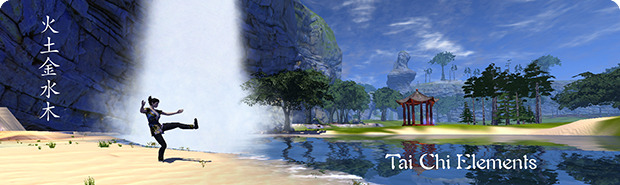
Tai Chi Elements virtual training environments (2012)
An interesting but failed kickstarter proposed "Using motion capture & video game tech to create an online multiplayer game where you can become a real T'ai Chi master."
taichiworlds.com - Virtual characters demonstrating Tai Chi in virtual worlds. (2009)
#Book: Whole Body Interaction - by David England, Katherine Isbister, et.al (2011)
"Whole Body Interaction is “The integrated capture and processing of human signals from physical, physiological, cognitive and emotional sources to generate feedback to those sources for interaction in a digital environment” (England 2009). Whole Body Interaction looks at the challenges of Whole Body Interaction from the perspectives of design, engineering and research methods. How do we take physical motion, cognition, physiology, emotion and social context to push boundaries of Human Computer Interaction to involve the complete set of human capabilities? Through the use of various applications the authors attempt to answer this question and set a research agenda for future work."
When the body acquires meaning: Full-Body Interaction Design - talk by Narcís Parés Cognitive Media Technologies Group
Waggling the Form Baton: Analyzing Body-Movement-Based Design Patterns in Nintendo Wii Games, Toward Innovation of New Possibilities for Social and Emotional Experience - by Katherine Isbister
"This chapter describes research conducted to analyze and better understand what is compelling about particular body-movement-based design patterns in Nintendo Wii games, towards innovating new possibilities for social and emotional experience with movement-based games and other interactive experiences."
-
Neti Neti (नेति नेति) is a Sanskrit expression which means "not this, not that", or "neither this, nor that". It is found in the Upanishads and constitutes an analytical meditation helping a person to understand the nature of Brahman by first understanding what is not Brahman.
Neti Neti as understood through the quadrilemma articulated by Kinhide Mushakoji (Global Issues and Interparadigmatic Dialogue; essays on multipolar politics, 1988):
- this
- that (namely not this)
- this and that (namely this and not this)
- neither this nor that
-
"Whereof one cannot speak, thereof one must pass over in silence"
- Ludwig Wittgenstein (Tractatus Logico-Philosophicus, 1922)."Keep quiet. Don't touch the thoughts. Let them be."
- H. W. L. Poonja -
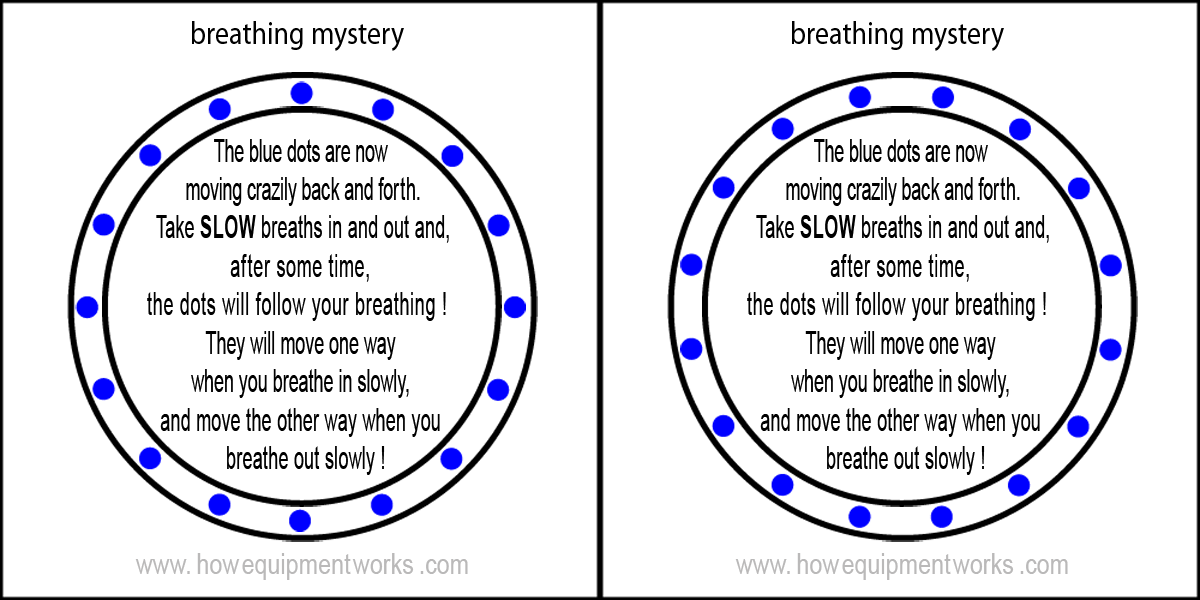
Control your perception with your breath (via). Related: https://samim.io/breath/
-
Talk by Jeremy Lent on "Cultural Mindfulness" - at the Stanford University "Contemplation By Design Summit" 2018.
#Comment: Mr.Lent's talk contains interesting notions, but overall its way to heavy on "we are so very progressive, post-dualist, post-materialist, post-post, woke people" virtue signaling touchy-feely boilerplate bla - indicative of current anglo eco culture. For my taste, he could shrink the talk to 15min and include a healthy does of high weirdness and comedy.
-
“If one should desire to know whether a kingdom is well governed, if its morals are good or bad, the quality of its music will furnish the answer.” - Confucius
-
"Aldous Huxley suggested that bureaucracies behave stupidly because, unlike its individual members, a bureaucracy nevers sleeps and therefore never benefits from a fresh start in the morning of the mind. Sleep deprivation in most mammals promotes aggression as well as stupidity. The cosmopolitical headline here: International Sleep Disorder Causing Epidemic Dumbness and Hostility." (via, via)
-
Hans Selye (1907 - 1982) was a pioneering endocrinologist of Hungarian origin. He conducted important scientific work on the response of an organism to stress. He is considered the first to demonstrate the existence of biological stress, both negative and positive (Eustress).
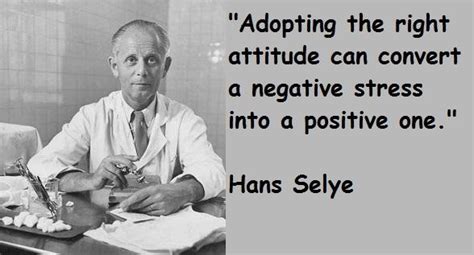
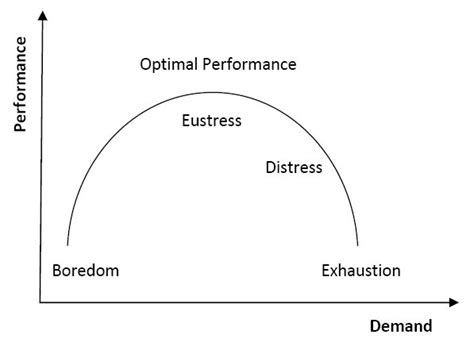
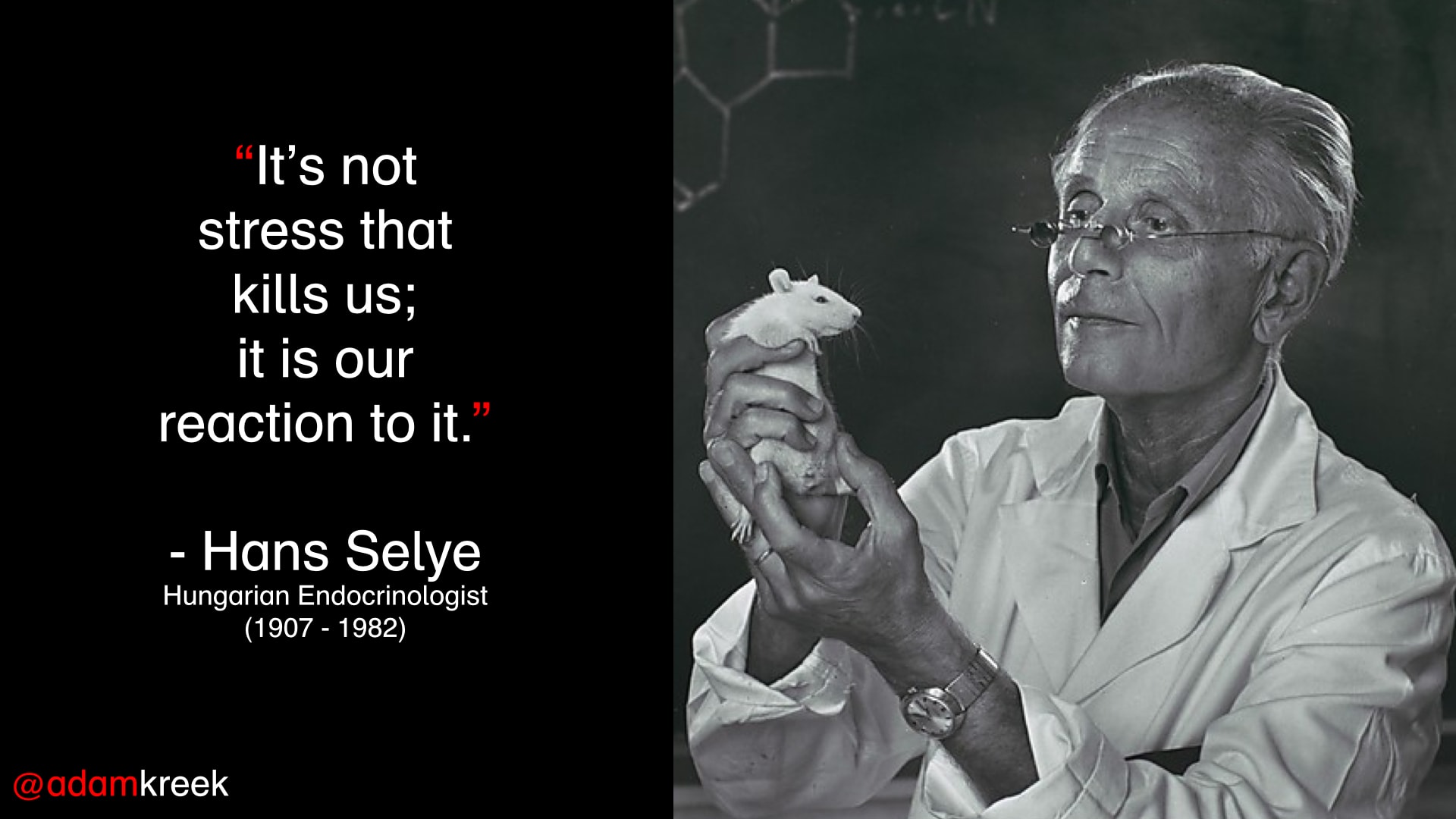
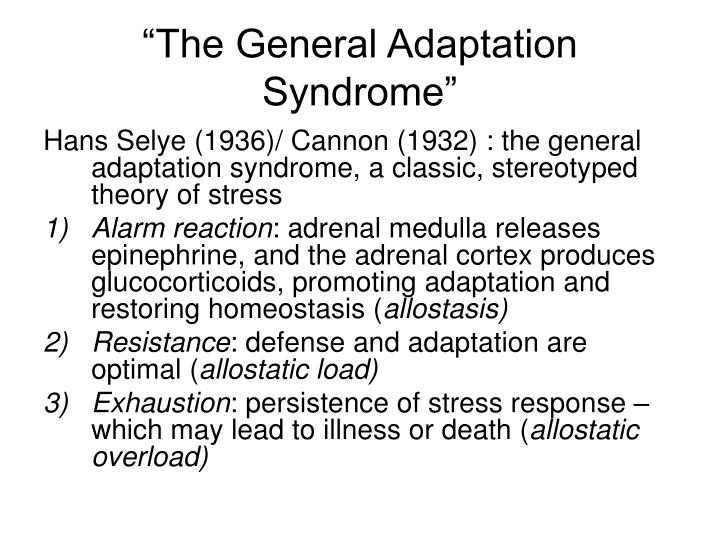
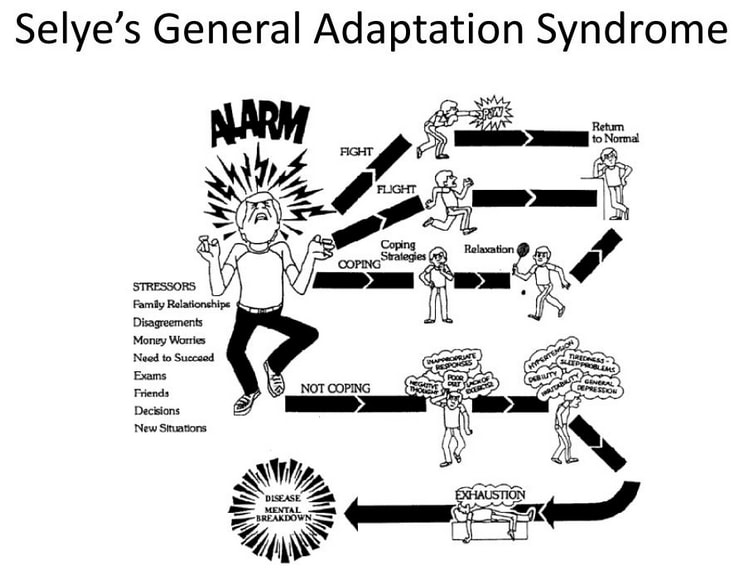
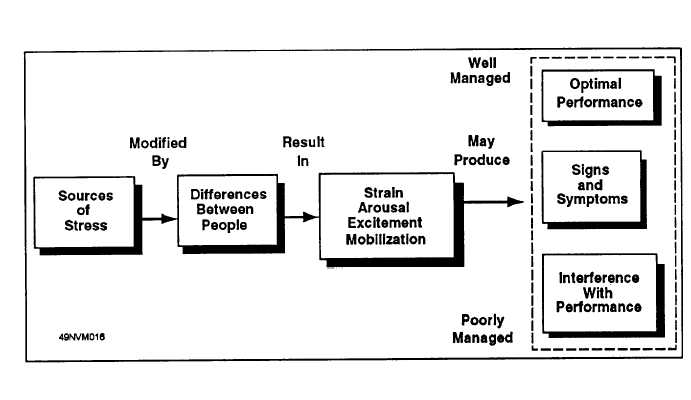
Selye International Institute for Advanced Studies
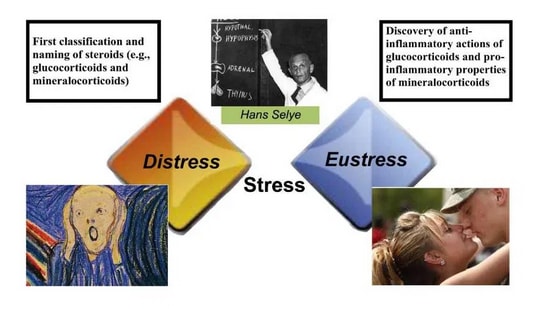
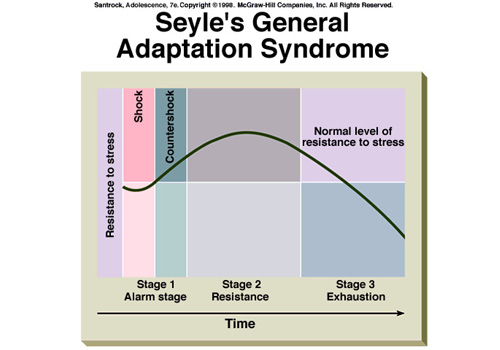
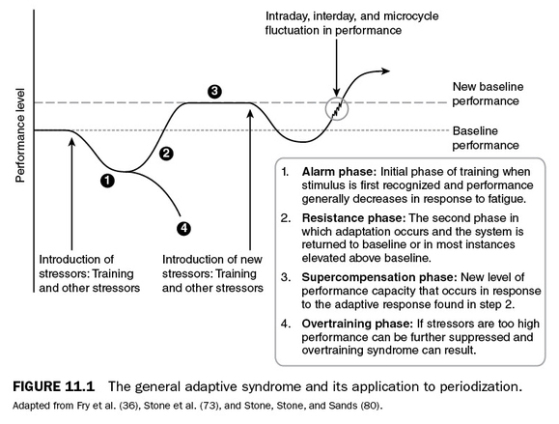
Docu on Selye and his ideas of medicine based on stress reduction - by Desire' Dubounet
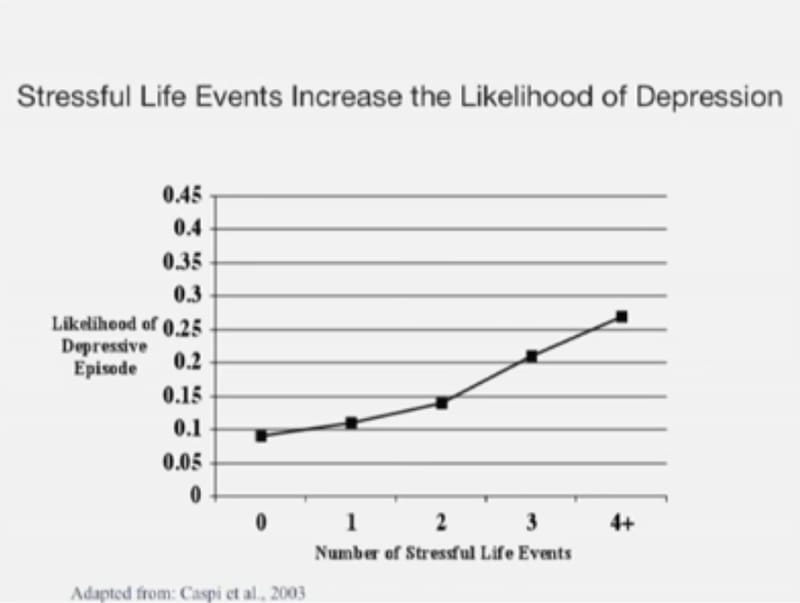
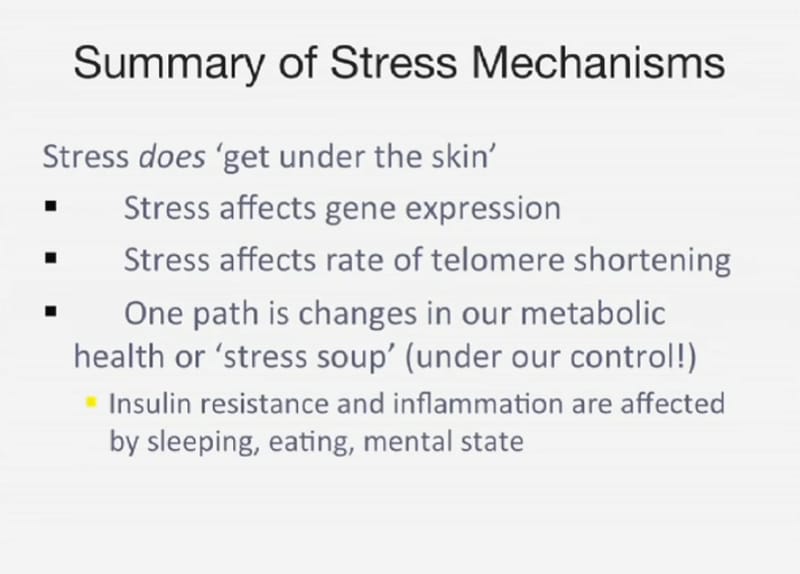
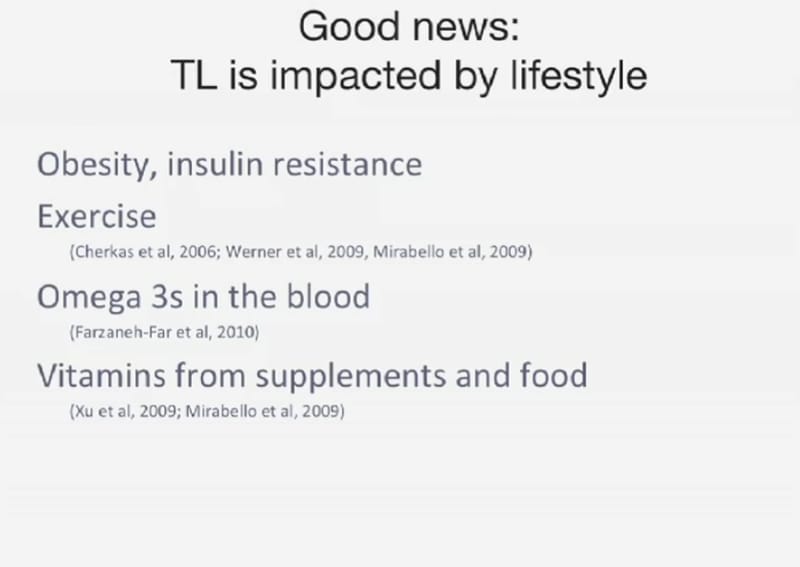
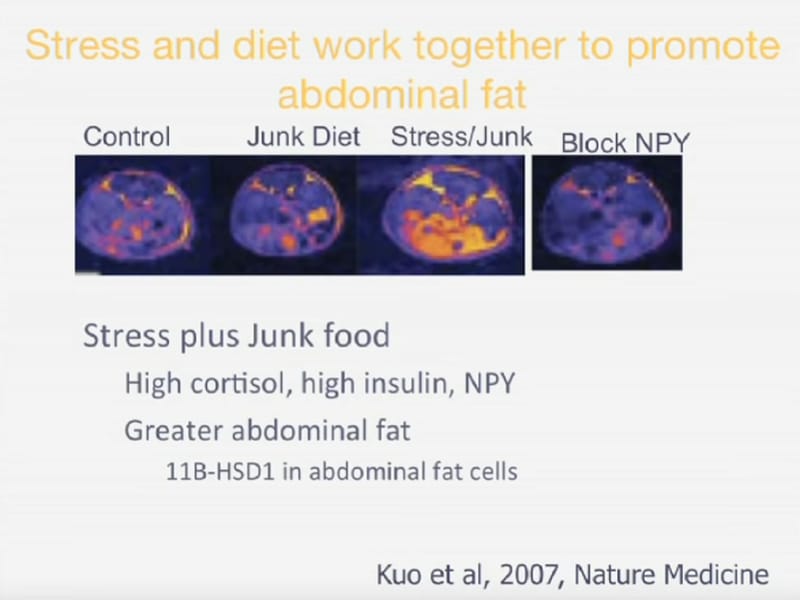
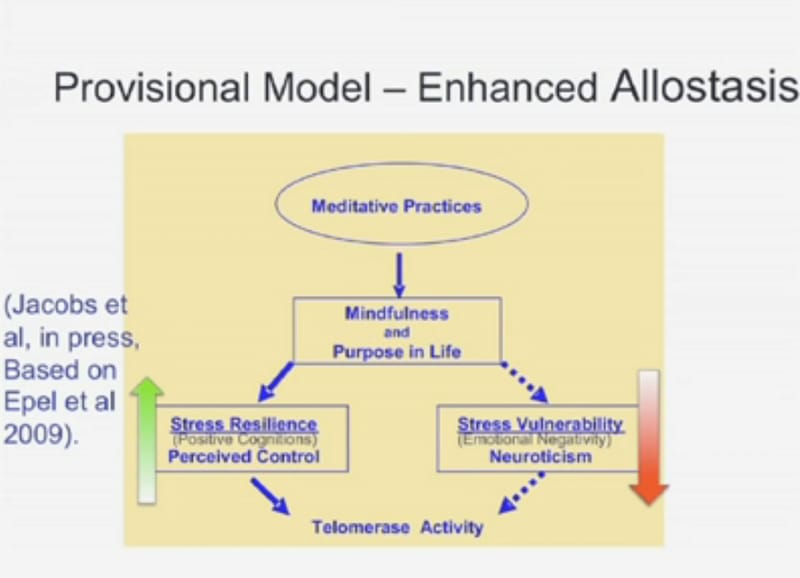
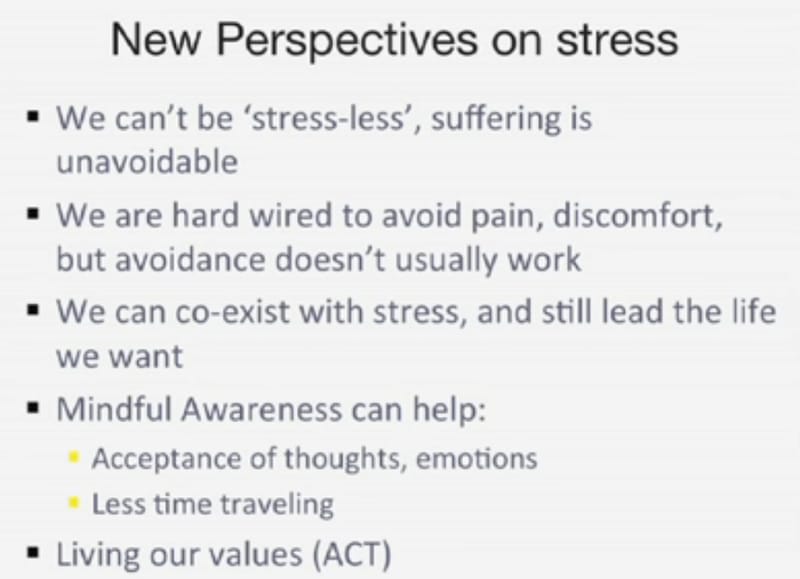
Images from "The New Science of Stress and Stress Resilience" - talk by Elissa Epel
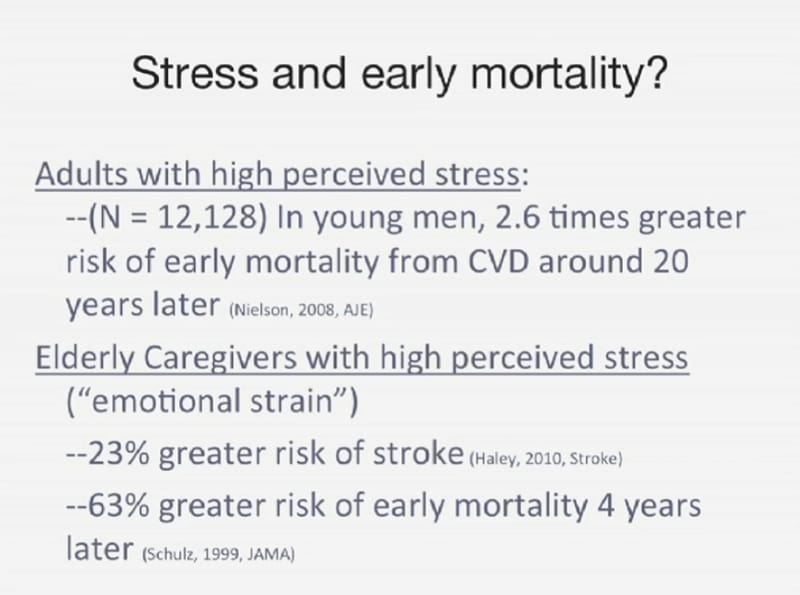
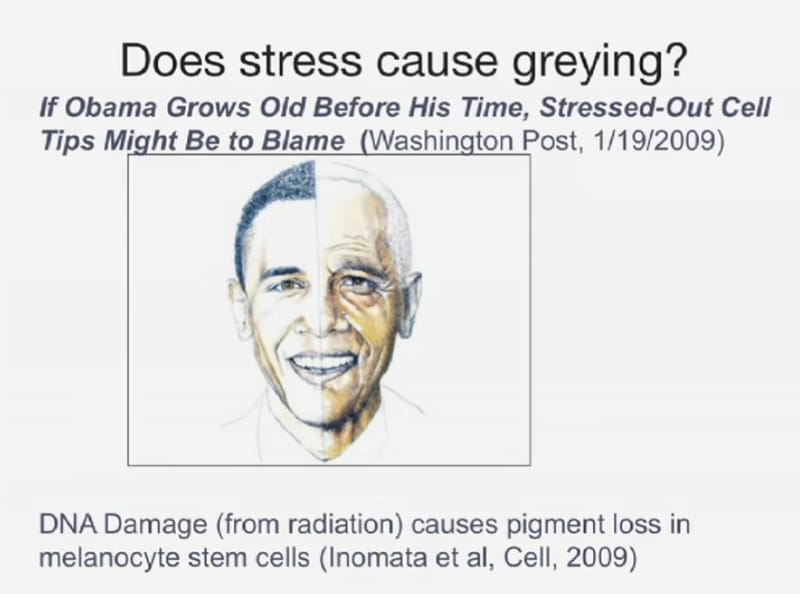
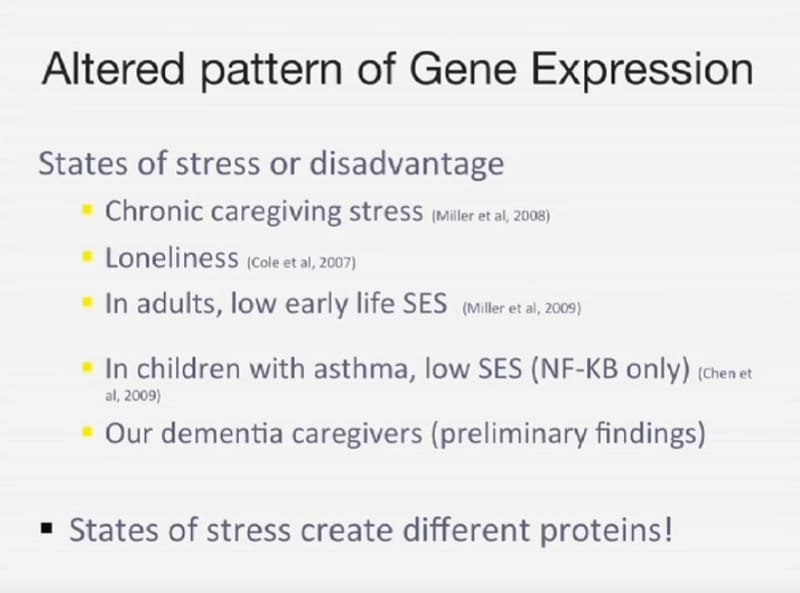
-
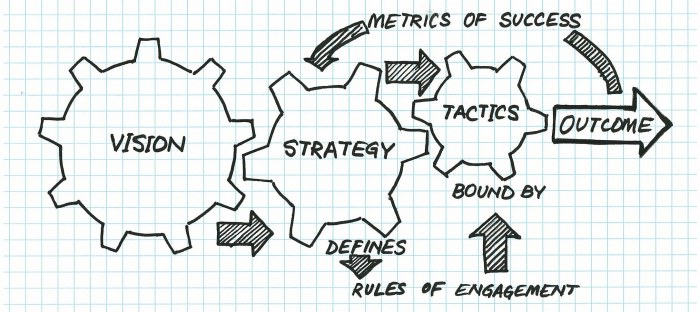
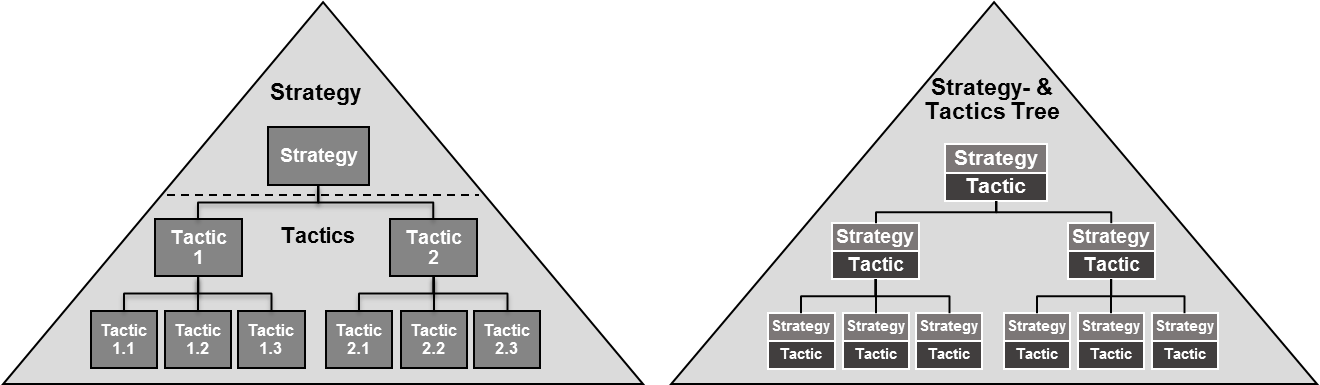
Tactic, Strategy, Attitude and Practice
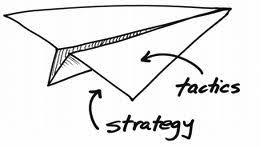
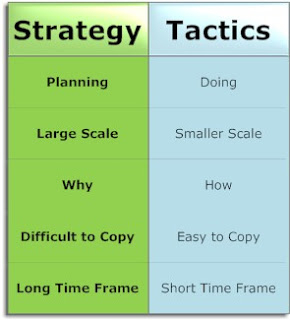
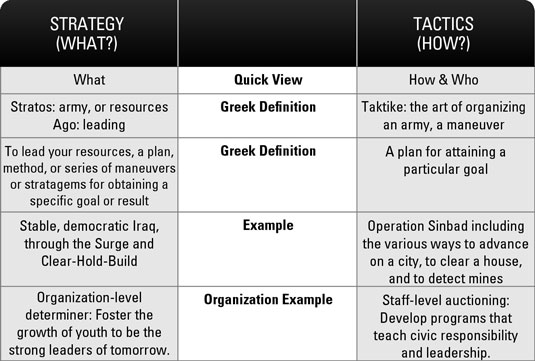
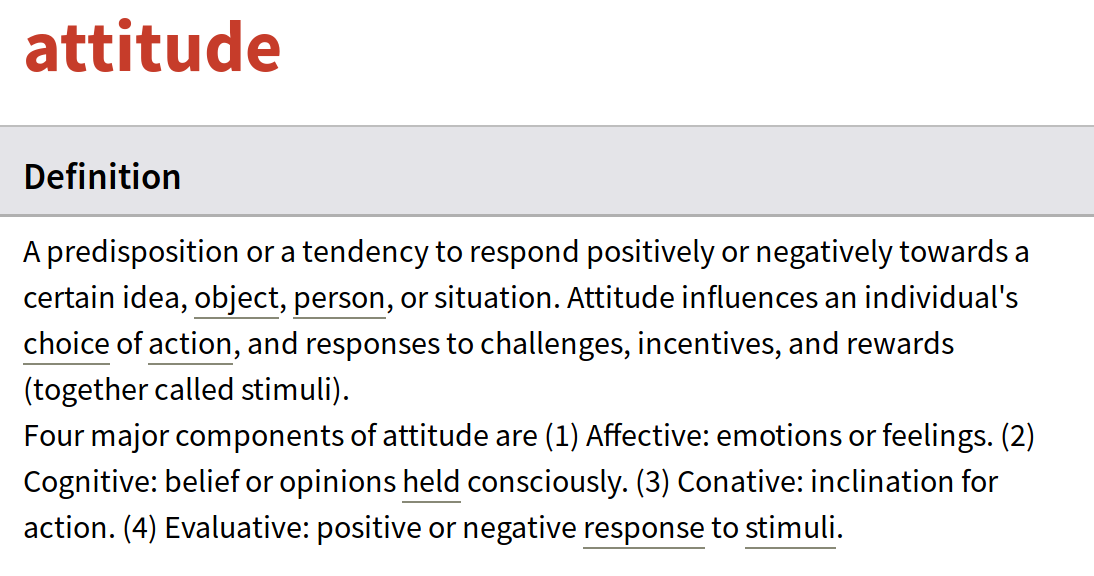
Related from earlier on this blog: Kata and Shu Ha Ri.
Related from Marketing contexts: G’SOT (Goals, Strategies, Objectives and Tactics):
- A goal is a broad primary outcome.
- A strategy is the approach you take to achieve a goal.
- An objective is a measurable step you take to achieve a strategy.
- A tactic is a tool you use in pursuing an objective associated with a strategy.
G’SOT Example for Intel’s line of Core processors:
- Goal: Make our Core PC microprocessors a category leader in sales revenue by year X.
- Strategy: Persuade buyers that our Core processors are the best on the market by associating with large, well-established PC manufacturers.
- Objective: Retain 70 percent or more of the active worldwide PC microprocessor market, according to Passmark's CPU benchmark report.
- Tactic: Through creative that underlies our messaging, leverage hardware partner brand awareness to include key messages about the Intel Inside program.
-
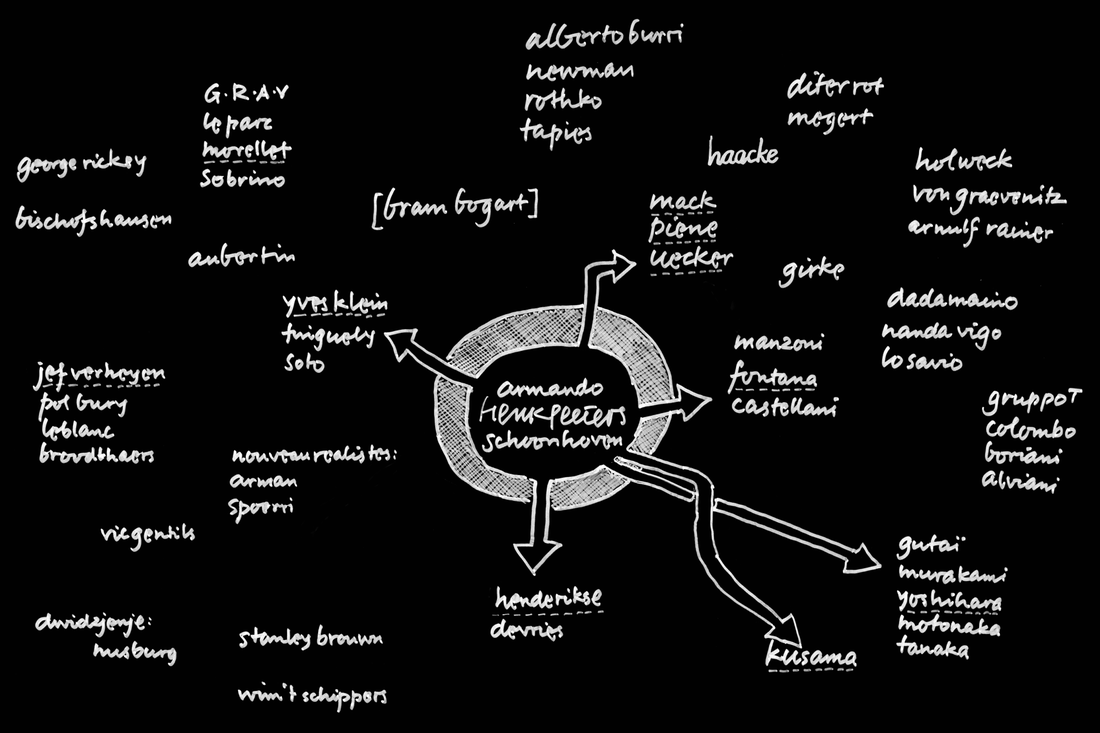
"If we declare the whole of the world’s development to be art, we’re done; art is finished" - Henk Peeters
#Comment: The "Manifesto Against Nothing" (like so many outputs of the zero movement) is a nice illustration of the utterly confused and dysfunctional state which western #Art and #Philosophy are in for the past centuries. Endless, highly exclusive and complex but totally pointless intellectual masturbation ("reductio ad absurdum") replaced an essential praxis, which for millennia guided human culture and life. With all "lebendigkeit" long gone, the western (art) circus has turned into a macabre spectacle for the super rich and their parasites. The exploration of "Zero" & "Nothing" (even intellectual ones) in the east is certainly more fun, useful and #Mindful.
-
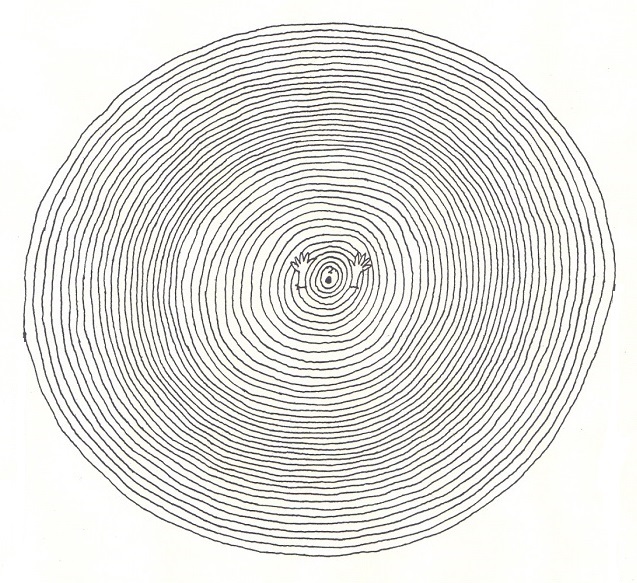
Illustration by Réber László (1920-2001). #Art #Mindful