-
Book: Lazy Mans Guide to Relaxation - by Israel Regardie (1983) (PDF)
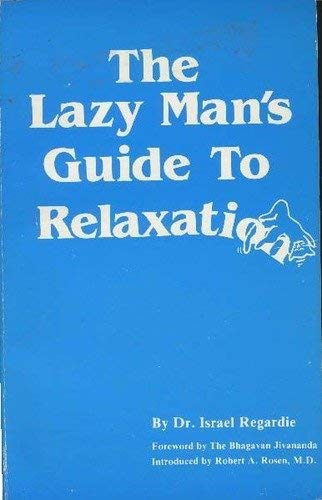
"Relaxation is an Art!" - Foreword:
"There once was a scholar of Chinese thought who came to visit a village which was suffering from a most unusual prolonged drought. All the people were very worried, since everything had been done to end it. Every kind of prayer, charm and magic had been used, but all to no avail. So the elders of the village told the old scholar that the only thing left was to send for the rainmaker. The old scholar was very interested in this idea, since he had never seen a rainmaker before. The rainmaker arrived in a covered car. He was a small and wizened old man. He stepped out of the car and smelled the air in disgust. He then asked for a house on the outskirts of the village. He insisted that no one should disturb him and that his food should be placed outside his door.
No one heard or saw him for three days, when everyone was awakened by a heavy downpour of rain. It was even at times snowing, which was unusual for that time of year. The old scholar was deeply impressed and went to see him. The scholar asked, "So you can make rain?" The rainmaker scoffed at the idea and said "of course I can't." The scholar replied, "but there was the most persistent drought until you came, and within a few days it rains?" "Oh," replied the rainmaker, "that was something quite different. You see, I came from a region where everything was in order. It rains when it should and is dry when that is needed, and the people are also in order and Harmony with themselves. But that was not the case with the people here. They were all out of Harmony with themselves. I was at once ill when I arrived, so I had to be totally alone until I was once more in Harmony with myself and then of course quite naturally it rained!"
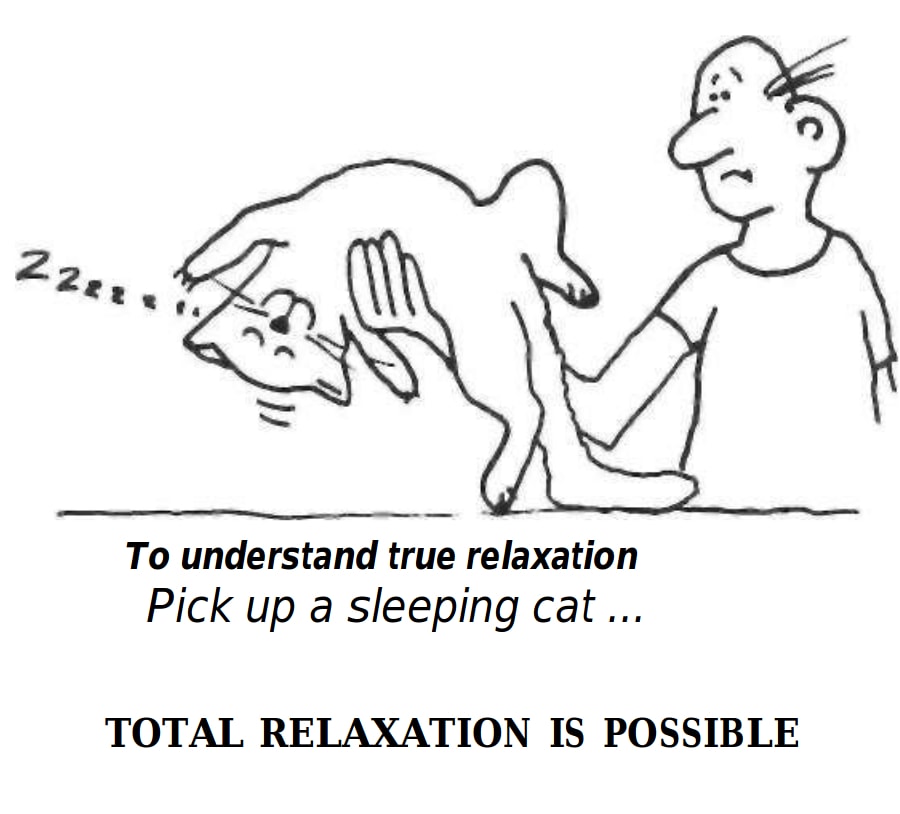
The essence of this little story is that when you are in Harmony with yourself the whole world begins to orchestrate with you. The Lazy Man's Guide to Relaxation is about finding this Harmony within yourself. You see, this is one of the great secrets of life, learning how to be in Harmony with yourself, and thus with the world. To do . this -- to be in Harmony -- to be yourself-- you must first know how to relax. If you are truly relaxed everything begins to change. There is no need for deep penetrating thought — only the Bliss of Relaxation.
In this little book written by a man with a vast knowledge encompassing various fields, the reader is treated to a nurturing and penetrating method of deep relaxation accomplished with simplicity and ease. After a few weeks of practice a new exhilaration will be yours. There will be joyousness in your heart and you will meet life with gaiety and vivacity. But, more importantly there will be peace of mind. You will be freed from the labour of worry.
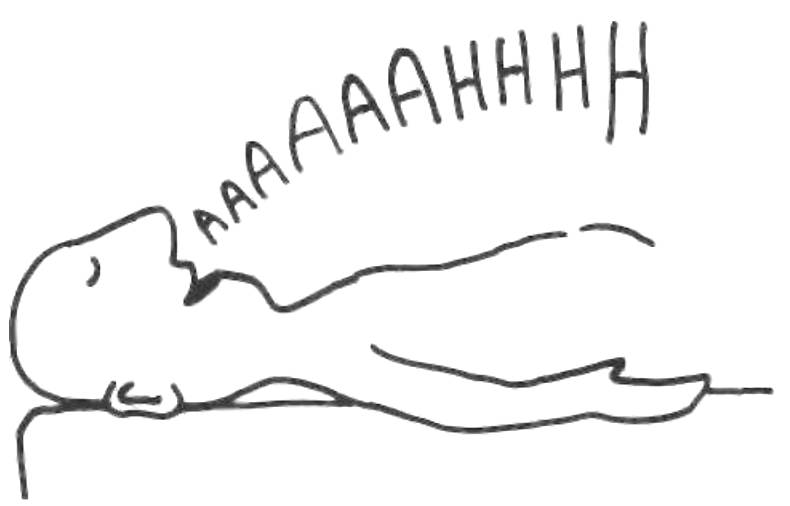
So often the stress and strain of life makes us callous to friendship and love. We become short, sometimes even hostile. But it is very important never to forget that even though the frequent hardships of life cause pain, that asleep within — is Harmony, the Being at one with everything -- the profound graceful source that can turn everything into a symphony of Joy.
- Bhagavan Jivananda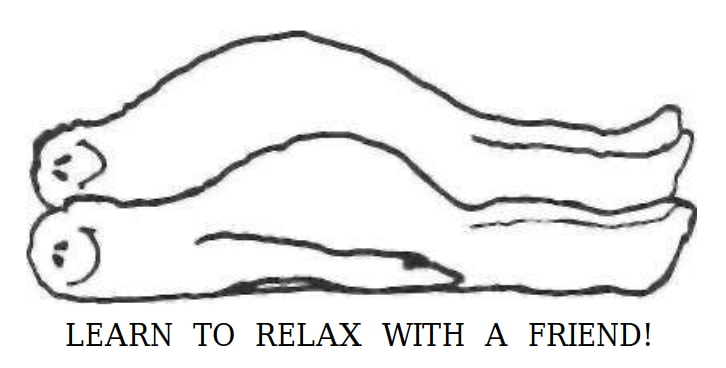
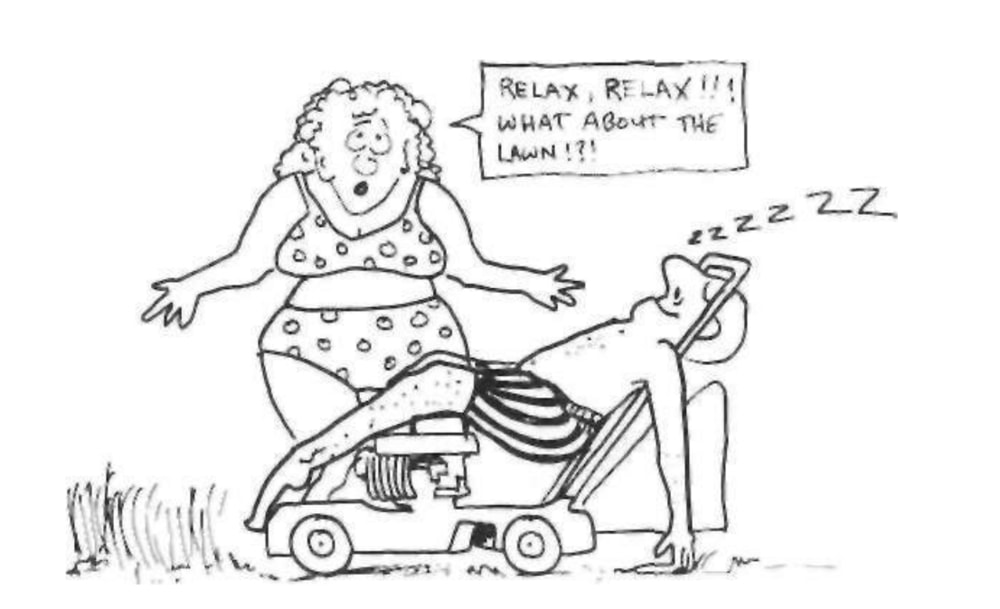
Excerpts from the book:
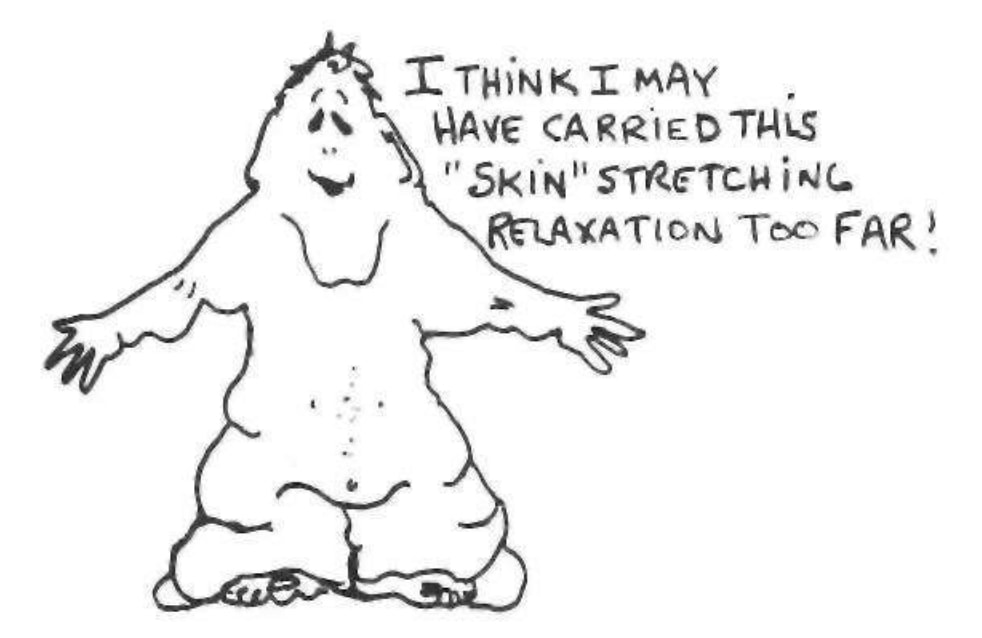
"You must now begin to learn something of the gentle and invaluable art of relaxation. A few minutes, once or twice a day, spent in relaxation will work wonders. You will eventually come to realize that you should have done this long ago."
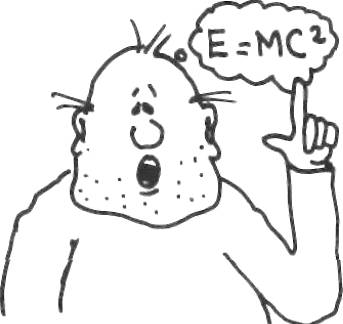
" One becomes accustomed to living in and with a relaxed frame which is not exhausting its vital energies in maintaining unnecessary and useless tensions. That vital energy, therefore, being retained within, goes towards heightening and clarifying the mind. Energy must do something. Energy is defined as that which can perform work. If energy is not being wasted in keeping your neck or your abdomen or thigh rigid and taut, it is still retained within your own system. What happens to the energy therefore? In physics, as I have remarked, energy is considered very concretely as that which will do work.
Now, if you are relaxed and there is no needless expenditure of metabolic energy, that energy must do something. Hence, the work it does is entirely psychological in nature & scope. All your latent abilities and mental powers and faculties become sharpened. A distinct exaltation must accompany the process. There should be a fresh acquisition of intellectual power and capacity."
"You must experiment yourself with your own body to obtain relaxation and observe these incidents, sensations, and psychological phenomena. Explain them afterwards if you wish. First relax."
Another book by the same author on the same topic: Be Yourself: The Art of Relaxation
-
Essay: Tasting the Forbidden Fruit of the Tree of Life - R.A.Wilson on Cabala (1981)
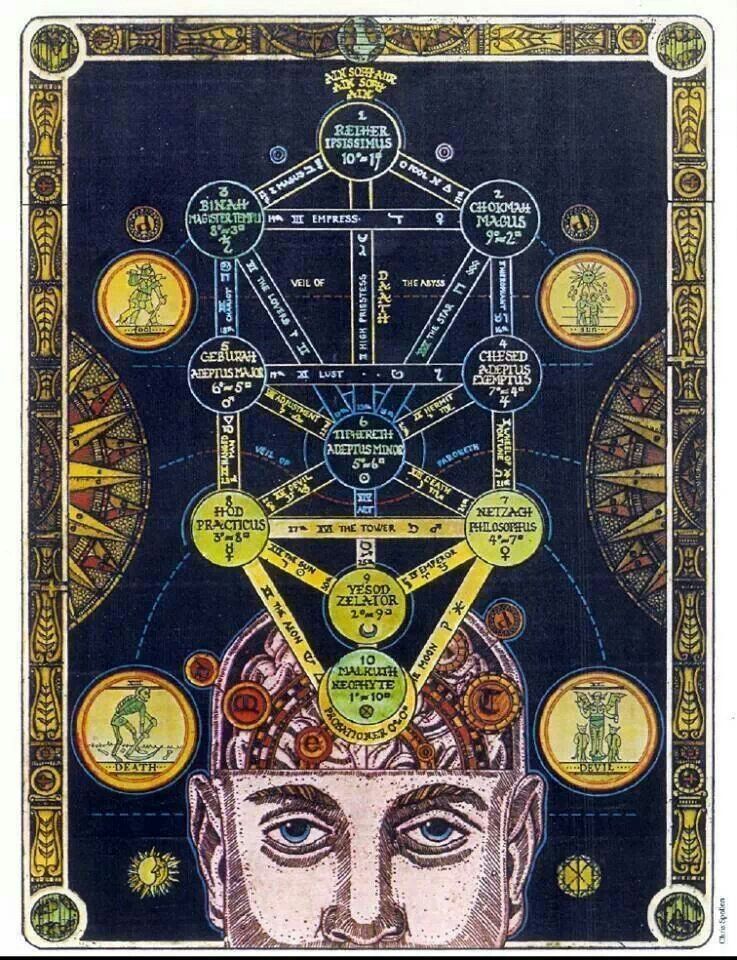
"Ritual is to the inner sciences what experiment is to the outer sciences.” - Tim Leary
A Zen Master was once asked, "What is Zen?" “Attention,” he replied. "Is that all?" asked the inquirer. "Attention,” the Zen Master repeated. "Won't you say anything else?" persisted the questioner. “Attention,” said the Master, one more time.
"The borders of our minds are ever shifting, and many minds can flow into one another; as it were, and create or reveal a single mind. . . our memories are part of one great memory; the memory of Nature herself.” - William Butler Yeats
-
Crows Could Be the Smartest Animal Other Than Primates (BBC)

"Christian Rutz at the University of St Andrews is unequivocal. Some birds, like the New Caledonian crows he studies -- can do remarkable things. In a paper published earlier this year, he and his co-authors described how New Caledonians seek out a specific type of plant stem from which to make their hooked tools."
"Experiments showed that crows found the stems they desired even when they had been disguised with leaves from a different plant species. This suggested that the birds were selecting a kind of material for their tools that they knew was just right for the job. You wouldn't use a spanner to hammer in a nail, would you? Ranking the intelligence of animals seems an increasingly pointless exercise when one considers the really important thing: how well that animal is adapted to its niche. In the wild, New Caledonians use their tools to scoop insects out of holes, for example in tree trunks. Footage of this behavior has been caught on camera."
#Comment: "Ranking the intelligence of animals seems an increasingly pointless exercise when one considers the really important thing: how well that animal is adapted to its niche" is a spot on observation! Rigid, hierarchical "we humans are the top of creation" thinking is totally absurd and backwards. While "human smartest, the rest stupid" ideas are deeply rooted in ancient (christian) tradition, their full madness and destructive potential has been unleashed since the dawn of Darwin's evolution theory and dominance of science.
-
Book: A New Culture of Learning - Cultivating the Imagination for a World of Constant Change - by Douglas Thomas and John Seely Brown (2011)
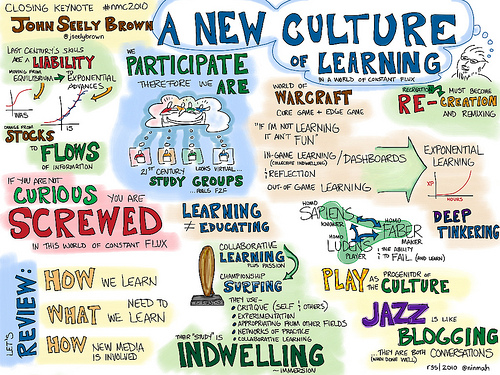
“What happens to learning when we move from the stable infrastructure of the twentieth century to the fluid infrastructure of the twenty-first century, where technology is constantly creating and responding to change?” - Douglas Thomas and Seely Brown (A New Culture of Learning p.17)
-
Book: Educating the Reflective Practitioner: Toward a New Design for Teaching and Learning in the Professions - by Donald A. Schön (1983)
"Design as a Reflective Conversation with the Situation" - Donald A. Schön
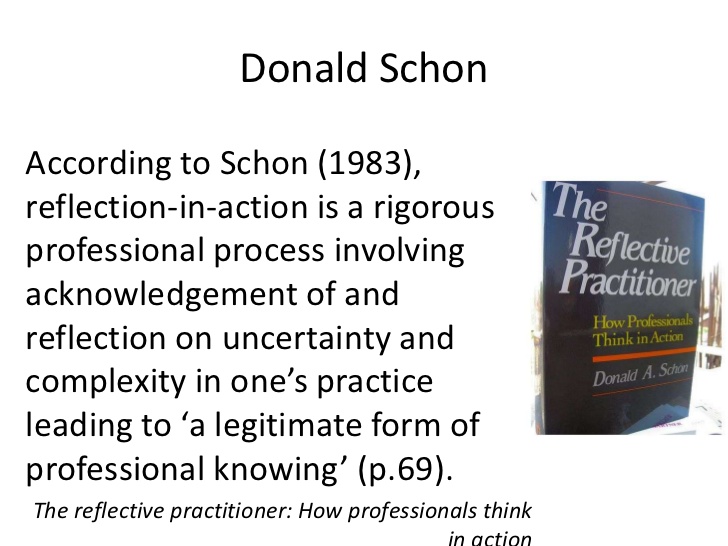
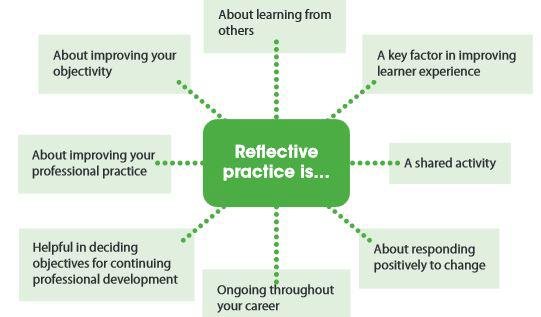
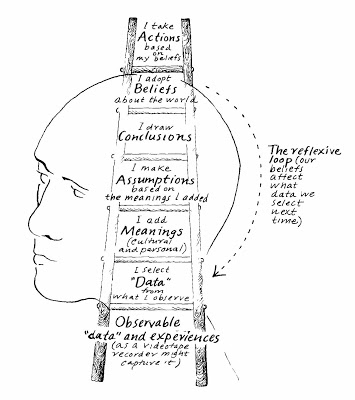
Reflective Practice Links
- Wikipedia: Reflective Practice
- Overview blog: The Reflective Practitioner by Donald Schon - by Peter Buwert (2012)
- Paper: Re-Educating The Reflective Practitioner: A Critique - by C.Cáceres (2017)
- Paper: An Ontology Of Donald Schön’s Reflection In Designing - by John.S.Gero
- Blog: Donald Schon (Schön): learning, reflection and change - by infed
- Presentation: Reflective Practice
#Design #Philosophy #Education #Urban #Architecture #Book #KM
-
Reminder: Science Says You've Been Breathing All Wrong.
How breathing is supposed to work:
- The abdominal muscles relax while your diaphragm contracts downward, pushing all your guts out of the way.
- Your intercostal muscles contract to expand your rib cage, lowering the air pressure in your lungs and creating a vacuum in the chest cavity.
- Air flows through your nose and mouth in response to the vacuum.
- The intercostal muscles and diaphragm relax while the abdominal muscles contract, pushing air out of the lungs.
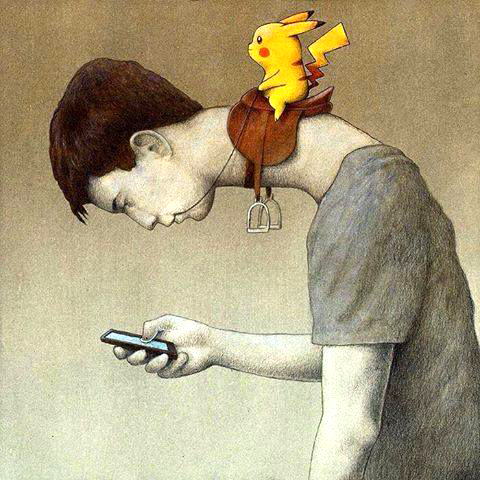
"Now, if you're hunched over your desk for hours, what happens? The amount of oxygen you receive thus is less than optimal. In fact, a 2006 study from the American Academy of Physical Medicine and Rehabilitation showed that crappy posture produced the worst lung capacity and expiratory flow compared to normal sitting and a posture designed to mimic standing spinal alignment. Rene Cailliet, former director of the department of physical medicine and rehabilitation at the University of Southern California, asserts that the reduction in lung capacity can be as much as 30 percent."
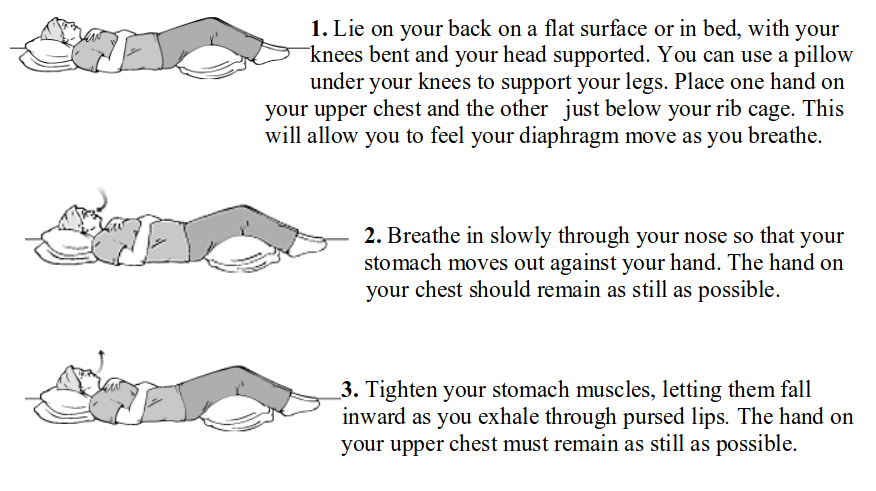
If you're not used to breathing properly anymore, you have to retrain yourself what it feels like. Here's a good, basic diaphragmatic breathing exercise, as described by the University of Georgia, that I used as a vocal major and teach to my music students. You should start by doing this exercise 5 to 10 minutes at a time 3 to 4 times a day:
And while you are here, visit https://samim.io/breath/ and just breath for a moment.
-
Science and the Problem with Chi (via) - an excerpt from the book Chi Gong: The Ancient Chinese Way to Health by Paul Dong.
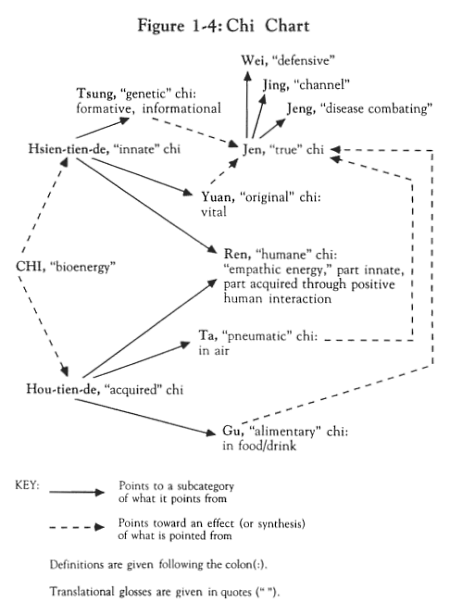
"Chi theory is an ontology, in which it is pointless to declare one’s belief or disbelief prior to understanding".
"The differences between a living human being and a corpse are that the former has an EM field and movement (together called “bioenergy”) and neutral chemical acidity, whereas the latter lacks an EM field, does not move, and is highly acidic. Three possible implied explanations for the changes between the living and the dead can be stated in the form of propositions: (1) absence of bioenergy is an effect of altered biochemistry (the Western scientific proposition; (2) altered biochemistry and exhaustion of bioenergy are effects of a third factor; (3) altered biochemistry is an effect of exhaustion of bioenergy (the Chinese scientific proposition)."
Related:
Dr Yang's Chi bioelectricity conection - review of the book "The Root of Chinese Qigong: Secrets of Health, Longevity, & Enlightenment" by Dr. Yang Jwing-Ming, which contains a section on the scientific interpretation of Chi.
Chi is not energy - which argues that "if you cultivate chi, you do not have more energy, you just become more efficient at using the energy you do have, and so you appear (even to yourself) more energetic."
Finally, this: Dr. Love Raps "THIS IS WHY I DO QIGONG"
-
Notes on Whole Body Interaction in Human Computer Interaction
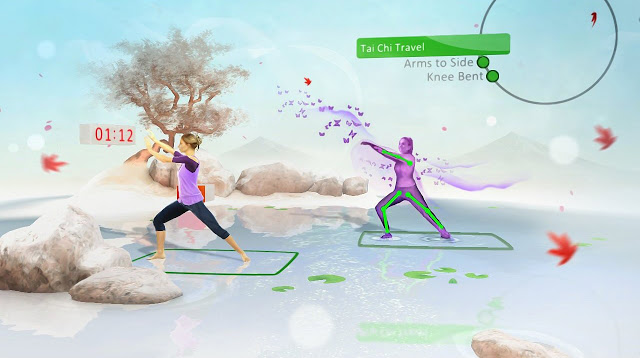
Thoughts on Tai chi for Kinect (2011): "What is powerful about the system is that it shows a digital representation of your own position on the screen in real time - visual feedback. This is placed right next to your "instructor" so you can immediately spot the difference and make the corrections both consciously and subconsciously."
"Whether or not it's good at teaching you tai chi, is almost secondary. What this system is doing is popularizing tai chi, and inspiring people, who might not otherwise do so, to 'have a go'. This game is not designed for a serious practitioner, but that is to miss the point. If these 15 minute workouts help to relax some people, then that is a benefit in itself."
"I have previously talked about how mood can be affected by posture, which is where a lot of the relaxing benefits of tai chi come from. This wired article extrapolates on this principle, to show how kinect systems, which encourage you to adopt certain postures, can in turn affect your mood. Essentially you can design games that subconsciously make you feel different ways. This has potential to be used in scientific research."
How Wii and Kinect Hack Into Your Emotions (Wired, 2010)
“Designing interaction as if we did not have any body or emotion is detrimental to what it means to be human” - Kristina Höök, Stockholm University in Sweden
Designing with the Body. Somaesthetic Interaction Design -Book by Kristina Höök (2008)
"Interaction design that entails a qualitative shift from a symbolic, language-oriented stance to an experiential stance that encompasses the entire design and use cycle"
Body and emotion - talk by Kristina Höök
Body Posture Affects Confidence In Your Own Thoughts - Ohio State University (2009)
"Sitting up straight in your chair isn't just good for your posture -- it also gives you more confidence in your own thoughts, according to a new study. Researchers found that people who were told to sit up straight were more likely to believe thoughts they wrote down while in that posture concerning whether they were qualified for a job" (via)
Math with good posture can mean better scores, study suggests (2018)
" A new study finding that students perform better at math while sitting with good posture could have implications for other kinds of performance under pressure."
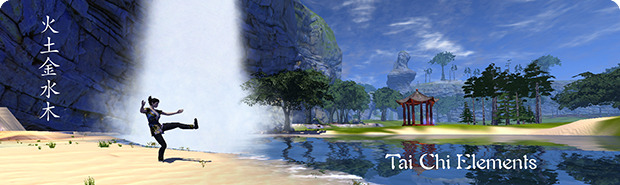
Tai Chi Elements virtual training environments (2012)
An interesting but failed kickstarter proposed "Using motion capture & video game tech to create an online multiplayer game where you can become a real T'ai Chi master."
taichiworlds.com - Virtual characters demonstrating Tai Chi in virtual worlds. (2009)
#Book: Whole Body Interaction - by David England, Katherine Isbister, et.al (2011)
"Whole Body Interaction is “The integrated capture and processing of human signals from physical, physiological, cognitive and emotional sources to generate feedback to those sources for interaction in a digital environment” (England 2009). Whole Body Interaction looks at the challenges of Whole Body Interaction from the perspectives of design, engineering and research methods. How do we take physical motion, cognition, physiology, emotion and social context to push boundaries of Human Computer Interaction to involve the complete set of human capabilities? Through the use of various applications the authors attempt to answer this question and set a research agenda for future work."
When the body acquires meaning: Full-Body Interaction Design - talk by Narcís Parés Cognitive Media Technologies Group
Waggling the Form Baton: Analyzing Body-Movement-Based Design Patterns in Nintendo Wii Games, Toward Innovation of New Possibilities for Social and Emotional Experience - by Katherine Isbister
"This chapter describes research conducted to analyze and better understand what is compelling about particular body-movement-based design patterns in Nintendo Wii games, towards innovating new possibilities for social and emotional experience with movement-based games and other interactive experiences."
-
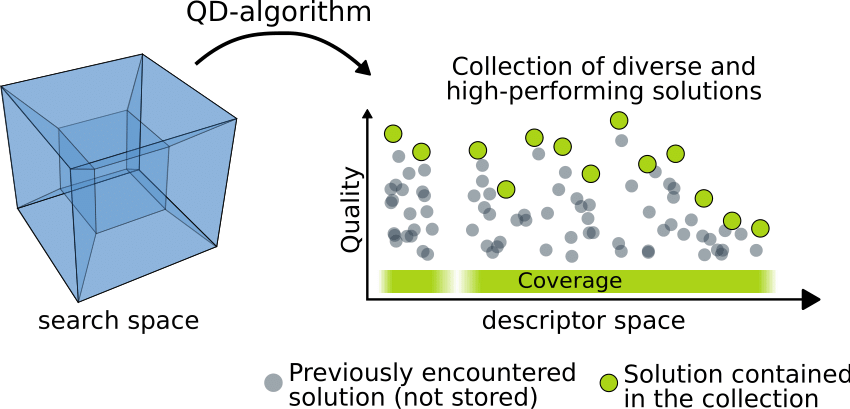
Quality-Diversity optimisation algorithms - "Site lists papers related to QD algorithms, links to tutorials and workshops, and pointers to existing implementations of QD algorithms."
qdpy - Quality-Diversity framework for Python (MAP-Elites, CVT-MAP-Elites, NSLC, SAIL, etc.)
-
#History of #Complexity #Science. Even their diagrams are extremely complex...
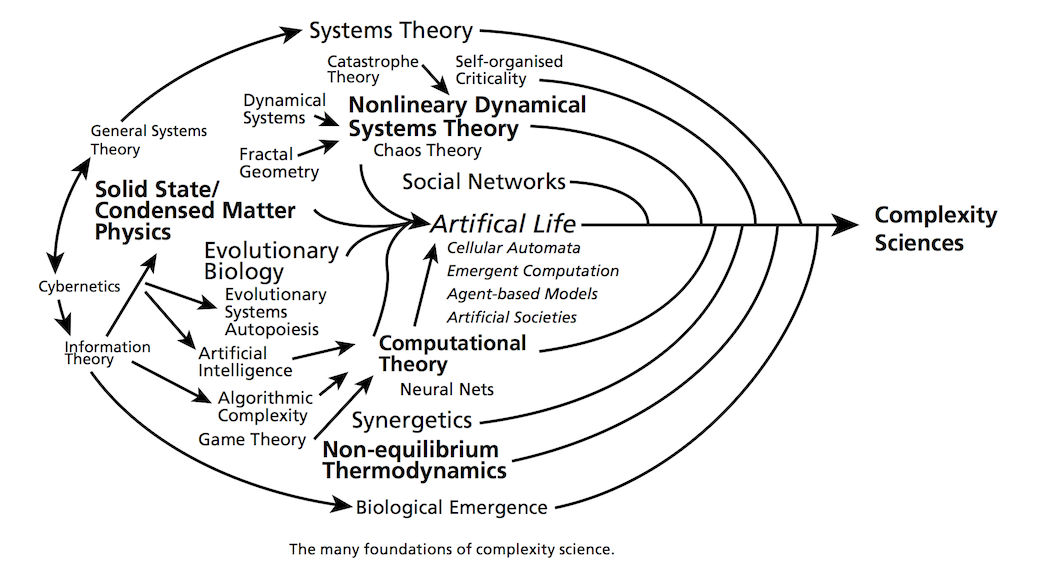
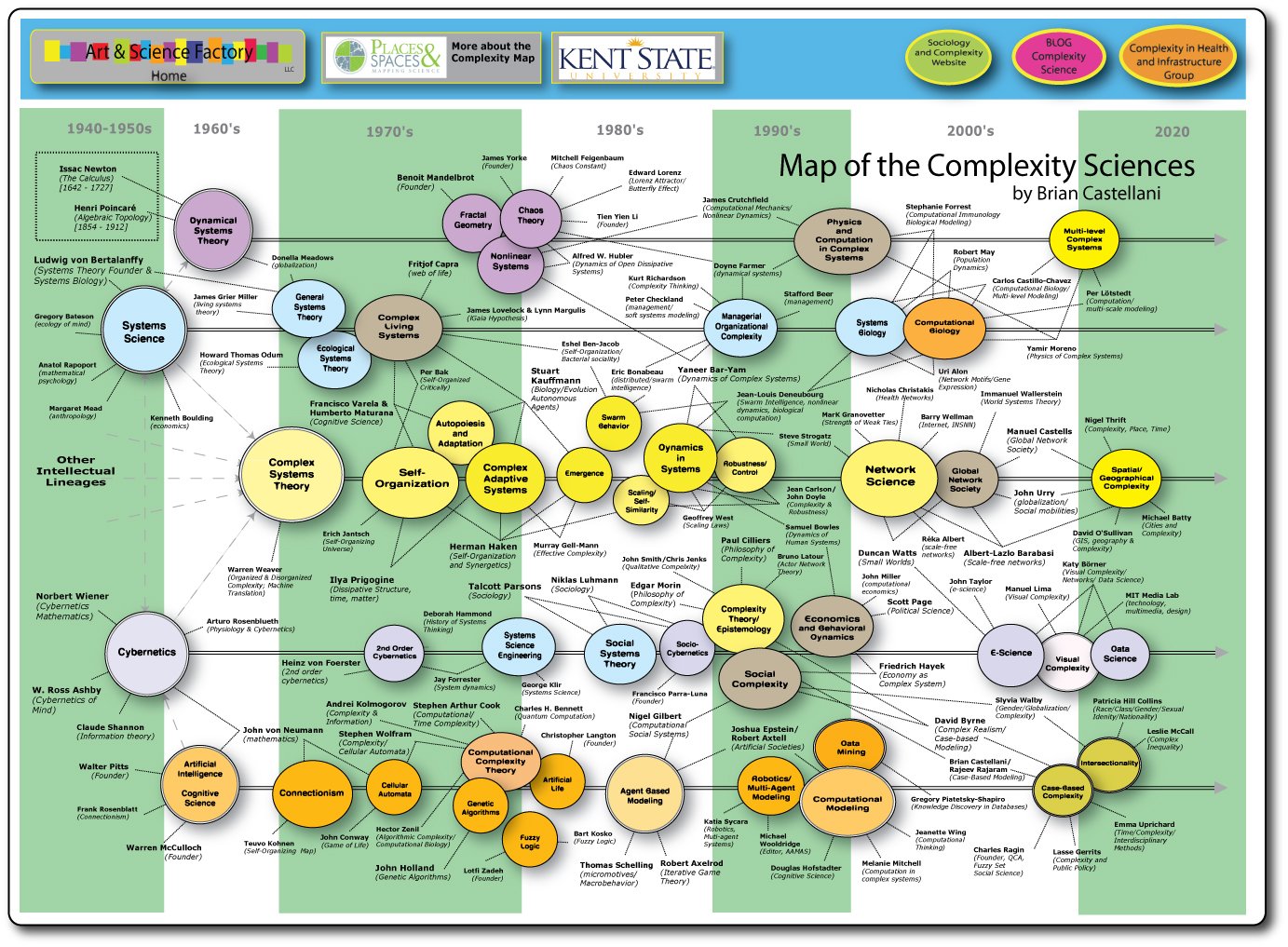
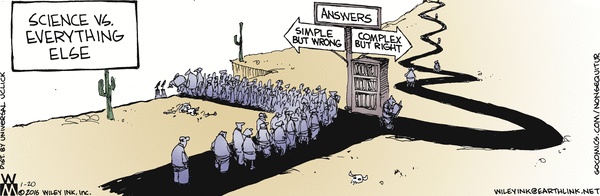
Image source: "Grip on Complexity" and Complexity Map
-
#Book: The Sciences of the Artificial - by Herbert A. Simon (1969) (full e-book)
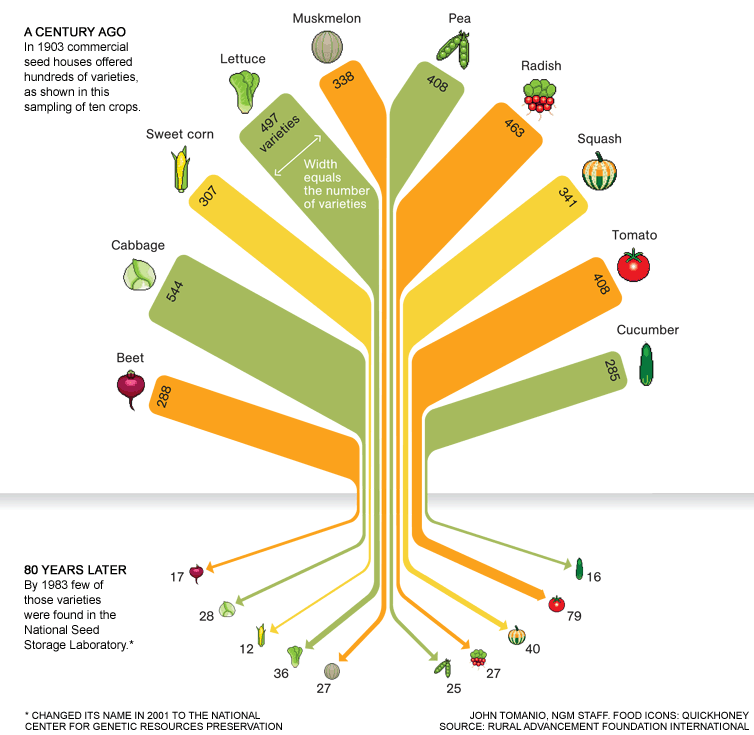
“Human beings, viewed as behaving systems, are quite simple. The apparent complexity of our behavior over time is largely a reflection of the complexity of the environment in which we find ourselves.” ― Herbert A. Simon, The Sciences of the Artificial
“It is true that humanity is faced with many problems. It always has been but perhaps not always with such keen awareness of them as we have today. We might be more optimistic if we recognized that we do not have to solve all of these problems. Our essential task—a big enough one to be sure—is simply to keep open the options for the future or perhaps even to broaden them a bit by creating new variety and new niches. Our grandchildren cannot ask more of us than that we offer to them the same chance for adventure, for the pursuit of new and interesting designs, that we have had.” ― Herbert A. Simon, The Sciences of the Artificial
“An artifact can be thought of as a meeting point—an “interface” in today’s terms—between an “inner” environment, the substance and organization of the artifact itself, and an “outer” environment, the surroundings in which it operates. If the inner environment is appropriate to the outer environment, or vice versa, the artifact will serve its intended purpose.” ― Herbert A. Simon, The Sciences of the Artificial
-
"We will never reach the old complexity of the natural environment, a complexity that we discover more and more as we destroy it" - Jacques Ellul
-
"I’m simply content to be alive and living my life. I have no bucket list. Life is the bucket. Enjoy every day. It may be your last." - quote from one of Ted Rheingold's final blog posts, before his death from cancer in 2017.
-
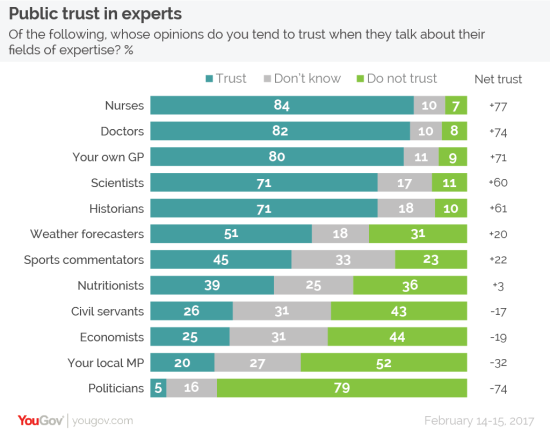
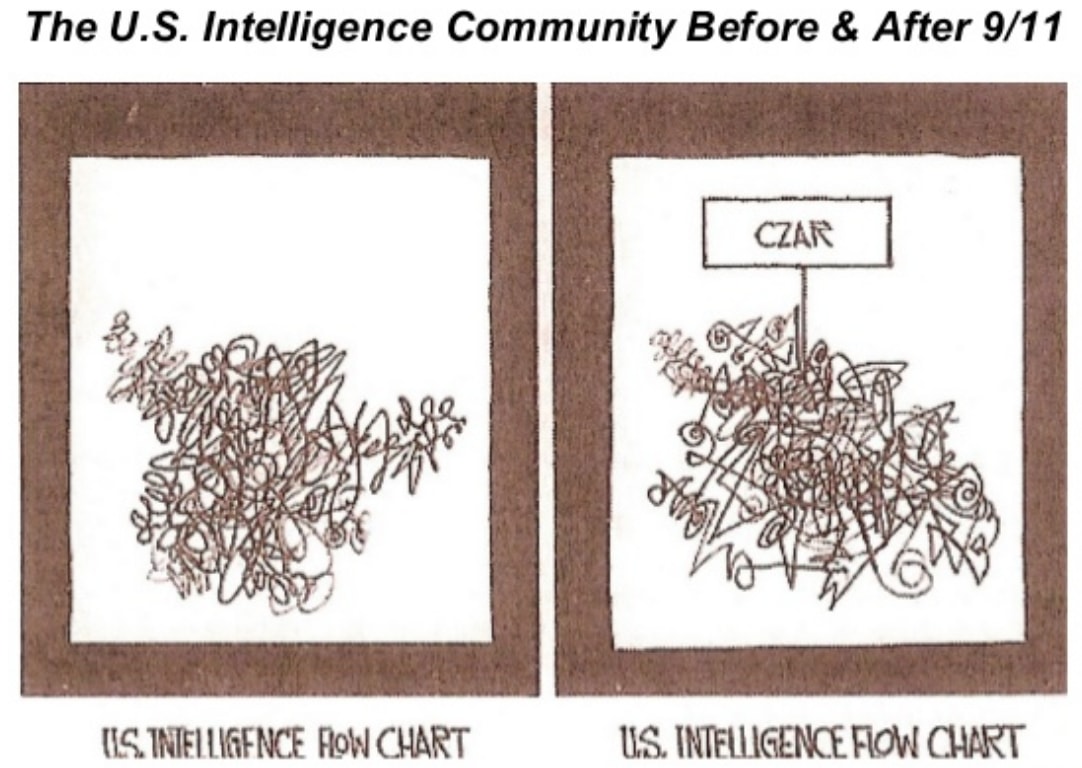
"The U.S. Intelligence Community Before & After 9/11". Truly very "Artificial" Intelligence..
-
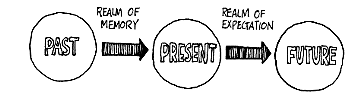
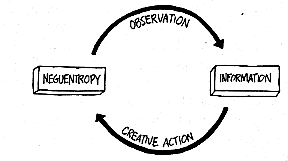
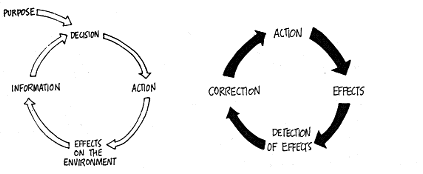
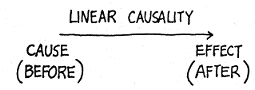
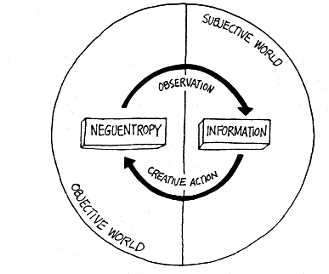
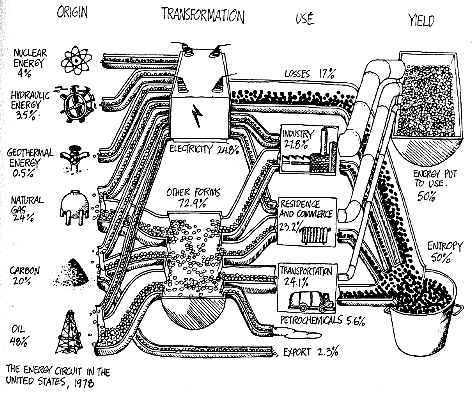
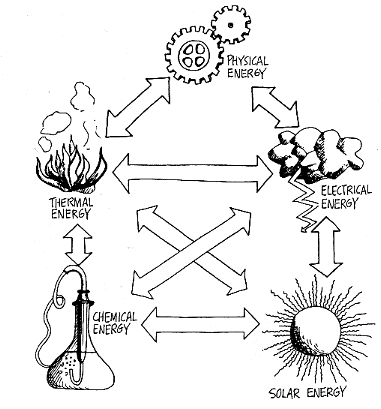
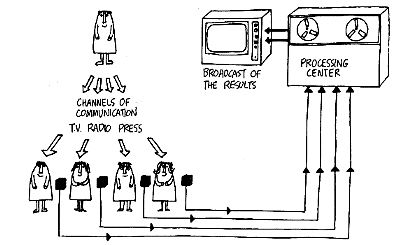
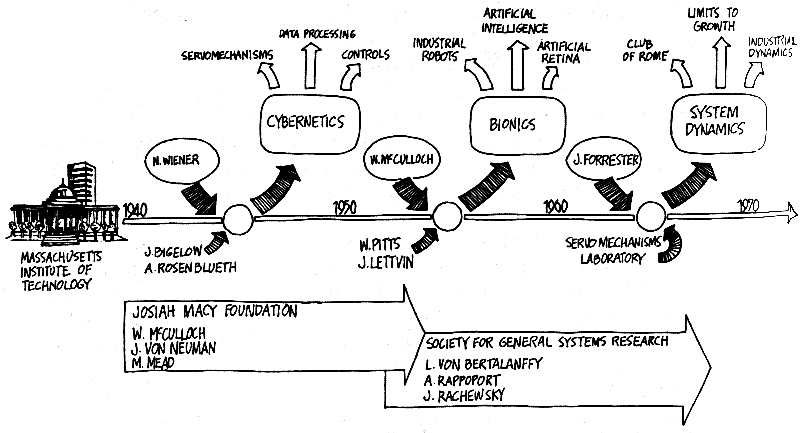
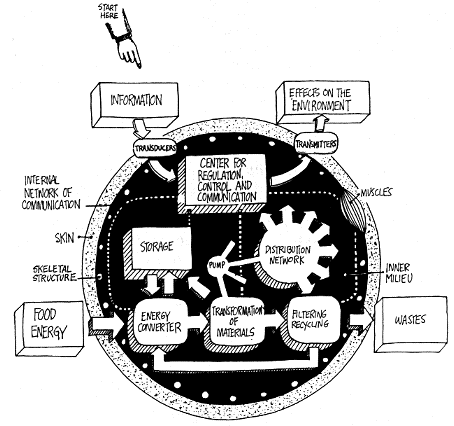
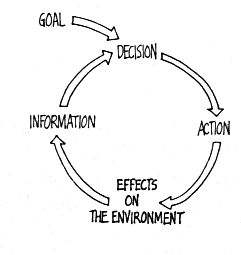
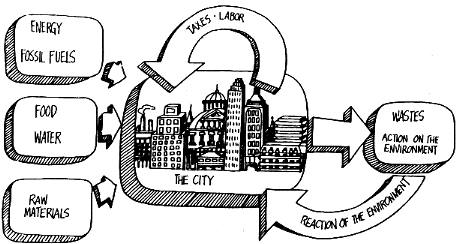
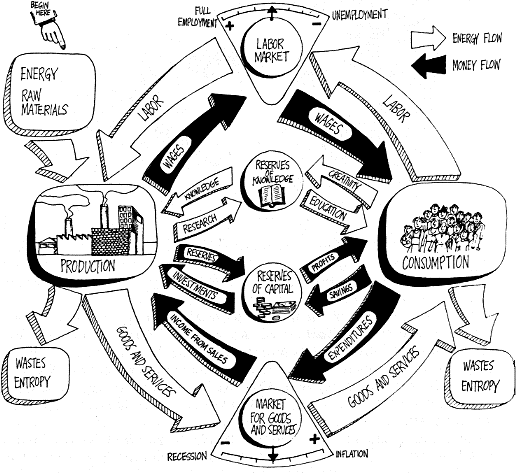
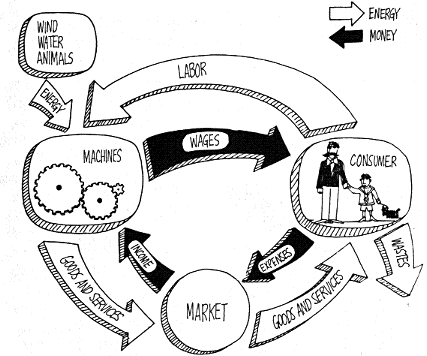
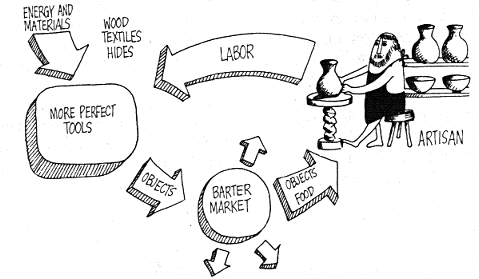
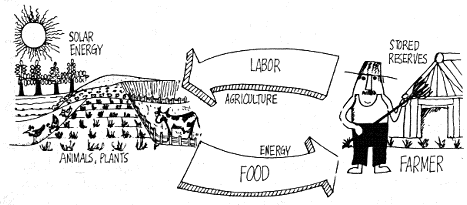
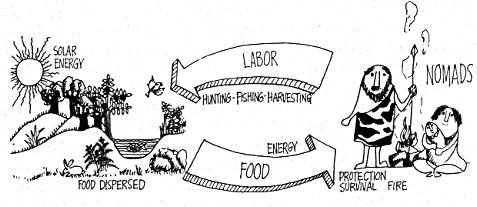
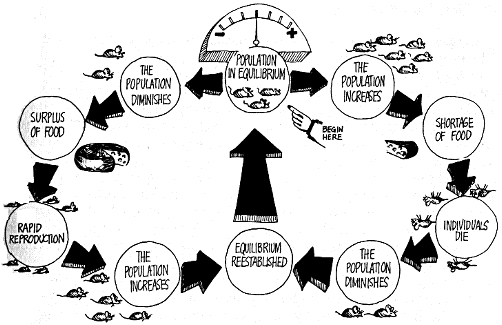
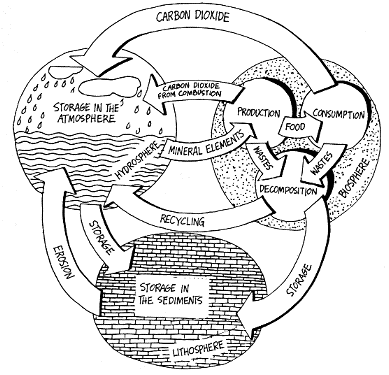
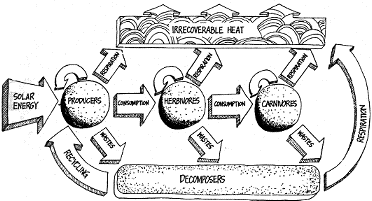
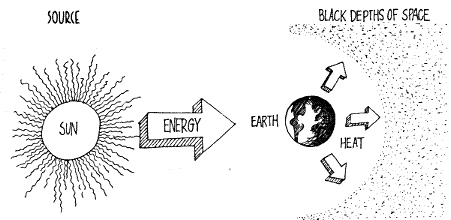
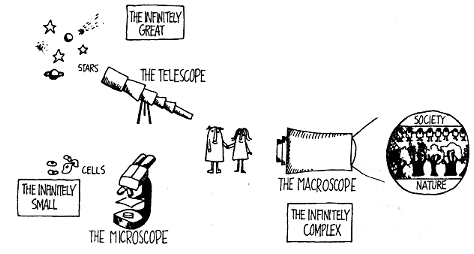
The Book "The Macroscope" by Joël de Rosnay (1979) features many fun illustrations and fun chapters, including one on Time and Evolution.
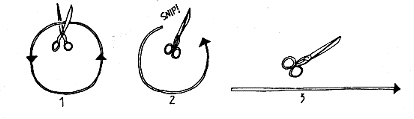
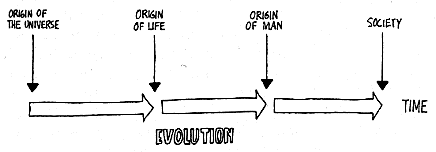
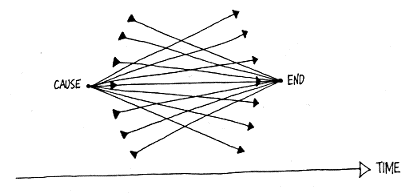
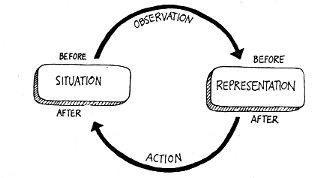
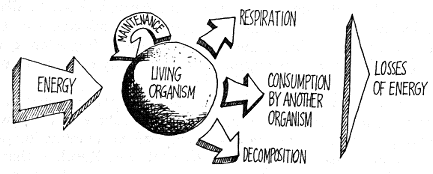
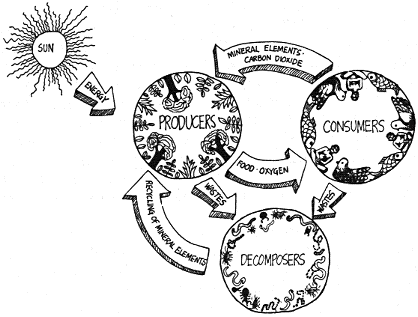
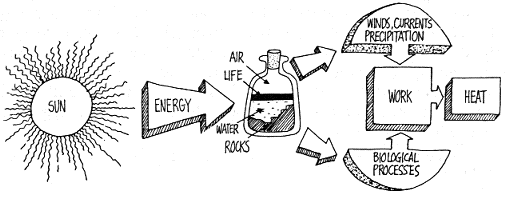
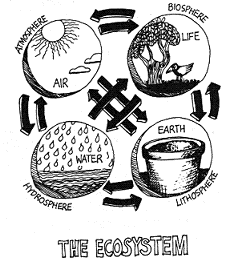
-
“Qutrit” Experiments Are a First in Quantum Teleportation (Scientific American)
Quantum teleportation in high dimensions: https://arxiv.org/abs/1906.09697 and https://arxiv.org/abs/1904.12249The Quantum Internet Is Emerging, One Experiment at a Time (Scientific American)
Breakthrough demonstrations using defective diamonds, high-flying drones, laser-bathed crystals and other exotica suggest practical, unhackable quantum networks are within reach -
DNA computing is a branch of computing which uses DNA, biochemistry, and molecular biology hardware, instead of the traditional silicon-based computer technologies. A brief introduction of the field can be found on the site of the Qian Lab:
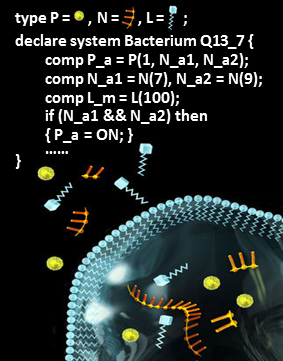
How can we rationally design and synthesize molecular systems with programmable behaviors? Life is full of amazingly sophisticated programs encoded in genomes, orchestrating molecules to sense, to compute, to respond, and to grow. One approach to interpreting the molecular programs that nature creates is to explore and re-realize the principles of information processing in biology, for example by rationally designing and synthesizing molecular systems that exhibit programmable behaviors. As much as electronics has changed our lives, at a much smaller scale computer science in its new form as molecular programming will change our lives with nanomachines, smart drugs and diagnostic devices.
-
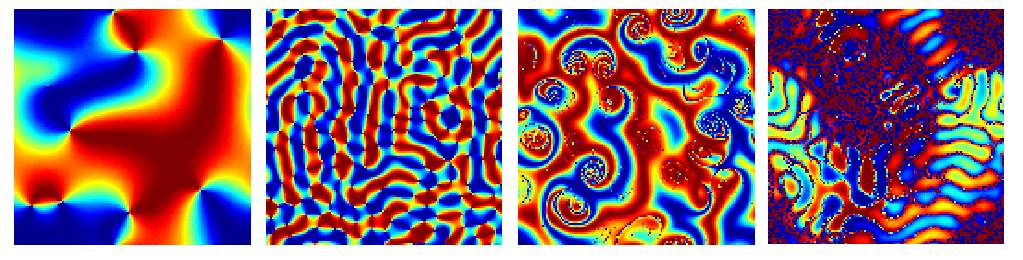
Synchronized Oscillators (via)
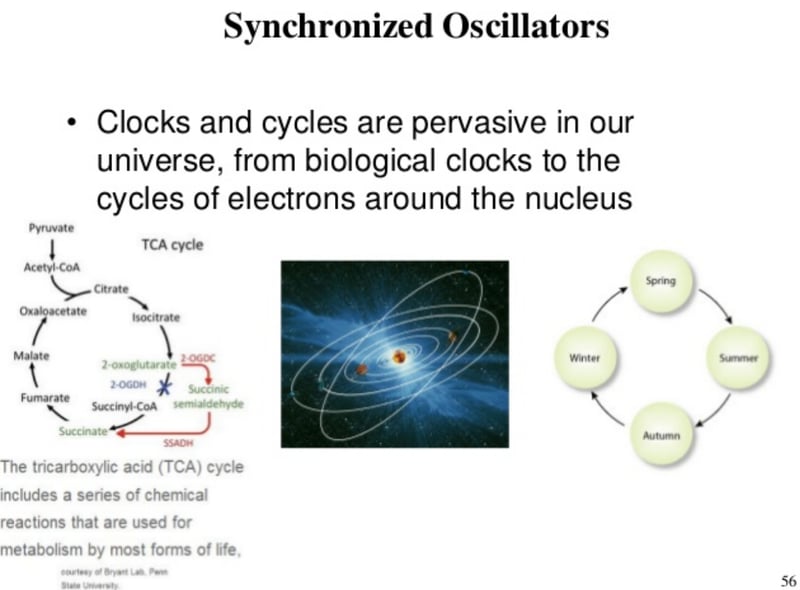
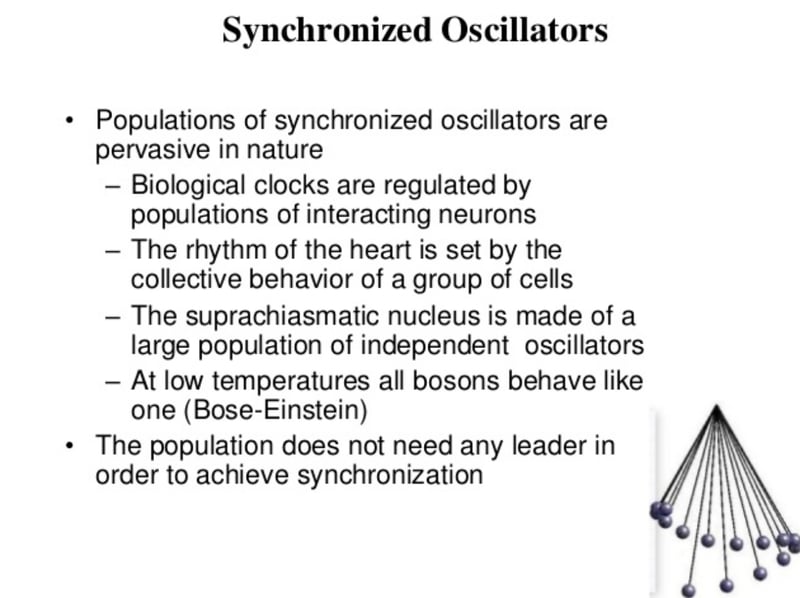
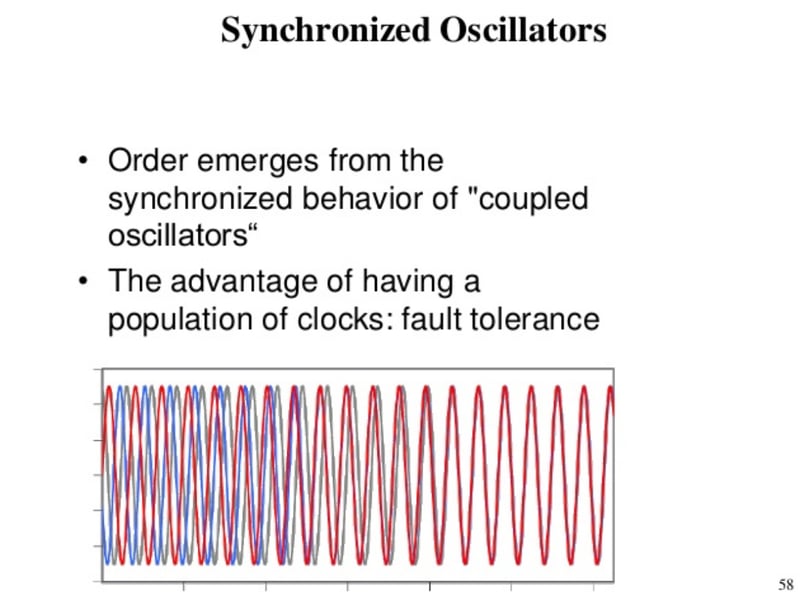
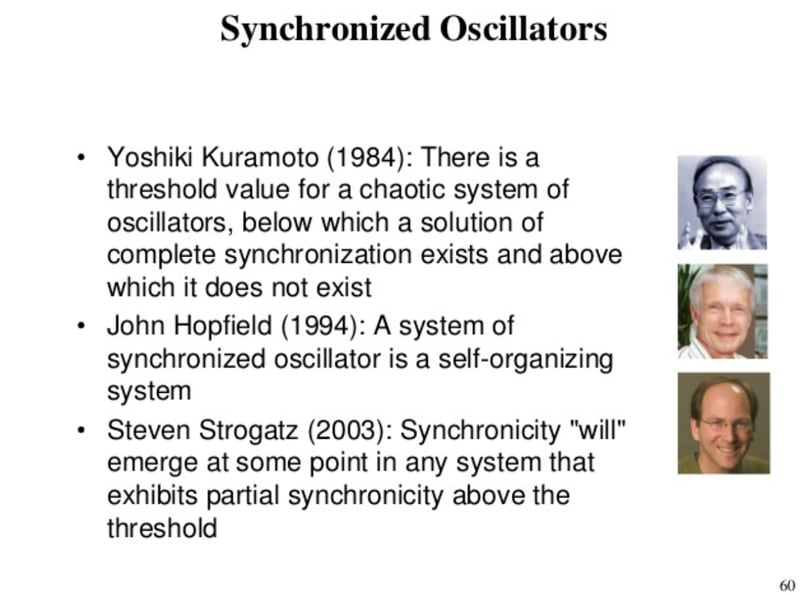
In 1975, Yoshiki Kuramoto introduced a simple model to describe the collective dynamics of a set of interacting oscillators. In the model, each oscillator has a natural frequency, and is coupled equally to all other oscillators. Assuming a fixed spread in oscillator frequencies, Kuramoto showed that in the limit of a large number of oscillators, the model exhibits a continuous phase transition from asynchronous to synchronous behaviour with increasing inter-oscillator coupling. Since then, the model and generalizations of it have been widely used in exploring the synchronization behavior in groups of biological cells, fireflies, superconducting Josephson junctions, or the movements of swarms or flocks of organisms.
- Yoshiki Kuramoto: https://en.wikipedia.org/wiki/Yoshiki_Kuramoto
- Kuramoto model: https://en.wikipedia.org/wiki/Kuramoto_model
- Kuramoto Model of Synchronized Oscillators https://blogs.mathworks.com/cleve/2019/08/26/kuramoto-model-of-synchronized-oscillators/
- All together now https://www.nature.com/articles/421780a
- pyclustring: https://github.com/annoviko/pyclustering
- Continuous vs. Discontinuous Transitions in the D-Dimensional Generalized Kuramoto Model: https://arxiv.org/pdf/1806.01314.pdf
- Synchronization networks https://en.wikipedia.org/wiki/Synchronization_networks
- Oscillatory neural network: https://en.wikipedia.org/wiki/Oscillatory_neural_network
- Synchronization: https://en.wikipedia.org/wiki/Synchronization
- An Oscillatory Neural Autoencoder Based on Frequency Modulation and Multiplexing: https://www.ncbi.nlm.nih.gov/pmc/articles/PMC6048285/
- A Neural Network Based on Synchronized Pairs of Nano-Oscillators https://arxiv.org/abs/1709.02274v1
Image: Synchronization patterns in a two-dimensional array of Kuramoto-like oscillators