-
China and Russia band together on controversial heating experiments to modify the atmosphere (SCMP, 2018, alt)
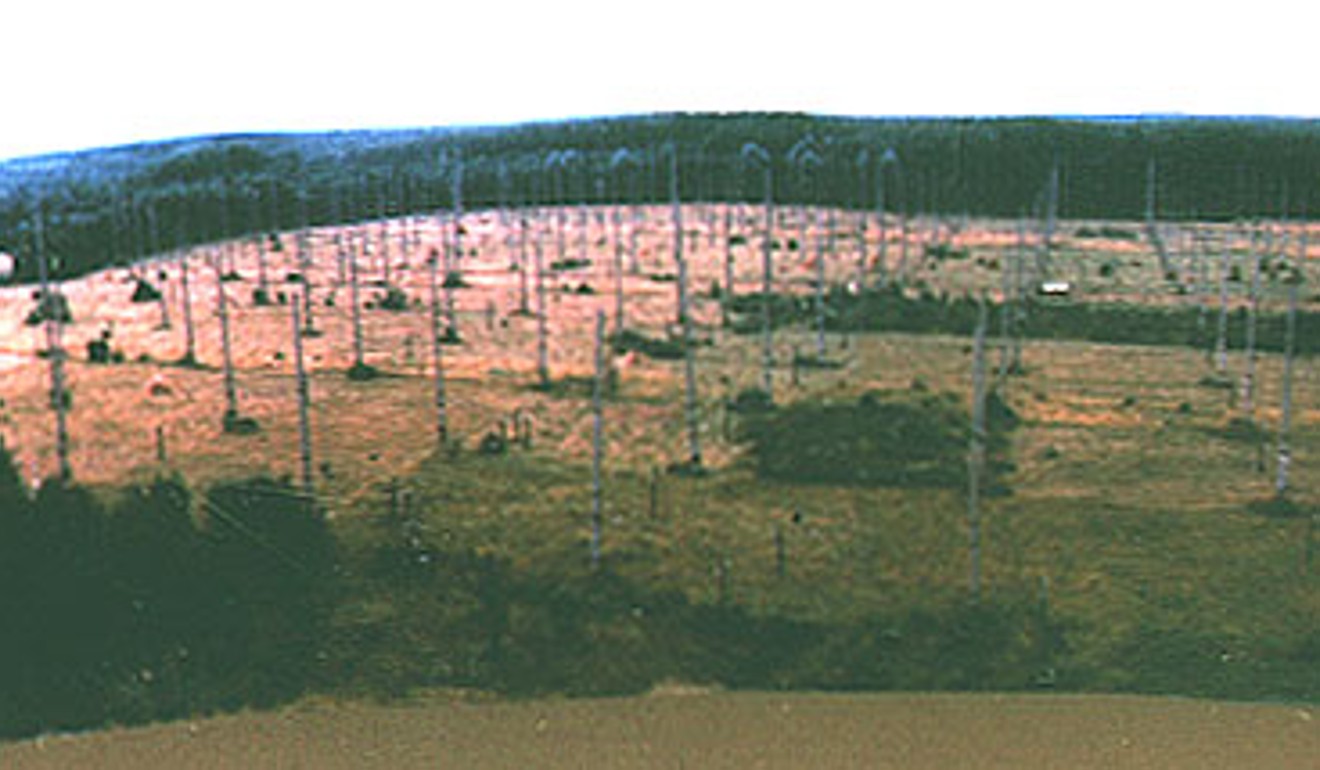
The countries are testing a technology for possible military application, say Chinese scientists involved in the project. Militaries have been in a race to control the ionosphere, which allows radio signals to bounce long distances for communication, for decades.
China needs more water. So it's building a rain-making network three times the size of Spain (SCMP, 2018, alt)
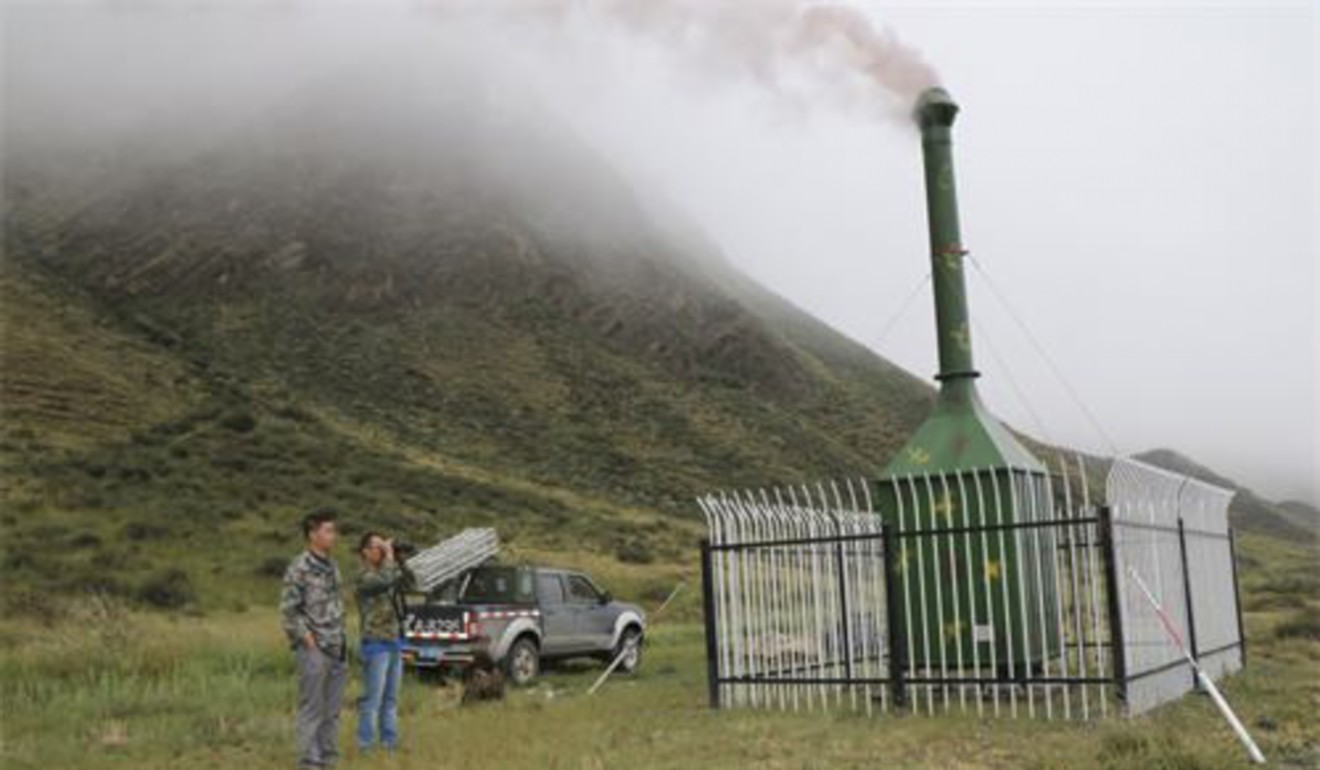
China is building the foundations of what will become the largest artificial rain experiment in history, in an attempt to induce extra rainfall over the Tibetan Plateau. The project will see tens of thousands of fuel-burning chambers installed across the Tibetan mountains, with a view to boosting rainfall in the region by up to 10 billion cubic metres annually. The plan is to bring extra rain to a massive area spanning some 1.6 million square kilometres.
Tianhe Project proposes 'air corridor' to advance cross-regional water diversion (people.cn, 2016)
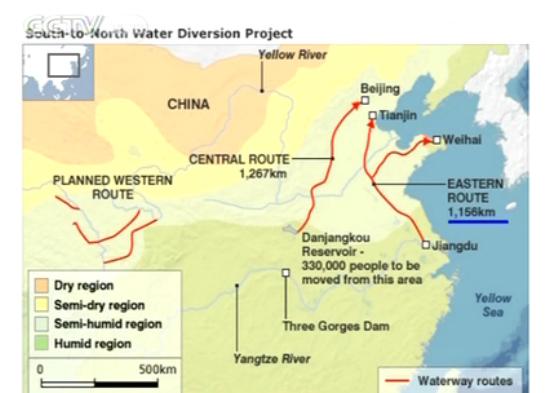
"Once the Tianhe Project is completed, it will be possible to transfer water in the air via an ‘air corridor.' [The corridor] will be formed as part of the South-to-North Water Diversion project," said Wang Guangqian, an academician with the Chinese Academy of Sciences (CAS) and president of Qinghai University.The atmospheric boundary layer and the troposphere form a passage through which water vapor can be transported in a stable and orderly way. The passage can be regarded as "tianhe" (literally, a river in the sky).
China’s new Extremely Low Frequency (ELF) Transmitter is FIVE times the size of New York City (SCMP, 218)
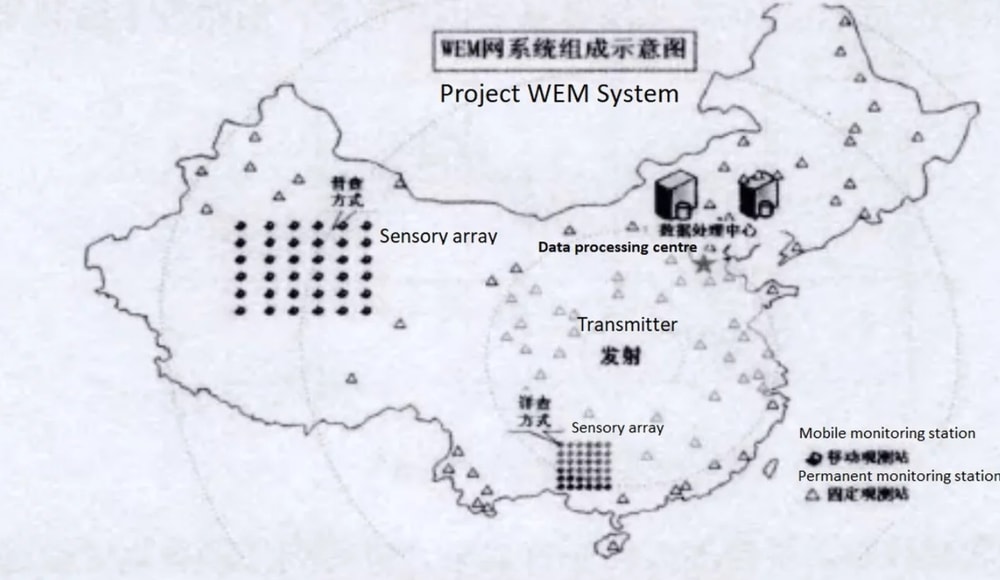
Work to build facility was 13 years in the making, but some researchers have expressed concern about exposure to extremely low frequency waves. Project WEM will be able to communicate with submarines under the water, reducing need for them to surface.
See this Video and Blog post covering (Chinese) weather modification project and this more recent video.
-
Google TensorFlow Quantum: An Open Source Library for Quantum Machine Learning
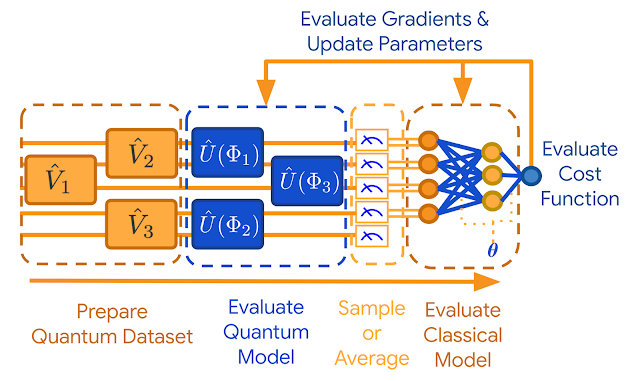
Today, in collaboration with the Uni of Waterloo, X, and Volkswagen, we release of TensorFlow Quantum (TFQ), an open-source library for the rapid prototyping of quantum ML models. TFQ provides the tools necessary for bringing the quantum computing and machine learning research communities together to control and model natural or artificial quantum systems; e.g. Noisy Intermediate Scale Quantum (NISQ) processors with ~50 - 100 qubits.
-
China, post-virus, will invest 34 trn yuan (equivalent to 34% of 2019 GDP) on "new infra" - 5G, UHV, intercity high-speed railway, new energy vehicles, big data centers, AI (via)
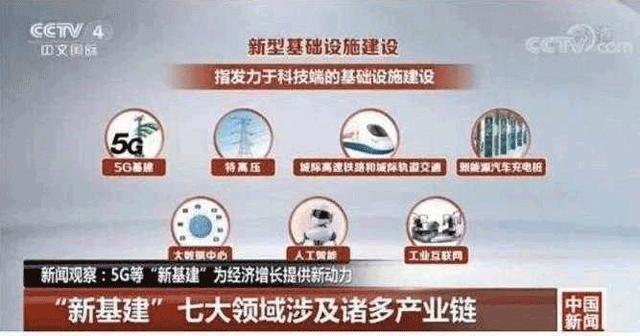
As of March 1, 13 provinces and municipalities have released a list of investment plans for key projects in 2020. The investment list includes a total of 10,326 projects, totaling 33.83 trillion yuan; another 8 provinces announced annual investment, totaling about 2.79 trillion yuan.
-
Is The U.S. Shale Boom Over? Four Major Threats To The Fracking Revolution (investors.com)
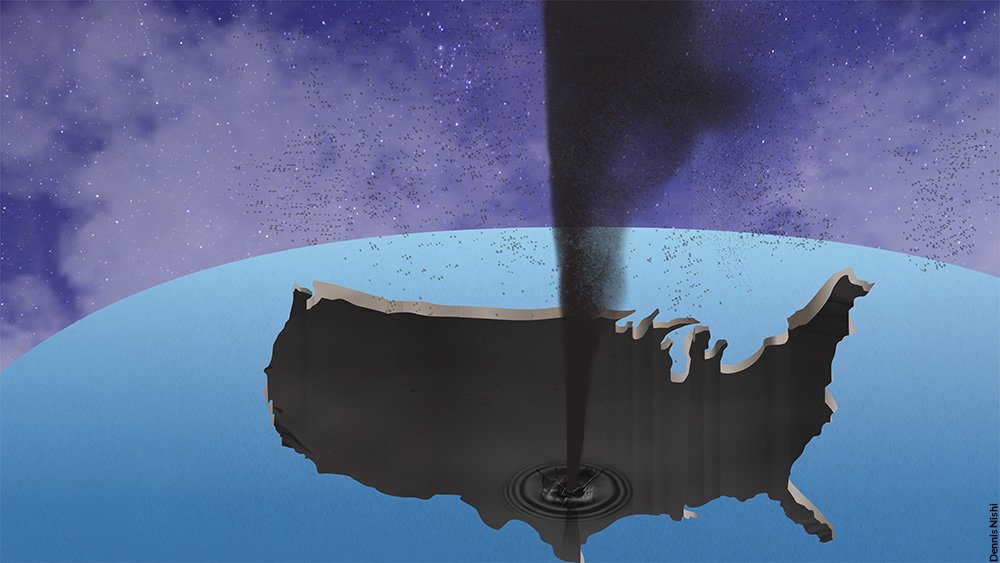
The U.S. is awash in cheap shale oil and gas. After decades of declining U.S. oil output, the fracking revolution unlocked vast oil and gas deposits and made America the world's No. 1 oil producer. Yet just as Americans have begun to take cheap energy for granted, the U.S. shale boom's next act looks uncertain. Political, financial, technological and geological pressures are closing in.
-
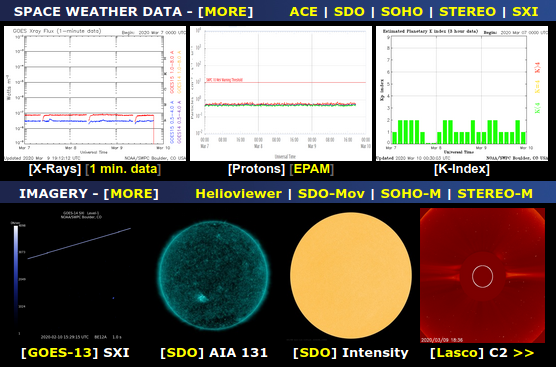
SolarHam is a website all about the Sun and how it affects Earth. It is also an Amateur (Ham) Radio website. SolarHam is routinely updated with breaking news, sometimes hours before other Space News websites. You can trust SolarHam.com for the most up to date and accurate solar information on the internet. The purpose of the website is to provide real time solar news, as well as data from various sources, all located in one spot for easy navigation.
-
The Mysterious Mr. Zedzed - Text about Basil Zaharoff (1849 - 1936) (Alchetron)
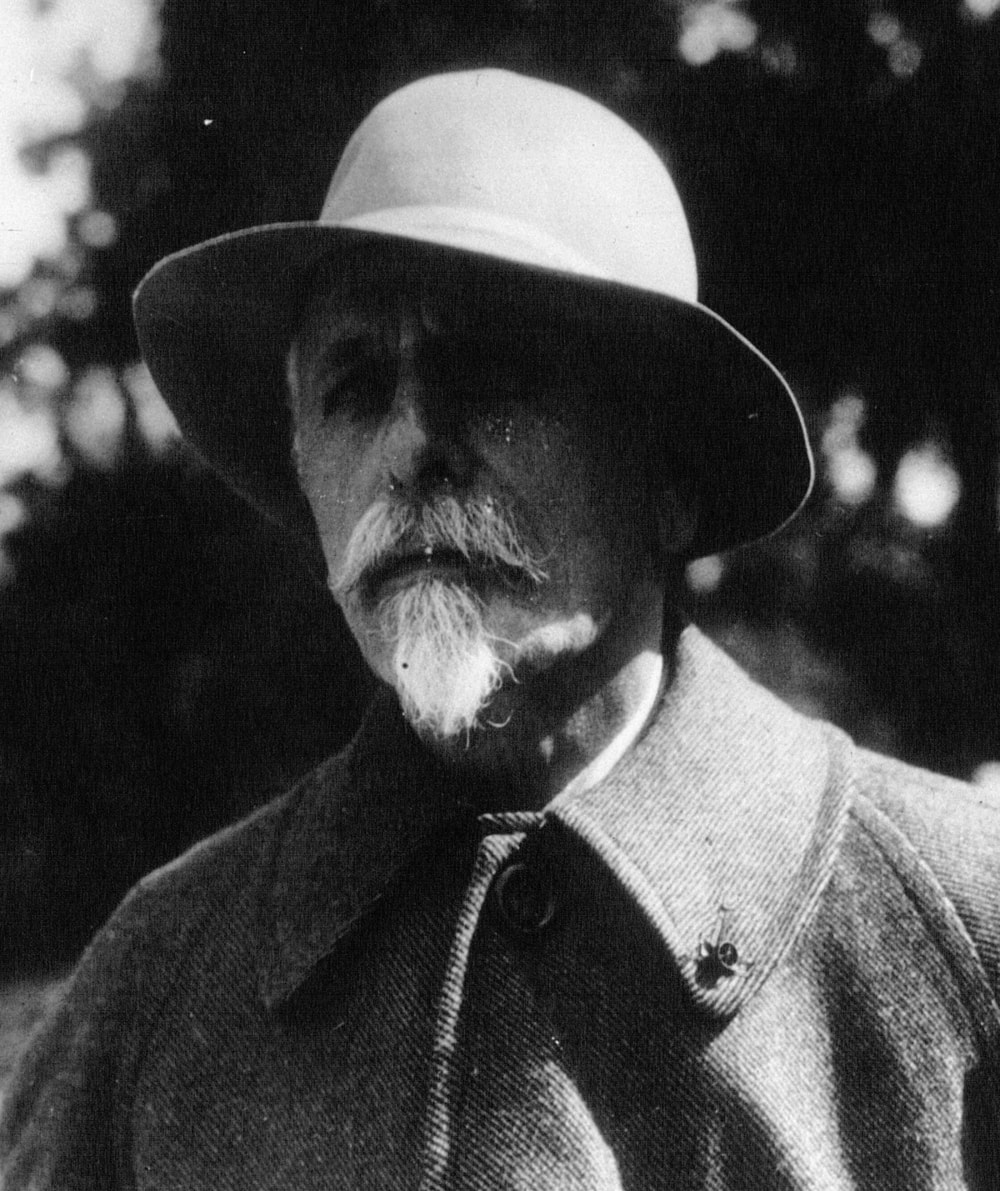
Sir Basil Zaharoff, GCB, GBE, born Vasileios Zacharias (Greek: Βασίλειος Zαχαρίας Ζαχάρωφ), was a Greek arms dealer and industrialist. One of the richest men in the world during his lifetime, Zaharoff was described as a "merchant of death" and "mystery man of Europe". His success was forged through his cunning, often aggressive and sharp, business tactics. These included the sale of arms to opposing sides in conflicts, sometimes delivering fake or faulty machinery and skilfully using the press to attack business rivals. Zaharoff maintained close contacts with many powerful political leaders
-
Hydrogen made using rust (popular mechanics - alt: newatlas)

In the search to find an environmentally friendly alternative for fossil fuels, scientists from the Tokyo University of Science developed a new technique for safely and efficiently producing 25 times more hydrogen fuel by using a specific type of rust and light source.
-
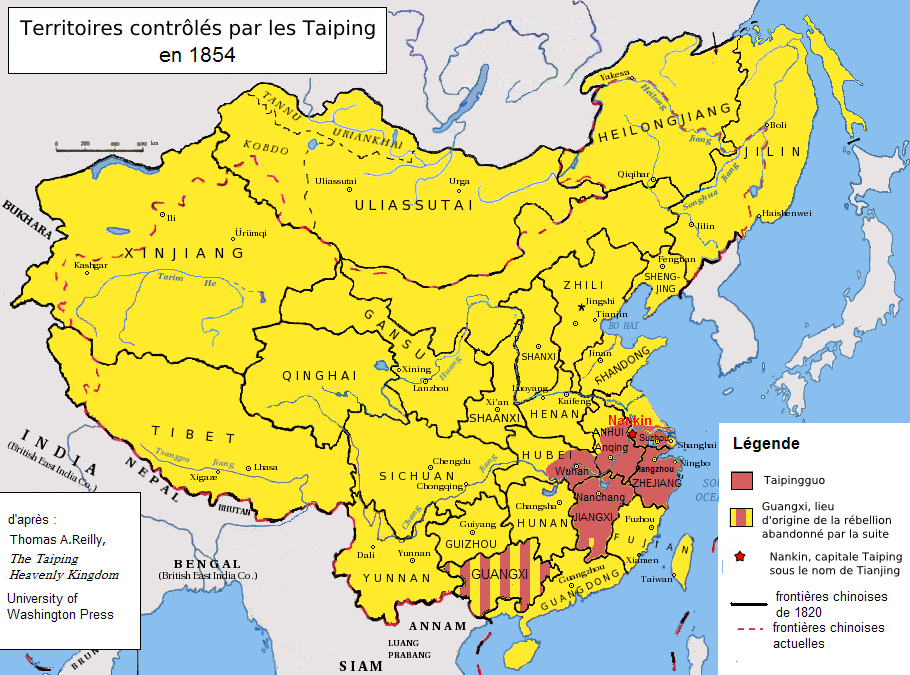
The Taiping Rebellion was a massive rebellion or civil war that was waged in China from 1850 to 1864 between the established Manchu-led Qing dynasty and the Hakka-led Taiping Heavenly Kingdom. The most widely cited sources estimate the total number of deaths during the 15 years of the rebellion to be approximately 20–30 million civilians and soldiers. Most of the deaths were attributed to plague and famine.
-
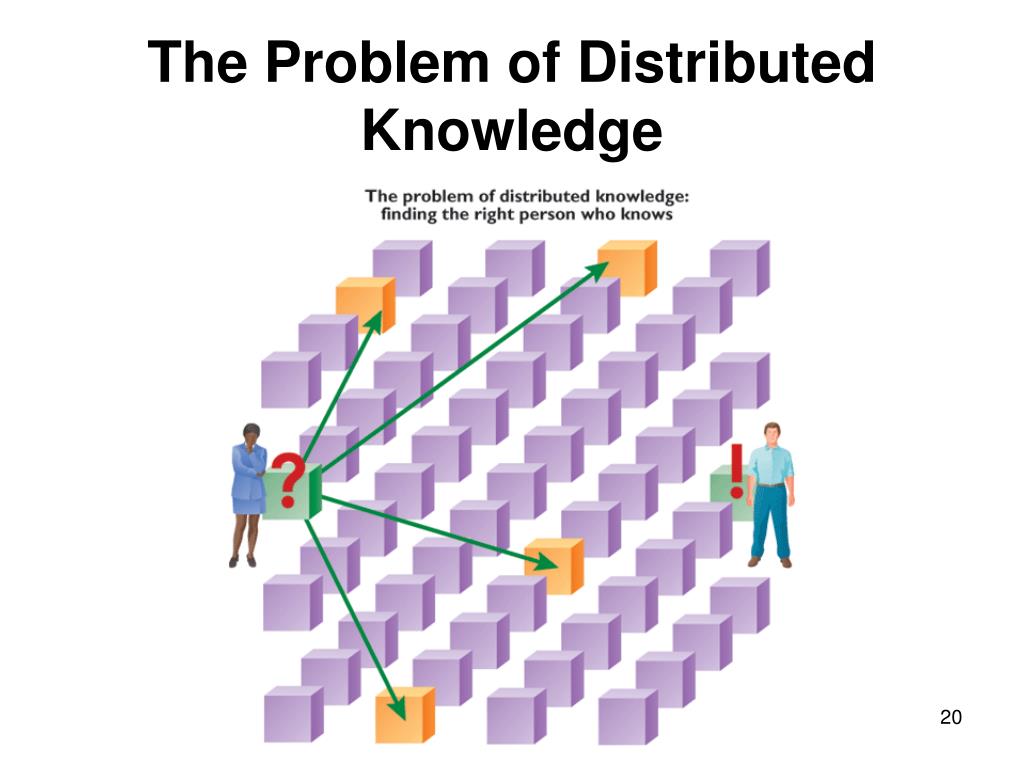
Distributed knowledge is the union of all the knowledge of individuals in a community. Distributed knowledge is approximately what "a wise man knows" or what someone who has complete knowledge of what each member of the community knows knows. Distributed knowledge might also be called the aggregate knowledge of a community, as it represents all the knowledge that a community might bring to bear to solve a problem.
-
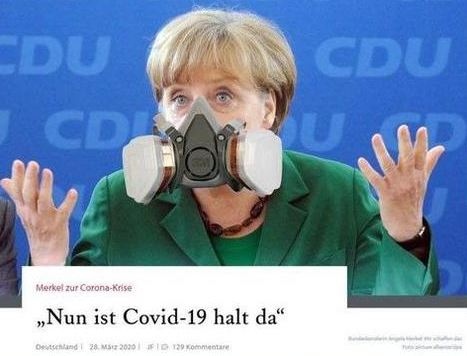
Recent Germany-China News
-
Will Gilead Sciences Make a Fortune Off Its Coronavirus Drug? (fool.com)
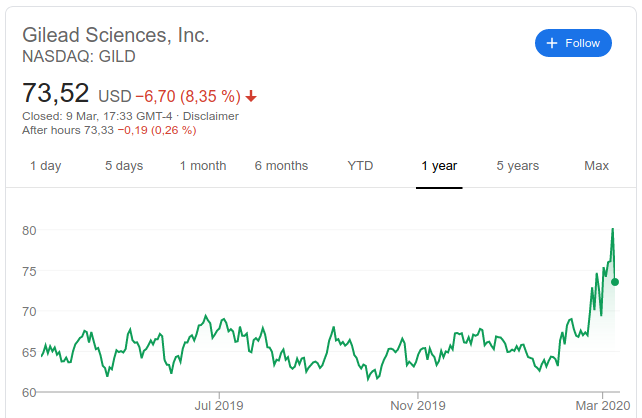
As the coronavirus outbreak continues to spread around the world, only a couple of companies have successfully brought treatments to clinical trials so far. One of them is Gilead Sciences (NASDAQ:GILD), whose former Ebola drug candidate, remdesivir, appears to be an effective way to treat COVID-19 symptoms.

Gates: "Although the percentage of the HIV burden [The number of affected people] that’s in developed countries is actually very small, at roughly 5%, the spending to help those patients is a significant portion of the total globally. Gilead Sciences, which has made a lot of money from HIV-related drugs, including Tenofovir, is our partner in using Tenofovir as a daily-dose prophylactic in the developing world. It had some good results, but the adherence on a daily prophylactic was very poor."
Gates-funded program will soon offer home-testing kits for new coronavirus (seattletimes)
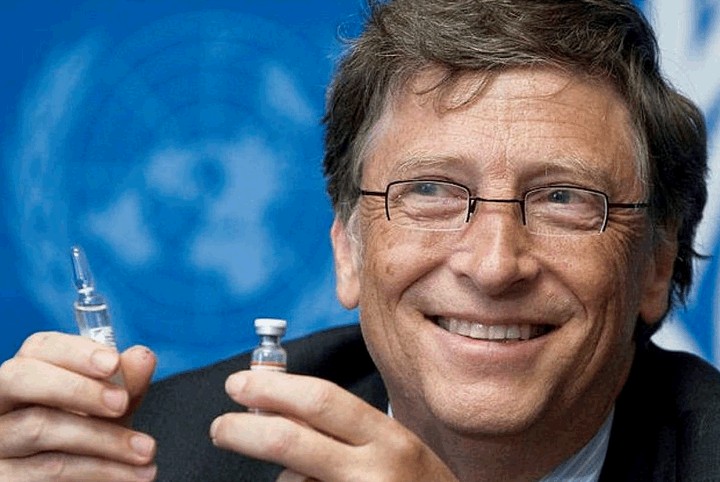
Testing for the novel coronavirus in the Seattle area will get a huge boost in the coming weeks as a project funded by Bill Gates and his foundation begins offering home-testing kits that will allow people who fear they may be infected to swab their noses and send the samples back for analysis.
COVID-19 Therapeutics Accelerator (gatesfoundation.org)
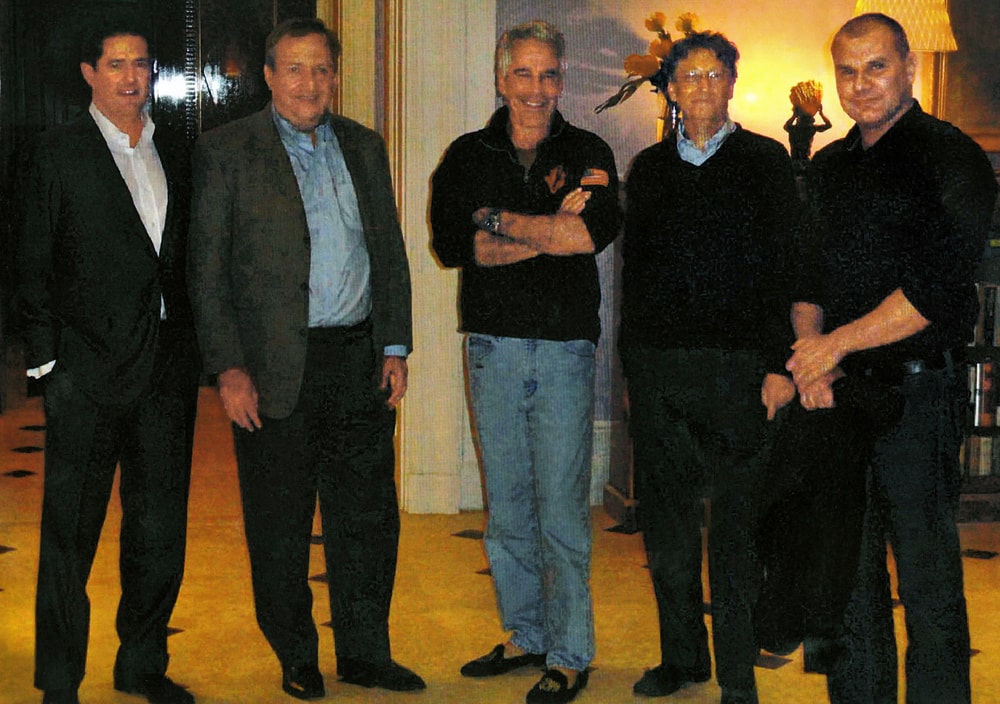
That is why today, we are joining forces with Wellcome and Mastercard to beef up our response—backed by $125 million in both new funding and money already earmarked to tackle this epidemic. The money will be used to identify potential treatments for COVID-19, accelerate their development, and prepare for the manufacture of millions of doses for use worldwide. The expertise of pharmaceutical companies will be critical to this endeavor, named the COVID-19 Therapeutics Accelerator.
-
Grey relational analysis (wikipedia)
Grey relational analysis (GRA), also called Deng's Grey Incidence Analysis model, was developed by a Chinese Professor Julong Deng of Huazhong University of Science and Technology. It is one of the most widely used models of Grey system theory. GRA uses a specific concept of information. It defines situations with no information as black, and those with perfect information as white. However, neither of these idealized situations ever occurs in real world problems. In fact, situations between these extremes, which contain Dispersed knowledge (partial information), are described as being grey, hazy or fuzzy. A variant of GRA model, Taguchi-based GRA model, is very popular in engineering.
Introduction to Grey System Theory - by Deng Julong (PDF)
Grey System theory was initiated in 1982 [7]. As far as information is concerned, the systems which lack information, such as structure message, operation mechanism and behaviour document, are referred to as Grey Systems. For example, the human body, agriculture, economy, etc., are Grey Systems. Usually, on the grounds of existing grey relations, grey elements, grey numbers (denoted by 8 ) one can identify which Grey System is, where "grey" means poor, incomplete, uncertain, etc. The goal of Grey System and its applications is to bridge the gap existing between social science and natural science. Thus, one can say that the Grey System theory is inter- disciplinary, cutting across a variety of specialized fields, and it is evident that Grey System theory stands the test of time since 1982. As the case stands, the development of the Grey System-as well as theoretical topic-is coupled with clear applications of the theory in assorted fields.
-
Monkey selfie copyright dispute
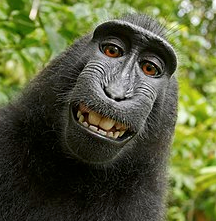
The monkey selfie copyright dispute is a series of disputes about the copyright status of selfies taken by Celebes crested macaques using equipment belonging to the British nature photographer David Slater. The disputes involve Wikimedia Commons and the blog Techdirt, which have hosted the images following their publication in newspapers in July 2011 over Slater's objections that he holds the copyright, and People for the Ethical Treatment of Animals (PETA), who have argued that the macaque should be assigned the copyright.
-
Alphabet's moonshot division unveils its latest project Tidal, which aims to help sustainable fishing (Business Insider)
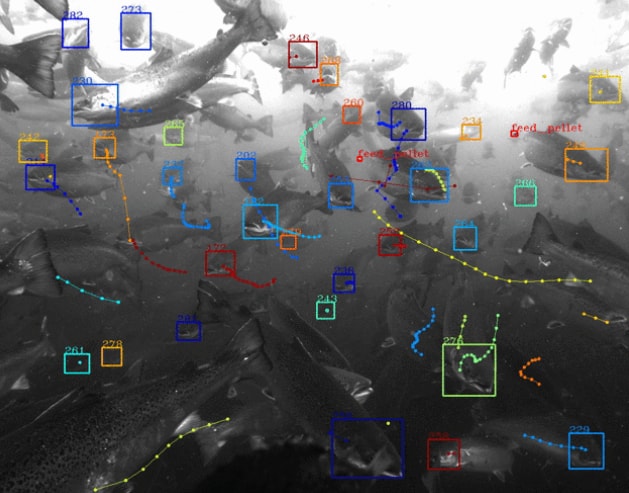
Google's latest moonshot is an ocean conservation project. Called "Tidal," the project will involve monitoring fish behavior using underwater cameras and what it calls "machine perception tools," which can detect and interpret fish behaviors invisible to the human eye. Tidal says its software can monitor the behavior and welfare thousands of thousands of individual fish over time, letting fish farmers manage their pens more effectively and efficiently.
Though Google only announced Tidal in a blog post published Monday, the tech giant says it has spent the past three years talking with fish farmers to inform its fish-monitoring tech.
-
Our brains are powerful—but secretive—forecasters of video virality - by Stanford University
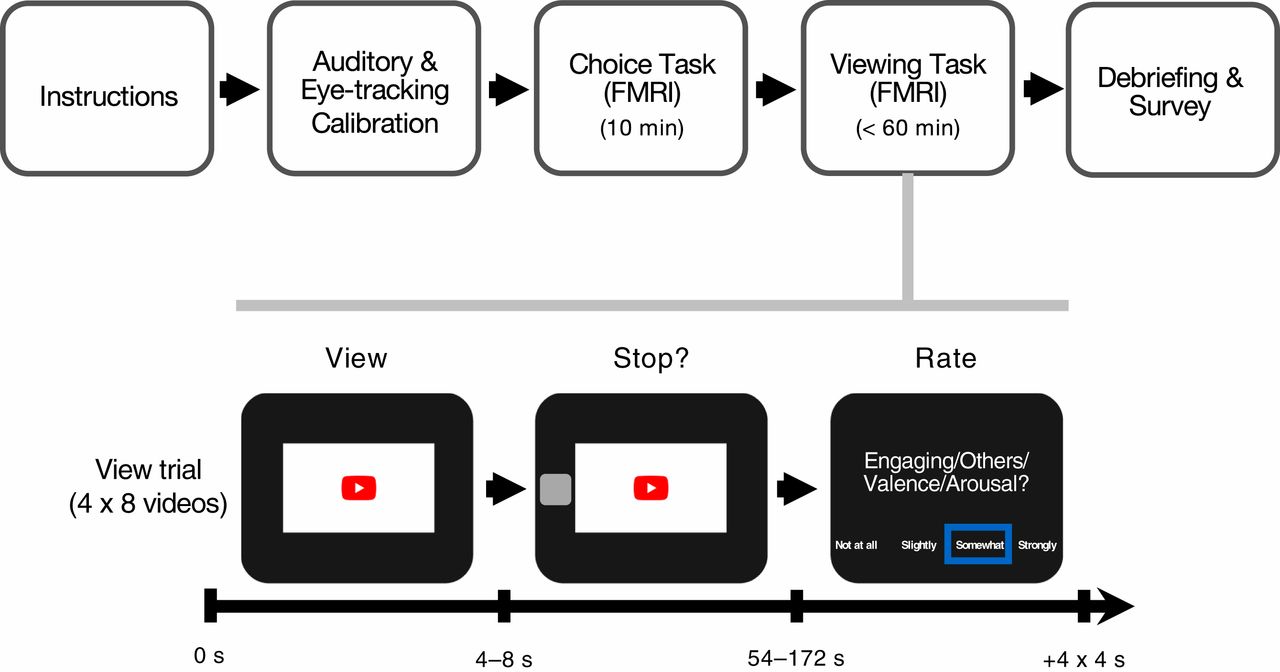
Stanford University neuroscientist Brian Knutson and colleagues are investigating an approach he calls "neuroforecasting"—in which they use brain data from individuals who are in the process of making decisions to forecast how larger groups of unrelated people will respond to the same choices.
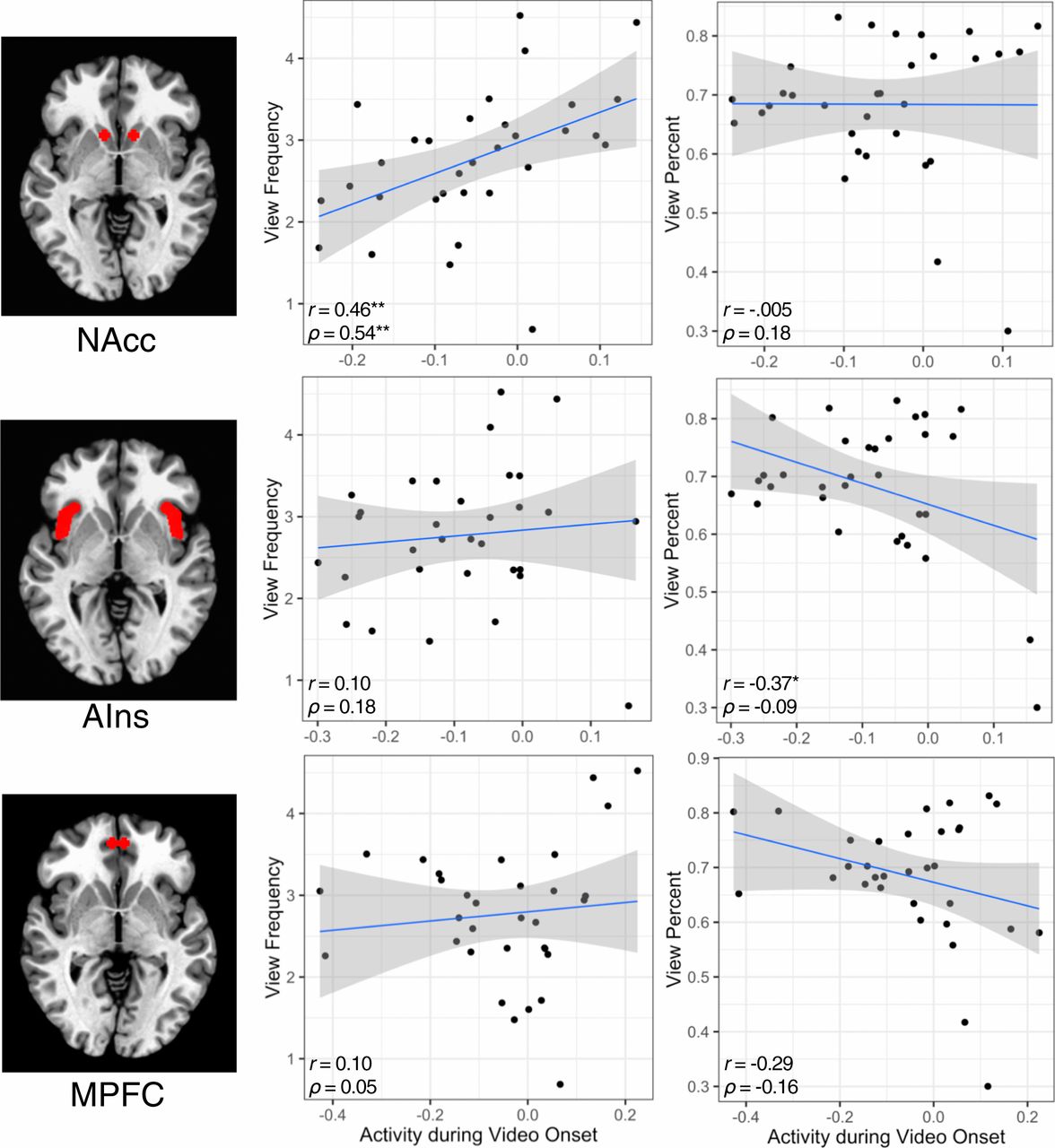
His lab's latest neuroforecasting work in collaboration with researchers at Stanford's Graduate School of Business, published Mar. 9 in the journal Proceedings of the National Academy of Sciences, focused on how people spend time watching videos online. By scanning people's brains as they selected and watched videos, the researchers discovered that both neural and behavioral responses to a video could forecast how long other people will watch that same video on the internet. When forecasting video popularity on the internet, however, brain responses were the only measure that mattered.
Neuro-forecasting internet market success - talk by Brian Knutson
-
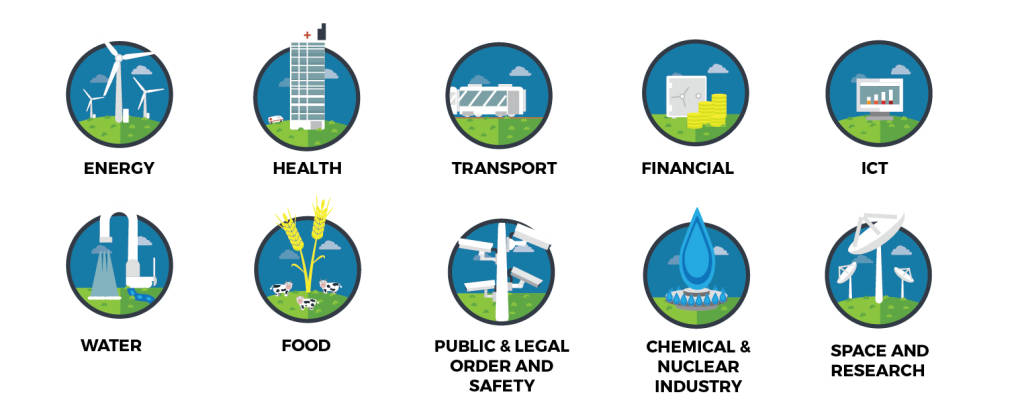
Critical infrastructure is a term used by governments to describe assets that are essential for the functioning of a society and economy – the infrastructure.
-
Are People With ADHD Better at Creative Tasks? (scientificamerican)
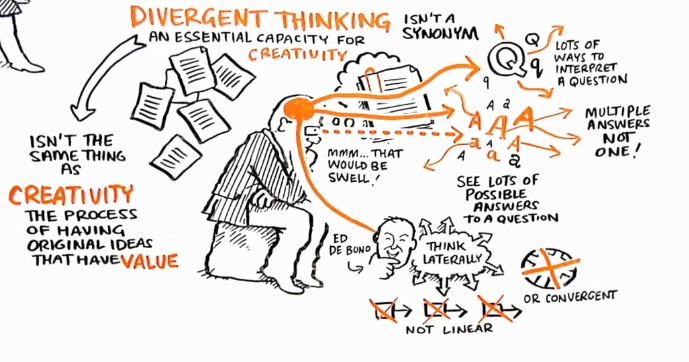
Three aspects of creative cognition are divergent thinking, conceptual expansion and overcoming knowledge constraints... Previous research has established that individuals with ADHD are exceptionally good at divergent thinking tasks, such as inventing creative new uses for everyday objects, and brainstorming new features for an innovative cell phone device. In a new study, college students with ADHD scored higher than non-ADHD peers on two tasks that tapped conceptual expansion and the ability to overcome knowledge constraints. Together with previous research, these new findings link ADHD to all three elements of the creative cognition trio...
-
‘The new normal’: China’s excessive coronavirus public monitoring could be here to stay
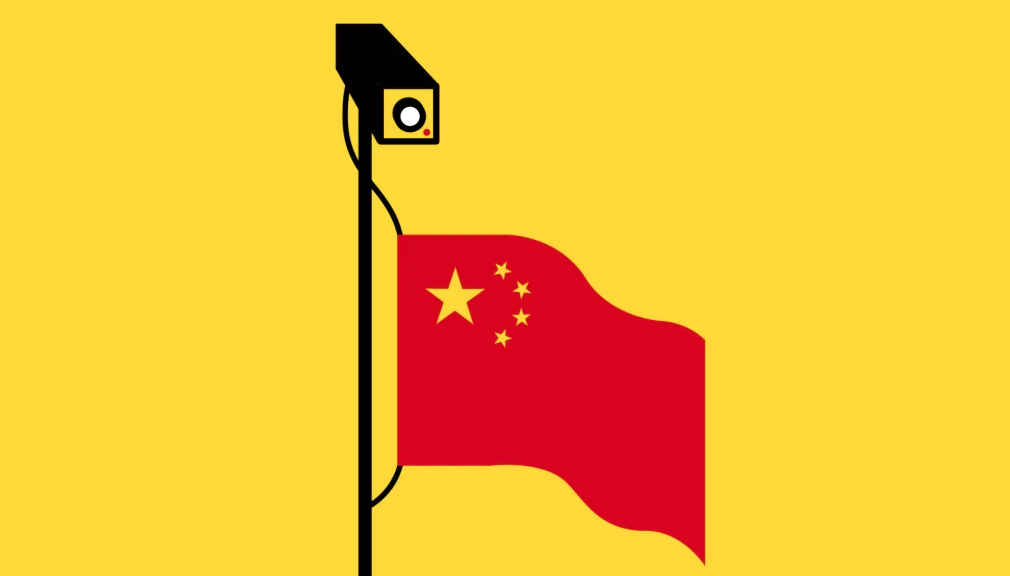
Experts say the coronavirus has given the Chinese government a pretext for accelerating the mass surveillance: “Intrusive surveillance is already the ‘new normal’. The question for China is what, if any, is a level of surveillance that the population refuses to tolerate,” said Stuart Hargreaves, an associate professor at Chinese University of Hong Kong’s law school.
Coronavirus forces Europe to confront China dependency (SCMP)
Mounting supply chain problems are fuelling arguments for greater independence from Beijing's manufacturing might. Outbreak has already caused Chinese exports to plummet, falling by 17.2 per cent in January-February compared with a year ago.
-
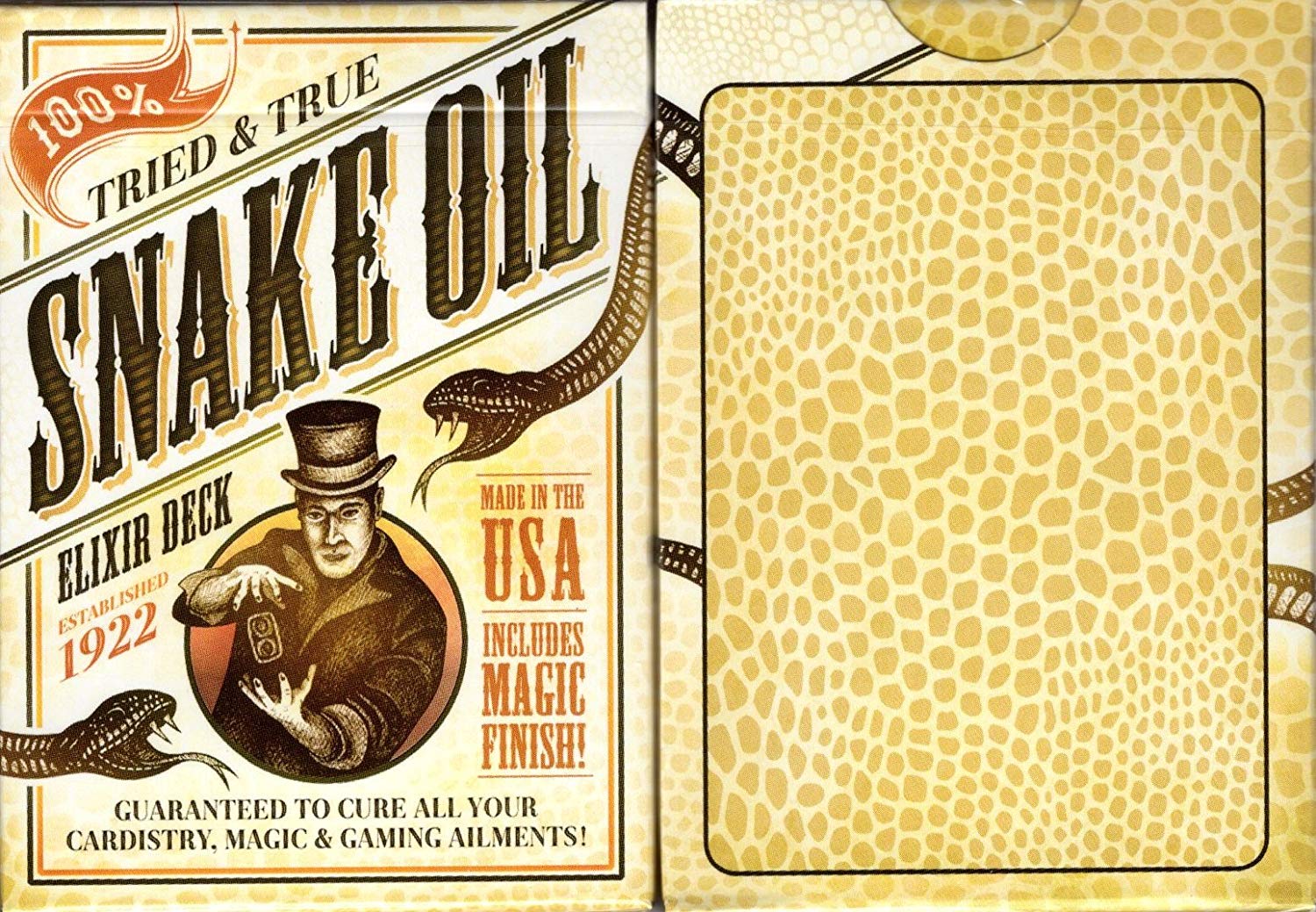
Snake oil is a euphemism for deceptive marketing. Many 19th-century US and European entrepreneurs advertised and sold mineral oil as "snake oil liniment", making frivolous claims about its efficacy as a panacea. Fat extracted from the Chinese water snake has been used in traditional Chinese medicine for many centuries, and is a common medication prescribed by doctors.