tag > ALife
-
What if your steak came from the greenhouse instead of the slaughterhouse?
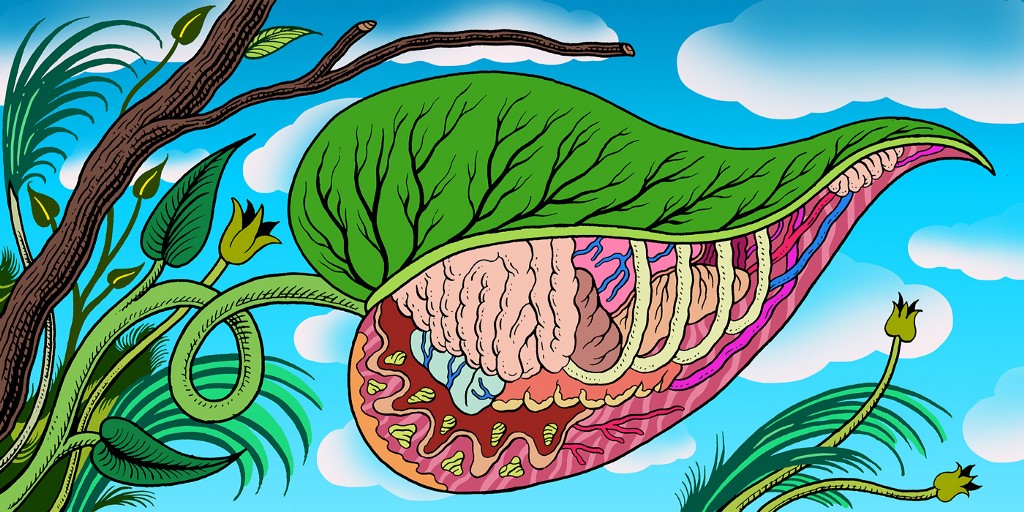
To make meat out of animal cells but no actual animals, you have to solve a big (meaty!) problem: Where do you grow the stuff? Though it might sound like a vegetarian’s nightmare, the answer could be to produce the meat on plants. Glenn Gaudette, a professor of biomedical engineering, is growing cow muscle cells on spinach leaves.
-
Capillary-driven desalination in a synthetic mangrove
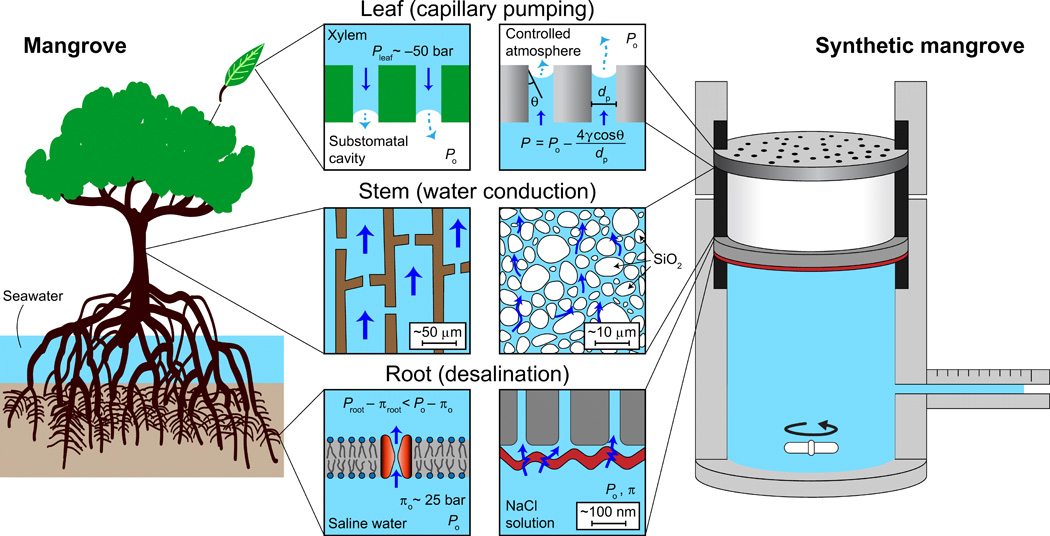
We demonstrate a synthetic mangrove that mimics the main features of the natural mangrove: capillary pumping (leaves), stable water conduction in highly metastable states (stem), and membrane desalination (root). Our findings create possibilities for engineered membrane separations using large, passively generated capillary pressures.
-
Underwater Snail-o-Bot gets kick from light
Researchers at the Max Planck Institute for Intelligent Systems in Stuttgart in cooperation with Tampere University in Finland developed a gel-like robot inspired by sea slugs and snails they are able to steer with light. Much like the soft body of these aquatic invertebrates, the bioinspired robot is able to deform easily inside water when exposed to this energy source. Due to specifically aligned molecules of liquid crystal gels – its building material – and illumination of specific parts of the robot, it is able to crawl, walk, jump, and swim inside water. The scientists see their research project as an inspiration for other roboticists who struggle to design untethered soft robots that are able to move freely in a fluidic environment. Such inventions could one day play a pivotal role in the research field of minimally-invasive robotic medical applications. In the video: the top left panel represents crawling with 2X speed; the middle left represents walking with 2X speed, bottom left represents jumping with 2X speed, and the right panel represents swimming with 1X speed.
-
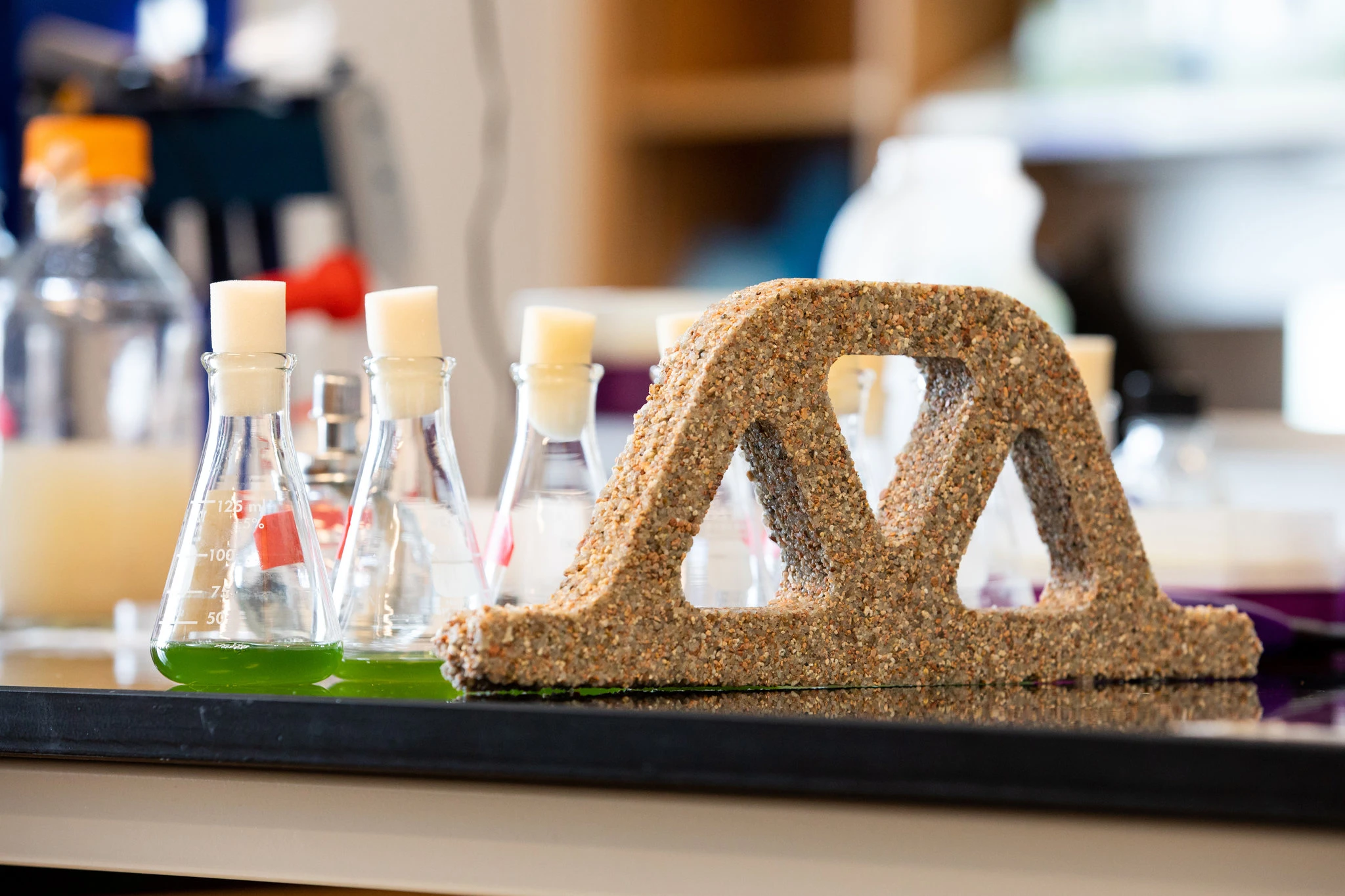
Bricks Alive! Scientists Create Living Concrete (nytimes)
“A Frankenstein material” is teeming with — and ultimately made by — photosynthetic microbes. And it can reproduce.
-
An anonymous group claims it took DNA from global elites — and is auctioning it off
If you had Donald Trump’s DNA, what would you do with it? An anonymous organization called the Earnest Project is offering the chance to own DNA samples of a handful of world leaders and celebrities. The group claims it has surreptitiously collected items discarded by attendees of the 2018 World Economic Forum in Davos, Switzerland, that may contain their DNA. President Trump, French President Emmanuel Macron, German Chancellor Angela Merkel, and Elton John all attended the conference.
-
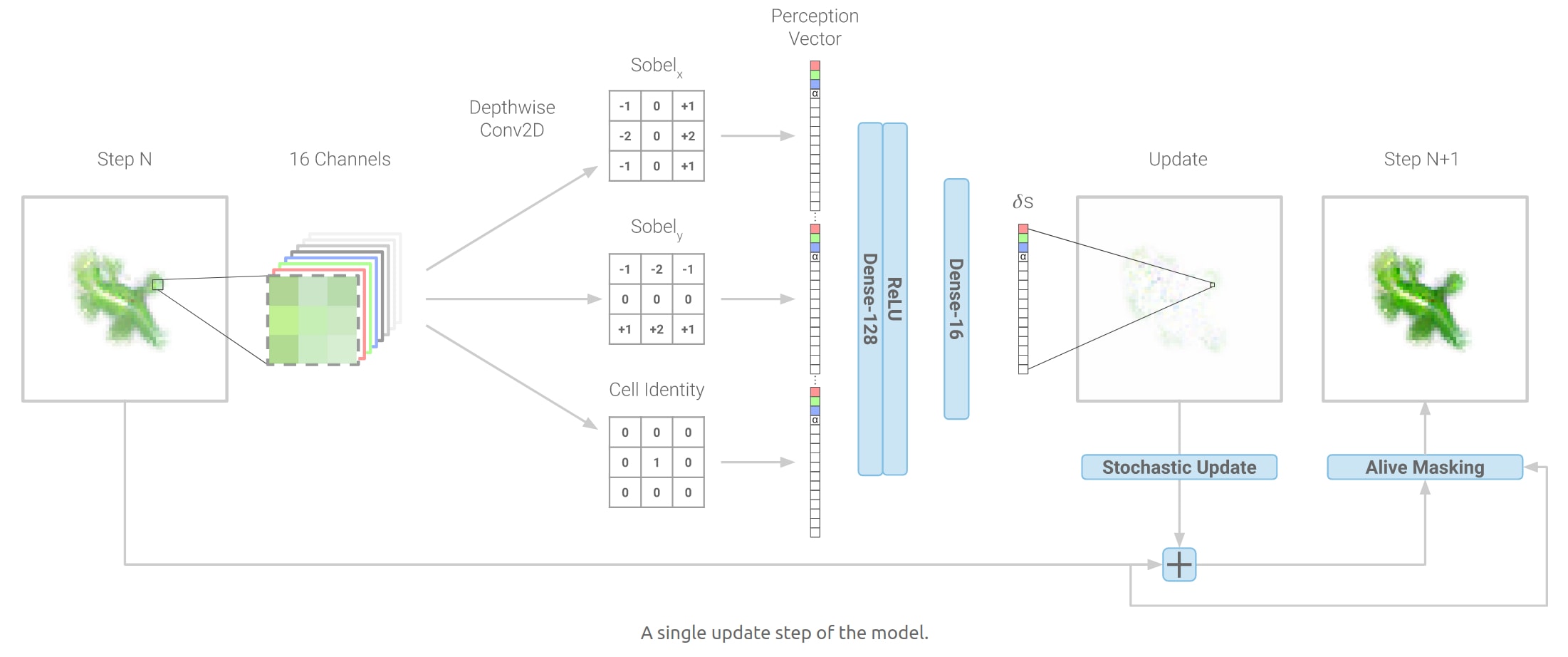
Growing Neural Cellular Automata - Differentiable Model of Morphogenesis - by Alexander Mordvintsev, Ettore Randazzo, Eyvind Niklasson, Michael Levin
-
John Horton Conway: "On His LOVE/HATE Relationship with LIFE"
-
Acoustically driven microrobot outshines natural microswimmers
Researchers at the Max Planck Institute for Intelligent Systems in Stuttgart have designed and fabricated an untethered microrobot that can slip along either a flat or curved surface in a liquid when exposed to ultrasound waves. Its propulsion force is 2 to 3 orders of magnitude stronger than the propulsion force of natural microorganisms such as bacteria or algae. Additionally, it can transport cargo while swimming. The acoustically propelled robot hence has significant potential to revolutionize the future minimally invasive treatment of patients.
-
Artificial Life Models in Software - Book by Andrew Adamatzky and Maciej Komosinski
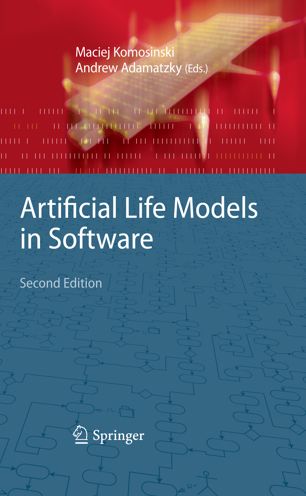
An introduction and guideto modern software tools for modeling and simulating life-likephenomena, written by those who personally design and develop software,hardware, and art installations in artificial life, simulated complexsystems and virtual worlds. This timely volume offers a nearly exhaustive overview and originalanalysis of major non-profit software packages that are activelydeveloped and supported by experts in artificial life and softwaredesign.
-
PERDIX - Fabricate any free-form 2D drawing at the nanometer scale using DNA (MIT)
PERDIX (Programmed Eulerian Routing for DNA Designs using X-overs) is a free, open-source resource for the fully autonomous design of arbitrary 2D scaffolded DNA origami nanostructures.
TALOS (Three-dimensional, Algorithmically-generated Library of DNA Origami Shapes) is a open-source, fully autonomous design algorithm for generating 3D nanometer-scale structures using DNA.
-
‘Frankenstein’ material can self-heal, reproduce (sciencemag) - report about the paper "Biomineralization and Successive Regeneration of Engineered Living Building Materials"
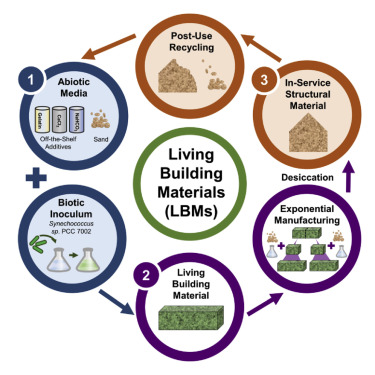
Highlights
- Living building materials (LBMs) were grown and regrown using physical switches
- Cyanobacteria biomineralized hydrogel-sand scaffolds
- Biomineralization increased the fracture toughness of LBMs
- Three child generations of LBMs were grown from one parent generation
- Microbial viability in the living building materials was maintained through 30 days
-
Scientists Use Stems Cells From Frogs To Build First Living Robots (The Guardian)
Research Paper: A scalable pipeline for designing reconfigurable organisms - by Sam Kriegman, Douglas Blackiston, Michael Levin, and Josh Bongard (2020)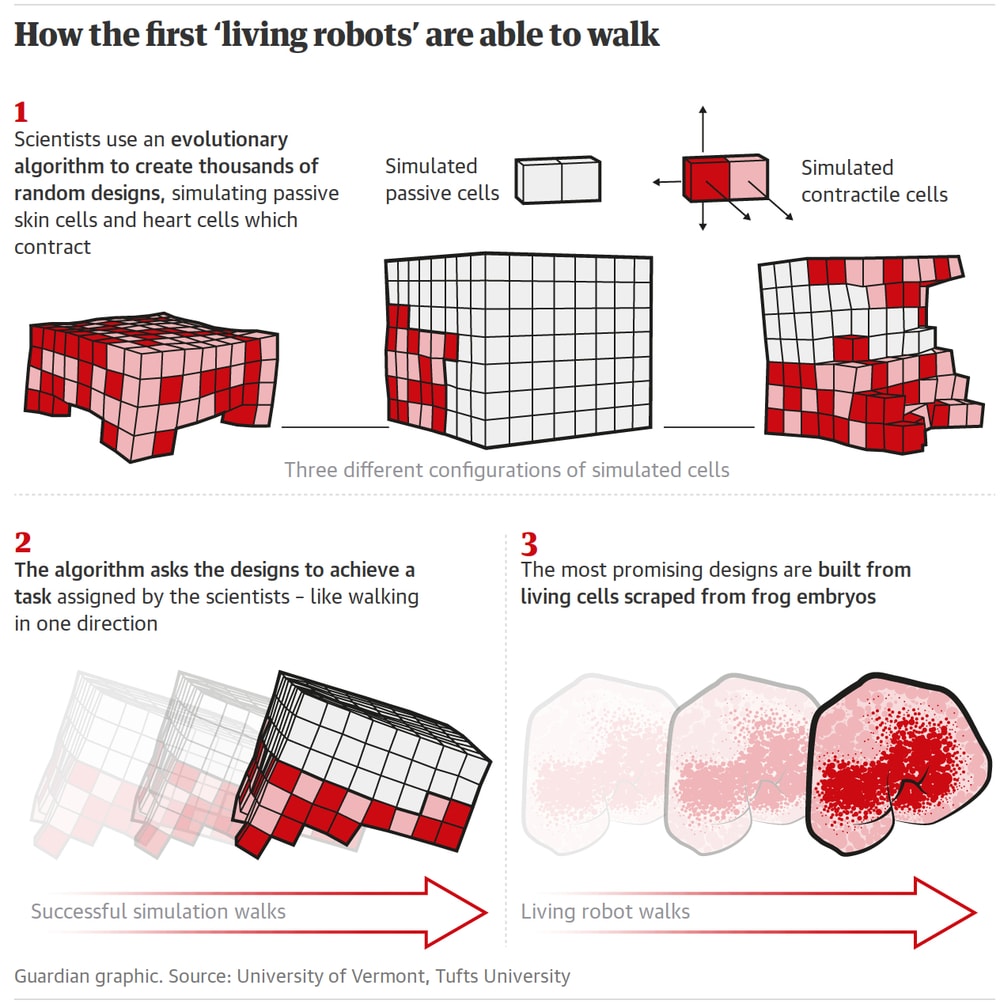
Abstract
: "Here we show a scalable pipeline for creating functional novel lifeforms: AI methods automatically design diverse candidate lifeforms in silico to perform some desired function, and transferable designs are then created using a cell-based construction toolkit to realize living systems with the predicted behaviors. Although some steps in this pipeline still require manual intervention, complete automation in future would pave the way to designing and deploying unique, bespoke living systems for a wide range of functions."
#Comment: Impressive research and ongoing work - congrats! But beyond the praises, please allow me to offer some critical reflections: As usual, the media (and researchers) is willingly mislabeling and exaggerating. Evolutionary Soft-robotics, ALife etc. are progressing, sure. But is this a "first living machine", as is loudly claimed in some of the articles about this work? Humans still lack a functional, semi-universal definition of what constitutes "living". Such questions are by and large still at the same stage, as when Schrödinger published "What Is Life?" in 1944. The reporting on this research contains many other such fantastical claims ("Xenobots SOON could be used to deliver medicine to humans" etc.), presented as hard science/engineering reality - even it clearly encompasses a manifold of unsolved hard problems and questions and is deep in fundamental research territory. More humbleness and restraint would serve all involved parties very well. It makes for good science and a robust public discourse, unlike the hype driven 15min-of-fame click-bait madness of today.
Related: My mini docu "Life": EP 1 on Artificial Life, and EP 2 on Neurorobotics
More media news clips feat. the research:
Computer-designed organisms - interview with Josh Bongard
Computer designed organisms. Aired on CNN Jan 19, 2020.
-
"And now i see with eye serene, the very pulse of the machine. A being breathing thoughtful breaths, a traveler between life and death." - William Wordsworth (1770 – 1850)
-
PathNet & Beyond - talk by Chrisantha Fernando (DeepMind)
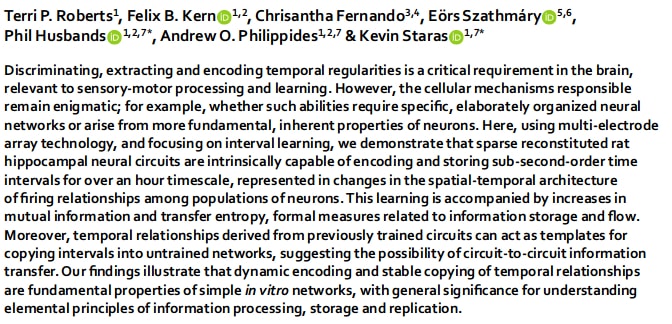
Related: "Encoding temporal regularities and information copying in hippocampal circuits" - by Chrisantha Fernando el.al (2019)

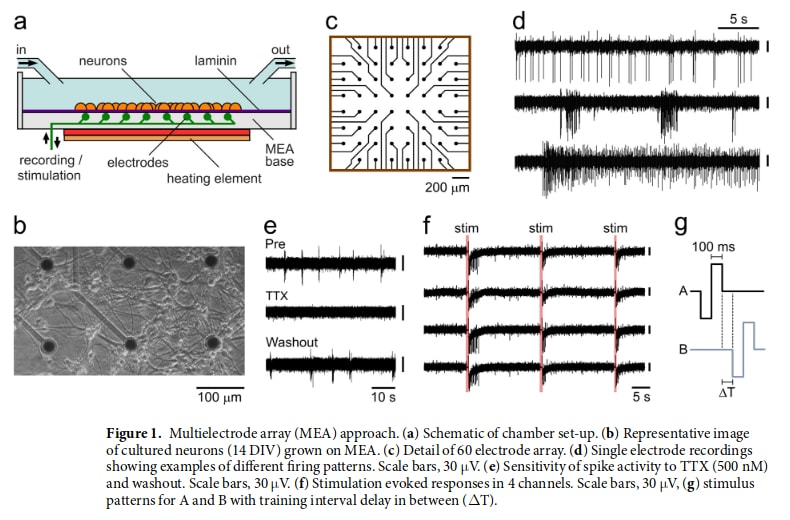
"A New Research Program: Evolutionary Neurodynamics" - talk by Chrisantha Fernando (2014)
-
Videos by Andy Adamatzky, Professor in Unconventional Computing, UWE, Bristol
-
Where do minds belong? - by Caleb Scharf (Director of astrobiology at Columbia)
"Intelligence could have been moving back and forth between biological beings and machine receptacles for aeons"
"Any machine intelligence might already be dreaming of becoming biological again, returning to an islanded state in the great wash of interstellar space"
-
Chinese banker who embezzled US$108 million handed suspended death sentence
SCMP: "Ex-Chairman of Hengfeng Bank, Jiang Xiyun was convicted for moving 754 million yuan ($108 million) worth of Hangfeng shares to his personal account between 2008 & 2013. He also took bribes of more than 60m yuan together with another bank executive. Jiang had ordered others to destroy records for over 600 million yuan of transactions. Hengfeng Bank received about $14 billion bailout package. A reprieved death sentence may be commuted to a life sentence if the person shows good behavior within the allotted period." (alt: bloomberg)
#Comment: When is the last time one of the (many) super corrupt and criminal bankers in western countries had to go to jail or face justice? Probably zero times in the past 40 years?
Chinese scientist He Jiankui involved in gene-edited babies jailed for 3 years
SCMP: "Chinese scientist He Jiankui, who created the world’s first “gene-edited” babies, has been sentenced to three years in prison and fined 3 million yuan (US$430,000). He, along with two others named Zhang Renli and Qin Jinzhou, was convicted by a Shenzhen court on Monday on charges related to the “illegally carrying out human embryo gene-editing intended for reproduction”, which led to the births of three genetically edited babies, according to state news agency Xinhua."
#Comment: What message does jailing a single scientists ("bad sheep") send, in a time when Synthetic Life ("Internet of Life" as one Chinese initiative is called) is entering the hot period?
-
Prof. Dr. Günter von Kiedrowski - on "Chemical Self-replicating systems: Facts, goals, and visions" (7th European Conference on Artificial Life, 2003)
"Why replication at all? In the natural context, replication has the same meaning as integration in electronics. I mean, if you are able to do integrate electronic circuitry, you can establish Moore's Law and in chemistry this kind of replication was not addresses so far. But if it is possible to replicate objects, then it is possible to make things cheaper, to pay for complexity. - Prof. Dr. Günter von Kiedrowski
Related:
- "Research Paper by Günter von Kiedrowski" (semanticscholar)
- "Self replicating systems" - by Volker Patzke and Günter von Kiedrowski (2007)
- "Exponential replication of patterns in the signal tile assembly model" (2014)
- "Where Did Life Come From? The Mind? The Universe? Can We Even Know?" (2013)
- "The Beginning of Systems Chemistry" - by Peter Strazewski"
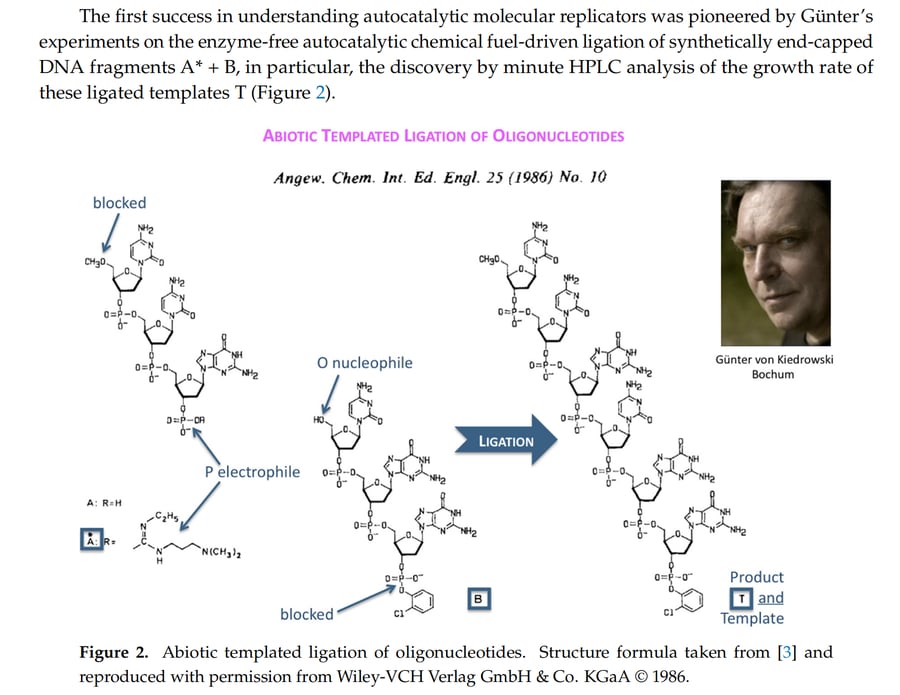
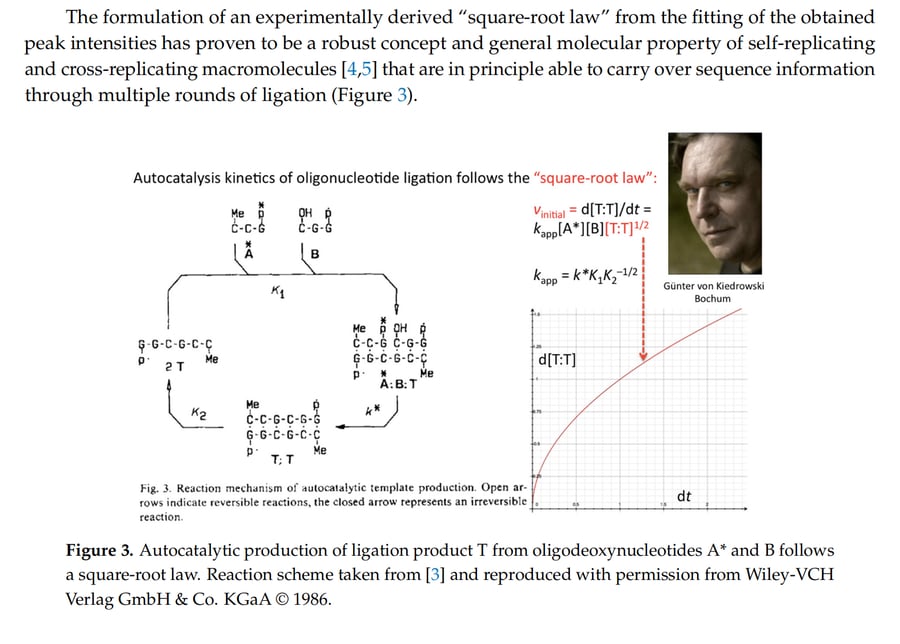
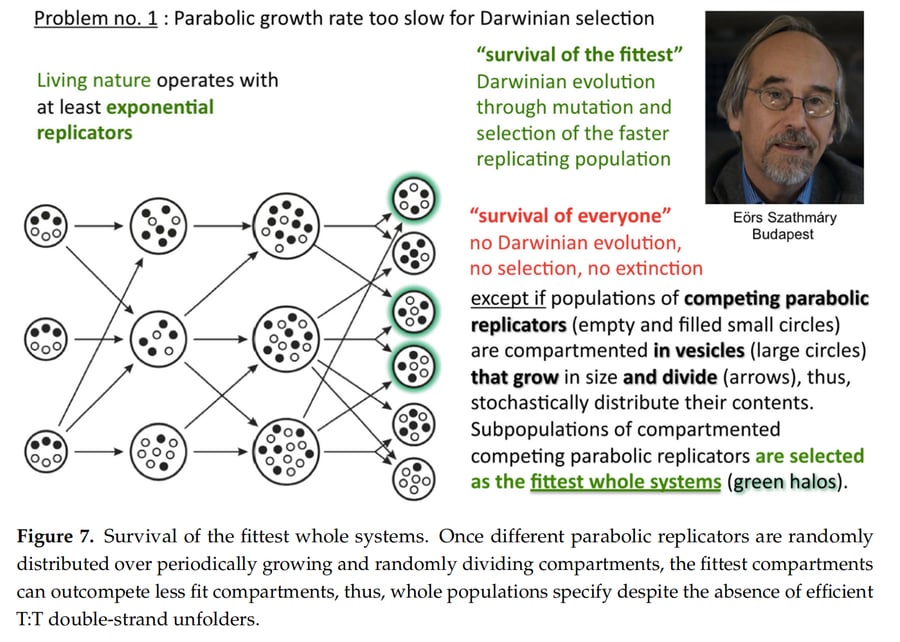
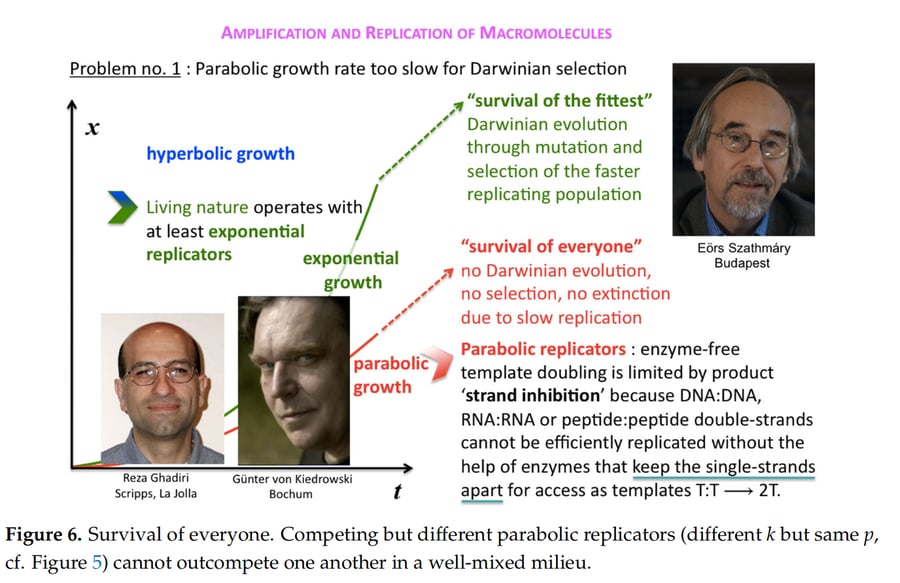
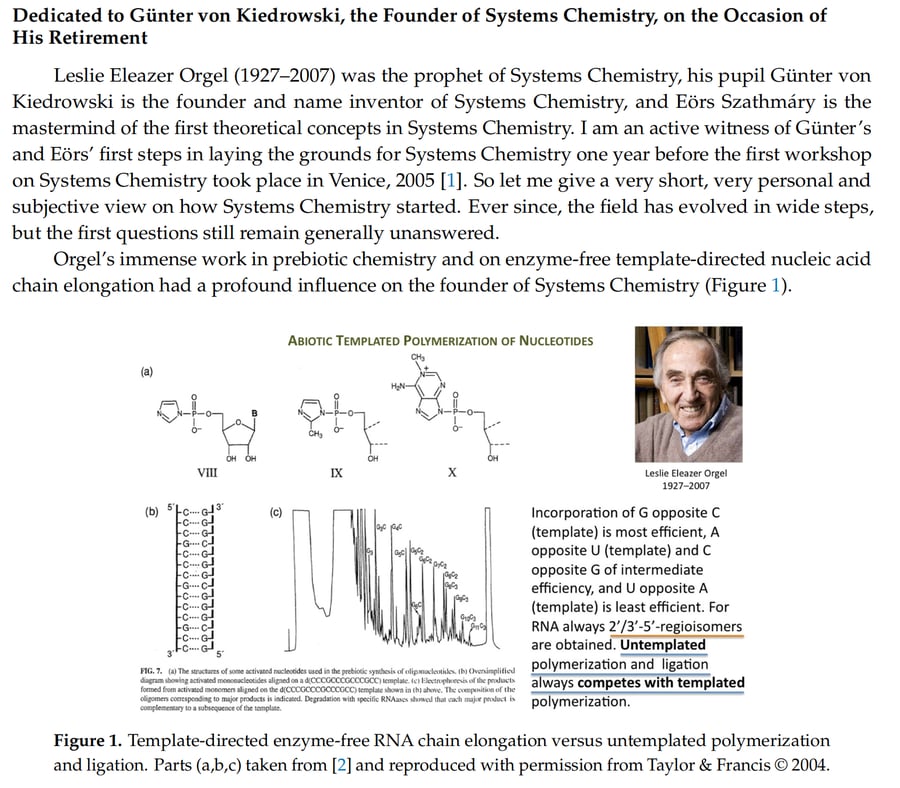
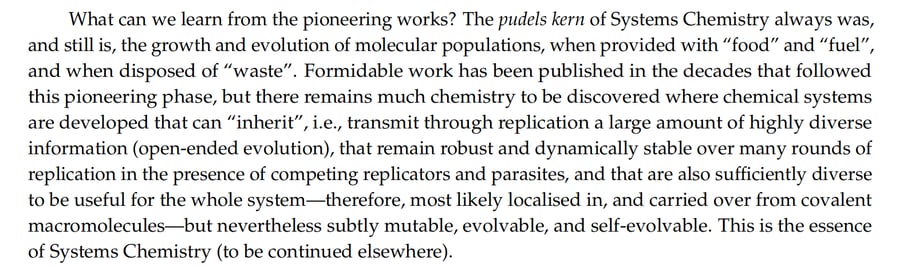
Images from "The Beginning of Systems Chemistry" - by Peter Strazewski"