tag > Culture
-
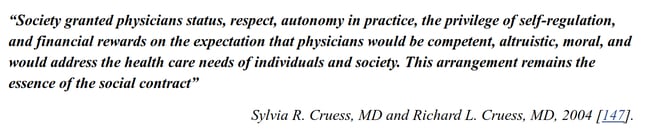
Golden Age of Medicine 2.0: Lifestyle Medicine and Planetary Health Prioritized (PDF)
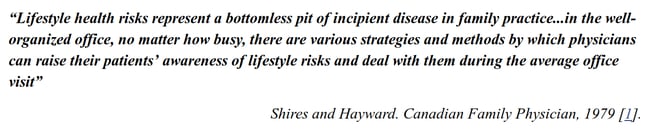
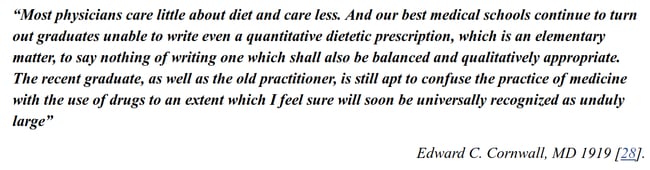
Abstract: "The 'golden age of medicine' - the first half of the 20th century, reaching its zenith with Jonas Salk's 1955 polio vaccine - was a time of profound advances in surgical techniques, immunization, drug discovery, and the control of infectious disease; however, when the burden of disease shifted to lifestyle-driven, chronic, non-communicable diseases, the golden era slipped away. Although modifiable lifestyle practices now account for some 80% of premature mortality, medicine remains loathe to embrace lifestyle interventions as medicine. Here, we argue that a 21st century golden age of medicine can be realized; the path to this era requires a transformation of medical school recruitment and training in ways that prioritize a broad view of lifestyle medicine. Moving beyond the basic principles of modifiable lifestyle practices as therapeutic interventions, each person/community should be viewed as a biological manifestation of accumulated experiences (and choices) made within the dynamic social, political, economic and cultural ecosystems that comprise their total life history. This requires an understanding that powerful forces operate within these ecosystems; marketing and neoliberal forces push an exclusive 'personal responsibility' view of health - blaming the individual, and deflecting from the large-scale influences that maintain health inequalities and threaten planetary health. The latter term denotes the interconnections between the sustainable vitality of person and place at all scales. We emphasize that barriers to planetary health and the clinical application of lifestyle medicine - including authoritarianism and social dominance orientation - are maintaining an unhealthy status quo."



-
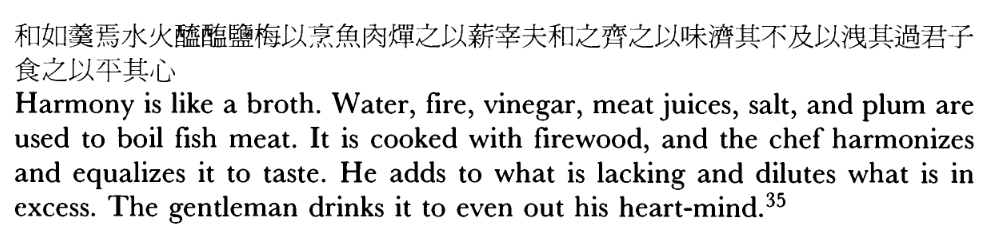
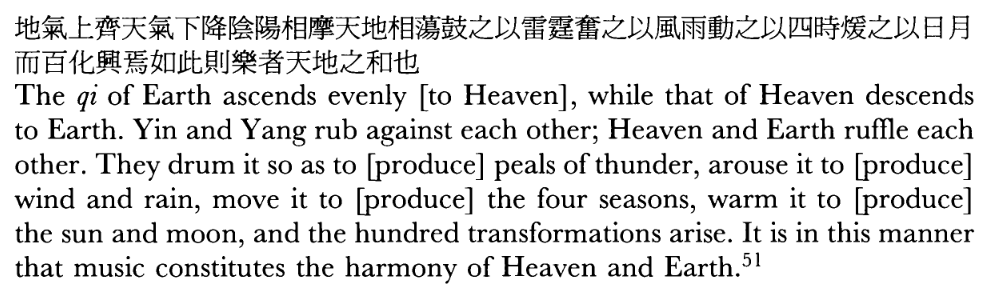
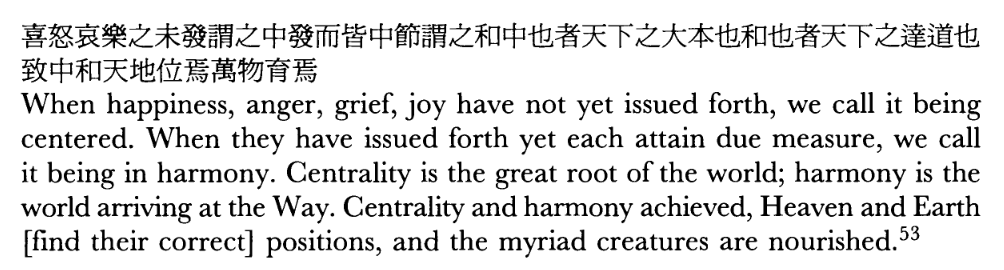
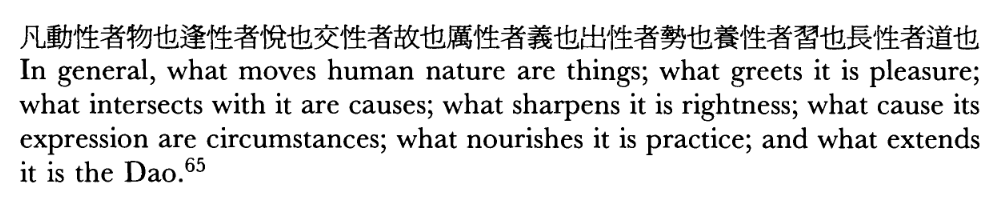
Book: Music, Cosmology, and the Politics of Harmony in Early China - by Erica Fox Brindley (2014) (Full e-book PDF)
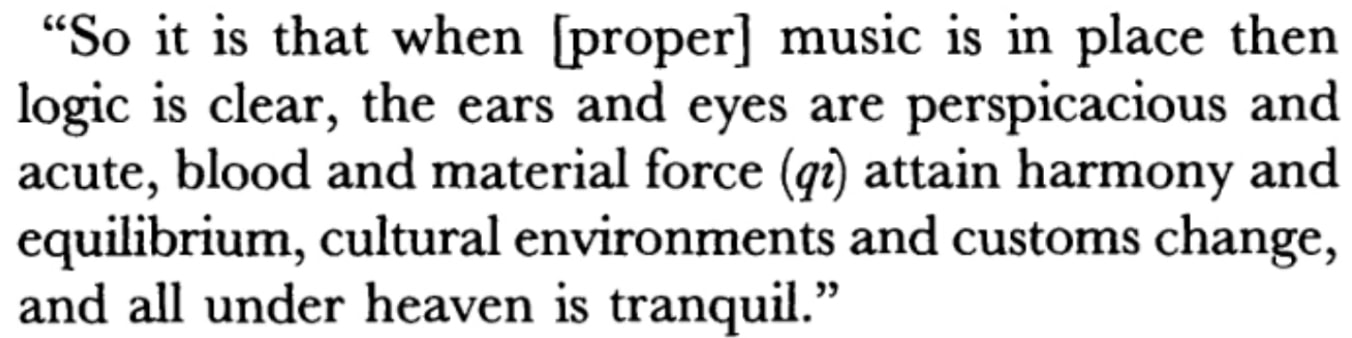
from "Yueji" ("Record of Music"), from the Book of Rites 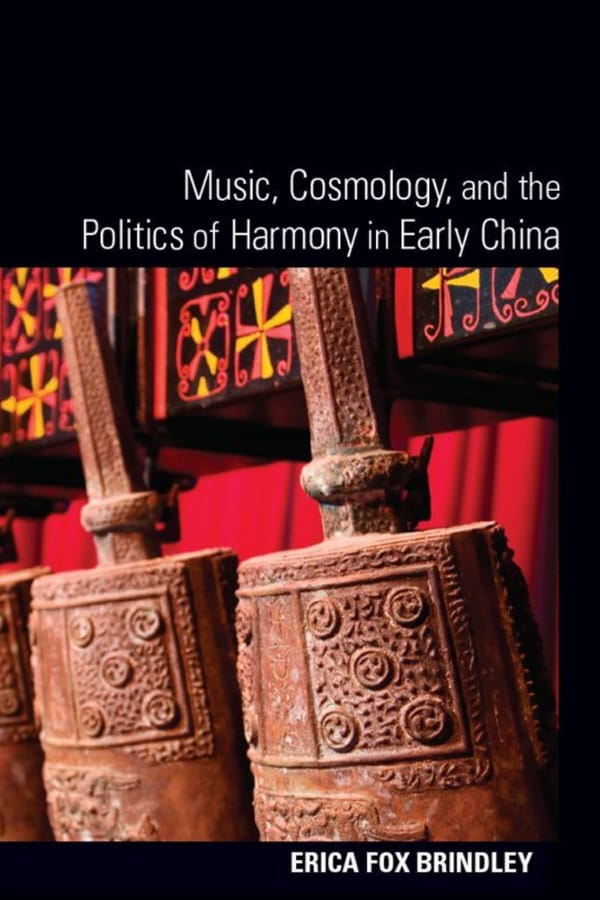
"In early China, conceptions of music became important culturally and politically. This fascinating book examines a wide range of texts and discourse on music during this period (ca. 500–100 BCE) in light of the rise of religious, protoscientific beliefs on the intrinsic harmony of the cosmos. By tracking how music began to take on cosmic and religious significance, Erica Fox Brindley shows how music was used as a tool for such enterprises as state unification and cultural imperialism. She also outlines how musical discourse accompanied the growth of an explicit psychology of the emotions, served as a fundamental medium for spiritual attunement with the cosmos, and was thought to have utility and potency in medicine. While discussions of music in state ritual or as an aesthetic and cultural practice abound, this book is unique in linking music to religious belief and demonstrating its convergences with key religious, political, and intellectual transformations in early China."
Related: "Music, Cosmos, and the Development of Psychology in Early China" - by Erica Brindley (2006) (unpaywalled PDF)
Related: "In Tune With The Cosmos: Tuning Theory, Cosmology, And Concepts Of Sound In Early China" - Dissertation by Noa Hegesh (2018)
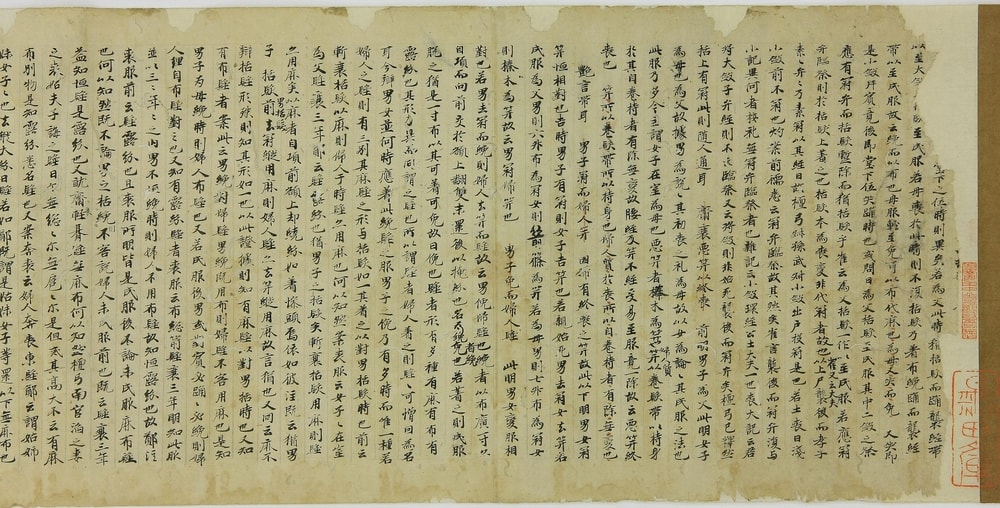
Wikipedia on the "Book of Rites":
"The Book of Rites, also known as the Liji, is a collection of texts describing the social forms, administration, and ceremonial rites of the Zhou dynasty as they were understood in the Warring States and the early Han periods. The Book of Rites is a diverse collection of texts of varied but uncertain origin & date.
During the reign of Qin Shihuang, many of the Confucian classics were destroyed during the 213 BC "Burning of the Books." However, the Qin dynasty collapsed within the decade: Confucian scholars who had memorized the classics or hid written copies recompiled them in the early Han dynasty. The Book of Rites was said to have been fully reconstructed, but the Classic of Music could not be recompiled and fragments principally survive in the "Record of Music" (Yueji) chapter of the Book of Rites."
Chinese Ancient Music
Ancient Music Of Tang Dynasty
Chinese Ancient Music: Wild Goose on the Peaceful Beach
-
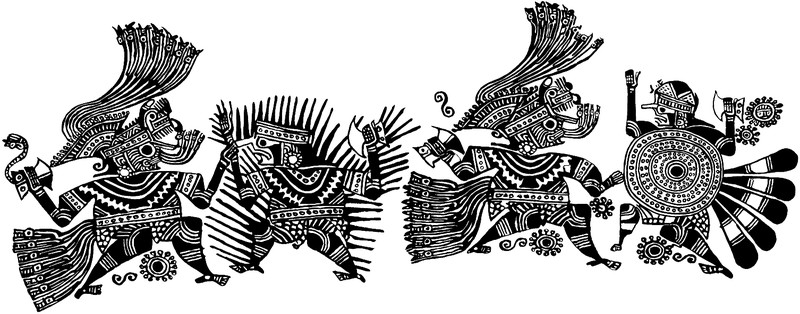
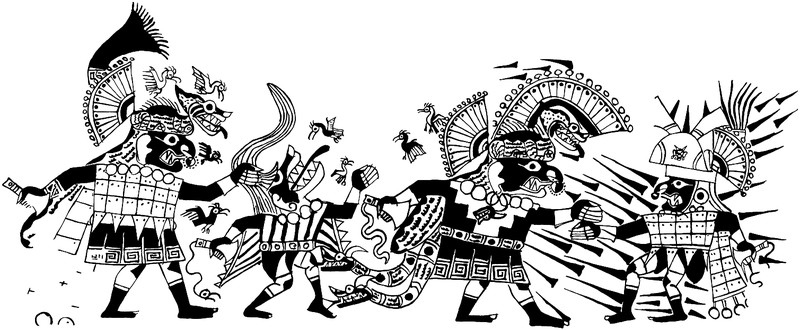
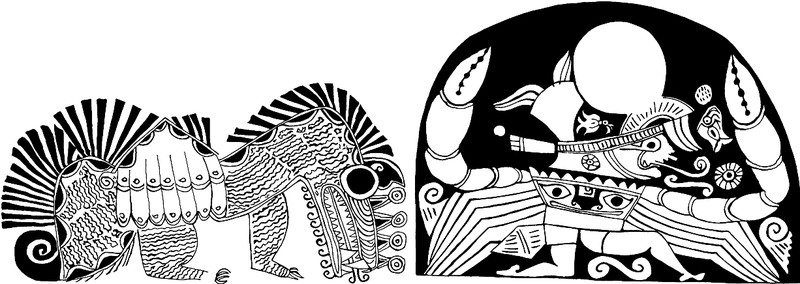
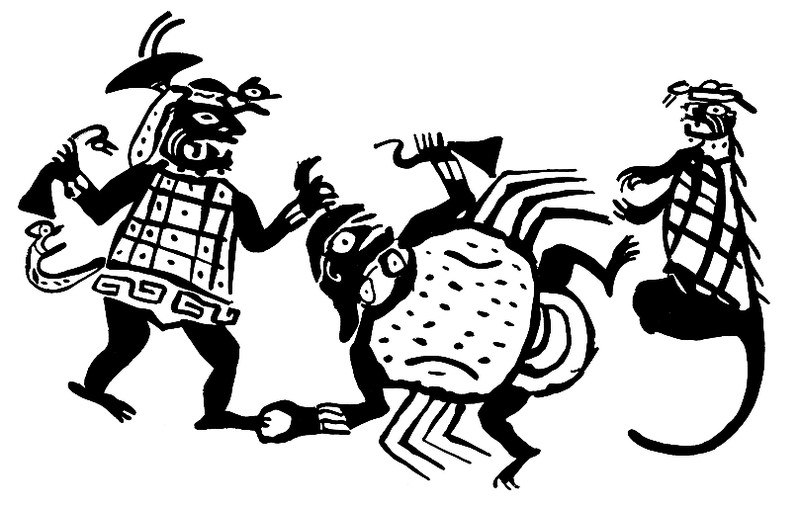
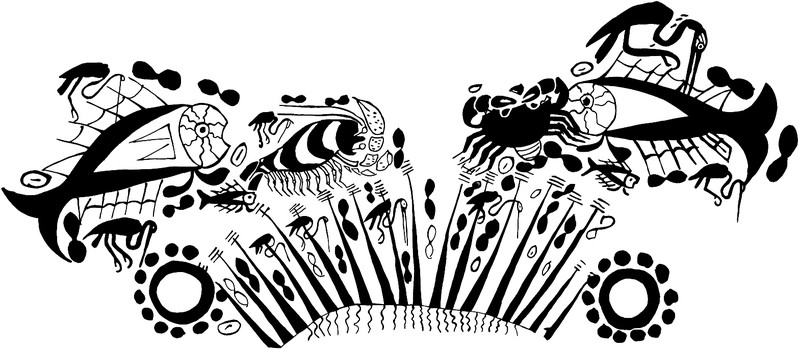
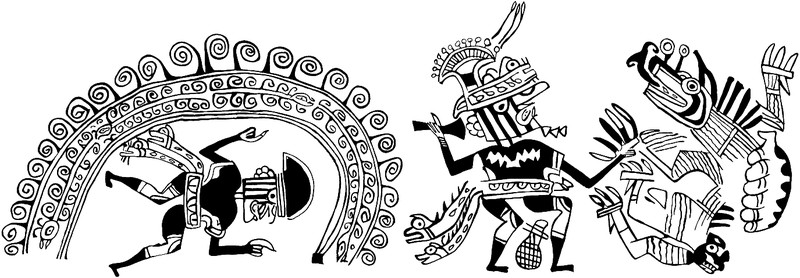
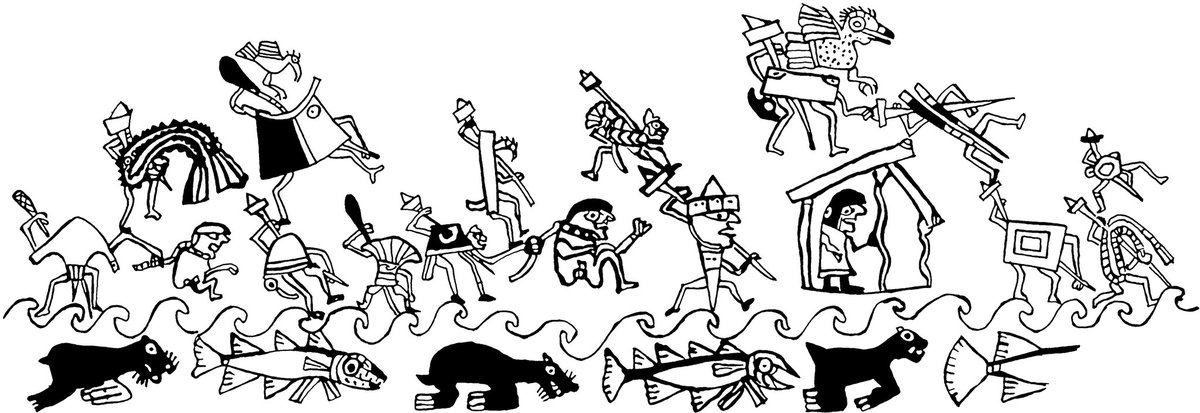
Art from "Huaca de la Luna" - A shrine built by the Moche people of northern Peru.
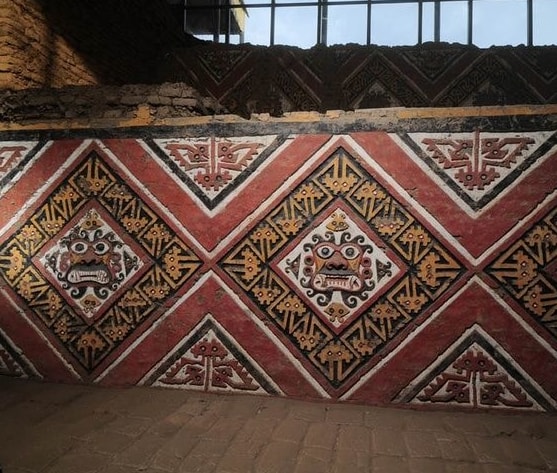
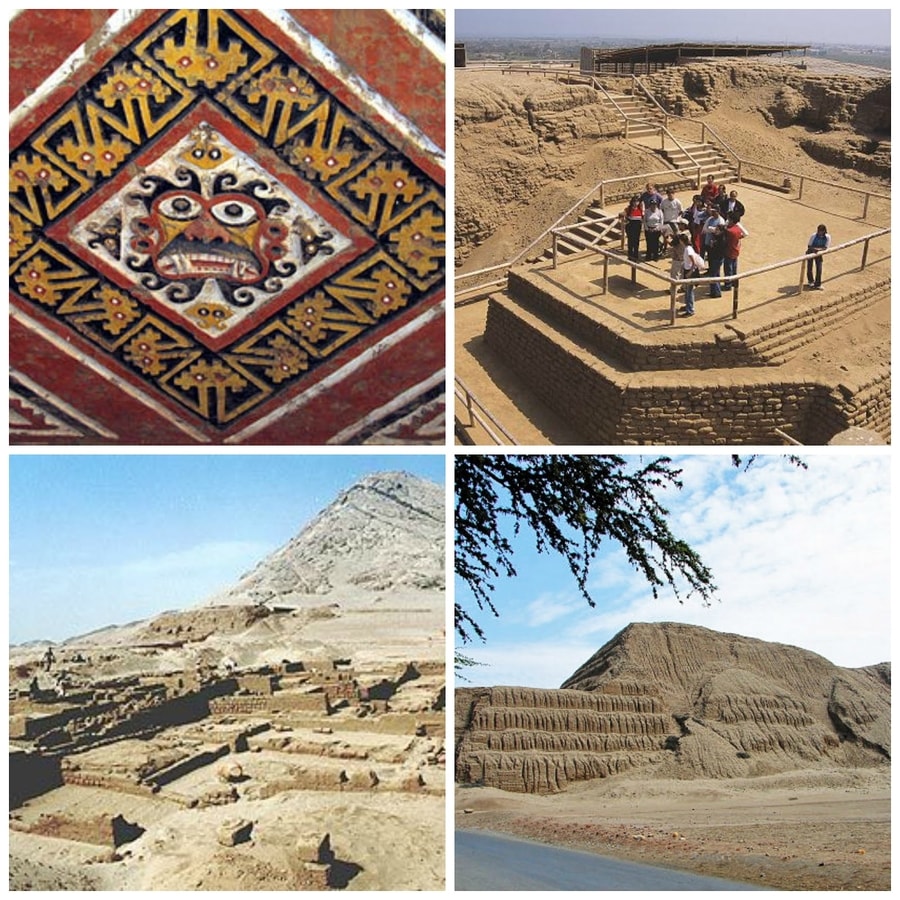
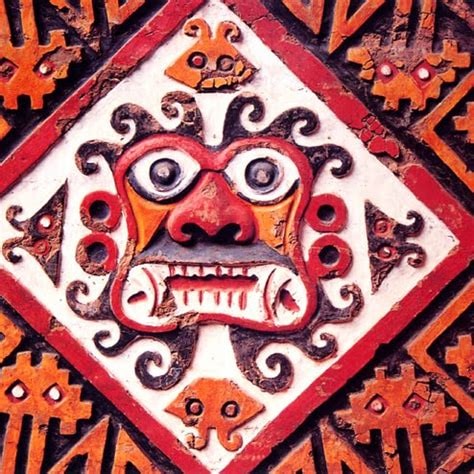
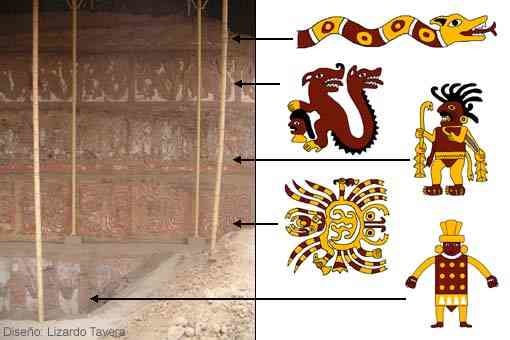
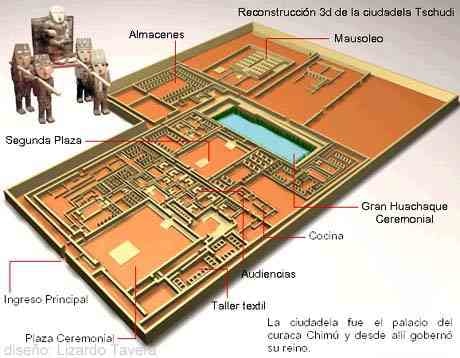
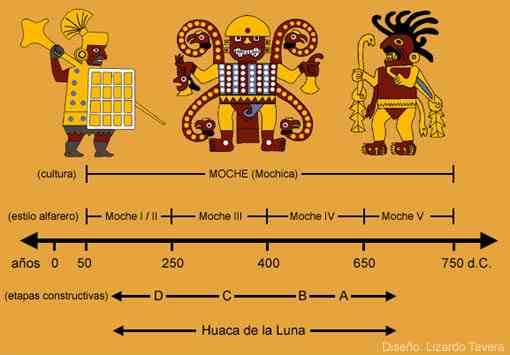
Text and Images from Dumbarton Oaks Research Library and Collection:
"The Moche worldview blurred the boundaries between the cultural realm and the natural world. Humans with animal bodies, objects with human traits, or anthropomorphic creatures that combined features from multiple animals, were painted as warriors in combat. Supernatural battles took place under water, on land or in abstract arenas. Finally, several supernatural characters are repeated throughout Moche imagery, in Narrative Themes, as individuals, and in other contexts, such as hunting scenes. Clearly, the ability of human figures to move between the natural and cultural realms was an important organizing principle of the Moche world."
Anthropomorphic Wave
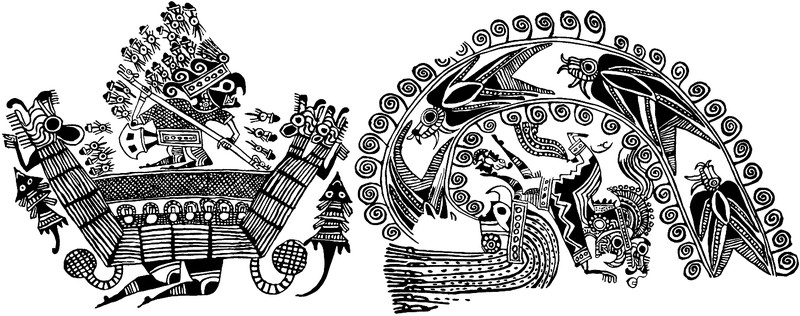
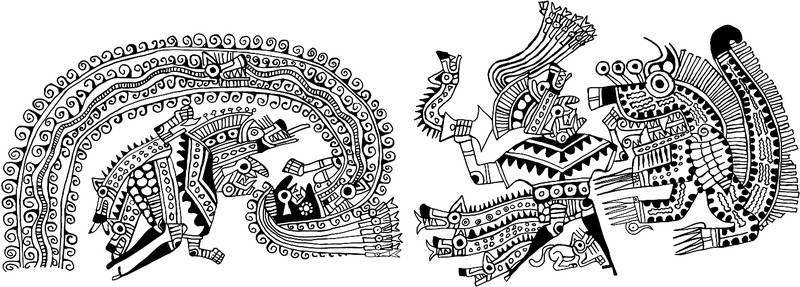
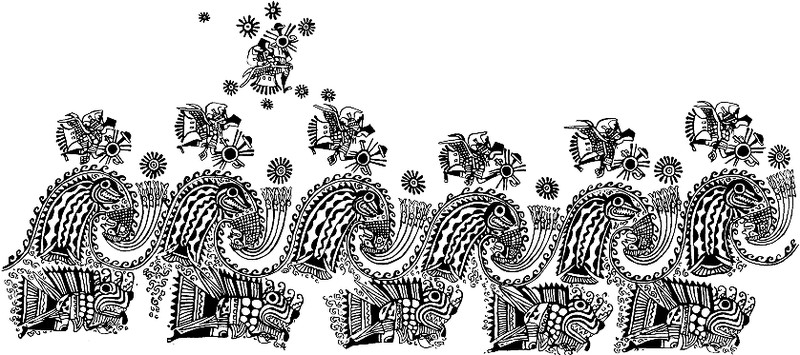
Anthropomorphic Urchin
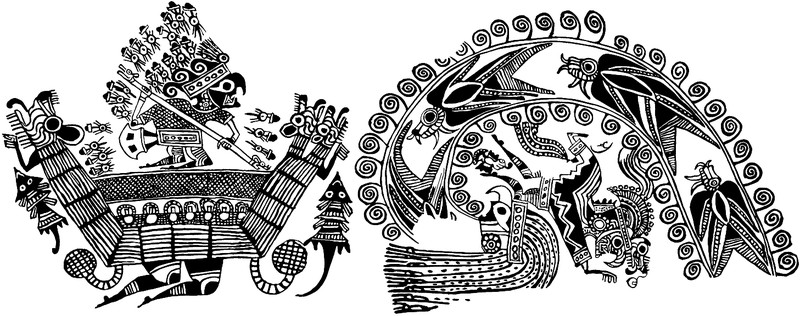
Crab Deity
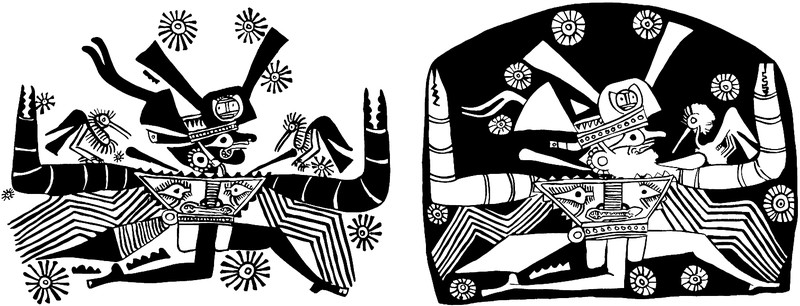
Crayfish Deity
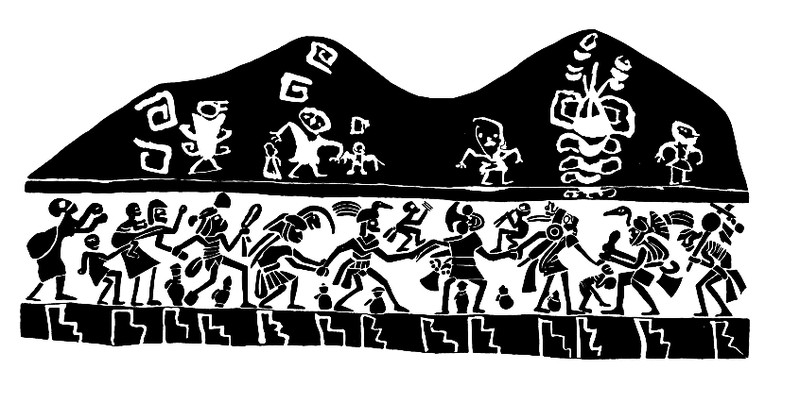
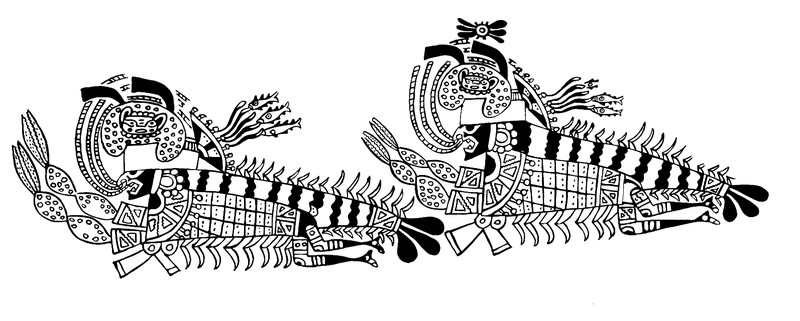
Strombus Being
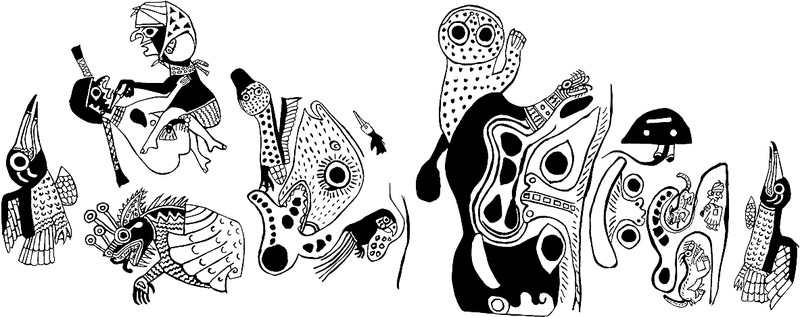
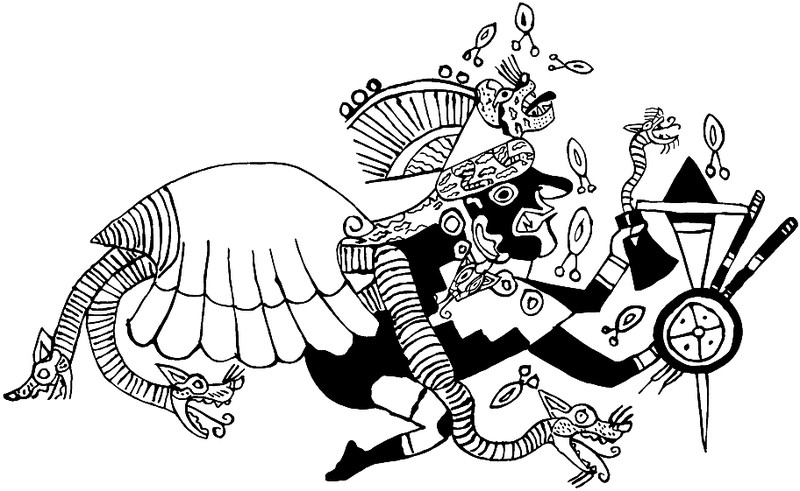
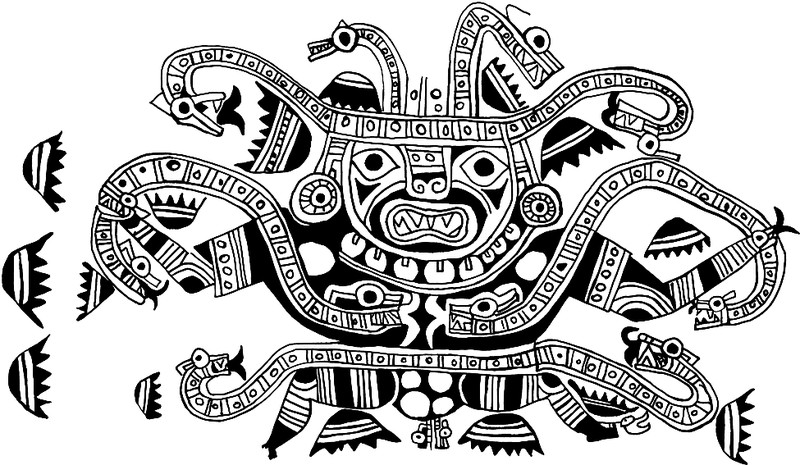
Ai Apaec/Wrinkle Face/the Fanged God
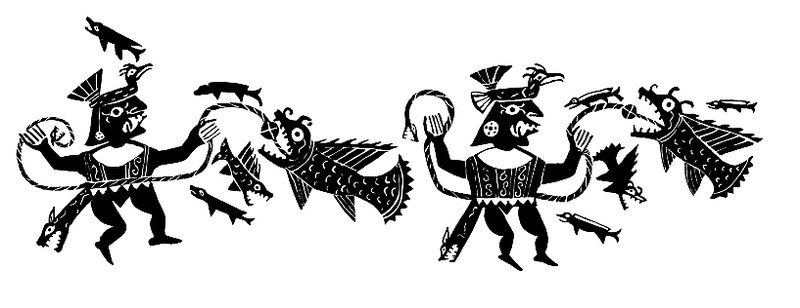
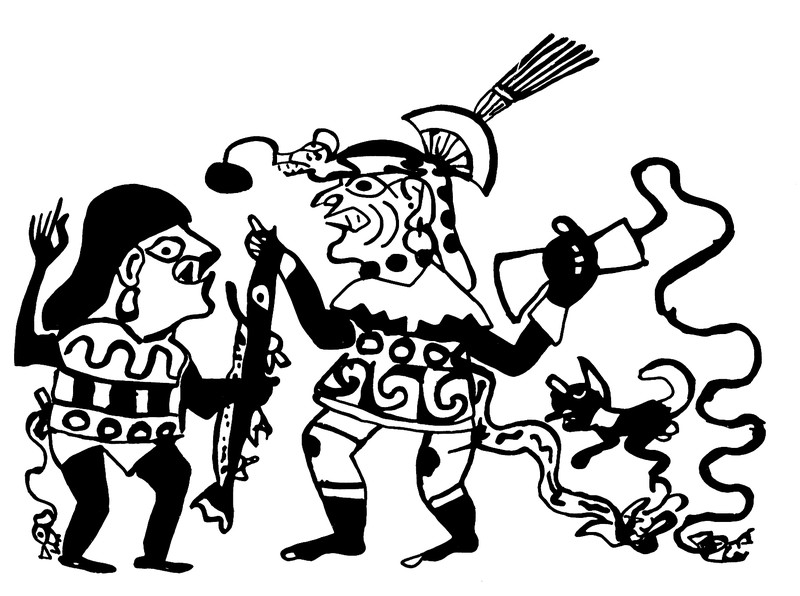
The Circulator God
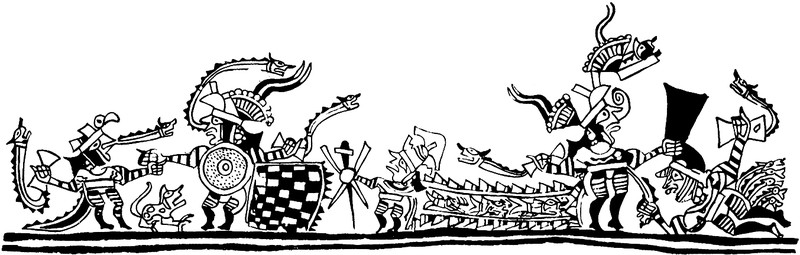
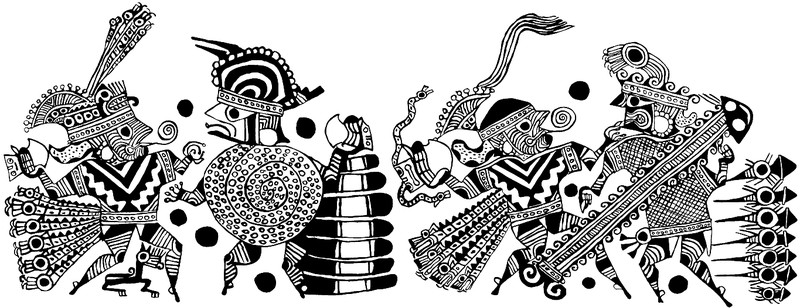
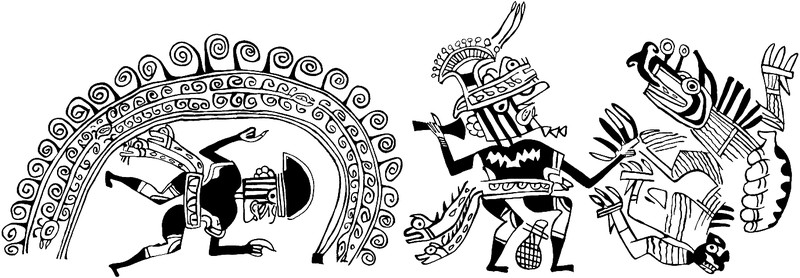
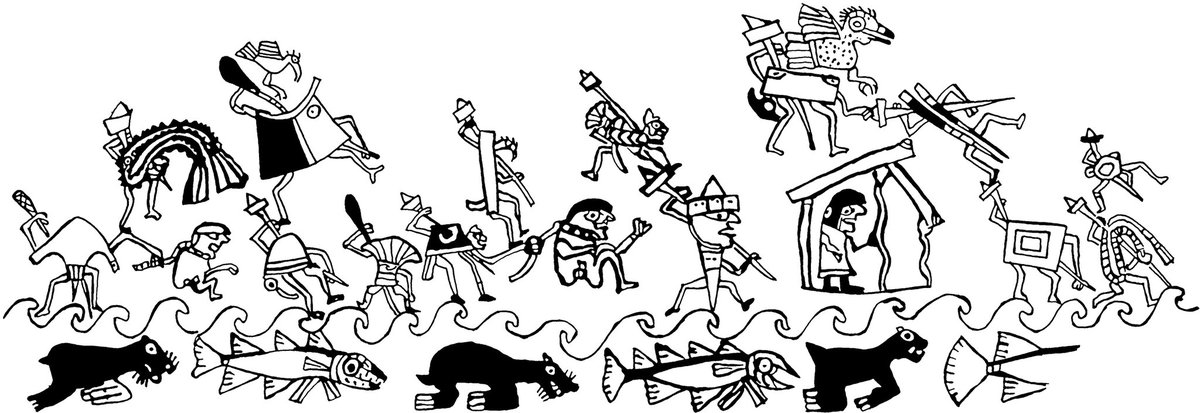
Revolt of the Objects
-
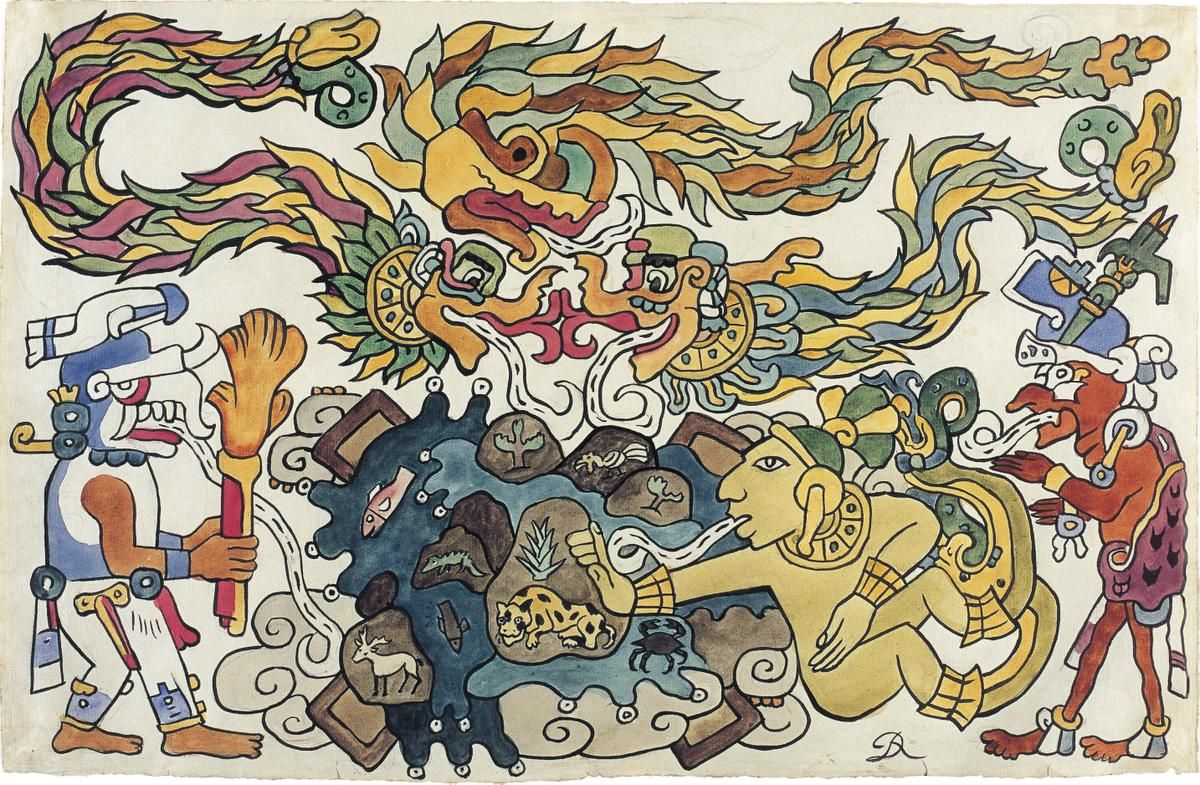
The Creation of the Earth, from Popol Vuh - painting by Diego Rivera (1886 - 1957, Mexican painter, active Communist & husband of Frida Kahlo). (More info):
The "Revolt of the Objects" from the Moche site at Huaca de la Luna. A similar story of tools rising against their masters can be found in the Popol Vuh.
-
Paranormal and Qiqong frenzy in China: Collection of texts & links
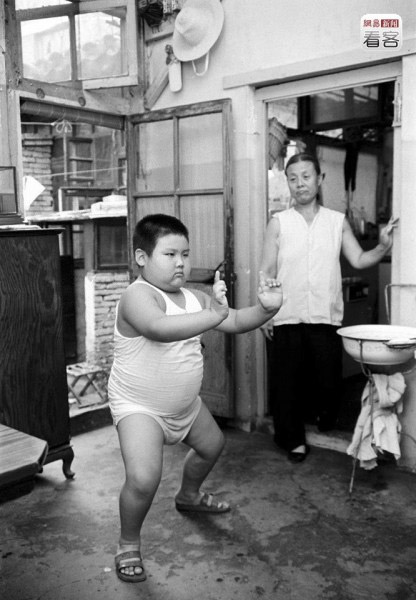
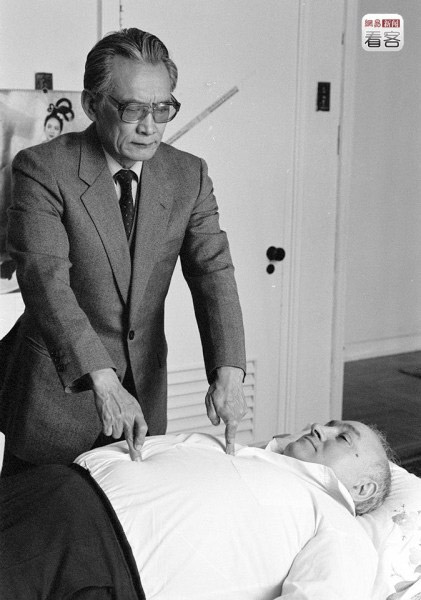
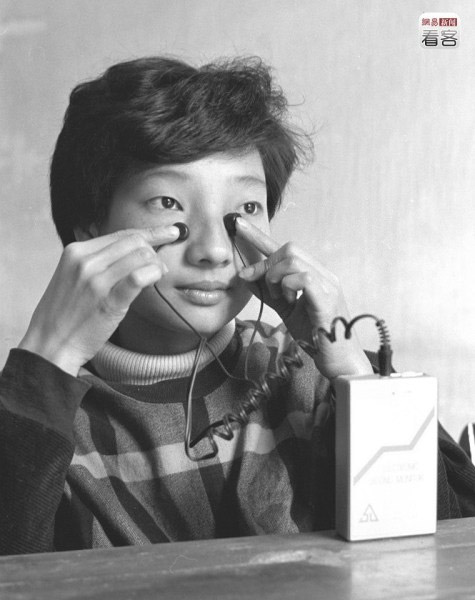
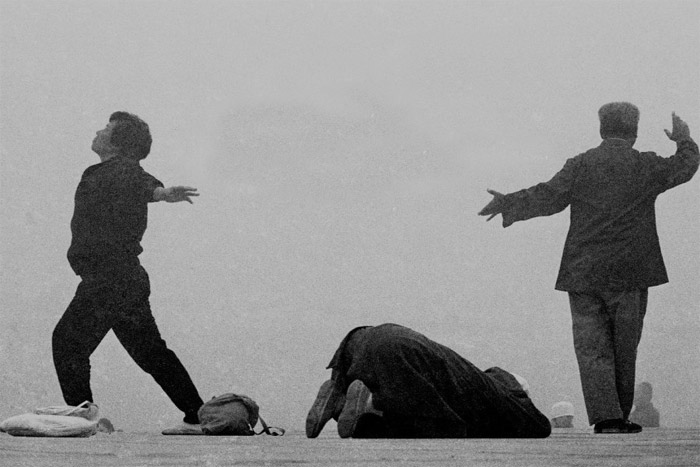
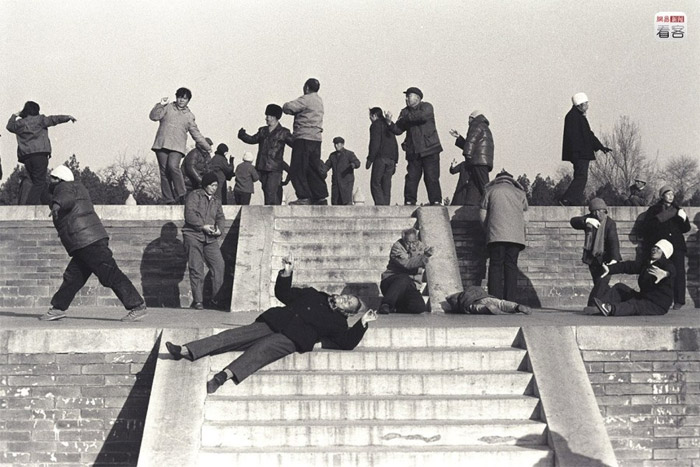
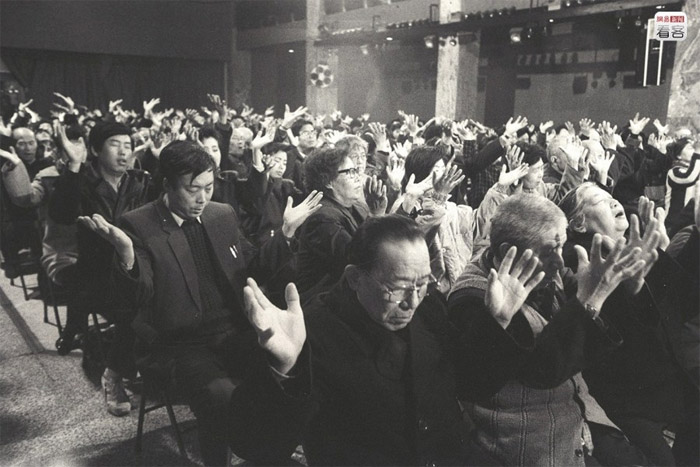
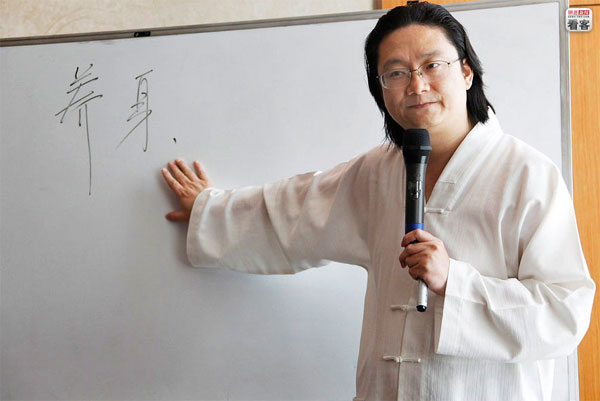
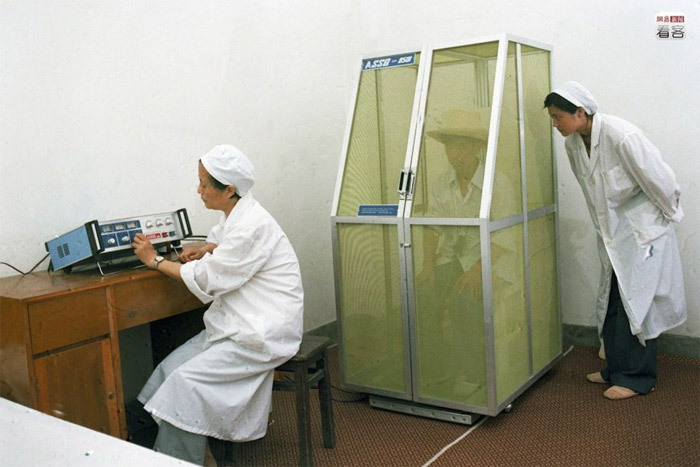

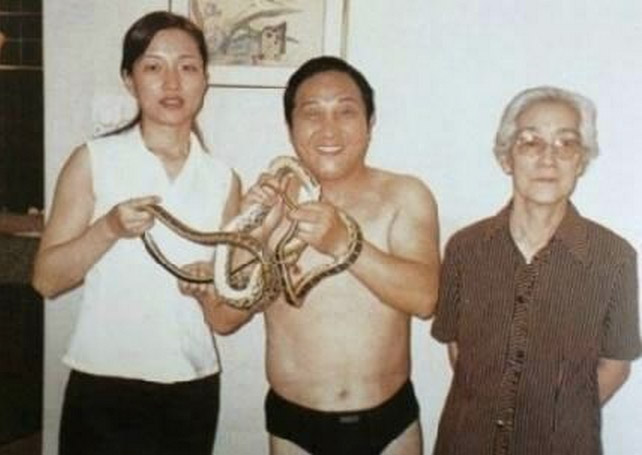
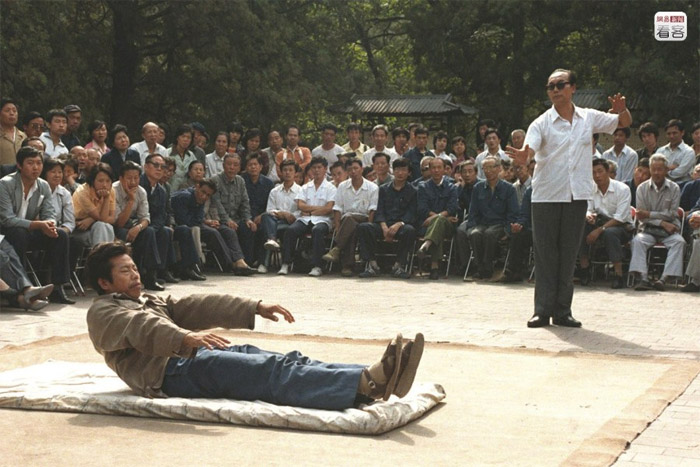
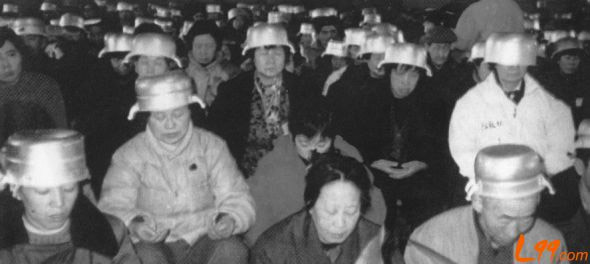
Rise and fall of the QiGong frenzy in China: when superstition and science collide - by Matteo Damiani (2014, china-underground)
"After the fall of the Gang of Four, Qigong represented an opportunity for China to find a cultural identity tested by the disastrous consequences of the Cultural Revolution that erased an entire cultural and relationships system. Looking for its own way to modernization, China took a shortcut to scientific progress by mixing weird science and superstition, with grotesque and devastating consequences in the long run."
Paranormal in China - by Wu Xianghong (1995, skepticalinquirer)
Excerpt: "At the same time, the research into Qi Gong was also booming. New ways of performing Qi Gong were found, such as projecting the Qi out of the sender’s body, through the air, and finally into the body of receivers. These methods were investigated with “scientific” apparatus, including infrared detectors and radiometers. It has been reported since 1984 that Qi Gong could activate the potential SA (“special ability”) in people. In 1985, Zhang Hongbao, a master of Qi Gong, proposed the theory of a “cosmic field”; that the energy accounting for both Qi Gong and SA were generated out of and transferred through the “cosmic field” and therefore Qi Gong and SA were unified. Zhang believed that everyone could get SA by training in Qi Gong and that those who had SA but did not know Qi Gong could be taught it. Henceforth, all those who were engaged in the paranormal named themselves “Master of Qi Gong.” Millions of people began to train in Qi Gong, including the youth. The main goal was usually not to heal diseases and improve health, but to get SA and be a “superman.”
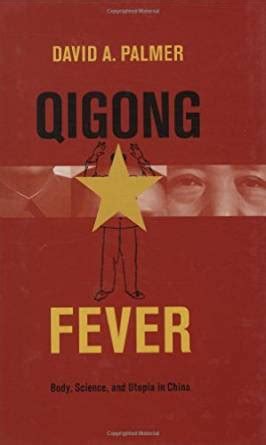
#Book: Qigong Fever: Body, Science, & Utopia in China - by David A. Palmer (2007)
"In this absorbing and revealing book, David A. Palmer relies on a combination of historical, anthropological, and sociological perspectives to describe the spread of the qigong craze and its reflection of key trends that have shaped China since 1949, including the search for a national identity and an emphasis on the absolute authority of science. Qigong offered the promise of an all-powerful technology of the body rooted in the mysteries of Chinese culture. However, after 1995 the scientific underpinnings of qigong came under attack, its leaders were denounced as charlatans, and its networks of followers, notably Falungong, were suppressed as 'evil cults.'"
Zhang Hongbao (1954 - 2006, died in a vehicle "accident" in Arizona/USA) is a fascinating character, which makes the explosive power of Cult "PK-Politics" in communist china clear:
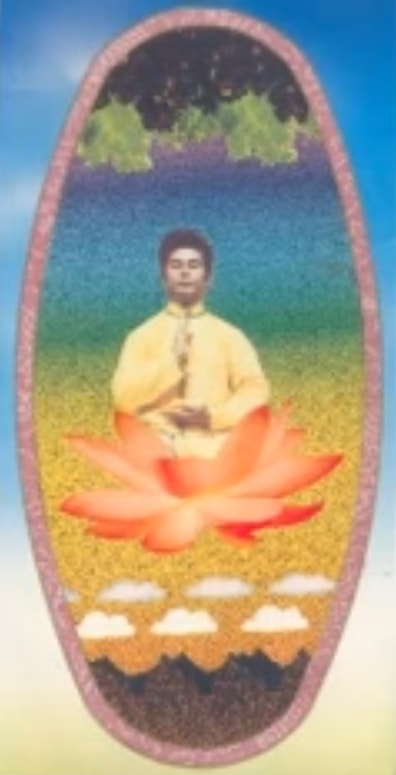
"In 1987, he founded Zhong Gong. Zhang gave two-week-long Qigong workshops which received national coverage in the People's Daily. Among the over a thousand people who participated were prominent academics such as the President of Beijing University, who were reportedly able to capture and emit Qi. Having won over the academic community, Zhang also gained acceptance within the China Academy of Science, and other sections of the scientific community. Furthermore, he became a media celebrity after one workshop was featured in a three-minute news segment on CCTV. He also gained credibility within the media and political elites. The movement claimed 34 million followers, 120,000 employees, 30 life cultivation bases, and 100,000 "branches" at its peak.
Zhong Gong Beliefs and teachings:
"Zhang developed a style of Qigong which was based on automation, physics, relativity, bionics, and with distinctive use of mechanical engineering jargon"
.
"Zhong Gong is based on the Qilin culture (麒麟文化) created by Zhang in 1987 which He (2000) states is "an obvious challenge to Marxism and the CCP's one-party rule". According to Zhang's 'spirit-matter dialectics', both spirit and matter both have objective existence and can transform into the other under certain circumstances. In 1992, based on the ancient theories of yin and yang, Zhang extrapolated his universal law of motion according to which all objects or matter can subdivide into 'Yin' or 'Yang', predicting anything or act which contravened it would bring eventual disaster. He asserted Marxist property right theory and the derived Communist Party aim to eliminate private property were in conflict with his laws. In 1993, Zhang advanced his theories of 'promotion-restriction-inhibition-transformation' derived from the Five elements. In 1998, Zhang put forward a moral code which he referred to as "eight virtues and eight calls".[4]Cultural Context:
"However, Qi Gong staged a comeback in a different form after 1992, as a trend of thought instead of a practical movement. In this way it has much to do with the revival of the paranormal in traditional Chinese culture. The renaissance of traditional culture began in 1989, when the government found it useful as an ideological weapon to fight against Western-style liberalism. Moreover, it seemed to be a hopeful alternative to orthodox Marxism as an ideology to join people’s viewpoints with feelings.
In the 1990s, as China accepts the market system step by step, the public media plays more and more important roles in the spread of pseudoscience, and cases of pseudoscience increase in the area of business. The Chinese people haven’t developed the necessary skeptical view of advertising, and the lack of related laws provide cunning businessmen with an open field. Until November 1994 China didn’t have a law for truth in advertising. The public media abounded with fraudulent advertisements.
Related:
"Only a real hero can goes along with no sword on. In 1999, directed the first national political action protesting the national political persecution in CCP ruled Chinese history. In 1999, continental China experienced another Cultural Revolution. Just by one order from Jiang Zemin, almost a billion Chinese who practice meditation became the target for persecution.
This year, CCP government lay down complete blockade and rounded up Fa Lun Gong and Zhonggong for the kill.
The only difference in the ways CCP treated Fa Lun Gong and Zhonggong is, it only kills but doesn¡¯t talk about the kill to Zhonggong.
"
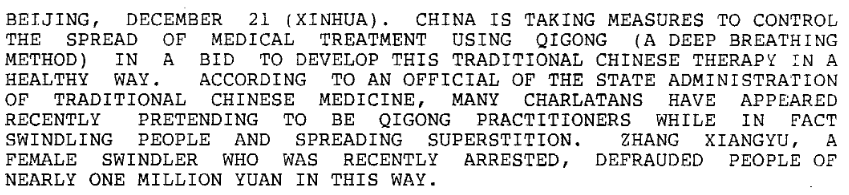
Declassified CIA report from 1990 about Qigong cult prosecution start.
Video: Jack Ma talks about Tai Chi Chuan and applying it into life and business.
#Comment: Jack Ma - the world's 20th Richest Person, chairman of Alibaba Group, Kung fu master - is frequently directly associated with prominent Chinese cult-type "Qigong" etc. spiritual movements and its leaders (that get banned by the government)
Documentary on Qigong in the 1990s in China:
"Qigong Documentary Overview by Francesco Garri Garripoli "Here is a copy of the entire "Paranormal in China" article, for future backup:
Paranormal in China - by Wu Xianghong
From: Skeptical Briefs Volume 5.1 - March 1, 1995
Every evening in an open area furnished with several pine trees, I wander from the new library of our university. I see a group of old people, standing swaying, and rocking in time with the rhythm of Chinese classical music, coming out from a shabby loud speaker hanging from one of the branches. They are performing the Qi Gong, an ancient Chinese exercise, revived in the early 1980s, that supposedly advances one’s ability to gather and utilize the “energy” or “force” of the universe.
Now there are hundreds of types of Qi Gong: some only need meditation and others require body motion to music. They are popular among Chinese who wish to improve their health and cure their diseases. It is hard to say if anyone has restored his health by performing Qi Gong; while it is also hard to say if Qi Gong is completely ineffective if accompanied by orthodox treatment. Deep breathing, self-controlled meditation, and little movement, which are usually involved in performing Qi Gong, are not harmful.
The cult of Qi Gong, however, is not based on its effectiveness in health care. The “spirit balance” it gives and the quasi-religious mood involved in performing Qi Gong partly accounts for its popularity. Old people may perform it because they have no better ways to spend their time. Around 1985, Qi Gong began to closely connect with another cult—the cult of “special ability”—and each reinforced the popularity of the other.
The phenomenon of SA was first reported in 1978, when the political group headed by Mao’s widow lost its power, and Deng Xiaoping was reinstated and began to advocate the movement to “love, learn and utilize science” in China. This science movement quickly met the needs that the majority of Chinese, including some scholars had. They had forgotten what the rigorous demarcation line of empirical science was. In articles published in many scientific magazines and journals, the coming 21st century was portrayed as a utopian, entirely automated world. The research of UFOs and ETs was regarded as an advanced area of science. Scientific spirit was understood as “to doubt every idea you believe in and to believe in the raw materials you see with your eyes.” This attitude I’d like to name as the “materialist” view on science. (It is not even a Marxist view because Engels disagreed. He believed that observation should be guided by theory, and that idea was quite popular among the scientists and philosophers.)
It was in such a context that the public media reported finding some children who could identify human character by outward appearance—ear, forehead, and nose—and called it “special ability” (SA). The word “special” (Teyi in Chinese) means something a bit different from “paranormal,” the word my American colleagues prefer to use.
The “materialist” scientists believed that SA was not a transcendent phenomenon, but an empirical phenomenon outside of the existing scientific knowledge that could explain and predict; that it could be and should be studied by “scientific method.” In this way the existing laws and theories of scientific knowledge might be challenged and revised. Perhaps it is better to translate the concept of SA as “exceptional ability.”
Although there were some disagreements, the research into SA was booming. More cases were reported and the field expanded to include perception and PK—the ability to bend iron wire in a sealed test tube, or remove pills from a sealed bottle. At the same time, the research into Qi Gong was also booming. New ways of performing Qi Gong were found, such as projecting the Qi out of the sender’s body, through the air, and finally into the body of receivers. These methods were investigated with “scientific” apparatus, including infrared detectors and radiometers. It has been reported since 1984 that Qi Gong could activate the potential SA in people. In 1985, Zhang Hongbao, a master of Qi Gong, proposed the theory of a “cosmic field”; that the energy accounting for both Qi Gong and SA were generated out of and transferred through the “cosmic field” and therefore Qi Gong and SA were unified. Zhang believed that everyone could get SA by training in Qi Gong and that those who had SA but did not know Qi Gong could be taught it. Henceforth, all those who were engaged in the paranormal named themselves “Master of Qi Gong.” Millions of people began to train in Qi Gong, including the youth. The main goal was usually not to heal diseases and improve health, but to get SA and be a “superman.”
In 1987 and 1988, Yaniments by a group at Tsing Hua University were published in scientific journals that “verified” that Qi could be sent out over 2,000 kilometers to hit the targets—a polariscope and a reagent in a test tube—and change the direction of the polariscope axis and the molecular structure of the reagent. The scientific community was shocked by these results, and even more so when it was discovered that those who engaged in these experiments were only amateurs. The authorities at Tsing Hua University had failed to realize that the group represented the university.
Another creation of Yan Xin was the “Talk Show with Gong.” Hundreds, even thousands of people came to listen to his lecture and were induced by some unexplained forces to sway, quiver, sob, grin, sleep, and express other emotions at the lecture. Such induced emotions were believed to be good for health. The “Talk Show with Gong” was quite popular from that time on, and the recorded tapes of Yan’s lecture were claimed to carry the information of Qi Gong. They sold very well around the country.
Yan Xin attributed SA to Qi Gong. His theory was that the children who had SA were not talents but that there were some masters of Qi Gong sending Qi to them in secret. Yan also expanded the effectiveness of Qi Gong’s psychokinetic powers to include moving away tons of fish, changing the weather, and putting out a forest fire.
After 1988, Qi Gong became more influential. In 1990, a woman master of Qi Gong, Zhang Xiangyu, pushed its influence to a peak with her performance in Beijing. Millions of “pilgrims” gathered from several provinces to see her and caused great traffic jams. When Zhang waved her hand out of a window of the third floor of the hotel, the “pilgrims” in the street cheered. Zhang claimed that she could talk with extraterrestrial beings and was able to cure every disease. She treated her patients with methods similar to those of witchcraft and demanded large amounts of money from them. Many patients became ill under her treatment and some of them died. In August, Zhang was arrested and accused of cheating. The exposition of her swindle weakened the cult of Qi Gong. Zhang was convicted in 1993.
Soon after the arrest of Zhang Xiangyu, a conscientious master of Qi Gong, Sima Tu, told the truth about the various kinds of Qi Gong hoaxes. The prestige of Qi Gong dropped rapidly and became merely a sort of body exercise popular among old people, as I mentioned at the beginning of this article. However, Qi Gong staged a comeback in a different form after 1992, as a trend of thought instead of a practical movement. In this way it has much to do with the revival of the paranormal in traditional Chinese culture.
The renaissance of traditional culture began in 1989, when the government found it useful as an ideological weapon to fight against Western-style liberalism. Moreover, it seemed to be a hopeful alternative to orthodox Marxism as an ideology to join people’s viewpoints with feelings. The preference for traditional culture in literature, however, can be dated back to 1984. Then, some novelists announced they were able to “find the root for our literature” when they felt disillusioned by the importation of Western literature and art since 1978, as well as Marxism, which is also a western ideology. The announcement of finding the “root” is not a bad one.
When the government took part in the revival of traditional culture, things turned out to be worse, because the leadership of government was far from being scientific and rational. A manifest example was the “I Ching” craze beginning in 1989. An ancient classic about divination, the “I Ching” relates something of the philosophy, beliefs, customs, and mathematical ability of ancient China. But in the recent craze it was claimed to have the implications of modern physics, mathematics, astronomy, and computer science.
For example, it is said that G.W. Leibniz (1646 – 1716) got inspiration out of the Eight Diagrams to create the binary computer and had sent one of his machines to Emperor Kang Xi of the Ding Dynasty. This claim turns out to be completely false. The binary computer wasn’t created until 1941 (the Z-3 machine). What Leibniz created is the binary system, and he worked it out before he saw the Eight Diagrams.
While the cult of traditional culture led to pseudoscience in intellectual circles, it resulted in the revival of primitive superstition, such as fortune telling, astrology, physiognomy, and “I Ching,” ancestral worship, and magic among the masses with less education. They abounded in the broad rural areas, as did the Qi Gong in the cities. The official newspapers warned that “the superstition of feudal ideology is reviving in our countryside.”
From the standpoint of the official media, superstition refers to something more than we have mentioned above. It includes the spontaneous, disorganized minor religions in the rural areas. For instance, hundreds of pamphlets on Zen have been issued since 1990. Zen, as a specific religion originating in China and spreading over the Far East, was generated out of the mixture of Indian Buddhism and Chinese traditional thought. It had benefited from Taoism, Confucianism and other traditional Chinese teachings. Therefore Zen, as well as Taoism and other religious traditions, became popular with the revival of traditional culture. These traditions should be highly appreciated in themselves but the popular interpretation of them came to include the paranormal.
A typical case is the book The Decoding of Liuman’s Mysteries (Renlei Shenmi Xianxiang Poyi, 1992) by Ke Yuniu. In it, he announced that he had encoded all the mysteries in human history: Qi Gong, Yoga, SA, psychic phenomena, parapsychology, magic, soul, I Ching, Chinese medicine, Laozi and Dao De Jing, Zen, Sakyamulli and Buddhism, the Bible, Jesus and God!
Carefully read, one can uncover that Ke’s thoughts never transcend the ideas of the early sages, such as Laozi, Sakyamuni and Jesus. He borrows from Zen epistemology, makes use of Laozi in the ontology, believes Qi Gong as an alternative to physics, and he also contributes his own illogical methods of thinking.
In November 1994, Ke issued his new three volume book: Research Into Life. In this book he proposed few new ideas but described hundreds of “successful” experiments to verify the presence of SA. In general, Ke’s books are not worth being treated seriously; but their great influence on the social ideology is dangerous, and we need to deal with them.
The movement to “love, learn and utilize science” from the end of the 1970s unexpectedly helped the growth of pseudoscience. The above-mentioned “materialist” view of science was an important cause, another was that public education in science was led astray in this period. The masses were given “scientific knowledge” without the necessary explanation of how it was achieved. That no method was available for the masses to decide whether a claim was scientific made them turn to some “authoritative” source, for example, the public media, an administrative organ, or the “mystery authority” relating to the intelligence agencies and the military.
“Hongcheng Magic Liquid” is a case of “mystery authority.” Being an ordinary man in Northeast China without higher education, Wang Hongcheng, in the early 1980s, pretended to have created a sort of “liquid” of which two to three drops could change the structure of one liter of water to make it as combustible as petrol. Were his claim true the words “energy crisis” could be canceled from the dictionary eternally. The Chinese security and military departments paid much attention to the declared creation and funded Wang for further research. When it was shown to be obviously a fraud, Wang was thrown into prison. However, he became a legendary figure. Some people believed that Wang was persecuted because he refused to turn over his “secret” formula to the government, and that this was covered up.
When Wang was finally freed, many news reporters, worshippers, investors, and crooks gathered around him to hear about the “secret” formula. In 1992-1993, Wang was rather popular on the public media, and he set up a company to develop the “Hongcheng Magic Liquid.” Nothing happened in the end, of course.
Another case has more to do with the authority of administrative organs. It is the “W-Shape Ship Patent” belonging to Zhou Jinyu from South China. He was a young technician and announced his innovation in 1985. This was to put the propeller in the middle of a ship instead of at the stern and to give the whole ship a W-shape. Zhou claimed that he had discovered a new fluid theory, by which the W-shape innovation could improve the speed of ships by 200 to 300 percent, but he had never published a paper about his “theory.” Experiments performed by some experts indicated that a ship when applied with this innovation would lose 20 to 30 percent of its speed and risk turning over. However, Zhou managed to get a formal appraisal from the local administrative committee of science and technology. He succeeded in bypassing the patent bureaus, the local government, public media, and entrepreneurs, simply by waving the appraisal. A large amount of money was wasted in making W-shaped ships, because they couldn’t move at all. Zhou was awarded and honored by governments at different levels until he was exposed by thirty scientists in 1992.
In the 1990s, as China accepts the market system step by step, the public media plays more and more important roles in the spread of pseudoscience, and cases of pseudoscience increase in the area of business. The Chinese people haven’t developed the necessary skeptical view of advertising, and the lack of related laws provide cunning businessmen with an open field. Until November 1994 China didn’t have a law for truth in advertising. The public media abounded with fraudulent advertisements. One example was the “electronic adding-growth shoe pad.” This shoe pad was said to help short young men grow taller by stimulating specific parts of the sole of the foot.
Another case was the “electronic stutter-curing instrument,” which was only a micro-amplifier, to enable you to hear your own voice through an earphone attached.
Fraudulent advertisements have been reduced since the Law of Advertisements went into effect, but pseudoscientific businesses, especially in the field of medicine, haven’t been contained. First, an essential system to test the quality of new medicines has not been established. New medicines always have to “pass” a clinical test, but the necessary control group is usually neglected, or the it is not under rigorous control. For example, all the patients of the control group haven’t been given the same dose. Second, the effectiveness of Chinese medicines cannot be tested by orthodox procecare articles” insteading disease instead of caring for health.
The Chinese medicine and “health care articles” market has been full of various sorts of oral liquids. They all claimed to be able to reduce your white hair, or improve your memory, or strengthen your sexual ability. One of them is called “China Soft- Shelled Turtle Extract.” It is well known that female Chinese long-distance runners have continually been winning the championships in different races and often also win and as the runner-ups. It is also well known that all these female athletes are guided by the same coach, Ma Junren. Ma’s method in training is peculiar, but public opinion holds that he has a certain “secret formula.” In the West, reporters guess about the stimulant used. In China, people noted that Ma had his athletes drink the blood and fat of soft-shelled turtles everyday. A financial group in Chang Zhou announced that they had bought the “secret formula” from Ma and began to produce the extract. However, a group of reporters recently discovered that no turtles could be found on the production line.
Besides, Ma had sold his “secret formula” to another company for two million Juan (about $250,000). Turtle, of course, is not among the ingredients. This company is now selling a liquid named “Life Atomic Energy,” which is said to be produced according to Ma’s direction.
In my view, the most influential commodity and the first object that ought to be inquired about in the present China market is the so-called “Life-Spectrum Healing Instrument.” According to its creator, Zhou Lin, it can emit rays whose spectrum is similar to the emission spectrum of the human body. Thus it “adjusts the balance of the human body system.” This explanation for its mechanism is not clear. If its spectrum is really in accordance with the human’s emission spectrum, we can understand that the energy of the rays is subject to absorption by the body, that it will heat the tissue inside of body.
Perhaps it is a better physical healing method than the traditional hot compress, but this wouldn’t help us to understand how it could adjust the balance of the body system.
In fact, Zhou’s instrument hasn’t been strictly investigated. It is widely accepted primarily because it won the first prize in an international fair. The general underdevelopment of Chinese science and technology induces people to be convinced by the “authority” from any international organization.
On December 5, 1994, the State Council and the Committee of the CPC issued a proclamation to strengthen public education in science. In this proclamation it was recognized that “public education in science has been withering in recent years, at the same time activities of superstition and ignorance have been growing and antiscience and pseudoscience cases have frequently been happening. Therefore effective measures must be applied as soon as possible to strengthen public education of science. The level of public education in science and technology is an important sign of the national scientific accomplishment, and is a matter of overall importance relating to the promotion of the economy, the advancement of science, and the development of the society. We must pay attention and carry out the public education with consideration of a strategy to modernize our socialist country and to make our nation powerful and prosperous. Ignorance is never socialist nor is poverty.” It is planned to advocate education with the three aspects of science: scientific knowledge, scientific method, and scientific ideas. This proclamation greatly encourages the rationalists, and has formed a helpful context for attacking the paranormal. However, it is possible that such a government- guided movement would turn out to be politically oriented. If the paranormal was only suppressed by the political power, and if people were not to be persuaded reasonably to discard their irrational beliefs, the matter would be worse. In my view, political intervention is the most dangerous element of skepticism, and it could result in many more cases of paranormal claims.
Author: Wu Xianghong - a doctoral candidate in philosophy and science at Renmin University of China, Beijing.
-
Somethings change only very slowly. Such things are worth studying very closely:
"In De Bello Gallico (58 BC), Julius Caesar provides his audience with a picture of Germanic peoples lifestyle and culture: He depicts the Germans as primitive hunter gatherers with diets mostly consisting of meat and dairy products who only celebrate earthly gods such as the sun, fire, and the moon. German women reportedly wear small cloaks of deer hides and bathe in the river naked with their fellow men, yet their culture celebrates men who abstain from sex for as long as possible."
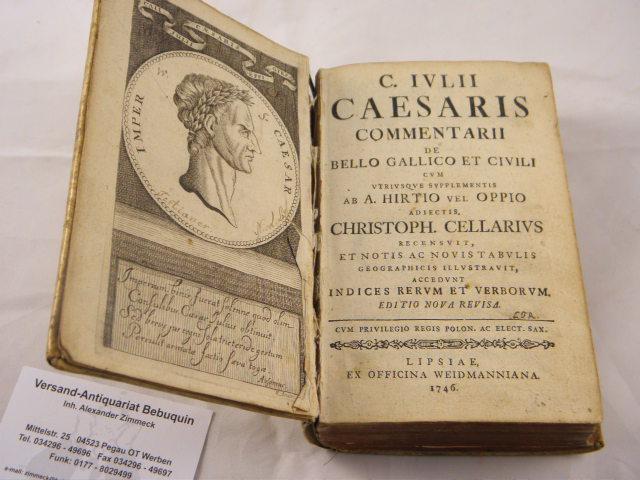
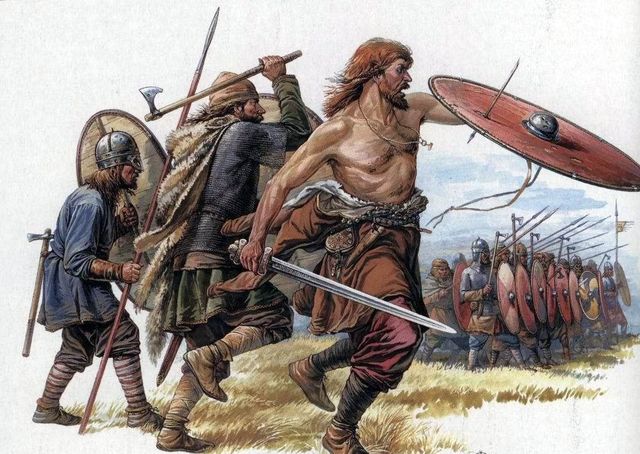
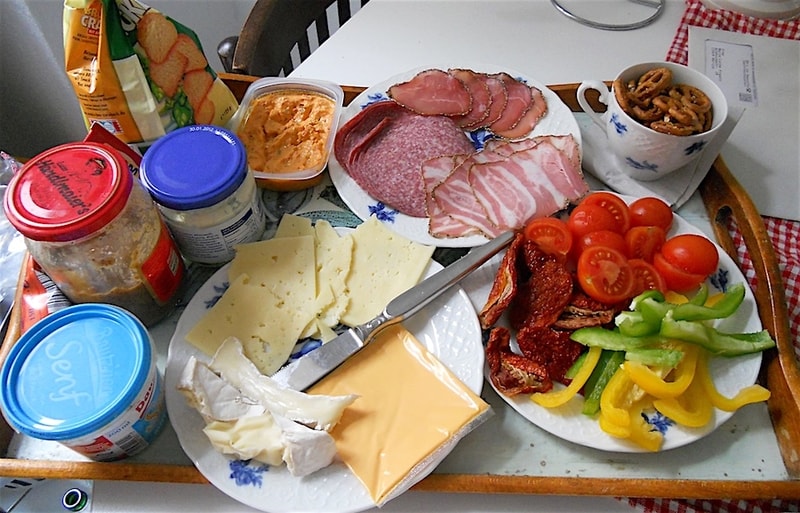
German Food 2019: Mostly Meat & Dairy -
"Chinese and Western Thought — Knowing the Differences Helps". For a less comically perspective of contemporary Chinese thought (and its relation to the west), some random links:
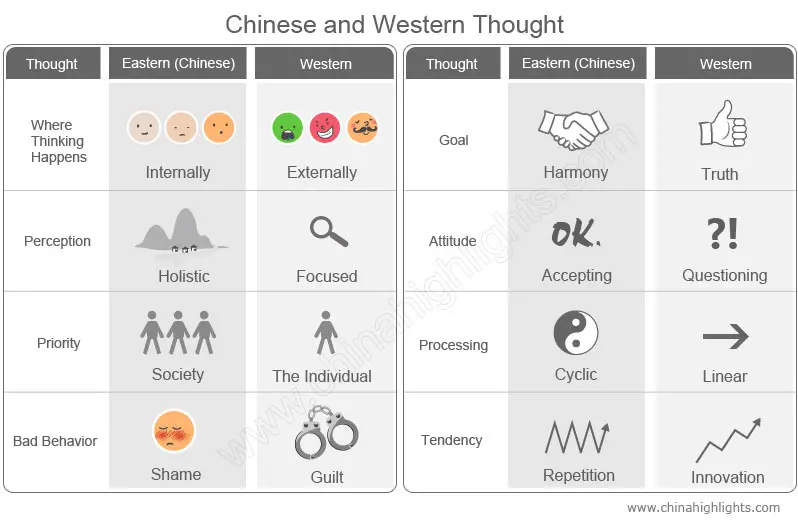
- Chinese philosophy (wikipedia)
- Modern Chinese Philosophy - 1901-1949
- Contemporary Chinese Philosophy (book)
- 21st-century Chinese philosophers
- Theory of the Unity of Knowing & Doing in Chinese Philosophical History -by Fang Keli
- Specters of Communism-Imagining ‘Soviet’ for the 21st Century?“ by Zhiyuan Cui
- China “Asleep” and “Awakening.” A Study in Conceptualizing Asymmetry and Coping with It.
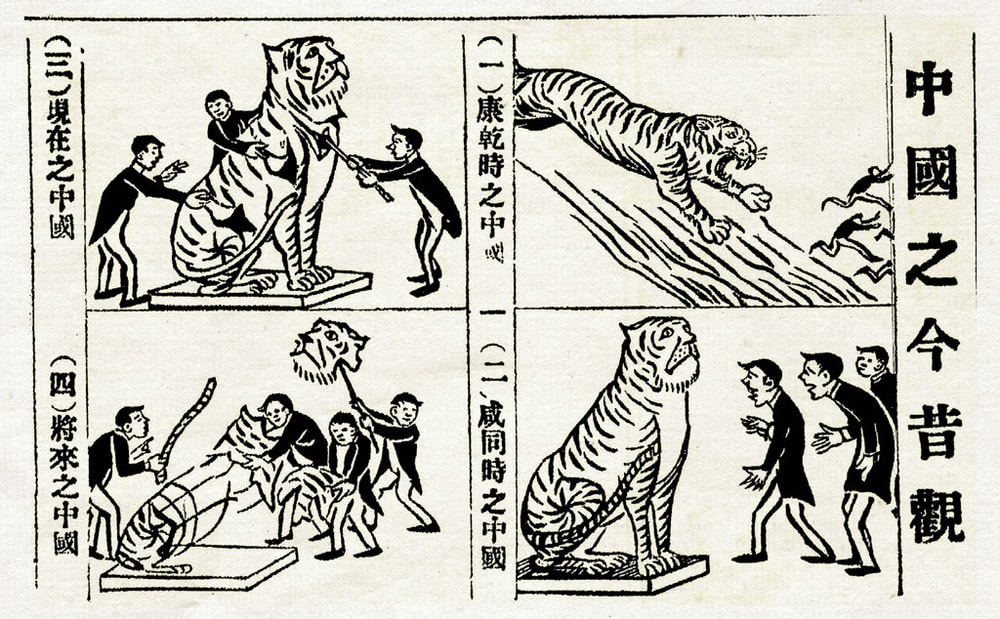
Fig. A Look at China Now and in the Past, Shenzhou ribao 神州日報, March 5, 1911. (via) -
Quotes from Carroll Quigley's (1910 - 1977) book "Tragedy and Hope" (1966):
"It is clear that the West believes in diversity rather than in uniformity, in pluralism rather than in monism or dualism, in inclusion rather than exclusion, in liberty rather than in authority, in truth rather than in power, in conversion rather than in annihilation, in the individual rather than in the organization, in reconciliation rather than in triumph, in heterogeneity rather than in homogeneity, in relativism rather than in absolutes, and in approximations rather than in final answers." - Pg. 1227 of Tragedy and Hope
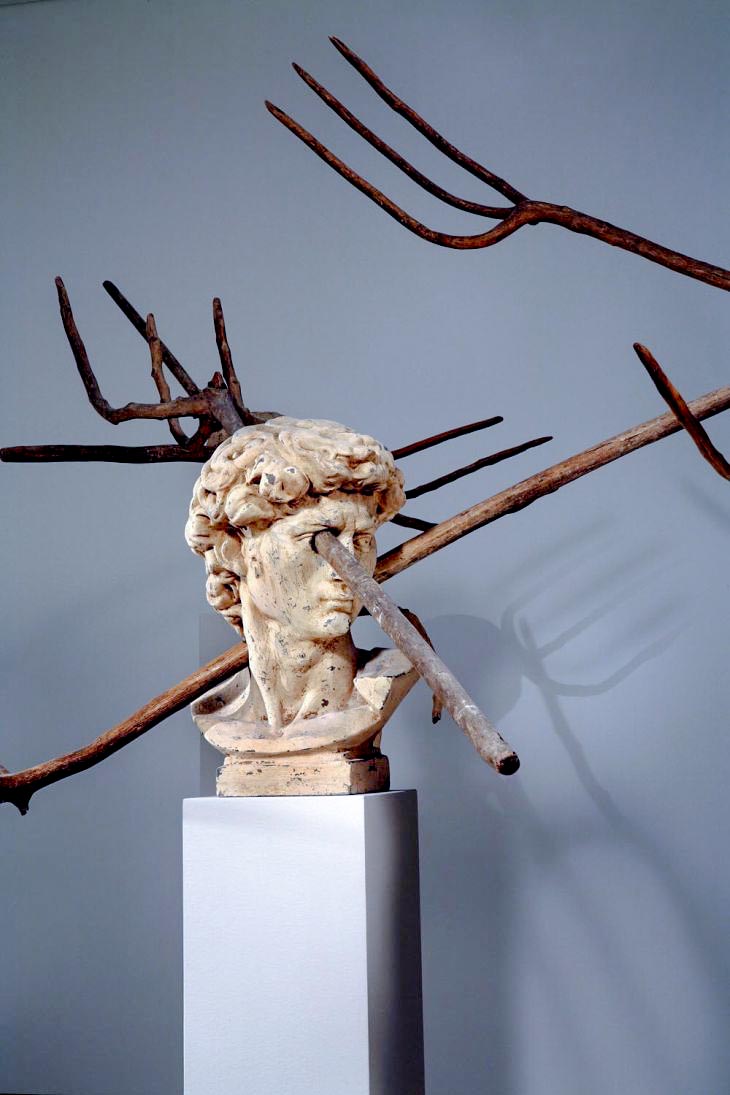
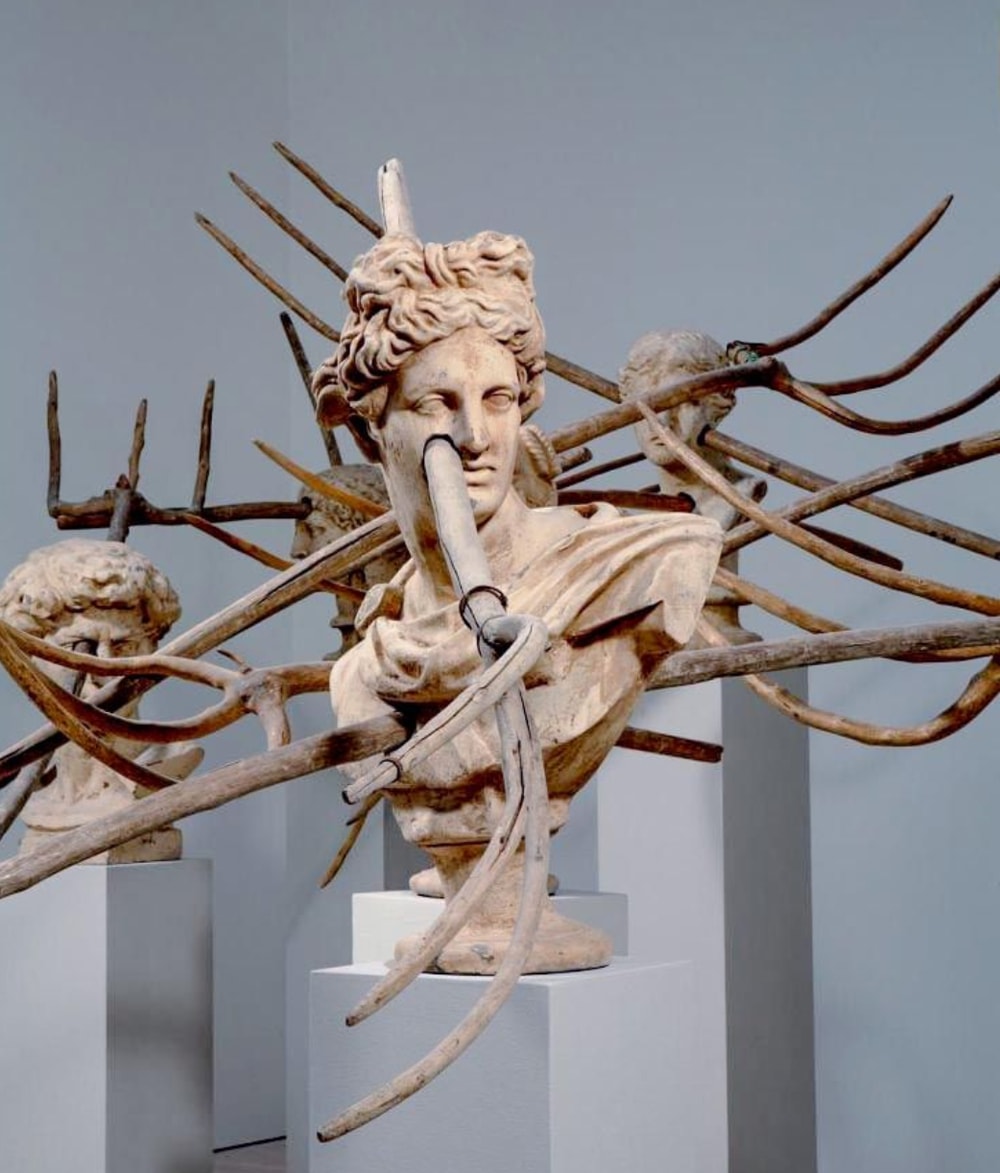
Impaled Classical Sculptures by Artist Bai Yiluo "The powers of financial capitalism had another far-reaching aim, nothing less than to create a world system of financial control in private hands able to dominate the political system of each country and the economy of the world as a whole.
This system was to be controlled in a feudalist fashion by the central banks of the world acting in concert, by secret agreements arrived at in frequent private meetings and conferences.
The apex of the system was to be the Bank for International Settlements in Basle, Switzerland, a private bank owned and controlled by the world’s central banks which were themselves private corporations.
Each central bank, in the hands of men like Montagu Norman of the Bank of England, Benjamin Strong of the New York Federal Reserve Bank, Charles Rist of the Bank of France, and Hjalmar Schacht of the Reichsbank, sought to dominate its government by its ability to control Treasury loans, to manipulate foreign exchanges, to influence the level of economic activity in the country, and to influence cooperative politicians by subsequent economic rewards in the business world." - Pg. 324 of Tragedy and Hope
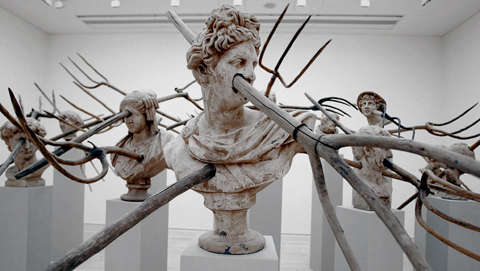
Impaled Classical Sculptures by Artist Bai Yiluo “There does exist an international Anglophile network which we may identify as the Round Table Groups. I know of the operations of this network because I have studied it for twenty years and was permitted for two years, in the early 1960’s, to examine its papers and secret records. I have no aversion to it or to most of its aims and have, for much of my life, been close to it and to many of its instruments. I have objected to a few of its policies but in general my chief difference of opinion is that it wishes to remain unknown, and I believe its role in history is significant enough to be known.” - Pg. 950 of Tragedy and Hope
-
A General Semantics Anecdote:
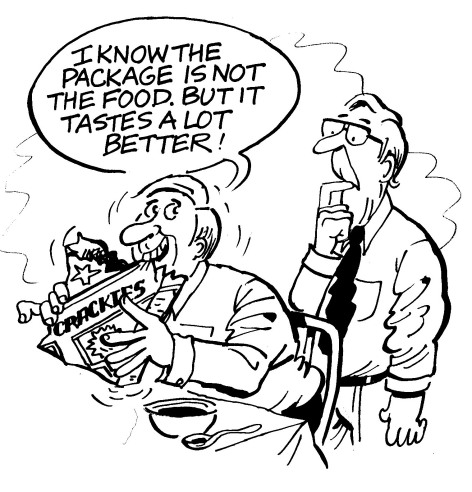
One day, Alfred Korzybski was giving a lecture to a group of students, and he interrupted the lesson suddenly in order to retrieve a packet of biscuits, wrapped in white paper, from his briefcase. He muttered that he just had to eat something, and he asked the students on the seats in the front row if they would also like a biscuit.
A few students took a biscuit. “Nice biscuit, don’t you think,” said Korzybski, while he took a second one. The students were chewing vigorously. Then he tore the white paper from the biscuits, in order to reveal the original packaging.
On it was a big picture of a dog’s head and the words “Dog Cookies.” The students looked at the package, and were shocked. Two of them wanted to vomit, put their hands in front of their mouths, and ran out of the lecture hall to the toilet. “You see,” Korzybski remarked, “I have just demonstrated that people don’t just eat food, but also words, and that the taste of the former is often outdone by the taste of the latter.” (via)
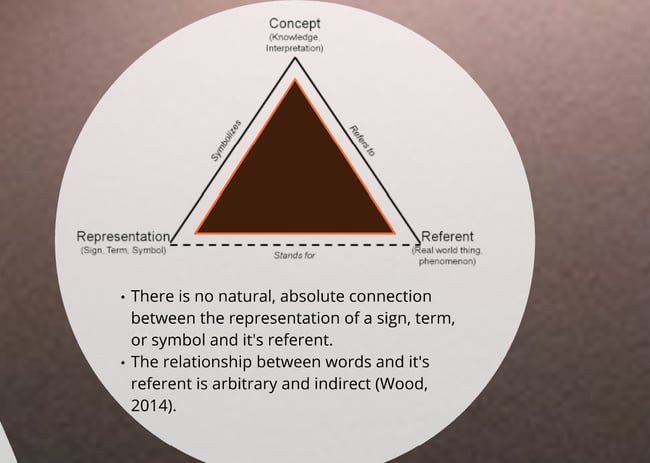
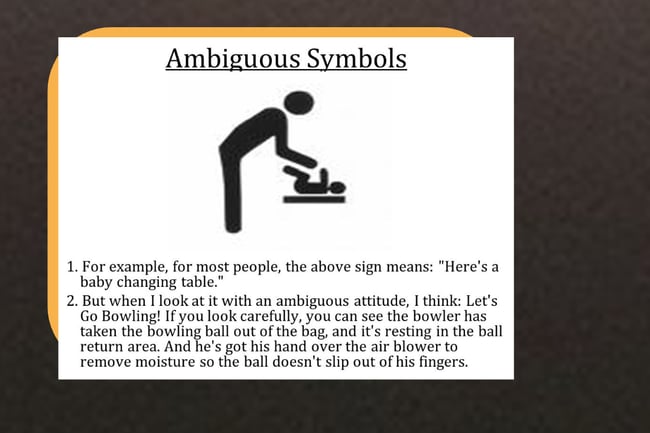
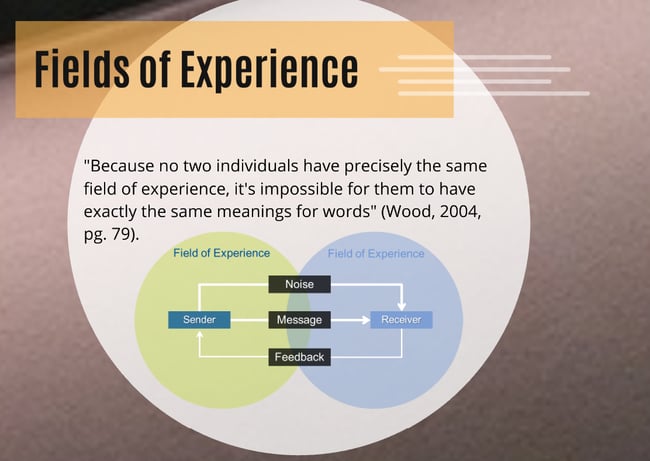
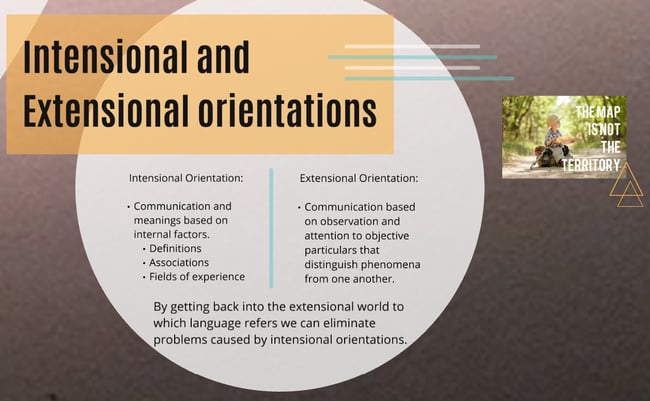
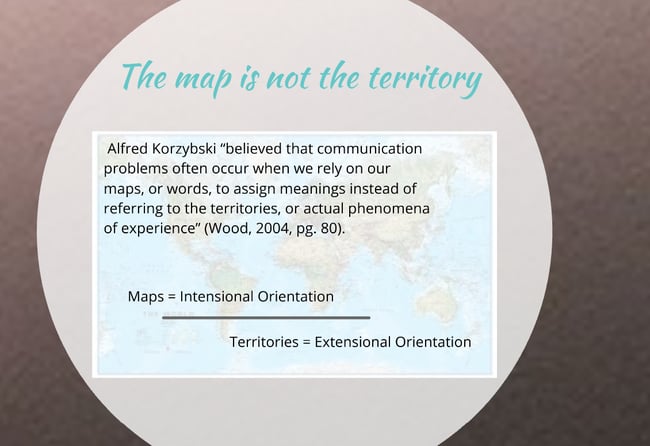
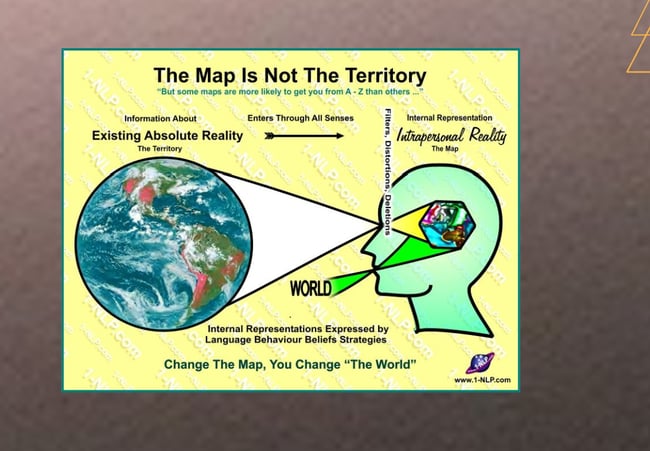
"The map is not the territory, the world is not the thing it describes. Whenever the map is confused with the territory, a 'semantic disturbance is set up in the organism. The disturbance continues until the limitation of the map is recognized." - A.Korzybski
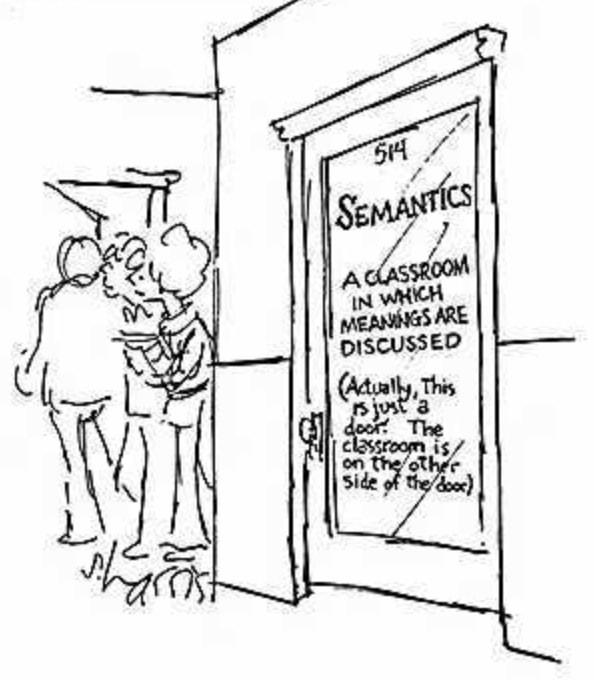
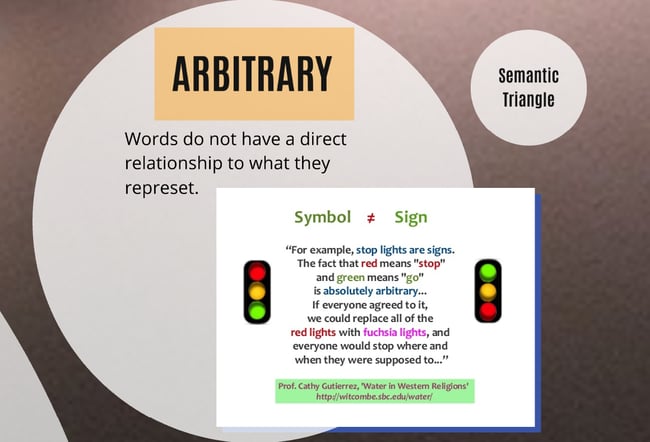
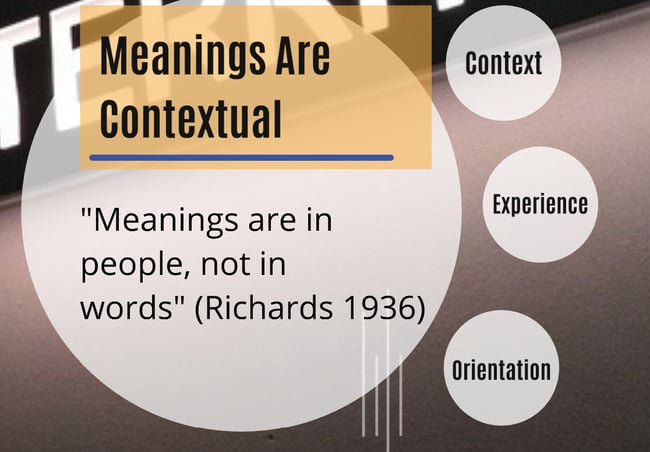
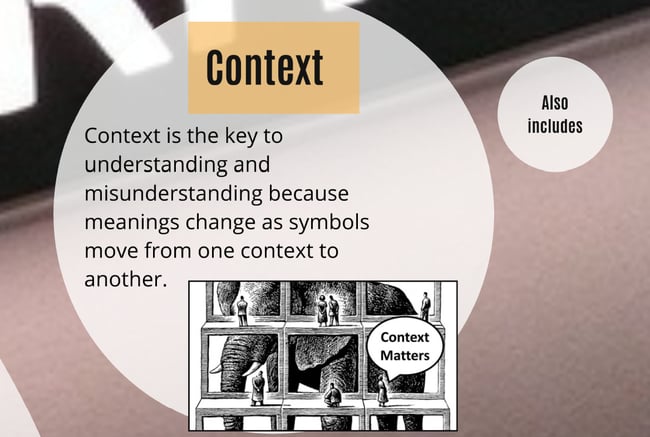
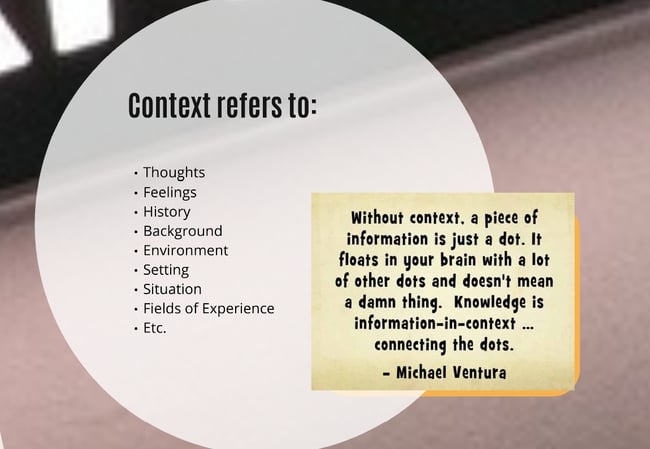
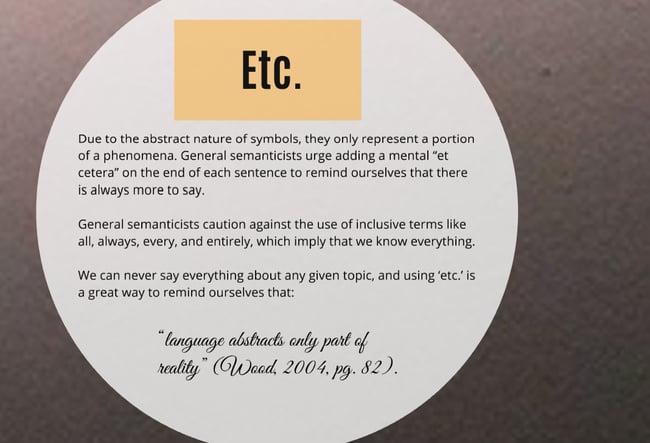
"General semantics is a philosophy that deals with how people react to things that happen around them based on meaning. It was created by Alfred Korzybski during the 1920s. The goal of general semantics is for people to know that when we simplify something, either mentally or in language, that simplification is not the same thing as the thing simplified. How people understand reality is not the same as what reality is because people do not know everything about reality. General semantics teaches that there is always more to something than what is seen, heard, felt, or believed." (via)
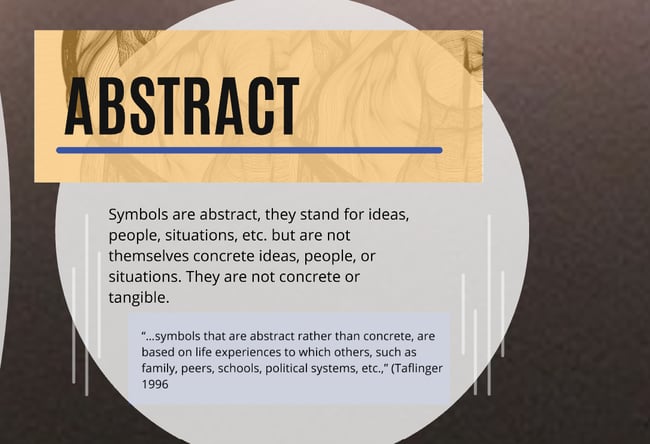
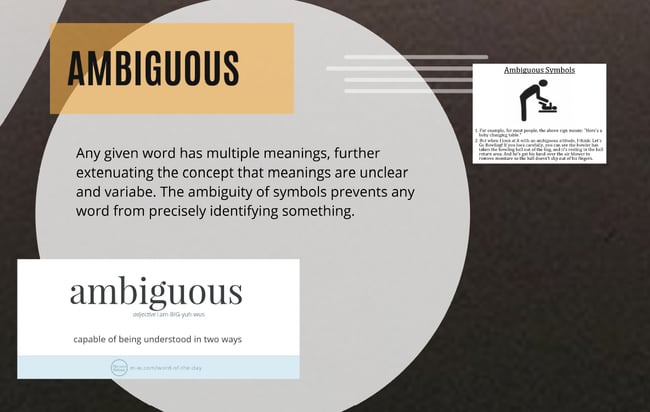
Images from the presentation General Semantics Theory - by Zane Van Winkle:
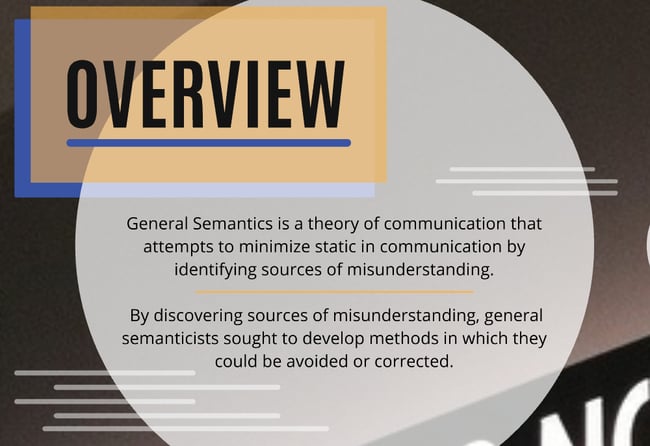
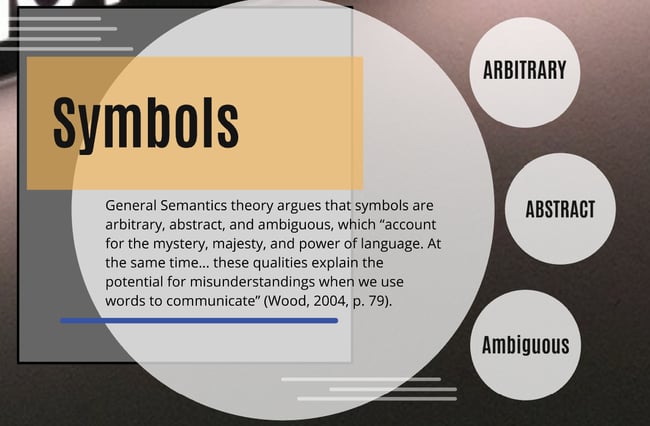
General Semantics Lecture - by Robert Anton Wilson (1997, Audio)
Alfred Korzybski Memorial Lecture - by Robert Anton Wilson (2001)
-
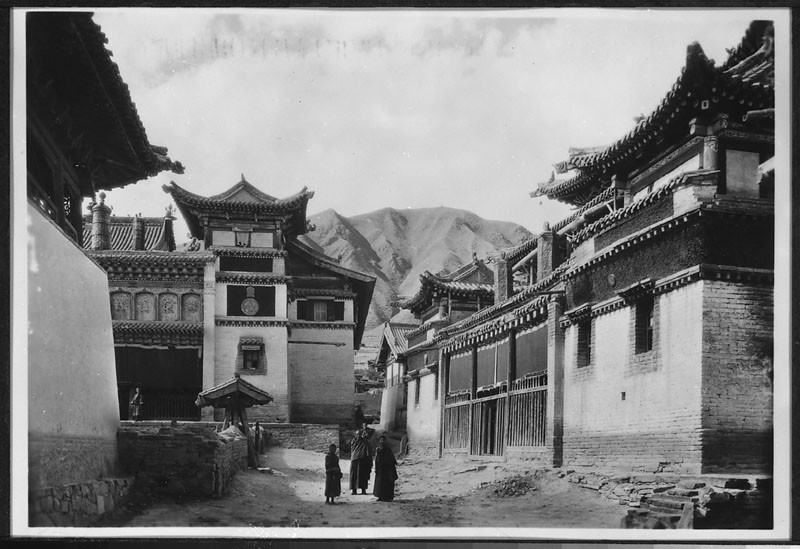
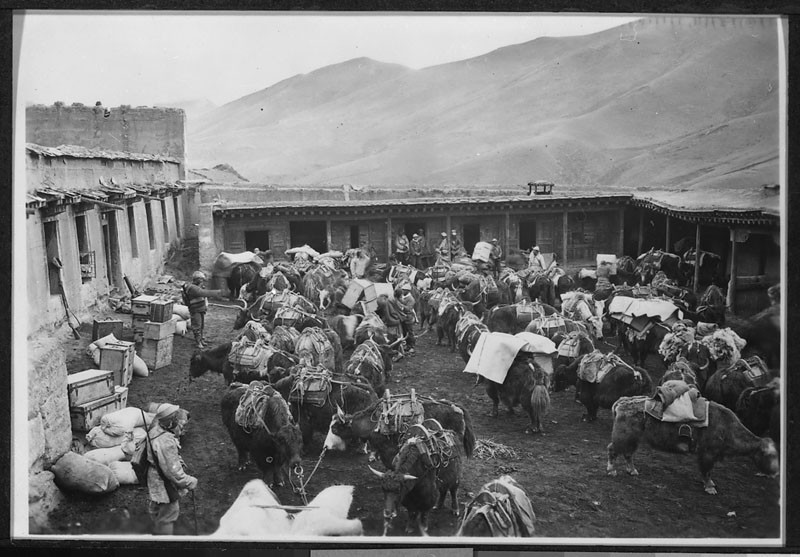
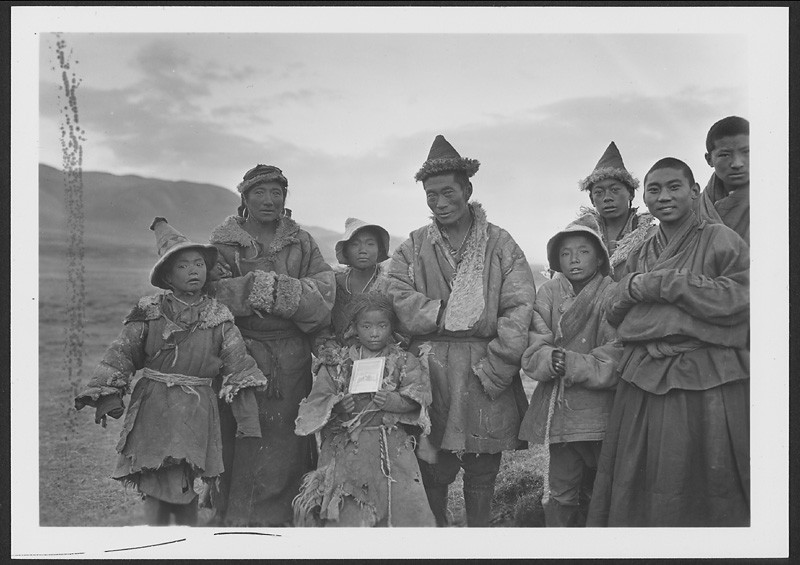
Joseph Rock: Travels Through China
Joseph Francis Charles Rock (1884 – 1962) was an Austrian-American explorer, botanist, and anthropologist. For more than 25 years, he travelled extensively through Tibet and Yunnan, Gansu, and Szechuan provinces in China before finally leaving in 1949. This is a visual excerpt of some of the works of Joseph Rock.
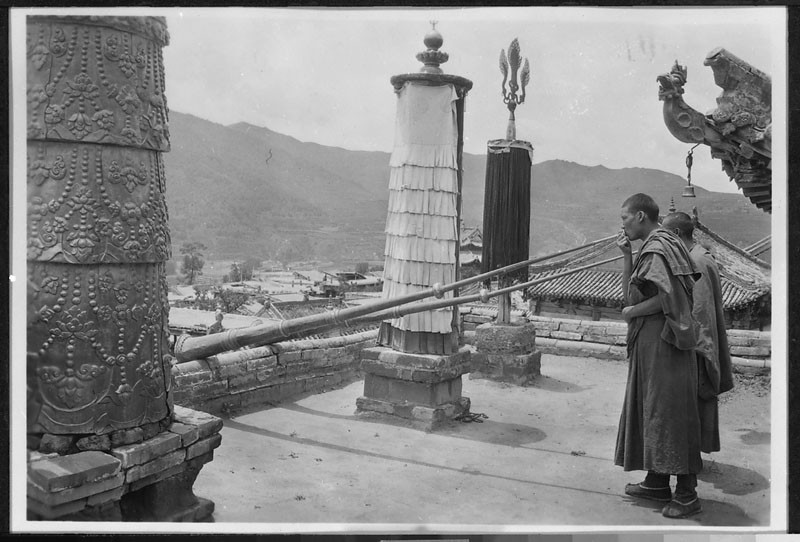

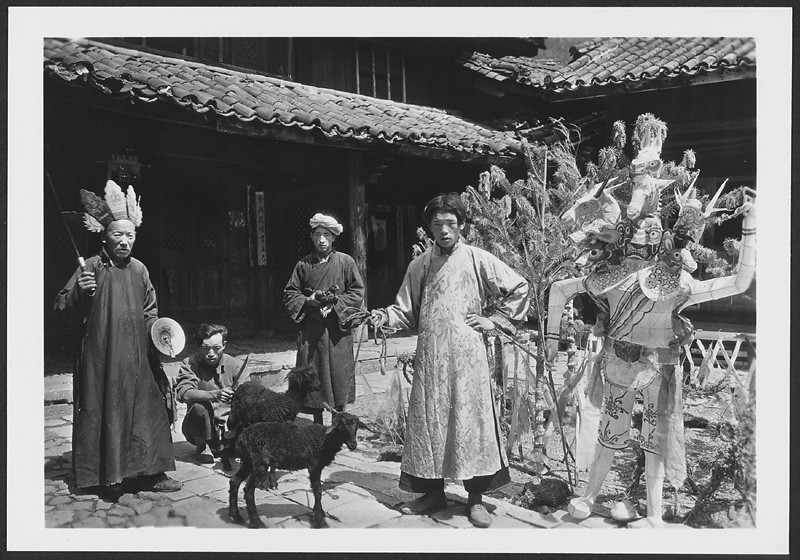
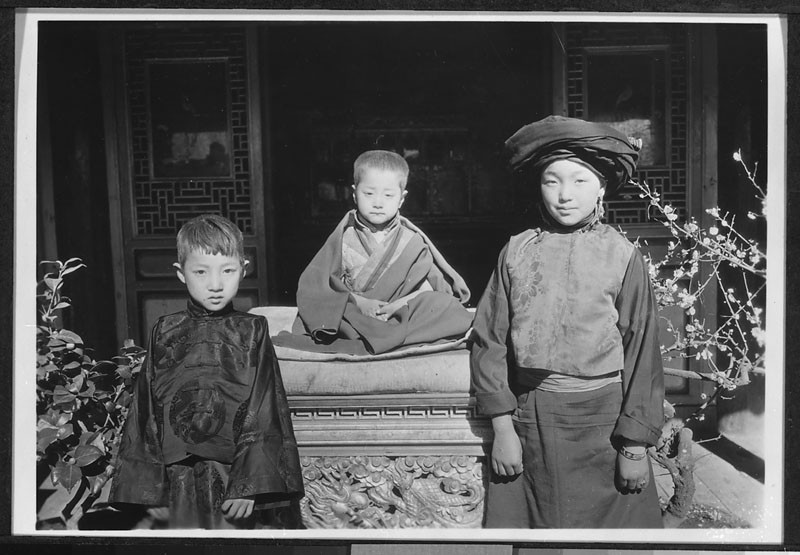
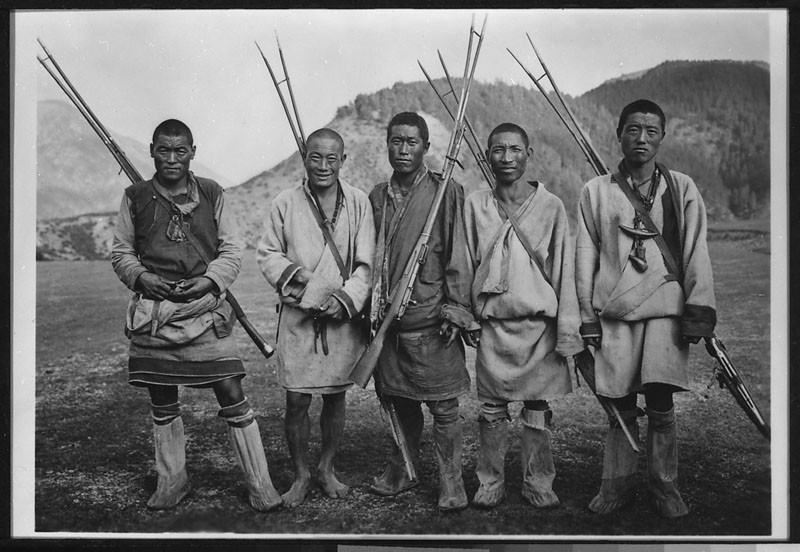
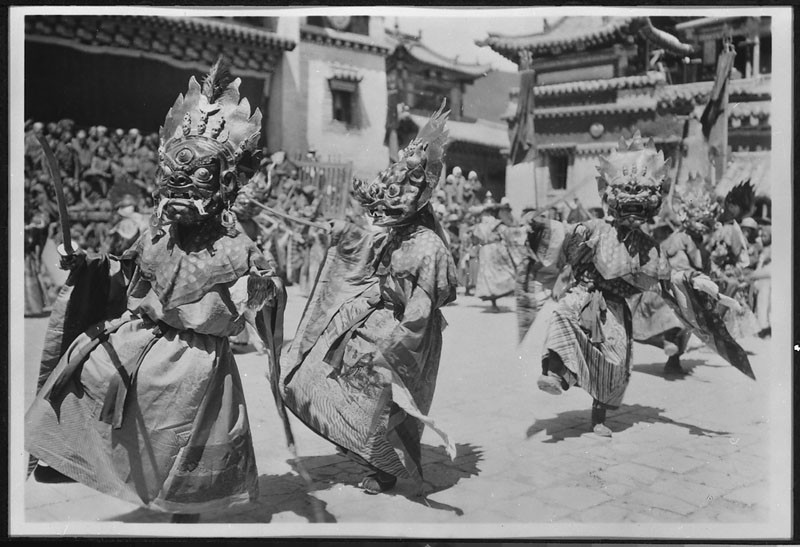
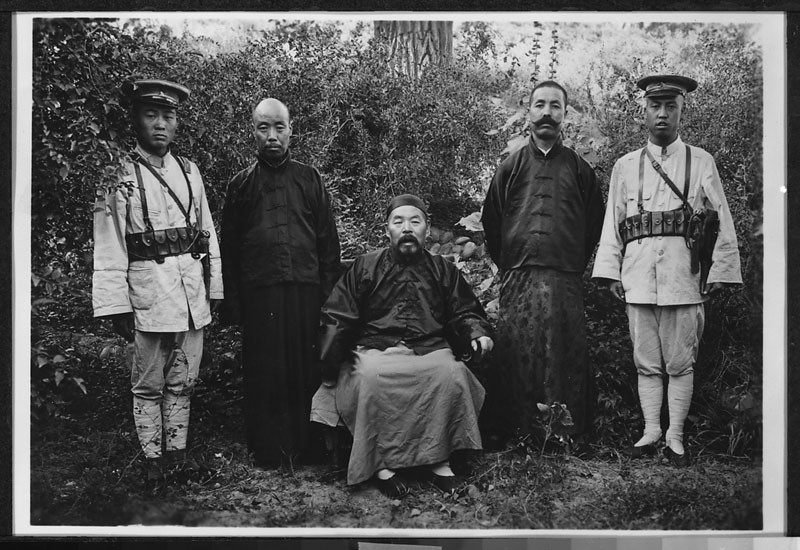
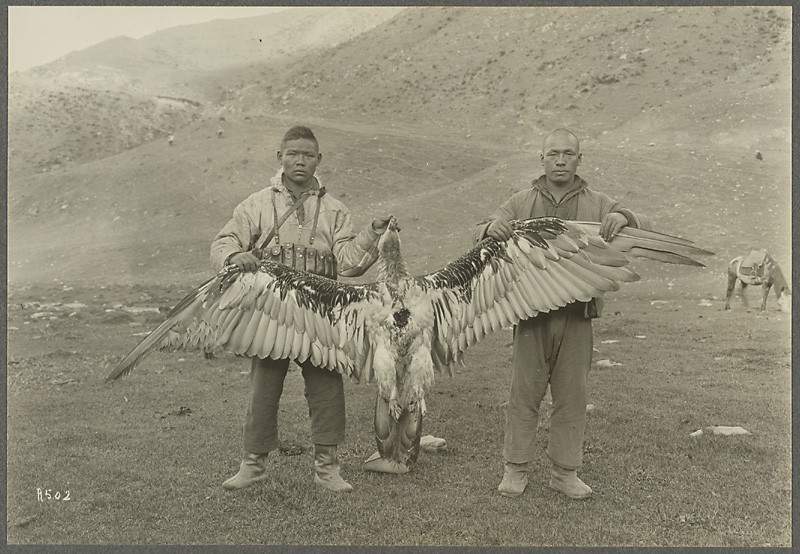

-
Interesting discovery published in Nature this week pushes back the date of earliest human figurative painting to 44,000 years ago: an elaborate hunting scene, telling a story, in an Indonesian cave. Here is a not paywalled summary of the findings.

-
altered_statuses - "The internet's largest archive of the visual culture of global New Ages, esotericism and fringe religions." #Art #Magic #Culture
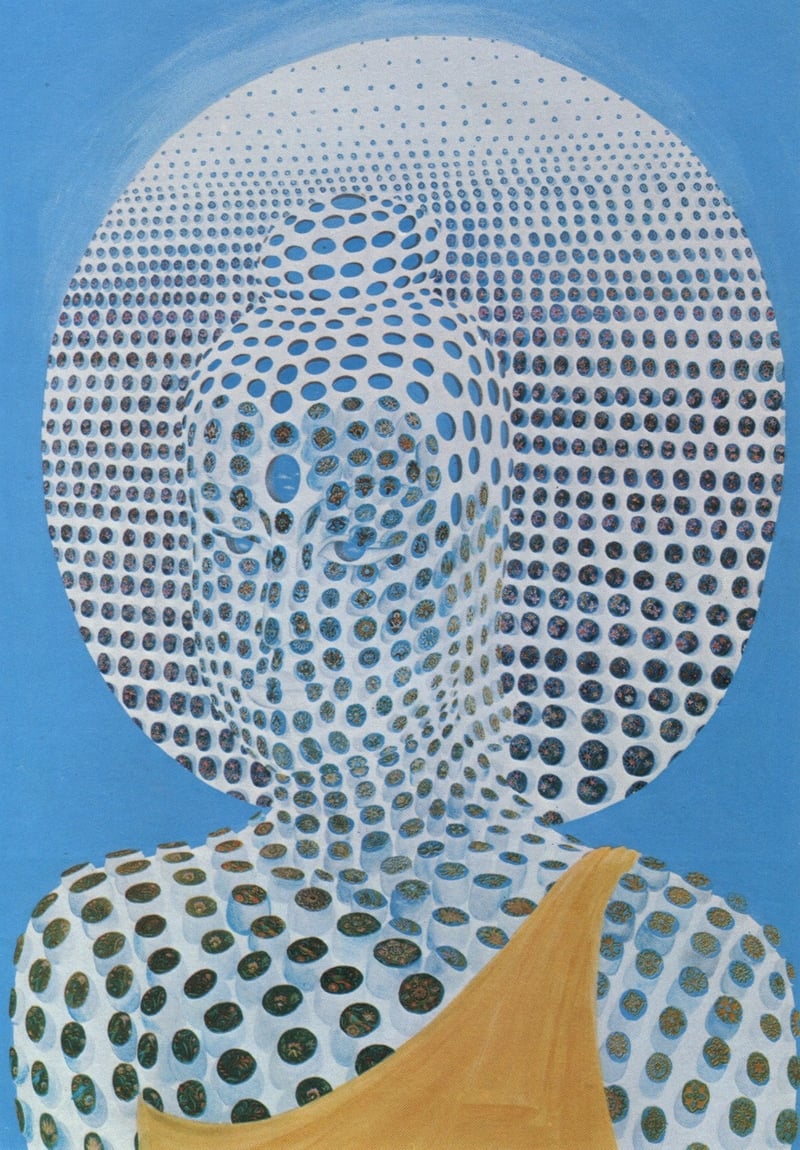
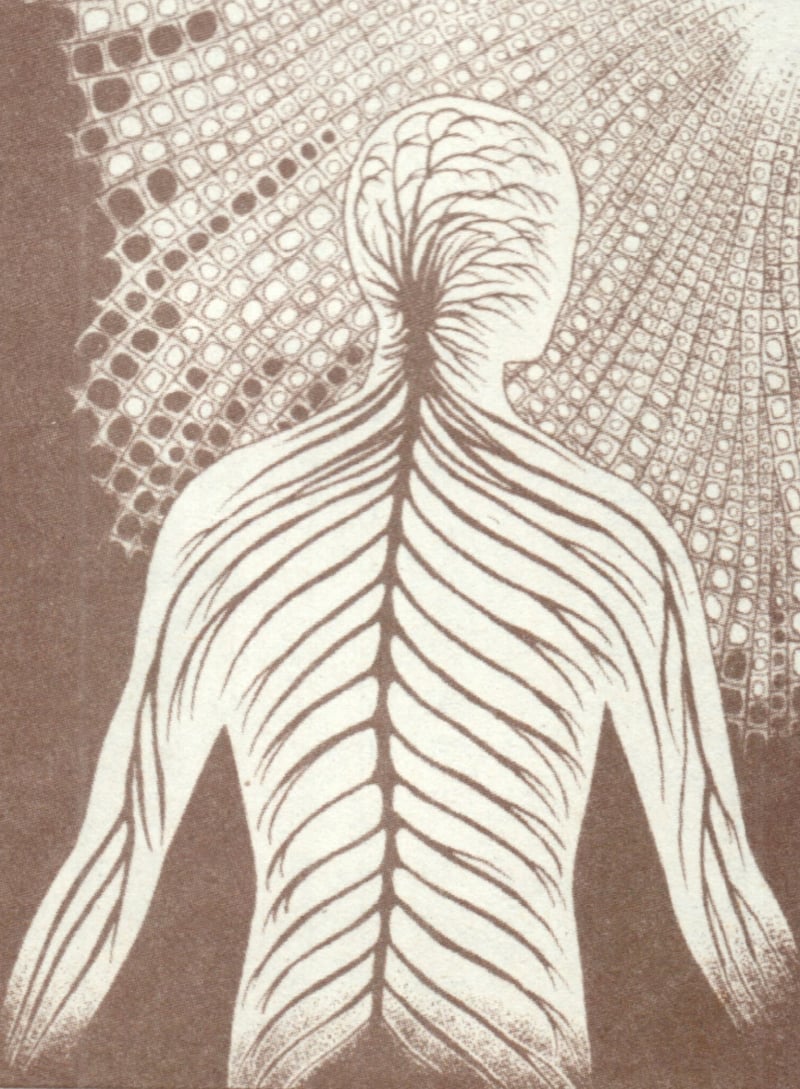
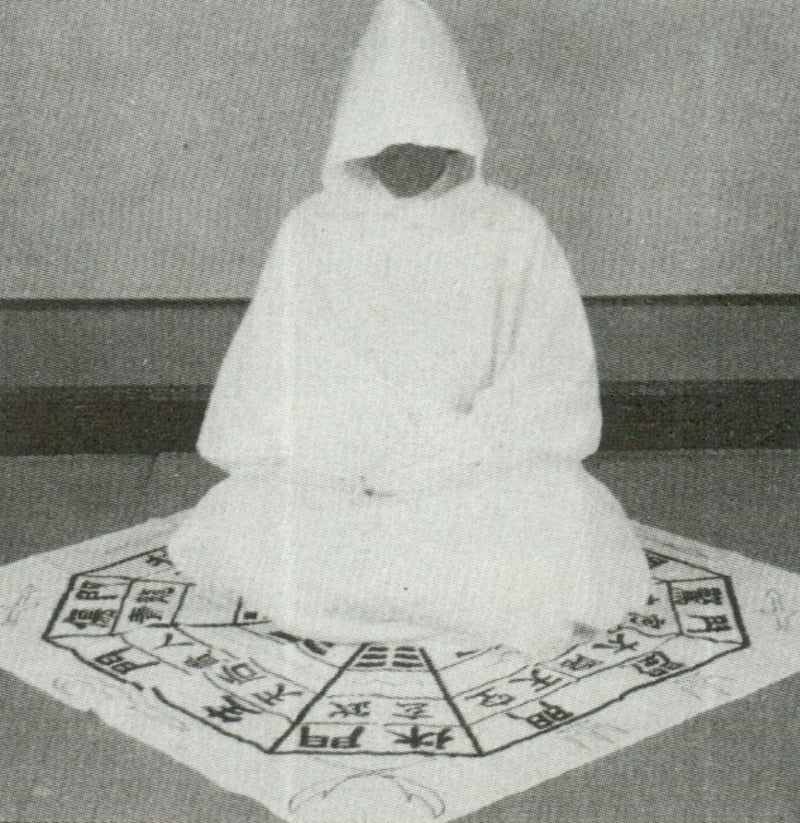
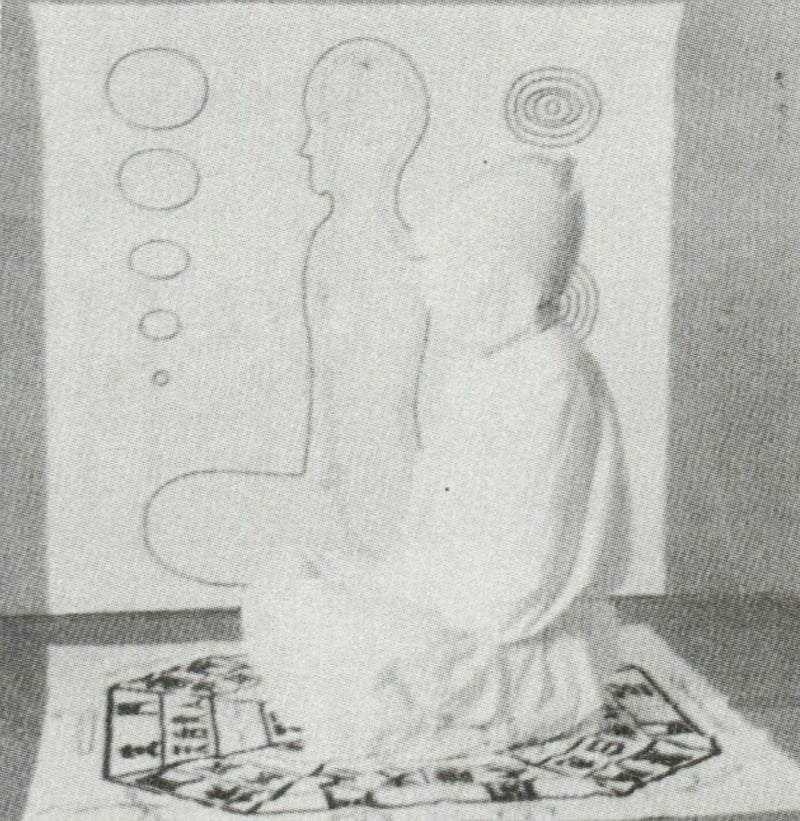
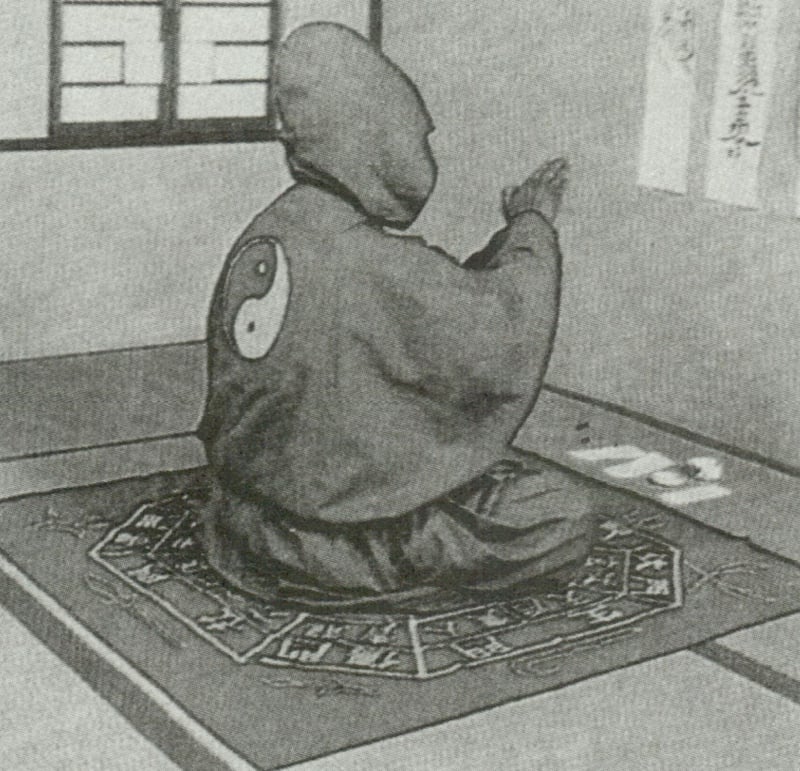
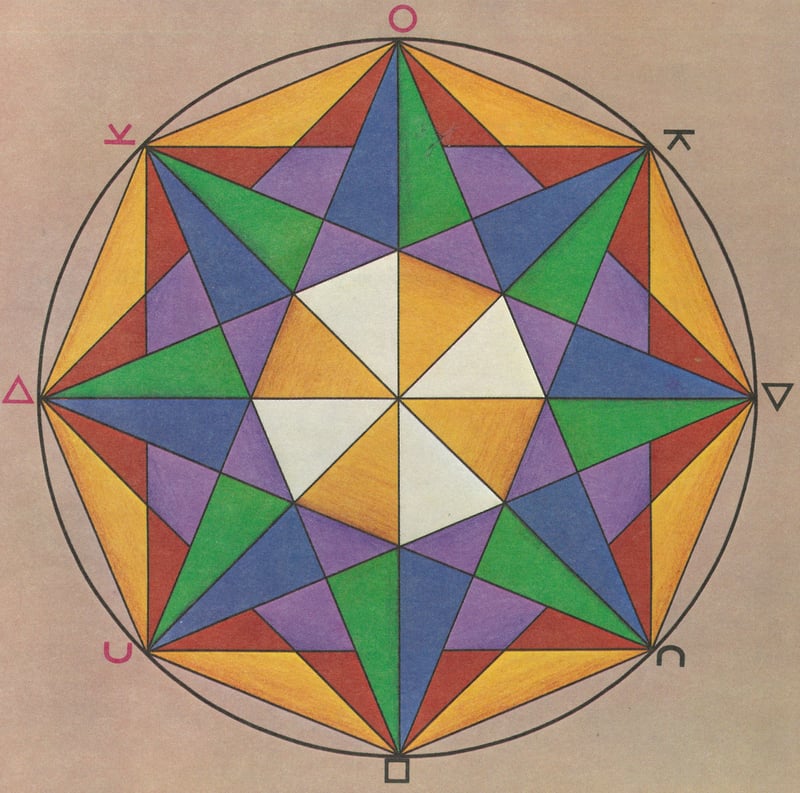
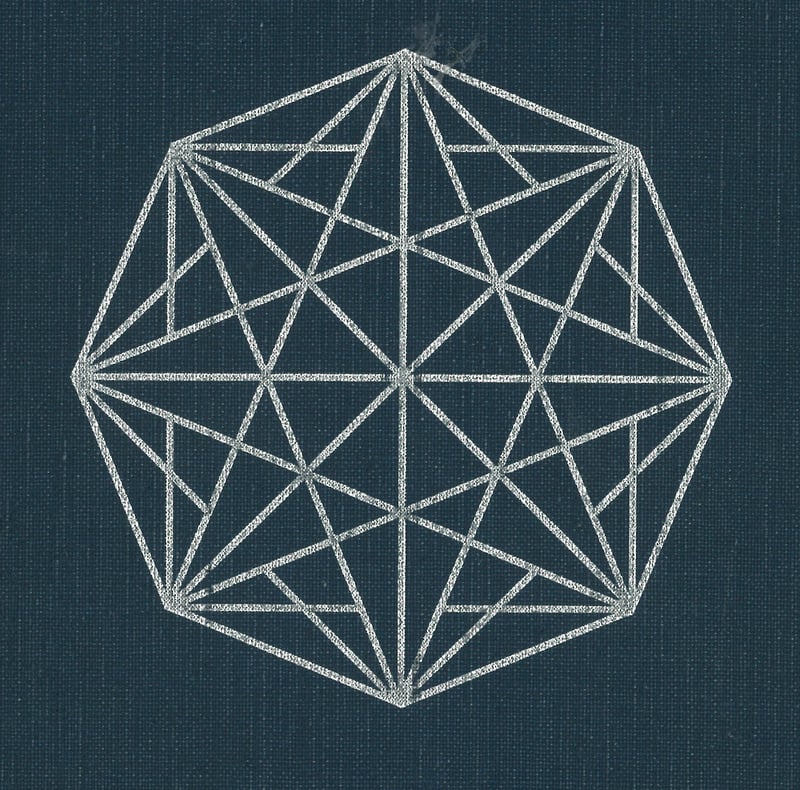


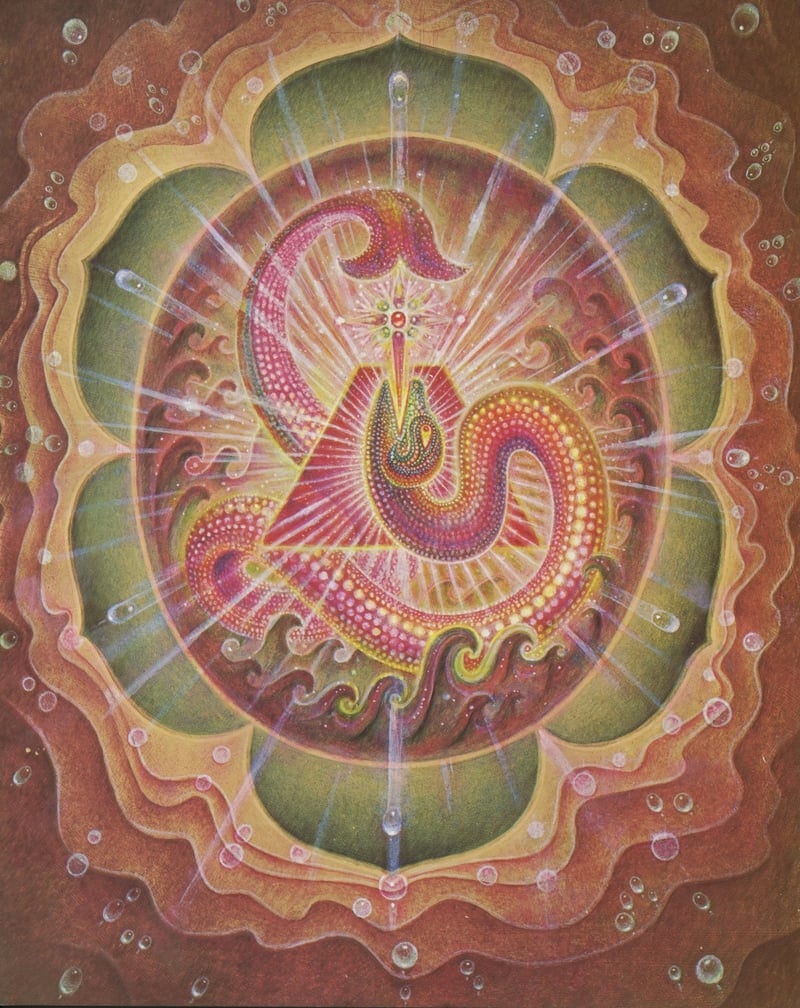
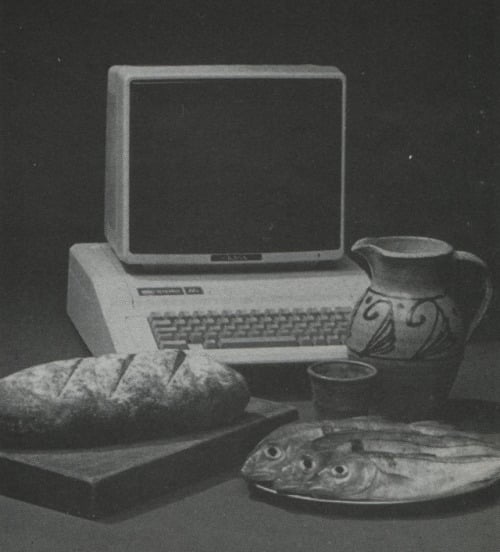
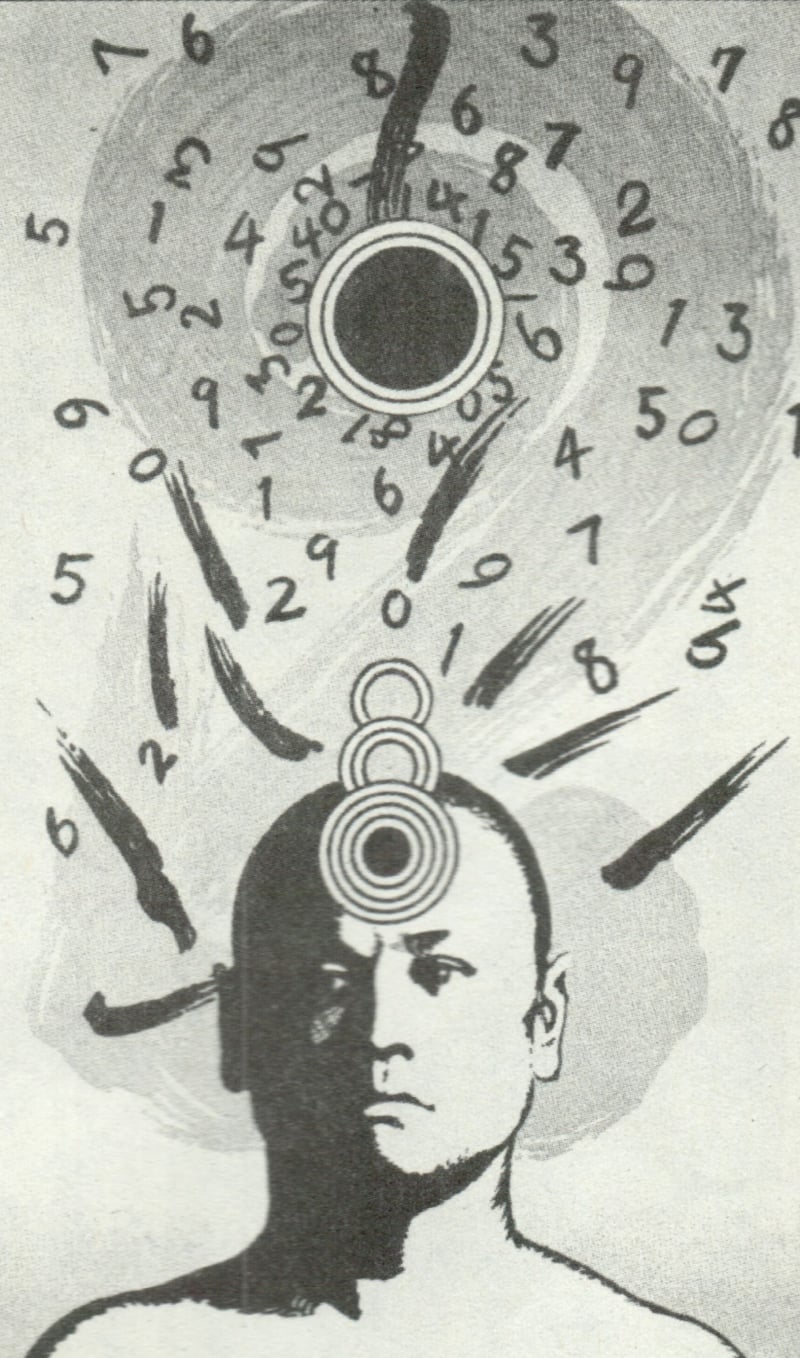
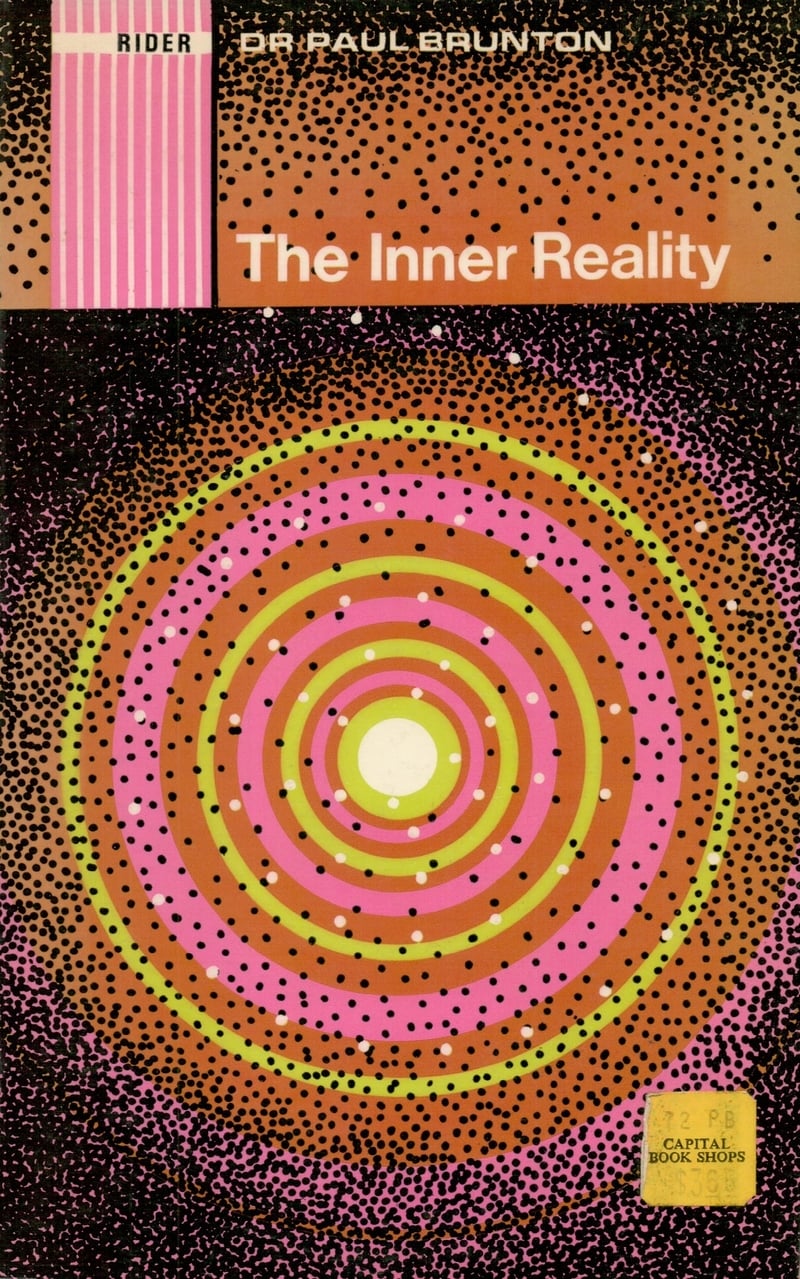

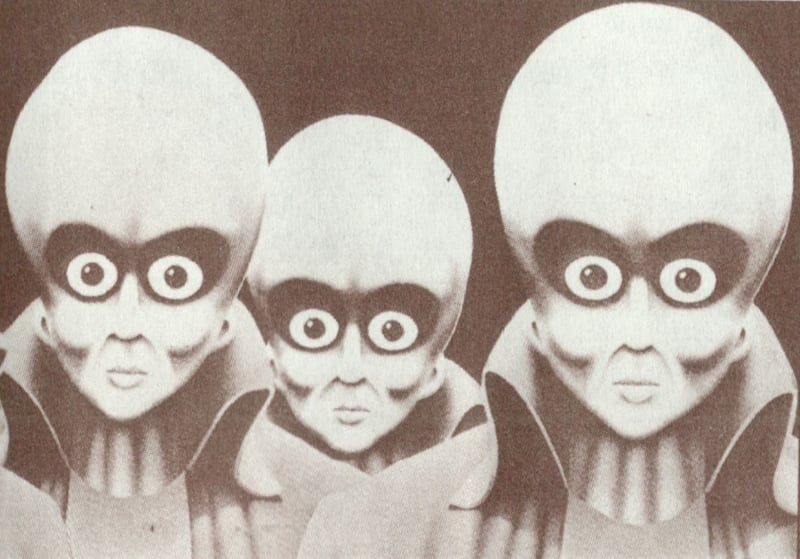

Taoist Magick - Walking Through Walls - by Lord Josh Allen
-
Thought as a System - by David Bohm (1994)
"Bohm maintains that thought is a system, in the sense that it is an interconnected network of concepts, ideas and assumptions that pass seamlessly between individuals and throughout society. If there is a fault in the functioning of thought, therefore, it must be a systemic fault, which infects the entire network. The thought that is brought to bear to resolve any given problem, therefore, is susceptible to the same flaw that created the problem it is trying to solve."
"Thought proceeds as if it is merely reporting objectively, but in fact, it is often coloring and distorting perception in unexpected ways. What is required in order to correct the distortions introduced by thought, according to Bohm, is a form of proprioception, or self-awareness. Neural receptors throughout the body inform us directly of our physical position and movement, but there is no corresponding awareness of the activity of thought. Such an awareness would represent psychological proprioception and would enable the possibility of perceiving & correcting the unintended consequences of the thinking process."
"In his book On Creativity, quoting the work of Korzybski, Bohm expressed the view that "metaphysics is an expression of a world view" and is "thus to be regarded as an art form, resembling poetry in some ways and mathematics in others, rather than as an attempt to say something true about reality as a whole."
(source: wikipedia)"Thought is constantly creating problems that way and then trying to solve them. But as it tries to solve them it makes it worse because it doesn't notice that it's creating them, and the more it thinks, the more problems it creates." - David Bohm
-
I Understand Philip K. Dick - by Terence Mckenna (via)
"Phil wasn’t nuts. Phil was a vortex victim.* Schizophrenia is not a psychological disorder peculiar to human beings. Schizophrenia is not a disease at all but rather a localized traveling discontinuity of the space time matrix itself. It is like a travelling whirl-wind of radical understanding that haunts time. It haunts time in the same way that Alfred North Whitehead said that the color dove grey 'haunts time like a ghost.'"
"Anyhow the man was a SF writer and a scholar of classical philosophy, he could not be expected to stay in touch with arcane discoveries beginning to take place on the frontiers of research mathematics. But he got very close, his intuition was red hot when he reached the conclusion that a unified abstract structure lay behind the shifting always tricky casuistry of appearances. The concept he needed was that of fractals and fractal mathematics. The infinite regress of form built out of forms of itself built out of forms of itself * unto infinity. The principle of self similarity. Phil was right, time is not a linear river. He was right, the Empire never ended. Parallel universes is too simple a concept to encompass what is really going on. The megamacrocosmos is a system of resonances, of levels, of endlessly adumbrated fun-house reflections. PKD really was Thomas and Elijah and all the other precursive concrescences that came together to make the cat-loving fat man who compacted trash into gold. The logic of being that he sought, and largely found, was not an either-or logic but a both-and and and-and kind of logic."
"What’s got to be gotten over is the false idea that hallucination is a private matter."
-
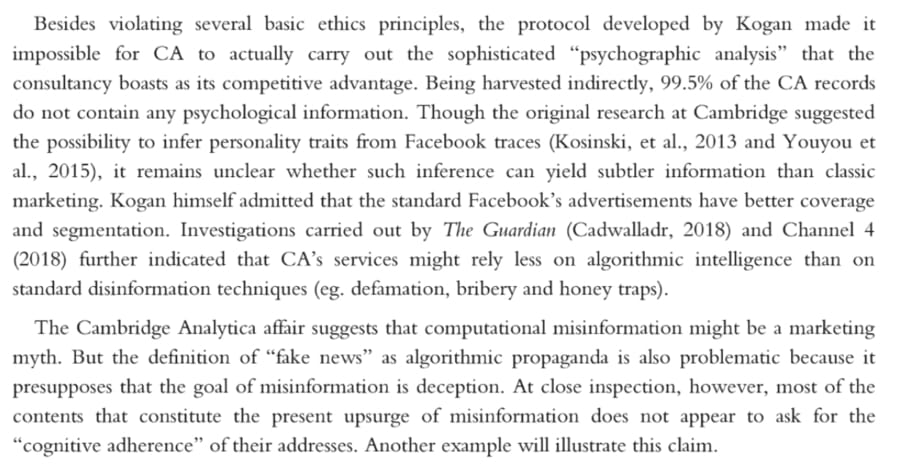
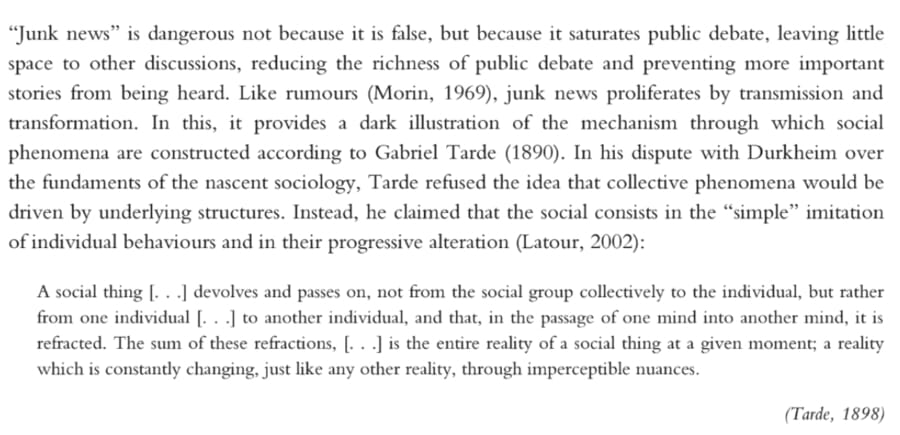
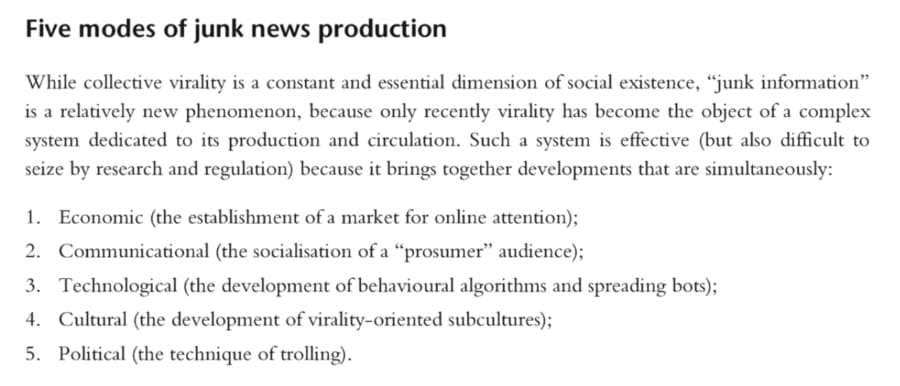
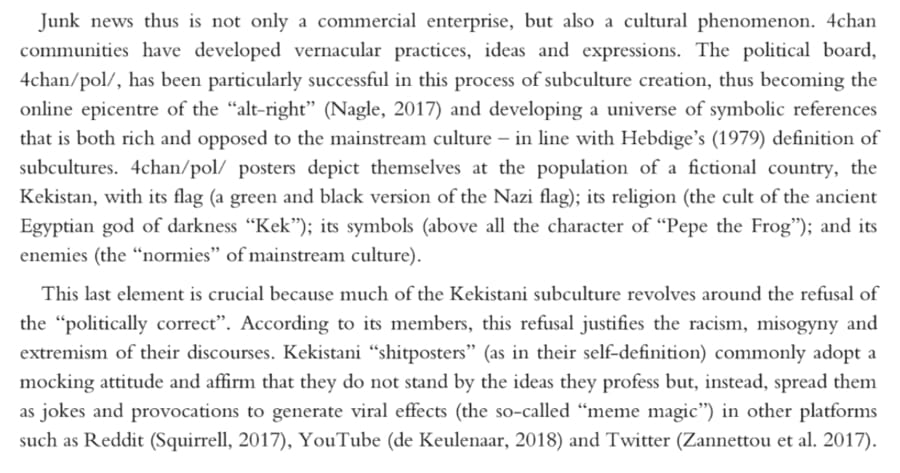
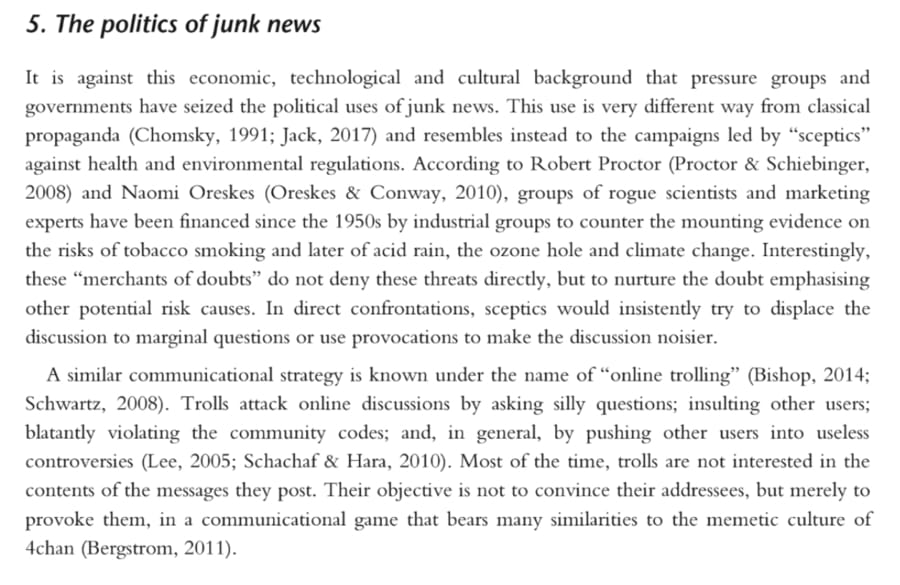
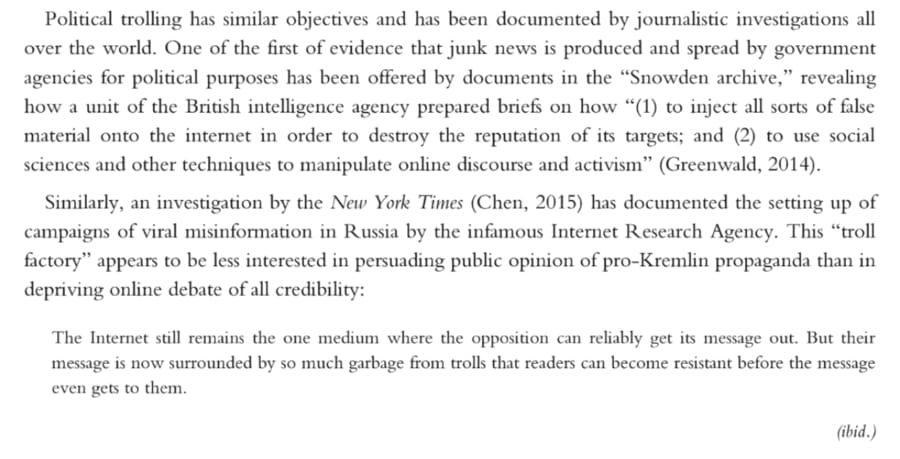
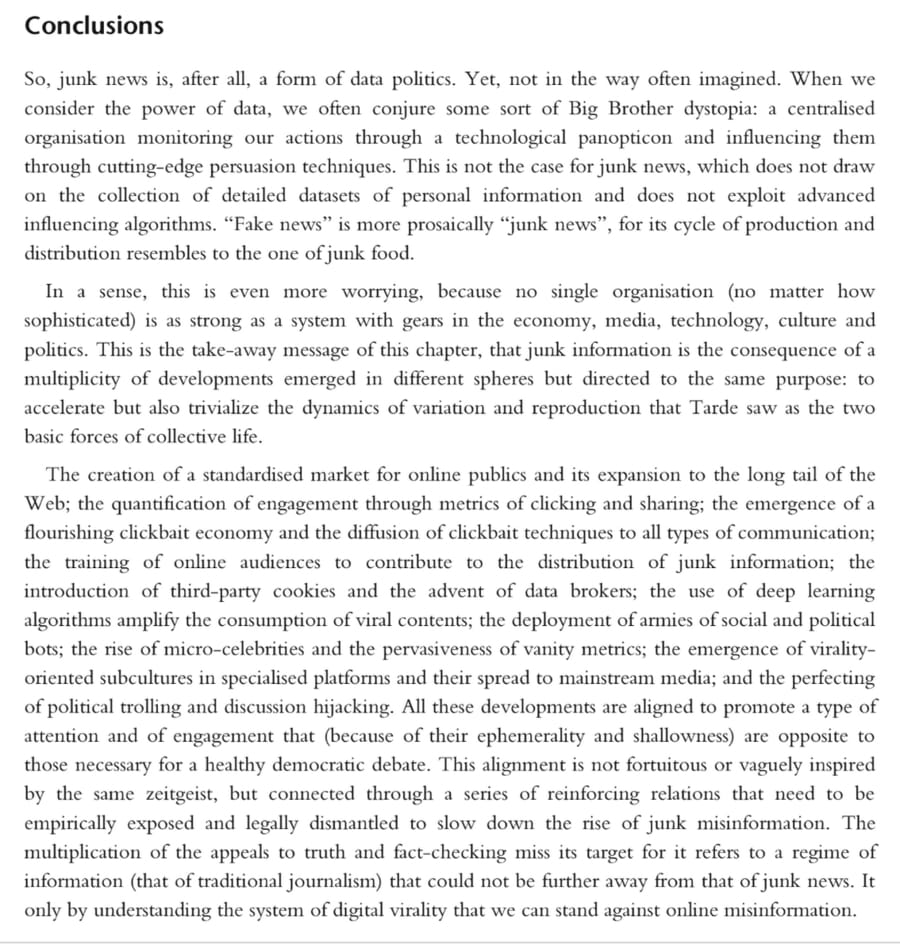
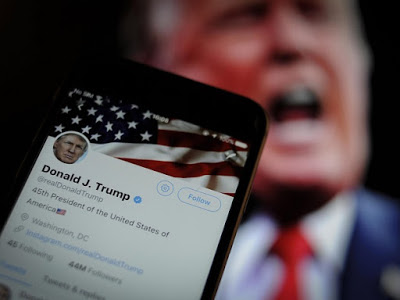
From Fake news to Junk News. The data politics of online virality - by Tommaso Venturini.
Part of the book "Data Politics: Worlds, Subjects, Rights" - by Didier Bigo (site) et.al (2019)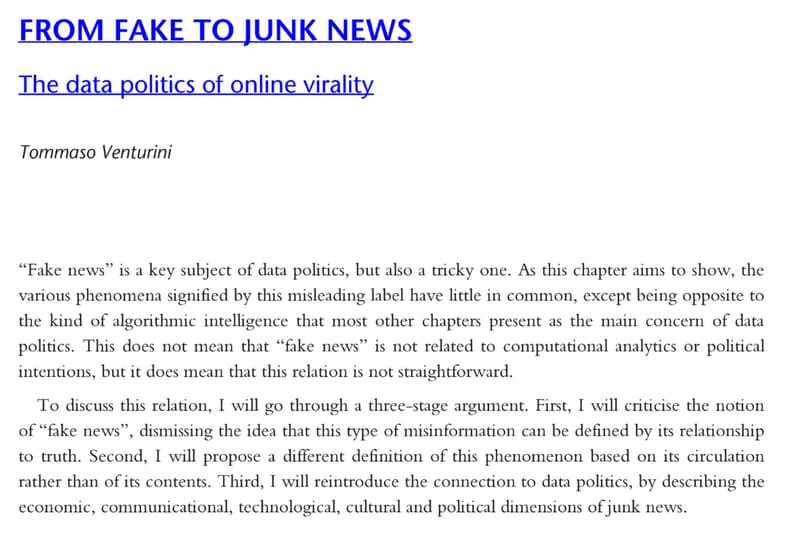
Didier Bigo on Security, Surveillance and Democracy
Fog of Information - by tekgnostics
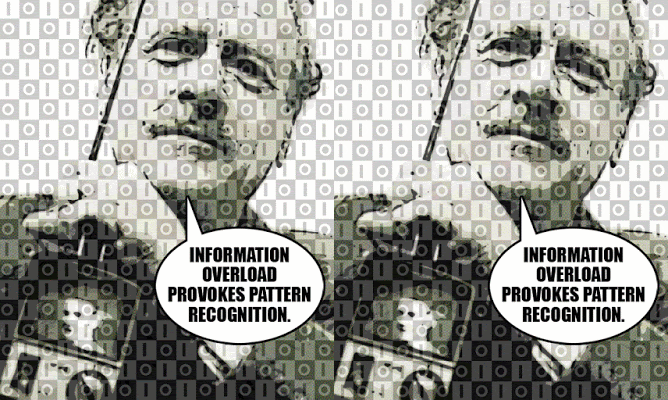
“In this day and age... we are faced with a Fog of Information that is as distracting and detrimental as the fog of war.” - from “Bread & Circuses”
"Information overload occurs when the amount of input to a system exceeds its processing capacity. Decision-makers have fairly limited cognitive processing capacity. Consequently, when information overload occurs, it is likely that a reduction in decision quality will occur."

"It's not a matter what is true that counts but a matter of what is perceived to be true" - Henry Kissinger
#Politics #SE #InfoSec #Bots #Culture #KM #Internet #Military #RTM