tag > Culture
-
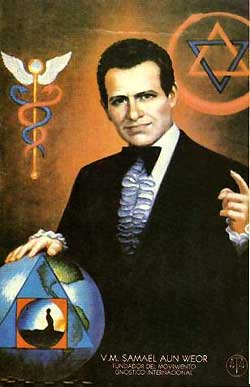
"Now, my dear friends, and forever, I renounce, have renounced and will go on renouncing copyrights. My only wish is that these books be sold at a low price, affordable to the poor, affordable to all the children of God. I wish that even the poorest, most destitue citizen be able to obtain these books with the few pennies he carries in his pocket ... Whosoever wants to publish them let him publish, for the benefit of diseased mankind."— Samael Aun Weor
In his works, Occult Medicine and Practical Magic, Igneous Rose and others, Aun Weor taught about elemental magic. In the former work he expressed his opposition to the medicine of modern science, allopathy, and called for the Gnostics to learn the ways of Indigenous and Elemental Medicine.
Aun Weor taught that all the plants of nature are living Elemental Spirits, similarly to Paracelsus and many other esoteric teachers. He states that it is the Elemental Spirits who cure, not simply the 'cadavers of the plants'. Plants should be treated as living beings, harvested at the proper hours etc. He stated that the Elementals of all plants are aspects of The Divine Mother in the form of Mother Nature. In 'Occult Medicine and Practical Magic' he spoke about the healing methods of the Kogi Mamas, who diagnose sicknesses by means of clairvoyance.




-
This website shares books, documents and links to other websites on subjects that I hope will cause us to question our most deeply held beliefs, world views , assumptions and our understanding of our relationship with the cosmos.
-
Think Different
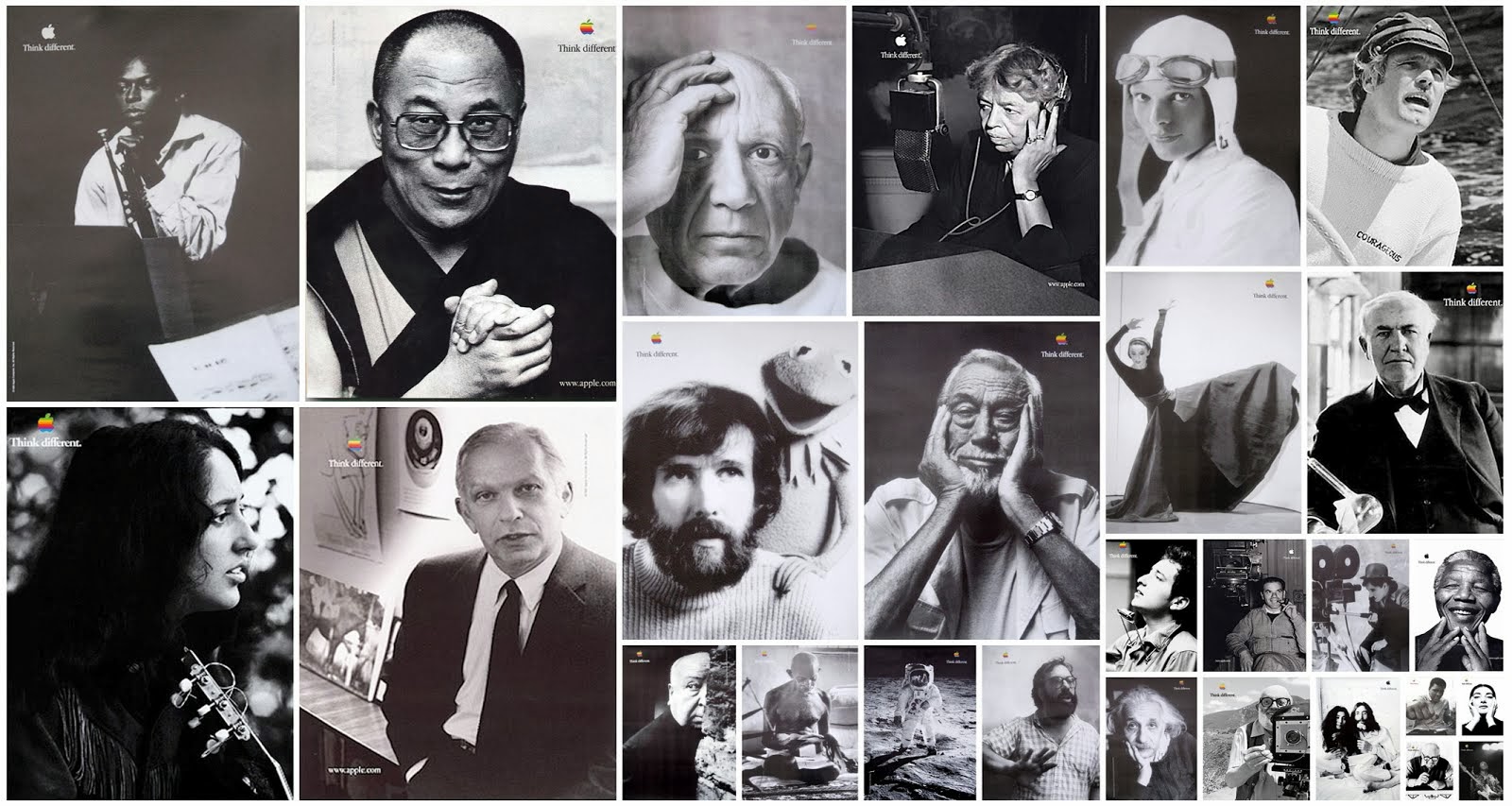
Rule 23: Anybody that gains mass recognisability or popularity - especially if it happens relatively quickly - is likely a controlled psyops actor. Follow the money to see the theatre.
-
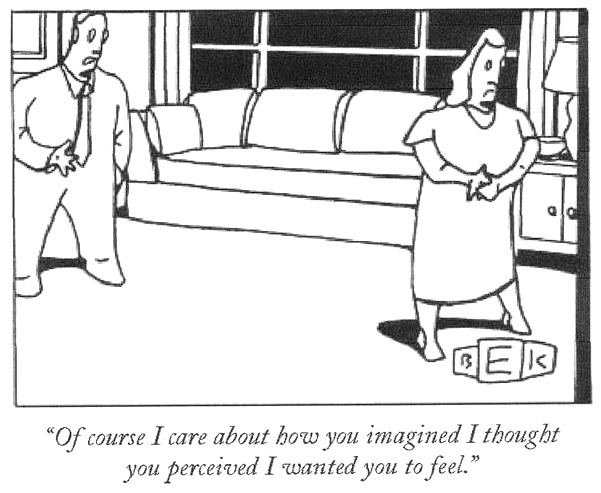
"Most of our failures in understanding one another have less to do with what is heard than with what is intended and what is inferred." - George Armitage Miller
-
If Time is money then how come people in rich countries tend to have so little?

I believe that for a lot of people time is more of a scarce resource than money. Although about 4 orders of magnitude less popular, chronological planning would seem to me more important than financial planning.
#Comment: This is not new but a truly profound insights. Given this, the most important form of "knowledge management" is "time management" (cultivation/practice)
-
AOC's Handler Linked To The TM Mind-Control Cult Ripped By John Lennon - By Yoichi Shimatsu - "Fiction invariably wins against realism."

-
Nature's Psyops
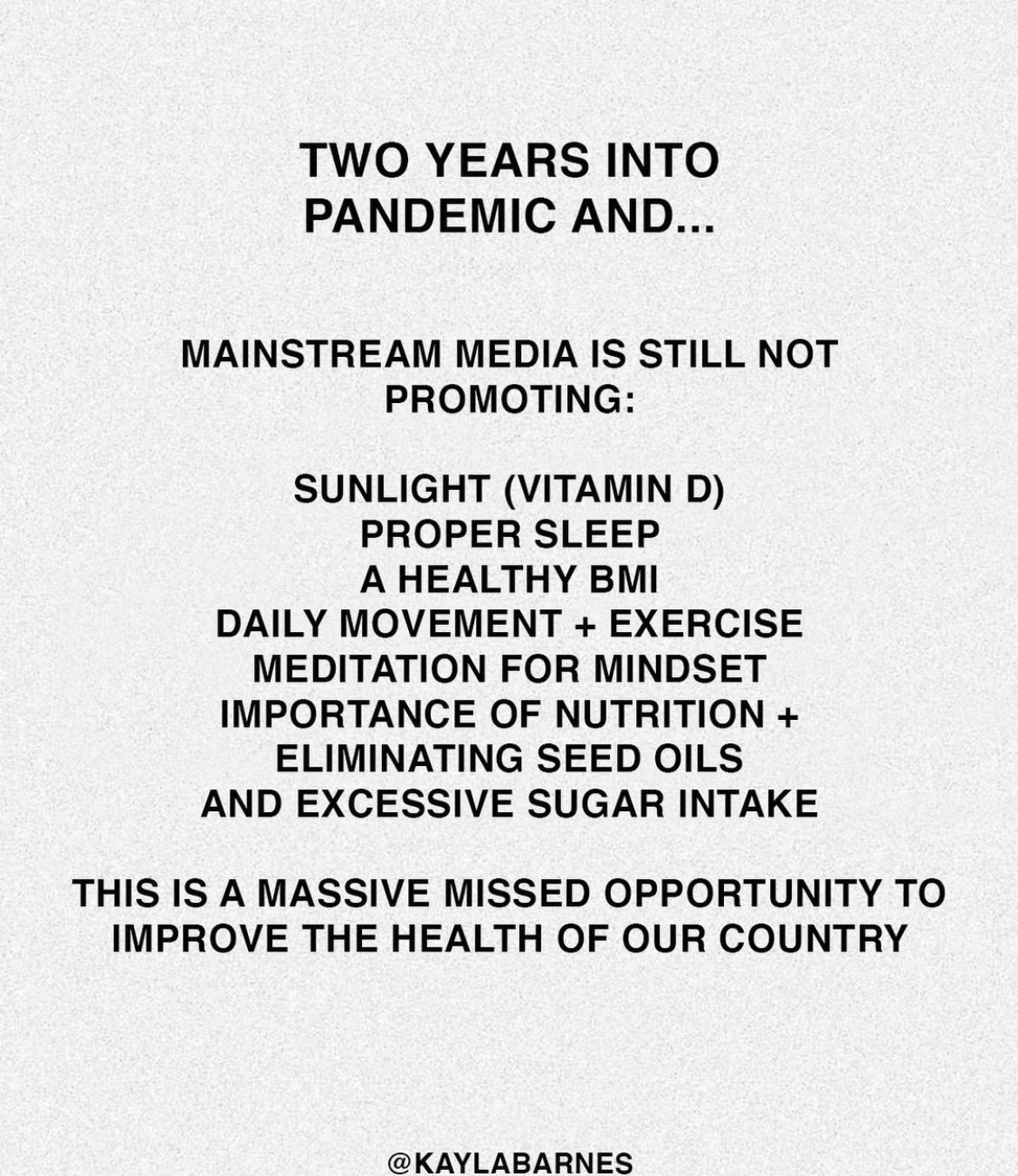
Imagine if in the past 2 years the "elites" instead of running a giant pro-fear, pro-control, pro-pharma-mafia psyops, would of put all that time and energy into promoting nature and its many benefits. Imagine a massive global psyops promoting the cultivation of medicinal plants, mushrooms and mind-body-nature practices, such as forrest bathing, qigong and yoga. Goverment mandated ginger booster smoothies, healthy diets and stress reduction programs. What would the outcomes have been for the public's physical and mental health & well-being?
In some sense, Humanity should be thankful for the horrendous Covid psyops, as it has brought an extremely destructive cultural undercurrent to the surface: The wide-spread belief that humans are essentially just complicated machines which can be "fixed" exclusively through "magic" pharmaceutical pills, administered by scientific "experts". This is the single biggest bullshit story and self-perpetuating lie of the past 250 years, which is starting to self-destruct.
#Ideas #Nature #Health #Culture #FFHCI #Mindbody #Cryptocracy #Politics #Economics
-
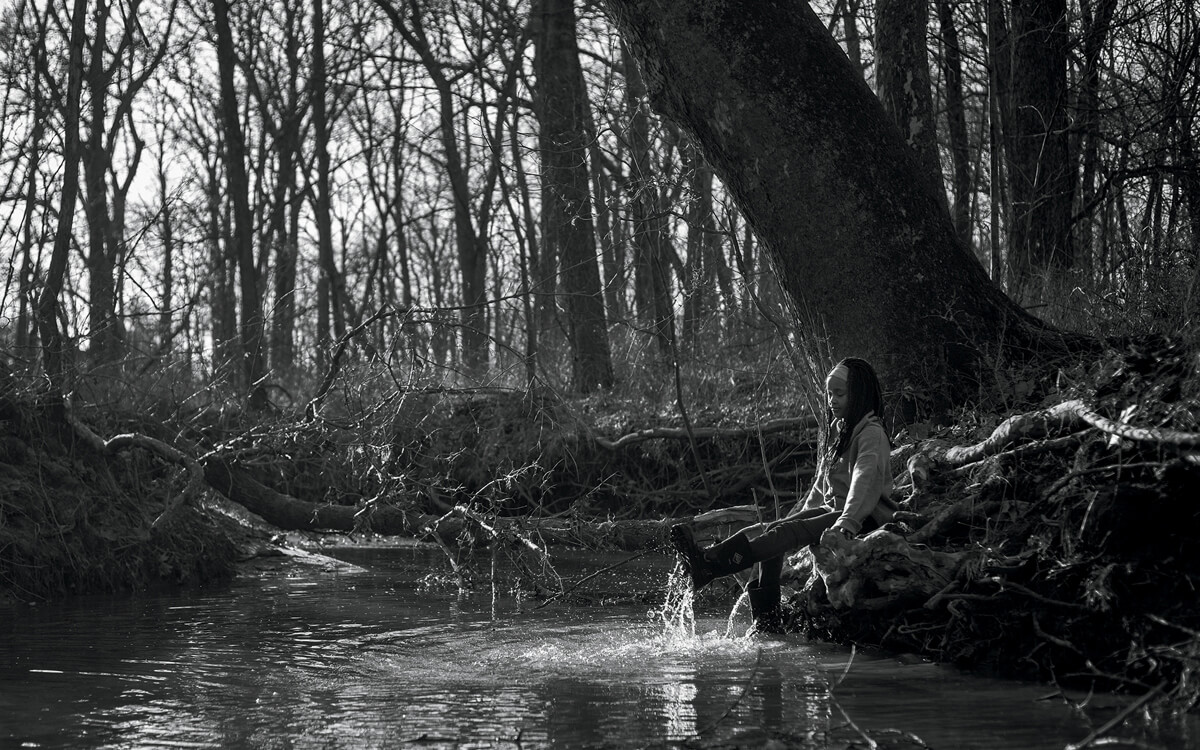
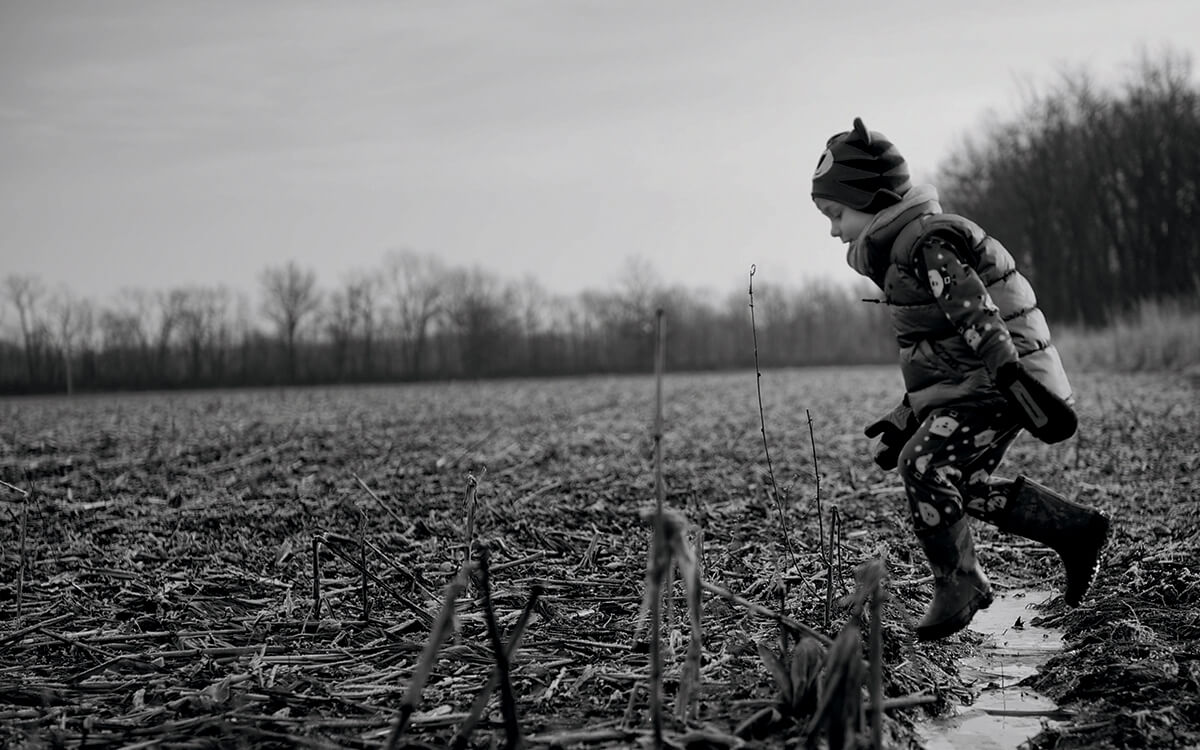
Outdoors for All: Access to Nature is a Human Right - by Richard Louv
"On average, today’s kids spend up to 44 hours per week in front of a screen, & less than 10 minutes a day playing outdoors."

-
Language extinction triggers the loss of unique medicinal knowledge
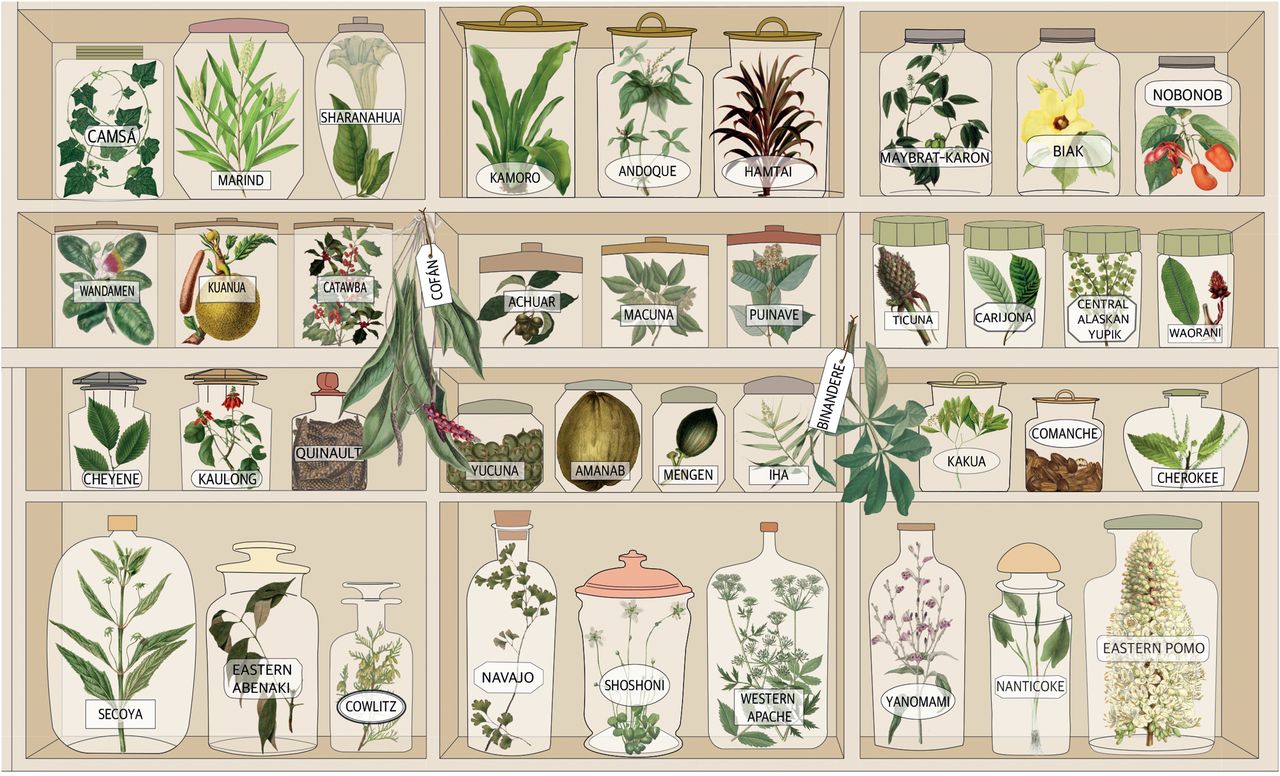
Over 30% of the 7,400 languages in the world will no longer be spoken by the end of the century. So far, however, our understanding of whether language extinction may result in the loss of linguistically unique knowledge remains limited. Here, we ask to what degree indigenous knowledge of medicinal plants is associated with individual languages and quantify how much indigenous knowledge may vanish as languages and plants go extinct. Focusing on three regions that have a high biocultural diversity, we show that over 75% of all 12,495 medicinal plant services are linguistically unique—i.e., only known to one language. Whereas most plant species associated with linguistically unique knowledge are not threatened, most languages that report linguistically unique knowledge are. Our finding of high uniqueness in indigenous knowledge and strong coupling with threatened languages suggests that language loss will be even more critical to the extinction of medicinal knowledge than biodiversity loss.