tag > Health
-
Memory Function and Cell Phone Microwave Exposure in Youngsters - by James C. Lin, University of Illinois at Chicago (2018, IEEE Microwave Magazine) (Unpaywalled)
"Reported results may lead to the conclusion that RF/microwave radiation emitted from GSM cell phones does not produce acute effects on an adolescent’s cognitive or memory function. But available data suggest that significant decreases in figural memory were found to be consistently associated with cumulative exposure of the brain of adolescents to 1,000–4,000 mJ/kg per day over one year. Therefore, a cautious approach to risk management, especially in relation to children and adolescents, is warranted."
-
"Poison is in everything, and no thing is without poison. The dosage makes it either a poison or a remedy." - Paracelsus (1493 - 1541)
-
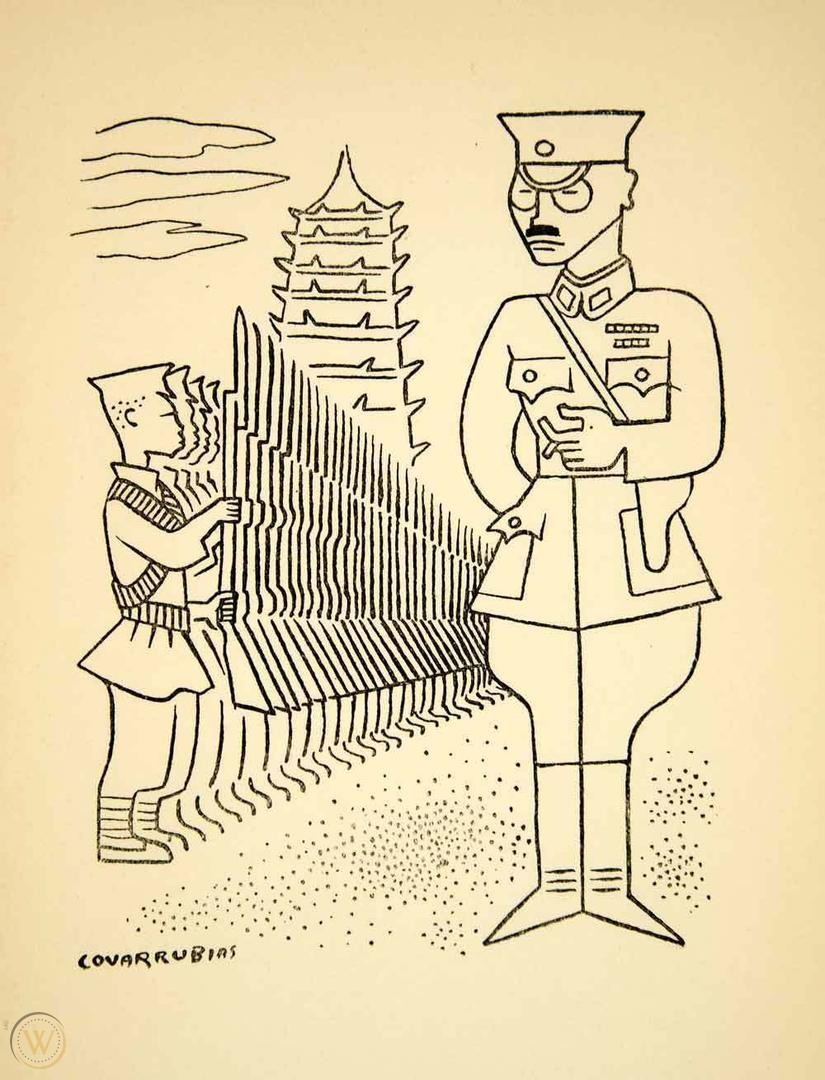
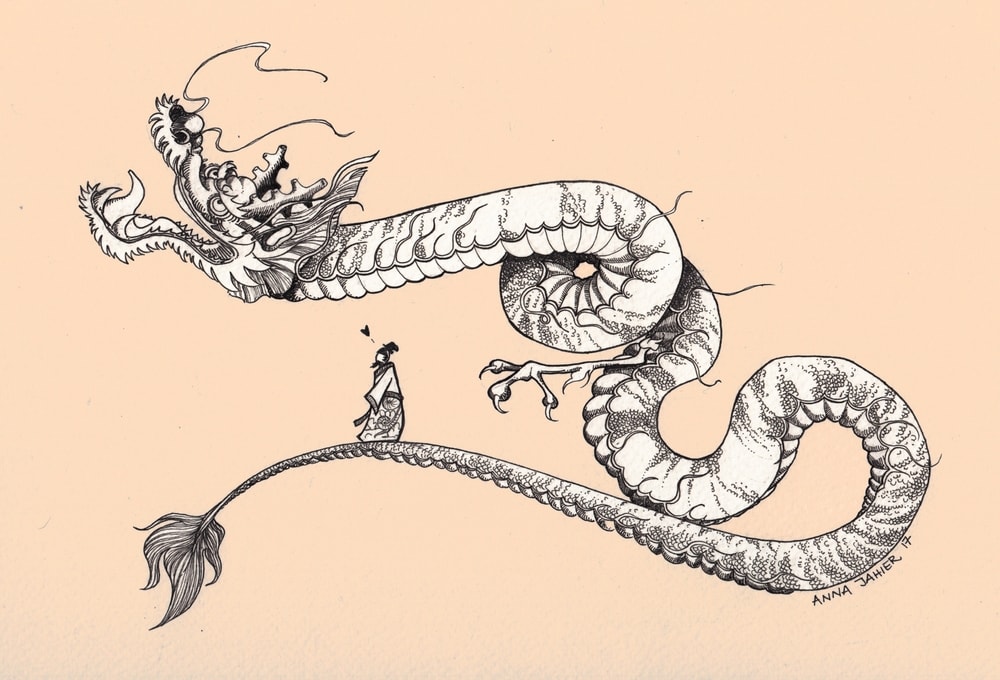
Li Ching-Yuen (李清雲) - Qigong Master who lived a very long life
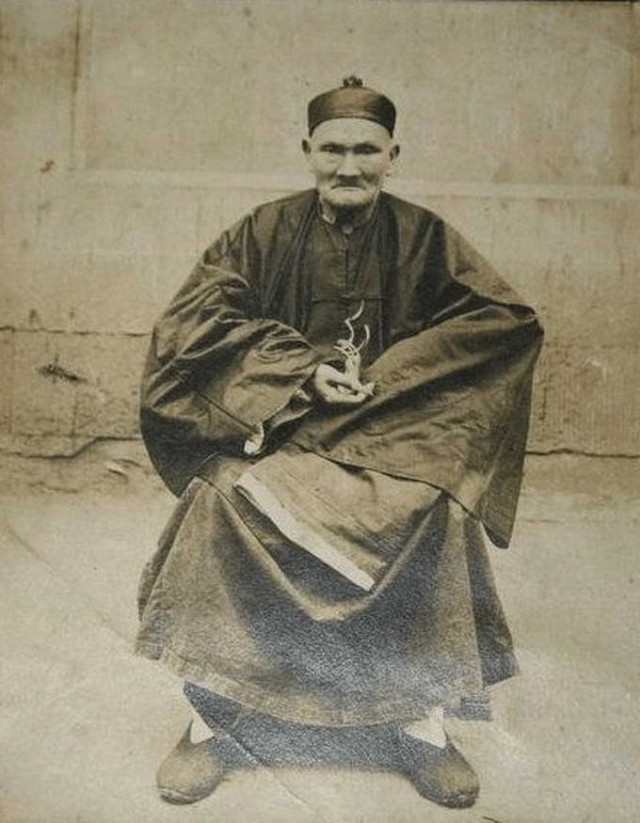
Li Ching-Yuen (simplified Chinese: 李清云; traditional Chinese: 李清雲) (1677 or 1736 – 6 May 1933) was a Chinese herbalist, martial artist and tactical advisor, known for his supposed extreme longevity. He claimed to have been born in 1736, while disputed records suggest 1677, implying an age at death of 197 or 256 years. Li Ching-Yuen spent most of his life in the mountains and was skilled in Qigong. He worked as an herbalist, selling lingzhi, goji berry, wild ginseng, he shou wu and gotu kola along with other Chinese herbs, and lived off a diet of these herbs and rice wine. He died from natural causes on 6 May 1933 in Kai Xian, Sichuan, China and was survived by his 24th wife, a woman of 60 years. Li supposedly produced over 200 descendants during his life span, surviving 23 wives.
After his death, General Yang Sen wrote a report about him, A Factual Account of the 250 Year-Old Good-Luck Man (一个250岁长寿老人的真实记载), in which he described Li's appearance: "He has good eyesight and a brisk stride; Li stands seven feet tall, has very long fingernails, and a ruddy complexion." General Yang became his disciple, practicing his teaching until the end of his life. In 1927 he invited him to his residence in Wanxian, Sichuan. The Tai Chi Chuan Master T. T. Liang (Liang Tung Tsai) learned from General Yang the practice of the "Eight Brocade Qigong". His student Stuart Alve Olson wrote in 2002 the book "Qigong Teachings of a Taoist Immortal: The Eight Essential Exercises of Master Li Ching-Yun", taking General Yang's report as reference. Some praticants of Jiulong Baguazhang, also known as Nine Dragon Eight Diagram Palm, claims that it was conceived by Li Ching-Yuen.
Longevity
Whereas Li Ching-Yuen himself claimed to have been born in 1736, Wu Chung-chieh, a professor of the Chengdu University, asserted that Li was born in 1677; according to a 1930 New York Times article, Wu discovered Imperial Chinese government records from 1827 congratulating Li on his 150th birthday, and further documents later congratulating him on his 200th birthday in 1877. However, gerontological researchers have viewed the age claim with extreme skepticism; the frequency of invalid age claims increases with the claimed age, rising from 65% of claims to ages 110–111 being invalid, to 98% of claims to being 115, with a 100% rate for claims of 120+ years.
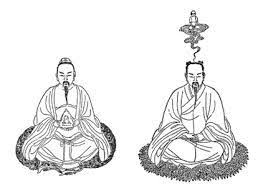
One of Li's disciples, the Taijiquan Master Da Liu, told of his master's story: when 130 years old Master Li encountered in the mountains an older hermit, over 500 years old, who taught him Baguazhang and a set of Qigong with breathing instructions, movements training coordinated with specific sounds, and dietary recommendations. Da Liu reports that his master said that his longevity "is due to the fact that he performed the exercises every day – regularly, correctly, and with sincerity – for 120 years."
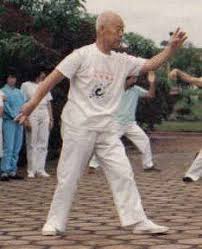
Master Liu Pai Lin (劉百齡) The Taoist Master Liu Pai Lin (劉百齡), who lived in São Paulo, Brazil from 1975 until 2000, had in his classroom another photograph of Master Li Ching Yuen unknown to the West. In this photo his face is clearly visible, as are his long and curled fingernails. Master Liu had met him personally in China, and considered him as one of his Masters. He used to say that Master Li answered to him that the fundamental taoist practice is to learn to keep the “Emptiness” (Wuji). Master Liu’s son, Master Liu Chih Ming, teaches the 12 Silks Qigong in CEMETRAC, as transmitted by Master Li.
The article "Tortoise-Pigeon-Dog", from the 15 May 1933 issue of Time reports on his history, and includes Li's answer to the secret of a long life:
- Keep a quiet heart
- Sit like a tortoise
- Walk sprightly like a pigeon
- Sleep like a dog
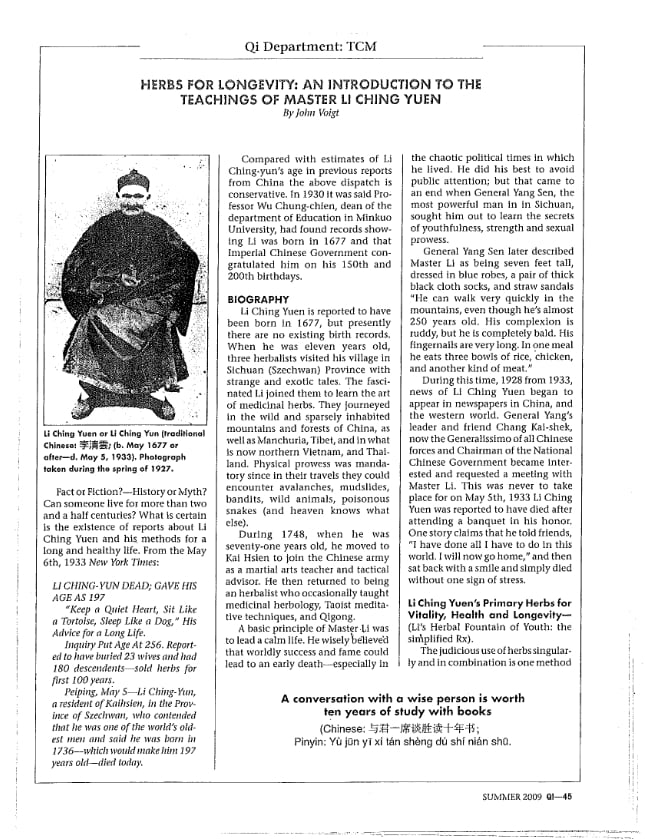
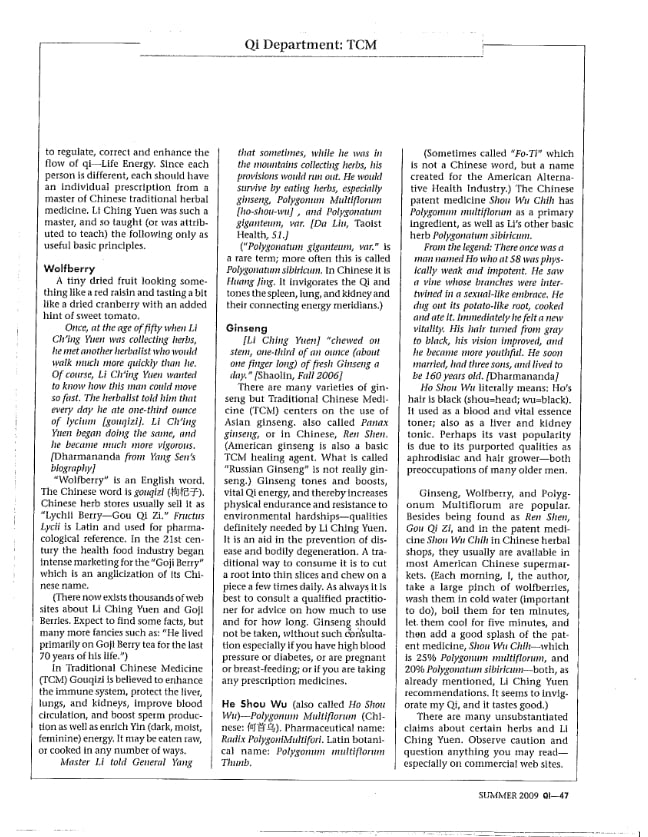
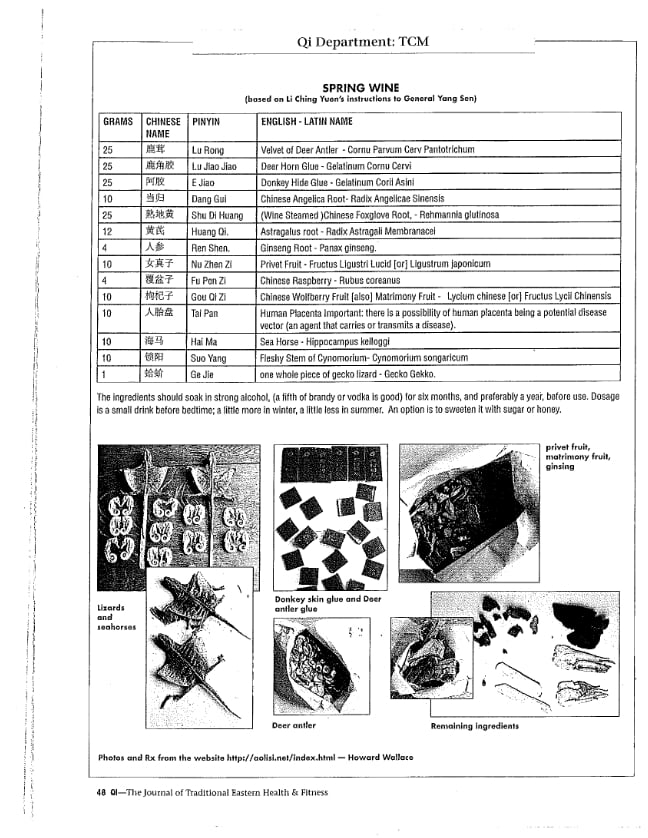
Following from "The Legend of Li Qingyun Meets Scientific Life Span Experiments":
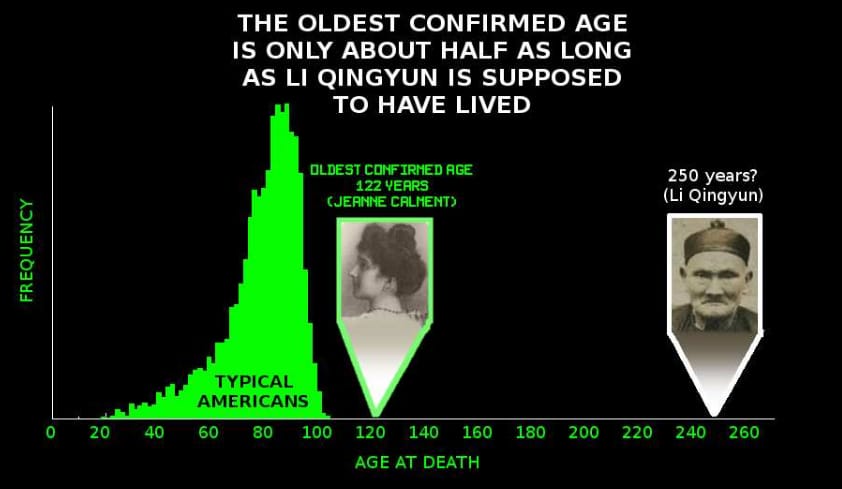
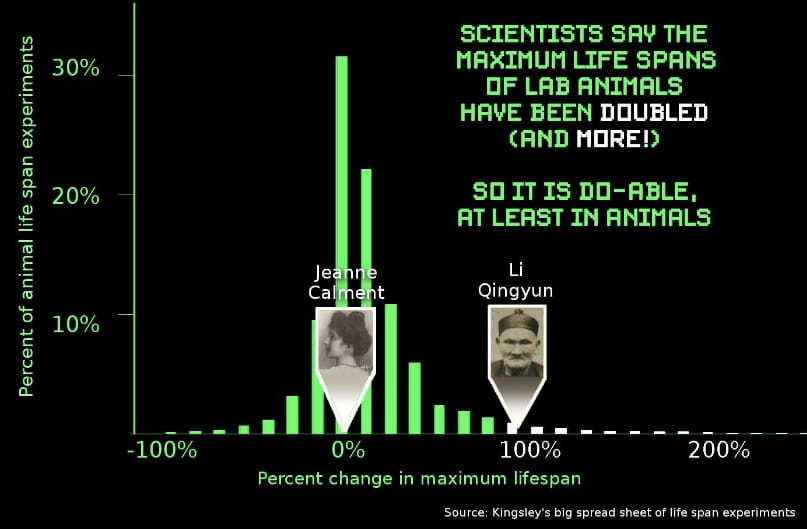
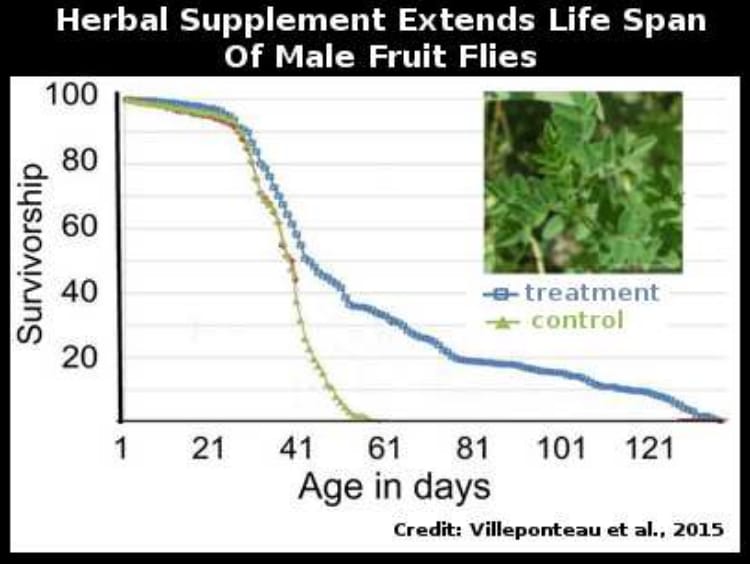
- Li Qingyun advised against feeling too happy
- Li Qingyun advised against drinking wine
- Li Qingyun meditated
- Li Qingyun ate rice
- Li Qingyun ate herbs
- Li Qingyun had plenty more tips for living longer.They included: Diet, exercise, sleep, religion, education, relaxing, living in remote areas, and occasionally going hungry.
Books:
- Qigong - The secret of youth - Da Mo’s Muscle/Tendon Changing and Marrow/Brain Washing Classics - by Dr. Yang, Jwing-Ming
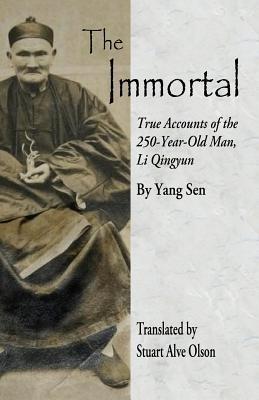
- The Immortal: True Accounts of the 250-Year-Old Man, Li Qingyun - by Yang Sen, Stuart Alve Olson
- The Jade Emperor's Mind Seal Classic: The Taoist Guide to Health, Longevity, and Immortality - by Stuart Alve Olson
- Blog post on Li Qingyun in Chinese
Related
-
Qigong - Energy Medicine for the New Millennium - by Tom Rogers (2004) (PDF)
Tom Rogers is the President of the Qigong Institute, who's goal is "to promote the scientific understanding of the basis of Qigong". They maintain an extensive collection of Qigong related scientific research papers in the "Qigong and Energy Medicine Database" and have a dedicated page on the "Harvard Medical School Qigong research". More related science papers can be found on Semanticscholar, including some making miraculous claims.
-
Health care costs are destroying American families (Salon) "slow-eugenics"
“The average premium for family coverage has increased 22% over the last five years and 54% over the last ten years, significantly more than either workers’ wages or inflation,” according to an annual survey by the Kaiser Foundation of employer-sponsored health coverage.
The Kaiser survey provides a uniquely detailed analysis and is based on more than 2,000 interviews with public and private firms. It reported that annual premiums for employer-sponsored health care plans reached $20,576 this year, an increase of 5%, "with workers on average paying $6,015 toward the cost of their coverage."
Almost all workers in these plans not only share in the premium cost but have to absorb an annual deductible. That too has increased rapidly, Kaiser reports, by 36% over the last five years and a remarkable 100% over the last 10 years.
In a study published in May of this year in the Journal of General Internal Medicine, researchers concluded that 137 million Americans struggled with medical debt. Adults under 65 (and hence not eligible for Medicare) without health insurance fared the worst. “With trends towards higher patient cost-sharing and increasing health care costs, risks of hardship may increase in the future,” the study concluded"
-
Golden Age of Medicine 2.0: Lifestyle Medicine and Planetary Health Prioritized (PDF)
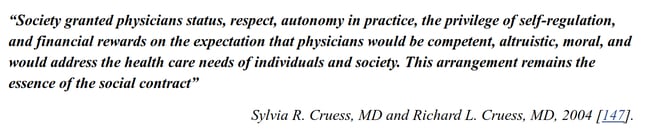
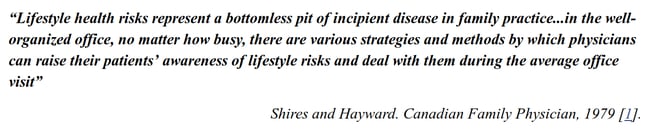
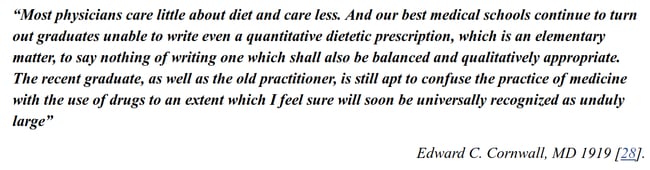
Abstract: "The 'golden age of medicine' - the first half of the 20th century, reaching its zenith with Jonas Salk's 1955 polio vaccine - was a time of profound advances in surgical techniques, immunization, drug discovery, and the control of infectious disease; however, when the burden of disease shifted to lifestyle-driven, chronic, non-communicable diseases, the golden era slipped away. Although modifiable lifestyle practices now account for some 80% of premature mortality, medicine remains loathe to embrace lifestyle interventions as medicine. Here, we argue that a 21st century golden age of medicine can be realized; the path to this era requires a transformation of medical school recruitment and training in ways that prioritize a broad view of lifestyle medicine. Moving beyond the basic principles of modifiable lifestyle practices as therapeutic interventions, each person/community should be viewed as a biological manifestation of accumulated experiences (and choices) made within the dynamic social, political, economic and cultural ecosystems that comprise their total life history. This requires an understanding that powerful forces operate within these ecosystems; marketing and neoliberal forces push an exclusive 'personal responsibility' view of health - blaming the individual, and deflecting from the large-scale influences that maintain health inequalities and threaten planetary health. The latter term denotes the interconnections between the sustainable vitality of person and place at all scales. We emphasize that barriers to planetary health and the clinical application of lifestyle medicine - including authoritarianism and social dominance orientation - are maintaining an unhealthy status quo."



-
"How 5G Wireless Technology Makes Us ‘Lab Rats’ - People should worry." - Professor Narcís Parés, University Pompeu Fabra in Barcelona.
As Parés explains, there are already hundreds of studies showing a large number of negative effects. “According to these studies, these waves affect our body at a cellular level, changing the electro-chemical control systems that they use to regulate themselves. This is the case, for example, with voltage-gated calcium channels, which are fundamental for the functioning of muscles, neurons, hormones and DNA.”
“Another example is the disruption of the blood-brain barrier, which protects our brain from potentially harmful elements in the blood. As a result, people suffer from muscular pain, sleeping trouble, neurological disorders, thyroid disease, reduced fertility or cancer. There also seem to be clear links between Alzheimer’s or autism and EMF. And we are only talking about human beings.”
According to Professor Narcís Parés, other studies have shown an impact on the environment, “which the 5G technology is going to increase because it is already being deployed at a planetary level via satellites. Its millimeter waves cover the bodies of insects completely. In this sense, bees are already seen to be affected as much as by pesticides.”
-
"Blood now makes up well over 2 percent of total U.S. exports by value. To put that in perspective, Americans' blood is now worth more than all exported corn or soy products that cover vast areas of the country's heartland. The U.S. supplies fully 70% of the world's plasma, mainly because most other countries have banned the practice on ethical and medical grounds."



"The people who show up are a mix of disabled, working poor, homeless, single parents, and college students. With the exception of the college students who are looking for booze money, this is probably the easiest and most reliable income they have. Your job may fire you at any time when you're on this level of society, but you always have blood. And selling your blood doesn't count as a job or income when it comes to determining disability benefits, food stamps, or unemployment eligibility so it's a source of money for the people who have absolutely nothing else."
"Desperate Americans are allowed to donate twice per week. But losing that much plasma could have serious health consequences, most of which have not been studied [...] Around 70 percent of donors experience health complications. Donors have a lower protein count in their blood, putting them at greater risk of infections and liver and kidney disorders. Many regulars suffer from near-permanent fatigue and are borderline anemic. All this for an average of $30 per visit."
-
Somethings change only very slowly. Such things are worth studying very closely:
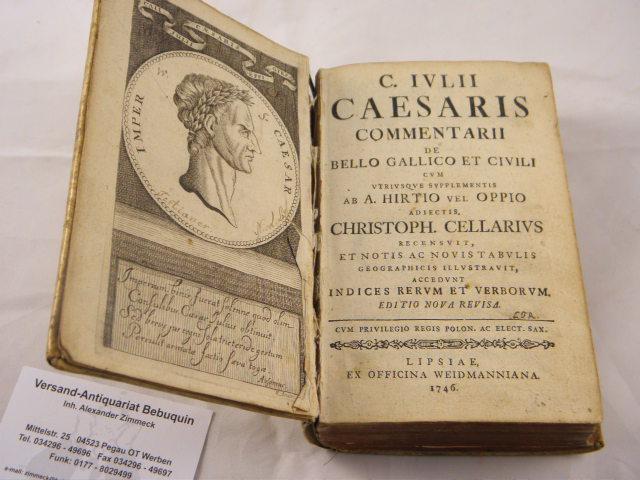
"In De Bello Gallico (58 BC), Julius Caesar provides his audience with a picture of Germanic peoples lifestyle and culture: He depicts the Germans as primitive hunter gatherers with diets mostly consisting of meat and dairy products who only celebrate earthly gods such as the sun, fire, and the moon. German women reportedly wear small cloaks of deer hides and bathe in the river naked with their fellow men, yet their culture celebrates men who abstain from sex for as long as possible."

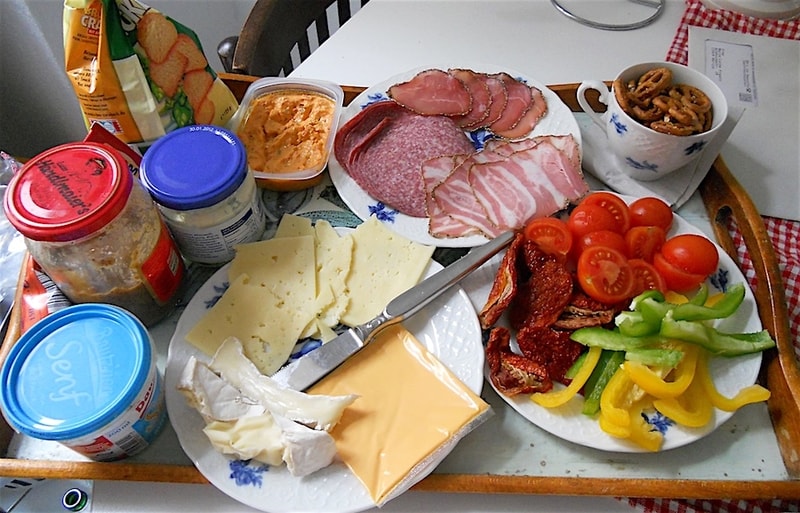
German Food 2019: Mostly Meat & Dairy -
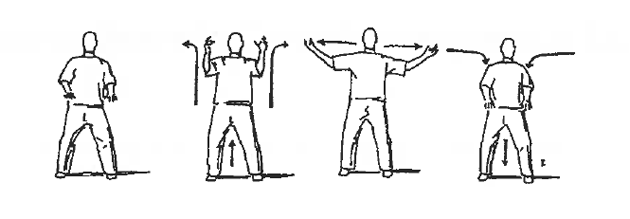
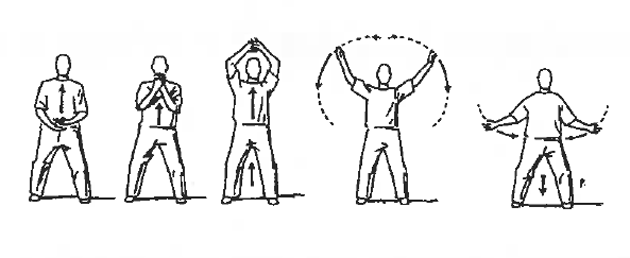
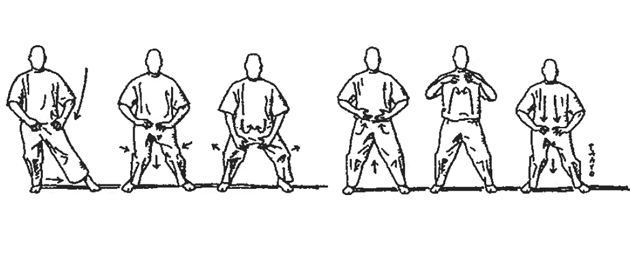
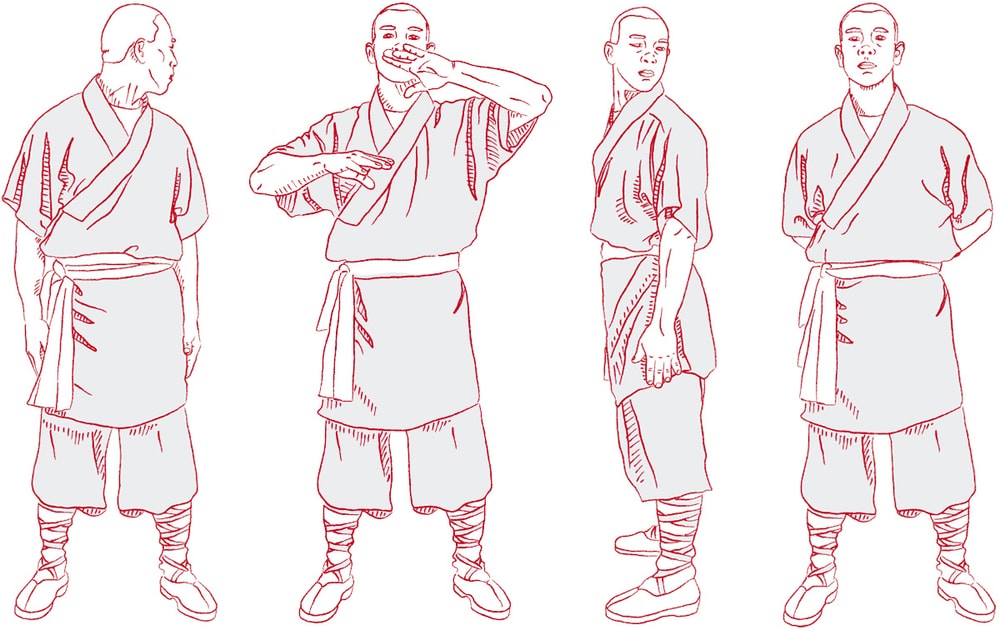
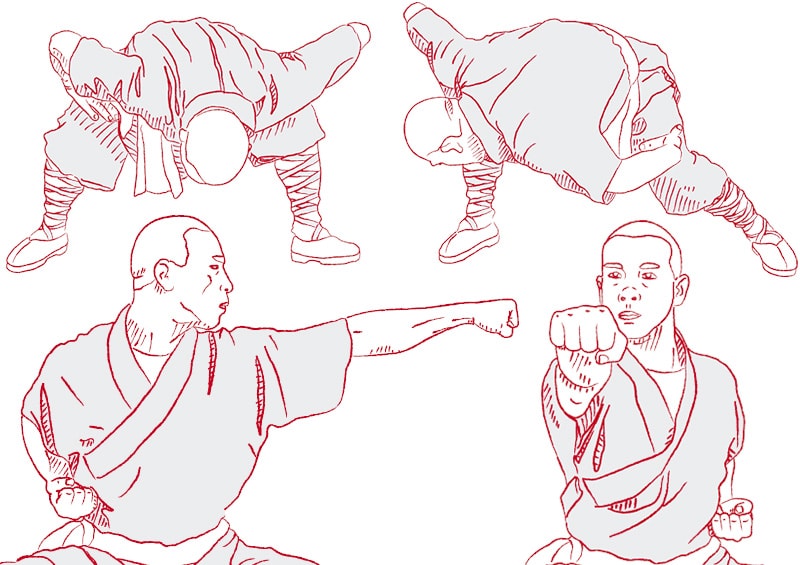
Shaolin Eighteen Lohan Hands - by Sifu Wong Kiew
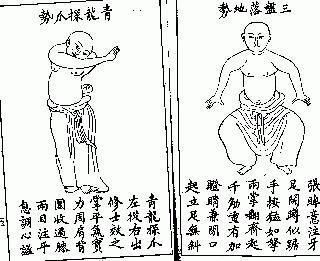
"The Shaolin Eighteen Lohan Hands were taught by the great Bodhidharma in 527 CE to monks at the Shaolin Monastery in China when this First Patriarch of the Shaolin arts found the monks weak and often sleepy during meditaion, which is the essential path towards enlightenment.
The Shaolin Eighteen Lohan Hands are fundamental qigong exercises that can bring tremendous benefits if they are practised as qigong. "
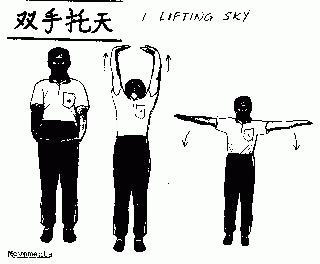
1. Lifting the Sky 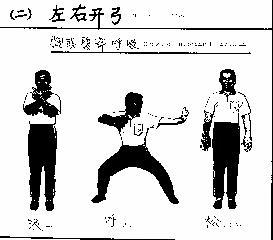
2. Shooting Arrows 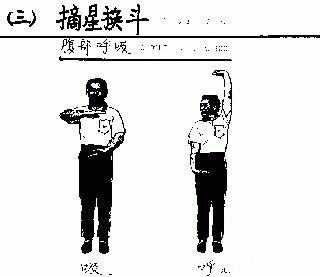
3. Plucking Stars 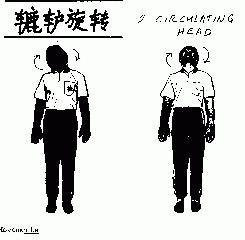
4. Turning Head 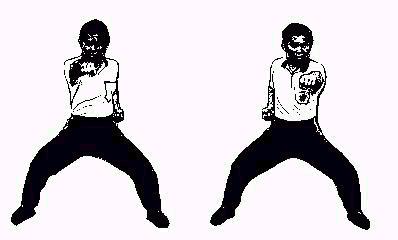
5. Thrust Punch 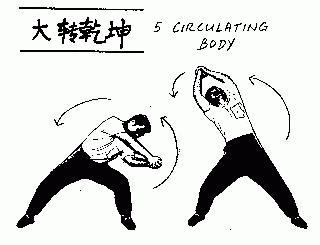
6. Merry-go-Round 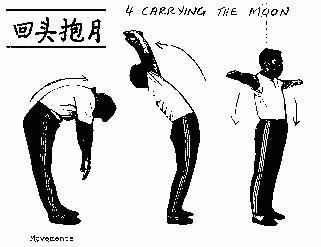
7. Carrying the Moon 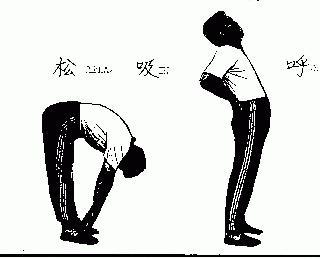
8. Nourishing Kidneys 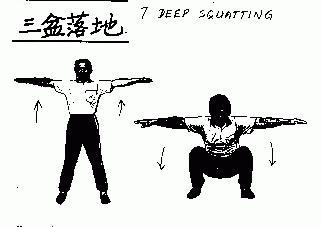
9. Three Levels to Ground 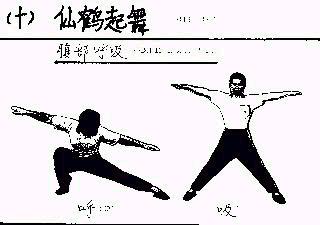
10. Dancing Crane 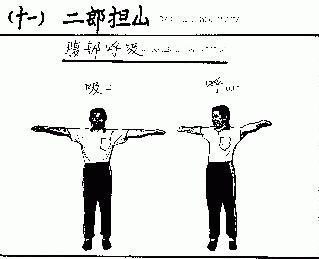
11. Carrying Mountains 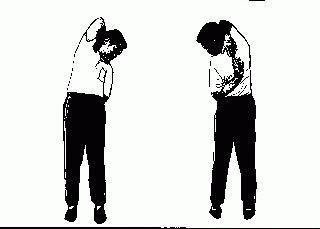
12. Drawing Knife 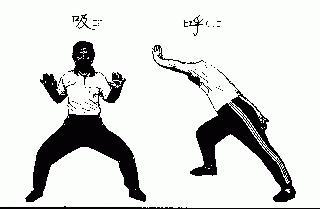
13. Presenting Claws 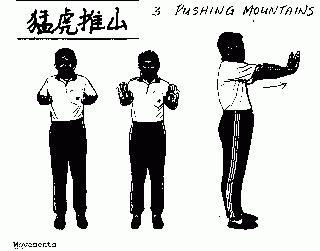
14. Pushing Mountains 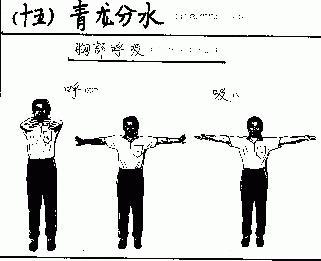
15. Separating Water 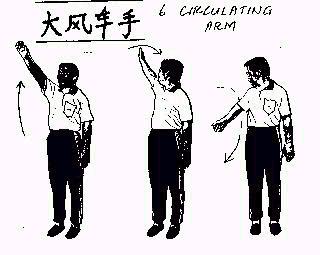
16. Big Windmill 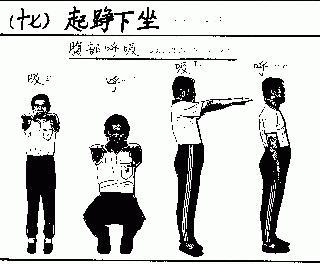
17. Deep Knee Bending 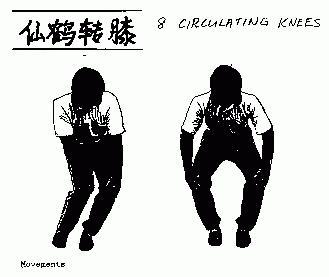
18. Rotating Knees "But if they are practised as physical exercise, which is often the case nowadays, naturally the practitioner will only get the benefits of physical exercise. The crucial difference between chi kung exercise and physical exercise lies not in the outward form (which can be the same for both types of exercise), but in the internal dimensions of energy and mind. If one does not know what these internal dimensions are, it is unlikely that he (or she) has practised chi kung, although he may have performed the outward form for years.
At the Shaolin Monastery, these Eighteen Lohan Hands evolved into a kungfu set called “Eighteen Lohan Fist”, which forms the prototype of Shaolin Kungfu today. Because of its long history, there are many versions of the Eighteen Lohan Hands being taught today. Shown below are the Eighteen Lohan Hands taught in my Shaolin Wahnam School. The illustrations are reproduced from a manual used more than 10 years ago by my chi kung students. "
-
Quotes on the impact of future prediction/anticipation (worrying) & its remedies (action)
“It only seems as if you are doing something when you worry”
– Lucy Maud Montgomery (1874-1942)“There is nothing that wastes the body like worry”
– Mahatma Gandhi (1869 – 1948)“Nothing diminishes anxiety faster than action”
– Walter Anderson (1944 - )“Not everything that is faced can be changed, but nothing can be changed until it is faced.” – James Baldwin (1924 – 1987)
“The starting point of all achievement is definite knowledge of what one wants”
– Andrew Carnegie -
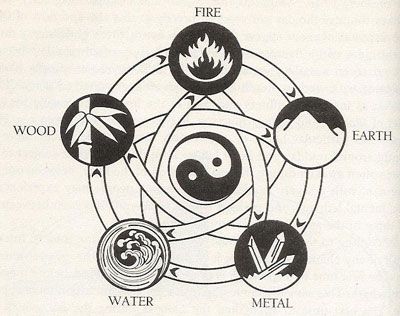
"According to Wuxing (五行) theory, the structure of the cosmos mirrors the five phases. Each phase has a complex series of associations with different aspects of nature. In the ancient Chinese form of geomancy, known as Feng Shui, practitioners all based their art and system on wuxing. All of these phases are represented within the trigrams. Associated with these phases are colors, seasons & shapes; all of which are interacting with each other." - Wikipedia
Book (PDF): Fengshui in China: Geomantic Divination between state Orthodoxy & Popular Religion (2011) - by Ole Bruun (Professor Social Sciences & Business & Prof Global Political Sociology at University of Roskilde)

Book Cover: "Fengshui in China" "For well over a century, Chinese fengshui, or "geomancy," has interested Western laymen and scholars. Today, hundreds of popular manuals claim to use its principles in their advice on how people can increase their wealth, happiness, longevity, and so on. This study is quite different, approaching fengshui from an academic angle. The focus is on its significance in China, but the recent history of its reinterpretation in the West is also depicted. The author argues that fengshui serves as an alternative tradition of cosmological knowledge, which is used to explain a range of everyday occurrences in rural areas, such as disease, mental disorders, accidents, and common mischief. The study includes a historical account of fengshui over the last 150 years augmented by the results of anthropological fieldwork on contemporary practices in two Chinese rural areas."
-
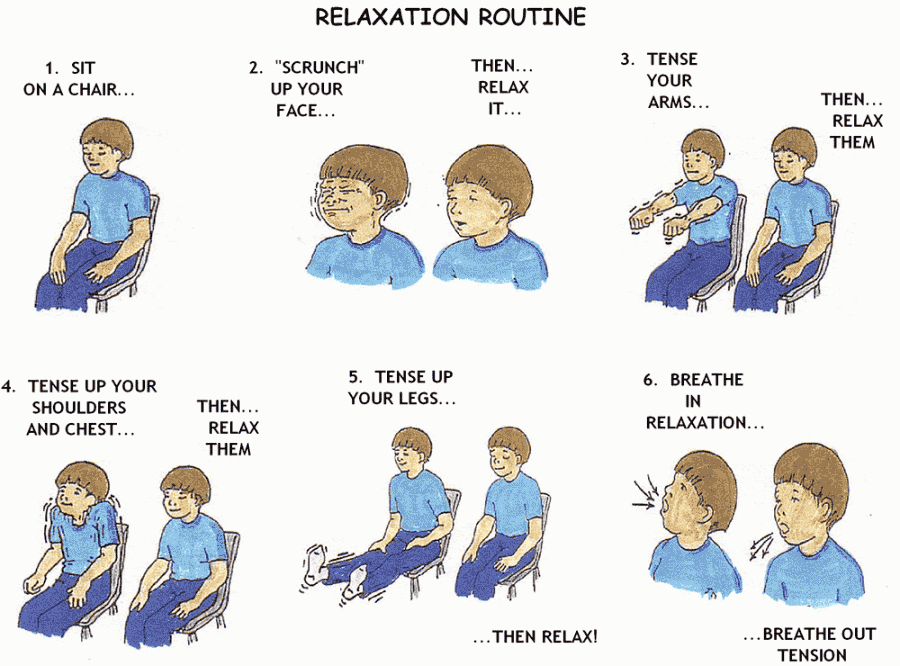
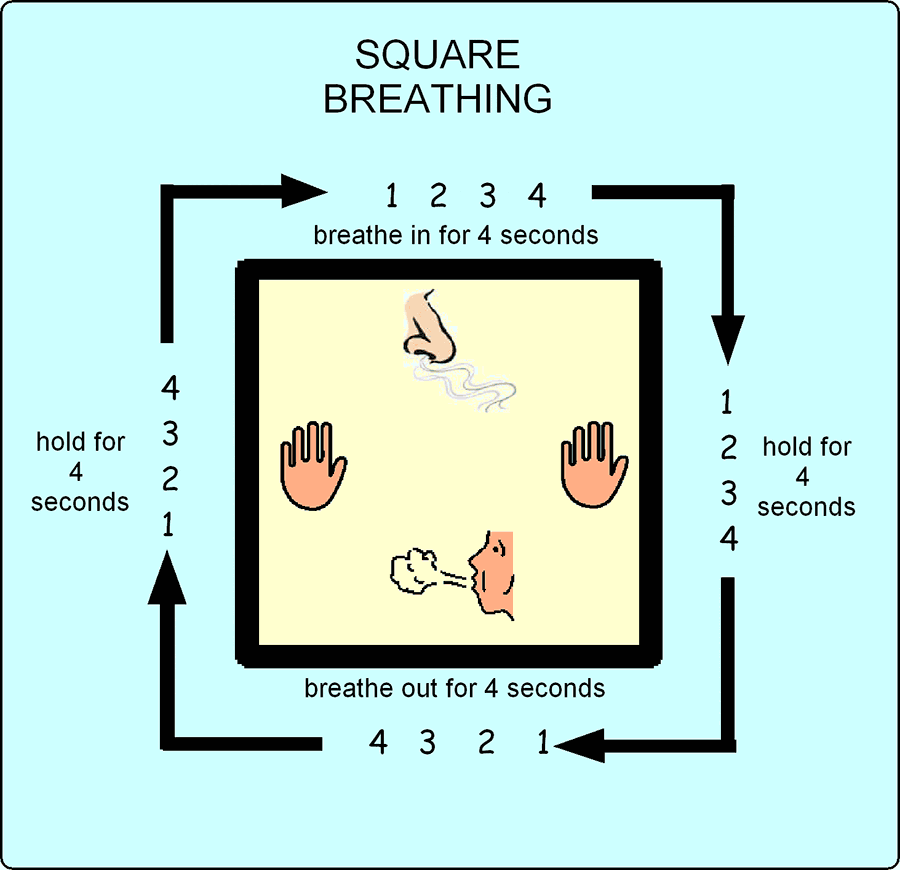
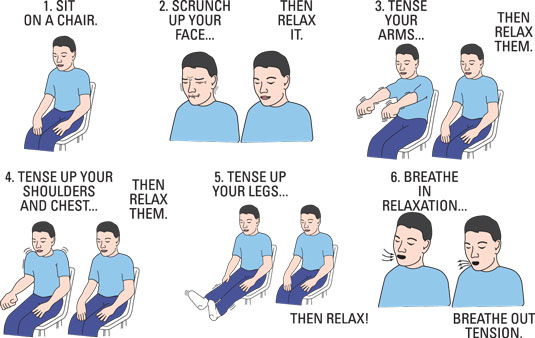
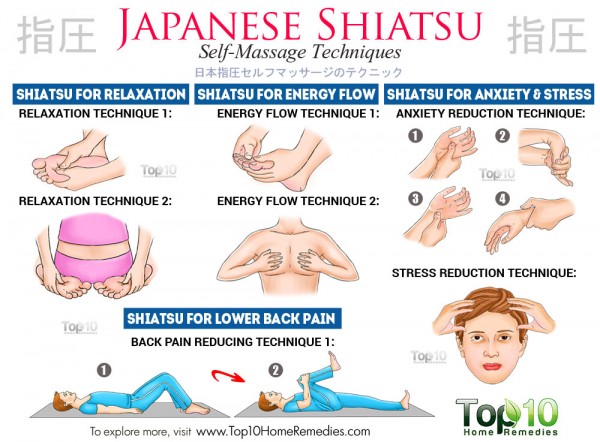
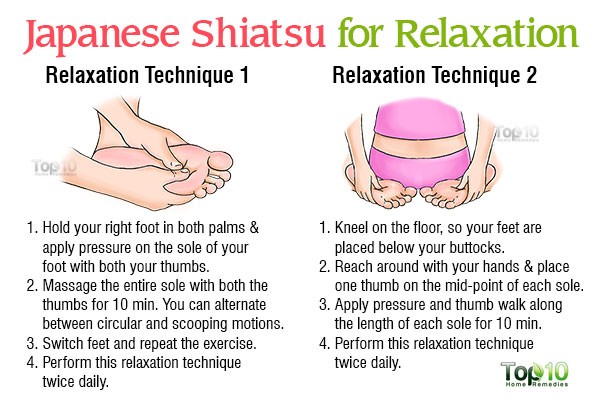
Illustrated Collection of Relaxation Techniques
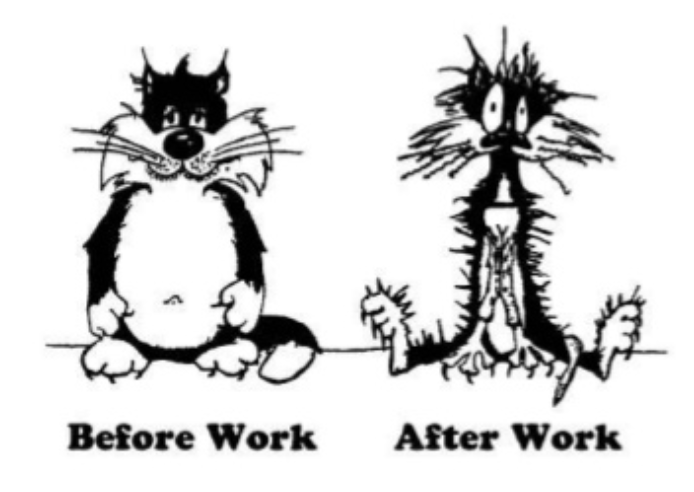
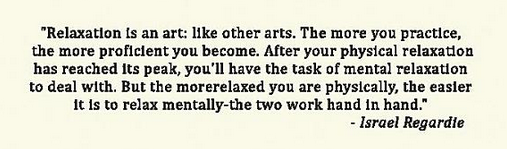
#Comment: Relaxation is essential for health. But further, it is the true foundation of effective communication, collaboration, creativity and productivity. Yet, in today's western world it is hardly studied and taught systematically. Relaxation is an art and science: The more you practice the more proficient you become. When you are relaxed and in harmony with yourself the whole world begins to orchestrate with you and everything begins to change. Relax!
Progressive Muscle Relaxation & Square Breathing
Qigong (illustrations by Irene Nemeth)
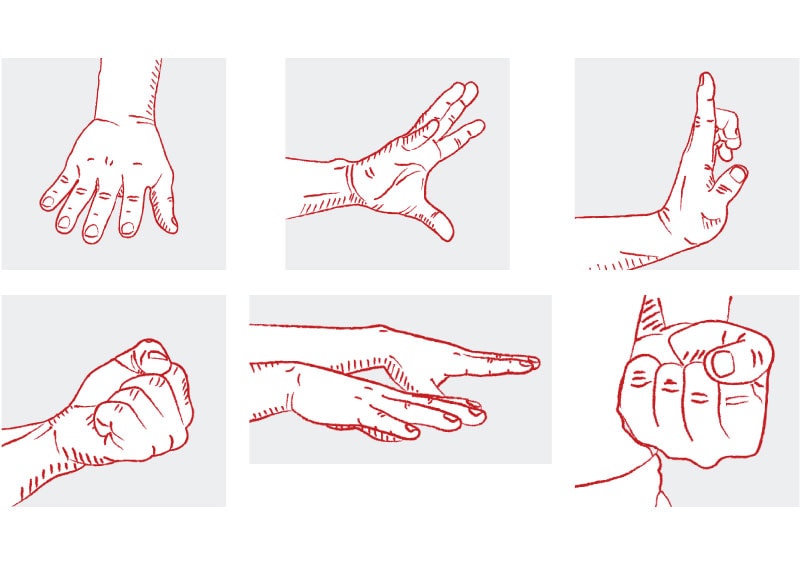
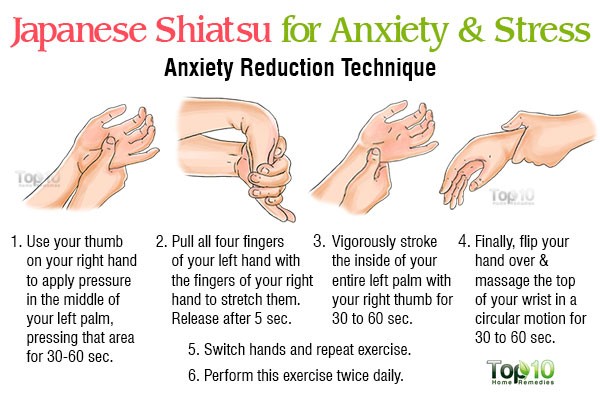
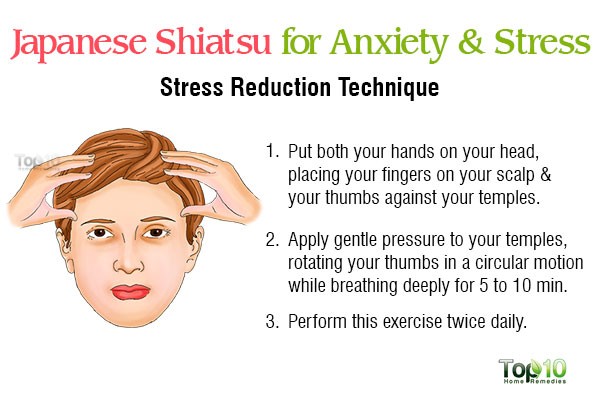
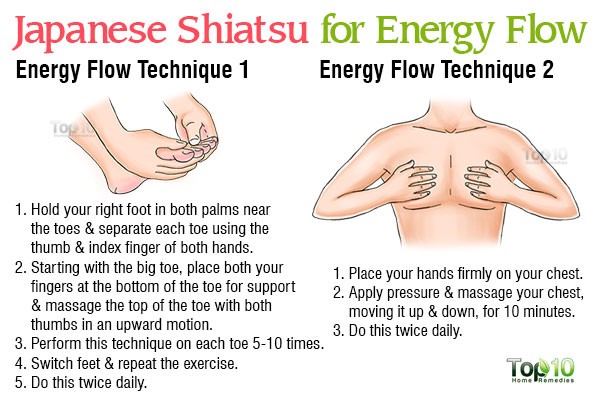
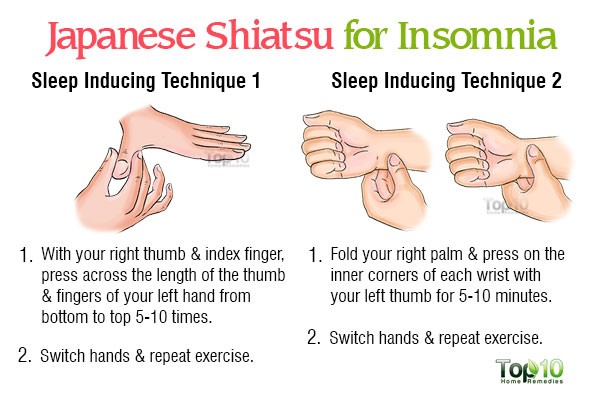
Japanese Shiatsu Self-Massage Techniques
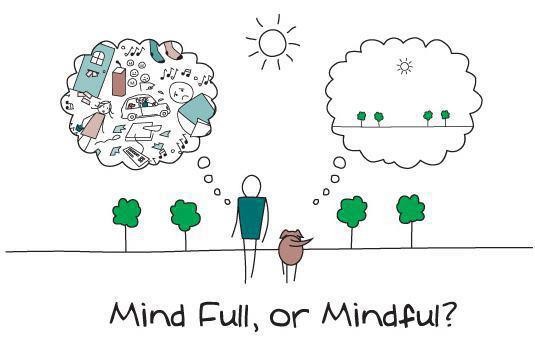
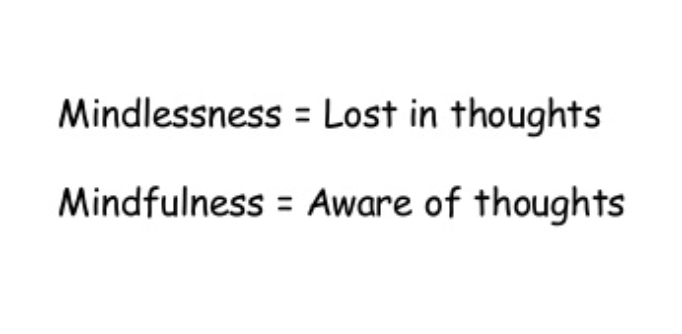
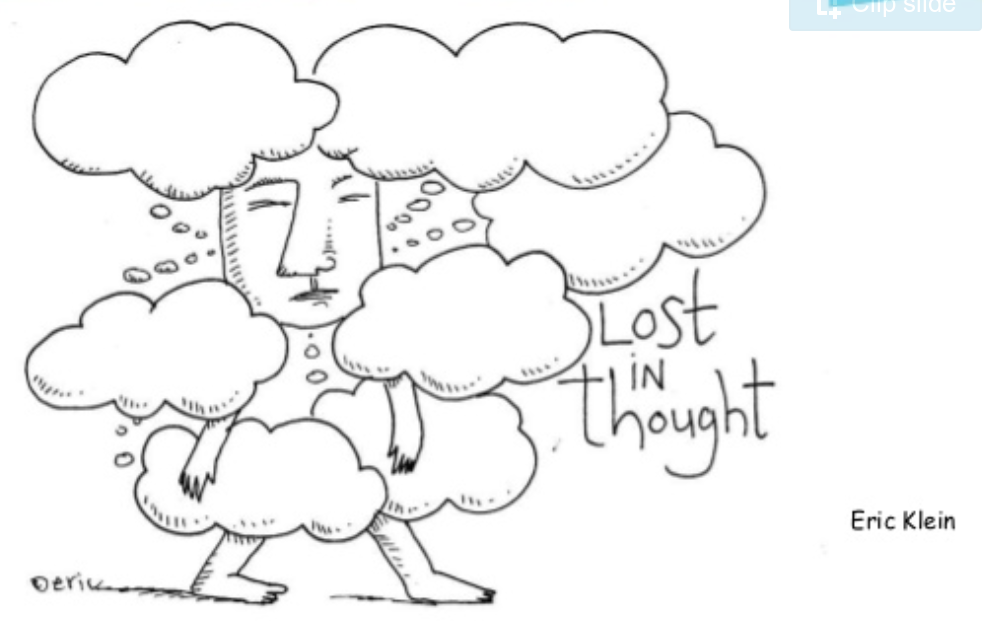
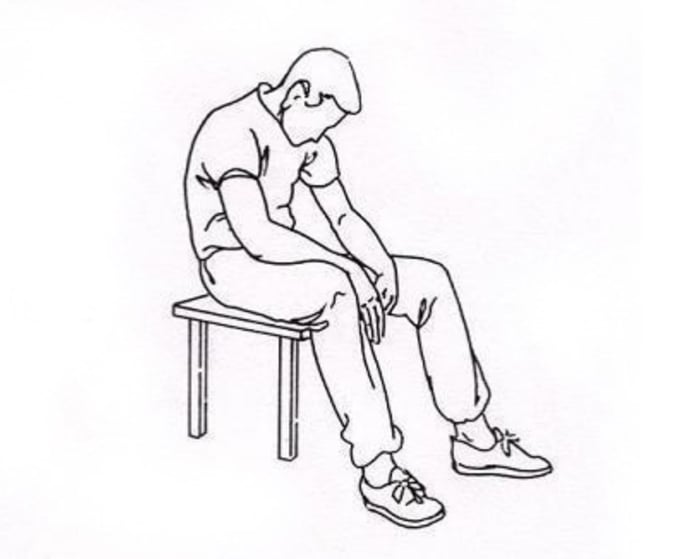
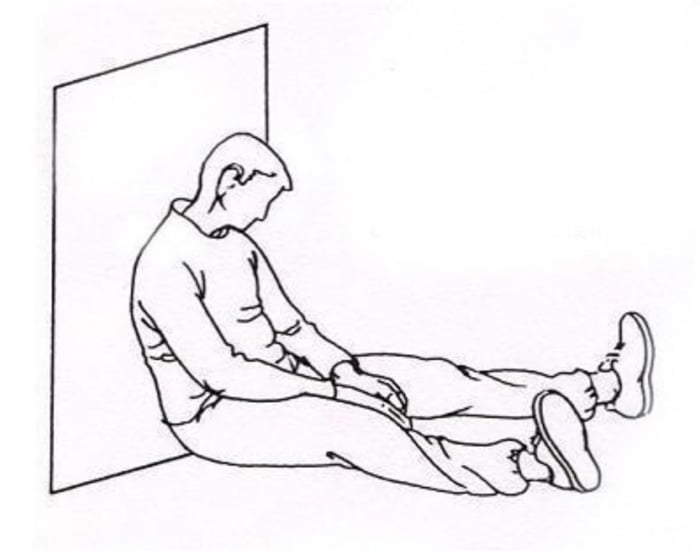
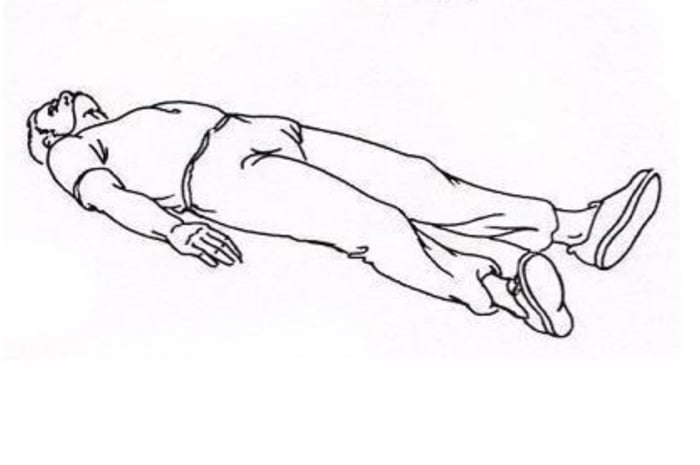
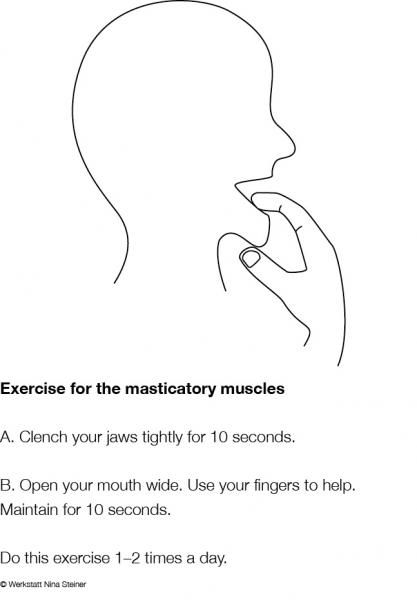
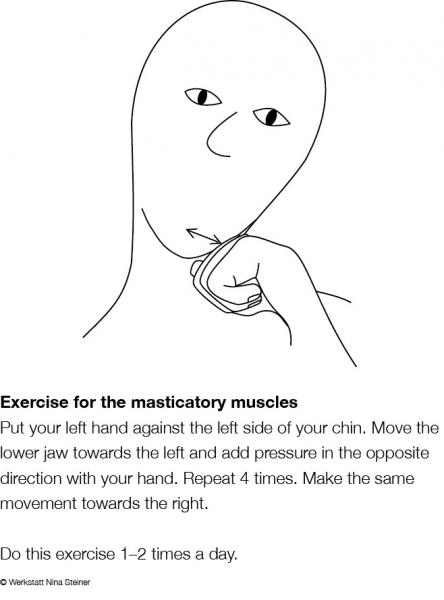
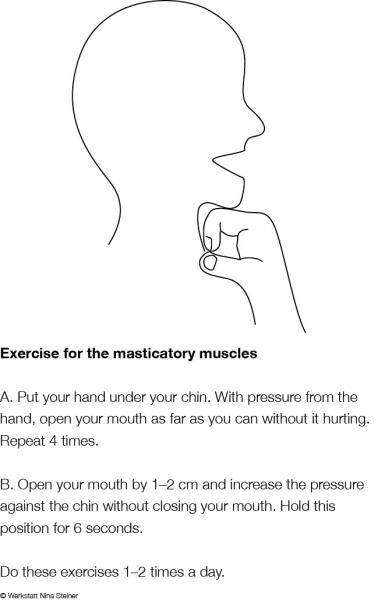
Medical Research: Mindful movement and skilled attention
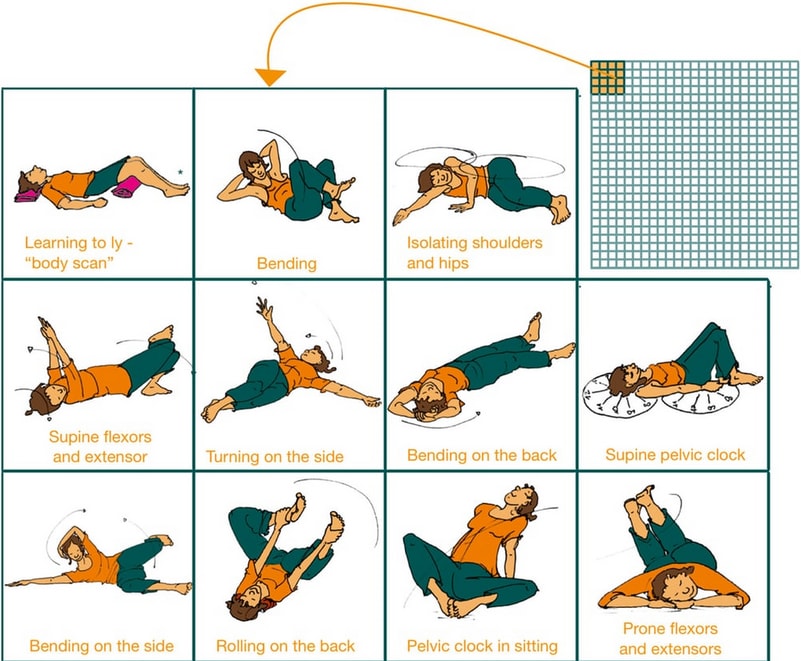
Related From earlier on this blog: Lazy Mans Guide to Relaxation.
-
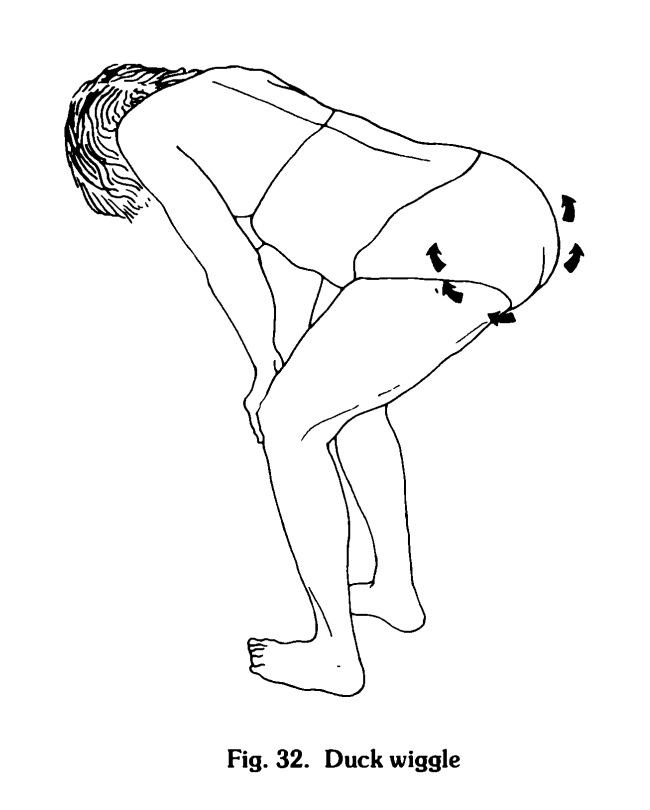
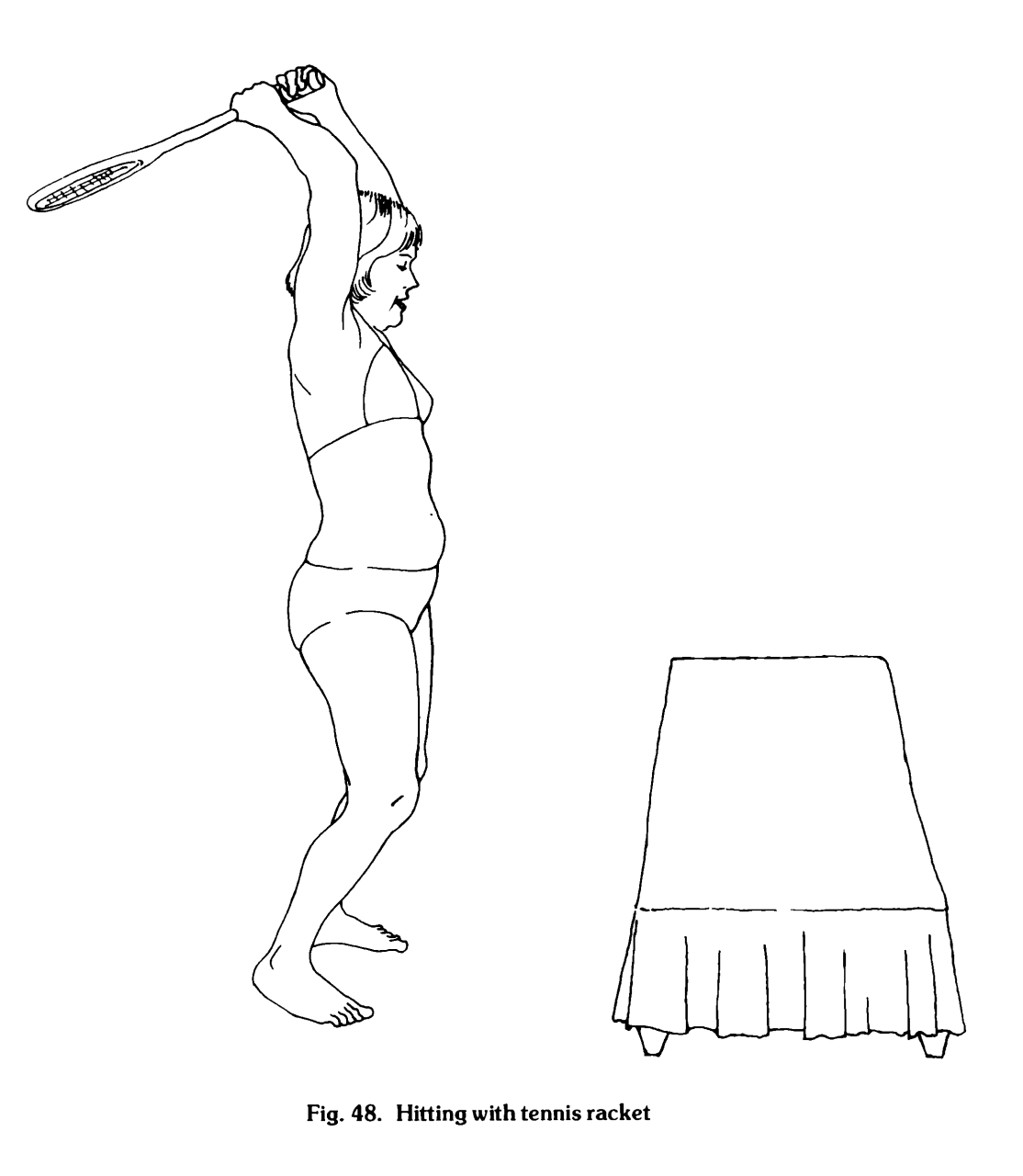
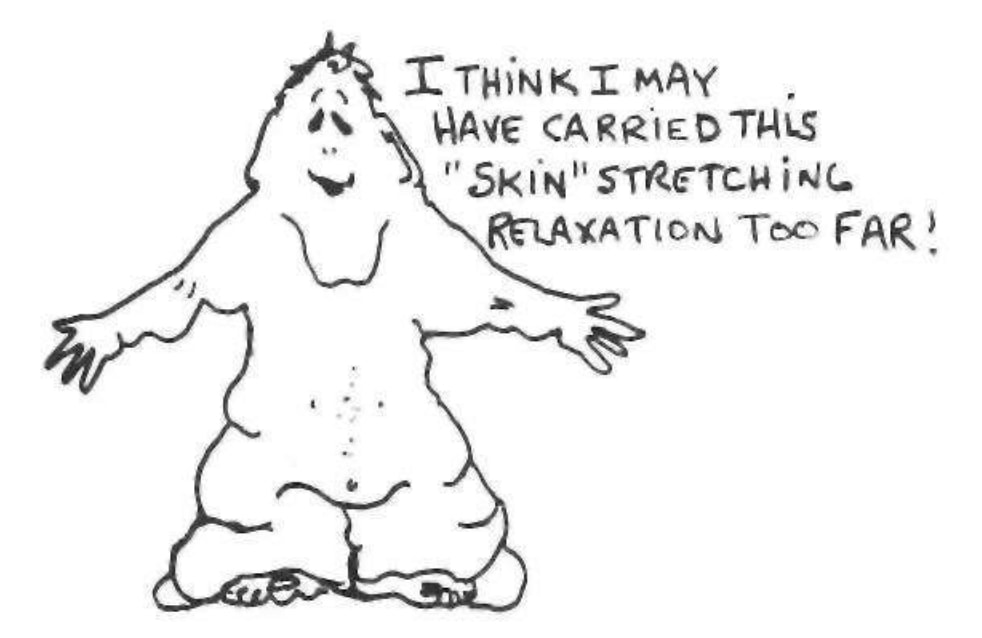
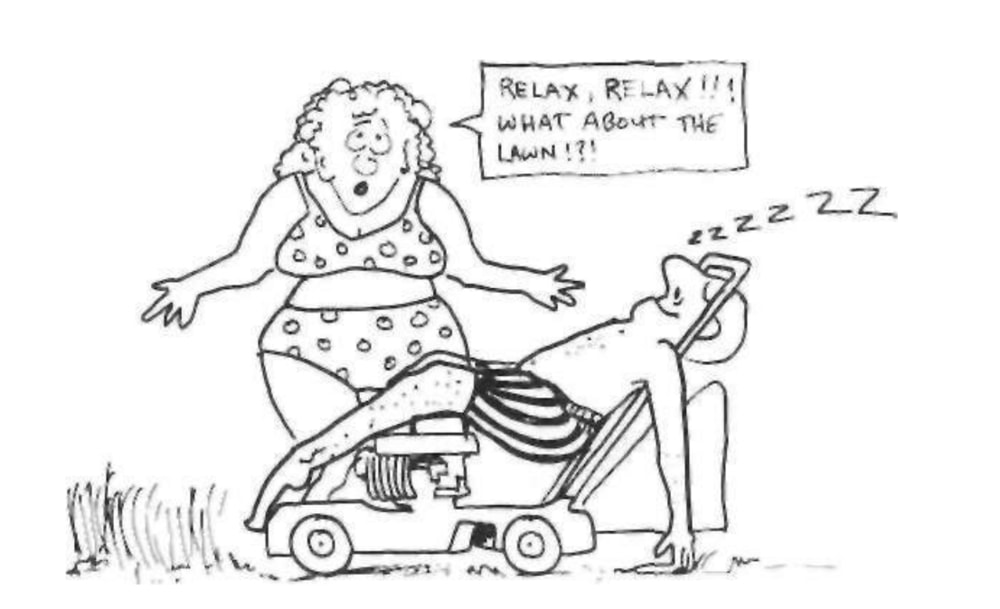
Wonderfully comedic illustrations from the book "A Manual of Bioenergetic Exercises" (1977)
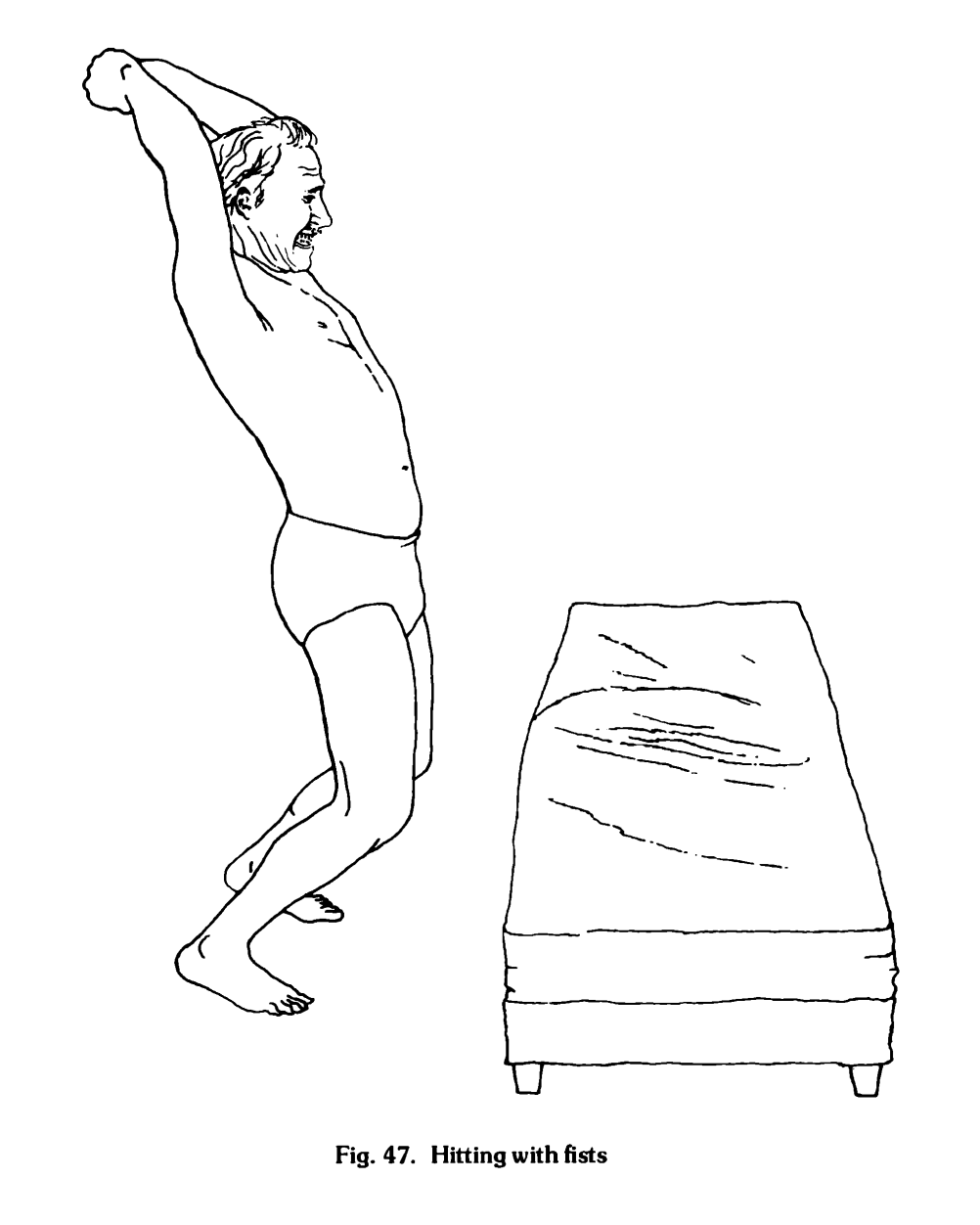
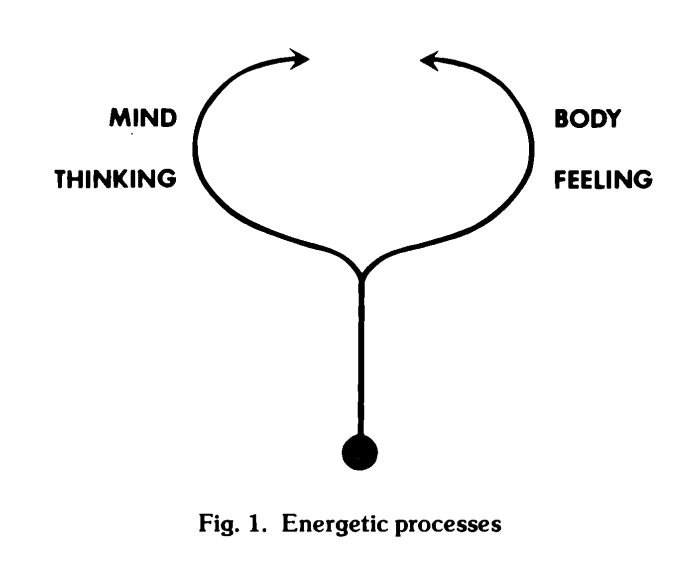
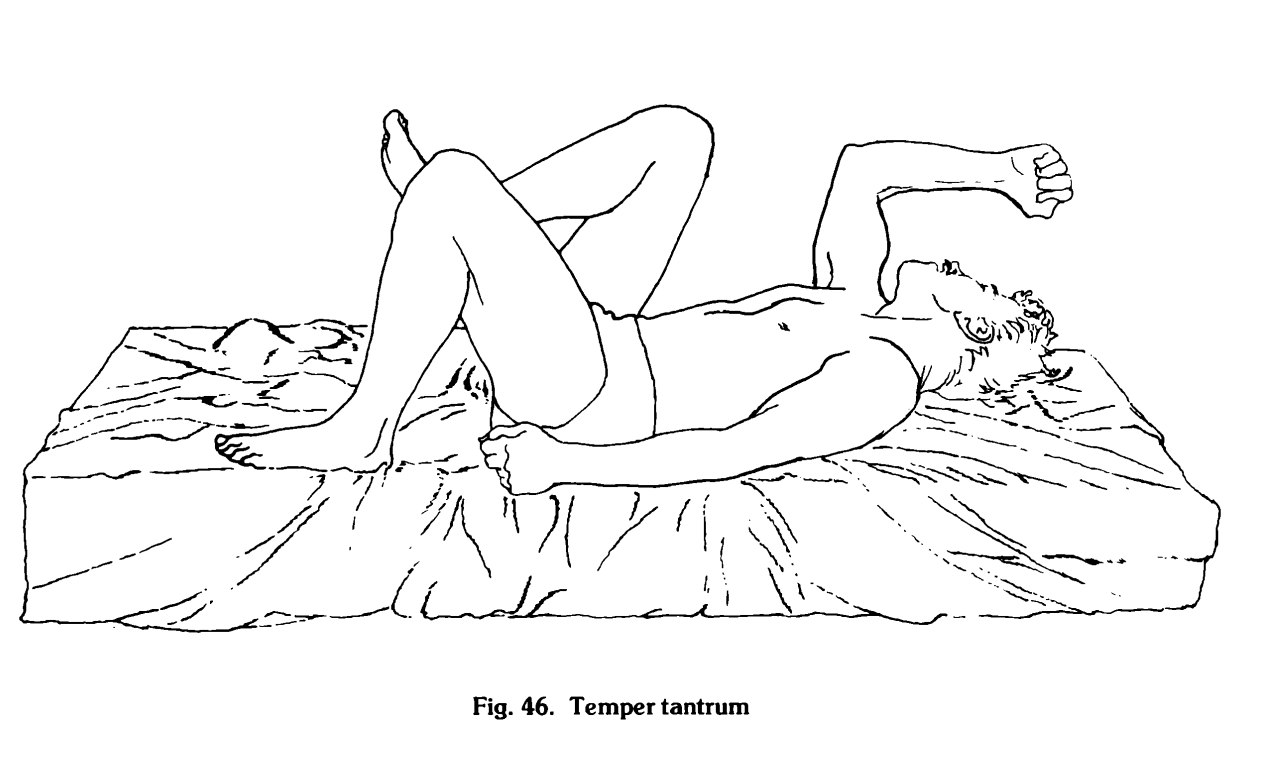
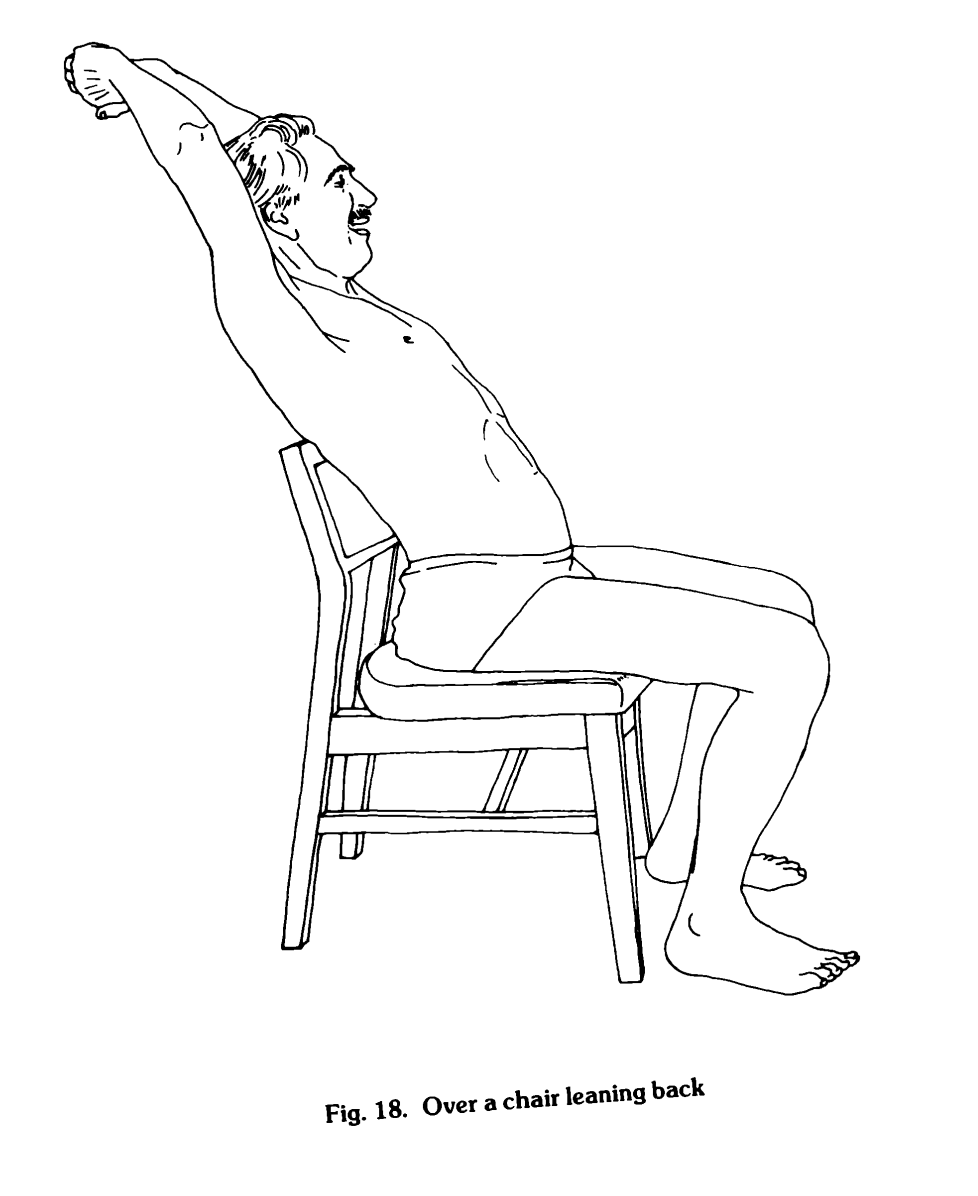
-
Book: Lazy Mans Guide to Relaxation - by Israel Regardie (1983) (PDF)
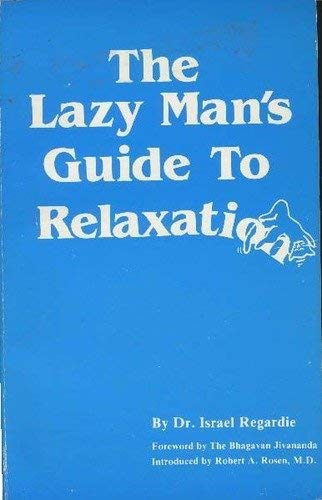
"Relaxation is an Art!" - Foreword:
"There once was a scholar of Chinese thought who came to visit a village which was suffering from a most unusual prolonged drought. All the people were very worried, since everything had been done to end it. Every kind of prayer, charm and magic had been used, but all to no avail. So the elders of the village told the old scholar that the only thing left was to send for the rainmaker. The old scholar was very interested in this idea, since he had never seen a rainmaker before. The rainmaker arrived in a covered car. He was a small and wizened old man. He stepped out of the car and smelled the air in disgust. He then asked for a house on the outskirts of the village. He insisted that no one should disturb him and that his food should be placed outside his door.
No one heard or saw him for three days, when everyone was awakened by a heavy downpour of rain. It was even at times snowing, which was unusual for that time of year. The old scholar was deeply impressed and went to see him. The scholar asked, "So you can make rain?" The rainmaker scoffed at the idea and said "of course I can't." The scholar replied, "but there was the most persistent drought until you came, and within a few days it rains?" "Oh," replied the rainmaker, "that was something quite different. You see, I came from a region where everything was in order. It rains when it should and is dry when that is needed, and the people are also in order and Harmony with themselves. But that was not the case with the people here. They were all out of Harmony with themselves. I was at once ill when I arrived, so I had to be totally alone until I was once more in Harmony with myself and then of course quite naturally it rained!"
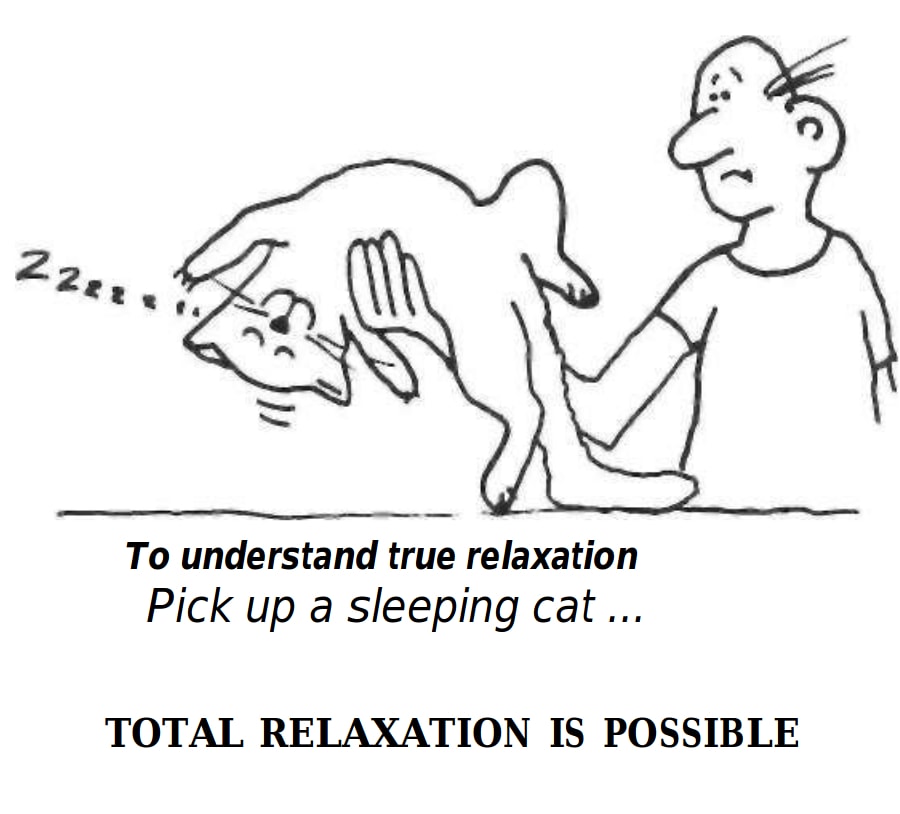
The essence of this little story is that when you are in Harmony with yourself the whole world begins to orchestrate with you. The Lazy Man's Guide to Relaxation is about finding this Harmony within yourself. You see, this is one of the great secrets of life, learning how to be in Harmony with yourself, and thus with the world. To do . this -- to be in Harmony -- to be yourself-- you must first know how to relax. If you are truly relaxed everything begins to change. There is no need for deep penetrating thought — only the Bliss of Relaxation.
In this little book written by a man with a vast knowledge encompassing various fields, the reader is treated to a nurturing and penetrating method of deep relaxation accomplished with simplicity and ease. After a few weeks of practice a new exhilaration will be yours. There will be joyousness in your heart and you will meet life with gaiety and vivacity. But, more importantly there will be peace of mind. You will be freed from the labour of worry.
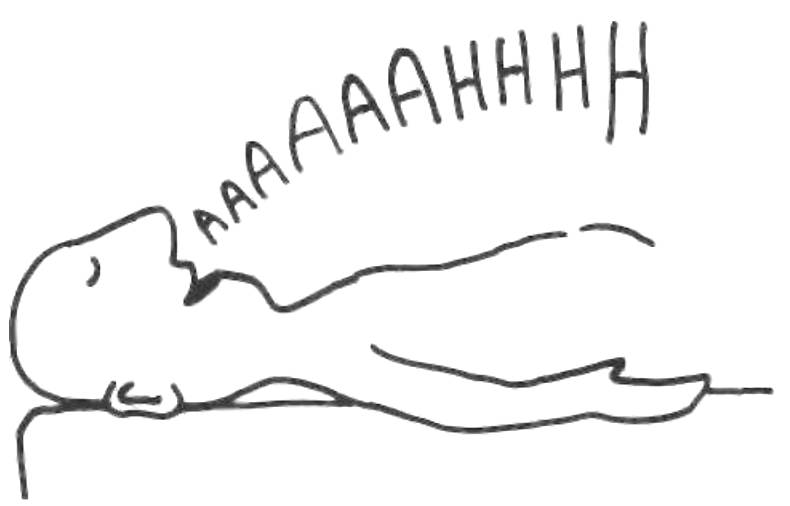
So often the stress and strain of life makes us callous to friendship and love. We become short, sometimes even hostile. But it is very important never to forget that even though the frequent hardships of life cause pain, that asleep within — is Harmony, the Being at one with everything -- the profound graceful source that can turn everything into a symphony of Joy.
- Bhagavan Jivananda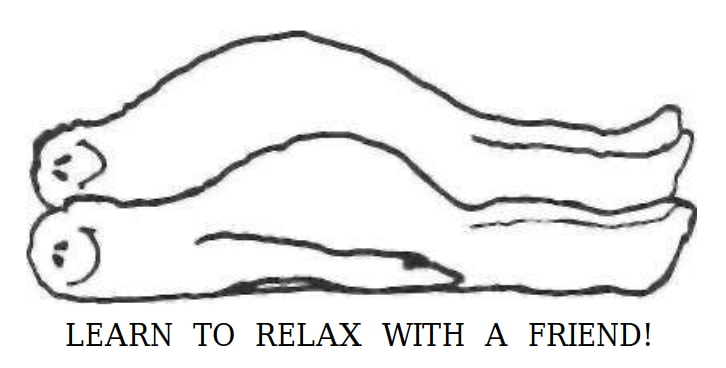
Excerpts from the book:
"You must now begin to learn something of the gentle and invaluable art of relaxation. A few minutes, once or twice a day, spent in relaxation will work wonders. You will eventually come to realize that you should have done this long ago."
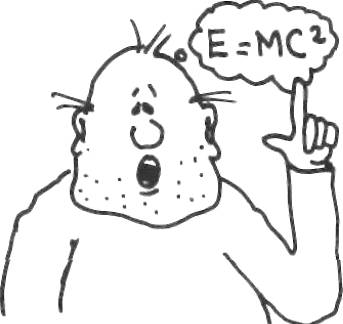
" One becomes accustomed to living in and with a relaxed frame which is not exhausting its vital energies in maintaining unnecessary and useless tensions. That vital energy, therefore, being retained within, goes towards heightening and clarifying the mind. Energy must do something. Energy is defined as that which can perform work. If energy is not being wasted in keeping your neck or your abdomen or thigh rigid and taut, it is still retained within your own system. What happens to the energy therefore? In physics, as I have remarked, energy is considered very concretely as that which will do work.
Now, if you are relaxed and there is no needless expenditure of metabolic energy, that energy must do something. Hence, the work it does is entirely psychological in nature & scope. All your latent abilities and mental powers and faculties become sharpened. A distinct exaltation must accompany the process. There should be a fresh acquisition of intellectual power and capacity."
"You must experiment yourself with your own body to obtain relaxation and observe these incidents, sensations, and psychological phenomena. Explain them afterwards if you wish. First relax."
Another book by the same author on the same topic: Be Yourself: The Art of Relaxation
-
Reminder: Science Says You've Been Breathing All Wrong.
How breathing is supposed to work:
- The abdominal muscles relax while your diaphragm contracts downward, pushing all your guts out of the way.
- Your intercostal muscles contract to expand your rib cage, lowering the air pressure in your lungs and creating a vacuum in the chest cavity.
- Air flows through your nose and mouth in response to the vacuum.
- The intercostal muscles and diaphragm relax while the abdominal muscles contract, pushing air out of the lungs.
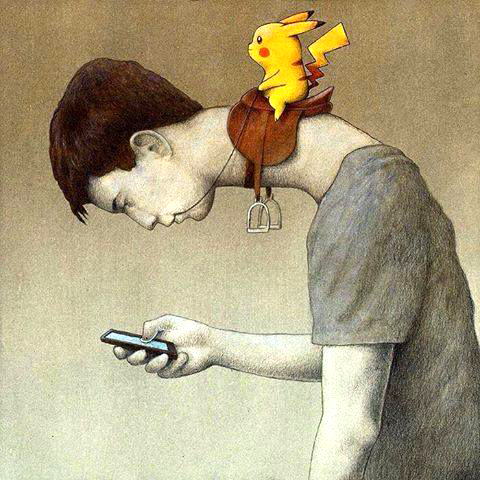
"Now, if you're hunched over your desk for hours, what happens? The amount of oxygen you receive thus is less than optimal. In fact, a 2006 study from the American Academy of Physical Medicine and Rehabilitation showed that crappy posture produced the worst lung capacity and expiratory flow compared to normal sitting and a posture designed to mimic standing spinal alignment. Rene Cailliet, former director of the department of physical medicine and rehabilitation at the University of Southern California, asserts that the reduction in lung capacity can be as much as 30 percent."
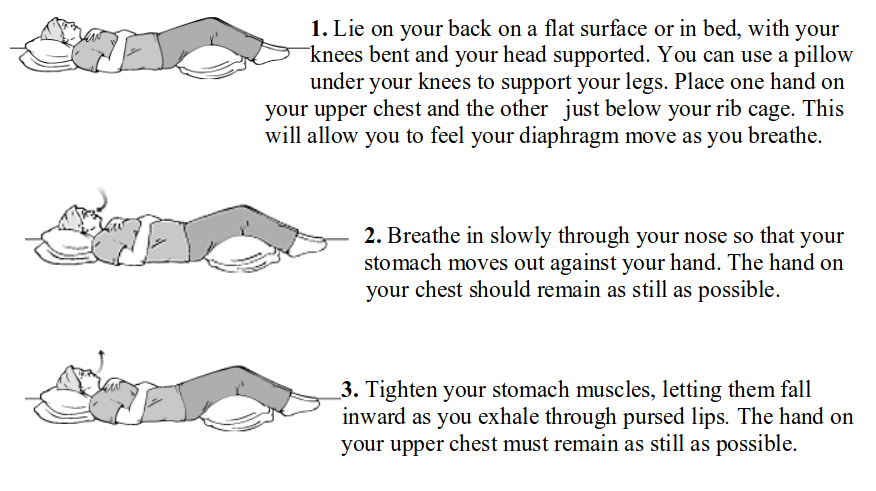
If you're not used to breathing properly anymore, you have to retrain yourself what it feels like. Here's a good, basic diaphragmatic breathing exercise, as described by the University of Georgia, that I used as a vocal major and teach to my music students. You should start by doing this exercise 5 to 10 minutes at a time 3 to 4 times a day:
And while you are here, visit https://samim.io/breath/ and just breath for a moment.
-
Science and the Problem with Chi (via) - an excerpt from the book Chi Gong: The Ancient Chinese Way to Health by Paul Dong.
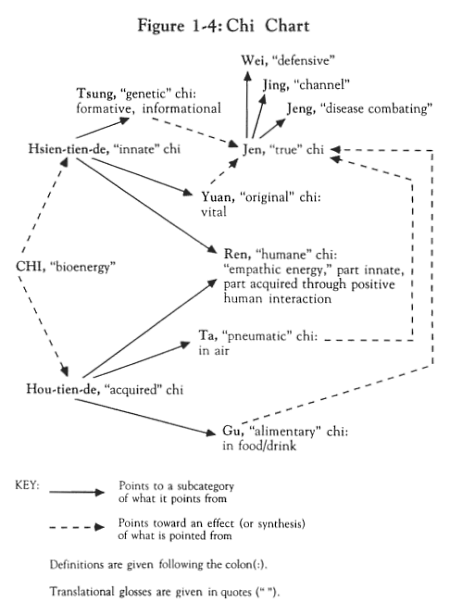
"Chi theory is an ontology, in which it is pointless to declare one’s belief or disbelief prior to understanding".
"The differences between a living human being and a corpse are that the former has an EM field and movement (together called “bioenergy”) and neutral chemical acidity, whereas the latter lacks an EM field, does not move, and is highly acidic. Three possible implied explanations for the changes between the living and the dead can be stated in the form of propositions: (1) absence of bioenergy is an effect of altered biochemistry (the Western scientific proposition; (2) altered biochemistry and exhaustion of bioenergy are effects of a third factor; (3) altered biochemistry is an effect of exhaustion of bioenergy (the Chinese scientific proposition)."
Related:
Dr Yang's Chi bioelectricity conection - review of the book "The Root of Chinese Qigong: Secrets of Health, Longevity, & Enlightenment" by Dr. Yang Jwing-Ming, which contains a section on the scientific interpretation of Chi.
Chi is not energy - which argues that "if you cultivate chi, you do not have more energy, you just become more efficient at using the energy you do have, and so you appear (even to yourself) more energetic."
Finally, this: Dr. Love Raps "THIS IS WHY I DO QIGONG"
-
Notes on Whole Body Interaction in Human Computer Interaction
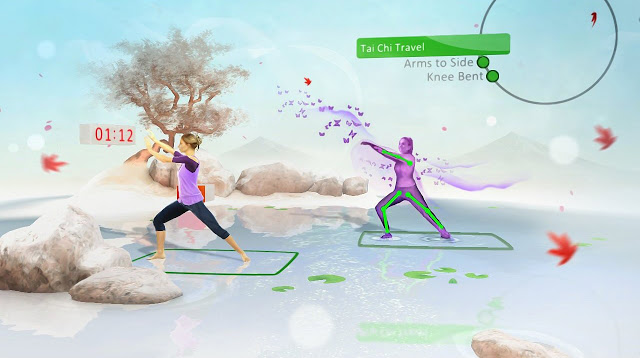
Thoughts on Tai chi for Kinect (2011): "What is powerful about the system is that it shows a digital representation of your own position on the screen in real time - visual feedback. This is placed right next to your "instructor" so you can immediately spot the difference and make the corrections both consciously and subconsciously."
"Whether or not it's good at teaching you tai chi, is almost secondary. What this system is doing is popularizing tai chi, and inspiring people, who might not otherwise do so, to 'have a go'. This game is not designed for a serious practitioner, but that is to miss the point. If these 15 minute workouts help to relax some people, then that is a benefit in itself."
"I have previously talked about how mood can be affected by posture, which is where a lot of the relaxing benefits of tai chi come from. This wired article extrapolates on this principle, to show how kinect systems, which encourage you to adopt certain postures, can in turn affect your mood. Essentially you can design games that subconsciously make you feel different ways. This has potential to be used in scientific research."
How Wii and Kinect Hack Into Your Emotions (Wired, 2010)
“Designing interaction as if we did not have any body or emotion is detrimental to what it means to be human” - Kristina Höök, Stockholm University in Sweden
Designing with the Body. Somaesthetic Interaction Design -Book by Kristina Höök (2008)
"Interaction design that entails a qualitative shift from a symbolic, language-oriented stance to an experiential stance that encompasses the entire design and use cycle"
Body and emotion - talk by Kristina Höök
Body Posture Affects Confidence In Your Own Thoughts - Ohio State University (2009)
"Sitting up straight in your chair isn't just good for your posture -- it also gives you more confidence in your own thoughts, according to a new study. Researchers found that people who were told to sit up straight were more likely to believe thoughts they wrote down while in that posture concerning whether they were qualified for a job" (via)
Math with good posture can mean better scores, study suggests (2018)
" A new study finding that students perform better at math while sitting with good posture could have implications for other kinds of performance under pressure."
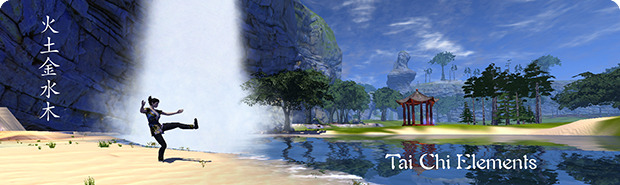
Tai Chi Elements virtual training environments (2012)
An interesting but failed kickstarter proposed "Using motion capture & video game tech to create an online multiplayer game where you can become a real T'ai Chi master."
taichiworlds.com - Virtual characters demonstrating Tai Chi in virtual worlds. (2009)
#Book: Whole Body Interaction - by David England, Katherine Isbister, et.al (2011)
"Whole Body Interaction is “The integrated capture and processing of human signals from physical, physiological, cognitive and emotional sources to generate feedback to those sources for interaction in a digital environment” (England 2009). Whole Body Interaction looks at the challenges of Whole Body Interaction from the perspectives of design, engineering and research methods. How do we take physical motion, cognition, physiology, emotion and social context to push boundaries of Human Computer Interaction to involve the complete set of human capabilities? Through the use of various applications the authors attempt to answer this question and set a research agenda for future work."
When the body acquires meaning: Full-Body Interaction Design - talk by Narcís Parés Cognitive Media Technologies Group
Waggling the Form Baton: Analyzing Body-Movement-Based Design Patterns in Nintendo Wii Games, Toward Innovation of New Possibilities for Social and Emotional Experience - by Katherine Isbister
"This chapter describes research conducted to analyze and better understand what is compelling about particular body-movement-based design patterns in Nintendo Wii games, towards innovating new possibilities for social and emotional experience with movement-based games and other interactive experiences."
-
"I’m simply content to be alive and living my life. I have no bucket list. Life is the bucket. Enjoy every day. It may be your last." - quote from one of Ted Rheingold's final blog posts, before his death from cancer in 2017.