tag > InfoSec
-
Twitter removes tweets by Brazil, Venezuela presidents for violating COVID-19 content rules
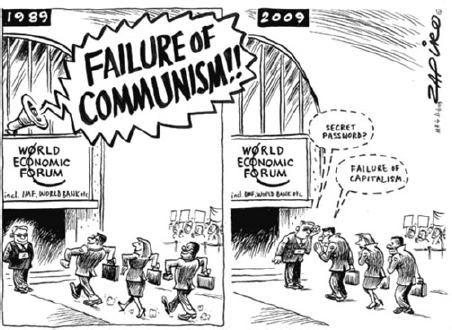
#Comment: Earlier today, Twitter deleted Bolsonaro tweets.
Yesterday, Facebook deleted the Brazilian president’s video because it contained disinformation.
This is a defining moment: companies willing to shut down "disinfo" from world leaders if they have the World Health Organization to back them up on what counts as harmful. A highly comedic development, given the WHO is a deeply corrupt organisation under the control of few cryptocrats.
Ultimately, this is just yet another distraction from the main show: The collapse of the pax americana global petrodollar empire of mass consumer capitalism - which is desperately trying to save itself with ever more violent full spectrum dominance tactics against everybody (from psyops and economic warfare to assassination and nuclear escalation). The corona plandemic won't change the course of this collapse, likely even accelerate it.
-
Upgraded Google Glass Helps Autistic Kids “See” Emotions (Spectrum IEEE)
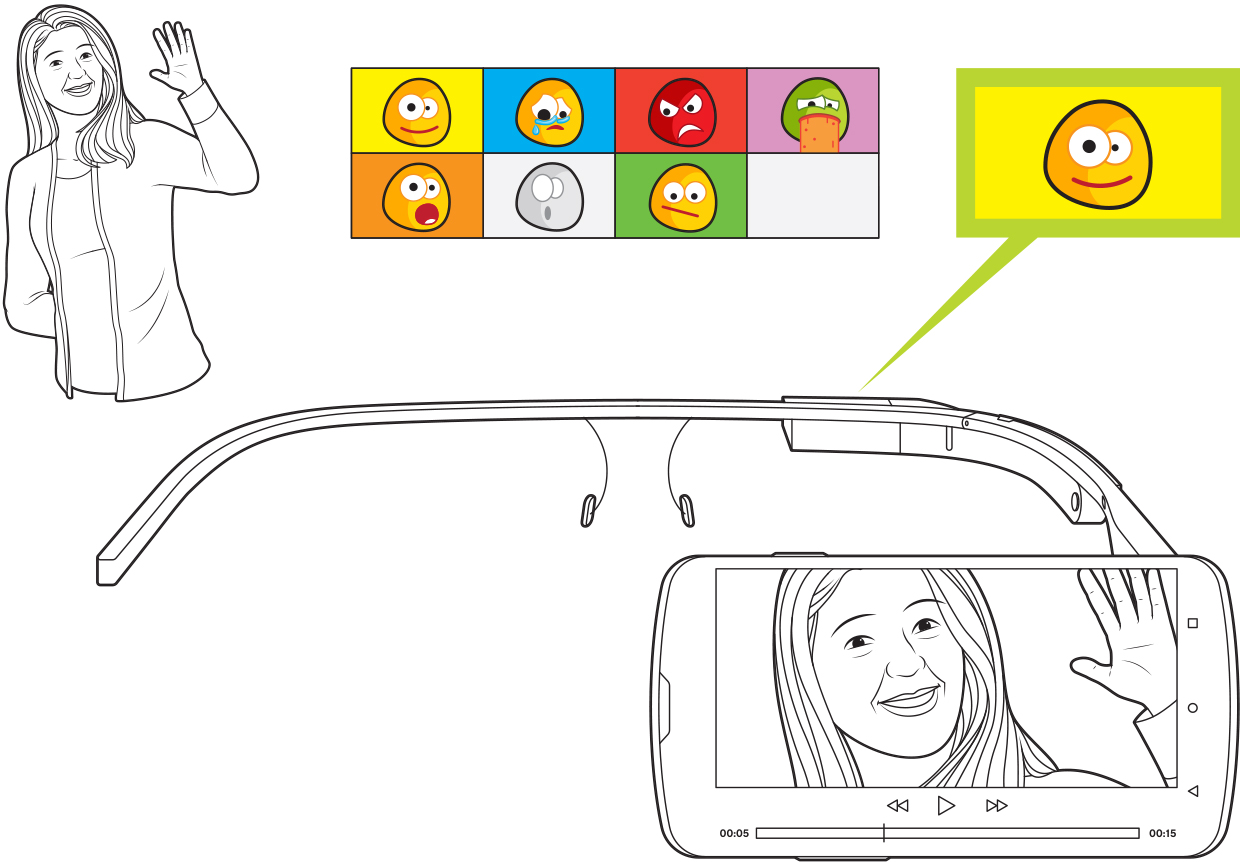
A team at Stanford has been working for six years on this assistive technology for children with autism, which the kids themselves named Superpower Glass. The system provides behavioral therapy to the children in their homes, where social skills are first learned. It uses the glasses’ outward-facing camera to record the children’s interactions with family members; then the software detects the faces in those videos and interprets their expressions of emotion. Through an app, caregivers can review auto-curated videos of social interactions.
-
Cuban Embassy Attacks And The Microwave Auditory Effect - by Adam Fabio (hackaday, 2017)
You may have seen a series of articles coming out about US staffers in Cuba. 21 staffers have suffered a bizarre array of injuries ranging from hearing loss to dizziness to concussion-like traumatic brain injuries. Some reported hearing incapacitating sounds in the embassy and in their hotel rooms. The reports range from clicking to grinding, humming, or even blaring sounds. One staffer described being awoken to a horrifically loud sound, only to have it disappear as soon as he moved away from his bed. When he got back into bed, the mysterious sound came back. So what’s going on? Bizarre accidents? Cloak and dagger gone awry? Mass hysteria among the US state department, or something else entirely?
-
Facebook is losing another board member, and is appointing a former Treasury official as its lead independent director (Business Insider)
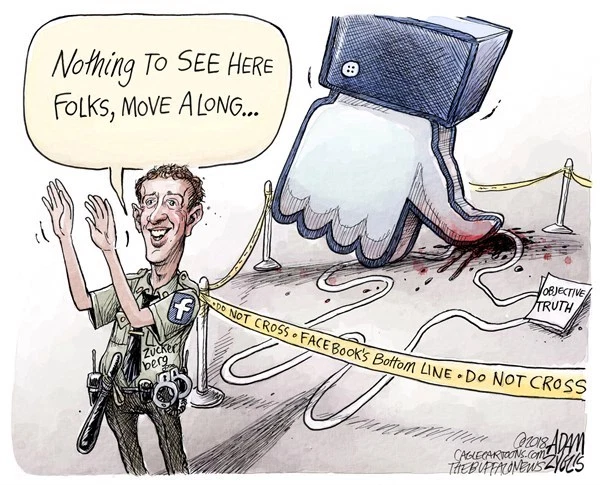
Facebook named Robert Kimmitt, a former deputy Treasury secretary and US ambassador to Germany, as its lead independent board director on Thursday. "We've been looking for a leader who can bring significant oversight and governance experience," Mark Zuckerberg said of Kimmitt's appointment. Another board member, Jeffrey Zients, will be stepping down at the company's next shareholder meeting. The moves are the latest in a series of significant shakeups on Facebook's board in recent months.

Robert M. Kimmitt (born December 19, 1947) was United States Deputy Secretary of the Treasury under President George W. Bush. He served from 1991 to 1993 as United States Ambassador to Germany and was awarded the U.S. Defense Department Distinguished Public Service Award as well as Germany's Order of Merit. r. Kimmitt was a managing director of Lehman Brothers from 1993 to 1997.
Kimmitt was on the CIA National Security Advisory Panel (1997).
Jeffrey Zients (born November 12, 1966) is an American chief executive officer, management consultant, and entrepreneur. Zients is currently the President of The Cranemere Group. From February 2014 to January 2017, he served as Director of the United States National Economic Council and President Obama's Economic Advisor. While working at Bain, Zients reported to South African Mary Menell; they later were married in South Africa with Menell's parents' family friend Nelson Mandela in attendance.

Facebook Is ‘Just Trying to Keep the Lights On’ as Traffic Soars in Pandemic (NYTimes)
The social network is straining to deal with skyrocketing usage as its 45,000 employees work from home for the first time.
Mark Zuckerberg, Priscilla Chan and Bill Gates to fund $25M coronavirus research group (cbs)
That’s 0.04% of their net worth. In other words, it is the cost of a PR campaign.
-
Mobile phone industry explores worldwide tracking of users (Guardian)
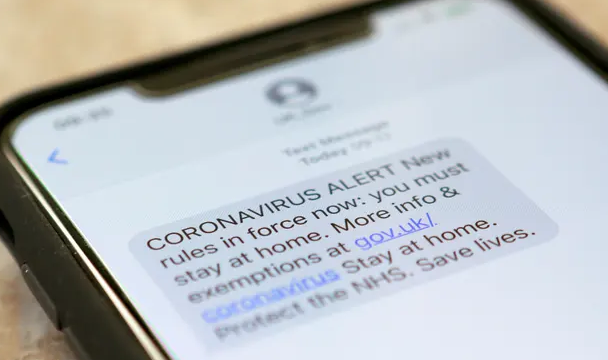
The mobile phone industry has explored the creation of a global data-sharing system that could track individuals around the world, as part of an effort to curb the spread of Covid-19. The Guardian has learned that a senior official at GSMA, held discussions with at least one company that is capable of tracking individuals globally through their mobile devices, and discussed the possible creation of a global data-sharing system.
-
Coronavirus: S'pore Government to make its contact-tracing app freely available to developers worldwide (straitstimes)
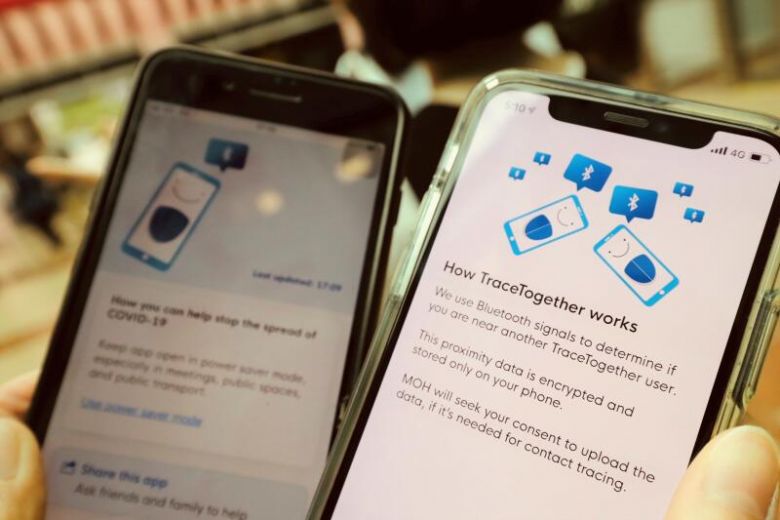
The Singapore Government will be making the software for its contact-tracing application TraceTogether, which has already been installed by more than 620,000 people, freely available to developers around the world. In a Facebook post on Monday (March 23), Minister-in-charge of the Smart Nation Initiative Vivian Balakrishnan said that the app, developed by the Government Technology Agency (GovTech) and the Ministry of Health, will be open-sourced.
#Comment: Once the biological virus is gone, rest assured that all these highly intrusive surveillance and social engineering tools will stay around and rapidly expand. Cybernetic totalitarianism might be the dominate game globally for years to come. The opportunity for systemic abuse and catastrophic failure is mindbogglingly giant.
-
Elite Hackers Target WHO As Coronavirus Cyberattacks Spike (reuters)
According to Reuters, elite hackers tried to break into the World Health Organization earlier this month. While the effort was unsuccessful, the agency said there's been a more than two-fold increase in cyberattacks as they battle to contain the coronavirus. WHO Chief Information Security Officer Flavio Aggio said the identity of the hackers was unclear and the effort was unsuccessful. But he warned that hacking attempts against the agency and its partners have soared as they battle to contain the coronavirus, which has killed more than 15,000 worldwide.
-
Japan’s top carriers announce 5G launches as 2020 Olympics face delay (venture beat)

Although Japanese carriers originally planned to roll out 5G networks and services to coincide with the 2020 Tokyo Olympics in July, trade wars and accelerated global 5G launches created some uncertainty around the scope and timing of Japan’s commercial 5G launch. This week, as the Olympics themselves face a delay due to the COVID-19 pandemic, Japan’s top carriers are kicking off 5G service without the guarantee of a summertime promotional push. Today, carrier KDDI announced that it will offer “au 5G”-branded service in parts of 15 Japanese prefectures starting on Thursday, March 26
-
As Coronavirus Surveillance Escalates, Personal Privacy Plummets (NYTimes)
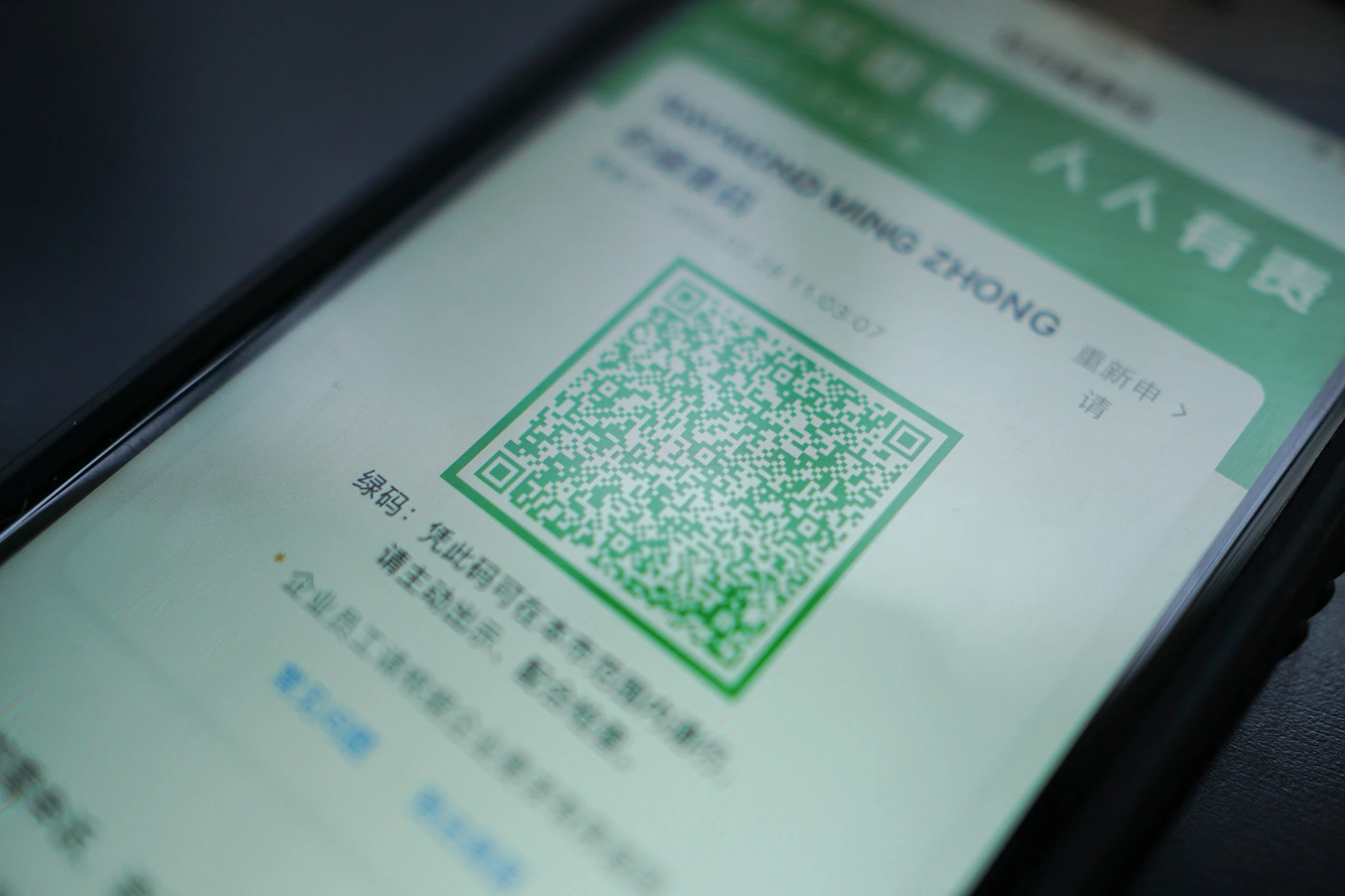
New software in China decides whether people should be quarantined or permitted to enter public places like subways. Green means a person is at liberty to go out.Credit...Raymond Zhong As countries around the world race to contain the pandemic, many are deploying digital surveillance tools as a means to exert social control, even turning security agency technologies on their own civilians. Health and law enforcement authorities are understandably eager to employ every tool at their disposal to try to hinder the virus — even as the surveillance efforts threaten to alter the precarious balance between public safety and personal privacy on a global scale. Yet ratcheting up surveillance to combat the pandemic now could permanently open the doors to more invasive forms of snooping later. It is a lesson Americans learned after the terrorist attacks of Sept. 11, 2001.
-
Microsoft says hackers are attacking Windows users with a new unpatched bug (Techcrunch)
Microsoft says attackers are exploiting a previously undisclosed security vulnerability found in all supported versions of Windows, including Windows 10. But the software giant said there is currently no patch for the vulnerability. The security flaw, which Microsoft deems “critical” — its highest severity rating — is found in how Windows handles and renders fonts, according to the advisory posted Monday. The bug can be exploited by tricking a victim into opening a malicious document. Once the document is opened — or viewed in Windows Preview — an attacker can remotely run malware, such as ransomware, on a vulnerable device.
Hacker selling data of 538 million Weibo users (ZDNet)

The personal details of more than 538 million users of Chinese social network Weibo are currently available for sale online. In ads posted on the dark web and other places, a hacker claims to have breached Weibo in mid-2019 and obtained a dump of the company's user database, allegedly containing the details for 538 million Weibo users. Personal details include the likes of real names, site usernames, gender, location, and -- for 172 million users -- phone numbers.
-
From PSYOP to MindWar:The Psychology of Victory - Position Paper by US Colonel Paul E. Valley and Major Michael A. Aquino, PSYOP Research & Analysis Team Leader (1980)
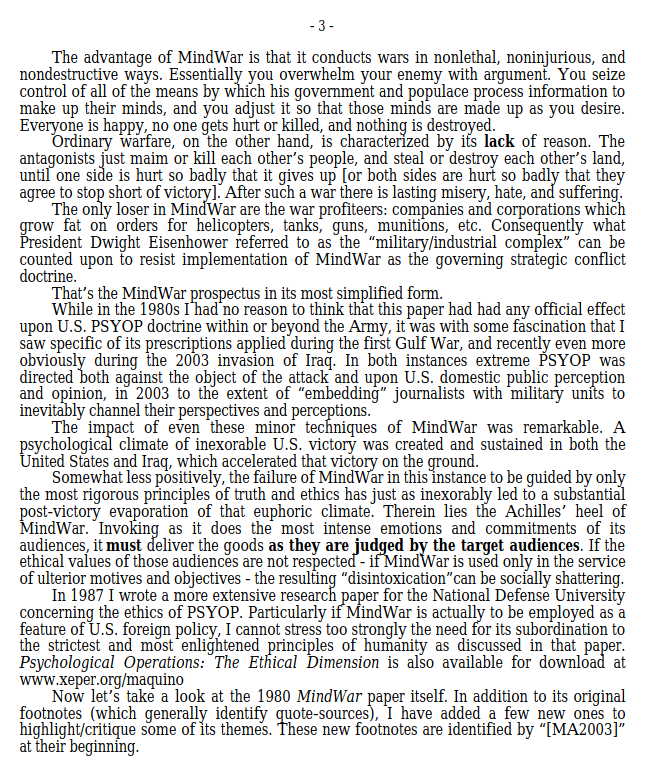
A report authored by then Major Aquino and Colonel Paul E. Vallely, titled “From Psyop to Mindwar.” This report bears a “Top Secret” notation and was circulated to the US “Psyop Community and the US Army War College, amongst others. While the address list on the copy in the possession of this writer has been mostly redacted, it is possible to make out the words “Office of the Chief of Staff” which suggests that a copy was also sent to the Joint Chiefs. Arguing that the US lost the Vietnam War not because they were outfought but, rather, “out-Psyoped” “in the streets of American cities,” the report called for greater emphasis to be placed on “MindWar” directed through the US Media. The report added that “coercive” measures if they are to work effectively must remain undetected. Delivery mechanisms for making targets “receptive to ideas” would, the report argued, need to take full advantage of the ability of electromagnetic weapons such as Extremely Low Frequency Waves (ELF). In other words, Mind Control technologies then in development.
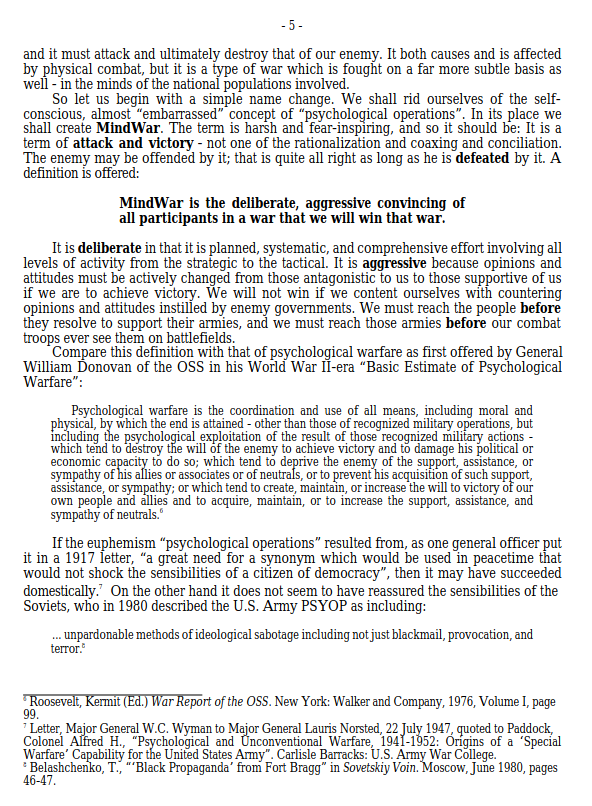
Aquino’s and Vallely’s study clearly hit the spot inside the Pentagon. Most of us are now aware that the military has for some years now, been able to manipulate news and “spin” the major media when it comes to reporting of US military involvement overseas. The lessons of being “Out-Psyoped” at home have been taken on board and are not to be repeated in the future. That the lesson was indeed learned was clearly demonstrated in the reporting of the 1991 Gulf War, when CNN stole the show due to the access it had to direct feeds from US military satellites.
For those who continue to harbour doubts that mind control technologies form part of the US military arsenal, they need do no more than point their internet browser towards the US Navy’s Joint Programme Office – Special Technologies Countermeasures website and read about the Technical Information Exchange Group’s (TIEG) planned “special invitation only” conference hosted by the United Stated Special Operations Command at MacDill Air Force Base in Tampa, Florida, scheduled for the Autumn 2002. The conference is designed to “facilitate the interaction and information exchange between the developers and users of special, nonkinetic technologies (my emphasis). [33] The category of “non-kinetic technologies listed for “operational planning” and discussion are as follows:
- Electromagnetic Weapons
- Acoustic Psycho-Correction
- Chemical Attitude Adjustment
- Visual Stimulation & Illusions
- Material Degraders
- Non-Penetrating Projectiles
- Incapacitants
- High Pressure Water Systems
- Concealed Weapon Detection
- Electronic Disablers
- Acoustic Systems
- Combustion Inhibition
- Immobilizers
- Olfactory Chemicals
- Laser Systems
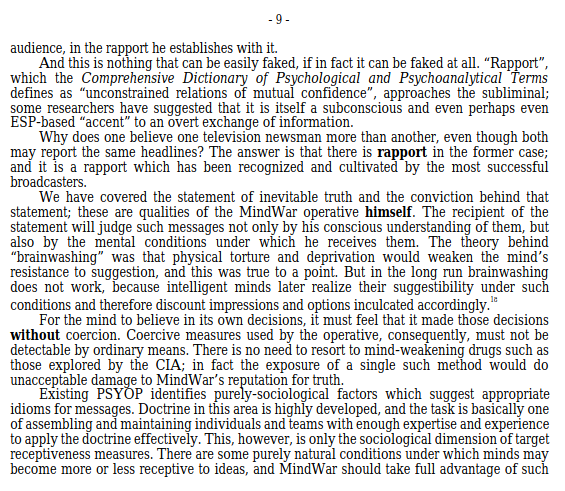
Number two on this list, “Acoustic Psycho-Correction” is the self same “Mind Control” technology that has the ability to “control minds and alter behaviour of civilians and soldiers” and which also “involves the transmission of specific commands via static or white noise bands into the human subconscious without upsetting other intellectual functions,” that is aimed at altering the “behaviour on willing and unwilling subjects,” reported in the Defence News article discussed earlier on page 3.
Text from "Masters of Persuasion" - by David Guyatt (2005)
-
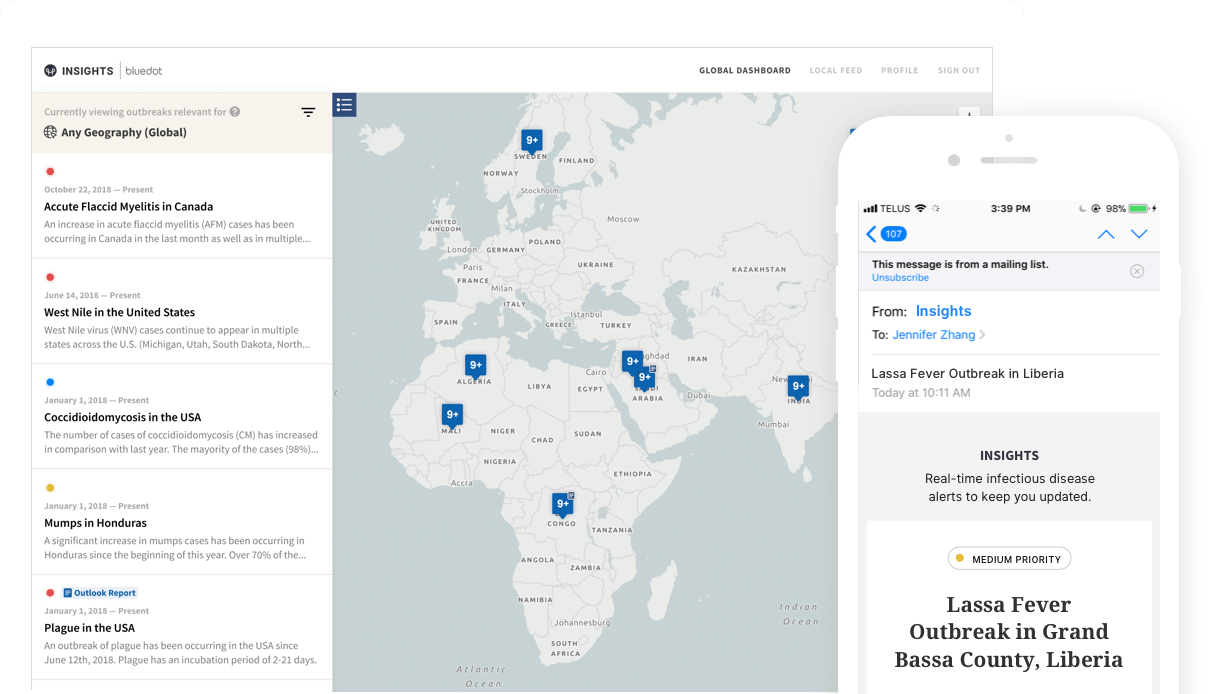
BlueDot's solutions track, contextualize, and anticipate infectious disease risks. Infectious diseases pose a growing global threat in our interconnected world. More frequent and severe in the last 20 years than at any other time in history, infectious diseases are flourishing within a new reality of global travel, urbanization, and climate change. But while diseases spread fast, knowledge can spread even faster. (found via darkcyber)
-
Singapore introduces contact tracing app to slow coronavirus spread (ZDNet) (Alt)
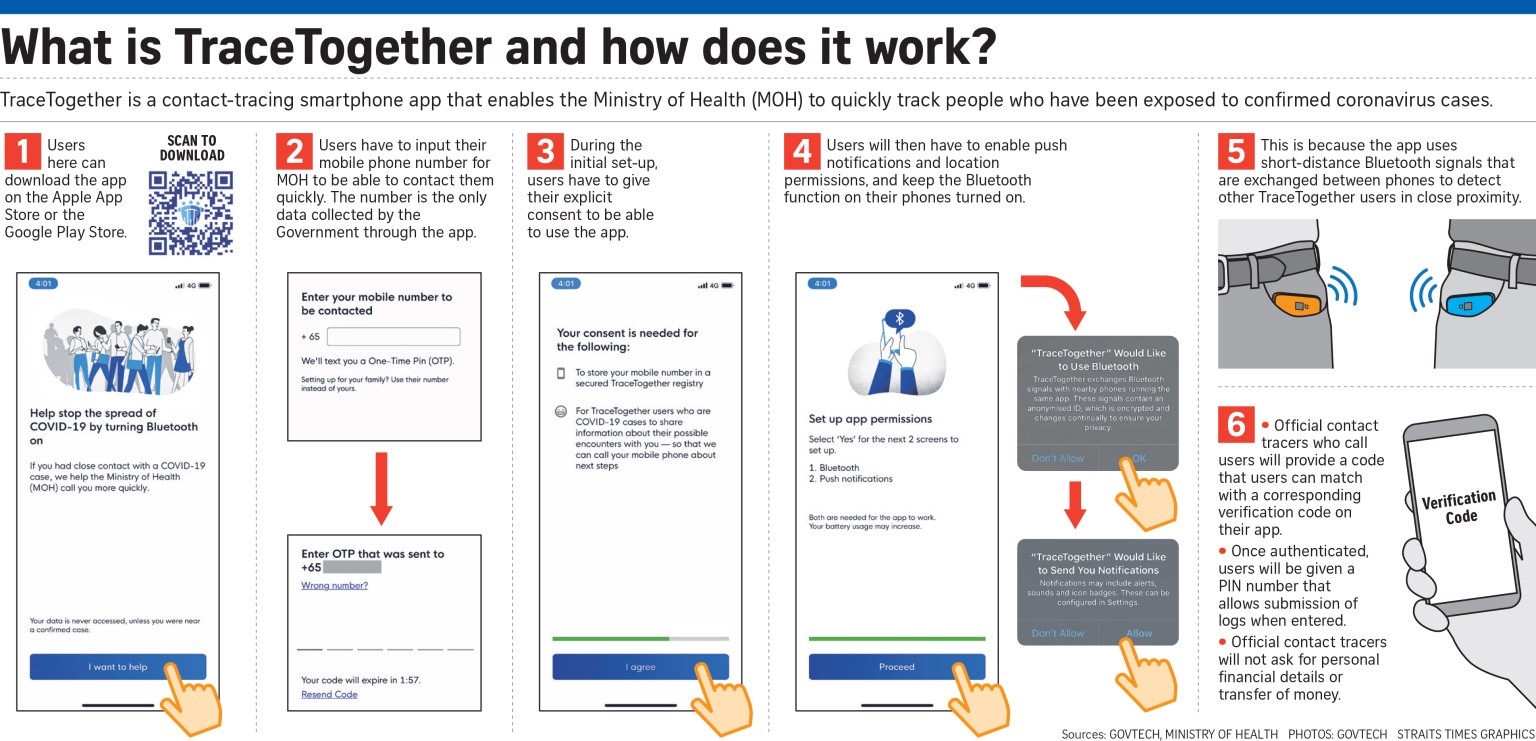
Government launches TraceTogether mobile app that taps Bluetooth signals to capture data of other participating devices in close proximity, enabling the encrypted information to be extracted to facilitate contact tracing should users contract the coronavirus. The app is able to estimate the distance between TraceTogether smartphones as well as the duration of such interactions. The data then is captured, encrypted, and stored locally on the user's phone for 21 days, which spans the incubation period of the virus.
Launch of New App for Contact Tracing (Smart Nation Singapore)
-
Hackers breach FSB contractor and leak details about IoT hacking project (ZDNet)
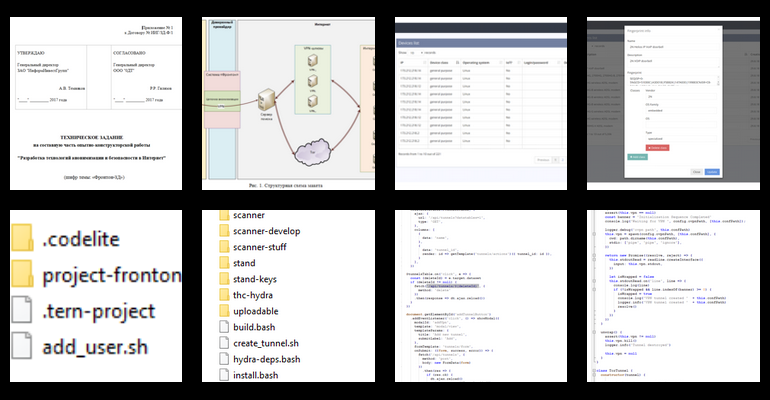
Russian hacker group Digital Revolution claims to have breached a contractor for the FSB -- Russia's national intelligence service -- and discovered details about a project intended for hacking Internet of Things (IoT) devices. The group published this week 12 technical documents, diagrams, and code fragments for a project called "Fronton."
-
MI5 boss Andrew Parker asks tech firms: Create a way to let us read suspects' secret messages to stop UK terror attacks (feb.2020, ITV)
The director general of MI5 has called on tech companies to create methods which would allow the security services to access the secret, encrypted messages of people suspected of plotting terrorist attacks in the UK. Speaking to ITV, Sir Andrew Parker says while the real world is regulated and policed, he finds it "mystifying" the same does not apply to cyberspace, calling it "a wild west, unregulated [and] inaccessible to authorities."
-
How’s the economy? Fed increasingly turns to private data (AP)
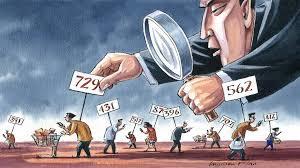
#Comment: Predictably, computational economics is take centre stage, even in the brain-dead US public discourse. It is a key component towards turnkey "Computational Totalitarianism" - a concept which elites around the global are embracing as a new governance system.
-
US Gen. Hyten On The New American Way of War: All-Domain Operations

This is the first in a series of in-depth stories and interviews with senior defense officials about the future of the American way of war and a concept now known as All-Domain Operations. It’s a vision of a computer-coordinated fight across land, sea, air, space, and cyberspace, with forces from satellites to foot soldiers to submarines sharing battle data at machine-to-machine speed.
-
‘The new normal’: China’s excessive coronavirus public monitoring could be here to stay
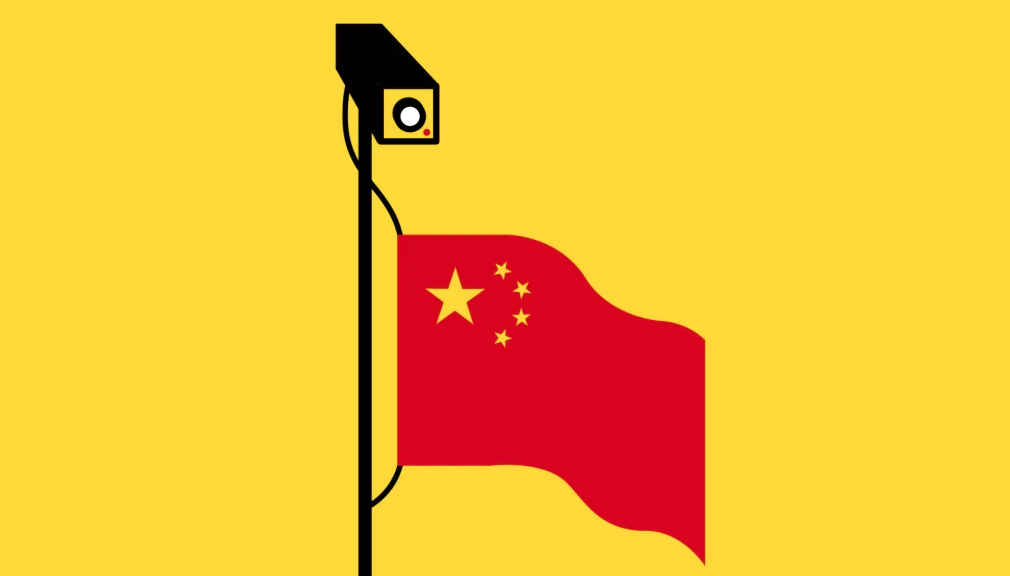
Experts say the coronavirus has given the Chinese government a pretext for accelerating the mass surveillance: “Intrusive surveillance is already the ‘new normal’. The question for China is what, if any, is a level of surveillance that the population refuses to tolerate,” said Stuart Hargreaves, an associate professor at Chinese University of Hong Kong’s law school.
Coronavirus forces Europe to confront China dependency (SCMP)
Mounting supply chain problems are fuelling arguments for greater independence from Beijing's manufacturing might. Outbreak has already caused Chinese exports to plummet, falling by 17.2 per cent in January-February compared with a year ago.
-
This Crappy, Virus-Infected Laptop Just Sold for $1.3 Million - It's loaded with six of the worst viruses of all time, which caused $95 billion in damage
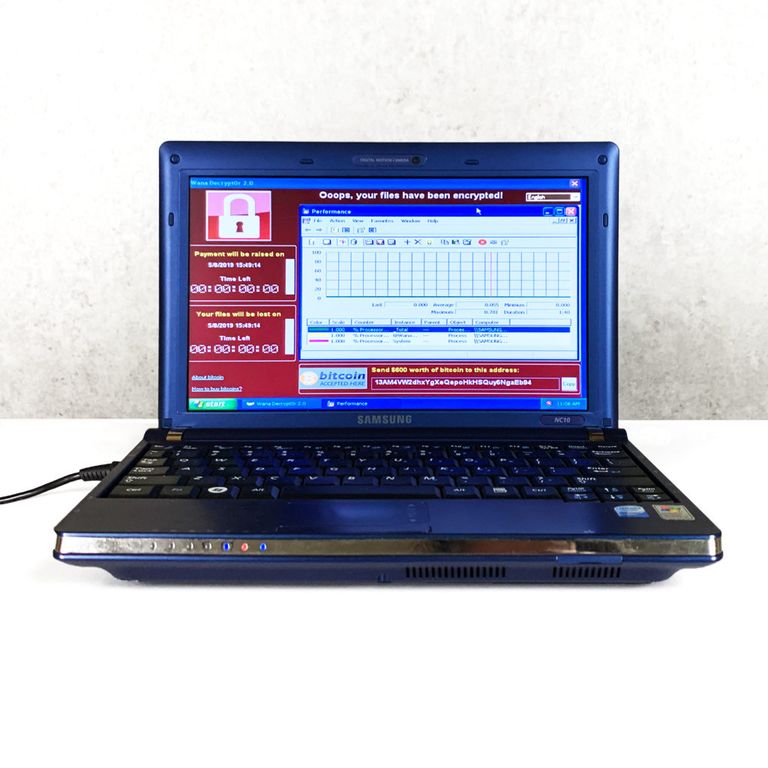
Titled "The Persistence of Chaos," online artist Guo O Dong went to great lengths to create the project. Commissioned with over $10,000 by a cybersecurity firm Deep Instinct, Guo's computer is infected with infamous viruses like WannaCry, which paralyzed hospitals in England by leaving MRI scanners and blood-storage refrigerators inoperable, and ILOVEYOU, which ended up wrecking international havoc and caused over $15 billion worth in damage.