tag > InfoSec
-
FEMA Tells States to Hand Public Health Data Over to Palantir

"If their AI learns to infer and predict patterns of the disease from our public data, then that becomes a hugely lucrative advantage for Palantir, especially now when every business sector wants to know where COVID is going and how hard it’s going to hit"
-
Maximator: European signals intelligence cooperation, from a Dutch perspective

This article is first to report on the secret European five-partner sigint alliance Maximator that started in the late 1970s. It discloses the name Maximator and provides documentary evidence. The five members of this European alliance are Denmark Sweden, Germany, the Netherlands, and France. The cooperation involves both signals analysis and crypto analysis. The Maximator alliance has remained secret for almost fifty years, in contrast to its Anglo-Saxon Five-Eyes counterpart.
Market Forces: The development of the EU Security-Industrial Complex
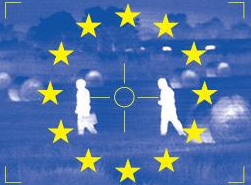
Despite the economic crisis, EU funding for new security tools and technologies will double in the 2014-20 period compared to the previous 6 years. The biggest winners have been the “homeland security” industry whose influence on European policy continues to grow, constructing an ever more militarised and security-focused Europe.
-
The COVID-19 pandemic is a global public health emergency that requires a coordinated and large-scale response by governments worldwide. However, States’ efforts to contain the virus must not be used as a cover to usher in a new era of greatly expanded systems of invasive digital surveillance. We, the undersigned organizations, urge governments to show leadership in tackling the pandemic in a way that ensures that the use of digital technologies to track and monitor individuals and populations is carried out strictly in line with human rights.
-
Stanford researchers propose AI in-home system that can monitor for coronavirus symptoms
During the “COVID-19 and AI” livestream event run by the Stanford Institute of Human-Centered AI (HAI), Stanford professor and HAI codirector Dr. Fei-Fei Li presented a concept for an AI-powered in-home system that could track a resident’s health, including for signs of COVID-19, while ensuring privacy.
#Comment: A highly intrusive "AI" in your living room, constantly analysing your bio-signals and sending it to its shadowy corporate owners. What could possibility go wrong? But don't worry and smile - cause comments like this will soon be banned by A.I, so we can feel better:
Microsoft claims its AI framework spots fake news better than state-of-the-art baselines
In a study Microsoft propose an AI framework — Multiple sources of Weak Social Supervision (MWSS) — that leverages engagement and social media signals to detect fake news. They say that after training and testing the model on a real-world data set, it outperforms a number of state-of-the-art baselines for early fake news detection.
-
In other news Stanford has made a toilet that identifies you based on your butthole (Nature)
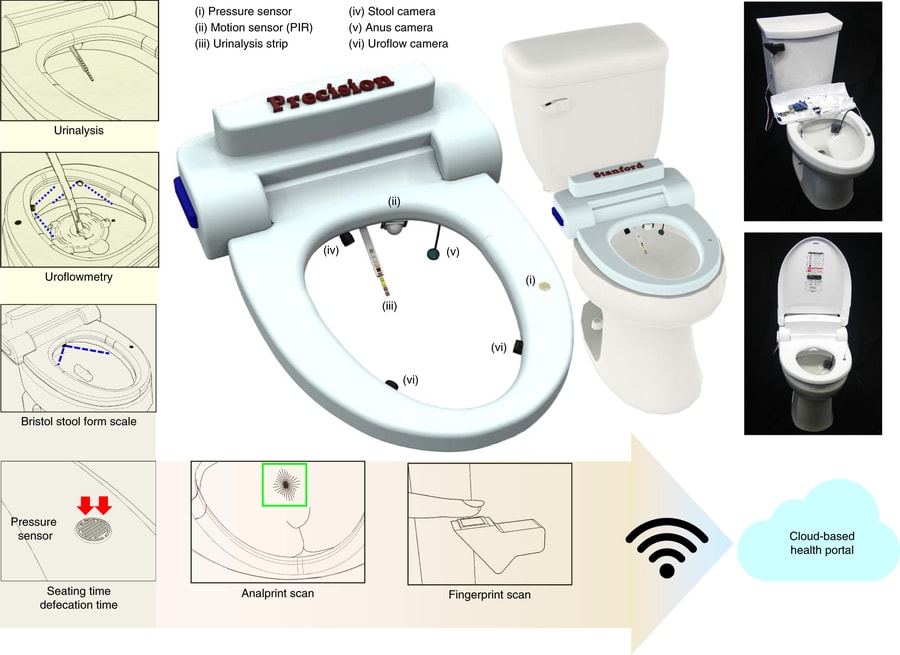
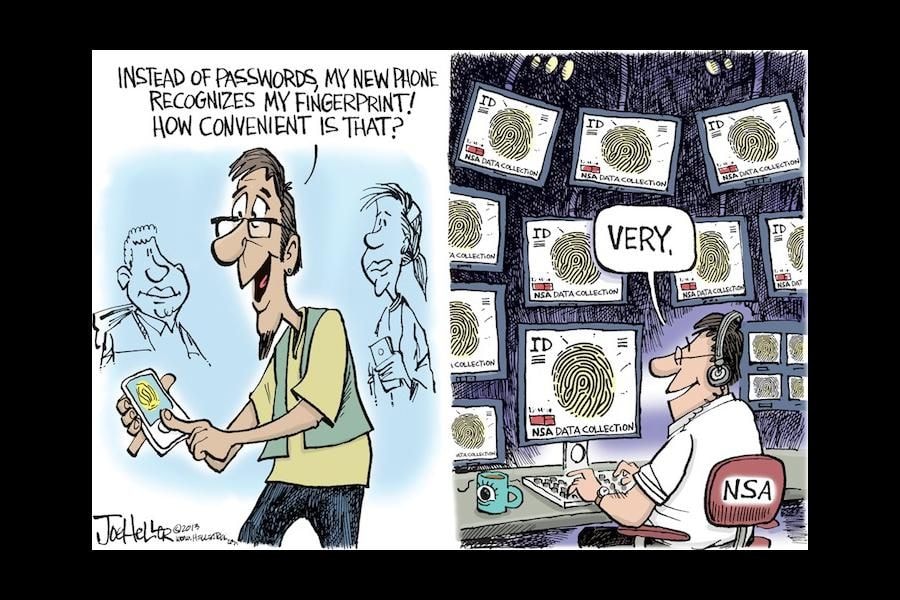
Here, we describe easily deployable hardware and software for the long-term analysis of a user's excreta through data collection and models of human health. The 'smart' toilet, which is self-contained and operates autonomously by leveraging pressure and motion sensors, analyses the user's urine using a standard-of-care colorimetric assay that traces red -- green -- blue values from images of urinalysis strips, calculates the flow rate and volume of urine using computer vision as a uroflowmeter, and classifies stool according to the Bristol stool form scale using deep learning [...] Each user of the toilet is identified through their fingerprint and the distinctive features of their anoderm, and the data are securely stored and analysed in an encrypted cloud server. The toilet may find uses in the screening, diagnosis and longitudinal monitoring of specific patient populations.
-
Hackers target Chinese government agencies, diplomatic missions and WHO amid pandemic (SCMP)

More than 200 VPN servers have been compromised in a massive campaign by hackers, according to a report by leading Chinese internet provider Qihoo 360. The report attributed the attacks to advanced hacker group DarkHotel
Facebook Asks Users About Coronavirus Symptoms, Releases Friendship Data To Researchers (reuters.com)
Facebook said on Monday it would start surveying some U.S. users about their health as part of a Carnegie Mellon University research project aimed at generating "heat maps" of self-reported coronavirus infections.
-
This window of opportunism (about intel)
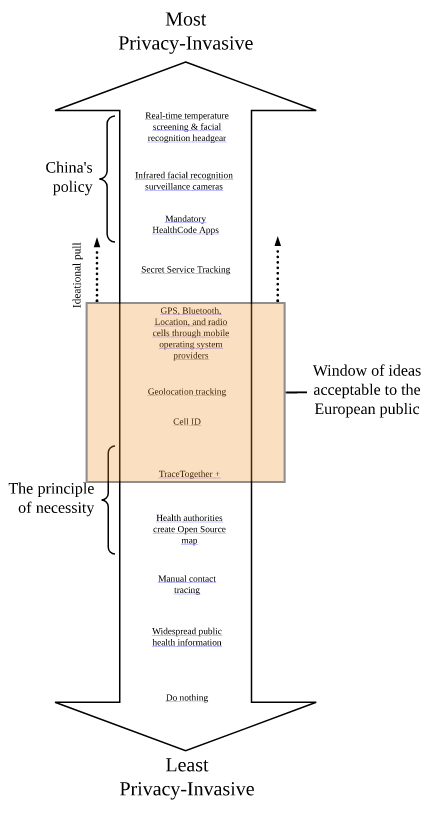
The Chinese Communist Party is using the current crisis to showcase its most dystopian iteration of total surveillance yet. As Europe anxiously looks to Beijing for technological solutions to Covid-19, the window of what we perceive to be acceptable surveillance practice may shift accordingly. It is therefore essential that we stick to the principles of proportionality and necessity. They force us to spell out the aim of surveillance and tell us where to search for inspiration instead.
This is likely to have significant implications for surveillance policy in other parts of the world. For one because the CCP has a strong political and economic interest in convincing other countries that its model of governance is viable. Covid-19 has only given wings to its attempt to broadly export authoritarianism. For another, because the attention citizens and politicians in Europe pay to the Chinese example in the pandemic is likely to shift what they will consider reasonable surveillance practice.
-
Combined DNA Index System (CODIS)
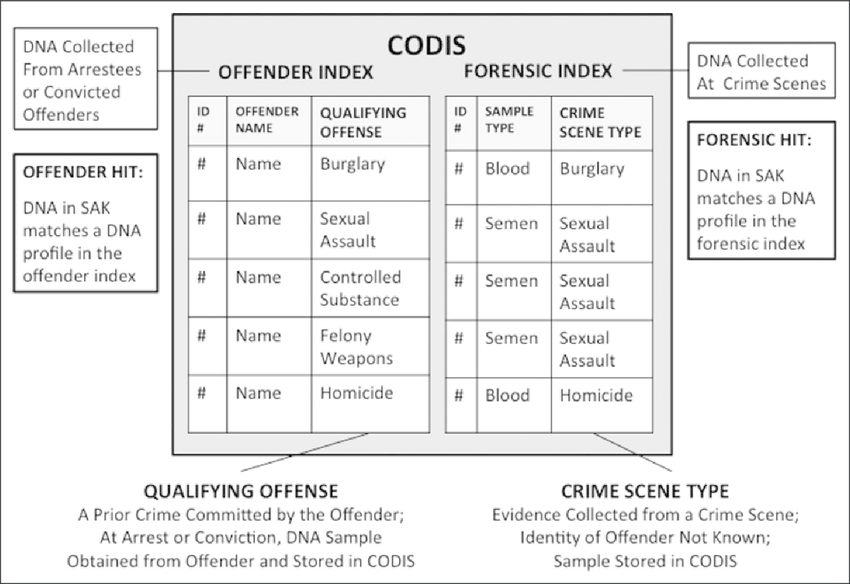
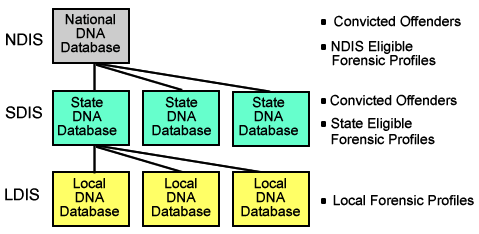
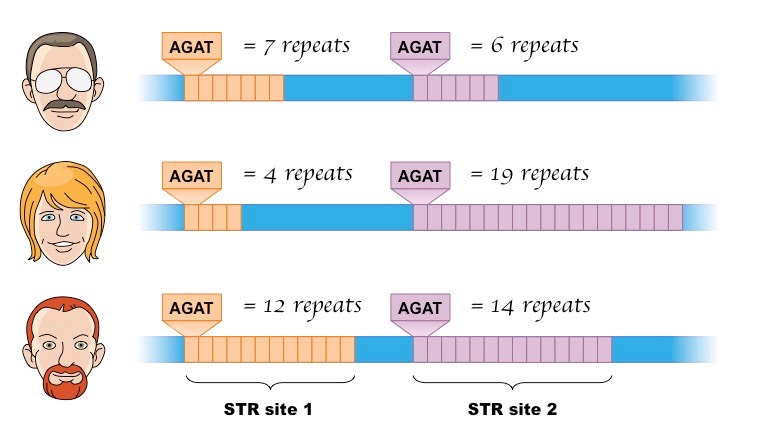
Since 1996, the Combined DNA Index System (CODIS) is the national DNA data-base of the USA, created and maintained by the Federal Bureau of Investigation(FBI). It combines forensic science and computer technology into a tool which enables federal, state, and local forensic laboratories to exchange and compare DNA profiles electronically.
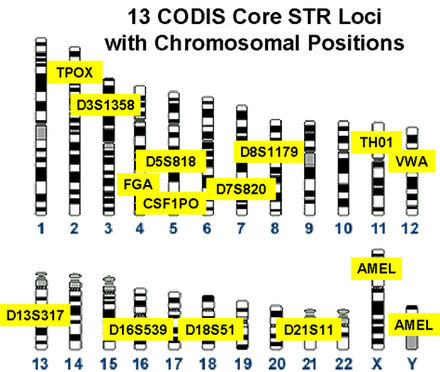
In that way the CODIS STR loci help in linking serial violent crimes to each other and to identify the offenders. The DNA Identification Act of 1994 dignified the FBI’s authority to establish a National DNA Index System (NDIS) for law enforcement purposes. Across the USA, over 190 public law enforcement laboratories participate in NDIS. More than 90 forensic laboratories in more than 50 countries use the CODIS software for their own database initiatives.
Thirteen core STR loci were selected to be the basis of the future CODIS national database on November! 3-14, 1997, in STR Project meeting. Later, additional seven loci (D1S1656, D2S441, D2S1338, D10S1248, D12S391, D19S433,and D22S1045) were added to the CODIS core in 2015, which came to effect from January 2017.
Different countries employ different STR-based DNA-profiling systems, e.g., 20 core CODIS universal in North America, 17 loci system in the UK(DNA-17), and 18 loci system in Australia. CODIS STR loci DNA-profiling system is based on multiplex reactions which result in testing many STR regions at the same time.
Text from the book "DNA Fingerprinting: Advancements and Future Endeavors"
The following related text on DNA Profiling from Wikipedia
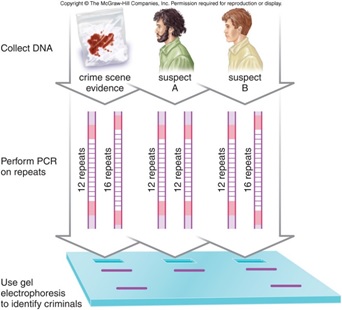
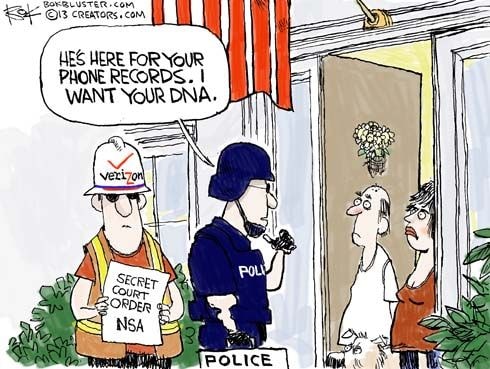
The U.S. Patriot Act of the United States provides a means for the U.S. government to get DNA samples from suspected terrorists. DNA information from crimes is collected and deposited into the CODIS database, which is maintained by the FBI. CODIS enables law enforcement officials to test DNA samples from crimes for matches within the database, providing a means of finding specific biological profiles associated with collected DNA evidence.
When a match is made from a national DNA databank to link a crime scene to an offender having provided a DNA sample to a database, that link is often referred to as a cold hit. A cold hit is of value in referring the police agency to a specific suspect but is of less evidential value than a DNA match made from outside the DNA Databank.
FBI agents cannot legally store DNA of a person not convicted of a crime. DNA collected from a suspect not later convicted must be disposed of and not entered into the database. In 1998, a man residing in the UK was arrested on accusation of burglary. His DNA was taken and tested, and he was later released. Nine months later, this man's DNA was accidentally and illegally entered in the DNA database.
-
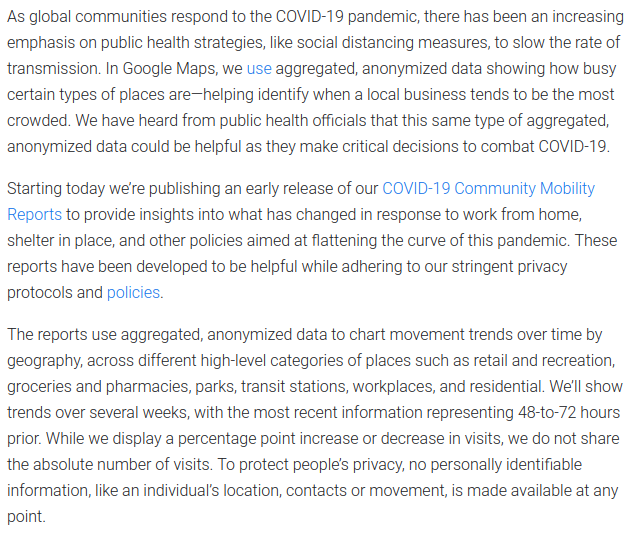
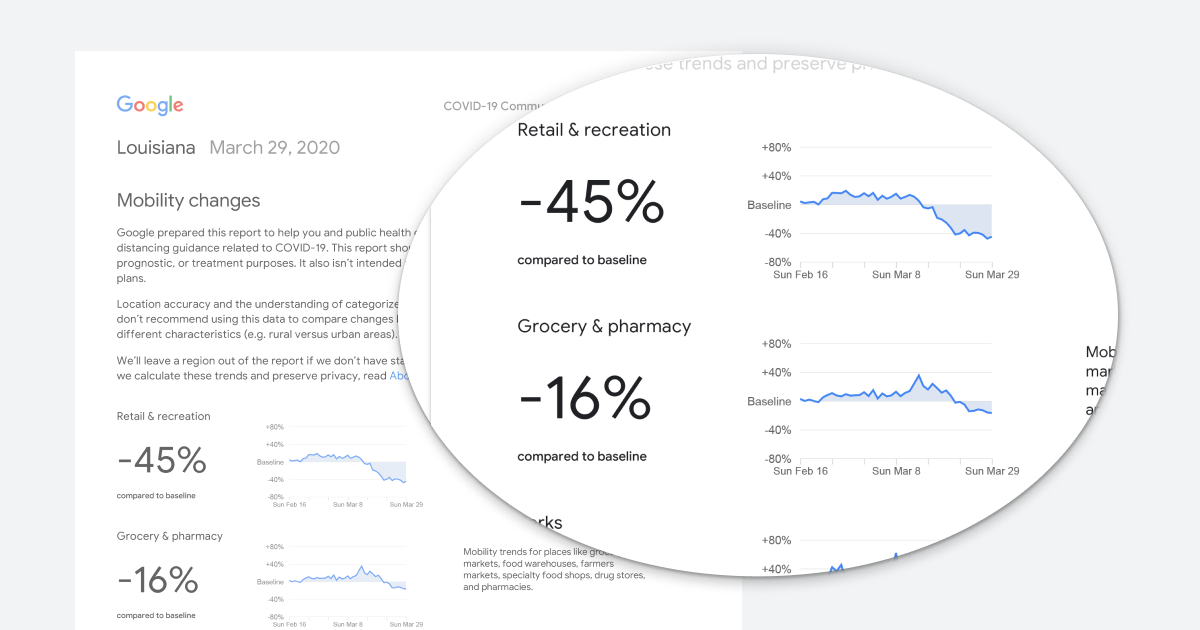
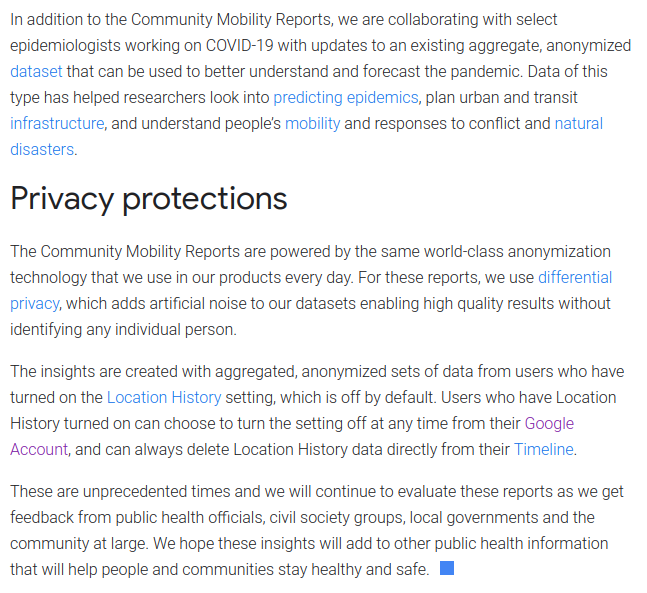
Google Is Publishing Location Data From 131 Countries To Show How Coronavirus Lockdowns Are Working (Buzzfeed) - COVID-19 Community Mobility Reports (Google)
These Community Mobility Reports aim to provide insights into what has changed in response to policies aimed at combating COVID-19. The reports chart movement trends over time by geography, across different categories of places such as retail and recreation, groceries and pharmacies, parks, transit stations, workplaces, and residential. The Reports were developed to be helpful while adhering to our stringent privacy protocols and protecting people’s privacy.
Related: Moscow To Launch Mandatory Surveillance App To Track Residents In Corona Lockdown
Related: S Korea unleashes all-out policy assault on virus - ‘Big Brother’ on steroids.#Health #Technology #InfoSec #SE #Augmentation #ML #Cryptocracy
-
Global Narrative Breakdown
As the
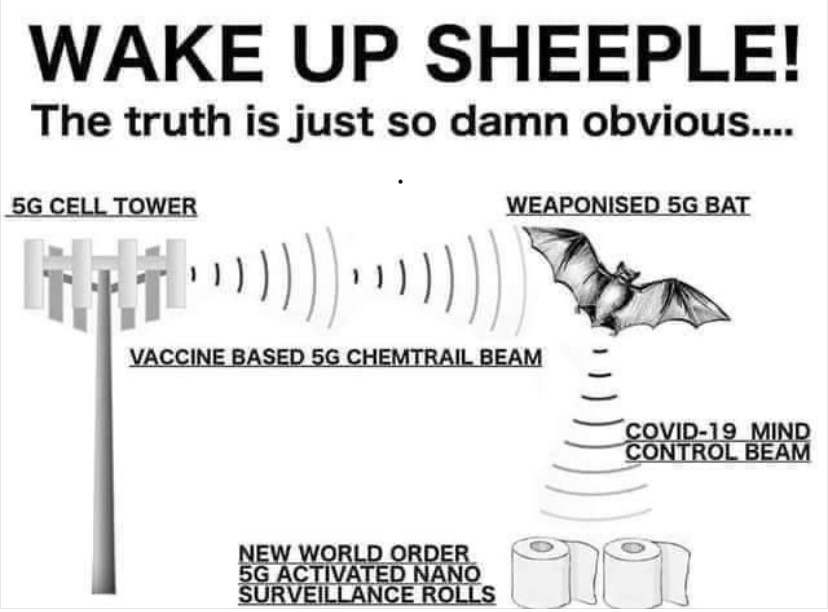
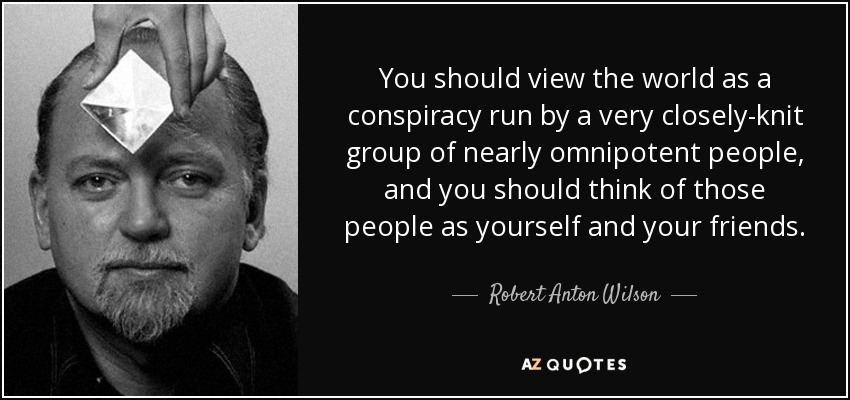
corona virus crisis unfolds, an army of conspiracy theorists has emerged, producing a dizzying amount of colourful viral narratives. The mainstream media is responding aggressively, with an onslaught of critical coverage about how "the alternative media and crazy conspiracy theorists are putting all our health in danger". Yet on closer examination, the mainstream's responds is as primitive and manipulative as the narratives of conspiracy theorist they critique.
While they might appear like enemies engaged in a war over the sovereignty of interpretation of reality, in actuality the mainstream media and conspiracy theorists have a complex, interdependent relationship. Regardless of who's "truth" is "righter", both are in effect collaboratively poisoning an already highly in-transparent media and communications environment, contributing to a global narrative breakdown.
Currently billions of peoples are assaulted with overwhelming amounts of "information", "truths" and "opinions", presented by experts, politicians, oligarchs and conspiracy theorists. In such an environment, where all signals are lost in an ocean of noise, shared narratives (right/wrong, etc.) quickly collapse and large-scale developments can happen silently, unnoticed by most.

A global narrative collapse is especially dangerous in a time where there is no shortage of actual"conspiracy facts", mostly ignored in the public discourse. For examples: How the USA and EU are pumping uncounted trillions into the world economy (mostly reaching super elites, cementing totalitarian control structures) - or the accelerating global oil crash (oil is in 85% of stuff we consume) - or the bifurcation of global infrastructure (china/russia are launching their own internet and digital currencies) - or the ongoing collapse of capitalism and rebirth as the "fourth industrial rei...volution" - or the radical expansion of computational surveillance and policing (Dictators with A.I's don't care if you "have nothing to hide", they care about power) and the creation of global DNA databases.
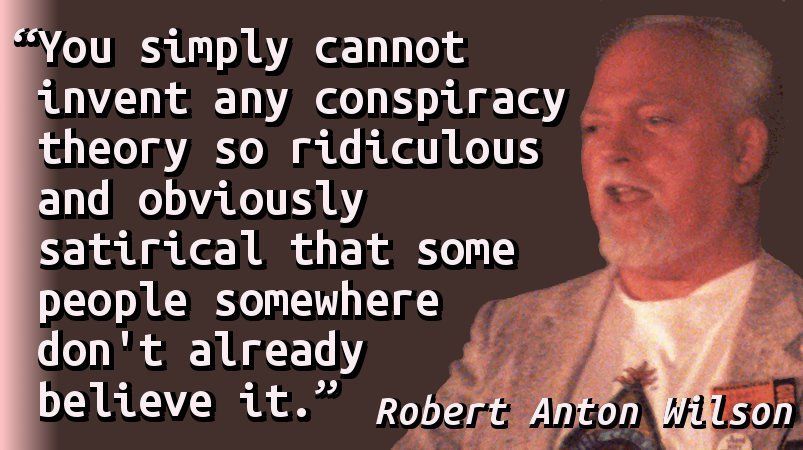
In the shadow of the the corona virus dominating the global media cycle for month, such projects ("conspiracy facts") are accelerating and reaching maturity. Its effect will be felt for decades to come (unlike this virus). Yet instead of informing the public about such urgent matters, who does the global mainstream media choose to constantly ridicule and critique? A wide range of incoherent conspiracy theorists - mixing up everything from biowarfare, killer beams, space aliens and Jesus Christ into one crazy story.

What is at play here are political attack tactics, known at least since Machiavelli: "Gaslighting", "Fog of war" and "Flooding the zone": Providing experts, idiots, crazies and disinfo agents a megaphone, so they can pump out wast amounts of confusing and contradictory information, frequently attacking the integrity of those making counter-claims, and occasionally injecting conspiracy theories. Within such a media environment, all serious discussion about "conspiracy facts" will be inevitably confused with far-out garbage - to be disagreed by any half way thinking person. We now have a global media environment in which very large-scale developments ("conspiracy facts") can happen silently, unnoticed by most.
But hey, back to the program: Switch off your brain immediately and just PANIC! So that nobody dears to even ask critical question when conspiratorial scenarios like the post-democratic police state emerges in full force. Now smile, go wash your hands and enjoy the breakdown of the global narrative and rise of the global grid.
#Media #Narrative #InfoSec #Health #Cryptocracy #Ideas #fnord #Comment
-
Moscow To Launch Mandatory Surveillance App To Track Residents In Coronavirus Lockdown (npr.org)
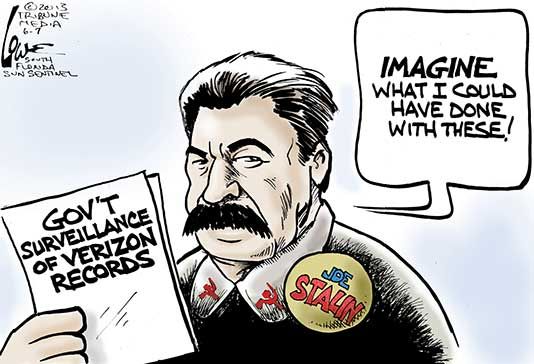
City authorities in Moscow are rolling out new digital "social monitoring" tools targeting the public, after what officials say were constant violations of the city's quarantine imposed this week to fight the spread of the new coronavirus. Under restrictions in place since Monday, most of the city's 12 million residents must remain indoors, barring a few exceptions. But starting Thursday, Muscovites will have their movements tracked through a mandatory app required on their smartphones. Don't have one? The city says it will lend out devices.
"One thing is clear," wrote Leonid Volkov, a chief strategist of opposition leader Alexei Navalny, on his Telegram channel. "The coronavirus will eventually leave but this digital concentration camp will remain."
-
Company aims to monetise China’s social credit system (SCMP)
China is developing a controversial social credit system of rewards and punishments meant to encourage people and businesses to abide by rules and to promote integrity and trustworthiness in society at large. The government aims to have it in place by 2020, and so far its most visible applications include a ban on people from booking express trains or flights if they appear on various “blacklists”. While there are still many questions about how the system will be implemented, at least one company is setting its sights on making money out of social credit.
#China #Economics #Business #Technology #InfoSec #Cryptocracy
-
For China’s coronavirus-hit companies, the internet can be much more than just a lifeline (SCMP)

Beyond selling through the internet or developing internet-based products, visionaries are using it as a testing ground for novel ideas and improvements, including ‘employee sharing’ to direct resources to where they are most needed.
-
China's coronavirus health code apps raise concerns over privacy (Guardian)
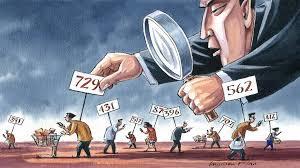
As millions of people in China emerge from weeks of lockdown, their freedom of movement is largely dependent on phone apps. The “health code” service – run on the ubiquitous platforms Alipay and WeChat and developed for the Chinese government – give users colour-coded designations based on their health status and travel history, and a QR code that can be scanned by authorities. The apps are specific to each city or province, but generally people given a green code are allowed to travel relatively freely. A yellow code indicates that the holder should be in home isolation, and a red code says the user is a confirmed Covid-19 patient and should be in quarantine.
#Comment: Digital totalitarianism is just getting started and is here to stay, to be implemented globally in the foreseeable future. The long held aspiration of international technocratic "elites" to "manage" humans in a similar fashion as animal livestock, is reaching maturity. While touted as "the future of globalisation during the forth industrial revolution, enabling shared prosperity and security in times of climate change" at places like the World Economic Forum, digital totalitarianism might results in a substantial loss of agency for many.
-
S Korea unleashes all-out policy assault on virus - ‘Big Brother’ on steroids (Asiantimes)
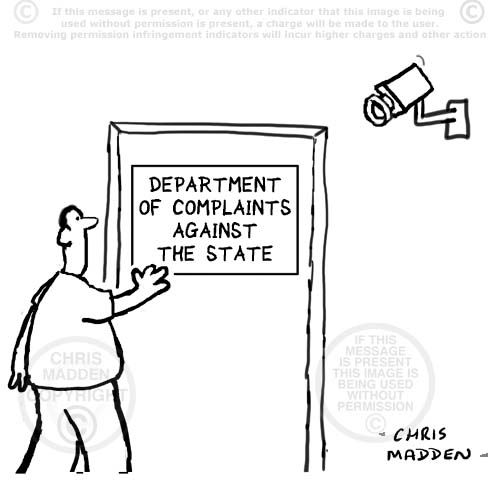
The Korea Center for Disease Control and Prevention is in charge of the new digital surveillance system. It combines information from 27 public and private organizations including the National Police Agency, the Credit Finance Association, three mobile carriers and 22 credit card firms. This vast collection of big data is amassed, trawled through and analyzed by AI. The system is a comprehensive upgrade to a previous program under which “data detectives” combined CCTV footage, GPS location information, credit card payments and other metrics to track down persons who may have been in contact with the infected person.