tag > OpenSource
-
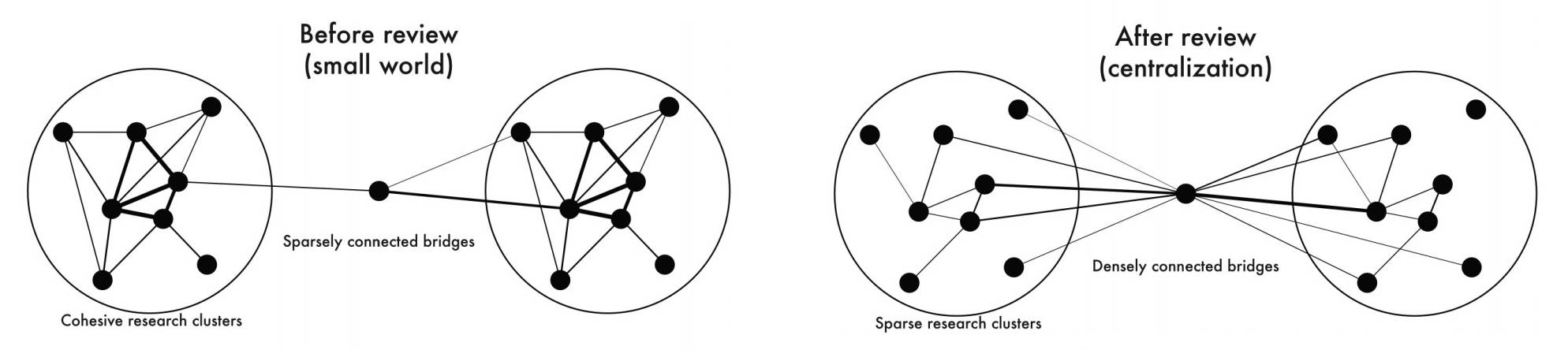
Creative Destruction: The Structural Consequences of Scientific Curation
A new study shows that scientists who summarize science get more attention than the scientists actually doing the science.
-
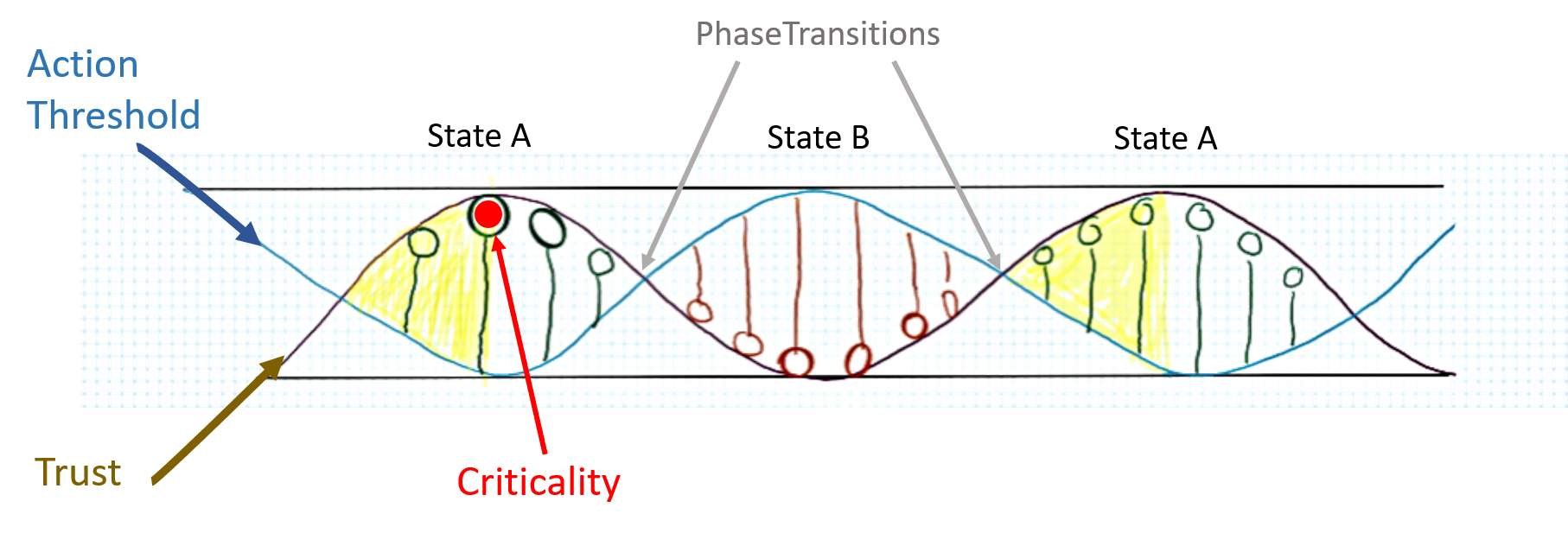
A source code for team flow - Team flow potential is now the holy grail of agile - by Bonnitta Roy
-
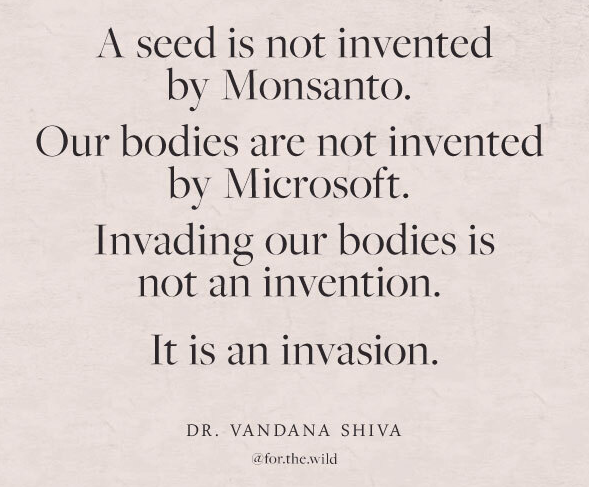
In 2012-2013 the courts first allowed genetic modified organisms to be patentable
-
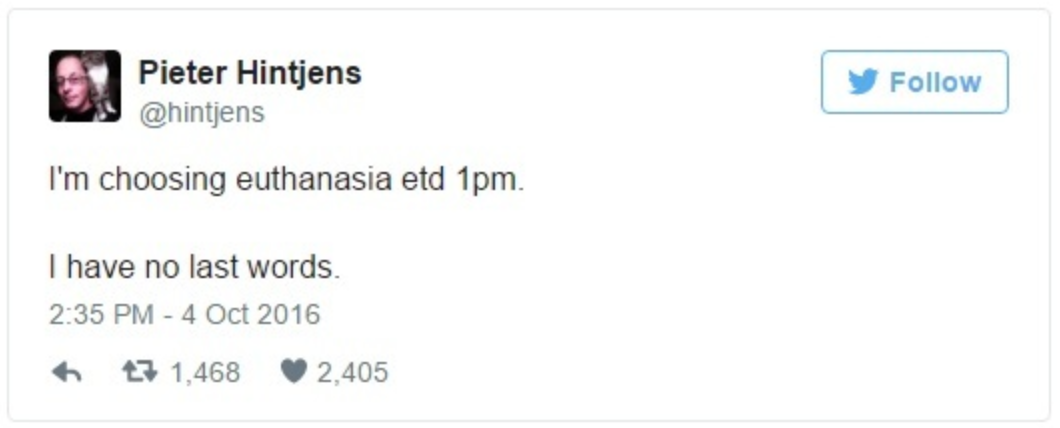
Pieter Hintjens (1962 - 2016) on Patents
"Patents are a medieval economic tool by which politicians attempt to stimulate trade and wealth by banning innovation and competition in crucial areas of technology"
"House prices fall and bad debt shakes the financial markets across the US and Europe. Bankers look nervously at their portfolios of consumer debt and mortgages. But some analysts say that it's patents, not houses or loans, that will tip the global financial market into crisis"
-
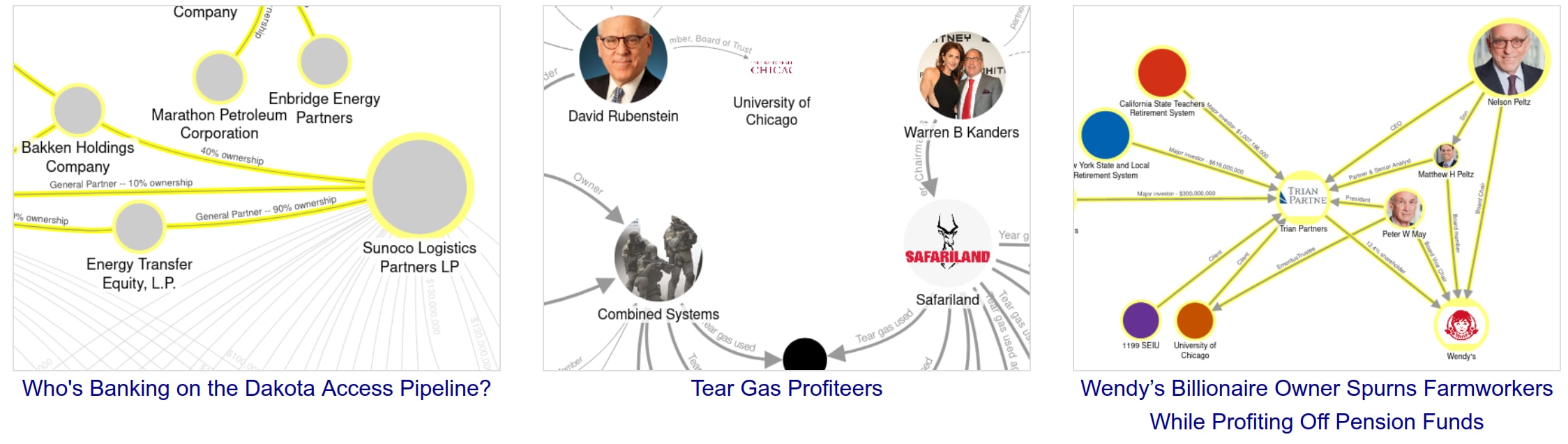
LittleSis - a free database of who-knows-who at the heights of business and government
We're a grassroots watchdog network connecting the dots between the world's most powerful people and organizations. An involuntary facebook of the 1%. We bring transparency to influential social networks by tracking the key relationships of politicians, business leaders, lobbyists, financiers, and their affiliated institutions.
-

"All governments suffer a recurring problem: Power attracts pathological personalities. It is not that power corrupts but that it is magnetic to the corruptible. Such people have a tendency to become drunk on violence, a condition to which they are quickly addicted." - Frank Herbert
-
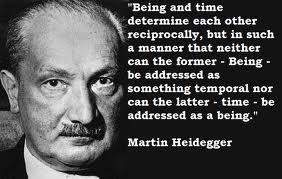
According to Tomonobu Imamichi, Heidegger's concept of Dasein in Sein und Zeit was inspired – although Heidegger remained silent on this – by Okakura Kakuzō's concept of das-in-der-Welt-sein (being-in-the-worldness) expressed in The Book of Tea (PDF) to describe Zhuangzi's philosophy, which Imamichi's professor Ito Kichinosuke had offered to Heidegger in 1919, after having followed private lessons with him the year before:

‘Ito Kichinosuke, one of my teachers at university, studied in Germany in 1918 immediately after the First World War and hired Heidegger as a private tutor. Before moving back to Japan at the end of his studies, Professor Ito handed Heidegger a copy of Das Buch vom Tee, the German translation of Okakura Kakuzo’s The Book of Tea, as a token of his appreciation. That was in 1919. Sein und Zeit (Being and Time) was published in 1927 and made Heidegger famous. Mr. Ito was surprised and indignant that Heidegger used Zhuangzi’s concept without giving him credit. Years later in 1945, Professor Ito reminisced with me and, speaking in his Shonai dialect, said, ‘Heidegger did a lot for me, but I should’ve laid into him for stealing’. There are other indications that Heidegger was inspired by Eastern writings, but let’s leave this topic here. I have heard many stories of this kind from Professor Ito and checked their veracity. I recounted this story at a reception held after a series of lectures I gave in 1968 at the University of Heidelberg at the invitation of Hans-Georg Gadamer. Japanese exchange students attended these lectures, and I explained that there were many other elements of classical Eastern thought in Heidegger’s philosophy and gave some examples. I must have said too much and may even have said that Heidegger was a plagiarist (Plagiator). Gadamer was Heidegger’s favorite student, and we ended up not speaking to each other for 4 or 5 years because he was so angry with me’ (Imamichi 2004, pp. 123–124).[3][4]
Martin Heidegger Interview with a Monk (English Subtitles)
-
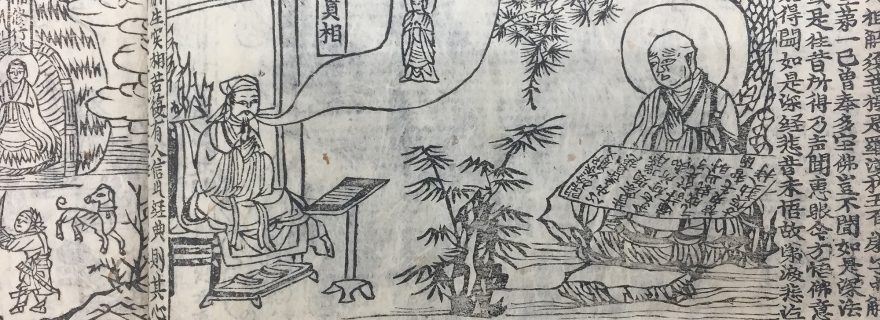
The Diamond Sutra - "for universal free distribution"
"The oldest known printed book and first known creative work with an explicit public domain dedication, as its colophon at the end states that it was created "for universal free distribution."
-
What do Microsoft really think about open-source? Is Microsoft attempting to centralise open-source through "Embrace, extend, and finally extinguish" tactics which they are known for?

Organised crime and the art of computing #Comment: Github, via extension of its owner Microsoft, is owned by some of the most regressive, monopolistic, oligarchic/kleptocratic, big-finance forces on the planet - the likes of Blackrock, Berkshire, Gates, etc. It is very much in their interest to centralize and control open source/free software (free as in freedom), and they have a track record of doing just that. To say it more poignantly: Microsoft is a direct driver of perverse wealth inequality, endless wars and centralisation of power which effectively destroys any resemblance of democracy everywhere. Behind the clean corporate facade, they are just yet another mafia.
-
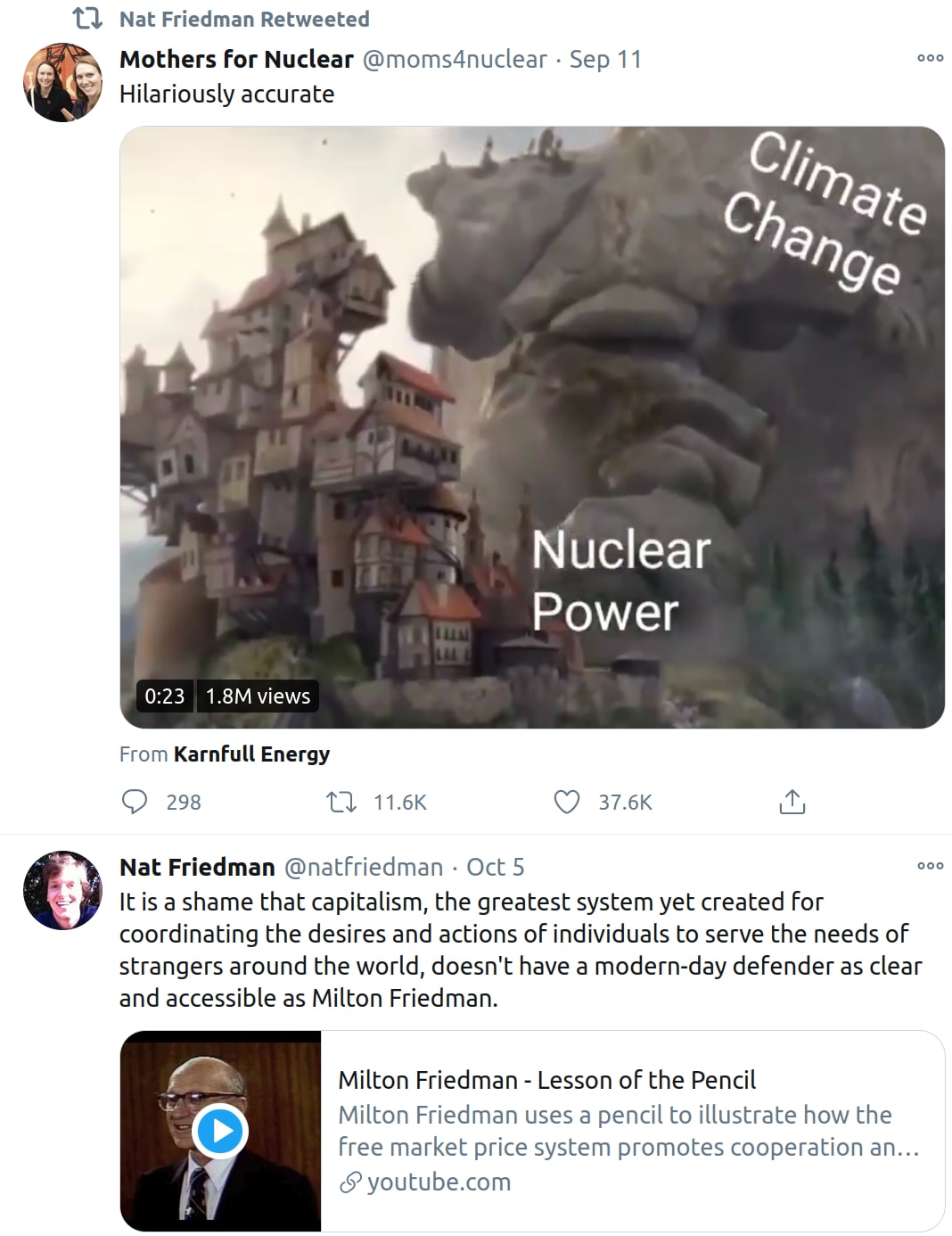
Nat Friedman, the CEO of GitHub, frequently comes across as an old-school tech-bro idiot. Microsoft (Github's owner) "embracing open source" is truly an exercise in deceptive bullshit.
-
Gitlab Blocked Iranians’ Access
#Comment: Weaponising open source is a new low, even for this particularly clueless US regime. But this is really only meaningful in the short-term. In the mid-term (2030ish), the tech game is very likely to have drastically changed: Other countries will have taken the technological lead (china & co), while the US is still engaged in endless internal conflicts (in effect a mafia-state, akin to what happened in Russia after 1990). All the global talent that once powered the US tech innovation motor (droves of Chinese, Indian, Russian and European PhD students etc.) will have disappeared. At that point, we might see headlines along the lines of "Globally leading open source platform Gitea blocked US access". Personally, i would prefer to see yet another scenario, where the entire global Intellectual Property market collapsed and was replace by "open source everything" - but that might be a more long term vision.
-
Code Review of Ferguson’s Model - Review of the software the UK Covid plan was based on.
Conclusions. All papers based on this code should be retracted immediately. Imperial’s modelling efforts should be reset with a new team that isn’t under Professor Ferguson, and which has a commitment to replicable results with published code from day one. On a personal level, I’d go further and suggest that all academic epidemiology be defunded.
-
systemd, 10 years later: a historical and technical retrospective
"Despite the age of the homesteading hobbyist making a substantial difference long being over, the image still persists. The communitarian ethos of free software can never be fully wiped from the DNA of GNU/Linux, but it can be increasingly relegated to an irrelevant curiosity. The likes of Richard Stallman, GNU and the FSF are seen more and more as an embarrassment to be overcome in favor of a more “professional” and “inclusive” scene, which will in all likelihood mean professionally showing the user their place as a data entry within the panopticon, not a free and independent yeoman as the admittedly utopian pipe dream envisioned."
"The professionals are doomed in all their vainglory to be perpetually embarking on the Sisyphean task of a unified and integrated Linux ecosystem, even if it means turning the kernel into a runtime for the BPF virtual machine, or making a Rube Goldberg machine of build and deployment pipelines, as appears to be the most recent trend. The hobbyists are doomed to shout in the void with no one to hear them. In this tragedy the only victor is chaos and discord itself, which disguises itself as “progress.” All that is guaranteed is permanent revolution through constant reinvention, where by revolution we mean running around in circles. The suits and ties have forgotten what it was to be Yippies, and for their part the Yippies are fools who are had by ideas, rather than having ideas."
-
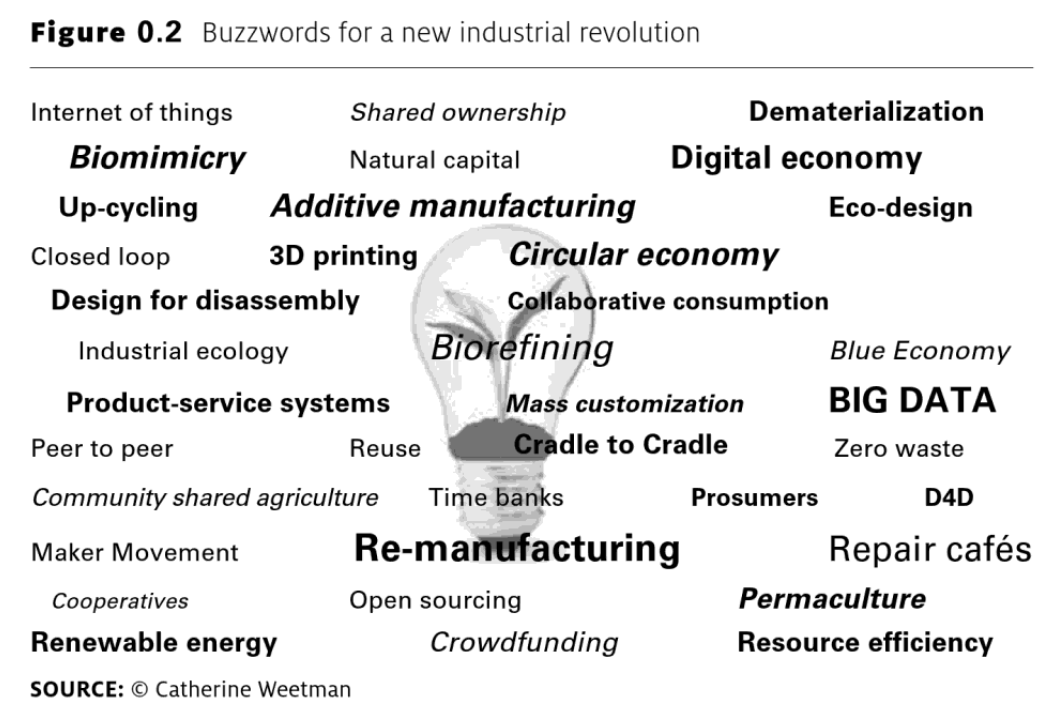
Buzzwords for a new Industrial Revolution - from the book "A Circular Economy Handbook for Business and Supply Chains: Repair, Remake"
-
Netherlands commits to Free Software by default

In an open letter to the Parliament, the Dutch minister for internal affairs Raymond Knops commits to a "Free Software by default" policy and underlines its benefits for society. Current market regulations shall be reworded to allow publishing Free Software by the government.
-
Malleable Systems: Software must be as easy to change as it is to use it
The user wants open software, software that can be modified, and that can participate in a progressive improvement process. — J.C.R. Licklider, Some Reflections on Early History (1986)